

Saludos Comunidad
Una semana de muchas bendiciones a nivel mundial. Deseando que todos se encuentren bien al lado de sus familiares en salud y bien-estar.
Volver a escribir sobre la teoría acerca del cambio, vista desde diferentes autores, las diferentes conclusiones, opiniones desde cada uno de ellos. Las recomendaciones dadas a nivel empresarial todas llevadas a los cambios vertiginosos que vienen sucediendo en cuanto al avance de la tecnología, los aspectos a considerar en cuanto al tipo de actividades laborales, como estas premisas hay más, donde el ser humano está inmerso.
El cambio, al cual me refiero tiene que ver con el ser humano que no se desenvuelve en un mundo tecnológico, empresarial, gerencial, un ser que vive lo cotidiano, que realiza cosas tan simples como tomar café con pan en las mañanas, así tenga el desayuno listo y servido en la mesa. Que al decirle o preguntarle: ¿es que no puedes dejar el pan para después, ya que tienes el desayuno que espera por ti?
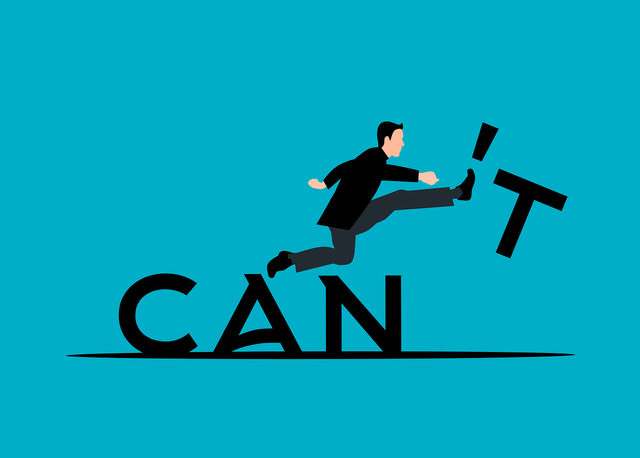
Observar esa cara, ese rostro que se transforma queriendo responder, así me gusta y me da la gana de hacerlo porque me gusta. Lo vi hoy y reflexiono: en un acto tan simple como se puede apreciar una resistencia al cambio, con una acción tan cotidiana que quizás no había visto, por ello, cuando digo el cambio desde otro nivel de consciencia es observar ese miedo que se confunde con malcriadez al escuchar la respuesta que se recibe.

Pensar, que todos los días tenemos frente a nosotros personas no solo en los lugares de trabajo, en el diario vivir que ese miedo o resistencia a los cambios nada tiene que ver si es una teoría para mejorar el ámbito gerencial , la productividad, las relaciones personales, otras y se esconden esos cambios en la cotidianidad de cada ser andante. Sea un gran gerente o sea una persona de esos espacios del área de mantenimiento, quienes son de gran valor en una organización.
Puede ser, que al hacer un pequeño cambio de conductas (o una mañana) piensan que van perder algo, o que les descuadre algo en sus actividades cotidianas, o van a perder respeto ante los demás, o es una forma de identificarse hacia ese gusto del café con pan y si no lo hacen sienten que pierden algo muy importante, teniendo el desayuno servido.
Así, como nos enfocamos solo en estudiar resistencia al cambio, sus niveles, actividades para bajar esa presión en el ámbito laboral, cuando sabemos que se percibe un cambio, cuando hay que estudiar de nuevo e incorporarse a lo nuevo, es bueno no solo enfocarnos en el área gerencial sino también en aspectos tan cotidianos como el que nombro hoy en este post. Pensar en ese ser humano, su estructura mental, sus hábitos que a veces se suele pasar por alto.
Contenido escrito propiedad de la autora ©Mercedes Mendoza. Todos los derechos reservados Divisores

english version (click here)
Greetings Community
A week of many blessings worldwide. Wishing everyone well and their families in good health and well-being.
Returning to the theory of change, viewed from different authors, their various conclusions, and opinions. The recommendations given at the business level are all related to the rapid changes occurring in technological advancements, the aspects to consider regarding the type of work activities, and other premises in which human beings are immersed.
The change I'm referring to involves the human being who doesn't operate in a technological, business, or managerial world, a person who lives the everyday, who does simple things like having coffee and bread in the morning, even though breakfast is ready and served on the table. And when you say or ask them, "Can't you leave the bread for later, since you have breakfast waiting for you?"
Observing that face, that expression that transforms as it tries to respond, that's what I like, and I want to do it because I enjoy it. I saw it today and I reflect: in such a simple act, one can observe a resistance to change, with an action so commonplace that perhaps I hadn't noticed it before. That's why, when I speak of change from another level of consciousness, I mean observing that fear that is mistaken for rudeness when hearing the response received.
To think that every day we have people in front of us, not only in the workplace, but in our daily lives, and that this fear or resistance to change has nothing to do with whether it's a theory for improving management, productivity, personal relationships, or anything else. These changes are hidden in the everyday lives of every person. Whether they are a top manager or someone in the maintenance department, they are all invaluable to an organization.
It's possible that by making a small change in behavior (or even just one morning), they think they'll lose something, or that it will disrupt their daily routine, or that they'll lose respect in the eyes of others. Perhaps it's a way of identifying with that favorite coffee and bread, and if they don't indulge, they feel they're missing out on something very important, even though breakfast is already served.
So, since we often focus solely on studying resistance to change, its levels, and activities to reduce that pressure in the workplace, when we know a change is imminent, when we need to relearn and adapt to something new, it's important not only to focus on the managerial aspect but also on everyday matters like the one I'm discussing in this post. We need to consider the individual, their mental framework, and their habits, which are often overlooked.
Translator Google


