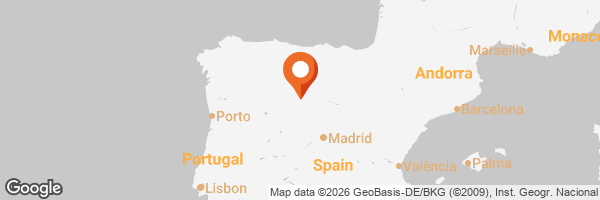
What impressed me most in Valladolid was the famous Gothic Church of San Pablo. When you first step onto the square in front of it, time seems to stand still. Before your eyes stands not merely a facade, but stone lace frozen in silent prayer. It is breathtaking architecture, as if woven by the hands of angels and adorned with symbols of faith, strength, and majesty. It is no coincidence that the Spanish kings Philip II and Philip IV were baptized in this very church.


Next, we made our way to the grand Cathedral of Our Lady of the Assumption. It is famous above all for being a monumental project that remained unfinished, which is why locals affectionately call it “La Inconclusa” (The Unfinished One). According to the original design by the distinguished architect Juan de Herrera and the vision of King Philip II, this cathedral was meant to surpass most European churches in size and become a true symbol of Spanish Renaissance monumentality. However, due to financial constraints, geological challenges, and the relocation of the capital to Madrid, builders managed to complete only about 45% of the planned structure. Beyond its striking, austere “Herrerian” style infused with later expressive Baroque elements, the cathedral is known for its dramatic fate: its tower suffered damage during the 1755 Lisbon earthquake, and today its interior houses magnificent Renaissance altarpieces by Juan de Juni along with the primary artistic treasures of the diocese.


In the very heart of the historical center lies the Plaza Mayor. It stayed in my memory for its vibrant red pavement, which makes you feel as though you are walking down a grand runway surrounded by elegant historic buildings, with the majestic city hall, the Casa Consistorial, standing at its center.


Valladolid is also home to the National Sculpture Museum — one of the greatest treasure houses of Spanish art, where stone and wood speak the language of emotion, faith, and drama. The sheer scale of the collection is remarkable, spanning three historic buildings. It features masterworks in wood, marble, and plaster, with a special emphasis on biblical scenes depicting the life of Jesus Christ — from the splendor of His birth to the tragedy of the Crucifixion. Within the halls, one can admire individual statues as well as complex multi-figure compositions that resemble frozen theatrical performances. These creations appear not simply as museum objects, but as living witnesses across centuries: delicately captured glances, tears, and gestures reveal profound spiritual depth, moving the viewer with their incredible emotional power and drama.


The text was originally written in Ukrainian translated with the help of Google Translate.
#ecency #travel #travelwithus