I had seen a couple of David Lynch films that hadn't made much of an impression on me, despite being considered some of his emblematic films: Dune and Blue Velvet; in the first I feel that there were some excesses of narrative resources and I prefer Villeneuve's version; I remember little about the second because, contrary to what I expected, it didn't hook me, it didn't keep me awake. Maybe I'll see Blue Velvet again sometime, but I don't know.
Había visto un par de películas de David Lynch que no me habían causado mayor impresión, a pesar de considerarse películas emblemáticas suyas: Dune y Blue Velvet; en la primera siento que hubo algunos excesos de recursos narrativos y me quedo con la versión de Villeneuve; de la segunda recuerdo poco porque, contrario a lo que esperaba, no me enganchó, no me mantuvo despierto. Quizás vuelva a ver Blue Velvet en alguna oportunidad, pero no lo sé.
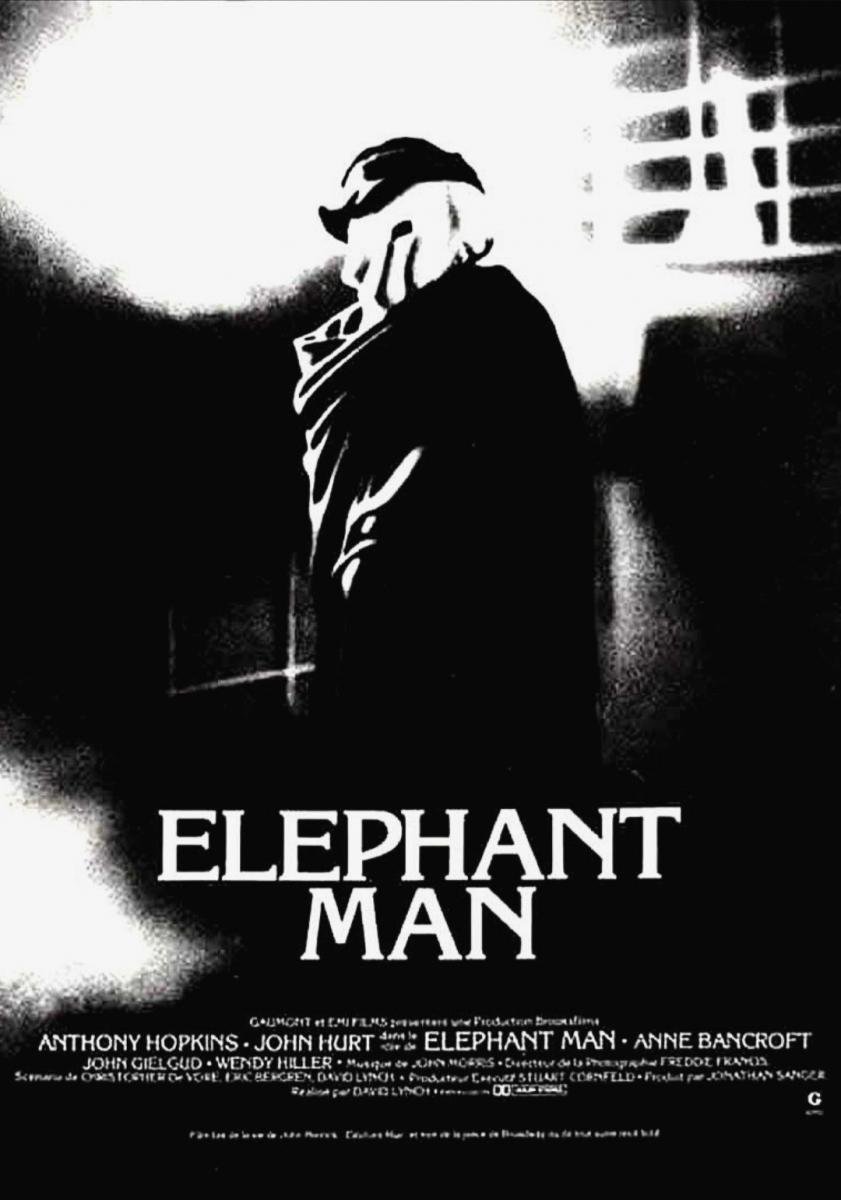
However, I loved Mulholland Drive, the one that the BBC named the Best Film of the 21st Century and the one that made me add three of his films to my to watch list: Lost Highway, The Straight Story and The Elephant Man. Following my alphabetical idea that I mentioned a few weeks ago, since I had to choose a movie by the letter E, I selected that last one (logically ignoring the article). The film takes place in London and is set at the end of the 19th century. Dr. Frederick Treves (an Anthony Hopkins in his early forties) discovers in a circus a man named John Merrick (John Hurt), a British citizen with his head and body deformed by an incurable condition who lives in a situation of constant humiliation and suffering to be exhibited daily as a fairground attraction, as what was called Freaks at the time. It's one of the reprehensible features of our history, having exhibited human beings, similar to us, just for the fact of looking different. Let us remember that it was also the time of the infamous human zoos, absurd reflections of an arrogant senseless cultural supremacy: residents of indigenous communities or primitive peoples were exhibited in the West in cages, as a degrading spectacle of the human condition.
Sin embargo, amé Mulholland Drive, la que la BBC catalogó como la Mejor Película del siglo XXI y la que me hizo agregar tres de sus películas a mi lista por ver: Lost Highway, The Straight Story y The Elephant Man. Siguiendo mi idea alfabética que comenté hace algunas semanas, como me tocaba escoger una película por la letra E, seleccioné esa última (obviando lógicamente el artículo). La película transcurre en Londres y está ambientada a finales del siglo XIX. El doctor Frederick Treves (un Anthony Hopkins en sus cuarenta y pocos) descubre en un circo a un hombre llamado John Merrick (John Hurt), un ciudadano británico con la cabeza y el cuerpo deformados por una condición incurable que vive en una situación de constante humillación y sufrimiento al ser exhibido diariamente como una atracción de feria, como lo que en la época llamaban Fenómenos. Es uno de los rasgos condenables de nuestra historia, el haber exhibido a seres humanos, semejantes nuestros, sólo por el hecho de lucir diferentes. Recordemos que también era la época de los infames zoológicos humanos, absurdos reflejos de una arrogante supremacia cutural sin sentido: pobladores de comunidades indígenas o de pueblos primitivos fueron exhibidos en Occidente en jaulas, como un espectáculo degradante de la condición humana.
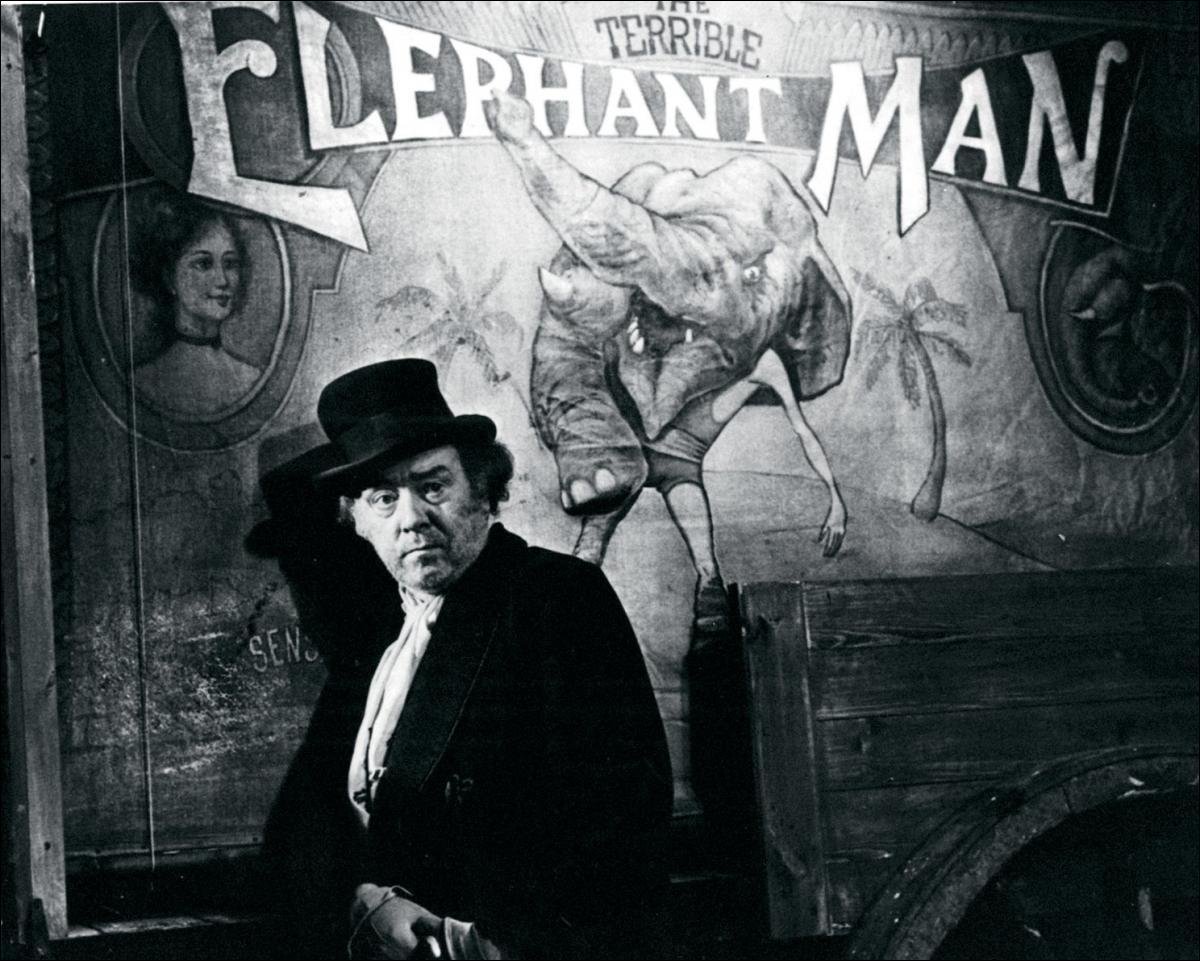
And some circuses were not far from it. I think we all heard or saw stories in which curious characters who performed circus acts were mentioned: the bearded woman, the strongest man in the world, the tallest man in the world, Siamese jugglers or numbers with short people.. .and for a long time these stories shaped that fun, curious and happy image that we see for example in Tim Burton's Big Fish circus. But the reality was different.
Y algunos Circos no estaban muy lejos de ello. Creo que todos oímos o vimos alguna vez historias en las que se mencionaban personajes curiosos que realizaban actos circenses: la mujer barbuda, el hombre más fuerte del mundo, el hombre más alto del mundo, malabaristas siameses o números con personas de baja estatura... y durante mucho tiempo estas historias configuraron esa imagen divertida, curiosa y alegre que vemos por ejemplo en el circo de Big Fish de Tim Burton. Pero la realidad era diferente.

Saying, for example, _"They're freaks, what else are they ging to do for a living?" is a weak excuse, because behind each of those Freaks there was a human being. And such was the case with John Merrick. When I went to see the film I had no idea what it was about and I was impressed not only by the story, but also to know that this man existed and that despite the circumstances in which his life unfolded, he was a kind, sweet, intelligent human being. and grateful. It wasn't until he was twenty-one that Dr. Teves took an interest in him and tried to give him life as normal as it was possible, which means that for twenty years John was treated like a monster, like an animal, suffering abuse from its owner and being exposed to people who found him disgusting. It's not only frustrating and upsetting to know that as humanity we are capable of such baseness, but also disheartening, who are the monsters? The one who suffers from a congenital disease and lives in many ways in the prison of his body? Or those who see in him just a show, a fair number and who think they are better for being healthy, for looking normal? Gives a lot to think about.
Decir, por ejemplo, "They're freaks, what else are they ging to do for a living?" (Son monstruos, ¿qué más van a hacer para ganarse la vida?) es una excusa débil, porque detrás de cada uno de esos Fenómenos había un ser humano. Y tal fue el caso de John Merrick. Al acercarme a ver la película no tenía idea de lo que trataba y me impresionó no sólo la historia, sino saber que este hombre existió y que a pesar de las circunstancias en las que se desarrolló su vida era un ser humano amable, dulce, inteligente y agradecido. No fue sino hasta sus veintiún años cuando el Dr. Teves se interesó en él e intentó darle una vida normal en la medida de lo posible, lo que quiere decir que durante veinte años John fue tratado como un monstruo, como un animal, sufriendo abusos de su propietario y siendo expuesto ante personas que lo encontraban repugnante. No es sólo frustrante y molesto saber que como humanidad somos capaces de llegar a tales bajezas, sino también descorazonador, ¿quiénes son los mosntruos? ¿aquel que sufre una enfermedad congénita y vive de muchas maneras en la prisión de su cuerpo? ¿o aquellos que ven en él apenas un espectáculo, un número de feria y que se creen mejores por estar sanos, por verse normales? Da mucho que pensar.
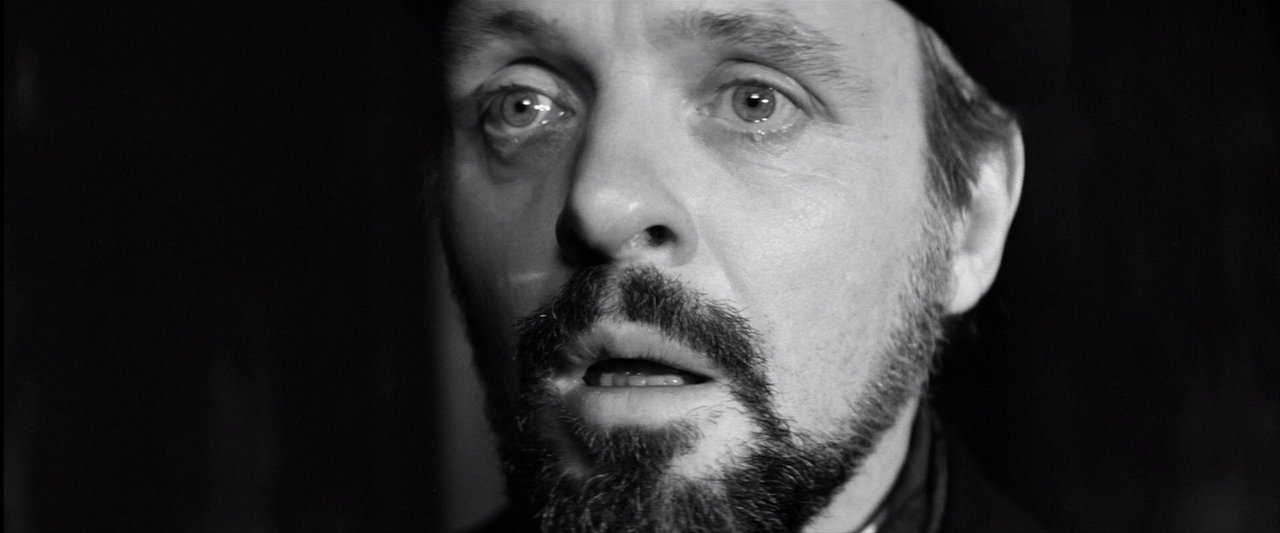
Just as Treves' reflections on his role in John's life, his questions, his desire to help and the doubt of whether he's doing the right thing, are also sobering. I liked the balance between good and bad, when most are perhaps in between those extremes. The performances of Hopkins and Hurt are impressive and the script, although it goes out of historical fidelity in some passages or in some points of the chronology (as most of the stories adapted to the big screen do), seemed well constructed to me. On the one hand, it's not an easy film to watch: The story, John's life, his suffering and the nobility of his character can be emotionally powerful; but on the other, this film is a celebration of the human spirit and that incorruptible inner strength of John, who managed to be happy when someone gave him the opportunity to have friends, to be treated like a human being and to learn from their kindness, their courtesy and his kindness. The Elephant Man is a classic from the eighties and I know there are a lot of young people in our community, but there are also curious cinephiles, have any of you seen this movie? I read you in the comments.
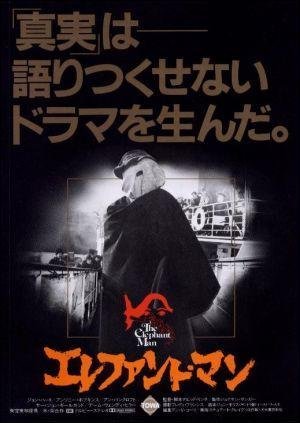
Como también dan que pensar las reflexiones que hace Treves sobre su papel en la vida de John, sus cuestionamientos, sus ganas de ayudar y la duda de saber si está haciendo lo correcto. Me gustó el balance entre buenos y malos, cuando la mayoría quizás están en medio de esos extremos. Las actuaciones de Hopkins y de Hurt son impresionantes y el guión, aunque se sale de la fidelidad histórica en algunos pasajes o en algunos puntos de la cronología (como lo hacen la mayoría de las historias adaptadas a la gran pantalla), me pareció bien construido. Por un lado, no es una película fácil de ver: La historia, la vida de John, su sufrimiento y la nobleza de su carácter pueden ser emocionalmente impactantes; pero por otro, esta película es una celebración al espíritu humano y a esa fuerza interior incorruptible de John, quien consiguió ser feliz cuando alguien le dio la oportunidad de tener amigos, de ser tratado como un ser humano y de aprender de su gentileza, su cortesía y su bondad. The Elephant Man es un clásico de los años ochenta y sé que en nuestra comunidad hay mucha gente joven, pero también hay cinéfilos curiosos, ¿alguno de ustedes ha visto esta película? Los leo en los comentarios.
Reviewed by | Reseñado por @cristiancaicedo
Other posts that may interest you | Otros posts que pueden interesarte:
The Most Hated Woman in America (2017): can they force us to believe? / ¿pueden obligarnos a creer? |

Avatar (2009): back in theatres / de vuelta en los cines |