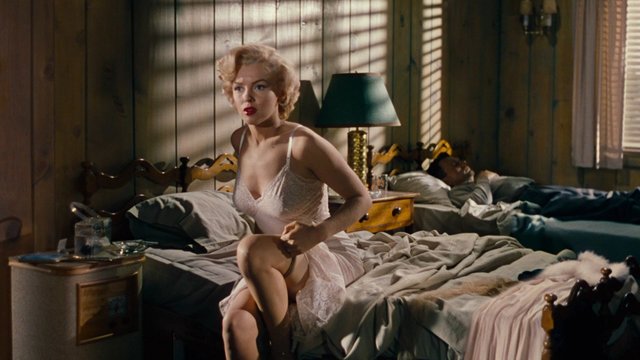
One of the unresolved debates among critics and film scholars deals with the genre boundaries of film noir. There are various arguments about where film noir ends and where “neo‑noir” begins. Niagara, the 1953 film directed by Henry Hathaway, is often a point of contention in such debates, with many placing it in the latter category simply because it was made in colour.
The plot is set at Niagara Falls, where a young man named Ray Cutler (played by Casey Adams), after winning a corporate contest, comes to enjoy a delayed honeymoon with his wife Polly (played by Jean Peters). The Cutlers are lodged in a cabin next to Ray Loomis (played by Joseph Cotten), a middle‑aged Korean War veteran with serious psychological issues, and his attractive, much younger wife Rose (played by Marilyn Monroe). Rose not only openly flaunts her sexuality, but Polly actually catches her having an affair with a young man named Patrick (played by Richard Allan). Rose plans something even more sordid – she deliberately makes her husband jealous in order to have Patrick kill him and make it look like suicide. Things, however, don’t go as she planned, and it is Polly who has to deal with the consequences.
Niagara is less known as a film noir and more as one of the films that launched Marilyn Monroe into Hollywood’s prime stardom and cemented her status as an icon. It is a rather atypical film for Monroe because her character breaks away from the typical “dumb blonde” stereotype, embodying a seductive and manipulative femme fatale with ease. Her performance in Niagara transcends the film's narrative, challenging the norms of displaying sexuality in 1950s Hollywood. This includes not only her character wearing provocative clothes and performing the famous walk scene, but also appearing in scenes of having a shower and being under bed sheets – shots for which Monroe insisted on being naked at the time, forcing the production team to use a lot of ingenuity to conform this risqué content within the limitations of the Hays Code.
While Monroe shines, other cast members like Joseph Cotten deliver solid but unremarkable performances, with Jean Peters and Casey Adams struggling to break free from their vanilla‑like roles as a middle‑class “normie” couple. The script, written by Charles Brackett, Robert Reisch, and Richard Breen, falls short in originality, featuring predictable twists and wrongdoers receiving their just deserts according to the moral standards of the Hays Code.
Despite its script limitations, Niagara benefits from Henry Hathaway's confident direction and Joe McDonald's cinematography, which skilfully captures the majestic scenery of Niagara Falls. Hathaway's adept pacing maintains a quick tempo, culminating in an action‑packed finale that includes one of the first helicopter rescue scenes in major Hollywood productions. While Niagara may not rank among the best films of its time or in Monroe's filmography, it remains a commendable work that appeals to enthusiasts of 1950s Hollywood cinema.
RATING: 6/10 (++)
Blog in Croatian https://draxblog.com Blog in English https://draxreview.wordpress.com/ InLeo blog https://inleo.io/@drax.leoHiveonboard: https://hiveonboard.com?ref=drax Rising Star game: https://www.risingstargame.com?referrer=drax 1Inch: https://1inch.exchange/#/r/0x83823d8CCB74F828148258BB4457642124b1328e
BTC donations: 1EWxiMiP6iiG9rger3NuUSd6HByaxQWafG ETH donations: 0xB305F144323b99e6f8b1d66f5D7DE78B498C32A7
Posted using CineTV


