Longform reviews of films, TV, anime, books, and audiobooks, written by the scrobble.life community and published to the Hive blockchain, so each one is owned by its author and can earn rewards from readers. 51,233 reviews and counting.
A story to tell, characters that show the reality of what it means to belong to the world of guerrilla warfare in Colombia. Without a doubt, this series shows us this and much more, based on real events, with a total of 86 episodes that will help you understand a little about the consequences of our actions, surrounded by corruption, injustice, and those in power.
Una historia que contar, personajes que muestran la realidad de lo que implica pertenecer a ese mundo de la guerrilla, en Colombia, sin duda, esta serie nos muestra esto y mucho más, basada en hechos reales, con un total de 86 capítulos, que te harán entender un poco las consecuencias de nuestras acciones, rodeado de corrupción, injusticias y dueños del poder.
NIÑA is the name of this Colombian series, in which a former guerrilla fighter must face the reality of the world as she tries to rebuild her life and leave her past behind. This micro-novel grabs you from the very first episode with its story of reality and personal growth.
This series shows us the cruelty of the guerrillas, the abuse of children, victims of this senseless war, the cruelty of human beings, and society's rejection when they want to get their lives back and start over.
La NIÑA es el nombre de esta serie colombiana, donde una exguerrillera debe afrontar la realidad del mundo, al querer retomar su vida, dejando su pasado atrás, una micro novela, que te atrapa desde el primer capítulo, con esta historia de realidad y superación personal.
Dicha serie, nos muestra lo cruel de la guerrilla, el maltrato a los niños, víctimas de esta guerra sin sentido, la crueldad del ser humano, el rechazo por la sociedad, cuando ellos quieren retomar sus vidas, y empezar de cero.
There may be many conflicting opinions, but let's look at the plot, a true story, which tells us about the consequences of having belonged to a guerrilla group, especially if it was against your will. They recruit children at such a young age, without any power or say, forced to obey in order to survive.
But once you manage to get out of all that and decide to get your life back, or at least reintegrate into society, you have to face rejection, being judged without anyone knowing what you went through, what you had to endure to survive, which is true. true, you reach a point where you are an adult, where they tell you that you should already have the strength and power to decide and get out of that place. Even so, it's very easy to say, but doing it is another story.
Here we will see the story of Belkys, better known in the guerrilla movement as SARA or NIÑA. This young woman was captured by guerrilla fighters when she was very young, only 7 years old. She went through many things that she did not deserve to experience at her young age. However, as she grew up, she became a true fighter because, despite everything, she maintained her essence and good heart.
Like her, many children were recruited, forced to leave their families, to become something they did not want to be, surrounded by evil, violence, abuse, among many other things. Both Belkys and the others found it very difficult to return to civilization, leaving all that behind.
But how can you forget all that overnight? It's impossible, especially when people remind you of it, judging you and pointing fingers at you all the time.
SPANISH VERSION
Pueden existir muchas opiniones encontradas, pero veamos la trama, una historia real, donde nos relata las consecuencias de haber pertenecido a una guerrilla, y más si fue en contra de tu voluntad, desde niños los reclutan, a una edad tan corta, sin poder ni voto, solo obedecer para sobrevivir.
Pero una vez logras salir de todo eso, y decides retomar tu vida, o por lo menos reintegrarte a la sociedad, teniendo que enfrentar el rechazo, que te juzguen sin saber lo que viviste, lo que tuviste que pasar para poder sobrevivir, cosa que bien, es cierto, llegas a un punto en el que ya eres adulto, donde te dicen, que ya deberías tener la fuerza y el poder de decidir y salir de ese lugar, aun así, es muy fácil decirlo, hacerlo es otra historia.
Aquí veremos la historia de Belkys, mejor conocida en la guerrilla como SARA o la NIÑA, esta joven fue capturada por los hombres de la guerrilla desde muy chica, con tan solo 7 años, paso por muchas cosas, cosas que a su corta edad, no merecía vivir, sin embargo, al crecer, se convirtió en toda una luchadora, porque a pesar de todo, mantuvo su esencia y buen corazón.
Asi como ella, muchos niños fueron reclutados, obligados a dejar a su familia, para convertirse en algo que ellos no querían, rodeados de la maldad, violencia, abuso, entre muchas cosas más, tanto Belkys como los demás, les toco muy duro volver a la civilización, dejando todo eso atrás.
Pero como se puede olvidar todo eso, de la noche a la mañana, es imposible, menos si las personas te lo recuerdan, juzgándote, señalándote todo el tiempo.
In Conclusion
Without a doubt, this series is full of drama, a story of personal growth, in which we see the life of this young girl who seeks to reclaim her life, be with her family again, have a career, and be someone else in this life.
She has to face and live forever with her past, with people looking at her and judging her, but knowing that she did the best she could to survive that hell, and most importantly, to get out of there and become what she is today: a better human being, willing to help those in need and save lives.
Conclusión
Sin duda esta serie está llena de mucho drama, de una historia de superación personal, en el que veremos la vida de esta joven chica, que busca recuperar su vida, estar de nuevo con su familia, tener una carrera y ser alguien más en esta vida.
Teniendo que afrontar y vivir para siempre con su pasado, con que la miren y juzguen, pero sabiendo que hizo lo mejor que pudo, para sobrevivir en ese infierno, y lo más importante, el lograr salir de allí, y convertirse en lo que es hoy en día, un mejor ser humano, dispuesta a ayudar a quien lo necesite, salvando vidas.
Imágenes obtenidas de filmaffinity / Images obtained from filmaffinity
Edición Banner y Portada con CANVA/ Banner and Cover Edition with CANVA
[Source](https://screenrant.com)
Okay so I just binged both episodes of Pluribus and this thing is weird as hell but its going to make you think a lot. Vince Gilligan really came back after all those years doing crime stuff with Breaking Bad and Better Call Saul to give us some proper sci fi and even though Im sure this is not a series that is going to fit everyone as the story has some contradictory rules, basically you cant leave the brain at the door, this one is going to make you think again about life and humanity. The first episode was solid as hell, started with this whole countdown thing showing us 439 days before everything went to hell, we meet these scientists who pick up this signal from space and they figure out its not just random noise its actually a recipe for something that ends up being this virus or whatever you want to call it that turns everyone into this hive mind thing, it has to be a virus as how it changes everyone genetically although is it really a virus when it makes humans less destructive but at the same time takes everything there is to be a human?? I think thats the question. The hole thing felt very creepy when it started spreading, people shaking and convulsing then just snapping out of it all in sync like some old school Twilight Zone episode, the way they showed it was disturbing with the amount of people who died in the transition, if an event like this happen in real life would be the biggest massacre in history of human kind.
Source
The show develops the story of Carol as the main character, who is this romance writer played by Rhea Seehorn and she absolutely kills it in this role, Carol hates her own books calls them mindless crap and you can tell she is just over everything in her life, she is miserable as hell and the only thing keeping her sane is her wife Helen who also happens to be her manager. I loved how they showed Carols relationship with Helen because it felt Helen had her back and put up with all Carol's angry management problems no matter what, at least for the short time they were together, you could see that Helen was the only person who truly understood Carol and cared about her happiness even when Carol was being a total ass about everything. The whole book tour sequence at the beginning was great because it showed us who Carol really is, she is successful she has money she has fans but none of that makes her happy because she is stuck writing these fantasy romance books that she doesnt give a damn about instead of the serious book she has been working on for five years called Bitter Chrysalis. That detail about the book she wants to write feels important because I bet by the end of this season or next season Carol is going to finish that book and it will mean something big for her character story or the very plan to restore humanity, or join them, this is just my imagination going wild. Helen even mentions James Joyce and how his book made people miserable but it was still worth it if it made even one person happy witch becomes a huge theme later on.
Source
Episode one really picks up speed when Carol and Helen are at a bar celebrating their best book tour ever and Carol is just complaining about her fans calling them dummies, then they go outside for a smoke and thats when shit hits the fan real quick. While they are out in the parking lot Carol notice planes in the sky but it looks like they dropping some spray in the air, most likely the virus and thats when a truck crashes in the parking lot, Carol goes to help the driver and then Helen just drops to the ground and starts shaking like everyone else around them, Carol runs back inside the bar and everyones shaking and convulsing witch was intense as hell to watch. Rhea Seehorn puts up sch a great performance in these scenes because you can feel Carols panic and confusion, she has no idea whats going on, why all this people are just shaking with some falling on the floor and all she wants is for someone to help her save Helen. Carol manages to get Helen into a truck and drives to the hospital but its the same thing there, everyone is infected and when Helen wakes up for a brief moment you think maybe she is okay but then she dies right there in the back of the truck. That scene where Carol is trying to do chest compressions on Helen and begging for someone to help her was heartbreaking, you could see the desperation and fear in Carols face and it made the whole situation feel so real and heavy, her acting is so so good. After Helen dies all the infected people wake up and they all start talking in unison saying they just want to help Carol witch was creepy as hell, they try to take Helens body away but Carol tells them to stop and they actually listen witch was interesting because it shows they are not trying to hurt her they are actually trying to help her.
The rest of the first episode is Carol trying to process what just happened and dealing with the fact that the entire world has been taken over by this hive mind virus thing, she drives home and the city is on fire cars are crashed everywhere its total chaos. When she gets to her house she cant get inside because she left her keys in the car so she tries to break down the door with a rock, then her neighbors kids come out and they know exactly where she hid a spare key nine years ago witch is creepy because how the hell do they know that, it shows that the hive mind has access to everyone's memory and knowledge witch makes me start thinking about how this thing actually works, but latter one "they" mention to not knowing exactly how it works, making me think if this is just part of their plan or is it that this virus is really way ahead of human brain capacity, you would think that if every single human in the world is now in sync they could come up to understand how this hole thing wokrs. Carol finally gets inside and turns on the TV and theres a guy standing at a podium in the White House waiting for her to call a number on the screen, when she calls the guy explains that its not an alien invasion but they are the result of extraterrestrial technology, never call it a virus though as a virus is often an infection. The signal the scientists picked up at the beginning was made up of four tones that are basically the building blocks of RNA, they turned it into a virus and tested it on rats and one of the rats bit a scientist and thats how it started spreading to humans. The guy calls it a psychic glue that binds everyone's minds together and he admits they dont really know how it works it just does, Carol finds out she is one of only 12 people in the world who didnt get infected and the hive mind wants to figure out why so they can fix her and make her join them, they specifically mention they are here to help her not to hurt her and that her life is he owns but what happens if she says NO and refuse to join??.
[Source](https://tinyurl.com/mtuvcfnk)
[Source](https://tinyurl.com/mtuvcfnk)
Episode two is where things slowed down a bit for me and I started losing some steam as they start to give us crumbs of how things work, the episode opens with this character named Zosia who looks exactly like the pirate from Carols books and she flys in to check on Carol. The whole opening sequence with Zosia was cool because it showed how the hive mind operates when Carol is not around, they all move in sync they dont need to talk to each other they just know what everyone is thinking and doing. Zosia shows up at Carols house and tries to get her to drink water because apparently every doctor on Earth thinks Carol is about to pass out from heat exhaustion, Carol is out in the backyard digging a grave for Helen and she refuses to accept any help from the hive mind. Zosia ends up revealing that Helen joined the hive mind before she died witch pisses Carol off because that was supposed to be a secret between her and Helen, then Carol starts screaming at Zosia and then the entire hive mind glitches out and freezes witch was insane to watch, just put that picture in your head as you are the single human on Earth that can get piss off and because of your temper the entire human race falls into the floor and starts shacking. Carol realizes that her tantrum caused thousands of people to die and she gets sick about it, the hive mind tries to comfort her and they even bring in a mini excavator to help her bury Helen witch was funny but also showed how much power and resources they have at there disposal. Carol asks about the other people who are immune like her and Zosia tells her there are now 12 of them and they all agree to meet up in Spain, so far the Hive Mind is not holding back any secrets and its completely transparent but this Hive sounds more like an Ai and we alraedy know what happens with all this contradictory rules and how the classic number one rule "Never hurt a human" and how the second and third rules can be contradictory, it all end in chaos.
The meeting in Spain is where episode two really lost me because it was just way too much sitting around tables talking and debating with Carol been the only one who cares about humanity and not just been in paradise like the rest, Carol gives this big speech about how its up to them to save humanity but nobody is buying it because most of the people at the meeting have family members who got infected and they dont see it as a bad thing because there is no more crime, no more war, everyone is happy and connected, there is this guy named Diabate who is a total dick and he basically says the world is better off now so why would they want to fix it, I wonder who he was before this hole thing started. Carol tries to argue that individuality matters and freedom is important but she doesnt do a great job of selling it, been angry all the time doesnt help her neither. She even tells one of the girls that she doesnt really want to join her family witch is pretty contradictory to her whole argument about freedom and choice, the best part of the meeting was when Carol goes toe to toe with Lakshmi and points out that her son is not just her son anymore he is also her prime minister and a guy she dated in high school and her gynecologist, that shut Lakshmi up real quick but it didnt win Carol any fans. The hive mind reveals that 886 million people died during the joining witch is a huge number and way more than zero for a group that claims to do no killing, they try to justify it by saying they had to escalate because the military found out and they wanted to prevent more bloodshed. Then Lakshmi drops the bomb that Carols outburst killed 11 million people witch completely undermines everything Carol has been trying to say, after that Carol just starts pounding glasses of wine and yelling at everyone calling them traitors to the human race before passing out in the yard.
To come up with this story is something that had to be develop through many many years because it is well though, things that are contradictory makes a lot of sense in a way that helps a lot the story telling of the series, I honestly love the series but since this is one that is going to make you think a lot, probably wont resonate with part of the audience. If you ever watch Breaking Bad you are going to notice the correlations and references, the lab scene, the suites, the yellow signature color, Carol always been agry as Mr. White, the series been develop in New Mexico, its all so good. Carol wakes up the next morning and finding out that everyone left except Diabate, he tells her he is going to Las Vegas to stay in Elvis Presleys penthouse and he wants to take Zosia with him because he is interested in her, her body to be honest. Carol is surprised and calls him out for taking advantage of the situation sexually over everything else witch is fair but it also introduce the question about consent and pleasure, Zosia cant choose to go with him because doing so would hurt Carol and thats something the hive mind is not capable of doing, they cant kill or hurt anyone, not even bugs, in context not even an ant. Carol decides to leave Spain alone but then at the last second she changes her mind and stops Air Force One, yeah thats how Diabate travels, its a weird ending because you are not really sure what Carol is trying to accomplish but I think it shows that even though she is fighting against the hive mind she doesnt want to be completely alone or is it that she will keep trying to find a way to get Diabate on her side??. Overall I am giving episode one an 8 out of 10 and episode two a 7 out of 10, the first episode was tight and intense and kept me wondering when they where going to jump Carol but the second episode felt a bit slow and dragged in places. I trust Vince Gilligan to cook something good here but right now I am not totally sold yet I just hope he doesnt go too deep into themes like sex preference, religion and politics, please please just dont, keep things entertaining. I got questions about why some people died and others didnt and what makes Carol and the other 12 people immune. The performances are great especially Rhea Seehorn who carries the entire show on her back, the production is stunning and the whole vibe of the show is eerie and unsettling in the best way possible, I am excited to see where this goes and I will definitely be watching every week to find out.
Una de las etapas trágicas más conocidas en España, es la que realizó el grupo terrorista ETA. Durante muchos años sembró caos que involucró muchos muertos; sin embargo, la respuesta oficial poco a poco se consolidó. Entre esas respuestas, este título trata de mostrar una de ellas. Estrenada hace poco en Netflix, siendo su director Agustín Díaz Yanes.
One of the most notorious tragic periods in Spain's history was that caused by the terrorist group ETA. For many years, it sowed chaos that resulted in many deaths; however, the official response gradually gained momentum. This title attempts to show one of those responses. Recently released on Netflix, it was directed by Agustín Díaz Yanes.
Sinopsis: Amaia es una joven guardia civil que es reclutada para infiltrarse en ETA, una organización terrorista en España. Para ello se le creará una perfil completo, con el que podrá engañar a una de las cabecillas del grupo; sin embargo, el peligro es constante, mientras intenta descubrir los secretos del grupo.
Synopsis: Amaia is a young civil guard who is recruited to infiltrate ETA, a terrorist organization in Spain. To do so, a complete profile will be created for her, with which she will be able to deceive one of the group's leaders; however, the danger is constant as she tries to uncover the group's secrets.
Esta película enfocada en el suspenso, es desarrollada de manera lineal, viendo como la protagonista infiltrada se ve afectada por los sucesos que se dieron históricamente. Desde asesinatos a políticos, secuestros y hasta el manejo de armas y bombas.
This suspense-focused film is developed in a linear fashion, showing how the undercover protagonist is affected by historical events. From political assassinations and kidnappings to the handling of weapons and bombs.
Lo interesante es ver como ambos bandos tratan de ganar al otro. En el caso de ETA, tratar de cumplir sus objetivos y dar con su “soplón”, y el gobierno, buscando unos zulos de armas, que dañarían fuertemente al grupo.
It is interesting to see how both sides try to outdo each other. In the case of ETA, they try to achieve their objectives and find their “informant,” while the government searches for weapons caches that would severely damage the group.
Si bien hay un poco de temas personales, el enfoque está en la misión y como cada etapa para que Amaia sea más y más aceptada en el grupo es importante.
Although there are some personal issues, the focus is on the mission and how each stage is important for Amaia to become more and more accepted into the group.
En el aspecto técnico, hay momentos donde se nota un bajo presupuesto y en otros ya hay un mayor despliegue de escenarios. La música tiene una buena elección, especialmente con la canción final, dándole un toque simbólico. La actuación es más que correcta, destacando la protagonista Amaia, siendo interpretada por Susana Abaitua.
On the technical side, there are moments where you can tell the budget was low, and others where there is a greater display of settings. The music is well chosen, especially the final song, which adds a symbolic touch. The acting is more than adequate, with Susana Abaitua standing out in the lead role of Amaia.
Sin duda es un título que logra mostrar de buena manera, lo que un agente infiltrado tiene que pasar para conseguir los objetivos establecidos. Por mi parte, me engancho de principio a fin. Recomendable.
Without a doubt, this is a film that successfully shows what an undercover agent has to go through to achieve their objectives. For my part, I was hooked from beginning to end. Recommended.
(NOTE: Capsule version of the review is available here.)
When J.J. Abrams stepped behind the camera for Mission: Impossible III in 2006, he inherited a franchise in dire need of resuscitation. Following the critically panned, style-over-substance Mission: Impossible II (2000), the series was teetering on the edge of irrelevance. The third instalment was positioned as a return to the television show's roots – a promise of intricate espionage, moral complexity, and team-based operations rather than the solo heroics that had characterised the previous film. While Abrams' directorial debut successfully arrested the franchise's "slide to self-destruction, Mission: Impossible III ultimately settles for being merely solid rather than spectacular, a competent thriller that fails to capitalise fully on its promising premise.
The film's greatest strength lies in its central performances, particularly the electrifying antagonism between Tom Cruise's Ethan Hunt and Philip Seymour Hoffman's Owen Davian. Hoffman, in what was then an unexpected casting choice for a blockbuster villain, brings a chilling, methodical menace that elevates the entire production. His Davian isn't a cartoonish super-villain but a pragmatic, terrifyingly competent arms dealer whose motivations feel disturbingly real – a quality that lends the film its surprisingly dark tone. Hoffman's performance remains one of the series' high points, with later entries struggling to match the sheer presence he brought to the role.
Cruise, meanwhile, delivers one of his more restrained performances as Hunt, particularly in the film's first act where we see him attempting to retire from field work as an IMF trainer. This domestic interlude with his new wife Julia (Michelle Monaghan) provides a welcome emotional anchor that previous entries lacked, though the execution feels somewhat perfunctory. The relationship lacks genuine chemistry, making Julia's subsequent endangerment feel more like a plot device than an emotionally resonant crisis. This emotional disconnect extends to the rest of Hunt's team, with the introduction of Simon Pegg as Benji Dunn – while ultimately becoming a franchise staple – feeling somewhat underdeveloped here.
The film's much-touted return to complex spy craft proves somewhat overstated. While Abrams does surround Hunt with "a competent IMF team" – a welcome change from the "IMF turncoats" who served as villains in the first two films – the plot mechanics ultimately devolve into standard action fare. The much-hyped "mystery box MacGuffinry" never quite coalesces into anything particularly clever or surprising. The supposed "mole within IMF" storyline feels hastily constructed, serving primarily as a narrative convenience rather than a genuinely compelling mystery. The film's attempt to reflect US War on Terror and its moral ambiguities remains frustratingly superficial, with the thematic depth promised by its dark tone never fully realised.
Where Mission: Impossible III truly shines is in its action sequences, which represent a significant step forward for the franchise. Unlike many contemporary action films that rely excessively on CGI, Abrams grounds these sequences in tangible reality, creating a palpable sense of danger that digital effects often lack. The Vatican sequence, while borrowing heavily from Alias (Abrams' television series), demonstrates his flair for tension-building and spatial awareness in action choreography.
However, the film's pacing proves problematic. After the strong opening act establishing Hunt's domestic life, the narrative accelerates too rapidly into standard chase-and-rescue territory. The middle section becomes particularly tedious, with repetitive action sequences that lack the escalating stakes necessary to maintain tension. This pacing issue is compounded by the film's relatively short runtime (125 minutes), suggesting that tighter editing might have improved the overall flow.
The production history also casts an interesting light on the film's uneven quality. Abrams was brought in after multiple directorial changes due to "creative differences," and the production suffered significant delays due to his commitments to Alias and Lost. These disruptions likely contributed to the film's somewhat patchwork feel, with certain sequences (particularly the emotional beats) feeling underdeveloped compared to the meticulously crafted action set pieces. The cast reshuffling – with actors like Kenneth Branagh, Carrie-Anne Moss, and Scarlett Johansson departing due to scheduling conflicts – may also have impacted the film's cohesion.
Despite these shortcomings, Mission: Impossible III deserves credit for laying the groundwork for the franchise's remarkable renaissance. It represents "a marked improvement over Mission: Impossible II, and it set the foundation for the franchise's eventual reinvention. The decision to focus on Hunt's emotional vulnerability through his relationship with Julia, while imperfectly executed here, would inform the more successful character development in later entries. Similarly, the introduction of a proper supporting team (including the debut of Simon Pegg's Benji) established the ensemble dynamic that would become a series hallmark.
At the end, Mission: Impossible III succeeds primarily as a course correction rather than a triumph. It delivers not particularly memorable, but solid spy action thriller entertainment that effectively reset the franchise after the misstep of its predecessor. For all its flaws, it proved that the Mission: Impossible franchise still had life in it – a crucial realisation that would pave the way for the even more successful instalments to follow.
The From series, which stands out for its atmosphere of dread, can be considered one of the most modern horror-themed series. I think it will appeal to anyone interested in series like The Walking Dead.
As a fan of The Walking Dead series, I can say that I see similarities in the atmosphere and the mysterious story created by the From series. However, the From series has a more oppressive and frightening atmosphere.
It has a story that questions the limits of human nature and more successfully reflects the helplessness of the characters trapped in it.
Let's briefly touch on the series' story. It revolves around people entering a remote town via dirt roads after a huge tree falls across the road and then being unable to leave. There is only one road, and no matter how far you go, you end up back where you started, entering an endless loop. Moreover, being stuck in one place isn't the only problem. Human-like creatures that appear at night hunt down everyone who happens to pass through the town, one by one.
The mystery fragments scattered throughout this story and the characters' efforts to regain their lost hope make the series even more special. This place, where ordinary people struggle to live during the day, turns into a hunting ground for deadly creatures at night.
The constant arrival of new people in a town with no exit keeps the story quite current. The unexpected death of a character you've grown accustomed to and fond of is a detail that I initially found jarring but came to appreciate as the story progressed. I think the last time I felt this way was with the Game of Thrones series, and I can say it has similar rapid transitions. Of course, don't set your expectations too high.
I'm familiar with films that spread classic monster fear. I can say that the From series is a successful and unique production that blends classic monster fear with psychological suspense. Somewhere along the way, they've managed to turn the ordinary into the extraordinary. This small detail makes the series and its story special.
You can feel the fear of the forest surrounding the town while watching. The momentum of the curiosity aroused in the viewer never slows down because you are constantly on alert with small stories within the story. Hope and hopelessness in people are perfectly crafted. You get the chance to compare the characters' efforts to keep their hopes alive in order to continue living and escape the cycle they have fallen into, and their occasional succumbing to hopelessness.
In most productions, when I ask myself, “What would I do if I were there?”, I can come up with dozens of answers, but in the series From, you don't really have an answer. Every possible answer creates disappointment as the cycle constantly repeats itself, and even if you are not there, just watching those who are, you can fully experience the helplessness.
Much can be said about hope and hopelessness, which I believe is the film's underlying theme. Witnessing the hopes and despair of people crushed under both physical and emotional burdens offers a very different experience. I think even those who don't like this kind of film should watch the series just for the experience I've described.
After the first season, it seems simple and inevitable to think that the town is a simulation created by someone, but as the seasons continue, new ideas emerge, such as it being a version of hell on earth or another dimension in outer space. The series doesn't directly answer these questions, but it constantly encourages the viewer to come up with new theories. You may want to come to your own conclusions. In this sense, I can say that it offers a different experience and effectively handles the mystery. It may trigger your desire to solve puzzles.
I've been away from the hive for a while due to reasons beyond my control. I hope everyone is in good health during this time and that you are happy wherever you live. Thank you for being here and reading. Take care, and goodbye!
¡Hola a todos los amigos de #Hive y de la comunidad Movies & TV Shows! Acabo de ver un peliculón, de esos que te dejan, metafóricamente, explotando fuegos artificiales en la cabeza. Como buen apasionado del cine, no me quise hacer de esperar, para degustar el nuevo proyecto cinematográfico de Guillermo del Toro. Solo han pasado unas horas, de ver su esperadísima adaptación del clásico "Frankenstein", y debo decir, que ha sido una experiencia melancólica, asombrosa y de cierta manera eufórica.
"Frankenstein" no es solo una película; es una muestra, de que incluso, en los rincones más oscuros, se puede cultivar el alma humana. Muchísimo más si viene tejido con la maestría visual y emocional, a la que Del Toro nos tiene acostumbrados en sus trabajos cinematográficos. Esta nueva versión no pretende reinventar la historia que da vida al monstruo, al contrario, es un deseo de profundizar en las grietas emocionales de este mito, convirtiéndolo, en una reflexión contemporánea sobre la soledad, la creación y el rechazo.
La historia sigue la esencia de la novela de 1818: Victor Frankenstein, personaje interpretado por un Oscar Isaac, con esa intensidad dramática que me recuerda su trabajo en Dune. Victor Frankenstein, es un joven ambicioso, obsesionado con vencer, a como de lugar, a la muerte. Impulsado en este fin, por la pérdida, a muy temprana edad, de su madre. Este genio crea a "la criatura", haciendo uso de partes recolectadas de cadáveres olvidados. Aunque el nacimiento de tal criatura, no es un triunfo, sino un lamento que se vuelve castigo.
Los que siguen el trabajo que ha venido realizando Del Toro, saben que, en su faceta como director, siempre se ha mantenido fiel a su estilo. El artista, no solo se conforma con el horror superficial, al que estamos acostumbrados; sino que complementa la trama de sus historias con capas de empatía. Hablemos un poco del "monstruo", encarnado en esta oportunidad por Jacob Elordi, actor que ha impresionado a todos con este debut que roza lo sublime.
El cual defiende la tesis, de que no es un simple villano torpe, del Hollywood antiguo. Si no que todo lo contrario, más bien un ser herido, un niño gigante con ojos que suplican comprensión. En la película veremos toda su evolución emocional, que mediante el uso del lenguaje poético y audiovisual, va llevándonos un viaje desde la inocencia inicial, hasta lo más brutal de su, la rabia brutal.
Sin embargo, adentrándonos un poco más en la película, nos invaden ciertas dudas. Algunas interrogantes que, al final de la cinta, seremos capaces de responder, como por ejemplo: ¿Será la criatura, acaso el verdadero monstruo? Del Toro nos recuerda que la creación no termina en el laboratorio, sino que a penas comienza con el inevitable enfrentamiento al rechazo social. Es por esta razón, que "Frankenstein" es un cine que invita a pausar y cuestionar.
Visual y estéticamente hablando, Del Toro logra elevar el género a la categoría de obra de arte, siendo la película una invitación a un festín en todos los sentidos. Cada recurso utilizado para contar la historia, dígase laboratorios de Victor, con sus frascos burbujeantes y mecanismos victorianos oxidados, incluso el barco donde se desarrolla parte de la historia, fue preparado al detalle.
El director ha dejado bien claro que nos ofrece un festín de naturalidad, transmitido por el hecho de saber que todo fue creado específicamente para la película, al detalle. En donde muy poco, visualmente hablando, proviene del uso de los efectos especiales. En términos de actuaciones, el elenco escogido para esta película deja entrever su postura de elevar el guion, el cual fue escrito por el propio Del Toro, junto a Matthew Robbins.
Oscar Isaac nos transmite de Victor su vulnerabilidad, su dolor, esa euforia inicial por la creación que luego choca contra el horror de su propia cobardía. Jacob Elordi, por su parte, se ha convertido en una revelación; gracias a su físico imponente, que contrasta con una voz ronca y quebrada que logra transmitir emociones humanas.
Complementa este escogido elenco, ese acertado toque de belleza femenina, la actriz Mia Goth. A quien veremos encarnando a Elizabeth, la prometida del hermano de Victor y por quien prácticamente pierde la cabeza. Elizabeth no es la clásica damisela pasiva, para nada es ese recurso literario que pretende cautivar al espectador. Cada una de estas interpretaciones, le da vida al alma de la cinta, lo que hace que, de cierta manera, respire por sí sola.
Es una película que sin lugar a dudas recomendaría, sin reservas. Quizás un poco prolongada, eso sí, debido a sus 142 minutos de duración, que de alguna manera pudiera sentirse pesada. Pero ocurre todo lo contrario: la cinta fluye por sus propios medios, como un río generoso, con un ritmo que se alterna entre la quietud compasiva, y las explosiones del caos, convertido en poesía.
"Frankenstein", de Del Toro, es un oasis accesible para todos los amantes del cine gótico clásico. Es un espejo, en cuyo reflejo, podremos vernos reflejados. Estoy planeando una segunda visita, ya que dicen "que lo bueno, se disfruta dos, y las veces que sean necesarias". Hasta un nuevo encuentro, amantes del cine en #Hive.
Las imágenes utilizadas en el post fueron dadas las fuentes. Textos llevados al Inglés por Deepl Traslate.
ENGLISH VERSION (click here!)
Hello to all my friends at #Hive and the Movies & TV Shows community! I just saw an incredible movie, one of those that leaves you, metaphorically speaking, with fireworks exploding in your head. As a true film buff, I didn't want to wait to enjoy Guillermo del Toro's new film project. It's only been a few hours since I saw his highly anticipated adaptation of the classic "Frankenstein," and I must say that it has been a melancholic, amazing, and, in a way, euphoric experience.
"Frankenstein" is not just a movie; it is proof that, even in the darkest corners, the human soul can be cultivated. Even more so when it is woven with the visual and emotional mastery that Del Toro has accustomed us to in his cinematic works. This new version does not seek to reinvent the story that brings the monster to life; on the contrary, it is a desire to delve deeper into the emotional cracks of this myth, turning it into a contemporary reflection on loneliness, creation, and rejection.
The story follows the essence of the 1818 novel: Victor Frankenstein, a character played by Oscar Isaac, with a dramatic intensity that reminds me of his work in Dune. Victor Frankenstein is an ambitious young man, obsessed with defeating death at all costs. He is driven to this end by the loss of his mother at a very early age. This genius creates "the creature" using parts collected from forgotten corpses. However, the birth of such a creature is not a triumph, but a lament that becomes punishment.
Those who follow Del Toro's work know that, as a director, he has always remained true to his style. The artist is not content with the superficial horror we are accustomed to, but complements the plot of his stories with layers of empathy. Let's talk a little about the "monster," played this time by Jacob Elordi, an actor who has impressed everyone with this debut that borders on the sublime.
He defends the thesis that he is not a simple, clumsy villain from old Hollywood. Quite the contrary, he is rather a wounded being, a giant child with eyes that beg for understanding. In the film, we see his entire emotional evolution, which, through the use of poetic and audiovisual language, takes us on a journey from initial innocence to the most brutal aspect of his character: brutal rage.
However, as we delve deeper into the film, certain doubts begin to creep in. Some questions that, by the end of the film, we will be able to answer, such as: Could the creature be the real monster? Del Toro reminds us that creation does not end in the laboratory, but rather begins with the inevitable confrontation with social rejection. For this reason, "Frankenstein" is a film that invites us to pause and question.
Visually and aesthetically speaking, Del Toro manages to elevate the genre to the category of work of art, with the film being an invitation to a feast in every sense. Every resource used to tell the story, from Victor's laboratories, with their bubbling flasks and rusty Victorian mechanisms, to the ship where part of the story takes place, was prepared in detail.
The director has made it clear that he offers us a feast of naturalness, conveyed by the fact that everything was created specifically for the film, down to the last detail. Visually speaking, very little comes from the use of special effects. In terms of performances, the cast chosen for this film reveals their commitment to elevating the script, which was written by Del Toro himself, along with Matthew Robbins.
Oscar Isaac conveys Victor's vulnerability, his pain, that initial euphoria for creation that later collides with the horror of his own cowardice. Jacob Elordi, for his part, has become a revelation, thanks to his imposing physique, which contrasts with a hoarse, broken voice that manages to convey human emotions.
Complementing this select cast is actress Mia Goth, who adds just the right touch of feminine beauty. We see her playing Elizabeth, the fiancée of Victor's brother, for whom he practically loses his mind. Elizabeth is not the classic passive damsel; she is not at all a literary device intended to captivate the viewer. Each of these performances brings the soul of the film to life, which, in a way, allows it to breathe on its own.
It is a film that I would undoubtedly recommend without reservation. Perhaps a little long, yes, due to its 142-minute running time, which could feel heavy in some ways. But the opposite is true: the film flows on its own, like a generous river, with a rhythm that alternates between compassionate stillness and explosions of chaos turned into poetry.
Del Toro's "Frankenstein" is an oasis accessible to all lovers of classic Gothic cinema. It is a mirror in which we can see ourselves reflected. I am planning a second visit, as they say, "good things should be enjoyed twice, and as many times as necessary." Until we meet again, movie lovers at #Hive.
The images used in the post were sourced. Texts translated into English by Deepl Translate.
Sadly, the film is well-written and executed, but it has been compared to the previous movies from the Predator franchise. Why is it a missed opportunity? - It would’ve been the best chance for originality and authenticity to be exposed and promoted on top of the classical family and abuse theme—a new protagonist. But yeah. It is, unfortunately, how these rampant capitalists work. Riding the IP could be the main bait for the public to come out for this one. But with almost an unlimited budget for global marketing, it could’ve been used for what I stated above.
Why was the original 1987 Predator a success? Because it was authentic. Something that today’s mainstream cinema is totally lacking. The studios back then welcomed the gamble on new things, while today’s studio relies on the 'formulas that worked' for quick return of investments. And it was not the ground-breaking special effects work either. That was just the cherry on top. It is actually what the visual effects represent. The 1987 Predator is actually about the fear of the unseen and the unknown. Which lies deep beneath all of us. That versus the peak 80s male masculinity archetype, led by Arnold Schwarzenegger, it's a formula to set the stage on fire. It was indeed, as we know it by now, worth the gamble. Not to mention the epic soundtrack. Ahh…when was the last time mainstream cinema came out with a great thematic soundtrack, eh?
I can give many examples of how the focus now is only on how things look and explode (spectacle), rather than first observing the writing. The mistake with Badlands is that they focused on the denotation (objective) of what Predator is (an entity from the species and from their planet), which connotatively (subjectively) represents a metaphor for the primeval fear of the unseen. Predator is a symbol of that. To apply the theme ‘abused family ties’ and ‘self-redemption’ arc to that symbolism is wrong. Hence, why I said it is a missed opportunity to gamble on a new protagonist and a new IP.
FRANKENSTEIN (2025)
Looking at Guillermo Del Toro's latest, a remake and adaptation of the classic Frankenstein novel, he uses and slightly adjusts the archetype to fit his own stance about a certain topic, in this case, artificial intelligence. He famously said, “He’d rather die than use generative AI in his movies.” With his version of Frankenstein, he delivers a critique of the character of Victor, who wants to play god by giving birth to something without any prior consideration of the pros and cons, which is totally unscientific, which puts Victor into the ‘mad scientists’ archetype.
An archetype that, if we look deep enough into our metamodern life, is not totally short in supply. In one of his recent lectures, Professor Yuval Noah Harari, an Israeli medievalist, military historian, public intellectual, and popular science writer, drew parallels between the manic rush in developing and adapting AI, even at the expense of the termination of the livelihood of many (probably by the same breed of rampant capitalist that purchase IPs just to miss the whole point of them totally). He said,
“If you think about it like a car, when they taught me how to drive, the first thing was to learn how to use the brakes. It is a bad idea to teach you to go faster and then, when you are too fast, only then tell you how to stop.”
He then added, “This is what we are doing with AI. You have this chorus of people in place, like Silicon Valley, saying, ‘Let’s go as fast as we can. If there is a problem down the road, we will figure out how to stop it. This is very dangerous.”
Like how back in the early 2000s, the industry and investors were quick to buy and believe whatever a guy from Silicon Valley standing on a stage was selling. Without going through the right process, academics and thinking about what the impact might be on society and the next generation of humanity, by riding the populist culture to the maximum. The best example is of social media. Like what Yuval said above, now we are only thinking of how to stop, only after the effects are already deeply affecting the current generation.
They might be modestly dressed in t-shirts and jeans, but looking deeper into their connotation, they tick all the boxes as the ‘mad scientists’ archetype. Which is what Del Toro is trying to say. The monster is not what Victor gave birth to. The monster is actually himself.
If anybody remembers the classic Disney animation where Mickey Mouse wears the wizard’s hat, and uses a spell from his Master’s magic book to ask a group of brooms to do his chores instead - that is actually another critique of a mad scientist. More in this case, the original author, Goethe, from whom that animation is inspired (The Sorcerer’s Apprentice, 1797) said,
“Only a master should invoke powerful spirits.” As we see now with the birth of AI into our lives, many ‘masters’ have only now started questioning how do we stop. God save us from rampant capitalists, tech billionaires (soon, trillionaires), and FOMO fanatics.
Thus, the Del Toro's Frankenstein's tagline - Only monsters play God.
A tragedy. For Victor. As for the unnamed creature, Del Toro gave him the cinematic ending of a hero - facing the sunrise. Something that some Malaysian cinematographers (and film fest juries) do not understand.
Just rewatched Memoirs of a Geisha and wow, it hits different.
Yo what is up HIVE?
Can't forget to post before bed haha
I have a tender love for Japanese culture from anime to film and influencers, so I was happy to see that Memoirs of a Geisha was free to watch on Youtube.
On the surface, it's this stunning, epic story about a geisha's rise in 20th-century Japan.
The costumes, the atmosphere—all breathtaking. But what really got me this time was how sharp its commentary feels on the ways women navigate a world built by and for wealthy men.
You watch Sayuri learn that her entire value is a performance—her beauty, her art, her conversation are all a product to be sold.
It’s framed as this elegant tradition, but it’s a survival strategy in a system where men hold all the financial power. Sound familiar?
It’s hard not to see the modern parallels.
Today, women are still incentivized to sell themselves—whether through social media, corporate persona, or literal side hustles—yet get labeled or demonized for participating in the service that demands it.
I don't want to make everything about the Epstein case but it's just insane to me that our world leaders are caught up in this scenario.
The movie quietly asks:
who really holds the power, the one selling an illusion or the one who profits from buying it?
A beautiful, complicated film that’s less about a lost world and more about one that’s still uncomfortably here.
Written by: Anthony Skene
Directed by: Joseph Serf
Running Time: 50 minutes
The creators of The Prisoner have long been subjected to legitimate criticism – for narrative inconsistencies, opaque symbolism, or the sheer psychological abrasiveness of its core premise. Yet one accusation that could never stick is a lack of creative audacity. Fettered by the seemingly monotonous setting of the Village, the production team, spearheaded by the indomitable Patrick McGoohan, consistently defied expectations, striving to render each episode a distinct cinematic experiment. This commitment to formal innovation frequently saw them brazenly rupture the show’s ostensible boundaries, venturing far beyond the confines of that oppressive coastal enclave. Many Happy Returns stands as one of the series’ most audacious and structurally peculiar instalments, a bold gamble that simultaneously fulfils and perverts the audience’s deepest longing: escape.
The narrative commences with Number Six awakening to a profoundly unsettling void. Water and electricity are inexplicably severed; telephones lie dead. Venturing cautiously outside his apartment, he confronts a staggering reality – the Village is utterly deserted. Not merely empty, but stripped of all signs of recent habitation, as if its entire population had vanished overnight. Undeterred by the apparent apocalyptic nature of this abandonment, Six seizes the opportunity. With characteristic pragmatism, he gathers supplies, constructs a rudimentary raft, and sets sail across the seemingly impassable sea – the land route having been previously established as blocked by insurmountable mountains. His maritime odyssey, spanning several arduous days, proves perilous; he is discovered, robbed, and ultimately forced to leap into the churning waters after a desperate, failed attempt to commandeer the vessel of two German-speaking gunrunners. Exhausted, he washes ashore on what appears, with heart-stopping hope, to be English soil. Initial encounters with a band of travelling Romanys offer little clarity, but this hope crystallises when he spots a quintessential English bobby. After hiding in a lorry, Six arrives in London, a bustling metropolis that feels simultaneously familiar and alien. He visits his former home, now occupied by the enigmatic Mrs. Butterworth (Georgina Cookson), who, inexplicably sympathetic, provides him with sustenance, civilian attire, and listens as he reveals his impending birthday.
Six’s journey continues to the office of his former superior (series co-creator George Markstein), who dispatches him to two figures identified as Colonel (Donald Thorpe) and Thorpe (Patrick Cargill), purportedly old colleagues from British Intelligence. To them, Six recounts the bizarre saga of the Village. Their initial scepticism gradually yields to intrigue, and utilising his data alongside their own force of deduction, they pinpoint the location as an area west of the Mediterranean. Eager for concrete proof, Six agrees to accompany a reconnaissance mission in a Gloster Meteor, Britain’s pioneering jet fighter. Yet, as the aircraft soars towards the coordinates, betrayal strikes; the pilot, revealed as a traitor, triggers the ejection seat, hurling Six back towards the earth. He lands, inevitably, within the Village perimeter, stumbles to his old apartment, and is greeted by the chilling revelation: Mrs. Butterworth, his apparent saviour in London, now stands before him as the new Number Two.
Written by Anthony Skene (who also wrote A. B. and C.) and directed by McGoohan under his favoured pseudonym "Joseph Serf," Many Happy Returns holds a unique place in the series’ fraught production history. Aired out of sequence, it was the final episode completed before George Markstein’s acrimonious departure, stemming from profound creative differences with McGoohan. Markstein championed a more conventional spy narrative, grounded in Cold War realism, whereas McGoohan relentlessly pushed The Prisoner towards psychological surrealism and allegory. Remarkably, these behind-the-scenes tensions leave little trace on screen. Instead, the episode presents a fascinating hybrid: it delivers precisely what both factions might have desired – a genuine escape – only to savagely retract it, exposing the futility of conventional spy-thriller resolutions within The Prisoner’s unique framework.
The brilliance of the first half lies in McGoohan’s near-silent mastery. For over twenty minutes, Number Six is utterly alone. McGoohan conveys profound isolation, determination, and vulnerability through physicality alone – the meticulous preparation of the raft, the desperate struggle at sea, the raw relief of reaching land. The absence of dialogue, followed by encounters conducted in German and Romany, creates an extraordinary sense of dislocation and vulnerability. It’s a masterclass in visual storytelling, where the environment itself becomes the antagonist and the only confidante. While some action sequences, particularly the confrontation with the gunrunners, strain credulity, they are executed with such raw conviction that their narrative function – conveying Six’s relentless will – transcends strict realism.
The subsequent London sequence, however, introduces the episode’s most significant tension. Suddenly, The Prisoner adopts the trappings of the very genre Markstein advocated: the returned agent debriefing, the sceptical but ultimately helpful bureaucracy, the high-tech reconnaissance mission. It feels, for a moment, like a conventional resolution is within grasp. Mrs. Butterworth’s unexpected kindness and the ease with which Six deals with his old life are deeply comforting, yet also deeply suspicious to the seasoned viewer. The audience, conditioned by the series’ relentless subversion, instinctively knows this normalcy is unsustainable; the Village’s grip cannot be broken so cleanly.
This is where the episode’s central flaw emerges, transforming it from pure triumph into a fascinating, albeit frustrating, puzzle. Why would the Village orchestrate such an elaborate, resource-intensive charade? The explanation offered – that it was a "birthday present," a cruel psychological experiment granting Six his deepest wish only to snatch it away – feels simultaneously ingenious and profoundly unsatisfying. The logistical absurdity is immense: the construction of an entire fake London street set (implied by Six’s specific encounters), the casting of actors for Mrs. Butterworth and the officials, the deployment of a genuine Meteor jet for a mere deception. Even accepting the Village’s near-magical resources, the sheer scale and pointlessness of the ruse, beyond mere psychological torture, strains credulity to breaking point. It creates significant narrative fissures that the episode pointedly refuses to address, leaving the audience adrift in ambiguity – was it a genuine, inexplicable abandonment followed by recapture? Or solely an elaborate Village fabrication? McGoohan offers no solace, prioritising thematic resonance over plot coherence.
Nevertheless, Many Happy Returns remains a vital, compelling entry. Its direction is taut and inventive, particularly in the silent opening act. The inclusion of the Gloster Meteor, a tangible relic of Britain’s aviation pioneering, lends a gritty historical texture rarely seen in television fantasy, serving as a potent symbol of technological progress co-opted for deception. Ultimately, the episode’s enduring power lies precisely in its unresolved contradictions and its willingness to take monumental risks. It dares to grant the escape, only to reveal the cage is infinitely more complex and inescapable than mere geography. In this, Many Happy Returns transcends its plot holes, standing as a bold, unsettling, and unforgettable exploration of the impossibility of true escape from the systems – political, psychological, or societal – that seek to define and confine us. It is not a perfect episode, but its very imperfections are woven into its genius, a fitting reflection of the series’ own restless, uncompromising spirit.
Hello, cinema fans. Today I'm going to talk about an action/science fiction film that almost no one remembers or even knows about. It's one of those movies that marked my childhood, even though I only saw it a couple of times, as far as I can remember. A gem that, apparently, has been forgotten over time, despite having an interesting premise. Directed by Brett Leonard, this film stars Denzel Washington and Russell Crowe. Discover a film that shows a bloodthirsty and psychopathic version of AI, decades before it became a popular topic.
SPANISH VERSION
Hola, fanáticos del cine. En esta oportunidad les hablaré acerca de una cinta de acción y ciencia ficción que, seguramente, casi nadie recuerda o conoce siquiera. Es de esas películas que marcaron una parte de mi infancia, a pesar de haberla visto solo un par de veces, que yo recuerde. Una joya que, por lo visto, ha sido olvidada con el tiempo, a pesar de tener una interesante premisa. Dirigida por Brett Leonard, esta película está protagonizada por Denzel Washington y Russell Crowe. Conoce una cinta que muestra una versión sanguinaria y psicópata de la IA, décadas antes de ser un tema popular.
The film begins by showing us two people in uniform who look like police officers. They both get off a train in a crowded place where almost everyone is wearing the same clothes. They walk around the place looking for something, while we see certain people moving strangely, as well as strange signs. They arrive at a place with the message "(:" above it and see that it is a japanese restaurant. Inside, they look for someone who, according to one of them, has "the same eyes as me". Suddenly, they come across someone in a green suit eating sushi differently from the others. One of the uniformed men shoots him, and thus begins the hunt.
SPANISH VERSION
Trama
La película inicia mostrándonos a dos personas uniformadas con la apariencia de policías. Ambos bajan de un tren en un sitio muy concurrido donde casi todos llevan la misma ropa. Estos recorren el sitio en busca de algo, mientras vemos cómo ciertas personas se mueven de forma extraña, además de haber señales extrañas. Ellos llegan a un sitio que tiene el siguiente mensaje “(:” encima y ven que es un restaurante japonés. Adentro, buscan a alguien que -según dice uno de ellos- tiene “los mismos ojos que los míos”. De repente, se encuentran con alguien con un traje verde comiendo sushi de manera distinta que los demás. Uno de los uniformados le dispara y así empieza la cacería.
If it weren't for my long-standing obsession with compiling a nearly complete list of all the science fiction films I've seen since childhood, I would never have remembered this gem that I bring you today. What surprises me now about this film is how little known it is today. Although, considering its total failure at the box office and with critics and the general public at the time, it's understandable. The surprise lies in the fact that, even with a great cast of actors, the film had such a tragic outcome that it ended up being almost completely forgotten. It is definitely one of the most underrated science fiction and action films I have ever seen.
Thinking about Virtuosity is like going back to the past, to when I was a kid with a big imagination who just copied everything he saw on TV. Obviously, the idea of a computer program coming to life in reality was the most striking part of the whole premise. Seeing the famous SID 6.7 played by the then-young Russell Crowe was crazy, and even today, I can't forget it. Clearly, there's no denying the level of violence, blood, and death in this movie, just like in any action movie. But the way violence is shown in this movie is so... surreal... that I didn't really notice it until I was older.
SPANISH VERSION
Si no fuera por haberme obsesionado hace tiempo en hacer una lista casi completa de todas las películas de ciencia ficción que he visto desde pequeño, no me hubiera acordado nunca de esta joya que les traigo hoy. Lo que me sorprende ahora de dicha película es lo poco conocida que es actualmente. Aunque, tomando en cuenta el fracaso total que tuvo en su momento tanto en taquilla como con la crítica y el público en general, es entendible. La sorpresa radica en que, aún con un gran elenco de actores, la película tuvo ese trágico resultado para al final ser olvidada casi por completo. Definitivamente es de las cintas de ciencia ficción y acción más infravaloradas que he conocido.
Pensar en Virtuosity es como regresar al pasado, a cuando era un niño con una gran imaginación que solo se copiaba de todo lo que veía en la televisión. Obviamente, la idea de un programa de computadora que toma vida en la realidad fue de lo más llamativo de toda su premisa. Ver al famoso SID 6.7 ser interpretado por el aquel entonces joven Russell Crowe fue una locura que aún al día de hoy me es imposible olvidar. Claramente, no se puede negar el nivel de violencia, sangre y muertes que hay en esta película, así como lo es en cualquier cinta de acción. Pero su manera de mostrar la violencia en esta cinta es tan… surrealista… que no lo noté claramente sino hasta después de grande.
Watching this film today is like reliving an almost forgotten past. Apart from the nostalgia, you really feel how ignorant and uncreative the way of imagining the future was with that premise. Thirty years ago, the subject of virtual reality and artificial intelligence was still in its infancy. But this did not stop the creator of this story from showing us a future where the same technology would give rise to one of the most dangerous and ruthless criminals ever seen at that time. It is interesting to see how they show the idea of a computer program replicating the personalities of famous serial killers. There is also the topic of nanotechnology, which also attracts a lot of attention.
Another striking detail in the film that made me laugh more than anything else was the pathetic way in which the higher-ups were always shown making the only decision to choose an ex-police who was serving a life sentence to "save the day". But this is nothing compared to the "geniuses" who created these computer programs and such innovative technologies. Seriously, apart from the madman who created SID, there's the other guy who's also a complete hormonal idiot. It was to be expected that everything would always get out of control with such people in charge. But hey, I guess it's very common in action movies to have people like that. However, there are certain other details that I don't like either.
SPANISH VERSION
Actualmente, ver esta película es como revivir un pasado casi olvidado. Aparte de la nostalgia, se siente mucho la manera tan ignorante y poco creativa de imaginar el futuro con dicha premisa. Hace treinta años atrás, el tema de la realidad virtual y las inteligencias artificiales estaban apenas en pañales. Pero esto no detuvo al que creó esta historia en mostrarnos un futuro donde la misma tecnología daría origen a uno de los criminales más peligrosos y despiadados que se hayan visto en aquel entonces. Es interesante ver cómo muestran la idea de que un programa de computadora replique las personalidades de asesinos seriales famosos. También está el tema de la nanotecnología, lo cual también llama mucho la atención.
Otro detalle llamativo de la película que me dió más risa que otra cosa fue la manera tan patética de mostrarnos a los altos mandos al siempre tomar la única decisión de escoger a un ex-policía que estaba bajo cadena perpetua para “salvar el día”. Pero esto no es nada comparado con los “genios” que crearon dichos programas de computadora y tecnologías tan innovadoras. De verdad, aparte del loco que creó a SID, está el otro tipo que también es un completo idiota hormonal. Era de esperarse que todo se les saliera de control siempre con tales personas al mando. Pero bueno, supongo que es muy común en películas de acción que haya gente así. Sin embargo, hay ciertos detalles aparte que tampoco son de mi agrado.
On the one hand, we have the issue of what appears to be a kind of vindication or praise of violence. From start to finish, the film contains many clear signs that the sources used to inspire this premise are related to murders, crimes, lunatics, and dangerous people. There are even clear references to historical figures—such as Hitler—as sources of inspiration for recreating SID's psychopathic personality. Not to mention the high level of racism in this film. All this, combined with the predictable plot and generic characters, is more than enough reason for everyone to have forgotten it.
But on the other hand, let's keep in mind that it's just another action movie from the 90s with the only interesting thing it has to offer being its mix of futuristic elements with a retro style of the time and one of the most interesting duos I've ever seen: Denzel Washington and Russell Crowe. Those who know and appreciate the great acting work of these two will recognize how striking it is to see them in a movie like this. Although the story did not end up being to the public's liking, watching Denzel and Russell face off to the death in this hour-and-a-half-long feature film is one of the most entertaining things there is.
SPANISH VERSION
Por un lado, tenemos el tema de lo que parece ser una especie de vindicación o alabanza a la violencia. La película, de inicio a fin, posee muchísimas señales claras de que las fuentes que usaron para inspirarse en dicha premisa es en todo lo relacionado a asesinatos, crímenes, lunáticos y gente peligrosa. Incluso hay hasta menciones claras de personajes históricos -como Hitler- como fuentes de inspiración para recrear la personalidad psicópata de SID. Tampoco hace falta mencionar el alto racismo que hay en esta cinta. Todo esto, sumado con la trama tan predecible y los personajes genéricos que tiene son motivos más que suficientes para que todo el mundo la haya olvidado.
Pero por otro lado tengamos en cuenta que es una película más de acción de los 90s con lo único interesante que tiene para ofrecer es su mezcla de elementos futuristas con un estilo retro de la época y una de las duplas más interesantes que he visto: Denzel Washington y Russell Crowe. Para los que saben y conocen el grandioso trabajo actoral de estos dos, reconocerán lo llamativo que es verlos en una película como esta. A pesar de que su historia no terminó siendo del agrado del público, ver a Denzel y Russell enfrentarse a muerte en este largometraje de hora y media de duración es de lo más entretenido que hay.
As for the acting performances of this peculiar pair, let's just say they don't do too badly. On the one hand, Denzel Washington does an excellent job, as always. Those of us who have known him since then know that his leading roles are not like most action movies. He always comes across as raw and cold when facing his enemies. But in this film, you can see that he has a role with a much darker and more traumatic past than usual. On the other hand, we have Russell Crowe as we have never seen him before and will never see him again. A calculating villain, psychopath, lover of violence, without feelings and with a high level of narcissism.
Something that made me think about this film, beyond its high level of action and violence, is the theme of digital technology, or more precisely, artificial intelligence. Currently, this is so common in popular culture and everyday life that it is incredible to think that five or ten years ago it was just an idea or a distant dream. However, what we see in this film, which was released thirty years ago, makes you wonder if it could happen in real life. I'm not talking about an android made with nanotechnology suddenly appearing and starting to kill people in the United States. I'm referring more to artificial intelligence as such.
SPANISH VERSION
En cuanto al trabajo actoral de este par tan peculiar digamos que no lo hacen tan mal. Por un lado, Denzel Washington hace una labor excelente, como siempre. Los que lo conocemos desde entonces sabemos que sus roles protagónicos no son como la mayoría de cintas de acción. Siempre muestra ser alguien crudo y frío al momento de enfrentarse a sus enemigos. Pero en esta película se puede ver que tiene un papel con un pasado mucho más oscuro y traumático de lo normal. Por otro lado, tenemos a Russell Crowe como nunca antes lo habíamos visto ni lo veremos hasta ahora. Un villano calculador, psicópata, amante de la violencia, sin sentimientos y con un alto nivel de narcisismo.
Algo que me puso a pensar de esta película, más allá de su alto nivel de acción y violencia, es el tema de la tecnología digital o más precisamente lo que es la inteligencia artificial. Actualmente esto es algo tan común en la cultura popular y en la vida diaria que es increíble pensar que hace cinco o diez años atrás era solo una idea o un sueño lejano. Sin embargo, lo que vemos en esta película que fue estrenada hace treinta años atrás es algo que te pone a pensar si sucediera en la vida real. O sea, no hablo de que un androide hecho con nanotecnología aparezca de repente y empiece a matar gente en Estados Unidos. Me refiero más bien a lo que es la inteligencia artificial como tal.
The thought that, for example, somewhere in the world there might be a skilled programmer who is just as sick as the one who created SID in this film, and who decides to create an AI that feeds on psychological information about serial killers and psychopaths who have existed throughout history, ultimately creating a personality so dangerous and twisted for society itself, is something that could worry anyone. Of course, in real life, I don't think this will ever happen, nor do I think it's necessary, as there are already more than enough murderers out there. But it's interesting to think about the possibilities that could arise if current technology were put to the test, going beyond moral limits to create something like what we see in Virtuosity.
But anyway, let's move on to the most important aspect of this film: its audiovisuals. Something that stands out about this film is the style used to recreate this virtual reality using movement techniques, setting, traditional visual effects, and computer-generated effects. As for the cinematography, it's not bad for its time. But in terms of the CGI used, it's obvious how simple it is, although in some ways it has aged well, giving it a retro feel. The sound effects aren't bad either. But the soundtrack is the most striking thing of all, especially when SID always appears on the scene. Anyway, this is a film that no one knows about, but you may or may not find it interesting, you decide.
Personally, I give it a rating of 7.5/10 in terms of the action and science fiction genre.
SPANISH VERSION
El pensar que, por ejemplo, en alguna parte del mundo haya un programador hábil e igual de enfermo que el que creó a SID en esta película decida crear una IA que se alimente de la información psicológica que hay sobre asesinos seriales y psicópatas que existieron en la historia para finalmente crear una personalidad tan peligrosa y retorcida para la sociedad misma es algo que puede preocupar a cualquiera. Claro, en la vida real no creo que esto llegue a suceder como tal, tampoco creo que haga falta ya que basta y sobra con todos los asesinos que hay. Pero es interesante pensar en las posibilidades que pueden haber si se pone a prueba la tecnología actual, yéndose más allá de los límites morales que hay para crear algo como lo que vemos en Virtuosity.
Pero bueno, vayamos ahora con lo más importante de esta película: su apartado audiovisual. Algo que llama la atención de esta cinta es el estilo que utilizaron para recrear esta realidad virtual utilizando técnicas de movimiento, ambientación, efectos visuales tradicionales y hechos por computadora. En cuanto a la fotografía, no está nada mal para su época. Pero en cuánto al CGI que utilizan es evidente lo simple que es, aunque de alguna manera u otra envejeció bien ya que le da un toque retro a la misma. Los efectos de sonido tampoco están mal. Pero la banda sonora es de lo más llamativo de todo, especialmente cuando siempre aparece SID a escena. En fin, esta es una película que nadie conoce, pero que puede llegar a interesarte o no, tú decides.
Personalmente, le doy una calificación de 7.5/10 en lo que respecta al género de la acción y la ciencia ficción.
Tell me, have you seen this movie yet? What did you think of it? You can leave your answer in the comments.
Dime, ¿ya has visto esta película? ¿Qué te ha parecido? Puedes dejarme tu respuesta en los comentarios.
Well, what if the East keeps the seeds of great stories locked away in a chest, under seven locks? Sometimes I think so. That it does. And I also think that's how it's conquering the world. Slowly. Surely. Unstoppably.
Perhaps the television series The Apothecary's Diaries is a tangible manifestation of this silent conquest. It's a story that translates the intrigue and alchemy of its source material into a visual medium of incredible refinement.
It's a triumph of intellect over noise, of detail over crude spectacle. There's no doubt about it.
The series has a sophisticated atmosphere. It's restrained. A product of OLM and TOHO studios, and believe me, those guys know what they're doing.
The setting, an imperial palace, is a character in itself, something like a microcosm of forced beauty, with its rigid rules and complex hierarchies, presenting the life of a concubine.
How curious that this character is designed to project political stability, and, oh, surprise, that very situation hangs by a thread as thin as a silken strand. But of course, it's poisoned silk.
All of this is seasoned with the opulence of the dresses and pavilions, which contrast sharply with the misery, conspiracy, and diseases lurking around every corner.
Maomao is the cornerstone of the plot, and she displays an almost fetishistic passion for pharmacology, but above all, for poisons.
At times, she tries to blend in, appearing apathetic; her internal and sarcastic monologues reveal someone with a keen eye, especially regarding forensic matters, which are the talk of the court ladies, overflowing with emotion.
I could tell you that it functions like clockwork, with each chapter a new case presented in a medical detective style.
But I have to confess that it's much more than that. Consider that there are imperial heirs who fall ill practically out of nowhere. All of which reveals complex rivalries between the consorts.
That's where Maomao applies her logic, her chemistry, and her knowledge acquired in the pleasure district. Nothing more, nothing less.
But there's something particularly exceptional in the subtlety of this anime, and that's the protagonist's relationship with the eunuch Jinshi.
The writers take a risk in humorous territory that works as an emotional counterpoint, much to the audience's appreciation.
And his role in the story is so significant and important that, with his almost supernatural beauty and manipulative power, he brings Maomao out of the shadows.
Want me to tell you more? The frustration is constant, there's a game of glances, there's disinterest, and the evolution of the bond between them is incredibly slow... practically imperceptible, to the point that at times it seems like a romance novel.
I see many interwoven themes in this series. The Apothecary's Diaries ranges from class differences to prostitution, court politics, and medical ethics, but it never—and this is very important—sacrifices its entertainment value.
For their part, Maomao's irascible intellectual attitude and Jinshi's superficial gallantry create an experience that many may find appealing.
Perhaps I'm wrong, but I'm certain that this is a well-written story with the clear purpose of captivating the audience.
Anime, as a genre, or as a subgenre, who knows, thankfully continues to captivate. The Eastern conquest of the world through its stories seems unstoppable.
🇪🇸 Los diarios de la boticaria|Reseña Original de Marabuzal
Bueno, ¿y si el Oriente guarda en un cofre, bajo siete llaves, el germen de las buenas historias. A veces creo que sí. Que lo hace. Y creo también que así va conquistando al mundo. Lento. Seguro. Indetenible.
Puede que la serie de televisión de Los diarios de la boticaria sea una materialización palpable de esta conquista silenciosa. Es una historia que traslada la intriga y la alquimia de su material fuente a un medio visual de increíble refinamiento.
Triunfo del intelecto sobre el ruido, del detalle sobre el espectáculo burdo, es. No caben dudas.
La serie es de atmósfera sofisticada. Es contenida. Producto de los estudios OLM y TOHO, y esos chicos créanme saben lo que se traen entre manos.
El escenario, un palacio imperial es un personaje en sí mismo, algo así como un microcosmos de belleza forzada, con sus reglas pétreas y jerarquías complejas, presenta la vida de una concubina.
Qué curioso qué este personaje está diseñado para mostrar una estabilidad política, y, oh, sorpresa, tal situación, pende de un hilo tan fino como una hebra de seda. Pero eso sí, seda envenenada.
Todo sazonado con la opulencia de los vestidos y de los pabellones que contrastan con la miseria, la conspiración y las enfermedades que acechan en cada esquina.
Maomao, es la piedra angular de la trama, y advierte de una pasión prácticamente fetichista por la farmacología pero sobre todo por los venenos.
A veces quiere pasar inadvertida mostrarse apática es un monólogos internos y sarcásticos hablan de alguien con gran poder de observación sobre todo en aquellos aspectos forenses que entre las damas de la corte hacen la comidilla desbordada de emociones.
Podría decirte que funciona como un mecanismo de relojería que cada capítulo es un caso nuevo con estilo médico detectivesco.
Pero Tengo que confesarte que es mucho más que eso. Fíjate que hay heredero imperiales que enferman prácticamente de la nada. Todo lo cual deja ver unas tramas de rivalidades complejas entre las consortes.
Es ahí donde Maomao aplica su lógica, su química, su conocimiento adquirido en el barrio del placer. Ni más ni menos.
Pero hay algo particularmente excepcional en su delicadeza en este anime y es la relación de la protagonista con el eunuco Jinshi.
Los los guionistas se arriesgan en un terreno humorístico que funciona cual contrapunto emocional que el público agradece.
Y es tan grande e importante el papel de este uno con la historia al punto de que con su belleza casi sobrenatural y su poder manipulador, saca a Maomao de las sombras.
¿Quiere que te cuente más? La frustración es constante, hay juego de miradas, hay desinterés y la evolución del vínculo entre ambos es lentísimo... prácticamente, imperceptible, al punto de que en ocasiones parece un relato de romance.
Veo muchos temas entrelazados en esta serie. Los diarios de la boticaria : va desde la diferencia de clases hasta la prostitución, la política de la corte, la ética médica, pero nunca, y esto es muy importante, nunca sacrifica su naturaleza de entretenimiento.
Por su parte la irascible actitud intelectual de Maomao y la galantería superficial de Jinshi, establecen una experiencia que para muchos pueda resultar atractiva.
Tal vez me equivoqué pero creo estar seguro de que este es un relato bien escrito con el propósito marcado de conquistar a la audiencia.
El anime, como género, o como subgénero, vaya usted a saber, felizmente, sigue cautivando. La conquista oriental del mundo a través de sus historias parece indetenible.
Translation Google
Consider following our trail on HIVEVOTE by clicking on the image below. We thank all our supporters.
To all of you artists out here at HIVE! If you ever are lost, please join Bokura No Digital World at our Discord chat.
[Source](https://tinyurl.com/36sr238y)
Episode 3 of Welcome to Derry dropped yesterday, so far the series has been great overall but for sure there are moments that make you feel both good and kinda frustrating, Im not talking about the production but whats going on the story, aside from the fact that I havent read the books so this is just pure mainstream audience opinion. The show throws this massive nine minute scene that goes back in 1962 with a traveling carnival coming through town and yeah it looks beautiful, the production value is insane as always but the whole thing just feels like one giant explanation for why General Shaw is so obsesed with hunting down Pennywise, although he doesnt necessary knows wtf he is looking for, like we really needed all this backstory just to understand that this dude has some serius daddy issues and wants to prove himself to his dead father or whatever. The young Francis Shaw meeting Rose as a kid is actually pretty cool though and their friendship works way better than I thought it would, these two kids have some decent chemistry and when that creepy skeleton thing comes crawling out of the woods trying to kill Shaw and Rose saves his ass with a slingshot that moment actually hits because it gives that weapon some real meaning for later when Dick Hallorann grabs it during the plane ride and gets dragged into that insane vision, but we will get to that part in a minute because that whole sequence is probably the best thing in this entire episode.
Source
Chris Chalk is doing amazing work as Dick Halloran and every scene with him just feels more interesting than everything else going on, when he touches that slingshot on the plane and gets pulled into Pennywises lair with all those floating bodys and his dead grandmother telling him to run that shit gets dark real fast. You can see the terror on his face and when he almost jumps out of the damn plane before Leroy grabs him it feels like actual danger for once, this is the kind of intensity the show needs more of because it reminds you just how powerful and messed up Pennywise really is even when we are not seeing the clown directly. The vision itself looks incredible too with that whole underwater sewer vibe and the dead kids just hanging there in the air, its one of those moments where the show stops messing around with teases and actually delivers something that makes your skin crawl. Dick realizing he just touched something way beyond his understanding and that this thing can reach into his head whenever it wants to, thats the kind of horror this show should be leaning into way more often instead of dancing around it with all these side plots that do not go anywhere fast enough.
[Source](https://tinyurl.com/36sr238y)
[Source](https://tinyurl.com/36sr238y)
The kids storyline with Lilly, Ronnie, Will and Rich doing their little graveyard scene to try and catch Pennywise on camera is where this episode starts losing me a bit because the idea is solid but the execution feels super rushed and not thought out, I really though Rich was going to add more context as he is the one who brought up the Santeria part of it but then they just jump directly into the scene at the graveyard. They go to this cemetery at night with a camera trying to summon ghosts or whatever and yeah some creepy stuff happens with gravestones cracking and dead kids showing up but it all feels like we have seen this before already, another scene where the show is holding back on actually giving us a proper look at Pennywise and just teasing us with blurry images and I get they just holding up the juicy part so the audience doesnt loose that fear generated by the Clown once is out there, its like watching Freddy after every movies it loose impact. When Will gets that photograph at the end showing the clown in the crypt it should feel like this huge reveal moment where finally the kids have proof that this thing is real but instead it just feels like another step in a process that is taking way too long to get where its going. I get that they are trying to build suspense and not blow their load too early with showing Pennywise in full clown mode but at this point I am just tired of waiting, we are three episodes in and the show is still playing this game of hide and seek when we all know what we are here to see. The kids actors are doing fine work and I like the dynamic between them but this whole plot about getting evidence to prove Pennywises existence is moving at a snails pace and its starting to drag down what could be a really tight and scary show, now been a more realistic I probably feel like this because of the movies to tv series transition, on a tv series things go slower than on a movie so I guess its totally normal if you feel this way too, its not that the series is bad.
[Source](https://tinyurl.com/36sr238y)
[Source](https://tinyurl.com/36sr238y)
The 1962 stuff does add some interesting context about how Pennywise operates and why he seems to be traped in the forest during that time period, Rose mentions something about the creature not being able to leave the woods and that makes sense with what we know about the Native American tribe trying to contain him. Seeing young Shaw and Rose become friends and then having to deal with this monster together gives their present day reunion some extra weight, when adult Shaw shows up at Roses shop in 1962 pretending he is just there to talk about water pipes you can tell she knows he is full of shit and that he remembers way more than he is letting on. The slingshot becomes this artifact that connects the past to the present and its a clever way to tie the timelines together even if the execution of getting there feels a bit clunky, like did we really need nine whole minutes of carnival footage to set this up or could they have done it in half the time and gotten to the good stuff faster. I appreciate what they are trying to do with the dual timeline structure but it only works when both timelines are equally interesting and right now the 1962 stuff with Dick and the military is way more engaging than watching kids run around a graveyard taking blurry photos.
This episode is not bad by any means but it is definitely the weakest one so far out of the three we have gotten, too much setup and not enough payoff for my taste but its true that FINALLY the military story side is starting to connect with the rest, on the first two episode felt like a totally separated story. The show is juggling like four diferent storylines right now with the kids, the military, Shaws backstory and Roses tribe and some of them are working way better than others, Dicks visions and his whole story with the military feels like he has a lot to loose and in constant danger while the kids plot feels like its on a treadmill trying to stretch out a story that could have been told faster. I want to love this show and there are moments in every episode that remind me why I was so excited for it in the first place but then there are also moments where it feels like the show is stalling for time and hoping we do not notice that its not moving forward as fast as it should be. Episode 3 gets like a 7 out of 10 from me, still worth watching but not as strong as the first two episodes and I am really hoping episode 4 picks things back up and gives us more of that intense horror and less of the slow burn setup that is starting to feel a bit too slow.





 Okay so I just binged both episodes of Pluribus and this thing is weird as hell but its going to make you think a lot. Vince Gilligan really came back after all those years doing crime stuff with Breaking Bad and Better Call Saul to give us some proper sci fi and even though Im sure this is not a series that is going to fit everyone as the story has some contradictory rules, basically you cant leave the brain at the door, this one is going to make you think again about life and humanity. The first episode was solid as hell, started with this whole countdown thing showing us 439 days before everything went to hell, we meet these scientists who pick up this signal from space and they figure out its not just random noise its actually a recipe for something that ends up being this virus or whatever you want to call it that turns everyone into this hive mind thing, it has to be a virus as how it changes everyone genetically although is it really a virus when it makes humans less destructive but at the same time takes everything there is to be a human?? I think thats the question. The hole thing felt very creepy when it started spreading, people shaking and convulsing then just snapping out of it all in sync like some old school Twilight Zone episode, the way they showed it was disturbing with the amount of people who died in the transition, if an event like this happen in real life would be the biggest massacre in history of human kind.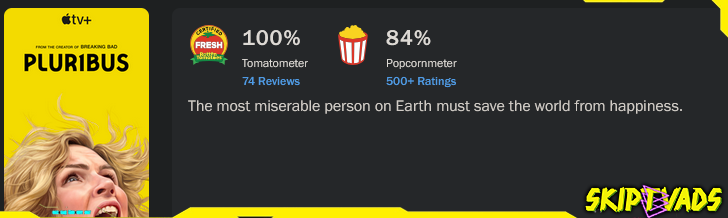


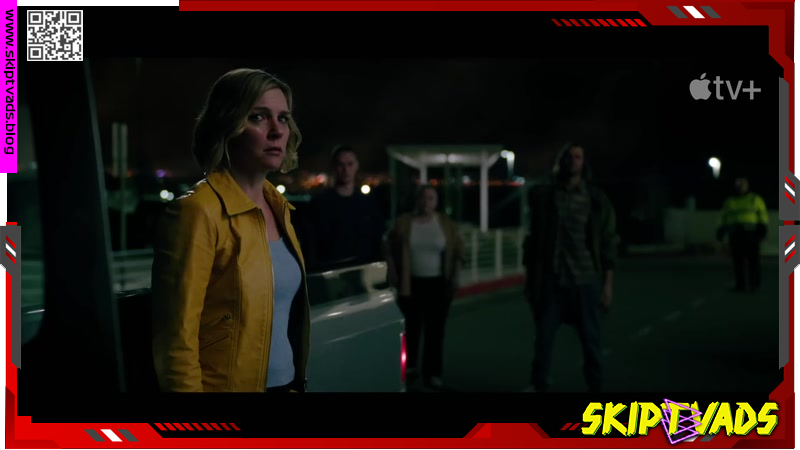
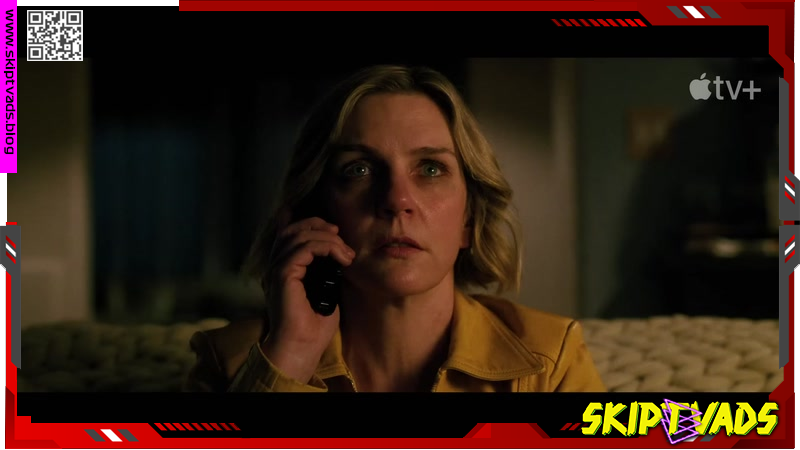
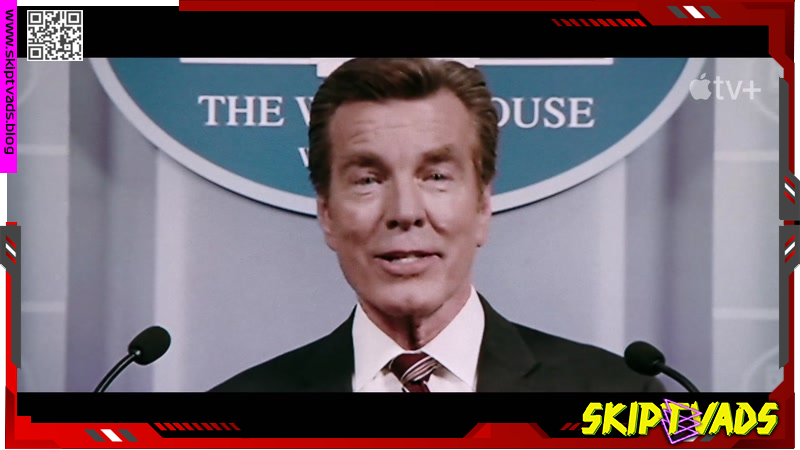
 [Source](https://tinyurl.com/mtuvcfnk)
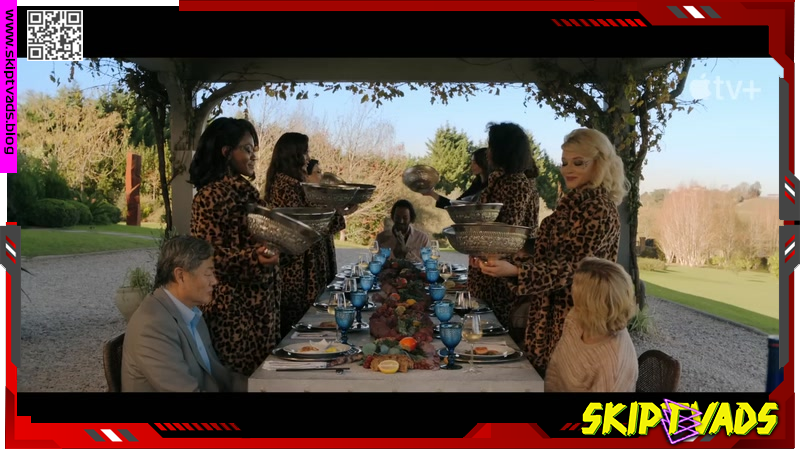 [Source](https://tinyurl.com/mtuvcfnk)
Episode two is where things slowed down a bit for me and I started losing some steam as they start to give us crumbs of how things work, the episode opens with this character named Zosia who looks exactly like the pirate from Carols books and she flys in to check on Carol. The whole opening sequence with Zosia was cool because it showed how the hive mind operates when Carol is not around, they all move in sync they dont need to talk to each other they just know what everyone is thinking and doing. Zosia shows up at Carols house and tries to get her to drink water because apparently every doctor on Earth thinks Carol is about to pass out from heat exhaustion, Carol is out in the backyard digging a grave for Helen and she refuses to accept any help from the hive mind. Zosia ends up revealing that Helen joined the hive mind before she died witch pisses Carol off because that was supposed to be a secret between her and Helen, then Carol starts screaming at Zosia and then the entire hive mind glitches out and freezes witch was insane to watch, just put that picture in your head as you are the single human on Earth that can get piss off and because of your temper the entire human race falls into the floor and starts shacking. Carol realizes that her tantrum caused thousands of people to die and she gets sick about it, the hive mind tries to comfort her and they even bring in a mini excavator to help her bury Helen witch was funny but also showed how much power and resources they have at there disposal. Carol asks about the other people who are immune like her and Zosia tells her there are now 12 of them and they all agree to meet up in Spain, so far the Hive Mind is not holding back any secrets and its completely transparent but this Hive sounds more like an Ai and we alraedy know what happens with all this contradictory rules and how the classic number one rule "Never hurt a human" and how the second and third rules can be contradictory, it all end in chaos.
[Source](https://tinyurl.com/mtuvcfnk)
Episode two is where things slowed down a bit for me and I started losing some steam as they start to give us crumbs of how things work, the episode opens with this character named Zosia who looks exactly like the pirate from Carols books and she flys in to check on Carol. The whole opening sequence with Zosia was cool because it showed how the hive mind operates when Carol is not around, they all move in sync they dont need to talk to each other they just know what everyone is thinking and doing. Zosia shows up at Carols house and tries to get her to drink water because apparently every doctor on Earth thinks Carol is about to pass out from heat exhaustion, Carol is out in the backyard digging a grave for Helen and she refuses to accept any help from the hive mind. Zosia ends up revealing that Helen joined the hive mind before she died witch pisses Carol off because that was supposed to be a secret between her and Helen, then Carol starts screaming at Zosia and then the entire hive mind glitches out and freezes witch was insane to watch, just put that picture in your head as you are the single human on Earth that can get piss off and because of your temper the entire human race falls into the floor and starts shacking. Carol realizes that her tantrum caused thousands of people to die and she gets sick about it, the hive mind tries to comfort her and they even bring in a mini excavator to help her bury Helen witch was funny but also showed how much power and resources they have at there disposal. Carol asks about the other people who are immune like her and Zosia tells her there are now 12 of them and they all agree to meet up in Spain, so far the Hive Mind is not holding back any secrets and its completely transparent but this Hive sounds more like an Ai and we alraedy know what happens with all this contradictory rules and how the classic number one rule "Never hurt a human" and how the second and third rules can be contradictory, it all end in chaos. To come up with this story is something that had to be develop through many many years because it is well though, things that are contradictory makes a lot of sense in a way that helps a lot the story telling of the series, I honestly love the series but since this is one that is going to make you think a lot, probably wont resonate with part of the audience. If you ever watch Breaking Bad you are going to notice the correlations and references, the lab scene, the suites, the yellow signature color, Carol always been agry as Mr. White, the series been develop in New Mexico, its all so good. Carol wakes up the next morning and finding out that everyone left except Diabate, he tells her he is going to Las Vegas to stay in Elvis Presleys penthouse and he wants to take Zosia with him because he is interested in her, her body to be honest. Carol is surprised and calls him out for taking advantage of the situation sexually over everything else witch is fair but it also introduce the question about consent and pleasure, Zosia cant choose to go with him because doing so would hurt Carol and thats something the hive mind is not capable of doing, they cant kill or hurt anyone, not even bugs, in context not even an ant. Carol decides to leave Spain alone but then at the last second she changes her mind and stops Air Force One, yeah thats how Diabate travels, its a weird ending because you are not really sure what Carol is trying to accomplish but I think it shows that even though she is fighting against the hive mind she doesnt want to be completely alone or is it that she will keep trying to find a way to get Diabate on her side??. Overall I am giving episode one an 8 out of 10 and episode two a 7 out of 10, the first episode was tight and intense and kept me wondering when they where going to jump Carol but the second episode felt a bit slow and dragged in places. I trust Vince Gilligan to cook something good here but right now I am not totally sold yet I just hope he doesnt go too deep into themes like sex preference, religion and politics, please please just dont, keep things entertaining. I got questions about why some people died and others didnt and what makes Carol and the other 12 people immune. The performances are great especially Rhea Seehorn who carries the entire show on her back, the production is stunning and the whole vibe of the show is eerie and unsettling in the best way possible, I am excited to see where this goes and I will definitely be watching every week to find out.


 [source](https://image.tmdb.org/t/p/original/z2hQ10eEjunBrUsmr0cAofP6CNc.jpg)
 [source](https://image.tmdb.org/t/p/original/f8lTJTsVPksuPMnUFrTpAIy4cgd.jpg)












 [Source](https://tinyurl.com/36sr238y)
 [Source](https://tinyurl.com/36sr238y)
The kids storyline with Lilly, Ronnie, Will and Rich doing their little graveyard scene to try and catch Pennywise on camera is where this episode starts losing me a bit because the idea is solid but the execution feels super rushed and not thought out, I really though Rich was going to add more context as he is the one who brought up the Santeria part of it but then they just jump directly into the scene at the graveyard. They go to this cemetery at night with a camera trying to summon ghosts or whatever and yeah some creepy stuff happens with gravestones cracking and dead kids showing up but it all feels like we have seen this before already, another scene where the show is holding back on actually giving us a proper look at Pennywise and just teasing us with blurry images and I get they just holding up the juicy part so the audience doesnt loose that fear generated by the Clown once is out there, its like watching Freddy after every movies it loose impact. When Will gets that photograph at the end showing the clown in the crypt it should feel like this huge reveal moment where finally the kids have proof that this thing is real but instead it just feels like another step in a process that is taking way too long to get where its going. I get that they are trying to build suspense and not blow their load too early with showing Pennywise in full clown mode but at this point I am just tired of waiting, we are three episodes in and the show is still playing this game of hide and seek when we all know what we are here to see. The kids actors are doing fine work and I like the dynamic between them but this whole plot about getting evidence to prove Pennywises existence is moving at a snails pace and its starting to drag down what could be a really tight and scary show, now been a more realistic I probably feel like this because of the movies to tv series transition, on a tv series things go slower than on a movie so I guess its totally normal if you feel this way too, its not that the series is bad.
[Source](https://tinyurl.com/36sr238y)
The kids storyline with Lilly, Ronnie, Will and Rich doing their little graveyard scene to try and catch Pennywise on camera is where this episode starts losing me a bit because the idea is solid but the execution feels super rushed and not thought out, I really though Rich was going to add more context as he is the one who brought up the Santeria part of it but then they just jump directly into the scene at the graveyard. They go to this cemetery at night with a camera trying to summon ghosts or whatever and yeah some creepy stuff happens with gravestones cracking and dead kids showing up but it all feels like we have seen this before already, another scene where the show is holding back on actually giving us a proper look at Pennywise and just teasing us with blurry images and I get they just holding up the juicy part so the audience doesnt loose that fear generated by the Clown once is out there, its like watching Freddy after every movies it loose impact. When Will gets that photograph at the end showing the clown in the crypt it should feel like this huge reveal moment where finally the kids have proof that this thing is real but instead it just feels like another step in a process that is taking way too long to get where its going. I get that they are trying to build suspense and not blow their load too early with showing Pennywise in full clown mode but at this point I am just tired of waiting, we are three episodes in and the show is still playing this game of hide and seek when we all know what we are here to see. The kids actors are doing fine work and I like the dynamic between them but this whole plot about getting evidence to prove Pennywises existence is moving at a snails pace and its starting to drag down what could be a really tight and scary show, now been a more realistic I probably feel like this because of the movies to tv series transition, on a tv series things go slower than on a movie so I guess its totally normal if you feel this way too, its not that the series is bad. [Source](https://tinyurl.com/36sr238y)
 [Source](https://tinyurl.com/36sr238y)
The 1962 stuff does add some interesting context about how Pennywise operates and why he seems to be traped in the forest during that time period, Rose mentions something about the creature not being able to leave the woods and that makes sense with what we know about the Native American tribe trying to contain him. Seeing young Shaw and Rose become friends and then having to deal with this monster together gives their present day reunion some extra weight, when adult Shaw shows up at Roses shop in 1962 pretending he is just there to talk about water pipes you can tell she knows he is full of shit and that he remembers way more than he is letting on. The slingshot becomes this artifact that connects the past to the present and its a clever way to tie the timelines together even if the execution of getting there feels a bit clunky, like did we really need nine whole minutes of carnival footage to set this up or could they have done it in half the time and gotten to the good stuff faster. I appreciate what they are trying to do with the dual timeline structure but it only works when both timelines are equally interesting and right now the 1962 stuff with Dick and the military is way more engaging than watching kids run around a graveyard taking blurry photos.
[Source](https://tinyurl.com/36sr238y)
The 1962 stuff does add some interesting context about how Pennywise operates and why he seems to be traped in the forest during that time period, Rose mentions something about the creature not being able to leave the woods and that makes sense with what we know about the Native American tribe trying to contain him. Seeing young Shaw and Rose become friends and then having to deal with this monster together gives their present day reunion some extra weight, when adult Shaw shows up at Roses shop in 1962 pretending he is just there to talk about water pipes you can tell she knows he is full of shit and that he remembers way more than he is letting on. The slingshot becomes this artifact that connects the past to the present and its a clever way to tie the timelines together even if the execution of getting there feels a bit clunky, like did we really need nine whole minutes of carnival footage to set this up or could they have done it in half the time and gotten to the good stuff faster. I appreciate what they are trying to do with the dual timeline structure but it only works when both timelines are equally interesting and right now the 1962 stuff with Dick and the military is way more engaging than watching kids run around a graveyard taking blurry photos.