Longform reviews of films, TV, anime, books, and audiobooks, written by the scrobble.life community and published to the Hive blockchain, so each one is owned by its author and can earn rewards from readers. 51,249 reviews and counting.
I was nine episodes deep into the original Terminal List when Dark Wolf dropped—and I thought I knew Ben Edwards. But this prequel yanked that familiarity inside-out. Watching him in Episode 1, set in war-scorched Iraq, I was sucked straight into this moment where a botched prisoner exchange goes sideways. The camera zooms in on his eyes—they’re unresolved, buried with ghosts—and when he executes Al-Jabouri after discovering what he did to the girl, I nearly choked on my coffee. It wasn’t the violence; it was the wrenching moral collapse, like feeling someone drag your trust into a sinkhole.
Then comes the second episode, the layover in Frankfurt, the cradle of his downfall. The CIA offer is the poisoned lifeline. And as Ben and Hastings walk into that nightclub in Austria, the tension is not the neon-lit back-room only hum: the problem is that once you go in, you do not come out.
Episode 3? That one punched me. The mission then goes Budapest-bound after killing Danawi. However, at this point Team dynamic breaks. Mo not only ignores orders, but leaves the daughter of Danawi alone, that breaks the code of conduct? That felt human. Moral dissonance is in effect realized. The sudden death of Ish on a train gave one the feeling as though he had been punched in the gut; the way Edwards responded, which was public, harsh and in your face, said much about a man who had learned how to filter nothing.
Paranoia occurs rapidly in Episode 4. The subway ambush, the mercenary swap mission with Mossad in Munich--all of it is a maze of conflicting loyalties. Then Eliza--who chillily shot Ben and took off with the bearings--struck me like a stabbing in the back you get even without being stabbed. The expression on the face of Ben as the mission falls apart? It is not only injured, it is fear of waking up in a wearing world.
What actually irritated me throughout these episodes was the humanness of it all, behind the operatic bloodshed. It sticks, Raife, when he says--Some men go to war to fight the enemy, others to fight themselves. You sense how in this series the battlefield is reconfigured as no longer dusty deserts, but overcrowded shopping centers and subway stations--familiar clutter, where mundane lives intersect with murderous ones.
Criticism has accused it of being too taciturn, that the lead, Taylor Kitsch is emotionally cold, that the story seems to follow the same formula. Maybe. There is an almost minimalist rhythm to his acting--as though it were a heart that only beats when the blood reaches the apron--but to my mind, it is not a miscarriage; it is a memory attempting to speak through a damned man.
That’s why it stayed with me. It’s all these quiet folds beneath the missions: grief unspoken, ties corroded, morality melting. An operation isn’t just a mission, it’s a mirror cracked. The moments, the stray kindness, like Mo sparing that girl; the sudden death of Ish; the betrayal on the subway train—they’re visceral reminders that even trained soldiers can’t outrun what kills them inside.
Thumbnail is designed by me on pixelLab and other images are screenshot from the movie
This is an interesting movie that conveys a lot of lessons, which is the part I have to review, of which I know that it is worth my time to watch, and you can benefit from it as well. This movie from the African Magic series is really lovely, cherished by families, and centered on ambition. The greed of the clown in the movie, justice actually prevailed.
I must tell you that greed is dangerous and harmful and never has any atoms of good attributes. That's to say, greed can extend distribution within one's life, as it was extracted from Wura. Wura has to tell you that when greed is not under control, it tends to cause what it is known for, which is destruction, as it happened in Wura, who was actually one of the outstanding characters in this movie, despite having the whole world in her possession but still not being satisfied with her husband, who was a police commissioner who was capable of catering to her needs.
The insatiable desire from her was actually what led her to have more ruthless and outrageous desires, which didn't match his caliber. It all happened that Pa Kuto, who discovered a large deposit of gold, really did well to communicate across to Mrs. Adeleke, who was actually recognized as the licensed miner across the Iperindo community, with an intention for everyone in the community to benefit from this discovery. Meanwhile, for me, this is just a selfless act, which is quite emulating, but Wusa turns it into something that looks like a threat to her own glory that triggers her making evil plans, which she eventually succeeds in, killing this young man. That's so bad.
With this act, she has defined who she is and what she is capable of doing. As if that one was not really enough, she went further to encroach on Oluwafemi, who was Aunty Labake's son, and she made the impromptu decision to eliminate him as well, and funny enough, she was the sponsor of the man's burial, all in the name of being greedy and pretending to be a saint. Her selfish ambition keeps her causing more harm than good, which was a result of the fear of losing the power she had.
Just to define that nothing lasts forever, her colonized wealth becomes useless without knowing that the killing of another named Tumi was actually her biological daughter, which taught her the pain of the debrief family has been through, which teaches that whatsoever one is doing has a reward or consequences, which definitely the law of karma will not fail to fulfill his law in return with justice, with the truth of all she has done unfolding for people to see what she has been doing all this while, which is the reason I rated this movie 9/10.
Thank Reading Through...
Written by: Tracy Tormé
Directed by: Richard Compton
Running Time: 46 minutes
Majel Barrett’s enduring status as the undisputed First Lady of Star Trek transcends her profound personal connection as Gene Roddenberry’s wife and muse; it is fundamentally anchored in her unparalleled acting contributions across the franchise’s decades-long history. Her journey commenced with the groundbreaking yet initially rejected role of the formidable Commander Number One in The Cage, the original Star Trek pilot. She subsequently graced The Original Series with her dual presence as the compassionate Nurse Christine Chapel and the instantly recognisable, soothing voice of the Enterprise computer – a role she would reprise consistently throughout the franchise’s evolution. While newer generations of Trekkies may primarily associate her with the delightfully overbearing Lwaxana Troi, the Betazoid ambassador whose flamboyant entrances became a hallmark of The Next Generation, it is crucial to acknowledge that her introduction occurred precisely in the first-season episode Haven. This instalment served as the debut for a character who would become a vital comedic and narrative counterpoint within the TNG universe, further cementing Barrett’s irreplaceable legacy through yet another distinct and memorable persona.
The narrative of "Haven" unfolds as the USS Enterprise-D orbits the idyllic Class M planet Beta Cassius IV, universally known simply as "Haven" for its renowned breathtaking beauty and pervasive tranquil atmosphere. Captain Jean-Luc Picard receives notification of an incoming package for beam-up, which materialises as a Betazoid gift box – a whimsical device operated by the actor Aaron Shimmerman. This unconventional courier delivers the news of the imminent arrival of Ambassador Lwaxana Troi, Deanna Troi’s formidable mother, accompanied by the Miller family. Counselor Troi subsequently elucidates the purpose of this visit: an arranged marriage between herself and Wyatt Miller (played by Robert Knepper), a young and promising doctor, with the ceremonial union scheduled to take place aboard the Enterprise.
Captain Picard’s reaction to these developments is palpably negative, stemming from two significant concerns. Firstly, he is deeply displeased at the prospect of losing Deanna Troi, a valued and integral member of his senior command staff, whose empathic abilities and counsel have proven indispensable on numerous occasions. Secondly, the mere presence of Lwaxana Troi, with her trademark eccentricity, unapologetic assertiveness, and tendency towards the obnoxiously demanding, grates significantly on his meticulously maintained command environment. This friction intensifies as Lwaxana engages in comically acrimonious exchanges with Wyatt’s mother, Victoria Miller (Nan Martin), while simultaneously attempting to deploy her considerable charms in Picard’s direction – advances he deflects with weary politeness. The potential departure of Deanna also profoundly unsettles Commander Riker, whose deep personal and professional bond with the Counselor is evident in his visible discomfort and concern throughout the proceedings.
The initial meeting between Deanna and Wyatt reveals the complex, somewhat fragile foundation of their betrothal. Wyatt explains that he accepted the arranged marriage partly out of a sense of familial obligation, but also due to recurring, vivid dreams and artistic visions of an ideal woman he felt destined to meet. Convinced by Betazoid telepathic lore that such profound visions must signify a genuine psychic connection, he believed Deanna had somehow projected herself into his subconscious. A crucial caveat, however, undermines this premise: Wyatt readily admits that Deanna Troi does not physically resemble the woman who haunts his dreams and appears in his artwork, introducing a dissonance that foreshadows the plot’s impending resolution.
Simultaneously, the serene planet of Haven faces an external crisis. A vessel carrying the last surviving members of the Tarrelian civilisation – a society ravaged and nearly exterminated by biological warfare – approaches the system. This ship carries a deadly plague, posing a catastrophic contagion risk to Haven’s population and the Enterprise crew. After protracted and frustrating attempts to establish communication, Picard finally hails the vessel. The revelation is astonishing: Arianna (Danitza Kingsley), one of the Tarrelian survivors, bears an uncanny, near-identical resemblance to the woman from Wyatt’s dreams. Her own artwork, displayed during the communication, mirrors Wyatt’s visions, depicting him in return. Confronted with this tangible manifestation of his prophetic dreams – a true psychic soulmate – Wyatt experiences an immediate and profound shift. He abandons the arranged marriage to Deanna without hesitation and, in a decisive act, beams aboard the Tarrelian ship, intent on utilising his medical expertise to aid the plague-stricken survivors in their search for a cure.
Haven arrives at a point where The Next Generation was actively striving to establish itself as a true ensemble drama, moving beyond the Kirk-centric model of TOS to allow deeper exploration of its diverse regular cast. Deanna Troi, however, had proven a stumbling block for some viewers early in the series. Her empathic abilities were frequently perceived as vague, almost redundant, leading to criticism that her character lacked concrete utility within the Starfleet framework. Written by Tracy Tormé, Haven represented a deliberate and largely successful effort to address this criticism. By delving into Betazoid culture, societal structures, and the specific pressures faced by Deanna as the daughter of a prominent ambassador, the episode added significant layers of complexity to her character, highlighting the cultural dissonance between Betazoid traditions and the human-centric Starfleet environment.
Nevertheless, the chosen vehicle for this character development – an imminent, ship-altering marriage – proves somewhat clunky. Given the episodic nature of early TNG, where character departures were exceptionally rare narrative devices (especially for core crew members), the premise that Deanna might genuinely leave the Enterprise strained credulity from the outset. The narrative’s ultimate resolution, cancelling the wedding, was further telegraphed with almost comical obviousness. A recurring, lightly humorous thread involved the Betazoid tradition of conducting wedding ceremonies entirely in the nude – a concept inherently incompatible with the constraints of 1980s American network television broadcast standards. The sheer improbability of such a scene ever being aired made the marriage’s cancellation feel preordained, diminishing genuine dramatic tension.
This sense of contrivance is compounded by the Tarrelian subplot. Initially presented as a serious, potentially catastrophic external threat demanding Picard’s attention, the Tarrelian ship and its plague ultimately function as little more than a convenient deus ex machina. Its sole narrative purpose appears to be providing Wyatt with his destined soulmate, thereby freeing Deanna from her marital obligation and allowing her to remain aboard the Enterprise – precisely the outcome required by the show’s fundamental structure. The gravity of the plague threat is consequently undermined, reducing a potentially compelling sci-fi dilemma to a mere plot device.
Despite these structural weaknesses, Haven remains an immensely entertaining and light-hearted episode, embracing a distinctly sitcom-like tone that provides welcome levity within TNG’s often weighty early seasons. Majel Barrett is undoubtedly the episode’s driving force, seizing the opportunity to portray Lwaxana Troi with unapologetic, scene-stealing gusto. Her performance is magnificently complemented by the towering, near-silent presence of Carel Struycken as Mr. Homn, Lwaxana’s enigmatic valet. Struycken, later iconic as The Giant in Twin Peaks, imbues Homn with an aura of silent, imposing competence that perfectly offsets Barrett’s flamboyance; both actors clearly relish their roles, establishing a dynamic that would become a recurring highlight of the series.
Critical reception, however, has not been uniformly positive. Astute fans have noted minor continuity quirks, largely attributable to the episode being produced earlier in the season than its eventual broadcast order. More substantive criticism, however, emanated from feminist perspectives. Detractors argued that the core premise – Deanna Troi expected to abandon her Starfleet career to follow her husband – jarred profoundly with Gene Roddenberry’s foundational vision of a progressive, egalitarian 24th century. The very concept of an arranged marriage for a Starfleet officer, particularly one involving the abandonment of a professional role, was seen by some as fundamentally at odds with the utopian ideals Star Trek purported to champion, presenting a curious regression rather than advancement.
These narrative shortcomings, while valid, are significantly mitigated by the episode’s overall execution. Director Richard Compton delivers a solid, visually appealing product. Costume design, particularly Lwaxana’s extravagant gowns, aids in visually distinguishing the cultures involved. Compton maintains a brisk pace that keeps the inherently silly premise engaging, skilfully balancing the comedic elements of Lwaxana’s antics and the Picard-Riker discomfort with the more serious undertones of the Tarrelian plight and Deanna’s personal dilemma. The humour lands consistently, largely thanks to Barrett’s fearless commitment and the strong supporting performances.
At the end, Haven stands as a fascinating, albeit flawed, chapter in The Next Generation’s development. It succeeds admirably in fleshing out Deanna Troi and introducing the indelible Lwaxana Troi, providing essential cultural context for the Betazoid character. Majel Barrett’s performance alone elevates the material considerably. However, its reliance on a narratively improbable central conflict resolved by a perfunctory deus ex machina, coupled with thematic elements that arguably contradict Star Trek’s core philosophy, prevents it from achieving true greatness. Yet, its sheer charm, confident direction, and the undeniable entertainment value generated by its central performances ensure that Haven remains a thoroughly enjoyable, if intellectually slight, diversion – a testament to the fact that within the vast expanse of the Star Trek universe, even a somewhat awkward attempt at cultural exploration can yield significant, enduring character dividends and pure viewing pleasure.
A boring Saturday afternoon. I kept scrolling through Instagram until my fingers ached , TikTok ran out of relevant videos and Netflix only replayed old Korean dramas with predictable storylines. My mood was flat, my energy low , but I still wanted something to distract me from the monotonous routine.
Source
Then, suddenly, I found Jaat 2025 on my homepage. The movie poster was nothing special, not particularly eye-catching , but there was something about the tagline that piqued my curiosity. “Ah, whatever,” I thought as I settled into the most comfortable position , “worst case scenario, I'll just waste two hours scrolling on my phone.”
My expectations were very low at the time. I just needed decent background noise, or maybe some action scenes to keep my eyes from getting sleepy. At worst, there would be a cheesy plot twist that I could use as conversation material with my friends. But wow, I was so wrong.
From the first fifteen minutes , I realized this was going to be a different experience. Not because of spectacular explosions or adrenaline-pumping chase scenes , but because of the way the film drew me into a world that felt familiar yet unsettling.
The most unexpected thing? I usually watch movies while scrolling through Instagram or replying to chats , but this time I was willing to leave my phone face down. I was completely focused on the screen, even forgetting that the drink I had prepared had gone warm...
What interests me is how it presents conflicts that are not as simple as “hero vs. villain.” In the real world , situations that are truly black and white are rare. Jaat 2025 successfully captures that complexity.
Without giving too much away, the storyline revolves around issues that are quite close to our daily lives. There are moments where I, as a viewer, find myself wondering, “Hey , if I were in the main character's position, would I make the same decision?”
Source
And that's what makes this movie more than just a one-time watch. There are layers of narrative that make us want to discuss it with others after watching... It's like a good book that makes us want to tell our friends about what we've just read.
• 📱Visuals That Remain Captivating on a Small Screen!
Honestly, at first I was a bit skeptical about streaming action movies on my phone... Usually, cool visual effects don't feel the same on a small screen. But it turns out that Jaat 2025 can still provide a satisfying visual experience even when viewed on a 6-inch screen.
The visual effects aren't as bombastic as when watched in a movie theater , but they're still enough to keep our eyes from getting bored. In fact, there are some scenes that feel more intimate because of the close viewing distance. Some of the action sequences are a bit rushed—perhaps due to deadlines or duration targets—but overall, it's still enjoyable...
What kept me focused was the use of lighting and color. Even on a phone screen , the dark-toned scenes still managed to create a mysterious atmosphere that perfectly matched the mood of the story. The details may not be as rich as on a big screen, but the atmosphere is still there...
• 🥺 Heartwarming Acting
Well, this is what I think is the film's main strength. The chemistry between the actors is spot on... Even when the dialogue is a little stiff or feels forced , the way they convey their emotions still makes us feel it too.
There are one or two emotional moments that—I admit—brought tears to my eyes... I'm usually the type of viewer who is indifferent to mellow scenes. But for some reason, the way they express their characters' feelings feels genuine , not contrived.
What stands out the most is how these actors managed to make their characters feel like people we might know in real life. Not superheroes or perfect figures , but ordinary humans with all their strengths and flaws.
• 🎧Audio that Compensates for the Small Screen
With decent earphones, the music composer really understands how to create music that isn't just background noise. Every beat, every note, feels more intimate because it goes straight to your ears.
At every important moment, the background music is played with precise timing. During the climax, the instruments and vocals gradually build tension, and because I was using earphones , the goosebumps were even more intense. There were even a few tracks that I saved to my playlist right after watching.
What’s also amazing is the incredibly detailed sound design. The sound of footsteps, the rustling of wind, even the moments of silence—everything feels clearer when watching with headphones. So even though I’m watching on a small screen, the audio experience remains premium...
• 💌 Messages That Stick in Your Head
For me personally , Jaat 2025 isn't just two hours of entertainment that you forget about afterwards. This film touches on serious themes such as life choices, moral responsibility , and how every decision we make has a domino effect on the people around us.
After watching Jaat 2025 while lying down in my room, I realized that a memorable viewing experience doesn't always have to be in a theater with a giant screen... Sometimes, watching alone on your phone actually makes you more focused and more connected to the story...
What I respect is how they convey these messages without sounding preachy. There are no scenes where the characters suddenly become impromptu motivators who give long lectures. The messages are conveyed through the actions, consequences and choices made by the characters...
After finishing the movie, I stayed in bed for a few minutes, rethinking some of the decisions I had made. There was a sense of gratitude , but also a little regret. And maybe that's what they mean by a “meaningful” movie—one that makes us reflect on our own lives, even if it's just from a phone screen...
• Tolerable Shortcomings
Of course, no movie is perfect. There are a few things that I think could be improved in the next production:
First, the pacing in some parts feels rushed. There are scenes that could have been developed further , but they seem to have been shortened due to the duration.
Second, some of the dialogue feels a bit stiff , like it's been literally translated from another language. Perhaps because the target audience is international, there has been a compromise in the use of natural language...
Third, there are one or two subplots that are introduced but not fully resolved. It makes me curious... but it also feels a bit unfinished.
But all these shortcomings are still tolerable because the film's strengths in other aspects are quite solid...
•Conclusion:Worth Watching!
If asked whether this movie is worth watching , my answer is a definite yes. For those looking for entertainment with exciting action, it has it. For those who want a heartwarming drama, it has that too. For those who like movies with deep moral messages, you are guaranteed to be satisfied.
I give it a personal rating of 8/10. That's pretty high considering my initial expectations were pretty standard. And who knows, this rating might go up if there's a sequel that develops the story even more deeply.
Most importantly, this film leaves a lasting impression. It’s not just remembered for its cool action scenes, but for its message that stays with you even days after watching.
•Closing: More Than Just Entertainment!
After watching Jaat 2025, I realized that the best movies aren't just the ones that entertain us , but also the ones that make us think. The ones that make us see the world from a different perspective, even if only for a moment...
Sometimes we need a reminder that every choice has consequences, every action has an impact and every word we say can affect others. This film gives us that reminder in an entertaining way, without being preachy...
For those of you who have also watched it, I'm curious :
👉 Which scene made you rethink your life the most?
👉 Which character did you find most relatable?
👉 If there were a sequel, where would you hope the story would go?
Because writing this review isn't just about giving a rating or recommending a movie , but also about sharing perspectives and opening up space for discussion... Who knows, maybe from a simple conversation like this, new insights will emerge that make us all wiser in how we view life.
And that’s actually what I love most about the world of film its ability to bring people from different backgrounds together in one story , and make us feel connected even though we’ve never met in person...
Hello everyone, my dear Movies and TV Shows community, I hope you're all doing great. Today I want to share a new review with you. You know when you see a trailer or hear what something's about and you're like, "Seriously, they're going to make a movie about that?" Well, hold on, because they made a movie about... Flamin' Hot Cheetos! Yes, the snack, you've probably tried it... the movie is called Flamin' Hot, and my first reaction, probably like yours, was, "Another story about how they invented a product?" Honestly, I was already kind of rolling my eyes, you know? I thought, "Uuuuuy, it's probably going to be the typical corporate thing, super predictable and kind of cheesy." But, here comes the good part, the truth is... I really liked it, yes, I'm just as surprised as you all are. It caught me totally off guard and honestly left me feeling really good, like that yummy feeling after eating a bag of Cheetos, well the movie is about this guy, Richard Montañez, a Mexican-American who started as a janitor, cleaning, at a Frito-Lay factory a long time ago, the whole idea, supposedly, is that he was the genius behind the Flamin' Hot phenomenon... his idea is that he realized that Frito-Lay wasn't even paying attention to the Latino market, not at all!
They didn't even have a snack with us in mind... then, boom! He has a super idea: he comes up with this idea for a spicy snack, goes and presents it to the bosses, and the rest is history. It sounds like the typical tale of someone who comes from below and manages to do something incredible, the janitor who becomes the star inventor of a multi-million dollar flavor, and this film is directed by Eva Longoria, in fact, this is her first film as a director, I didn't even know before seeing it... you know what? She did well! I was really impressed, honestly... I wouldn't expect a new director, especially one coming from an acting background, to go for it like it was safe, right? A little shy maybe, but no, the film has a super good energy, it has a lot of rhythm, the editing is agile, it adds a very cool style that makes everything flow and hooks you... I never felt it slow or boring, and that could easily have been a pure meeting of men in suits... the truth is that she knows how to play the rhythm and keep the vibe high.
Hola a todos amigos, querida comunidad de Movies and TV Shows, espero que estén super bien, el día de hoy les quiero compartir una nueva reseña.¿Ubican cuando ven un tráiler o escuchan de qué va algo y se quedan como "en serio¿van a hacer una película de eso?"? Bueno, agárrense, porque hicieron una película de... ¡los Flamin' Hot Cheetos! Sí, el snack, seguro lo han probado.. la película se llama Flamin' Hot, y mi primera reacción, seguro como la de ustedes, fue: "¿Otra historia de cómo inventaron un producto?".. La verdad, ya estaba medio poniendo los ojos en blanco, ¿saben? Pensé "uuuy, seguro va a ser la típica cosa corporativa, súper predecible y medio ñoña".. pero, aquí viene lo bueno, la verdad es que.. me gustó mucho, si, stoy igual de sorprendido que ustedes. Me agarró totalmente desprevenido y, sinceramente, me dejó sintiéndome súper bien, como esa sensación rica después de echarte una bolsa de los Cheetos, bueno, la peli va de este tipo, Richard Montañez, un mexicano-americano que empezó de conserje, de limpieza, en una fábrica de Frito-Lay hace mucho tiempo, toda la onda, supuestamente, es que él fue el genio detrás del fenómeno Flamin' Hot.. ma idea es que se dio cuenta de que Frito-Lay ni le ponía atención al mercado latino, ¡para nada!
No tenían ni un snack pensando en nosotros.. entonces, ¡pum!, tiene una súper idea: se le ocurre esta idea de un snack tipo picosa, va y se la presenta a los jefes, y lo demás es historia. Suena al típico cuento del que viene de abajo y logra hacer algo increíble, el conserje que se vuelve el inventor estrella de un sabor multimillonario, y está película la dirige Eva Longoria, de hecho, está es su primera peli como directora, yo ni sabía antes de verla.. ¿saben qué? Lo hizo bien! Quedé bien impresionado, la verdad..ino esperaría que una directora nueva, y más viniendo de la actuación, se fuera como que a lo seguro, ¿no?, medio tímida quizá, pero no, la peli tiene una energía súper buena, tiene mucho ritmo, la edición está ágil, le mete un estilo muy cool que hace que todo fluya y te enganche.. nunca la sentí lenta o aburrida, y eso que fácil pudo ser pura junta de señores en traje.. la verdad que le sabe al ritmo y a mantener la vibra bien arriba.
Okay, but here’s where things get a little… spicy, so to speak… while I was watching it, and I was entertaining myself with Richard’s story, it seemed like a little voice in the back of my head was saying “is that how it all went down?” It just felt so perfect, very movie-like, you know, very Hollywood… and boom! It turns out that little voice was right, it seems like there’s a whole debate, a problem there, as to whether Richard Montañez’s story is 100% real… I started gossiping afterwards and I read that the LA Times published a story basically saying: “Aha, what a nice story, but… Frito-Lay was already cooking up some spicy stuff and there were other people involved in it”.. the movie is based on a book by Richard himself! –who apparently has written several, with titles like Flamin' Hot: The Incredible True Story of How a Janitor Made It to the Top and well maybe his version is more... how do I put it?, like an urban legend, or that he crafted his character, his personal brand, really well, he still clings to the idea that's how things happened, but the evidence isn't so clear.
But here's the craziest part: knowing all this after seeing it didn't ruin the movie for me at all! And I think that's thanks to the way Eva Longoria handled it... the movie isn't just about inventing a snack, you know what I mean? It felt more like the spirit of the story... it's about being a dreamer, about having that hunger, that ambition even though everyone tells you "stay where you are, son." It perfectly captures that feeling of wanting more, of seeing an opportunity where no one else is. So, whether Richard single-handedly invented the Flamin' Hots or simply played a key role in pushing them into the Latin market, the film connects strongly with that universal feeling of wanting to leave your mark. For what the film is trying to do, the historical truth almost feels less important than the emotional truth it wants to leave you with. Do I make myself clear? It uses his story as a vehicle, as a pretext, to tell a larger story about grit, about identity.
Okay, pero aquí es donde la cosa se pone... picosita, digamos.. mientras la estaba viendo, y me estaba entreteniendo con la historia de Richard, como que una vocecita atrás me decía "¿así pasó todo?". Es que se sentía como demasiado perfecto, muy de película, ¿saben?, muy Hollywood.. y ¡pum!, que resulta que esa vocecita tenía razón, parece que hay todo un debate, un problema ahí, de si la historia de Richard Montañez es 100% real.. me puse a chismear después y leí que el LA Times sacó un reportaje diciendo básicamente: "Ajá, qué bonita historia, pero... Frito-Lay ya andaba cocinando cosas picantes y había más gente metida en eso".. es que la peli está basada en un libro ¡del mismísimo Richard! –que al parecer ha escrito varios, con títulos tipo Flamin' Hot: La increíble historia real de cómo un conserje llegó a la cima y pues tal vez su versión es más... ¿cómo decirlo?, como una leyenda urbana, o que él se armó súper bien su personaje, su marca personal, él sigue aferrado a que así pasaron las cosas, pero las pruebas como que no están tan claras.
Pero aquí viene lo más loco: ¡saber todo esto después de verla no me arruinó la peli para nada! Y yo creo que eso es mérito de cómo la manejó Eva Longoria.. es que la peli no es nomás sobre inventar un snack, ¿me entienden? se sintió más sobre el espíritu de la historia.. es sobre ser un soñador, sobre tener esa hambre, esa ambición aunque todos te digan "quédate en tu lugar, mijo". Captura perfecto esa sensación de querer más, de ver una oportunidad donde nadie más la está viendo, así que, si Richard inventó solito los Flamin' Hots o si nomás jugó un papel clave para empujarlos al mercado latino, la peli conecta mucho con ese sentimiento universal de querer dejar tu huella, para lo que quiere la película, la verdad histórica casi se siente menos importante que la verdad emocional que te quiere dejar. ¿Sí me explico? Usa su historia como un vehículo, como un pretexto, para contar una historia más grande sobre tener agallas, sobre la identidad.
And speaking of identity, that was another thing I really liked... the movie does a really good job of showing you what the Mexican vibe is like. We see Richard’s life, growing up as a Mexican-American, encountering prejudice, being told that he’s “neither from here, nor from there,” you know? Neither “very gringo,” nor “very Mexican.” It shows you the racism that’s thrown at you as if it were nothing and also the obstacles that were put in his way for being who he was. There’s a scene where some kids at school are made fun of for bringing burritos for lunch – those little things feel super real and give it more weight. It doesn’t hold back from showing the difficult parts, the segregation, that feeling of being a stranger even in your own country... but it doesn’t just dwell on the bad.
It balances it out really well with a very real celebration of Mexican-American culture and roots. It’s about drawing power from your roots, using your unique perspective as an advantage. I mean, yeah, some parts are pretty darn typical—the strong, supportive wife, the people who don’t believe him at first, the eventual triumph—we’ve seen bits and pieces of this story before. But again, the vibe, the way everyone acts, and the fact that Eva Longoria really cared about the story makes it feel a lot fresher than it sounds. It honors the culture without being too dramatic, you know what I mean? The whole cast is so good. Jesse Garcia, who plays Richard, is amazing, he brings this vulnerable vibe but also this really great perseverance. Annie Gonzalez, who plays his wife, Judy, wow!
Their relationship is at the heart of it all, really. It’s not just him and his crazy dream; It’s the two of them, like a great team, helping each other, moving forward, that focus on family, on the strength of the couple, the truth that lifts the story beyond just “how a business was made.” You feel how much his family weighs on him, in a good way, and you see how having faith in him gives him power for his crazy idea... and visually, they hit the nail on the head with the era, you see how time flies, the 70s, 80s, 90s, and the production, the clothes, the cars, the houses... everything feels authentic, really... they did super well capturing how everything looked and felt in those Mexican-American communities in California at that time, those little details are what make you believe it, what make you feel like you’re there.
Y hablando de identidad, eso fue otra cosa que me gustó un montón.. la peli le entra súper bien a mostrarte cómo es la onda mexicana, vemos la vida de Richard, creciendo como mexicano-americano, topándose con prejuicios, que le digan que "ni de aquí, ni de allá", ¿saben? Ni "muy gringo", ni "muy mexicano".. te muestra ese racismo que te tiran como si nada y también los obstáculos que le ponían por ser quien era, hay una escena donde se burlan de unos niños en la escuela por llevar burritos de lunch – esas cositas se sienten súper reales y le dan más peso, no se corta en mostrar lo difícil, la segregación, eso de sentirte extraño hasta en tu país.. pero no se clava nomás en lo malo.
Lo balancea chido con una celebración bien real de la cultura y las raíces mexicano-americanas, es sobre sacar power de tus raíces, usar tu punto de vista único como una ventaja.. a ver, sí, algunas partes caen en lo típico –la esposa fuerte que lo apoya con todo, la gente que no le cree al principio, el triunfazo final.. ya hemos visto pedazos de esta historia antes. Pero, de nuevo, la vibra, cómo actúan todos, y que se nota que a Eva Longoria de verdad le importaba la historia, hacen que se sienta mucho más fresca de lo que suena, honra la cultura sin echarte un drama, ¿me entienden? Todo el cast, está súper bien.. Jesse Garcia, el que hace de Richard, qué bárbaro, le mete esa onda vulnerable pero también una perseverancia genial, Annie Gonzalez, que es su esposa Judy, ¡wow!
Su relación es el corazón de todo, en serio.. no es nomás él con su sueño loco; son ellos dos, como un equipazo, echándose la mano, dándose para adelante, ese enfoque en la familia, en la fuerza de la pareja, la verdad que levanta la historia más allá de solo "cómo se hizo un negocio". Sientes cómo le pesa la familia, en el buen sentido, y ves cómo que le tengan fe le da power para su idea loca.. y visualmente, le pegaron al clavo con la época, ves cómo pasa el tiempo, los 70s, 80s, 90s, y la producción, la ropa, los carros, las casas... todo se siente auténtico, de verdad.. la hicieron súper bien para capturar cómo se veía y se sentía todo en esas comunidades mexicano-americanas de California en ese tiempo, esos detallitos son los que hacen que te la creas, que sientas que estás ahí.
Overall, the movie has a super cool, optimistic vibe, it has its funny parts, sometimes it gets a little too cartoonish, but since the whole cast really gets into that exaggerated vibe, it works, it works well... it doesn't take itself super seriously, but it does take the dreams and struggles of the people in it seriously, it entertains you from beginning to end and leaves you with that nice, warm feeling inside. You know, that vibe that by chance, just by chance, anyone can have THE idea, no matter where you come from, that message that a janitor was able to understand something that those above him didn't even see, that listening to different people (especially minorities) can bring super cool ideas... the truth is, that did reach me, it stuck with me... honestly, I think I enjoyed it even more than other commercial movies...
Flamin' Hot, even with the issue of whether the story is "real" or not, I felt it was more human, more down-to-earth, more about struggle, family and that stubbornness to follow your dream even when everything is against you... so, did I expect to get excited with a movie about Hot Cheetos? Not at all! Did I think I was going to start thinking about cultural identity, ambition and the strength of family? Less! But it did... it's not perfect, it falls into some predictable things and the issue of how real the story is, well there it is, floating... but it has a huge heart, an energy that is contagious, performances that attract and a message that inspires you. I give it a good 7.5/10, it's worth checking out if you have Disney Plus or wherever you find it in your country, especially if you are looking for something that leaves you feeling good... and well, that's all for today, we'll see you in the next reviews, take care! Bye!
En general, la peli tiene una vibra súper buena onda, como optimista, tiene sus partes chistosas, a veces se pasa un poquito de caricaturesca, pero como todo el elenco le entra con ganas a esa ondita medio exagerada, pues funciona, jala bien.. no se toma súper en serio a sí misma, pero sí se toma en serio los sueños y la lucha de la gente que sale ahí, te entretiene de principio a fin y te deja con esa sensación rica, como calientito por dentro. Ya saben, esa onda de que chance, solo chance, cualquiera puede tener LA idea, no importa de dónde vengas, ese mensaje de que un conserje pudo entender algo que los de arriba ni vieron, que escuchar a gente diferente (especialmente a las minorías) puede traer ideas súper chidas... la verdad, eso sí me llegó, me pegó.. sinceramente, creo que la disfruté hasta más que otras películas de productos..
Flamin' Hot, con todo y el tema de si la historia es "real" o no, la sentí más humana, más de a pie, más sobre la lucha, la familia y esa terquedad de seguir tu sueño aunque todo esté en contra.. así que, ¿esperaba emocionarme con una peli de Cheetos picosos? ¡Para nada! ¿Pensé que me iba a poner a pensar sobre identidad cultural, ambición y la fuerza de la familia? ¡Menos! Pero lo hizo..no es perfecta, cae en algunas cosas predecibles y el tema de qué tan real es la historia, pues ahí está, flotando.. pero tiene un corazón enorme, una energía que contagia, actuaciones que atraen y un mensaje que te inspira. Le doy un buen 7.5/10, vale la pena echarle un ojo si tienen Disney Plus o donde sea que la encuentren en su país, sobre todo si andan con ganas de algo que los deje sintiéndose bien.. y bueno, esto es todo por hoy, nos veremos en las próximas reseñas, cuidense mucho! Byebye!
Tell me... have you seen this series? Has it caught your attention? Tell me what you thought of this review with my opinion, and tell me if it has made you want to watch this series. You can leave me in the comments your recommendations for future publications! 😊
Cuéntame.. ¿Has visto esta serie? Te ha llamado un poquito la atención? Dime que te pareció esta reseña con mi opinión, y dime si te han dado ganas de ver esta series. Puedes dejarme en los comentarios tus recomendaciones para las próximas publicaciones!! 😊
📲 My social media:
See you next time! 👀🎞💗
Traduced with DeepL
Banners y separadores hechos con Canva Pro. Banners and dividers made with Canva Pro.
Amo cuando comienzo a ver un drama con bajas espectativas pensando que no va a estar bueno, que no me va a gustar y me llevo la grata sorpresa de que está buenísimo y pues no me queda otra que amarlo 🥰 tal es el caso de Tastefully yours.
I love when I start watching a drama with low expectations thinking it's not going to be good, that I'm not going to like it and I get the pleasant surprise that it's really good and I have no choice but to love it 🥰 such is the case of Tastefully yours..
Tastefully Yours cuenta la historia de Han Beom Woo(Kang Ha Neul y Mo Yeon Joo(Go Min Si). Han Beom Woo es el susesor de una gran empresa alimentaria y el gerente de uno de los restaurantes insignia de dicha empresa, mientras que Mo Yeon Joo es la chef y propietaria de un pequeño restaurante del alta cocina que además está en un rincón remoto de una provincia. Ambos terminan dirigiendo el pequeño restaurante juntos y entre enrredos y platillos deliciosos crecen juntos y se enamoran.
Tastefully Yours tells the story of Han Beom Woo(Kang Ha Neul and Mo Yeon Joo(Go Min Si) Han Beom Woo is the treasurer of a large food company and the manager of one of the company's flagship restaurants, while Mo Yeon Joo is the chef and owner of a small haute cuisine restaurant in a remote corner of a province. The two end up running the small restaurant together and amidst entanglements and delicious dishes they grow up together and fall in love.
Ya sé que la sipnosis suena bastante cliché, el típico protagonista millonario y la chica de origen humilde, pero bueno seamos sinceros está fórmula podrá ser muy cliché, pero sigue funcionando sobre todo si la historia tiene algo de sazón que la hace un poco diferente, comenzamos con un protagonista millonario y arrogante y además tramposo que se dedica a comprar restaurantes para robarles las recetas y hacer que el chef de su restaurante las replique, todo para ganar tres estrellas ⭐ Diamant, su camino se cruza con Mo Yeon Joo quien tiene su propio restaurante y un talento especial para cocinar, por cosas del destino se ve obligado a trabajar con ella y juntos trabajan para sacar adelante el restaurante.
I know that the sypnosis sounds pretty cliché, the typical millionaire protagonist and the girl of humble origins, but let's be honest, this formula may be very cliché, but it still works, especially if the story has some spice that makes it a little different, We start with a millionaire and arrogant protagonist and also cheater who is dedicated to buy restaurants to steal their recipes and make the chef of his restaurant replicate them, all to win three stars ⭐ Diamant, his path crosses with Mo Yeon Joo who has his own restaurant and a special talent for cooking, by fate he is forced to work with her and together they work to move forward the restaurant.
Algo que ame fue el crecimiento de Han Beom Woo, comenzó siendo un hombre frío y calculador que veía la comida como un simple negocio y el conseguir las tres estrellas la vía más segura para ser el susesor de la empresa de su madre, que por cierto lo hacía competir con su hermano mayor todo el tiempo, pero al trabajar con Mo Yeon Joo se va contagiando de su pasión por la cocina, al principio la ayudaba con su restaurante por razones egoístas, pero a medida que se va enamorando va dejando de lado su ambición, la protagonista no es la típica chica tonta, Mo Yeon Joo es de origen humilde sí, pero muy culta, decidida y de carácter con pasión por la cocina y una habilidad increíble para inventar platillos novedosos y deliciosos.
Something I loved was the growth of Han Beom Woo, he started as a cold and calculating man who saw food as a simple business and getting the three stars as the surest way to be the successor of his mother's company, which by the way made him compete with his older brother all the time, but as he worked with Mo Yeon Joo he became infected by her passion for cooking, At the beginning he helped her with her restaurant for selfish reasons, but as he falls in love, he gradually puts aside his ambition. The protagonist is not the typical dumb girl, Mo Yeon Joo is of humble origins, yes, but very cultured, determined and of character with a passion for cooking and an incredible ability to invent new and delicious dishes.
En este drama algo que disfrute mucho fueron los dos personajes secundarios que acompañan a los protagonistas en esta aventura Jin Myeong Sook(Kim Shin Rok) es una chica que trabajo por 15 años en un restaurante de sopa y cansada de no ser realmente valorada allí decide renunciar y comenzar a trabajar en el restaurante de Mo Yeon Joo, allí tuvo la oportunidad de crecer como persona y lograr su sueño de convertirse en chef. También está Shin Chun Seung(Yoo Soo Bin) el hijo del dueño del restaurante donde trabajaba Jin Myeong Sook, comienza siendo un brabucon bueno para nada para luego transformarse en una persona diferente e incluso con un talento increíble, ame el crecimiento de ese personaje en particular porque siento que fue algo así como de cero a héroe. 🥰
In this drama something that I really enjoyed were the two secondary characters that accompany the main characters in this adventure Jin Myeong Sook(Kim Shin Rok) is a girl who worked for 15 years in a soup restaurant and tired of not being really valued there decides to quit and start working in Mo Yeon Joo's restaurant, there she had the opportunity to grow as a person and achieve her dream of becoming a chef. There is also Shin Chun Seung(Yoo Soo Bin) the son of the owner of the restaurant where Jin Myeong Sook used to work, he starts out as a good for nothing bully to then transform into a different person and even incredibly talented, I loved the growth of that particular character because I feel like he went something like from zero to hero. 🥰
Y bueno, ya sé que Yoo Soo Bin no es el protagonista, pero quiero destacar que ame la interpretación de su personaje, ya lo había visto antes en weak hero class 2 fue realmente genial verlo nuevamente, porque de verdad tiene demasiado talento 😍 por cierto eso me recuerda el cameo que hizo el protagonista de Weak hero classPark Ji Hoonen este drama, fue realmente épico y para morir de risa.🤣
And well, I know Yoo Soo Bin is not the main character, but I want to point out that I loved the interpretation of his character, I had already seen him before in weak hero class 2 it was really great to see him again, because he really has too much talent 😍 by the way that reminds me the cameo that the main character of Weak hero classPark Ji Hoon made in this drama, it was really epic and to die of laughter.🤣
Otra cosa que quiero destacar de este drama es que no es el típico drama con los actores más guapos de Corea, en mi opinión incluso el protagonista no es el más guapo o por lo menos yo no lo considero guapo, pero realmente no necesite ver caras bonitas para sumergirme en la historia, lo digo porque hay personas que no ven ciertos dramas porque el actor protagonista no le parece guapo y eso en mi opinión es una tontería, jamás me perdería una buena historia solo por qué el actor supuestamente no es guapo.
Another thing I want to highlight about this drama is that it is not the typical drama with the most handsome actors in Korea, in my opinion even the main character is not the most handsome or at least I don't consider him handsome, but I really don't need to see pretty faces to get immersed in the story, I say that because there are people who don't watch certain dramas because the main character actor doesn't look handsome and that in my opinion is silly, I would never miss a good story just because the actor supposedly isn't handsome.
El romance entre los protagonistas es un platillo que se cocina a fuego lento y eso me encantó, fue muy lindo ver cómo poco a poco iban bajando sus defensas para darle una oportunidad al amor, pero sin prisas y de una forma bastante madura y lo digo porque me había acostumbrado a las historias dónde los protagonistas se enamoran a primera vista 😆 los romances lentos y más realistas también valen la pena.
The romance between the main characters is a slow-cooked dish and I loved that, it was nice to see how they were slowly lowering their defenses to give love a chance, but without haste and in a quite mature way and I say that because I was used to stories where the protagonists fall in love at first sight 😆 slow and more realistic romances are also worth it.
El cuanto al tema de la comida, 😋 es imposible ver ese drama y que no te de hambre, me provoco replicar casi cada receta que ví, es que se me hacía agua la boca 🤤🍲🍛🥗 lastima que no nací con él talento culinario de Mo Yeon Joo. 🤭
On the subject of food, 😋 it's impossible to watch that drama and not get hungry, it made me replicate almost every recipe I saw, my mouth was watering 🤤🍲🍛🥗 too bad I wasn't born with Mo Yeon Joo's culinary talent. 🤭
En conclusión es un drama súper cómico, reflexivo, romántico y con mucha sazón de la buana, ¿es perfecto? No, ¿Lo recomiendo? Sí, por supuesto y de puntuación le doy un 8/10
In conclusion, it is a super comical, thoughtful, romantic drama with a lot of good seasoning, is it perfect? No, do I recommend it? Yes, of course and I give it a score of 8/10.
Cuéntenme en los comentarios si ya vieron este drama ¿Qué les pareció? Y si no lo han visto ¿Se animan a verlo? 😉😊
Tell me in the comments if you have already seen this drama, what did you think? And if you haven't seen it, do you dare to watch it 😉😊.
Y esto es todo por hoy, sí les gusto no olviden darle amorshito a mi post dejando un lindo comentario o dando click en el corazoncito. 💜😉😊🤭🥰
Nos vemos en un próximo post, que estén bien y Dios los bendiga, bye.🥰😘💜🌹🪷
And that's all for today, if you like me don't forget to give love to my post by leaving a nice comment or clicking on the little heart. 💜😉😊🤭🥰
See you in a next post, be well and God bless you, bye.🥰😘💜🌹🪷
Portada creada en Canva. Traducción al inglés con DeepL.
Cover created in Canva. Translation to English with DeepL.
Baby isn't a girl who falls in love. She's a woman who transforms. Johnny isn't a bad boy who redeems himself. He's a man who allows himself to feel.
Baby no es una chica que se enamora. Es una mujer que se transforma. Johnny no es un chico malo que se redime. Es un hombre que se permite sentir.
Baby and Johnny. That's all there is to it.
The film may have music, dancing, summer, a resort, and social classes. But what matters is this: Baby and Johnny. Two bodies that don't know each other. Two worlds that don't touch. Until they touch.
Baby arrives with her head full of noble ideas. She's the daughter of a doctor. Her future is secure. But she has no experience. She doesn't know how to dance. She doesn't know how to love. She doesn't know how to look. What she has is hunger. A hunger for truth. For her body. For the world. For something that isn't written in books.
Johnny has already lived. He has already lost. He has already danced to survive. He has no time for naiveté. He has rage. He has pride. He has wounds. And he dances as if his body were the only thing he has left. He doesn't want to teach. He doesn't want to care. But when Baby appears, something moves.
▬▬▬▬▬▬▬▬▬▬▬▬▬▬▬
Baby y Johnny. Eso es todo.
La película puede tener música, baile, verano, resort, clases sociales. Pero lo que importa es eso: Baby y Johnny. Dos cuerpos que no se conocen. Dos mundos que no se tocan. Hasta que se tocan.
Baby llega con la cabeza llena de ideas nobles. Es hija de un médico. Tiene futuro asegurado. Pero no tiene experiencia. No sabe bailar. No sabe amar. No sabe mirar. Lo que tiene es hambre. Hambre de verdad. De cuerpo. De mundo. De algo que no esté escrito en los libros.
Johnny ya ha vivido. Ya ha perdido. Ya ha bailado para sobrevivir. No tiene tiempo para ingenuidades. Tiene rabia. Tiene orgullo. Tiene heridas. Y baila como si el cuerpo fuera lo único que le queda. No quiere enseñar. No quiere cuidar. Pero cuando Baby aparece, algo se mueve.
Baby's dramatic arc is clear: she goes from looking to moving. From thinking to feeling. From obeying to deciding. She doesn't become someone else. She becomes her. And that isn't easy. She has to break with her father. With her class. With her fear. She has to make mistakes. She has to fall. She has to sweat.
Johnny's arc is more subtle. He doesn't change for love. He changes for respect. For recognition. For the possibility of being seen without being judged. Baby doesn't save him. She listens to him. She validates him. She accompanies him. And that, for someone who has always been used, is revolutionary.
The rehearsal scene says it all. Baby doesn't know how to move. Johnny despairs. But he doesn't give up. He touches her. He guides her. He waits for her. And she responds. Not with technique. With dedication. With desire. With her body. And that's where the real dance begins.
▬▬▬▬▬▬▬▬▬▬▬▬▬▬▬
El arco dramático de Baby es claro: pasa de mirar a moverse. De pensar a sentir. De obedecer a decidir. No se convierte en otra. Se convierte en ella. Y eso no es fácil. Tiene que romper con su padre. Con su clase. Con su miedo. Tiene que equivocarse. Tiene que caerse. Tiene que sudar.
El arco de Johnny es más sutil. No cambia por amor. Cambia por respeto. Por reconocimiento. Por la posibilidad de ser visto sin ser juzgado. Baby no lo salva. Lo escucha. Lo valida. Lo acompaña. Y eso, para alguien que siempre ha sido usado, es revolución.
La escena del ensayo lo dice todo. Baby no sabe moverse. Johnny se desespera. Pero no se rinde. La toca. La guía. La espera. Y ella responde. No con técnica. Con entrega. Con deseo. Con cuerpo. Y ahí empieza el baile de verdad.
The lake scene. The balance. The leap. The game. It's not training. It's trust. It's intimacy. It's the moment the body stops obeying and begins to feel.
The cabin scene. The first physical encounter. There are no words. No promises. There's skin. There's music. There's silence. And that's what makes this film great. It doesn't need to explain love. It shows it.
▬▬▬▬▬▬▬▬▬▬▬▬▬▬▬
La escena del lago. El equilibrio. El salto. El juego. No es entrenamiento. Es confianza. Es intimidad. Es el momento en que el cuerpo deja de obedecer y empieza a sentir.
La escena de la cabaña. El primer encuentro físico. No hay palabras. No hay promesas. Hay piel. Hay música. Hay silencio. Y eso es lo que hace grande a esta película. Que no necesita explicar el amor. Lo muestra.
The conflict comes when the real world enters. Baby's father. The resort owner. The rules. The classes. The prejudices. Johnny is accused. Baby defends him. And then everything breaks down. But something new is also built.
Baby confronts his father. Not out of rebellion. Out of truth. Out of justice. Out of love. And Johnny leaves. Because he can't stay where he's not wanted. But he comes back. Because he's no longer dancing alone. Because he's no longer alone.
▬▬▬▬▬▬▬▬▬▬▬▬▬▬▬
El conflicto llega cuando el mundo real entra. El padre de Baby. El dueño del resort. Las reglas. Las clases. Los prejuicios. Johnny es acusado. Baby lo defiende. Y ahí se rompe todo. Pero también se construye algo nuevo.
Baby se enfrenta a su padre. No por rebeldía. Por verdad. Por justicia. Por amor. Y Johnny se va. Porque no puede quedarse donde no lo quieren. Pero vuelve. Porque ya no baila solo. Porque ya no está solo.
The final leap isn't just a dance step. It's Baby saying "I'm here." It's Johnny saying "me too." It's the body saying what the mouth can't.
The music accompanies that arc. It doesn't embellish it. It pushes it.
🎵 "Hungry Eyes" plays when desire begins. When the gaze changes. When the body begins to speak.
🎵 "She's Like the Wind" is Johnny. It's his voice. It's his wound. It's his tenderness. It's his fear.
🎵 "Cry to Me" is the cabin. It's the moment when love becomes flesh.
🎵 "(I've Had) The Time of My Life" is the finale. It's the leap. It's the affirmation. It's the ritual.
▬▬▬▬▬▬▬▬▬▬▬▬▬▬▬
El salto final no es solo un paso de baile. Es Baby diciendo “yo estoy aquí”. Es Johnny diciendo “yo también”. Es el cuerpo diciendo lo que la boca no.
La música acompaña ese arco. No lo adorna. Lo empuja.
🎵 “Hungry Eyes” suena cuando el deseo empieza. Cuando la mirada cambia. Cuando el cuerpo empieza a hablar.
🎵 “She’s Like the Wind” es Johnny. Es su voz. Es su herida. Es su ternura. Es su miedo.
🎵 “Cry to Me” es la cabaña. Es el momento en que el amor se vuelve cuerpo.
🎵 “(I’ve Had) The Time of My Life” es el final. Es el salto. Es la afirmación. Es el ritual.
Jennifer Grey and Patrick Swayze give it their all. They expose themselves. They listen to each other. They touch each other. And it shows. There's no artifice. There's truth.
Baby isn't a girl who falls in love. She's a woman who transforms. Johnny isn't a bad boy who redeems himself. He's a man who allows himself to feel. And that, in a film that seemed like just a summer romance, is a lot.
Smooth Dancing doesn't age. Because desire doesn't age. Because the body doesn't age. Because the need to be seen, to be touched, to be heard, doesn't age.
Baby and Johnny. That's all. The rest is music.
▬▬▬▬▬▬▬▬▬▬▬▬▬▬▬
Jennifer Grey y Patrick Swayze se entregan. Se exponen. Se escuchan. Se tocan. Y eso se nota. No hay artificio. Hay verdad.
Baby no es una chica que se enamora. Es una mujer que se transforma. Johnny no es un chico malo que se redime. Es un hombre que se permite sentir. Y eso, en una película que parecía solo un romance de verano, es mucho.
Bailando suave no envejece. Porque el deseo no envejece. Porque el cuerpo no envejece. Porque la necesidad de ser visto, de ser tocado, de ser escuchado, no envejece.
🌱 Mi idioma nativo es el español, traduzco al inglés con Google Translation /My native language is Spanish, I translate to English with Google Translation
Consider following our trail on HIVEVOTE by clicking on the image below. We thank all our supporters.
To all of you artists out here at HIVE! If you ever are lost, please join Bokura No Digital World at our Discord chat.
The Essence of movie Productions in our contemporary world is to pass across a message and to teach one or two lessons that people can employ and relate with in their daily life. I have watched a lot of movies both Nigerian and foreign movies and I can categorically say that they always have one thing to pass across either positive or negative.
There are different varieties of movies which ranges from horror, adventure, Thriller, love, romance, family, friendship etc. For the purpose of this prompt, I thought deep and hard on which movie I had watched that truly had an impact in my life and it had to be the movie titled "the Pursuit of Happyness" by Will Smith and Jaden Smith. This was a movie that encompasses the importance of perseverance in the face of trials and tribulations.
Brief Summary of the movie
The movie is about a father whose life was extremely difficult, Chris Gardner was a father and a husband with their child Christopher which was played by Jaden Smith. The movie was set in San Francisco in the early 1980s, Chris was a talented but struggling salesman who had invented a bone density scanner which was supposed to be useful in the medical field, he invented this device so as to be able to sell them to doctors and hospitals but they were complaints that it was too expensive and almost the same thing as standard X-rays hence he couldn't sell them and life became more difficult.
Things got so bad to the extent that his wife got frustrated and abandoned him and their son are moved on to New York, not long after leaving Chris and his son got evicted from their apartment and were homeless for a period of time they had to sleep in public shelter because of lack of money.
But in all of these, Chris never gave up as he continuously worked so hard and remain committed to building a better future for himself and his son. He registered to be an intern in an unpaid stock brokerage firm and ensured that he came on top of his class. During this time a had to combine a lot of activities together to be able to compete with other brilliant stock brokers doing the internship alongside with him, while he struggled with being a single parents, he also struggled with poverty.
At the end of The Internship, his hard work, resilience and consistency paid off as he was offered a full-time position at the firm. It was a heartwarming moment for the audience because watching the movie we knew that he had gone through a lot and was even looking older than his age because of the pressure the society has labeled on him due to unemployment opportunities.
Perseverance, is a dominant lesson to be learnt from the movie, this is so because we see how Chris gardener persevered in the face of extreme hardship and still won in the end. The movie goes to show that success does not come easily but one has to go through a lot which includes believing in oneself and consistently working hard.
The protagonist in this movie faced unemployment, homelessness, single parenting and many more and still he never gave up on his goal of building a better future. I got to learn that being persistent in what you believe in and goals in this competitive world can bring about success in the end.
This is why when I Encounter setbacks, I sit down and have a re-think that to build a better future where all things are successful and amazing is one that requires you to keep up working on yourself to be better and not be discouraged. Challenges come and go when they are faced the head on.
In my country Nigeria for instance, where we have been neglected by our government and leaders who promised to make the world a better place, the youth are forced to engage in entrepreneurial activities so that they can make ends meet because the issue of unemployment is on the rise.
In other words, many people have taken their future into their own hands and did not allow set back to hold them down. It can be frustrating sometimes because even when trying to start your own business there are hindrances here and there the house would do with finances, customers, taxes and so on but in all we stand firm in the face of adversity.
This is my participation in the @hivereachout community weekly contest, to join in check through this link. I also invite @seyipaul2 to check it out.
In this prompt, tell us one lesson you have learned from a movie and how it has affected your life."
Note: images used here were obtained as screenshots from the downloaded movie on my device
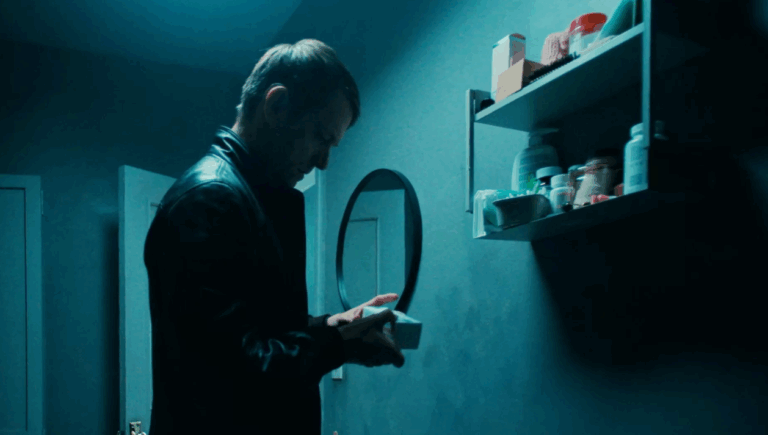
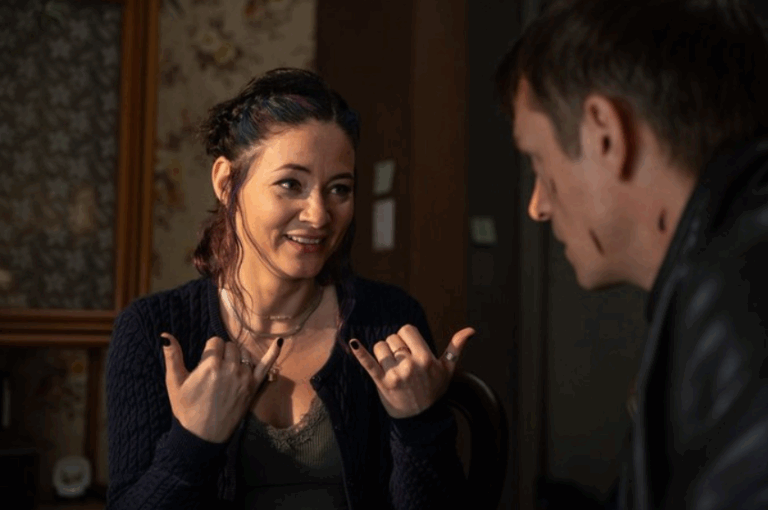
Coming into this series my expectations were pretty low, another spin off AND prequel rolled into one I thought, but soon I was wrong about this whole thing. The Terminal List is a series I havent seen and Im sure wasnt perfect but it was entertaining enough from the ratings I have seen online, I plan to watch it eventually and I never though a spin off featuring Ben Edwards would actually work but half way through the season it totally does, specially last episode with that twist at the end. Episode 4 titled "The Sound of the Guns" just went from zero to absolute chaos in the span of one episode, the opening scene alone had me wondering what was going to happen with those Iranian brothers arguing about nuclear weapons while some kid is getting an iPhone, the tension between Vahed and Cyrus was serious. The whole celebration scene felt important but I wasnt sure why until later when everything started unfolding, Vahed questioning why they are giving nuclear capabilities to people who fight with sticks and rocks while Cyrus acts like he doesnt care about the consequences but only the power he can grasp, these guys are brothers but they couldnt be more different in their approach to this whole nuclear program. This episode gets the personal drama with the covert operations stuff, never letting one overshadow the other completely, the writers know how to keep multiple storylines moving without making you feel lost or confused about whats happening, its just goes straight into the meat of the mission with Haverford assembling his team for what seems like a straightforward operation, intercept a shipment of specialized bearings essential to Irans centrifuge program and replace them with modified ones, sounds simple enough but Hastings immediately starts noticing inconsistencies that suggest there is more risk into this than anyone is counting on. He is suspicious of Havfords mysterious intelligence source known only as Shepherd, the details of the intelligence and the convenient timing had him raise red flags based on his experience, too good to be true, most concerning is how the fake replacement parts could have been manufactured so quickly unless someone had advanced knowledge of the shipment details far earlier.
[Source](https://tinyurl.com/zhhfze7w)
The internal relationship within the team is already very complex, already volatile situation and on this episode gets messy fast, Landrys inappropriate behavior toward Tal creates an uncomfortable situation that initially seems just like sexual but ends up on a conflict that takes on new significance later in the episode specially for Edwards and Eliza, at least for the moment. Edwards despite being married with children back home finds himself feeling this desire for Eliza, a vulnerability that bites back leaving him exposed to betrayal in ways he never saw coming, meanwhile Hastings continues to question whether any of them should be involved in this operation at all because hes worried about collateral damage and the murky ethical territory theyre entering. The series starts to become this chess game where they talk about how even a rook can take the queen, which feels like foreshadowing now that I think about it, the conversation between Hastings and Edwards about trust and loyalty hits different when you know how the episode ends. When Jed comes in with news that the bearings are on the move and they need to get ready immediately, you can see Hastings isnt buying the whole story but Edwards is so focused on the mission that he doesnt want to hear any concerns, the way they handle the planning phase shows how professional these guys are even when they have doubts about whats really going on, they are so hyper focus on getting the mission right that they cant see whats really goingn on. The relationship between Edwards and Eliza develops more during their motorcycle ride to scout the tunnel, the whole speed limit conversation was cheesy as hell but what ever its a TV series, when she kisses him in the maintenance corridor to throw off the worker you can tell it looks like there was some real chemistry there which makes what happens later even more brutal.
[Source](https://tinyurl.com/zhhfze7w)
[Source](https://tinyurl.com/zhhfze7w)
Then finally happens the convoy ambush sequence, the tactical execution tells the teams capabilities as they efficiently neutralize the security detail and secure their primary objective, the briefcase containing specialized bearings crucial for Irans centrifuge program. They also eliminate Professor Molnar removing a key scientific asset from the Iranian nuclear program, up to this point the mission appears to be proceeding exactly according to plan even with Hastings concerns about its true purpose and collateral damage for the most part, but then everything goes to hell when unknown attackers ambush the team during their extraction. The gun fighting was filmed beautifully with great camera angles that actually lets you follow the action instead of those annoying shaky cam sequences that make you dizzy, Edwards taking out multiple enemies from different angles while moving through the street was probably the best action sequence of the series so far, aside from their first target very 007 style at the club. The episodes does excellent at building up the betrayal without telegraphing it too obviously, there were subtle clues throughout the episode about Tal and Elizas true play but they didnt really register until you watch it back after knowing what happens, first clue for me was modifying the phone charger, it didnt fit, had no purpose, but she was probably installing the listening device in Havfords phone and thought she was about to get caught red handed, the whole interaction with Landry getting handsy was probably planned to make her look like a victim when she was actually working her own agenda and I believe very mush Landry is with them probably. When Eliza shoots Edwards in the back and steals the real bearings they had just acquired, there is this double jap because Haverford just finds out about the charger.
The revelation that both women may be working for different agencies makes things messy, Elizas possible connection to Mossad makes complete sense given Israels well known interest in preventing Iran from acquiring nuclear weapons, the twist feels both surprising and totally plausible. What bothers me most about the whole situation is how Edwards trusted her so completely but I know he wasnt thinking straight, he got horny and cloud his judgment which is exactly what Hastings warned him about during their wood shop conversation earlier in the episode "iron sharpens iron my friend but sometimes you get cut in the process". The final scenes with Jed discovering his phone battery is dead and realizing Tal sabotaged it shows how deep this conspiracy goes, multiple players are working at cross purposes and nobody seems to know who they can actually trust anymore, the team that started the episode as presumed allies has been split by deception with potentially multiple double agents working toward opposite objectives. The episode ends on such a strong cliffhanger that I immediately wanted to watch the next one, which is exactly what good television should do, leave you hanging but not in a cheap way that feels manipulative, this felt earned after all the setup and character development during the episode. Its the conflict about the nuclear program that adds depth to what could have been a simple good guys versus bad guys situation, Vahed expressing concerns about weapons falling into the wrong hands while Cyrus remains committed to their cause shows that even the bad guys have internal struggles and different perspectives on whats going to happen next.
The action sequences carry the episode on its shoulder particularly during the convoy ambush, the choreography allows you to follow complex gun fight without confusion, when finally we know they have been betrayed there is the nice charger phone touch just to put the cheery on top. The fact that both Tal and Eliza were playing long games throughout the entire episode makes me want to go back and rewatch earlier episodes to see what clues I missed because for sure this was not their first interaction behind close doors, the writers did an excellent job planting seeds without making them too obvious, the chess metaphor about how any piece can take the king feels prophetic now that we know how things played out. The episodes conclusion makes everything else they have work for fall into question, who is Shepherd and what is their true agenda, are Tal and Eliza working for the same organization or different ones, was the entire mission a setup from the beginning and how will the remaining team members respond to these betrayals, the nuclear components that could potentially enable weapons of mass destruction are now in unknown hands with multiple intelligence agencies pursuing their own goals, everything Hastings thought could go wrong did and way more. The Terminal List Dark Wolf continues to outperform my expectations with its moral ambiguity and the psychological aspects of covert operations, rather than simple black and white conflicts the show has a lot of gray areas where national interests, personal loyalties and ethical considerations crash with each other in the world of espionage, what a great episode that does deserve a solid 8/10, probably the highest it could go but on IMDB the overall score is already 7.9/10, Im ready for the next episode.
In David Simon's meticulously crafted universe, individuals frequently find themselves powerless against the overwhelming economic and political forces that dictate their lives. Yet, as The Wire consistently demonstrates, some of the most significant events with far-reaching consequences often originate not from grand ideological battles or systemic failures, but from disappointingly personal and petty motivations. This paradox lies at the heart of Collateral Damage, the second episode of Season 2, which masterfully illustrates how seemingly trivial human rivalries and emotional reactions can trigger chain reactions with devastating societal implications. The episode serves as a microcosm of Simon's broader thesis about urban America—that the grand narratives of institutional collapse are often written in the margins by human frailty, wounded pride, and personal vendettas rather than by deliberate, calculated policy decisions.
The episode opens with the grim aftermath of Beadie Russell's horrifying discovery: thirteen young women asphyxiated within a shipping container abandoned at Baltimore's port. The visceral horror of this scene is compounded by the even more disturbing realisation that none of the major law enforcement agencies show genuine interest in investigating what should be a priority case. Instead, the responsibility appears destined to fall solely on the shoulders of a single Maryland Port Authority officer, highlighting the bureaucratic indifference to victims deemed unworthy of proper investigation—particularly when they are undocumented immigrants. The unexpected intervention comes from Jimmy McNulty, who has already uncovered the murder of another young woman and astutely deduces a connection between the cases. His subsequent investigation reveals that the air pipe in the container was deliberately destroyed from outside, transforming what might have been treated as a tragic accident into a clear case of mass murder. McNulty's enthusiasm stems not from humanitarian concern but from professional calculation—he recognises that by forcing the case into Colonel Rawls' Homicide Unit jurisdiction, he can undermine Rawls' coveted clearance rate unless the case is solved. Using the pretext that Bunk Moreland and Lester Freamon are the department's finest detectives, Rawls lands this complex investigation on their shoulders, thereby poisoning McNulty's relationships with colleagues who see through his manipulative tactics.
Simultaneously, the episode develops a seemingly minor conflict that rapidly escalates into a major institutional feud. A petty rivalry between Major Stan Valchek and union leader Frank Sobotka over competing donations for a church stained glass window spirals into full-blown warfare. Valchek, stung by Sobotka's perceived victory in this contest of local influence, retaliates by deploying his police district command to harass union members through excessive traffic stops. The union members respond in kind by orchestrating the theft of an expensive high-tech surveillance van belonging to the police, cleverly concealing it within shipping containers with plans to ship it overseas. This tit-for-tat escalation exemplifies how personal grievances can metastasise into institutional conflict, consuming significant resources while distracting from more meaningful work.
The feud intensifies when Valchek connects with Andy Krawczik (Michael Willis), a fellow Polish-American and influential property developer whose business interests conflict with Sobotka's control over the docks. Krawczik informs Valchek that Sobotka's union donations to local politicians vastly exceed what their nominal economic power would justify, suggesting illicit activities are funding this political influence. Seizing this opportunity, Valchek conceives a plan to eliminate his rival by forming a special task force ostensibly to investigate the union's suspected criminal activities. After securing support from Deputy Commissioner Burrell, he appoints his son-in-law Prez as its head—a decision that combines nepotism with tactical advantage, further demonstrating how personal connections trump professional competence in this world.
Meanwhile, Sobotka expresses his profound displeasure with how his criminal associates handled the container incident, revealing that he opposes human trafficking on principle. Yet when confronted with Spiros Vondas, he readily accepts assurances that the tragedy was merely an unfortunate accident, choosing not to press the matter despite his misgivings. This moment reveals Sobotka's moral compromise—he is willing to overlook horrific crimes as long as they don't directly implicate him or threaten his primary goal of revitalising the docks through whatever means necessary.
The episode's most harrowing revelation comes near its conclusion, exposing the true circumstances behind the container tragedy. Contrary to initial assumptions, the mass murder occurred against the Greek's explicit wishes. His organisation, concerned that the Coast Guard might interrogate the ship's crew and uncover their smuggling operations, sends Sergei to Philadelphia to apprehend the crewman most likely responsible. The Greek personally interrogates the Turkish sailor (Gerard Ender), who confesses that the incident began when he tried to pimp female „cargo”. One such encounter resulted in a woman's death, prompting the crew to murder all the remaining women to eliminate witnesses. Having extracted this information, the Greek coldly executes the sailor—a moment of brutal efficiency that stands in stark contrast to the police department's bureaucratic inertia.
In parallel storylines, the remnants of the Barksdale organisation struggle with their new reality. Avon attempts to maintain control from prison but faces challenges, including Wee-Bay's escalating feud with correction officer Thilghman (Antonio D. Charity). Most poignantly, D'Angelo is revealed to be self-medicating with drugs to cope with the psychological toll of his impending decades-long prison sentence—a subtle but devastating commentary on the human cost of the criminal justice system.
What makes Collateral Damage particularly brilliant is how Simon's script meticulously demonstrates how personal pettiness functions as the catalyst for potentially catastrophic events. Just as the investigation that dismantled the Barksdale organisation began with Judge Phelan and McNulty's personal offence at Barksdale's initial escape from justice, this new task force emerges purely from Valchek's inability to tolerate Sobotka's perceived slight. Similarly, McNulty's entire motivation for pursuing the container case stems from his desire to undermine Rawls rather than any genuine concern for justice. Even the container tragedy itself originated from the all-too-human desire of lonely sailors for female companionship during a long voyage—a relatable impulse that spiralled into mass murder through a chain reaction of poor decisions.
Perhaps the episode's most profound irony lies in the fact that with the Turkish sailor's execution, the investigation effectively becomes pointless. The Greek's organisation has already conducted its own thorough inquiry and eliminated the sole witness, rendering the police efforts largely performative. This reality is reflected in the apathy of most officers involved, with the notable exception of McNulty. Even Lieutenant Daniels, portrayed as one of the more competent and principled officers in Season 1, decides to quit the police force—a telling commentary on the futility of individual effort within a broken system.
The most striking contrast in Collateral Damage is between the police investigation and the Greek's own internal inquiry. While the Baltimore Police Department mires itself in jurisdictional squabbles, personal vendettas, and bureaucratic inertia, the criminal organisation demonstrates remarkable efficiency, international coordination, and ruthless effectiveness. The Greek's interrogation of the Turkish sailor mirrors the techniques of Frank Pembleton in Homicide: Life on the Street, extracting a full confession with chilling precision. The sailor's gruesome fate appears to deliver a form of justice, but this illusion is immediately shattered when the Greek laments the financial loss from his trafficked "cargo" and casually mentions that the dead women will be easily replaced. This moment crystallises one of Simon's central themes: in the criminal underworld, even acts that resemble justice are ultimately transactional, devoid of genuine morality or human concern.
Collateral Damage serves as a masterclass in how David Simon constructs his narratives—not through grand historical forces operating at a distance, but through the accumulation of small, personal decisions made by flawed individuals. What makes this episode particularly powerful within The Wire's broader narrative is how it establishes that the port's decline isn't caused by some inevitable economic law, but by the very human tendency to prioritise personal grievances over collective wellbeing.
In the end, Collateral Damage is one of The Wire's most thematically rich episodes precisely because it refuses to offer simple explanations or clear villains. Instead, it presents a world where everyone is simultaneously victim and perpetrator, where the line between good and bad policing blurs, and where the most devastating consequences often stem from the smallest personal slights. This is Simon's enduring contribution to television drama: the recognition that in understanding urban America, we must look not just at the grand structures of power, but at the petty human emotions that animate them.
Les voy a hablar de The Silent Hour que es un thriller que vi hace poco, es una peli promedio que cumple su función de entretener sin matar el tiempo de uno, pero tampoco se va a quedar en la cabeza para siempre la verdad. La película sigue a Frank, un detective de Boston que sufre una lesión durante una persecución y pierde casi todo el oído, si se ponen a vwe es una discapacidad brutal para alguien que depende tanto del sentido auditivo en su trabajo. Frank tiene que ayudar a interpretar para Ava es una testigo sorda que grabó un asesinato bien peligroso, y juntos quedan atrapados en un edificio viejo lleno de cuartos vacios, donde no pueden salir y están siendo perseguidos por unos tipos corruptos de la policía que quieren callarles la boca para siempre. El rollo dre la peli es que a pesar de que quieren mostrar el mundo a través de la perspectiva de alguien con perdida auditiva, a veces parece que no se conecta con Frank, porque sus fallas y limitantes lo hacen como que menos impresionatw y eso a uno le frena un poco la emoción. La idea de usar la discapacidad como algo central tiene potencial pero a mi parecer se quedó corta y la cosa no despega como debería. Lo más fastidioso de todo es que Frank constantemente está tocando y ajustando sus audífonos, como si fuera una muletilla dramática y eso en lugar de generar empatia lo que hace es recordarte que el protagonista está limitado. Me parece que no supieron balancear la humanidad del personaje con la necesidad de que sea un héroe creíble y aunque Joel Kinnaman trata de hacer lo que puede el guión lo deja medio colgado. Las escenas donde él y Ava intentan comunicarse con lenguaje de señas básico tienen sus momentos, pero también son algo forzadas como si estuvieran ahí solo para recordarnos que ambos tienen limitaciones auditivas.
Los momentos de acción en verdad no son lo mejor porque muchas veces cae en lo típico, correr, esconderse, pelear con los malos sin grandes y ya. Hay detalles que no me cuadraron como cuando Frank mete la pata tantas veces por no escuchar señales de peligro o porque le fallan los audífonos en momentos clave, a veces provoca decirle que se ponga las pilas porque de verdad te saca de quicio. La historia sigue la fórmula clásica de Die Hard con la diferencia que el protagonista tiene una discapacidad, la verdad esto da para hacer algo diferente pero no supieron aprovechar ni fueron originales. O sea no está mal pero no es nada wow tampoco, y para una peli que tiene tantos ingredientes para ser un thriller interesante se quedó medio tibia. Esas partes donde están atrapados en el edificio son repetitivas, solo moviéndose de piso en piso o escondéndose en apartamentos abandonados, usando escaleras de emergencia y túneles de ventilación sin mucha creatividad. Los matones tampoco ayudan mucho, son los típicos policías corruptos que no dan miedo ni transmiten una amenaza real, más bien parecen actores cumpliendo un papel que ya hemos visto mil veces y aunque Brad Anderson como director trata de mantener un ritmo decente no logra crear esa tensión constante que necesita un thriller encerrado en un solo lugar creo que ese es un gran fallo.
Ahora lo bueno es la actuación de Sandra May Frank que es actriz sorda en la vida real, realmente aporta autenticidad a la historia y tiene momentos donde la película se sostiene gracias a su naturalidad. Su actuación es genuina y no forzada como pasa a veces cuando actores sin discapacidad interpretan personajes sordos, ella entiende todo esto y logra transmitirlo de manera creíble. Los personajes secundarios, como el compañero policia de Frank interpretado por Mark Strong quedan como relleno y no dicen mucho, desperdiciando completamente el talento de un actor que sabemos puede dar mucho más. La química entre Frank y Ava es auténtica en algunos momentos como cuando están aprendiendo a comunicarse y confiando el uno en el otro, pero también le faltó más desarrollo emocional para que uno la viera como una relación que va creciendo. Esa trama de Frank aceptando su nueva realidad con la perdida auditiva tiene potencial, pero se resuelve de manera muy superficial sin profundizar realmente en el trauma psicológico que puede dejar algo así. Las escenas donde él intenta usar lenguaje de señas son buenas pero son muy básicas y esto crea problemas lógicos cuando la comunicación se vuelve importante para su supervivencia. El personaje de Ava es el que está mejor desarrollado, con un trasfondo como fotógrafa que capturó el crimen por accidente, pero lo chimob es que su motivación más allá de sobrevivir tampoco se explora lo suficiente. Los momentos donde ambos trabajan juntos para resolver problemas usando sus diferentes habilidades son los mejores de la película pero son muy pocos comparados con las escenas de acción que la verdad son de lo mpas equis.
En la parte visual y en sonido la película tiene detalles buenos, usan efectos de audio para meterse en la cabeza de Frank y mostrar como él oye el mundo con audífonos defectuosos y tinnitus constante, lo que es un plus porque te meteen la historia. Y me gustó que hicieran la peli en ese edificio decadente y abandonado a punto de ser demolido, aunque no explotaron bien el potencial. La historia aborda de manera superficial temas serios como la discapacidad, la corrupción policial y la marginación social, pero no profundiza mucho y es lo que uno espera de un thriller que se propone tocar estos temas tan importantes. Los efectos prácticos están bien me gustó que no se use mucho CGI sino que se mantenga ese sentido de realismo sin embargo les faltó algo de picante a las escenas de acción porque son muy predecibles es lo mismo quie hemos visto en docenas de películas y nunca se logra crear esos momentos de suspenso que te mantienen pegado del asiento creo que esto es un gran fallo porque es uno de los aspectos más importantes de un thriller. Esto hace que la película entretenga pero se quede muy corta de hacer algo realmente memorable con todas las cosas interwesantes que tiene.
Así que si eres de esos que quiere ver un thriller que funciones pero que no sea muy pesado The Silent Hour puede servir para matar una tarde sin mayor cosa, pero si buscas algo que te sacuda más o que tenga un protagonista impresionante dominando cada situación, te vas a quedar con las ganas. Me gustó la intención de incluir personajes con discapacidades auditivas y la apuesta de contar esta historia desde una perspectiva diferente, pero en la práctica no llegó y sentí que perdieron la oportunidad de hacer algo realmente bueno. Por momentos juega muy a lo seguro, sin tomar riesgos que pudieron haber diferenciado esta película del montón de thrillers comunes que salen cada año. En resumen es una película justa que entretiene sin emocionar realmente, pero que puede gustar a quienes disfrutan de thrillers con elementos sociales y personajes enfrentando obstáculos que la mayoría de nosotros no pasamos en la vida real. Yo le doy un 6/10, porque cumple lo básico sin brillar esperaba más considerando el potencial de la premisa y todo el talento que tiene auqneu no puedo decir que me arrepiento de haberla visto.
I'm going to tell you about The Silent Hour, a thriller I saw recently. It's an average movie that fulfills its function of entertaining without killing time, but it's not going to stay in your head forever, to be honest. The film follows Frank, a Boston detective who suffers an injury during a chase and loses almost all of his hearing. If you think about it, it's a brutal disability for someone who relies so heavily on their sense of hearing in their work. Frank has to help interpret for Ava, a deaf witness who recorded a very dangerous murder, and together they get trapped in an old building full of empty rooms, where they can't get out and are being pursued by some corrupt cops who want to shut them up forever. The thing about the movie is that even though they want to show the world through the perspective of someone with hearing loss, sometimes it seems like it doesn't connect with Frank, because his flaws and limitations make him seem less impressive, and that slows down the excitement a bit. The idea of using disability as a central theme has potential, but in my opinion, it falls short and the story doesn't take off as it should. The most annoying thing of all is that Frank is constantly touching and adjusting his hearing aids, as if it were a dramatic tic, and instead of generating empathy, it reminds you that the protagonist is limited. I think they didn't know how to balance the humanity of the character with the need for him to be a credible hero, and although Joel Kinnaman tries to do what he can, the script leaves him hanging. The scenes where he and Ava try to communicate with basic sign language have their moments, but they also feel somewhat forced, as if they were only there to remind us that both characters have hearing impairments.
The action scenes aren't really the best because they often fall into the typical pattern of running, hiding, and fighting the bad guys without much else. There are details that didn't add up for me, like when Frank messes up so many times by not hearing danger signals or because his hearing aids fail at key moments. Sometimes you want to tell him to get his act together because it really gets on your nerves. The story follows the classic Die Hard formula, with the difference that the protagonist has a disability. The truth is that this could have been used to do something different, but they didn't know how to take advantage of it or be original. I mean, it's not bad, but it's not exactly wow either, and for a movie that has so many ingredients to be an interesting thriller, it ended up being lukewarm. The parts where they're trapped in the building are repetitive, just moving from floor to floor or hiding in abandoned apartments, using fire escapes and ventilation tunnels without much creativity. The thugs don't help much either; they're the typical corrupt cops who aren't scary or convey a real threat. They seem more like actors playing a role we've seen a thousand times before. Although director Brad Anderson tries to maintain a decent pace, he fails to create the constant tension that a thriller set in a single location needs, which I think is a big flaw.
Now, the good thing is the performance of Sandra May Frank, who is a deaf actress in real life. She really brings authenticity to the story and there are moments where the film is sustained thanks to her naturalness. Her performance is genuine and not forced, as sometimes happens when actors without disabilities play deaf characters. She understands all this and manages to convey it in a credible way. The supporting characters, such as Frank's police partner played by Mark Strong, are filler and don't say much, completely wasting the talent of an actor who we know can give so much more. The chemistry between Frank and Ava is authentic at times, such as when they are learning to communicate and trust each other, but it also lacked more emotional development for the viewer to see it as a growing relationship. The plotline of Frank accepting his new reality with hearing loss has potential, but it is resolved in a very superficial way without really delving into the psychological trauma that something like this can leave behind. The scenes where he tries to use sign language are good but very basic, and this creates logical problems when communication becomes important for his survival. Ava's character is the best developed, with a background as a photographer who accidentally captured the crime, but the problem is that her motivation beyond survival is not explored enough either. The moments where the two work together to solve problems using their different skills are the best in the film, but they are very few compared to the action scenes, which are really just okay.
Visually and sonically, the film has some good details. They use audio effects to get inside Frank's head and show how he hears the world with faulty hearing aids and constant tinnitus, which is a plus because it draws you into the story. I also liked that they shot the film in that decaying, abandoned building about to be demolished, although they didn't exploit its potential very well. The story superficially addresses serious issues such as disability, police corruption, and social marginalization, but it doesn't go very deep, which is what you'd expect from a thriller that sets out to tackle such important issues. The practical effects are good. I liked that they didn't use a lot of CGI, but instead maintained a sense of realism. However, the action scenes lacked some spice because they are very predictable. It's the same thing we've seen in dozens of movies, and they never manage to create those moments of suspense that keep you glued to your seat. I think this is a big flaw because it's one of the most important aspects of a thriller. This makes the film entertaining but falls short of being truly memorable with all the interesting elements it has.
So if you're one of those people who wants to see a thriller that works but isn't too heavy, The Silent Hour can serve to kill an afternoon without much ado, but if you're looking for something that shakes you up more or has an impressive protagonist dominating every situation, you'll be left wanting. I liked the intention to include characters with hearing impairments and the decision to tell this story from a different perspective, but in practice, it didn't quite work, and I felt that they missed the opportunity to do something really good. At times, it plays it very safe, without taking risks that could have set this film apart from the slew of run-of-the-mill thrillers that come out every year. In short, it's an average film that entertains without really thrilling, but may appeal to those who enjoy thrillers with social elements and characters facing obstacles that most of us don't encounter in real life. I give it a 6/10 because it does the basics without shining. I expected more considering the potential of the premise and all the talent involved, but I can't say I regret seeing it.
Continuando mis reseñas de esta épica saga, ya por fin estamos en el cierre de la primera trilogía. Ya les hablé del Episodio IV y el Episodio V, por lo que hoy toca el Episodio VI: El regreso del Jedi. Como de costumbre, antes de empezar, hago la respectiva advertencia de spoilers
Continuing my reviews of this epic saga, we are finally at the end of the first trilogy. I already talked to you about Episode IV and Episode V, so today it's time for Episode VI: Return of the Jedi. As usual, before starting, I make the necessary spoiler warning
Sinopsis | Synopsis
Nuevamente el Imperio intenta acabar de una vez por todas con los Rebeldes, comenzando la construcción de la segunda Estrella de la Muerte. Todo parece apuntar hacia la muerte segura de los pocos Rebeldes que aún están en pie, incluyendo por supuesto a Luke, Leia, Han y el resto. Sin embargo, ellos aún intentan rescatar a Solo de las manos de Jabba The Hutt.
Luke intenta rescatar a su amigo y el resto de los rebeldes, pero también se encuentra en una lucha por controlar su poder y de alguna manera, si es que realmente existe la posibilidad, intenta traer de vuelta a Vader al lado luminoso de la fuerza.
Once again, the Empire attempts to wipe out the Rebels once and for all, beginning construction on the second Death Star. Everything seems to point to the certain death of the few Rebels still standing, including, of course, Luke, Leia, Han, and the rest. However, they still try to rescue Solo from Jabba the Hutt.
Luke tries to rescue his friend and the rest of the Rebels, but he also finds himself struggling to control his power and somehow, if there really is a possibility, bring Vader back to the light side of the Force.
Con esta película tengo sentimientos encontrados, pues si bien me parece un buen final para la trilogía principal, también creo que en la escritura se perdió un poco el hilo. La anterior había establecido un buen tono bastante serio entre la lucha del bien y el mal no solo en el exterior sino también en el interior, incluso para la persona que parece ser el héroe. Pero en esta, por algún motivo que no logro entender, se pierde casi por completo esa seriedad, optando por un tono mucho más infantil. Esto per se no es necesariamente malo, pero se convierte en un problema cuando es un cambio tan abrupto. Si desde el principio la historia hubiese sido más jovial, sería genial. Pero como no era el caso, se siente una decepción al ver que no explorarán tanto la lucha interna de Luke y sus posibles consecuencias.
Adelantándome un poco a mis reseñas, esto es un problema que definitivamente solucionan en la siguiente trilogía, pero en éste caso fue un cambio muy fuera de lugar.
I have mixed feelings about this film. While I think it's a good ending to the main trilogy, I also think the writing lost its bearings a bit. The previous film had established a fairly serious tone in the struggle between good and evil, not only externally but also internally, even for the person who appears to be the hero. But in this one, for some reason I can't understand, that seriousness is almost completely lost, opting for a much more childish tone. This isn't necessarily a bad thing per se, but it becomes a problem when it's such an abrupt change. If the story had been more lighthearted from the beginning, it would have been great. But since that wasn't the case, it's a disappointment to see that they didn't explore Luke's internal struggle and its possible consequences as much.
Getting ahead of my reviews a bit, this is a problem they definitely fix in the next trilogy, but in this case, it was a very out-of-place change.
Además, ocurren demasiadas cosas a la vez. Salvar a Solo, el inminente ataque del Imperio, el entrenamiento de Luke, la lucha contra Vader, los Ewoks, toda la película se siente como un popurrí de cosas que intentan decir tanto pero se satura, llevando a que la película no tenga una dirección clara.
Cuando quieres tener varias tramas, es necesario que le des un orden y estructura clara. Debería haber una principal y un par o tres subtramas, no más de eso. Pero aquí es difuso y con conclusiones abruptas porque obviamente, nunca logran profundizar por completo en nada porque es simplemente muchas cosas a la vez.
Plus, there's too much going on at once. Saving Solo, the imminent attack of the Empire, Luke's training, the fight against Vader, the Ewoks—the whole movie feels like a medley of things that try to say so much but become so overstuffed, leaving the movie with no clear direction.
When you want multiple plots, you need to give them a clear order and structure. There should be one main plot and two or three subplots, no more. But here it's all vague and with abrupt conclusions because, obviously, they never manage to fully delve into anything because it's simply too much stuff going on at once.
Mark Hamill, es decir, Luke, en una entrevista declaró: «George intentó mezclar el tono vitalista y aventurero de «Una Nueva Esperanza» y el pesimismo de «El Imperio contraataca» y no funcionó», y la verdad, no podría tener más razón. Ese es el problema principal, la historia quería explorar mucho, lo cual hizo que perdiera su orientación, y resulta casi imposible mezclar jovialidad con problemas de identidad porque son temáticas opuestas. ¿Por qué decidieron hacerlo así? Quién sabe... Pero se perdió bastante potencial del que se construyó en las dos entregas anteriores.
Y honestamente, las actuaciones tampoco ayudan. El único que siempre rescataré es a Harrison Ford (Solo), pero de resto, dejan mucho que desear. Especialmente Mark (Luke), quien debería interpretar a alguien con mucho poder y drama, pero al final nos da algo demasiado tibio como para tomarse muy en serio.
Mark Hamill, aka Luke, stated in an interview: "George tried to mix the vitalist, adventurous tone of "A New Hope" and the pessimism of "The Empire Strikes Back", and it didn't work". And honestly, he couldn't be more right. That's the main problem: the story wanted to explore too much, which caused it to lose its direction, and it's almost impossible to mix joviality with identity issues because they're opposing themes. Why did they decide to do it that way? Who knows... But it lost a lot of the potential built up in the previous two installments.
And honestly, the acting doesn't help either. The only one I'll always praise is Harrison Ford (Solo), but the rest leave a lot to be desired. Especially Mark (Luke), who should play someone with a lot of power and drama, but in the end gives us something too lukewarm, too mid to actually be taken too seriously.
Sin embargo, a pesar de sus fallas es una película entretenida de ver. Hay bastante acción, los efectos especiales siguen siendo bastante buenos, la banda sonora sigue siendo increíble y sobretodo, al ya tenerle tanto cariño a los personajes es imposible no verla. Al final quieres saber si los droides sobreviven, si Leia y Solo finalmente vivirán su amor, si Luke dominará la Fuerza y si Vader aún conserva algo de su bondad.
Así que no, no es la mejor película de Star Wars pero definitivamente tampoco es la peor. Creo que principalmente se debe al increíble trabajo del primer par, que hace que te enamores tanto de la historia que aún le encuentras puntos positivos a esta o mínimo haces el esfuerzo de apreciarla.
However, despite its flaws, it's an entertaining film to watch. There's plenty of action, the special effects are still quite good, the soundtrack is still incredible, and above all, since you've grown so attached to the characters, it's impossible not to watch it. By the end, you want to know if the droids survive, if Leia and Solo will finally live out their love, if Luke will master the Force, and if Vader still keeps any of his goodness deep inside.
So no, it's not the best Star Wars film, but it's definitely not the worst either. I think it's mainly due to the incredible work of the first couple, which makes you fall in love with the story so much that you still find positive points in it or at least make the effort to appreciate it.



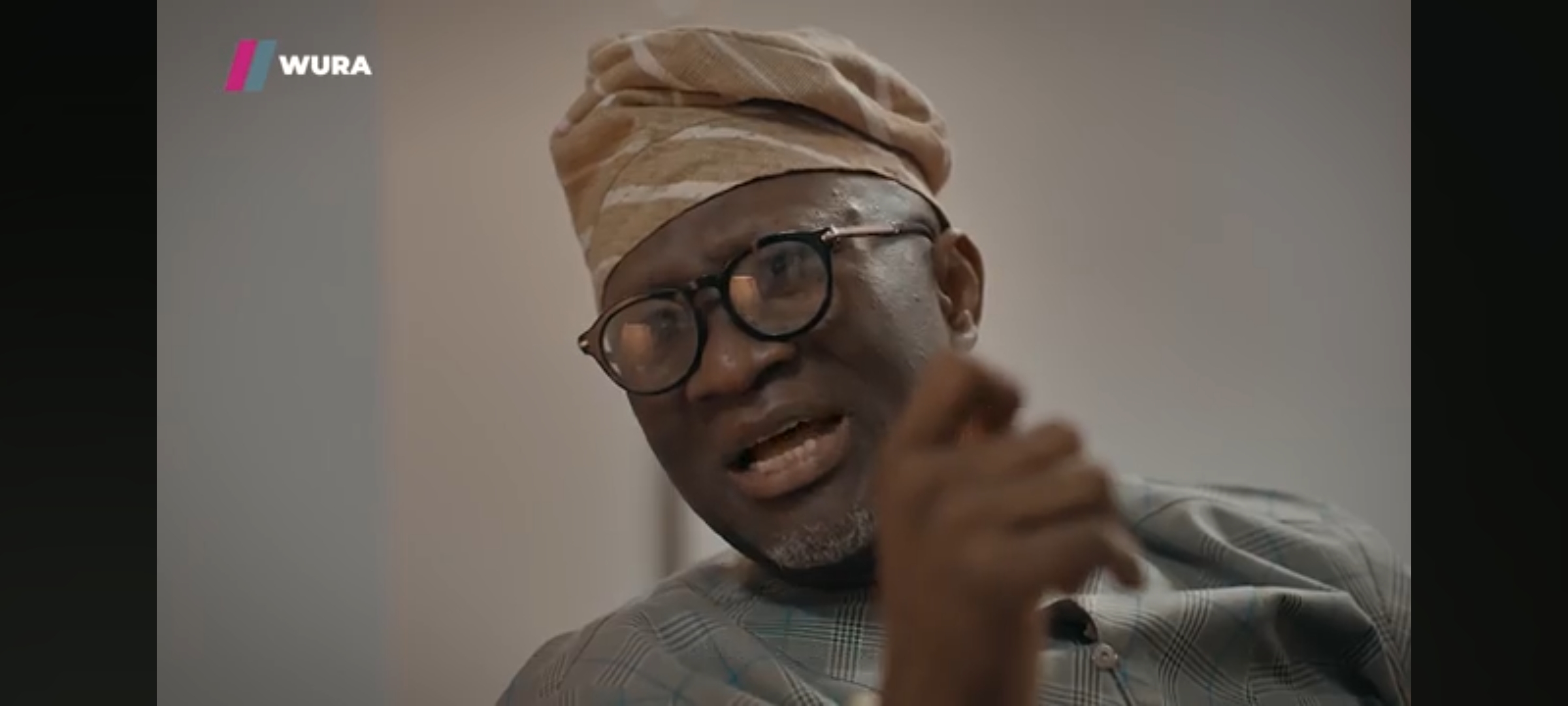
 With this act, she has defined who she is and what she is capable of doing. As if that one was not really enough, she went further to encroach on Oluwafemi, who was Aunty Labake's son, and she made the impromptu decision to eliminate him as well, and funny enough, she was the sponsor of the man's burial, all in the name of being greedy and pretending to be a saint. Her selfish ambition keeps her causing more harm than good, which was a result of the fear of losing the power she had.


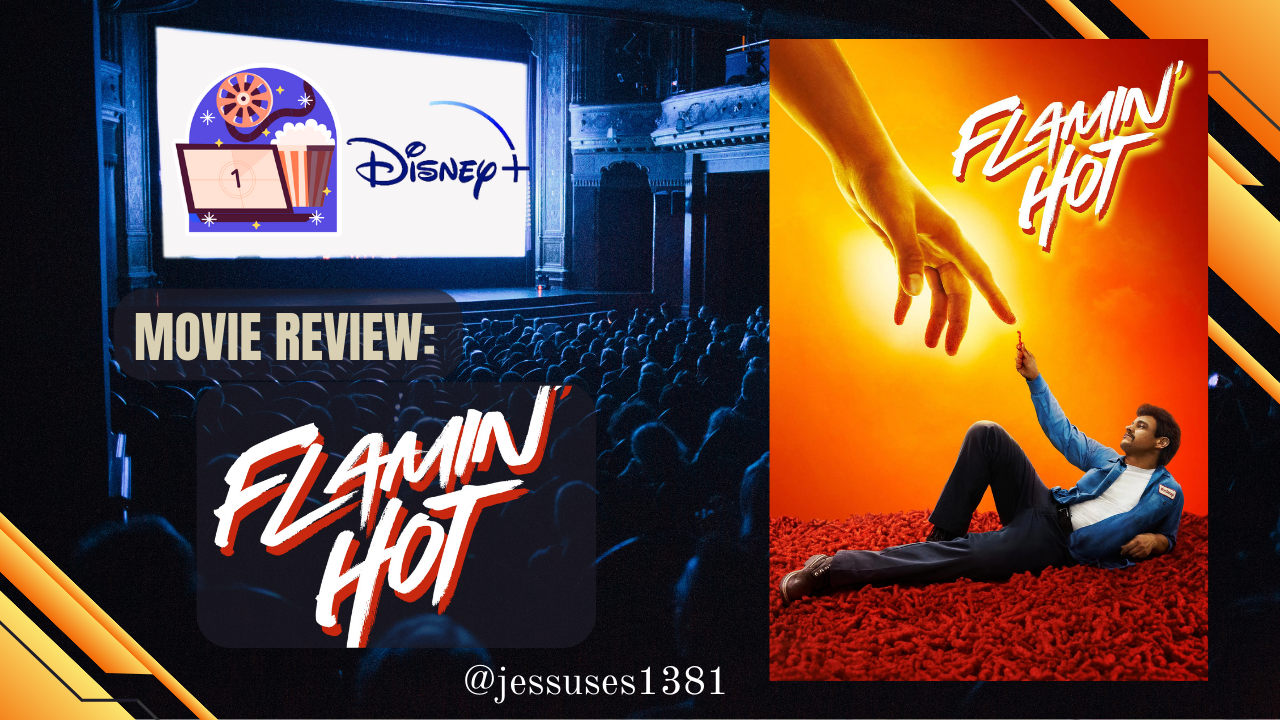
















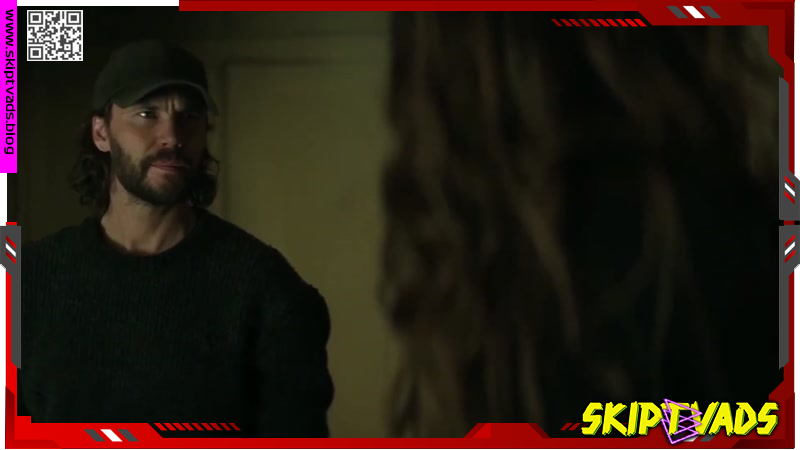 [Source](https://tinyurl.com/zhhfze7w)
The internal relationship within the team is already very complex, already volatile situation and on this episode gets messy fast, Landrys inappropriate behavior toward Tal creates an uncomfortable situation that initially seems just like sexual but ends up on a conflict that takes on new significance later in the episode specially for Edwards and Eliza, at least for the moment. Edwards despite being married with children back home finds himself feeling this desire for Eliza, a vulnerability that bites back leaving him exposed to betrayal in ways he never saw coming, meanwhile Hastings continues to question whether any of them should be involved in this operation at all because hes worried about collateral damage and the murky ethical territory theyre entering. The series starts to become this chess game where they talk about how even a rook can take the queen, which feels like foreshadowing now that I think about it, the conversation between Hastings and Edwards about trust and loyalty hits different when you know how the episode ends. When Jed comes in with news that the bearings are on the move and they need to get ready immediately, you can see Hastings isnt buying the whole story but Edwards is so focused on the mission that he doesnt want to hear any concerns, the way they handle the planning phase shows how professional these guys are even when they have doubts about whats really going on, they are so hyper focus on getting the mission right that they cant see whats really goingn on. The relationship between Edwards and Eliza develops more during their motorcycle ride to scout the tunnel, the whole speed limit conversation was cheesy as hell but what ever its a TV series, when she kisses him in the maintenance corridor to throw off the worker you can tell it looks like there was some real chemistry there which makes what happens later even more brutal.
[Source](https://tinyurl.com/zhhfze7w)
The internal relationship within the team is already very complex, already volatile situation and on this episode gets messy fast, Landrys inappropriate behavior toward Tal creates an uncomfortable situation that initially seems just like sexual but ends up on a conflict that takes on new significance later in the episode specially for Edwards and Eliza, at least for the moment. Edwards despite being married with children back home finds himself feeling this desire for Eliza, a vulnerability that bites back leaving him exposed to betrayal in ways he never saw coming, meanwhile Hastings continues to question whether any of them should be involved in this operation at all because hes worried about collateral damage and the murky ethical territory theyre entering. The series starts to become this chess game where they talk about how even a rook can take the queen, which feels like foreshadowing now that I think about it, the conversation between Hastings and Edwards about trust and loyalty hits different when you know how the episode ends. When Jed comes in with news that the bearings are on the move and they need to get ready immediately, you can see Hastings isnt buying the whole story but Edwards is so focused on the mission that he doesnt want to hear any concerns, the way they handle the planning phase shows how professional these guys are even when they have doubts about whats really going on, they are so hyper focus on getting the mission right that they cant see whats really goingn on. The relationship between Edwards and Eliza develops more during their motorcycle ride to scout the tunnel, the whole speed limit conversation was cheesy as hell but what ever its a TV series, when she kisses him in the maintenance corridor to throw off the worker you can tell it looks like there was some real chemistry there which makes what happens later even more brutal. [Source](https://tinyurl.com/zhhfze7w)
 [Source](https://tinyurl.com/zhhfze7w)
 [Source](https://tinyurl.com/zhhfze7w)
 [Source](https://tinyurl.com/zhhfze7w)