
Desde que era más joven, aprendí que debía ser la fuerte del grupo, la que se mantuviera en pie ante cualquier dificultad y que debía animar a todos en los momentos en los que todo parecía derrumbarse. Pasé años siendo de esa manera porque en mi mente no tenía otra opción, ya que si yo no era la fuerte, entonces, ¿quién más lo sería? Eso de alguna manera te hace sentir increíblemente solitario, dado que cuando me tocaba pasar por un mal momento, tenía que enfrentarlo sola, un pilar, no pude pedir ayuda.
Después, con los años (pasada la adolescencia), me di cuenta de que podía mostrar debilidad, que podía ser la persona que se apoyaba en alguien más y desde ese momento me he permitido hacerlo con total libertad. Existen momentos en los que tengo que ser fuerte, por supuesto, pero no siempre tiene que ser así y eso me ha hecho sentir mucho mejor. De hecho, cuando me toca ser fuerte, lo soy con más facilidad, quizás porque ya no tengo toda esa carga emocional de antes y ahora soy fuerte por elección y no por obligación.
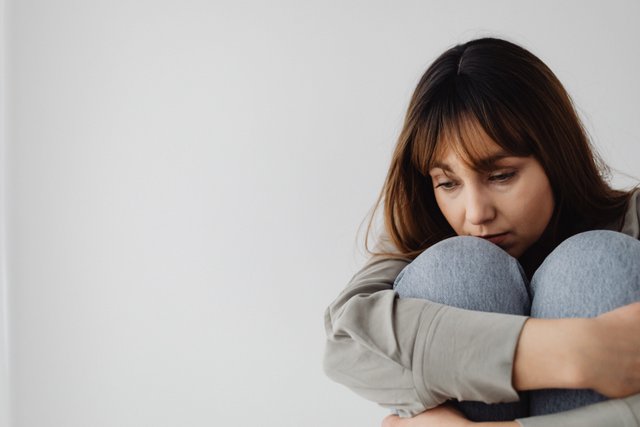
Imagen de Pexel
Ya he conocido a muchas personas que pasaron por lo mismo (eso es bastante común), y todos concordamos con que era demasiado solitario, además de ser un peso que te desgasta mucho emocionalmente. Eso de tener una imagen de "salvador" obligaba a tener que llorar a escondidas y que se convierta en un pecado que alguien vea nuestras grietas, al final pasa factura.
Entre las consecuencias está sentir soledad aunque tengas a un montón de personas a tu alrededor o estés acompañado casi las 24 horas del día; esto creo que es porque ninguna de esas personas comprende realmente lo que ocurre contigo. También el agotamiento mental, que es peor que el físico porque sientes como si te drenaran toda la energía del cuerpo, te da insomnio, ansiedad y colapsos emocionales.
A muchos nos enseñaron a ser fuertes o estuvimos obligados a serlo, pero la verdadera valentía no está en soportar todo, sino en tener la fortaleza de admitir que no podemos más y necesitamos apoyo. Está bien que alguna vez admitamos que nos duele, que ya no soportamos más algo, que necesitamos un abrazo o lo que sea. Después de todo, somos seres humanos, no robots.
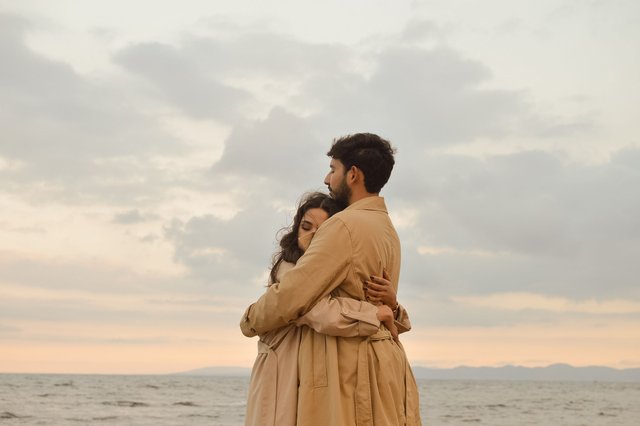
Imagen de Pexel
Para superar esa manera de pensar, primero tenemos que cambiar ese pensamiento de que ser vulnerable es algo malo. Esto es difícil, pero con el tiempo se logra. Segundo, debemos determinar en qué momentos nos forzamos a ser fuertes para cambiarlo, quizá cuando te sobrecargas de trabajo porque no quieres delegarlo o cuando quieres llorar, pero no lo haces porque crees que serás una molestia.
Tercero, aprende con quién puedes ser vulnerable, porque si lo haces con la persona equivocada, te puedes echar para atrás. Puedes comenzar contando cómo te sientes en realidad o delegando pequeñas tareas, lo importante es ir dando pequeños pasos. Estos pasos no son definitivos, pero pueden ayudar a quien lo necesite, aunque en mi caso tuvo que pasar algo bastante grande para que yo pudiera mostrar debilidad, espero que ayude a alguien antes de que llegue a ese punto.
Gracias por leer

English

Ever since I was younger, I learned that I had to be the strong one in the group—the one who stayed strong in the face of any difficulty—and that I had to encourage everyone when it seemed like everything was falling apart. I spent years being that way because, in my mind, I had no other choice—if I wasn’t the strong one, then who else would be? That somehow makes you feel incredibly lonely, since whenever I went through a rough patch, I had to face it alone, as the pillar of strength; I couldn’t ask for help.
Later, as the years went by (after adolescence), I realized that I could show vulnerability, that I could be the person who leaned on someone else, and from that moment on, I’ve allowed myself to do so with complete freedom. There are times when I have to be strong, of course, but it doesn’t always have to be that way, and that has made me feel so much better. In fact, when I need to be strong, it comes more easily to me—perhaps because I no longer carry all that emotional baggage from before, and now I’m strong by choice rather than by obligation.
Image by Pexel
I've met a lot of people who've been through the same thing (it's actually pretty common), and we all agree that it was too lonely—not to mention a burden that really wears you down emotionally. That whole “savior” image forced us to cry in secret, and made it feel like a sin for anyone to see our vulnerabilities; in the end, it takes its toll.
Among the consequences is feeling lonely even when you have a lot of people around you or are with others almost 24 hours a day; I think this is because none of those people really understand what’s going on with you. There’s also mental exhaustion, which is worse than physical exhaustion because it feels as if all the energy is being drained from your body, leading to insomnia, anxiety, and emotional breakdowns.
Many of us were taught to be strong or were forced to be strong, but true courage isn’t about enduring everything—it’s about having the strength to admit that we can’t take it anymore and need support. It’s okay to admit every once in a while that we’re hurting, that we can’t take something anymore, that we need a hug or whatever else we need. After all, we’re human beings, not robots.
Image by Pexel
To overcome that way of thinking, we first have to change the belief that being vulnerable is a bad thing. This is difficult, but it can be done over time. Second, we must identify the moments when we force ourselves to be strong so we can change that—perhaps when you take on too much work because you don’t want to delegate it, or when you want to cry but don’t because you think you’ll be a burden.
Third, figure out who you can be vulnerable with, because if you do it with the wrong person, you might back out. You can start by sharing how you really feel or by delegating small tasks—the important thing is to take small steps. These steps aren’t definitive, but they can help anyone who needs them. In my case, though, something pretty major had to happen before I could show weakness; I hope this helps someone before they reach that point.
Thank you for reading
Separadores | Separators Here Texto traducido en | Text translated in: Deepl Imagen principal hecha en Canva | Main image made in Canva
¿Quieres saber más de mí?, lee mi Presentación Do you want to know more about me? Read my Presentation


