Longform reviews of films, TV, anime, books, and audiobooks, written by the scrobble.life community and published to the Hive blockchain, so each one is owned by its author and can earn rewards from readers. 12,414 reviews and counting.
The Jurassic films are a unique breed of film for a lot of people in that they are always going to have widespread appeal but let's be honest here, they are never going to be terribly good stories.
People like to talk about how nothing will ever be able to top the first one but if we are being honest that film was kind of stupid, but entertaining as well. All of these films are extremely reliant on completely happenstance situations and insane coincidences in order for the story to progress and that is what we end up with in all of them. The latest release is no exception to this idea. The whole film is ridiculous
This film starts out like all of the ones since the first one have in that they have some sort of setup to explain why there is going to be a crisis in the next scene that they are going to fast-forward to. I don't need to be too specific but needless to say a bunch of scientists are STILL working on dinosaurs even though I think they keep telling us time and time again that people aren't supposed to be doing that anymore and these scientists, once again, have a really big problem with something that results in their entire operation getting destroyed. Seriously, someone needs to dramatically overhaul the places' security protocols.
So now a crack team of go getters, a science guy, and a greedy corporate guy that cares nothing for humanity and it only in it for the profit all need to go to some island because reasons. It doesn't really matter guys and you know it, we are all in this for the cool dinos and the really good CGI scenes that are loud and have amazing and terrifying visuals. That is and always has been the real star of the Jurassic Park films
You will get plenty of that in this film and they start it off with a bang in the water in what I consider to be some of the most terrifying dino-action that any of the JP parts have ever had. A lot of this has to do with me having a rather profound fear of deep water and also boats sinking in it.
The entire sequences of events is loud, keeps you on the edge, and of course it is absolutely riddled with thing that don't make sense such as this creature trying to nip little snacks off of the side of boats rather than just taking the whole thing down, which it is clearly capable of doing. Also the fact that it has a problem with the boat in the first place. It's all very odd but we need it to happen otherwise our crew doesn't get conveniently stranded on the nearby island where they are hunting and being hunted by a bunch of dinosaurs including everyone's favorite.
They do a lot of throwbacks to the first film and I don't know if this is fan-service or laziness and honestly, I do not care. once again it is stupid but entertaining and it is genuinely scary. The crowd at my cinema were jumping at the jump scares and well, I was as well. They do a good job with what they are good at and it is visually appealing.
This is what JP films are for. We don't go for an award-winning story or fantastic acting, we go for the scares, the visual buffet, and of course the rather iconic music that comes along with it all.
Location scenes look good and they are probably done somewhere in South East Asia but that is not where we are meant to be in the film. I do not care at all. It looked nice on the screen and they did a good job of transitioning from real outdoor area to soundstage with green screen that I am sure a great deal of the movie was actually filmed on. We tend to forget that making a movie like this where almost all of the action cannot possibly be made to happen in real life, and how incredibly difficult and expensive it would be to make something like this happen.
This film just came out and so far the latest figures have it at nearly breaking even but seeing as how it is in its first weekend in Asia, and is nearly at that point, it is guaranteed to make money.
Should I watch it?
It depends I guess. I feel as though these films are actually ONLY worthwhile on the big screen because that is where their strengths truly shine. There isn't a "good" story in any of these movies and the only real reason to go and see them is for the visual spectacle that cannot be replicated on almost anyone's home screens. I probably would have turned this off before it was over if I was watching it at home but the overpowering speakers at the cinema and the huge screen made it an enjoyable time. I certainly enjoyed it a great deal more than 28 Years Later which is the only other film I have seen in the theater so far in 2025.
If you can get afford a ticket I can all but guarantee you will enjoy it because it is pretty amazing. Just don't expect anything from the story because all of that is just really dumb.
The only way to legally watch this film at the moment is in theaters
Written by: Darryl Wharton
Directed by: Mary Herron
Running Time: 45 minutes
Baltimore, one of America’s oldest cities, is steeped in a history as layered as its cobblestone streets and as complex as its socio-political fabric. Homicide: Life on the Street, a show renowned for its gritty realism and unflinching exploration of urban crime, inevitably weaves this history into its narrative tapestry. The series’ title itself—Homicide—hints at the darker impulses lurking beneath the surface of everyday life, and it is no surprise that episodes occasionally delve into the city’s shadowy past to amplify their themes. Sins of the Father, a standout instalment from Season 6, exemplifies this approach. Set against the backdrop of Baltimore’s antebellum legacy, it confronts the enduring scars of slavery and the moral ambiguities of vengeance, crafting a compelling if uneven narrative that balances historical weight with contemporary crime drama.
The episode’s central plot revolves around the gruesome murder of Martin Ridenour, a wealthy advertising executive discovered hanged in a derelict rowhouse in a predominantly Black neighbourhood in West Baltimore. The autopsy reveals he was savagely whipped both before and after his death, suggesting a ritualistic element to the killing. Detectives Meldrick Lewis (Clark Johsnon) and Paul Falsone (Jon Seda) take the case, with Lewis becoming unnerved upon visiting Ridenour’s opulent home. There, he discovers an abundance of Confederate paraphernalia—a collection his widow, Pamela (Stephanie Roth), dismisses as mere historical interest rather than racist symbolism. To clear his mind, Lewis revisits the crime scene, where he stumbles upon a church that once served as a stop on the Underground Railroad. This discovery intertwines the present-day investigation with Baltimore’s grim history. Research reveals that Ridenour’s ancestors included Patty Ridenour, a notorious slave catcher in the 19th century. The trail eventually leads to Dennis Rigby (Laurence Mason), a young Black man with an unblemished record, who confesses to the murder without coercion. Rigby, the descendant of a slave recaptured by Patty Ridenour, explains that he sought to repay the violence of the past by subjecting Ridenour’s descendant to the same cruelty.
The subplot involving Detective Tim Bayliss (Richard Belzer) and his ongoing exploration of his sexuality, however, feels like a distraction. Detective Frank Pembleton (Andre Braugher), already grappling with his partner’s recent erratic behaviour, grows increasingly baffled by Bayliss’s newfound relationship with Detective Laura Ballard (Callie Thorne). Meanwhile, Detective Stuart Gharty (Peter Gerety) becomes inexplicably jealous and overprotective, his reactions more comically exaggerated than emotionally resonant. While Homicide has always balanced procedural elements with character-driven drama, this storyline feels perfunctory, shoehorning melodrama into a plot that could have stood alone.
Written by Darryl Wharton and directed by Mary Harron (known for I Shot Andy Warhol and American Psycho), Sins of the Father leverages Baltimore’s history as both a literal and metaphorical setting. The fictional Patty Ridenour is loosely based on the real-life Patty Cannon, a slave catcher whose atrocities in the early 1800s were even shocking by the standards of her time. Harron’s direction is largely assured, though her stylistic flourishes—such as the period flashbacks depicting Patty Ridenour—feel occasionally intrusive. The decision to cast Stephanie Roth as both the modern widow and her historical counterpart is audacious and effective, though the abrupt shifts between timelines might disorient some viewers. Still, Harron avoids the pitfall of heavy-handed didacticism, allowing the story’s moral complexities to unfold naturally.
Where the episode truly excels is in its interrogation of historical guilt and the futility of vengeance. Dennis Rigby, portrayed with simmering intensity by Laurence Mason, embodies the seductive logic of “an eye for an eye,” convinced that his actions rectify centuries of injustice. Yet it is Meldrick Lewis who emerges as the episode’s moral centre. Initially, Lewis’s visceral reaction to the Confederate memorabilia in Ridenour’s home suggests a personal stake in the case, but his confrontation with Rigby reveals a deeper understanding. Lewis challenges Rigby’s smug self-righteousness, arguing that his actions does nothing but perpetuate the cycle of violence they both claim to oppose. The exchange is the episode’s emotional crescendo, a reminder that justice cannot be served through retribution alone.
While Sins of the Father is undeniably strong, its ambitions are somewhat undercut by its secondary plotlines. The Bayliss subplot, though well-acted, feels gratuitous, diverting attention from the richer themes of racial history and moral accountability. The episode’s strength lies in its unflinching examination of how the past’s sins linger in the present, yet its attempt to balance this with workplace drama leaves it feeling bifurcated. A tighter focus on the Ridenour case and its historical underpinnings would have elevated it from “good” to “great.”
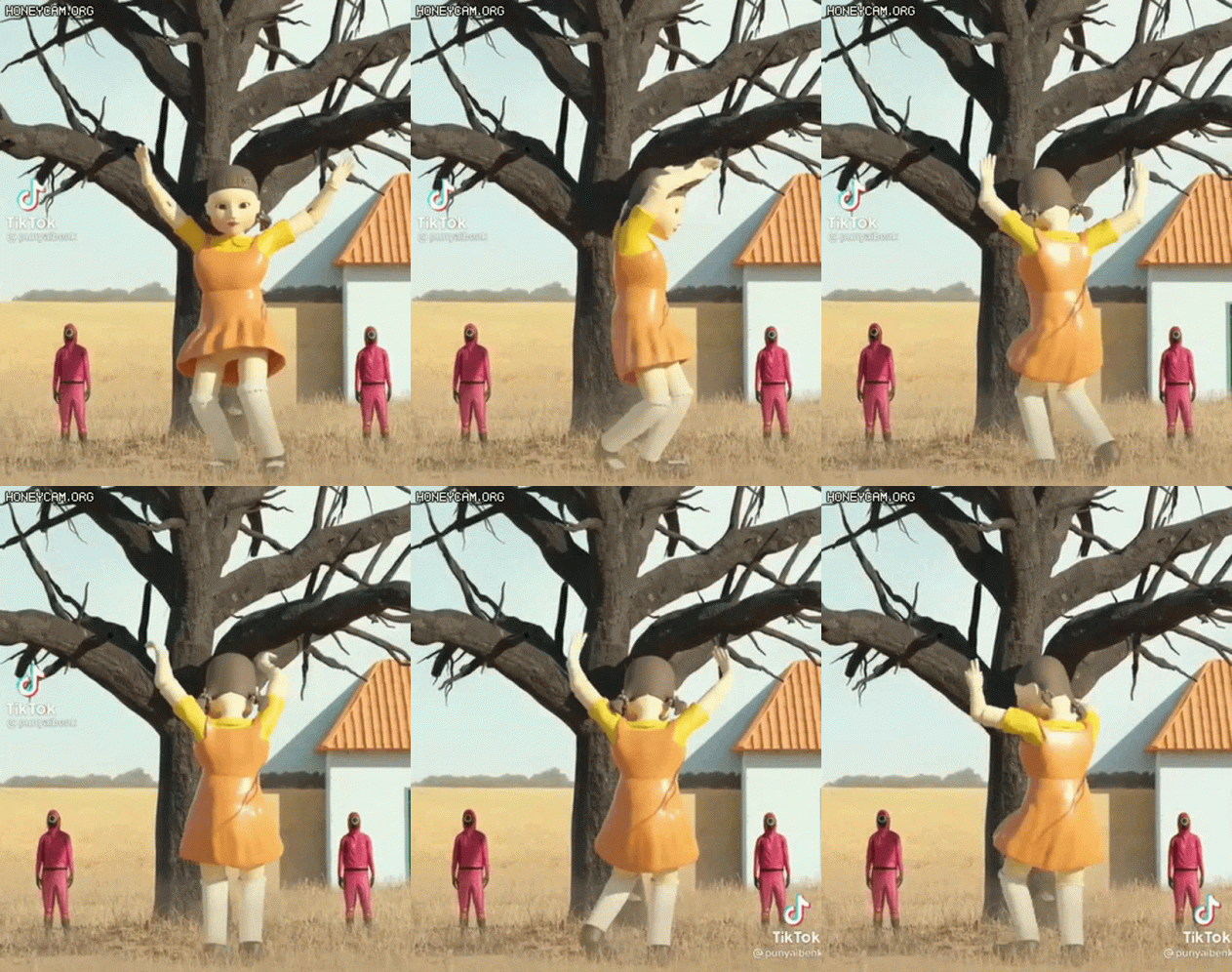
I really appreciate the reflections for the great value they add to people through products such as series or movies, I think Squid Game missed the script in this aspect and got lost in itself, affecting in a very negative way its ending.
I consider everything has positive and negative, although the series has its faults, also highlights its successes during three seasons.
In this video I present the absolute Top 3 of the best characters of Squid Game based on the narrative aspect of those reflections that by essence are boring but if they are well molded, they give emotion and the series had this but poorly distributed.
Aprecio mucho las reflexiones por el gran valor que añaden a las personas a través de productos como series o películas, pienso que Squid Game se le fue la escritura en este aspecto y se perdió en si mismo afectando de manera muy negativa su final.
Considero todo tiene positivo y negativo, a pesar de que la serie tiene sus fallos, también resaltan sus aciertos durante tres temporadas.
En este video les presento el Top 3 absoluto de los mejores personajes de Squid Game basándome en el aspecto narrativo de esas reflexiones que por esencia son aburridas pero si se moldean bien, dan emoción y la serie tuvo esto pero mal distribuido.
It is a Top and Review with Spoiler to justify the impact of the characters I want to highlight and some that I think could have given much more to the series as the famous Miss that stayed in my heart haha.
She is so fleeting but her wake stays in my heart and she deserves the cover to introduce those 3 vital characters for the success of Squid Game because I want to see what will come in the American environment.
The power of this review is in the video, I hope you enjoy it because I expressed myself at full power there haha and that you laugh because in the end it is a series of entertainment with which I had a lot of fun and I want to see more.
Es un Top y Reseña con Spoiler para poder justificar el impacto de los personajes que quiero resaltar y algunos que pienso pudieron dar mucho mas a la serie como la famosa Señorita que se quedo en mi corazoncito jaja.
Ella es tan fugaz pero su estela se queda en mi corazoncito y se merece la portada para dar presentación a esos 3 personajes vitales para el éxito de Squid Game porque desde ya, quiero ver lo que vendrá en ambiente americano.
El poder de esta Reseña esta es en el video, espero lo disfruten porque vaya que me exprese a full power allí jaja y que se rían porque a la final es una serie de entretenimiento con la cual me divertí mucho y de la que quiero ver mas.
I dedicate each and every one of my posts and videos to my little dog named princess, we called her chiquito, she is no longer with us but from heaven she will see that her existence was valuable and the most beautiful thing that will exist in my heart and soul.
Hello, I hope you are doing very well today. Today I’m here to talk about a series that many of you will surely know. Today it’s time to talk about a series that is considered by many to be one of the best of all time. I’m going to talk about: Better Call Saul. I finally finished it and… it’s spectacular. Trust me on this one because it really blew my mind in ways you can’t even imagine. Many of you know how obsessed I was – well, I AM – with Breaking Bad. I mean, for me it was the PINNACLE of television, that level of love. So when Better Call Saul came out, I was like… hesitating, with many, many reservations, to be honest… I had a TERRIBLE fear of being disappointed. It’s a spin-off, right? About that crappy lawyer?
How interesting could his story be? I imagined hours and hours of trials or something like that, how lazy, besides, spin-offs sometimes turn out really bad, many times they just want to cash in on the fame of the original, I was REALLY worried that, in some way, it was going to stain my love for the Breaking Bad universe... so I let it go... but in the end, there was already TOO MUCH talk about it and the fear of missing out was stronger, everyone said how good it was, and finally I got into it. The. Best. Decision. Of my life.
Hola, espero que estén muy bien el día de hoy, en este día les vengo a hablar de una serie que seguramente muchos conocerán, hoy toca hablar de una serie que es considerada por muchos, como de las mejores de todo el tiempo, les hablaré de: Better Call Saul. Por fin la terminé y.. es espectacular, háganme caso con esta, porque de verdad me voló la cabeza de maneras que ni se imaginan.. muchos de ustedes saben lo obsesionado que estaba – bueno, que ESTOY – con Breaking Bad.. sea, para mí era la CUMBRE de la televisión, ese nivel de amor.. Así que cuando salió Better Call Saul, yo estaba como... dudando, con muchísimas, muchísimas reservas, la verdad.. tenía un miedo TERRIBLE a decepcionarme.. es un spin-off, ¿no? ¿Del abogado ese medio chafa? ¿Qué tanto interés podía tener su historia?
Me imaginaba horas y horas de juicios o algo así, qué flojera, además, los spin-offs a veces salen bien malos, muchas veces solo quieren sacarle jugo a la fama del original, me preocupaba DE VERDAD que, de alguna forma, fuera a manchar mi amor por el universo de Breaking Bad.. así que la fui dejando pasar.. pero al final, ya se hablaba DEMASIADO de ella y el miedo a perdérmela fue más fuerte, todo el mundo decía lo buena que era, y finalmente le entré. La. Mejor. Decisión. De mi vida.
Okay, first and foremost, and this is KEY: yes, it's a prequel and a spin-off of Breaking Bad, but Better Call Saul holds its own, it's a real GEM, they could have filled the series with Walter White cameos to attract people, but they didn't... the references and familiar faces are there, scattered like little gifts for BB fans (and believe me, when they come out, phew!, it's pure perfection), but they are few and far between and they are super well done, they don't feel forced, they feel earned. The show builds its own world, its own stakes, its own fascinating story centered on Jimmy McGill, the guy who becomes Saul Goodman... I assure you, you don't need to have seen Breaking Bad to get hooked on this, of course, knowing BB gives it that extra layer, that emotion and rich context, especially with characters like Mike Ehrmantraut, but the main story, Jimmy's journey, is so strong, so human, that it works perfectly on its own... in fact, I know someone who watched BCS first and then jumped into BB, and he loved it!
And that journey... phew, Jimmy McGill, Bob Odenkirk deserves ALL the awards for this performance... we know him not as the talkative, immoral Saul Goodman, but as Jimmy: a hustler, trying (almost always) to do things right, desperate for his brother Chuck to accept him, he has that incredible charisma, even when he’s a total mess, he’s like that friend you have who always makes terrible decisions but is so cool that you can’t help but root for him, even if you’re tearing your hair out. You see that constant internal struggle: his desire to be good versus that natural talent he has for shortcuts, it’s fascinating and, honestly, sometimes it breaks your heart to see it, especially because, if you saw BB, you already know where it ends.
But the series makes you hope, against all logic, that maybe this time he won’t make that bad decision, even though you know he HAS to... then there’s Kim Wexler... played brilliantly! by Rhea Seehorn, she’s Jimmy’s friend, colleague, and so much more. She’s smart, ambitious, super capable, and has her own very complicated moral compass. What’s so cool and adds such incredible tension is that Kim isn’t in Breaking Bad! So, throughout the ENTIRE series, you’re constantly asking, “What’s wrong with Kim?!” Her relationship with Jimmy is the absolute heart of the show for me, it’s so nuanced, it changes, they affect each other in profound ways, for better and for worse, she’s not just a supporting character; you could easily say she’s the co-lead, and her story is just as compelling, if not more so at times, than Jimmy’s. Seriously, the way they develop her character is phenomenal—she’s so layered, just like real people.
A ver, lo primero y más importante, y esto es CLAVE: sí, es una precuela y un spin-off de Breaking Bad, pero Better Call Saul se las arreglo sola, es una auténtica JOYA, pudieron haber llenado la serie de cameos de Walter White para jalar gente, pero no lo hicieron.. las referencias y las caras conocidas están ahí, regadas como pequeños regalitos para los fans de BB (y créanme, cuando salen, ¡uff!, es perfección pura), pero son poquitas y están súper bien puestas, no se sienten forzadas, se sienten ganadas. La serie construye su propio mundo, sus propios riesgos, su propia historia fascinante centrada en Jimmy McGill, el tipo que se convierte en Saul Goodman.. les aseguro que no necesitan haber visto Breaking Bad para engancharse con esto, claro, conocer BB le mete esa capa extra, esa emoción y contexto rico, sobre todo con personajes como Mike Ehrmantraut, pero la historia principal, el viaje de Jimmy, es tan fuerte, tan humana, que funciona perfecto por sí sola.. de hecho, conozco a alguien que vio BCS primero y luego se aventó BB, ¡y le encantó!
Y ese viaje... ¡uf!, Jimmy McGill, Bob Odenkirk se merece TODOS los premios por esta actuación.. lo conocemos no como el Saul Goodman hablador y sin moral, sino como Jimmy: un buscavidas, intentando (casi siempre) hacer las cosas bien, desesperado porque su hermano Chuck lo acepte, tiene ese carisma increíble, incluso cuando es un desastre total, es como ese amigo que tienes que siempre toma pésimas decisiones pero es tan buena onda que no puedes evitar apoyarlo, aunque te estés jalando los pelos. Ves esa pelea interna constante: sus ganas de ser bueno contra ese talento natural que tiene para los atajos, es fascinante y, la verdad, a veces te rompe el corazón verlo, sobre todo porque, si viste BB, ya sabes dónde termina.
Pero la serie te hace tener esperanza, contra toda lógica, de que tal vez esta vez no tome esa mala decisión, aunque sepas que TIENE que hacerlo.. luego está Kim Wexler.. interpretada de forma ¡brillante! por Rhea Seehorn, es la amiga de Jimmy, su colega y mucho más.. es inteligente, ambiciosa, súper capaz y tiene su propia brújula moral bien complicada. Lo que es tan genial y le mete esa tensión increíble es que Kim ¡no está en Breaking Bad! Así que, durante TODA la serie, estás constantemente preguntándote: "¿¡Qué le pasa a Kim!?". Su relación con Jimmy es el corazón absoluto de la serie para mí, tiene un montón de matices, cambia, se afectan el uno al otro de formas profundas, para bien y para mal, no es solo un personaje secundario; fácil podrías decir que es la co-protagonista, y su historia es igual de atrapante, si no es que más a veces, que la de Jimmy. En serio, cómo desarrollan a su personaje es fenomenal: tiene muchísimas capas, como la gente real.
And Mike, Jonathan Banks, plays it perfectly. We already knew him as the serious guy who fixed everything in BB, but here we see where he comes from, his story... we see why he is like that, the tragedy that marked him, that enormous love for his granddaughter, it gives much more depth to the character we thought we knew. He is still the professional of professionals, careful, super patient... those scenes where he is just doing his job, whether it is watching someone or solving a huge problem, they capture you in a very strange way... but seeing the man behind that raspy voice makes everything that happens with him in BB have even more weight. Okay, I have to get a little intense now with the production quality because I loved it, visually, this series is incredible, the photography is not just pretty, it is intelligent... each shot feels thought out.
They use angles, framing, color, light to tell the story, and many times they say more without speaking than with pages and pages of dialogue. Remember that scene they were mentioning back in the first episode with Jimmy and Kim having a cigarette in the parking lot? It’s a perfect example: the way they’re framed, the lighting, the little things they do… it tells you A TON about their relationship and the world they live in without them having to spell it out for you… they pay incredible attention to detail! From the suits that are a bit too big for Jimmy at the beginning (showing he’s not quite there yet) to how they put together each scene, it’s a masterclass in storytelling with pure images… Now, something you need to know before we start: the pacing is different from Breaking Ba . BB had that explosive, high-stakes energy from the start: meth empires, cartels, constant danger, BCS is slower, it’s simmering.
It takes its time... it focuses more on the characters, their internal problems, the legal and personal dramas that are super complex, some may find it a little slow at first, especially the first season, if you are expecting the adrenaline of BB... but trust me, keep watching, that calmer pace is what allows the series to build such incredible depth and tension! It's not so much about what happens next, but why it happens, and how the characters change... or get worse... the rewards are huge precisely because the series takes the time to lay the groundwork well, it's less about explosions and more about how a soul is worn down, that complicated dance with morality. It makes you wonder: 'What would I do in his place?'
¡Y Mike, Jonathan Banks, lo hace perfecto, ya lo conocíamos como el tipo serio que arreglaba todo en BB, pero aquí vemos de dónde viene, su historia.. vemos por qué es así, la tragedia que lo marcó, ese amor enorme por su nieta, le da muchísima más profundidad al personaje que creíamos conocer. Sigue siendo el profesional de profesionales, cuidadoso, súper paciente... esas escenas donde nomás está haciendo su chamba, ya sea vigilando a alguien o resolviendo un problemón, te atrapan de una forma bien rara.. pero ver al hombre detrás de esa voz ronca hace que todo lo que pasa con él en BB tenga todavía más peso. Okay, tengo que ponerme un poquito intenso ahora con la calidad de producción porque la ame, visualmente, esta serie es increíble, la fotografía no es nomás bonita, es inteligente.. cada toma se siente pensada. Usan los ángulos, los encuadres, el color, la luz para contar la historia, y muchas veces dicen más sin hablar que con páginas y páginas de diálogo. ¿Se acuerdan de esa escena que mencionaban por ahí... del primer capítulo con Jimmy y Kim echándose un cigarrito en el estacionamiento?
Es un ejemplo perfecto: cómo están encuadrados, la iluminación, las cositas que hacen... te dice un MONTÓN sobre su relación y el mundo donde viven sin que te lo tengan que explicar con palabras.. le ponen una atención al detalle ¡increíble!, desde los trajes que le quedan medio grandes a Jimmy al principio (mostrando que todavía no la arma en grande) hasta cómo arman cada escena, es una clase maestra de cómo cortar historias con puras imágenes.. ahora, algo que necesitan saber antes de empezar: el ritmo es diferente al de Breaking Bad. BB tenía esa energía explosiva, de riesgo altísimo desde el inicio: imperios de meta, cárteles, peligro constante, BCS va más lento, se cocina a fuego lento.
Se toma su tiempo.. se enfoca más en los personajes, en sus problemas internos, en los dramas legales y personales que son súper complejos, a algunos tal vez les parezca un poco lento al principio, sobre todo la primera temporada, si esperan la adrenalina de BB.. pero créanme, sigan viéndola, ese ritmo más calmado es lo que deja que la serie construya una profundidad y una tensión ¡tan increíbles! No se trata tanto de qué pasa después, sino de por qué pasa, y cómo los personajes van cambiando... o empeorando.. las recompensas son enormes justo porque la serie se toma el tiempo de poner bien las bases, es menos de explosiones y más de cómo se va desgastando un alma, de ese baile complicado con la moralidad. Te hace preguntarte: '¿Qué haría yo en su lugar?'
And as I was saying, my people, for those of us who are Breaking Bad fans, watching Better Call Saul really enriches the original series A LOT... seeing Saul's past, understanding his antics, seeing Mike before he was Gus Fring's right-hand man... wow! It adds layers that you didn't even know were missing, you watch BB again and, suddenly, certain phrases or things that Saul or Mike do hit you completely differently! It's like having a totally new perspective on a story that you thought you knew inside out... the truth is, I started out hoping for a decent spin-off, maybe something to kill time... what I found was a series that, for ME, really competes with - and in some ways, especially in how they develop the characters and maybe even in the photography, BEATS! - Breaking Bad.
It's smart, it's funny (seriously, some of Jimmy's stuff is laugh-out-loud funny), it tugs at your heartstrings, it's incredibly tense, and it's visually stunning—the acting is top-notch, everyone! It's a show that respects your intelligence as a viewer and rewards you for paying attention to the details. So, my final verdict? An easy 9.5/10. Maybe even touching a 10... I'd take half a point off, if anything, for that start which is a little slow and might test the patience of some, but the reward afterwards is immense, it's like a character study, mixed with a lawyer drama and a crime thriller, seriously, watch it... in case you were doubting, if you loved Breaking Bad, if you haven't seen Breaking Bad, you can jump straight into Better Call Saul and you're going to experience an incredible story... just get ready to become obsessed with this story, and universe... and well, that's all for today, we'll see you in the next reviews, take care! Bye!
Y como les decía, mi gente, para los que somos fans de Breaking Bad, ver Better Call Saul de verdad que enriquece UN MONTÓN la serie original.. ver el pasado de Saul, entender sus movidas, ver a Mike antes de ser el brazo derecho de Gus Fring... ¡wow!, le mete unas capas que ni sabías que le faltaban, vuelves a ver BB y, de repente, ciertas frases o cosas que hacen Saul o Mike te pegan ¡completamente diferente! Es como tener una perspectiva totalmente nueva de una historia que creías conocerte al derecho y al revés.. la verdad, yo empecé esperando un spin-off decente, quizá algo para matar el tiempo.. lo que encontré fue una serie que, para MÍ, de verdad le compite – y en algunas cosas, sobre todo en cómo desarrollan a los personajes y chance hasta en la fotografía, le GANA! – a Breaking Bad.
Es inteligente, es divertida (¡en serio!, algunas de las cosas de Jimmy son para morirse de la risa), te llega al corazón, es increíblemente tensa y visualmente es una maravilla.. la actuación es de primer nivel, ¡todos, eh! Es una serie que respeta tu inteligencia como espectador y te recompensa si pones atención a los detalles.. Así que, ¿mi veredicto final? Un 9.5/10 fácil. Quizá hasta rozando el 10.. le quito medio punto, si acaso, por ese arranque que sí es un poquito lento y puede poner a prueba la paciencia de algunos, pero la recompensa después es inmensa, es como un estudio de personaje, mezclado con drama de abogados y thriller de crimen, en serio, véanla.. en caso de que estén dudando, si les encantó Breaking Bad, si no han visto Breaking Bad, pueden entrarle directo a Better Call Saul y van a vivir una historia increíble.. nomás prepárense para obsesionarse con esta historia, y universo.. y bueno, esto es todo por hoy, nos veremos en las próximas reseñas, cuidense mucho! Byebye!
Tell me... have you seen this series? Has it caught your attention? Tell me what you thought of this review with my opinion, and tell me if it has made you want to watch this series. You can leave me in the comments your recommendations for future publications! 😊
Cuéntame.. ¿Has visto esta serie? Te ha llamado un poquito la atención? Dime que te pareció esta reseña con mi opinión, y dime si te han dado ganas de ver esta series. Puedes dejarme en los comentarios tus recomendaciones para las próximas publicaciones!! 😊
📲 My social media:
See you next time! 👀🎞💗
Traduced with DeepL
Banners y separadores hechos con Canva Pro. Banners and dividers made with Canva Pro.
Written by: James Schmerer
Directed by: Hal Sutherland
Running Time: 22 minutes
The Star Trek: The Animated Series (TAS), despite its inherent limitations in budget and scope, proved to be an unexpectedly fertile ground for experimentation and innovation within the Star Trek canon. While the live-action The Original Series (TOS) had carved out its legacy through groundbreaking themes and character-driven storytelling, TAS offered a creative playground where the production team could push boundaries unshackled by the constraints of practical effects. This experimental spirit is exemplified in episodes like The Survivor, a sharp reimagining of TOS’s underwhelming premiere The Man Trap. Whereas the latter relied on a humanoid salt vampire and lukewarm emotional stakes, The Survivor injects intrigue, moral complexity, and a shapeshifter whose grotesque design and ideological transformation elevate the premise into something more inventive—and more representative of the franchise’s potential.
The episode opens with the Enterprise patrolling the Romulan Neutral Zone, where it encounters a derelict spacecraft. Captain Kirk orders the salvage of the vessel, discovering a sole survivor: Carter Winston (voiced by Ted Knight), a celebrated humanitarian and explorer who vanished five years prior. The crew’s curiosity deepens when it is revealed that Lt. Nored (voiced by Nichelle Nichols), a Enterprise crew member, was Winston’s former fiancée. His abrupt rejection of Nored remains unexplained, a detail that soon takes on sinister undertones. Winston’s true identity as a Vendorian—a shapeshifting octopus-like alien—is exposed when he incapacitates Kirk and assumes his form. Under this guise, the impostor steers the Enterprise toward a Romulan trap, luring the ship into a confrontation with two cruisers. Yet the Vendorian’s allegiance falters as Kirk regains command. Having absorbed Winston’s memories—including his lingering affection for Nored—the creature experiences a moral awakening. Choosing to ally with the crew, it sacrifices itself by morphing into a shield to protect the Enterprise during the battle. The resolution sees Nored, though still grieving her lost love, hint at a reluctant acceptance of Winston’s doppelgänger, framing the Vendorian’s transformation as a redemptive arc rather than a mere villain’s defeat.
Written by veteran TV scribe James Schmerer, The Survivor cannily repurposes the core premise of The Man Trap while refining its narrative efficiency. The original episode’s reliance on a romantic subplot and a morally simplistic antagonist feels sluggish by comparison, bogged down by its episodic runtime and lack of stakes beyond the immediate crew’s survival. Here, Schmerer condenses the story into a brisk, action-oriented framework, embedding the shapeshifter’s presence within a larger geopolitical conflict involving the Romulans. The Vendorian’s enhanced abilities—its fluid, non-humanoid form and capacity to absorb memories—add layers of intrigue, transforming it from a mere mimic into a character grappling with identity and ethics. This shift aligns with Gene Roddenberry’s vision of a future where empathy and moral growth transcend biology, even in adversaries. The ending, too, is more satisfying: rather than resolving with a tidy romantic reunion, the Vendorian’s self-sacrifice and Nored’s tentative forgiveness underscore a theme of redemption that feels both uplifting and appropriate for younger viewers, who might otherwise find the bleak finality of The Man Trap’s conclusion less palatable.
The Vendorian’s design, while undeniably grotesque, marks a significant departure from TOS’s humanoid-centric aliens. Its amorphous, tentacled form—possible only through animation—challenges the series’ frequent reliance on “rubber forehead” aliens, offering a more biologically plausible extraterrestrial. This choice not only broadens the scope of Star Trek’s universe but also reinforces the episode’s thematic focus on the fluidity of identity. Unlike the salt vampire of The Man Trap, whose humanity-like appearance undermines her otherness, the Vendorian’s alienness is unambiguous, yet its capacity for compassion complicates the viewer’s assumptions.
Another notable addition is Lt. M’Ress, a cat-like alien voiced by Majel Barrett, who serves as a bridge officer. While her role here is minor, her inclusion exemplifies TAS’s ability to explore non-humanoid characters without the practical limitations of live-action. M’Ress’s presence hints at a richer, more diverse crew than TOS often permitted, though her underutilisation here leaves room for speculation about what might have been.
The Survivor also subtly enriches Star Trek lore by referencing Captain McCoy’s daughter, Joanna, a character introduced in TOS but never revisited in later canonical works. This fleeting nod underscores TAS’s willingness to expand the franchise’s mythology, even if its contributions were often sidelined by subsequent series.
While The Survivor is far from a masterpiece, it remains a commendable entry in the Star Trek canon. It demonstrates how the animated format could revitalise familiar tropes, inject fresh creativity into the franchise, and explore themes that live-action constraints had stifled. Though overshadowed by the legacy of TOS, TAS episodes like The Survivor prove that, even in its earliest days, the franchise had the potential to evolve beyond its own expectations.
Written by: Christopher Kyle
Directed by: Leslie Liebman & Larry Williams
Running Time: 46 minutes
The Homicide: Life on the Street episode Closet Cases, first broadcast in 1998, has not aged well, revealing the limitations of its ambitious but ultimately shallow approach to representation of homosexuality. While late 1990s television produced groundbreaking content that pushed boundaries, many such works now feel dated, relying on the novelty of their subjects rather than genuine depth. Closet Cases epitomises this: its central plot hinges on homosexuality, a topic barely acknowledged on mainstream American TV until short time ago, but its execution leans heavily on clichés and moralising, using the “heart in the right place” as a crutch to overlook structural flaws.
The main storyline follows detectives Pembleton and Bayliss investigating the brutal murder of a man discovered dumped in lingerie near a Baltimore restaurant popular among gay community, his face so badly damaged that identification proves challenging. The restaurant’s owner, Chris Rawls (Peter Gallagher), immediately suspects a hate crime, given the victim’s location and the violent nature of the attack. The detectives eventually identify the victim as Alan Costello, whose long-term partner, Sam Farrell (Kirk Penberthy), reveals Alan occasional use of male street hustlers, including Peter Fields (Brian Van Holt), who confesses to the killing after forcing Bayliss to compliment his physique in a cringe-inducing exchange. The subplot involving Bayliss’s sudden romantic interest in Rawls—a decision framed as an exploration of his sexuality—further complicates the narrative. Pembleton’s bafflement at his partner’s abrupt shift, coupled with Bayliss’s own eagerness to “come out” in public, undermines the scene’s sincerity, feeling instead like a gimmick to shock audiences. The episode’s climax, in which Bayliss dates Rawls, is handled with awkward haste, underscoring the show’s struggle to balance progressive themes with realistic character development.
The supporting storylines, typical of Homicide’s multi-plot structure, falter here. Falsone’s ongoing custody battle with his ex-wife, Janine (Monica Trombetta), plays out in a tired, melodramatic manner, recycling clichés about single fathers and marital strife. This subplot, part of an extended arc, lacks the nuance or emotional weight that defined the series’ earlier seasons, instead opting for predictable theatrics. Meanwhile, the continuation of the Luther Mahoney saga—already overextended—descends into soap opera tropes. Kellerman’s reluctant confession to Steevers about a non-existent incriminating tape, followed by Georgina Rae’s manipulative “twist” wherein she admitting fabricating the tape’s existence to test Kellerman’s guilt over her brother’s death, feels contrived. The resolution, in which Georgina declares her intent to seek revenge, adds little beyond gratuitous drama, distancing the episode from the grounded realism that once made Homicide stand out. These subplots, once strengths of the series, here feel forced and disconnected, bogged down by unnecessary complexity.
The episode’s treatment of gay themes, while progressive by 1990s standards, now reads as superficial and clichéd. Bayliss’s sudden interest in exploring his sexuality—a bold move for a network TV protagonist at the time—feels more like a ratings stunt than a meaningful character arc. His eagerness to announce his newfound openness to Pembleton, combined with the episode’s reliance on stereotypes—drag queens, gym-obsessed men, and the killer’s contradictory homophobia despite selling sex to men—reinforces outdated tropes. The Baltimore gay community is reduced to a series of shorthand signifiers, lacking the depth or humanity that the show applied to other marginalised groups. The killer’s motivation, rooted in internalised prejudice, is underdeveloped, serving only to sensationalise rather than illuminate. What was once groundbreaking now feels like a missed opportunity, prioritising shock value over substance.
A curious anachronism emerges in the cameo of Joe Grifasi as Lt. Neal, a character from the short-live Homicide: Second Shift web series. Launched in 1997 as a photonovel—a text-and-image format limited by its time’s technology—the web spinoff is a relic of internet infancy, and Neal’s appearance here serves no narrative purpose beyond a vague nod to continuity. Similarly, the mention of conservative US Senator Jesse Helms—a figure controversial for his staunch opposition to homosexuality—feels like a dated cultural reference, inserted to score cheap points rather than engage meaningfully with the episode’s themes.
The subplots, while typical of Homicide’s layered storytelling, here drag the episode into melodrama. Falsone’s custody drama, though acted competently, is bogged down by repetitive conflict and underdeveloped emotional stakes, while the Mahoney saga’s “twist” feels like a cheap ploy to extend a storyline that should have been resolved. The nighttime conference between detectives about Luther Mahoney’s death lacks the tension or moral ambiguity that defined earlier episodes, instead leaning into histrionics. The series’ earlier strengths—its unflinching realism, moral complexity, and nuanced characterisation—feel diluted here, replaced by tired clichés and rushed resolutions.
Ultimately, Closet Cases is a product of its time, both constrained and defined by the narrow boundaries of late-1990s TV. While its attempt to tackle gay issues with sensitivity was once notable, its execution is hampered by a reliance on stereotypes and a narrative that prioritises shock over substance. For all its ambition, the episode underscores how even well-meaning attempts at progress can falter when hampered by structural laziness and a failure to engage deeply with its subject matter.
I like to read and I like to go to the movies. Books and movies are my main sources, not only for fun and entertainment, but also for reflection and questioning. And just as I believe that rereading is the real reading, I think that watching a movie a second time is even better. You no longer have the surprise of the first time, but I think of that quote from David Gilmour (the film critic, not the Pink Floyd member) who said: "… the second time you see something is really the time. You need to know how it ends before you can appreciate how beautifully it's put together from the beginning".
Me gusta leer y me gusta ir al cine. Libros y películas son mis fuentes principales, no sólo de diversión y esparcimiento, sino también de reflexión y cuestionamiento. Y al igual que creo que la relectura es la verdadera lectura, pienso que ver una película por segunda vez es aún mejor. No se cuenta ya con la sorpresa de la primera vez, pero pienso en aquella frase de David Gilmour (el crítico de cine, no el integrante de Pink Floyd) que dijo: "La segunda vez que ves algo es realmente la primera vez. Solo sabiendo cómo acaba algo se puede apreciar lo bien montado que está desde el principio".
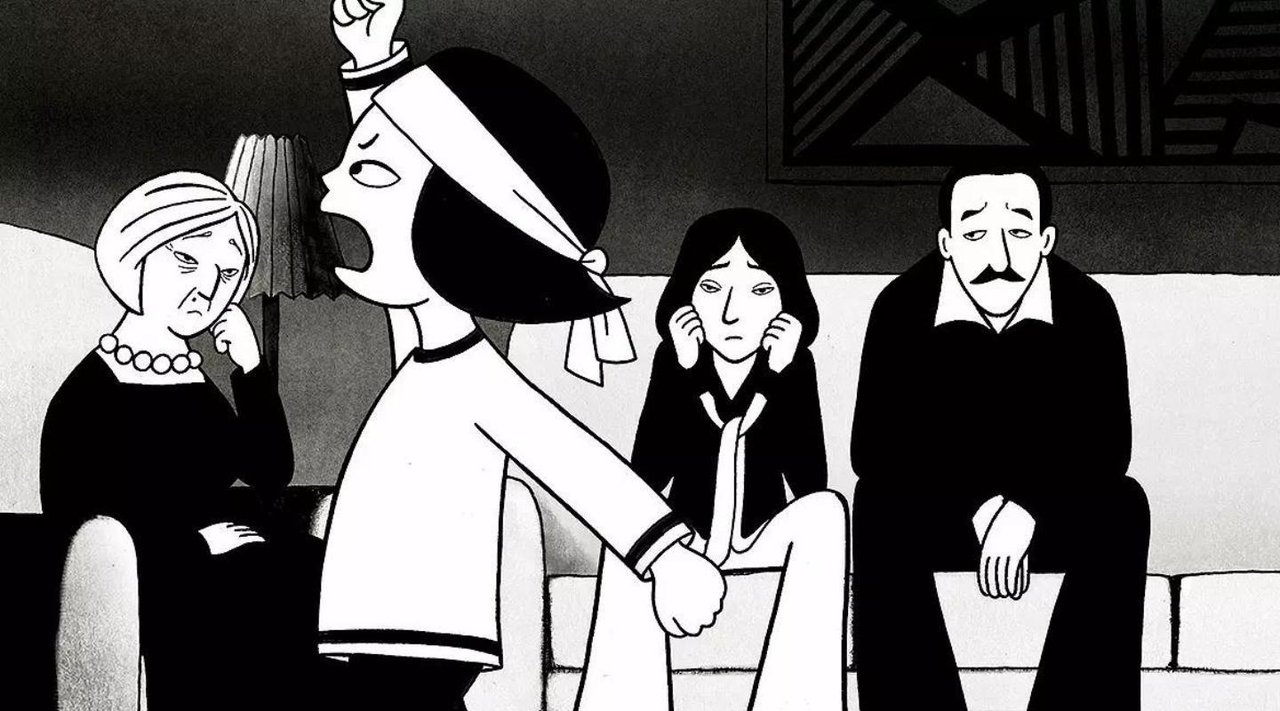
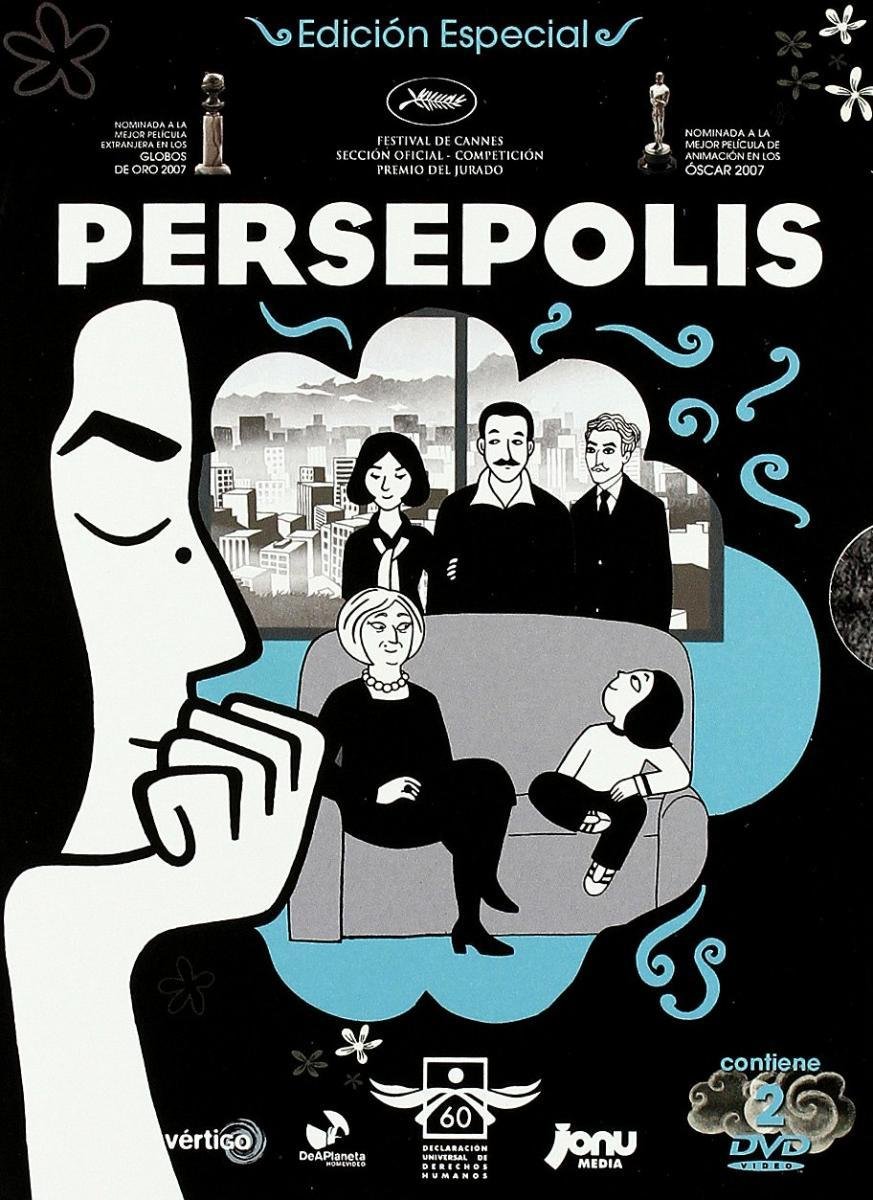
For that reason there are books that I like to reread (sometimes several times) and movies that I revisit after some time has passed. In this case it was not due to an exercise in film criticism but for another reason. I am participating in a feminist book club in which over the course of four months we will discuss four books written by women and featuring gender perspectives. The third work on the list was Persepolis, the graphic novel by Marjane Satrapi, through which we explore racism, xenophobia and the condition of women in the midst of authoritarian governments, theocratic or not. So after having read this great work and a couple of days before discussing it with my club mates I decided to revisit the 2007 film, which I had seen - if I remember correctly - at least ten years ago. Revisiting it after knowing the graphic novel, but especially after having lived, read, seen, thought, analyzed and known so many other things, made me appreciate it even more and made me notice certain details and analyze some things that certainly must have passed unnoticed before my eyes that first time. It would seem that the selection of this text had been thought according to the current crisis in the Middle East, but the club's schedule had already been fixed since the beginning of the year, so the fact that Iran is again being discussed at the time we have read the comic is one of those coincidences with which life often tempts us to think that they don't exist.
Por esa razón hay libros que me gusta releer (a veces varias veces) y películas que vuelvo a visitar después de pasado algún tiempo. En este caso no se debió a un ejercicio de crítica cinematográfica sino a otro motivo. Estoy participando en un club de lectura feminista en el que a lo largo de cuatro meses conversaremos sobre cuatro libros escritos por mujeres y que presentan perspectivas de género. La tercera obra en la lista era Persépolis, la novela gráfica de Marjane Satrapi, a través de la cual exploramos el racismo, la xenofobia y la condición de la mujer en medio de gobiernos autoritarios, teocráticos o no. Así que luego de haber leído esta gran obra y un par de días antes de discutirla con mis compañeras del club decidí volver a ver la película de 2007, la cual había visto - si recuerdo bien - hace al menos diez años. Volver a visitarla después de conocer la novela gráfica, pero sobre todo después de haber vivido, leído, visto, pensado, analizado y conocido tantas otras cosas, me hizo apreciarla aún más y me hizo reparar en ciertos detalles y analizar algunas cosas que sin duda debieron pasar inadvertidas ante mis ojos aquella primera vez. Pareciera que la selección de este texto hubiera sido pensada de acuerdo a la crisis actual que hay en el medio oriente, pero la programación del club ya estaba fijada desde principios de año, con lo que el hecho de que nuevamente se esté hablando de Irán en el momento en que hemos leído el cómic es una de esas casualidades con la que la vida suele tentarnos a pensar que no existen.
I've seen several adaptations of graphic novels and although there are some that are presented in live action with quite good results, such as Le bleu est une couleur chaude or Poulet aux prunes (by the same writer of Persepolis), I always prefer those that are adapted in animated format taking as a reference the same illustration style of the original work because it gives me the feeling that the book literally came to life, a bit like those pictures of the magical world of Harry Potter.
He visto varias adaptaciones de novelas gráficas y aunque hay algunas que son presentadas en live action con bastante buen resultado, como Le bleu est une couleur chaude o Poulet aux prunes (de la misma escritora de Persépolis), siempre prefiero aquellos que son adaptados en formato animado tomando como referencia el mismo estilo de ilustración de la obra original porque me genera la sensación de que el libro literalmente cobró vida, un poco como esas fotografías del mágico mundo de Harry Potter.
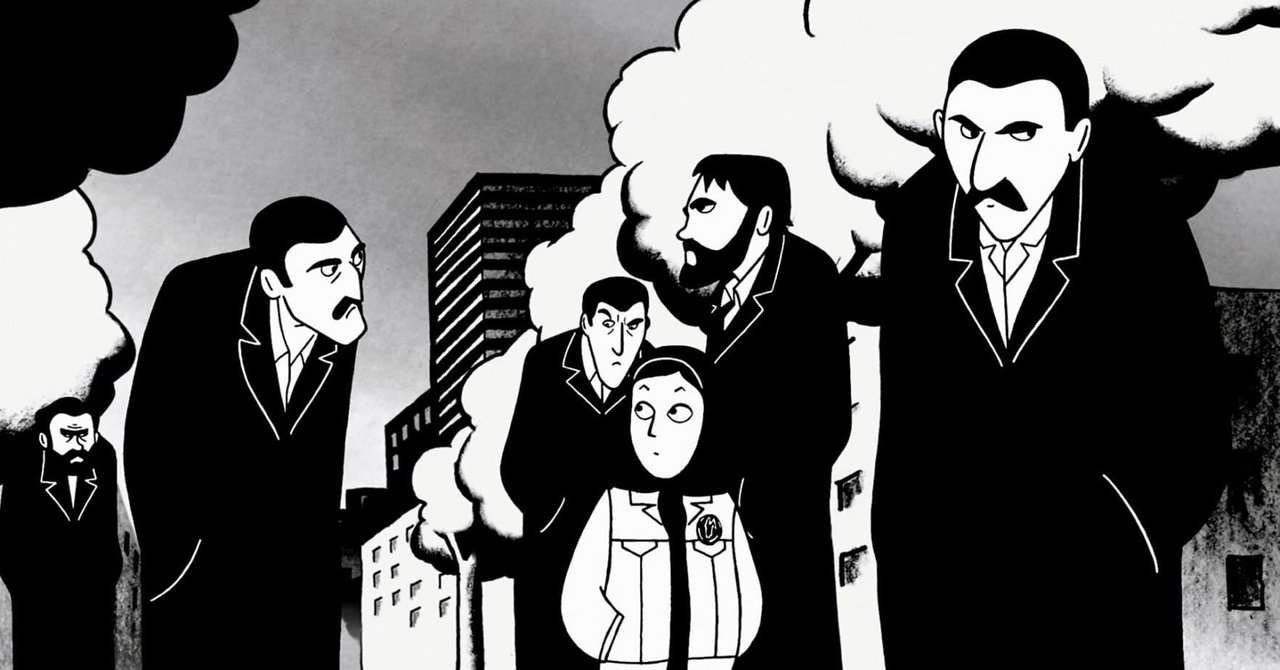
And that happens with Persepolis because Marjane Satrapi herself, creator of the comic book, wrote the screenplay and directed the film together with Vincent Paronnaud; moreover, an important addition is that the story is autobiographical. Marjane tells us here her own story from the time she was a ten-year-old Iranian girl when the Islamic revolution and the fundamentalists took power, forcing society to return to certain retrograde values such as forcing women to wear veils and political persecutions in the name of order and good manners. Thousands of people imprisoned, disappeared, murdered, the war between Iraq and Iran, migration, exile and the loss of freedoms, is the backdrop against which little Marjane discovers the world: punk music, ABBA, Iron Maiden, literature and later, love. Once a culturally advanced society and respected in the rest of the continent and the world, the arrival of theocracy plunges Iran into a climate of conflict and oppression, and turns its citizens into victims, pariahs, accomplices or outcasts, depending on the eye of the beholder. Thanks to the purchasing power of her parents, Marjane manages to go to live in Europe for a few years and there she gets to know another culture, very different from that of her country, and although she has more favorable conditions for her development, she also discovers the nostalgia and identity crises of all migrants who no longer inhabit the land to which they belong and who still don't belong to the one they now inhabit; and perhaps never will.
Y eso sucede con Persepolis porque la propia Marjane Satrapi, creadora del cómic, escribió el guion y dirigió la película junto a Vincent Paronnaud; además, un agregado importante es que la historia es autobiográfica. Marjane nos cuenta aquí su propia historia desde que era una niña iraní de diez años cuando la revolución islámica y los fundamentalistas tomaron el poder, forzando a la sociedad a volver a ciertos valores retrógrados como el obligar a las mujeres a llevar velo y además con persecuciones políticas en nombre del orden y de las buenas costumbres. Miles de personas encarceladas, desaparecidas, asesinadas, la guerra entre Irak e Irán, la migración, el exilio y la pérdida de las libertades, es el telón de fondo sobre el cual la pequeña Marjane descubre el mundo: la música punk, ABBA, Iron Maiden, la literatura y posteriormente, el amor. Alguna vez una sociedad avanzada culturalmente y respetada en el resto del continente y del mundo, la llegada de la teocracia sume a Irán en un clima de conflicto y opresión, y convierte a sus ciudadanos en víctimas, parias, cómplices o marginados, según el ojo de quien los mire. Gracias al poder adquisitivo de sus padres, Marjane logra irse a vivir a Europa durante unos años y allí conoce otra cultura, muy diferente a la de su país, y aunque tiene condiciones más favorables para su desarrollo, también descubre la nostalgia y las crisis de identidad que tienen todos los migrantes que no habitan ya la tierra a la que pertenecen y que aun no pertenecen a la que ahora habitan; y quizás nunca lo hagan.
Marjane's story is full of very moving episodes, some of them cruel, painful and sad, but others very tender, hopeful and clearly funny. Disruptive from her earliest childhood, “Marji” had and has a way of questioning the world from her innocent look that makes us reflect on different things. The animated format of the story softens how disturbing certain scenes could be, but doesn't spare us the analysis of situations that should no longer be repeated in the history of our humanity and that, nevertheless, continue to happen.
La historia de Marjane está repleta de episodios muy emotivos, algunos crueles, dolorosos y tristes, pero otros muy tiernos, esperanzadores y claramente divertidos. Disruptiva desde su más tierna infancia, "Marji" tenía y tiene una forma de cuestionar el mundo desde su mirada inocente que nos hace reflexionar sobre diferentes cosas. El formato animado de la historia nos suaviza lo perturbadoras que podrían resultar ciertas escenas, pero no nos ahorra el análisis de situaciones que no deberían ya repetirse en la historia de nuestra humanidad y que, sin embargo, siguen pasando.
25 years after its first publication, Persepolis is still relevant, not so much because these things keep happening, but because it reflects on enduring and very human themes: family, parenthood, migration, xenophobia, authoritarianism, freedom, love, life, integration... each chapter of the novel and each scene of the film serve to talk for hours and hours about different aspects of our humanity. As an addition to the experience of the film, originally recorded with French voices, I found that Marjane is voiced by Chiara Mastroianni, actress daughter of an iconic couple, Marcello Mastroianni (La dolce vita and 8½) and Catherine Deneuve (Les parapluies de Cherbourg and Belle de jour), who voices her mother in the film. In addition to pursuing a successful career as a creator of graphic novels, human and women's rights activist, Marjane Satrapi has also directed other feature films, the latest being a biopic about Marie Curie, Radioactive, starring Rosamund Pike. Her latest editorial work, Femme, Vie, Liberté is a project coordinated by her in which through individual stories, portraits and vignette reports, different artists and experts speak out after the death of Mahsa Amadi at the hands of the moral police in Iran during the fall of 2022. I recommend reviewing all of Satrapi's work, but you can start with Persepolis, on paper and on screen, because I think hers it's a voice that deserves to be heard, read and spread, how many of you have seen this movie? have you read the comic? I read you in the comments.
A 25 años de su primera publicación, Persépolis sigue vigente, no tanto porque sigan pasando estas cosas, sino porque reflexiona sobre temas imperecederos y muy humanos: familia, paternidad, migración, xenofobia, autoritarismo, libertad, amor, vida, integración... cada capítulo de la novela y cada escena de la película sirven para conversar horas y horas sobre diferentes aspectos de nuestra humanidad. Como agregado a la experiencia de la película, grabada originalmente con voces en francés, encontré que la voz de Marjane la hace Chiara Mastroianni, actriz hija de una pareja icónica, Marcello Mastroianni (La dolce vita y 8½) y Catherine Deneuve (Les parapluies de Cherbourg y Belle de jour), quien hace la voz de su madre en la película. Además de seguir una exitosa carrera como creadora de novelas gráficas, activista por los derechos humanos y de las mujeres, Marjane Satrapi ha dirigido también otros largometrajes, siendo el último una biopic sobre Marie Curie, Radioactive, protagonizada por Rosamund Pike. Su último trabajo editorial, Femme, Vie, Liberté es un proyecto coordinado por ella en la que a través de historias individuales, retratos y reportajes en viñetas, diferentes artistas y expertos se pronuncian tras la muerte de Mahsa Amadi a manos de la policía de la moral en Irán durante el otoño de 2022. Recomiendo revisar toda la obra de Satrapi, pero pueden comenzar con Persepolis, en el papel y en la pantalla, porque creo que es una voz que merece ser oída, leída y difundida, ¿cuántos de ustedes han visto esta película? ¿han leído el cómic? Los leo en los comentarios.
It is nice to have a new TV show to talk about today. Recently, I have adopted the act of watching new TV shows as a means of putting my mind to rest after a long day or to start my weekend.
One genre of TV shows I have enjoyed over and over in the past is murder mystery. Mindfully, not the deep dark murder mystery or documentaries like the Jeffrey Dahmer, or American Murder Mystery documentaries and the rest of that kind, rather I'm talking about the kind of murder mystery that comes with a feel of comedy or comic relief.
I think that murder mysteries can be all serious, but at the same time, there should be a form of comedy relief, as that is what will keep a person like me glued to the show or movie. Life is quite serious already, so let's cope with some comedy.
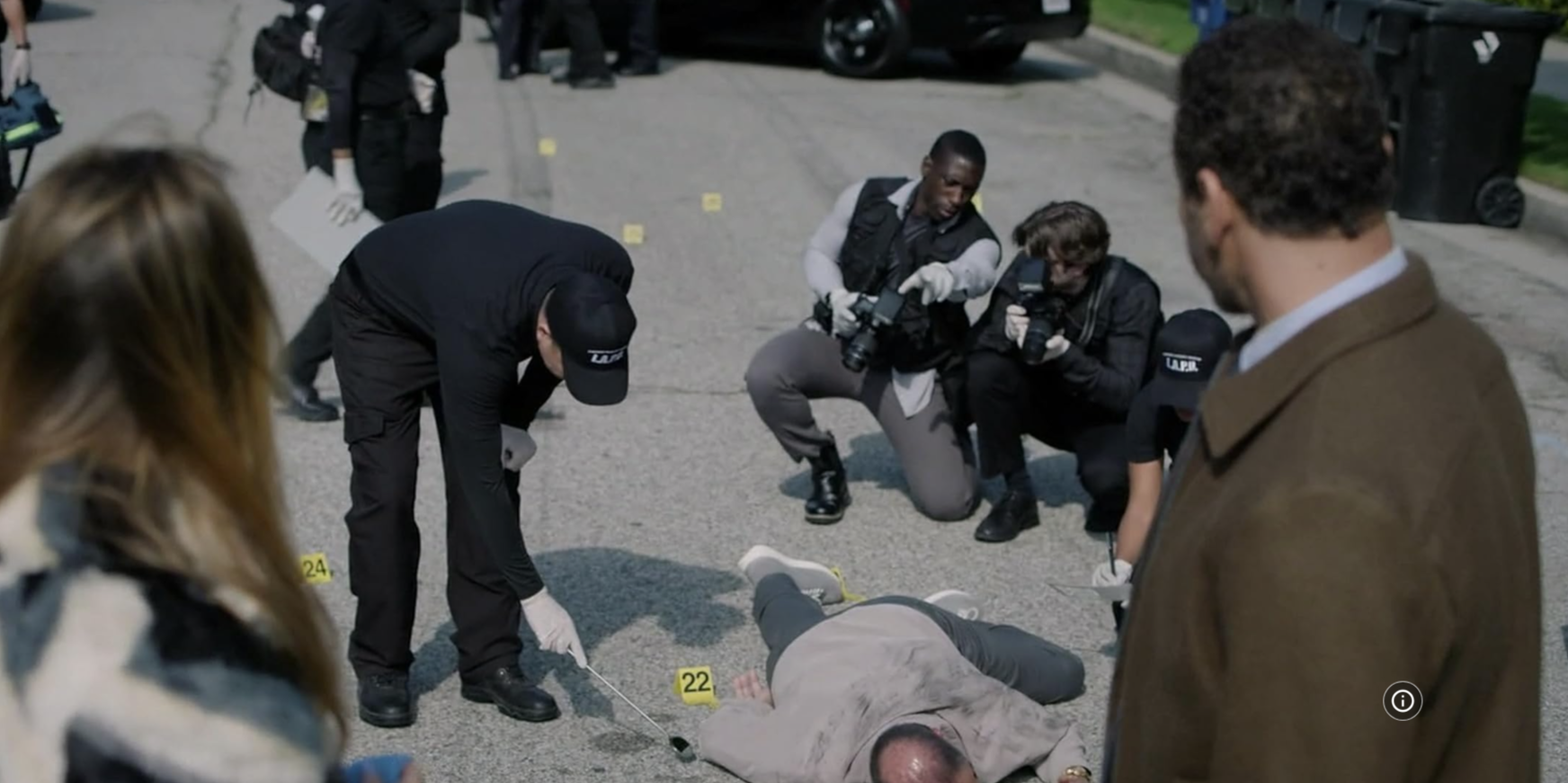
[Murder on High Potential](https://www.imdb.com/title/tt22091076/mediaviewer/rm3466891266/?ref_=ext_shr_lnk)
In this mindset, I have watched the Mentalist, which happens to be my favourite on the list of murder mysteries. The back-and-forth tussle between Patrick Jane and Red John. Although some may argue that the Mentalist is not a murder mystery that comes with comic relief. But in that defense, it does.
Have you ever taken your time to watch how Patrick Jane plays with every given case, undermining the seriousness that comes with murder while making it obvious that nothing can be hidden from him. Or is it how he likes to act like a psychic that can read your mind and even speak to the dead, which are all lies since they are all clever psychological tricks he has mastered and implemented over and over again.
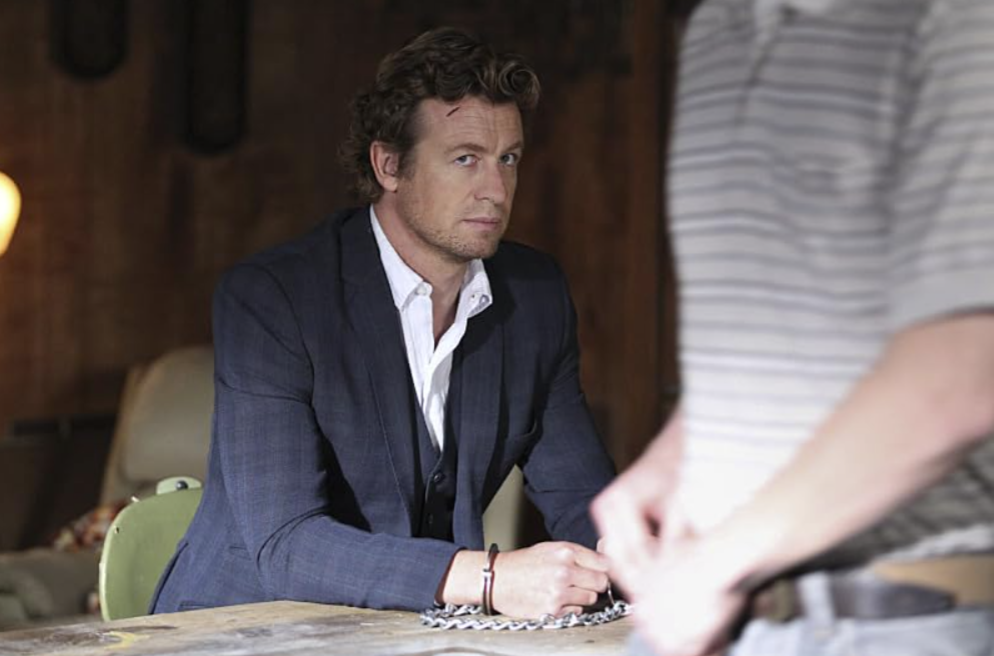
[Mr Patrick Jane - The Mentalist](https://www.imdb.com/title/tt1196946/mediaviewer/rm2492985856/?ref_=ext_shr_lnk)
With this, it was a no-brainer when I decided to watch High Potential. Although I have to confess I was not so enthusiastic about the movie at first because I felt the glamorous use of an attractive Kaitlin Olson and Daniel Sunjata as the lead characters kind of undersold the murder mystery to me.
I thought these good-looking actors should just make this show another too-hot-to-handle or desperate housewives saga. Well, what did they say about judging a book by its cover? You end up losing the knowledge or missing out on something good.
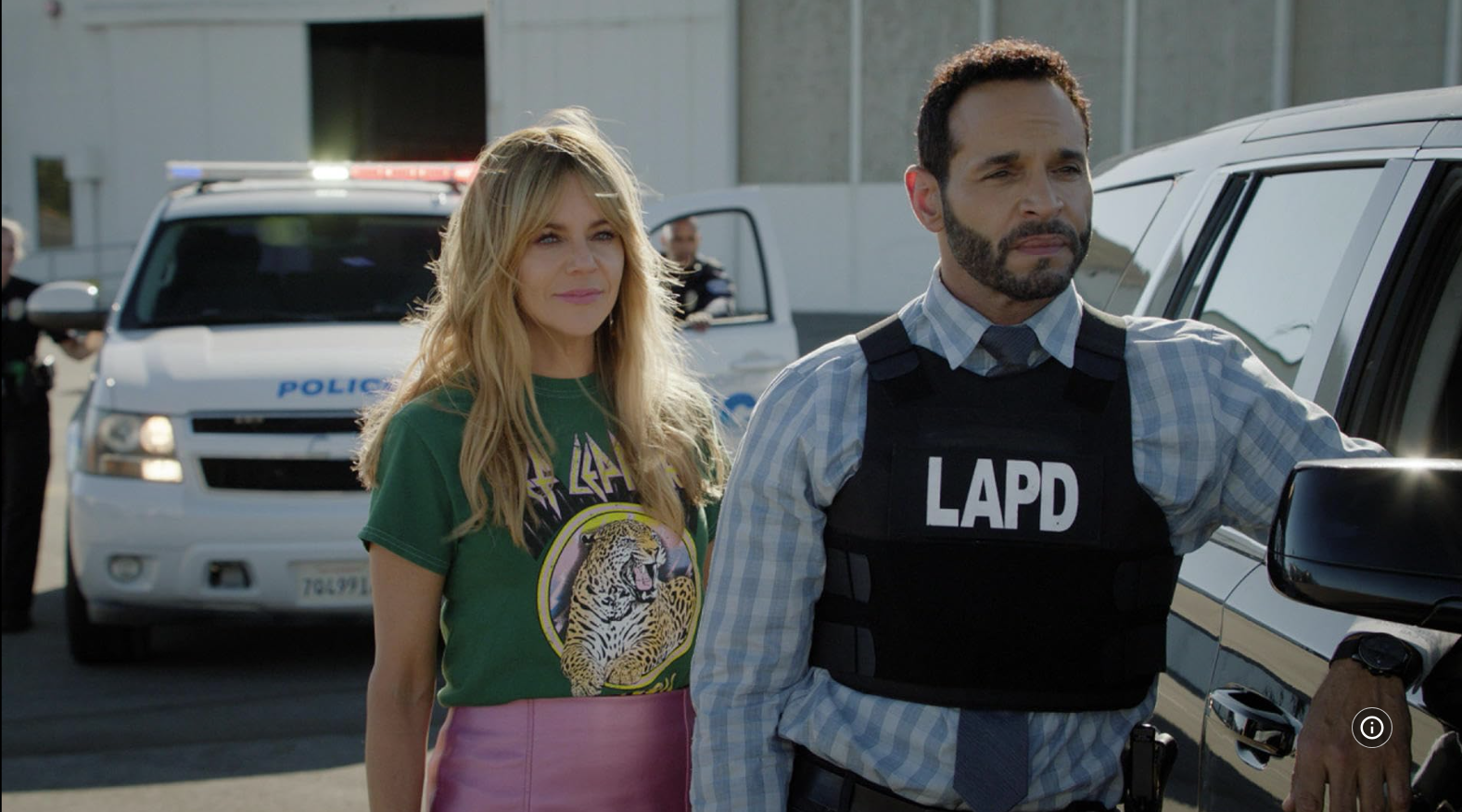
[Kaitlin Olson and Daniel Sunjata](https://www.imdb.com/title/tt22091076/mediaviewer/rm1416533762/?ref_=ext_shr_lnk)
So this was my case until I said to myself yesterday, what do I have to lose? Frankly nothing. Since all I am looking for is something to keep my mind busy and possibly sleep off as well on it, if it helps.
Lo and behold, it keeps getting good. Kaitlin Olson, who plays Morgan, a cleaner at the LAPD with a high IQ, keeps finding new information in an ongoing investigation that proves the police have it all wrong most times.
Her detailed attention to every single piece of information and spotting the missing piece is what I find quite intriguing. She is that kind of person who can spot a grammatical error in an expression where a period was used instead of a question mark, while at the same time reading the content at top speed.
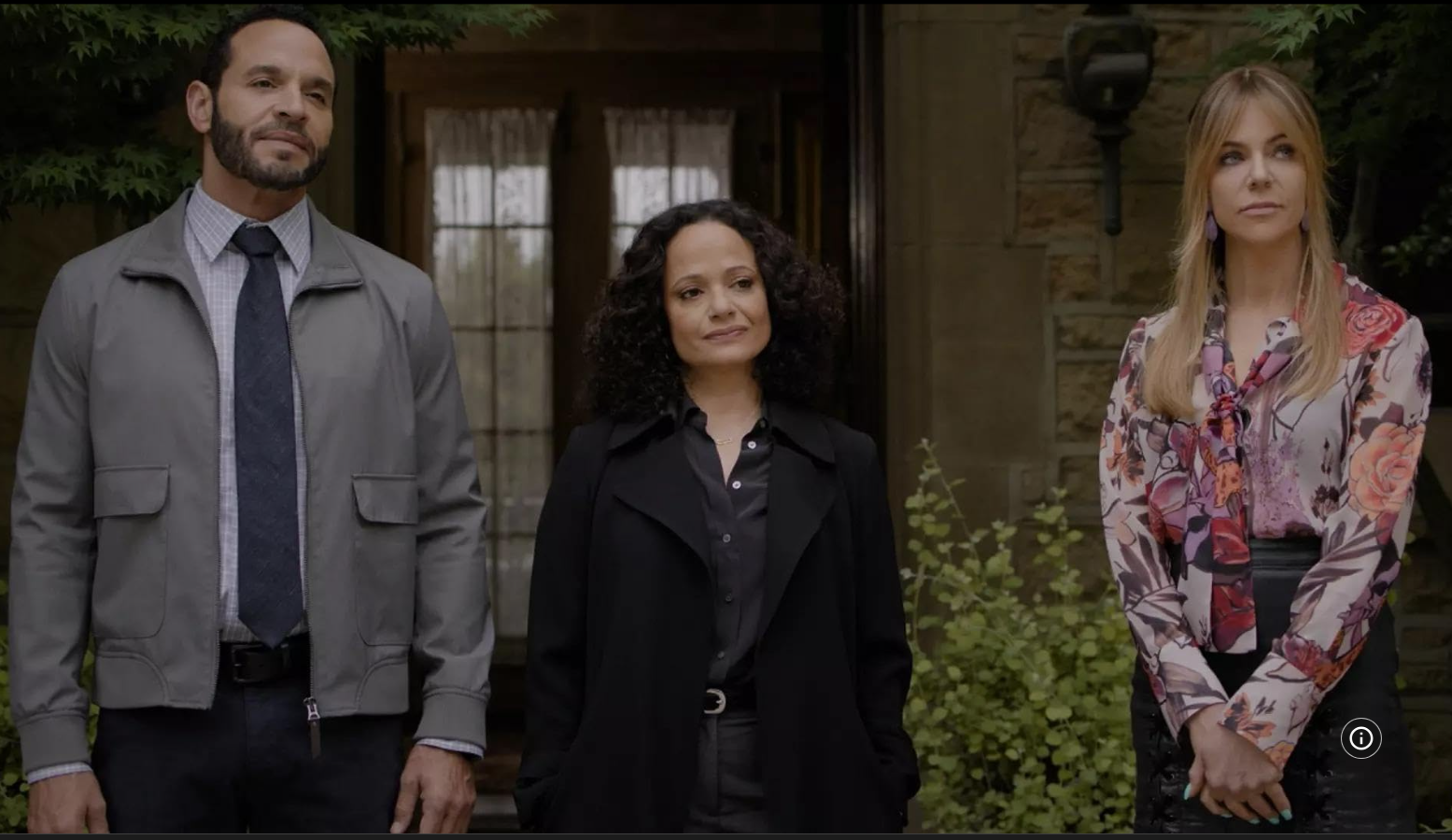
The micro bits of information are how she gets to solve the murder case for each episode, even something as minor as the weather condition of last night, or what direction the wind was blowing from last night.
This is what got me thinking. Are there people like Morgan from the ABC TV show High Potential, who have an insanely high IQ and the ability to consume a large amount of information at top speed while understanding every bit of it? I think these kinds of things can only be found in movies, although I stand to be proven wrong or, better still, corrected.
I am currently on episode 5, where she is finally working full time for the LAPD consultant for murder investigation, and at the same time, trying to uncover what happened or led to the disappearance of her ex-husband. So far, it gets better as Morgan has become the female version of Patrick Jane from The Mentalist. If you enjoyed The Mentalist, I recommend you check High Potential.
I am @samostically, I love to talk and write about chess because I benefited a lot from playing chess, and I love writing about chess.
The end of an era has come to an end, or at least that's what one imagines. The Squid Games has been Netflix's most successful series, surpassing even Stranger Things in terms of audience. It must be said that when the series started it was a real boom, being something that had not been seen on television it caught many people off guard and hooked them immediately, it was a novel product and above all well done. The second season did not reach the quality of the first one but it was still quite good, it kept people's attention and expectations. But now comes the third and final season, which is not bad either, but I think it falls quite short compared to the previous two.
El final de una era ha llegado a su final, o por lo menos eso es lo que uno se imagina. Los Squid Games ha sido la serie más exitosa de Netflix superando incluso a Stranger Things en lo que a audiencia se refiere. Hay que decir que cuando comenzó la serie fue un boom auténtico, al ser algo que no se había visto en televisión agarró desprevenido a muchas personas y las enganchó inmediatamente, era un producto novedoso y sobretodo bien hecho. La segunda temporada no le llegó en calidad a la primera pero de igual manera fue bastante buena, mantuvo la atención y la expectativa en la gente. Pero ahora llega la tercera y final, la cual tampoco es mala, pero si creo que se queda bastante corta con respecto a las dos anteriores.
Let's talk about several characters. The first one is Hwang, the detective brother who for two seasons was looking for the island. I understand the background of his character and the feelings he had at the end of the season when he sees his brother but in the story I consider that he ends up being “useless”, it is true that he achieves his mission and manages to save the famous father of the sick girl but he was expected to do more than stay paralyzed. I want to believe that in the end the humanity that we all have inside won overcoming the barbarism that was seen in the three seasons. In the end the series is a bit about that, being more human and less pieces of a macabre game.
Hablemos de varios personajes. El primero es Hwang, el hermano detective que por dos temporadas estuvo buscando la isla. Entiendo el trasfondo de su personaje y los sentimientos que tuvo al final de la temporada cuando ve a su hermano pero en la historia considero que termina quedando con un "inútil", es verdad que consigue su cometido y logra salvar al famoso padre de la niña enferma pero se esperaba que hiciera algo más que quedarse paralizado. Quiero creer que al final la humanidad que tenemos todos a lo interno ganó sobreponiéndose a la barbarie que se vio en las tres temporadas. Al final la serie va un poco de eso, ser más humanos y menos piezas de un juego macabro.
I assume these people have a very big budget, I ask myself: why not do something of higher quality? - I understand that due to the nature of the story and its violence, having a real baby was not the best option, but I think they could have made it a little less artificial. And no, this is not something small or unimportant because looking so fake takes away the emotional factor of the scenes. Personally I didn't like that, I didn't enjoy it and I wasn't even able to empathize with his relationship with his mother. For me it was a mere prop to try to give more drama to the story.
Esta gente asumo que maneja un presupuesto sumamente abultado, pregunto: ¿por qué no hacer algo de más calidad? - y esta pregunta me la hago al ver el CGI tan lamentable que le pusieron al famoso bebé 222. Entiendo que por la naturaleza de la historia y su violencia tener un bebé real no era la mejor opción pero yo creo que pudieron haberlo hecho un poco menos artificial. Y no, esto no es algo pequeño o sin importancia porque al verse tan falso le quita el factor emocional a las escenas. Personalmente no me gustó eso, no lo disfruté y ni siquiera pude ser capaz de empatizar con la relación de él su madre. Para mi fue mera utilería para tratar de darle más drama a la historia.
And the third thing to mention that was really hard to watch were the “VIPs”, these masked characters with an important decision-making power in these games. If you listen to it in the original language you will realize how forced their dialogues and interactions are to the point that they sound like they were taken from a cartoon or comic book or they are just bad actors and that's it. If they are the villains, the minimum is that they act as such, that they mimic their characters and make it moderately believable; unfortunately this was not the case. Another experience ruined by things that could have been done much better. Some really well acted “VIPs” would have been incredible.
Y lo tercero a mencionar que la verdad costó verlo fueron los "VIP", estos personajes enmascarados con un poder de decisión importante en estos juegos. Si lo escuchan en idioma original se van a dar cuenta de lo forzado que son sus diálogos e interacciones al punto de que parecen que fueron sacados de una caricatura o comiquita o es que simplemente son malos actores y ya está. Si ellos vienen siendo los villanos pues lo mínimo es que actúen como tal, que se mimeticen con sus personajes y lo hagan medianamente creíble; lamentablemente no fue el caso. Otra experiencia arruinada por cosas que pudieron haberse hecho mucho mejor. Unos "VIP" realmente bien interpretados hubiesen sido increíbles.
But not everything is bad. It is understood that no one could be left alive except for a single participant, so that the only thing that had to be done was to find a way for the protagonists to die. Here the deaths of almost everyone were very good, the drama that existed behind all these scenes was ideal to give them the closure they needed and deserved. There was everything, sacrifices, betrayals, grudges, pettiness, selfishness but we also saw love, understanding, etc. In the end this is a series that fully explores human nature and how we act in situations where one's life depends on another or on decisions we may make for our own benefit or unknowingly for the benefit of others.
Pero no todo es malo. Se entiende que nadie podía quedar vivo salvo un solo participante por lo que la vuelta que había que hacer era buscar la forma del cómo iban a morir los protagonistas. Acá las muertes de casi todos estuvieron muy buenas, el drama que existió detrás de todas estas escenas fue el ideal para darles el cierre que necesitaban y merecían. Hubo de todo, sacrificios, traiciones, rencores, mezquindad, egoísmo pero también vimos amor, compresión, etc. Al final esta es una serie que explora en su totalidad la naturaleza humana y el cómo actuamos en situaciones en donde la vida de cada uno depende de otro o de decisiones que podamos tomar para beneficio propio o sin saberlo de los demás.
In the end we had a closing that gives food for thought about many things of which we know very few. It wasn't a bad ending, some people didn't like it but it's all a matter of taste. It was known that the creator had another ending in mind and it's a good thing he didn't because otherwise the story would have gone into an eternal loop. The ending was for Seong Gi-hun to stay alive and go to the United States with his daughter to realize that these games were an international movement and thus the suffering and revenge would be something perpetual. I give this series finale a 6.5/10. Tell me, have you seen it yet? - What did you think?
Al final tuvimos un cierre que da para pensar muchas cosas de las cuales sabemos muy pocas. No fue un mal cierre, hay gente que no les gustó pero todo es cuestión de gustos. Se supo que el creador tenía otro final en mente y la verdad menos mal que no lo hizo porque sino la historia hubiese entrado en un bucle eterno. El final era que Seong Gi-hun quedara vivo y se fuera a los Estados Unidos con su hija para darse cuenta que estos juegos eran un movimiento internacional y así el sufrimiento y la venganza sería algo perpetua. A este final de serie le doy un 6.5/10. Dime, ¿ya lo viste? - ¿qué te pareció?
***
Well my people, that's all for today, I hope you liked it.
¡Hugs to all of you, see you next time!
***
Bueno mi gente por hoy es todo, espero que les haya gustado.
¡Un abrazo a todos, nos leemos en la próxima!
"Whenever cryptocurrencies’ price crashes or experiences a downward trend, this represents an opportunity for mainstream sceptical “nocoiner” economists to once again declare the phenomenon a “bubble.” For those who still don’t understand the term “bubble,” mainstream media will provide a detailed explanation—describing it as some banal and bizarre commodity that, due to stock market speculation and mass frenzy, gains an astronomical price and experiences steady value growth beyond any sound basis, before the laws of economic gravity step in to orchestrate an even steeper, more spectacular crash, leaving the masses who invested in it hoping to get rich without hard work, bereft. One of the oldest and most famous phenomena of this type is the so-called tulip mania in the Netherlands during the first half of the 17th century, which served as the basis for the 2017 film Tulip Fever.
The film is based on Deborah Moggach’s novel, adapted into a screenplay by the renowned Tom Stoppard. The plot unfolds during the period when the Dutch Republic, after achieving independence in a prolonged war against Spain, enjoyed the status of Europe’s most enlightened and liberal state—one enriched by trade and emerging capitalism into an unprecedented degree of wealth—a wealth reflected, among other things, in the rare and exotic tulips becoming a new status symbol. Wealthy merchant Cornelis Sandvoort (Christoph Waltz), however, faces other problems. While he has accumulated extraordinary wealth, the death of his spouse and child means he has no one to leave it to. To this end, he brings a young and beautiful Sophia (Alicia Vikander) from an orphanage and makes her his new wife. Despite the extraordinary efforts Cornelis invests in her, she cannot bear him an heir. Compounding this, she becomes deeply infatuated with Jan van Loos (Dane DeHaan), a poor but talented young painter whom Cornelis has hired to paint a family portrait. Meanwhile, Sophia’s maid, Maria (Holliday Grainger), faces far graver issues, as her lover Willem (Jack O’Connell) has vanished, leaving her pregnant. Jan, convinced that painting alone won’t make ends meet, attempts rapid enrichment through tulip trading. In the meantime, the two women in the Sandvoorts’ household devise a devious plan to assist one another.
While the title suggests a historical epic to recount the fascinating events of a relatively distant past—one that is, ironically, quite relevant to the modern world—Tulip Fever barely engages with economics, reducing the entire tulip narrative to a farcical game of naïve losers gambling in taverns posing as stock exchanges. The screenplay focuses far more on melodrama, particularly the love triangle between the Sandvoorts and the young artist, which, especially in the latter half, descends into a farcical tone that’s somewhat endearing but ultimately unoriginal and unremarkable. The entire tulip saga—of rapid wealth, speculation, and market collapse—is merely a pretext for a routine costumed melodrama akin to The Other Boleyn Girl, which Justin Chadwick directed in 2008. A better example of what the film was supposed to be about is the infamous Shakespeare in Love, a similar mix of melodrama and farce that Harvey Weinstein peddled nearly two decades ago as an Oscar-bait contrivance, where the story of Shakespeare was more propelled by stellar performances than a banal script.
In this regard, however, Tulip Fever falls far short of Weinstein’s standards. Ever-reliable Christoph Waltz appears to have a good time, transforming a character who would conventionally be a villain into a sympathetic gentleman. Alicia Vikander also tries, but due to the script’s banality, she often overacts, and viewers—at least those inclined to notice such things—will likely remember her more for a few nude scenes than for her performance. But the greatest disappointment is Dane DeHaan, who increasingly resembles a young Leonardo DiCaprio and seems to be reenacting his most famous role from Titanic. This wouldn’t be so problematic if the film had either spectacular special effects or, more crucially, some “chemistry” akin to that between DiCaprio and Winslet in Titanic. Here, however, there is none of that, leaving only a routine trudge toward a predictable happy ending, where even the greatest market crash in history is reduced to a handful of deflated characters in a tavern, and the narrative claims that the government—like in similar events four centuries later—had to rein in overzealous capitalists. Those watching today’s headlines about the cryptocurrency “bubbles” collapsing might say that little was learnt from this historical episode. Those watching this film would say its creators learnt even less."
RATING: 3/10 (+)
(Note: The text in the original Croatian version is available here.)
Worldmappin Curator | Hive Gaming Curator | The girl behind hundreds of stories written about Romania and beyond, mixing road trips, games, books, movies, ph...
Hello movie lovers! How have you been? What you've been watching lately? 🎥
Introduction
As some of you might know, on Friday 27th the "final season" of Squid Game has been released, which to be honest I've been looking forward to.
I started watching Squid Game in 2021 not too much after the first season has been released just because it was in trending and all I could hear about whether I was speaking with friends or family members, was speaking about this series.
I would like to make the mention from the beginning that I am not a fan of gore/bloody/horror movies/series/games in general, nor of series in general as I don't have the patience to watch them in episodes, often ending up wanting to see the full season in one day, or of content that has the actors speaking a different language than English. It's not like I have a problem with actors from other countries as Romania has plenty of actors too, but for some reason my ADHD brain finds it very hard to focus watching a movie/series hearing a different language than English.
However, even with all these impediments that would make me reconsider my thoughts of watching Squid Game or not, the thing that everyone was speaking about this series, made me press the play button and watch the first season.
I won't share too many thoughts about this one as I am sure everyone is already used with what the series is about, even those who didn't watch more than one episode of it, but hearing that there will be a 2nd and 3rd season both released in less than half a year in between, did stir my curiosity wondering what new elements could be brought into the show without making it feel like one of those series that get dragged out with too many seasons.
Either way, a thing that remained the same in all three seasons, were the games, the leader of the games, as well as.. the protagonist, Lee Jung-jae playing Seong Gi-hun who was the last player alive and also the winner of the games in the first season, but which for some reason decided to get into the 2nd game as well, which was split in the 2nd and 3rd seasons of the series.
At first, I didn't like this, although I think that having a different main player would affect the overall interest into watching the series, but it felt a bit repetitive. However, after watching a couple of episodes, it made sense to see him in the spotlight again, which also made sense to have a 3rd season based on how much information was suddenly presented.
While the 1st season of Squid Game focused on games basically, each of the 9 episodes coming with a new game more or less, the 2nd and 3rd season didn't involve too many games, but showed a lot of the world from behind, with a lot of action going on even outside the arena which used to gather the whole attention.
However, a thing that came as a surprise was seeing Leonardo DiCaprio be featured in the official trailer of the Squid Game Season 3 which was presented also as "The Final Season", making me want to keep watching this series. I'd lie by saying that when you see such a big actor being featured you would step back from keep watching the series because it obviously catches lots of attention making even more people watch the series, even these that didn't watch the previous seasons.
Spoiler Alert – Click to reveal on your own risk
What I did not like, though, is that, the image of Leonardo DiCaprio was basically just used, because this is not part of the season 3, nor have the "final season" of Squid Game as it was promoted.
You heard that right - Squid Game did it again. After releasing a full season with amateurs and fans playing the game but being promoted as a new season of the game, the movie did it again, using Leonardo DiCaprio as the start of the "Final Season/Season 3" which is most likely to be featured in the next season, which will be played in USA.
A thing that you might already be used to, is that, despite having 456 players in game, each determined to take part in the game from various financial reasons, there will always be a couple of them with a unique personality, making them easy to be remembered and consider as possible winners. The thing stays the same for the Season 2 as well, but with a more modern look and easy to remember figures.
A thing that I presumed wrong is that the games might be the same as these played in the first season which would make it quickly a turn off and lost of time watching, but happily that's not the case because the games are taken to the next level as well, bringing a lot of twists and mixed emotions along the episodes that involve these.
Emotions are also the main word I'd use for the Season 3 especially, because having the action mixed between the games and what happens outside the arena, made the series a lot better in my opinion. However, I'd lie saying that Season 3 was the best, because moments of disappointment or these leaving me with lots of question marks were not missing, some of the answers not being received even now, after finishing watching Squid Game.
Spoiler Alert – Click to reveal on your own risk
One of them would be with the importance given on Jun-hee/Player 222's newborn which made me get a bit more emotional than expected, but then seeing Geum-ja's kill her son, Yong-sik, to save the baby, or even Seong Gi-hun/player 456 commit a suicide making the baby become the game's winner, seemed way too much for me.
I could understand and see coming lots of twists from the official mother and father of the kid which were both players, but then seeing other players take this case so seriously, make me quickly become distracted from the series because as much as I tried to find an answer to why this truly happened, I could not find any.
Conclusions
Speaking about a series, it makes sense to remind about the previous seasons, which brings in the first conclusion. If you never watched Squid Game, then the first season is surely worth it. It's a one of a kind series with nothing seen before that quickly made it become so popular back in 2021 when it's been released and I can fully agree with the success is enjoyed. However, if you want to keep watching the series then you have to watch both Season 2 and Season 3 because they are linked to each other and if you stop after the 2nd Season then you lose the whole fun and basically stop at the middle of the story. But what I believe is that they both could create a single season of 9 episodes as the first one because many moments from the last two seasons could be taken out instead of having 6 episodes for each of the two.
The series is quite brutal and bloody which makes me think that it's not for everyone and the audience should think twice before watching the series. I am aware that there are a lot of gore/bloody movies and series, but as an adult that is close to 30s, I would lie by saying that I didn't get quite a few moments of discomfort while watching this, because there were plenty of moments when I looked in a different direction or covered my eyes.
Secondly, the 3rd Season comes with some easy to be predicted moments, which makes me think twice if it really was a good season or not because we all know that good movies/series, are these that no matter how many times you try, you should never anticipate what happens next. However, for me this came handy, already getting myself ready for the scenes that were about to pop up un the screen, especially these detailed and brutal ones.
Have you watched any season of "Squid Game" already?
Let me know in the comments section!
And if so, which season you enjoyed the most and which the least? Do you think is the overall series worth watching?
Details
Release Date
June 27, 2025
Duration
1h (for each of the 6 episodes)
Director
Hwang Dong-hyuk
Main Actors
Lee Jung-jae, Tom Choi, Greg Chun
Genre
dystopian horror survival thriller TV series
IMDb Rating
8.0/10
Gabriela Travels is the FOUNDER of "Festival Mania" who started this community from the passion of attending various festivals and with the purpose of encouraging more people to explore festivals all around the world and share their experiences.
At the same time, Gabriela is an independent Graphic Design Freelancer since 2019 completing over 600+ orders in this time and collaborating with various businesses and people from all over the globe.
Additionally, Gabriela has her own corner on the internet since 2017 where she writes various articles for her blog, the most popular being the travel ones (300+ articles written on this field), but also approaching other topics as well, like game reviews, lets plays, movie and series reviews, photography posts, cooking recipes and more, boosting the total number of articles written to 750+ blog posts.
Gabriela is also a gamer since she was 11 years old and gaming remains one of her biggest passions along with traveling, owning a YouTube channel for each of the two.
Written by: David Gerrold
Directed by: Hal Sutherland
Running Time: 22 minutes
The Trouble with Tribbles is frequently cited as the most beloved episode of Star Trek: The Original Series (TOS), and its whimsical blend of comedy, tension, and clever worldbuilding has secured it a place among the most celebrated instalments in the entire Star Trek franchise. It is thus no surprise that such a popular episode would inspire a sequel, much like the phenomenon of cinematic sequels capitalising on a beloved source material. The Animated Series (TAS) episode More Tribbles, More Troubles, written by the original’s creator David Gerrold, emerged as a direct follow-up to that iconic story, capitalising on the enduring appeal of tribbles and the Star Trek universe’s established lore. While the animated format presented both opportunities and constraints, the episode’s existence underscores the franchise’s willingness to revisit its most cherished moments, even if the results were inevitably tempered by the realities of its medium.
The origins of More Tribbles, More Troubles are as interesting as its narrative. Gerrold, who wrote the original script for The Trouble with Tribbles, had initially intended it to be part of TOS’s third season, but the show’s cancellation in 1969 scuppered those plans. Despite Gerrold’s public critiques of Gene Roddenberry in his 1973 book The World of Star Trek—particularly his dissatisfaction with Roddenberry’s creative decisions—the pair maintained mutual respect. This respect led Roddenberry to invite Gerrold to contribute to TAS, a decision that allowed the writer to revisit his most famous creation. More Tribbles, More Troubles became the first episode produced for TAS, though it aired fifth in the series’ run. A charming touch was Gerrold’s cameo as a crewman aboard the Enterprise, a nod to his involvement in shaping the story. This episode thus stands as a bridge between TOS’s legacy and the experimental, if uneven, animated series that followed.
The plot of More Tribbles, More Troubles unfolds with the Enterprise escorting two robot grain ships to Sherman’s Planet, a world recovering from famine. During the journey, the crew encounters a Klingon battlecruiser intercepting a Federation scout ship. After rescuing the scout’s sole survivor—Cyrano Jones, the roguish trader responsible for the tribble infestation in The Trouble with Tribbles—the crew learns of a new twist. Jones explains that the tribbles he now carries are a genetically modified variant: instead of reproducing exponentially, they grow to enormous sizes, a trait he claims was counterbalanced by introducing glommers, tribble predators. However, the glommer have since been unable to deal with oversized prey, leaving the Enterprise to contend with rapidly expanding tribbles that threaten to overwhelm the ship. Meanwhile, the Klingon captain Koloth demands the return of Jones and the glommer, revealing the creature was engineered by the Klingons themselves to combat a tribble plague on their territory. The ensuing conflict pits Kirk and Spock against the Klingons’ advanced energy weapon, which drains quickly but incapacitates targets, forcing the crew to find a diplomatic resolution.
The episode’s most glaring limitation is its medium. While TOS’s live-action format allowed for rich character moments and nuanced dialogue, TAS’s animation—despite its vibrant aesthetic—struggled to replicate that depth. The condensed runtime of TAS episodes, typically under 20 minutes, further restricted opportunities for subplots or intricate worldbuilding. More Tribbles, More Troubles, at just 22 minutes, feels rushed in comparison to the original’s 50-minute runtimeEven the tribbles themselves, now giants instead of swarms, lack the same charm as their predecessors, their physical comedy overshadowed by the plot’s urgency. The Klingons, too, are reduced to adversaries rather than nuanced antagonists, their motives rooted in a simplistic desire for control rather than the political intrigue of the original episode.
Despite these constraints, Gerrold’s script demonstrates a deft hand at balancing homage and originality. The core elements of The Trouble with Tribbles—Kirk’s leadership, Spock’s logic, and the comedic chaos of alien creatures—are preserved, even if their execution is scaled down. Stanley Adams, who portrayed Cyrano Jones in the original, returns to voice the character, infusing the role with the same sly charm that made him memorable. However, the absence of William Marshall, who voiced Koloth in TOS, is keenly felt. Replaced by James Doohan (Scotty), the role lacks Marshall’s gravitas, rendering Koloth’s threats less intimidating. The energy weapon and glommer plotlines, while inventive, feel tacked-on, serving more as plot devices than meaningful extensions of the universe.
The episode’s comedic moments are mild compared to the original’s brilliance. The tribbles’ rapid growth provides some visual gags but their novelty is undercut by the episode’s brevity. The resolution feels rushed, skipping over the moral dilemmas and interpersonal dynamics that elevated the original. Even the glommer’s introduction, a clever nod to ecological balance, is underexplored, its significance confined to a quick reveal.
Ultimately, More Tribbles, More Troubles is a serviceable entry in the Star Trek canon, but it lacks the spark that made its predecessor immortal. It succeeds as a faithful homage, retaining the spirit of its source material while acknowledging the creative and practical boundaries of TAS. For fans of Gerrold’s work or TAS, it offers a glimpse into the writer’s creative process and the series’ attempt to sustain TOS’s legacy. Yet, it is a reminder of the challenges inherent in adapting beloved stories into a constrained format. The episode’s value lies not in surpassing its predecessor but in existing as a curious footnote—a testament to Star Trek’s enduring charm and the industry’s willingness to revisit its triumphs, even when the results are less than ideal. <


 The only way to legally watch this film at the moment is in theaters