Longform reviews of films, TV, anime, books, and audiobooks, written by the scrobble.life community and published to the Hive blockchain, so each one is owned by its author and can earn rewards from readers. 34,437 reviews and counting.
Whenever a sequel to a movie is made, two things can happen: either it's very good compared to the first one, or it's very bad. In the case of Black Phone 2, it's not necessarily either of those, because, from my point of view, it went from being a very good movie that left a great impression to one that doesn't seem to have much to do with the first one, beyond the characters. I mean that the first part did not seem to have supernatural elements, while the second is quite the opposite, as the main antagonist definitely has supernatural origins, as do other characters we see during the film, who have abilities that go beyond what we are used to seeing in this world.
Black Phone 2 is a film set in 2025, produced by Blumhouse Records and directed by Scott Derrickson. Among the main characters, we see Ethan Hawke, who plays the antagonist, and a cast of actors who are quite similar or who reprise their roles from the first film. The genre is obviously supernatural horror. The story takes place a few years after the events of the first film. We see the boy who managed to kill the kidnapper as a teenager, trying to lead a normal life. However, we can see that he has social difficulties at school, as well as family difficulties with both his father and his sister. Obviously, everything he went through in the first film caused trauma that he is coping with as best he can on a daily basis, but which undoubtedly had a very negative impact on his life.
However, in Black Phone 2, we see that the plot focuses more on her sister, who, little by little, we see has some supernatural powers, which are based on visions, and which cause her many nightmares at night. She sees signs that gradually lead her to understand that her mother is, or was, a fundamental part of everything related to the antagonist, and that she inherited these powers (so to speak) from her mother, which cause her to have visions and also enable her to see things that happened in the past, as well as supernatural elements.
So, little by little, it is revealed that the main antagonist went from being a malevolent human being to a supernatural entity who will seek revenge for what happened to him when he was alive. It's true that it's not as simple as I'm saying, but there was always something behind it that went back even further, to previous years, which gave rise to everything we see in the plot of Black Phone 1 and, of course, in part two. As for the resolution of the story, I invite you to watch the movie so that you can understand in greater detail what I have mentioned so far.
Now, this is a film that I was fortunate enough to see in the theater, and while it's true that, in my opinion, it's not better than the first one, it can be charming and quite entertaining. It's interesting to see that leap from the natural to the supernatural, which somehow transforms this film into something different. I would say it's a kind of mutation, trying to take advantage of elements from the first film, but at the same time taking it into a territory that I suppose the director wanted to be different this time around.
Black Phone 2| Official Trailer
The performances are quite acceptable. I would say that it is not necessarily the film's strong point, but it was quite adequate in terms of what the plot required at each moment. From my point of view, the ending of this story was quite dignified. However, I had the feeling that there could be a third part, which for me is totally unnecessary, as I believe that the arguments available to develop the story were exploited to the full. In fact, this second part gives me the impression that it is very different from what we saw in the first one, but I suppose they wanted to take advantage of the positive impact of the first part to then shoot this second one, which, as I mentioned, is quite interesting and acceptable. If you like the horror genre, I invite you to watch it. You will probably be able to draw some good conclusions about it and have a good time. It was a pleasure to share my impressions of this film. See you next time.
Synopsis: In 1977 (and under menacing surveillance by the military dictatorship in Brazil), a technology expert decides to return to his hometown, Recife, in an attempt to escape his mysterious and violent past. In search of peace, all he ends up finding in his supposed refuge is a new web of conspiracy of catastrophic proportions.
Historically speaking, one of Brazil's biggest (and main) problems is how easily some events are forgotten over the years within its own socio-political-cultural construction (which is vast and quite complex). Literally, any and all more robust "dirt" ends up being strategically "swept" under a long rug where much information is lost (and consequently forgotten) over time. In this movie, the proposal of a controversial (and sometimes unusual) historical rescue is its greatest asset, but the way everything was constructed and tied together is excessively long and tiring, despite the script's constant attempts to make the content more dynamic. I confess that I would have liked this movie more, mainly because of the hype, but that's not the case.
It all begins when a technology expert starts a journey from his past (which is mysteriously violent and never definitively explained within the plot, leaving the audience with more questions than answers at the end). Arriving in the city of Recife (northeastern Brazil), he has two "missions": to reunite with his young son, whom he hasn't visited in a while, and to recover a document from his beloved mother (as a "keepsake" to keep her memory alive). However, before he can succeed in his plan (which involved a trip abroad with his son), dark events haunt them, creating a "dome" of fear that becomes increasingly tense as all the subplots introduce other aspects (creating a classic, yet incomplete atmosphere).
Deeply immersed in escalating paranoia, the plot is divided into three parts, which offer not only a resounding historical rescue full of memories, but mainly truths hidden by a dark period in Brazil: the military dictatorship. There's a strategic division where each chapter has a specific function to guide the audience through what's being built on screen, and by recreating a simply magnificent setting during the 1970s, the audience is thrown into a theoretically very immersive plot, but one that ends up being too conceptual (to the point of being more confusing than enlightening, most of the time) throughout its development. The premise is good, and for a good part of its execution, the movie works well... But it needed better editing.
The movie begins in nowhere (in a very irreverent and critically biting way), and literally ends up in the same place: nowhere (resulting in a kind of atypical conclusion, which could even be called an "anticlimax," after a long narrative build-up... because the movie is almost three hours long). In the midst of this somewhat hedonistic (and at times pseudo-dreamlike) journey, the audience is “bombarded” with a multitude of elements that include social satires focusing on issues such as prejudice and persecution of refugees, xenophobia, class segregation, political games, and a very "peculiar" Brazilian identity. Even with three acts, each almost an hour long, the movie struggles to handle so many elements on screen.
All the good elements (albeit excessive) needed to create an intriguing suspense plot are in this movie, but what really bothered me wasn't precisely the excess of all the elements, but rather the way everything was developed within a script that, despite being very functional (especially within its highly verbose and regionally linguistic parts), is very inert in the urgency that the plot itself tries to establish throughout its narrative journey. The plot really takes a long time to get going and take you to a specific place, and when everything finally seems to gain momentum, the movie is diluted in lighter "waves," practically negating all the suspense that had been built up until then, giving way to imminent frustration.
There's a very evident naturalistic verisimilitude regarding the Brazilian Northeast (especially Recife, obviously... because that's where most of the movie takes place), and this helps the audience "buy into" the idea of the geographical and spatial reconstruction that was made of that era. This should really evoke a very clear feeling of nostalgia in a good part of the audience, but the movie overdoes this sentimentality, just as it also overdoes it in bringing in some folkloric elements of the state, which end up sounding "dystopian" and seem unrelated to the plot, fueling the idea that this should have been in the final cut of the film, as a strange element that shouldn't exist.
Leading the cast, Wagner Moura delivers a fairly solid performance (but one that I personally don't think is Oscar-worthy, just as the movie itself isn't eloquent enough to achieve that recognition... and I'm only mentioning this in this text because it's Brazil's big bet for the awards next year), but he brings to life an unlikeable, simplistic character who is even somewhat out of touch with his own reality. On the other hand, we have a supporting cast that is much more charismatic, synergistic, and even if they aren't as well-developed (as the protagonist himself isn't, incidentally), they bring a strong personality to the movie within their scale of "identity" (something that fuels the Brazilianness that is spread throughout the movie, bringing comic relief in contrast to the tension).
Written and directed by Kleber Mendonça Filho (one of the strongest names in Brazilian cinema, well-known for exploring longer and excessively narrative plots), The Secret Agent is nothing like you imagine, and relies on an atypical (though confusing, especially in its temporal transitions) construction to try and shock the audience by inserting its social dystopias tempered with touches of anachronistic reality, mixing fiction with the harsh reality of that era (which, even today, fuels the ghosts of a society wounded by brutal political events). All this is wrapped up in an incredible soundtrack, increasing the immersiveness of its construction. The technical work is excellent, but has a bittersweet taste in its perfect incompleteness.
[ OFFICIAL TRAILER ]
CRÍTICA DE PELÍCULA: “Agente Secreto” (2025)
Sinopsis: En 1977 (bajo la amenazante vigilancia de la dictadura militar en Brasil), un experto en tecnología decide regresar a su ciudad natal, Recife, para escapar de su misterioso y violento pasado. En busca de paz, lo único que encuentra en su supuesto refugio es una nueva red de conspiraciones de proporciones catastróficas.
Históricamente hablando, uno de los mayores (y principales) problemas de Brasil es la facilidad con que ciertos eventos se olvidan con el paso de los años dentro de su propia estructura sociopolítica y cultural (que es vasta y bastante compleja). Literalmente, cualquier información comprometedora termina siendo estratégicamente ocultada, perdiéndose (y, por consiguiente, olvidada) con el tiempo. En esta película, la propuesta de un rescate histórico controvertido (y a veces inusual) es su mayor virtud, pero la forma en que todo está construido y entrelazado resulta excesivamente larga y agotadora, a pesar de los constantes intentos del guion por dinamizar el contenido. Confieso que me hubiera gustado más esta película, principalmente por la expectación que generó, pero no fue así.
Todo comienza cuando un experto en tecnología emprende un viaje desde su pasado (un pasado misteriosamente violento que nunca se explica del todo en la trama, dejando al público con más preguntas que respuestas). Al llegar a la ciudad de Recife (noreste de Brasil), tiene dos “misiones”: reencontrarse con su hijo pequeño, a quien no ha visto en mucho tiempo, y recuperar un documento de su querida madre (como “recuerdo” para mantener viva su memoria). Sin embargo, antes de que pueda lograr su objetivo (que implica un viaje al extranjero con su hijo), oscuros sucesos los acechan, creando una atmósfera de terror que se torna cada vez más tensa a medida que las subtramas introducen nuevos elementos (creando una atmósfera clásica, aunque incompleta).
Sumergida en una creciente paranoia, la trama se divide en tres partes que ofrecen no solo un conmovedor rescate histórico repleto de recuerdos, sino principalmente verdades ocultas por un oscuro período de Brasil: la dictadura militar. Existe una división estratégica donde cada capítulo tiene una función específica para guiar al público a través de lo que se construye en pantalla, y al recrear un escenario sencillamente magnífico de la década de 1970, el espectador se ve inmerso en una trama teóricamente muy envolvente, pero que termina siendo demasiado conceptual (hasta el punto de resultar más confusa que esclarecedora, la mayor parte del tiempo) a lo largo de su desarrollo. La premisa es buena, y durante buena parte de su ejecución, la película funciona bien... Pero necesitaba una mejor edición.
La película comienza en la nada (de una forma irreverente y mordaz), y literalmente termina en el mismo lugar: en la nada (lo que resulta en una conclusión atípica, que incluso podría considerarse un “anticlímax”, tras una larga construcción narrativa... dado que la película dura casi tres horas). En medio de este viaje algo hedonista (y por momentos pseudoonírico), el público se ve “bombardeado” por multitud de elementos que incluyen sátiras sociales centradas en temas como los prejuicios y la persecución de refugiados, la xenofobia, la segregación de clases, las intrigas políticas y una identidad brasileña muy “peculiar”. Incluso con tres actos, cada uno de casi una hora de duración, la película tiene dificultades para manejar tantos elementos en pantalla.
Esta película cuenta con todos los elementos necesarios (aunque excesivos) para crear una trama de suspense intrigante, pero lo que realmente me molestó no fue precisamente el exceso de elementos, sino la forma en que todo se desarrolló dentro de un guion que, a pesar de ser muy funcional (sobre todo en sus partes más verborreicas y con un lenguaje regional muy marcado), resulta inerte en cuanto a la urgencia que la trama intenta establecer a lo largo de su desarrollo narrativo. La trama tarda mucho en arrancar y llevarte a un punto concreto, y cuando por fin parece cobrar impulso, la película se diluye en momentos de menor intensidad, anulando prácticamente todo el suspense creado hasta entonces y provocando una frustración inminente.
Existe una verosimilitud naturalista muy evidente en lo que respecta al Nordeste brasileño (especialmente Recife, obviamente, ya que allí transcurre la mayor parte de la película), lo que ayuda al público a “conectar” con la idea de la reconstrucción geográfica y espacial de aquella época. Esto debería evocar una clara sensación de nostalgia en buena parte del público, pero la película exagera este sentimentalismo, al igual que también lo hace al introducir algunos elementos folclóricos del estado, que terminan sonando "distópicos" y parecen no tener relación con la trama, alimentando la idea de que esto debería haber estado en el montaje final de la película, como un elemento extraño que no debería existir.
Al frente del reparto, Wagner Moura ofrece una actuación bastante sólida (aunque, en mi opinión, no merecedora de un Óscar, al igual que la película en sí no tiene la elocuencia suficiente para obtener ese reconocimiento... y solo lo menciono aquí porque es la gran apuesta de Brasil para los premios del próximo año). Logra dar vida a un personaje antipático y simplista, incluso algo desconectado de su propia realidad. Por otro lado, el reparto secundario es mucho más carismático y tiene una gran sinergia. Si bien sus personajes no están tan desarrollados (al igual que el protagonista, dicho sea de paso), aportan una fuerte personalidad a la película dentro de su propio espectro de “identidad” (algo que alimenta la esencia brasileña que impregna toda la cinta, ofreciendo un toque de humor que contrasta con la tensión).
Escrita y dirigida por Kleber Mendonça Filho (uno de los nombres más importantes del cine brasileño, conocido por explorar tramas más largas y narrativas complejas), Agente Secreto es una película que no se parece en nada a lo que uno imagina, y apuesta por una construcción atípica (aunque confusa, sobre todo en sus transiciones temporales) para intentar impactar al público insertando distopías sociales matizadas con toques de realidad anacrónica, mezclando ficción con la cruda realidad de aquella época (que, aún hoy, alimenta los fantasmas de una sociedad herida por brutales acontecimientos políticos). Todo ello envuelto en una increíble banda sonora, que aumenta la inmersión en la experiencia. El trabajo técnico es excelente, pero tiene un sabor agridulce en su perfecta incompletitud.
CRÍTICA DE FILME: “O Agente Secreto” (2025)
Sinopse: Em 1977 (e sob uma vigilância ameaçadora feita pela ditadura militar no Brasil), um especialista em tecnologia decide retornar à sua cidade natal, Recife, na tentativa de fugir do seu passado misterioso e violento. Em busca de paz, tudo o que ele acaba encontrando no seu suposto refúgio é uma nova teia de conspiração de proporções catastróficas.
Historicamente falando, um dos maiores (e principais) problemas do Brasil é o quão fácil alguns eventos são esquecidos ao longo dos anos dentro da sua própria construção sócio-político-cultural (que é vasta e bem complexa). Literalmente, toda e qualquer “sujeira” mais robusta, acaba sendo estrategicamente “varrida” para debaixo de um longo tapete onde muitas informações vão sendo perdidas (e consequentemente esquecidas) ao longo do tempo. Neste filme, a proposta de um controverso (e por vezes inusitado) resgate histórico é o seu maior trunfo, mas o modo como tudo foi construído e amarrado é demasiadamente longo, cansativo, apesar das constantes tentativas do roteiro em dinamizar o conteúdo. Eu confesso que eu gostaria de ter gostado mais desse filme, principalmente por causa do hype, mas esse não é o caso.
Tudo começa quando um especialista em tecnologia começa uma fuga do seu passado (que é misteriosamente violento e nunca explicado em definitivo dentro da trama, deixando o público com mais perguntas do que respostas ao final de tudo). Chegando até a cidade do Recife (nordeste brasileiro), ele tem duas “missões”: reencontra o seu filho pequeno, a que ele já não visitava há algum tempo, e recuperar algum documento da sua saudosa mãe (como uma “recordação” na intenção de manter à sua memória viva). No entanto, antes que ele consiga o sucesso no seu plano (que tinha uma viagem para fora do país, ao lado do seu filho), acontecimentos obscuros os persegue, criando uma “redoma” de medo que vai ganhando contornos mais tensos, à medida em que todas as subtramas vão trazendo algumas outras vertentes (criando uma atmosfera clássica, e ao mesmo tempo incompleta).
Mergulhando fortemente em uma paranoia crescente, a trama é dividida em três partes, que trazem não apenas um estrondoso resgate histórico repleto de memórias, mas principalmente de verdades ocultas por uma fase tenebrosa no Brasil: a ditadura militar. Há aqui uma divisão estratégia onde cada capítulo tem uma função específica para nortear o público dentro do que está sendo construído na tela, e recriando uma ambientação simplesmente magnífica durante a década de 70, o público é jogado dentro de uma trama teoricamente muito imersiva, mas que acaba sendo conceitual demais (a ponto de ser mais confusa do que esclarecedora, na maior parte do tempo) em todo o seu desenvolvimento. A proposta é boa, e durante uma boa parte da sua execução, o filme funciona bem... Mas precisava ser melhor editado.
O filme começa em lugar nenhum (de uma maneira bem irreverente e criticamente ácida), e literalmente chega ao seu final estacionando no mesmo destino: lugar nenhum (trazendo uma espécie de conclusão atípica, que poderia até ser chamada de “anticlímax”, depois de uma longa construção narrativa... porque o filme tem quase três horas de duração). No meio dessa jornada um tanto quanto hedonista (e pseudo-onírica em alguns momentos), o público é “metralhado” por uma infinidade de elementos que incluem sátiras sociais tendo como principais pontos assuntos como preconceito e perseguição a refugiados, xenofobia, segregação de classes sociais, jogos políticos e uma brasilidade muito “peculiar”. Mesmo tendo três atos, com quase 1 hora de duração (cada), o filme não consegue lidar com tantos elementos na tela.
Todos os bons elementos (ainda que excessivos) para se criar uma intrigante trama de suspense estão neste filme, mas o que realmente me incomodou aqui não foi, precisamente, o excesso de todos os elementos, mas sim, o modo como tudo foi sendo desenvolvido dentro de um roteiro que apesar de ser muito funcional (principalmente dentro de toda sua parte altamente verborrágica e regionalmente linguística), é muito inerte dentro da urgência que a própria trama tenta sedimentar ao longo da sua caminhada narrativa. A trama realmente demora muito para engrenar e te levar para algum lugar específico, e quando tudo finalmente parece ganhar força, o filme vai sendo diluído em “ondas” mais leves, anulando praticamente todo suspense que estava sendo construído até então, dando vazão a uma frustração iminente.
Há uma verossimilhança naturalista bastante evidente sobre o nordeste brasileiro (em especial, o Recife, obviamente... porque é nessa cidade que a maior parte do filme acontece), e isso ajuda o público a “comprar” a ideia da reconstrução geográfica e especial que foi feita sobre aquela época. Isso realmente deve evocar um sentimento de nostalgia bastante nítido em uma boa parte do público, mas o filme exagera demais nesse sentimentalismo, assim como exagera também ao trazer alguns elementos folclóricos do estado, que acabam soando como algo “distópico” e que parecem estar alheios à trama, alimentando a ideia de que isso deveria estar no corte final do filme, como um elemento estranho que não deveria existir.
Liderando o elenco, Wagner Moura entrega uma performance bastante sólida (mas que eu particularmente não acho digna de Oscar, assim como o próprio filme não é tão eloquente para conseguir esse reconhecimento... e apenas estou mencionando isso neste texto porque essa é a grande aposta do Brasil para a premiação no próximo ano), mas dá vida a um personagem antipático, simplista e até um tanto quanto destoado da sua própria realidade. Por outro lado, temos um elenco de coadjuvantes que é muito mais carismático, sinérgico e mesmo não sendo tão bem desenvolvidos (como o próprio protagonista não é, aliás), trazem uma forte personalidade para o filme dentro da sua escala de “identidade” (algo que alimenta a brasilidade que está espalhada no filme, trazendo um alívio cômico em contraponto a tensão).
Escrito e dirigido por Kleber Mendonça Filho (um dos nomes mais fortes no cinema do Brasil, bastante conhecido por explorar tramas mais longas e excessivamente narrativas), O Agente Secreto não é nada do que você imagina, e aposta numa construção atípica (porém confusa, principalmente nas suas transições temporais) para tentar chocar a audiência inserindo as suas distopias sociais temperadas com alguns toques de realidade anacrônica, misturando a ficção com a dura realidade daquela época (que até os dias atuais, alimenta os fantasmas de uma sociedade machucada por eventos políticos brutais). Tudo isso sendo embalado por uma trilha sonora incrível, aumentando a imersividade da sua construção. O trabalho técnico é excelente, mas tem um gosto agridoce na sua perfeita inconclusão.
Let's be honest. If you go to the cinema to see Havoc 2025 expecting a narrative masterpiece or some plot that will make your mind work, you're in the wrong movie. Here, the script is not a skeleton; it's a launch pad. A rocket with the words MAXIMUM ACTION written on it in lame letters: NO QUESTIONS ASKED.
The synopsis? It's a joke. A drug deal has gone bad, and that's the excuse. An excuse to start the chaos. It's not a story. It's just a map with red dots where the maximum fight has to come. That detective? He's a guy who doesn't die and who has to run non-stop. It doesn't matter if he uncovers conspiracies or networks of corruption. All that is just background noise, the pretext for the next gun scene.
I don't think there was a single scene in this movie where anyone pulled the trigger. This movie doesn't shoot normally. Bullets are pouring out. It's as if the director had an unlimited budget for ammo and said, "Make it rain!" And it did.
https://youtube.com/shorts/uBmVlCSjP1k?si=S9ruvHsmCbGPY1SO
A movie to throw away? It definitely was. If it weren't for Tom Hardy and Timothy Olyphant. They're the mood-boosters you take to keep your nerves from the lack of a script.
Hardy grunts, looks tired, and is lethal. He's a presence. Olyphant comes across as a don't-care-me face, but they still make it concrete. The two of them make those scenes with banal dialogue bearable. They manage to turn a movie heist into a show of strength, just through their charisma. Seriously, with their faces, i'd watch a blockbuster.
Verdict: Havoc 2025 is for Sunday nights when you want to blow your brains out and just watch pure, unadulterated action. It's not smart. It's not deep. It's just an action bomb that decided that in 2025, the only thing that matters is not running out of ammo. It served its purpose.
It's a bad movie, with over-the-top action. It's way too much, it's over-the-top, it's absurd. But i guess that's really its purpose. It's an adrenaline rush, a bullet-filled blast designed to shut down your brain. And on that front, it's a solid hit. It leaves you exhausted and a little deaf.
La verdad yo no voy a negar que llegué con las expectativas bastante bajas al momento de ver esta película porque constantemente se me decía lo mala que era, pero no se trata de que sea mala Es verdad que no llega a superar a la primera pero es que en parte es porque tiene estilo muy diferente y si bien el elemento del teléfono negro con las llamadas a los espíritus y toda la cuestión sigue estando presente hasta cierto punto Por decirlo de alguna manera, la verdad es que la trama tiene un foco completamente diferente especialmente con el villano que sí es el mismo pero ya no puedes decir que sea una película sobre asesinos sino algo más paranormal.
To be honest, I won't deny that I went into this movie with pretty low expectations because I kept hearing how bad it was, but it's not that it's bad. It's true that it doesn't surpass the first one, but that's partly because it has a very different style, and although the element of the black phone with the calls to the spirits and all that is still present to a certain extent, so to speak, the truth is that the plot has a completely different focus, especially with the villain, who is the same, but you can no longer say that it's a movie about murderers, but rather something more paranormal.
Si bien el elemento paranormal estaba muy presente en la primera película gracias al Don que tenía el protagonista con la parte del teléfono negro aquí se encargan de expandirlo mucho más y devolverlo mucho más elaborado especialmente con la hermana, también van desenvolviendo un poco más el pasado de la mamá del protagonista un poco más sobre el ambiente familiar, y sobre todo con el pasado del asesino que vimos en la primera parte que en esta ocasión se presenta como una entidad como un espíritu, incluso tocando por momentos ligeramente ciertos temas religiosos la película es interesante de ver pero si debes entender qué es una secuela pero que tiene elementos muy distintos a la primera.
While the paranormal element was very present in the first film thanks to the protagonist's gift with the black phone, here they expand on it much more and make it much more elaborate, especially with the sister. They also reveal a little more about the protagonist's mother's past and the family environment, and especially with the past of the killer we saw in the first part, who this time is presented as an entity, like a spirit, even touching on certain religious themes at times. The film is interesting to watch, but you have to understand that it is a sequel with elements that are very different from the first one.
Fuente de imagen
Un gran defecto que tiene esta película es que por momentos sí es verdad que tiene un ritmo bastante lento pero muchísimo pero es que en parte esto busca de que resuelvan un misterio cosa que no pasan a la primera la primera básicamente se trataba del protagonista buscando de escaparse de su secuestrador del asesino, pero en esta vamos desenvolviendo el pasado algo que le pasó también a la mamá de los protagonistas y todos estos elementos hace que es una película más paranormal con algo de misterio, Y puede que el cambio de estilo para muchos sea demasiado y por eso es que muchas personas tienen la expectativa de que esta película no es mejor que la primera que sí en parte es cierto pero en parte recomiendo dar una oportunidad porque creo que es bastante disfrutable.
A major flaw in this film is that at times it does indeed have a rather slow pace, but this is partly because it seeks to resolve a mystery, which does not happen at first. The first film was basically about the protagonist trying to escape from his kidnapper and murderer, but in this one, we gradually uncover the past, something that also happened to the protagonists' mother, and all these elements make it a more paranormal film with some mystery. The change in style may be too much for many, which is why many people expect this film to be no better than the first one, which is partly true, but I recommend giving it a chance because I think it's quite enjoyable.
If only I could keep the best for last when it comes to watching series, I'd have not seen this series yet but I guess there's no sure way to do that since I have to see a storyline myself to know if it's an interesting one to take my time. But I made sure to see this series as slowly as I could to enjoy every bit of it's unique storyline.
Nothing prepared me for the story in this series, it wasn't recommended but I figured it would be a nice watch with the kind of title it has and I read a bit of the plot. Still, I got hooked from the first episode for many reasons and I knew I was in for a good story. I've always think that kdrama series before the year 2020 had more better storylines.
The series introduced me to a new actor but it was like I was seeing all the actors I've seen in other series, in their younger and kinda amateur level as it's a kinda old series (2016). This brought in a nostalgia feel to my memories of recent series as I watched through the episodes.
"Another Miss Oh" is a 2016 Korean television series starred by Eric Moon, Seo Hyeon-jin, Ye Ji-won, Kim Ji-seok and Jeon Hye-bin. It's a series in the romance, comedy and fantasy genres, a feel-good storyline that will have you either blushing or feeling emotional towards the characters who pour their hearts into the story.
The storyline is about two ladies who share the same name, Oh Hae Young, went to same school and have a destiny story with the same man. A man who can see bits from the future. He sees Oh Hae Young but not the one he knew until he met her physically and he slowly realizes he had hurt her thinking he was hurting the one he knew.
It's very unreal to see little from the future and only about one character but that was the most interesting part of the story for me as I kept anticipating the next vision he would have of the other Oh Hae Young. The visions made their love predictable but slow-burn and beautiful to see.
About The Characters...
I'm totally knew to the lead actor Eric Moon, who acted as the man who can see the future. He is also a strict sound director that takes his job seriously. I got to learn that the movies we see have more work done on them than I've always thought. Creating sounds after a scene is made.
His love story with Seo Hyeon-jin who starred as the other Oh Hae Young in his visions, is a lovely one. I liked how they complimented each other considering his fears into falling in love again and her boldness to make her next try at love work for her. I must say, the female lead is superb actress.
There is also Ye Ji-won, sister to the male lead. A supporting character I had more fun watching in this story because of her dual personality at work and at home, her drinking habits and her unusual love story with her brother's closest friend who she had always seen as her own little brother.
The series has 18 episodes with each one telling a beautiful story, revealing a past or a future that viewers are made to stay excited about. There are so many lessons I learned from the story too, about love, family and abilities. To every action, there is a consequence and to every decision, there is an action to be taken. I'll say every character played their role so well to make this a nice watch for me. I'm rating the series 8.5/10.
Written by: Michael Piller
Directed by: Winrich Kolbe
Running Time: 45 minutes
The summer of 1989 was a slightly anxious time for Trekkies. Whilst the second season of Star Trek: The Next Generation is now rightly hailed as a significant improvement over its inaugural year and the period when the series truly began to mature, it concluded with the notorious clip show Shades of Gray, a creative nadir that left a sour taste. Compounding this disappointment was the recent cinematic release of Star Trek V: The Final Frontier, which represented the first feature film in the franchise to be widely seen as a clear creative and commercial failure. With the goodwill of the fanbase waning, some form of course correction was desperately needed. It was delivered, at least on one front, by the premiere of Season 3, an episode titled Evolution, which signalled a new and more confident era for the crew of the Enterprise-D.
The plot of Evolution unfolds at the Kavis Alpha binary system, where the USS Enterprise-D has arrived to observe a stellar explosion that occurs only once every 196 years. The crew is tasked with assisting Dr. Paul Stubbs (played by Ken Jenkins), an esteemed astrophysicist who has dedicated much of his life to preparing for this singular event, constructing a sophisticated probe that will allow him to conduct his groundbreaking experiment. However, the entire endeavour is thrown into jeopardy when the Enterprise suddenly begins to experience a cascade of mysterious malfunctions, which are eventually traced to a corruption within the ship's computer core. Captain Picard, unwilling to risk the vessel by remaining in close proximity to the volatile binary star, orders the ship to a safer distance, much to the intense displeasure of Stubbs, who passionately insists that they stay and complete his life's work.
It is later revealed that the source of the ship's systemic failures is a colony of nanites that have inexplicably evolved and developed a collective intelligence. These microscopic machines were originally created by Wesley Crusher as part of a routine science experiment. He later confesses to Guinan in Ten Forward that he had accidentally allowed the nanites to escape their containment, a mistake that has now placed the entire ship in peril. When Picard is informed of the true source of the problem, some of his subordinates, most notably Worf, advocate for the immediate destruction of the nanites via a burst of gamma radiation. This proposition is met with firm opposition from Dr. Beverly Crusher, who abhors the destruction of what she recognises as a newly emergent form of sentient life. Desperate to see his experiment proceed, Stubbs takes matters into his own hands and actively destroys sections of the nanite colony within the computer. The surviving nanites retaliate by turning their attention to him, attacking him with energy discharges. In the end, Picard attempts to establish communication with the nanites, using Data as an intermediary. The attempt is a success; both sides offer apologies for their hostile actions, a truce is established, and the nanites are given a new world on which to continue their development, finding the Enterprise "confining". With the conflict resolved, Dr. Stubbs is finally permitted to conduct his experiment.
A cynic might argue that Evolution succeeds primarily because being better than Shades of Gray was among the easiest tasks in the history of Star Trek. Yet, taken on its own merits, it is a generally unremarkable but solid episode that plays to many of the series' core strengths. The main plot is not particularly original, serving as a thematic and narrative amalgam of motives already explored in episodes like Season 1's Home Soil and the then-recent Season 2 episode Contagion. The confrontation between the Enterprise crew and a newly evolved life form is, once again, resolved in a peaceful and diplomatic fashion, perfectly in line with the optimistic and utopian vision of the franchise's creator, Gene Roddenberry. Furthermore, the main antagonist, Dr. Stubbs, despite being portrayed by the prolific and experienced character actor Ken Jenkins—best known for his brilliant work on Scrubs—feels somewhat one-dimensional, his character reduced to a single-minded obsession with his experiment.
The true importance of Evolution, however, lies not in its central plot but in what it signifies as a transition to Season 3. The series immediately announces its elevated ambition with a new, slightly more spectacular and polished opening title sequence. The Starfleet officers are also outfitted with new uniforms, a change introduced by the production after the cast had long complained that the old spandex jumpsuits were incredibly uncomfortable. But the most crucial element of this transition is the return of Dr. Beverly Crusher, a move for which the fans had yearned, having been largely unhappy with her replacement, Dr. Karen Pulaski. This episode serves as a superb opportunity for Gates McFadden to remind the audience of her talent, particularly in her scenes with Will Wheaton and Whoopi Goldberg. That Dr. Pulaski was unceremoniously written out of the series, however, might be considered a fate somewhat unfair to that unloved, but generally competent, character.
Evolution also represented the writing debut of Michael Piller, who would go on to become one of the most important and influential figures in the Golden Age of Star Trek, later known as the co-creator of Deep Space Nine and Voyager. Piller does a decent job here, although he perhaps indulges too much in his great love for baseball, turning Dr. Stubbs into an obsessive fan of a game that is supposed to be quite a niche pastime in the 24th-century fictional universe. An interesting aspect of Piller's script is his attempt to use the underwhelming main plot as a framework for more nuanced character development. The side storyline deals with the evolving relationship between Wesley Crusher and his mother, the latter suddenly faced with the reality that her son has grown up a year during her absence. Wesley, whom many fans had complained about for two seasons as being a Mary Sue-like superhero, is now presented in a more down-to-earth manner, actually being portrayed as the source of the Enterprise's troubles. The final scene shows him acting like a regular teenager, socialising with his teenage peers and even acquiring a girlfriend (played by an uncredited Amy O'Neill), effectively grounding the character and setting a new, more relatable trajectory for his future appearances.
Hello blog friends, here I am again reviewing a drama from my favorite genre: thrillers. Blind is a very well-made and gripping drama that will keep you on the edge of your seat until the very last episode! The story begins in a strange orphanage where children are hunted like prey, mistreated, and abused. The plot then shifts years later when a somewhat reckless inspector begins investigating the murder of a girl whose brother, a beloved judge, also works for him. From there, the murders escalate, and the inspector believes he's found the culprit in a foreign man with a criminal record, and the judge will have to foreman a jury for the alleged culprit's trial. And here's where the fun begins, because during the trial, disturbing details emerge, with all the jurors and other prominent figures seemingly linked to that old orphanage. At the beginning of each episode, there are flashbacks to this place, flashbacks of torture and abuse, children treated like numbers even by important figures in the community like the police chief and other beloved town figures. During the trial, the alleged perpetrator tells everyone they will die, and his words seem prophetic; he even accuses the inspector of being the real murderer.
Hola, amigos del blog, aquí estoy de nuevo con la reseña de un drama de mi género favorito: el thriller. Blind es un drama muy bien hecho y absorbente que te mantendrá al borde del asiento hasta el último episodio. La historia comienza en un extraño orfanato donde los niños son cazados como presas, maltratados y abusados. La trama da un giro años después cuando un inspector algo imprudente comienza a investigar el asesinato de una niña cuyo hermano, un juez muy querido, también trabaja para él. A partir de ahí, los asesinatos se intensifican, y el inspector cree haber encontrado al culpable en un extranjero con antecedentes penales. El juez tendrá que formar un jurado para el juicio del presunto culpable. Y aquí es donde empieza lo interesante, porque durante el juicio salen a la luz detalles perturbadores, con todos los miembros del jurado y otras figuras prominentes aparentemente vinculadas a ese antiguo orfanato. Al comienzo de cada episodio, hay flashbacks a este lugar, flashbacks de tortura y abuso, niños tratados como números incluso por figuras importantes de la comunidad como el jefe de policía y otros personajes queridos del pueblo. Durante el juicio, el presunto culpable les dice a todos que van a morir, y sus palabras parecen proféticas; incluso acusa al inspector de ser el verdadero asesino.
Here, the lives of three characters intertwine: the inspector, the judge, and a teacher serving on the jurors. Jurors slowly begin to be killed, but the alleged perpetrator of the first murders is also killed! Could the inspector really be the culprit? An inspector who has no memory of his past and has terrible nightmares about children treated like numbers and a dog chasing him. From here, the plot thickens, but these murders all have one thing in common: a personal connection, both personal and between their families, to this orphanage of horrors. However, there is no news about it, and silence reigns over what really happened there. Here, we begin to see the investigation unfold, delving into the dark past and the present, as well as the secrets and mistrust between the two brothers, the inspector and the judge, who both hide a past tied to the orphanage. But which of them has anything to do with it? It's a truly intriguing series, full of twists and turns and far from banal, raw and dark at times, but also featuring action and procedural scenes. I highly recommend it if you love thrillers with tons of secrets and flashbacks! A wonderful series, and a fantastic cast!
Aquí se entrelazan las vidas de tres personajes: el inspector, el juez y una maestra que forma parte del jurado. Los miembros del jurado comienzan a ser asesinados, ¡pero el presunto autor de los primeros crímenes también muere! ¿Podría ser el inspector el verdadero culpable? Un inspector que no recuerda su pasado y sufre terribles pesadillas donde ve a niños tratados como números y a un perro que lo persigue. A partir de aquí, la trama se complica, pero todos estos asesinatos tienen algo en común: una conexión personal, tanto individual como familiar, con este orfanato de horrores. Sin embargo, no hay noticias al respecto y reina el silencio sobre lo que realmente sucedió allí. Aquí, comenzamos a ver cómo se desarrolla la investigación, adentrándose en el oscuro pasado y el presente, así como en los secretos y la desconfianza entre los dos hermanos, el inspector y el juez, quienes ocultan un pasado vinculado al orfanato. ¿Pero quién de ellos tiene algo que ver con todo esto? Es una serie realmente intrigante, llena de giros inesperados y nada banal; cruda y oscura por momentos, pero también con escenas de acción y procedimientos policiales. ¡La recomiendo encarecidamente si te gustan los thrillers con muchos secretos y flashbacks! ¡Una serie maravillosa y un reparto fantástico!
First picture edited by canva translation with deepl.
Hello everyone, friends of Hive, fans of good stories, I hope you are all doing super well... today I want to share a retro review with you, after several years I have re-watched The Lovely Bones, or Desde mi cielo in Spanish, and it is one of those films that gets stuck in your head and stays there, going around in circles... I'm not even sure if I "liked" it in the normal sense of the word, you know those films that make you say "wow, how incredible and how beautiful", but at the same time you know that it caused you many mixed feelings, it left me with a bad feeling, let's see, to give you an idea, things start off really hard. It’s about a 14-year-old girl, Susie Salmon —who as she says at the beginning, “like the fish”—, who, well… is murdered in the first part of the film… it’s not a spoiler, that’s how it all begins, the rest of the story is told by herself, seeing her family and her murderer from a place she calls “the in-between”… it’s not heaven, but it’s not Earth either, her soul is like in purgatory, a very strange limbo from where she sees everything: the world she left and the paradise she can’t yet go to.
And that’s where the whole conflict lies, she has to decide between her desire to take revenge on whoever hurt her and that giant, painful love she feels for her family, and the desire for them to be able to heal and move on with their lives… mind you, the director is Peter Jackson. I mean, the one from The Lord of the Rings, and it shows, it shows a lot! You know that if this guy is behind it, the visuals are going to be crazy. The film relies heavily on that, on telling the story with pure images, letting the scenes speak for themselves so we can put the pieces together... I remembered that he'd already done something like that in a much older film of his, Heavenly Creatures. In that one, the visuals were perfect, everything added to the story... but here, in The Lovely Bones... mmm, I feel like it's a roller coaster; sometimes it works wonderfully and sometimes not so much.
Hola a todos, amigos de Hive, fanáticos de las buenas historias, espero que estén super bien.. hoy les quiero compartir una retro reseña, luego de varios años he vuelto a ver The Lovely Bones, o Desde mi cielo en español, y es de esas pelis que se te meten en la cabeza y ahí se quedan, dando vueltas.. ni siquiera estoy seguro de si me "gustó" en el sentido normal de la palabra, ubican esas películas que dices "wow, qué increíble y qué bonita", pero que al mismo tiempo sabes que te causo muchos sentimientos encontrados, me dejó con un mal cuerpo, a ver, para que se den una idea, la cosa arranca durísimo. Trata de una chica de 14 años, Susie Salmon —que como ella misma dice al principio, "como el pez"—, a la que, pues… la asesinan en la primera parte de la peli.. no es spoiler, así empieza todo, el resto de la historia nos la cuenta ella misma, viendo a su familia y a su asesino desde un lugar que llama "el intermedio".. no es el cielo, pero tampoco es la Tierra, su alma está como en un purgatorio, un limbo bien extraño desde donde lo ve todo: el mundo que dejó y el paraíso al que todavía no puede ir.
Y ahí está todo el conflicto, ella tiene que decidir entre sus ganas de vengarse de quien le hizo daño y ese amor gigante y doloroso que siente por su familia, y el deseo de que ellos puedan sanar y seguir con sus vidas.. ojo, el director es Peter Jackson. O sea, el de El Señor de los Anillos, y se nota, ¡se nota un montón! Sabes que si este tipo está detrás, lo visual va a ser una locura, la peli se apoya muchísimo en eso, en contarte la historia con puras imágenes, dejando que las escenas hablen por sí solas para que nosotros vayamos atando cabos.. me acordé de que ya había hecho algo así en una peli suya mucho más vieja, Criaturas Celestiales. En esa, lo visual le quedaba perfecto, todo sumaba a la historia.. pero aquí, en The Lovely Bones... mmm, siento que es un sube y baja, a ratos funciona de maravilla y a ratos como que no tanto.
And the tone of the film is… a mess… it goes all over the place, one moment you’re in a super tense psychological thriller, like those from the 70s, and the next, boom!, you’re thrown into this fantasy world full of colors and special effects where Susie’s emotions literally change the landscape… some people have really criticized the film for this reason, they say that this fantasy “interlude” doesn’t fit in at all with such a horrible subject… you know what? I understand them. This version of the afterlife, which is supposed to be a perfect place taken from the imagination of a teenager, really doesn’t give you any peace, it’s very beautiful, yes, but it feels gigantic, empty and gives you an incredible feeling of loneliness… it doesn’t console you, on the contrary, it only highlights how alone she is. The visual clashes with the raw reality of his family's suffering. There's a scene, for example, where Susie makes a flower grow in her dad's hand, from her world to his... it's a beautiful image, yes, but if you didn't completely buy into the movie's magical logic, it really throws you off. It feels like it's irrelevant. But anyway, now let's talk about what's truly scary in this movie. And no, it's not the ghosts.
Let's talk about Stanley Tucci. No, no, no, people! What this guy does as the killer, Mr. Harvey, is spectacular, and at the same time, it scares the shit out of you. He's not your typical movie monster who laughs like crazy. No, it's the quiet neighbor, the one who doesn't make a sound. The next-door neighbor, and that's precisely why it's so creepy, Tucci adds some little details, some subtle glances that make your blood run cold... this is where the film hits right on that very real fear that many of us grew up with. The whole "don't talk to strangers" thing. Ugh! I remember the warnings, the TV commercials, the film perfectly captures that very particular terror, there's one specific scene that is... ugh, it's super hard to watch.
Susie, like any curious and polite teenager, is tricked by Mr. Harvey into entering a hiding place he built underground, in the middle of a cornfield. The design of this place is genius, but a very macabre genius... it's full of little things that seem cozy: little candles, innocent-looking toys, little bottles of Coca-Cola. But Jackson uses all of that to generate a stomach-churning anxiety, because we know why he built that place, the tension in that scene, the look in his eyes when he realizes the mistake he made... it's a feeling I wouldn't wish on anyone... it's a real nightmare.
Y es que el tono de la película… es un desmadre.. va para todos lados, en un momento estás en un thriller psicológico súper tenso, de esos de los años 70, y al siguiente, ¡pum!, te avientan a este mundo de fantasía lleno de colores y efectos especiales donde las emociones de Susie literalmente cambian el paisaje.. hay gente que le ha tirado mucho a la peli por esto, dicen que ese “intermedio” de fantasía como que no pega ni con cola con un tema tan horrible.. ¿saben qué? Los entiendo. Esta versión del más allá, que se supone que es un lugar perfecto sacado de la imaginación de una adolescente, la verdad es que no te da nada de paz, es muy bonito, sí, pero se siente gigante, vacío y te da una sensación de soledad increíble.. no te consuela, al contrario, solo te remarca lo sola que está ella. Lo visual se pelea con la realidad cruda del sufrimiento de su familia, hay una escena, por ejemplo, donde Susie hace que una flor crezca en la mano de su papá, desde su mundo hasta el de él.. es una imagen preciosa, sí, pero si no te compraste por completo la lógica mágica de la peli, te saca de onda durísimo, se siente como que no venía al caso, pero bueno, ahora hablemos de lo que de verdad da miedo en esta película, y no, no son los fantasmas.
Hablemos de Stanley Tucci. ¡No, no, no, gente! Lo que hace este señor como el asesino, el señor Harvey, es espectacular y al mismo tiempo te cagas de miedo, es que no es el típico monstruo de película que se ríe como loco, no, es el vecino calladito, el que no hace ruido. El vecino de al lado, y justo por eso da tan mal rollo, Tucci le mete unos detallitos, unas miradas sutiles que te hielan la sangre.. aquí es donde la película le pega justo a ese miedo tan real con el que muchos crecimos. Todo el rollo de "no hables con extraños". ¡Uf!, yo me acuerdo de las advertencias, de los comerciales en la tele, la película captura perfecto ese terror tan particular, hay una escena en específico que es… uf, es súper difícil de ver.
Susie, como cualquier adolescente curiosa y educada, es engañada por el señor Harvey para que entre a un escondite que él construyó bajo tierra, en medio de un maizal, el diseño de este lugar es una genialidad, pero una genialidad bien macabra.. está lleno de cositas que parecen acogedoras: velitas, juguetes que se ven inocentes, botellitas de Coca-Cola. Pero Jackson usa todo eso para generarte una ansiedad que te revuelve el estómago, porque nosotros sabemos para qué construyó ese lugar, la tensión en esa escena, la mirada en sus ojos cuando se da cuenta del error que cometió… es una sensación que, no se la deseo a nadie.. es una pesadilla hecha y derecha.
And this, people, comes from a super real place. The author of the book, Alice Sebold, based it on something horrible that happened to her... she was attacked and raped in college, and she herself says that's why she wanted to write about violence, because it's a part of life, and to give a voice to so many girls and women who were silenced. The film tries to do justice to that and doesn't focus on the morbidity of the murderer, but rather on the chaos that remains for the Salmon family. I think that's precisely why it's so hard to watch. The entire plot is about grief; there's no 'fast-forward' button to skip the pain. You're forced to stay there, to watch this family fall apart. You see the dad, obsessed with finding the culprit; the mom, who can't stand the pain and just wants to leave; And to the sister, who has to grow up with all that tragedy on top of her... it's a super raw, painful, and slow process, and the film doesn't give you any easy answers... this brings us back to the main question the film poses: do you keep fighting for revenge, or do you begin the impossible work of healing?
At various points, it seems like it's one or the other... sometimes, you don't even have a choice; you just have to accept the world as it is, with all its injustice and horror... the ending, without spoilers, isn't that feel-good Hollywood movie moment of justice, not at all. It's rather quiet, strange, and, for many, super anticlimactic... maybe that's exactly what it's about. Maybe the story they wanted to tell us wasn't the typical revenge fantasy that leaves you satisfied; maybe the real story is about how you learn to live in a world where the person you love is no longer there, about how those 'beautiful bones' of a life grow around that hole, that emptiness that remained.
Y es que esto, gente, viene de un lugar súper real, la autora del libro, Alice Sebold, se basó en algo horrible que le pasó a ella.. la atacaron y la violaron en la universidad, y ella misma cuenta que por eso quiso escribir sobre la violencia, porque es parte de la vida, y para darle voz a tantas chicas y mujeres a las que les callaron la suya. La peli intenta hacerle justicia a eso y no se clava en el morbo del asesino, sino en el desmadre que le queda a la familia Salmon, creo que justo por eso es tan cabrón verla.. toda la trama es el duelo, aquí no hay un botón de 'avance rápido' para saltarte el dolor. Te obligan a quedarte ahí, a ver cómo esta familia se hace pedazos, ves al papá, obsesionado con encontrar al culpable; a la mamá, que no aguanta el dolor y mejor se va; y a la hermana, que tiene que crecer con toda esa tragedia encima.. es un proceso súper crudo, doloroso y lentísimo, y la película no te da ninguna respuesta fácil.. esto nos regresa a la pregunta principal que te plantea la peli: ¿sigues peleando por venganza o empiezas el trabajo imposible de sanar?
En varios momentos, parece que es una o la otra.. a veces, pues ni siquiera tienes opción, simplemente tienes que aceptar el mundo como es, con toda su injusticia y su horror.. el final, sin spoilers, no es ese momento de justicia de película de Hollywood que te hace sentir bien, para nada. Es más bien callado, raro y, para muchos, súper anticlimático.. a lo mejor, justo de eso se trata. A lo mejor la historia que nos querían contar no era la típica fantasía de venganza que te deja satisfecho, quizás la verdadera historia es sobre cómo aprendes a vivir en un mundo donde ya no está la persona que amas, sobre cómo esos 'hermosos huesos' de una vida van creciendo alrededor de ese hueco, de ese vacío que quedó.
And well, the million-dollar question: do I recommend it? Phew, that's complicated... this isn't a movie to pass the time, not at all, it's one of those that you live, a complete experience... it's incredibly made, the performances are brutal—what Saoirse Ronan does as Susie and Stanley Tucci is on another level—and emotionally it leaves you shattered, but at the same time, it's a mess with the tone... it can be super deep and suddenly kind of silly, sometimes in the same scene, you know what I mean? For me, it's a very powerful, very well-made movie that dares to touch on life's most difficult themes: the tragedy that arrives out of nowhere, the grief that doesn't let you breathe, and that horrible decision between wanting revenge or seeking peace... I respect it a lot, but the truth is I couldn't go through all of that again. It's one of those movies made to make those who are very comfortable uncomfortable and, in a very strange way, offer some comfort to those who are already a little broken... in that, honestly, it succeeds 100%.
So, what rating do I give it after all this nonsense? It's really difficult... on the one hand, you have the performances, the art, the courage to touch on such dark themes... all of that is a 10, but on the other, that jumble of tones and the uncomfortable feeling it leaves you with, well... it's not something you enjoy. I think I'm going to give it... an 8/10... it's a movie I respect a lot for what it tries to do and for how it hits you, but it's too broken, too fractured to be called a masterpiece. It's one of those movies worth more for the questions it leaves in your head than for the answers it gives you... definitely, it's a movie to admire, but not to enjoy... and well, that's it for today's review! Tell me, have you seen it? We'll see you in the next reviews! Take care! Bye!
Y bueno, la pregunta del millón: ¿se las recomiendo? Uff, está complicado.. esta no es una peli para pasar el rato, para nada, es una de esas que se viven, una experiencia completa.. está hecha de una forma increíble, las actuaciones son brutales —lo que hacen Saoirse Ronan como Susie y Stanley Tucci es de otro nivel— y emocionalmente te deja hecho pedazos, pero al mismo tiempo, es un desmadre con el tono.. puede ser súper profunda y de repente medio tonta, a veces en la misma escena, ¿me explico? Para mí, es una película muy potente, muy bien hecha, que se atreve a tocar los temas más cabrones de la vida: la tragedia que llega de la nada, el duelo que no te deja respirar, y esa decisión horrible entre querer venganza o buscar la paz.. la respeto muchísimo, pero la verdad que no podría volver a pasar por todo eso. Es de esas pelis que están hechas para incomodar a los que están muy a gusto y, de una forma bien rara, darle algo de consuelo a los que ya andan medio rotos.. en eso, la verdad, lo logra al cien.
Entonces, ¿qué calificación le pongo después de todo este rollo? Está bien difícil.. por un lado, tienes las actuaciones, el arte, la valentía de tocar temas tan oscuros... todo eso es de 10, pero por el otro, ese desmadre de tonos y la sensación tan incómoda que te deja, pues... no es algo que disfrutes. Yo creo que le voy a dar... un 8/10.. es una película que respeto un montón por lo que intenta hacer y por cómo te pega, pero está demasiado rota, demasiado fracturada como para decir que es una obra maestra, es de esas que valen más por las preguntas que te dejan en la cabeza que por las respuestas que te dan.. definitivamente, es una película para admirar, pero no para disfrutar.. y bueno, hasta aquí la reseña de hoy! Cuénteme, la han visto? Nos veremos en las próximas reseñas! Cuidense! Byebye!
Tell me... have you seen this series? Has it caught your attention? Tell me what you thought of this review with my opinion, and tell me if it has made you want to watch this series. You can leave me in the comments your recommendations for future publications! 😊
Cuéntame.. ¿Has visto esta serie? Te ha llamado un poquito la atención? Dime que te pareció esta reseña con mi opinión, y dime si te han dado ganas de ver esta series. Puedes dejarme en los comentarios tus recomendaciones para las próximas publicaciones!! 😊
📲 My social media:
See you next time! 👀🎞💗
Traduced with DeepL
Banners y separadores hechos con Canva Pro. Banners and dividers made with Canva Pro.
If in recent years, lacking a better alternative, you have been forced to spend some time watching the programming of average commercial or public TV networks, one of the better options—provided you are interested in undemanding but professionally executed entertainment—is stumbling upon an episode of CSI or NCIS. The quality of episodes or spin-off series from the same universe may vary, but on average, it amounts to something sufficiently acceptable to fans of such content for these series to remain on screen for years. Moreover, it scarcely matters that the content of most episodes resembles one another and is quickly forgotten; simply by filling just under an hour of viewers’ attention, they fulfil the purpose of their existence, that is, establishing a formula that works. One cinematic equivalent of the same phenomenon is the Mission: Impossible series. Among the films made so far, there have been good ones, disappointing ones, and bad ones, yet the successful formula has also been employed, filling Paramount Pictures’ coffers and maintaining the star status of lead actor Tom Cruise, regardless of the fact that hardly any viewer can recall the main plot of each film after several years. This, perhaps unsurprisingly, stems from the fact that the basic concept was inherited from the cult 1960s TV series, which in many ways was the CSI of the previous century.
The plot of the new film begins after Ethan Hunt (Cruise), the main operative of the IMF, an elite team of American super-secret intelligence agents, “routinely” completes another mission of saving the world from villains. Despite the impressive results, Washington bigwigs, led by CIA Director Hunley (Alec Baldwin), are concerned about the potential negative consequences of the IMF’s actions and decide to forcibly absorb the organisation into the CIA. Meanwhile, Hunt discovers that the IMF itself is the target of a sort of “anti-IMF”, an elite organisation of global villains led by the colourful Solomon Lane (Sam Harris), who has skilfully manipulated Hunt’s superiors into pursuing him as a rogue agent. Hunt, with the help of his colleagues, attempts to prove his innocence and expose Lane. In this, he receives key assistance from Lane’s associate Ilsa Faust (Ferguson), who turns out to be an embedded agent of British MI6, though her true motives and loyalty remain unclear until the very end.
Rogue Nation largely relies on the screenplay concept of Ghost Protocol, the previous film in the series, which sought primarily to attract viewers through action, at the expense of subplots tied to the main hero’s family and other personal issues. Screenwriter and director Christopher McQuarrie, who collaborated with Cruise on the solid, albeit commercially disappointing Jack Reacher, sticks firmly to this formula and avoids screenplay complications involving deeper background for the plot and characters. The result is not always good—the overarching plot involving Washington bureaucrats is quite predictable, and the character portrayed by Baldwin quickly crosses the line into caricature—but Rogue Nation can boast impressively inventive action scenes. Most notable is the sequence in which Hunt must prevent an assassination at the Vienna Opera, which is somewhat of a shame to be “used up” midway through the film, rendering nominally more spectacular scenes in later parts less impactful.
Particular mention must be made of Rebecca Ferguson, the Swedish actress known as the protagonist of the BBC historical series The White Queen, who in Rogue Nation portrays an almost archetypal femme fatale super-spy reminiscent of Modesty Blaise. McQuarrie wisely stripped this character of any explicit hints of a romantic relationship with Hunt; this not only relieved the film of unnecessary baggage but also won the favour of feminist-inclined critics, given that Isla Faust not only avoids resembling a “damsel in distress” but becomes more than an equal partner, or rather a potential rival to the protagonist. Consequently, even the most sensitive among SJWs will turn a blind eye to the relative frequency of scenes in which her character appears in a bathing suit or more revealing costumes—something that, in almost any other context, would invite accusations of sexist exploitation.
Nevertheless, even in this instalment, the Mission: Impossible experience boils down to that offered by an average episode of CSI. More money has been spent here, the effects and scenes are more impressive, and a new episode requires waiting several years. However, as with its television equivalent, Mission: Impossible would not have endured on screens for so long without some minimum average quality—a rarity for series in today’s Hollywood.
RATING: 6/10 (++)
(Note: The text in the original Croatian version was posted here.)
[Source](https://tinyurl.com/ev83pzhf)
Extraction 2 drops you straight back into Tyler Rakes world and this sequel does what it needs too do but doesnt really blow me away like I hoped it would after seeing how good the first movie was. Chris Hemsworth returns as the nearly indestructable merc, the Russo brothers are back writing it and Sam Hargrave directs again, you can tell Netflix threw serious cash at this thing because the action looks fantasic, the set is insane and that whole 21 minute one shot everyone keeps talking about is actualy pretty damn impressive to watch even tho you can spot all the hidden cuts once you start paying atention to the camera tricks they used, I have been working on a video project using this two movies as sample so I notice more from going through the timeline. The story picks up right were the first one left off, Tyler somehow survived getting shot multiple times and falling into that river which I mean come on but atleast they show us how instead of just pretending it never happend, he gets rescued and spends months in a coma before waking up to start rehab and the dude is not even fully healed when he takes another job. This time its personal tho because its his exwifes sister whos stuck in some Georgian prison, not Georgia like the state but the country over in that part of the world, her gangster husband is locked up in there with her and there two kids because he wants to keep his family close to him while doing time so they basically prisoners too and Tyler has too break in and get them out. The prison break scene is absolutly wild, we get that crazy moment were his arm catches fire, yeah the cover scene for this post and he just keeps fighting and punching people while hes literaly burning which looked insane but if Im being honest the first movie had tighter action overall, the gun fights were sharper and the whole thing felt more intense and focused.
Rottentomatoes Rating
Source
This one has plenty of violence and crazy stunts but something about it just doesnt hit the same way as the original did. Theres also this whole subplot with the womans teenage son who worships his criminal father even tho the guys a complete piece of shit, the kid makes dumb decision after dumb decision and I spent half the movie wanting someone to smack some sense into him because he keeps screwing things up for everyone trying to save his ass. The kids naivety gets people killed and he still doesnt get it, even after they almost blow him and his little sister up with a minigun from a helicopter he still runs back to his uncle who is the main bad guy and Im sitting there thinking what the hell is wrong with you they just tried too murder your whole family. That character was my biggest problem with the movie because I couldnt feel sorry for him no matter how hard the script wanted me too, if anything I wanted Tyler to leave him behind and just save the mom and little sister who actualy deserved it. The villian himself is fine I guess, hes hateable enough but nothing special or memorable, just another angry crime lord with an accent seeking revenge and we dont really get villians like Alan Rickman or Jeremy Irons anymore in these action movies which is a shame. Idris Elba shows up in like two scenes at the begining and end but barely does anything which felt like such a waste of his talent, I kept waiting for him to come back and do something cool but nope he just sets up the sequel and thats it.
[Source](https://tinyurl.com/3mse96vt)
[Source](https://tinyurl.com/3mse96vt)
The action is were this movie shines tho and that prison break sequence is one of the best action scenes I have seen in years, we talking John Wick levels, maybe one of the best in any action movie period. Tyler goes into the prison, gets the family out but they get spotted and a security breach gets announced, all prisoners loose with rioting everywhere while they are still trying to escape through the prison, he is shooting guys with pistols then grabbing machine guns then using knives to stab people in the stomach like five times, he is hitting guys with pipes and shields, his arm catches on fire and he is punching people while burning, they fight there way through the yard into this storage facility area were they steal a car and it all looks like one continuous shot. The camera follows them as they drive through this chase with motorcycles and other vehicles shooting at them through the forests, Tyler uses a grenade launcher to blow stuff up, they get forced out of the vehicles and run for cover in a nuclear power plant were they jump onto a moving train, he grabs a heavy machine gun and starts shooting, gunmen get out of a helicopter and board the train for some brutal fights inside and outside the moving train, its FKN INSANE!!!, like all that was not enough more bad guys show up on dirt bikes and he takes them out too, the lady gets some good hits in aswell stabbing a guy real nasty, then Tyler climbs on top of the train with a minigun and shoots down the last helicopter before they finaly escape. Its exhausting too watch in the best way possible and the choreography is so smooth you feel like your right there in the action, problem is the movie peaks too early because nothing after that sequence comes close too matching that intensity, its like the movie blew its load halfway through and couldnt build back up too that level again.
[Source](https://tinyurl.com/3mse96vt)
[Source](https://tinyurl.com/3mse96vt)
The rest of the action is still solid, theres a good sequence later at these towers were bad guys show up with helicopters and miniguns shooting up the whole floor but the truth is that the body cant keep producing dopamine indefinetly. Tyler and the team have to fight there way out and it all feels smaller after that massive prison break. The final fight with the main villian is fine but kinda short, they fight in this old church and Tyler eventualy kills him but I wanted more, I wanted a longer brutal beatdown or something more creative instead of just another standard fist fight, they do use hammers and hacksaws and nails during the fight which was cool but still felt rushed. The ending wraps things up okay, Tyler and Nik get arrested by Austrian authorities and end up in prison, Tylers exwife shows up to visit him there and they finaly get some closure about there son who died, she tells him that the kids last thoughts werent about Tyler leaving but about how brave his dad was going too help people and Tyler gets emotional which was actualy a nice moment, Hemsworth sells it well and you can see the weight lift off his character. Then theres the sequel setup were they get taken out of prison and Idris Elba comes back and recruits Tyler for another mission saying he wants him too meet someone, so obviously theres gonna be a third movie if this one does good numbers on Netflix.
I had a decent time watching Extraction 2 and theres alot too like here, Hemsworth is great in the role and proves again hes a legit action star, the 21 minute one shot sequence is worth watching the movie for alone, the camera work is impressive and most of the supporting cast does good work especialy the actress playing Tylers partner Nick who kicks ass without being annoying about it. But if Im being completly real with you the first Extraction was better overall, this one feels like they played it safe instead of trying too top what made the original so awesome, the villian is forgetable, that teenage kid character almost ruins the movie for me with his stupid decisions and the pacing drags in spots were the drama doesnt work as well as it should. Its still a solid action movie and definitly better then alot of the crap that came out that year, way better then something like Thor Love and Thunder movie Hemsworth did I know its mostly a comedy but this Extraction movies are up there with his best Thor movies, but it doesnt reach the heights of the first one or even come close too matching John Wick, just that scene at the prison. I would give Extraction 2 a 7 out of 10, its good enough too recomend if you liked the first one and want more Tyler Rake doing his thing, just dont expect it too blow you away or reinvent the wheel because it plays things pretty safe for a sequel.
Oh it also has Steven Soderbergh as the director, if that does anything for ya!...
I first encountered the fact that this film so much as existed when I was shopping a list of what one user called "underrated films" and I tend to enjoy hidden gems so I figured I would give it a go.
I'm not the most avid consumer of porn, but even I know who Sasha Grey is and by the way, her real name is Marina Hantzis. Porn stars aren't generally known for having good acting chops and the dialogue that they do is normally pretty funny and often parodied in other things. Let's be honest though, people aren't watching in order to hear them talk.
Let's stay on topic though and actually discuss the film... lol
This is considered a "slice-of-life" film which basically means that it jumps all over the place and features the dialogue of many characters discussing things as if it was a reality show. This can be something that annoys a lot of viewers and that was often the case with me because it apparently is a directorial decision to have some of the cameras be intentionally shaky as if they were being filmed by a phone - they might actually have been filmed by a phone.
This type of filming often features shot with strange camera angles where you can't even see everyone that is in the scene and in on particularly annoying scene we see a bunch of people on a private jet that are talking over one another and are being drowned out by the sound of the jet engines. I guess that is artsy for some, for me it was just something I wanted to fast-forward through because the dialogue in a lot of these scenes is not really at all important to the real story here.
So what is the story?
High-end escort / call-girl named "Chelsea", played by surprise! The only porn star in the film, is facing a sort of downturn in her profits because her clients are starting to feel the crunch of the downturn in the economy and she is getting less and less work. Her style of escort is that she provides, like the name of the film suggests, a "girlfriend experience" where she hangs out and pretends to actually care about her clients and as is showcased in the film, for many of them she genuinely does care about them.
She flies a little too close to the sun with one of them though and decides to go away and meet him for a weekend, which is one of the boundaries that her and her live-in boyfriend have already set as being off-limits, but she is rather cold towards her boyfriend who is a personal trainer (of course) when she decides to get closer to one of her clients. I didn't think of it at the time, but it appears as though once the money stopped flowing like it had been, one of her clients was able to flip the script on her and gave her the "husband experience."
While this is all going on Chelsea is also meeting with a journalist who is intrigued by her life and how it operates and it is during these sessions that we end up getting a lot of "tell not show" information about what is going on. While I often consider this tactic to be quite lazy in films it would be impossible to convey this information otherwise and therefore it was necessary.
This isn't porn by the way. In fact, Sasha Gray only gets naked a couple of times in the entire thing and this is quite tastefully done - which is a huge departure from what she is used to, no doubt.
This film is about much more than just being an escort. It is about how a change in the economy affects everyone, and it is also about the vulnerabilities of everyone who is just looking in the end, for companionship and also how even for someone as stunning as Chelsea whose entire life is based around her looks and appeal factor, that she is still filled with situations where she is filled with feelings of inadequacy.
Should I watch it?
Honestly, I think that for most people this one is going to bore them. The artsy way that it was done will appeal to some but even though I consider myself a cinema-aholic of sorts, I don't normally fall for this sort of thing and prefer a more straight-forward method of story-telling. At times it gets to be kind of confusing as to what the hell is even going on as names are not often said and it becomes difficult to keep up with who is who. There are a lot of characters as you would expect from a film about and escort, and it can be a bit much to keep up with.
That being said Sasha Gray surprised me and she actually has some pretty great acting abilities that probably will shock most people that are at all familiar with her other work.
This film did very poorly at the box office and didn't break even. No real surprise there as it was never going to get a widespread release. This film is not what you expect it to be and that is a plus, but the slow-moving story and attempts at artistic expression rather than "normal" presentation you expect in a film is going to piss off a lot of potential viewers.
The soundtrack is incredible, that much I am certain of
this one is a bit more difficult to find. It isn't streaming as part of any major service but can be rented on Vudu as well as Amazon Prime.. perhaps others
Conocedor de Futbol y las MMA pero malo practicando deportes, me gusta las peliculas y series por eso ahora..."Soy critico de Cine". Viviendo en Venezuela
El pasado domingo se estrenó el tercer episodio de "Welcome to Derry", primero que no es dirigido por Andy Muschietti y quien cumplió ese rol fue Andrew Bernstein, un director que ha desarrollado su carrera en diferentes series para TV y servicios de streaming; es él junto a los guionistas Guadalis Del Carmen y Gabe Hobson, quienes deben profundizar en las historias de los ya confirmados protagonistas lo cual ofrece las definitivas bases para lo que será los 5 episodios restantes que conforman la primera temporada.
Last Sunday saw the premiere of the third episode of "Welcome to Derry," the first not directed by Andy Muschietti. Instead, the role was filled by Andrew Bernstein, a director who has developed his career working on various TV series and streaming services. He, along with screenwriters Guadalis Del Carmen and Gabe Hobson, are responsible for delving deeper into the stories of the already confirmed protagonists, laying the definitive groundwork for the remaining five episodes that make up the first season.
"Now You See It", nombre con el cual se tituló el episodio que generó críticas mixtas por lo que fue considerado como un clímax fallido, ya que no estuvo a la altura los dos episodios anteriores; no me voy a adelantar sobre mi opinión sobre el final del 3.º episodio y si empezaré con lo que considero fue primeramente un homenaje al gran Stephen King en dónde se hizo referencias más directas a sus anteriores obras; en especial a "The Shining" quien desde un principio de la temporada de "Welcome to Derry" vemos una versión joven de "Dick Hallorann" quien cada vez más tiene protagonismo en esta historia a causa de sus poderes y quien nos revela que muy pronto el mal hará verdaderamente apariencia en ese condenado lugar.
"Now You See It," the title of the episode that received mixed reviews for what was considered a failed climax, as it did not live up to the previous two episodes; I'm not going to jump ahead with my opinion on the ending of the third episode, but I will start with what I consider to be primarily a tribute to the great Stephen King, with more direct references to his previous works, especially to "The Shining," who from the beginning of the "Welcome to Derry" season, we see a young version of "Dick Hallorann," who increasingly takes center stage in this story because of his powers and who reveals to us that very soon evil will truly make an appearance in that cursed place.
Me parece genial que la serie tomé su tiempo en desarrollar a los personajes adultos y que sean ellos los que experimenten el terror que se esconde en Derry; creo que eso es muy importante porque se puede dividir y hasta pausar la historia desde el punto de vista de los niños quienes también tienen relevancia en el episodio, específicamente de la mitad hasta el final, pero lo más relevante es sin ninguna duda lo que observamos por parte de los personajes adultos que en mi opinión ponen las bases para lo que posiblemente sean acontecimientos que influyen en el resto de la historia de la temporada y lo que sucederá en el futuro.
I think it's great that the series took its time developing the adult characters and that they are the ones who experience the terror that lurks in Derry. I think that's very important because it allows the story to be divided and even paused from the point of view of the children, who are also relevant in the episode, specifically from the middle to the end. But the most relevant thing is undoubtedly what we see from the adult characters, who, in my opinion, lay the groundwork for what may be events that influence the rest of the season's story and what will happen in the future.
En este episodio, estoy convencido de que el tema relevante es la curiosidad, lo cual en esta historia es lo que ha convertido a muchos en víctimas de Eso; el episodio nos enseña como desde tiempos antiguos el terror asecha en ese lugar y que muy pocos saben de sí existencia y han creado reglas para evitarlos, en especial una muy importante en dónde nunca se debe tener o demostrar miedo; en muchas historia de género del terror, siempre es importante mostrar alguna ventaja de la considerada víctima y aunque es muy conocido lo que ejerce el miedo o su falta en Eso, siempre es importante observar como otros pudieron sobrevivir a un letal depredador, pero volviendo a la curiosidad, ese es el motivo principal de cada hecho en el episodio lo cual siempre conlleva estar cada vez más cerca de la revelación de la versión más terrorífica de Eso.
In this episode, I am convinced that the relevant theme is curiosity, which in this story is what has turned many into victims of It. The episode teaches us how terror has lurked in that place since ancient times and that very few know of its existence and have created rules to avoid it, especially a very important one where you must never have or show fear. In many horror stories, it is always important to show some advantage of the victim, and although it is well known what fear or lack thereof does in It, it is always important to observe how others were able to survive a lethal predator. But returning to curiosity, that is the main motive behind every event in the episode, which always leads to getting closer and closer to the revelation of the most terrifying version of It.
Ahora con respecto a lo que ha generado controversia o rechazo tanto por críticos y parte del público, me refiero a las escenas que cierran el episodio lo cual para muchos fue decepcionante al ni siquiera alcanzar lo hecho por lo menos en el episodio anterior, creo que hubo unanimidad por parte de guionistas, director y showrunners en que en esta oportunidad se debería suavizar el terror lo cual considero lógico porque al final todavía faltan muchos episodios por estrenar y más cuando el payaso todavía no ha hecho presencia en esta historia; las quejas por parte del horrendo uso del CGI y el nulo terror de esas escenas me parecen acertadas, pero creo que toda esa suavidad y el tono de burla o de humor, creo que eso era tema principal de esos minutos finales, era un juego, una burla por parte de la sombra del payaso a lo que serán sus futuras víctimas, recordemos que ese ente se alimenta del miedo y verlos correr así es de imágenes tontas, caricaturescas e infantiles, seguramente les da a entender que cuando quiera ser serio, entonces si habrá un verdadero terror. Personalmente, no me quejo del final, primeramente fue como ver una versión real de la serie animada de "Scooby Doo" y de muchas otras de misterio de los 90' y repito, la producción pudo ser mejor, pero de verdad aprecio que se tenga la pausa para lo que debe ser la aparición definitiva del payaso bailarín.
Now, regarding what has generated controversy or rejection by both critics and part of the audience, I am referring to the scenes that close the episode, which for many were disappointing because they did not even reach the level of the previous episode. I think there was unanimity among the writers, director, and showrunners that this time around, the horror should be toned down, which I think is logical because, in the end, there are still many episodes left to air, especially since the clown has not yet made an appearance in this story. The complaints about the horrendous use of CGI and the lack of horror in those scenes seem accurate to me, but I think that all that softness and the tone of mockery or humor, which I believe was the main theme of those final minutes, was a game, a mockery by the clown's shadow of what his future victims will be. Let's remember that this entity feeds on fear, and seeing them run like that is silly, cartoonish, and childish. It surely makes them understand that when he wants to be serious, then there will be real terror. Personally, I'm not complaining about the ending. First of all, it was like watching a real-life version of the animated series "Scooby Doo" and many other mystery shows from the 90s. And I repeat, the production could have been better, but I really appreciate the pause for what must be the definitive appearance of the dancing clown.
























 Extraction 2 drops you straight back into Tyler Rakes world and this sequel does what it needs too do but doesnt really blow me away like I hoped it would after seeing how good the first movie was. Chris Hemsworth returns as the nearly indestructable merc, the Russo brothers are back writing it and Sam Hargrave directs again, you can tell Netflix threw serious cash at this thing because the action looks fantasic, the set is insane and that whole 21 minute one shot everyone keeps talking about is actualy pretty damn impressive to watch even tho you can spot all the hidden cuts once you start paying atention to the camera tricks they used, I have been working on a video project using this two movies as sample so I notice more from going through the timeline. The story picks up right were the first one left off, Tyler somehow survived getting shot multiple times and falling into that river which I mean come on but atleast they show us how instead of just pretending it never happend, he gets rescued and spends months in a coma before waking up to start rehab and the dude is not even fully healed when he takes another job. This time its personal tho because its his exwifes sister whos stuck in some Georgian prison, not Georgia like the state but the country over in that part of the world, her gangster husband is locked up in there with her and there two kids because he wants to keep his family close to him while doing time so they basically prisoners too and Tyler has too break in and get them out. The prison break scene is absolutly wild, we get that crazy moment were his arm catches fire, yeah the cover scene for this post and he just keeps fighting and punching people while hes literaly burning which looked insane but if Im being honest the first movie had tighter action overall, the gun fights were sharper and the whole thing felt more intense and focused.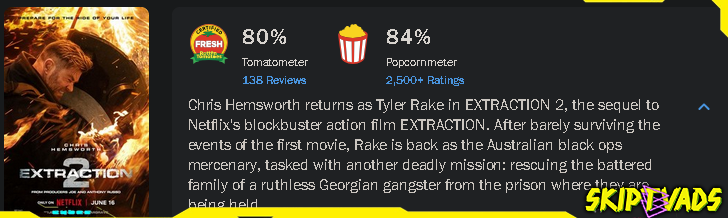

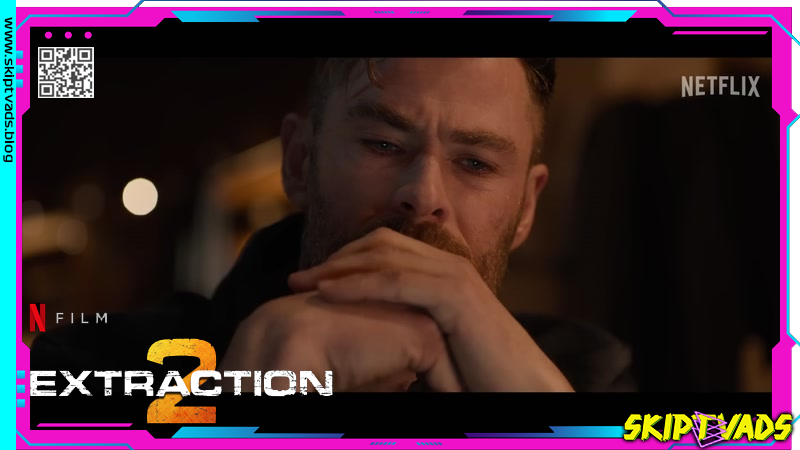
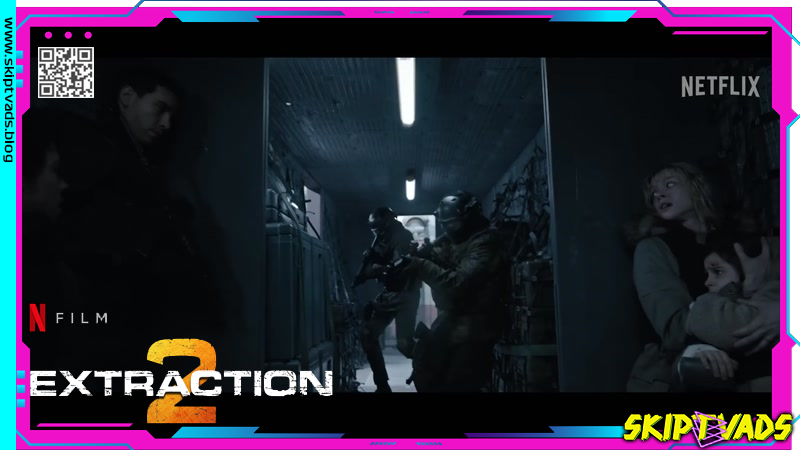 [Source](https://tinyurl.com/3mse96vt)
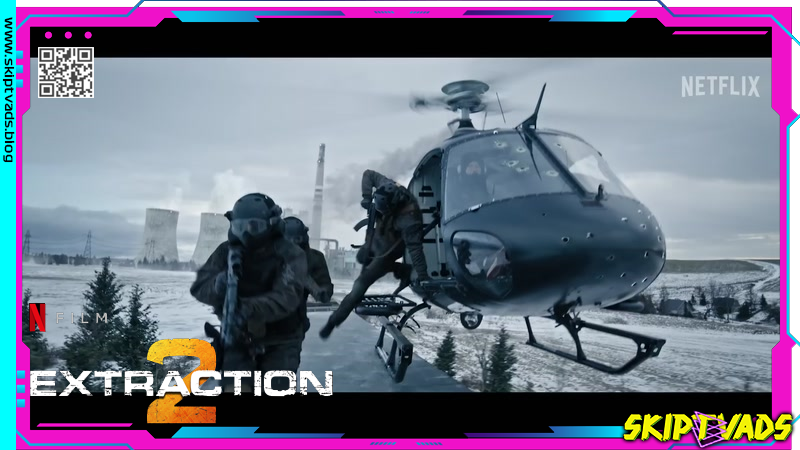 [Source](https://tinyurl.com/3mse96vt)
The action is were this movie shines tho and that prison break sequence is one of the best action scenes I have seen in years, we talking John Wick levels, maybe one of the best in any action movie period. Tyler goes into the prison, gets the family out but they get spotted and a security breach gets announced, all prisoners loose with rioting everywhere while they are still trying to escape through the prison, he is shooting guys with pistols then grabbing machine guns then using knives to stab people in the stomach like five times, he is hitting guys with pipes and shields, his arm catches on fire and he is punching people while burning, they fight there way through the yard into this storage facility area were they steal a car and it all looks like one continuous shot. The camera follows them as they drive through this chase with motorcycles and other vehicles shooting at them through the forests, Tyler uses a grenade launcher to blow stuff up, they get forced out of the vehicles and run for cover in a nuclear power plant were they jump onto a moving train, he grabs a heavy machine gun and starts shooting, gunmen get out of a helicopter and board the train for some brutal fights inside and outside the moving train, its FKN INSANE!!!, like all that was not enough more bad guys show up on dirt bikes and he takes them out too, the lady gets some good hits in aswell stabbing a guy real nasty, then Tyler climbs on top of the train with a minigun and shoots down the last helicopter before they finaly escape. Its exhausting too watch in the best way possible and the choreography is so smooth you feel like your right there in the action, problem is the movie peaks too early because nothing after that sequence comes close too matching that intensity, its like the movie blew its load halfway through and couldnt build back up too that level again.
[Source](https://tinyurl.com/3mse96vt)
The action is were this movie shines tho and that prison break sequence is one of the best action scenes I have seen in years, we talking John Wick levels, maybe one of the best in any action movie period. Tyler goes into the prison, gets the family out but they get spotted and a security breach gets announced, all prisoners loose with rioting everywhere while they are still trying to escape through the prison, he is shooting guys with pistols then grabbing machine guns then using knives to stab people in the stomach like five times, he is hitting guys with pipes and shields, his arm catches on fire and he is punching people while burning, they fight there way through the yard into this storage facility area were they steal a car and it all looks like one continuous shot. The camera follows them as they drive through this chase with motorcycles and other vehicles shooting at them through the forests, Tyler uses a grenade launcher to blow stuff up, they get forced out of the vehicles and run for cover in a nuclear power plant were they jump onto a moving train, he grabs a heavy machine gun and starts shooting, gunmen get out of a helicopter and board the train for some brutal fights inside and outside the moving train, its FKN INSANE!!!, like all that was not enough more bad guys show up on dirt bikes and he takes them out too, the lady gets some good hits in aswell stabbing a guy real nasty, then Tyler climbs on top of the train with a minigun and shoots down the last helicopter before they finaly escape. Its exhausting too watch in the best way possible and the choreography is so smooth you feel like your right there in the action, problem is the movie peaks too early because nothing after that sequence comes close too matching that intensity, its like the movie blew its load halfway through and couldnt build back up too that level again. [Source](https://tinyurl.com/3mse96vt)
 [Source](https://tinyurl.com/3mse96vt)
The rest of the action is still solid, theres a good sequence later at these towers were bad guys show up with helicopters and miniguns shooting up the whole floor but the truth is that the body cant keep producing dopamine indefinetly. Tyler and the team have to fight there way out and it all feels smaller after that massive prison break. The final fight with the main villian is fine but kinda short, they fight in this old church and Tyler eventualy kills him but I wanted more, I wanted a longer brutal beatdown or something more creative instead of just another standard fist fight, they do use hammers and hacksaws and nails during the fight which was cool but still felt rushed. The ending wraps things up okay, Tyler and Nik get arrested by Austrian authorities and end up in prison, Tylers exwife shows up to visit him there and they finaly get some closure about there son who died, she tells him that the kids last thoughts werent about Tyler leaving but about how brave his dad was going too help people and Tyler gets emotional which was actualy a nice moment, Hemsworth sells it well and you can see the weight lift off his character. Then theres the sequel setup were they get taken out of prison and Idris Elba comes back and recruits Tyler for another mission saying he wants him too meet someone, so obviously theres gonna be a third movie if this one does good numbers on Netflix.
[Source](https://tinyurl.com/3mse96vt)
The rest of the action is still solid, theres a good sequence later at these towers were bad guys show up with helicopters and miniguns shooting up the whole floor but the truth is that the body cant keep producing dopamine indefinetly. Tyler and the team have to fight there way out and it all feels smaller after that massive prison break. The final fight with the main villian is fine but kinda short, they fight in this old church and Tyler eventualy kills him but I wanted more, I wanted a longer brutal beatdown or something more creative instead of just another standard fist fight, they do use hammers and hacksaws and nails during the fight which was cool but still felt rushed. The ending wraps things up okay, Tyler and Nik get arrested by Austrian authorities and end up in prison, Tylers exwife shows up to visit him there and they finaly get some closure about there son who died, she tells him that the kids last thoughts werent about Tyler leaving but about how brave his dad was going too help people and Tyler gets emotional which was actualy a nice moment, Hemsworth sells it well and you can see the weight lift off his character. Then theres the sequel setup were they get taken out of prison and Idris Elba comes back and recruits Tyler for another mission saying he wants him too meet someone, so obviously theres gonna be a third movie if this one does good numbers on Netflix. I had a decent time watching Extraction 2 and theres alot too like here, Hemsworth is great in the role and proves again hes a legit action star, the 21 minute one shot sequence is worth watching the movie for alone, the camera work is impressive and most of the supporting cast does good work especialy the actress playing Tylers partner Nick who kicks ass without being annoying about it. But if Im being completly real with you the first Extraction was better overall, this one feels like they played it safe instead of trying too top what made the original so awesome, the villian is forgetable, that teenage kid character almost ruins the movie for me with his stupid decisions and the pacing drags in spots were the drama doesnt work as well as it should. Its still a solid action movie and definitly better then alot of the crap that came out that year, way better then something like Thor Love and Thunder movie Hemsworth did I know its mostly a comedy but this Extraction movies are up there with his best Thor movies, but it doesnt reach the heights of the first one or even come close too matching John Wick, just that scene at the prison. I would give Extraction 2 a 7 out of 10, its good enough too recomend if you liked the first one and want more Tyler Rake doing his thing, just dont expect it too blow you away or reinvent the wheel because it plays things pretty safe for a sequel.


 this one is a bit more difficult to find. It isn't streaming as part of any major service but can be rented on Vudu as well as Amazon Prime.. perhaps others


