Longform reviews of films, TV, anime, books, and audiobooks, written by the scrobble.life community and published to the Hive blockchain, so each one is owned by its author and can earn rewards from readers. 34,438 reviews and counting.
The 2003 BBC two-parter Byron, starring Johnny Lee Miller as the eponymous poet, arrives burdened by the weight of its subject’s mythos. George Gordon Byron – aristocrat, revolutionary, literary titan, and self-appointed "bad boy" of Regency England – demands a treatment as complex and incendiary as his life. While the miniseries, written by Nick Dear, boasts the BBC’s customary production polish and Miller’s magnetic lead performance, it ultimately falters in its core ambition: to dissect the man beyond the scandal. Instead, it leans heavily, often exploitatively, on the very sensationalism that Byron both cultivated and lamented, sacrificing historical nuance for titillation and reducing profound tragedy to a lurid soap opera.
The plot ostensibly traces Byron’s tumultuous trajectory from his 1811 return to England after travels through Ottoman Greece (where his documented predilection for young male companionship began) through his brief, disastrous tenure in the House of Lords, the explosive success of Childe Harold’s Pilgrimage, the obsessive, destructive affair with the unhinged Lady Caroline Lamb (Camilla Power), his ill-fated marriage to the intellectually formidable Annabella Milbanke (Julie Cox), the suffocating rumours of incest with his half-sister Augusta Leigh (Natasha Little), his self-imposed exile to Italy, and finally his death in the Greek War of Independence. Structurally, it follows the expected biopic beats. Yet, the narrative feels curiously hollow, a somewhat routine recitation of the key facts. The miniseries prioritises the events of scandal – the Lamb obsession, the marital collapse, the exile – over the psychological and ideological currents that drove them. Byron’s genuine political radicalism, his searing critiques of industrial exploitation and Tory oppression, are relegated to background noise, mere set dressing for his sexual exploits. The profound intellectual ferment of the Romantic era feels absent; this is Byron as celebrity gossip column, not as a thinker who reshaped European consciousness.
Where the production undeniably succeeds is in its visual authenticity. The production design and costumes are, as noted, commendable. Theyl evoke the early 19th century with meticulous, almost fetishistic detail. This is the legendary high standards of British TV production in full effect. One feels the weight of the fabrics, the chill of the unheated mansions, the constrained elegance of the era. Yet, this very authenticity becomes ironic. The sumptuous visuals often serve merely as a gilded cage for the miniseries’ primary focus: sex and nudity. True to Byron’s scandalous ‘bad boy’ reputation, the screen is saturated with it. Scenes in Greece featuring young boys, explicit encounters with married aristocrats, Lady Caroline Lamb’s near-naked hysterics – the miniseries equates historical accuracy regarding Byron’s libertinism with graphic depiction. The problem isn’t the inclusion of his sexuality, but the framing. It rarely explores the power dynamics, the emotional devastation Byron wrought, or the societal constraints that made such behaviour simultaneously transgressive and, within certain circles, tolerated. Instead, the nudity often feels gratuitous, a cheap tool to signal "scandal" and titillate, reducing complex human relationships to prurient spectacle. It panders to the modern viewer’s expectation of a "dark and edgy" historical drama, mistaking explicitness for depth.
Johnny Lee Miller, however, is the production’s undeniable anchor. He captures Byron’s intoxicating duality with remarkable skill. He embodies the talented artist and iconoclast effortlessly – the razor-sharp wit, the languid arrogance, the magnetic charisma that drew admirers like moths to a flame. Miller perfectly channels the Regency-era "rock star," radiating a dangerous, knowing charm that makes Byron’s allure utterly believable. Crucially, he doesn’t shy away from the poet’s profound cruelty. We see the casual contempt for servants, the calculated emotional evisceration of Annabella, the callous dismissal of Caroline Lamb’s genuine mental anguish. This refusal to romanticise the protagonist is the miniseries’ greatest strength, offering glimpses of the tormented, insecure man beneath the bravado, particularly in quieter moments of creative struggle or exile-induced melancholy.
Alas, Miller’s nuanced performance is undermined by Nick Dear’s script, which historians rightly lambasted for its reckless distortions. The portrayal of Lady Caroline Lamb as a near-psychotic caricature, played with unhinged intensity by Camilla Power, is particularly egregious. While Lamb was undoubtedly obsessive and emotionally volatile, historical accounts reveal a sharp intellect, a talented writer in her own right (Glenarvon being a thinly veiled roman-à-clef about Byron), and a victim of societal gaslighting regarding her mental health. Reducing her to a shrieking, half-naked menace solely serves to vilify her and absolve Byron of significant blame for the relationship’s destruction. Equally problematic is the depiction of Annabella Milbanke. Historically, she was a progressive thinker, deeply interested in mathematics, science, and social reform – a woman far ahead of her time intellectually. Julie Cox portrays her instead as a cold, rigid, stuck-up traditionalist, a prudish foil whose inability to handle Byron’s genius justifies his cruelty. This erases Annabella’s formidable intellect and agency, transforming her from a complex woman dealing with an impossible situation into a cardboard symbol of repressive morality. Dear’s script seems determined to make Byron the only interesting, complex figure, flattening everyone around him into simplistic archetypes to heighten his tragic grandeur.
In the end, Byron possesses the superficial trappings of a prestige historical drama – superb production values, a career-best performance from Johnny Lee Miller, and a subject of undeniable fascination. Yet, its soul is compromised. By fixating on the salacious at the expense of the substantive, by distorting key historical figures to serve a reductive "tortured genius" narrative, and by mistaking graphic nudity for psychological insight, it ultimately fails the man it seeks to portray. It captures the glittering, scandalous surface of Byron’s life but remains blind to the profound intellectual and emotional depths beneath. The miniseries shocks, it entertains with its glossy sheen, and Miller compels, but it leaves the viewer no closer to understanding the revolutionary spirit, the devastating self-awareness, or the genuine human wreckage that defined Lord Byron. It is a stylish, exploitative rehash of the very tabloid frenzy Byron both despised and perpetuated. It’s a miniseries that prioritises the myth over the man, and in doing so, does both a profound disservice.
I can honestly say I've never watched a movie that's combine MMA and exorcisms, but now I want to. But i was like Damn! Those sleepless demons 🤦🏼
It felt like a punch to the soul—equal parts faith, fury, and fear—and you can’t quite decide if it’s exorcising demons or dragging them out of you? That’s The Divine Fury. It’s the kind of film that grips you by the throat in the first ten minutes and doesn’t let go, not even after the credits roll. Because it’s not just about demons—it’s about the kind that live inside a man who’s lost faith, who’s angry at the world, at God, and at himself.
It starts with Yong-hoo, this fierce, emotionally burned MMA fighter whose life has been marked by loss. His father was a police officer, the kind of man who prayed before every meal, who wore faith like armor. But one night, that faith couldn’t save him. Yong-hoo watches his father die in front of him—bloody, helpless—and something inside him snaps. From that moment, he hates God. The prayers, the crosses, the idea of faith—it all becomes poison to him. He grows up hardened, built from muscle and rage, throwing punches not just at his opponents but at the heavens.
Then something strange--and frightening--occurs. His hands begin bleeding after one of his fights. Not as ordinary wounds, but like the stigmata, the wounds of Christ. It is a disturbing visual: this man who despises God now with His marks. I can tell, I shivered at that moment. He wants to deny it, to justify it, but it is not that which he can hide. That is when he sees Father Ahn, this old exorcist that is as composed as only people who have ever been in hell are.
Their encounter is one that is clumsy, strained as Yong-hoo does not believe in anything and Father Ahn does not believe in anything but faith. It is oil and sacred water fighting. However, when they go out to fight their first demon together, you get to see the fists of Yong-hoo, with which he was made to fight, literally glowing with godly power. He is beating the demons out of people, and his anger is sacrosanct. It’s wild. And poetic. Since the object that used to represent his hatred turns out to be his tool against evil.
The scene of exorcism in the dark alley was one of the scenes that never left me. The man they had, black-eyed, shaking body, curses of blasphemies--and Yong-hoo, trembling, furious, yet shaking to retreat. The demon makes fun of him by telling him that his father had died, and this was evidence that God had forsaken him. And you see it--all the pain that he is buried with, oozes up. It is not merely a fight scene when he delivers that last, radiant blow, but one in which he is smacking back at all the sorrow that has consumed him all these years.
However, the film does not remain in the realm of black and white good and evil. It has this simmer beneath it--the understanding that demons are not necessarily a monstrous thing beyond us. In some cases, they are a product of our anger, our conscience, our lack of faith. Yong-hoo does not fight Satan in the real sense, but it is a part of him that will not heal. And Father Ahn, that man, that man... He is a spiritual father figure to Yong-hoo who directs him back to the faith he has been struggling all his life.
Then the villain comes in- Ji-shin. Slick, charismatic, hollow eyed like the devil himself in designer clothes. He is a cult leader in the hood who lives on corruption and owning and survival on despair. Once Ji-shin and Yong-hoo finally get to meet, it is not power against power, but philosophy against rage, faith against nothingness. The last confrontation in that blood-red church? My God. Fire, crosses, holy water, flying in the air- it is all chaotic and heartbreakingly beautiful at the same time. Yong-hoo bled and trembled and screamed not with hate this time--but in submission.
That final fight has always been messing with me because of its symbolism. Since as Ji-shin collapses, you know that it is not winning, but getting free. Yong-hoo eventually ceases to be upset with God. It is not triumph, the tears, the weariness, the silent calm in his face. It’s redemption. The type which does not come easily, neatly, but with wounds which never heal quite.
My best part was that The Divine Fury did not preach. Neither did it attempt to convert you or preach to you about faith. It only demonstrated how faith can be horrifying and curative, how its loss may turn an individual upside down, and how his discovery may be like the fire which consumes him before it fades away and leaves him like the light.
When the movie ended, I sat in silence. Not the kind of silence where you scroll your phone after, but the kind that makes you question your own darkness. It made me think about how sometimes, the things that break us are the same things that can save us—if we stop fighting long enough to let them.
The Divine Fury isn’t just an action-horror flick—it’s an emotional exorcism. It’s fists and faith colliding, it’s pain transfigured into purpose. And it lingers. Because at the end of it all, it’s not really about God or demons—it’s about a man finally learning to forgive the only person he never could: himself.
I usually focus on female characters, highlighting their physical attractiveness, but this time I'll write a review more focused on them, on that female audience that also deserves to feast their eyes on handsome men.
This is a non-homosexual review of the character Geralt of Rivia, played by Henry Cavill in the series The Witcher, who managed to win over an audience that is naturally difficult to captivate with his manly, Casanova-like, warrior-like, paternal, and protective aesthetic, since the character he plays was born from a game, and that type of audience is notoriously difficult.
In my case, I am part of the audience that has never played the game, which makes me very happy because my judgment is not contaminated, so I can focus and appreciate Henry's toned performance, which is nourished by many narrative elements provided by the atmosphere and the other characters with whom he interacts in Netflix's The Witcher.
I only have two criticisms to mention about this character, which I invite you to listen to in more detail in the video.
Generalmente me enfoco en los personajes femeninos resaltando su atractivo físico pero en esta ocasión haré una reseña mas enfocada para ellas, a esa audiencia femenina que también merece alimentar su vista con hombres guapos.
Esta es una reseña no homosexual sobre el personaje llamado Geralt of Rivia interpretado por el papucho de Henry Cavill en la serie The Witcher el cual logro conquistar con su estética varonil, casanova, guerrera, paternal y protectora a una audiencia difícil de cautivar por naturaleza ya que el personaje al cual interpreta nace de un juego y ese tipo de espectadores vaya que son difíciles.
En mi caso soy parte de la audiencia que nunca ha jugado el juego lo cual me alegra enormemente porque no tengo mi criterio contaminado, así puedo enfocarme y valorar la tonificada actuación de Henry que se alimento de muchos nutrientes narrativos que le da toda la atmósfera y resto de personajes con los que interactúa El Lobo Blanco de Netflix en The Witcher.
Solo tengo dos criticas a mencionar para este personaje las cuales te invito a escuchar en el video con mas detalle.
The first thing to note about the character is his buttocks. Take a look at the Tenor GIF I'm sharing with you. Bringing a story like The Witcher to life requires beautiful people with godlike physiques in the key and powerful roles. Henry Cavill definitely sells this very well, and female audiences in particular know it. I share them with you so you can feast your eyes on Geralt's buttocks and enjoy saying so without embarrassment, because the casting and character design choices seek to please the female gaze.
I think the feelings in the character's narrative are mostly well presented, that is, the reflections that the story wants to convey through Geralt's adventures do reach the audience. The character and actor are not just pretty faces; they want you to value the things that life gives you, such as love and caring for others. He is a lone wolf who does not have to live in loneliness and sadness forever. you can be lonely and happy in company at the same time.
Accepting or fighting against destiny is a reflection that Geralt also seeks to leave in us. There is no sure path, only a dance of decisions and consequences that will accompany us forever.
El primer elemento a resaltar del personaje son sus nalgas, contemplarlas en el gif de Tenor que les comparto, dar vida a una historia con el enfoque que plantea The Witcher requiere de gente hermosa, con físicos de Deidad en los papeles clave y de poder, definitivamente Henry Cavill vende esto muy bien y en especial las audiencias femeninas lo saben, allí se los comparto para que se coman las nalgas de Geralt con sus miradas y disfruten de decirlo sin cohibirse porque la elección de casting y diseño de personaje buscan complacer la mirada femenina.
Los sentimientos en la Narrativa del personaje pienso están bien planteados en su mayoría, es decir, las reflexiones que quiere transmitir la historia a través de las aventuras de Geralt si llegan a la audiencia, el personaje y actor no son solo caras bonitas, buscan que valores las cosas que da la vida como el amor, el preocuparse por otros, el es un lobo solitario que no tiene que vivir en soledad y tristeza por siempre, tu puedes ser solitario a la vez que ser feliz en compañía.
Aceptar o Luchar contra El Destino es una reflexión que también busca dejar Geralt en nosotros, no hay un camino seguro, lo único que hay es un baile de decisiones y consecuencias que nos acompañaran por siempre.
I dedicate each and every one of my posts and videos to my little dog named princess, we called her chiquito, she is no longer with us but from heaven she will see that her existence was valuable and the most beautiful thing that will exist in my heart and soul.
¡Hola amigos! Bueno, ya se nos termino octubre, así que volvemos a la programación habitual de lo que miro. En simultáneo a las películas de terror por Halloween estuve viendo un K-Drama que me recomendó una amiga y acá les traigo mi opinión de Propuesta laboral.
Hello, friends! Well, October is over, so we're back to our regular programming of what I watch. Along with horror movies for Halloween, I was watching a K-Drama that a friend recommended to me, and here's my opinion of Business Proposal.
En esta historia seguiremos a Shin Ha-ri, una joven investigadora que por ayudar a una amiga termina aceptando ir a una cita a ciegas en su lugar para espantar al hombre en cuestión como lo hizo en otras oportunidades. Salvo que esta vez la cita es con su nuevo jefe, Kang Tae-moo, y no solo eso, sino que sus intentos por espantarlo no están resultando, ya que él parece muy interesado en ella, pero no es por ella en sí. Sino que le propone que sea su novia falsa para que su abuelo deje de molestarlo con tener más citas y pueda dedicarse de lleno a su trabajo. No obstante, Kang Tae-moo no sabe que ella es su empleada, ni que la conoce con una identidad falsa, y de tanto pasar tiempo juntos puede que empiecen a surgir sentimientos verdaderos.
In this story, we follow Shin Ha-ri, a young researcher who, in order to help a friend, ends up agreeing to go on a blind date in her place to scare off the man in question, as she has done on other occasions. Except this time, the date is with her new boss, Kang Tae-moo, and not only that, but her attempts to scare him off are not working, as he seems very interested in her, but not for her sake. Instead, he proposes that she be his fake girlfriend so that his grandfather will stop bothering him about going on more dates and he can devote himself fully to his work. However, Kang Tae-moo doesn't know that she is his employee, nor that he knows her under a false identity, and from spending so much time together, real feelings may begin to emerge.
Es uno de esos K-Dramas que te hacen reír y suspirar al mismo tiempo, ideal para los que disfrutamos de una buena romcom, su trama es muy sencilla, pero cautivadora. Lo que me encanta de las series coreanas de este estilo es que sus personajes no temen hacer el ridículo, me divertí mucho viéndola y eso es lo que busco al consumir estas series. Soy más de las románticas que para dramas ya está la vida.
It's one of those K-Dramas that makes you laugh and sigh at the same time, ideal for those of us who enjoy a good romcom. The plot is very simple but captivating. What I love about Korean series of this style is that the characters aren't afraid to make fools of themselves. I had a lot of fun watching it, and that's what I look for when I watch these series. I'm more of a romantic than a drama lover—life is dramatic enough as it is.
La serie resultó ser un gran confort en estas semanas que me estuvo acompañando, me tomé mi tiempo para terminarla porque me gusta disfrutar de ver aunque sea un capítulo el fin de semana. Y terminó siendo una obsesión total, a tal punto de pensar en la serie cuando no la estaba viendo y frustrarme cada vez que quería ver un capítulo más y no podía.
The series turned out to be a great comfort during these weeks that it accompanied me. I took my time to finish it because I like to enjoy watching even just one episode on the weekend. And it ended up being a total obsession, to the point where I thought about the series when I wasn't watching it and got frustrated every time I wanted to watch another episode and couldn't.
No estoy tan familiarizada con los famosos coreanos, pero me agradaron los actores elegidos, me dio risa que siempre pase lo mismo. El personaje masculino se muestra frío y serio en un principio, pero después resulta ser un amor de persona, y amo el trope de él enamorándose primero y no sabiendo cómo gestionar sus sentimientos. Ella me pareció fabulosa, así que no tengo quejas.
I'm not that familiar with Korean celebrities, but I liked the actors they chose. It made me laugh that the same thing always happens. The male character comes across as cold and serious at first, but then turns out to be a sweetheart, and I love the trope of him falling in love first and not knowing how to handle his feelings. I thought she was fabulous, so I have no complaints.
Aparte de la pareja principal tenemos a la secundaría que justo se da entre los amigos de estos dos. A ellos también los amé, me encantó que tuvieran casi el mismo protagonismo que los principales porque su historia merecía contarse. Me encantó que Jin Young-seo haya priorizado su bienestar en lugar de seguir las imposiciones de su padre y que Cha Sung-hoon estuviera ahí para apoyarla en sus decisiones.
Apart from the main couple, we have the secondary couple, who happen to be friends of the main couple. I loved them too, and I loved that they had almost as much prominence as the main characters because their story deserved to be told. I loved that Jin Young-seo prioritized her well-being instead of following her father's impositions and that Cha Sung-hoon was there to support her in her decisions.
Quizá es un poco cliché, pero me gustó como estuvo planteada la serie y que se tocará el tema de los matrimonios arreglados por conveniencia de apellidos y el problema de salir con alguien de una familia humilde. Aunque me saque de quicio que en este siglo todavía se siga considerando esta opción por conveniencia. Hay que evolucionar en algún momento.
It may be a bit cliché, but I liked how the series was presented and that it will address the issue of arranged marriages for the sake of family names and the problem of dating someone from a humble family. Although it drives me crazy that in this century this option is still considered for convenience. We have to evolve at some point.
Por lo demás, es una serie hermosa que me hizo suspirar y reír a más no poder. Quizá le faltó un toque de emoción al final, no sé si me convenció mucho este, creo que le faltó algo más. Pero es un K-Drama más que recomendado por mi parte si les gustan este tipo de series. Estoy segura que pasaran un buen rato mirándola.
Otherwise, it's a beautiful series that made me sigh and laugh out loud. Maybe it lacked a touch of emotion at the end; I'm not sure if I was entirely convinced by it. I think it needed something more. But it's a K-Drama that I highly recommend if you like this type of series. I'm sure you'll have a good time watching it.
Bueno amigos, hasta acá mi opinión acerca de la serie. Espero que les haya gustado y los animo a verla si les llama la atención. Si ya lo hicieron me encantaría saber qué les pareció.
Gracias por llegar hasta acá y apoyar mi contenido.
¡Hasta la próxima!
Well, friends, that's my opinion about the series. I hope you liked it, and I encourage you to watch it if it catches your attention. If you already have, I'd love to hear what you thought.
Thank you for reading and supporting my content.
See you next time!
Separador de texto hecho en Canva - Text separator made in Canva
Written by: David Mills
Directed by: Agnieszka Holland
Running Time: 58 minutes
Few television dramas have ever matched The Wire’s unflinching commitment to gritty, sociological realism. From its inception, David Simon’s magnum opus distinguished itself by anchoring its narratives and character in the meticulously observed textures of real Baltimore life—drawing directly from Simon’s journalistic investigations, court documents, and the lived experiences of those entangled in the city’s institutions. Yet, while the series consistently blurred the line between fiction and real life, it is within the closing moments of Season 5’s "React Quotes" that this connection achieves a near-hallucinatory intensity, transcending mere inspiration to become a direct, visceral echo of actual events.
The episode opens in the cold aftermath of Proposition Joe’s assassination—a seismic shift in Baltimore’s drug hierarchy. Vondas, the cerebral lieutenant of the Greek’s organisation, delivers a eulogy dripping with pragmatic respect for Joe’s business acumen, standing mere feet from Marlo Stanfield, the man who ordered the hit. Marlo, now elevated to the position of the Greeks’ primary partner, experiences a rare, unguarded moment of triumph. For the first time across five seasons of simmering menace, he allows himself a smile, declaring his ascension with the chilling line, “I’m finally wearing the crown.” This fleeting display of vulnerability, however, proves profoundly ironic. Marlo’s coronation is also the prelude to his vulnerability. He now stands exposed on two fronts: the expected spectre of Omar Little, returned to Baltimore seeking vengeance for Butchie’s murder, and the utterly unforeseen threat posed by Herc Hauk. Herc, motivated by a blend of guilt over his past failures and a personal vendetta against Marlo, abuses his position as Levy's employee to steal Marlo’s cell number from lawyer's files. This number, passed to Carver and then to Lester Freamon, becomes Freamon’s "holy grail." Knowing full well the evidence gathered would be inadmissible in court due to the illegal wiretap, Freamon proceeds anyway—a calculated breach of protocol born of institutional desperation. He gambles that the intelligence gleaned might eventually dismantle Marlo’s seemingly impregnable empire, embodying the show’s central thesis: within broken systems, righteous ends often necessitate morally compromised means.
This institutional decay permeates every facet of the episode, nowhere more painfully than in McNulty’s continued self-destruction. His dereliction as a father—missing his sons’ school play—and partner—driving Beadie Russell to confide in Bunk about his drinking—paints a portrait of a man utterly consumed by his own demons. Yet, paradoxically, this same McNulty operates with terrifying focus at work, desperately refining his outlandish serial killer hoax. The plan achieves partial success: the sensationalised narrative of a "sexual motive" captures media frenzy, particularly at The Baltimore Sun. Gus Haynes assigns the woefully unqualified Scott Templeton to cover the fictional killer’s supposed haunts among the homeless. Templeton, as ever, proves incapable of genuine journalism, resorting to fabricating quotes and entire scenarios. His charade takes a surreal turn when he stages a fake call from the "killer" to the Sun. McNulty’s investigation of this call reveals Templeton’s fiction coincidentally mirrors the detective’s own invented narrative—a darkly comic collision of lies. Crucially, McNulty recognises Templeton’s deceit but cynically exploits it, using the manufactured media pressure to manipulate the courts into granting the wiretap Freamon needs for Marlo. Here, Simon and Mills lay bare the season’s core critique: journalism, like policing, is crippled by institutional rot, where truth becomes collateral damage in the pursuit of professional survival or tactical advantage.
"React Quotes," writer by David Mills (Simon’s longtime collaborator), masterfully balances this grimness with moments of sardonic wit and tactical ingenuity. Characters actively weaponise the city’s dysfunction—Freamon bending rules, McNulty manipulating media—turning systemic failure into a crude form of leverage. Significantly, this episode marks the first instance where the media transcends its role as a backdrop to become an active, manipulable player within the season’s central plot, fulfilling the thematic promise of Season 5’s focus.
Amidst the high-stakes manoeuvring, quieter character moments resonate with profound humanity. State Senator Clay Davis cynically deploys the "race card" during his corruption trial, a masterclass in political theatre that lays bare the transactional nature of identity politics. Bubbles, tentatively rebuilding his life in recovery, wrestles with crushing guilt and reluctantly undergoes an HIV test—his negative result a fragile beacon of hope. Even Chris Partlow, Marlo’s remorseless enforcer, is momentarily humanised through glimpses of his dedication as a father, reminding us that monsters wear many faces.
Dukie’s trajectory, meanwhile, reaches a devastating nadir. After a brutal beating at the corners—a stark illustration of his unsuitability for street life—he is urged by both Michael Lee and the series’ departing mentor, Dennis "Cutty" Wise, to abandon Baltimore entirely. Cutty’s anguished advice carries the crushing weight of inevitability; he offers no practical escape route, only the bleak truth of Dukie’s doomed future within the system.
Agnieszka Holland’s direction, while generally assured, falters slightly in subtlety. Templeton’s fabrication of the killer’s call is staged with such understatement that its significance might elude inattentive viewers, diluting the potency of the media critique. Yet Holland redeems herself spectacularly in the episode’s climax: Omar Little’s fateful raid on O-Dog’s apartment. What begins as Omar’s meticulously planned vengeance for Butchie rapidly unravels as a trap orchestrated by Chris Partlow. Cornered in the high-rise by Chris, Michael, and Snoop, facing overwhelming firepower with no escape route, Omar executes his legendary leap through the fourth-floor window. This desperate act—a ghostly vanishing act that leaves Chris’s crew stunned—saves his life through sheer audacity. It is within this heart-stopping sequence that The Wire achieves its most profound fusion of fiction and reality. Donnie, Omar’s loyal companion shot dead during the raid, is portrayed by Lawrence "Donnie" Andrews (1954–2012), a former Baltimore enforcer whose own life story directly inspired Simon’s creation of Omar Little. Crucially, Andrews himself had once been trapped in a high-rise apartment during a violent confrontation and survived by leaping from the sixth floor—a detail so extraordinary it defies credulity, yet documented in Andrews’ own memoirs and Simon’s reporting.
This is nan act of profound narrative alchemy. By casting the real-life inspiration for Omar in the role of his fictional counterpart’s doomed confidant, and having him replicate the very survival tactic that defined his own past, The Wire transcends television. React Quotes ceases to be a drama about Baltimore and becomes, for those closing minutes, an extension of BaltimoreLawrence Andrews, the reformed criminal turned activist, isn’t just playing a character—he is re-enacting a pivotal moment from his own brutal history, within the very fictional framework his life helped birth. This meta-layer imbues Omar’s jump with an almost sacred weight; it is no longer a plot device but a testament, a lived truth rendered in celluloid. It is here, in this confluence of actor, character, and lived experience, that The Wire’s commitment to realism reaches its zenith—a moment where the show doesn’t just hold a mirror to the city, but becomes indistinguishable from the reflection. No other television episode so powerfully demonstrates that the most compelling fiction is often the truth, meticulously excavated and respectfully, unflinchingly presented.
[Source](https://tinyurl.com/3j9mzk8z)
The Curse of La Llorona came out back in 2019 and I remember hearing all this noise about it been part of the Conjuring universe because James Wan was producing it, they even threw in Father Perez from the Annabelle movies to make that connection feel more real but after watching it I can tell you none of that matters when the actual movie is this boring and lazy. This thing made like 123 million dollars worldwide which is insane to me because it really did not deserve any of that success, the whole thing feels like they were just trying to cash in on people who wanted to see something about Mexican folklore and instead gave them this forgettable mess that does not do anything interesting with the legend at all, its just another jump scare fest that you will probably not remember a week from now. Linda Cardellini plays this social worker named Anna whose husband died and she is raising two kids on her own, she works for Child Protective Services and gets involved with this case where a mom is trying to protect her kids from La Llorona by locking them up in a closet but of course Anna thinks the mom is crazy and takes the kids away which ends up getting them killed. The mom warns her that she just made a huge mistake and that La Llorona is gonna come after her own kids now, then boom the ghost starts showing up at her house and you already know where this is heading because every single haunting movie does the exact same thing, there is no originality here at all.
Rottentomatoes Rating
Source
What really pisses me off about this movie is that they had all the pieces to actually make something good, the legend of La Llorona is genuinely creepy and has been scaring kids for generations in Mexican culture, its about this woman who drowns her own children in a river after she finds her husband cheating on her with someone younger and then she kills herself out of guilt, now she is cursed to wander around looking for kids to replace the ones she murdered. That is dark as hell and there is so much you could do with that story but instead they just made another generic jump scare movie where the ghost pops out from behind corners and screams really loud to make you jump, I am not saying jump scares are always bad but when that is literally all you got going for you then your movie sucks. The scares are so predictable that you see them coming from a mile away, its always the same setup where someone hears a noise and walks slowly towards it and then La Llorona jumps out and screams, they do this like twenty times throughout the entire movie and it gets old real fast after the third or fourth time.
[Source](https://tinyurl.com/3j9mzk8z)
[Source](https://tinyurl.com/3j9mzk8z)
There are a couple moments that were neat, this is why I dont completely trash this movie and at least gave it a 5 although I wouldnt recommend it, like when the little girl opens that see through umbrela by the pool and you can see the ghost standing there for a second, that was actually pretty cool because it did not rely on a loud noise to scare you, it was just this creepy flash that gets you, but most of the scares are just loud and annoying and they do not actually make you feel scared, they just make you jump for a second and then you move on and forget about it five minutes later because there is like no real horror in them, its like they were not even trying to build any real tension or atmosphere. The movie also tries to throw in some random humor that does not fit at all with the rest of the tone, like there is this character played by Raymond Cruz who shows up in the third part and he is supposed to be this ex priest who uses science and religion to fight ghosts or whatever, he has some funny lines but it feels so out of place in a movie that is trying to be a serious horror story, its like they could not decide if they wanted to make a scary movie or a comedy.
[Source](https://tinyurl.com/3j9mzk8z)
[Source](https://tinyurl.com/3j9mzk8z)
I would say that the worst part of the movie is that the characters itself felt kinda lame and stupid, its like the girl in Annabelle Comes Home that actually kick on the movie by doing dumb stuff, same here they make so many dumb decisions just so the plot can keep moving forward and its frustrating to watch people been this idiotic. There is this one scene where they set up all these protections around the house to keep La Llorona out, they use these special seeds from a tree or something and it creates a barier that she can not cross, but then the little girl sees her doll outside the barrier and she reaches for it and breaks the line and lets the ghost in, like come on where the fuck is the adult looking for this children. Your mom just told you that this ghost is trying to kill you and you are gonna risk everyones life for a stupid toy, it makes no sense and its just lazy writting to create drama. After I think about, her mom is just the same sht, she notice burn marks on her kids arms that look exactly like the ones from the other kids who died and she does not even ask about it and just ignores it until the detective shows up and accused her ass for been abusive to her own kids, this is another clear example of either they high, crazy or stupid and the movie feeds from this stupidity so they could have that scene where she almost gets arrested and you are sitting there thinking how can she not see whats going on.
The whole movie just felt lazy to me like they were not even trying to do something diferent or interesting, they were just checking boxes and rushing through everything to get to the next jump scare without caring about building any real story or characters that you actually care about. The pacing is weird too because nothing really happens for the first half of the movie and then in the third part they try to cram in all this stuff about the legend and how to stop La Llorona but its too late by then because you already stopped caring about what happens to these people. They have this whole thing where they rub eggs all over the house to detect evil spirits and it looks so dumb, I know its supposed to be a real Mexican tradition or whatever but the way they did it just felt forced and cheesy like they were trying too hard to make it feel authentic. At the end they defeat La Llorona by showing her one of the necklaces that belonged to her dead children and she just gives up and leaves, no big climax or anything just oh here is your dead kids necklace now go away, it was such a weak ending that left me feeling like I wasted my time watching this garbage. The Curse of La Llorona is rated R for some reason even though there is nothing in it that would make it deserve that rating, they could have easily made it PG 13 and probably made more money off of it, there is no real violence or gore or anything disturbing its just a watered down horror movie that tries to act like its scarier than it actually is. This is one of those movies that makes me mad because it had potential and they completely wasted it, they took a genuinely scary legend and turned it into another forgettable mess, if you want to see a good horror movie go watch something like Hereditary or The Conjuring or even Sinister, do not waste your time with this one unless you just want to see some predictable jump scares and bad acting, I would give this thing a 5 out of 10 and that is been very very generous.
Hello, cinema fans. This time I bring you a film from the 80s that has become a cult classic in the world of cinema and popular culture. A work that perfectly blends science fiction with body horror. To be honest, this is one of the films I was least eager to review. Co-written and directed by the great David Cronenberg, this remake of The Fly stars Jeff Goldblum, Geena Davis, and John Getz. Discover the film that will show you a version of a fly you will never forget.
SPANISH VERSION
Hola, fanáticos del cine. En esta ocasión les traigo una cinta de los años 80 que se ha convertido en una obra de culto dentro del mundo del cine y de la cultura popular. Una obra que mezcla de forma perfecta la ciencia ficción con el horror corporal. De las cintas que menos ganas tenía de hacerle una reseña, a decir verdad. Coescrita y dirigida por el gran David Cronenberg, este remake de The Fly está protagonizado por Jeff Goldblum, Geena Davis y John Getz. Conoce la película que te mostrará una versión de una mosca que nunca vas a olvidar.
The film begins by showing us someone who appears to be a scientist answering a question about what he is working on. He says it is something that will completely change the world, but the girl interviewing him tells him that is what all scientists say. He replies that, unlike the others, his work is truly interesting and convinces her to accompany him to see what it is all about. They both head to an abandoned building where he lives and works all by himself. Despite appearances, he tells her that what he just showed her aren't phone booths, but equipment that will change the world. He shows her a computer that controls the so-called "Telepods" and gives her a demonstration of what teleportation is.
SPANISH VERSION
Trama
La película inicia mostrándonos a alguien que parece ser un científico contestando una pregunta sobre qué es en lo que está trabajando. Este dice que es algo que cambiará por completo al mundo, pero la chica que lo está entrevistando le dice que es lo que todos los científicos dicen. Él le contesta que, a diferencia de los demás, lo suyo sí es verdaderamente interesante y la convence de acompañarlo a ver de qué se trata. Ambos se dirigen a un edificio abandonado donde él vive y trabaja completamente solo. A pesar de las apariencias, él le afirma que lo que acaba de mostrarle no son cabinas telefónicas, sino un equipo con el cual cambiará el mundo. Le muestra una computadora que maneja los llamados “Telepods” y le hace una demostración de lo que es la teletransportación.
What, did you think that because October was over, I wouldn't talk about horror movies anymore?Hahaha! Nah, just kidding. Honestly, I wanted to take advantage of the fact that I had been meaning to talk about this movie for a while and at the same time resume the science fiction special that I've been working on for almost a year now. When I said at the beginning that this was a film I didn't want to review, it was because I didn't really feel like watching it, to be honest. I'm usually someone who remembers almost nothing from my childhood, just small images or flashes of places or things I saw on television. And one of those things I'll never forget because it disturbed me so much as a child is this movie. So with that, I think it's pretty clear that it's not for everyone.
I didn't remember it in its entirety, just certain scenes that—on their own—are more than enough to disturb an eight-year-old. I think the amount of grotesque and terrifying things I saw as a child made me unconsciously forget those memories from my childhood, I don't know. What I do know is that I have a certain history with The Fly that, once and for all, I want to capture in this review for those who are reading me now. Back then, I had no idea what I was watching, but now that I've grown up surrounded and completely influenced by the world of cinema, I know very well how popular this 1980s version of the classic film adaptation of the horror and science fiction work of the same name is, which disturbed more than one generation.
SPANISH VERSION
¿Qué, creían que como se acabó el mes de octubre ya no hablaría más de películas de terror? ¡Jajajaja! Nah, es broma. Sinceramente quise aprovechar que tenía pendiente hace tiempo hablar de esta película y así retomar a la vez el especial de ciencia ficción con el cual llevo ya casi un año. Cuando dije al principio que esta era una cinta que no quería reseñar era porque no tenía muchos ánimos de verla, honestamente. Normalmente soy alguien que no recuerda casi nada de su infancia, solo pequeñas imágenes o destellos de lugares o cosas que veía en la televisión. Y una de esas cosas que nunca olvidaré por lo mucho que me perturbó de pequeño es esta película. Así que con esto creo que está más que claro que no es para todo el mundo.
No la recordaba completa, solo ciertas escenas que -por sí solas- ya son más que suficiente para perturbar a un niño de ocho años. Creo que la cantidad de cosas grotescas y aterradoras que vi de pequeño me hizo olvidar inconscientemente esos recuerdos de cuando era niño, no sé. Lo que sí sé es que tengo cierta historia con The Fly que, de una vez por todas, quiero plasmarla en esta reseña para los que me leen ahora. En aquel entonces no tenía ni idea de lo que estaba viendo, pero ahora que he crecido rodeado e influenciado completamente por el mundo del cine sé muy bien lo popular que es esta versión ochentera de la clásica adaptación cinematográfica de la homónima obra de horror y ciencia ficción que perturbó a más de una generación.
The mere idea of a scientist experimenting with teleportation is fascinating in itself. But the premise is not just that; the hour-and-a-half-long film you will see is about a scientist's small mistake and its horrific consequences. We will see what was, at that time, the beginning of the "body horror" subgenre, a subgenre that decades later would become as popular as it still is today. But unlike other films of this style, what we will see in The Fly is much more visceral and at the same time fantastic than you can imagine. A complete transformation of a human being into something straight out of hell.
At first, I was uneasy about what I was about to see, until I realized that it was, practically, a love story... only very different from any story we know. This story revolves around a genius who is actually an engineer and a journalist looking for an interesting headline for a science magazine. Their encounter would be the beginning of something more than pure and authentic love. By showing her his unique and greatest invention, the genius Seth Brundle teaches her what teleportation is by sending one of the journalist's socks from one place to another. Some time later, he convinces her to document all the teleportation work so that she can publish a book showing the world his ingenuity.
SPANISH VERSION
La simple idea de un científico que experimenta con la teletransportación es fascinante de por sí. Pero la premisa no es solo eso, sino que la hora y media de largometraje que verán es el pequeño error de un científico y las horribles consecuencias de ello. Veremos lo que, por aquel entonces era, el inicio del subgénero “body horror”, un subgénero que décadas después se volvería tan popular como lo sigue siendo aún a la fecha de haber hecho este post. Pero a diferencia de las demás películas de este estilo, lo que veremos en The Fly es mucho más visceral y a la vez fantástico de lo que te puedes imaginar. Una completa transformación de un ser humano a algo salido del mismo infierno.
Al principio me inquietaba lo que estaba por ver, hasta que me di cuenta de que era, prácticamente, una historia de amor… solo que muy distinta a cualquier historia que conozcamos. Esta historia gira entre un genio que en realidad es un ingeniero y una periodista que busca un titular interesante para una revista de ciencia. Su encuentro sería el inicio de algo más que un amor puro y auténtico. Al mostrarle su único y mayor invento, el genio Seth Brundle le enseña lo que es la teletransportación al enviar una media de la periodista de un lugar a otro. Tiempo después, la convence de documentar todo el trabajo de teletransportación para así sacar ella un libro que le muestre al mundo su ingenio.
However, everything spirals into horror when Seth manages to teleport living organic matter while experimenting with baboons. One night, after several drinks and with his mind confused and in love, the genius decides not to wait any longer and to try his experiment on himself. What he doesn't know is that, upon entering the Telepod, a fly accompanies him inside, causing both to merge in the disintegration and reconstruction of matter from one cabin to another. What emerges from the other Telepod is not the same Seth we met at the beginning, but something that is difficult to define. From here on out, I will only say to those who are interested in this film that you should watch it until the end.
There are films that cause terror, others that simply entertain with a predictable premise and story. But there are gems like the one I just described that don't just show us something that is indescribable and visually unpleasant, but also make you think a lot. From beginning to end, The Fly shows us an idea, a seemingly innocent dream of a genius who only seeks recognition, despite being an eccentric misfit with whom I can easily identify. However, that dream is snatched away by a simple mistake, one that will change our protagonist's perception and way of thinking into something that is no longer human.
SPANISH VERSION
Sin embargo, todo se vuelve una espiral de horror cuando Seth consigue teletransportar materia orgánica viva al probar con babuinos. Una noche, luego de varios tragos y una mente enamorada y confusa, el genio decide no esperar más y probar su experimento consigo mismo. Lo que él no sabe es que, al entrar al Telepod, una mosca lo acompaña adentro, haciendo que ambos se fusionen en la desintegración y reconstrucción de materia de una cabina a otra. Lo que emerge del otro Telepod no es el mismo Seth que conocimos al principio de todo, sino algo que es difícil de definir. De aquí en adelante solo les diré -a los que les interese esta película- que la vean hasta el final.
Hay películas que causan terror, otras que simplemente entretienen con una premisa e historia predecibles. Pero hay joyas como la que les acabo de describir que simplemente no se quedan con mostrarnos algo que es indescriptible y visualmente desagradable, sino que también te pone a pensar bastante. De principio a fin, The Fly nos muestra una idea, un sueño aparentemente inocente de un genio que solo busca ser reconocido, a pesar de ser un excéntrico asocial con el cual me puedo identificar fácilmente. Sin embargo, dicho sueño es arrebatado por un simple error, uno que hará cambiar la percepción y manera de pensar de nuestro protagonista en algo que ya no es humano.
This is followed by a transformation that is both fascinating and unpleasant to watch with each passing minute. We see how an ordinary person begins to develop certain abilities and senses that are quite accelerated and out of the ordinary. But this is only the beginning of a complete transformation and a visceral degeneration that is very difficult to describe in words. But beyond the visual and disgusting, we can also notice the mental degeneration that our genius is undergoing, who only thought about one thing. The success of his experiment makes him feel happy and euphoric at the moment, but then these feelings become an obsession and a feeling of madness to show the world his genius just because of how he feels.
His ingenuity degenerates and he begins to ignore things, distances himself from everything, and makes the typical mistake of not listening. When he realizes his mistake, it is too late, and the only thing he can think of is something much worse than what he just experienced at the beginning. I repeat, what we see talking and behaving is no longer human. I admit that I was quite impressed by this film, not only because of how visually grotesque it is, but also because of how well done it is on a psychological and emotional level. From the moment of the accident, you can feel the tension and concern about what is about to happen, and seeing Seth's total degeneration is one of the most remarkable things about the entire film.
SPANISH VERSION
A esto le sigue una transformación que es tanto fascinante como a su vez desagradable de ver a cada minuto que transcurre. Vemos cómo una persona común y corriente empieza a tener ciertas habilidades y sentidos bastante acelerados y fuera de lo normal. Pero esto es solo el principio de una transformación completa y una degeneración visceral y muy difícil de describir con palabras. Pero más allá de lo visual y asqueroso, podemos notar también la degeneración mental que está teniendo nuestro genio, quien solo pensaba en una cosa. El éxito de su experimento hace que se sienta feliz y eufórico al momento, pero luego estos sentimientos se vuelven una obsesión y una sensación de locura de mostrarle al mundo su genialidad sólo por cómo se siente.
Su ingenio se degenera y empieza a ignorar cosas, se aleja de todo y comete el típico error de no escuchar. Cuando se da cuenta de su error, ya es demasiado tarde y lo único que se le ocurre es algo mucho peor que lo que acaba de experimentar al principio. Repito, ya no es un humano lo que vemos hablar y comportarse. Admito que me impresionó bastante dicha película, no solo por lo visualmente grotesca que es, sino también por lo bien hecha que está a nivel psicológico y emocional. Desde el momento del accidente se puede sentir esa tensión y preocupación de lo que está por suceder, además de ver la degeneración total de Seth es de lo más destacable de todo el largometraje.
There is also the issue of romance that I mentioned earlier, which after the incident becomes more obsessive and absurd than it seems. Seeing someone you once thought was human, someone cool and "friendly", gradually turn into a lunatic, euphoric and obsessive, physically degenerating as they slowly adapt to their new monstrous presence and appearance. All this gets worse when we learn another piece of news that causes a plot twist much more alarming than it seems. I don't want to spoil anything for you, I'll just say that what follows is one of the scenes that disturbed me the most in the whole movie: the dream scene.
Those who know the movie will know which scene I'm referring to and will recognize how visceral and horrible it was to see that. The woman's screams, the blood, and... that thing coming out of her... My God, how horrible, really. There is no doubt that Cronenberg had no consideration or compassion in this film and decided to be as visually visceral as possible with each stage of Seth's physical transformation and the mental degeneration of both him and the journalist. The best thing is how both the visual and the psychological blend so well that it's fascinating. Seeing the ending and realizing that this thing, which is no longer human at all, still has some awareness that it doesn't deserve to live is... heartbreaking.
SPANISH VERSION
También está el tema del romance que les mencioné antes, el cual luego del incidente se convierte en algo más obsesivo y absurdo de lo que parece. Ver que lo que una vez pensaste que era humano, alguien genial y “simpático”, se convierte poco a poco en un lunático, eufórico y un obsesivo que se degenera físicamente mientras se adapta lentamente a su nueva presencia y apariencia monstruosa. Todo esto empeora cuando nos enteramos de otra noticia que causa un giro argumental mucho más alarmante de lo que parece. No les quiero spoilear nada, solo les diré que lo que sigue es una de las escenas que más me perturbaron de toda la película: la escena del sueño.
Los que conocen la película sabrán a qué escena me refiero con esto y reconocerán lo visceral y horrible que fue ver eso. Los gritos de la mujer, la sangre y… esa cosa saliendo de su… Dios mío, qué horror, de verdad. No cabe duda que Cronenberg no tuvo ninguna consideración ni compasión con esta película y decidió ser lo más visualmente visceral posible con cada etapa de transformación física de Seth y de la degeneración mental de él y de la periodista. Lo mejor es cómo ambas cosas, lo visual y lo psicológico, se mezclan tan bien que es fascinante. El ver el final y darse cuenta de que eso, que ya no es humano en lo absoluto, sigue teniendo cierta conciencia de que no es algo que merezca vivir es… desgarrador.
The horror, torment, discomfort, and complete disgust are just a small part of everything this film makes you experience from beginning to end. A true gem of body horror that manages to show us a rather unique vision of what it is like to experiment with living beings. This, on the other hand, is something that this film also does very well with the theme of teleportation and how Seth's computer works and interprets living beings as data that can be mixed and reinterpreted in a way that a human being cannot easily conceive.
But anyway, leaving aside this nihilistic idea of what technology is and its analog way of seeing the world and things, let's move on to the movie itself. Another thing I would like to praise about this film is Jeff Goldblum's incredible performance in the role of Seth Brundle. It's incredible to see that process of transformation and how his mind degenerates along with his body more and more until he finally becomes something completely unrecognizable. I usually identify this actor's talent for playing unique roles with a somewhat interesting style and humor. But this time, what he shows us is something we've never seen before.
SPANISH VERSION
El horror, el tormento, la sensación de incomodidad y completo desagrado es solo una pequeña parte de todo lo que te hace experimentar esta película de principio a fin. Una verdadera joya del horror corporal que consigue mostrarnos una visión bastante única de lo que es experimentar con seres vivos. Esto, por otro lado, es algo que también cumple muy bien esta película con el tema de la teletransportación y de cómo la computadora de Seth funciona e interpreta a los seres animados como datos que se pueden mezclar y reinterpretar de una forma que un ser humano no se le puede ocurrir tan a la ligera.
Pero bueno, dejando de lado esta idea nihilista de lo que es la tecnología y su manera análoga de ver el mundo y las cosas, sigamos con la película en sí, mejor. Otra cosa que me gustaría elogiar de esta cinta es el increíble trabajo de actuación que hizo Jeff Goldblum con el papel de Seth Brundle. Es increíble ver ese proceso de transformación y de cómo su mente se degenera junto con su cuerpo cada vez más y más hasta que al final se vuelve algo completamente irreconocible. Normalmente llego a identificar el talento que tiene este actor de interpretar papeles singulares con un estilo y un humor un tanto interesantes. Pero esta vez lo que nos muestra es algo que nunca antes hemos visto.
Other than that, I don't have much to say about the rest of the cast in this film. Actress Geena Davis may deserve some recognition for her good supporting role as journalist Veronica Quaife, but nothing beyond being noteworthy in certain scenes. As for the ending, I can only say that it is an indescribable mixture of visual horror, tension, and a level of madness that makes no sense whatsoever. Normally, these types of stories about human experiments end with the downfall of the organization or entity behind it all, but in this case, it is the protagonist himself who receives his own punishment for everything he has done since his transformation.
Last but not least, let's talk about the audiovisual aspect of this film. Something to be admired about David Cronenberg is his ingenuity in using practical effects on people and turning them into a completely visceral form of visual entertainment. The photography is good, as is the color palette and the use of light and shadow. But the real prize goes to both the makeup and the use of practical effects. The different versions of Seth transforming into a fly are also fascinating to watch. The sound effects are good, but nothing compares to the soundtrack, which is perfect for setting the mood and elevating each scene. In short, this is a film that I invite you to see, if you realy can.
Personally, I give it a 10/10 rating in terms of the science fiction and body horror genres.
SPANISH VERSION
De resto, no tengo mucho que opinar del resto del elenco de esta película. Puede que la actriz Geena Davis merezca un cierto reconocimiento por su buen trabajo de reparto como la periodista Veronica Quaife, pero nada más allá de lo destacable en ciertas escenas nomás. En cuanto a su final, solo puedo comentarles que es una mezcla indescriptible de horror visual con tensión y un nivel de locura que no tiene sentido alguno. Normalmente este tipo de historias de experimentos humanos terminan con la caída de la organización o entidad que está detrás de todo, pero en este caso es el mismo protagonista quien recibe su propio castigo por todo lo que ha hecho desde su transformación.
Por último, pero no menos importante, hablemos del apartado audiovisual que tiene esta película. Algo que hay que admirar bastante de David Cronenberg es su ingenio para utilizar los efectos prácticos en personas y convertirlas en todo un medio de entretenimiento visual completamente visceral. La fotografía está bien, al igual que la paleta de colores y el uso de luces y sombras. Pero el premio mayor se lo lleva tanto el maquillaje como el uso de efectos prácticos. Las distintas versiones de Seth transformándose en mosca son también fascinantes a simple vista. Los efectos de sonido están bien, pero nada como la banda sonora que es perfecta para ambientar y elevar cada escena. En fin, esta es una película que te invito a ver, solo si es que puedes.
Personalmente, le doy una calificación de 10/10 en lo que respecta al género de ciencia ficción y horror corporal.
Tell me, have you seen this movie yet? What did you think of it? You can leave your answer in the comments.
Dime, ¿ya has visto esta película? ¿Qué te ha parecido? Puedes dejarme tu respuesta en los comentarios.
Source
Bone Lake is one of those movies that sounds stupid as hell when you try explaining it to somebody but then you actually sit down and watch it and realize this thing works way better than it should, a couple goes on vacation to this really nice Airbnb and another couple shows up because of a double booking situation and they all decide to share the mansion instead of one group leaving and things get weird real fast like really weird. Mercedes Bryce Morgan directed this thing and she knows how to handle these kind of story where people are trying to keep up appearances even when everything around them is going to shit, the cast is solid too with Alex Roe and Maddie Hasson plus Marco Pigossi and Andra Nechita and everyone did there thing and made there characters feel real even when the situation gets absolutely crazy and honestly its the script that sometimes lags although the actors were on kill for the most time. This movie mixes thriller and horror in a way that feels a perfect mix, it touches on relationships and how complicated things are today without being preachy or annoying about it, this aspect is just good writing that makes sense for the world we live in right now, the third part is where this thing really takes off and the gore comes in heavy and the tension just explodes and you start grabbing your chair arm hard as they start to chase each other, its crazy. I didnt know what to expect and came out thinking this might be one of the best movies this year probably a top 10, sitting somewhere around an 7 or 8 for me and the ending alone makes it worth watching, if you like these kind of keeping up appearances type story where strangers show up and everyone is trying not to look bad or overreact then this one nails it.
[Source](https://tinyurl.com/ywn2jtff)
The whole setup is pretty simple when you think about it, Sage and Diego are this couple who arrive at this beautiful lake house mansion type place for a weekend getaway and you can tell right away they got some issues going on between them. Diego quit his teaching job to write a book full time witch is never a good idea unless you already got published and Sage had to leave her freelance writing to take an editor position just to pay the bills and keep things afloat, so there is already some tension there about money and career choices and you can feel it even when they are trying to have a good time. Then this other couple shows up, Will and Cin, and they claim they also booked the place for the same weekend and instead of one couple leaving like normal people would do they all decide to be adults about it and just share the damn place because its huge and has enough room for everyone. The thing is Will and Cin seem a little too friendly right from the start, like they are trying way to hard to make everyone comfortable and suggesting they all hang out and party together and play games, and you start getting this feeling that something is not right with these two but you cannot quite put your finger on what it is yet, the funny part is that they also gamble many times to push Sage and Diego away like when Will tells Diego to just "Rock, Papers, Scissors" the house and who ever wins stays, thats a free pass for them without even knowing, there are many of this during the movie.
[Source](https://tinyurl.com/ywn2jtff)
[Source](https://tinyurl.com/ywn2jtff)
Slowly but surely I saw how the movie builds up the awkwardness and discomfort between these four people, like Will and Cin keep doing these little things that cross boundaries and make Diego and Sage uncomfortable but not enough to make them leave or cause a scene. Will ends up stealing Diegos grandmothers ring and proposing to Cin with it right in front of Diego and Diego just lets it happen instead of calling him out on it witch seems insane when you think about it but the movie does a good job of showing how people will put up with crazy shit just to avoid conflict or looking rude, if Diego had stood up it would be the end of the game still Will went for it on purpose, Will and Cin are just adrenaline junkies. Then you got Cin trying to lure Diego into her; but not in a bad way yet, and telling him she can get his book to some famous author she knows and Will is doing the same thing with Sage and trying to get in her head about there relationship problems and its all part of this game they are playing to mess with this couple and see how far they can push them before they break, they hole concept is to find out if they really love each other but mostly they just looking for the perfect couple that doesnt exist. The whole middle part of the movie is just watching these two couples interact and I was trying to figure out what the hell is actually going on, like are Will and Cin just swingers who want to have some fun or is there something darker happening here and the movie keeps you guessing for a while witch I really liked, because at first you had no prove they were the one from the first scene chasing a couple through the woods and eventually killing them to recreate a paint scene so you literally think its all mistake they bump into each other.
[Source](https://tinyurl.com/ywn2jtff)
[Source](https://tinyurl.com/ywn2jtff)
Then shit hits the fan in the third part of the movie when Diego and Sage discover that Will and Cin actually own the house and have been doing this to other couples for a while now, by the way Sage is the one who discover all this and was so sweet that she did trust Diego after Will tried to get on her head, they find this whole murder headquarters type room with newspaper clippings about missing couples and files on all the people they have killed before and you realize these two are straight up serial killers who get off on playing these sick games with people. The twist is that Will and Sin are actually brother and sister witch I saw coming from a mile away but it still works because the movie does not try to make it seem like some huge shocking reveal, they have this whole thing where they grew up really close and killed there parents when they found out about there relationship and now they just do this for fun because they think other peoples relationships are fake and full of lies. Once the truth comes out the movie turns into a full on survival horror situation and the violence gets brutal real quick and I love this because even when the cat is out of the bag is there when the movie decides to go full throttle with violence, we are talking chainsaws and axes and people getting there faces cut off and blood everywhere and its the kind of stuff that makes you go oh damn they really went there. The final fight between these two couples is intense as hell and even though Diego and Sage seemed pretty weak and passive for most of the movie they end up fighting back hard and taking these psychos down in some really satisfying ending.
I dont want to throw dirt on the movie saying that the ending is what save this movie although the ending is the cherry on top, because after all the craziness and violence Diego and Sage end up in the boat covered in blood and he proposes to her with his grandmothers ring that he got back and she says yes and they are just laughing about the whole situation like they just survived something that brought them closer together, the craziest part is that he actually cut off Cin fingers and took the ring from her, its hilarious. Its dark as hell but it works because the movie has been building to this moment the whole time, showing how this couple who could not communicate and had all these problems ended up having to fight for there lives together was probably the moral aspect or message of the movie, even when you are going through hell things can turn better??!! at least thats what I got from it. Mercedes Bryce Morgan knows how to direct a movie that feels trashy and fun without being dumb about it, she gives you characters who feel real even when they are doing stupid things and she builds tension in a way that keeps you locked in even during the slower parts, and when the violence comes it feels earned and not just thrown in there for shock value. The whole cast does a great job making you care about what happens and the way the movie looks is gorgeous with this really nice shots outdoors that makes everything feel sweaty and intense and dangerous. I would give this thing an 7 out of 10 easy, its not perfect, it was sold as a Sex and Violence movie but it honestly lacks the sex part, its more like erotic and just that, I know some people might think the middle drags a little bit but I think it builds the tension just right and the payoff at the end makes it all worth it.
Lately, it has become fashionable to use existing characters to create new stories, and in many cases these stories are horror stories. I realized this when my daughter saw Peter Pan behaving horribly and like a murderer. Like that movie, I have seen promotions for others that use Winnie the Pooh, Mickey Mouse, and other characters, but in horror stories. I haven’t actually seen any because they haven’t caught my attention and because horror movies aren’t my favorite. Since I’ve known these characters since I was little from children’s stories, I’m not attracted to seeing them in this type of production. Besides, without having seen them, I already think they’re poor quality. Maybe I’m wrong about all of them, just like I was wrong about The Ugly Stepsister.
I didn’t have high expectations, nor had I read anything about the film. The only thing that caught my attention was that it was described as horror, comedy, and fantasy, and since I’ve been looking for fantasy movies and series to watch lately because I want a change from the everyday, it caught my attention. The description clarified that it was an adaptation of the Cinderella story, which is what didn’t appeal to me for the reasons I mentioned above, but now I’m glad I saw it because it really surprised me and left me with a bitter taste, not because I didn’t like it, but because it’s a strong film and you have to have a strong stomach to watch it.
Hola amigos, bienvenidos a mi blog
Últimamente, se ha puesto de moda utilizar personajes ya existentes para crear nuevas historias, y en muchos casos estas historias son de terror. Me di cuenta de esto cuando mi hija vio a Peter Pan comportándose de forma horrible y como un asesino. Al igual que esa película, he visto promociones de otras que utilizan a Winnie the Pooh, Mickey Mouse y otros personajes, pero en historias de terror. En realidad no he visto ninguna porque no me han llamado la atención y porque las películas de terror no son mis favoritas. Como conozco estos personajes desde que era pequeña por los cuentos infantiles, no me atrae verlos en este tipo de producciones. Además, sin haberlas visto, ya pienso que son de mala calidad. Quizás me equivoque con todas ellas, igual que me equivoqué con The Ugly Stepsister.
No tenía muchas expectativas, ni había leído nada sobre la película. Lo único que me llamó la atención fue que se describía como terror, comedia y fantasía, y como últimamente he estado buscando películas y series de fantasía para ver porque quiero un cambio de lo cotidiano, me llamó la atención. La descripción aclaraba que se trataba de una adaptación del cuento de Cenicienta, que es lo que no me atraía por las razones que he mencionado anteriormente, pero ahora me alegro de haberla visto porque realmente me sorprendió y me dejó un sabor amargo, no porque no me gustara, sino porque es una película fuerte y hay que tener estómago para verla.
We already know the characters: Cinderella (Agnes), the stepmother (Rebekka), the prince (Julian), and the two stepsisters (Alma and Elvira). As you can see, the characters do not have the same names as in the children’s story. Agnes is not the protagonist either; here, everything revolves around Elvira, the eldest stepsister, a friendly and romantic young woman who likes to read poetry. She gets it into her head to marry the prince to save her family from their financial situation, and Agnes is not the chaste and puritanical girl they want the prince to marry. Since Elvira is not the pretty girl who fits the mold, she is willing to undergo a series of surgical procedures and diets to become the woman the prince would choose as his wife at the grand ball. So far, everything sounds almost the same as in the original story. I loved that Cinderella had an intense romantic past that left her out of the running, even if the ending was the classic one.
Elvira is swayed by what other people consider to be standards of beauty, which are the same standards that exist today, so this film would be a social critique of what many women do when they are dissatisfied with what they have, when they undergo surgery to change their nose, breasts, lips, teeth, buttocks, and everything else they are unhappy with. In many cases, these procedures lead to rather unpleasant results in the future, such as the deformation of their bodies. Elvira goes through a process of transformation in which she physically achieves the result she desires, but at what cost? As the saying goes, “to be beautiful, you have to see stars.”
Ya conocemos a los personajes: Cenicienta (Agnes), la madrastra (Rebekka), el príncipe (Julian) y las dos hermanastras (Alma y Elvira). Como puedes ver, los personajes no tienen los mismos nombres que en el cuento infantil. Tampoco es Agnes la protagonista; aquí todo gira en torno a Elvira, la mayor de las hermanastras, una joven simpática y romántica a la que le gusta leer poesía. Se le mete en la cabeza casarse con el príncipe para salvar a su familia de su situación económica, y Agnes no es la chica casta y puritana con la que quieren que se case el príncipe. Como Elvira no es la chica bonita que encaja en el molde, está dispuesta a someterse a una serie de intervenciones quirúrgicas y dietas para convertirse en la mujer que el príncipe elegiría como esposa en el gran baile. Hasta ahora, todo suena casi igual que en el cuento original. Me encantó que Cenicienta tuviera un intenso pasado romántico que la dejara fuera de la competencia, aunque el final fuera el clásico.
Elvira se deja llevar por lo que otras personas consideran los estándares de belleza, que son los mismos estándares que existen hoy en día, por lo que esta película sería una crítica social de lo que hacen muchas mujeres cuando no están satisfechas con lo que tienen, cuando se someten a cirugías para cambiarse la nariz, los senos, los labios, los dientes, los glúteos y todo lo demás con lo que no están contentas. En muchos casos, estas intervenciones conducen a resultados bastante desagradables en el futuro, como la deformación de sus cuerpos. Elvira pasa por un proceso de transformación en el que consigue físicamente el resultado que desea, pero ¿a qué precio? Como dice el refrán, «para ser bella hay que ver estrellas».
Not only is it a film with a message for society about beauty and the damage caused to the body, but it is also a film that shows it in a repulsive way, in which we can see genitals, buttocks, and bodily fluids. It makes you not want to be beautiful because they show it in a grotesque way, and sometimes, if you’re not used to such explicit and graphic scenes, the only thing you can do is turn your face away or close your eyes, as I did when they put eyelashes on Elvira or when she finally gets rid of the worm that prevents her from gaining weight. You have to see it. It’s so disgusting that I swear I felt like throwing up and started coughing because I felt nauseous, and then the ending made me want to cry. That’s right, this movie turns your stomach.
It’s a film that, despite all those scenes with pain, blood, worms, and butts (hahaha, I saw three butts), has a pace that invites you to keep watching; it becomes somewhat addictive. I think it’s the best film I’ve seen this year, even though gore and grotesque things aren’t really my thing, but this film pleasantly surprised me. There are no taboos and nothing that might be shocking is hidden. Here, the camera goes exactly where the action is,such as Elvira's eyes, teeth, mouth, and feet. If you have the stomach for it, you watch it, and if not, you look away. It wasn’t the silly movie I expected, one that I would forget as soon as I finished watching it. On the contrary, despite its grotesque nature, I think I would dare to watch it again. Highly recommended.
No solo es una película con un mensaje a la sociedad con relación a la belleza y el daño que se le hace al cuerpo, es una película que lo muestra de manera repugnante, donde podemos ver desnudos, genitales, traseros y fluidos corporales. Te hace no querer ser bella pues te lo muestran de manera grotesca y si no estás acostumbrado a este tipo de escenas tan explícitas y gráficas, lo único que te queda es voltear la cara o cerrar los ojos, tal como lo hice cuando le estaban colocando las pestañas a Elvira o cuando por fin se deshace del gusano que no la deja engordar; tienen que verlo, es tan repugnante que juro me dio ganas de vomitar y empecé a toser del asco y luego con el final me dio ganas de llorar. Así es, está película te mueve las entrañas.
Es una película que, a pesar de todas esas escenas con dolor, sangre, gusanos y traseros (jajaja, vi tres traseros), tiene un ritmo que te invita a seguir viendo; se vuelve algo adictiva. Creo que es la mejor película que he visto este año, aunque el gore y las cosas grotescas no son realmente lo mío, pero esta película me sorprendió gratamente. No hay tabúes y no se oculta nada que pueda resultar impactante. Aquí, la cámara va exactamente donde está la acción,como a los ojos, dientes, boca y pies de Elvira. Si tienes estómago para ello, lo ves, y si no, apartas la mirada. No fue la película tonta que esperaba, una de las que olvidaría al instante después de terminarla. Al contrario, a pesar de su naturaleza grotesca, creo que me atrevería a volver a verla. Totalmente recomendada.
Conocedor de Futbol y las MMA pero malo practicando deportes, me gusta las peliculas y series por eso ahora..."Soy critico de Cine". Viviendo en Venezuela
El pasado día de Halloween, se estrenó el muy esperado segundo episodio de It: Welcome to Derry el cual fue titulado como "The Thing in the Dark"; posiblemente este debe ser uno de los episodios más esperados de este último trimestre a causa del impactante final del episodio piloto que cambió toda regla con respecto al relato de una producción televisiva del género del terror.
On Halloween, the highly anticipated second episode of It: Welcome to Derry premiered, titled "The Thing in the Dark." This is possibly one of the most eagerly awaited episodes of the last quarter due to the shocking ending of the pilot episode, which changed all the rules regarding horror television productions.
Este nuevo episodio en la serie basada en la obra de King, es nuevamente dirigido por Andy Muschietti y en esta oportunidad contó con el guion escrito por Austin Guzman, quien en mi opinión ofreció una gran continuación de lo ocurrido en el final del episodio anterior, haciendo introducción a los que posiblemente completen al grupo de protagonistas de esta historia, pero también dando sentido a la subtrama enfocada en los adultos y mostrando un poco más del terror que deberán experimentar las verdaderas víctimas en Derry. No hay duda que las consecuencias se harían presentes en este nuevo relato de la serie; la necesidad de señalar a un culpable es la base de toda la historia de este segundo episodio y lo que desencadena una serie de maldades que vamos observando por más de una hora; eso me pareció impresionante porque por los momentos, está serie no ofrece esperanza alguna lo cual es muy correcto por el tipo de historias que es.
This new episode in the series based on the work of King is once again directed by Andy Muschietti and this time features a script written by Austin Guzman, who, in my opinion, has provided a great continuation of what happened at the end of the previous episode, introducing those who will possibly complete the group of protagonists in this story, but also giving meaning to the subplot focused on the adults and showing a little more of the terror that the real victims in Derry will have to experience. There is no doubt that the consequences would be present in this new installment of the series; the need to point the finger at someone is the basis of the entire story of this second episode and what triggers a series of evil deeds that we observe for over an hour. I found that impressive because, for the moment, this series offers no hope, which is very appropriate for the type of story it is.
Muschietti sigue con su camino de reivindicarse a los ojos de los espectadores, en esta oportunidad hace un gran trabajo en muchas de las escenas que ofrece el episodio; antes de describir las que más ocasionaron impacto, creo que las escenas en la escuela son perfectas, captan momentos de inocencia, pero también la crueldad que lamentablemente se puede vivir en esa época de la vida, la presión y la tensión en la necesidad de encajar o el ser blanco de bromas por el hecho de ser como eres, es un ejemplo de como está muy bien escrito estos personajes y muy bien dirigidos en las escenas; ahora con respecto a como están dirigidas las escenas de terror, creo que estás son mejores e igual de impactantes de lo que se vio en el anterior episodio; no voy a describir ninguna, pero si diré que el momento en que suceden es relevante y la manera de como se van desarrollando es lo que genera un gran impacto, lo pasado y el cómo el terror va creciendo es sin ninguna duda lo que he disfrutado de todo el episodio.
Muschietti continues on his path to redeem himself in the eyes of viewers, this time doing a great job in many of the scenes in the episode. Before describing the ones that had the most impact, I think the scenes at school are perfect. They capture moments of innocence, but also the cruelty that unfortunately can be experienced at that stage of life, the pressure and tension of needing to fit in or being the target of jokes for being who you are. It's an example of how well these characters are written and how well they are directed in the scenes. Now, regarding how the horror scenes are directed, I think they are better and just as impactful as what we saw in the previous episode. I'm not going to describe any of them, but I will say that the moment they happen is relevant, and the way they unfold is what makes such a big impact. The past and how the terror grows is undoubtedly what I enjoyed most about the entire episode.
Cómo dije anteriormente, la introducción de nuevos personajes era inevitable, así como un paso adelante de otros que tuvieron una participación breve en el anterior episodio, pero que en esta oportunidad serían protagonistas; creo que eso demuestra un buen plan con respecto de qué personaje tendrá relevancia en cada episodio hasta el momento de concretarse la comunión de todos para el desenlace de la historia; esto también provee que observemos como la maldad va consumiendo a las personas de Derry y afecta aún más a las víctimas lo cual es muy importante porque al final, por muchos personajes que aparezcan y desaparezcan, el protagonista siempre será tan solo uno.
As I said earlier, the introduction of new characters was inevitable, as was the advancement of others who had a brief appearance in the previous episode but who would now take center stage. I think this demonstrates a good plan regarding which character will be relevant in each episode until the moment when everyone comes together for the story's conclusion. This also allows us to observe how evil consumes the people of Derry and affects the victims even more, which is very important because in the end, no matter how many characters appear and disappear, there will always be only one protagonist.
El segundo episodio de esta nueva serie de HBO, me pareció más que correcto, es perfecto porque no necesitó de superar lo ocurrido en todo el episodio anterior; en mi opinión es lo que más aprecie porque no se notó esa presión de repetir lo ya hecho y si lo que ofreció fue un mejor desarrollo, una buena continuación con consecuencias y nuevos personajes que ayudarán a mostrar como Derry está hundida en la pura maldad porque no solo es el usar como punto de vista a los niños, sino el de un adulto quien enseña como los débiles están a merced de la maldad. El formato del estreno semanal es más que perfecto, el cliffhanger de este episodio aunque repito, no es tan impactante como el primero, de igual manera genera expectativas de que ocurrirá en el siguiente episodio lo cual genera teoría e hipótesis con respecto a como actúa el ente maligno que cubre a Derry y me sorprende que esto suceda porque creo que ofrece más diversión a la serie.
I thought the second episode of this new HBO series was more than adequate; it's perfect because it didn't need to surpass what happened in the entire previous episode. In my opinion, this is what I appreciate most because there was no pressure to repeat what had already been done. Instead, it offered better development, a good continuation with consequences, and new characters that will help show how Derry is steeped in pure evil. This is because it not only uses the children's point of view, but also that of an adult who shows how the weak are at the mercy of evil. The weekly premiere format is more than perfect. The cliffhanger in this episode, although I repeat, is not as shocking as the first one, still generates expectations about what will happen in the next episode, which generates theories and hypotheses about how the evil entity that covers Derry acts. I am surprised that this happens because I think it makes the series more entertaining.
Written by: Melinda M. Snodgrass
Directed by: Winrich Kolbe
Running Time: 46 minutes
Season two of Star Trek: The Next Generation is traditionally regarded as the moment when the series matured and began to demonstrate its true potential, delivering a string of highly acclaimed classic episodes that would define the franchise for decades to come. Yet, when certain episodes of this otherwise stellar season missed their mark, they often resulted in trainwrecks far more egregious than those that had marred the chaotic first season. Among these misfires, Up the Long Ladder stands out as a particularly egregious example of wasted potential—a tonally dissonant, culturally insensitive mess that represents everything that could go wrong with a Star Trek episode.
The episode opens with the USS Enterprise-D responding to a distress signal employing 21st century Terran technology, a mystery that initially baffles the crew. After some research, Riker and Picard determine the signal likely originates from the SS Mariposa, a freighter that has carried colonists to the Ficus sector. Upon arrival at Bringloid V, the Enterprise discovers a colony founded by followers of a traditionalist, anti-technology agrarian movement. Led by the flamboyant Irishman Danilo Odell (Barrie Ingham), these descendants of the original colonists face imminent extinction due to solar flares. When they are evacuated, what follows is a series of cringe-inducing cultural clashes: the Bringloidi bring domestic animals aboard the Enterprise, consume copious amounts of whiskey, and attempt to start fires in cargo bays. Despite the cultural shock, Riker wastes no time in noticing Danilo's beautiful daughter Brena (Rosalyn Landor), and engages in quick and passionate romance.
Danilo's offhand remark about "another colony" leads the Enterprise to Mariposa, where a radically different society has developed. This colony, founded by scientists who survived the Mariposa's crash, has maintained its population through cloning rather than sexual reproduction—only three men and two women survived the crash, creating a genetic bottleneck. Dr. Pulaski soon discovers replicative fading of genetic material, which would eventually destroy the Mariposans. Rather than seeking a diplomatic solution, the Mariposans—led by Wilson Granger (Jon De Vries)—attempt to forcibly extract Riker's and Pulaski's DNA to create new clones. Riker, disgusted by this violation, destroys the clones, but Picard ultimately brokers a diplomatic solution: the Bringloidi will relocate to Mariposa, providing fresh genetic material through a rather awkward arrangement involving polyandry and polygamy.
The episode was written by Melinda M. Snodgrass, who had previously delivered the celebrated The Measure of a Man. Originally inspired by contemporary US debates about immigration, Snodgrass envisioned "Up the Long Ladder" as an allegorical critique of xenophobia and nativism, with the Bringloidi representing immigrants facing hostility and misunderstanding for being "primitive" and "smelly." However, producer Maurice Hurley, an Irish American, decided to transform this concept into what can only be described as a celebration of ethnic stereotypes. The result is a series of caricatures so broad they border on parody—whiskey-drinking, brogue-speaking "Space Irish" who exist solely as comic relief. Colm Meaney, the Irish actor who appears as Chief O'Brien, later stated he "hated the episode" for its offensive portrayal.
In this regard, Up the Long Ladder is actually worse than the much-reviled first-season episode Code of Honor, which created controversy primarily due to unfortunate casting choices. On the other hand, Up the Long Ladder actively relishes in its stereotyping. The "Space Irish" are the central comedic element, their every line dripping with cliché.
Political incorrectness aside, these stereotypes might have worked as the basis for light-hearted, fluffy comedy centred around culture clash. Similarly, Riker's rapid romance with the beautiful Brena could have been dismissed as harmless fan service—after all, the character was still very much in his Kirk-esque womaniser phase. However, the real problem with Up the Long Ladder is its fundamental lack of focus. The episode feels like two separate stories artificially stuffed into one 45-minute slot. The latter portion dealing with cloning, reproductive ethics, and genetic survival is potentially much more interesting. Snodgrass even uses this subplot to express strong pro-choice views through Riker and Pulaski's reactions to the cloning process. Yet this storyline is underdeveloped, resolved too quickly, and culminates in the potentially uncomfortable suggestion that Brena should help the Mariposans by practising polyandry—a solution that would appall modern sensibilities.
The episode is competently directed by Winrich Kolbe, with the scene where Mariposans extract DNA from unconscious Riker and Pulaski standing out as one of the more intriguing moments in the series. Unfortunately, these competent elements are drowned in tonal dissonance—the shift from drunken Irish hijinks to what amounts to a summary abortion (or outright murder, depending on one's perspective) creates many consider “Mood Whiplash”.
Ironically, the best part of the episode occurs right at the beginning, with the subplot involving Worf collapsing on the bridge and Dr. Pulaski treating him for the Klingon equivalent of measles—a condition Worf finds deeply embarrassing. This segment provides genuine character development and bonding between ship's doctor and patient. There is also a Klingon tea ceremony scene demonstrating cultural and biological differences Unfortunately, this promising material is squandered by being placed so early in the episode—it's over before most viewers have settled in, leaving nothing of comparable quality to follow.
Up the Long Ladder remains one of The Next Generation's most divisive episodes. Amongf Star Trek misfires, Up the Long Ladder stands out not just as a forgettable episode, but as as an example of cheap cultural stereotyping masquerading as comedy—a lesson the franchise would (mostly) learn from in subsequent years.
Esta película de Marvel se supone como un hito en el mundo de la UCM, pues es la introducción de unos superhéroes bastante conocidos, además de que la apuesta en inversión ha sido grande. Ya pude verla hace poco, aquí la reseño. Estrenada hace poco, siendo su director Matt Shakman.
This Marvel film is considered a milestone in the MCU universe, as it introduces some well-known superheroes and represents a significant investment. I recently had the opportunity to view it, and here is my review. Directed by Matt Shakman, it was released recently.
Sinopsis: En unos 60’s con un aire futurista, existen Los 4 Fantásticos, es el nombre que se les puso a unos astronautas que tras ser expuestos a ciertos elementos espaciales, acabaron adquiriendo poderes. Entre ellos, tenemos a la pareja de Reed Richard(Sr. Fantástico) y Sue Storm(La Mujer Invisible), el hermano de Sue, Johnny Storm(Antorcha Humana) y un amigo cercano, Ben Grimm(La Cosa). Es luego de enterarse que Reed y Sue van a ser padres, que el mundo se enfrenta a una gran amenaza llamada Galactus, un ser espacial capaz de devorar mundos enteros.
Synopsis: In a futuristic-looking 1960s, there are the Fantastic Four, the name given to a group of astronauts who, after being exposed to certain elements in space, ended up acquiring powers. Among them are the couple Reed Richards (Mr. Fantastic) and Sue Storm (The Invisible Woman), Sue's brother Johnny Storm (The Human Torch), and a close friend, Ben Grimm (The Thing). After learning that Reed and Sue are going to be parents, the world faces a great threat called Galactus, a space being capable of devouring entire worlds.
A lo dicho, hay que sumarle que una heraldo de Galactus llamada Silver Surfer, también pondrá las cosas complicadas a los héroes. Para ello, buscarán entender el problema y explorar diversos planes para vencer este desafío.
In addition to this, a herald of Galactus called Silver Surfer will also complicate matters for the heroes. To this end, they will seek to understand the problem and explore various plans to overcome this challenge.
La trama inicia un tanto mal, pues es un reciclado de situaciones comunes para explicar el origen de los protagonistas, y cómo llegaron hasta ese momento, con poco desarrollo de personajes. Ya es cuando Silver Surfer llega y el grupo decide dar una visita a Galactus, que comienza a haber una verdadera trama interesante. Ya mostrando las diferentes personalidades del grupo.
The plot starts off somewhat poorly, as it recycles common situations to explain the origin of the protagonists and how they got to that point, with little character development. It is when Silver Surfer arrives and the group decides to pay a visit to Galactus that a truly interesting plot begins to unfold, showcasing the different personalities of the group.
Desde ahí ya la historia tiene sus partes de drama, aventura y comedia. El final acaba siendo un poco pobre, además de previsible. También se nos da un adelanto del futuro de la franquicia.
From there, the story has its share of drama, adventure, and comedy. The ending ends up being a bit weak, as well as predictable. We are also given a glimpse into the future of the franchise.
Lo más logrado es ciertas partes en que se exige al CGI, pues se siente increíble, fantástico e imaginativo. La música es otro punto que destaca, pues tiene su propio sello para el título, dándole cierto aire de majestuosidad. En la actuación creo que todos los actores hacen bien su trabajo, pero seré sincero, Pedro Pascal se está quemando con tantas producciones que aparece, además que el bigote no pega con el personaje que tenía en mente.
The most successful parts are those that demand CGI, as it feels incredible, fantastic, and imaginative. The music is another highlight, as it has its own signature for the title, giving it a certain air of majesty. In terms of acting, I think all the actors do a good job, but to be honest, Pedro Pascal is burning himself out with so many productions he appears in, plus the mustache doesn't fit the character I had in mind.
Escrito lo anterior, creo que el título queda como aceptable, e incluso funciona para verla en cine, pero que también tiene varios puntos de mejora.
Having said that, I think the title is acceptable, and it even works for watching in the cinema, but it also has several areas for improvement.


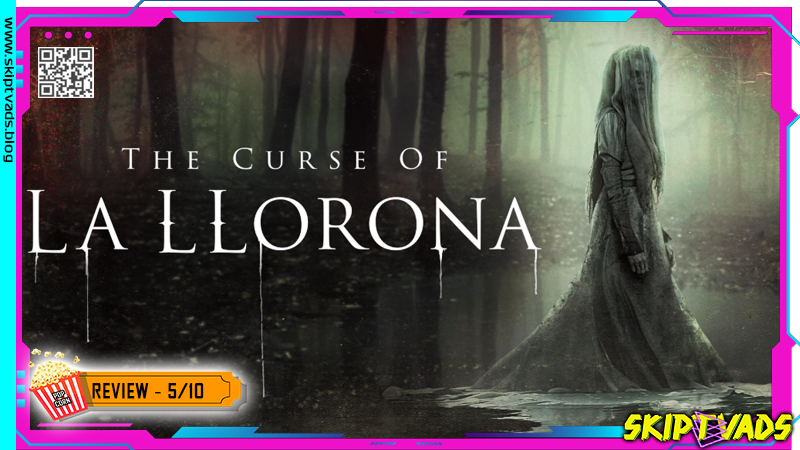

 The Curse of La Llorona came out back in 2019 and I remember hearing all this noise about it been part of the Conjuring universe because James Wan was producing it, they even threw in Father Perez from the Annabelle movies to make that connection feel more real but after watching it I can tell you none of that matters when the actual movie is this boring and lazy. This thing made like 123 million dollars worldwide which is insane to me because it really did not deserve any of that success, the whole thing feels like they were just trying to cash in on people who wanted to see something about Mexican folklore and instead gave them this forgettable mess that does not do anything interesting with the legend at all, its just another jump scare fest that you will probably not remember a week from now. Linda Cardellini plays this social worker named Anna whose husband died and she is raising two kids on her own, she works for Child Protective Services and gets involved with this case where a mom is trying to protect her kids from La Llorona by locking them up in a closet but of course Anna thinks the mom is crazy and takes the kids away which ends up getting them killed. The mom warns her that she just made a huge mistake and that La Llorona is gonna come after her own kids now, then boom the ghost starts showing up at her house and you already know where this is heading because every single haunting movie does the exact same thing, there is no originality here at all.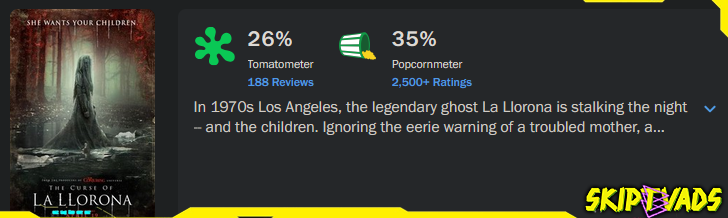

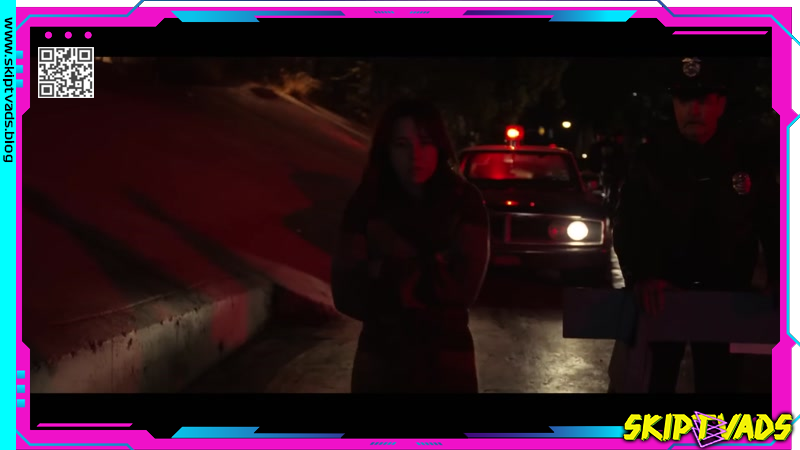
 [Source](https://tinyurl.com/3j9mzk8z)
 [Source](https://tinyurl.com/3j9mzk8z)
There are a couple moments that were neat, this is why I dont completely trash this movie and at least gave it a 5 although I wouldnt recommend it, like when the little girl opens that see through umbrela by the pool and you can see the ghost standing there for a second, that was actually pretty cool because it did not rely on a loud noise to scare you, it was just this creepy flash that gets you, but most of the scares are just loud and annoying and they do not actually make you feel scared, they just make you jump for a second and then you move on and forget about it five minutes later because there is like no real horror in them, its like they were not even trying to build any real tension or atmosphere. The movie also tries to throw in some random humor that does not fit at all with the rest of the tone, like there is this character played by Raymond Cruz who shows up in the third part and he is supposed to be this ex priest who uses science and religion to fight ghosts or whatever, he has some funny lines but it feels so out of place in a movie that is trying to be a serious horror story, its like they could not decide if they wanted to make a scary movie or a comedy.
[Source](https://tinyurl.com/3j9mzk8z)
There are a couple moments that were neat, this is why I dont completely trash this movie and at least gave it a 5 although I wouldnt recommend it, like when the little girl opens that see through umbrela by the pool and you can see the ghost standing there for a second, that was actually pretty cool because it did not rely on a loud noise to scare you, it was just this creepy flash that gets you, but most of the scares are just loud and annoying and they do not actually make you feel scared, they just make you jump for a second and then you move on and forget about it five minutes later because there is like no real horror in them, its like they were not even trying to build any real tension or atmosphere. The movie also tries to throw in some random humor that does not fit at all with the rest of the tone, like there is this character played by Raymond Cruz who shows up in the third part and he is supposed to be this ex priest who uses science and religion to fight ghosts or whatever, he has some funny lines but it feels so out of place in a movie that is trying to be a serious horror story, its like they could not decide if they wanted to make a scary movie or a comedy. [Source](https://tinyurl.com/3j9mzk8z)
 [Source](https://tinyurl.com/3j9mzk8z)
I would say that the worst part of the movie is that the characters itself felt kinda lame and stupid, its like the girl in Annabelle Comes Home that actually kick on the movie by doing dumb stuff, same here they make so many dumb decisions just so the plot can keep moving forward and its frustrating to watch people been this idiotic. There is this one scene where they set up all these protections around the house to keep La Llorona out, they use these special seeds from a tree or something and it creates a barier that she can not cross, but then the little girl sees her doll outside the barrier and she reaches for it and breaks the line and lets the ghost in, like come on where the fuck is the adult looking for this children. Your mom just told you that this ghost is trying to kill you and you are gonna risk everyones life for a stupid toy, it makes no sense and its just lazy writting to create drama. After I think about, her mom is just the same sht, she notice burn marks on her kids arms that look exactly like the ones from the other kids who died and she does not even ask about it and just ignores it until the detective shows up and accused her ass for been abusive to her own kids, this is another clear example of either they high, crazy or stupid and the movie feeds from this stupidity so they could have that scene where she almost gets arrested and you are sitting there thinking how can she not see whats going on.
[Source](https://tinyurl.com/3j9mzk8z)
I would say that the worst part of the movie is that the characters itself felt kinda lame and stupid, its like the girl in Annabelle Comes Home that actually kick on the movie by doing dumb stuff, same here they make so many dumb decisions just so the plot can keep moving forward and its frustrating to watch people been this idiotic. There is this one scene where they set up all these protections around the house to keep La Llorona out, they use these special seeds from a tree or something and it creates a barier that she can not cross, but then the little girl sees her doll outside the barrier and she reaches for it and breaks the line and lets the ghost in, like come on where the fuck is the adult looking for this children. Your mom just told you that this ghost is trying to kill you and you are gonna risk everyones life for a stupid toy, it makes no sense and its just lazy writting to create drama. After I think about, her mom is just the same sht, she notice burn marks on her kids arms that look exactly like the ones from the other kids who died and she does not even ask about it and just ignores it until the detective shows up and accused her ass for been abusive to her own kids, this is another clear example of either they high, crazy or stupid and the movie feeds from this stupidity so they could have that scene where she almost gets arrested and you are sitting there thinking how can she not see whats going on. The whole movie just felt lazy to me like they were not even trying to do something diferent or interesting, they were just checking boxes and rushing through everything to get to the next jump scare without caring about building any real story or characters that you actually care about. The pacing is weird too because nothing really happens for the first half of the movie and then in the third part they try to cram in all this stuff about the legend and how to stop La Llorona but its too late by then because you already stopped caring about what happens to these people. They have this whole thing where they rub eggs all over the house to detect evil spirits and it looks so dumb, I know its supposed to be a real Mexican tradition or whatever but the way they did it just felt forced and cheesy like they were trying too hard to make it feel authentic. At the end they defeat La Llorona by showing her one of the necklaces that belonged to her dead children and she just gives up and leaves, no big climax or anything just oh here is your dead kids necklace now go away, it was such a weak ending that left me feeling like I wasted my time watching this garbage. The Curse of La Llorona is rated R for some reason even though there is nothing in it that would make it deserve that rating, they could have easily made it PG 13 and probably made more money off of it, there is no real violence or gore or anything disturbing its just a watered down horror movie that tries to act like its scarier than it actually is. This is one of those movies that makes me mad because it had potential and they completely wasted it, they took a genuinely scary legend and turned it into another forgettable mess, if you want to see a good horror movie go watch something like Hereditary or The Conjuring or even Sinister, do not waste your time with this one unless you just want to see some predictable jump scares and bad acting, I would give this thing a 5 out of 10 and that is been very very generous.



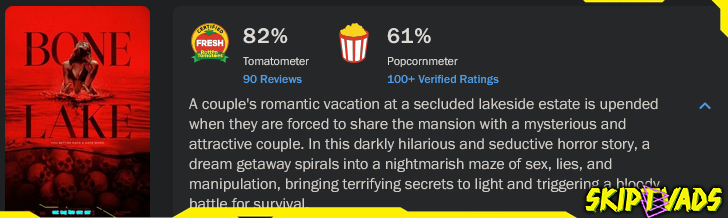
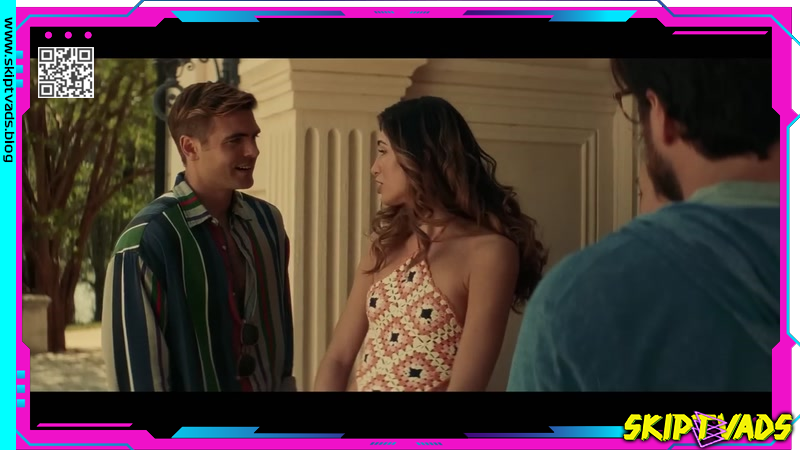 [Source](https://tinyurl.com/ywn2jtff)
The whole setup is pretty simple when you think about it, Sage and Diego are this couple who arrive at this beautiful lake house mansion type place for a weekend getaway and you can tell right away they got some issues going on between them. Diego quit his teaching job to write a book full time witch is never a good idea unless you already got published and Sage had to leave her freelance writing to take an editor position just to pay the bills and keep things afloat, so there is already some tension there about money and career choices and you can feel it even when they are trying to have a good time. Then this other couple shows up, Will and Cin, and they claim they also booked the place for the same weekend and instead of one couple leaving like normal people would do they all decide to be adults about it and just share the damn place because its huge and has enough room for everyone. The thing is Will and Cin seem a little too friendly right from the start, like they are trying way to hard to make everyone comfortable and suggesting they all hang out and party together and play games, and you start getting this feeling that something is not right with these two but you cannot quite put your finger on what it is yet, the funny part is that they also gamble many times to push Sage and Diego away like when Will tells Diego to just "Rock, Papers, Scissors" the house and who ever wins stays, thats a free pass for them without even knowing, there are many of this during the movie.
[Source](https://tinyurl.com/ywn2jtff)
The whole setup is pretty simple when you think about it, Sage and Diego are this couple who arrive at this beautiful lake house mansion type place for a weekend getaway and you can tell right away they got some issues going on between them. Diego quit his teaching job to write a book full time witch is never a good idea unless you already got published and Sage had to leave her freelance writing to take an editor position just to pay the bills and keep things afloat, so there is already some tension there about money and career choices and you can feel it even when they are trying to have a good time. Then this other couple shows up, Will and Cin, and they claim they also booked the place for the same weekend and instead of one couple leaving like normal people would do they all decide to be adults about it and just share the damn place because its huge and has enough room for everyone. The thing is Will and Cin seem a little too friendly right from the start, like they are trying way to hard to make everyone comfortable and suggesting they all hang out and party together and play games, and you start getting this feeling that something is not right with these two but you cannot quite put your finger on what it is yet, the funny part is that they also gamble many times to push Sage and Diego away like when Will tells Diego to just "Rock, Papers, Scissors" the house and who ever wins stays, thats a free pass for them without even knowing, there are many of this during the movie.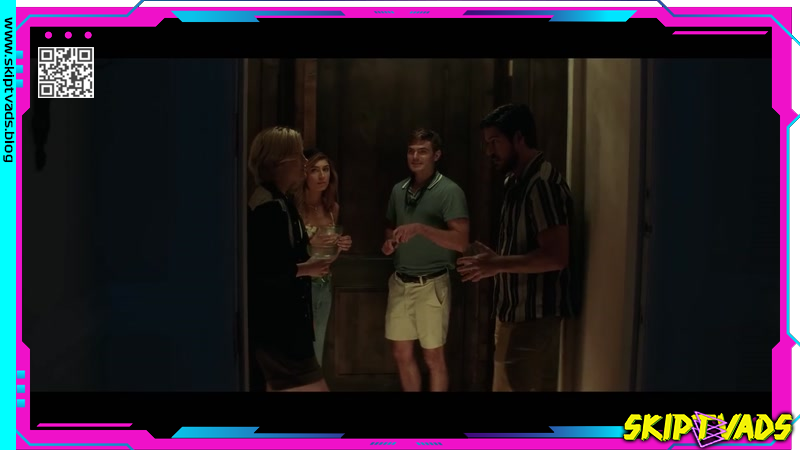 [Source](https://tinyurl.com/ywn2jtff)
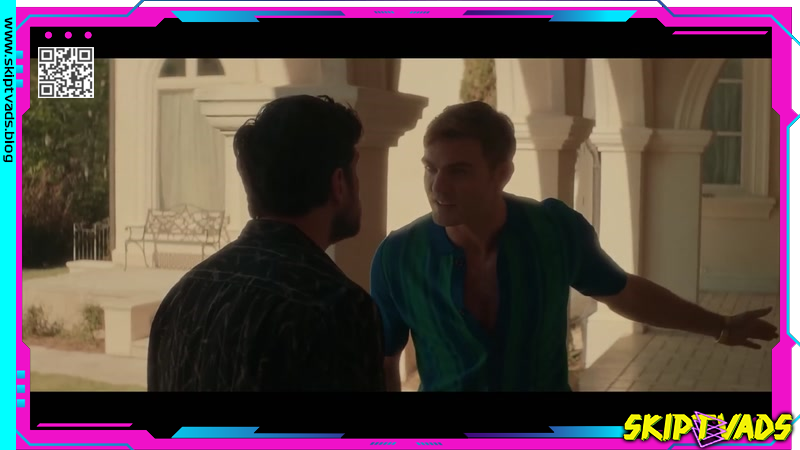 [Source](https://tinyurl.com/ywn2jtff)
Slowly but surely I saw how the movie builds up the awkwardness and discomfort between these four people, like Will and Cin keep doing these little things that cross boundaries and make Diego and Sage uncomfortable but not enough to make them leave or cause a scene. Will ends up stealing Diegos grandmothers ring and proposing to Cin with it right in front of Diego and Diego just lets it happen instead of calling him out on it witch seems insane when you think about it but the movie does a good job of showing how people will put up with crazy shit just to avoid conflict or looking rude, if Diego had stood up it would be the end of the game still Will went for it on purpose, Will and Cin are just adrenaline junkies. Then you got Cin trying to lure Diego into her; but not in a bad way yet, and telling him she can get his book to some famous author she knows and Will is doing the same thing with Sage and trying to get in her head about there relationship problems and its all part of this game they are playing to mess with this couple and see how far they can push them before they break, they hole concept is to find out if they really love each other but mostly they just looking for the perfect couple that doesnt exist. The whole middle part of the movie is just watching these two couples interact and I was trying to figure out what the hell is actually going on, like are Will and Cin just swingers who want to have some fun or is there something darker happening here and the movie keeps you guessing for a while witch I really liked, because at first you had no prove they were the one from the first scene chasing a couple through the woods and eventually killing them to recreate a paint scene so you literally think its all mistake they bump into each other.
[Source](https://tinyurl.com/ywn2jtff)
Slowly but surely I saw how the movie builds up the awkwardness and discomfort between these four people, like Will and Cin keep doing these little things that cross boundaries and make Diego and Sage uncomfortable but not enough to make them leave or cause a scene. Will ends up stealing Diegos grandmothers ring and proposing to Cin with it right in front of Diego and Diego just lets it happen instead of calling him out on it witch seems insane when you think about it but the movie does a good job of showing how people will put up with crazy shit just to avoid conflict or looking rude, if Diego had stood up it would be the end of the game still Will went for it on purpose, Will and Cin are just adrenaline junkies. Then you got Cin trying to lure Diego into her; but not in a bad way yet, and telling him she can get his book to some famous author she knows and Will is doing the same thing with Sage and trying to get in her head about there relationship problems and its all part of this game they are playing to mess with this couple and see how far they can push them before they break, they hole concept is to find out if they really love each other but mostly they just looking for the perfect couple that doesnt exist. The whole middle part of the movie is just watching these two couples interact and I was trying to figure out what the hell is actually going on, like are Will and Cin just swingers who want to have some fun or is there something darker happening here and the movie keeps you guessing for a while witch I really liked, because at first you had no prove they were the one from the first scene chasing a couple through the woods and eventually killing them to recreate a paint scene so you literally think its all mistake they bump into each other. [Source](https://tinyurl.com/ywn2jtff)
 [Source](https://tinyurl.com/ywn2jtff)
Then shit hits the fan in the third part of the movie when Diego and Sage discover that Will and Cin actually own the house and have been doing this to other couples for a while now, by the way Sage is the one who discover all this and was so sweet that she did trust Diego after Will tried to get on her head, they find this whole murder headquarters type room with newspaper clippings about missing couples and files on all the people they have killed before and you realize these two are straight up serial killers who get off on playing these sick games with people. The twist is that Will and Sin are actually brother and sister witch I saw coming from a mile away but it still works because the movie does not try to make it seem like some huge shocking reveal, they have this whole thing where they grew up really close and killed there parents when they found out about there relationship and now they just do this for fun because they think other peoples relationships are fake and full of lies. Once the truth comes out the movie turns into a full on survival horror situation and the violence gets brutal real quick and I love this because even when the cat is out of the bag is there when the movie decides to go full throttle with violence, we are talking chainsaws and axes and people getting there faces cut off and blood everywhere and its the kind of stuff that makes you go oh damn they really went there. The final fight between these two couples is intense as hell and even though Diego and Sage seemed pretty weak and passive for most of the movie they end up fighting back hard and taking these psychos down in some really satisfying ending.
[Source](https://tinyurl.com/ywn2jtff)
Then shit hits the fan in the third part of the movie when Diego and Sage discover that Will and Cin actually own the house and have been doing this to other couples for a while now, by the way Sage is the one who discover all this and was so sweet that she did trust Diego after Will tried to get on her head, they find this whole murder headquarters type room with newspaper clippings about missing couples and files on all the people they have killed before and you realize these two are straight up serial killers who get off on playing these sick games with people. The twist is that Will and Sin are actually brother and sister witch I saw coming from a mile away but it still works because the movie does not try to make it seem like some huge shocking reveal, they have this whole thing where they grew up really close and killed there parents when they found out about there relationship and now they just do this for fun because they think other peoples relationships are fake and full of lies. Once the truth comes out the movie turns into a full on survival horror situation and the violence gets brutal real quick and I love this because even when the cat is out of the bag is there when the movie decides to go full throttle with violence, we are talking chainsaws and axes and people getting there faces cut off and blood everywhere and its the kind of stuff that makes you go oh damn they really went there. The final fight between these two couples is intense as hell and even though Diego and Sage seemed pretty weak and passive for most of the movie they end up fighting back hard and taking these psychos down in some really satisfying ending.