Longform reviews of films, TV, anime, books, and audiobooks, written by the scrobble.life community and published to the Hive blockchain, so each one is owned by its author and can earn rewards from readers. 34,438 reviews and counting.
In 2018 many questions remained unanswered, but not the one that was of exceptional importance to the American cable TV network HBO. If its executives had hoped that Westworld, the exceptionally expensive and lavish series, would succeed the globally popular and ratings-wise unassailable Game of Thrones, the second season of this extravagantly costly show has given an unequivocally negative answer to that question. Although critics, out of habit, continued to sing praises to everything bearing the HBO initials and feigned as though there are no other “players” in the Golden Age of Television, audiences have expressed far less enthusiasm. Based on the last its episodes, it seems improbable that anyone will quote Westworld dialogues in internet memes or that any of Westworld’s characters will achieve the global popularity of Daenerys, Tyrion, or Jon Snow.
The first season enjoyed significantly higher viewership because it drew far more heavily on the original 1973 film, specifically its initial segment, which depicted an unusual futuristic world where the Delos Corporation, thanks to appearance-perfect humanoid robots and other details, provided wealthy guests with all manner of pleasures, including the darkest ones. Similar to the film, things go awry when the robots, or “hosts,” develop consciousness and, tormented by decades of abuse, begin a rebellion, massacring guests and park staff. The narrative begins at this very moment and follows several groups of characters who, during these apocalyptic events, attempt to find answers to existential questions or at least save their own lives. Dolores (Evan Rachel Wood), who prior to the uprising embodied goodness and benevolence as a “host,” transformed into a fervent revolutionary convinced she must eradicate humanity not only within the park’s boundaries but across the rest of the world. Maeve (Thandie Newton), who served as a brothel madam as a “host,” seeks to find her daughter, undeterred by the possibility that this daughter might be a product of implanted memories. During her dangerous and bloody quest, she discovers abilities she never knew she possessed. William (Ed Harris), a long-time guest who developed sadistic tendencies during his stays at the park, survives the uprising but treats the new perilous situation as a fresh game or challenge—one orchestrated by the park’s creator, Robert Ford (Anthony Hopkins), who was killed during the uprising. Meanwhile, Charlotte Hale (Tessa Thompson), Delos’s unscrupulous director, despite arduous, bloody, and largely unsuccessful attempts to seize control of the park, strives to access the host concealing a secret far more valuable to her corporation than the lives of guests and staff. Assisting her is Bernard (Jeremy Wright), a “host” who served as part of the park’s staff, believing himself to be human, and who harbours a deep secret whose revelation could have apocalyptic consequences.
A substantial budget was allocated to the second season, yet after ten episodes, it still gives the impression of being cheaper than the first. Nearly all locations—from the Wild West reconstruction to the futuristic offices and facilities maintaining the park—are the same ones we saw in 2016. The sole exception is the so-called Shogun World, where viewers get a glimpse of a reconstructed ancient Japan, though it is only utilised in a single episode. The same applies to the cast, which has also been recycled and lacks more prominent new names. Nevertheless, the ensemble delivers an exceptionally strong performance. This is true of Evan Rachel Wood, who transformed from the embodiment of all that is good and innocent in the world into a homicidal maniac attempting to inflict upon all human beings what Amon Göth did to Jews in Schindler’s List. Thandie Newton also excels, as does Ed Harris, whose character, initially portrayed as a monstrous villain, gains a more human dimension. Anthony Hopkins makes a significant contribution to the series, although his character, for understandable reasons, primarily appears in flashbacks and visions. A pleasant surprise is British actor Simon Quatermain in the role of a “Delos” screenwriter forced to live out his own bloody and melodramatic stories in reality amidst murderous robots. Jeremy Wright continues to impress as the perpetually confused and traumatised “host,” constantly torn between loyalty to other “hosts” and the humans whose image and likeness he was created to emulate.
Good acting, however, all too often serves in Westworld as a veil—and mostly an unsuccessful one—for script flimsiness. Lisa Joy and Jonathan Nolan, the producing, writing, and married duo behind the series, had in the first season—and largely made use of the opportunity—to craft a fascinating world and characters based on a rather slender and four-decades-old premise. However, like many other modern television creators, their ambitions in the second season collided with a lack of talent or inspiration. The core plot was thus “spiced up” in the first season with a mystery to be resolved in the second. However, this resolution, which also serves as a “plot twist”—one that will come as no surprise to those who watched Futureworld, the 1976 sequel to the original film—arrives only after hours of tedious viewing during which most viewers will simply be unable to ignore the script and logical gaps wide enough to drive an aircraft carrier through. Another point supporting the thesis that Nolan and Joy lack the talent of Michael Crichton, creator of the original film, is their loss of sense of pacing. The plot unfolds excruciatingly slowly and far too often serves as an excuse for action sequences that boil down to explicit yet repetitive and tedious violence that many would be inclined to label as pornographic. The sole breath of originality comes in the eighth episode, where Zach McClarnon brilliantly portrays the chief of the Native American “hosts,” delivering a rather intriguing subplot describing how his tribe attempts to confront a world they have realised is no longer theirs. Joy and Nolan also ultimately display an irritating tendency towards nonlinear storytelling, namely the use of flashbacks that will confuse viewers. This occurs right from the start, when the confused and amnesia-stricken Bernard attempts to help his human “saviours” uncover what happened. The final episode, stretched to an hour and a half in HBO’s increasingly irritating habit, also showcases the series creators’ penchant for multiple endings whose length evokes The Return of the King, followed by an equally irritating “Marvel-style” teaser after which many will lose the last vestige of enthusiasm for the third season.
RATING: 4/10 (+)
(Note: The text in the original Croatian version was posted here.)
Normally, I wouldn’t pick Pain Hustlers to watch. On Netflix, it’s labeled as a drama, and that’s not usually my go-to genre. However, when I checked IMDb and saw a 6.6 rating, which I consider pretty good, and read that it’s based on real events, I decided to give it a try.
A drama, but not only this. A (true) drug crime, and a docudrama (first time I saw this document+drama) as it is based on a book, that is based on true events (you see details at the end of the movie)
Story:
Liza dreams of a better life for herself and her daughter. Hired to work for a bankrupt pharmaceutical company, Liza skyrockets with sales and into the high life, putting her in the middle of a federal criminal conspiracy.
The movie starts in an interesting way. We see people testifying to the police, while at the same time, we catch glimpses of a divorced woman’s life,strong but struggling to survive and raise her daughter in difficult circumstances.
I can’t say that Emily Blunt is one of my favorite actresses, but every time I’ve seen her in a film, she has done a good job, and this one is no exception.
All the actors were great and to be honest I only realized that I was seeing Andy Garcia when I checked out the cast!
If you dont remember who Catherine is, she was the mum in Home Alone
The story revolves around a pharmaceutical company that’s about to shut down, until Liza enters the scene in an unexpected way. Suddenly, following Liza's initiatives and talent, the company starts to blossom, making huge profits and turning everyone’s life around.
Everyone’s happy, or not?
Soon, things take a darker turn. Something starts happening to the patients taking the company’s drug. Some things catch the police attention.
Will they get caught? What what’s really been going on behind the scenes, is something you’ll have to discover by watching the movie yourself.
Overall, Pain Hustlers is a film that combines ambition, greed, and moral dilemmas in a story that feels all too real. In my opinion, it is definitely worth watching, especially knowing that it’s inspired by true events.
You can watch the trailer here:
Screenshots are taken from imdb & from the movie trailer
Thank you for your support, I hope that you will enjoy it!
About the book:
The book is called
"Pain Hustlers: Crime and Punishment at an Opioid Startup," which was originally published as "The Hard Sell" by Evan Hughes. It was the source material for the 2023 movie of the same name.
Author: Evan Hughes
Original title: "The Hard Sell"
Topic: The book is a non-fiction account of the pharmaceutical startup Insys Therapeutics and its aggressive, sometimes deceptive, marketing of a powerful fentanyl-based painkiller.
Written by: Chris Collins
Directed by: Scot Kecken & Joy Kecken
Running Time: 58 minutes
David Simon’s much-maligned fifth season of The Wire, ostensibly dedicated to dissecting the crumbling edifice of Baltimore’s newspaper industry, arrives burdened by immense expectation. Yet, in its opening salvos, a palpable dissonance emerges. Where Season Four’s exploration of the education system felt immersive, visceral, and central to every narrative thread, Season Five’s promised media focus initially recedes into the background, operating with a frustrating opacity. This deliberate choice, compounded by the pervasive use of insider journalistic jargon – terminology utterly alien to the average viewer – creates a significant barrier to engagement. The very title of the third episode, Not for Attribution, exemplifies this issue. To the uninitiated audience member, it remains an obscure phrase, a coded whisper within the newsroom, rather than an immediately resonant dramatic device. This is a fundamental narrative strategy that risks alienating viewers precisely when the season most needs to hook them, making the media storyline feel less like the central pillar it was promised to be and more like a complex, secondary layer demanding prior knowledge it rarely provides.
The phrase "not for attribution" itself, crucial to the episode’s political machinations, refers to information a source provides to a journalist on the condition it can be quoted, but without naming the source. This stands in stark contrast to "off the record," where information is purely background, guiding the journalist but not directly quotable. In the hands of the politically ambitious Mayor Tommy Carcetti, this specific type of leak becomes a lethal weapon. Carcetti, having been deliberately fed falsified crime statistics by the duplicitous Commissioner Ervin Burrell, seeks Burrell’s scalp. His informant is the ever-opportunistic Stan Valchek, who, hoping to temporarily seize Burrell’s throne, supplies Carcetti with the damning real statistics alongside the deception. However, Carcetti’s ultimate target isn’t Valchek; it’s the seemingly impeccable Cedric Daniels. Before moving against Burrell, Carcetti must test the waters with key Black political figures like Councilwoman Nerese Campbell. To do this, he deploys his former journalist aide, Norman Wilson, to strategically leak his intention to appoint Daniels to The Baltimore Sun. The resulting article sparks initial elation in Daniels, swiftly extinguished by his politically astute ex-wife, Marla, now a council member herself. She delivers the chilling reminder that Burrell, cornered, would likely retaliate by unearthing the murkier, potentially scandalous details of Daniels’ early career – a stark illustration of how political ambition is inextricably tangled with personal vulnerability and the ever-present threat of character assassination within the city’s power structures. The "not for attribution" leak, intended to pave Daniels’ path, instead becomes a potential trigger for his downfall, demonstrating the perilous double-edged nature of media manipulation in the political arena.
Simultaneously, The Baltimore Sun itself is imploding from within, mirroring the decay of the institutions chronicled in previous seasons. Corporate overlords, panicked by plummeting advertising revenue and the existential threat of the internet, deliver brutal news: foreign bureaus shuttered, legendary reporters offered buyouts. When Gus Haynes nervously anticipates his own demise, he is instead handed a poisoned chalice – tasked by Managing Editor Thomas Klebanow and City Editor James Whiting to supervise a drastically reduced, younger team expected to produce the same output with fewer resources.This internal crisis is the suffocating atmosphere in which the political leaks and Carcetti’s manoeuvring must play out. The newsroom’s turmoil directly impacts its capacity to function as the city’s watchdog, a point hammered home, albeit clumsily, by the lengthy, almost reverential recitation of H.L. Mencken’s prose by the soon-to-be-ex-reporter Roger Twigg (Bruce Kirkpatrick). For many viewers, this moment feels ponderous, self-indulgent, and disconnected from the urgent street-level drama, highlighting the season’s struggle to make the slow death of journalism feel as viscerally compelling as a drug bust or a political backroom deal.
While the political and media spheres churn, the streets of West Baltimore remain lethally active. Marlo Stanfield, ever the expansionist, attempts a bold power play, seeking a direct connection with the powerful Greek organisation by approaching Vondas. His offer of a large cash sum is brusquely rejected; the money is "not clean," useless to sophisticated international operators. This humiliation forces Marlo to seek laundering expertise, turning to Proposition Joe. Joe, wary of Marlo’s volatility, reluctantly directs him to a bank in a French Caribbean territory. Crucially, Joe expresses strong disapproval of Marlo’s obsessive vendetta against Omar Little, seeing it as destabilising. However, Joe’s underling, Cheese, sees opportunity. Accepting Marlo’s money, Cheese betrays Omar’s former financier, the blind Butchie. The subsequent abduction by Snoop and Chris Partlow, the brutal torture, and Butchie’s defiant refusal to talk culminate in his execution. Chris, ever the strategist, spares one of Butchie’s bodyguards specifically to carry the news of the murder back to Omar, gambling that grief and rage will lure the legendary stick-up man out of Caribbean exile and back into Marlo’s deadly crosshairs – a gamble that appears poised to succeed as Omar receives the devastating news.
Amidst this institutional collapse and street violence, Jimmy McNulty’s descent into self-destructive madness reaches a new, audacious peak. His farcical plan to manufacture a serial killer – targeting homeless victims – intensifies as he meticulously sculpts evidence. Discovering a red ribbon on one unsolved case, he plants an identical one on another homeless victim’s body in the morgue, then pressures the medical examiner into ruling it a homicide. When the horrified Bunk Moreland drags Lester Freamon into the fray, expecting condemnation, they are stunned by Freamon’s pragmatic, almost gleeful endorsement. Lester not only accepts the scheme but actively refines it, advising McNulty to "sensationalise" the narrative, to craft a story so lurid and terrifying that the brass must allocate resources.
Written by Chris Collins and co-directed by Joy Lusco Kecken and Scott Kecken, Not for Attribution is undoubtedly a solid hour of television, weaving multiple complex threads with The Wire’s characteristic density. However, its critical weakness lies in a certain narrative diffuseness, particularly concerning the Sun storyline. The depiction of the newspaper’s demise, while undeniably important to David Simon’s overarching thesis about institutional failure, often tips into didacticism. The character of Gus Haynes, the principled city editor, functions far too transparently as Simon’s own mouthpiece. While the decline of local journalism is a vital societal issue, translating it into compelling drama proves elusive here. The intricate political chess game between Carcetti, Burrell, and Daniels, or the visceral, high-stakes violence of Marlo’s war against Omar, possess an inherent narrative propulsion that the internal struggles of the newsroom – the buyout meetings, the staffing cuts, the Mencken quote – struggle to match for the average viewer. The sheer weight of the newspaper’s institutional collapse feels abstract compared to the tangible human cost witnessed on the corners or in the police vans.
The episode finds far more resonant ground in its quieter moments with returning characters, moments that poignantly highlight the cyclical nature of Baltimore’s despair and fleeting sparks of humanity. The sight of Michael Lee, Dukie Weems, and Michael’s younger brother using drug money to experience a day of manufactured joy at Six Flags is heartbreakingly naive. Their brief escape into childhood wonder – a rarity in their harsh existence – is brutally curtailed as they are inevitably pulled back to the unforgiving reality of the corner. Similarly, McNulty’s self-immolation continues apace; his alcoholism deepens, yet amidst the ruin, Simon injects dark, uncomfortable humour. The scene where McNulty, having picked up a "cheap blonde" at a bar, proceeds with vigorous coitus bent over a car hood, only pausing to casually flash his badge at an inquisitive patrol car before resuming, is simultaneously pathetic and darkly comic. It’s a stark reminder of McNulty’s enduring, destructive charisma and his utter disregard for consequence, even as his world crumbles.
Significantly, Not for Attribution offers the first genuine glimpse of vulnerability in Marlo Stanfield. His mastery of the West Baltimore drug trade is absolute, yet thrust into the alien worlds of international finance and organised crime, he appears startlingly out of his depth. His humiliating failure to simply buy his way into Vondas’s organisation, and his subsequent helplessness in the Caribbean bank – reduced to frustrated gestures while the teller feigns incomprehension of English – strips away the aura of invincibility. He is a king dethroned the moment he steps beyond his concrete kingdom. This vulnerability is crucial, revealing the limitations of pure street power in a globalised criminal economy. Yet, the episode also underscores that Proposition Joe’s perceived weakness – his attempt to "civilise" Marlo, to bind him with rules and kinship – is ultimately his fatal miscalculation. Joe underestimated Marlo’s ruthless ambition and, more critically, overestimated the loyalty of his own underlings like Cheese. His efforts to manage Marlo inadvertently provide the young kingpin with the tools and connections needed to wage not just one, but potentially multiple future wars.
At the end, Not for Attribution functions as a microcosm of Season Five’s ambitious, flawed brilliance. Its very shortcomings – the initial backgrounding of the media theme, the jargon barrier, the moments of preachiness – are not accidental failures but deliberate reflections of Simon’s core argument: that the decline of vital institutions like journalism is complex, often opaque to the public, and unfolds amidst the relentless, more immediately visible crises of poverty, crime, and political corruption. While the Sun storyline may lack the visceral punch of Season Four’s schools, its integration with the political and criminal narratives creates a richer, more unsettling tapestry. It demands patience and rewards close attention, revealing that the most profound institutional failures are often the quietest, hardest to see, and easiest to ignore – precisely until it’s far too late.
In recent years, it has been a constant to see at least one biopic about a musical star released each year. From the story of Freddie Mercury and Queen (Bohemian Rhapsody) in 2018, through the stories of Whitney Houston, Amy Winehouse, Elvis Presley, and Elton John, to the more recent ones about Bob Dylan and Robbie Williams, the lives or some episode of a great number of artists and performers have graced the big screen in recent years. 2025 could be no exception; now it's the turn of The Boss: Bruce Springsteen.
En los últimos años ha sido una constante la aparición, cada año, de al menos una película biográfica de alguna estrella musical. Desde la historia de Freddy Mercury y Queen (Bohemian Rhapsody) en 2018, pasando por historias de Whitney Houston, Amy Winehouse, Elvis Presley, Elton John, hasta las más recientes sobre Bob Dylan y Robbie Williams, la vida o algún episodio de un gran número de artistas e intérpretes han desfilado por la gran pantalla en los últimos años. El 2025 no podía ser la excepción, ahora es el turno del Jefe, The Boss: Bruce Springsteen.
Springsteen: Deliver Me From Nowhere is a film directed by Scott Cooper, who also wrote the screenplay based on Warren Zanes' book, Deliver Me from Nowhere: The Making of Bruce Springsteen's Nebraska. In the book, Zanes recounts the entire creative process behind one of the most controversial albums of the 1980s and of Bruce Springsteen's career, not because it was overly conceptual or abstract, but almost for the opposite reason. After a successful tour and achieving his first number one hit, The Boss—as Springsteen is known—who was then around thirty years old, took a break to work on the songs for what would become his next album. His record label and fans were expecting something more rock-oriented, along the lines of songs like "Born to Run"—the song that opens the film—or "The River," but at that time Bruce was going through a rather severe emotional crisis. In the midst of undiagnosed depression, doubts about his future, his past, and his character, fears, and a tendency to always run from anything he didn't want to hurt, but which, because of that same fear, he didn't dare to love, Springsteen came into contact with his most intimate, dark, and personal emotions and began recording at home a series of songs that felt real to him, but which seemed—and were—a complete departure from the direction his musical career was supposed to take.
Springsteen: Deliver Me From Nowhere es una película dirigida por Scott Cooper, escrita por él mismo a partir del libro Deliver Me from Nowhere: The Making of Bruce Springsteen's Nebraska de Warren Zanes. En el libro, Zanes relata todo lo que fue el proceso de creación de uno de los álbumes más controversiales de los años ochenta y de la carrera del músico estadounidense Bruce Springsteen, no porque fuera demasiado conceptual o abstracto, sino casi por la razón opuesta. Después de una exitosa gira y de haber conseguido su primer número uno en las carteleras, el Jefe - como se le conoce a Springsteen - quien para entonces tenía unos treinta años, se tomó un descanso para trabajar en las canciones de lo que sería su próximo álbum. Su disquera y sus fanáticos esperaban algo más rock, en la sintonía de canciones como Born to Run - canción con la que abre la película - o The River, pero en ese momento Bruce estaba atravesando una crisis emocional bastante fuerte. En medio de una depresión no diagnosticada, dudas sobre su futuro, su pasado y su carácter, miedos y una tendencia a huir siempre de aquello que no quiere dañar, pero que por ese mismo miedo no se atreve a amar, Springsteen entró en contacto con sus emociones más íntimas, oscuras y personales y comenzó a grabar en casa una serie de canciones que se sentían reales para él, pero que parecían - y lo eran - un desvío total del rumbo que se pensaba debía tomar su carrera musical.
Similar, but in reverse, to when Bob Dylan moved away from folk and incorporated electric guitars and rock elements into his songs, Bruce Springsteen abandoned hard rock and embraced a more acoustic, folk-oriented sound to record an album that he also intended to present in the worst possible way for the time: without promotional singles, press conferences, concerts, and without even appearing on the cover. It might have seemed like professional suicide, but Bruce wasn't capricious; he was an artist, and fortunately, he had a right-hand man, his manager, who always supported him even if he didn't fully understand his approach: Jon Landau.
Similar, pero a la inversa, a cuando Bob Dylan dejó un poco el folk y tomó guitarras eléctricas y elementos más rock para sus canciones, el Boss Springsteen dejó de lado el hard rock y se acercó mucho al folk, a lo acústico, para grabar un álbum que además quería presentar de la peor manera posible para la época: sin sencillos promocionales, sin ruedas de prensa, sin conciertos y sin siquiera aparecer en la portada. Podía parecer un suicidio profesional, pero Bruce no era alguien caprichoso, sino un artista y afortunadamente tenía una mano derecha, su manager, que lo apoyó siempre aunque no lo entendiera del todo: Jon Landau.
That's the plot behind Springsteen: Deliver Me From Nowhere, starring Jeremy Allen White in the lead role. I must confess that Allen most resembles Springsteen when he's singing. His voice is very similar, his vocal technique too, his gestures, his movements, even his walk are almost identical to Bruce's, and that makes me regret the fact that this biopic, unlike A Complete Unknown or Bohemian Rhapsody, doesn't have many scenes of Allen on stage. A song at the beginning (Born to Run), a recording session (Born in the USA), and a few brief glimpses of him composing with a guitar or accompanying another band on stage are all we see of the artistic side of this American hero. Instead, the film focuses on his personal life, his loneliness, his fears, his relationships with his family, his past, and I think it's fine that it was, because that's the spirit you feel when listening to his album Nebraska. But at the same time, I would have liked to see more of Allen with an electric guitar on stage. I don't feel it was an anthology-worthy performance, but I think it shows that the casting was right and that this young actor is capable of truly committing to any role he wants to play on screen. I don't know if he'll receive nominations for major awards because I'm unfamiliar with the competition, but I wouldn't rule him out.
Esa es la trama detrás de Springsteen: Deliver Me From Nowhere, protagonizada por Jeremy Allen White en el papel principal. Debo confesar que cuando más se me parece Allen a Springsteen es cuando está cantando. Su voz es muy similar, su técnica vocal también, sus gestos, sus movimientos, incluso su forma de caminar son casi exactas a las de Bruce y eso me hace lamentar el hecho de que esta biopic, a diferencia de A Complete Unknown o Bohemian Rhapsody no tiene muchas escenas en las que Allen esté sobre el escenario. Una canción al inicio (Born to Run), una sesión de grabación (Born in the USA) y algunas partes breves de él componiendo con una guitarra o acompañando a otra banda en el escenario es todo lo que vemos del lado artístico de este héroe americano. En cambio, la película se concentra en su vida personal, su soledad, sus miedos, sus relaciones con su familia, su pasado y me parece que está bien que haya sido así porque ese es el espíritu que se siente al escuchar su disco Nebraska, pero al mismo tiempo me hubiera gustado ver más a Allen con la guitarra eléctrica en un escenario. No siento que haya sido una actuación de antología, así como para enmarcar, pero creo que demuestra que la elección fue correcta y que este joven actor es capaz de comprometerse verdaderamente con cualquier rol que desee interpretar en la pantalla. No sé si reciba nominaciones a premios importantes porque desconozco su competencia, pero yo no lo descartaría.
Now, in my opinion, Jeremy Strong definitely deserves to be among the Oscar nominees. His portrayal of Jon Landau is stunning, and Strong has long demonstrated that he deserves greater recognition. From Zero Dark Thirty and The Big Short to his work in Succession, he's one of the best actors of his generation, and someone I would give an Oscar for Best Supporting Actor to sooner rather than later.
Ahora, quien en mi opinión sí tiene que estar entre los nominados al Oscar es Jeremy Strong. Su interpretación de Jon Landau es impresionante y hace tiempo que Strong viene demostrando merecer mayor reconocimiento. Desde Zero Dark Thirty y The Big Short hasta lo que ha hecho en Succession, estamos ante uno de los mejores actores de su generación y alguien a quien yo le daría un Oscar a mejor actor de reparto más temprano que tarde.
The cast also includes Paul Walter Hauser, Stephen Graham, and a revelation for me, Odessa Young, whom I hadn't seen before but who made a good impression on me in her role as Faye Romano, Bruce's love interest in the film. I think Springsteen: Deliver Me From Nowhere has all the ingredients a biopic, and a musical at that, should have: drama, romance, inner struggle, obstacles, songs... it's well-made, well-written, well-directed, and the editing is good. Overall, it's a good film. But little more than that. Comparing it to other similar films, I think A Complete Unknown is superior in terms of sound and music; and if we're talking about emotional connection, I felt more captivated by Better Man. Perhaps it's the fact that Springsteen, being the hometown boy he always was, is a much more relatable figure for Americans than for the rest of the world (Dylan and Williams are more international, perhaps), but I still recommend seeing this story in theaters, and even better if you can check out some of The Boss's discography. If before going to the theater you can listen to the album Nebraska and watch Terrence Malick's film Badlands, I think the experience would be even better. Were any of you as eagerly awaiting this film as I was? How many of you have already seen it? What did you think? Let me know in the comments.
El elenco además incluye a Paul Walter Hauser, Stephen Graham y una revelación para mí, Odessa Young, a quien no había visto antes pero me causó una buena impresión en su papel de Faye Romano, el interés romántico de Bruce en la película. Creo que Springsteen: Deliver Me From Nowhere tiene todos los ingredientes que debe tener una biopic, musical además: drama, romance, lucha interna, obstáculos, canciones... está bien hecha, bien escrita, bien dirigida, el montaje es bueno. En conjunto es una buena película. Pero poco más que eso. Comparándola con otras películas similares, me parece que a nivel de sonido y música A Complete Unknown es superior; y si hablamos de la conexión emocional, me sentí más cautivado con Better Man. Tal vez sea el hecho de que Springsteen, siendo el hometown boy que siempre fue, es un personaje mucho más cercano para los norteamericanos que para el resto del mundo (Dylan y Williams son más internacionales, quizá), pero aún así recomiendo ir a ver esta historia al cine y mejor aún si pueden revisar algo de la discografía del Boss. Si antes de ir al cine pueden escuchar el disco Nebraska y ver la película de Terrence Malik Badlands creo que la experiencia sería todavía aun mejor, ¿alguno de ustedes había estado esperando esta película como yo? ¿cuántos de ustedes ya la han visto? ¿qué les pareció? Los leo en los comentarios.
Reviewed by | Reseñado por @cristiancaicedo
Other posts that may interest you | Otros posts que pueden interesarte:
Predator: Killer of Killers (2025) - A Supreme Trophy Review. The New Predator Relives the Bloody Legend of the Yautja.
The animated movie, Predator: Killer of Killers is not just a short film, it's a statement of strength. It does what the Predator franchise has always tried to do: show us that our history, full of war, myth, and lost heroes, is nothing more than a regulated hunting ground.
Forget the modern jungle of '87 or the urban sprawl of '90. Here, we're looking at an entire library of violence, where the Predator, or Yautja—as their species is called in the expanded universe—is not a visitor, but a constant agent of our hidden history.
This movie doesn't give you a break. You're not slowly introduced to the action, you're thrown right into the essence of what Predator is all about: natural selection with alien weaponry. No matter the era, the setting, or the weapons, the Yautja come for one reason—the best trophy.
This animated project takes the franchise out of its usual setting and places it on the vast terrain of human history. You have the Viking fighting in the bone-chilling cold. The fight isn’t about fine tactics, it’s about over-resistance. The warrior wins through a will not to die that transcends all biological logic. The Predator adapts, but is overcome by the simple brutality of an opponent who doesn’t know when to surrender.
Then there’s the sudden change of scenery. The shift to hidden faces and the precision of steel. In Feudal Japan, hunting turns to geometry and silence. Here, the Predator faces off against some of the most perfect hunters on Earth—ninjas and samurai. They don’t use noise or brute force; they use anticipation. They move like ghosts, and their victory against a Predator is not determined by armor or weaponry, but by that millisecond of deadly accuracy. It's a duel of camouflage, where one uses technology, the other, just discipline.
And finally, the modern segment comes. The fight moves again, forcing the Predator to confront the logic of firepower. It's no longer a duel, but a confrontation with organization and explosive weaponry. The human hero who wins in this scenario does so through coordination, strategic thinking, and using the environment as a weapon, not necessarily through individual strength. It's a hunt that shows that, despite the technological gap, humans are the most adaptable predators on the planet.
The piece de resistance, the one that connects all these eras, is precisely the ending. There is no honor, there is no peace after the monster is defeated. There is only extraction. The three victors, symbols of resistance in their eras, are quickly collected. This confirms that all these conflicts were not incidents, but standardized tests carried out throughout human history.
The highlight of this project is the brutal confrontation in the north: Predator vs. Vikings. It is no mistake that Yautja ends up there. He seeks where the greatest slaughter is, feeding on brute force, on that will to fight even after being torn in two. It is as if the hunter tests how far the pure toughness of the human soul can go.
Then, the change of scenery to Feudal Japan shocks us. The transition from strength to finesse is astonishing. The Yautja stumbles upon an art of killing that he did not expect. The Samurai or Ninja is not only strong, but disciplined. Their victory does not come from luck, but from millisecond precision that transcends technology.
These scenes highlight the beauty of this superb project: it shows that the hunter is not interested in our spaceships. He wants the best warrior of any era – from the most savage to the most calculated. I really liked it even if unfortunately it is at the level of an animation. The animation, visually, supports the tone. It is gore, it is sharp, it does not shy away from the bloody impact, treating the subject with the seriousness that a mature Predator film deserves.
Why Yautja? Where does the name Yautja come from? - this made me think badly. Generally in the classic films (starting with Predator in 1987, created by Jim and John Thomas), the creature was simply called Predator. The term Yautja does not appear on screen.
Yep and apparently, this name was adopted by fans and the extended universe (comics and books) to give depth to the species. Yautja was first introduced in the novel Aliens vs. Predator: Prey (1994), being the name they themselves use. This transformed the monster into a civilization, giving it language, hierarchy, and culture.
It seems like the creators just wanted to combine military action with horror elements, but they needed a structure. That structure is the Yautja Code of Honor.
This code is what transforms the Predator from a simple monster into a ritualistic hunter. It dictates who can be hunted, prohibiting the killing of children, the elderly, the sick, or the unarmed. This is the fundamental reason why the franchise can exist: the Yautja are not looking for random massacre, but for a balanced confrontation.
The moment that takes my breath away in Killer of Killers is the ending: the collection. When the three survivors are extracted from Earth, they not only escape, but receive a "promotion". I think that this was somehow sought to explain the human myths of missing heroes and kings taken to other realms. This is not about benevolent gods, but a cosmic cycle of slavery.
These warriors are transported to the strange planet, a dungeon designed to ensure that the Yautja's blood sport never ends. Predator: Killer of Killers confirms that we have always been the hunted, and that in our history, the greatest compliment we can receive from an alien species is to be deemed worthy of being hunted forever. It's a dark perspective, but one that is perfectly justified by our myths.
The animated film Killer of Killers is not just entertainment, but an acknowledgement that the figure of the Predator transcends science fiction, touching on themes found in global folklore and myths. The franchise draws on a series of legends and observations that have haunted humanity for thousands of years.
In many ancient cultures, there were deities or demonic entities associated with hunting and the theft of life. The Predator takes on this role. He is not a simple alien who accidentally landed; he is the Yautja Hunter God who operates by a rigid and, most importantly, selective code of honor.
Myths about gods demanding human sacrifice are not far from the Predator's ritual of removing the spine. It's not just any crime, it's a sacred trophy. By setting the Predator in the Viking Age, the film kind of suggests that those creatures from Norse tales (forest spirits, giant monsters) could have been Predators in search of valuable prey.
Global myths speak of invisible monsters (like the Wendigo from Native American folklore, although the subject is sensitive) or of nature spirits that punish hunters. The Predator's thermal and invisible camouflage aligns perfectly with descriptions of a demon visible only by its effect – a sound, a trace of heat, a distorted shadow.
The deepest mythological fissure touched by the film Killer of Killers is alien abduction, a motif that did not only appear in the 20th century (the case of Betty and Barney Hill, for example), but which has its roots in legends about being taken by fairies, spirits or giants from the sky.
Looking for example at European folklore, it was said that fairies stole talented people (or babies) and took them to their realm, sometimes to use them as slaves, sometimes to admire them.
When a Viking village burned down completely and only one survivor remained, the locals of those times did not need science fiction to explain the disaster – it was the hand of a monster😁 or a crazy demon of war....or when a great Daimyo (Samurai) disappeared without a trace, the only acceptable explanation was that he was taken by a supernatural entity or that he fell into a diabolical trap.
https://youtube.com/shorts/Ec55lr7sxAc?si=SPbaipC7MTRxqnOV
Predator: Killer of Killers transforms these historical gaps and timeless fears into a coherent canon: what people thought were demons, evil fairies, or warrior gods were, in fact, the regular visits of a species of cosmic hunters.
This film confirms that the Predator franchise is not based on the future, but on a past full of blood and myth, in which the Yautja are the entities who wrote, in the shadows, the most brutal legends of humanity.
OK, so i don't know what you think, but i think it's time 😊 to recognize our status: - We humans are the most dangerous prey the galaxy has ever encountered. Hmm!! ...Are we the only ones in the entire universe!!?
De uno de los guionistas de la tan aclamada serie de Rick y Morty, llega ahora esta nueva propuesta sobre un hotel embrujado que sí tiene mucho parentesco con Gravity falls o incluso series como Scooby Doo pero llevadas con un tono hacia lo adulto hacia la comedia simplemente sencilla la cual no busca sorprenderte y tampoco busca que la historia sea lo más llamativo del mundo, simplemente es como estas caricaturas de domingo que no acostumbrada a ver en la mañana que simplemente eran entretenidas y ya, si tiene una pequeña continuidad Pero la verdad es que no le afecta lo más mínimo incluso podrías ver de todos los episodios de manera desordenada.
From one of the writers of the highly acclaimed Rick and Morty series comes this new offering about a haunted hotel that bears a strong resemblance to Gravity Falls or even series such as Scooby Doo, but with a more adult tone and simple comedy that doesn't seek to surprise you or make the story the most striking thing in the world. It's simply like those Sunday cartoons you're not used to seeing in the morning, which were just entertaining and that's it. It does have a little continuity, but the truth is that it doesn't affect you in the slightest. You could even watch all the episodes out of order.
La verdad es que si están pensando en ver algo relacionado al terror pero que tenga un toque de comedia o que relativamente lo pueda ver toda la familia esta serie la podría recomendar si tiene un humor muy adulto en varios momentos pero creo que fácilmente puede ser vista por cualquier persona sin mayor problema, es una serie que repito no busca de ser grandiosa ni busca ser maravilloso simplemente busca ser entretenida para pasar un fin de semana en la mañana para ver algo relajado y creo que por esa parte cumple bastante.
The truth is that if you're thinking of watching something related to horror but with a touch of comedy or that the whole family can watch, I would recommend this series. It has some very adult humor at times, but I think it can easily be watched by anyone without any major problems. It's a series that, I repeat, doesn't seek to be grandiose or wonderful, it simply seeks to be entertaining for a weekend morning when you want to watch something relaxing, and I think it does that quite well.
Me tuviera que ponerle algún problema a la serie diría que es la animación que está bien pero la verdad se nota extraña por momentos la verdad te termina apareciendo aburrida Hasta cierto punto la paleta de colores es muy bonito pero creo que la animación pudo dar un poco más de sí también se entiende que es apenas una primera temporada y se nota que es una serie de bajo presupuesto, si bien Te la venden como de los mismos creadores de Rick y morty no es del todo cierto simplemente es un guionista que fue participe de esta serie y decidió hacer o incursionar realizando su propia serie, lo cual repito creo que deberían dar una oportunidad porque es bastante entretenida especialmente son de disfrutar esta serie que simplemente tienen humor Y ya y que no buscan contar una historia ni muy grande ni tienen una continuidad en específico simplemente quieres ver algo por divertirte.
If I had to point out a problem with the series, I would say that the animation is fine, but the truth is that it seems strange at times and ends up being boring. To a certain extent, the color palette is very nice, but I think the animation could have been a little better. It's understandable that it's only the first season and you can tell it's a low-budget series. Although they sell it to you as being from the same creators as Rick and Morty, that's not entirely true. It's simply a screenwriter who was involved in that series and decided to try his hand at making his own series, which, I repeat, I think you should give a chance because it's quite entertaining, especially if you enjoy series that are simply funny and don't seek to tell a big story or have a specific continuity. You just want to watch something for fun.
Z okazji Halloween nie mogło zabrać adekwatnego wieczornego seansu z mężem. Wybór padł na "Zniknięcia", film mocno ostatnio promowany na platformie HBO Max.
For Halloween, she couldn't find a suitable evening viewing with her husband. She chose "The Vanishing," a film that has recently been heavily promoted on HBO Max.
Kiedyś oboje lubiliśmy kino grozy, nie wiem czemu te czasy jakoś minęły. Ja zawsze jestem strachajło i najpierw bardzo chcę oglądać horror, a potem się boję :D Dlatego ten film w sumie przypadł mi do gustu, a męża trochę rozczarował: nie jest on bowiem typowym filmem grozy z potworem wyskakującym znienacka - choć w sumie i takie sceny się trafiły.
We both used to love horror movies, but I don't know why those days have somehow passed. I'm always a bit of a scary person, and first I really want to watch a horror movie, and then I'm scared :D That's why I actually liked this movie, but my husband was a bit disappointed: it's not your typical horror movie with a monster jumping out of nowhere – although there were some scenes like that.
Fabuła jest następująca: pewnej nocy o godzinie 2.17 wszystkie dzieci z jednej klasy znikają. Poza jednym chłopcem. Zagadkę oprócz policji stara się rozwiązać nauczycielka, oskarżana przez lokalną społeczność o bycie wiedźmą. A zło czai się gdzie indziej...
The plot is as follows: one night at 2:17 a.m., all the children in a class disappear, except for one boy. In addition to the police, a teacher, accused by the local community of being a witch, tries to solve the mystery. And evil lurks elsewhere...
Wcale nie było to złe jak na ten niezbyt wyrafinowany gatunek filmowy. Można obejrzeć :) polecam.
It wasn't bad at all for this not-so-sophisticated genre. Worth watching :) I recommend it.
Written by: Robert L. McCullough
Directed by: Les Landau
Running Time: 46 minutes
Following the seismic introduction of the Borg as the ultimate cosmic horror in the preceding episode, Q Who, the creative team behind Star Trek: The Next Generation faced a significant challenge. Having plunged the Federation into existential dread, they seemingly felt compelled to offer something radically different: a lighter, more character-driven, and arguably safer narrative. This pivot resulted in Samaritan Snare, an episode that, while hardly ranking among the absolute nadir of the series, occupies a distinctly unloved space in the affections of hardcore trekkies.
The narrative opens with Captain Jean-Luc Picard displaying a rare vulnerability, reluctantly heeding Dr. Pulaski’s insistence that his malfunctioning artificial heart requires replacement. Picard, ever the stoic commander, had been aware of the issue but deliberately postponed the procedure. His motivations were twofold: a keen anticipation of exploring the Epsilon pulsar cluster and, more significantly, a deep-seated reluctance for his crew to become privy to this perceived physical weakness. Boarding a shuttlecraft to accompany Wesley Crusher – en route to his Starfleet Academy entrance exams at Starbase 515, conveniently housing the necessary medical facilities – Picard gradually lowers his guard. In a moment of unexpected candour, he reveals the origin of his artificial heart to the young ensign. He recounts a youthful episode of profound arrogance: as a brash, newly commissioned Starfleet officer, he needlessly provoked a confrontation with three Nausicaans, resulting in his natural heart being pierced by a knife. His survival hinged solely on the immediate proximity of a medical facility, a stark lesson that forged the careful, measured leader he would become.
Simultaneously, aboard the Enterprise, Commander Riker assumes command. The ship receives a distress call from the Mondor, crewed by the Pakleds – a bizarre, humanoid species whose physical appearance evokes a cross between Tweedledum and Tweedledee, and whose speech patterns suggest profound intellectual limitations. Their commander, Grebnedlog (portrayed by Clifton Collins Jr.), claims their engine is disabled and requires repair. Despite Lieutenant Worf’s immediate suspicion and Counselor Troi’s empathic warning that the Pakleds do not feel genuinely distressed, Riker dispatches Geordi La Forge to assist. This decision proves catastrophically naive. The Pakleds, revealed not as hapless victims but as scavengers reliant on stealing advanced technology, promptly capture La Forge. Their true demands emerge: they require La Forge’s expertise to build weapons and, audaciously, demand access to the Enterprise’s memory banks. Riker, however, demonstrates his tactical acumen by devising a clever ruse. He transmits a seemingly innocuous, coded message to La Forge, enabling the chief engineer to sabotage the Mondor’s shields and facilitate his own emergency beam-out, escaping the Pakleds’ grasp.
As this farcical yet perilous drama unfolds, Picard’s ostensibly routine heart replacement surgery takes a sudden, life-threatening turn. A critical complication arises, necessitating the immediate presence of a specific, highly specialised cardiac surgeon – a specialist coincidentally not stationed at Starbase 515. With the Enterprise only just extricating itself from the Pakled predicament, it races against time to deliver the expert. They arrive with mere moments to spare, and the saviour is revealed to be none other than Dr. Pulaski herself. Picard survives the operation, and Wesley successfully passes his exams, securing his continued place aboard the Enterprise.
Initially, the Pakleds present the most intriguing facet of the episode. Their harmless facade, coupled with apparent intellectual vacuity, creates a scenario ripe for comedic suspension of disbelief. Just like with the drug-addled Ornarans in Symbiosis, One might question how such seemingly inept beings manage interstellar travel, yet the episode could potentially have leveraged this absurdity effectively, employing it as a modern, comedic analogue to the classic The Corbomite Maneuver bluff. The potential for satire on underestimating opponents was certainly present.
Tragically, the Pakleds are not the sole purveyors of foolishness here. Commander Riker, a seasoned Starfleet officer renowned for his competence, commits a series of bafflingly poor decisions that strain credulity. Ignoring the explicit counsel of his security chief and ship’s counsellor – both seasoned professionals whose roles specifically involve threat assessment – to send his irreplaceable chief engineer alone to assist a suspiciously vague distress call, borders on the inexplicable. His only salvation lies in the Pakleds’ own lack of strategic depth; had they possessed even moderate cunning, the Enterprise would have been severely compromised. This constitutes a textbook "idiot plot," where the narrative conflict exists solely because characters act with uncharacteristic stupidity. Such contrivances proved so grating to some viewers that they reportedly spurred writers Dennis Putman Bailey and Dave Bischoff to pen a spec script – which later evolved into the superior Season 3 episode Tin Man – partly as a direct rebuttal to the perceived narrative laziness on display in "Samaritan Snare."
While the Pakled storyline might have benefited from greater depth or a more consistent comedic tone, the episode mercifully offers the Picard heart subplot as a counterbalance. This narrative thread provides genuinely valuable character development, illuminating a pivotal, humbling moment in Picard’s past that shaped his core philosophy of caution and responsibility. It transforms him from a near-mythical figure into a relatable man marked by youthful error.
Yet, even this promising element succumbs to the "idiot plot" syndrome. The surgery, which logically should have proceeded smoothly given Starfleet’s advanced medical capabilities, is unnecessarily complicated purely to manufacture artificial drama. This contrivance serves primarily to showcase formidable guest actors Daniel Benzali and Tzi Ma as the surgeons, a serviceable but ultimately shallow use of talent. Furthermore, the convenient absence of the required specialist at Starbase 515 feels entirely manufactured. The episode even teases the possibility that the absent expert might be the beloved Dr. Beverly Crusher, only to reveal Pulaski – her unpopular, temporary replacement – as the saviour. For many fans still mourning Crusher’s absence, this felt like a deliberate bait-and-switch, a cynical ploy that significantly contributed to the episode’s enduring unpopularity.
Nevertheless, even episodes of questionable quality can serve a purpose within a sprawling franchise. Samaritan Snare, for all its flaws, provided foundational building blocks. The Pakleds, initially a one-note joke, found unexpected redemption and nuanced exploration years later in Star Trek: Lower Decks. More significantly, the Nausicaans, introduced here merely as the thugs who stabbed young Picard, were revisited with profound depth in the Season 6 masterpiece Tapestry. That episode masterfully reconstructed the bar fight, exploring its psychological ramifications and cementing the Nausicaans as one of the franchise’s most distinct and culturally resonant alien races. The very incident recounted in Samaritan Snare became the cornerstone of one of Picard’s most defining character studies.
Samaritan Snare is a curiously divisive entry. It exemplifies the pitfalls of the "idiot plot," where character competence is sacrificed for artificial tension, alienating discerning viewers. While it succeeded in providing necessary breathing room after the Borg’s shadow and inadvertently seeded elements for richer future stories, its immediate execution feels clumsy and unsatisfying. It is not the worst TNG has to offer, but it is undeniably one of the least respected – a well-intentioned stumble where the promise of character depth was tripped up by contrivance, leaving trekkies rightly frustrated that such a pivotal moment for Picard was framed by such questionable storytelling.
[Source](https://www.hbomax.com/pa/es/shows/it-bienvenidos-a-derry/6c39354a-c52d-46d7-982c-b5d196988189)
IT Welcome to Derry Episode 2 keeps the same energy from the first episode and honestly it might be even better than what we got last week, this show is not messing around with anything at all. Right after all those kids got killed at the theater last week the town tries to move on super fast by blaming the easiest target they can find witch is the black projectionist Hank, because of course they do, this is 1962 Derry and they need someone to pin this on real quick so they can all move forward like nothing happened, the police chief knows damn well this guy has an alibi but he gets pressured into arresting him anyway by two racist ass councilmen who just want someone behind bars weather its the right person or not, and his daughter Ronnie is pissed as hell because she tried to do the right thing by helping those kids escape and now her dad is getting screwed over for it witch just feels wrong on every single level you can imagine, the whole situation is just messed up and shows how terrible people can be when there looking for someone to blame instead of facing the real problem witch is a killer clown running around town eating kids. I wonder if at some point Ronnie would embrace evil and get carry away because I honestly though she was going to tip over at school when she was arguing with Lily.
[Source](https://tinyurl.com/k3czvze7)
Pennywise is still out there terrorizing both Ronnie and Lilly with some seriously messed up nightmare sequences that didnt made me feel that scary for myself but for Ronnie, the Lily one was more terror but Ronnie could easy get eaten, like these are not your typical jump scares, these are psychological torture sessions that mess with your head and I was not ready for any of it at all, Ronnie gets attacked by her dead mother crawling out of what looks like a placenta sack on her bed with glowing yellow eyes trying to pull her back in with the umbilical cord still attached, the whole thing plays on her guilt about thinking she killed her mom during childbirth witch is just insane to watch and super messed up because not only she is getting all this trash talking from her dead mother of how SHE, Ronnie killed her but then she pulls her back into her "belly" but its an actual monster trying to eat her, Pennywise knows exactly were to hit people were it hurts the most and he does not hold back at all. Lilly has this completely fucked up vision at the grocery store were pickle jars start moving around on there own trapping her in this maze of shelves that keep reorganizing, then she sees all her dead friends faces on cereal boxes with Pennywises name written on them saying great taste because he eats kids witch is dark as hell and then her dad shows up as this pickle creature thing covered in goo and its just disgusting, its nasty and will probably flashback next time you eating pickles, the way HBO is using practical effects here is just top tier stuff, like you can tell they spent serious money on making these scares look real and not some cheap CGI nonsense that looks fake and takes you out of the moment completely.
[Source](https://tinyurl.com/k3czvze7)
[Source](https://tinyurl.com/k3czvze7)
The show also brings in the Hanlon family witch is super important because Will is Mike Hanlons dad from the movies so we know this kid makes it out alive at least, Leroy the dad finds out the military brought him to Derry for some secret weapon project that uses fear as a weapon and they need him because he has no fear after getting brain damage in combat during the Korean War witch sounds completely insane, General Shaw tells him they are looking for something buried under Derry that generates debilitating fear in people and could theoretically kill someone on the spot witch is obviously Pennywise or at least parts of the meteorite that brought him to earth millions of years ago, his wife Charlotte is dealing with racism everywhere she goes in town because its 1962 and people are terrible, she sees kids beating up another kid in broad daylight and nobody does anything about it like everyone just walks by and ignores it because Pennywise has this whole town in some kind of trance were everyone just ignores the bad stuff happening around them like its completely normal, the butcher even says boys will be boys and its just gross how people turn a blind eye to everything, there son Will is getting bullied at school for being the new kid and for being smart as hell, he is into science and telescopes and space instead of sports witch his dad Leroy does not really understand because Leroy is more of a throw the ball around type of guy but Will does not care about that stuff at all and I love that about his character, the military subplot is wild because it adds this whole other layer to the story that I was not expecting at all, like I thought this was just going to be about kids fighting a clown but now we have the government trying to weaponize Pennywise to win the Cold War witch is the dumbest plan I have ever heard but also super interesting to watch.
[Source](https://tinyurl.com/k3czvze7)
[Source](https://tinyurl.com/k3czvze7)
The kids are also starting to form there own version of the losers club here and its nice to see new characters after losing so many last week, Will and Ronnie end up in detention together and they bond over being outsiders and you can tell these two are going to be close friends by the end of the season, the way they talk about science and feeling like they do not fit in just feels real and not forced at all witch is hard to pull off with kid actors sometimes but these two nail it completely, Rich shows up to and he seems like a cool kid who plays drums in the marching band and has a crush on Marge, I also like how the show sometimes breaks the scene for example at school while Rich is talking to Will, another kid randomly throws a smoke bomb in the hallway as a prank and its funny as hell watching him just smile and eat his empanada while chaos unfolds around him and then tells Will to RRRUNNNN!!!, there is also this whole thing were Lilly is trying to fit in with the popular girls but they keep making fun of her and its just typical mean girl bullshit that happens in every high school ever, the queen bee Patty is super manipulative and gets her friends to laugh at this one girl for having a crush on some kid named Scotty and then turns around and makes fun of Marge for wearing the same sweater two days in a row, like who cares about that kind of stuff when kids are getting murdered by a clown but I guess priorities are different for some people, Lilly ends up getting manipulated by the police chief into basically snitching on Hank even though she did not mean to, he threatens to send her back to Juniper Hill witch is this asylum were she was sent before after her dad died and she clearly has trauma from that place, at the end of the episode she gets sent back there anyway witch sucks because she was trying to do the right thing and it backfired completely.
After two episodes I am giving this a solid 8 out of 10 because the scares are brutal and creative in ways that most horror shows would never even attempt, the acting is great across the board especially from the kids who are carrying a lot of the emotional weight and not just screaming and running around like idiots, the story is building up to something big that I can not wait to see play out over the rest of the season and its not easy to pull off this type of prequel shows because you usually know were everything is going, this is how you do a prequel series for real, it respects the source material but also adds new stuff that feels fresh and not just a retread of what we already saw in the movies, Alien Earth tried this too but was not as good as Welcome to Derry. HBO really spent the budget on this show because it looks like a movie not a TV series at all, the production value is insane and you can tell they did not cheap out on any aspect of the show from the costumes to the sets to the practical effects everything just looks expensive and polished, the opening credits are also incredible with this animated postcard style showing all the horrible events that happened in Derry over the years from the Paul Bunyan statue to the Bradley gang shootout were Pennywise was hanging out a window with a gun witch is insane, if they keep this quality up for the remaining episodes this could end up being one of the best Stephen King adaptations we have gotten in years and I would even say that not even the movies had this kind of impact, I can not wait for episode 3 to see were this all goes and if the kids finally meet Pennywise face to face or if they keep teasing us for a few more episodes witch would be fine by me because the buildup is working.
Hello movie lovers! How’s your first day of November? Well today was definitely a quite busy day for us because we need to prepare and cook food for our halad para sa mga patay or offering for the dead tonight. It’s a yearly tradition that we always do whenever it’s the first of November, and we do it in order to commemorate our dead loved ones. But what do we do during that commemoration? Well, like I said, we buy and cook various delicacies and we arrange them on our altar so that when spirit of the dead ones visit us, they’ll be able to eat with us. Some even put the foods on the tomb of their dead loved ones, but since the tombs of our loved ones aren’t that spacious, we just stick to offering food on our altar.
So much for that sharing, after doing my chores, I finally decided to watch the movie I’ve been meaning to give a try. It’s Crimson Peak by the way, and the moment I knew it’s a gothic horror, I was immediately convinced that I’ll enjoy watching it. Gothic horror has a different effect on me because usually they have endings that are satisfying, and also their premise is mostly interesting. Further, the romance and horror genres in one movie is intriguing because I’m curious if they’ll be able to blend it well without being too scary or too romantic. And that’s the reason why I prefer this genre because the mix of suspense, horror, and romance are perfect fit for my not-so-brave self. Pure horror would just haunt me for days, so I prefer movies that have these genres because they keep the spooky level in check. Ok, ok…enough with the intro, let’s now take a peek at the story where love, secrets, and death mingle.
About the Movie
Crimson Peak is a horror romance movie that was first released way back October 16, 2015. This almost couple of hour movie was directed by Guillermo del Toro and was also written by him and Matthew Robbins. Its story follows the life of Edith Cushing, a woman who has lost her mother at her young age, but even though she lost her, she believes that her mother was there watching her. And that’s why she believes in ghosts, and ghosts become a prominent metaphor on the novel she had written. She aspires to be a writer; however, her efforts in writing were met criticisms and rejection—perhaps because she’s a woman and women in that era aren't supposed as intellectual to be as she is. Yet she didn’t stop in pursuing that dream, well not until she met the mysterious English baronet, Thomas Sharpe.
Drawn to his mysterious and charming demeanor, she soon finds herself fascinated with this English gentleman. After a series of incidents and even a tragedy, their relationship leveled up, and ultimately that led her to her marriage with him. Yet just when she thought everything was fine, things started to feel strange. Ghosts—both the violent and haunting ones–started appearing right before her eyes, haunting her as if driving her away, plus Thomas' nightly disappearance made her more uneasy. Curious, Edith finds herself investigating, and it wasn’t long before she discovered the meaning behind the ghost hauntings and her mother’s incessant warning. Is it too late to escape dire fate she’s trapped or will there be a saving grace that would pull her out?
I was definitely in love with the visuals of this movie! The settings and wardrobe were stunning, and watching it’s felt like I’m sucked inside their era. The visuals made me feel a lot of emotions, and I’m very much overwhelmed by how they portray the ghost. Yeah...the few scenes I saw them in shocked the hell out of me because they’re ghastly and menacing, but as soon as I got used to how they suddenly popped out, I realized how beautifully portrayed they are. Usually, the ghosts I saw in other movies before where they are either portrayed in a solid or transparent manner…like some of them felt unghastly, and if they’re not pale and gloomy or bloody looking, I wouldn’t realize they aren’t ghost. However, the way the ghosts felt in this movie was different for me because, unlike the usual just terrifying ghosts, they felt more emotional.
They aren’t just terrifying, for they’re also like a clump of emotions—anger, regret, and melancholy, and wisps of memories. They didn’t only induce terror, but they also made me feel emotions that I usually don’t feel from seeing ghosts. And as for its characters, I can’t say if they have unique ones because I do think they somehow follow the generic villain and heroine mold. The same goes for the plot, which I guess is one of the aspects that aren’t that impressive. The pacing was fine because I do appreciate the gradual rising of tension and also the subtle foreshadowing along the way. However, if you aren’t fond of a slow burn start, then I advise you to steer clear because it did take time for its story to pick up its pace. But if you’re convinced that you have enough patience to do so, then eventually you’ll like it.
This movie was undeniably enjoyable, but of course, there’s that part where I somehow didn’t like, and that’s the incestuous relationship of the Sharpe siblings. I thought I was just overthinking those minor details that hinted at that kind of relationship…like I really thought it’s just me giving malice to every familial interaction they had. Turns out I’m right with my hunch, and I’m glad they didn’t reveal it too early because I definitely wouldn’t finish it. Incest stories are totally an ick for me, so as much as possible, I steer clear of any materials that have such. Unfortunately, I encountered that in this movie, yet thankfully that’s in the end part, plus they didn’t portray it extremely, just enough to wrench the heart of the protagonist and mine. That scene really made me cry because I didn’t see that betrayal would be portrayed that way, and also the way Tom Hiddleston acted in the scene left me torn. The way his eyes spoke and pleaded that moment…I don’t know if it’s a silent apology or resignation, but either way, they both affect me while watching it.
Overall, with flaws aside, watching this movie has been an enjoyable experience for me, yet like I felt with Tom Hiddleston’s character, I’m quite torn on what to feel about its end. It wasn’t exactly the tragic one that was imagined or a happy end either. Yet it’s definitely the one that will make you ponder for a moment, and honestly, I’m quite curious why it isn’t that known. So, I try to read various sources because it wasn’t talked about that much, and mostly it all boils down to ineffective marketing. They said the marketing focus on it being a horror, but honestly, it's quite different from being a total horror movie because it’s definitely a gothic horror. Since it’s marketed the wrong way, a lot of viewers naturally did had inaccurate expectations for it. It’s spooky but not the total horror level type, and that’s why it didn’t clicked well with the audience who are expecting a horror movie. It has a few decent jump scares, but other than that, instead of horror, I felt more the suspense. That’s why if you’re into gothic horror with cool aesthetics and cinematography, then it’s a must that you try Crimson Peak.
And before I end this up, I'll share with you its trailer, so—
Have you watched this movie before? Or you still haven't encountered it yet? Well, if you have something to share, then feel free to comment below. That's all for now everyone, thank you for reading up until here, and I hope you enjoyed reading my review.
The pictures that didn't have a source were screenshots from the movie.
Hello everyone, my friends who are fans of good stories, dear community of Movies and TV Shows, I hope you're all doing super well. This time, I want to share a new review with you. I want to talk a little about a series that's ideal for binge-watching if you want to watch something that will hook you instantly. It's called: Dear Child. And the truth is, it was a huge surprise. When I heard what it was about at the beginning, and I'll be honest, it kind of went off in my head... the whole vibe at the beginning reminds you a lot, and even gives you the creeps, of the movie "Room." Do you know what it was? The one with Brie Larson? The one about how a woman and two children escape from a horrible confinement... and yes, the first minutes of Dear Child give you that same vibe: we see a woman, Lena, and two children, Hannah and Jonathan, in an isolated, windowless, super-secure house, living under the control of a guy we don't see and who controls everything: when they eat, when they go to the bathroom, when they have to show their hands for him to check them... it gives you chills from the start.
But this is where things get really good and, for me, go to another level... because, mind you, and this is important: the series detaches itself from "Room" because it explores what happens after confinement, "Room" was more about how they lived locked up and the escape itself, but "Dear Child" uses the escape as the beginning of everything... things start when Lena manages to escape desperately, it almost costs her life, from that moment on, everything is about how these characters - Lena, Hannah and Jonathan - try to adapt and navigate in the outside world after something so, but so traumatic that you can't even imagine... believe me, it's not as easy as saying "okay, you're free, now everything is okay." Not at all!
Hola a todos, amigos fanáticos de las buenas historias, querida comunidad de Movies and TV Shows, espero que estén super bien, en esta ocasión, les quiero compartir una nueva reseña, les quiero hablar un poco de una serie ideal para maratonear si quieren ver algo que los enganche al instante, se trata de: Dear Child, y la verdad fue una sorpresota, cuando escuché de qué iba al principio, les soy sincero, como que me sonó una alarmita.. es que la onda al principio te recuerda un montón, y hasta te da cosita, a la película "La Habitación" (Room). ¿Ubican? ¿Esa de Brie Larson? La que va de cómo una mujer y dos niños escapan de un encierro horrible.. y sí, los primeros minutos de Dear Child te tiran esa misma vibra: vemos a una mujer, Lena, y a dos niños, Hannah y Jonathan, en una casa aislada, sin ventanas, súper segura, viviendo controlados por un tipo que no vemos y que les maneja todo: cuándo comen, cuándo van al baño, cuándo tienen que mostrar las manos para que las revise.. te da un escalofrío desde el comienzo.
Pero acá es donde la cosa se pone buena de verdad y, para mí, sube a otro nivel.. porque, ojo, y esto es importante: la serie se despega de "La Habitación" porque explora lo que pasa después del encierro, "La Habitación" era más sobre cómo vivían encerrados y el escape mismo, pero "Dear Child" usa el escape como el inicio de todo.. la cosa arranca cuando Lena logra escapar a la desesperada, casi le cuesta la vida, desde ese momento, todo se trata de cómo estos personajes –Lena, Hannah y Jonathan– intentan acoplarse y moverse en el mundo de afuera después de algo tan, pero tan traumático que ni se imaginan.. créanme, no es tan fácil como decir "listo, son libres, ahora todo está bien". ¡Para nada!
With this mysterious escape, obviously, an investigation is launched, and this is where things start to get tangled up and deeper... because it turns out that this Lena's case could be connected to the disappearance of another woman, also named Lena, 13 years ago... a case that was left there, unsolved, this, on the one hand, mixes the lives of our fugitives with the desperate parents of the other Lena, who have been clinging to hope for more than a decade, and with the detectives: the one who led the original case and is still tormented, and the new team that is trying to put together the puzzle of this new horror. It's a tangle, yes, but it's so well woven that you never get lost, on the contrary, it hooks you more and more... speaking of intrigue, people, the narrative is super captivating, intense and has a rhythm that doesn't let go, there's a sense of urgency that is clear in the six episodes.
You're on the edge of your seat, not just because of the mystery, but because the danger doesn't just disappear once they're out... you feel like anything can happen, and boom! It often does. Look, I pretend I can predict things, but this series is full of unexpected twists and turns. It's super unpredictable, and it handles mystery and tension in a brutal way! There were times when, wow! I was out of breath, things I really didn't see coming, and that, nowadays, is great. Something I loved is that the focus isn't just on who the kidnapper is, although obviously that's a key question and the revelation is, wow!, shocking.
Rather, it delves right into the characters' trauma and that incredibly hard path they have to try to accept what happened and heal. It's about the psychological after-effects, those habits that have stuck with them, the fear that won't go away. How do you fit back in? How do you trust again? How do you shake off those rules and that terror that defined your entire life, especially for the kids? The series doesn't shy away from these tough questions and handles them with a sensitivity that's heartbreaking, yet incredibly profound.
Con este escape misterioso, obvio, se arma una investigación, y aquí es donde la cosa se empieza a enredar y a ponerse más profunda.. porque resulta que el caso de esta Lena podría estar conectado con la desaparición de otra mujer, que también se llamaba Lena, hace 13 años.. un caso que quedó ahí, sin resolver, esto, de una, mezcla las vidas de nuestros prófugos con los papás desesperados de la otra Lena, que llevan más de una década aferrados a la esperanza, y con los detectives: el que llevó el caso original y sigue atormentado, y el nuevo equipo que está tratando de armar el rompecabezas de este nuevo horror. Es un enredo, sí, pero está tan bien tejido que nunca te pierdes, al contrario, te engancha más y más.. hablando de intriga, gente, la narrativa es súper atrapante, intensa y tiene un ritmo que no te suelta, hay una sensación de urgencia que se siente clarita en los seis episodios.<brEstás al filo del asiento, no solo por el misterio, sino porque el peligro no desaparece así nomás cuando ya están afuera.. sientes que cualquier cosa puede pasar, y ¡pum!, a menudo pasa, miren, yo me las doy de que adivino las cosas, pero esta serie está llena de giros que no te esperas, es súper impredecible, y maneja el misterio y la tensión de una forma ¡brutal! Hubo momentos en que ¡pah! me quedé sin aire, cosas que de verdad no vi venir, y eso, hoy en día, está genial, algo que me encantó es que el foco no es solo quién es el secuestrador, aunque obvio que esa es una pregunta clave y la revelación es ¡wow!, impactante, más bien, se clava de lleno en el trauma de los personajes y en ese camino durísimo que tienen para intentar aceptar lo que pasó y sanar.
Va de las secuelas psicológicas, esas costumbres que se les quedaron pegadas, el miedo que no se va. ¿Cómo vuelves a encajar? ¿Cómo vuelves a confiar? ¿Cómo te sacas de encima esas reglas y ese terror que definieron toda tu vida, especialmente para los chicos? La serie no le saca el cuerpo a estas preguntas tan duras y las maneja con una sensibilidad que te rompe el corazón, pero al mismo tiempo es súper profunda.
And this brings me to the performances, which are, wow, some of the strongest things in the series, without a doubt! I have to applaud the little ones who play Hannah (Naila Schuberth) and Jonathan (Sammy Schrein). The way they convey how brainwashed their characters were, those ideas that are so deeply rooted in them, is impressive! Hannah, in particular, what a complex character... she's super intelligent, controlled, at times it seems like the kidnapper himself is speaking for her, but she's still a little girl, you realize how her entire reality has been distorted, and the actress, Schuberth, does it with a precision that makes you chill, and she's a little girl! And then there's Kim Riedle, the actress who plays the mother (or well, the woman they call Lena)... she does super well in a tremendous performance in a super complicated role... she's fragile, she's strong, she's broken, but she endures it all, all at the same time, many times! Watching her deal with what comes next, the mistrust, the memories, her own shattered identity... it was truly fascinating; you feel every bit of her pain and confusion.
The fact that it's a German production also adds a lot to its unique vibe... the photography, the way everything looks, helps create a somewhat dark atmosphere that draws you in. They use very particular camera angles—sometimes from above, making the characters look small and vulnerable—and there's a cold color palette, lots of blues and grays, which reinforces that feeling of control, of oppression, even when they're supposed to be "safe." It creates that feeling in your stomach, that discomfort that fits perfectly with the tone of the story.
It's filmed incredibly, but it serves what they're telling you; it's not just to make themselves interesting. One thing that I, as a viewer, really appreciated is that it's a story that wraps up in six episodes... that's it! No waiting for a second season, no hanging around with an open ending for years. They give you the full story, and the ending, though I won't spoil it for you, wraps up pretty well. It's realistic, not exactly a fairy tale happy ending, everything is neatly arranged, which suits the story's dense tone perfectly. Anything else would have felt fake, really. It does give you closure, yes, but one of those closures that leaves you thinking, kind of heavy-handed.
Y esto me lleva a las actuaciones, que son, ¡uff!, de lo más fuerte que tiene la serie, ¡sin duda alguna! Tengo que aplaudir, a los chiquitos que hacen de Hannah (Naila Schuberth) y Jonathan (Sammy Schrein) la forma en que te transmiten cómo les lavaron el coco a sus personajes, esas ideas que tienen tan metidas, es ¡impresionante! Hannah, en especial, qué personaje tan complejo.. es súper inteligente, controlada, a veces parece que es el mismo secuestrador hablando por ella, pero no deja de ser una nena, te das cuenta de cómo le distorsionaron toda la realidad, y la actriz, Schuberth, lo hace con una precisión que te da frío, ¡y eso que es una niña! Y después está Kim Riedle, la actriz que hace de la mamá (o bueno, la mujer a la que llaman Lena).. lo hace súper bien en una actuación tremenda en un papel súper complicado.. es frágil, es fuerte, está hecha pedazos, pero aguanta todo, ¡todo al mismo tiempo, muchas veces! Verla lidiar con lo que viene después, la desconfianza, los recuerdos, su propia identidad hecha trizas... fue, de verdad, fascinante, sientes cada poquito de su dolor y su confusión.
El que sea una producción alemana también le suma un montón a esa onda única que tiene.. la fotografía, cómo se ve todo, ayuda a crear una atmósfera medio oscura, que te atrapa.. usan unos ángulos de cámara bien particulares –a veces como desde arriba, haciendo que los personajes se vean chiquitos, vulnerables– y hay una paleta de colores fría, muchos azules y grises, que te refuerza esa sensación de control, de opresión, incluso cuando se supone que ya están "a salvo".. te crea esa cosa en el estómago, esa incomodidad que va perfecto con el tono de la historia.
Está filmada de una forma increíble, pero que le sirve a lo que te están contando, no es solo para hacerse los interesantes, una cosa que yo, como espectador, agradecí un montón es que es una historia que se cierra en seis episodios.. ya está! Nada de esperar segunda temporada, nada de quedarte colgado con un final abierto por años, te dan la historia completita, y el final, aunque no se los voy a spoilear, cierra bastante bien.. es realista, no es precisamente un final feliz de cuentito de hadas, todo ordenadito, lo cual le va perfecto al tono denso de la historia. Cualquier otra cosa se hubiera sentido falsa, la verdad, te da un cierre, sí, pero de esos cierres que te dejan pensando, medio pesadito.
Now, and this is key, people, be careful here!: the series is very dark and very adult. It openly touches on strong themes such as domestic abuse, psychological manipulation, sexual violence (more than showing it, it insinuates it, but the horror is there), suicide and violence in general. It is not at all for children or for people who are very sensitive to these things, it is intense, so, please, if you are going to watch it, go with that in mind. It’s not that it wallows in the ugly, but it doesn’t sugarcoat it either. If you decide to watch it, and I highly recommend it if you can handle these issues, I also truly recommend that you watch it in its original language, in German, with subtitles. I know that some people prefer dubbing, but in this one, trust me. You’ll be able to better grasp the subtleties of the performances, the nuances in the actors’ voices and faces. Much of the series’ strength lies in these authentic performances, especially those of Kim Riedle and the children.
I was expecting a good thriller, but what I found was something much deeper and that moves you inside. It left me thinking about the resilience of human beings, but also about the deep and lasting scars that trauma leaves, the way the story unfolds, giving you the pieces of the puzzle little by little, revealing the past through what happens in the present and through fragmented memories, it’s done with impressive mastery! You're not just a spectator watching from afar; you're actively trying to understand, to connect the dots, to feel what these characters are feeling. The fear is in the air, the confusion is real, and those moments when you start to understand what's going on are both terrifying and heartbreaking. The detectives aren't just characters to move the plot forward either. Gerd, the more senior detective who worked on the original case, carries the weight of that 13-year-long failure, and his conversations with Lena's parents are filled with guilt and a desperate need for closure. The younger detective, Aida, has her own hauntings and a fierce, almost obsessive drive to solve the case. They're not just story tools; they're fully realized characters with their own emotional journeys.
For me, this show just hit the nail on the head on so many levels: the gripping plot, the incredible performances, the atmospheric direction, and the deep psychological weight. It’s the kind of show that stays with you… you’ll find yourself thinking about Hannah and Jonathan, about Lena, about the immense courage it takes to even try to rebuild a life after so much destruction. So, my rating? I give “Dear Child” a solid 9/10… it’s damn near perfect, a heartbreaking journey, but one that feels important and is told with tremendous skill and compassion… and that’s it for today’s review, take care! Bye!
Ahora, y esto es clave, gente, ¡ojo acá!: la serie es bien oscura y muy para adultos.. toca sin pelos en la lengua temas fuertes como el abuso en casa, la manipulación psicológica, la violencia sexual (más que mostrarla, te la insinúan, pero el horror está ahí), el suicidio y la violencia en general.. para nada es para niños ni para gente que sea muy sensible con estas cosas, es intensa, así que, por favor, si la van a ver, vayan con eso en mente. No es que se regodee en lo feo, pero tampoco te lo maquilla.. si se animan a verla, y yo se las recomiendo un montón si pueden con estos temas, también les recomiendo de verdad que la vean en su idioma original, en alemán, con subtítulos, ya sé que a algunos les gusta más el doblaje, pero en esta, háganme caso.. van a poder pescar mejor las sutilezas de las actuaciones, los matices en las voces y las caras de los actores, mucha de la fuerza de la serie está en esas interpretaciones tan auténticas, especialmente la de Kim Riedle y los niños.
Yo esperaba un buen thriller, pero lo que me encontré fue algo mucho más profundo y que te mueve por dentro.. me dejó pensando en el aguante que tiene el ser humano, pero también en las cicatrices tan hondas y duraderas que deja el trauma, la forma en que se va desarrollando la historia, dándote las piezas del rompecabezas de a poquito, revelando el pasado a través de lo que pasa en el presente y de recuerdos fragmentados, está hecha con una maestría ¡impresionante! No eres solo un espectador que mira de lejos; estás activamente tratando de entender, de conectar los puntos, de sentir lo que estos personajes están sintiendo, el miedo se siente en el aire, la confusión es real, y esos momentos en que empiezas a entender qué onda son a la vez aterradores y te rompen el corazón. Los detectives tampoco son solo personajes para que avance la trama, Gerd, el detective más veterano que trabajó en el caso original, carga con el peso de ese fracaso de 13 años, y sus charlas con los papás de Lena están llenas de culpa y de una necesidad desesperada de cerrar ese capítulo.. la detective más joven, Aida, tiene sus propios fantasmas y una garra feroz, casi obsesiva, por resolver el caso.. no son solo herramientas para la historia; son personajes completos con sus propios viajes emocionales.
Para mí, esta serie simplemente le atinó en un montón de niveles: la trama que te engancha, las actuaciones increíbles, la dirección que te mete en la atmósfera y esa carga psicológica tan profunda, es el tipo de serie que se te queda dando vueltas en la cabeza.. te vas a encontrar pensando en Hannah y Jonathan, en Lena, en el coraje inmenso que se necesita para siquiera intentar reconstruir una vida después de tanta destrucción. Así que, ¿mi calificación? A "Dear Child" le doy un sólido 9/10.. es casi perfecta, es un viaje que te desgarra, pero uno que se siente importante y que está contado con una habilidad y una compasión tremendas.. y bueno hasta aquí la reseña de hoy, cuidense mucho! Byebye!
Tell me... have you seen this series? Has it caught your attention? Tell me what you thought of this review with my opinion, and tell me if it has made you want to watch this series. You can leave me in the comments your recommendations for future publications! 😊
Cuéntame.. ¿Has visto esta serie? Te ha llamado un poquito la atención? Dime que te pareció esta reseña con mi opinión, y dime si te han dado ganas de ver esta series. Puedes dejarme en los comentarios tus recomendaciones para las próximas publicaciones!! 😊
📲 My social media:
See you next time! 👀🎞💗
Traduced with DeepL
Banners y separadores hechos con Canva Pro. Banners and dividers made with Canva Pro.
Hello dear friends at @MoviesTvShows, blessings. I'm here today to talk to you about a film that I found entertaining and thought-provoking from the point of view of the story it tells in villages that, over the years, have become so real that you believe anything can happen and that it's true, that story that happened one day. It's called Lu Through the Wall.
**Design in CANVA**
It is the story of Kai, a young man in love with music who, after the separation of his parents, returns with his father to an island where his paternal family lives, focused only on studying and living a simple life, he leaves aside his fascination for music, until he meets two young men Yuho and Kunio, who want to form a band, but with two of them it is not easy, they invite him to do it and that is when Kai is involved again in music.
But as it progresses, Kai's grandfather warns him that it is better to stay away from music, as it attracts mermaids, and they eat humans, according to the stories of the people and also because his grandfather's mother was taken by a mermaid, however Kai is very attracted to mermaids, and knows one named Lu, who likes music so much that decides to sing with his band, because listening to music can get legs and can approach people, just avoid wearing sun and there will be no problem in relating to them.
At first they seem to be nervous because of the stories that are told about them, but as they get to know her they realize that she just wants to sing and dance, get along with everyone and support them in any way they can, mermaids do not eat humans, on the contrary they bite them if they need to save them but by doing this it also turns them into mermaids, that is why Lu tries to only approach them for a while to avoid any inconvenience with them and not get to go through it, but it will not be easy to approach the rest of the people since everyone thinks they are just bad.
It is a story full of fantasy, where it helps to understand that not always the stories as myths or legends are usually all real or as it is, there are monsters that no matter how much they say they are, they can be the opposite, or simply are species that do not know how to express themselves and being different usually cause fear or believe they can do harm, Kai must prove that Lu is a good mermaid and just want to be friends with everyone, that although you can believe that something like that does not exist or that can cause harm, you have to see beyond what you can imagine.
Directed by: Masaaki Yuasa
Written by: Reiko Yoshida and Masaaki Yuasa
Production company: Saru Science
Distributed by: Toho
Release date: May 19, 2017
Country: Japan.
Thank you very much for reading it. I hope you like it. If you have any comments I'll be glad to answer and if you want to know more about me I leave you my:
Translated Using Deepl
ESPAÑOL
Hola queridos amigos de @MoviesTvShows, bendiciones, vengo en esta oportunidad para hablarles sobre una película que me pareció entretenida y reflexiva desde el punto de vista de historia que se cuenta en los pueblos que con el pasar de los años toman tanta realidad que se cree que todo puede pasar y que es cierto, aquella historia que algún día paso. Se trata de Lu a través del muro.
**Diseño en CANVA**
Es la historia de Kai un joven enamorado de la música que, tras la separación de sus padres, este vuelve con su papá a una isla donde vive su familia paterna, enfocado solo en estudiar y vivir una vida simple deja a un lado su fascinación por la música, hasta que conoce a dos jóvenes Yuho y Kunio, los cuales quieren formar una banda, pero con dos no se les he fácil, lo invitan a ello y es ahí cuando Kai se ve envuelto de nuevo en la música.
Pero a medida que avance ello, el abuelo de Kai le advierte que es mejor que se aleje de la música, ya que ello atraen a las sirenas, y estas comen humanos, según las historias del pueblo y también porque la mamá de su abuelo fue llevada por una sirena, a pesar de ello Kai le llama mucho la atención las sirenas, y conoce una llamada Lu, quien le gusta la música tanto que decide cantar con su banda, ya que al escuchar música puede obtener piernas y poder acercarse a las personas, solo debe evitar llevar sol y no habrá problema en relacionarse con ellos.
Al principio parecen estar nerviosos por las historias que se cuentas de ellas, pero a medida que la conocen se dan cuenta que solo quiere cantar y bailar, llevarse bien con todos y apoyarlos en lo que puedan, las sirenas no comen humanos, al contrario los muerden si necesitan salvarlos pero al hacer esto ello lo convierte también en sirenas, es por eso que Lu intenta solo acercarse por ratos para evitar cualquier inconvenientes con ellos y no llegar a pasar por ello, pero no será fácil acercarse al resto del pueblo ya que todos piensan que simplemente son malas.
Es una historia llena de fantasía, donde ayuda a entender que no siempre las historias como mitos o leyendas suelen ser de todo reales o tal cual como es, hay monstruos que por más que se digan que lo son, pueden resultar todo lo contrario, o simplemente son especies que no saben cómo expresarse y al ser diferentes suele causar miedo o creer que pueden hacer daño, Kai deberá demostrar que Lu es una sirena buena y que solo desea ser amigos de todos, que aunque se pueda creer que algo así no existe o que puede causar daño, hay que ver más allá de lo que se puede imaginar.
Dirigida por: Masaaki Yuasa
Escrito por: Reiko Yoshida y Masaaki Yuasa
Productora: Ciencia Saru
Distribuido por: Toho
Fecha de estreno: 19 de mayo de 2017
País: Japón.





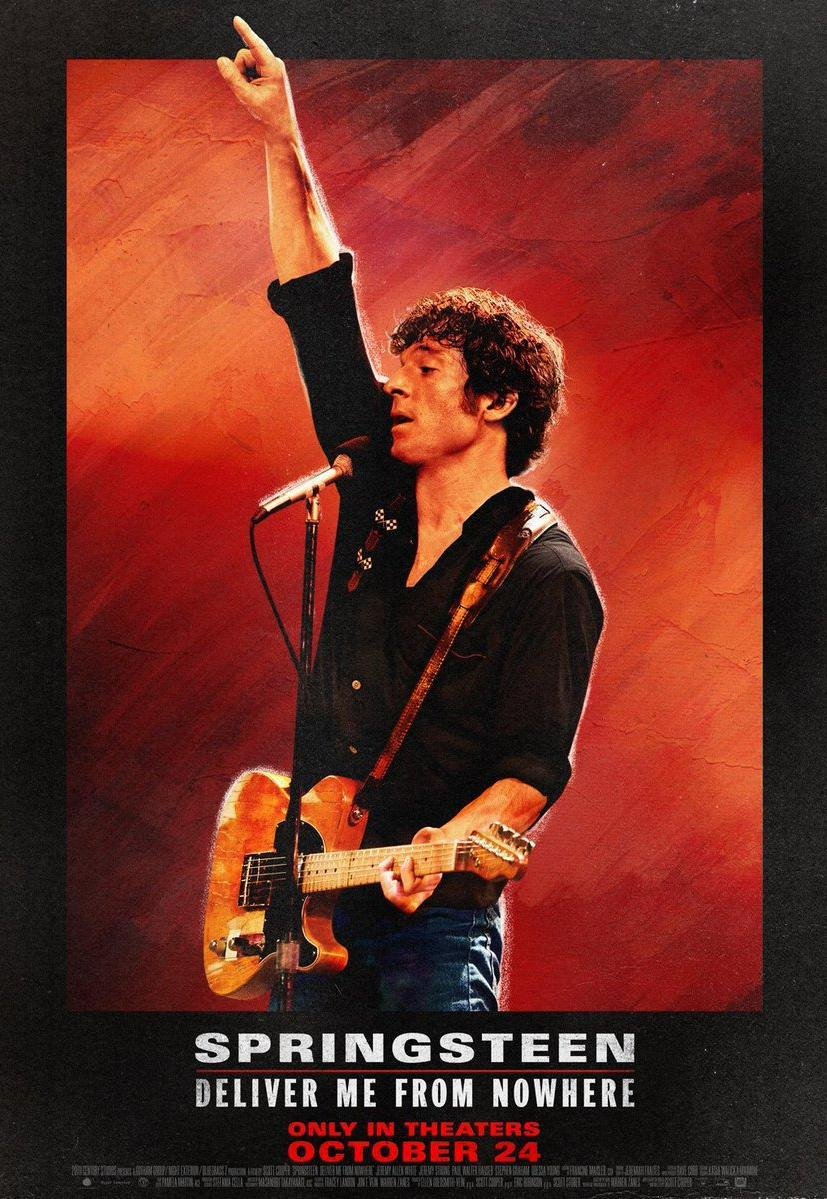
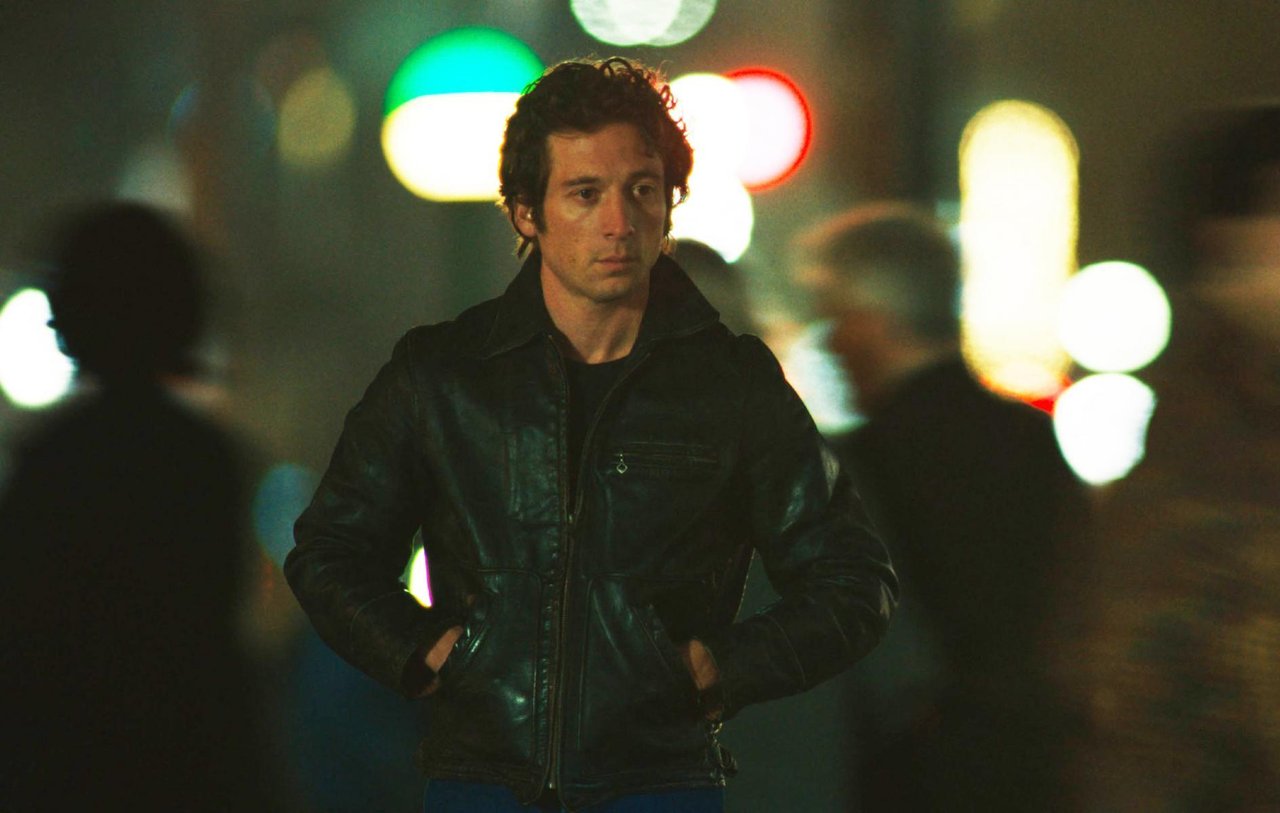
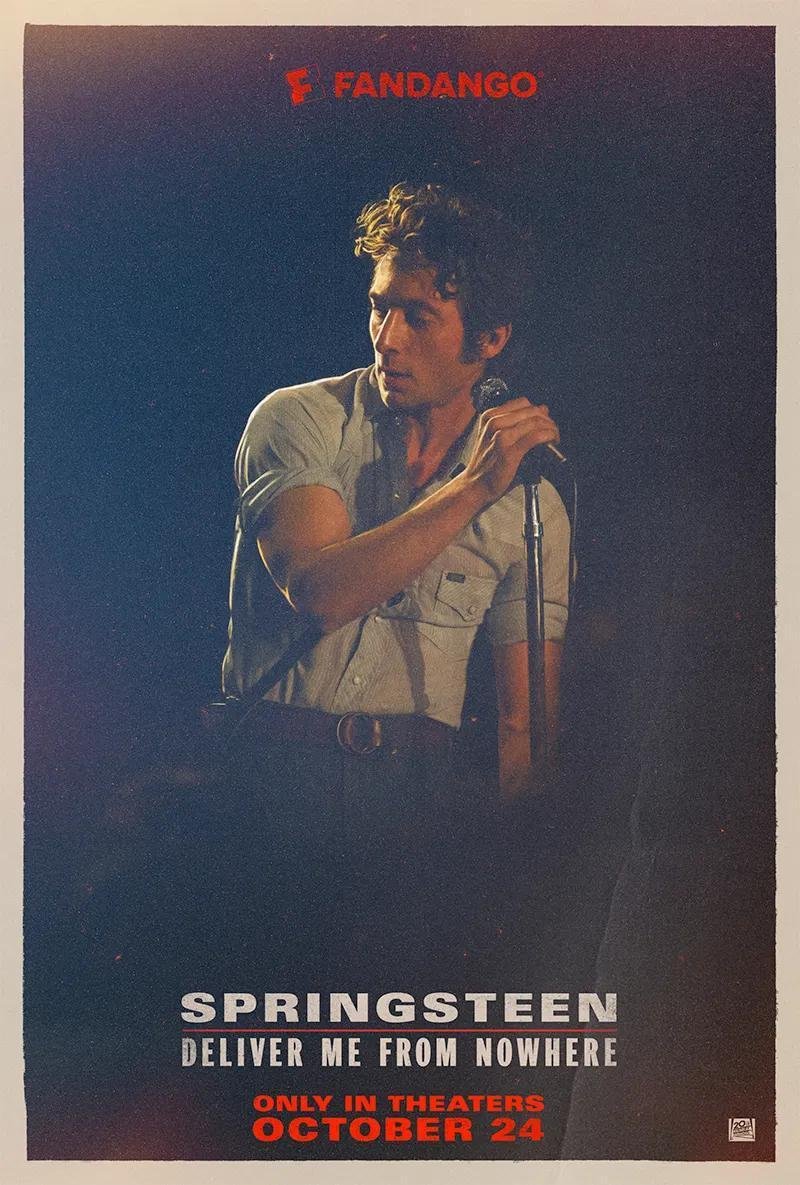


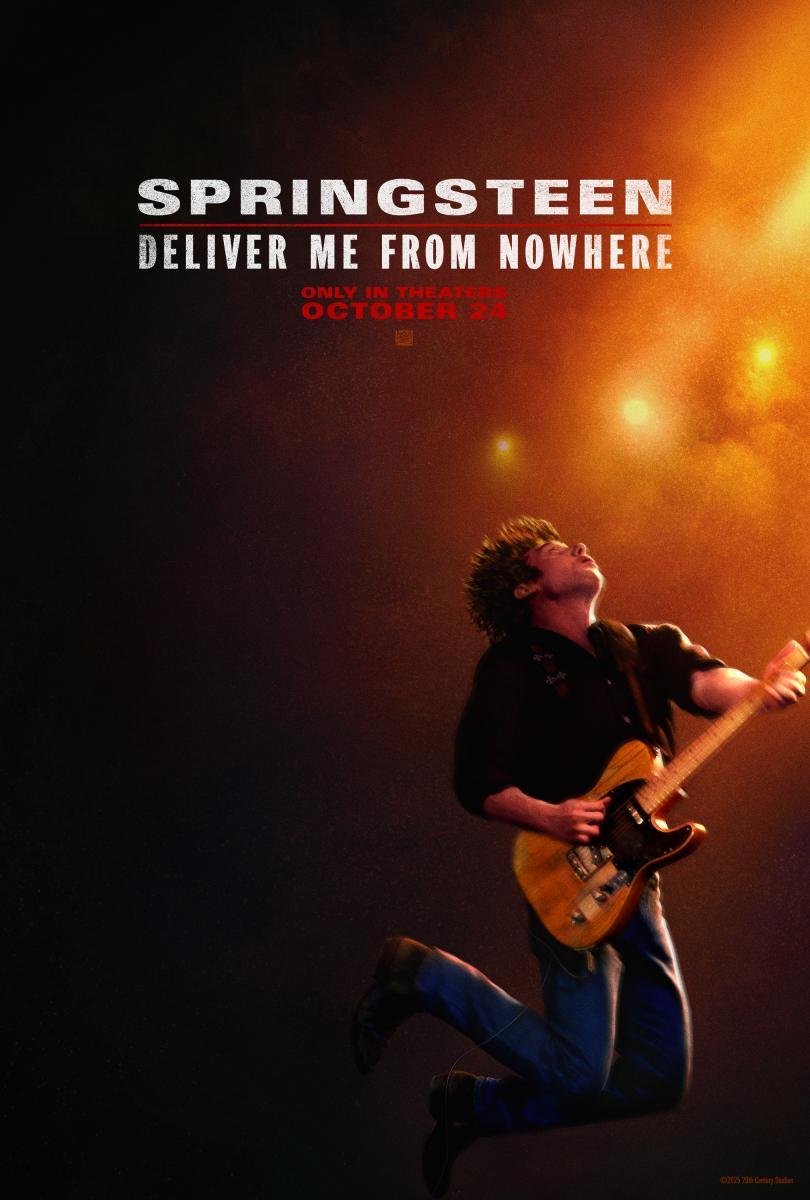








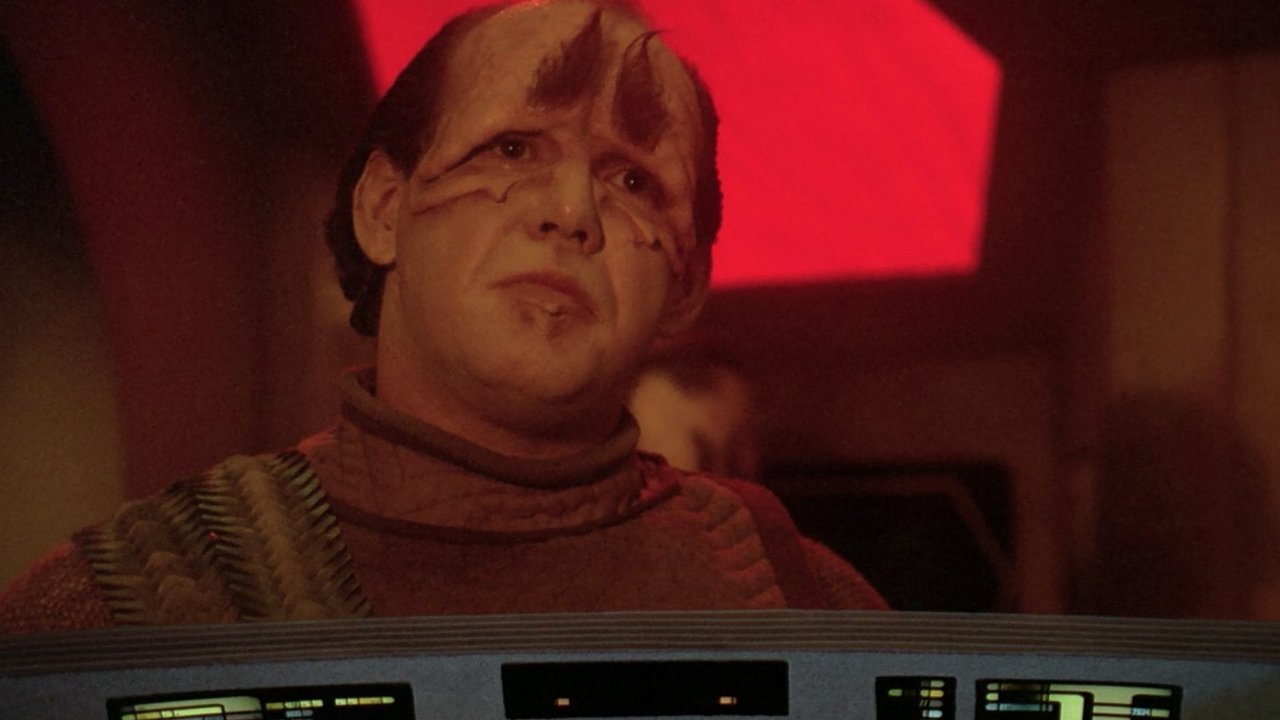
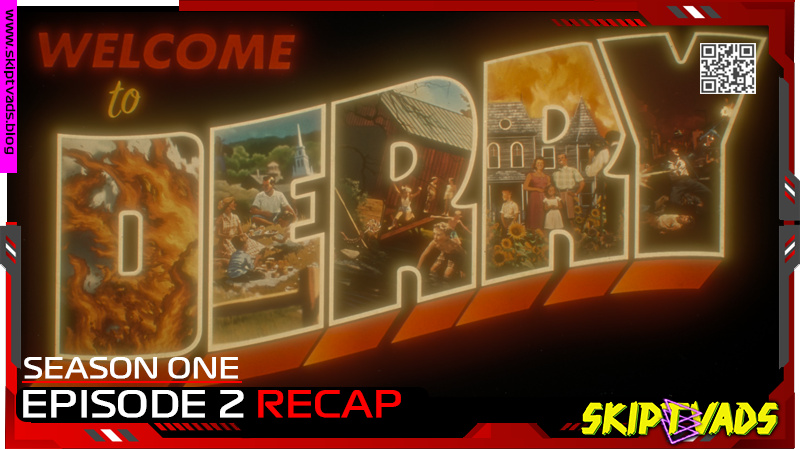

 IT Welcome to Derry Episode 2 keeps the same energy from the first episode and honestly it might be even better than what we got last week, this show is not messing around with anything at all. Right after all those kids got killed at the theater last week the town tries to move on super fast by blaming the easiest target they can find witch is the black projectionist Hank, because of course they do, this is 1962 Derry and they need someone to pin this on real quick so they can all move forward like nothing happened, the police chief knows damn well this guy has an alibi but he gets pressured into arresting him anyway by two racist ass councilmen who just want someone behind bars weather its the right person or not, and his daughter Ronnie is pissed as hell because she tried to do the right thing by helping those kids escape and now her dad is getting screwed over for it witch just feels wrong on every single level you can imagine, the whole situation is just messed up and shows how terrible people can be when there looking for someone to blame instead of facing the real problem witch is a killer clown running around town eating kids. I wonder if at some point Ronnie would embrace evil and get carry away because I honestly though she was going to tip over at school when she was arguing with Lily.


 [Source](https://tinyurl.com/k3czvze7)
Pennywise is still out there terrorizing both Ronnie and Lilly with some seriously messed up nightmare sequences that didnt made me feel that scary for myself but for Ronnie, the Lily one was more terror but Ronnie could easy get eaten, like these are not your typical jump scares, these are psychological torture sessions that mess with your head and I was not ready for any of it at all, Ronnie gets attacked by her dead mother crawling out of what looks like a placenta sack on her bed with glowing yellow eyes trying to pull her back in with the umbilical cord still attached, the whole thing plays on her guilt about thinking she killed her mom during childbirth witch is just insane to watch and super messed up because not only she is getting all this trash talking from her dead mother of how SHE, Ronnie killed her but then she pulls her back into her "belly" but its an actual monster trying to eat her, Pennywise knows exactly were to hit people were it hurts the most and he does not hold back at all. Lilly has this completely fucked up vision at the grocery store were pickle jars start moving around on there own trapping her in this maze of shelves that keep reorganizing, then she sees all her dead friends faces on cereal boxes with Pennywises name written on them saying great taste because he eats kids witch is dark as hell and then her dad shows up as this pickle creature thing covered in goo and its just disgusting, its nasty and will probably flashback next time you eating pickles, the way HBO is using practical effects here is just top tier stuff, like you can tell they spent serious money on making these scares look real and not some cheap CGI nonsense that looks fake and takes you out of the moment completely.
[Source](https://tinyurl.com/k3czvze7)
Pennywise is still out there terrorizing both Ronnie and Lilly with some seriously messed up nightmare sequences that didnt made me feel that scary for myself but for Ronnie, the Lily one was more terror but Ronnie could easy get eaten, like these are not your typical jump scares, these are psychological torture sessions that mess with your head and I was not ready for any of it at all, Ronnie gets attacked by her dead mother crawling out of what looks like a placenta sack on her bed with glowing yellow eyes trying to pull her back in with the umbilical cord still attached, the whole thing plays on her guilt about thinking she killed her mom during childbirth witch is just insane to watch and super messed up because not only she is getting all this trash talking from her dead mother of how SHE, Ronnie killed her but then she pulls her back into her "belly" but its an actual monster trying to eat her, Pennywise knows exactly were to hit people were it hurts the most and he does not hold back at all. Lilly has this completely fucked up vision at the grocery store were pickle jars start moving around on there own trapping her in this maze of shelves that keep reorganizing, then she sees all her dead friends faces on cereal boxes with Pennywises name written on them saying great taste because he eats kids witch is dark as hell and then her dad shows up as this pickle creature thing covered in goo and its just disgusting, its nasty and will probably flashback next time you eating pickles, the way HBO is using practical effects here is just top tier stuff, like you can tell they spent serious money on making these scares look real and not some cheap CGI nonsense that looks fake and takes you out of the moment completely. [Source](https://tinyurl.com/k3czvze7)
 [Source](https://tinyurl.com/k3czvze7)
 [Source](https://tinyurl.com/k3czvze7)
 [Source](https://tinyurl.com/k3czvze7)
The kids are also starting to form there own version of the losers club here and its nice to see new characters after losing so many last week, Will and Ronnie end up in detention together and they bond over being outsiders and you can tell these two are going to be close friends by the end of the season, the way they talk about science and feeling like they do not fit in just feels real and not forced at all witch is hard to pull off with kid actors sometimes but these two nail it completely, Rich shows up to and he seems like a cool kid who plays drums in the marching band and has a crush on Marge, I also like how the show sometimes breaks the scene for example at school while Rich is talking to Will, another kid randomly throws a smoke bomb in the hallway as a prank and its funny as hell watching him just smile and eat his empanada while chaos unfolds around him and then tells Will to RRRUNNNN!!!, there is also this whole thing were Lilly is trying to fit in with the popular girls but they keep making fun of her and its just typical mean girl bullshit that happens in every high school ever, the queen bee Patty is super manipulative and gets her friends to laugh at this one girl for having a crush on some kid named Scotty and then turns around and makes fun of Marge for wearing the same sweater two days in a row, like who cares about that kind of stuff when kids are getting murdered by a clown but I guess priorities are different for some people, Lilly ends up getting manipulated by the police chief into basically snitching on Hank even though she did not mean to, he threatens to send her back to Juniper Hill witch is this asylum were she was sent before after her dad died and she clearly has trauma from that place, at the end of the episode she gets sent back there anyway witch sucks because she was trying to do the right thing and it backfired completely.
[Source](https://tinyurl.com/k3czvze7)
The kids are also starting to form there own version of the losers club here and its nice to see new characters after losing so many last week, Will and Ronnie end up in detention together and they bond over being outsiders and you can tell these two are going to be close friends by the end of the season, the way they talk about science and feeling like they do not fit in just feels real and not forced at all witch is hard to pull off with kid actors sometimes but these two nail it completely, Rich shows up to and he seems like a cool kid who plays drums in the marching band and has a crush on Marge, I also like how the show sometimes breaks the scene for example at school while Rich is talking to Will, another kid randomly throws a smoke bomb in the hallway as a prank and its funny as hell watching him just smile and eat his empanada while chaos unfolds around him and then tells Will to RRRUNNNN!!!, there is also this whole thing were Lilly is trying to fit in with the popular girls but they keep making fun of her and its just typical mean girl bullshit that happens in every high school ever, the queen bee Patty is super manipulative and gets her friends to laugh at this one girl for having a crush on some kid named Scotty and then turns around and makes fun of Marge for wearing the same sweater two days in a row, like who cares about that kind of stuff when kids are getting murdered by a clown but I guess priorities are different for some people, Lilly ends up getting manipulated by the police chief into basically snitching on Hank even though she did not mean to, he threatens to send her back to Juniper Hill witch is this asylum were she was sent before after her dad died and she clearly has trauma from that place, at the end of the episode she gets sent back there anyway witch sucks because she was trying to do the right thing and it backfired completely.