The Dickensian Aspect (S05E06)
Airdate: February 10th 2008
Written by: Ed Burns Directed by: Seith Mann
Running Time: 58 minutes
As The Wire approached its poignant conclusion, its trajectory irrevocably altered by HBO’s decision to reduce the final season from thirteen episodes to a mere ten, a palpable sense of narrative compression settled over the proceedings. Faced with the imperative to tie together the sprawling tapestry of Baltimore’s interconnected institutions within this truncated framework, the show’s creators, David Simon and Ed Burns, increasingly resorted to the strategic reinsertion of characters from earlier seasons. These appearances, while ostensibly serving the vital function of reaffirming the series’ profound commitment to continuity, often risked diminishing into little more than functional cameos – spectral reminders of what once was, summoned primarily as narrative mechanisms rather than fully realised returns. The Dickensian Aspect, the fifth episode of the fifth and final season, exemplifies this tendency with particular poignancy, deploying figures from Seasons Two and Four as fleeting, emotionally charged punctuation marks within the season’s accelerating descent.
First such manifestation of this spectral return belongs to Nick Sobotka, the proud but ultimately broken stevedore from the ravaged dockworker union of Season Two. His reappearance is jarringly specific: having seemingly vanished into the ether of the federal witness protection programme following the catastrophic collapse of his world, Nick materialises to stand as a solitary, bitter protestor. He heckles Mayor Tommy Carcetti’s hollow ceremony inaugurating a gleaming new waterfront development – a project whose very existence signifies the permanent erasure of the docking jobs his union fought so desperately, and ultimately futilely, to preserve. His target is the corrupt developer, Adam Krawczyk, the embodiment of the forces that devoured the working-class livelihoods of the docks. Accompanied by a mere three other protesters, Nick’s act of defiance is profoundly isolated, a futile gesture against the juggernaut of gentrification and political expediency. His subsequent arrest for disorderly conduct feels like a grim, inevitable footnote, a final, quiet extinguishing of the flame that once burned for the working waterfront. It serves primarily to underscore the absolute victory of the forces Nick battled – the docks are gone, the jobs are gone, and even the memory of the struggle is being paved over, leaving only this ghostly, ineffectual protest.
Even more devastating, and arguably the emotional core of the episode’s use of the past, is the return of Randy Wagstaff. Once the sweet, intelligent, and resourceful foster child whose potential seemed tragically bound for the streets, Randy is now a profoundly altered figure. Interviewed by Bunk Moreland in a bleak group home setting, he is ostensibly a potential witness regarding the murders in Marlo Stanfield’s vacant row houses. Yet, the intervening two years, steeped in the systemic neglect and abuse, have wrought a horrifying transformation. The vulnerable boy is gone, replaced by a hardened, cynical "gangsta" wannabe who reflexively rejects any cooperation with the police, spouting the street code with a chilling, performative bravado. The true horror lies not just in his refusal to help, but in the casual cruelty he exhibits towards younger boys within the home – a sickening replication of the abuse he himself endured. This brief, unflinching scene is arguably one of the most devastating in the entire series.
While these echoes from prior seasons resonate with melancholic weight, the present-day narrative hurtles forward with its own grim momentum. Marlo Stanfield, consolidating his dominion over the entire Baltimore drug trade, operates with chilling confidence. At the New Day Co-Op meeting, his arrogance is absolute; he openly confesses to the murder of Proposition Joe, the elder statesman whose wisdom and connections he so ruthlessly exploited. With the Greeks' supply now under his control, Marlo effectively dissolves the Co-Op itself. His offer of the Eastside territory to Slim Charles is met with the latter’s quiet, principled refusal – a refusal rooted in loyalty to Joe’s memory and a code Marlo has long since discarded. This vacuum is instantly, eagerly filled by Cheese, Joe’s treacherous nephew, whose glee at accepting this "payment" for his betrayal is palpable, cementing his status as a hollow, opportunistic figure utterly devoid of the honour his uncle possessed.
Yet Marlo’s empire, for all its apparent solidity, remains under siege. The near-mythical survival of Omar Little, and the failure of Chris Partlow, Snoop, and the rest of Marlo’s crew to eliminate him, has instilled a rare flicker of unease. Chris, acutely aware that Omar will retaliate, is visibly stressed; the hunt intensifies to the point where Monk, in a particularly brazen and desperate move, poses as a plainclothes officer to glean street intelligence. Omar, nursing a serious leg wound sustained during his miraculous escape, hides in the maintenance room of the very building where he was ambushed. His resilience, however, is undimmed. He ventures back onto the streets, robbing "Fatface" Rick of his gun, and swiftly uses it to wound one of Marlo’s soldiers and deliberately incinerate an SUV containing Marlo’s cash – a direct, symbolic challenge to the drug lord’s authority, proving Omar’s legend is far from extinguished.
Simultaneously, Jimmy McNulty’s increasingly elaborate and dangerous charade – fabricating a serial killer targeting the homeless to secure resources for a meaningful investigation – achieves unintended, far-reaching consequences. While it fails to secure him the manpower and budget he craved, the story explodes into national news, inadvertently overshadowing Carcetti’s waterfront ceremony. Carcetti, ever the astute politician, seizes the moment the same day, holding a press conference passionately decrying the victimisation of the homeless, blaming it squarely on Republican governor's welfare cuts. Norman Wilson immediately recognises the speech’s potent utility for Carcetti’s looming gubernatorial campaign, demonstrating how tragedy is effortlessly co-opted for political gain, a dynamic McNulty’s scheme has inadvertently amplified.
McNulty’s initial optimism, however, quickly curdles into operational frustration. The intense publicity makes planting new "victims" impossible without alerting regular patrol units. Lester Freamon, frustrated by the wiretap’s limitations, reluctantly brings in Detective Sydnor, and crucially, identifies Marlo’s innovative use of cellphones solely as image-based signalling devices for his crews. This sparks McNulty’s next, even more ethically abhorrent escalation: his fictional killer will now "abduct" the homeless. The charade involves McNulty forcibly relocating a mentally incapacitated man, Larry, from the streets of Baltimore to a shelter in Richmond, using Larry’s photo and documents to fabricate "messages" from the non-existent kidnapper – a grotesque exploitation of the city’s most invisible citizens.
In stark, morally clarifying contrast, Bunk Moreland doggedly pursues the actual murders – Marlo’s victims in the vacant houses – through traditional, evidence-based police work. Despite the near-catastrophic contamination of evidence in the crime lab (rendering much of it legally unusable), Bunk’s meticulous approach begins yielding results. He methodically connects the dots, inching towards linking the vacant house killings to the earlier murder of Devar Manigault. This connection is fuelled by the anguish of Raylene Lee (Shamika Cotton), Devar’s former girlfriend, who blames her estranged son, Michael Lee, convinced he had prior knowledge of Devar’s fate. Bunk’s progress, achieved through old-fashioned legwork and respect for procedure, stands in stark, ironic counterpoint to McNulty’s self-destructive fraud, suggesting the show’s core belief in the value of doing the job right, even when the system is broken.
Written by Ed Burns and directed by Seith Mann, The Dickensian Aspect encapsulates the fifth season’s potent duality. Its undeniable strength lies in its unflinching commitment to a consistently dark, gritty tone, punctuated by the series’ signature ironic twists. The episode masterfully demonstrates how McNulty’s desperate scheme backfires spectacularly: the fake serial killer narrative, intended to fund police work, instead becomes Carcetti’s political springboard and inadvertently aids Bunk’s legitimate investigation through the sheer volume of attention it generates. The profound irony that Bunk, working diligently within the system’s constraints, appears closer to cracking Marlo’s operation than McNulty, who has shattered ethical and legal boundaries, is the episode’s most potent thematic statement – a reminder that systemic rot often corrupts the very solutions meant to fix it.
Yet, the season’s persistent weaknesses remain evident. The Baltimore Sun subplot, despite its thematic relevance to the erosion of truth and institutional decay, still feels frustratingly disconnected from the central police and political narratives. The character of Scott Templeton, the ambitious, morally flexible reporter, remains perplexingly inconsistent. His interaction with a homeless Iraq War veteran suffering from PTSD, resulting in a powerful article, creates a jarring dissonance. It momentarily suggests a capacity for authentic journalism and compassion, muddying the otherwise clear critique of the Sun’s decline and Templeton’s role as a symbol of its failings. This ambiguity, while perhaps reflecting real-world complexity, weakens the subplot’s narrative thrust within the season’s tightly wound crisis.
Furthermore, the scene where a drunken, despairing McNulty rants at the statue of Revolutionary War hero General Samuel Smith feels unnecessarily theatrical. While intended to symbolise McNulty’s fractured connection to Baltimore’s history and his own sense of failed purpose, its staginess stands out against the episode’s otherwise grounded realism. It risks melodrama, momentarily pulling the audience out of the meticulously constructed world to deliver a message that might have resonated more powerfully through subtler character beats.
The Dickensian Aspect is ultimately a powerful, if flawed, piece of The Wire’s concluding symphony. It utilises its spectral cameos not merely as fan service, but as devastating shorthand for the city’s cyclical tragedies – Nick Sobotka embodying the death of the working class, Randy Wagstaff the crushing of childhood innocence by systemic neglect. While the narrative compression necessitated by HBO’s budget cuts occasionally exposes the mechanics of storytelling, the episode’s core strengths – its unflinching gaze at institutional failure, its masterful irony, and its profound character moments, particularly Randy’s transformation and Bunk’s quiet dedication – ensure it resonates with the series’ enduring power.
RATING: 6/10 (++)
Blog in Croatian https://draxblog.com Blog in English https://draxreview.wordpress.com/ InLeo blog https://inleo.io/@drax.leo
InLeo: https://inleo.io/signup?referral=drax.leo Leodex: https://leodex.io/?ref=drax Hiveonboard: https://hiveonboard.com?ref=drax Rising Star game: https://www.risingstargame.com?referrer=drax 1Inch: https://1inch.exchange/#/r/0x83823d8CCB74F828148258BB4457642124b1328e
BTC donations: 1EWxiMiP6iiG9rger3NuUSd6HByaxQWafG ETH donations: 0xB305F144323b99e6f8b1d66f5D7DE78B498C32A7 BCH donations: qpvxw0jax79lhmvlgcldkzpqanf03r9cjv8y6gtmk9
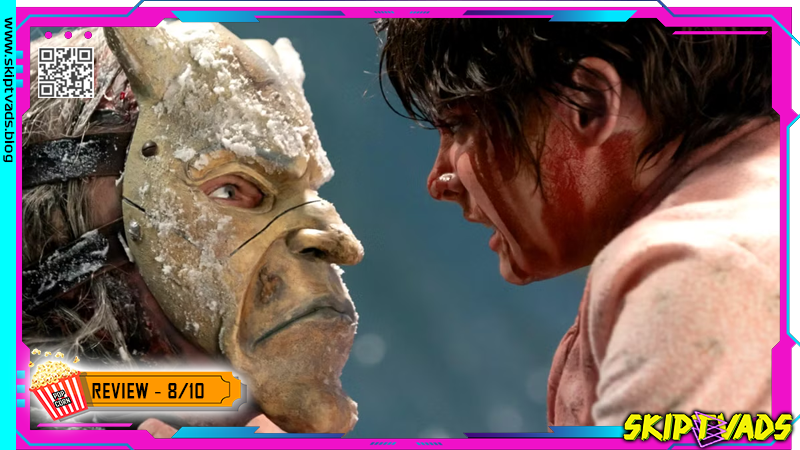

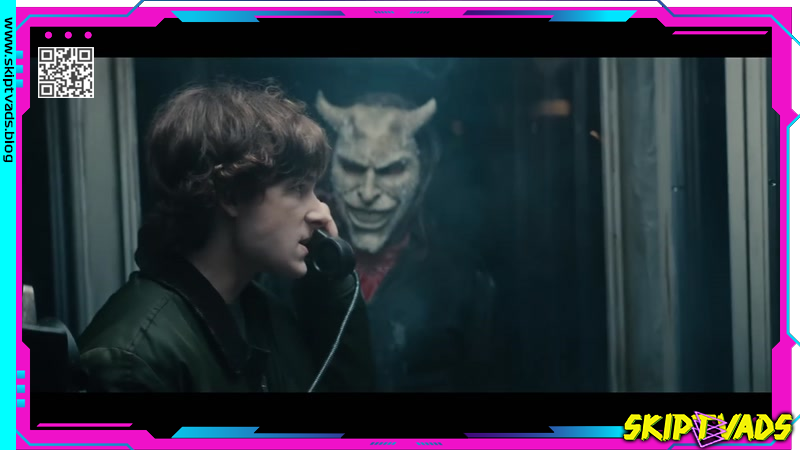
 Black Phone 2 came out swinging harder than most people expected and honestly it set his up for possible franchise almost trying to take Nightmare on Elm Street place and I would usually notice this but didnt even care about with Gwen and Finn were doing so great, yes there are areas where the movie lacks but the fight scenes were awesome and the chemistry between brothers was on point. When they first announced a sequel I was sitting there thinking okay how the hell are they going to pull this off, The Grabber died in the first movie so what now, are they going to resurrect him and make some weird ghost story that does not make sense, is the Grabber the new Jason?. But Scott Derrickson really knows what he is doing with horror because this thing actually worked way better than I thought, it makes you care about the character without the need to really scare you to death. The whole supernatural angle they went with feels like a mix of Nightmare on Elm Street vibes without being a straight up copy, they made it their own thing and those dream sequences were absolutely insane to watch, shot on grainy looking stuff that gave it this creepy old school feel. Madeleine McGraw as Gwen basically steals the whole damn movie, she loves to run her mouth on everyone else, she is the one dealing with most of the horror stuff this time around, her character goes through so much shit in this movie that by the end I was actually feeling bad for her. Mason Thames returns as Finny and the kid has grown up, not just physically but his whole vibe is different now, he is angrier and more closed off because of what happened in the first movie witch makes total sense when you think about it. The movie picks up four years after the events from the first one and both kids are still dealing with trauma but in very different ways, Finny beats up anyone who even mentions what happened to him and Gwen is having these crazy dreams that feel more intense than anything she experienced before.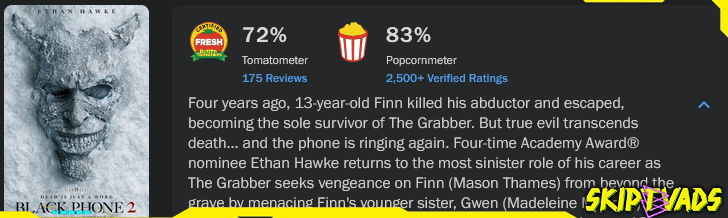

 [Source](https://tinyurl.com/mhp63kkh)
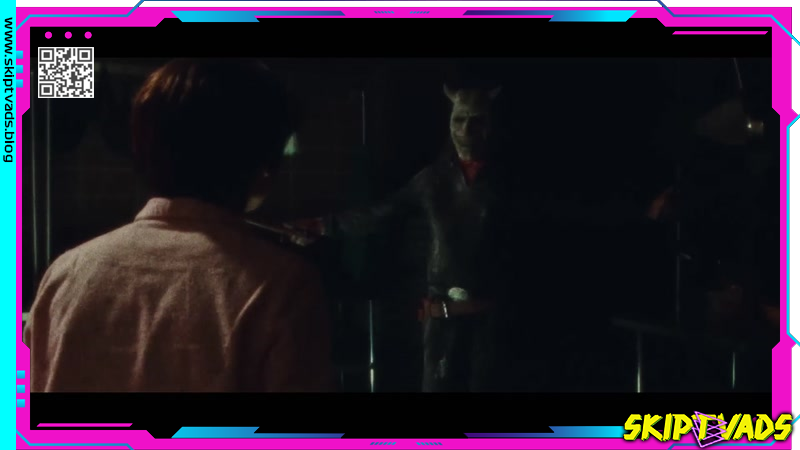
The first 45 minutes drag a bit but its mainly because the movie is setting everything up and reintroducing the characters witch is fine but it feels slow as hell before things actually start happening. You get this whole mystery about dead kids and phone calls and some camp called Alpine Lake that The Grabber used to work at back in the 60s, they use to call him Wild Bill Hickok although he kept saying that was not his name, he was the janitor there witch is such a cliche but whatever it works I guess. Once the mystery kicks in and we start learning more about The Grabber and his past though, that is when the movie gets you locked in and wont even think about taking a break. They do not ruin the character by explaining too much but they give you enough to understand how he came back and some of that backstory actually made me look at the first movie differently witch is always cool when a sequel can do that. The whole idea is that The Grabber killed three boys at this camp way back and their bodys were never found so their souls are trap and that is what gives him power to come back as this supernatural force, its like he is stuck between life and death and can mess with people in their dreams now and in real life, talk about hybrid situation. Ethan Hawke does not get as much screen time this round but when he shows up its effective, his voice work is really creepy and menacing even though you can not always see him on screen witch was an interesting choice.
[Source](https://tinyurl.com/mhp63kkh)
The first 45 minutes drag a bit but its mainly because the movie is setting everything up and reintroducing the characters witch is fine but it feels slow as hell before things actually start happening. You get this whole mystery about dead kids and phone calls and some camp called Alpine Lake that The Grabber used to work at back in the 60s, they use to call him Wild Bill Hickok although he kept saying that was not his name, he was the janitor there witch is such a cliche but whatever it works I guess. Once the mystery kicks in and we start learning more about The Grabber and his past though, that is when the movie gets you locked in and wont even think about taking a break. They do not ruin the character by explaining too much but they give you enough to understand how he came back and some of that backstory actually made me look at the first movie differently witch is always cool when a sequel can do that. The whole idea is that The Grabber killed three boys at this camp way back and their bodys were never found so their souls are trap and that is what gives him power to come back as this supernatural force, its like he is stuck between life and death and can mess with people in their dreams now and in real life, talk about hybrid situation. Ethan Hawke does not get as much screen time this round but when he shows up its effective, his voice work is really creepy and menacing even though you can not always see him on screen witch was an interesting choice.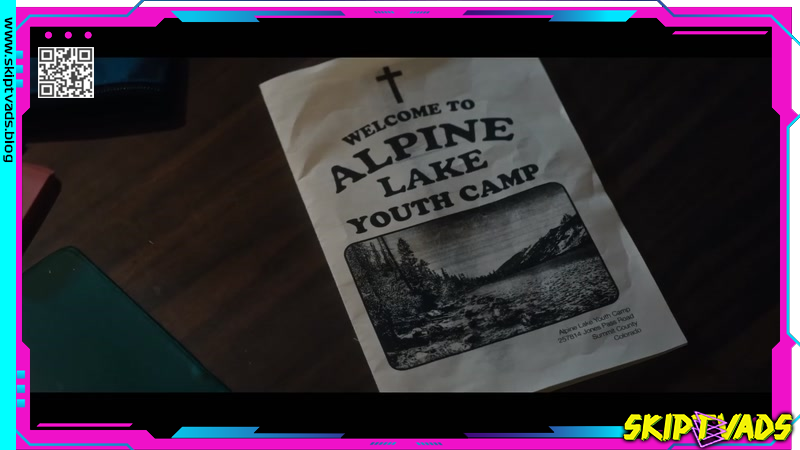 [Source](https://tinyurl.com/mhp63kkh)
 [Source](https://tinyurl.com/mhp63kkh)
The movie realy goes hard with the gore and violence this time, like way harder than the first one with multiple scenes where kids get killed on screen even felt like a slasher at times, they show you the damage and its brutal as hell, one scene involves an axe to the face and another has someone getting dragged across a frozen lake and it looks pain full as shit. Gwen ends up at this Christian camp for a weekend with Finny and this new "boyfriend" named Ernesto who is actually the younger brother of Robin from the first movie witch I did not realize until he and Finn talk about Robin. The camp is closed because of a massive snow storm so they are stuck there with just a few counselors and of course that is when The Grabber starts showing up in the dream world but also messing with people in real life to. They do this thing where he has powers in both the death and the life realm and throws Gwen around a room and everyone can see it happening but they can not see him witch was a cool scene even though it raises some questions about the rules, so they did Krueger but change the rules?! I know many are going to pick up on this one and say hheeellll nah, but I have to admit it was entertaining, besides there is a big generation that dont even know who the F is Freddy Crugger. The Grabber can attack people in real life why does he even need the dream stuff, it felt like the movie was making up rules as it went along sometimes but I was having to much fun to really care that much. The way they shot the dream sequences on that grainy super 8 looking camera was perfect, it gave you a visual cue so you always knew when someone was dreaming versus awake and the music in those scenes was creepy as hell to.
[Source](https://tinyurl.com/mhp63kkh)
The movie realy goes hard with the gore and violence this time, like way harder than the first one with multiple scenes where kids get killed on screen even felt like a slasher at times, they show you the damage and its brutal as hell, one scene involves an axe to the face and another has someone getting dragged across a frozen lake and it looks pain full as shit. Gwen ends up at this Christian camp for a weekend with Finny and this new "boyfriend" named Ernesto who is actually the younger brother of Robin from the first movie witch I did not realize until he and Finn talk about Robin. The camp is closed because of a massive snow storm so they are stuck there with just a few counselors and of course that is when The Grabber starts showing up in the dream world but also messing with people in real life to. They do this thing where he has powers in both the death and the life realm and throws Gwen around a room and everyone can see it happening but they can not see him witch was a cool scene even though it raises some questions about the rules, so they did Krueger but change the rules?! I know many are going to pick up on this one and say hheeellll nah, but I have to admit it was entertaining, besides there is a big generation that dont even know who the F is Freddy Crugger. The Grabber can attack people in real life why does he even need the dream stuff, it felt like the movie was making up rules as it went along sometimes but I was having to much fun to really care that much. The way they shot the dream sequences on that grainy super 8 looking camera was perfect, it gave you a visual cue so you always knew when someone was dreaming versus awake and the music in those scenes was creepy as hell to.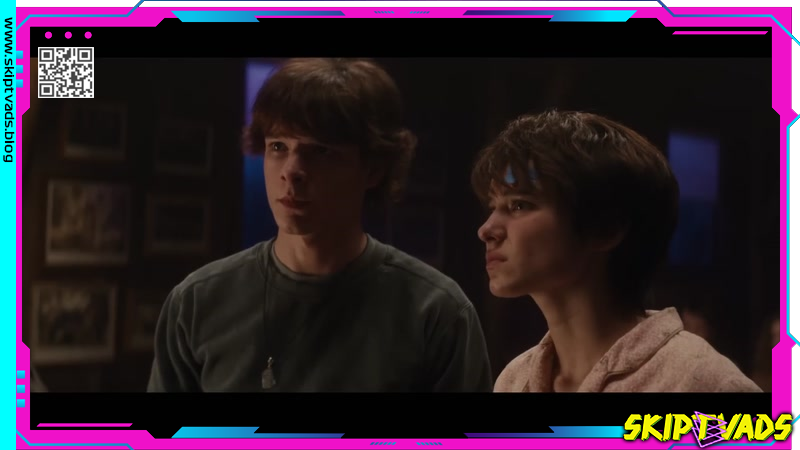 [Source](https://tinyurl.com/mhp63kkh)
 [Source](https://tinyurl.com/mhp63kkh)
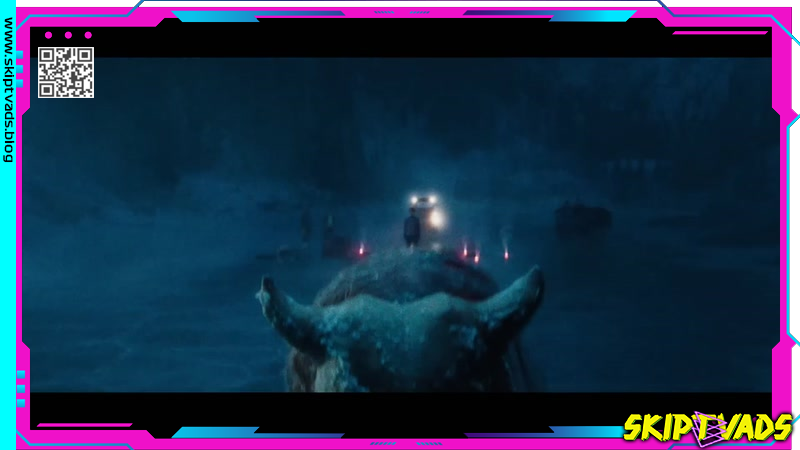
The final fight happens on this frozen lake where the three dead boys bodys are hidden under the ice and Gwen has to dive into the freezing water to pull them out, all this while she is dreaming, this so their souls can be free witch will take away The Grabbers power. Now here is where I had some issues because Gwen jumps into sub zero water and somehow does not die from hypothermia or drown even though she is under there for like five minutes because yes he is on her dreams and her body outside but if the rules apply when she gets cut by the Grabber during her dreams I mean her body bleeds too then why her body doesnt freeze too? they show her body getting all wet by water like water came out of her so this are some of the inconsistencies I can call on, the movie established that if you get hurt in the dream you get hurt in real life so why does that not apply here. The Grabber shows up wearing ice skates made of frozen blood on his feet and he is skating around the lake trying to kill everyone witch sounds ridiculουs but it actually looked cool as hell. Finny ends up fighting him even though he cant see him and starts bashing his face into the ice until he is just a bloody mess, then the dead boys grab him and drag him down to the bottom of the lake and that is supposed to be the end of him, BUT I notice before going down he grabs his mask, he doesnt leave it behind, what does that means?. The ending clearly explains that Gwen's dreams are her gift and not a curse and gives her some closure about everything that happened, it was a sweet moment and Madeleine McGraw really sold it with her acting even though we never see the mom on screen. I wish they would have killed more people honestly, the body count felt low for how brutal some of the kills were and The Grabber deserved to rack up more victims to really show how dangerous he still is even as a ghost or whatever supernatural thing he became, on the first movie they gave him all that body count but we never got to see anything about it.
[Source](https://tinyurl.com/mhp63kkh)
The final fight happens on this frozen lake where the three dead boys bodys are hidden under the ice and Gwen has to dive into the freezing water to pull them out, all this while she is dreaming, this so their souls can be free witch will take away The Grabbers power. Now here is where I had some issues because Gwen jumps into sub zero water and somehow does not die from hypothermia or drown even though she is under there for like five minutes because yes he is on her dreams and her body outside but if the rules apply when she gets cut by the Grabber during her dreams I mean her body bleeds too then why her body doesnt freeze too? they show her body getting all wet by water like water came out of her so this are some of the inconsistencies I can call on, the movie established that if you get hurt in the dream you get hurt in real life so why does that not apply here. The Grabber shows up wearing ice skates made of frozen blood on his feet and he is skating around the lake trying to kill everyone witch sounds ridiculουs but it actually looked cool as hell. Finny ends up fighting him even though he cant see him and starts bashing his face into the ice until he is just a bloody mess, then the dead boys grab him and drag him down to the bottom of the lake and that is supposed to be the end of him, BUT I notice before going down he grabs his mask, he doesnt leave it behind, what does that means?. The ending clearly explains that Gwen's dreams are her gift and not a curse and gives her some closure about everything that happened, it was a sweet moment and Madeleine McGraw really sold it with her acting even though we never see the mom on screen. I wish they would have killed more people honestly, the body count felt low for how brutal some of the kills were and The Grabber deserved to rack up more victims to really show how dangerous he still is even as a ghost or whatever supernatural thing he became, on the first movie they gave him all that body count but we never got to see anything about it. Overall this movie worked for me way more than I expected, I know some people are going to hate that opinion but I am just being real here, its entertainment that you cant take too serious unless you are a hard core fan of Nightmare on Elm Street, if they keep making these and come up with smart ways to bring The Grabber back I would not mind seeing more. The first movie was great but it felt like a complete story that did not need a sequel, this one justifies its existence by going bigger and crazier with the supernatural elements. Scott Derrickson clearly loves Nightmare on Elm Street and you can feel that influence all over this movie, some people might say it copy to much from Freddy Krueger but when you have not had a thing from that franchise in so long you cant denied that even if Krueger never existed Black Phone 2 is a cool movie. The relationship between Finny and Gwen is still the heart of the story and watching them work together to stop The Grabber again was satisfying, they both grew as characters and dealt with their trauma in ways that felt earned by the end. I have to admit the setup takes to long and yes some of the logic does not make sense but once this thing gets going its a wild ride that kept me entertained the whole way. I would give Black Phone 2 a solid 8 out of 10, its not perfect but its a hell of a lot better than most horror sequels we get these days and if you liked the first one you should definitely check this out.








 Banner propiedad de la comunidad Movies & TV Shows || Banner owned by the Movies & TV Shows Community




 [Source](https://tinyurl.com/365w7525)
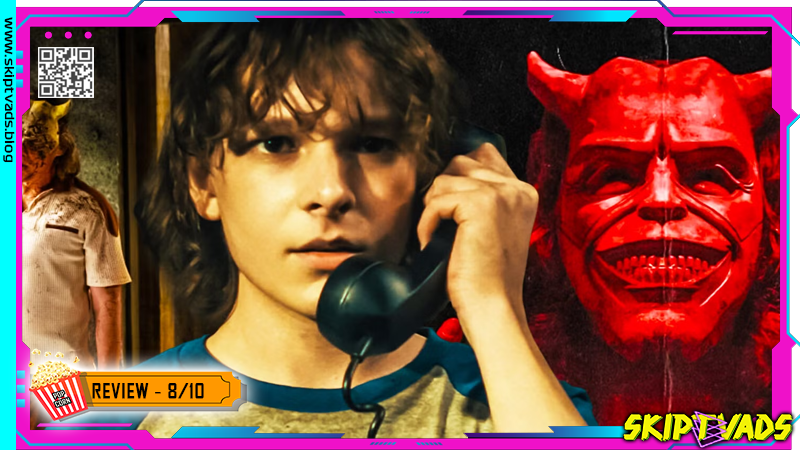
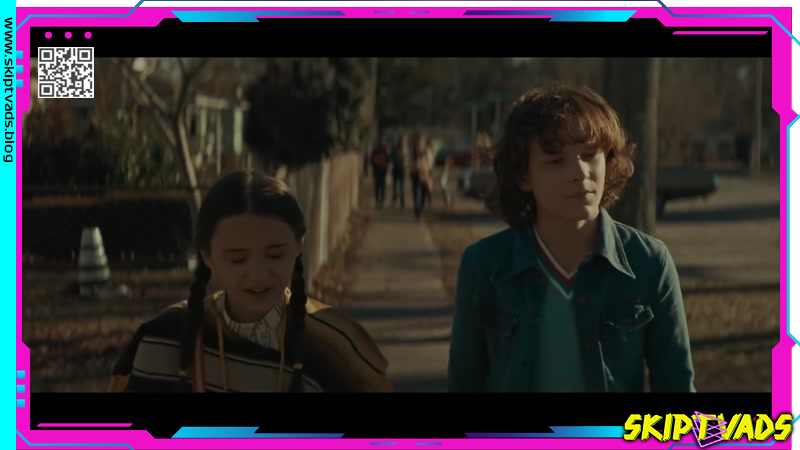
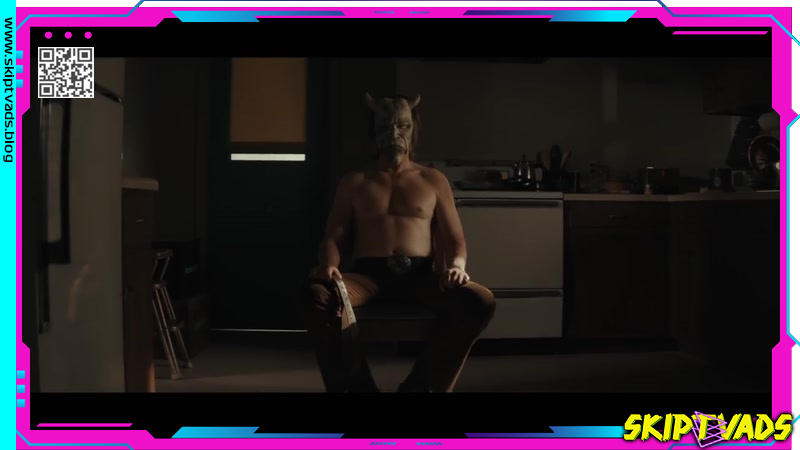
Ethan Hawke dissapears into this role as The Grabber, you forget your watching the guy from Training Day because he becomes this twisted psycho who kidnaps kids and plays these sick games with them before killing them, the mask design is brilliant too because it comes in different pieces so he can change up his expression depending on what kind of mood hes in or what kind of game hes playing. The devil horns on top and then the bottom part can be a smile or a sad phase or nothing at all, that was a very creative touch, when Finney rips the mask off near the end and The Grabber just completely freaks out at first I though it was because he had to be disfigured or something but then I realize thats his safe place, the mask gave him some kind of power, he cant handle being seen without it because then he probably dont want to do those things in the first place, makes me think someone really abuse him as a kid. The whole movie has this vintage 1970s look to it that really works, it feels like your watching something from that era with the way they shot it and the colors they used, everything has this kind of washed out look that makes it seem more real and less like a polished Hollywood production witch adds to the whole atmosphere of danger and isolation, specially during Gwen dreams. The dead kids calling Finney through the disconnected phone could have been really dumb but it works even when kids disappear like they were just ghosts, each one gives him a different piece of the puzzle to help him escape, some of them work but others dont, its how each one of them try to escape, like one kid tells him about the hole in the floor, another one tells him about the cable in the wall, another one gives him the combination to the front door lock. Its like each of the dead kids are doing there part to make sure this bastard finally gets stopped so there deaths werent completely pointless and meaningless, the kid who plays Finney does a great job of showing how terrified he is but also how he was slowly building up the courage to fight back, you can see the change in him as the movie goes on from this scared kid who cant even stand up to bullies at school to someone whos willing to bash someones head in with a phone to survive.
[Source](https://tinyurl.com/365w7525)
Ethan Hawke dissapears into this role as The Grabber, you forget your watching the guy from Training Day because he becomes this twisted psycho who kidnaps kids and plays these sick games with them before killing them, the mask design is brilliant too because it comes in different pieces so he can change up his expression depending on what kind of mood hes in or what kind of game hes playing. The devil horns on top and then the bottom part can be a smile or a sad phase or nothing at all, that was a very creative touch, when Finney rips the mask off near the end and The Grabber just completely freaks out at first I though it was because he had to be disfigured or something but then I realize thats his safe place, the mask gave him some kind of power, he cant handle being seen without it because then he probably dont want to do those things in the first place, makes me think someone really abuse him as a kid. The whole movie has this vintage 1970s look to it that really works, it feels like your watching something from that era with the way they shot it and the colors they used, everything has this kind of washed out look that makes it seem more real and less like a polished Hollywood production witch adds to the whole atmosphere of danger and isolation, specially during Gwen dreams. The dead kids calling Finney through the disconnected phone could have been really dumb but it works even when kids disappear like they were just ghosts, each one gives him a different piece of the puzzle to help him escape, some of them work but others dont, its how each one of them try to escape, like one kid tells him about the hole in the floor, another one tells him about the cable in the wall, another one gives him the combination to the front door lock. Its like each of the dead kids are doing there part to make sure this bastard finally gets stopped so there deaths werent completely pointless and meaningless, the kid who plays Finney does a great job of showing how terrified he is but also how he was slowly building up the courage to fight back, you can see the change in him as the movie goes on from this scared kid who cant even stand up to bullies at school to someone whos willing to bash someones head in with a phone to survive.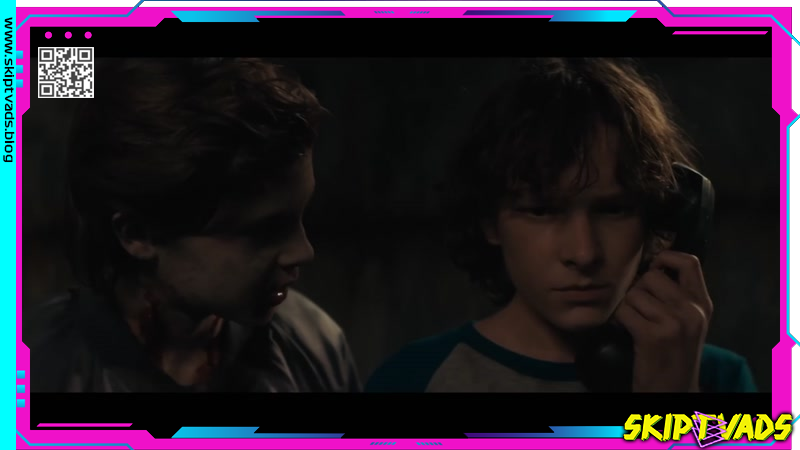 [Source](https://tinyurl.com/365w7525)
 [Source](https://tinyurl.com/365w7525)
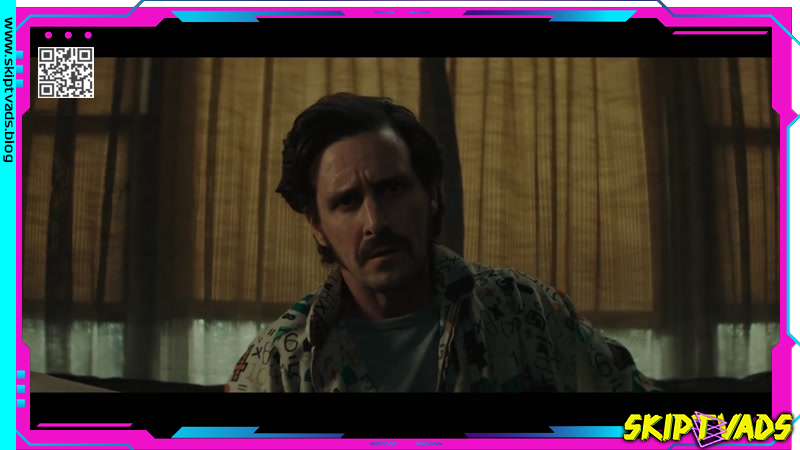
The movie does have some issues tho, like theres a bunch of stuff that gets left hanging at the end with no real answers or closure, you never find out why The Grabber is doing this, like what his deal is or why he targets these specific kids or what his childhood was like. The movie hints that maybe he was abused as a kid in that same basement but they never actually confirm it or go into detail, his brother Max is staying upstairs the whole time doing coke and working on this investigation into the kidnappings without realizing his own brother is the damn killer witch is pretty funny in a dark way but also feels like wasted potential because they could have done more with that character. He just seemed like a strange addition without much purpose except to show how oblivious people can be to whats happening right under there nose, the whole subplot with Gwens psychic dreams and the detectives feels like it belongs in a different movie sometimes because it takes away from the tension of Finney being trapped in that basement trying to survive. Every time it cuts away to her riding her bike around town looking for the house from her dreams it kills the momentum, but at the same time her character is so damn good that you dont mind it too much, she absolutely steals every scene she is in with that mouth of hers and the way she talks to adults like they are idiots. The pacing drags a bit in the middle too when your waiting for something to happen but Finney just keeps getting this calls that end up on failed attempts to escape, there are moments where it feels like the movie is spinning around instead of moving forward, but then it picks back up again when things start getting intense with Finney trying different escape plans that the dead kids give him through the phone.
[Source](https://tinyurl.com/365w7525)
The movie does have some issues tho, like theres a bunch of stuff that gets left hanging at the end with no real answers or closure, you never find out why The Grabber is doing this, like what his deal is or why he targets these specific kids or what his childhood was like. The movie hints that maybe he was abused as a kid in that same basement but they never actually confirm it or go into detail, his brother Max is staying upstairs the whole time doing coke and working on this investigation into the kidnappings without realizing his own brother is the damn killer witch is pretty funny in a dark way but also feels like wasted potential because they could have done more with that character. He just seemed like a strange addition without much purpose except to show how oblivious people can be to whats happening right under there nose, the whole subplot with Gwens psychic dreams and the detectives feels like it belongs in a different movie sometimes because it takes away from the tension of Finney being trapped in that basement trying to survive. Every time it cuts away to her riding her bike around town looking for the house from her dreams it kills the momentum, but at the same time her character is so damn good that you dont mind it too much, she absolutely steals every scene she is in with that mouth of hers and the way she talks to adults like they are idiots. The pacing drags a bit in the middle too when your waiting for something to happen but Finney just keeps getting this calls that end up on failed attempts to escape, there are moments where it feels like the movie is spinning around instead of moving forward, but then it picks back up again when things start getting intense with Finney trying different escape plans that the dead kids give him through the phone.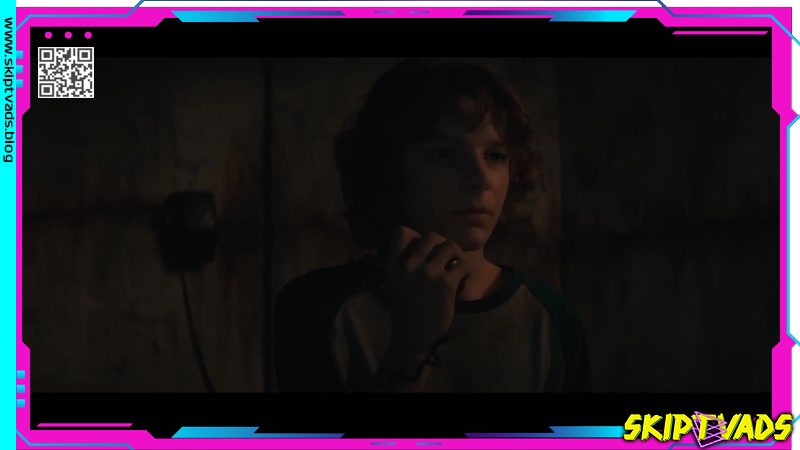 [Source](https://tinyurl.com/365w7525)
 [Source](https://tinyurl.com/365w7525)
The ending is badass tho, Finney uses everything the dead kids taught him and sets up this improvise trap, he trips The Grabber into the hole with the cable, smashes his face with the dirt filled phone, rips off his mask and then strangles him to death with the phone cord while the ghosts of the dead kids talk to him through the receiver telling him to finish it, although it was kinda convenient for Finney that taking the mask did the trick because The Grabber totally breaks down when that happens and didnt even try to fight back but just covers his face. It was satisfying as hell to watch this kid who started out so scared and helpless turn into this survivor who takes down a serial killer, the whole sequence is brutal with Finney finally loosing it and going full savage mode, you really feel every hit and every moment of Finneys rage coming out after everything he has been through with his abusive father and the bullies at school and now this psycho trying to kill him. When he finally gets out of that basement Gwen was waiting for him right outside the house, well she though it was the house across the street, theres this sense of relief but also this understanding that things are never going to be the same for this family, they all went through hell and came out the other side but not without some baggage. When Finney goes back school was one of the most satisfiying moments as now everyone respects him without even saying a word even the kids who use to bully him, showing how the experience changed him and made him stronger even if it also messed him up, Scott Derrickson and Ethan Hawke make a hell of a team because there previous collaboration on Sinister was awesome and this one just set the bar higher for them.
[Source](https://tinyurl.com/365w7525)
The ending is badass tho, Finney uses everything the dead kids taught him and sets up this improvise trap, he trips The Grabber into the hole with the cable, smashes his face with the dirt filled phone, rips off his mask and then strangles him to death with the phone cord while the ghosts of the dead kids talk to him through the receiver telling him to finish it, although it was kinda convenient for Finney that taking the mask did the trick because The Grabber totally breaks down when that happens and didnt even try to fight back but just covers his face. It was satisfying as hell to watch this kid who started out so scared and helpless turn into this survivor who takes down a serial killer, the whole sequence is brutal with Finney finally loosing it and going full savage mode, you really feel every hit and every moment of Finneys rage coming out after everything he has been through with his abusive father and the bullies at school and now this psycho trying to kill him. When he finally gets out of that basement Gwen was waiting for him right outside the house, well she though it was the house across the street, theres this sense of relief but also this understanding that things are never going to be the same for this family, they all went through hell and came out the other side but not without some baggage. When Finney goes back school was one of the most satisfiying moments as now everyone respects him without even saying a word even the kids who use to bully him, showing how the experience changed him and made him stronger even if it also messed him up, Scott Derrickson and Ethan Hawke make a hell of a team because there previous collaboration on Sinister was awesome and this one just set the bar higher for them.