Longform reviews of films, TV, anime, books, and audiobooks, written by the scrobble.life community and published to the Hive blockchain, so each one is owned by its author and can earn rewards from readers. 51,240 reviews and counting.
Horror movies continue to hit the big screen, allowing us to enjoy good stories full of fear, suspense, and paranormal events that have a huge impact. That's why another film in The Conjuring series is coming out, the fourth in the series. Each film has a different story to solve, and what's most impressive is the work the directors have done to make the story increasingly impactful and realistic, allowing us to enjoy something innovative. This is why the announcement of this fourth installment was so well received, as we waited to see how they would surprise us, given that paranormal events are becoming increasingly common in this type of film.
The Conjuring 4: The Last Rite is one of those films that is full of terror from the very first minute to the very end. It makes us realize many things, especially the connection between the films in this series, each of which leaves something behind so that the story can continue. In this latest installment, we see the story of a family that begins to have problems and witness abnormal things. This is where the investigators, whom many of us already know from their appearances in all the previous installments, have to face this situation and apply all their knowledge to put an end to all the fear and concern it creates. And this is where we ask ourselves: Will they be able to solve everything? What will the new paranormal events be like? And many other questions that generate doubt in this saga of The Conjuring.
Las películas de terror siguen llegando a las grandes pantallas y de esa manera seguir disfrutando de una buena historia cargada de mucho miedo, suspenso y esos eventos paranormales que son de gran impacto, por eso una vez más llega otra película de la saga el conjuro, la cual sería la cuarta y en cada película se puede notar una historia diferente por resolver y lo más impactante ese trabajo que ha venido haciendo los directores en poder lograr que la historia cada vez sea de mucho más impactado como también realista para así poder disfrutar de algo innovador y es aquí donde el anuncio de esta cuarta entrega fue muy bien recibida y a la vez ver con que nos iban a sorprender, por el mismo hecho de que esos eventos paranormales cada vez son más sonados en este tipo de películas.
El conjuro 4: El último rito, es una de esas películas en la cual desde el minuto uno hasta el final está lleno de mucho terror y como detalle nos lleva a darnos cuenta de muchas cosas y sobre todo la conexión que tienen esta saga de películas que cada caso deja algo para que así puede seguir la historia y por eso en esta última entrega nos toca ver la historia de una familia la cual comienza a tener problemas y a presenciar cosas anormales y es aquí donde los investigadores, que muchos ya conocemos por el mismo de hecho de formar parte de todas las entregas tiene que afrontar esa situación y aplicar cada uno de sus conocimientos y de esa manera poder darle fin a toda esa situación de miedo y preocupación que crea y es aquí donde nos preguntamos ¿Podrá resolver todo?, ¿Cómo serán los nuevos eventos paranormales? Y muchas otras que generan duda en esta saga de el conjuro.
This film series maintains the same production style, which begins with an attack, investigation, and final act, something that is very well done and allows us to enjoy something incredible and full of fear. In this new installment, you can see the experience of making this type of film, allowing them to get straight to the point without so much filler. In addition, we know that these paranormal events are becoming stronger and can cause a lot of fear, since something happens to this family when they least expect it, and they have to work as a team to free themselves from everything that surrounds them. Another area where they have improved greatly is the way they deal with paranormal events, now using equipment, unlike the first installment, which was very manual and always escaped them. That's why everything is much more effective now, and you can see that it's all a game where the slightest mistake can have an impact.
Esta saga de películas mantiene un mismo estilo de producción, la cual comienza con algún ataque, investigación y acto final, algo que está muy bien trabajado y así poder disfrutar de algo increíble cargado de mucho miedo, donde en esta nueva entrega se nota ya la experiencia de hacer este tipo de entrega y así poder ir directamente al punto sin tanto relleno, además saber que esos eventos paranormales cada vez son más fuerte y puede llegar a causar mucho miedo, ya que en el momento menos esperado ocurre algo en dicha familia, como también tener que trabajar en equipo y así poder liberarse de todo eso que los rodea. Otras de las cosas en la cual han mejorado mucho es la manera como enfrentar a los eventos paranormales, usando ya equipos y a diferencia de la primera entrega que era todo muy manual y siempre se les escapaba, por eso ahora todo es mucho más efectivo y ver que todo es un juego donde el mínimo error puede afectar.
Each of the scenes is very well crafted. Although practically the entire film takes place in the same house, you can see the great effort that went into it, the effects, and each of the elements used to develop a film like this, which is not exaggerated but rather simple, yet very scary. Once again, we see the presence of two great actors who have been leading the investigations since the first installment, as they are experts and well-known for their work when it comes to paranormal events. They also have a style that characterizes them, and in each case they manage to achieve their goal. This time, they have to face something never seen before, and it may be the last, which is why they bring a lot of tension and excitement to those moments.
Cada una de las escenas están muy bien trabajadas, a pesar de que prácticamente toda la película se desarrolla en una misma casa, se nota un gran esfuerzo, los efectos y cada una de las cosas que tiene que usar para así poder desarrollar una película cómo está y que no sean exagerados, sino más bien sencillos, pero que den mucho miedo. Una vez más volvemos a ver la presencia de dos grandes actores que son los que han llevado las investigaciones desde la primera entrega, ya que son expertos y muy bien reconocidos por ese trabajo que hacen cuando se trata de eventos paranormales, además tiene un estilo que los caracterizan y en cada caso logran dar con el objetivo y esta vez les toca enfrentarse a algo jamás visto y puede que sea el último, por eso le colocan mucha tensión y emoción a esos momentos.
This was a great result, despite the fact that horror movies, whether new or sequels to a series, always reach a point where they become repetitive. It's a genre that has to focus on coming up with new ideas that have a much greater impact, and then they will surely be the best again. Beyond that, this fourth installment of The Conjuring once again brings a case to a close, but with a hint that these types of paranormal events may continue to happen, whether they are real or fictional, they will always give people a lot to talk about. That is why this installment meets expectations and shows how the films in this series are improving, allowing us to enjoy something new in horror and get a good scare, also, as my friend @edwardstobia mentions, a fair ending.
Este fue un gran resultado, a pesar de que cada vez las películas de terror ya sean nuevas o continuación de alguna saga, llega un punto donde se vuelve lo mismo, siendo un género que tiene que apostar en sacar cosas nuevas de mucho más impacto y seguramente vuelven a ser las mejores. Más allá de eso esta cuarta de entrega de el conjuro una vez más dar por terminado un caso, pero con toque de que puede seguir pasando ese tipo de eventos paranormales por más que sean reales o de ficción siempre darán mucho de que hablar, por eso es una entrega que cumple con las expectativas y ver cómo cada vez las películas de esta saga mejoran y así poder disfrutar de algo nuevo de terror y de esa manera poder llevarnos un buen susto, ademas como menciona el amigo @edwardstobia un final justo.
Written by: Steve Gerber & Beth Woods
Directed by: Joseph L. Scanlan
Running Time: 46 minutes
Star Trek, often heralded as humanity’s most optimistic and popular vision of a future Earth, paradoxically maintains a rather dubious reputation for accurate prediction. Notorious failures, such as the 1990s Eugenics Wars or the violent unification of Ireland supposedly occurring in 2024, stand as prominent examples of its temporal myopia. Yet, amidst these misfires, the franchise occasionally stumbles upon startling prescience, exploring concepts considered fringe during production that later permeate everyday reality. Star Trek: The Next Generation’s second-season episode, whilst not ranking among series' most memorable instalments, exemplifies this phenomenon. Despite its relatively unremarkable status within the series canon, the episode grapples with a technological threat that would become terrifyingly commonplace decades later: the computer virus capable of catastrophic, systemic collapse. This conceptual foresight, however, is embedded within a narrative framework burdened by underdeveloped subplots and structural weaknesses, rendering Contagion a fascinating yet flawed relic of its time.
The plot commences with the USS Enterprise-D racing towards the Romulan Neutral Zone following a distress call from its sister ship, the USS Yamato, commanded by Captain Donald Varley (Thalmus Rasulala), an old friend of Captain Picard. Initial communication proves difficult; when contact is finally established, Varley reports escalating, seemingly random system malfunctions across his vessel. Before any meaningful assistance can be rendered, the Yamato’s antimatter containment field catastrophically fails, resulting in a devastating explosion witnessed in horror by the Enterprise crew, claiming Varley and over a thousand lives. This shocking opening sequence immediately establishes high stakes and a palpable sense of dread. The investigation into the Yamato’s destruction is swiftly complicated by the arrival of the Romulan warbird Haakon, commanded by Sub-commander Taris (Carolyne Seymour). Taris demands the Enterprise vacate the Neutral Zone and denies any Romulan involvement in the tragedy. Picard, initially inclined to believe her denials, nevertheless refuses to withdraw until he uncovers the cause of the Yamato’s demise and, crucially, prevents the incident from triggering a wider conflict between the Federation and the Romulan Star Empire.
The key to unraveling the mystery lies within the salvaged logs from the Yamato. These reveal Captain Varley had been secretly exploring the Neutral Zone in pursuit of Iconia, the near-mythical homeworld of the ancient Iconians – a technologically superior precursor race. Varley succeeded in locating the planet, but upon approach, automated Iconian systems launched probes towards both the Yamato and the Haakon. The Enterprise subsequently begins experiencing minor malfunctions eerily mirroring those that afflicted the Yamato, rapidly escalating towards critical failure. Recognising the parallel path to destruction, Picard leads an away team to Iconia’s surface. There, they discover the remnants of Iconian technology, including multi-dimensional gateways. Picard, aided by Data (whose memory is later wiped by the same alien system), identifies the root cause: the logs detailing their expedition contain a sophisticated Iconian computer virus. The solution, remarkably straightforward yet devastatingly effective, is simply to erase all records of their findings – thereby purging the virus. Upon the Enterprise’s successful return, Picard transmits this solution to the Haakon, averting a similar catastrophe for the Romulans and defusing the immediate political crisis.
This core concept – a computer virus infiltrating and catastrophically disabling critical infrastructure – is what elevates Contagion beyond its era. In the late 1980s, when home computing was nascent and networked systems largely confined to military or academic use, the idea of a self-replicating digital pathogen capable of bringing down complex technological networks with real-world, physical consequences was largely speculative fiction. The episode’s genesis is particularly noteworthy; the initial idea reportedly came from Beth Woods, Paramount’s chief computer technician, who explained the concept of system corruption to Gene Roddenberry. Even more striking is the prescribed solution: the simple act of erasing infected logs, effectively a system reboot to purge malicious code. This mirrors the rudimentary yet often effective "turn it off and on again" approach familiar to modern IT professionals combating malware. In an age where ransomware cripples hospitals, state-sponsored cyberattacks threaten national grids, and supply chains are disrupted by digital intrusions, Contagion’s central premise feels less like science fiction and more like a prophetic warning, its simplicity underscoring a fundamental vulnerability in our increasingly interconnected world.
However, the script, co-written by Woods and comic book luminary Steve Gerber (creator of Howard the Duck), seemingly deemed the virus concept insufficiently dramatic on its own. It compounds the narrative by situating the Iconian homeworld conveniently within the fiercely contested Neutral Zone. This contrivance serves primarily as a plot device to reintroduce the Romulans and inject Cold War-style tension over the race for ancient super-technology. Regrettably, this subplot proves underdeveloped and ultimately detrimental. Sub-commander Taris, portrayed by Caroline Seymour, lacks the depth, menace, or political acumen of memorable Romulan adversaries. She functions largely as a one-dimensional obstacle, her presence failing to generate genuine suspense or ideological conflict. This weakness invites inevitable, unfavourable comparisons to the iconic The Original Series episode The Enterprise Incident, where Joanne Linville’s Commander in Chief delivered a masterclass in Romulan intrigue and sexual politics. Seymour’s later return as a different Romulan character in TNG only reinforces the forgettable nature of her role in Contagion.
Furthermore, the episode suffers structurally from the sheer impact of the Yamato’s destruction occurring so early. This spectacular and shocking event sets an almost impossibly high bar for the remainder of the narrative; the subsequent investigation, while logically driven, inevitably feels less consequential in comparison. The tragedy also creates an awkward character moment where Wesley Crusher, in a display of characteristic self-absorption, interrupts Captain Picard during the critical crisis to unburden his own emotional distress over witnessing the explosion. Picard, already burdened with averting interstellar war, is forced into the role of impromptu counsellor – a task far better suited to Counselor Troi. This scene, rather than adding depth, merely highlights Wesley’s persistent narrative intrusion and undermines the gravity of Picard’s command responsibilities.
Despite these narrative shortcomings, Contagion is not without merit. Director Joseph L. Scanlan maintains a brisk pace, effectively utilising the available budget for solid special effects, particularly the Yamato’s destruction The visual execution helps propel the story forward, allowing the audience to overlook some of the plot’s logical gaps through sheer momentum. Moreover, the episode contributes significantly to Star Trek’s enduring worldbuilding. It marks the canonical debut of Picard’s iconic fondness for Earl Grey tea, a small character detail that would become a defining trait. More substantially, the introduction of the Iconians and their instantaneous gateway technology laid crucial groundwork for future storytelling, most notably serving as a pivotal plot element in Star Trek: Deep Space Nine’s acclaimed episode To the Death.
At the end, Contagion stands as a compelling case study in Star Trek’s intermittent prophetic power, overshadowed by its own narrative limitations. Its foresight regarding the existential threat posed by malicious computer code, conceived at the dawn of the personal computing era, is genuinely remarkable and resonates profoundly in our contemporary digital landscape. The prescribed solution, born of practical IT thinking, further cements its unexpected relevance. Yet, this strength is undermined by a reliance on a contrived geopolitical subplot that fails to capitalise on the Romulan potential, a structural imbalance caused by the early, unmatched spectacle of the Yamato’s destruction, and some regrettable character moments. Nevertheless, bolstered by competent direction, effective pacing, and its invaluable contributions to the franchise’s lore, Contagion ultimately warrants recommendation. It may not be TNG’s finest hour, but as a snapshot of nascent cyber-fears rendered with surprising acuity, and as a foundational piece of Star Trek mythology, its significance, both within the fictional universe and as a curious piece of real-world technological prophecy, endures far beyond its initial, somewhat unremarkable reception.
All the screenshots in this post were taken directly from the series by me.
After giving "The Studio" a chance, I decided to delve a little deeper into the catalog of series available on Apple TV, a streaming service that, while often ignored in those grand discussions about giants like HBO Max or Netflix, has surprised with its ability to create risky works that seem to prioritize art over numbers, something respectable in an era where it seems that the most important thing is to keep viewers hooked over the quality of what we are shown.
Regarding "Severence," I honestly didn't know much about it. I knew it was a series that mixed drama with science fiction and took place in a sort of corporate environment, and I also knew that Ben Stiller was involved in its production. This ignorance regarding the series' content worked in my favor, since "Severance" is one of those projects that is more enjoyable the less knowledge we have of its content.
The premise is relatively simple: there's a company called Lemon that performs a surgical procedure on its employees. By implanting a chip in their brains, a sort of split personality is created, creating an internal individual who will be in charge of carrying out our work within the company. While away from the company, we can live a normal life, unaware of what happens in our work environment.
What may sound like a beautiful fantasy to those, like me, who only started working formally a couple of years ago, triggers a series of moral and philosophical conflicts, especially regarding the consent of our version of ourselves, relegated to existing solely to fulfill our work.
However, the true starting point of Severance arises when a girl named Helly, who underwent this procedure, finds herself unable to adapt to this new life and struggles to escape.
Although Severance may seem like a run-of-the-mill series to many (often compared to the dystopian style of gems like Black Mirror), I appreciate not only the excellent production level with which it is crafted, but also its ability to keep the viewer in a constant state of tension, unable to accurately predict what will happen in the next episode.
It's a stinging critique of corporate America, which often crosses the lines between decent work and voluntary slavery, a message that ironically feels very timeless, despite being deeply rooted in the times we live in.
Starring the excellent Adam Scott, accompanied by great actors like John Turturro, Christopher Walker, and Patricia Arquette, Severance is a brilliant series that, in two seasons, has managed to earn a well-deserved place in modern television, far from perfect but quite solid in terms of quality.
[Source](https://screenrant.com)
I took the time watch both Season back to back and I got mixed feelings about it but at the same time I cannot deny the ending was pretty damn good, like the whole second season felt a bit all over the place with the pacing jumping from one problem to another without giving us enough time to breathe but that finale really hit different, I dont know what is about two season series that never end properly, I felt there was so much more to unwind specially with something like the TVA been one of the craziest concepts I have ever seen from the MCU but the Kang character was always a mess for them, I think because they actually over hype it just too much. What Tom Hiddleston did with this character over two seasons is actually wild when you stop and think about it, going from this selfish asshole who only cared about power to literally becoming the protector of every single timeline in existence, that is one hell of a transformation and I cannot be mad at that. The way they showed him grabbing all those timelines and basically turning into this god figure sitting alone on a throne for eternity its like ok so you wanted a throne is one alone for the end of time no show off no way to share, that scene alone made the whole season worth it, yeah sure there were some bumps along the way the whole Victor Timely thing did not really work for me and Sylvie got pushed to the side for most of the season which sucked because she was so important in season one but when it came down to it when Loki had to make that final choice between killing Sylvie or finding another way he chose to sacrifice himself and give up everything. No more friends no more adventures just an eternity of keeping the universe together, that is actually pretty novel in a really sad way and I think this is where Lokis story should end because where do you even go from here, the guy is literally holding the entire multiverse in his hands and he already failed massively with the hole Tesarack persue.
[Source](https://tinyurl.com/mry6afb8h)
The whole season was about Loki trying to fix the temporal loom without realizing the loom was never meant to be fixed in the first place, it was a fail safe created by He Who Remains to keep everything under control and the sacred timeline was never about protecting people it was about protecting one version of reality that benefited one guy. Every episode we watched Loki time slip backwards and forwards trying desperately to save his friends at the TVA and fix this broken system, watching him loop through the same moments over and over again was funny and sad at the same time because you could see the frustration building up in him but at the sime time dragg hard and made me felt bored for quite some time, he spent centuries learning physics and engineering from OB just to realize there was no solution to an infinite problem, you cant scale for infinity its like trying to divide by zero, the loom would always fail no matter what they did. Mobius and Sylvie were there with him the whole time but in the end it was Lokis choice alone to make, he could either let the multiverse die and go back to the sacred timeline with He Who Remains in control or he could destroy the loom and replace it with something better, something that gave people actual free will instead of the illusion of choice.
[Source](https://tinyurl.com/mry6afb8h)
[Source](https://tinyurl.com/mry6afb8h)
The series also had that reference of Loki character that work so so good that went back to that first Avengers movie when he said he was burdened with glorious purpose, back then he was just a villain who wanted power and control but now after everything hes been through he finally understands what that phrase actually means. Mobius told him that most purpose is more burden than glory and that line hit hard because thats exactly what Loki ends up doing, he takes on the burden of holding the multiverse together so everyone else can have their freedom, its the ultimate sacrifice from a character who used to only care about himself, I laugh so hard because he didnt died for the rest of the universe although did lock down himself so the rest of the existence could function almost like he is Jesus. That scene of him sitting on that throne at the end of time with the timelines glowing green around him like branches of a tree that I dont know much but for sure has a deep meaning either on the Asgard mythology or something about the universe supreme beings, it was such a powerful image that perfectly captured what Loki had become, he went from wanting to rule over people to actually serving them by keeping them alive and giving them choice.
[Source](https://tinyurl.com/mry6afb8h)
[Source](https://tinyurl.com/mry6afb8h)
Not everything is unicorn and rainbows, season 2 had some issues that bothered some of them more than others like I mentioned before the pacing was weird and it felt like they needed more episodes to really let unwind certain storylines as a fact I would say another season because the escape too easy from the void, the whole Victor Timely subplot took up so much time and I dont think it payed off the way they wanted it to, Jonathan Majors did his best with the script but the character just felt like a distraction from the main story most of the time, proof of this is all they need was his head because he was not necessarily needed to test a theory that never work. Renslayer also got sidelined pretty hard this season and her entire story felt unfinished, she should have been as important as in season 1, she was supposed to be this big antagonist but then she just kind of dissipated into the void at the end and we never got a satisfying conclusion to her story, I hope they bring her back in some future project because it feels like there was more to do with that character, she also wanted either revenge or at least know the truth this almost look like when John Week wanted to bring down The Table. Sylvie also got put aside badly this season which is a shame because she was one of the best parts of season one, her and Lokis relationship was supposed to be central to the story but instead she spent most of her time working at McDonalds in an alternate timeline and only showed up when the plot needed her to argue with Loki about free will, and what about her romance with Loki?? so many inconclusive things.
I have to say that even with those problems I still think the finale brought some closure and made the whole season worth watching, seeing Loki finally find his glorious purpose after all these years was satisfying as hell and Tom Hiddleston absolutely killed it in every single scene, the man deserves all the awards for what he did with this character over two seasons going from this narcissist power hungry character to the one that saves the universe. The ending where he walks up those invisible stairs and sits down on the throne while the timelines form this beautiful tree around him is one of the best endings in any Marvel show or movie, its a bit sour too because Loki gets what he always wanted which was a throne but it comes at the cost of being alone forever, his biggest fear was being alone and now thats his reality for the rest of eternity, thats some heavy stuff and the show didnt shy away from showing how much that choice hurt him. I think this is the perfect ending for Loki because theres nowhere else to go with his character after this, hes literally become a god who holds the multiverse in his hands and any future appearance would just diminish what they accomplished here. Overall I would give Loki Season 2 a solid seven out of ten, it had some pacing issues and underdeveloped subplots but the character work was top notch and the finale was beautiful in a really tragic way.
La propuesta de este filme la verdad es que es muy claro es una película serie B en toda regla, pero el guión la verdad es que está muy bien logrado y los efectos especiales prácticos la verdad rivalizan bastante con producciones de terror de alto presupuesto, con esto no quiere decir que es una película perfecta ni que tampoco sea la mejor que he visto pero la verdad me llevo una grata sorpresa porque simplemente esperaba ver la típica película de terror que es tan mala que es buena.
The premise of this film is very clear: it's a full-fledged B movie, but the script is actually very well done and the practical special effects rival those of high-budget horror productions. That's not to say it's a perfect film or the best I've ever seen, but I was pleasantly surprised because I was expecting to see the typical horror film that's so bad it's good.
En este caso uno va con la perspectiva de ver una película mala pero realmente llega a ser entretenida el mensaje que tiene algunas personas les puede llegar más profundamente, si es verdad que en la parte final de la película si se queda bastante corta con lo que tiene que ver con efecto especiales pero si bien se ve raro no creo que esté mal del todo.
In this case, you go in expecting to see a bad movie, but it actually ends up being entertaining. The message it conveys may resonate more deeply with some people. It's true that the ending of the movie falls short in terms of special effects, but even though it looks strange, I don't think it's all bad.
Con respecto a las actuaciones cumplen con ser correctas ninguna actuación pueda decir que sea maravillosa pero ninguna llega a ser mala en realidad creo que no hay ninguna figura reconocible solamente uno de un rapero bastante famoso que prefiero no spoilear quién es, el resto recomiendo muchísimo darle una oportunidad a esta película por mero entretenimiento.
As far as the performances go, they're fine—none of them are amazing, but none of them are bad either. I don't think there are any recognizable figures, except for one pretty famous rapper who I'd rather not spoil for you. Other than that, I highly recommend giving this movie a shot for pure entertainment value.
Nie lubię westernów. I z tą informacją na początku niniejszego wpisu, śpieszę donieść, że serial 1883 był jedną z lepszych rzeczy, które widziałam od dawna, naprawdę. O tym, że "Yellowstone" to świetny serial, już pisałam. Okazuje się, że jednosezonowa historia podróży przodków Duttonów przez Amerykę może być chyba jeszcze lepsza. No, może nie lepsza niż najlepsze sezony Yellowstone, ale jeśli je uśrednić, to naprawdę biją się te pozycje o pierwsze miejsce.
I don't like Westerns. And with that note at the beginning of this post, I'd like to add that the series 1883 was one of the best things I've seen in a long time, honestly. I've already written about how great "Yellowstone" is. It turns out that the single-season story of the Dutton ancestors' journey across America might be even better. Well, maybe not better than the best seasons of Yellowstone, but if you average them out, they really are a contender for first place.
Wcale nie zazdroszczę tym pierwszym osadnikom podróży przez stepy Wielkiej Równiny. Tak naprawdę ta Ameryka to istne piekiełko w moim odczuciu. Dopiero kiedy dotarli do Montany zrobiło się jak w raju ;)
I don't envy those early settlers' journey across the steppes of the Great Plains at all. In fact, America is a veritable hell, in my opinion. Only when they reached Montana did it become like paradise. ;)
Oglądając serial, poznamy Elsę, która użyczyła swojej narracji na końcu serialu Yellowstone (nie kojarzę jej z jego początków). Dowiemy się, co sprawiło, że rodzina osiadła właśnie w Montanie - wszak kierowali się zupełnie gdzie indziej.
Watching the series, we'll meet Elsa, who provided her narration at the end of Yellowstone (I don't remember her from the beginning). We'll learn what made the family settle in Montana—after all, they were headed somewhere else entirely.
Historia drogi, trudy podróży, ludzkie dramaty, bohaterstwo, miłość. To wszystko znajdzie tu swoje miejsce, w dziesięciu naprawdę ciekawych odcinkach. Aż szkoda, że tak krótko, szkoda, że tylko jeden sezon, chciałby człowiek więcej tej historii. Z drugiej strony tym, co wyróżnia dobre seriale, jest to, że opowiadają zamkniętą fabułę, że wiedzą, kiedy się skończyć. I ten właśnie wie, bo to odczucie niedostatku najlepiej świadczy o tym, jaki był udany.
The story of the road, the hardships of the journey, human drama, heroism, love. All of this finds its place here, in ten truly compelling episodes. It's a shame it's so short, a shame it's only one season; you'd want more of this story. On the other hand, what distinguishes good series is that they tell a self-contained plot, that they know when to end. And this one knows exactly when to end, because that feeling of deprivation is the best testament to its success.
Na szczęście przed nami kolejne lata: serial 1923 z Harrisonem Fordem. Nie mogę się doczekać :)
Luckily, we have another year ahead of us: the 1923 series with Harrison Ford. I can't wait :)
Next week is Halloween and this weekend I wanted to relive those classics of these dates, remembering one that I loved to watch as a child, The Haunted Mansion. I haven't seen the 2023 one, although I saw the trailers and certain scenes and I don't know, I hesitated, it doesn't have that Eddie Murphy touch. So, if you haven't seen it, here are my impressions of it.
Released in 2003, it was made to promote the Walt Disney Parks and Resorts theme park of the same name, directed by Rob Minkoff, and starring Eddie Murphy, Terence Stamp, Jennifer Tilly, among others. It features horror, comedy, supernatural, dark fantasy, and children's favorites.
The story centers on Jim Evers, an ambitious real estate agent, who has a wife and two children, but his life seems more focused on work than spending time with his family. Everything changes when his wife, Sarah Evers, is summoned to a sales consultation for a gothic mansion. She wanted to decline because Jim had promised a family trip. However, he sees a very profitable business opportunity and convinces her to stop by and see what it is about, as he believes it wouldn't take long.
Upon arriving at the place, they are greeted by a rather creepy-looking butler named Ramsley, and what seemed to be a quick business trip for their family trip is quickly interrupted by a mysterious storm, forcing the family to stay at the mansion. While Sarah is cared for by the owner of the mansion Edward Gracey, after a fight with her husband and who is convinced that she is the reincarnation of his beloved Elizabeth, both Jim and the children explore the place, they realize that this place is inhabited by many ghosts and that to get out of it and save his wife, he must seek the truth about Elizabeth's death and prevent his wife from marrying Edward.
First and foremost, I must point out that this is not a perfect movie or a masterpiece, and much less could I claim that it is a classic, despite the fact that, at the beginning, I mentioned remembering those Halloween classics. I just came across this one again on the list and wanted to see it because I find it enjoyable, and I should clarify that I watched it every time it was on TV, and I've always liked Eddie Murphy's performances. When I was looking for information about this movie, I came across information that it was not well received at the time, because in addition to the fact that Pirates of the Caribbean was a huge hit, I also realized that, despite it also being aimed at children, some people thought it was not very suitable for children and that it felt superficial for adults due to its inconsistent tone.
Well, yes, that inconsistent tone felt, although I love Eddie's comedy, it broke a lot with the dark atmosphere that was forming in some scenes, there was no good balance, even so, both the visual effects and the dynamics of its characters were entertaining, at least to see it as a family. The only thing that scared me at the time (I would have been about 8 years old when I saw it for the first time) were the skeletons, and then they weren't scary, therefore, I think people wanted it to be faithful to the story that the park attraction presented, something like Pirates of the Caribbean did, instead of enjoying the story itself and the effects and the soft terror that is handled, which I consider very good.
I watched this movie a lot with my mom and sister, so I'm really nostalgic about it. I think it's better to watch it as a family. It's certainly not the best of its kind, and it doesn't have the magic of a masterpiece, but I watched it so much as a kid that I'm still fond of it.
Images captured from the IMDb page. Cover designed in CANVA. Text translated in Google Translated.
Thank you for reading my post. I hope you enjoyed it. I'll be happy to respond to your comments. You can visit my blog, follow my content, and follow my social media.
La próxima semana es Halloween y este fin de semana quise revivir aquellos clásicos de estas fechas, recordando una que me encantaba ver de pequeña, The Haunted Mansion, no he visto la de 2023, aunque vi los trailers y ciertas escenas y no sé, dudé, no tiene ese toque de la Eddie Murphy. Así que, si no la han visto aquí les dejo mis impresiones de la misma.
Estrenado en el año 2003, la cual se hizo para promocionar el parque temático homónimo de Walt Disney Parks and Resorts, dirigida por Rob Minkoff, protagonizado por Eddie Murphy, Terence Stamp, Jennifer Tilly, entre otros. Es de terror, comedia, sobrenatural, fantasía oscura e infantil.
La historia se centra en Jim Evers, un ambicioso agente inmobiliario, quien tiene a su esposa y dos hijos, pero, su vida se ve mas enfocada en el trabajo que pasar tiempo en familia. Todo cambia cuando su esposa, Sarah Evers, es convocada a una consulta de venta de una mansión gótica, ella quería rechazar, pues Jim había prometido un viaje familiar, no obstante, él ve una oportunidad de negocio bastante rentable y la convence de pasar a ver de que se trataba, que no tomaría mucho tiempo, según él.
Al llegar al lugar, son recibidos por un mayordomo de aspecto bastante escalofriante, llamado Ramsley y, lo que parecía ser un negocio rápido para su viaje familiar, se ve rápidamente interrumpido por una misteriosa tormenta, obligando a la familia a tener que quedarse en la mansión. Mientras Sarah es atendida por el dueño de la mansión Edward Gracey, luego de una pelea con su esposo y quién está convencido de que ella es la reencarnación de su amada Elizabeth, tanto Jim como los niños exploran el lugar, se dan cuenta que este sitio esta habitado por muchos fantasmas y que para salir del mismo y salvar a su esposa, deberá buscar la verdad sobre la muerte de Elizabeth e impedir que su esposa se case con Edward.
Primero y principal, debo acotar que no es una película perfecta ni una obra maestra, y menos podría afirmarles que es un clásico, a pesar de que, al inicio hago mención de remorar esos clásicos de Halloween, solo que me tope con esta nuevamente en la lista y desee verla, pues la considero disfrutable y, debo aclarar, que la vi todas las veces que la pasaron en TV, aunado que las interpretaciones de Eddie Murphy siempre me han gustado. Cuando estuve buscando datos de esta película, me topé con la información de que no fue bien recibida en su momento, pues además de que se estaba estrenando un gran éxito que fue Piratas del Caribe, también recaí de que, a pesar de ser también para un publico infantil, algunos consideraban que no era muy apta para niños y que se sentía superficial para los adultos, por su tono inconsistente.
Bueno, si se sentía ese tono inconsistente, aunque ame la comedia de Eddie, rompía mucho con la atmosfera oscura que se estaba formando en algunas escenas, no había como buen equilibrio, aun así, tanto los efectos visuales como la dinámica de sus personajes resultaba entretenido, por lo menos para verla en familia. Lo único que me dio miedo en su momento (tendría como unos 8 años cuando la vi por primera vez) fueron los esqueletos, ya luego no daban miedo, por ello, creo que la gente quería que estuviese fiel a la historia que la atracción del parque presentaba, algo como lo hizo Piratas del Caribe, en vez de disfrutar la historia en si y que los efectos y el terror suave que se maneja, lo cual considero muy buenos.
7/10 Historia │ 7/10 Actuaciones │ 8/10 Sonido │ 10/10 Escenario │ 7/10 General
Esta película la vi mucho con mi mama y mi hermana, por lo que le tengo mucha nostalgia, y que, considero, que es mejor verla en familia. Ciertamente, no es la mejor en su genero y no tiene esa magia de obra maestra, pero fue tanto que la vi de pequeña, que le guardo cariño.
Las imágenes fueron capturadas de la página IMDb. Portada diseñada en CANVA. Texto traducido en Google Translated.
Gracias por leer mi post. Espero que les haya gustado. Estaré atenta a responder sus comentarios. Pueden visitar mi blog, seguir mis contenidos y redes sociales.
Hello everyone, I hope you're all doing great, here I want to share a new review, I'm going to talk about an iconic series, which I hadn't seen and finished a few weeks ago, I'll give you my personal opinions on: "Orphan Black", yes, yes, I know what you're thinking: "this guy always tells us that we have to watch something", but believe me, this time... this time it's ANOTHER LEVEL... I had heard little things out there, that if it was "cult" and I don't know what else, and I had it there on Netflix, winking at me, you know? In the end I fell, and don't make things up... and I'm still in shock, and I need to tell you... look, it goes like this: it all starts with Sarah, she's kind of a mess, a single mom, with her problems, a real punk rock vibe, trying to put her life in order, mostly for her little daughter. She's just gotten back to the city, she's at the train station and suddenly, BAM! She sees a woman... not just any woman, no: this girl is IDENTICAL to her, literally, her carbon copy... before Sarah can even understand what's going on, this doppelganger, calmly, drops her purse, throws herself onto the tracks and well... kills herself.
Can you imagine the scene? Sarah, in one of those super impulsive and desperate moves, grabs the chick's purse and decides to steal her identity... what a way to start! I immediately thought: "Okay, what's going to happen now?" I thought that, well, maybe it was the typical story of twins separated at birth, a somewhat dense drama, how naive of me! Because obviously, it's not just ANOTHER person exactly like her, that would be too easy, Sarah, while trying to figure out how to handle this new, seemingly more comfortable life of "Beth Childs" (who was the woman at the station, and who was also a police officer, mind you!), quickly realizes that there's something MUCH bigger and crazier behind it, she discovers that it's not just ONE more who looks like her. There are a ton... all of them exactly like her.
They're clones! CLONES, just like you hear it! From I don't know what original source, created a long time ago, that's when it caught me, that's when the series throws you, along with Sarah, headfirst into a crazy conspiracy. She, with her adoptive brother Felix (who, let me tell you right now, is an INCREDIBLE character, I'll tell you more about him later), and at the end with her new clone "sisters", embark on a super wild mission to find out who created them, why, and what the heck is going on with those mysterious organizations that are moving everything behind the scenes. It's like constantly discovering secrets, and just when you think you've got the hang of something, boom! Everything changes again.
Hola a todos, espero que estén super bien, aquí les quiero compartir una nueva reseña, les voy a hablar de una serie icónica, que no había visto y termine hace unas semanas, les daré mis opiniones personales de: "Orphan Black", sí, sí, ya sé lo que están pensando: "este tipo siempre nos dice que tenemos que ver algo", pero créanme, esta vez... esta vez es OTRO NIVEL.. había escuchado cositas por ahí, que si era "de culto" y no sé qué más, y la tenía ahí en Netflix, haciéndome ojitos, ¿saben? Al final caí, y no inventen... y sigo en shock, y necesito contarles.. miren, la cosa va así: todo empieza con Sarah, ella es medio un desastre, mamá soltera, con sus problemas, una onda bien punk rock, tratando de poner su vida en orden, más que nada por su hijita. Recién vuelve a la ciudad, está en la estación de tren y de repente, ¡PUM!, ve a una mujer.. no es cualquier mujer, no: esta chava es IDÉNTICA a ella, literal, su copia.. antes de que Sarah pueda siquiera entender qué onda, esta doble, con toda la calma del mundo, deja su bolso, se avienta a las vías y pues... se mata.
Se imaginan la escena? Sarah, en una de esas movidas súper impulsivas y desesperadas, agarra la bolsa de la tipa y decide robarle la identidad.. qué manera de empezar! Yo al toque pensé: "Ok, ¿y ahora qué va a pasar?". Pensé que, bueno, chance era la típica historia de gemelas separadas al nacer, un drama medio denso qué iluso yo! Porque obvio, no es solo OTRA persona igualita, eso sería muy fácil, Sarah, mientras intenta ver cómo le hace con esta nueva vida, que parece más cómoda, de "Beth Childs" (que era la mujer de la estación, y que encima era policía, ¡ojo!), rapidito se da cuenta de que hay algo MUCHO más grande y más loco detrás, descubre que no es solo UNA más que se le parece. Hay un montón.. todas igualitas.
Son clones! ¡CLONES, así como lo oyen! De no sé qué fuente original, creadas hace un montón de tiempo, ahí fue cuando me atrapó, ahí la serie te avienta, junto con Sarah, de cabeza a una conspiración de locos. Ella, con su hermano adoptivo Felix (que, se los digo de una vez, es un personaje INCREÍBLE, ya luego les cuento más de él), y al final con sus nuevas "hermanas" clones, se meten en una misión súper salvaje para buscar quién las creó, por qué, y qué diablos pasa con esas organizaciones misteriosas que están moviendo todo por detrás. Es estar descubriendo secretos todo el tiempo, y justo cuando piensas que ya le agarraste la onda a algo, ¡zas!, todo cambia otra vez.
Okay, people, now YES, we have to talk about Tatiana Maslany... look, if you don't take anything else away from all this I'm throwing at you, KEEP THIS: her performance is, without fear of being wrong, the most incredible thing about this series... that's saying a lot, because there are a lot of things to love, the chick plays... well, a lot of characters... I read somewhere that there are up to 15 different clones that she plays by the end... it's not just that they change her wig and clothes, okay? The wardrobe and makeup people deserve their own awards, how amazing! Each clone is a completely different person... I mean, we're talking about different accents – whether British, Ukrainian, a typical Canadian suburban girl, German –, different gestures, their way of walking, speaking, reacting... you forget that you're watching the same actress! It's crazy stuff. There are scenes where she plays several clones interacting with each other, and it's flawless!
You totally believe each one is a different person... she won an Emmy for this, and honestly, she must have been showered with acting awards from those years. It's a masterclass, seriously. I was always freaking out, thinking, "How the hell does she DO IT?" And the diversity among the clones themselves! This is where the show gets really smart and, dare I say, even philosophical... they're genetically identical, yet inside, they couldn't be more different. You have Sarah, the tough-as-nails, independent street survivor; then there's Alison, the uptight, soccer-mad suburban mom who's so tense she feels like she's about to snap, and who delivers some incredible dark comedy moments! And Cosima, oh, Cosima! She’s this brilliant, super-compassionate scientist, openly lesbian, with this really cool, super-warm energy… then there’s Helena, the Ukrainian clone, who starts off being… well, terrifying, really, but has one of the most brutal character arcs I’ve ever seen, it really makes you think about what makes us who we are. Is it nature? Nurture? Our experiences?
The show doesn’t just slap the answers on your face, but it throws these questions right at you through these spectacularly well-drawn characters. You end up really warming up to each and every one of them, even the ones you didn’t like at first… speaking of Cosima, the way “Orphan Black” handles LGBTQ+ representation is just… ugh, applause! It’s so organic, so natural, Cosima’s relationship with Delphine is a pillar of her character, and they treat her with such depth and respect that, wow! It’s not a cheap plot device; It’s a real and complex relationship… as I mentioned, Sarah’s adoptive brother, Felix Dawkins, played by the incredible Jordan Gavaris, is gay, and he’s one of the best characters on this show—he’s quirky, loyal, hilarious, and an emotional anchor for a lot of the clones. There are other characters in there too, touching on different parts of the spectrum—bisexual behavior, a trans man, even an intersex character later on. It never feels forced; it’s just part of the rich fabric of this world, which makes it feel that much more real, despite the whole clone conspiracy thing!
A ver, gente, ahora SÍ, tenemos que hablar de Tatiana Maslany.. miren, si no se llevan nada más de todo esto que les estoy echando, QUÉDENSE CON ESTO: su actuación es, sin miedo a equivocarme, lo más increíble de esta serie.. eso es decir muchísimo, porque hay un montón de cosas que amar, la tipa interpreta a... bueno, a un montón de personajes.. por ahí leí que son como hasta 15 clones diferentes los que se avienta para el final.. no es nomás que le cambian la peluca y la ropita, ¿eh? la gente de vestuario y maquillaje se merecen sus propios premios, ¡qué bárbaros! Cada clon es una persona completamente distinta.. o sea, estamos hablando de acentos diferentes –que si británica, ucraniana, la típica morra de suburbio canadiense, alemana–, gestos diferentes, su forma de caminar, de hablar, de reaccionar... te olvidas de que estás viendo a la misma actriz! Es una cosa de locos, hay escenas donde está ella interpretando a varios clones interactuando entre sí, y es ¡impecable!
Te crees totalmente que cada una es una persona diferente.. se ganó un Emmy por esto, y sinceramente, le debieron haber llovido todos los premios de actuación de esos años, es una clase maestra, en serio.. yo me la pasaba alucinando, pensando: "¿Pero cómo diablos le HACE?". Y la diversidad entre las clones mismas! Aquí es donde la serie se pone realmente inteligente y, me atrevo a decir, hasta filosófica.. son genéticamente idénticas, y sin embargo, por dentro no podrían ser más diferentes. Tienes a Sarah, la superviviente de la calle, dura como ella sola y independiente, luego está Alison, la mamá estirada de los suburbios, fanática del fútbol, que está tan tensa que parece que se va a romper, y que da unos momentos de comedia negra increíbles! Y Cosima, ¡ay, Cosima! Es esta científica brillante y súper compasiva, abiertamente lesbiana, con una energía padrísima y súper cálida.. luego está Helena, la clon ucraniana, que empieza siendo... pues, aterradora, la verdad, pero tiene uno de los arcos de personaje más bestiales que he visto en mi vida, de verdad te pone a pensar sobre qué nos hace ser quienes somos. ¿Es la naturaleza? ¿La crianza? ¿Nuestras vivencias?
La serie no te da las respuestas peladitas y en la boca, pero te lanza estas preguntas bien directo a través de estos personajes que están dibujados de una forma espectacular. Terminas encariñándote un montón con cada una de ellas, incluso con las que al principio te caían mal.. hablando de Cosima, la forma en que "Orphan Black" maneja la representación LGBTQ+ es simplemente... ¡uff, de aplauso! Es tan orgánica, tan natural, la relación de Cosima con Delphine es un pilar de su personaje, y la tratan con una profundidad y un respeto que ¡wow! No es un recurso barato para la trama; es una relación real y compleja.. como les mencioné, el hermano adoptivo de Sarah, Felix Dawkins, interpretado por el increíble Jordan Gavaris, es gay, y es uno de los mejores personajes de esta serie, es extravagante, leal, divertidísimo y el ancla emocional para muchas de las clones. También hay otros personajes por ahí, tocando diferentes partes del espectro –comportamientos bisexuales, un hombre trans, incluso un personaje intersexual más adelante–. Nunca se siente forzado, es simplemente parte del tejido tan rico de este mundo, lo que lo hace sentir mucho más real, ¡a pesar de toda la cosa de la conspiración de clones!
Look, the series is labeled as science fiction, and of course it is! It deserves it with all that genetics, cloning, and scientific organizations that walk in the shadows... but be careful, it's also a nail-biting thriller, it has its mystery, its family drama, and sometimes it even gives you a good laugh, you can't imagine! It's FULL of adventure, intrigue, and conspiracies on top of more conspiracies. Just when you think you know who the bad guy is, there's sure to be someone higher up pulling the strings. It's super addictive, I swear. I'm not lying, there were nights when I said to myself: "One more chapter and that's it", and suddenly BAM!, 3 in the morning... there are no filler chapters here, each one moves the plot forward, adds another layer to the mystery or develops the characters in a really important way, you are hooked the whole time, it doesn't even let you breathe, it's relentless, but in the best way possible.
Now I completely understand why they call it a "cult series".. maybe it wasn't the mega hit in the mainstream like other series when it came out, but the people who love it, LOVE it with everything... and I, well, I'm already in that boat, confirmed! It's one of those series that makes you want to tell everyone to watch it... you know what the best thing is? It's all there on Netflix, five seasons, ready to be devoured in one sitting. Each season has like 10 episodes, each about 40-50 minutes long, so yes, you have to dedicate your time to it, but trust me, it's worth every blessed second... Are there moments when you say "oh, this is already kind of far-fetched"?
Of course. Suddenly there are situations that do feel a little far-fetched or too convenient... yes, sometimes you're left thinking: "Well, that was just pure luck," or "How the hell did they pull that off?" But, honestly, the story is so good and Tatiana Maslany's performances are so, so brutal, that you just let yourself go. It is science fiction, after all; A little bit of turning a blind eye is part of the package, and the series earns it... what keeps you grounded, the heart of it all, are the relationships between the "sestras" (that's what Helena calls them).
Miren, a la serie la etiquetan como ciencia ficción, y ¡claro que sí!, se lo gana a pulso con todo eso de la genética, la clonación y las organizaciones científicas que andan en las sombras.. pero ojo, que también es un thriller de esos que te muerdes las uñas, tiene su misterio, su drama familiar y, a veces, ¡te saca unas buenas risas, no se imaginan! Está LLENA de aventura, intriga y conspiraciones encima de más conspiraciones, cuando crees que ya sabes quién es el malo malote, seguro hay alguien más arriba moviendo los hilos. Es súper adictiva, se los juro. No les miento, hubo noches que me decía: "Un capítulo más y ya", y de repente ¡PUM!, las 3 de la mañana.. aquí no hay de esos capítulos de relleno, cada uno hace que la trama avance, le mete otra capa al misterio o desarrolla a los personajes de una forma bien importante, estás todo el tiempo enganchado, te deja ni respirar, es implacable, pero en el mejor de los sentidos.
Ahora entiendo perfecto por qué le dicen "serie de culto".. tal voy no fue el mega exito en el mainstream como otras series cuando salió, pero la gente que la ama, la AMA con todo.. y yo, pues ya estoy en ese barco, ¡confirmadísimo! Es de esas series que te dan ganas de irle diciendo a todo el mundo que la vea.. saben qué es lo mejor? Que está todita ahí en Netflix, cinco temporadas, listas para que se las devoren de un sentón, cada temporada tiene como 10 capítulos, de unos 40-50 minutitos cada uno, así que sí, hay que dedicarle su tiempo, pero créanme, vale cada bendito segundo.. que si hay momentos que dices "a ver, esto ya está medio jalado de los pelos"?
Pues claro. De repente hay situaciones que sí se sienten un poco inverosímiles o demasiado convenientes.. sí, a veces te quedas pensando: "Bueno, eso fue pura suerte", o "¿Y cómo diablos consiguieron eso?". Pero, sinceramente, la historia es tan buena y las actuaciones de Tatiana Maslany son tan, pero tan brutales, que simplemente te dejas llevar. Es ciencia ficción, al final de cuentas; un poquito de hacerte de la vista gorda es parte del paquete, y la serie se lo gana.. lo que te mantiene con los pies en la tierra, el corazón de todo, son las relaciones entre las "sestras" (así les dice Helena).
The truth is, at first I had medium expectations... because I didn't really know what was going on, beyond "oh, it's a science fiction series with clones" .. but what blew my mind was the emotional depth it has, the humor, and how quickly I fell in love with EACH ONE of the characters played by Tatiana Maslany... I didn't expect to laugh so much, or that it would move me so much, so truly. Disappointments, well, none, beyond when it ended, because I wanted to continue immersed in that world with those characters for longer... and mind you, the rest of the cast is also fantastic: Maria Doyle Kennedy as Mrs. S, Sarah and Felix's adoptive mother, who is a lioness, is another great character, everyone, everyone does an incredible job, so, if I have to give "Orphan Black" a rating... For me it's a 9.5/10, solid!
That half point I'm taking away is just for those very occasional moments of "oh, how convenient this sci-fi thing is," but honestly, it's a tiny bit compared to everything the series does incredibly WELL... plus the performances, especially Maslany's work, which is out of this world, the plot that hooks you in and doesn't let go, the character development that's a gem, the way they blend genres without it being jarring, and how they explore such profound themes as identity and the family we choose... all of that comes together to create something truly special... seriously, if you're looking for your next obsession, something that will grab you from the first five minutes and not let go, THIS IS IT! Go see "Orphan Black." And well, that's it for today's review, I hope you're all well! Take care! Bye!
La verdad, yo al principio iba con expectativas medio… pues no sabía bien qué onda, más allá de "ah, es una serie de ciencia ficción con clones".. pero lo que me voló la cabeza fue la profundidad emocional que tiene, el humor, y lo rápido que me encariñé con CADA UNO de los personajes que hace Tatiana Maslany.. no me esperaba reírme tanto, ni que me fuera a llegar tanto, tan de verdad. Decepciones, pues ninguna, más allá de cuando se acabó, porque yo quería seguir metido en ese mundo con esos personajes, más tiempo.. y ojo, que el resto del elenco también está de lujo: Maria Doyle Kennedy como la Sra. S, la mamá adoptiva de Sarah y Felix, que es una leona, es otro personajazo, todos, todos lo hacen increíble, así que, si le tengo que poner una calificación a "Orphan Black"... Para mí es un 9.5/10, ¡sólido!
Ese medio puntito que le quito es nomás por esos momentitos muy de vez en cuando de "ay, qué conveniente esto de la ciencia ficción", pero sinceramente, es una cosita de nada comparado con todo lo que la serie hace increíblemente BIEN.. mas actuaciones, especialmente el trabajal de Maslany que es de otro planeta, la trama que te engancha y no te suelta, el desarrollo de personajes que es una joya, cómo mezclan los géneros sin que rechine nada, y cómo exploran temas tan profundos como la identidad y la familia que uno elige... todo eso se junta para crear algo de verdad especial.. en serio, si andan buscando su próxima obsesión, algo que los atrape desde los primeros cinco minutos y no los suelte, ¡ES ESTA! Vayan a ver "Orphan Black".. y bueno, hasta aquí la reseña de hoy, espero que estén bien! Cuidense mucho! Byebye!
Tell me... have you seen this series? Has it caught your attention? Tell me what you thought of this review with my opinion, and tell me if it has made you want to watch this series. You can leave me in the comments your recommendations for future publications! 😊
Cuéntame.. ¿Has visto esta serie? Te ha llamado un poquito la atención? Dime que te pareció esta reseña con mi opinión, y dime si te han dado ganas de ver esta series. Puedes dejarme en los comentarios tus recomendaciones para las próximas publicaciones!! 😊
📲 My social media:
See you next time! 👀🎞💗
Traduced with DeepL
Banners y separadores hechos con Canva Pro. Banners and dividers made with Canva Pro.
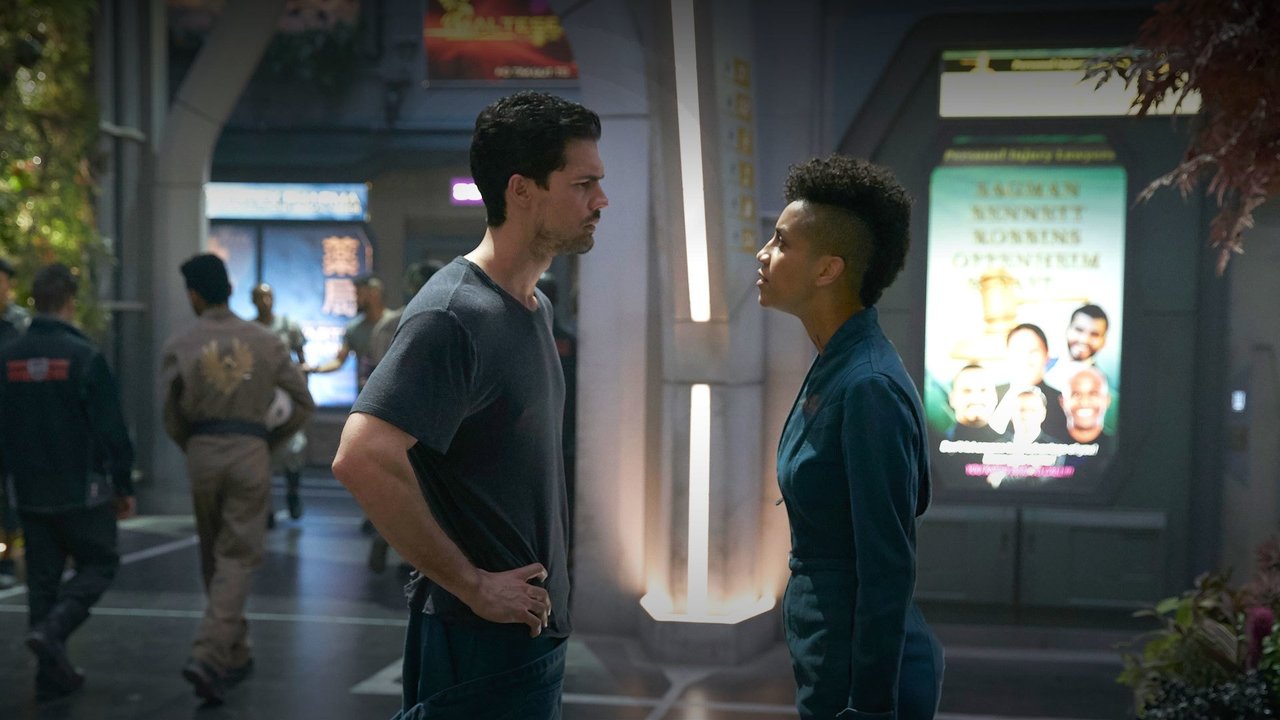
The Expanse stands as arguably the finest original space opera television has produced in the twenty-first century, a sprawling, scientifically grounded epic that redefined the genre's possibilities on the small screen. Its intricate political machinations, authentic physics, and deeply human characters created a universe that felt not only plausible but inevitable. Yet even the most impressive television productions must contend with the medium's inherent constraints – budgetary limitations, scheduling pressures, and narrative pacing challenges that occasionally undermine even the most ambitious visions. Season Two's The Seventh Man exemplifies this tension perfectly: a largely serviceable instalment that, despite moments of genuine power, fails to reach the consistently high quality and transitional importance of the two episodes that preceded it.
The episode opens with a visceral immediacy that immediately grounds us in the aftermath of the Ganymede incident – the apparent confrontation between Martian and United Nations forces at the demarcation line that concluded the previous episode. Sergeant Bobbie Draper (Frankie Adams) emerges as the sole survivor of the Martian Marine Corps ground patrol, being evacuated aboard the damaged MCRN Scirocco. The emotional weight is amplified by the revelation that the ship itself sustained damage during the incident, resulting in the deaths of eleven crew members including Draper's mentor, Lieutenant Sutton. As Draper slowly recovers both physically and psychologically from her traumatic experience, she gradually learns the full scale of the catastrophe: debris from the incident rained down on colony facilities, claiming at least 3,000 lives, causing countless injuries, and devastating the agricultural infrastructure that could trigger widespread famine throughout the Belt. This opening sequence, featuring the haunting visual of victims' blood forming "red snowflakes" in low gravity, is genuinely impressive, establishing the episode's emotional stakes with remarkable economy.
Despite the apparent direct conflict between UN and Martian forces, the political landscape prevents immediate escalation into full-scale war. UN Secretary-General Gillis (Jonathan Whitaker), counselled by the cooler heads who recognise that Earth's recent near-destruction has fundamentally altered the strategic calculus, agrees to Chrisjen Avasarala's plan for a peace conference between Earth and Mars to be held on Earth. This decision represents a crucial narrative pivot – the series consistently demonstrates how trauma can foster unexpected diplomacy, even between bitter rivals. The writing here is sharp, capturing the delicate balance of power and the genuine fear that permeates the corridors of authority following the Eros incident.
Draper's storyline forms the emotional core of the episode as she undergoes debriefing first by the stern Commander Thorsen (Clé Bennett) and later by the more compassionate Captain Martens (Peter Outerbridge), the ship's chaplain. In a psychologically nuanced sequence, Draper recalls the incident, describing how a UN six-man ground patrol advanced toward their positions and opened fire – but not at the Martians, rather at a mysterious "seventh man." This revelation introduces the episode's central mystery, though frustratingly, Draper is instructed to adhere strictly to the official narrative and reserve her full testimony for the upcoming peace summit on Earth. Frankie Adams delivers a compelling performance in these trauma sequences, showcasing impressive range as she conveys Draper's physical pain, psychological confusion, and growing suspicion about what really occurred. However, the interrogation scenes suffer from structural confusion, and Draper's treatment by her truth-burying superiors leans too heavily on well-worn conspiracy thriller clichés, diminishing what could have been a more original exploration of military cover-ups.
Meanwhile, the aftershocks of the Ganymede incident reverberate through Tycho Station, where the Rocinante crew volunteers to assist refugees. The impending peace summit represents a potential watershed moment that could dramatically shift the power balance across the Solar System, prompting various Outer Planets Alliance (OPA) factions to convene and determine their collective response. During this meeting, Fred Johnson proposes the radical gesture of voluntarily returning thermonuclear missiles as a sign of good faith, suggesting Anderson Dawes represent the Belt at the conference. Dawes' immediate rejection of this proposal reveals his growing suspicion – shared by Holden – that Johnson harbours some undisclosed "ace in the sleeve."
This secret proves to be Cortázar, the Protomolecule researcher who believes work on the alien technology can continue despite the apparent destruction of the Eros sample. When Holden attempts to confront Cortázar, he discovers the scientist has been removed from his cell – apparently by Dawes himself. The Rocinante, crewed only by Naomi and Alex, rushes to intercept Dawes' ship, only to discover it's a decoy piloted by Diogo. This subplot demonstrates The Expanse's strength in weaving multiple narrative threads together, though the execution here feels somewhat rushed compared to the more deliberate pacing of earlier episodes.
Written by Georgia Lee and directed by experienced television hand Kenneth Fink, The Seventh Man begins with that truly impressive opening sequence, but quickly reveals the series' budgetary constraints. The true scope of the Ganymede catastrophe is primarily conveyed through exposition rather than visual spectacle – a necessary "tell, don't show" approach forced by production limitations. Nevertheless, even within these constraints, the episode satisfactorily portrays the complex political dynamics both within the Belt and aboard the Rocinante. Particularly noteworthy is the return of Jared Harris as Anderson Dawes, whose performance remains utterly compelling despite his limited screen time in Season Two. Harris, a classically trained British actor whose career spans roles from Mad Men to Chernobyl, imbues Dawes with such gravitas and authenticity that it's easy to understand why the writers expanded his role from the books.
What makes Harris's performance particularly remarkable is how he transformed Dawes from what was originally a relatively minor character in the novels into one of the show's most compelling figures. His nuanced understanding of Belter culture, including the deliberate development of his Belter accent, demonstrated an extraordinary commitment to the role that few guest stars would provide. This dedication created ripples throughout the production, with other actors like Cara Gee reportedly drawing inspiration from Harris's approach to Belter identity.
Unfortunately, the episode's middle section suffers from pacing issues that disrupt its narrative momentum. The transitions between Draper's recovery, the political manoeuvring on Earth, and the OPA deliberations on Tycho feel somewhat disjointed, lacking the seamless integration that characterises The Expanse at its best. The dialogue occasionally veers toward exposition-heavy exchanges that serve plot advancement at the expense of character depth.
In the ned, The Seventh Man represents The Expanse operating at a competent, if not exceptional, level. It advances crucial plot points, features strong performances (particularly from Adams and Harris), and maintains the series' commitment to political realism. However, it falls short of the narrative urgency and thematic richness that defined the episodes immediately preceding it. Yet even in this relatively weaker instalment, The Expanse demonstrates why it remains the gold standard for television space opera – its commitment to character-driven storytelling, scientific plausibility, and political complexity shines through, reminding viewers why this series continues to resonate long after its conclusion. The episode may not be among the show's finest hours, but it remains a necessary and ultimately satisfying chapter in one of science fiction television's most accomplished sagas.
An Asian thriller that shows that forcing a criminal to face his deeds is a greater suffering than capital punishment.
Honestly, i was left with a lump in my throat after finishing this miniseries. It's not the kind of thriller you see and forget; it's a punch in the gut, but in a brilliantly directed way. Initially, when i read the description, it immediately intrigued me: an Asian film (Taiwanese, actually), with a completely crazy premise: a criminal, a convicted charlatan, is brought back to life for just a few days. Think about it - they gave him a second chance not to redeem his life, but to be methodically tortured.
What got me the most was the motivation. It's not about the police or a single vigilante, but about two devastated mothers. These women are not satisfied with legal justice, especially when their daughters have been the horrific victims of these scammers' networks. When i saw the charlatan, played excellently by an Asian actor, being forcibly resuscitated, i felt a morbid satisfaction. It's a form of psychological and physical torture, which surpasses any death sentence.
The film manages to combine the feeling of a supernatural thriller (through that temporary resuscitation) with a cruel, hyper-contemporary reality: human trafficking and scam centers in Southeast Asia. I expected pure action, but I got much more: an exploration of despair, guilt and the question: Who deserves to be forgiven and who deserves to suffer?
The truth that slips through their fingers becomes a central theme. As the tormented charlatan begins to unravel the web, the two mothers realize that getting justice is more complicated and dirty than they imagined. It's no longer just about their revenge, but about the chasm between good and evil, between law and morality.
I really liked how they used the idea of limited time ("revived for 7 days", although in the series it's more of a symbolic concept of temporary torment) to increase the tension...i liked it. It's a story of hell on earth—both for the victims of the scams and for the charlatan who must face his deeds before he dies for good.
I recommend it to anyone who loves dark Asian thrillers that don't shy away from asking tough questions about justice and revenge.
Curious - Have you seen any movies or series that explore justice in a similar way, where psychological torment or temporary resurrection replaces capital punishment? Leave me your suggestions in the comments!
Although we don't have seasons in my country, I like to think that we are in fall, and I love all that culture, so I try to do things that go with the vibe. Movies, series, books, desserts... everything very autumnal.
I had never seen this series that I'm going to tell you about today, but according to recommendations, there's nothing more autumnal than Gilmore Girls.
This is an American comedy-drama series that aired in 2000 and ran for seven seasons.
It's one of those series that leaves a mark. It talks about everything: family, friendship, studies, love, generational differences, and even how social class influences everyday life. But what really makes it unique are its fast-paced conversations, full of irony and cultural references, from music and cinema to literature, politics, and feminism, that make you feel part of its world.
The story revolves around a mother and daughter who are more than family—they are best friends. We accompany them as they face the challenges of work, love, school, and, in general, the process of growing up (regardless of age). All set in that charming little town where every character has something to say... and a lot to say about it.
It tells the story of Lorelai and Rory's lives in the fictional town of Stars Hollow. Lorelai had Rory at age 16, which caused a huge fight with her parents, who are upper class in Hartford. They demanded that Lorelai marry Rory's father, but since Lorelai was strongly opposed, her solution was to run away from home with a newborn baby in her arms. Since then, she had kept her distance from her parents, until she had to swallow her pride and ask them for a loan to pay for Rory's education at a prestigious school called Chilton, which would pave the way for her to enter Harvard. The only condition was that they had to have dinner with her parents every Friday.
In theory, Lorelai is the responsible and sensible one because she is the mother, and Rory is the teenager who, although she is a very cultured and intelligent girl, is still the daughter and does not have to worry about anything other than studying. But... in practice, it's another story.
Although Lorelai is very funny, I find her very immature and irresponsible on many occasions. She is stubborn, proud, and would rather starve than ask for help, especially from her parents. Several times it is Rory who brings her back down to earth. And that makes me think how hard it must be to be the daughter of a teenage mother. They may get along very well and love each other madly, but they are basically raising each other, and sometimes the lines between who is the mother and who is the daughter become blurred, or the boundaries when it comes to saying, "Hey, I'm your mom. Treat me like one," or something like that.
I could say that Lorelai was lucky with Rory, because she's the most polite, sensible, and self-sufficient girl in the world, but it also makes me think that maybe it wasn't just luck, maybe Rory was forced to learn to be self-sufficient from a very young age because she had a mother as carefree as Lorelai.
Lorelai's mission is to take care of Rory and raise her to be a good person, and above all, to ensure she doesn't make the same mistakes she did. And although things are going very well so far, we have to admit that they are very similar in character. They are equally stubborn and headstrong, equally proud, equally addicted to coffee, and have the same problems expressing their feelings and letting new people into their lives. Because in the end, it has always been just them, only them (apart from their neighbors). That's why Rory isn't very sociable.
Something that bothers me a little is the relationship between Lorelai and her parents.
They are controlling, and they care a lot about appearances because they are very wealthy and socialize with high society, but of course they love Lorelai. And I understand that they may have been very suffocating during Lorelai's adolescence, but to the point of running away from home at 16 and living in a shack with a newborn baby? To the point that they knew nothing about them beyond a "Merry Christmas" phone call?
Of course, I think they both failed and they all have wounds to heal. Because they have a terrible communication problem, but I get the impression that even though Lorelai is now 32, when it comes to her parents, she reverts to being that 16-year-old teenager and behaves in the least adult way possible.
But overall, I think it's a very good and comforting series. Perfect for when you want to relax, especially in the fall.
I'm currently watching the second season, so I'll be back when I finish.
Have you seen this iconic series, or is it not your thing?
Credits
Cover made in Canva
Visual identity by @pentaghast
Español
Aunque en mi país no tenemos estaciones, me gusta pensar de igual forma que estamos en otoño, y me encanta toda esa cultura, así que procuro hacer cosas que vayan con las vibras. Peliculas, series, libros, postres… todo muy otoñal.
Nunca había visto esta serie de la que le hablaré hoy, pero según las recomendaciones, no hay nada más otoñal que Gilmore Girls.
Se trata de una serie estadounidense de comedia dramatica emitida en el año 2000 que cuenta con 7 temporadas.
Es de esas series que dejan huella. Habla de todo: familia, amistad, estudios, amor, diferencias entre generaciones y hasta de cómo influye la clase social en la vida cotidiana. Pero lo que realmente la hace única son sus conversaciones rápidas, llenas de ironía y referencias culturales, desde música y cine hasta literatura, política y feminismo que te hacen sentir parte de su mundo.
La historia gira en torno a una madre y su hija que, más que familia, son mejores amigas. Las acompañamos mientras enfrentan los retos del trabajo, el amor, los estudios y, en general, el proceso de crecer (sin importar la edad). Todo ambientado en ese pueblito encantador donde cada personaje tiene algo que decir… y mucho que opinar.
Narra la vida Lorelai y Rory, en el pueblo ficticio de Stars Hollow. Lorelai tuvo a Rory a los 16 años, lo que causó una gran pelea con sus padres, quienes son de la clase alta de Hartford. Le exigieron a Lorelai casarse con el padre de Rory, pero como Lorelai se oponía rotundamente, su salida fue escapar de casa con una bebe recien nacida en brazos. Desde ese entonces, mantenia una vida alejada de sus padres, hasta que tuvo que tragarse su orgullo y pedirles un prestamo para pagar los estudios de Rory en una prestigiosa escuela llamada Chilton que le prepararía el terreno para ingresar a Harvard. La unica condicion fuen que tienen que cenar todos los viernes con sus padres.
En teoría la persona responsable y sensata es Lorelai por ser la madre, y la adolescente es Rory que aunque es una niña muy culta e inteligente, sigue siendo la hija y no tiene que preocuparse por más nada ademas de estudiar. Pero… en la práctica es otra cosa.
Lorelai aunque es muy divertida, me parece muy inmadura e irresponsable en muchas ocasiones. Es terca, orgullosa y prefiere morirse de hambre que pedir ayuda, especialmente a sus padres. Varias veces es Rory quien la hace aterrizar. Y eso me hace pensar lo duro que debe ser ser hija de una madre adolescente. Puede que se lleven muy bien y se amen con locura pero basicamente se están criando juntas, y a veces se desdibujan las líneas entre quien es la madre y quien es la hija, o sobre los límites a la hora de decir: “ey, soy tu mama. Tratame como tal”, o algo así.
Podria decir que Lorelai tuvo suerte con Rory, porque es la niña más educada, sensata y autosuficiente del mundo, pero tambien me hace pensar en que quiza, no fue solo suerte, quiza rory se vio obligada a aprender a ser autosuficiente desde muy pequeña por tener una mama tan despreocupada como Lorelai.
La mision de Lorelai es cuidar de Rory y hacer una persona de bien, y sobretodo que no cometa sus mismos errores, y aunque por ahora va muy bien, hay que admitir que en carácter son muy parecidas. Igual de tercas y testarudas, igual de orgullosas, igual de adictas al cafe, mismos problemas para expresar sus sentimientos y dejar entrar a nuevas personas. Porque al final siempre han sido ellas, solo ellas (además de sus vecinos). Por lo que Rory no es muy sociable.
Algo que me hace un poco de ruido es la relacion entre Lorelai y sus padres.
Ellos son controladores, y les importan mucho las apariencias al ser muy adinerados y relacionarse con la alta sociedad, pero por supuesto que aman a Lorelai. Y entiendo que pudieron ser muy asfixiantes durante la adolescencia de Lorelai, pero ¿al punto de huir de casa con 16 años y vivir en una choza con una bebe recien nacida?, ¿al punto de que ellos no supieran nada de ellas más alla de una llamada de “feliz navidad”?
Por supuesto, creo que ambos fallaron y todos tienen heridas que sanar. Porque tienen un terrible problema de comunicacion, pero me da la impresion que aunque ya Lorelai tiene 32 años, cuando se trata de sus padres, vuelve a ser aquella adolescente de 16 años y se comporta de la manera menos adulta posible.
Pero en general, me parece una serie muy buena y reconfortante. Perfecta para ver cuando quieres estar tranquilo, especialmente para otoño.
Actualmente estoy viendo la segunda temporada, así que cuando termine regreso.
¿Ya viste esta iconica serie, o no es lo tuyo?
Créditos
Portada hecha en Canva
Identidad visual por @pentaghast
Barron's Cove. Today we delve into an extremely intriguing and dark plot; a film directed by Evan Ari Kelman, a director dedicated to short films. However, his narrative is based on presenting dark themes, where drama and tension in every sense are everywhere. This director evokes topics that can easily make anyone explode and push them beyond the limits of reason. The themes presented by the director are based on revenge, justice, redemption, forgiveness, and sacrifice. He also shows us that there can be a fine line between each of them, which, as I said before, can cause any individual to change their personality. What impresses me about this director is his ability to connect with the audience through exciting plots, full of intrigue, mystery, suspense, and above all, appealing to most viewers.
We can enjoy this in his first feature film, which brings together genres such as thriller, suspense, drama, and crime. We are talking about La Cueva de Barron, a film that will keep us on the edge of our seats, not wanting to miss a single second. It's a story that shows us a father's pain over the terrible loss of his son, and when you see how that child dies, I can say without fear of contradiction that anyone would want to take justice into their own hands, regardless of the power of the people they have to face. Just come with me and enjoy the experience of this film; it's true, it's not a box office hit, but I know you're going to like it.
Undoubtedly, the plot of this film is disturbing, and given everything that happens, I think anyone would react this way. Here, first of all, it is done as a kind of experiment on human morality and how its limits can be exceeded. In particular, seeing a father filled with deep pain over the horrible death of his son, and then kidnapping the person he believes to be responsible, simply takes us to the deepest of emotions. What would you do in that situation? Would you immerse yourself in the deepest pain, or would you seek justice with your own hands? Well, these are things that would make anyone think.
This is what happens in this film, and from the outset we are drawn into the life of Caleb, a person with a history of incredible violence, violence that can increase exponentially when he learns that his son Barron has died. For him, it is murder and not suicide as they want us to believe; this is another reason why Caleb explodes with even more reason. Suspicion falls on another child who was with Barron, and that is where the kidnapping comes into play. This is not a mere act of taking someone away, but rather the catalyst for the events that you will enjoy watching in this film, because Caleb has nothing left to lose, and his goal is to seek justice for his son.
Simply put, we don't find any obvious answers here because the plot constantly takes unexpected turns. For example, the kidnapped child may or may not be guilty; the situation is that as the plot progresses, new and interesting things are discovered about that child and his father Lyle, who is also a powerful politician in the town who only cares about advancing his career. One might think that both Caleb and Ethan have been victims of abusive pasts.
As we move forward, we see how the suicide theory gains strength; of course, this theory has been promoted by malicious forces. This allows us to understand Caleb's actions to a certain extent, as he becomes a desperate individual who is capable of committing unlawful acts. Garrett Hedlund's performance as Caleb is truly convincing; you can really feel his pain, and he conveys that to the audience, who can empathize with him. For me, it's an extremely believable performance, and when you see the film, you'll agree with me. The other characters are formidable, and each of them complements the work of the others.
There are no heroes here, but there are villains and a father desperate for justice. This gives meaning to the plot and invites us to reflect on whether we would ever be capable of doing what Caleb does. Honestly, no one could know right now; you would have to live through a situation like that to determine how each person would react. This film is worth watching because it brings to the table issues that deserve deep analysis, showing how guilt, pain, corruption, and injustice can change a man's soul. I hope you enjoyed this review. Best regards, and see you soon.
La Cueva de Barron. Hoy nos adentramos en una trama sumamente intrigante y oscura; una película dirigida por Evan Ari Kelman, un director dedicado a los cortometrajes. Sin embargo; su narrativa se basa el presentar temas oscuros, donde el drama y la tensión en todos los sentidos está por doquier. Este director evoca tópicos, que fácilmente pueden hacer explotar a cualquier persona y hacerla pasar los límites del raciocinio; estos temas que el director presenta se basan en la venganza, la justicia, la redención, el perdón y el sacrificio; además, nos demuestra que puede haber una delgada línea entre cada uno de ellos; lo que hace, como dije antes, que cualquier individuo pueda cambiar su personalidad. Lo que me impresiona de este director; es su habilidad para conectar con el público a través de tramas emocionantes, llenas de intriga, misterio, suspenso y sobre todo, atractivas para la mayoría de los obsedvadores.
Esto lo podemos disfrutar en un su primer largometraje, donde pone en el tapete géneros como el thriller, el suspenso, el drama y el crimen; hablamos de La Cueva de Barron, un filme que nos mantendrá al borde del asiento sin ánimos de perdernos un solo segundo de la cinta. Una historia que nos da a conocer el dolor de un padre por la terrible pérdida de su hijo y cuando ustedes vean la forma en que fallece ese niño; sin temor a equivocarme, cualquier persona desearía tomar la justicia por su mano, sin importar el poder que puedan tener las personas a quien se deba enfrentar. Sencillamente vente conmigo y disfruta de la experiencia de esta película; es cierto, no es un éxito de taquilla, pero se que te va a gustar.
Indundablemente la trama de esta película es inquietante y por todo lo que ocurre; creo que cualquier persona reaccionaria de esta manera. Aquí; en primer lugar, se hace como una especie de experimento hacia la moralidad humana y como se pueden sobrepasar los límites de ella. En lo particular; ver a un padre lleno de profundo dolor por la horrible muerte de su hijo, y luego ejecutar un secuestro de quien se cree es el culpable; sencillamente, nos lleva a las más profundas de las emociones. ¿Que harías tú en esa situación?; ¿Te sumergirías en el más profundo dolor, o buscarías justicia por tu propia mano?; bueno, son cosas que pondrían a pensar a cualquiera.
Esto ocurre en esta película y desde el inicio nos adentramos en la vida de Caled; quien es una persona con una data de violencia increíble; violencia que puede incrementarse de manera exponencial, al saber que su hijo Barron ha fallecido. Para él es un asesinato y no un suicidio como lo quieren hacer ver; ese es otro motivo por la que Caleb explota con más razón. La sospecha recae en otro niño que estaba con Barron y allí es donde entra en juego el secuestro; esta no es una mera acción de llevarse a alguien, sino que es aquí donde se impulsan los acontecimientos que podrán disfrutar al ver este filme; porque Caleb ya no tiene nada que perder, su objetivo es el de hacer justicia por su hijo.
Sencillamente; aquí no encontramos respuestas visibles, porque la trama constantemente está dando giros inesperados. Por ejemplo; el niño secuestrado puede ser o no culpable; la situación es que al avanzar en la trama, se descubren nuevas cosas interesantes con respecto a ese niño y su padre Lyle; quien a la vez es un poderoso político del pueblo que solo le importa avanzar en ese aspecto. Se pudiera pensar que tanto Caleb como Ethan han sido víctimas de pasados llenos de abuso.
A medida que vamos avanzando; vemos como la teoría del suicidio cobra mayor fuerza; claro está, teoría que ha sido impulsada por poderes maliciosos. Esto hace que hasta cierto punto podamos entender las acciones de Caleb, al convertirse en un individuo desesperado que puede ejecutar acciones fuera de la ley. Realmente la actuación de Garrett Hedlund en su papel de Caleb es totalmente convincente; de verdad que se siente su dolor y eso lo transmite al público, el cual puede sentir empatía por él. Para mí una actuación sumamente creíble y cuando ustedes vean el filme, me darán la razón. Los demás personajes son formidables y cada uno de ellos completamentan el trabajo del otro.
Aquí no hay héroes; pero si hay villanos y un padre desesperado por la justicia; esto le da sentido a la trama y nos invita a reflexionar, sobre si alguna vez seremos capaces de hacer lo que hace Caleb; sinceramente, ahorita nadie podría saberlo, se tendría que vivir una situación de ese estilo para determinar la reacción de cada quien. Esta película es digna de ver, porque pone en el tapete temas que ameritan un profundo análisis, al saber cómo la culpa, el dolor, la corrupción y la injusticia, pueden cambiar el alma de un hombre. Espero hayan disfrutado de esta reseña; saludos y nos vemos pronto.











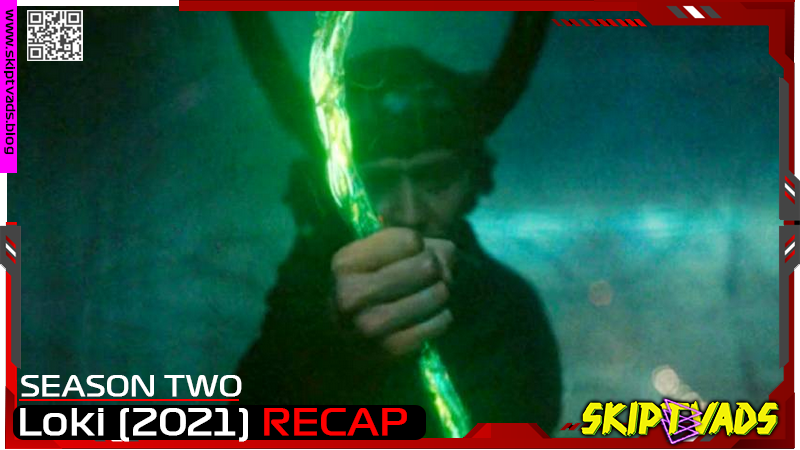

 I took the time watch both Season back to back and I got mixed feelings about it but at the same time I cannot deny the ending was pretty damn good, like the whole second season felt a bit all over the place with the pacing jumping from one problem to another without giving us enough time to breathe but that finale really hit different, I dont know what is about two season series that never end properly, I felt there was so much more to unwind specially with something like the TVA been one of the craziest concepts I have ever seen from the MCU but the Kang character was always a mess for them, I think because they actually over hype it just too much. What Tom Hiddleston did with this character over two seasons is actually wild when you stop and think about it, going from this selfish asshole who only cared about power to literally becoming the protector of every single timeline in existence, that is one hell of a transformation and I cannot be mad at that. The way they showed him grabbing all those timelines and basically turning into this god figure sitting alone on a throne for eternity its like ok so you wanted a throne is one alone for the end of time no show off no way to share, that scene alone made the whole season worth it, yeah sure there were some bumps along the way the whole Victor Timely thing did not really work for me and Sylvie got pushed to the side for most of the season which sucked because she was so important in season one but when it came down to it when Loki had to make that final choice between killing Sylvie or finding another way he chose to sacrifice himself and give up everything. No more friends no more adventures just an eternity of keeping the universe together, that is actually pretty novel in a really sad way and I think this is where Lokis story should end because where do you even go from here, the guy is literally holding the entire multiverse in his hands and he already failed massively with the hole Tesarack persue.


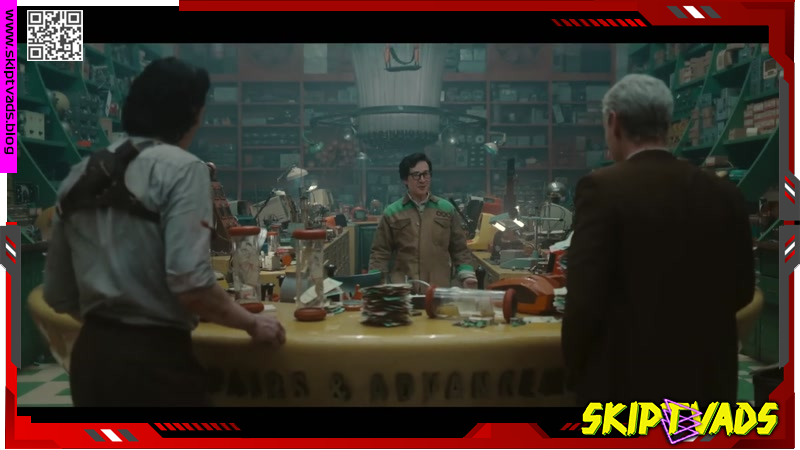 [Source](https://tinyurl.com/mry6afb8h)
The whole season was about Loki trying to fix the temporal loom without realizing the loom was never meant to be fixed in the first place, it was a fail safe created by He Who Remains to keep everything under control and the sacred timeline was never about protecting people it was about protecting one version of reality that benefited one guy. Every episode we watched Loki time slip backwards and forwards trying desperately to save his friends at the TVA and fix this broken system, watching him loop through the same moments over and over again was funny and sad at the same time because you could see the frustration building up in him but at the sime time dragg hard and made me felt bored for quite some time, he spent centuries learning physics and engineering from OB just to realize there was no solution to an infinite problem, you cant scale for infinity its like trying to divide by zero, the loom would always fail no matter what they did. Mobius and Sylvie were there with him the whole time but in the end it was Lokis choice alone to make, he could either let the multiverse die and go back to the sacred timeline with He Who Remains in control or he could destroy the loom and replace it with something better, something that gave people actual free will instead of the illusion of choice.
[Source](https://tinyurl.com/mry6afb8h)
The whole season was about Loki trying to fix the temporal loom without realizing the loom was never meant to be fixed in the first place, it was a fail safe created by He Who Remains to keep everything under control and the sacred timeline was never about protecting people it was about protecting one version of reality that benefited one guy. Every episode we watched Loki time slip backwards and forwards trying desperately to save his friends at the TVA and fix this broken system, watching him loop through the same moments over and over again was funny and sad at the same time because you could see the frustration building up in him but at the sime time dragg hard and made me felt bored for quite some time, he spent centuries learning physics and engineering from OB just to realize there was no solution to an infinite problem, you cant scale for infinity its like trying to divide by zero, the loom would always fail no matter what they did. Mobius and Sylvie were there with him the whole time but in the end it was Lokis choice alone to make, he could either let the multiverse die and go back to the sacred timeline with He Who Remains in control or he could destroy the loom and replace it with something better, something that gave people actual free will instead of the illusion of choice.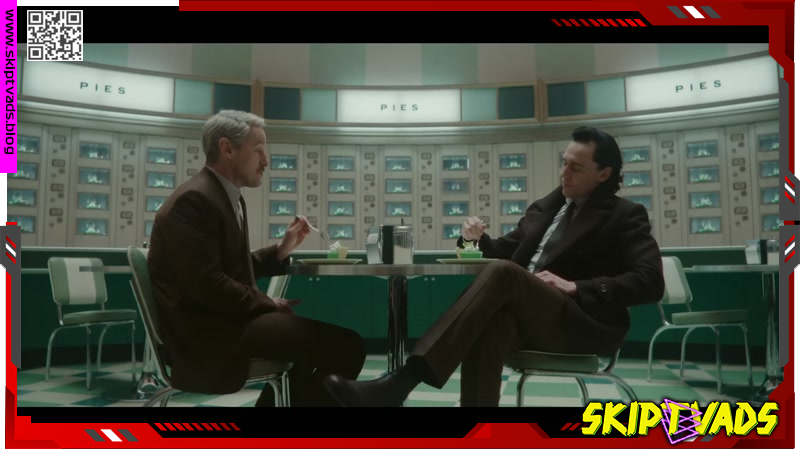 [Source](https://tinyurl.com/mry6afb8h)
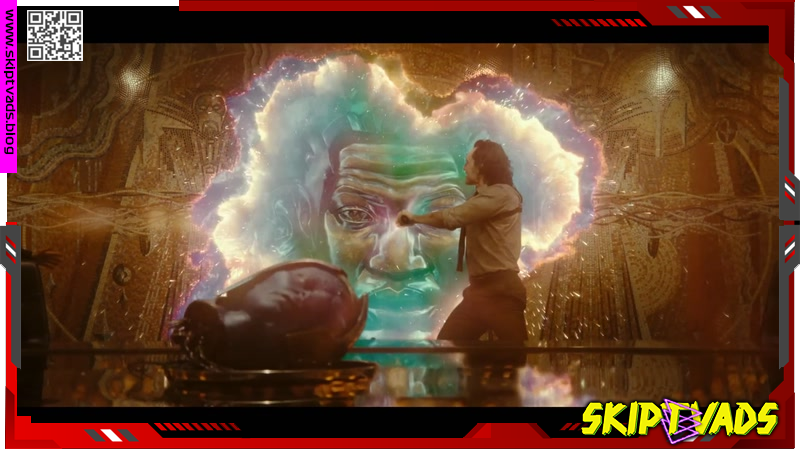 [Source](https://tinyurl.com/mry6afb8h)
The series also had that reference of Loki character that work so so good that went back to that first Avengers movie when he said he was burdened with glorious purpose, back then he was just a villain who wanted power and control but now after everything hes been through he finally understands what that phrase actually means. Mobius told him that most purpose is more burden than glory and that line hit hard because thats exactly what Loki ends up doing, he takes on the burden of holding the multiverse together so everyone else can have their freedom, its the ultimate sacrifice from a character who used to only care about himself, I laugh so hard because he didnt died for the rest of the universe although did lock down himself so the rest of the existence could function almost like he is Jesus. That scene of him sitting on that throne at the end of time with the timelines glowing green around him like branches of a tree that I dont know much but for sure has a deep meaning either on the Asgard mythology or something about the universe supreme beings, it was such a powerful image that perfectly captured what Loki had become, he went from wanting to rule over people to actually serving them by keeping them alive and giving them choice.
[Source](https://tinyurl.com/mry6afb8h)
The series also had that reference of Loki character that work so so good that went back to that first Avengers movie when he said he was burdened with glorious purpose, back then he was just a villain who wanted power and control but now after everything hes been through he finally understands what that phrase actually means. Mobius told him that most purpose is more burden than glory and that line hit hard because thats exactly what Loki ends up doing, he takes on the burden of holding the multiverse together so everyone else can have their freedom, its the ultimate sacrifice from a character who used to only care about himself, I laugh so hard because he didnt died for the rest of the universe although did lock down himself so the rest of the existence could function almost like he is Jesus. That scene of him sitting on that throne at the end of time with the timelines glowing green around him like branches of a tree that I dont know much but for sure has a deep meaning either on the Asgard mythology or something about the universe supreme beings, it was such a powerful image that perfectly captured what Loki had become, he went from wanting to rule over people to actually serving them by keeping them alive and giving them choice.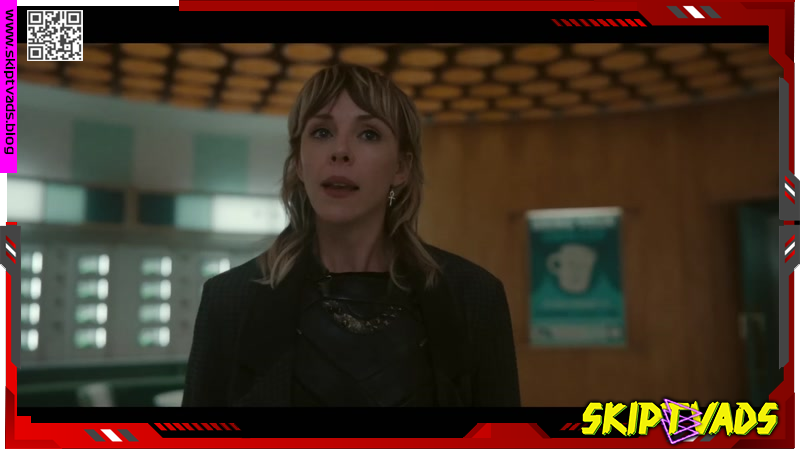 [Source](https://tinyurl.com/mry6afb8h)
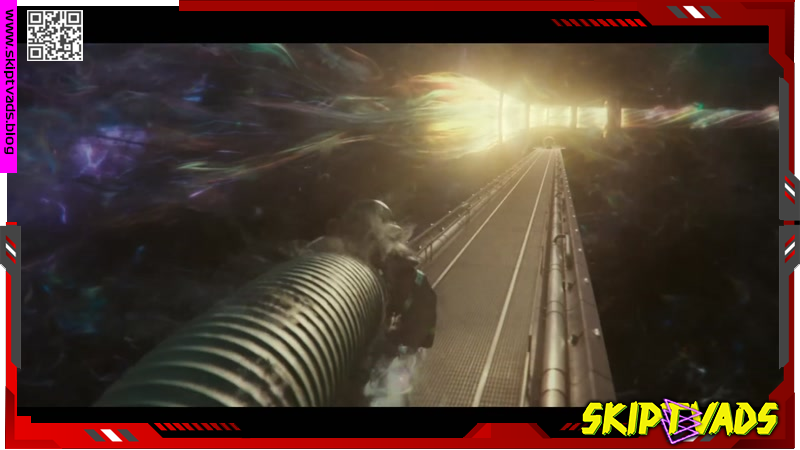 [Source](https://tinyurl.com/mry6afb8h)
Not everything is unicorn and rainbows, season 2 had some issues that bothered some of them more than others like I mentioned before the pacing was weird and it felt like they needed more episodes to really let unwind certain storylines as a fact I would say another season because the escape too easy from the void, the whole Victor Timely subplot took up so much time and I dont think it payed off the way they wanted it to, Jonathan Majors did his best with the script but the character just felt like a distraction from the main story most of the time, proof of this is all they need was his head because he was not necessarily needed to test a theory that never work. Renslayer also got sidelined pretty hard this season and her entire story felt unfinished, she should have been as important as in season 1, she was supposed to be this big antagonist but then she just kind of dissipated into the void at the end and we never got a satisfying conclusion to her story, I hope they bring her back in some future project because it feels like there was more to do with that character, she also wanted either revenge or at least know the truth this almost look like when John Week wanted to bring down The Table. Sylvie also got put aside badly this season which is a shame because she was one of the best parts of season one, her and Lokis relationship was supposed to be central to the story but instead she spent most of her time working at McDonalds in an alternate timeline and only showed up when the plot needed her to argue with Loki about free will, and what about her romance with Loki?? so many inconclusive things.
[Source](https://tinyurl.com/mry6afb8h)
Not everything is unicorn and rainbows, season 2 had some issues that bothered some of them more than others like I mentioned before the pacing was weird and it felt like they needed more episodes to really let unwind certain storylines as a fact I would say another season because the escape too easy from the void, the whole Victor Timely subplot took up so much time and I dont think it payed off the way they wanted it to, Jonathan Majors did his best with the script but the character just felt like a distraction from the main story most of the time, proof of this is all they need was his head because he was not necessarily needed to test a theory that never work. Renslayer also got sidelined pretty hard this season and her entire story felt unfinished, she should have been as important as in season 1, she was supposed to be this big antagonist but then she just kind of dissipated into the void at the end and we never got a satisfying conclusion to her story, I hope they bring her back in some future project because it feels like there was more to do with that character, she also wanted either revenge or at least know the truth this almost look like when John Week wanted to bring down The Table. Sylvie also got put aside badly this season which is a shame because she was one of the best parts of season one, her and Lokis relationship was supposed to be central to the story but instead she spent most of her time working at McDonalds in an alternate timeline and only showed up when the plot needed her to argue with Loki about free will, and what about her romance with Loki?? so many inconclusive things.