Longform reviews of films, TV, anime, books, and audiobooks, written by the scrobble.life community and published to the Hive blockchain, so each one is owned by its author and can earn rewards from readers. 51,238 reviews and counting.
Hola amigos de la comunidad de Movies & Tv, espero que estén teniendo un buen día. Hoy quiero recomendarles una película un tanto diferente llamada Together dirigida por Michael Shanks y estrenada este año con los actores principales: Alison Brie y Dave Franco. Está película me la recomendó mi hermana, de hecho no suelo ver mucho este tipo de películas donde se juega con el horror corporal y el romance al mismo tiempo, sin embargo, decidí verla y también me llamo la atención el hecho de que juega con el romance y el horror corporal al mismo tiempo 👀.
Hello, friends of the Movies & TV community. I hope you are having a good day. Today, I want to recommend a somewhat different film called Together, directed by Michael Shanks and released this year, starring Alison Brie and Dave Franco. My sister recommended this movie to me. I don't usually watch this type of movie, which plays with body horror and romance at the same time, but I decided to watch it anyway, and I was also intrigued by the fact that it plays with romance and body horror at the same time 👀.
La trama nos cuenta sobre una relación entre Millie y Tim una pareja joven que enfrenta problemas en su relación y que deciden irse a un lugar diferente a vivir para ver si cambiando de ambiente pueden llegar a sentirse mejor y por ende mejorar la relación. El lugar es un pueblo bastante grande pero con muy pocos habitantes que viven de forma retirada entre si, por lo que Millie y Tim no encuentran rápidamente vecinos con los que puedan compartir, así que teniendo todo este tiempo libre en medio del bosque se ponen a revisar el lugar y ver si encuentran algo interesante. Llegan a un punto donde sin ver caen en un profundo hueco que tiene un pozo dentro, el agua es bastante extraña y les cuesta salir de allí sobre todo volver a subir, antes de lograr salir beben un poco de agua que podría ser la peor decisión que pudieron tomar.
The plot tells us about a relationship between Millie and Tim, a young couple who are facing problems in their relationship and decide to move to a different place to live to see if a change of scenery can make them feel better and thus improve their relationship. The place is a fairly large town but with very few inhabitants who live in seclusion from each other, so Millie and Tim do not quickly find neighbors with whom they can share. With all this free time in the middle of the forest, they set out to explore the place and see if they can find anything interesting. They reach a point where, without seeing it, they fall into a deep hole with a well inside. The water is quite strange, and they have a hard time getting out of there, especially climbing back up. Before managing to get out, they drink some water, which could be the worst decision they could have made.
Esta historia es un poco grotesca visualmente, ya que se toca el tema del horror corporal debido a que el agua que bebieron dentro del pozo era contaminada y sin saberlo, empiezan a tener cambios tanto físicos como emocionales. Como venían de una relación casi rota, ellos intentaron hacer lo posible para comenzar de nuevo pero decidieron llegar a este pueblo y no investigaron si era posible que hubieran ocurrido eventos extraños en este lugar donde además no hay casi personas. La experiencia de ver los cambios corporales llegan al estilo de La Sustancia pero sin caer en excesos, tiene sus escenas donde te sientes incómodo al verlos casi fusionándose y es una forma de ver que la relación mejoró en medio de todo, incluso si fue producto de lo que este lugar les ocasionó y que ahora ya no podrán dejar atrás.
This story is a bit grotesque visually, as it touches on the theme of bodily horror due to the fact that the water they drank from the well was contaminated and, without knowing it, they begin to undergo both physical and emotional changes. Coming from an almost broken relationship, they tried to do everything possible to start over, but they decided to come to this town and did not investigate whether strange events could have occurred in this place where there are almost no people. The experience of seeing the bodily changes is similar to The Substance, but without going overboard. There are scenes where you feel uncomfortable watching them almost merge, and it is a way of seeing that the relationship improved in the midst of everything, even if it was a result of what this place did to them and which they will now never be able to leave behind.
Las actuaciones estuvieron bastante bien, me gustó más la de Alison Brie quien además es conocida por salir en Sleeping with other people y The disaster artist... Ella tiene un forma más fuerte de sentir que los deseos de "unirse" a su pareja se vean reflejados en su comportamiento, mostrando a una mujer que después de perder las ganas de estar con su pareja vuelve a enamorarse y además a contagiarse de esto que no tiene un nombre y que produce que tengan la necesidad de estar juntos más allá de lo que el cuerpo puede permitir y de lo que es normal, aquí el body horror se refleja fuertemente sobre todo ya finalizando la película. Dave Franco realmente no es mi actor favorito, lo he visto en otras películas y siento que no me llama la atención o no me llega su forma de actuar, a pesar de esto en la película si muestra su lado más obscuro y refleja lo que puede ocurrir física y psicológicamente a alguien que es contagiado por algo más allá de este mundo y que termina entregándose a la necesidad de estar unido a su pareja.
The performances were quite good. I liked Alison Brie's best, who is also known for appearing in Sleeping with Other People and The Disaster Artist... She has a stronger way of feeling that the desire to "unite" with her partner is reflected in her behavior, showing a woman who, after losing the desire to be with her partner, falls in love again and is infected by this nameless thing that makes them need to be together beyond what the body can allow and beyond what is normal. Here, the body horror is strongly reflected, especially at the end of the film. Dave Franco is not really my favorite actor. I have seen him in other films and feel that he does not appeal to me or that his acting style does not resonate with me. Despite this, in the film, he does show his darker side and reflects what can happen physically and psychologically to someone who is infected by something beyond this world and who ends up surrendering to the need to be united with their partner.
Together es mucho más que una película que combina el terror con las emociones y la psicología a través del horror corporal, aquí trágicamente los personajes en busca de una nueva oportunidad para su relación terminan entrando en un mundo totalmente diferente que los impulsa a hacer cosas que pueden ser anormales, mostrando que el amor puede ser muy frágil y que nunca se sabe dónde nuestra mente podría terminar a la hora de tocar temas obscuros; y dónde las necesidades de afecto en los seres humanos se convertirían en la forma de llegar a entrelazar más que emociones. No fue de mis favoritas y estuvo un poco lenta pero aún así me gustó la temática y la forma de plantear en la película la idea de un romance con horror corporal, no es para todo el mundo pero si tienen las ganas de verla tal vez podría gustarles más que a mi. 👩🏻❤️👨🏻
Together is much more than a film that combines terror with emotions and psychology through bodily horror. Here, tragically, the characters in search of a new opportunity for their relationship end up entering a totally different world that drives them to do things that may be abnormal, showing that love can be very fragile and that you never know where your mind might end up when it comes to dark topics; and where human beings' need for affection would become a way to intertwine more than just emotions. It wasn't one of my favorites and it was a bit slow, but I still liked the theme and the way the film approached the idea of a romance with body horror. It's not for everyone, but if you feel like watching it, you might like it more than I did. 👩🏻❤️👨🏻
Trailer Oficial
Espero que les gustara este post, también me gustaría que me dejen sus comentarios; con gusto los leeré y responderé. Un abrazo grande. 🤗
I hope you liked this post, and I would also like you to leave me your comments; I will gladly read them and will respond to them. Big hugs. 🤗
Todo el texto de esta publicación es de mi autoría - All the text in this publication is my own.
Los banners y el separador de texto fueron editados con la versión gratuita de Canva y PicsArt - The banners and the text separator were edited with the free version of Canva and PicsArt.
La traducción del texto fue realizada con la versión gratuita de Deepl - The translation of the text was made with the free version of Deepl
I just finished watching Badland Hunters on Netflix and honestly, this film left me speechless for a few moments after the credits rolled. At first , I thought it was just another post-apocalyptic action movie, full of explosions and fights. But it turns out that behind all the chaos , there is an unexpected message about humanity and hope.
• 🌍 A Destroyed World, The Remaining Humans
This film is set in South Korea after a massive earthquake that destroyed everything. The world has turned into a lawless and merciless wasteland. Amidst such chaos , a formidable hunter played by Don Lee emerges. He fights not only to survive...but also to preserve his humanity.
Don Lee's performance here is truly distinctive. Strong, intense and realistic. But what I like most is not the fighting scenes... but rather when he shows empathy in a world that has lost its way. There is a small scene where he chooses to help others rather than save himself. It's simple , but meaningful.
• 🧪 Good Intentions Turned into a Nightmare
Then there is the character of the mad doctor. A figure who hides behind the intention of “saving humanity” through horrific experiments. This is where I feel this film has a deep moral layer. How good intentions that lose empathy can turn into a nightmare for others. The character is terrifying not because he is brutal... but because he believes that what he is doing is “right.”
The conflict between the hunter who chooses humanity and the doctor who chooses “progress without conscience” is the core of this film. And in my opinion, it is executed very well.
• 🎨 Stunning and Oppressive Visuals
Visually, this film is extraordinary. The gloomy and dusty color tone makes the atmosphere feel real. Every scene shows how fragile civilization is when human morality collapses. The cinematography successfully makes us feel “swept away” into that harsh world.
The action scenes are also no joke. Don Lee, as usual, gives a stunning physical performance. But what makes it different is that the choreography isn't just brutal. There is strategy, emotion and weight in every punch.
• 💭 A Message Left in the Heart
The message I took away from Badland Hunters is this:
“Even in a broken world, true humanity is measured by the heart, not by strength...”
This film successfully reminded me that behind the action and violence , there is always a small space for kindness, if we are willing to preserve it. And that is not an easy thing to do, especially when the world gives us no reason to remain kind.
Badland Hunters is not just about survival. It is about surviving as humans who still have a conscience.
• 🌟 Conclusion
If you like movies like Mad Max but with a uniquely Korean emotional touch, I highly recommend Badland Hunters. Not only is it exciting... but it also leaves you with something to think about after watching it. This movie reminds us that even at the end of the world, the choice to remain a good person still exists and that is the bravest choice.
Ready to dive into a world filled with dust but still holding onto a glimmer of hope ? Watch it now on Netflix...
Written by: Kia Corthron
Directed by: Alex Zakrzewski
Running Time: 58 minutes
David Simon’s The Wire, across its five monumental seasons, meticulously dissected the systemic rot afflicting Baltimore, presenting a city fundamentally crippled by interconnected institutional failures. Among the myriad contributing factors laid bare, one persistent, haunting theme is the profound geographical and psychological confinement experienced by a vast cohort of its citizens. Their entire worldview, identity, and sense of possibility remain rigidly bound within the invisible, yet utterly real, borders of their immediate neighbourhoods. The devastating tragedy explored in Season 4’s Know Your Place is that even when presented with pathways beyond these confines, whether through circumstance, opportunity, or sheer necessity, many characters seem psychologically incapable of seizing them, tragically reinforcing the very dysfunction that imprisons them.
This theme finds its most poignant expression, perhaps paradoxically, in the show’s most iconic figure, Omar Little. Freshly released from prison after Marlo Stanfield’s machinations saw him falsely charged with murder, Omar is offered a lifeline by the pragmatic Bunk Moreland. Bunk, recognising the lethal danger Omar faces from Marlo’s relentless pursuit, advises him plainly: he should leave Baltimore. Omar’s refusal is immediate and absolute, rooted in a profound existential truth: "Baltimore’s all I know, Bunk." He recounts a brief, failed attempt to relocate to New York City, a place where he felt utterly alien, adrift, and purposeless. For Omar, the intricate, violent, yet deeply familiar moral and physical geography of Baltimore’s corners is the only framework within which his identity, skills, and even his peculiar code of honour make sense.
Old Face Andre, the corner shop owner coerced by Marlo into falsely accusing Omar and later recanting, embodies this same paralysing confinement, but with far grimmer consequences. Fully aware that his recantation has made him a marked man, Andre attempts a half-hearted flight. Yet, the notion of truly leaving Baltimore is inconceivable to him. His instinct is not to flee the city, but to seek refuge within its fractured drug hierarchy, appealing to Proposition Joe for protection. Joe, the epitome of pragmatic, self-serving calculation within the East Side drug trade, readily accepts Andre’s money, offering a hollow promise of sanctuary. However, Joe’s loyalty is solely to the stability and expansion of his own empire. The strategic alliance with Marlo Stanfield, the rising West Baltimore power, holds infinitely more value than any fleeting reputation for offering asylum. Andre’s fate is sealed by Joe’s cold calculus: he is unceremoniously handed over to Chris Partlow and Snoop. Their journey to the nearest abandoned rowhouse, where Andre joins the lime-dusted pile of previous victims, is the brutal culmination of his inability to conceive of safety existing beyond the immediate, treacherous confines of his known world.
This insularity manifests in less immediately fatal, yet equally telling, ways. Bunny Colvin’s well-intentioned reward for his "special class" students – Namond, Zenobia (Taylor King), and Darnell Tyson (Davone Cooper) – winning his model-building challenge is a trip to Ruth Chris Steak House, a bastion of upscale waterfront dining. Despite their earnest attempts to adopt "best behaviour," the sheer unfamiliarity of the environment is palpable. The polished silverware, the hushed atmosphere, the complex menu – all conspire to intimidate them. They are utterly out of their element, unable to navigate the social codes or even confidently select food they might enjoy. This semi-humorous scene is deeply revealing; it underscores how profoundly alien the wider world of Baltimore, let alone beyond, remains to these children.
Ironically, the character who actively wants to escape Baltimore’s gravitational pull – Mayor Tommy Carcetti – is the one whose ambition ultimately threatens to exacerbate the city’s dysfunction, despite his reformist rhetoric and intentions. His election had ignited fragile hope, even temporarily deluding seasoned cynics like Rhonda Pearlman and Colonel Cedric Daniels into believing change was possible. Yet, Carcetti’s ascent immediately collides with the immovable realities of Baltimore’s political economy. His power to enact meaningful reform is instantly neutered: he cannot fire the entrenched Commissioner Burrell, lacks funds to hire a qualified Black replacement for a key role, and has already alienated City Council President Nerese Campbell (Marlyne Afflack), who saw herself as Mayor Royce’s heir. To secure Campbell’s crucial support, Carcetti makes a Faustian bargain, effectively pledging to serve only two years as mayor to pursue the governorship. This concession necessitates further compromises, including the politically expedient, yet utterly incompetent, promotion of Stan Valchek. Carcetti’s desire to leave Baltimore for higher office forces him to entrench himself within its corrupt power structures, sacrificing genuine reform for short-term political survival, thereby perpetuating the very system he promised to fix.
The episode also delivers one of The Wire’s most devastating portrayals of institutional failure through police incompetence, centred on Herc. His previously darkly comic feud with Marlo escalates tragically with attempt to investigate disappearance and murder of Lex. The investigation correctly points towards Little Kevin, whom Herc had actually encountered during a corner raid. Herc’s utter failure to recognise or identify him is a microcosm of police work divorced from genuine community knowledge. It falls to Bubbles, operating entirely outside the system, to broker a deal: he will identify Little Kevin in exchange for police protection from his tormentor. Herc agrees, bringing Little Kevin in. The interrogation is a farce; Little Kevin says nothing, but Herc’s blundering inadvertently reveals Randy Wagstaff as the source of the information. Herc’s subsequent abandonment by the police when they fail to deliver on the deal leads to his vicious, humiliating beating – one of the series’ most heart-breaking scenes.
Similarly tragic is Michael Lee’s quiet, intelligent realisation that he cannot physically protect his younger brother Bug from his abusive stepfather Devar. Distrusting all authority figures, even the genuinely well-meaning Cutty, Michael sees no viable escape within the system. His only perceived alternative is to accept Marlo Stanfield’s offer of employment. This isn’t impulsive teenage folly; it’s a chillingly rational calculation by the season’s sharpest young mind. He sells his soul, trading his potential future for the immediate, brutal security Marlo’s organisation promises – a small favour that buys temporary safety at the cost of eternal entanglement in the very machine destroying his city. Michael’s choice is the ultimate testament to the episode’s thesis: when the legitimate avenues out are blocked or deemed unreliable, the only "place" left to know is within the confines of the drug trade’s deadly logic.
Finally, the episode underscores how the school system, too, is fatally constrained by its place. Prez, striving to be a good teacher, abandons meaningful mathematics instruction to drill students solely on passing standardised tests – a task many fundamentally fail to comprehend. He recognises the statistical manipulation instantly, having witnessed identical "juking" of crime stats within the police department. The school authority, bound by funding imperatives and political pressures, has reduced education to a hollow performance metric, prioritising bureaucratic survival over the actual intellectual development and well-being of the children. They, like so many others, know their place within the dysfunctional hierarchy and conform, perpetuating the cycle.
Written by Kia Corthron and directed with steady competence by Alex Zakrzewski, Know Your Place may lack the singular, gut-punch emotional crescendos of other Season 4 episodes (save for Bubbles' beating and the quiet tragedy of Michael’s decision). It functions more as a vital connective tissue, weaving together the season’s complex tapestry of institutional collapse. Yet, its power lies precisely in this unflinching focus on the suffocating reality of geographical and psychological confinement. To "know your place" in this Baltimore is not wisdom; it is the tragic acceptance of a life sentence within a crumbling, inescapable grid. The episode stands as a sombre, essential reminder that without the capacity to envision a world beyond the corner, the corner will always win.
Stress, illness and grief this year has had me watching medical dramas. Perhaps that's no excuse, but there's something I find compelling about them, not least because I don't have to think much. Years ago I loved ER, and loved seeing an older Noah Wylie win awards for the more recent medical drama 'The Pulse'.
However, since I'd watched every other medical drama of recent years, I decided to see what the fuss about Grey's Anatomy was. Did I really want to committ to 21 seasons, with a total of 448 episodes? Hell yeah. I had some no thinking to do.
I can't believe I've missed twenty years of this behemoth. Perhaps that's a blessing.
What I didn't expect was a) for it to be so terrible, b) for it to be so entertaining and c) for it to be a study of society over the last twenty years and in particular, attitudes to sex and woman. Who knew that 2005 was so long ago?
The show starts with a bang - literally. Meredith Grey, an intern at Seattle Grace and later Seattle Grace Mercy West Hospital (and I've just accidentally found out what it will change to, which is a little devastating - fucking plot spoilers) wakes up in bed next to a man she picked up at the bar, and she'll find out within hours is her attending. Oops. In 2005, apparently, it was okay for men to relentlessly persue womoan in the workplace and not take no for an answer. Thanks to the #metoo movement, I am not sure this is a plot point that writers would touch these days without some moral critique.
In fact most of the men get laid in the show because they harass the women to sleep with them. I'm still waiting for someone to say that's not okay, and have them on sexual harassment in the workplace charges. They're going to be in massive trouble when the #metoo movement gets going because, you know, workplace pressure and consent. In 2005, this is sexy. He's Doctor Dreamy, after all, with that hair.
There's a ton of inappropriate jokes, flirting in the hospital, or sexualized commentary among doctors - it's really cringeworthy. Whilst it's obviously comic relief at the time, I'm not sure it would be aired today.
Izzy Stevens, who used to be an underwear model to fund her university debt (and hence being debt free) has a horrifying scene where she arrives at the lockerroom to posters of her plastered everywhere. She strips to her underwear and screams at them, but there's no case for workplace sexual harassment here. It's appalling. But then Izzie herself has an inappropriate relationship with a patient, and is party to sexualised banter herself, often in front of other staff and patients.
I liked Izzy, but was glad when that storyline wrapped up. The scenes with her having sex with Danny's ghost were terrible. In fact, the whole 'I see ghosts' and the suggestion of an afterlife where characters die and see people they love were totally corny. I nearly gave up at that point, but I had knitting to do.
George is an utter flake and when he dies no one cares. But there's issues with his flakiness, indecisiveness and general kind manner as being - 'gay'. Oh dear. The inclusion of LGBTQI in drama hasn't quite begun in television, then. When they finally bring same sex relationships in, a 2025 audience recognize the social shift that must be happening. Still the stories are cliche - the army guy who has a brain tumor and can't admit to his Dad he's in love with a soldier. It's okay, he dies, so that was the end of that. But perhaps Grey's Anatomy is breaking ground here. The normalisation of queer relationships on television has to start somewhere, after all.
When finally they make a main character gay (Calliope), they make her bisexual, because then they can have more options. She can bang a pediatric AND a plastic surgeon, and if the plot sours, hell, she can have his baby.
Somehow we are meant to believe the plastics guy has matured because he also wants a baby, but he's still banging his best mate when he's meant to be passionately in love with a woman much, much younger. He (Sloan) enjoys his job as he gets to give women bigger breasts and asses, and look at the breasts and asses of surgeons, nurses and patients - he doesn't discriminate.
The best surgery is when two strangers are impaled on a pole and come in joined together. People are hit by trains, cars, and there are many gunshot wounds, because America is a dickhead. Good looking people die because it's way more tragic than ugly people dying. One guy has some wart growths that give him dragon like claws and a spider crawls out of them during surgery. There's a morbidly obese person used as a lesson to be compassionate about morbidly obese people. One guy gets a double arm transplant and there's a touch and go moment where they worry he won't accept it because there's a tattoo on one arm of the arm guys wife. Perhaps the plastics guy was busy that day. Instead of getting the name Nicole removed he gets 'thankyou' tattooed next to it. How sentimentally mawkish.
Everybody fucks everybody, because they're all delightfully good looking. Someone must have complained that ugly doesn't get a look in so the Chief Resident Bailey, who is short and fierce and called the Nazi from the first episode, gets to sleep with a few hot guys too. Imagine giving a character the nickname Nazi these days. You may as well call them Netanyahu.
Every now and then there's a mind-blowing episode where they get all the blokes to take their tops off. Must have done wonders for ratings. Jamie usually looks up from whatever he is doing at this point to ask me what the hell am I watching, and what happened to Izzy.
The absence of social media is rather quaint. Calliope says to her best mate and fuck buddy - well everyone's fuck buddy - that at least they can keep in touch via email when she's in Malawi. But by end of season seven they're watching surgery updates on Twitter. The chief, perhaps predictably in hindsight, says 'what the hell's a Twitter?'. Wait til he encounters Facebook live streaming and Tinder.
Most of the blokes are assholes I wouldn't date. The only one I'd trust is the one everyone says is bad news and that's Alex Karev, because at least he has an excuse and isn't masquerading as a nice guy. Plus, he is a really nice guy, just won't show anyone that. He's the one that picks Izzy up - literally - when she's paralyzed by the death of Danny, despite being mad at her for falling in love with someone else. He does try to unsympathetically fuck a virgin and is cruel about it, but it's Karev and everyone knows what he's like and weren't they warned?
It's okay, just get everyone in season 7 to admit it's all rather inappropriate. And let that be a lesson to anyone studying medicine. Don't bang each other at work. Oh and if you're a woman and you bang someone and your partner bangs someone whilst you're on a break, you have done a terrible thing and he is justified.
There's some sweet scenes which show just how far the actors have come to pull them off, like Sandra Oh (Kristina) holding a fish and crying because she feels joy at last and is now completely recovered from being held at gunpoint in surgery. Or the team laughing hysterically at George's funeral, because they're messed up surgeons no one understands and life is so tragic and crazy you may as well laugh in the face of it. In fact most of the really good moments belong to Kristina, whose character is my favourite next to Karev, mainly because they're both incapable of being real human beings because of their life trauma like Kristina's Dad dying in a car crash or Karevs whole family being utter nut jobs. Yet still, they're very excellent at their jobs and when they show they care in their odd ways, like Karev cradling a premmie baby all night against his bare chest (lucky baby) or Kristina having a breakdown from PTSD, you have to care about them too.
I've still got a few seasons to go and I know some major characters are going to die because I accidentally peeked. Don't tell me the details. I didn't think it'd be worth watching after Izzy left but here I am at the end of episode 7 and have many more episodes to half watch whilst I knit.
I've also just had a minor stroke realising they've just renewed it for another year, to a total of 22 seasons.
With Love,
Are you on HIVE yet? Earn for writing! Referral link for FREE account here
A estas alturas dudo mucho que no haya nadie que no conozca esta película que considero una de mis favoritas del cine de comedia y es que no es cualquier humor, tiene demasiado humor negro jaja. La cosa es que esta película la vi muchísimas veces cuando era más joven y jamás olvidare la primera vez que la vi en un viaje de autobús muy largo, pero esta película hizo mi viaje mas ameno, me pareció super graciosa en ese entonces, esta semana noté que se encontraba disponible en HBO MAX y aunque me conozco la película casi de memoria jamás me cansare de verla.
At this point, I highly doubt there's anyone who doesn't know this film, which I consider one of my favorite comedy films. It's not just any comedy; it has a lot of dark humor, haha. The thing is, I saw this film many times when I was younger, and I'll never forget the first time I saw it on a very long bus ride. But this film made my trip more enjoyable. I found it super funny back then. This week I noticed it was available on HBO MAX, and although I know the film almost by heart, I'll never tire of watching it.
En esta película vemos a los hermanos Wayans como protagonistas siendo agentes de FBI, sin embargo, “Kevin y Marcus” durante una misión secreta hacen todo completamente mal, se convierte en un total desastre lo que causa que su jefe desconfié mas de ellos y les da una última oportunidad de redimirse, esta vez la misión es escoltar a las gemelas Wilson ya sospechan que son el blanco de un secuestro. Las gemelas que son totalmente superficiales y extrañas se hacen pequeñas heridas en el rostro por lo cual se niegan a presentarse ante la sociedad asi, esto pone a Kevin y Marcus en un gran aprieto y deciden buscar una solución un poco extraña para que su jefe no los despida y es aquí donde comienza toda la magia de la película cuando estos dos chicos se transforman en las gemelas Wilson.
In this film we see the Wayans brothers as protagonists being FBI agents, however, "Kevin and Marcus" during a secret mission do everything completely wrong, it becomes a total disaster which causes their boss to distrust them more and gives them one last chance to redeem themselves, this time the mission is to escort the Wilson twins since they suspect they are the target of a kidnapping. The twins who are totally superficial and strange get small wounds on their faces which is why they refuse to present themselves to society like that, this puts Kevin and Marcus in a big bind and they decide to look for a somewhat strange solution so that their boss does not fire them and this is where all the magic of the film begins when these two boys transform into the Wilson twins.
Por cierto me encanta esta tecnología tan avanzada para la epoca jajaja
By the way, I love this technology, so advanced for its time, hahaha.
Esta película tiene de todo, pero el humor negro es su principal punto a destacar, chistes totalmente inapropiados que se ejecutan bien y terminan sacándote una carcajada. Además de todo lo gracioso que puede llegar a ser esta película tambien muestra un poco como la alta sociedad solo se fija en apariencias, raza o géneros, tambien vemos como los chicos comienzan a lidiar con problemas comunes que afrontamos las mujeres y de cierta forma eso les ayuda a entender un poco mejor lo que sentimos respecto a los hombres.
This film has everything, but its dark humor is its main highlight: completely inappropriate jokes that are well executed and end up making you laugh out loud. In addition to how funny this film is, it also shows how high society only focuses on appearances, race, or gender. We also see how the boys begin to deal with common problems that women face, and in a way, this helps them understand a little better how we feel about men.
Y debo confesar que el personaje de Latrell es uno de los que mas carcajadas me sacó, simplemente es demasiado extraño, jamás podré entenderlo JAJAJA
And I must confess that Latrell's character is one of the ones that made me laugh the most, he's simply too strange, I'll never be able to understand him LOL.
Y el grupo de chicas aportan muchísimo a la película, de ellas los chicos comienzan a entender mas a las mujeres y ellas aprenden de ellos a dejarse llevar un poco mas y ser menos superficial y a sentirse empoderadas. Además de que hay escenas graciosísimas con todas ellas.
And the group of girls contributes so much to the film. Through them, the boys begin to understand women more, and the girls learn from them to let go a little more, be less superficial, and feel empowered. Plus, there are hilarious scenes with all of them.
Si vives debajo de una piedra y no has visto esta película del 2004 te la recomiendo muchísimo, realmente extraño las películas de comedia de esos tiempos, tenían su propia identidad, eran chistosas y divertían demasiado, en estos últimos años no he vuelto a ver nada asi, las películas de comedia actuales son muy aburridas y con chistes demasiado malos o repetitivos. Por cierto, dato curioso es que vi esta película cuando tenia 11 años jaja, increíble que mi mamá me dejo ver eso a esa edad, pero realmente antes las cosas eran diferentes. En fin. Mi calificación para White Chicks era, es y será por siempre 1000/10
If you're living under a rock and haven't seen this 2004 film, I highly recommend it. I truly miss the comedy films of those times. They had their own identity, were funny, and were incredibly entertaining. I haven't seen anything like that in recent years. Today's comedy films are incredibly boring, with jokes that are too lame or repetitive. By the way, a curious fact is that I saw this film when I was 11 years old, haha. It's incredible that my mom let me watch it at that age, but things were really different back then. Anyway. My rating for White Chicks was, is, and will forever be 1000/10.
Steve Carell has been known for the most part for his comedy roles although this time its the center of a some what comedy movie trying to explain the 2008 financial meltdown and somehow it actually worked, like this movie legit probably made many in the audience care about banking and numbers and all that Wall Street crap and that alone deserves some damn respect, Im not into trading but now days I think we all talk and follow the trends in certain financial sectors like crypto. The Big Short takes this whole mess where millions of people lost there homes and jobs, turns it into something you can actually sit through for two hours without wanting to fast forward as they actually make it entertaining with funny interventions scenes trying to dumb down things and make them fun, its got Christian Bale walking around barefoot doing math in his head while listening to death metal, Steve Carell being angry at literally everyone, mostly complaining about how institutions scam people something totally believable, the way director McKay decided to tell this story is all over the place in the best way possible, breaking the fourth wall every five seconds, having Ryan Gosling talk straight to you like your his therapy patient, throwing in Margot Robbie sitting in a bubble bath drinking champagne to explain what mortgage bonds are, because apparently thats the only way to keep peoples attention when talking about securities, and I aint even mad about it becuase at least someone tried to make finance watchable for normal people who dont work on Wall Street.
Christian Bale absolutely killed it playing this weird numbers guy Michael Burry, whos got a glass eye from some childhood deficiency from my understanding, walks around his office with no shoes on like some kind of barefoot math wizard, drums on everything like he is in a metal band, somehow sees the whole economic collapse coming before anyone else because he actually bothered to read what was exactly in thousands of mortage documents that everyone else just approve without much thought. The sound during this scenes actually feel like some kind of brain wash, Bale nails every single second of it without trying to make Burry likeable or sympathetic, hes just this guy who sees the math, doesnt understand why everyone else is so stupid about it, probably thinks the rest of Wall Street should be fired for incompetence, you actually like how awkward the guy is. But the real surprise for me was Steve Carell, because damn this guy showed he can do way more than his casually comedy roles, here he plays Mark Baum, who is based on a real guy named Steve Eisman and hes so angry about everything happening around him, not angry for himself but angry for everyone else getting screwed over by these banks and rating agency who know exactly what there doing but dont care because there making millions in fees. Carell got this whole backstory about his brother Paul who killed himself, you can feel that weight when this flashback scenes came out until finally he broke at some point, like this guy used to believe the system worked, that people were decent and tried to do the right thing, but then he watched his brother die, now hes watching millions of regular people getting lied to and cheated, it just breaks something in him that never really gets fixed, the way Carell plays that slow burn rage through the whole movie is probably some of the best work he has ever done.
[Source](https://tinyurl.com/2ejtefv8)
[Source](https://tinyurl.com/2ejtefv8)
I trully enjoy how the movie tries to make something very complex so easy and even giving backstory of how everything potentially started, they dont go that much into complex terms but when they do simply try to dumb them down in a fun way, sometimes maybe to hard with all the celebrity cameos explaining stuff to us, like were five year olds who need Margot Robbie in a bathtub or Anthony Bourdain talking about fish stew to get what a CDO is, some of it was funny and clever but other might felt like too much. That Jenga tower scene where Ryan Gosling is stacking blocks and knocking them down to show how the mortgage bonds worked, that was actually pretty smart, it helped visualize something thats normally just boring numbers and percentages on a spreadsheet but then they keep doing it over and over, different celebrities popping up every twenty minutes, after awhile I was like okay I get it, move on with the story please because I came here for a movie not a finance class. Ryan Gosling basically plays the same smooth talking character he always plays, hes Jared Vennett whos really Greg Lippmann from Deutsche Bank, he is the narrator, very entertaining to watch, brings some energy to scenes that would just be people sitting in offices yelling about bonds and swaps if he wasnt there because he was constantly making fun of everyone else in the room and he is the only smart guy seen everything unfold just that nobody believes him, but its nothing new from him, at this point I feel like Gosling could do this kind of character without even trying. Brad Pitt doesnt get much screen time as Ben Rickert but he is solid when he shows up with his weird paranoia about the government and germs, he play this retired trader who helps out the young guys from a self funded Investment Fund, he gets the best line in the whole movie when he tells them dont dance after there celebrating making money off the collapse when he says "every one percent unemployment goes up forty thousand people die", it just shuts down there whole celebration real quick, reminds you that yeah your making money but your betting against regular peoples lives and homes which is pretty fucked up when you think about it for more than two seconds.
[Source](https://tinyurl.com/2ejtefv8)
[Source](https://tinyurl.com/2ejtefv8)
The whole documentery style with the shaky cameras and random zoom ins on peoples faces I find so entertaining because it felt like a gimmick but one that works keeping you watching, although its true that it doesnt add anything real to the story it just camera work to make things engaging, like I get that McKay was trying to make it feel urgent and chaotic to match the subject at hand, the financial world falling apart and all that. The movie also draggs during sometimes to the point I was just tired and wanting things to settle down for a minute so I could focus on the actual conversations happening, like when Bale lay down on the floor just waiting for the Housing Market to crash but kept going up. That scene where they go to Miami and start looking at all the empty houses, that was probably the most effective part of the whole movie for me, because it stops being about numbers and bonds and becomes about actual people losing there homes and turning those numbers into a reality, seeing them talk to that guy who was paying rent but his landlord wasnt paying the mortage, so now hes getting kicked out anyway, that hit way harder than any of the technical explanations about tranches and credit default swaps specially when they are out of a gas station living of their car, because it showed the real human cost of all this financial bullshit that the banks were pulling. The part where they meet the strippers who somehow have five houses and a condo, all on subprime morgages with adjustable rates that are about to explode, that was hilarious and diabolic at the same time, because your laughing at how absurd it is but also realizing holy shit the whole system is built on absolutely nothing except lies and fake paperwork, like if strippers working at a club can get approved for millions in loans with no real income verification, then yeah the whole thing is obviously going to collapse eventually and take everyone down with it.
Overall the entire movie felt like an exaggeration that did happen, solid performances especially from Bale and Carell who really brought there A game almost everyone on this movie did great, good writing that made a boring topic interesting enough to keep me watching for over two hours and it actually made me angry about stuff that happened fifteen years ago, which means it did its job getting me to care about banking corruption and fraud and all the ways regular people got screwed. The ending felt rushed but it didnt matter because everything was lay down, when it shows that nobody went to jail, the banks all got bailouts paid for by regular taxpayers who had nothing to do with creating the mess, within a few years Wall Street was doing the exact same shit again with different names for there scams, calling them bespoke tranche opportunities or whatever fancy term they came up with to hide the fact that its the same garbage repackaged, its the kind of ending that makes you think we are all living in a simulation because how can this things keep happening?, I respect that McKay didnt try to sugar coat it or give us some fake happy resolution where the good guys win and justice prevails because thats not what happened in real life. I would give it a solid 8 out of 10, because any movie that can make banking feel important without putting me to sleep, has done something right plus Bales nailing the role felt so good.
Last March, I had my first encounter with Paolo Sorrentino thanks to his excessively beautiful film Parthenope. Three months later, I saw the film that won him the Oscar for Best International Feature Film, the celebrated La Grande Bellezza, where I confirmed some of the traits of this director's work that I really like: the humor, the cinematography, the combination of comedy and tragedy, and especially the very, very Italian characters and stories.
El marzo pasado tuve mi primer encuentro con Paolo Sorrentino gracias a su excesiva y hermosa película Parthenope. Tres meses después vi el film que le valiera el Oscar a Mejor Película Internacional, la celebrada La Grande Bellezza, en donde confirmé algunos rasgos del trabajo de este director que me gustan mucho: el humor, la fotografía, la combinación de comedia y tragedia y en especial, personajes e historias muy, muy italianos.
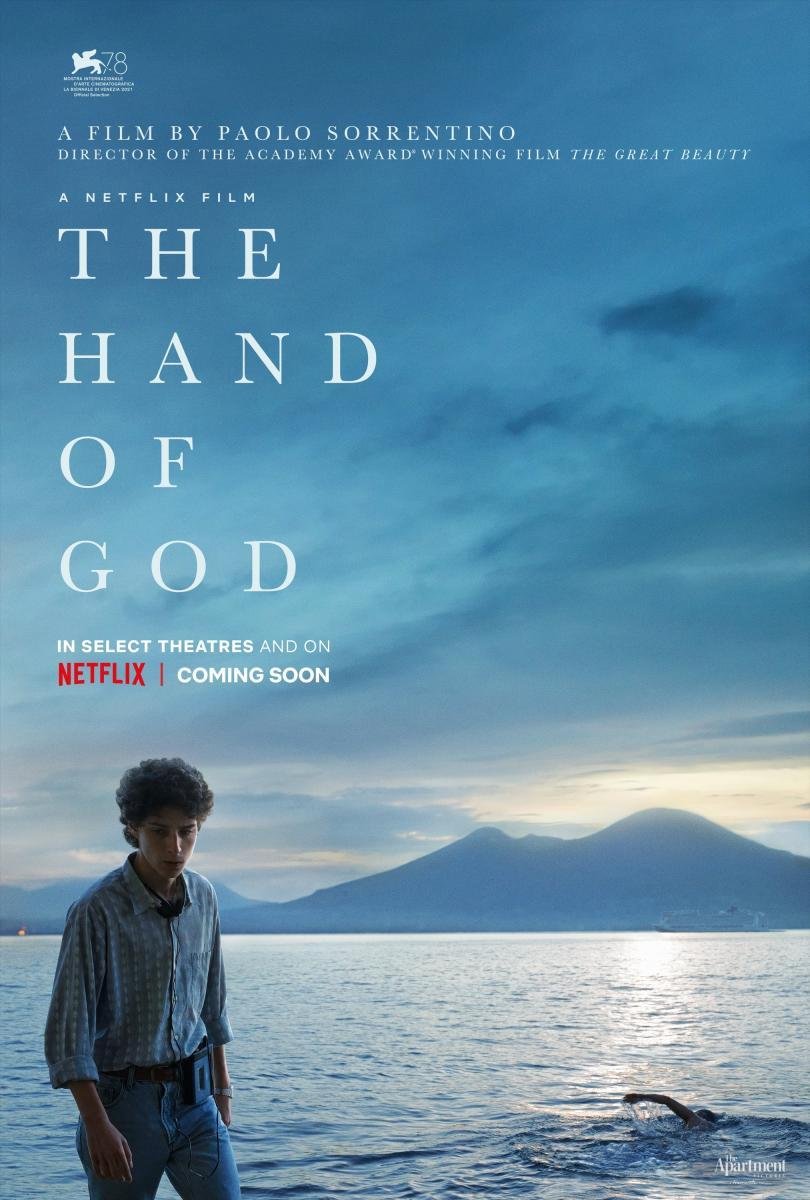
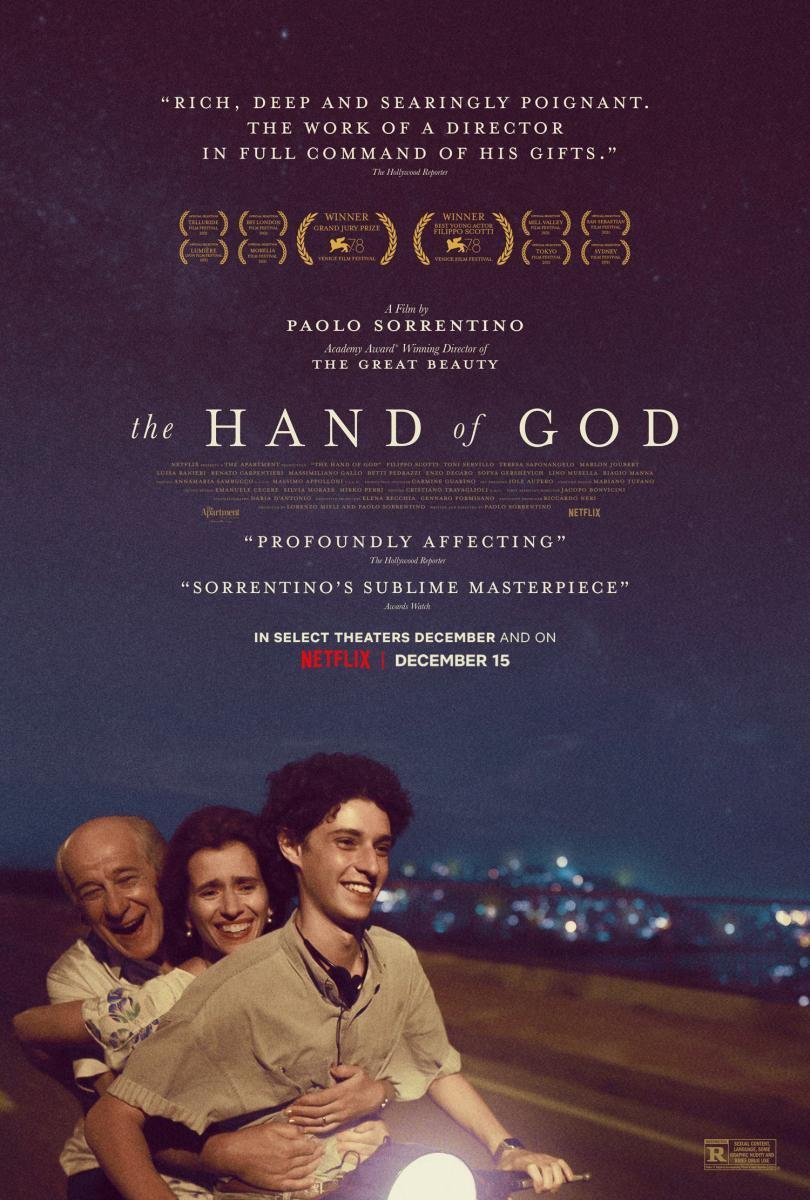
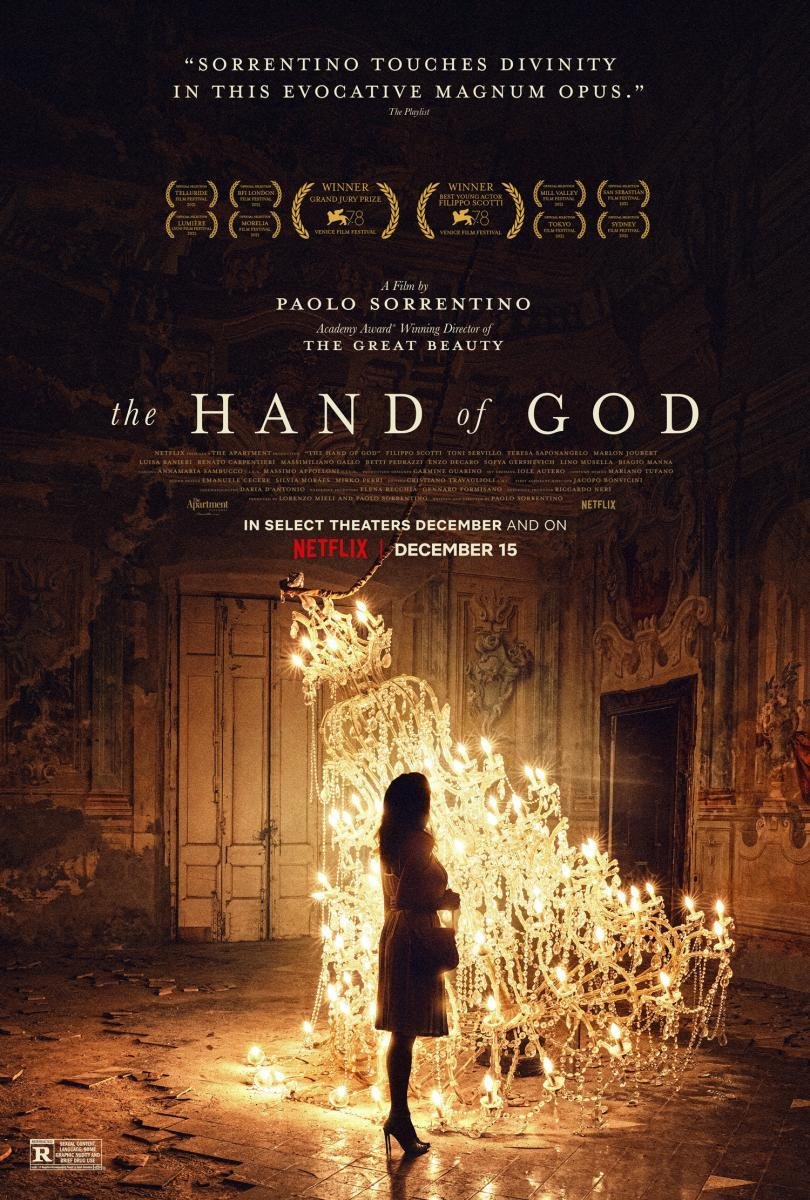
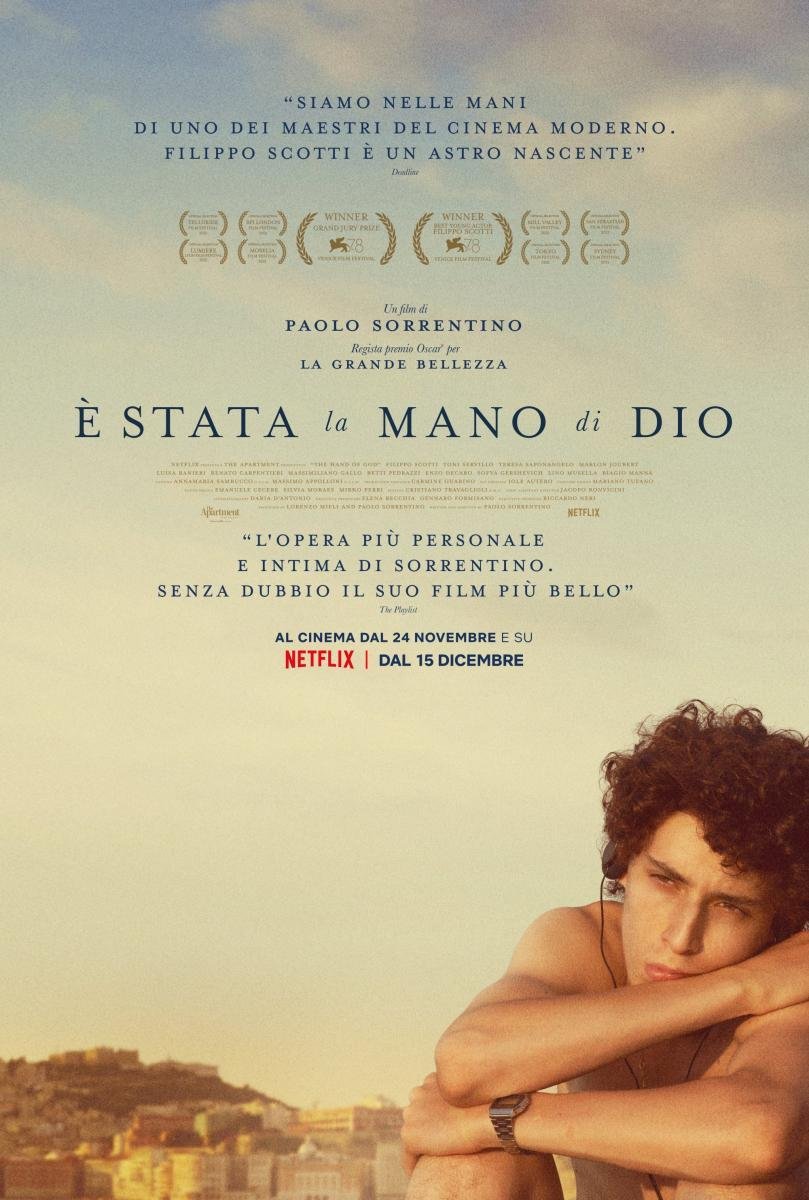
I then wanted to review the rest of his filmography and remembered that a few years ago Sorrentino was nominated for an Oscar again thanks to È stata la mano di Dio (The Hand of God), which I was able to see a couple of nights ago. The film tells the story of Fabietto Schisa, known as Fabié, a seventeen-year-old boy who lives in Naples with his family in the 1980s. It's a coming-of-age film, about that transition between childhood and youth, as Fabié begins to discover the world beyond his family's social circle and begins to think about what to study, what he will do for the rest of his life. The young man's interests are many, but mainly three: philosophy, whose classical authors he often quotes in various conversations; sex, embodied above all by Aunt Patrizia, his uncle's wife, who seems to have certain sanity issues and whose behavior has worried the family to the same extent that her curves and maturity have mesmerized young Fabié; and soccer, a sacred sport in the city, which is revolutionized by the greatest news it had experienced up to that point: Napoli has managed to sign the Argentine star Diego Armando Maradona. Fabié's visits to the stadium to support the city's team and watch the man who would later become world champion and the leader who would lead Napoli to win the Scudetto and other trophies alternate with family gatherings, the Italian summer, the sea, the promise of dreams, and also the betrayal of reality.
Quise entonces repasar el resto de su filmografía y recordé que hace pocos años Sorrentino volvió a estar nominado al Oscar gracias a È stata la mano di Dio (The Hand of God) la cual pude ver hace un par de noches. En la cinta se cuenta la historia de Fabietto Schisa, a quien llaman Fabié, un joven de diecisiete años que vive en Napoli con su familia en los años ochenta. Se trata de una película de iniciación, de ese tránsito entre la niñez y la juventud, ya que Fabié comienza a descubrir el mundo que se mueve más allá del círculo social de su familia y comienza a pensar en qué estudiar, qué hará el resto de su vida. Los intereses del joven son muchos, pero principalmente tres: la filosofía, cuyos autores clásicos suele citar en diferentes conversaciones; el sexo, encarnado sobre todo en la tía Patrizia, la esposa de su tío que parece tener ciertos problemas de cordura y cuyo comportamiento ha preocupado a la familia en la misma medida en que sus curvas y su madurez han hipnotizado al joven Fabié; y el fútbol, deporte sagrado en la ciudad que se revoluciona con la mayor noticia que hubieran vivido hasta entonces: el Napoli ha logrado fichar al astro argentino Diego Armando Maradona. Las visitas de Fabié al estadio para apoyar al equipo de la ciudad y ver jugar al que posteriormente fuera el campeón mundial y el líder que llevaría al Napoli a ganar el scudetto y otras copas se van alternando con reuniones familiares, el verano italiano, el mar, la promesa de los sueños y también la traición de la realidad.
As in Parthenope and La Grande Bellezza, the city—Naples in this case—is another character. The wide-angle shots or shots from terraces, the alleys, the parties, the coast... watching a Sorrentino film—or at least the three I've seen—is also falling in love with a city and wanting to explore its spaces. Just as when you watch Before Sunrise and want to walk through Vienna or explore the French capital after seeing Midnight in Paris, you want to go to Naples after seeing È stata la mano di Dio.
Al igual que en Parthenope y en La Grande Bellezza, la ciudad - Nápoles en este caso - es un personaje más. Las tomas abiertas o desde alguna terraza, los callejones, las fiestas, la costa... ver una película de Sorrentino - o al menos las tres que he visto - es también enamorarse de una ciudad y querer recorrer sus espacios. Tal como cuando uno ve Before Sunrise y quiere caminar por Viena o recorrer la capital francesa después de ver Midnight in Paris, dan ganas de ir a Nápoles después de ver È stata la mano di Dio.
Fabié's age is also important for the development of the plot and the character. In countries where the age of majority is 18, 17 marks the threshold of adulthood, not only because of its numbers, but because it coincides with important changes: the end of high school, the beginning of university life, the first sexual experiences occurring around that age for most people, the end of childhood... 17 is the turning point in a person's life, when they still have the energy to dream big, when their innocence—usually—hasn't been so corrupted, and that mix of emotions, hopes, and dreams mean that at that age, one is not yet an adult, but neither is one still a child or a teenager. In a way, it's the last age, or the last stage in which, without being any of those things, you can possess attitudes of both and not trigger criticism from your surroundings. Just as tenderness, innocence, and playfulness seem like signs of immaturity in very adult people, seriousness and tragedy don't seem to us to be characteristic of childhood; but at 17, it's permissible to be both and neither at the same time. And Fabié is like that, and that makes him charming on screen, whether he's sharing a family lunch with his father, or riding the streets of Naples on a smuggler's motorcycle, or crossing the sea at dawn to go to Capri, or sleeping for the first time with a woman much older than him.
La edad de Fabié también es importante para el desarrollo de la trama y del personaje. En los países en los que la mayoría de edad es a los 18 años, los 17 constituyen el umbral hacia la edad adulta, no sólo por una cuestión numérica, sino porque coincide con cambios importantes: el fin de la secundaria, el inicio de una vida universitaria, las primeras experiencias sexuales se dan alrededor de esa edad en la mayoría de las personas, el fin de la infancia... los 17 años son el punto de inflexión de la vida de una persona que aún tiene energías para soñar en grande, cuando su inocencia - normalmente - no se ha visto tan corrompida y esa mezcla de emociones, esperanzas y sueños hacen que a esa edad uno no sea aún un adulto, pero tampoco se siga siendo un niño o un adolescente. De alguna manera, es la última edad, o la última etapa en que sin ser ninguna de esas cosas se pueden tener actitudes de ambas y no desatar la crítica del entorno. Así como la ternura, la inocencia y el juego se nos hacen señal de inmadurez en gente muy adulta, la seriedad y la tragedia no nos parecen propias de la infancia; pero a los 17 años está permitido ser ambas cosas y ninguna a la vez. Y Fabié es así y eso lo hace encantador en pantalla, ya sea que comparta un almuerzo familiar junto a su padre, o recorra las calles de Nápoles en la motocicleta de un contrabandista, o cruce el mar en la madrugada para ir a Capri o se acueste por primera vez con una mujer mucho mayor que él.
The incisive dialogue, the humor, the religious theme, youth and old age, death, the beauty of Naples, the Italian idiosyncrasy, family, the sea, the love of cinema, the search for identity, the promise of the future, rites of passage, the passion for football, the philosophical dilemmas... all of this is present in the script of this film that lasts a little more than two hours and that feels at times like a play, sometimes like a painting, sometimes like a myth, a legend, like a dream, but that at all times makes us feel in the presence of the best cinema.
Los diálogos incisivos, el humor, el tema religioso, la juventud y la vejez, la muerte, la belleza de Nápoles, la idiosincrasia italiana, la familia, el mar, al amor al cine, la búsqueda de la identidad, la promesa del futuro, los ritos de paso, la pasión por el fútbol, los dilemas filosóficos... todo eso está presente en el guion de esta película que dura un poco más de horas y que se siente a veces como una obra de teatro, a veces como una pintura, a veces como un mito, una leyenda, como un sueño, pero que en todo momento nos hace sentir en presencia del mejor cine.
Maybe I'm a bit biased, but I feel that Italian storytellers have a common soul. Although each has his own style, I feel something emanating from them that is similar to all of them, and it applies to screenwriters, film directors, and novelists alike. When I read a book by Alessandro Baricco, Erri De Luca, or Niccolò Ammaniti, I imagine it as if it were a film by Federico Fellini, Sergio Leone, or Paolo Sorrentino himself, because the musicality of the prose, the humor, and the beauty of the images described on paper are so similar to the spirit of what the other names mentioned show us on screen. There are a couple more Sorrentino films I'd like to see soon, Le Conseguenze dell'Amore and La Givinezza, before La Grazia, his latest film, hits theaters. That film premiered this year at the Venice Film Festival, and all I know is that it's a political drama, so I'm interested to see what Sorrentino's approach is like when it comes to writing something different from what I've seen from him so far. I know the cinematic universe of the cradle of the Roman Empire is endless, but I also know that this platform is home to dozens of film enthusiasts and scholars, so I want to ask you: of all the Italian directors, actors, actresses, or films that you know or have seen, which are your favorites? Which ones would you recommend I see? Have you seen any other Paolo Sorrentino films that you'd recommend? I'll read you in the comments.
Tal vez esté un poco sugestionado, pero siento que los narradores italianos tienen un alma común. Aunque tengan cada uno su propio estilo, siento manar de ellos algo que es similar en todos y aplica tanto para los guionistas, como para los directores de cine y los novelistas. Cuando leo un libro de Alessandro Baricco, Erri De Luca o Niccolò Ammaniti, lo imagino como si fueran películas de Federico Fellini, Sergio Leone o del propio Paolo Sorrentino porque la musicalidad de la prosa, el humor, la belleza de las imágenes descritas en el papel se parecen muchísimo al espíritu de lo que los otros nombres mencionados nos muestran en la pantalla. Hay un par de películas más de Sorrentino que quisiera ver pronto, Le conseguenze dell'amore y La giovinezza, antes de que La Grazia, su última película, llegue a las salas de cine. Esa cinta fue estrenada este año en el festival de Venecia y todo lo que sé es que se trata de un drama político, así que me interesa ver cómo es Sorrentino a la hora de escribir algo diferente a lo que he visto de él hasta ahora. Sé que el universo cinematográfico de la cuna del Imperio Romano es infinito, pero también sé que esta plataforma alberga decenas de apasionados y eruditos del cine, así que les quiero preguntar: de todos los directores, actores, actrices o películas de Italia que conocen o que han visto, ¿cuáles son sus favoritos? ¿cuáles me recomendarían ver? ¿han visto alguna otra película de Paolo Sorrentino que me quieran recomendar? Los leo en los comentarios.
Reviewed by | Reseñado por @cristiancaicedo
Other posts that may interest you | Otros posts que pueden interesarte:
Other posts that may interest you | Otros posts que pueden interesarte:
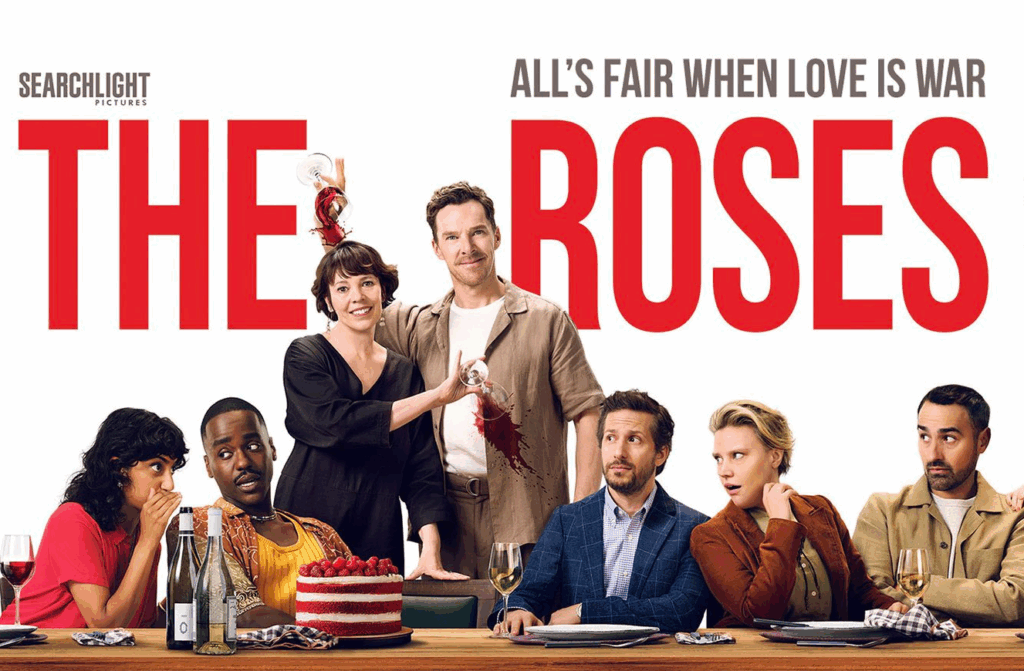
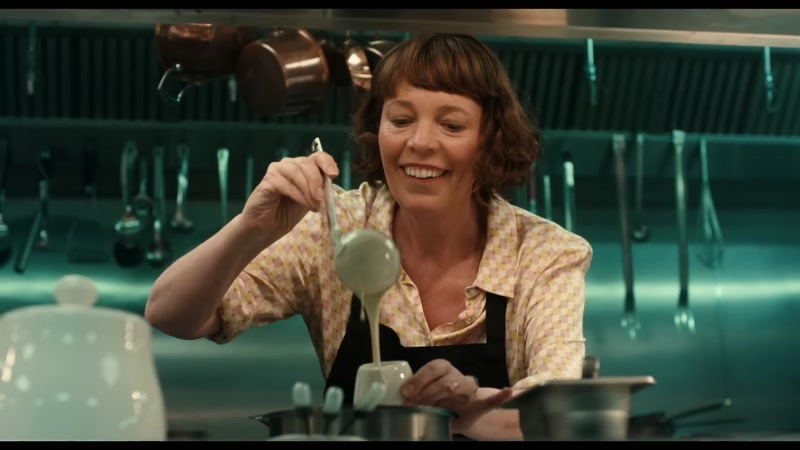
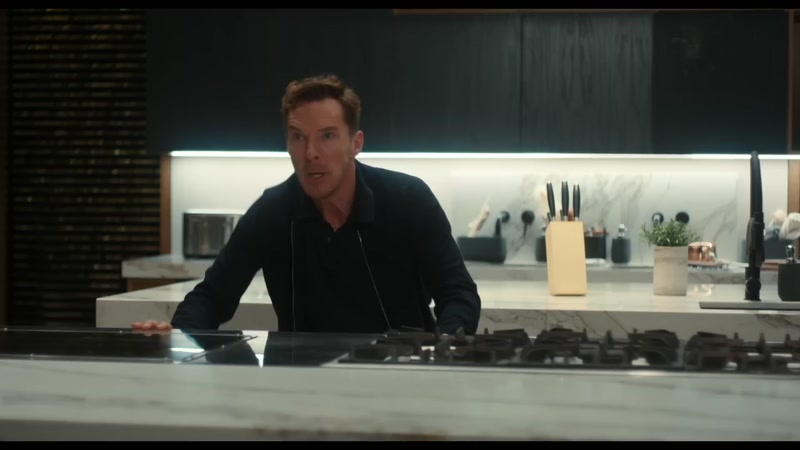
The Roses is a dark comedy that honestly nowadays they promise a lot but deliver nothing, but this one I really liked a lot, Benedict Cumberbatch and Olivia Colman appear and they're incredible, both of them act like they've really been married for like 12 years and can't stand each other for one more second but also can't completely let each other go, that chemistry they have is brutal, it feels real and I think that's what makes the movie work so well even though it has its kinda weird moments. The story starts by showing how these two met in England, he's an architect and she's a chef, both with big dreams but working in places where they don't let them do anything creative, so they meet literally in a freezer where she works and have sex right there, just like that they decide to go together to the United States to chase their dreams which sounds kinda crazy but well that's how love works sometimes, although that's never happened to me hehehe but I've heard stories like that in real life not just movies. The truth is that 10 years later they're already living in California with two kids and everything seems to be going well until what has to happen happens, Theo designs a maritime museum that's like his masterpiece but it turns out a hurricane destroys it and he becomes the laughingstock of all architects, that same night Ivy has her restaurant called We Got Crabs which means we have crabs but it's also like a really funny play on words and just that night the most important food critic arrives and gives her an incredible review so now she's famous and he's a total failure.
The Roses es una comedia negra que la verdad las de hoy en día muchas veces prometen mucho pero no cumplen nada, pero esta si me gusto bastante, aparecen Benedict Cumberbatch y Olivia Colman y estan increíbles, los dos actúan como si de verdad llevaran como 12 años casados y ya no se aguantan ni un segundo más pero tampoco pueden dejarse ir completamente, esa química que tienen es brutal, se siente real y creo que eso es lo que hace que la película funcione tan bien aunque tenga sus momentos medio raros. La historia arranca mostrando la forma en como estos dos se conocieron en Inglaterra, el es arquitecto y ella es chef, ambos con sueños grandes pero trabajando en lugares donde no los dejan hacer nada creativo, entonces se conocen literalmente en un congelador donde ella trabaja y tienen sexo ahí mismo, así de rápido deciden irse juntos a Estados Unidos para perseguir sus sueños lo cual suena medio loco pero bueno así funciona el amor a veces, aunque a mí nunca me ha pasado eso jejeje pero he escuchado historias de ese estilo en la vida real no solo pelis. Lo cierto es que10 años después ya están viviendo en California con dos hijos y todo parece ir bien hasta que pasa lo que tiene que pasar, Theo diseña un museo marítimo que es como su obra maestra pero resulta que un huracán lo destruye y queda como el hazme reír de todos los arquitectos, esa misma noche Ivy tiene su restaurante que se llama We Got Crabs que significa tenemos cangrejos pero también es como un juego de palabras bien chistoso y justo esa noche llega la crítica de comida más importante y le da una reseña increíble entonces ahora ella es famosa y el es un fracaso total.
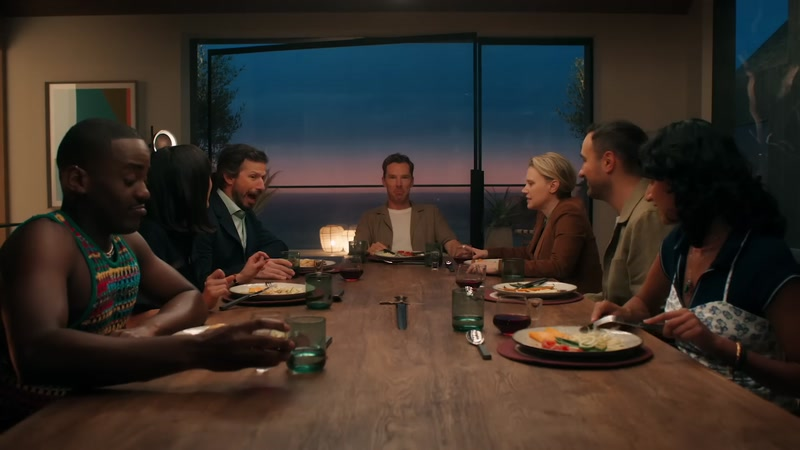
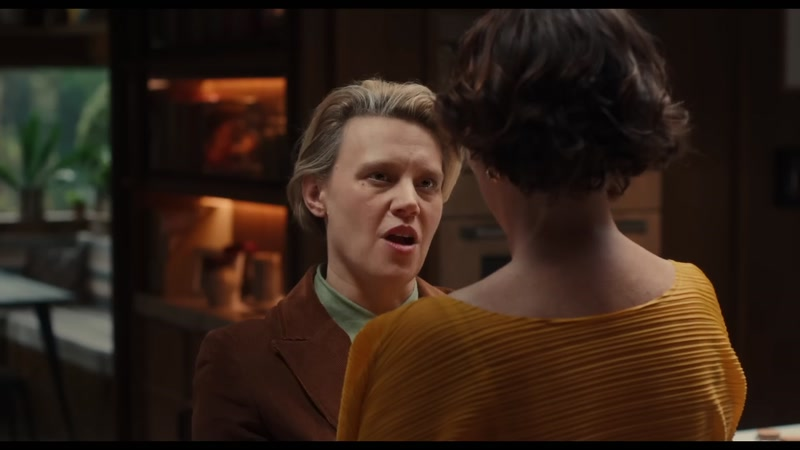
Here you start to see how this marriage falls apart little by little, Theo becomes a full-time dad and honestly he does it really well, he turns the kids into incredible athletes who even get scholarships to a private school in Miami but Ivy feels excluded because she's never home because of work, she opens more restaurants and becomes a cooking celebrity while he's at home taking care of the kids, the funny thing is the kids are happy with dad and when they're told they're getting divorced they're like finally it was about time, that gave me a lot of laughs because normally in movies the kids cry and make drama but here they don't care about anything. The movie has moments that are very funny, there's a scene where they're having dinner with their friends and things get uncomfortable because Ivy is drunk and starts saying really ugly things to Theo in front of everyone, that scene reminded me a bit of those family dinners where everyone's uncomfortable but nobody knows what to do, also there's Kate McKinnon who plays a friend who's obsessed with Theo and is way too obvious, she has really funny moments although I thought her character was exaggerated but it works for what the movie wants to achieve, Andy Samberg also appears and he's calmer than normal and it was interesting to see him in a role like that.
Aquoi empiezas a ver como este matrimonio se desmorona de a poquito, Theo se convierte en papa de tiempo completo y la verdad lo hace muy bien, convierte a los niños en atletas increíbles que hasta consiguen becas para una escuela privada en Miami pero Ivy se siente excluida porque nunca está en casa por el trabajo, abre más restaurantes y se vuelve una celebridad de la cocina mientras que el está en la casa cuidando a los hijos, lo chistoso es que los niños están felices con el papa y cuando les dicen que se van a divorciar ellos están como finalmente ya era hora, eso me dio mucha risa porque lo nromal es que en las películas los niños lloren y hagan drama pero aqui no les importa nada. La peli tiene momentos que son muy chistosos, hay una escena donde están cenando con sus amigos y las cosas se ponen incomodas porque Ivy esta borracha y empieza a decirle cosas bien feas a Theo enfrente de todos, esa escena me recordó un poco a esas cenas familiares donde todos están incomodos pero nadie sabe que hacer, también está Kate McKinnon que interpreta a una amiga que está obsesionada con Theo y es demasiado obvia, tiene momentos bien graciosos aunque me pareció que su personaje era exagerado pero funciona para lo que la película quiere lograr, Andy Samberg también sale y el es más calmado de lo normal y fue interesante verlo en un papel así.
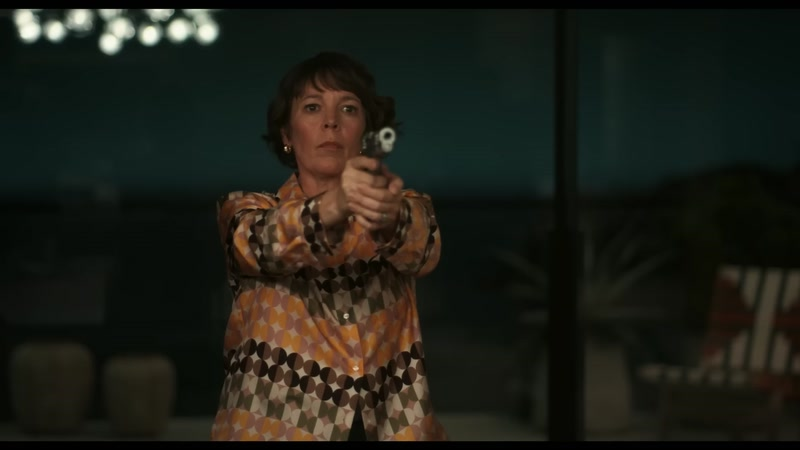
I think what grabs you most about the movie or at least in my case what I liked most is that it's not just a silly comedy, it has things to say about long relationships and how people change over time, Theo and Ivy loved each other at the beginning but after so many years together and with everything that happened with their careers they don't know how to communicate well anymore, there's a part where he goes out running and finds a beached whale on the beach and helps save it with other people but when he gets home he doesn't tell Ivy anything, she finds out from someone else and asks him why he didn't tell her and he answers that he didn't want her to ruin that moment, that scene seemed very real to me because sometimes in relationships you get to that point where you don't want to share good things anymore because you feel the other person is going to take away your happiness, that's when Theo tells her he wants a divorce. The ending is kinda dark that I didn't expect at all, they start fighting for real and things get out of control, Ivy grabs a gun and shoots at him several times although she doesn't hit him, he throws knives at her and destroys her antique kitchen that belonged to Julia Child which was very important to her, after all that they tell each other the truth which is that they still love each other and can't live without each other, they're kissing and making up when something really unexpected happens that I'm not going to tell you so I don't ruin the ending but the movie ends there with a blank screen.
Creo que lo que más te atrpaa de la peli o por lo menos en mi caso fue lo que más me gustó es que no es solo una comedia tonta, tiene cosas que decir sobre las relaciones largas y como la gente cambia con el tiempo, Theo e Ivy se amaban al principio pero después de tantos años juntos y con todo lo que pasó con sus carreras ya no saben como comunicarse bien, hay una parte donde el sale a correr y encuentra una ballena varada en la playa y ayuda a salvarla con otras personas pero cuando llega a la casa no le cuenta nada a Ivy, ella se entera por otra persona y le pregunta porque no le dijo y el le responde que no quería que ella arruinara ese momento, esa escena me pareció muy real porque a veces en las relaciones uno llega a ese punto donde ya no quiere compartir las cosas buenas porque siente que la otra persona le va a quitar la felicidad, ahí es cuando Theo le dice que quiere el divorcio. El final es algo oscuro que no me esperaba para nada, empiezan a pelearse de verdad y las cosas se salen de control, Ivy agarra una pistola y le dispara varias veces aunque no le pega, el le lanza cuchillos y destroza su cocina antigua que era de Julia Child que para ella era muy importante, después de todo eso se dicen la verdad que es que todavía se aman y no pueden vivir el uno sin el otro, se están besando y reconciliando cuando pasa algo realmente inesperado que no les voy a contar para no dañarles el final pero la película termina ahí con la pantalla en blanco.
I liked that this isn't just any romantic comedy where everything gets fixed with a kiss, this movie shows you that sometimes relationships are so screwed up that there's no way to fix them and that trying to force things can end up killing you. Benedict Cumberbatch does an incredible job showing how Theo goes from being this successful guy to being someone who feels oppressed by his wife's success, he never says directly that he's jealous but you see it in every scene, in how he talks to her and how he tries to recover some control over his life by becoming a super dad, Olivia Colman also does it great as Ivy who wants to be successful but also wants to keep her family together and doesn't know how to do both things at the same time, there's a scene where she rehearses an apology in the airplane bathroom and it looks super real because we've all been there where we know we screwed up but don't know how to say it.
Me gustó que esta no es una comedia romántica cualquiera donde todo se arregla con un beso, esta película te muestra que a veces las relaciones están tan jodidas que no hay forma de arreglarlas y que intentar forzar las cosas puede terminar matándote. Benedict Cumberbatch hace un trabajo increíble mostrando como Theo pasa de ser este tipo exitoso a ser alguien que se siente opcadao por el éxito de su esposa, nunca dice de feente que esta celoso pero lo ves en cada escena, en como habla con ella y como trata de recuperar algo de control sobre su vida convirtiéndose en un super papó, Olivia Coleman también lo hace genial como Ivy que quiere tener éxito pero también quiere mantener a su familia unida y no sabe como hacer las dos cosas al mismo tiempo, hay una escena donde ella ensaya una disculpa en el baño del avión y se ve super real porque todos hemos estado ahí donde sabemos que la cagamos pero no sabemos como decirlo.
Honestly I do recommend this movie if you like comedies that are a bit darker and have something to say, it's not perfect because there are moments where the tone is kinda weird and some of the secondary characters don't fit very well with the rest but overall I thought it's pretty entertaining, I laughed a lot and it also made me think about relationships and how easy it is to let resentment build up until it's too late, the movie lasts almost two hours but it never feels boring, something interesting is always happening whether it's a fight or a comedic moment or just watching how these two destroy each other slowly. My score for The Roses is 7.5/10 because it entertained me a lot and the actors are incredible but I feel it could have been a bit more consistent with the tone and with some of the secondary characters, it's definitely not a movie to watch with kids because it has strong language, violence and adult themes but if you like Benedict Cumberbatch's work and Olivia Colman's then you're going to enjoy it.
La verdad si recomiendo esta película si te gustan las comedias que son un poco más oscuras y que tienen algo que decir, no es perfecta porque hay momentos donde el tono es medio raro y algunos de los personajes secundarios no encajan muy bien con el resto pero en general me pareicó que es bastnate entretenida, me reí bastante y también me hizo pensar sobre las relaciones y como es fácil dejar que el resentimiento se acumule hasta que ya es demasiado tarde, la película dura casi dos horas pero nunca se siente aburrida, siempre está pasando algo interesante ya sea una pelea o un momento cómico o simplemente viendo como estos dos se destruyen el uno al otro de manera lenta. Mi puntuación para The Roses es 7.5/10 porque me entretuvo mucho y los actores están increíbles pero siento que pudo haber sido un poco más consistente con el tono y con algunos de los personajes secundarios, definitivamente no es una película para ver con niños porque tiene lenguaje fuerte, violencia y temas de adultos pero si te gusta el trabajo de Benedict Cumberbatch y el de Olivia Coleman entonces la vas a disfrutar.
Hello, horror fans. Let's go back in time for a moment and talk about a film that traumatized more than two or three generations. A story that, today, sounds like a horror story for a sleepover with friends or one of those stories your grandfather tells you at night to make you afraid of what your neighbors do. Based on the novel of the same name written by Ira Levin, Rosemary's Baby is written and directed by the controversial genius Roman Polanski. The film stars Mia Farrow, John Cassavetes, Ruth Gordon, Sidney Blackmer, among others. Discover the film that will make you question the existence of witches.
SPANISH VERSION
Hola, fanáticos del terror. Vayámonos un rato al pasado y hablemos de una cinta que traumó a más de dos o tres generaciones. Una historia que, al día de hoy, suena como a un cuento de terror para una pijamada con amigos o una de esas historias que te echa tu abuelo en la noche para que le tengas miedo a lo que hacen tus vecinos. Basada en la novela homónima escrita por Ira Levin, Rosemary's Baby está escrita y dirigida por el polémico genio Roman Polanski. La película está protagonizada por Mia Farrow, John Cassavetes, Ruth Gordon, Sidney Blackmer, entre otros. Conoce la película que te hará cuestionar sobre la existencia de las brujas.
The film begins by showing us a huge, neo-Renaissance-style apartment building in Manhattan called the Bramford. A married couple arrives and visits the place to see the old apartment that is available, where an elderly woman who reportedly had "strange behavior" and recently died in the hospital used to live. The couple, Rosemary and Guy Woodhouse, consider moving there, but before doing so, they visit their friend Edward "Hutch" Hutchins for dinner, who tells them that there have been several terrifying cases of people eating babies and performing rituals and other very disturbing acts in that same building. Despite Edward's warnings, the couple decides to move into this "interesting" place anyway.
SPANISH VERSION
Trama
La película inicia mostrándonos un enorme edificio de departamentos con un estilo muy a lo neorrenacentista en Manhattan llamado el Bramford. Una pareja de casados llegan y visitan el lugar para ver el antiguo apartamento que está disponible y en el que anteriormente vivía una anciana que según tenía “comportamientos extraños” y murió recientemente en el hospital. La pareja, Rosemary y Guy Woodhouse piensan en mudarse allí, pero antes de eso visitan a su amigo Edward “Hutch” Hutchins para cenar y les cuenta que en ese mismo edificio han habido varios casos aterradores de gente que comen bebés y realizan rituales y cosas muy perturbadoras. A pesar de las advertencias de Edward, la pareja decide mudarse igualmente a este “interesante” lugar.
Once again, we're talking about another movie that I've never seen before in my life, but I've known about it for a long time thanks to its huge popularity in the film industry. Its unforgettable ending is what people talk about most when they remember this film from the 1960s. A film that, apparently, doesn't need gore, graphic scenes, jump scares, or typical genre clichés to completely traumatize you for the rest of your life. This film revolutionized horror cinema thanks to its wealth of details, elements, and incredible performances. For such an old film, I must admit that I am completely impressed by how great it is.
The film is very well set in that era, with a married couple moving into a rather old building along with some somewhat eccentric tenants. The Woodhouse couple has no idea what this mysterious and disturbing place has in store for them. The first twenty minutes are enough to convey all the terror that this building causes when, just after moving in, a woman who lived with an elderly couple is found dead right in front of the complex. This, along with the stories and warnings that Hutch gives the Woodhouses, should have been more than enough for them to leave that place, or at least that's what I would do in their place.
SPANISH VERSION
De nuevo estamos aquí hablando de otra película que nunca he visto antes en mi vida, pero que sí conocía de su existencia desde hace tiempo gracias a su gran popularidad en la industria del cine. Su final tan inolvidable es de lo que más habla la gente cuando recuerdan esta cinta de los años 60. Una película que, por lo visto, no necesita de gore, escenas gráficas, jumpscares ni clichés típicos del género para traumarte por completo por el resto de tu vida. Esta cinta revolucionó el cine del terror gracias a la cantidad de detalles, elementos e increíbles actuaciones que posee. Para ser una cinta muy antigua, debo admitir que estoy completamente impresionado por lo grandiosa que es.
La película se ambienta muy bien a aquella época, con una pareja de casados mudándose a un edificio bastante antiguo junto con ciertos inquilinos un tanto extravagantes. La pareja Woodhouse no tiene ni idea de lo que les deparará este misterioso e inquietante lugar. Los primeros veinte minutos bastan para transmitirnos todo el terror que causa dicho edificio cuando, justo después de mudarse, una mujer que vivía con una pareja de ancianos es encontrada muerta justo enfrente del complejo. Esto, junto con los cuentos y las advertencias que les da Hutch a los Woodhouse debió de ser más que suficiente para que se fueran de ese lugar, o al menos es lo que yo haría en su lugar.
Despite everything, the Woodhouses finish moving and remodel the apartment. However, their elderly neighbors begin to visit them frequently. The one who initiates the visits is Minnie Castevet, who is very nosy and takes advantage of Rosemary's kindness to enter her apartment and spend time with her. This lady invites the newly arrived couple to dinner, which Rosemary discusses with her husband Guy, and they end up agreeing to go. After that night, and listening for a while to the stories of old Roman Castevet, the couple returns to their apartment impressed by the behavior of this strange couple.
But all this is only the beginning of a series of events and situations too strange to be mere coincidences. Even so, the Woodhouses' desire to have children is fulfilled and the cheerful Rosemary becomes pregnant. Only... not in a pleasant way at all. To describe what happens before, during, and after the pregnancy would be giving too much away, so I'd rather leave it at that and invite you to watch this movie, if you're interested. I will only say that it is one of the most disturbing, mind-boggling, and surreal stories I have ever seen in my entire life. It is incredible how the director manages to subtly weave the theme of witchcraft into the film from the beginning and then, in the final act, reveal everything without fear or hesitation.
SPANISH VERSION
A pesar de todo, los Woodhouse terminan con su mudanza y remodelan el apartamento. Sin embargo, la pareja de ancianos que tienen como vecinos empiezan a visitarlos de manera frecuente. Quien inicia con la insistencia es Minnie Castevet, quién es toda una entrometida y se aprovecha de la bondad de Rosemary para entrar en su apartamento y pasar tiempo con ella. Esta señora invita a la pareja recién llegada a comer con ellos, cosa con la que Rosemary habla con su esposo Guy y terminan accediendo a ir. Luego de esa noche y de escuchar por un rato los cuentos del viejo Roman Castevet, la pareja regresa a su apartamento impresionados por la conducta de esta extraña pareja.
Pero todo esto es solo el principio de una serie de eventos y situaciones bastante extrañas como para ser simples coincidencias. Aún así, el deseo que tiene la pareja Woodhouse de tener hijos se cumple y la alegre Rosemary queda embarazada. Solo que… no de una forma para nada agradable. Describir lo que ocurre antes, durante y después del embarazo es ya hablar demás y prefiero mejor dejarlo así e invitarlos a que vean esta película, si es que les interesa. Yo solamente les diré que es de las historias más inquietantes, alucinantes y surrealistas que he visto en toda mi vida. Es increíble la manera en la que el director logra mezclar el tema de la brujería de una manera tan sutil desde el principio para luego, en el acto final, revelarlo todo sin miedo ni tapujos.
The craziest thing isn't that, but how they show us this revelation as the epiphany of a mind that is already completely deranged, like Rosemary's, after everything she has been through during these months of pregnancy. To determine everything as just an act of paranoia is madness in itself, even if at first glance it seems to be the case. But not content with that, the story ends with a sequence that is... heartbreaking, sickening, and unbelievable to watch. This movie is completely insane, really. From beginning to end, this feature film, which is over two hours long, has elements, scenes, and characters that make you think, doubt, and wonder about what is really happening in this macabre place.
I suppose that my introduction to the film is more than enough to give you an idea of the level of horror we are referring to here with this film. We're not talking about the typical witches with pointed hats and flying broomsticks. Rather, we're talking about ordinary people who appear to be part of high society but are actually hiding their membership in a cult, a coven of witches who perform rituals and sacrifice babies to the Devil himself. The level of horror that all this generates becomes increasingly palpable as you continue watching this film until its horrible and unforgettable ending. And that is precisely why it has become so popular to this day.
SPANISH VERSION
Lo más loco no es eso, sino cómo nos muestran dicha revelación como la epifanía de una mente ya completamente desquiciada como lo es la de Rosemary, luego de todo lo que ha pasado en estos meses de embarazo. El determinarlo todo como solo un acto de paranoia es ya una locura en sí misma, aunque a simple vista pareciera que fuera así. Pero no contentos con eso, la historia termina con una secuencia que es… desgarradora, enfermiza e increíble de ver. Una completa locura es esta película, de verdad. De principio a fin, este largometraje de más de dos horas de duración posee elementos, escenas y personajes que te ponen a pensar, dudar y maquinar sobre lo que está sucediendo realmente en este macabro lugar.
Supongo que con la introducción que les hice de la película es más que suficiente como para que tengan una idea de a qué nivel de terror nos estamos refiriendo aquí con esta película. No estamos hablando de las típicas brujitas con sombreros puntiagudos y escobas voladoras. Sino de gente común y corriente que parecen ser parte de la alta sociedad, pero que en realidad ocultan ser parte de una secta, un aquelarre de brujos que practican rituales y sacrifican bebés al mismísimo Diablo. El nivel de horror que genera todo esto es palpable cada vez más cuando sigues viendo esta película hasta su horrible e inolvidable final. Y es por eso mismo que se ha vuelto muy popular hasta la fecha actual.
It is not surprising that a film that is over seventy years old still has such an impact today, given that it tells a story with elements and practices that, in real life, could traumatize anyone. Not only that, but the film itself offered the world of cinema a novel way—at the time—of terrifying and frightening audiences without the need for monsters, murderers, ghosts, or the undead. That's right, we're talking about psychological horror, the kind of horror that doesn't scare you, but makes you doubt your own safety and existence with stories that make you fear your own shadow.
Personally, I consider psychological horror to be one of the strongest and most interesting subgenres in this genre, to be honest. And this film is clearly a classic and a pioneer of this type of work that makes you think a lot and blows your mind at the end. But another thing this film achieves is to open the door to the occult, the unknown, that which you don't know for sure if it's real or not, but which still causes you unease and fear that it might actually happen to you at some point in your life. The way it manages to make you feel quite uncomfortable and nervous throughout the film is more than enough to know that it achieves its main objective.
SPANISH VERSION
No es de sorprenderse que una cinta con más de setenta años de antigüedad tenga tanto impacto aún en la actualidad al tratarse de una historia con elementos y prácticas que, en la vida real pueden llegar a traumar a cualquiera. Y no solo eso, sino que la película en sí logró ofrecer al mundo del cine una forma novedosa -en aquel entonces- de aterrar y causar miedo e inquietud al público sin necesidad de monstruos, asesinos, fantasmas ni muertos vivientes. Así es, estamos hablando del mismo terror psicológico, ese tipo de terror que no consigue asustarte, sino que busca que dudes siquiera de tu propia seguridad y existencia con historias que te hacen temer hasta tu propia sombra.
En lo personal, considero que el terror psicológico es de los subgéneros más fuertes e interesantes que existen en este género, la verdad. Y esta película es claramente un clásico y un pionero de este tipo de obras que te ponen a pensar bastante y te vuelan la cabeza siempre al final. Pero otra cosa que logra esta cinta es abrirle camino a lo oculto, lo desconocido, eso que no se sabe con seguridad si es real o no, pero que aún así te causa inquietud y temor de que en realidad te ocurra alguna vez en tu vida. La manera en la que consigue que uno se sienta bastante incómodo y nervioso a lo largo de esta película es más que suficiente para saber que logra su objetivo principal.
Even so, the ending of this film is completely crazy, and I'll say it again. Right at the end, it goes from being something so realistic to becoming what it is from the beginning: pure fiction. But even so, the final result is still surprising. The elements we see throughout the film, such as the books, the boxes, the plants, the necklace, the drinks... all this and more manage to create a most disturbing atmosphere. And if that weren't enough, the behavior and reactions of the neighbors and even Rosemary's own husband cause that feeling of psychosis and madness, making you think that you can't trust anyone.
Something I would have liked to see at the end is... well, you know. Or at least those who know the film will know what I mean. According to what I read or heard on the internet, the director decided not to show the baby at the end in order to leave its appearance to the viewer's imagination. And I think that both that detail and what the people in that same final scene are saying, shouting, and yelling help give us a pretty good idea of what it looked like. Likewise, it's a major detail that a film of this style has almost no gore, effects, creatures, scary figures, or jump scares of any kind. The pace is mostly slow, but not so slow as to bore you, as long as everything else catches your attention.
SPANISH VERSION
Aún así, lo que fue el final de esta película es una completa locura y lo vuelvo a repetir. Ya llega un punto justo al terminar en el que pasa de ser algo tan realista a convertirse en lo que es desde el principio: pura ficción. Pero aún así no deja de sorprender dicho resultado final. Los elementos que vemos a lo largo de la cinta como lo son los libros, los recuadros, las plantas, el collar, las bebidas… todo esto y más logran construir un ambiente de lo más inquietante. Y por si no fuera suficiente, la conducta y forma de actuar y reaccionar de los vecinos y de hasta el mismo esposo de Rosemary causan esa sensación de psicosis y locura por pensar que no se puede confiar en nadie.
Algo que sí hubiera deseado ver al final es… bueno, ya saben. O al menos los que conocen la película sabrán a qué me refiero. Según leí o escuché por ahí en internet, el director decidió no mostrar al bebé al final para así dejarlo a imaginación del espectador el cómo era su apariencia. Y pienso que tanto ese detalle como también lo que comentan, gritan y vociferan las personas presentes en esa misma escena final ayudan bastante a darnos una idea de cómo era. Igualmente, es un detalle mayúsculo que, una película de este estilo no posea casi nada de gore, efectos, criaturas, figuras aterradoras ni jumpscares de ningún estilo. El ritmo que tiene en su mayoría es lento, pero no tanto como para aburrirte, siempre y cuando te llame la atención todo lo demás.
I say this because, in order to truly feel the terror that this film generates, you have to pay attention to details such as the conversations that the Woodhouses have with their friends and also with their new neighbors; the background sounds from the other rooms, the neighbors' behavior, the comments about the former owners and certain political and even religious issues. But what is most disturbing and unsettling is everything that happens during Rosemary's pregnancy. This is definitely one of the most disturbing things for a woman, especially for a mother, as she can obviously identify with the protagonist and everything that happens to her.
Last but not least, let's talk about the audiovisual aspects of this film. I am surprised at how well preserved it is for a film from the 1960s. Obviously, the passage of time and the difference in quality are quite noticeable in the style of photography, the lack of nuance, the incandescent brightness, the audio quality, and the practical effects. But even so, all this takes a back seat when they manage to construct each apartment setting, the elements, and the resources we see throughout the film quite well. The sound effects are also essential, especially for setting the mood in each environment. The soundtrack is particularly noteworthy for the feeling it always evokes when you listen to it. In short, this is a classic film that I recommend watching if you are a fan of witches and are looking for something more original and interesting.
Personally, I give it a rating of 9/10 in terms of the psychological horror and suspense genre.
SPANISH VERSION
Digo esto último ya que, para sentir de verdad el terror que genera esta película debes de prestarle atención a detalles como las conversaciones que tienen la pareja Woodhouse con sus amigos y también con sus nuevos vecinos; los sonidos de fondo de las otras habitaciones, la conducta de los vecinos, los comentarios acerca de los antiguos dueños y de ciertas cosas políticas y hasta religiosas que tienen. Pero lo que más puede perturbar e inquietar es todo lo que ocurre en el proceso de embarazo de Rosemary. Definitivamente, esto seguramente puede ser de lo más perturbador para una mujer, sobre todo para una madre ya que obviamente puede sentirse bastante identificada con la protagonista y con todo lo que le pasa.
Por último, pero no menos importante, hablemos ahora del apartado audiovisual que tiene esta película. Me sorprende lo bien conservada que está para ser de los años 60. Obviamente, se nota bastante el tiempo y la diferencia de calidad por el estilo de fotografía, la ausencia de matices, el brillo incandescente, la calidad de audio y los efectos prácticos. Pero aún así, todo esto queda en segundo plano cuando logran construir bastante bien cada entorno de los apartamentos, los elementos y recursos que vemos a lo largo de la película. Los efectos de sonido también son esenciales, sobre todo para ambientar cada entorno. La banda sonora es de lo más destacable por la sensación que causa siempre al escucharla. En fin, esta es una película clásica que recomiendo ver si eres fan de las brujas y buscas ver algo más original e interesante.
Personalmente, le doy una calificación de 9/10 en lo que respecta al género del terror psicológico y el suspenso.
Tell me, have you seen this movie yet? What did you think of it? You can leave your answer in the comments.
Dime, ¿ya has visto esta película? ¿Qué te ha parecido? Puedes dejarme tu respuesta en los comentarios.
Synopsis: A young man leaves his arduous work routine in a rural town to try to improve his life in the capital of São Paulo. However, upon arriving in São Paulo to work in a scrapyard, Mateus discovers that he has become a victim (along with several other boys) of an illegal intermediary that facilitates modern-day slavery.
In some stories, there's no long-awaited "happy ending" before the final credits begin to roll. Here we find a degrading and realistic portrait of a society that still relies on human trafficking and slave labor, along with countless other atrocities, to fuel the structure of the capitalist system at its most vile and disgusting. On Brazilian soil (in fact, this is a Brazilian production), this movie takes on even greater weight, given our history marked by a widely known system of slavery, which lasted for no less than 388 years. Therefore, this is the type of project that needs to be recognized as an invitation to a debate about a present past, which cries out for urgency from public authorities (and these, in turn, always seem to ignore this secular problem).
Yes, the world has changed. Slavery as it once was no longer a reality, at least not in the eyes of the law (which still allows countless instances of labor analogous to slavery to escape). On the other hand, we have contemporary slavery, which is the kind of issue that serves as a very well-used foundation for this movie's plot. Alongside human trafficking, police corruption, political involvement, and other controversies, the script here is powerful, "calibrated" with excellent discussions (even if some of them are not properly explored in depth), placing the audience in the role of voyeur of human degradation (a difficult role to assume, as the movie's events reveal increasingly sad and revolting scenes).
It all begins when Mateus is "recruited" to work at a scrapyard in São Paulo. Imagining he's heading for the chance to have a better life (not only for himself, but also for his elderly mother and two sisters), he soon realizes upon arriving at the place where he's to work that he's fallen into a trap. Along with other boys also "seduced" by this opportunity for a better life, they now have a huge debt to pay (an excuse their boss uses to keep them imprisoned there, because in reality, the idea is never to free them) and must do so by working under a regime analogous to slavery (in a more modern sense, let's say). However, Mateus is determined to "change the game" to save themselves and their new friends.
Amidst the execution of his plan, Mateus ends up not realizing his oppressed situation, and finds himself increasingly on the oppressor's side when his boss, Lucas, gradually sees him (after audaciously confronting him and quickly accomplishing several successful tasks) as a potential right-hand man to help with the illegal scheme that keeps the corrupt and inhumane world he's part of running. This threshold becomes a very interesting approach because it is through Mateus's perception that the audience is invited to participate in the movie and experience the horrors of everything that is happening. A dramatic movie takes on the contours of a horror movie due to the heavy themes it brings to light, which truly cause great indignation because they are realities that unfortunately still exist throughout the country.
There's a provocative approach to all the themes presented. They all use slavery as a kind of "tool" to promote the psychological domination to which the "new slaves" are subjected. The narrative structures are overly simple, but hidden between the lines lies the true strength of the plot, which lies in the issues raised within the project. Structural racism introduces new dynamics that are even more controversial, thus increasing the strength of the script (which was already strong enough to impact everything that happens in the movie). Along the same lines, corruption in public power appears as a "weed," ready to corrode everything in its path. The way all of this is connected in the plot deserves applause.
Here we have a protagonist torn between risking his own family's future (since all his relatives are under surveillance by people he doesn't know, but who are part of the scheme to coerce all the prisoners into continuing to work without attempting any kind of escape) or remaining in that truly degrading situation, and an antagonist who, to a certain extent, provides thoughtful insights that attempt to explain his reasons for continuing to work in that brutal scheme (such as the line: "You're only oppressed until you have the chance to be an oppressor.") and how other people might also feel the same way. There's a sense of despondency on both sides... And everything requires attention, because it's in the details of the lines that many powerful things happen in this movie (which is simple... but very effective).
Among the cast, the standout is veteran Rodrigo Santoro, playing a well-constructed character, well-delineated in his most relevant layers. The kind of villain who repulses the audience, but who also has moments of "altruism" as he tries to convey his personal side of the story (and this is something that might spark empathy in some people... but it didn't work for me, because looking more closely at some details reveals that anyone who does this kind of work is genuinely a bad person, not just financially disadvantaged). The supporting cast is weak (including the protagonist, who can be placed in this category for failing to deliver a particularly impactful performance), but this never detracts from the movie's overall brilliance.
Alexandre Moratto directed 7 Prisoners with a human and realistic perspective, without glamorizing the themes. Along with Thayná Mantesso, he also wrote part of the entire script. Both were very bold in their approach, and perhaps only the more impactful aspects were kept from them by limited technical issues (because it's clear this is a low-budget movie). Nevertheless, Moratto managed to create excellent shots, with angles that favor the scenography of the main setting (a junkyard) in a very inviting way. Despite the rather didactic beginning, the second and third acts introduce more complex lines to the script, culminating in an unexpected climax that is entirely in keeping with a sad reality.
[ OFFICIAL TRAILER ]
CRÍTICA DE PELÍCULA: “7 prisioneros” (2021)
Sinopsis: Un joven abandona su ardua rutina laboral en un pueblo rural para intentar mejorar su vida en la capital, São Paulo. Sin embargo, al llegar a São Paulo para trabajar en un desguace, Mateus descubre que ha sido víctima (junto con otros jóvenes) de un intermediario ilegal que facilita la esclavitud moderna.
En algunas historias, no hay un esperado “final feliz” antes de que comiencen los créditos finales. Aquí encontramos un retrato degradante y realista de una sociedad que aún depende de la trata de personas y el trabajo esclavo, junto con innumerables atrocidades, para alimentar la estructura del sistema capitalista en su forma más vil y repugnante. En suelo brasileño (de hecho, se trata de una producción brasileña), esta película cobra aún mayor relevancia, dada nuestra historia marcada por un sistema de esclavitud ampliamente conocido, que duró nada menos que 388 años. Por lo tanto, este es el tipo de proyecto que necesita ser reconocido como una invitación a un debate sobre un pasado presente, que clama por la urgencia de los poderes públicos (y estos, a su vez, siempre parecen ignorar este problema secular).
Sí, el mundo ha cambiado. La esclavitud, como era antes, ya no era una realidad, al menos no ante la ley (que aún permite que se escapen innumerables casos de trabajo análogo a la esclavitud). Por otro lado, tenemos la esclavitud contemporánea, un tema que sirve de base muy bien utilizada para la trama de esta película. Junto con la trata de personas, la corrupción policial, la participación política y otras controversias, el guion es potente, “calibrado” con excelentes debates (aunque algunos no se exploren con la profundidad necesaria), colocando al público en el papel de voyeur de la degradación humana (un papel difícil de asumir, ya que los acontecimientos de la película revelan escenas cada vez más tristes y repugnantes).
Todo comienza cuando Mateus es "reclutado" para trabajar en un desguace en São Paulo. Imaginando que busca una vida mejor (no solo para él, sino también para su anciana madre y sus dos hermanas), al llegar al lugar de trabajo se da cuenta de que ha caído en una trampa. Junto con otros chicos también "seducidos" por esta oportunidad, ahora tienen una enorme deuda que pagar (una excusa que su jefe usa para mantenerlos presos allí, porque en realidad, la idea es nunca liberarlos) y deben hacerlo trabajando bajo un régimen análogo a la esclavitud (en un sentido más moderno, digamos). Sin embargo, Mateus está decidido a "cambiar las reglas del juego" para salvarse a sí mismos y a sus nuevos amigos.
En medio de la ejecución de su plan, Mateus termina sin darse cuenta de su situación de opresión y se encuentra cada vez más del lado del opresor cuando su jefe, Lucas, lo ve gradualmente (tras confrontarlo con audacia y completar rápidamente varias tareas con éxito) como una posible mano derecha para ayudar con el esquema ilegal que mantiene el mundo corrupto e inhumano del que forma parte. Este umbral se convierte en un enfoque muy interesante, ya que es a través de la percepción de Mateus que el público es invitado a participar en la película y experimentar los horrores de todo lo que está sucediendo. Una película dramática adquiere los contornos de una película de terror debido a los temas fuertes que saca a la luz, que realmente causan gran indignación porque son realidades que, lamentablemente, aún existen en todo el país.
Hay un enfoque provocador en todos los temas presentados. Todos utilizan la esclavitud como una especie de "herramienta" para promover la dominación psicológica a la que están sometidos los "nuevos esclavos". Las estructuras narrativas son excesivamente simples, pero entre líneas se esconde la verdadera fuerza de la trama, que reside en los problemas que plantea el proyecto. El racismo estructural introduce nuevas dinámicas aún más controvertidas, lo que refuerza la fuerza del guion (que ya era lo suficientemente fuerte como para influir en todo lo que sucede en la película). En la misma línea, la corrupción en el poder público aparece como una "mala hierba", dispuesta a corroer todo a su paso. La forma en que todo esto se conecta en la trama merece un aplauso.
Aquí tenemos a un protagonista dividido entre arriesgar el futuro de su familia (ya que todos sus parientes están bajo vigilancia por desconocidos, pero que forman parte del plan para obligar a los presos a seguir trabajando sin intentar escapar) o permanecer en esa situación verdaderamente degradante, y un antagonista que, en cierta medida, ofrece reflexiones profundas que intentan explicar sus razones para seguir trabajando en ese brutal plan (como la frase: ”Solo estás oprimido hasta que tienes la oportunidad de ser opressor.”) y cómo otras personas podrían sentir lo mismo. Hay una sensación de desaliento en ambos bandos... Y todo requiere atención, porque es en los detalles de las líneas donde ocurren muchas cosas impactantes en esta película (que es simple... pero muy efectiva).
Entre el reparto, destaca el veterano Rodrigo Santoro, quien interpreta a un personaje bien construido, bien definido en sus facetas más relevantes. El tipo de villano que repugna al público, pero que también tiene momentos de "altruismo" al intentar transmitir su lado personal de la historia (y esto es algo que podría despertar empatía en algunos... pero a mí no me funcionó, porque al analizar algunos detalles con más detenimiento se revela que cualquiera que se dedique a este tipo de trabajo es realmente una mala persona, no solo una persona con dificultades económicas). El reparto secundario es flojo (incluido el protagonista, que podría clasificarse en esta categoría por no ofrecer una actuación especialmente impactante), pero esto nunca le resta brillo a la película en general.
Alexandre Moratto dirigió 7 prisioneros con una perspectiva humana y realista, sin idealizar los temas. Junto con Thayná Mantesso, también escribió parte del guion completo. Ambos fueron muy audaces en su enfoque, y quizás solo los aspectos más impactantes se vieron opacados por problemas técnicos (ya que es evidente que se trata de una película de bajo presupuesto). Sin embargo, Moratto logró crear excelentes planos, con ángulos que favorecen la escenografía del escenario principal (un desguace) de una manera muy atractiva. A pesar del inicio bastante didáctico, el segundo y el tercer acto introducen líneas más complejas en el guion, culminando en un clímax inesperado, totalmente acorde con una triste realidad.
CRÍTICA DE FILME: “7 Prisioneiros” (2021)
Sinopse: Um jovem troca a árdua rotina de trabalho em uma cidade do interior para tentar melhorar de vida na capital paulista. No entanto, ao chegar em São Paulo para trabalhar em um ferro-velho, Mateus descobre que se tornou vítima (ao lado de mais alguns outros garotos) de uma intermediação ilegal que favorece o esquema de escravidão moderna.
Em certas histórias não existe o tão esperado “final feliz” antes que os créditos finais comecem a “pipocar” na tela. Eis aqui um retrato degradante e realista de uma sociedade que ainda faz uso do tráfico humano e do trabalho escravo ao lado de outras inúmeras atrocidades para alimentar a estrutura do sistema capitalista na sua camada mais vil e nojenta. Em solo brasileiro (aliás, está é uma produção brasileira), esse filme ganha ainda mais peso, porque temos um passado marcado pelo sistema de escravidão amplamente conhecido, e que perdurou por nada menos do que 388 anos. Sendo assim, este é o tipo de projeto que precisa ser reconhecido como um convite a um debate sobre um passado presente, que grita por uma urgência dos poderes públicos (e estes por sua vez, sempre parecem ignorar esse problema secular).
Sim, o mundo mudou. A escravidão como era antigamente não existe mais, ao menos não aos olhos da lei (que mesmo assim ainda deixa escapar inúmeros episódios de trabalhos análogos a escravidão). Por outro lado, temos a escravidão conhecida como contemporânea, que é o tipo de problemática que funciona como um alicerce muito bem utilizado na trama deste filme. Ao lado do tráfico humano, corrupção no meio policial, envolvimento político e outras controvérsias, o roteiro aqui é muito potente, “calibrado” com ótimas discussões (mesmo que algumas delas não sejam devidamente bem exploradas na sua profundidade), colocando o público num papel de voyeur da degradação do ser humano (um papel difícil de assumir, à medida em que os eventos do filme vão revelando cenas cada vez mais tristes e revoltantes).
Tudo começa quando Mateus é “recrutado” para trabalhar em um ferro-velho em São Paulo. Imaginando que vai seguir rumo à chance de ter uma vida melhor (não apenas para ele, mas também para sua mãe idosa e suas duas irmãs), ele logo percebe ao chegar no lugar onde vai trabalhar, que acabou caindo numa armadilha. Junto com outros garotos que também “seduzidos” por essa oportunidade de ter uma vida melhor, eles agora têm uma dívida de altíssimo valor para pagar (uma desculpa usada pelo chefe deles para mantê-los aprisionados no local, porque na verdade, a ideia é nunca libertá-los) e precisam fazer isso trabalhando em um regime análogo a escravidão (nos moldes mais modernos, vamos dizer assim). No entanto, Mateus está determinado a “mudar o jogo” para salvar a si mesmos, e aos seus novos amigos.
Em meio a execução do seu plano, Mateus acaba não se dando conta da sua situação como oprimido, e se vê cada vez mais do lado opressor quando o seu chefe, Lucas, aos poucos vai enxergando nele (após muita ousadia ao enfrentá-lo e realizar tarefas bem sucedidas em pouco tempo) um futuro braço direito para ajudar no esquema ilegal que mantém de pé esse universo corrupto e desumano do qual ele faz parte. Esse limiar se torna uma abordagem muito interessante porque é através da percepção do Mateus que o público é convidado a participar do filme e sentir os horrores de tudo o que está acontecendo. Um filme dramático ganha contornos de filme de horror pelas temáticas pesadas que trouxe à tona e que realmente causam muita indignação por serem realidades que infelizmente ainda existem em todo o país.
Existe uma abordagem provocante sobre todos os temas que são propostos. Todos eles fazem uso de escravidão como uma espécie de “ferramenta” na promoção da dominação psicológica em que os “novos escravos” são submetidos. As estruturas narrativas são demasiadamente simples, mas nas suas entrelinhas está a verdadeira força da trama, que são as problemáticas trazidas dentro do projeto. O racismo estrutural chega trazendo novas dinâmicas que são ainda mais controversas, aumentando então à força do roteiro (que antes disso já era forte o suficiente para causar impacto sobre tudo o que acontece no filme). Nessa mesma linha, a corrupção do poder público se mostra como uma “erva-daninha”, pronta para corroer tudo o que estiver em sua frente. O modo como tudo isso é conectado na trama merece aplausos.
Temos aqui um protagonista que está dividido entre arriscar o futuro da sua própria família (uma vez que todos os seus parentes estão sob vigilância de pessoas que eles desconhece, mas que fazem parte do esquema para coagir todos os prisioneiros a continuarem trabalhando sem tentar planejar nenhum tipo de fuga) ou se manter naquela situação real de degradação, e um antagonista que até certo ponto traz pontuações reflexivas que tentam explicar as razões dele se manter trabalhando naquele esquema brutal (como a frase: “Você só é oprimido até ter a chance de ser opressor.”) e como outras pessoas também podem pensar igual a ele. Há um desalento em ambos os lados... E tudo requer atenção, porque é nos detalhes das falas que muitas coisas fortes acontecem neste filme (que é simples... mas muito eficiente).
No elenco, o grande destaque é o veterano Rodrigo Santoro na pele de um personagem muito bem construído e muito bem delineado em suas camadas mais relevantes. O tipo de vilão que causa repulsa no público, mas que também tem seus momentos de “altruísmo” ao tentar mostrar o seu lado pessoal da história (e isso é algo que talvez pode despertar empatia em algumas pessoas... mas comigo não funcionou, porque olhando com mais atenção alguns detalhes, quem faz esse tipo de trabalho é porque é realmente uma pessoa ruim, e não apenas desfavorecida financeiramente). O time de coadjuvante é fraco (incluindo o protagonista, que pode ser encaixado nesta categoria por não conseguir entregar um resultado performático muito impactante), mas em nenhum momento isso tira o brilhantismo do filme por inteiro.
Alexandre Moratto dirigiu 7 Prisioneiros com um olhar humano e realista, sem fazer uso de qualquer “glamourização” sobre os temas abordados. Ao lado de Thayná Mantesso, ele também foi responsável por escrever parcialmente todo o roteiro. Ambos foram muito ousados na abordagem, e certamente só não fizeram algo ainda mais impactante pelas questões técnicas mais limitadas (porque é notório que estamos diante de um filme com baixo orçamento), mas ainda sim, Moratto conseguiu criar ótimos planos, com ângulos que favorecem a cenografia do cenário principal (ferro-velho) de uma maneira bem convidativa. Mesmo tendo um começo muito didático, o segundo e o terceiro ato trazem linhas mais complexas no roteiro, culminando num ápice inesperado e que é totalmente condizente com uma triste realidade.
Horror movies continue to hit the big screen, allowing us to enjoy good stories full of fear, suspense, and paranormal events that have a huge impact. That's why another film in The Conjuring series is coming out, the fourth in the series. Each film has a different story to solve, and what's most impressive is the work the directors have done to make the story increasingly impactful and realistic, allowing us to enjoy something innovative. This is why the announcement of this fourth installment was so well received, as we waited to see how they would surprise us, given that paranormal events are becoming increasingly common in this type of film.
The Conjuring 4: The Last Rite is one of those films that is full of terror from the very first minute to the very end. It makes us realize many things, especially the connection between the films in this series, each of which leaves something behind so that the story can continue. In this latest installment, we see the story of a family that begins to have problems and witness abnormal things. This is where the investigators, whom many of us already know from their appearances in all the previous installments, have to face this situation and apply all their knowledge to put an end to all the fear and concern it creates. And this is where we ask ourselves: Will they be able to solve everything? What will the new paranormal events be like? And many other questions that generate doubt in this saga of The Conjuring.
Las películas de terror siguen llegando a las grandes pantallas y de esa manera seguir disfrutando de una buena historia cargada de mucho miedo, suspenso y esos eventos paranormales que son de gran impacto, por eso una vez más llega otra película de la saga el conjuro, la cual sería la cuarta y en cada película se puede notar una historia diferente por resolver y lo más impactante ese trabajo que ha venido haciendo los directores en poder lograr que la historia cada vez sea de mucho más impactado como también realista para así poder disfrutar de algo innovador y es aquí donde el anuncio de esta cuarta entrega fue muy bien recibida y a la vez ver con que nos iban a sorprender, por el mismo hecho de que esos eventos paranormales cada vez son más sonados en este tipo de películas.
El conjuro 4: El último rito, es una de esas películas en la cual desde el minuto uno hasta el final está lleno de mucho terror y como detalle nos lleva a darnos cuenta de muchas cosas y sobre todo la conexión que tienen esta saga de películas que cada caso deja algo para que así puede seguir la historia y por eso en esta última entrega nos toca ver la historia de una familia la cual comienza a tener problemas y a presenciar cosas anormales y es aquí donde los investigadores, que muchos ya conocemos por el mismo de hecho de formar parte de todas las entregas tiene que afrontar esa situación y aplicar cada uno de sus conocimientos y de esa manera poder darle fin a toda esa situación de miedo y preocupación que crea y es aquí donde nos preguntamos ¿Podrá resolver todo?, ¿Cómo serán los nuevos eventos paranormales? Y muchas otras que generan duda en esta saga de el conjuro.
This film series maintains the same production style, which begins with an attack, investigation, and final act, something that is very well done and allows us to enjoy something incredible and full of fear. In this new installment, you can see the experience of making this type of film, allowing them to get straight to the point without so much filler. In addition, we know that these paranormal events are becoming stronger and can cause a lot of fear, since something happens to this family when they least expect it, and they have to work as a team to free themselves from everything that surrounds them. Another area where they have improved greatly is the way they deal with paranormal events, now using equipment, unlike the first installment, which was very manual and always escaped them. That's why everything is much more effective now, and you can see that it's all a game where the slightest mistake can have an impact.
Esta saga de películas mantiene un mismo estilo de producción, la cual comienza con algún ataque, investigación y acto final, algo que está muy bien trabajado y así poder disfrutar de algo increíble cargado de mucho miedo, donde en esta nueva entrega se nota ya la experiencia de hacer este tipo de entrega y así poder ir directamente al punto sin tanto relleno, además saber que esos eventos paranormales cada vez son más fuerte y puede llegar a causar mucho miedo, ya que en el momento menos esperado ocurre algo en dicha familia, como también tener que trabajar en equipo y así poder liberarse de todo eso que los rodea. Otras de las cosas en la cual han mejorado mucho es la manera como enfrentar a los eventos paranormales, usando ya equipos y a diferencia de la primera entrega que era todo muy manual y siempre se les escapaba, por eso ahora todo es mucho más efectivo y ver que todo es un juego donde el mínimo error puede afectar.
Each of the scenes is very well crafted. Although practically the entire film takes place in the same house, you can see the great effort that went into it, the effects, and each of the elements used to develop a film like this, which is not exaggerated but rather simple, yet very scary. Once again, we see the presence of two great actors who have been leading the investigations since the first installment, as they are experts and well-known for their work when it comes to paranormal events. They also have a style that characterizes them, and in each case they manage to achieve their goal. This time, they have to face something never seen before, and it may be the last, which is why they bring a lot of tension and excitement to those moments.
Cada una de las escenas están muy bien trabajadas, a pesar de que prácticamente toda la película se desarrolla en una misma casa, se nota un gran esfuerzo, los efectos y cada una de las cosas que tiene que usar para así poder desarrollar una película cómo está y que no sean exagerados, sino más bien sencillos, pero que den mucho miedo. Una vez más volvemos a ver la presencia de dos grandes actores que son los que han llevado las investigaciones desde la primera entrega, ya que son expertos y muy bien reconocidos por ese trabajo que hacen cuando se trata de eventos paranormales, además tiene un estilo que los caracterizan y en cada caso logran dar con el objetivo y esta vez les toca enfrentarse a algo jamás visto y puede que sea el último, por eso le colocan mucha tensión y emoción a esos momentos.
This was a great result, despite the fact that horror movies, whether new or sequels to a series, always reach a point where they become repetitive. It's a genre that has to focus on coming up with new ideas that have a much greater impact, and then they will surely be the best again. Beyond that, this fourth installment of The Conjuring once again brings a case to a close, but with a hint that these types of paranormal events may continue to happen, whether they are real or fictional, they will always give people a lot to talk about. That is why this installment meets expectations and shows how the films in this series are improving, allowing us to enjoy something new in horror and get a good scare, also, as my friend @edwardstobia mentions, a fair ending.
Este fue un gran resultado, a pesar de que cada vez las películas de terror ya sean nuevas o continuación de alguna saga, llega un punto donde se vuelve lo mismo, siendo un género que tiene que apostar en sacar cosas nuevas de mucho más impacto y seguramente vuelven a ser las mejores. Más allá de eso esta cuarta de entrega de el conjuro una vez más dar por terminado un caso, pero con toque de que puede seguir pasando ese tipo de eventos paranormales por más que sean reales o de ficción siempre darán mucho de que hablar, por eso es una entrega que cumple con las expectativas y ver cómo cada vez las películas de esta saga mejoran y así poder disfrutar de algo nuevo de terror y de esa manera poder llevarnos un buen susto, ademas como menciona el amigo @edwardstobia un final justo.
Written by: Steve Gerber & Beth Woods
Directed by: Joseph L. Scanlan
Running Time: 46 minutes
Star Trek, often heralded as humanity’s most optimistic and popular vision of a future Earth, paradoxically maintains a rather dubious reputation for accurate prediction. Notorious failures, such as the 1990s Eugenics Wars or the violent unification of Ireland supposedly occurring in 2024, stand as prominent examples of its temporal myopia. Yet, amidst these misfires, the franchise occasionally stumbles upon startling prescience, exploring concepts considered fringe during production that later permeate everyday reality. Star Trek: The Next Generation’s second-season episode, whilst not ranking among series' most memorable instalments, exemplifies this phenomenon. Despite its relatively unremarkable status within the series canon, the episode grapples with a technological threat that would become terrifyingly commonplace decades later: the computer virus capable of catastrophic, systemic collapse. This conceptual foresight, however, is embedded within a narrative framework burdened by underdeveloped subplots and structural weaknesses, rendering Contagion a fascinating yet flawed relic of its time.
The plot commences with the USS Enterprise-D racing towards the Romulan Neutral Zone following a distress call from its sister ship, the USS Yamato, commanded by Captain Donald Varley (Thalmus Rasulala), an old friend of Captain Picard. Initial communication proves difficult; when contact is finally established, Varley reports escalating, seemingly random system malfunctions across his vessel. Before any meaningful assistance can be rendered, the Yamato’s antimatter containment field catastrophically fails, resulting in a devastating explosion witnessed in horror by the Enterprise crew, claiming Varley and over a thousand lives. This shocking opening sequence immediately establishes high stakes and a palpable sense of dread. The investigation into the Yamato’s destruction is swiftly complicated by the arrival of the Romulan warbird Haakon, commanded by Sub-commander Taris (Carolyne Seymour). Taris demands the Enterprise vacate the Neutral Zone and denies any Romulan involvement in the tragedy. Picard, initially inclined to believe her denials, nevertheless refuses to withdraw until he uncovers the cause of the Yamato’s demise and, crucially, prevents the incident from triggering a wider conflict between the Federation and the Romulan Star Empire.
The key to unraveling the mystery lies within the salvaged logs from the Yamato. These reveal Captain Varley had been secretly exploring the Neutral Zone in pursuit of Iconia, the near-mythical homeworld of the ancient Iconians – a technologically superior precursor race. Varley succeeded in locating the planet, but upon approach, automated Iconian systems launched probes towards both the Yamato and the Haakon. The Enterprise subsequently begins experiencing minor malfunctions eerily mirroring those that afflicted the Yamato, rapidly escalating towards critical failure. Recognising the parallel path to destruction, Picard leads an away team to Iconia’s surface. There, they discover the remnants of Iconian technology, including multi-dimensional gateways. Picard, aided by Data (whose memory is later wiped by the same alien system), identifies the root cause: the logs detailing their expedition contain a sophisticated Iconian computer virus. The solution, remarkably straightforward yet devastatingly effective, is simply to erase all records of their findings – thereby purging the virus. Upon the Enterprise’s successful return, Picard transmits this solution to the Haakon, averting a similar catastrophe for the Romulans and defusing the immediate political crisis.
This core concept – a computer virus infiltrating and catastrophically disabling critical infrastructure – is what elevates Contagion beyond its era. In the late 1980s, when home computing was nascent and networked systems largely confined to military or academic use, the idea of a self-replicating digital pathogen capable of bringing down complex technological networks with real-world, physical consequences was largely speculative fiction. The episode’s genesis is particularly noteworthy; the initial idea reportedly came from Beth Woods, Paramount’s chief computer technician, who explained the concept of system corruption to Gene Roddenberry. Even more striking is the prescribed solution: the simple act of erasing infected logs, effectively a system reboot to purge malicious code. This mirrors the rudimentary yet often effective "turn it off and on again" approach familiar to modern IT professionals combating malware. In an age where ransomware cripples hospitals, state-sponsored cyberattacks threaten national grids, and supply chains are disrupted by digital intrusions, Contagion’s central premise feels less like science fiction and more like a prophetic warning, its simplicity underscoring a fundamental vulnerability in our increasingly interconnected world.
However, the script, co-written by Woods and comic book luminary Steve Gerber (creator of Howard the Duck), seemingly deemed the virus concept insufficiently dramatic on its own. It compounds the narrative by situating the Iconian homeworld conveniently within the fiercely contested Neutral Zone. This contrivance serves primarily as a plot device to reintroduce the Romulans and inject Cold War-style tension over the race for ancient super-technology. Regrettably, this subplot proves underdeveloped and ultimately detrimental. Sub-commander Taris, portrayed by Caroline Seymour, lacks the depth, menace, or political acumen of memorable Romulan adversaries. She functions largely as a one-dimensional obstacle, her presence failing to generate genuine suspense or ideological conflict. This weakness invites inevitable, unfavourable comparisons to the iconic The Original Series episode The Enterprise Incident, where Joanne Linville’s Commander in Chief delivered a masterclass in Romulan intrigue and sexual politics. Seymour’s later return as a different Romulan character in TNG only reinforces the forgettable nature of her role in Contagion.
Furthermore, the episode suffers structurally from the sheer impact of the Yamato’s destruction occurring so early. This spectacular and shocking event sets an almost impossibly high bar for the remainder of the narrative; the subsequent investigation, while logically driven, inevitably feels less consequential in comparison. The tragedy also creates an awkward character moment where Wesley Crusher, in a display of characteristic self-absorption, interrupts Captain Picard during the critical crisis to unburden his own emotional distress over witnessing the explosion. Picard, already burdened with averting interstellar war, is forced into the role of impromptu counsellor – a task far better suited to Counselor Troi. This scene, rather than adding depth, merely highlights Wesley’s persistent narrative intrusion and undermines the gravity of Picard’s command responsibilities.
Despite these narrative shortcomings, Contagion is not without merit. Director Joseph L. Scanlan maintains a brisk pace, effectively utilising the available budget for solid special effects, particularly the Yamato’s destruction The visual execution helps propel the story forward, allowing the audience to overlook some of the plot’s logical gaps through sheer momentum. Moreover, the episode contributes significantly to Star Trek’s enduring worldbuilding. It marks the canonical debut of Picard’s iconic fondness for Earl Grey tea, a small character detail that would become a defining trait. More substantially, the introduction of the Iconians and their instantaneous gateway technology laid crucial groundwork for future storytelling, most notably serving as a pivotal plot element in Star Trek: Deep Space Nine’s acclaimed episode To the Death.
At the end, Contagion stands as a compelling case study in Star Trek’s intermittent prophetic power, overshadowed by its own narrative limitations. Its foresight regarding the existential threat posed by malicious computer code, conceived at the dawn of the personal computing era, is genuinely remarkable and resonates profoundly in our contemporary digital landscape. The prescribed solution, born of practical IT thinking, further cements its unexpected relevance. Yet, this strength is undermined by a reliance on a contrived geopolitical subplot that fails to capitalise on the Romulan potential, a structural imbalance caused by the early, unmatched spectacle of the Yamato’s destruction, and some regrettable character moments. Nevertheless, bolstered by competent direction, effective pacing, and its invaluable contributions to the franchise’s lore, Contagion ultimately warrants recommendation. It may not be TNG’s finest hour, but as a snapshot of nascent cyber-fears rendered with surprising acuity, and as a foundational piece of Star Trek mythology, its significance, both within the fictional universe and as a curious piece of real-world technological prophecy, endures far beyond its initial, somewhat unremarkable reception.



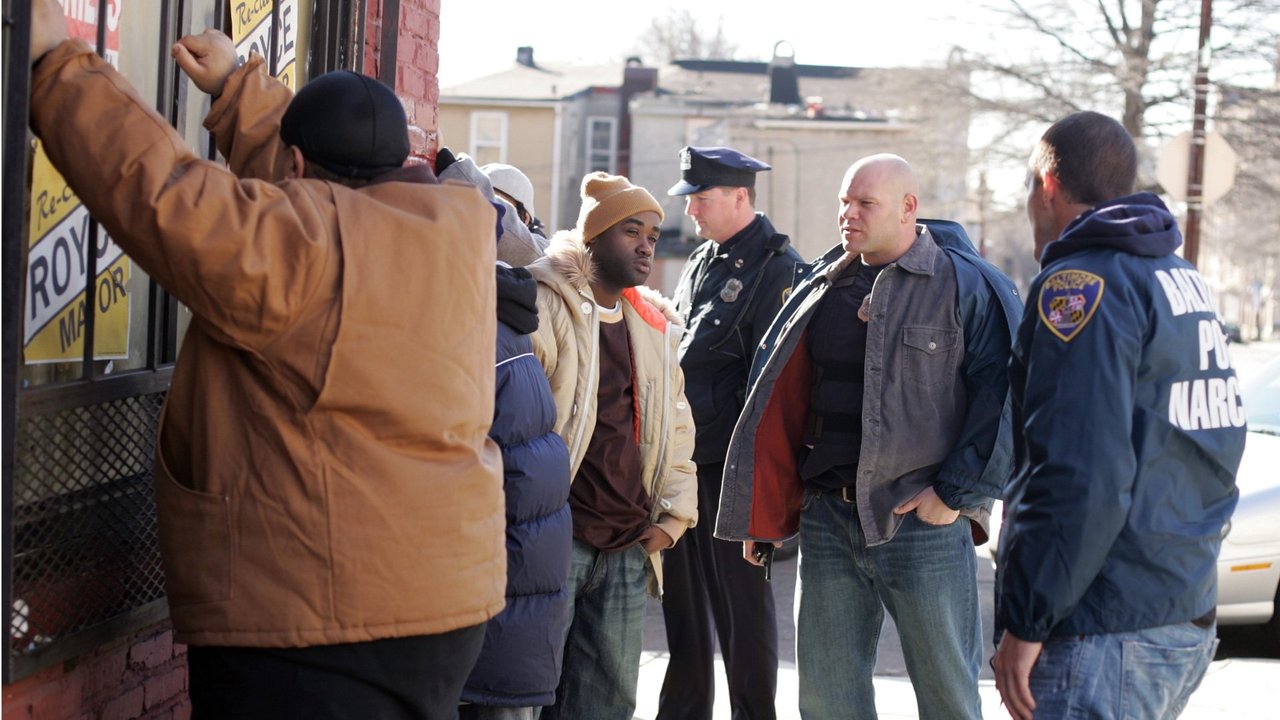










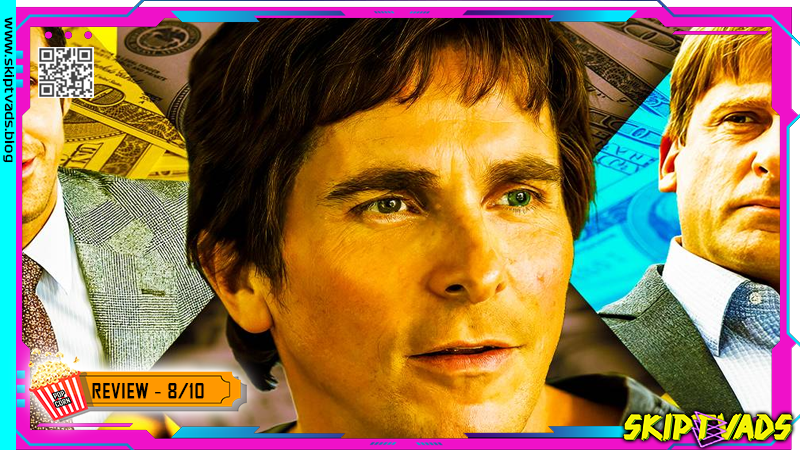


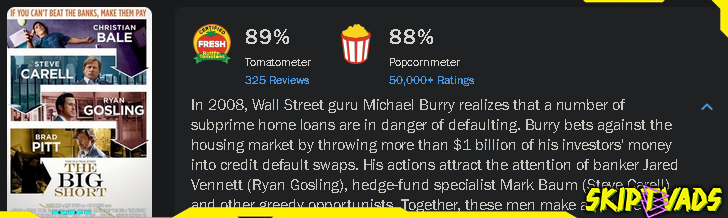

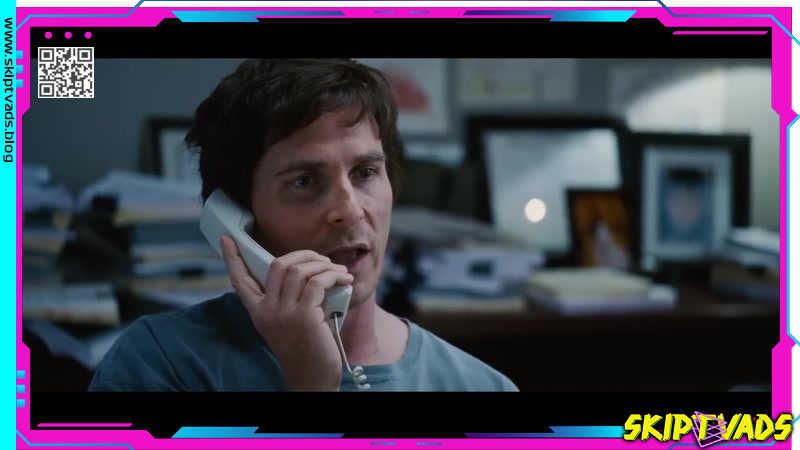 [Source](https://tinyurl.com/2ejtefv8)
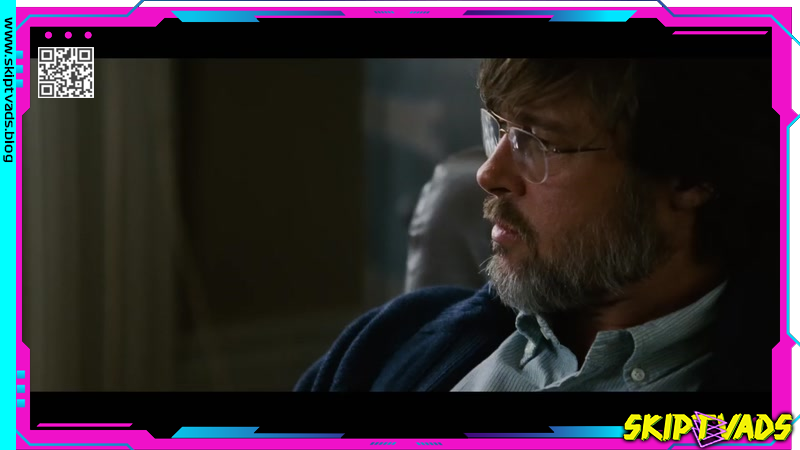 [Source](https://tinyurl.com/2ejtefv8)
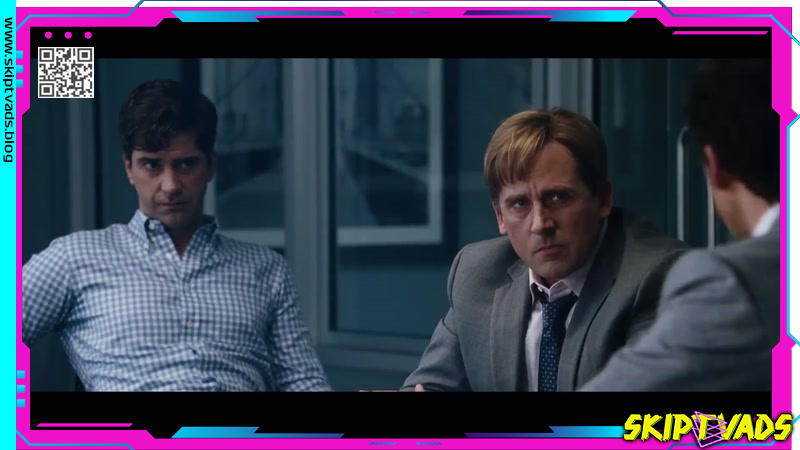 [Source](https://tinyurl.com/2ejtefv8)
I trully enjoy how the movie tries to make something very complex so easy and even giving backstory of how everything potentially started, they dont go that much into complex terms but when they do simply try to dumb them down in a fun way, sometimes maybe to hard with all the celebrity cameos explaining stuff to us, like were five year olds who need Margot Robbie in a bathtub or Anthony Bourdain talking about fish stew to get what a CDO is, some of it was funny and clever but other might felt like too much. That Jenga tower scene where Ryan Gosling is stacking blocks and knocking them down to show how the mortgage bonds worked, that was actually pretty smart, it helped visualize something thats normally just boring numbers and percentages on a spreadsheet but then they keep doing it over and over, different celebrities popping up every twenty minutes, after awhile I was like okay I get it, move on with the story please because I came here for a movie not a finance class. Ryan Gosling basically plays the same smooth talking character he always plays, hes Jared Vennett whos really Greg Lippmann from Deutsche Bank, he is the narrator, very entertaining to watch, brings some energy to scenes that would just be people sitting in offices yelling about bonds and swaps if he wasnt there because he was constantly making fun of everyone else in the room and he is the only smart guy seen everything unfold just that nobody believes him, but its nothing new from him, at this point I feel like Gosling could do this kind of character without even trying. Brad Pitt doesnt get much screen time as Ben Rickert but he is solid when he shows up with his weird paranoia about the government and germs, he play this retired trader who helps out the young guys from a self funded Investment Fund, he gets the best line in the whole movie when he tells them dont dance after there celebrating making money off the collapse when he says "every one percent unemployment goes up forty thousand people die", it just shuts down there whole celebration real quick, reminds you that yeah your making money but your betting against regular peoples lives and homes which is pretty fucked up when you think about it for more than two seconds.
[Source](https://tinyurl.com/2ejtefv8)
I trully enjoy how the movie tries to make something very complex so easy and even giving backstory of how everything potentially started, they dont go that much into complex terms but when they do simply try to dumb them down in a fun way, sometimes maybe to hard with all the celebrity cameos explaining stuff to us, like were five year olds who need Margot Robbie in a bathtub or Anthony Bourdain talking about fish stew to get what a CDO is, some of it was funny and clever but other might felt like too much. That Jenga tower scene where Ryan Gosling is stacking blocks and knocking them down to show how the mortgage bonds worked, that was actually pretty smart, it helped visualize something thats normally just boring numbers and percentages on a spreadsheet but then they keep doing it over and over, different celebrities popping up every twenty minutes, after awhile I was like okay I get it, move on with the story please because I came here for a movie not a finance class. Ryan Gosling basically plays the same smooth talking character he always plays, hes Jared Vennett whos really Greg Lippmann from Deutsche Bank, he is the narrator, very entertaining to watch, brings some energy to scenes that would just be people sitting in offices yelling about bonds and swaps if he wasnt there because he was constantly making fun of everyone else in the room and he is the only smart guy seen everything unfold just that nobody believes him, but its nothing new from him, at this point I feel like Gosling could do this kind of character without even trying. Brad Pitt doesnt get much screen time as Ben Rickert but he is solid when he shows up with his weird paranoia about the government and germs, he play this retired trader who helps out the young guys from a self funded Investment Fund, he gets the best line in the whole movie when he tells them dont dance after there celebrating making money off the collapse when he says "every one percent unemployment goes up forty thousand people die", it just shuts down there whole celebration real quick, reminds you that yeah your making money but your betting against regular peoples lives and homes which is pretty fucked up when you think about it for more than two seconds. [Source](https://tinyurl.com/2ejtefv8)
 [Source](https://tinyurl.com/2ejtefv8)
The whole documentery style with the shaky cameras and random zoom ins on peoples faces I find so entertaining because it felt like a gimmick but one that works keeping you watching, although its true that it doesnt add anything real to the story it just camera work to make things engaging, like I get that McKay was trying to make it feel urgent and chaotic to match the subject at hand, the financial world falling apart and all that. The movie also draggs during sometimes to the point I was just tired and wanting things to settle down for a minute so I could focus on the actual conversations happening, like when Bale lay down on the floor just waiting for the Housing Market to crash but kept going up. That scene where they go to Miami and start looking at all the empty houses, that was probably the most effective part of the whole movie for me, because it stops being about numbers and bonds and becomes about actual people losing there homes and turning those numbers into a reality, seeing them talk to that guy who was paying rent but his landlord wasnt paying the mortage, so now hes getting kicked out anyway, that hit way harder than any of the technical explanations about tranches and credit default swaps specially when they are out of a gas station living of their car, because it showed the real human cost of all this financial bullshit that the banks were pulling. The part where they meet the strippers who somehow have five houses and a condo, all on subprime morgages with adjustable rates that are about to explode, that was hilarious and diabolic at the same time, because your laughing at how absurd it is but also realizing holy shit the whole system is built on absolutely nothing except lies and fake paperwork, like if strippers working at a club can get approved for millions in loans with no real income verification, then yeah the whole thing is obviously going to collapse eventually and take everyone down with it.
[Source](https://tinyurl.com/2ejtefv8)
The whole documentery style with the shaky cameras and random zoom ins on peoples faces I find so entertaining because it felt like a gimmick but one that works keeping you watching, although its true that it doesnt add anything real to the story it just camera work to make things engaging, like I get that McKay was trying to make it feel urgent and chaotic to match the subject at hand, the financial world falling apart and all that. The movie also draggs during sometimes to the point I was just tired and wanting things to settle down for a minute so I could focus on the actual conversations happening, like when Bale lay down on the floor just waiting for the Housing Market to crash but kept going up. That scene where they go to Miami and start looking at all the empty houses, that was probably the most effective part of the whole movie for me, because it stops being about numbers and bonds and becomes about actual people losing there homes and turning those numbers into a reality, seeing them talk to that guy who was paying rent but his landlord wasnt paying the mortage, so now hes getting kicked out anyway, that hit way harder than any of the technical explanations about tranches and credit default swaps specially when they are out of a gas station living of their car, because it showed the real human cost of all this financial bullshit that the banks were pulling. The part where they meet the strippers who somehow have five houses and a condo, all on subprime morgages with adjustable rates that are about to explode, that was hilarious and diabolic at the same time, because your laughing at how absurd it is but also realizing holy shit the whole system is built on absolutely nothing except lies and fake paperwork, like if strippers working at a club can get approved for millions in loans with no real income verification, then yeah the whole thing is obviously going to collapse eventually and take everyone down with it. Overall the entire movie felt like an exaggeration that did happen, solid performances especially from Bale and Carell who really brought there A game almost everyone on this movie did great, good writing that made a boring topic interesting enough to keep me watching for over two hours and it actually made me angry about stuff that happened fifteen years ago, which means it did its job getting me to care about banking corruption and fraud and all the ways regular people got screwed. The ending felt rushed but it didnt matter because everything was lay down, when it shows that nobody went to jail, the banks all got bailouts paid for by regular taxpayers who had nothing to do with creating the mess, within a few years Wall Street was doing the exact same shit again with different names for there scams, calling them bespoke tranche opportunities or whatever fancy term they came up with to hide the fact that its the same garbage repackaged, its the kind of ending that makes you think we are all living in a simulation because how can this things keep happening?, I respect that McKay didnt try to sugar coat it or give us some fake happy resolution where the good guys win and justice prevails because thats not what happened in real life. I would give it a solid 8 out of 10, because any movie that can make banking feel important without putting me to sleep, has done something right plus Bales nailing the role felt so good.