Longform reviews of films, TV, anime, books, and audiobooks, written by the scrobble.life community and published to the Hive blockchain, so each one is owned by its author and can earn rewards from readers. 51,246 reviews and counting.
Hola mis queridos lectores de Hive y amantes del mundo del cine ❤️.
Está película de verdad que me sorprendió, hay que estar muy pero muy concentrado mirando cada detalle porque es fácil perderse, por lo menos a mi me pasó. El género en si me gusta, ese que juega entre el terror psicológico y la comedia pesada, humor negro que caracteriza al tipo de reuniones entre un grupo de jóvenes, y si, está no fue la excepción, hay de todo tipo de personalidades, que al final terminan mezclandose entre si.
Y por que digo esto?, pues porque precisamente de eso trata un poco el film, y para hacerles un pequeño resumen la historia se encamina un poco con la reunión de varios amigos en la casa de uno de ellos, para celebrar una futura boda, entonces entre ellos aparece un viejo conocido que fue con ellos al instituto, un poco raro pero según él, les prometía una diversión garantizada con solo un maletín. Todos al verla se preguntaron que contenía la maleta y la hacía tan especial y él, agregándole mucho misterio al asunto les adelanto que básicamente jugarían a ser otra a persona por unos minutos. Eso sin duda sorprendio a todos, pero aún así con un poco de temor aceptaron entrar al juego, y lo que al principio parecía una emocionante y exitante experiencia, ninguno de ellos imagino que terminaría en un completo y macabro desastre.
This film really surprised me. You have to be very, very focused on every detail because it's easy to get lost, at least that's what happened to me. I like the genre itself, which plays between psychological horror and dark comedy, the kind of black humor that characterizes gatherings between a group of young people, and yes, this one was no exception. There are all kinds of personalities, which in the end end up mixing with each other.
Why am I saying this? Because that's what the film is about, and to give you a quick summary, the story begins with a group of friends gathering at one of their houses to celebrate an upcoming wedding. Then an old acquaintance from high school shows up. He's a little strange, but according to him, he promises them guaranteed fun with just a briefcase. When they see it, they all wonder what's inside the briefcase that makes it so special. Adding to the mystery, he tells them that they'll basically be playing at being someone else for a few minutes. This surprises everyone, but even so, with a little trepidation, they agree to play along. What at first seems like an exciting and thrilling experience, none of them imagines will end in complete and macabre disaster.
De momento mi puntuación para esta película sería un 6 de 10. Aquí les comparto el tráiler para que la disfruten y se animen a verla si es que aún no lo han hecho.. y ya luego me cuentan que tal les pareció 😸.
For now, I would give this movie a 6 out of 10. Here's the trailer for you to enjoy, and I hope it encourages you to go see it if you haven't already... and then let me know what you think 😸.
Espero les haya gustado y espero también compartirles muy pronto nuevas críticas y recomendaciones (sin spoilers)😁 de series y películas que vaya mirando, con mucho cariño me despido y será hasta la próxima !!💕
I hope you liked it and I hope to share with you very soon new reviews and recommendations (without spoilers)😁 of series and movies that I'm watching, with much affection I say goodbye and will be until next time !!!💕
All the content is of my authorship and the images are of my property, those that are not I leave the corresponding link
Camera: Redmi note 10s
I use an LED light ring as a base for my phone to take pictures of myself
Todo el contenido es de mi autoría y las imágenes son de mi propiedad, las que no lo son les dejo el link correspondiente
Cámara: Redmi note 10s
Uso un aro de luz LED como base para mi teléfono y tomarme las fotos
Written by: Rafael Alvarez
Directed by: Thomas J. Wright
Running Time: 58 minutes
Following the devastating, soul-crushing finale of All Prologue – where D’Angelo Barksdale’s fragile hope for redemption was extinguished in the most brutal way possible – the architects of The Wire faced a narrative precipice. David Simon and his team, either compelled by thematic necessity or inadvertently guided by instinct, steered the immediate aftermath into unexpectedly lighter waters with Backwash. This episode, the seventh of the second season, functions as a necessary, albeit jarring, decompression chamber. It deliberately tempers the preceding episode’s operatic tragedy with moments of dark comedy, procedural momentum, and character-driven levity, preventing the audience from drowning in despair. Yet this tonal shift is not mere escapism; it is a masterful demonstration of the show’s core thesis: life, even in the crucible of Baltimore’s systemic decay, persists with its absurd rhythms, petty triumphs, and relentless forward motion, indifferent to individual tragedy. The episode’s genius lies in how it weaves this levity through the ongoing darkness, never allowing the viewer to forget the void left by D’Angelo’s absence, even as it offers fleeting moments of respite.
This balancing act is established immediately in the semi-humorous cold open. Bodie Broadus, the hardened young soldier, finds himself in the incongruous setting of a flower shop, tasked with arranging wreaths for D’Angelo’s funeral. His earnest, almost naive, debate with the florist over the "appropriate" style – pondering whether something more "gangsta" befits a man who met his end by his own hand (the official Barksdale line, which Bodie seemingly accepts) – is pitch-perfect dark comedy. Bodie’s discomfort and misplaced solemnity highlight the absurdity of applying conventional funeral rites to a life violently truncated by the very organisation now dictating its narrative. Crucially, Stringer Bell stands as the silent counterpoint. He alone among the major players knows the brutal truth – that D’Angelo’s death was no suicide but a murder orchestrated by Stringer himself to eliminate a liability. Yet Stringer maintains impeccable, chilling composure: offering hollow condolences to the grieving Brianna Barksdale at the wake, discussing the "tragedy" with Avon Barksdale (who remains blissfully unaware of Stringer’s duplicity and the potential threat to his own leadership). This moment crystallises Stringer’s terrifying evolution – the calculating businessman utterly compartmentalising his moral bankruptcy. The funeral itself becomes a stage for another pivotal, sinister shift. Proposition Joe exploits the sombre occasion not for mourning, but for cold-blooded business, brokering a deal with Stringer: superior Eastside narcotics supply in exchange for a slice of Barksdale territory on the Westside. This is the a move Stringer might pragmatically accept to bolster his empire, but one Avon would vehemently reject, clinging to territorial pride.
Simultaneously, the Major Case Unit’s investigation into the Baltimore docks begins yielding its first tangible, if complex, fruit. Beadie Russell, demonstrating sharp tactical nous, employs a masterstroke of deception. She lies to her stevedore acquaintances, assuring them the case is closed, solely to lower their guard. The ruse succeeds spectacularly. When suspected contraband arrives via the Talco Line ship under the supervision of "Horseface," the unit successfully tracks the container to a city warehouse. The clincher? Proposition Joe himself is observed visiting the warehouse, effectively confirming the long-suspected link: the "Greeks" are the Eastside organisation’s primary suppliers, operating through this intricate maritime conduit. This breakthrough validates Lester Freamon’s meticulous focus on the docks, moving the case from theory to actionable intelligence. Even before this, Kima Greggs and Prez have made significant headway, successfully tracing East European prostitutes from the strip club back to the apartment building housing the entire trafficking operation on one floor.
Remarkably, even the often-bumbling duo of Herc and Carver strike gold, their path paved by apparent disaster. Their tedious surveillance of the chaotic Southeast open-air drug market, dominated by the hapless white dealer Frog (Gary "D.Reign" Senkus), seems utterly compromised when their expensive, self-funded listening device – concealed within a tennis ball – is accidentally crushed after Frog kicks it into the street. Facing financial ruin and professional embarrassment, their sacrifice proves unexpectedly fruitful. Through persistent, dogged legwork following the incident, they uncover Frog’s supplier: Nick Sobotka. The scene where Nick flaunts his new drug money to Aimee, promising a better life for their child, is laced with dramatic irony; he remains oblivious that this very display has cemented his status as the Major Case Unit’s prime target, linking the docks’ criminal enterprise directly to street-level narcotics.
This growing momentum forces a critical shift at the command level. Lieutenant Cedric Daniels, long torn between political ambition and investigative integrity, finally swallows his pride. Persuaded by Lester Freamon’s unassailable logic – that the container killings are intrinsically linked to the port corruption and the Sobotka investigation – Daniels agrees to fold these murders into the Major Case Unit’s purview. It’s a victory for principle over pragmatism, a necessary step towards tackling the case’s true scale, though it comes at the cost of further straining his relationship with the politically ambitious wife Marla.
Yet, amidst these procedural advances, Backwash reaffirms Frank Sobotka as the season’s most profoundly tragic figure. His motivation has never been mere greed; it stems from a desperate, almost noble, desire to save his union brothers and the dying port culture that defines them. This tragedy is rendered visceral when Frank attends a presentation on the Rotterdam harbour. The sight of its robotic, hyper-efficient operations – safer for workers but ruthlessly eliminating the need for human labour like his own – triggers utter horror. He recognises the inevitable future bearing down on Baltimore’s stevedores, a future he has done nothing to prepare his own family for. This neglect of the younger generation is laid bare in his furious confrontation with lobbyist Bruce DiBiagio (Keith Flippen). DiBiagio, hailing from a similar blue-collar background, represents the path Frank failed to take: a family that prioritised education, ensuring each generation was equipped for a changing world. Frank’s rage stems from recognising his own failure; he raised Ziggy to follow him onto the docks, blind to the industry’s impending obsolescence. The authenticity of this portrayal is undeniable, rooted in the episode’s writer, Rafael Alvarez, former Baltimore Sun reporter whose own background from dockworkers+ family infuses Frank’s struggles with raw, lived-in truth.
Backwash is, fundamentally, a deeply dark and depressive episode. It delivers the brutal, unflinching message that D’Angelo’s entire arc – his moral awakening, his yearning for escape, the audience’s emotional investment – ultimately amounted to nothing. He is erased: Larry Gilliard Jr. vanishes from the opening credits, his death officially dismissed as a weakling’s suicide by nearly everyone except the cold-eyed Stringer. The fleeting tears shed by Poot at the funeral feel almost performative against the pervasive narrative of D’Angelo’s perceived cowardice. This erasure is the show’s harshest commentary on the expendability of individuals within these systems.
However, this crushing realisation is deliberately tempered with humour, preventing the episode from collapsing under its own weight. Herc and Carver, now firmly established as the show’s essential comic relief, provide genuine levity through their surveillance misadventure – the tennis ball fiasco is pure, farcical gold. Similarly, Ziggy Sobotka’s humiliation, tricked by Maui into believing he’s facing a paternity suit, offers a moment of almost slapstick absurdity, highlighting Ziggy’s perpetual victimhood within the Sobotka clan’s dysfunction. This humour isn’t a distraction; it’s a vital narrative tool, reflecting the resilience and dark wit necessary for survival in Baltimore, making the underlying tragedy more bearable and, ultimately, more human.
The episode’s sole significant flaw lies in its handling of Jimmy McNulty, the show’s nominal protagonist. Confined to a single, utterly superfluous scene where he awkwardly lingers around his soon-to-be ex-wife and chiuldren, McNulty serves no purpose beyond a redundant reminder of his existence. It feels like pure filler, a narrative dead weight that momentarily stalls the otherwise compelling momentum generated by the dock investigation and the Sobotka storyline. In an episode otherwise so meticulously crafted, this lapse is conspicuous.
Backwash succeeds precisely because it refuses to be defined solely by the shadow of D’Angelo’s death. It masterfully navigates the treacherous waters between profound tragedy and necessary levity, using the latter not to diminish the former, but to illuminate the relentless, absurd, and often darkly funny continuum of life that persists even in the face of utter devastation. It advances multiple plotlines with surgical precision, deepens the season’s central tragedy through Frank Sobotka’s doomed struggle, and reaffirms The Wire’s unparalleled ability to portray the complex, often contradictory, rhythms of a city and its people. The episode is not a reprieve from darkness, but a demonstration that within that darkness, life – in all its messy, humorous, and ultimately tragic glory – stubbornly continues. It is a testament to the show’s maturity that it understands the audience, like its characters, sometimes needs a grim chuckle just to keep breathing.
I tak oto wczoraj skończyliśmy serial Yellowstone. Łącznie 5 sezonów bardzo dobrych zdjęć, ciekawej akcji, naprawdę bardzo udanego serialu.
And so yesterday we finished the series Yellowstone. A total of five seasons of excellent cinematography, engaging action, and a truly successful series.
Dwa pozostałe sezony nie były może w moim odczuciu aż tak wybitne jak pierwsze dwa, ale wciąż był to bardzo dobry poziom. Cieszy mnie to, że zakończenie jest ostateczne. A jeszcze bardziej cieszy, że pozostało jeszcze sporo do obejrzenia, bo powstały przecież powiązane 1923 i 1883 i są nagrywane spin-offy. Fajnie.
The remaining two seasons weren't quite as outstanding as the first two, in my opinion, but they were still very good. I'm glad the ending is definitive. And even more glad that there's still a lot left to watch, as the related 1923 and 1883 series were made, and spin-offs are in the works. That's great.
A wszystkim, co nie oglądali jeszcze Yellowstone, polecam. Nie pożałujecie :)
And for anyone who hasn't seen Yellowstone yet, I highly recommend it. You won't regret it :)
At first, I thought I was just stepping into another “rich family secrets on a private island” kind of tale, but the atmosphere… it was heavy, almost too pretty for its own good. You know those kinds of settings where the sunshine feels suspicious, like it’s hiding something? That’s how the movie felt from the start.
The gut-punch came in waves. At one point, Cadence is struggling desperately to reconstruct what exactly has occurred, and those around her are handling her as if she were a brittle glass that will just break whenever they utter too much. I had that pang--the one that comes when you feel that the persons you love are lying to you because it is in your best interest? The silence that was there was even more severe than verbal infidelity. It drew me back to my own life experiences when people defended me using half-truths and how such defence ultimately leads to a sense of being under a cage.
What really played with me was the revelation. I shall not here enter into the full spoiler, but as the truth at length snapped open--God, I simply sat there, with my mouth parched to choking, staring at the screen. It was not loud and melodramatic; it was heart-breaking all too human. That twist in which you can see everything that was odd, everything that was creepy quiet was leading somewhere that you never wished to imagine.
What I found surprising, however, was the extent to which the tragedy was mixed up with beauty. And these were these momentary, almost sweet scenes--the laughter round bonfires, the feeling of liberty on the island--that provoked me to live in their circle, in spite of my knowledge of the final outcome. Those lines gave me this bitter sweet pain, as the mind of a childhood summer that you will never be able to relive.
By the end, I wasn’t just sad—I was unsettled, haunted, but also strangely grateful. Because We Were Liars doesn’t just tell a story about wealth, privilege, and secrets. It forces you to sit with grief, guilt, and the question of how far love can twist before it breaks. It asks you: what lies are you still holding onto, and what would it cost to finally tell yourself the truth?
Thumbnail is designed by me on pixelLab and other images are screenshot from the movie
While I wait for the premiere of La Grazia, Polo Sorrentino's new film, it's time to recommend his film from last year: Parthenope. I'm really looking forward to seeing La Grazia, because he's working with his favorite actor, Toni Servillo, again. This filmmaker's films starring Servillo are my favorites from the director. When they get together, they create spectacular works.
Sorrentino is a genius at creating cinematic images capable of stirring emotions. His mise-en-scène is fascinatingly beautiful. Even with his stories that I have liked less, it is impossible not to admire his sequences, totally seduced by images that at the same time touch my sensibility. This can also work against him. There are many viewers who will not like some of his films. They will find them slow, too contemplative, but he is a director who is true to himself and who is surely wrapped up in his own ego, absorbed in his own images, and that is why his works do not go unnoticed.
Parthenope is long, lasting just over two hours, and in many parts of the film we may wonder what the director is trying to tell us. So you have to be aware that you are going to see a Sorrentino film. If this is your first time seeing one of the director's films, I recommend that you look for one of his earlier films, such as The Great Beauty, which was the most highly praised at the time, and then you can look for another one from his filmography to get used to his style.
Mientras espero el estreno de La Grazia, la nueva película de Polo Sorrentino, es hora de recomendar su película del año pasado: Parthenope. Tengo muchas ganas de ver La Grazia, porque vuelve a trabajar con su actor favorito, Toni Servillo. Las películas de este cineasta con Servillo como actor son mis favoritas del director. Cuando se juntan, se crean obras espectaculares.
Sorrentino es un genio creando imágenes cinematográficas capaces de remover emociones. Su puesta en escena es de una belleza fascinante. Incluso con sus historias que me han gustado menos, es imposible no admirar sus secuencias, totalmente seducido por imágenes que al mismo tiempo tocan mi sensibilidad. Esto también puede jugar en su contra. Hay muchos espectadores a los que no les gustarán algunas de sus películas. Las encontrarán lentas, demasiado contemplativas, pero es un director que es fiel a sí mismo y que seguramente está envuelto en su propio ego, ensimismado con sus propias imágenes y por eso sus obras no pasan desapercibidas.
Parthenope es larga, dura algo más de dos horas, y en muchas partes de la película podemos preguntarnos qué es lo que el director intenta decirnos. Así que hay que ser consciente de que se va a ver una película de Sorrentino. Si es la primera vez que ves una película del director, te recomiendo que busques alguna de sus primeras películas, como La gran belleza, que fue la más alabada en su momento, y luego puedes buscar alguna otra de su filmografía para ir aclimatándote a su estilo.
With this film, the filmmaker creates a love story for his homeland, the city of Naples. With its virtues and flaws, its beauty and ugliness, its laughter and tears. All while making us reflect on unhappiness, youth, old age, death, and life. Just as he has done in his previous productions.
At times, completely absorbed by the beauty of his images, I couldn't help but be moved. A few tears welled up in my eyes as time passed within the story and the life of Partenope, the film's protagonist, also passed. Because some of the film's reflections reminded me of things. The magic of cinema took effect with scenes capable of reminding me of moments that time had taken away. How could I not like Sorrentino's cinema if it is capable of making me feel something?
Another element that kept me mesmerized by the images was the actress Celeste Dalla Porta. Sorrentino makes her truly more beautiful in every frame. She is pure magic and seduction. Anyone who admires and loves feminine beauty will fall in love with the character. She plays Partenope, the absolute protagonist of the story. She is an Italian actress, but she had done very little before this film. I hope she gets new projects and I can see her in other films, although I have searched the Internet and have not found any future projects.
I hope you like this recommendation. If you get a chance to watch it, come back here and let me know what you thought in the comments.
Con esta película, el cineasta crea una historia de amor por su tierra natal, la ciudad de Nápoles. Con sus virtudes y sus defectos, su belleza y su fealdad, sus risas y sus lágrimas. Todo ello mientras nos hace reflexionar sobre la infelicidad, la juventud, la vejez, la muerte y la vida. Tal y como ha hecho en sus anteriores producciones.
En algunos momentos, completamente absorto por la belleza de sus imágenes, no pude evitar emocionarme. Alguna lagrima se asomo un poco en mis ojos, a medida que pasaba el tiempo dentro de la historia y la tambien pasaba la vida de Partenope, la protagonista de la película. Porque algunas reflexiones de la película me recordaban cosas. La magia del cine hizo efecto con escenas capaces de recordarme momentos que el tiempo se había llevado. ¿Cómo no me va a gustar el cine de Sorrentino si es capaz de hacerme sentir algo?
Otro elemento que me mantuvo hipnotizado por las imágenes fue la actriz Celeste Dalla Porta. Sorrentino la hace realmente más bella en cada fotograma. Es pura magia y seducción. Cualquiera que admire y ame la belleza femenina se enamorará del personaje. Interpreta a Partenope, la protagonista absoluta de la historia. Es una actriz italiana, pero había hecho muy poco antes de esta película. Espero que consiga nuevos proyectos y pueda verla en otras películas, aunque he buscado en Internet y no he encontrado ningún proyecto futuro.
Espero que te guste esta recomendación. Si tienes la oportunidad de verla, regresa aquí y dime qué les pareció en los comentarios.
Gifs and separators made by me in photoshop. Translation with Deepl
Hola amigos de la comunidad de Movies & Tv, espero que se encuentren muy bien. Hace poco mi hermana y yo estuvimos revisando nuestras watchlist de Letterboxd y decidimos ver la película Sick of myself. No nos esperábamos una película tan profunda e intrigante como está, dónde se refleja fuertemente la comedia negra y la obsesión de la protagonista casi al punto enfermizo de querer recibir atención de otros ya sea por medio de hacer sentir lastima o fingir incluso estar enferma como es lo que sucede en esta historia. Así que los invito a leer mi reseña de Sick of myself 👀🎬.
Hello friends of the Movies & Tv community, I hope you are doing great. Recently my sister and I were going through our Letterboxd watchlist and decided to watch the movie Sick of myself. We were not expecting a movie as deep and intriguing as this one, where the black comedy is strongly reflected and the obsession of the main character almost to the sick point of wanting to receive attention from others either by making them feel pity or even pretending to be sick as it happens in this story. So I invite you to read my review of Sick of myself 👀🎬.
La trama nos cuenta la historia de una pareja, Signe y su novio Thomas quienes parecen ser el uno para el otro, ambos viven juntos y comparten la fascinación por el arte, más allá de todo esto les gusta poder reunirse con amigos y presumir un poco de los logros que han obtenido, satisfaciendo el ego inmenso que ambos tienen pero que intentan disimular ante los demás. Ante el crecimiento de popularidad de Thomas por ser un artista que se dedica a crear muebles con formas extrañas o diferentes, recibiendo la atención de sus amigos y consiguiendo que lo busquen para hacerle entrevistas a Signe no le parece nada bueno que él esté siendo visto como alguien importante y que ella se esté quedando de lado solo como la novia simpática del artista, lo que la lleva a empezar a tomar decisiones que le impedirán ver con claridad que su obsesión por ser vista ante los demás está dañando por completo su salud y su vida.
The plot tells the story of a couple, Signe and her boyfriend Thomas who seem to be for each other, both live together and share a fascination for art, beyond all this they like to meet with friends and boast a little of the achievements they have obtained, satisfying the immense ego that both have but try to hide from others. Given Thomas' growing popularity as an artist who creates furniture with strange or different shapes, receiving the attention of his friends and getting them to seek him out for interviews, Signe does not think it is good that he is being seen as someone important and that she is being left aside only as the artist's nice girlfriend, which leads her to start making decisions that will prevent her from seeing clearly that her obsession with being seen by others is completely damaging her health and her life.
La película es de Noruega y fue dirigida por Kristoffer Borgli, tenía buenas reseñas en internet y también en Letterboxd por lo que la vimos sin pensarlo, aunque ya sabíamos un poco sobre la obsesión de Signe por ser vista ante los demás no sabíamos que tomaría medidas tan extremas para lograr su objetivo. En la relación se nota la tensión entre ambos porque poseen un ego que no les deja pensar ni por un momento en que alguien más podría ser mejores que ellos, esto hace que sientan celos de si mismos y busquen la forma siempre de figurar para que la atención recaiga en alguno de los dos.
The movie is from Norway and was directed by Kristoffer Borgli, it had good reviews on the internet and also on Letterboxd so we watched it without thinking about it, although we already knew a little about Signe's obsession to be seen before others we didn't know that she would take such extreme measures to achieve her goal. In the relationship we can see the tension between the two because they have an ego that does not let them think for a moment that someone else could be better than them, this makes them feel jealous of themselves and always look for ways to appear so that the attention falls on one of the two.
Signe (Kristine Kujath Thorp) es una joven que tiene mucha vida por delante, pero la relación que tiene con Thomas no hace más que sacar el lado más oscuro de ella misma, ese que tiene la necesidad infinita de querer ser el centro de atención, por lo que busca la forma más autodestructiva de ganarse las miradas de otros e incluso la lastima provocándose a si misma una enfermedad producto de una droga muy potente que encontró en una noticia por internet y que le pareció buena idea para alejar la atención de Thomas (Eirik Sæther) y que todos sintieran que debían estar al pendiente de ella.
Signe (Kristine Kujath Thorp) is a young woman who has a lot of life ahead of her, but the relationship she has with Thomas only brings out the darkest side of herself, the one that has the infinite need to want to be the center of attention, so she looks for the most self-destructive way to win the looks of others and even hurts herself causing herself a disease product of a very powerful drug that she found in a news on the internet and that seemed a good idea to keep the attention away from Thomas (Eirik Sæther) and that everyone felt that they should be aware of her.
Thomas no era tampoco ningún santo, siempre mentia constantemente en los grupos donde se reunía y compartía sus exitos como artista cosa que era totalmente una farsa, la mayor parte de las cosas que según el diseñaba eran robadas y el las mostraba como suyas. Era un personaje altamente competitivo y inseguro que siempre buscaba la forma de que otros lo aludieran, mientras que su relación con Signe era bastante insufrible donde ambos vivan constantemente mintiendose y buscaban la forma de hacer que parecieran una pareja feliz cuando la realidad era todo lo opuesto.
Thomas was no saint either, he was always lying constantly in the groups where he met and shared his successes as an artist which was a total farce, most of the things he claimed he designed were stolen and he showed them as his own. He was a highly competitive and insecure character who was always looking for ways for others to allude him, while his relationship with Signe was quite insufferable where both of them were constantly lying to each other and looking for ways to make them look like a happy couple when the reality was the opposite.
Lo más impactante fue la actuación de Signe, ella fue el foco principal de la historia ya que se desarrolla sobre su obsesión por querer ser más vista que Thomas, lo que lleva a sentir rabia y celos de él y toma la terrible decisión de comenzar a consumir una droga con la que ella sabía que terminaría muy mal pero aún así decidió continuar y luego empezaron los problemas de salud y el cambio físico que es impactante, siento que la actriz dio todo de si misma y realmente se siente la obsesión tan imparable que tiene sobre querer ser el centro de atención, lo más probable es que tuviera un problema psicológico muy fuerte pero no es algo que realmente revelen en la película, pero se sacan las conclusiones por sus actitudes.
The most shocking thing was Signe's performance, she was the main focus of the story as it unfolds about her obsession with wanting to be more seen than Thomas, which leads to feeling rage and jealousy of him and she makes the terrible decision to start taking a drug that she knew would end very badly but still decided to continue and then the health problems started and the physical change which is shocking, I feel that the actress gave everything of herself and you really feel the unstoppable obsession she has about wanting to be the center of attention, most likely she had a very strong psychological problem but it's not something they really reveal in the movie, but you get the conclusions from her attitudes.
La película muestra de manera real lo que es tener un problema de narcisismo y también de obsesión por querer ser siempre vistos, ya que ambos muestran estos rasgos pero en Signe es mucho más alarmante, ella descuida su salud y no le importa llegar hasta las últimas consecuencias con tal de conseguir la lastima de otros, incluso hay una escena donde después de que ella ya tiene la enfermedad auto provocada bastante avanzada, le hacen una entrevista y ella pide que le tomen muchas fotos y después se encuentra en un quiosco las revistas dónde ella aparece y empieza a colocarlas de primeras para que otros la vean, también le toma fotografías como si fuera algo digno de admirar o de observar, como si ella fuera la persona más importante del mundo. Realmente tienen que verla para llegar a entender toda la trama, es sin duda algo que puede llegar a gustar por el tema de la sátira sobre la obsesión por la validación y el narcisismo disfrazado de ser alguien vulnerable. 🫣
The film shows in a real way what it is to have a problem of narcissism and obsession with always wanting to be seen, as both show these traits but in Signe is much more alarming, she neglects her health and does not mind going to the ultimate consequences in order to get the pity of others, there is even a scene where after she already has the self-induced disease quite advanced, She is interviewed and she asks for many pictures to be taken and then she finds in a kiosk the magazines where she appears and starts to put them first for others to see her, she also takes pictures of her as if she was something to admire or to watch, as if she was the most important person in the world. You really have to see it to get to understand the whole plot, it is certainly something you can get to like for the satire theme about the obsession with validation and narcissism disguised as being someone vulnerable. 🫣
Trailer Oficial
Espero que les gustara este post, también me gustaría que me dejen sus comentarios; con gusto los leeré y responderé. Un abrazo grande. 🤗
I hope you liked this post, and I would also like you to leave me your comments; I will gladly read them and will respond to them. Big hugs. 🤗
Todo el texto de esta publicación es de mi autoría - All the text in this publication is my own.
Los banners y el separador de texto fueron editados con la versión gratuita de Canva y PicsArt - The banners and the text separator were edited with the free version of Canva and PicsArt.
La traducción del texto fue realizada con la versión gratuita de Deepl - The translation of the text was made with the free version of Deepl
Hello everyone, my friends, fans of good stories, I hope you are all doing great. This time, I want to share with you all a new review. I will talk about a movie I saw a while ago, but recently saw again. Surely some of you know it, it is: "The Danish Girl". To start off, a while ago when I heard that it was directed by Tom Hooper, phew! My expectations went through the roof... I mean, we are talking about the guy who gave us "The King's Speech" - which won the Oscar for Best Director - and that marvel that was "Les Misérables".. so you go in expecting quality, something serious, and let me tell you that visually, it does not disappoint at all... the movie itself, in case you are a bit lost, is based on the true story, incredible!, of Einar and Gerda Wegener... they were two Danish painters, back in the 1920s, and the thing is that it focuses on Einar, who, sort of playing at the beginning, begins to realize that he identifies with them. as a woman.
This journey leads him to become Lili Elbe, one of the very first people to undergo sex reassignment surgery... and we're talking about the 1920s, guys! Can you imagine how heavy, how unknown all of that was back then? It was a time when "gender identity disorder" as we understand it today, barely existed for most people... it's key to understand, and the film makes it quite clear, that this isn't about homosexuality, it's about a deep, deep-seated feeling of being a woman in a man's body... now, let's move on to the acting, because this is where, honestly, the film really shines... Eddie Redmayne plays Einar, who later becomes Lili... and my God, what a performance, you might remember him from "The Theory of Everything," where he transformed into Stephen Hawking and rightfully won the Oscar... this guy has an acting ability that is impressive... here he is, simply... wow, incredible.
Spectacular, I’d say, what blew my mind was how he captured those super subtle feminine gestures, a sparkle in her eyes, the way she placed her hands, even when she was still Einar, the man... it’s those little details that make her transformation into Lili believable... There are moments, especially when Lili is discovering herself, looking in the mirror, that are simply heartbreaking and powerful, often without saying a word... you feel the pain, the confusion, the desire, and in the end how she blossoms. He was nominated for Best Actor and, honestly, it’s well deserved, it’s proof of his talent that it’s not just about putting on a dress; it’s a profound, internal change, what he shows you.
Hola a todos, amigos fanáticos de las buenas historias, espero que estén super bien, en esta ocasión, les quiero compartir a todos ustedes una nueva reseña, les hablaré de una película que vi hace tiempo, pero que recientemente volví a ver, seguramente algunos de ustedes la conocen, se trata de: "The Danish Girl" Para arrancar, hace tiempo cuando escuché que la dirigía Tom Hooper, ¡uf!, mis expectativas se fueron al cielo.. o sea, estamos hablando del tipo que nos regaló "El discurso del rey" –que se llevó el Óscar a Mejor Director, y esa maravilla que fue "Los Miserables".. así que ya entras esperando calidad, algo serio, y déjenme decirles que visualmente, no defrauda para nada.. la película en sí, por si andan medio perdidos, se basa en la historia real, ¡increíble!, de Einar y Gerda Wegener.. eran dos pintores daneses, allá por los años 20, y la onda es que se centra en Einar, quien, medio como jugando al principio, se empieza a dar cuenta de que se identifica como mujer.
Este viaje lo lleva a convertirse en Lili Elbe, una de las primerísimas personas en hacerse una cirugía de reasignación de sexo.. y estamos hablando de los años 20, muchachos! ¿Se imaginan lo heavy, lo desconocido que era todo eso en esa época? Era un tiempo donde eso de "trastorno de identidad de género" como lo entendemos hoy, casi ni existía para la mayoría.. es clave entender, y la peli lo deja bastante claro, que esto no va de homosexualidad, va de un sentimiento profundo, bien de adentro, de ser una mujer en un cuerpo de hombre.. ahora, pasemos a las actuaciones, porque acá, sinceramente, es donde la película se luce.. Eddie Redmayne hace de Einar, que después es Lili.. y ¡Dios santo, qué pedazo de actuación, tal vez lo recuerden, de "La teoría del todo", donde se transformó en Stephen Hawking y se ganó el Óscar con toda la justicia del mundo.. este tipo tiene una capacidad para actuar que es impresionante.. acá está, simplemente... uff, increíble.
Espectacular, diría yo, lo que me voló la cabeza fue cómo capturó esos gestos femeninos súper sutiles, un brillo en la mirada, la forma de poner las manos, incluso cuando todavía era Einar, el hombre.. son esos pequeños detalles los que hacen que su transformación en Lili sea creíble.. Hay momentos, sobre todo cuando Lili se está descubriendo, mirándose al espejo, que son simplemente desgarradores y poderosos, muchas veces sin decir ni una palabra.. sentís el dolor, la confusión, las ganas, y al final cómo florece. Estuvo nominado a Mejor Actor y, la verdad, es merecido, es la prueba de su talento que no es solo ponerse un vestido; es un cambio interno, profundo, lo que te muestra.
But here’s the thing – and I think many of us who saw it will agree – as incredible as Redmayne is, Alicia Vikander as Gerda, Einar’s wife, is easily the heart and soul of this film… for me, she was THE BEST, what she does is crazy, sensational! She’s so believable, so raw, and she brings a terrible grit to a character who is going through something that you can’t even imagine how complicated it is… Gerda is portrayed as a woman super ahead of her time, very independent, an artist in every sense of the word, extremely talented in her own right… but, of course, she also has to watch how the person she married, the person she loves, slowly falls apart.
And Vikander handles it all with such grace and strength... you see her endurance, the confusion, the pain, that love that nothing can break, and sometimes the anger too... she was nominated for Best Supporting Actress, it's one of those performances that really defines your career, the film itself received many Oscar nominations back in 2016: Best Actor for Eddie, Best Supporting Actress for Alicia, and also Production Design and Costume Design... and don't even mention the wardrobe! How the clothes help tell the story of how Lili appears is, quite simply, brilliant... visually, this film is incredible, the photography and art direction are amazing.
Many say it’s magnificent, and the truth is, it is. Hooper has that style, as if you were watching a series of beautiful paintings, super well put together, which is just right, because the protagonists are artists, there is a lot of color, and he uses interesting framing, sometimes a bit playful.. how they recreated Copenhagen and Paris in the 20s is crazy, impeccable! But, and here I have a small "but" me, sometimes it felt TOO perfect, like very polished, it was like looking at those calendar photos, you can’t deny that it is beautiful, but sometimes, so much perfection in the visuals left me a little distant, emotionally, from the rawness of what the characters were going through.
Pero acá está el detalle –y creo que varios de los que la vimos vamos a estar de acuerdo– por más increíble que sea Redmayne, Alicia Vikander como Gerda, la esposa de Einar, es fácil el corazón y el alma de esta película.. para mí, ella fue LO MEJOR, ño que hace es una locura, ¡sensacional! Es tan creíble, tan cruda, y le da una polenta terrible a un personaje que la está pasando por algo que ni te imaginas lo complicado que es.. a Gerda la pintan como una mujer súper adelantada a su tiempo, re independiente, una artista con todas las letras, talentosísima por sí misma.. pero, claro, también le toca ver cómo la persona con la que se casó, la persona que ama, se va desarmando de a poquito.
Y Vikander maneja todo esto con una gracia y una fuerza... le ves el aguante, la confusión, el dolor, ese amor que no se rompe con nada y, a veces, la rabia también.. la nominaron a Mejor Actriz de Reparto, es una de esas actuaciones que te marcan la carrera, la peli en sí se llevó muchas nominaciones al Óscar allá por 2016: Mejor Actor para Eddie, Mejor Actriz de Reparto para Alicia, y también Diseño de Producción y Diseño de Vestuario.. y ni hablar del vestuario! cómo la ropa ayuda a contar la historia de cómo aparece Lili es, sencillamente, brillante.. visualmente, esta película es increíble, la foto y la dirección de arte son para sacarse el sombrero.
Muchos dicen que es magnífica, y la verdad que sí, lo es.. Hooper tiene ese estilo, como si estuvieras viendo una seguidilla de cuadros hermosos, súper bien armados, lo que pega justo, porque los protas son artistas, hay mucho color, y usa unos encuadres interesantes, a veces medio jugados.. cómo recrearon Copenhague y París de los años 20 es una cosa de locos, ¡impecable! Pero, y acá tengo un pequeño "pero" yo, a veces se sentía DEMASIADO perfecta, como muy pulidita, era como mirar esas fotos de almanaque, no se puede negar que es hermosa, pero a veces, tanta perfección en lo visual como que me dejaba un poquito lejos, emocionalmente, de la crudeza de lo que los personajes estaban viviendo.
Well, people, if we talk about the topics it touches on... the truth is that it gets into super important and delicate things... it tries to show us all the internal complexity of Einar/Lili... it's not so much a fight against the outside world that judges them -which, mind you, is there- but rather a very personal journey and a tremendous problem within the marriage... you see how Einar, and then Lili, debate with themselves, with their bodies, and the impact that this has on Gerda and their relationship, the thing goes through whether Einar dares to let Lili out, and what the hell that means for his identity and his marriage. But, despite the jaw-dropping performances and how beautiful it looks, for me the film has its issues, one of the ones that struck me the most was how they develop the character of Lili... as much as Redmayne put his all into it, her evolution sometimes felt a bit uneven, as if she was jumping from one stage to another without it being clear why... I felt like it was "stumbling", and the truth is that it made a lot of sense for me...
You see this guy, who seems heterosexual and happy, and suddenly, pretty quickly, he's trying to dress as a woman, then he identifies as trans, then he starts feeling attraction in new ways... and yes, I understand that biopics have to summarize time, but at times it felt like it lacked a bit of emotional development, very suddenly. There's also a moment, especially in the second half, where it seems like the focus of the film shifts a bit. It starts out as Einar/Lili's story, but then it almost transforms into Gerda's story, and Lili becomes more the one driving Gerda's journey, do you follow me? Mind you, this isn't entirely bad, but it changes the vibe and perhaps takes a bit of focus off Lili's inner world, more than I would have liked.
And this brings me to another thing: at times I would have liked the film to delve deeper into the more screwed up, more complicated, and perhaps more chaotic parts of the situation... it's a super complex, painful, and groundbreaking story, but at times, the film felt a little too... right? A bit very "melodramatic," it borders on darkness, but it doesn't always draw you in completely. Considering how difficult Lili's decision was and how precarious surgery was at the time, I felt like there were moments when the film sort of shied away from it, lacking the tremendous courage that all of that implied.
Bueno, gente, si hablamos de los temas que toca.. la verdad es que se mete con cosas súper importantes y delicadas.. intenta mostrarnos toda la complejidad interna de Einar/Lili.. no es tanto una pelea contra el mundo de afuera que los juzga –que ojo, eso está– sino más bien un viaje recontra personal y un problema tremendo dentro del matrimonio.. ves cómo Einar, y después Lili, se debaten con ellos mismos, con su cuerpo, y el impacto que esto significa para Gerda y su relación, la cosa va por si Einar se anima a dejar salir a Lili, y qué carajo significa eso para su identidad y su matrimonio. Pero, a pesar de las actuaciones que te dejan con la boca abierta y lo hermosa que se ve, para mí la peli tiene sus cositas, una de las que más me hizo ruido fue cómo desarrollan al personaje de Lili.. por más que Redmayne le puso toda la onda, su evolución a veces se sintió medio despareja, como si saltara de una etapa a otra sin que se entienda bien el porqué.. sentí que iba "a los tropezones", y la verdad que me cerró bastante..
Ves a este tipo, que parece heterosexual y contento, y de repente, bastante rápido, está probando vestirse de mujer, después se identifica como trans, después empieza a sentir atracción de formas nuevas.. y sí, entiendo que las pelis biográficas tienen que resumir el tiempo, pero a veces se sintió como que le faltó un poco de desarrollo emocional, como muy de golpe. También hay un momento, sobre todo en la segunda mitad, donde parece que el foco de la peli cambia un poquito, arranca siendo la historia de Einar/Lili, pero después casi que se transforma en la historia de Gerda, y Lili queda más como la que empuja el viaje de Gerda, ¿me siguen? Ojo, esto no es malo del todo, pero te cambia la onda y quizás le quita un poco de foco al mundo interno de Lili, más de lo que me hubiese gustado.
Y esto me lleva a otra cosa: a veces me hubiese gustado que la peli se metiera más a fondo en las partes más jodidas, más complicadas, y quizás más caóticas de la situación.. es una historia súper compleja, dolorosa y que rompió moldes, pero a veces, la película se sintió un poco demasiado... ¿correcta? Un poco muy "melodramática" como que roza la oscuridad pero no siempre te mete de lleno ahí, considerando lo fuerte de la decisión de Lili y lo precario que era la cirugía en esa época, sentí que hubo momentos en que la peli como que le esquivó un poco, no tuvo la tremenda valentía que todo eso implicaba.
And then, the ending... without spoiling anything, eh, but a lot of people, myself included, thought it was pretty weak... they've called it "too saccharine" or kind of cut short, because of those little text panels they throw in at the end, after such an emotional journey, it felt a little... I don't know, like it didn't do it justice, or maybe not as crafted as the performances we'd been seeing... I also know that, like a lot of films that show real stories of communities struggling, there was debate within the trans community about how they portrayed them, and whether it really captured the real experience, especially with a cisgender actor playing the lead role, I guess that's normal to have those kinds of conversations, since the idea was to seek representation... so, what's up with "The Danish Girl" at the end? It's complicated.
Without a doubt, it is a beautifully made film, with two of the most incredible performances you will ever see... Redmayne and Vikander are total geniuses... the photography is beautiful, and the story itself is important and reaches you, I was moved to bits. But... (there's always a but, right?) I think it lacked a little more balls, it could have been more controversial, more chaotic... it could have trusted the audience a little more, and shown us the rawest and most uncomfortable things about Lili and Gerda's journey without so much pretty filter, I felt like it wanted to be one of those "prestigious" films that inspire you, and in searching for that, sometimes it toned down the radical and terrifying aspects of what Lili Elbe did... and how the world reacted to that... if I had to give it a score, I would give it a 7.5/10... the performances lift it a lot. Do I recommend it? Yes, of course, of course! Especially because of the way they act and how good it looks... it's an important part of history, and it's a story worth knowing... expect top-notch acting and a film that will leave you visually crazy... and well, that's all for today... we'll see you in the next reviews!
Y después, el final.. sin spoilearles nada, eh, pero a mucha gente, y me incluyo, nos pareció de lo más flojito.. lo han llamado "demasiado meloso" o medio cortado de golpe, por esas plaquitas de texto que te meten al final, después de un viaje tan cargado de emoción, se sintió un poco... no sé, como que no le hizo justicia, o quizás no tan trabajado como las actuaciones que veníamos viendo.. también sé que, como pasa con muchas pelis que muestran historias reales de comunidades que la pelean, hubo debate en la comunidad trans sobre cómo los representaron, y si de verdad captaba la experiencia real, sobre todo con un actor cisgénero haciendo el papel principal, supongo que es normal ese tipo de charlas, ya que la idea era buscar representación.. entonces, ¿qué onda con "The Danish Girl" al final? es complicado.
Sin dudas, es una película hermosamente hecha, con dos de las actuaciones más increíbles que van a ver.. Redmayne y Vikander son, unos genios totales.. la fotografía es una belleza, y la historia en sí es importante y te llega, me emocioné en varios pedazos. Pero... (siempre hay un pero, ¿no?) creo que le faltó un poco más de huevos, podría haber sido más controversial, más caótica.. podría haber confiado un toque más en el público, y mostrarnos las cosas más crudas e incómodas del viaje de Lili y Gerda sin tanto filtro bonito, sentí que quiso ser de esas pelis "de prestigio" que te inspiran, y al buscar eso, a veces como que le bajó el tono a lo radical y lo aterrador que fue lo que hizo Lili Elbe de verdad.. y como el mundo reaccionó a eso... si tengo que ponerle un puntaje, le daría un 7.5/10.. las actuaciones la levantan un montón. ¿Si la recomiendo? Sí, obvio, ¡de una!, sobre todo por cómo actúan y lo bien que se ve.. es un pedazo importante de la historia, y es una historia que vale la pena conocer.. vayan esperando actuaciones de primera, y una peli que visualmente te deja loco.. y bueno, eso es todo por hoy.. nos veremos en las próximas reseñas!
Tell me... have you seen this series? Has it caught your attention? Tell me what you thought of this review with my opinion, and tell me if it has made you want to watch this series. You can leave me in the comments your recommendations for future publications! 😊
Cuéntame.. ¿Has visto esta serie? Te ha llamado un poquito la atención? Dime que te pareció esta reseña con mi opinión, y dime si te han dado ganas de ver esta series. Puedes dejarme en los comentarios tus recomendaciones para las próximas publicaciones!! 😊
📲 My social media:
See you next time! 👀🎞💗
Traduced with DeepL
Banners y separadores hechos con Canva Pro. Banners and dividers made with Canva Pro.
Overview
A widower embarks on an emotional journey while raising his daughter single-handedly despite encountering several hurdles along the way.
Highlight:
One of the most heartwarming moments in the movie "Fatherhood" is when Matt Logelin (Kevin Hart) reads a letter from his late wife, Liz. The letter was meant for Maddy to read when she's older, but Matt reads it to her instead. This scene is a beautiful portrayal of the love and connection between Matt, Liz, and Maddy. It's a poignant moment that showcases Matt's love for his daughter and his struggle to raise her alone.
Funny Scene:
A hilarious moment in the movie is when Matt tries to change Maddy's diaper for the first time. He's clueless and awkward, and the scene is full of comedic moments as he struggles to figure out how to put on a new diaper. This scene is relatable and entertaining, showcasing Kevin Hart's comedic skills and the challenges of single fatherhood.
These scenes demonstrate the film's balance of humor and heart, making "Fatherhood" a touching and entertaining movie.
I'm beginning to see different shades of Kelvin Hart. At some point, I got really emotional. The way he mixes the funny scenes and the same time being really emotional is top notch.
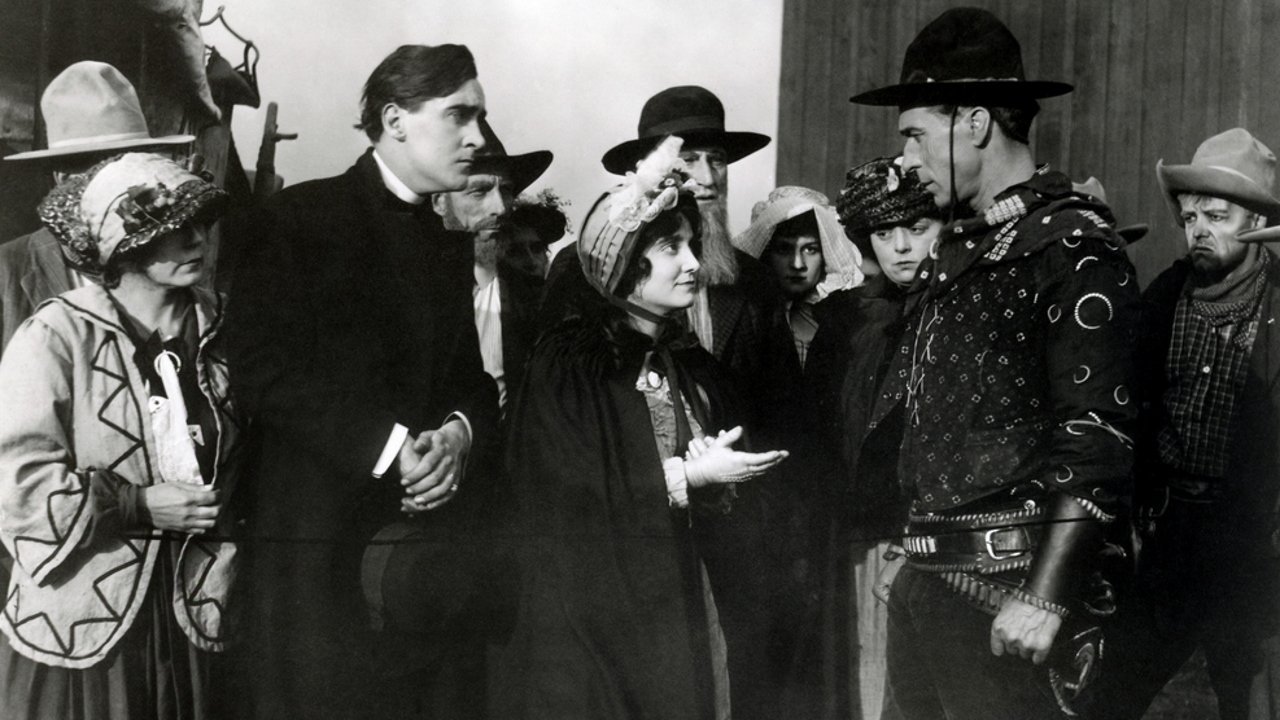
Over a century removed from our contemporary secular landscape, it becomes readily apparent that religion occupied a far more central and overtly influential position within the fabric of American life during the early twentieth century. This profound cultural reality, whether consciously engineered to appease or reflect the prevailing piety of audiences, or stemming from the genuine convictions of filmmakers themselves, permeated the nascent cinema industry with a frequency and explicitness largely absent from subsequent decades of Hollywood output. Nowhere is this religious inflection more starkly, indeed dramatically, illustrated than in Hell’s Hinges, the 1916 silent Western directed by Charles Swickard. Frequently lauded not merely as a significant early Western but as the first truly classical iteration of the genre following the foundational The Great Train Robbery, Hell’s Hinges utilises the stark moral dichotomy of the frontier as a crucible for spiritual transformation, embedding its narrative deeply within the religious anxieties and aspirations of its era.
The narrative commences not amidst dust and danger, but within the ordered, if spiritually tepid, confines of an Eastern parish. We encounter the Reverend Robert Henley (Jack Standing), a young man recently ordained primarily to satisfy his mother’s devout expectations. Possessing a handsome countenance that attracts the attentions of his female congregants, Henley lacks any authentic spiritual core; his faith is performative, a hollow shell. Recognising this fundamental weakness and fearing the corrosive temptations of urban life might utterly undo him, the church authorities make a calculated decision. They dispatch him, accompanied by his genuinely pious sister Faith (Clara Williams), to the remote, morally perilous outpost of Hell’s Hinges – a town whose very moniker speaks volumes about its reputation.
Upon arrival, the true nature of Hell’s Hinges is laid bare. Dominated by hard-drinking, roughneck cowboys whose primary sanctuary is the saloon run by the ruthlessly pragmatic Silk Miller (Alfred Hollingsworth), the town represents civilisation’s ragged edge. A small, determined minority, derisively labelled the “Pettycoat Brigade” by the scoffing majority, strives for decency, their chief ambition being the construction of a church – the very symbol of the order they seek. Silk Miller, whose livelihood and power depend on vice and lawlessness, perceives this nascent church as an existential threat. To thwart its establishment and intimidate the newly arrived parson, he employs the services of the notorious and lethally efficient gunslinger, Blaze Tracey (William S. Hart). Yet, a pivotal moment occurs almost immediately: Blaze’s first glimpse of Faith Henley triggers an unexpected and profound reaction. Her quiet dignity and evident sincerity pierce his hardened exterior, sparking an immediate, visceral attraction that subtly awakens a nascent capacity for understanding her Christian faith. This nascent connection becomes the catalyst for his transformation; rather than enforcing Silk’s will, Blaze finds himself compelled to shield the vulnerable parson and his small flock from the saloon-keeper’s intimidation tactics.
Silk Miller, however, proves a cunning and relentless adversary. When brute force is countered by Blaze’s unexpected defection, he resorts to insidious manipulation. Exploiting Rev. Henley’s underlying spiritual vacuity, Silk orchestrates a scenario where the young parson is persuaded to deliver a late-night sermon to the dance hall girls. Among them is the alluringly dangerous Dolly (Louise Glaum), a classic vamp whose seductive wiles, combined with readily available liquor, prove utterly irresistible to the weak-willed Henley. Blaze, discovering the parson in this compromised state, intervenes to escort him home to recuperate, then departs the town to seek medical aid. It is during this critical absence that Henley’s fatal weakness fully manifests. Slipping away, he returns to the saloon, succumbs once more to drink, and is fatally persuaded to join the very mob intent on destroying his own church. The “Pettycoat Brigade,” defending their nascent symbol of hope, engages the mob in a violent confrontation, resulting in the tragic death of the young parson. Blaze’s return is met with the devastating tableau: Faith mourning over her brother’s body amidst the smouldering ruins of the church. Witnessing this culmination of Silk’s malice and Henley’s moral collapse, Blaze undergoes his final, decisive metamorphosis. Consumed by righteous fury, he embarks on a brutal campaign of vengeance, methodically gunning down Silk Miller and reducing the saloon – and ultimately the entire corrupt town of Hell’s Hinges – to ashes. The film concludes not with triumphant celebration, but with solemnity: after burying Rev. Henley, Blaze and Faith depart together, riding towards an uncertain but morally cleansed future.
William S. Hart, who also served as an uncredited co-director alongside Clifford Smith, stands as a foundational pillar of the Western genre. A seasoned stage actor who entered the nascent film industry at the relatively advanced age of nearly fifty, Hart joined forces with the legendary producer Thomas Ince. His profound fascination with the authentic Old West led him to cultivate friendships with genuine frontier figures like Wyatt Earp, meticulously studying their mannerisms, horsemanship, and bearing. This dedication resulted in a revolutionary screen presence: Hart’s characters possessed an unprecedented authenticity in their appearance, movement, and demeanour. He rejected the broad, melodramatic histrionics common among his silent-era contemporaries, favouring a restrained, economical, and deeply internalised style of performance. This subtlety, born of genuine understanding, forged his iconic film persona – the “good bad man,” the villainous gunslinger capable of redemption through contact with innocence or moral conviction. Hart’s Blaze Tracey is a seminal embodiment of this archetype, establishing the template for the “Strong Silent” hero whose influence would resonate powerfully decades later, directly shaping the cinematic mythology embodied by figures like Gary Cooper and Clint Eastwood.
Hart’s prolific output, though tragically diminished by the loss of many silent films, cemented his stardom, and Hell’s Hinges emerged as one of his most celebrated, enduring, and ultimately influential works. Its critical and popular success stemmed from a potent confluence of elements. The screenplay, authored by the remarkably prolific early Hollywood scribe C. Gardner Sullivan, demonstrates masterful economy. Within the tight constraints of a runtime barely exceeding an hour, Sullivan crafts a narrative of remarkable clarity and impact. He adeptly manipulates established archetypes – the weak cleric, the virtuous sister, the ruthless saloon-keeper, the dangerous gunslinger – but imbues them with compelling depth through a brilliant structural device: the parallel, inverted moral arcs of Rev. Henley and Blaze Tracey. Henley’s journey is one of catastrophic spiritual failure, succumbing utterly to temptation despite his position, while Blaze’s trajectory is one of arduous, fire-forged redemption, discovering purpose and righteousness through unexpected love and witnessed tragedy. This dual transformation provides the film’s profound thematic engine.
The direction, while adhering largely to the static, tableau-like compositions typical of the era, proves remarkably effective. The rugged terrain of Topanga Canyon (now part of Los Angeles) is utilised to potent atmospheric effect, evoking the isolation and harsh beauty of the frontier. However, the film’s undeniable technical triumph lies in its apocalyptic finale. The meticulously constructed town set, built specifically for the production, is consumed by genuinely spectacular and terrifyingly realistic flames. This sequence, blending high melodrama with imagery possessing an almost biblical sense of divine retribution, left an indelible mark on contemporary audiences. When viewed through the lens of 1916’s technical limitations. the sheer scale and visceral impact of this conflagration remain deeply impressive, a testament to practical filmmaking ambition. Hell’s Hinges is not merely a historical curiosity; it is a vital cinematic artefact. For aficionados of the Western genre, it serves as the essential blueprint, the foundational template upon which countless classics, including Clint Eastwood’s own morally complex High Plains Drifter, would later build. For students of cinema history, it offers an unparalleled window into the potent fusion of popular entertainment, cultural values, and burgeoning film technique at a pivotal moment, proving that the fires lit on the frontier of Hell’s Hinges continue to illuminate the screen over a century later. Its stark morality, authentic grit, and unforgettable climax ensure its place as a cornerstone of American film.
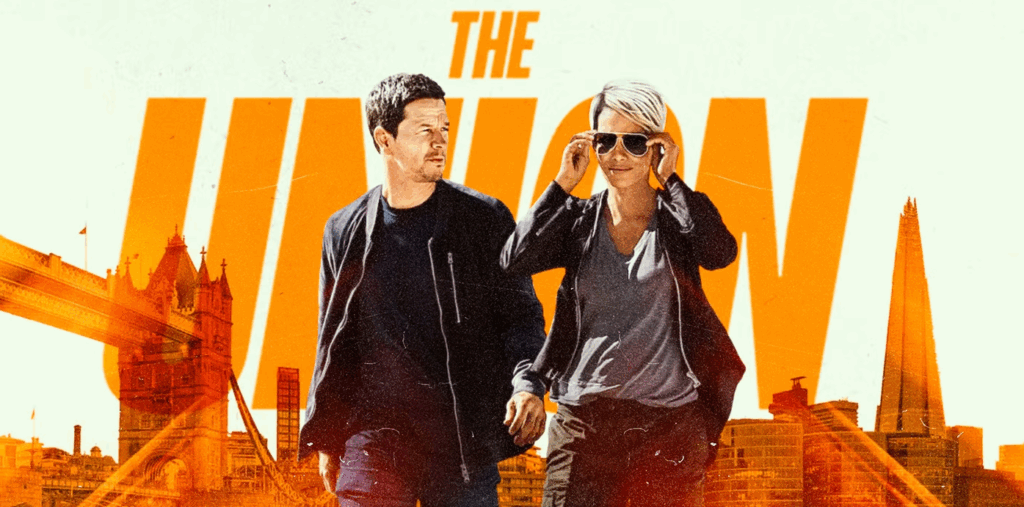
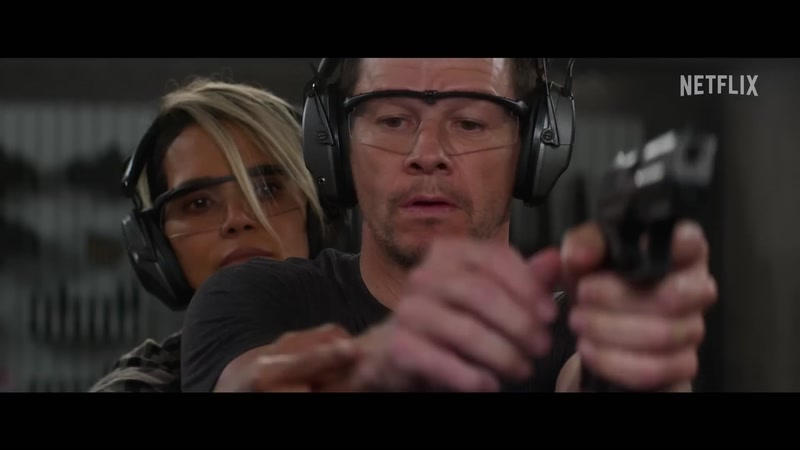
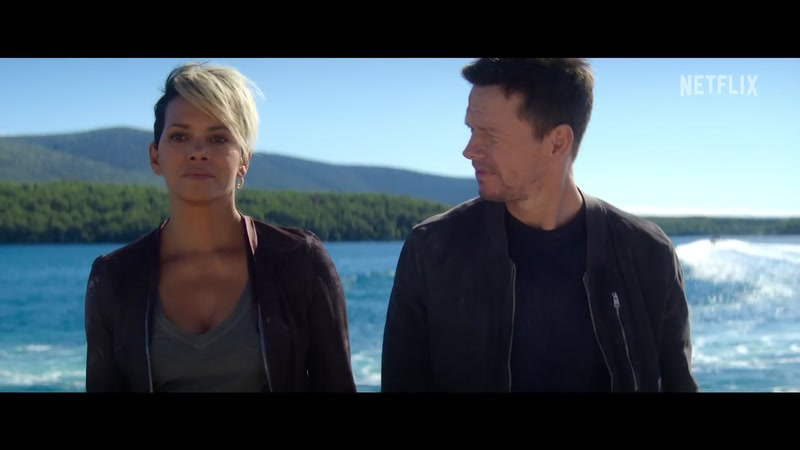
I've always liked movies with Halle Berry because she has presence, she looks strong and powerful, and I wanted to watch The Union on Netflix because she appears in it, along with Mark Wahlberg. I was excited because I thought this pair looked good together and both actors have a history of entertaining movies. But as the movie progressed, it got weaker and weaker until I reached the point where I no longer cared what happened to the characters. The story starts off well, with Mike, a construction worker played by Wahlberg, who runs into his high school sweetheart Roxanne, played by Berry. She seduces him and then drugs him to take him to London, where it turns out she works for a secret organization called The Union. So far, it all sounds interesting, and you think it's going to be a fun spy movie with some comedy, but the truth is that it leaves a lot to be desired, especially in the action scenes, which seem amateurish and, to top it all off, not very believable. The concept of training an ordinary guy in two weeks to become a secret agent is something that can work, in fact, we've seen it in other movies, but they should have handled it better because here it's super forced and convenient, as if they didn't know how to make Wahlberg's character useful without giving him magical abilities out of nowhere. Plus, the scenes where he's supposedly learning complicated things are glossed over, and you're not convinced that he's actually capable of doing that.
Siempre me han gustado las películas con Halle Berry porque la mujer tiene presencia, se ve fuerte y poderosa y bueno quise ver The Union en Netflix porque aparece ella, además de Mark Wahlberg, estaba empcionada porque dije este par se ve bien y ambos actores tienen su historial de peliculas entretenidas, pero a medida que fue avanzando la cosa se fue poniendo cada vez mas floja hasta llegar al punto donde ya no me importaba que pasara con los personajes. La historia arranca bien, con Mike que es un trabajador de construcción interpretado por Wahlberg que se encuentra con su amor de la preparatoria Roxanne que hace Berry, ella lo seduce y después lo droga para llevarselo a Londres donde resulta que trabaja para una organización secreta llamada The Union, hasta ahí todo suena interesante y uno piensa que va a ser una película divertida de espías con algo de comedia, pero la verdad deja mucho que desear y más en las escenas de acción que parecen de principiante y para colmo poco creíbles. El concepto de entrenar a un tipo común en dos semanas para convertirlo en agente secreto es algo que puede funcionar, de hecho lo hemos visto en ptras películas pero tenían que haberlo manejado bien porque aquí es super forzado y conveniente, como si no supieren como hacer que el personaje de Wahlberg fuera util sin darle habilidades mágicas de la nada, además las escenas donde supuestamente está aprendiendo cosas complicadas las pasan por encima y uno no llega a ocnvencerse de que el carajo está capacitado para eso.
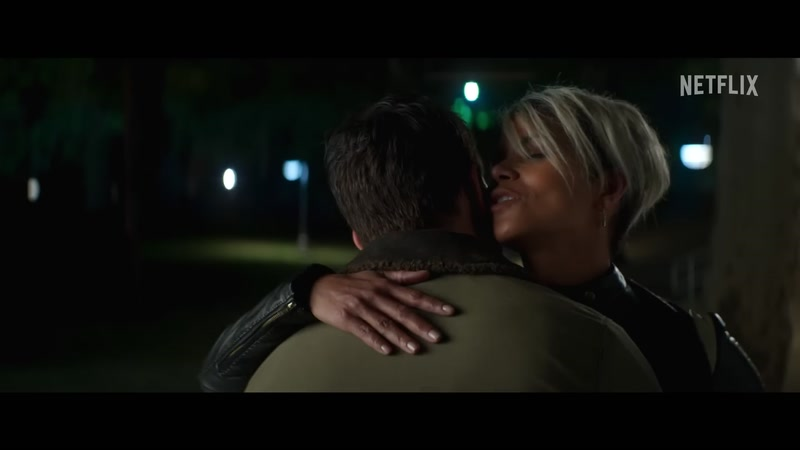
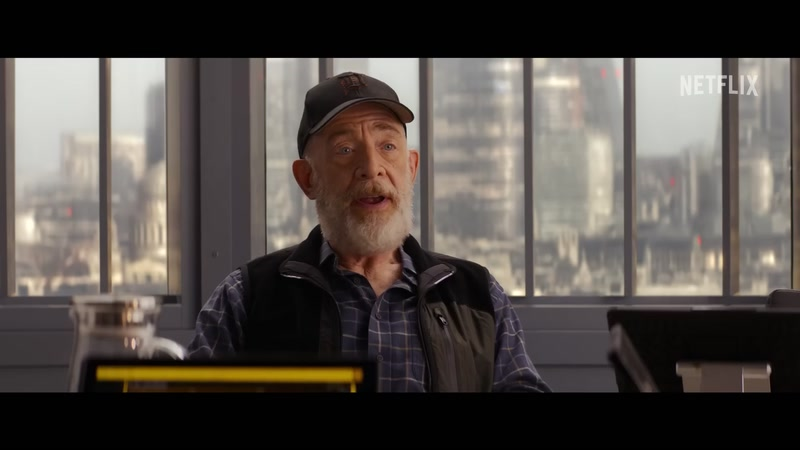
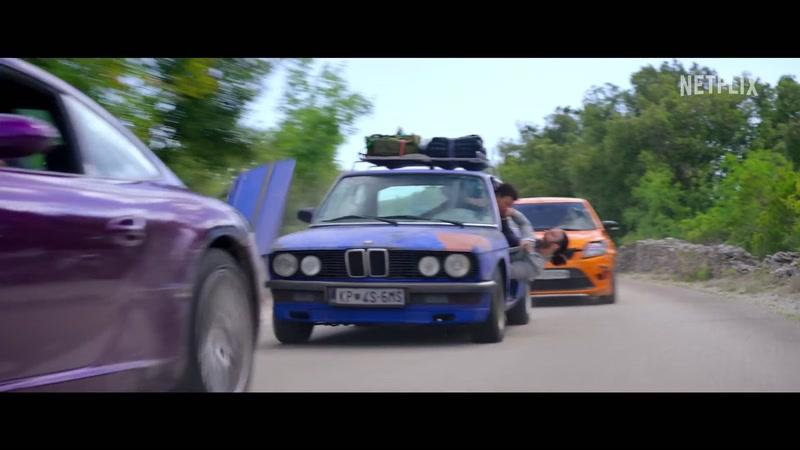
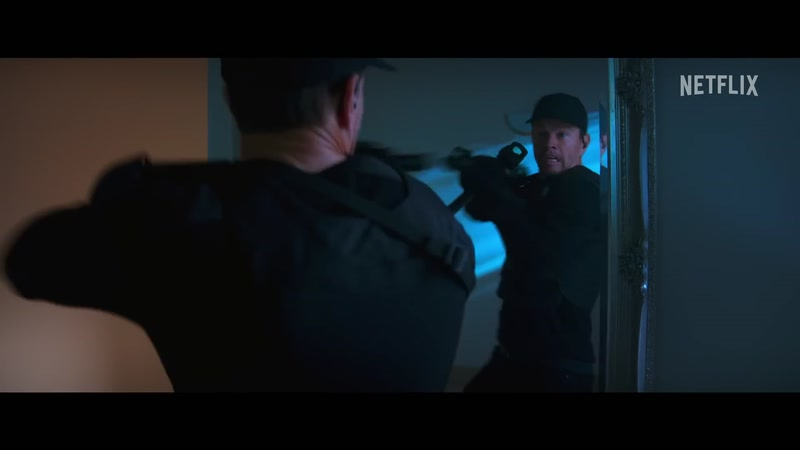
It makes me angry that the action scenes in The Union promised to be the best part of the movie but ended up being the most disappointing. Every fight or chase is too obvious, and the special effects look cheap for a Netflix production. It's as if they spent the entire budget on getting the main actors and then forgot that they needed to make a movie that looked good. Mark Wahlberg does what he always does. We've seen that tough guy personality a thousand times before. There's nothing new or interesting about what he's doing, and you can tell he's on autopilot throughout the movie. On the other hand, Halle Berry has a character that's written in such a generic way that I never understood her interest beyond being a mysterious spy with a traumatic past. The chemistry between these two should be the focus of the film, but there is no chemistry, haha. It feels very forced, and they have conversations about their romantic past when they were young that are more artificial and never manage to create the emotional connection that the story needs to work. J.K. Simmons appears as the head of the organization, and although it's always good to see him acting, his character is the typical grumpy mentor who brings nothing new to the genre. Mike Coulter plays Nick Faraday, and from the moment he appears, you know he's going to be the bad guy because his performance is too obvious.
Me da rabia que las escenas de acción en The Union prometían ser lo mejor de la película pero terminaron siendo lo más decepcionante, cada pelea o persecución es demasiado obvia y los efectos especiales se ven baratos para una produccion de Netflix, es como si hubieran gastado todo el presupuesto en conseguir a los actores principales y después se olvidaron de que necesitaban hacer una película que se viera bien. Mark Wahlberg hace lo de siempre, esa personalidad de tipo duro ya la hemos visto mil veces, no hay nada nuevo ni interesante en lo que está haciendo y se nota que anda en automático durante toda la pelicula, por otro lado Halle Berry tiene un personaje que está escrito de una manera tan común que nunca entendí su interés más allá de ser una espía misteriosa con un pasado traumatico. La quimica entre entre estos dos debería ser el centro de la pelicula pero no hay química jejej, se siente muy forzada y tienen unas conversaciones sobre su pasado romántico cuando eran jóvenes que son más artificiales y nunca logran crear esa conexion emocional que necesita la historia para funcionar. J.K. Simmons aparece como el jefe de la organización y aunque siempre es bueno verlo actiando, su personaje es el típico mentor gruñón que no aporta nada nuevo al género, Mike Coulter hace de Nick Faraday y desde el momento que aparece ya sabes que va a ser el malo porque su actuación es demasiado obvia.
The script for The Union is full of spy genre clichés and fails to be original or surprising. Every plot twist is predictable from miles away, and the premise that they need someone unknown to infiltrate is ridiculous because they could literally have used any professional actor or trained agent. But no, they needed this construction worker from New Jersey because the main spy had a relationship with him in high school. This makes no sense, but if you want to enjoy the movie, you have to completely turn off your brain and let yourself go. Another thing that has serious problems is the editing, because the action sequences have such quick cuts that it's impossible to follow what's going on. It seems like they tried to hide how bad those scenes were with the editing, and the result was even worse because you can't even enjoy the few fights that could have been decent.
El guion de The Union esta lleno de cliches del genero de espías y no logra ser original ni sorprendente, cada cmabio que va a tener la trama se ve venir desde kilómetros y la premisa de que necesitan a alguien que nadie conozca para infiltrarse es ridícula porque literalmente podrían haber usado a cualquier actor profesional o agente entrenado, pero no ellos necesitaban a este trabajador de construcción de Nueva Jersey porque la espía principal tuvo una relación con el en la preparatoria, esto no tiene ninguna lógica pero si quieres disfrutar de la peli debes apagar completamente el cerebro y te dejarte llevar. Otra cosa que tiene graves problemas es la parte de la edición, porque las secuencias de acción tienen cortes tan rapidos que es imposible seguir lo que esta pasando, parece que trataron de esconder lo malo que eran esas escenas con la edición y el resultado fue aun peor porque ni siquiera puedes disfrutar las pocas peleas que pudieron ser decentes.
What frustrates me most about this film is that it could have been good and stood out from the crowd. The actors aren't bad, the budget seemed good, and Netflix usually produces decent content when it sets its mind to it, but here they failed in many ways. From the director to the actors, it's as if they were just fulfilling a contract instead of trying to make a good movie. The visual effects are amateurish in the explosion and chase scenes, like a PlayStation game where everything looks very digital and unrealistic. About half an hour into the movie, I had completely lost interest and started checking my phone, which is never a good sign for a movie that's supposed to keep you glued to the screen with action and suspense. When I tried to pay attention again, things didn't improve at all, and I ended up watching it almost out of obligation. The acting of the extras is generally poor; everything looks very artificial and overacted, as if it were something for low-budget television rather than a Netflix movie with well-known actors. The humor that the film tries to inject doesn't work either; the jokes are flat and tend to interrupt the action. I don't like it when Mark Wahlberg tries to be funny and comes across as uncomfortable or forced.
Lo que más me frustra de esta película es que tenía pudo haber sido buena y salirse del promedio, los actores no son malos, el presupuesto parecia bueno y Netflix generalmente produce contenido decente cuando se lo propone, pero aqui fallaron mucha cosas, desde el director hasta los actores todo es como si estuvieran cumpliendo con un contrato en lugar de tratar de hacer una buena pelicula. Los efectos visuales son de principiantes en las escenas de explosiones y persecuciones, como un juego de Playstation donde todo se ve muy digital y poco realista, casi que a la media hora de haber cmenzado la película ya había perdido completamente el interés y me puse a revisar el teléfono, algo que nunca es buena señal para una peli que supuestamente debe mantenterte pegado a la pantalla con accion y suspenso, cuando traté de volver a prestar atención las cosas no mejoraron para nada y terminé viéndola casi que obligada. La actuacion de los extras es mala en general todo se ve muy artificial y sobreactuado, como si fuera algo para la television de bajo presupuesto en lugar de una pelicula de Netflix con actores reconocidos. El humor que trata de meter la película tampoco funciona, los chistes son planos y más bien interrumpen la accion, no me gusta cuando Mark Wahlberg trata de hacer comedia y se ve incomodo o forzado.
For me, The Union is one of those movies that makes me wonder how it ever got made. With all the good projects that must be waiting for funding, it's frustrating to see resources wasted on something so mediocre and uninspired. It's not the worst movie I've seen this year, but it is on the list of the most disappointing, considering the expectations I had for the actors. If you're a fan of Mark Wahlberg or Halle Berry, you can probably get some entertainment out of seeing them on screen together, but honestly, there are hundreds of better movies on Netflix that are more worthy of your time than this one, which, besides lasting over an hour and a half, feels much longer because the pacing is terrible and it never manages to find its identity between comedy, action, and romantic drama. My rating for The Union is 5/10. I recommend you skip it and look for something more interesting. There are better options available than wasting time on something as weak and poorly made as this. It's definitely a missed opportunity that could have been entertaining but ended up being a disaster.
Para mí The Union es una de esas peliculas que me hacen preguntarme como llegó a producirse, con todos los proyectos buenos que deben estar esperando financiamiento es frustrante ver recursos desperdiciados en algo tan mediocre y sin inspiracion, no es la peor pelicula que he visto este año pero si está en la lista de las mas decepcionantes considerando las expectativas que tenia por los actores. Si eres fan de Mark Wahlberg o Halle Berry probablemente puedas sacar algo de entretenimiento de verlos en pantalla juntos, pero honestamente hay cientos de peliculas mejores en Netflix que merecen tu tiempo mas que esta, que aparte dura más de una hora y media pero se siente mucho más larga porque el ritmo es terrible y nunca logra encontrar su identidad entre comedia, acción y drama romántico. Mi puntuación para The Union es 5/10, te recomiendo que te la saltes y busques algo más interesante, hay mejores opciones disponibles como para desperdiciar tiempo en algo tan flojo y mal hecho como esto, definitivamente una oportunidad perdida que pudo haber sido entretenida pero termino siendo un desastre.
A funny reason made me remember this movie and write this post. I and my mom currently have a misunderstanding and aren't really talking, and it felt like I was a problem child. I then remembered Junior from this GOATED TV show and decided to write what I could remember about it. I saw Problem Child when I was a child, LOL. I was actually pretty young, around 8-10 years old. It's a 1990 comedy/drama. There are three parts of the movie: the first is Problem Child 1, then Problem Child 2. I didn't know until recently that there is a third part: Junior in Love.
Summary
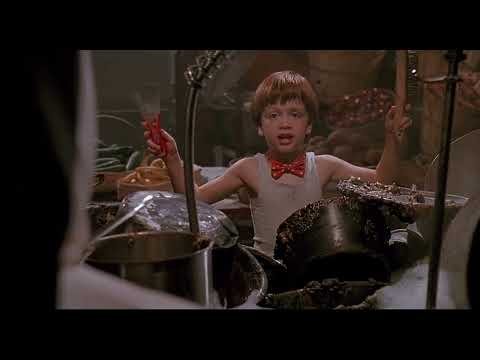
The intro scene in Problem Child 1 showed a young woman carrying a baby in a cradle and dropping it off at the doorstep of a stranger's home. Even as a child, Junior was full of mischief; he caused a lot of problems, which made him get dropped off at the doorsteps of multiple homes until he eventually got sent to the orphanage home. The nuns there got frustrated because of the juniors' pranks and insults. I remember when Junior was made to wash pots, and the nun came in to scold him, and then Junior made the pots fall on her. Junior was so troublesome that the orphanage threw a party when he finally got adopted and left. LOL.
Another scene that's funny was when Junior met his match. He was always the one brewing trouble, but he met this little girl that was as troublesome as him, and she made him have a taste of his own medicine.
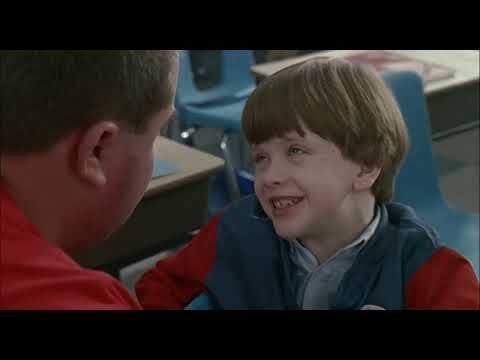
What of when Junior went to school in Problem Child 2? He bullied the bully. There was this big guy called Murph that has repeated 5th grade a million times; Junior was trying to be smart as always. He embarrassed the big guy during class, and then Murph tried to bully Junior because of it but ended up being bullied instead.
Fear junior! There is this scene when junior's babysitter brought in her boyfriend to stay over, and they both inconvenienced the junior. The little man retaliated by projecting his babysitter and her boyfriend's bedroom scene. Junior was really a menace.
Rating
Solid 9/10. I can't say more than this. You need to see this TV show if you haven't. It was fun writing this post. I enjoy getting that nostalgic feeling.
Problem Child is a pretty old TV show, and I'm sure a lot of the audience here would have seen it, and if you haven't, trust me, you should. You would laugh a lot for hours and even still giggle intermittently hours after watching as you reminisce about the scenes. Trust me!
Normally, I find these types of military stories and the like very entertaining. It's a genre that I really love in terms of narrative, characters, story, action, and scenery. Before The Terminal List, I had come across Warfare, which also left me very impressed and fascinated with the film, and as I watched each episode, there was something I couldn't help but think: WOW! I was completely hooked on this series. The last series I finished almost in one go was Outlander, but The Terminal List managed to take a big place in my top favorite series.
La Venganza no Tiene Limites
Normalmente este tipo de historias militares y demás, me generan mucho entretenimiento, es un género que, a nivel narrativo, de personajes, de historia, acción y escenografía me encanta bastante. Antes de The Terminal List me había topado con Warfare, al igual me dejo muy impresionado y fascinando con la película, y mientras veía cada capítulo había algo que no podía evitar pensar: ¡WOW! Completamente enganchado a esta serie, la última serie que me terminé casi del tirón fue Outlander, pero The Terminal List logró llevarse un gran espacio en mi top de series favoritas.
Before giving my opinion on the series, let's first take a look at what The Terminal List is about. When James Reece returns home after a failed mission in which almost his entire team is killed in combat, he realizes that the problem that caused his team's downfall is much bigger than he could ever have imagined. It's a somewhat simple premise, but one that develops and deepens with each episode, and I can assure you that you'll be surprised by every minute of every episode.
Right off the bat, I'm going to recommend that you watch this series. If you want, you can stop reading this post here and come back later. I say this with such emphasis because if you like this type of series and movie, The Terminal List will be worth every second you spend watching it. The series maintains a good pace throughout. In its less action-packed moments, the mystery and drama of the series come into play. I'd like to tell you that at some point it feels slow or that something is missing, but that's not the case here. When it's not action, it's drama, mystery, plot twists, moments to reflect on our protagonist's situation, moral conflicts, or simply the blind rage of a man whose family is sadly murdered.
Antes de dar mi opinión de la serie, primero veamos de qué va The Terminal List. Cuando James Reece regresa a casa luego de una misión fallida donde casi todo su equipo muere en combate, se da cuenta que el problema que originó la caída de su equipo es mucho más grande de lo que se podrá imaginar. Una premisa algo sencilla pero que en cada capítulo se va desarrollando y profundizando cada vez más y lo que sí te puedo asegurar es que te vas a sorprender con cada minuto de cada capítulo.
De buenas a primeras te voy a recomendar que veas esta serie, si quieres dejas de leer este post hasta aquí y luego vuelves, lo digo con tanto énfasis porque si te gustan este tipo de series y películas The Terminal List va a valer cada segundo que la ves. La serie mantiene un buen ritmo en todo momento, en sus momentos de menos acción es donde entra el misterio y el drama de la serie, quisiera decirte que algún momento se siente lenta o que falta algo, pero aquí no es el caso, cuando no es acción, es drama, misterio, plot twist, momentos para reflexionar sobre la situación de nuestro protagonista, conflictos morales o simplemente la furia ciega de un hombre cuya familia es tristemente asesinada.
This series can be an emotional roller coaster. You may feel so much empathy for James Reece, hatred for those who murdered his team and family, and even dislike for some characters, such as Saul Agnon, for example. Although the series only has eight episodes, I think they are more than enough to develop the whole story without unnecessary filler. If there was any, believe me, I didn't notice it. I can't tell you how good an adaptation it is, since I haven't read the book, but what I am sure of is that I will add the novels by Jack Carr, creator of the Reece stories, to my list of books to read.
Narratively speaking, the series maintains the mystery in each episode, revealing just enough information to make you want to uncover the mystery alongside Reece and see how his list, as it grows, connects to the high-ranking officials from whom Reece and his SEAL team received direct orders. As is customary in series, each episode is directed by a different person. What I love is that each director manages to ingeniously represent, at critical moments, the symptoms of the tumor in Reece's head, the way he hallucinates about his family in quiet moments or when the action is at its peak, how he recreates distorted memories, and all the psychological exploration of the character.
Esta serie puede ser una montaña rusa de emociones, puede sentir tanta empatía por James Reece, odio hacia los que asesinaron a su equipo y familia, incluso desagrado hacia algunos personajes como Saul Agnon, por ejemplo. Aunque la serie cuente con tan solo ocho capítulos, creo que son más que suficiente para desarrollar toda la historia y no tener relleno innecesario, que si lo tuvo créanme que no lo noté. Saber qué tan buena adaptación es, no podría decírselo ya que no leí el libro, pero de lo que sí estoy seguro es que agregaré las novelas de Jack Carr, creador de las historias de Reece, a mi lista de libros por leer.
Narrativamente hablando la serie mantiene el misterio en cada capítulo, no revela información demás ni tampoco muy poca, es la suficiente para querer ir descubriendo el misterio junto a Reece y ver como su lista a medida que va creciendo se va conectando con los altos mandos de los cuales Reece y su equipo de SEALS recibían órdenes directas. Como es costumbre en las series cada capítulo es dirigido por una persona diferente lo que me encanta es que cada director logra representar de manera muy ingeniosa y en momentos críticos los síntomas por el tumor que tiene Reece en su cabeza, la forma en la que tiene alucinaciones con su familia en momentos tranquilos o donde justo la acción en su punto más alto, cómo recrea recuerdos distorsionados y toda la exploración psicológica del personaje.
As I've already been telling you about the series, every episode is worth its weight in gold, but I'd like to highlight one in particular, episode four. It's an episode where everything is relatively calm, the plot progresses smoothly, Reece goes after the person responsible for the death of his wife and daughter, the FBI gets closer and closer to finding Reece, and the journalist advances in her investigation. What I liked most about this episode is seeing how far Reece is willing to go to fulfill his list and complete his revenge. We see how he sacrifices being welcomed back into Mexico, how he could end his enemy in an instant with a single shot but prefers to take the risk of capturing him and making him suffer. Those who have seen the series know what I mean. Without a doubt, it was a great episode with the whole sequence of the confrontation in search of Navajas and how they reveal his death. It reminded me of the blood eagle in the Vikings series.
The moral conflict in the series is a big plus and one of its greatest attractions. Seeing how people with higher status or seeing how far they are willing to go to cover up for themselves so as not to face greater crimes is one of the best things about the series. With each person Reece adds to the list above, he moves up the chain of command in the army to which he and his platoon dedicated their lives, as it should be. The high point of the series is in its final stages, where Reece believes he has reached the person who started it all, but the biggest plot twist comes at the end. Although I don't want to give anything away, I have to: discovering that Ben was the person who gave the team false information was the lowest blow the story could have dealt us.
Como ya les he estado hablando de la serie, cada capítulo vale oro, pero me gustaría resaltar uno en específico, el capítulo cuatro, es un capítulo donde todo está relativamente calmado, la trama avanza sin complicaciones, Reece va tras el culpable de la muerte de su esposa e hija, el FBI avanza cada vez más en su búsqueda tras Reece y la periodista avanza en su investigación. Lo que más me gustó de este capítulo es ver a qué punto es capaz de llegar Reece por cumplir con su lista y terminar su vengaza, vemos cómo sacrifica el hecho de ser bienvenido en México otra vez, cómo puede terminar con su enemigo en un instante con un solo disparo pero prefiere arriesgarse por capturarlo y hacerlo sufrir, para lo que ya vieron la serie saben a lo que me refiero. Sin duda un gran capítulo con toda esa secuencia del enfrentamiento en busca de Navajas y cómo dejan ver su muerte, me hizo recordar al águila de sangre en la serie de Vikings.
El conflictoto moral de la serie es un gran punto a favor y uno de sus mayores atractivos, ver como las personas con mayor estatus o ver hasta donde son capaces de llegar por cubrirse para no enfrentar delitos mayores es de lo mejor en la serie. Con cada persona que Reece agrega a la lista más arriba va llegando en la cadena de mando en el ejército al cual él y su pelotón dedicaron su vida, como debe ser, el punto más alto de la serie es en sus últimos tramos donde Reece cree llegar con la persona que inició todo pero mayor plot twist no dan con el último y aunque quisiera no decirles nada debo hacerlo, descubrir que Ben fue la persona que dio la información falsa al equipo fue el golpe más bajo que nos pudo dar la historia.
As for the characters, you grow fond of several of them. Mostly, only the main characters and a few secondary characters who move the plot forward are involved, but the characters presented in the story are more than enough to grow fond of, and what I just told you a moment ago was one of the things that had the most impact on the series. It's been a while since I've come across a story with a plot twist like this. Knowing that Ben was the cause of everything, or at least that he is largely to blame, is one of the things I least expected. I can also tell you that, even though Ben is a main character and doesn't appear much, they make us care about him enough that it really hurts to learn of his betrayal of his former team. Last but not least, seeing Chris Pratt in this role was very impressive. I had never seen him in anything like this before, and I can say that he deserves a lot of the credit for the entire series.
Without a doubt, The Terminal List is a series that has a lot to offer its viewers. I don't usually recommend a series or movie at the beginning of a post, so you can imagine how much I liked this series. If you like this type of story, I can recommend it without hesitation. If not, I suggest you give it a chance at least until episode three. If you've made it this far, I'd like to thank you for taking the time to read this post and invite you to leave your opinion so we can exchange ideas about the series. Thank you very much for reading, and see you next time.
En cuanto a los personajes, te encariñas con varios, mayormente solo tienen participación los principales y algunos que otros personajes secundarios que hacen que la trama avance pero sin duda con los que la historia presenta son más que suficientes para tomar mucho cariño y lo que les acabo de decir hace un momento fue una de las cosas que más impacto en la serie. Hace un tiempo que no me encuentro con una historia con un plot twist como este, saber que Ben fue el causante de todo, o por lo menos que cuenta con gran parte de la culpa es una de las cosas que yo menos me lo esperaba. También puedo decirles que, aunque Ben sea un personaje principal y no aparezca mucho, nos hacen encariñarnos con él lo suficiente como para que realmente nos duela saber su traición a su antiguo equipo. Por otra parte, pero no por eso menos importante, ver a Chris Pratt es papel fue muy impresionante, nunca antes lo había visto en algo igual y puedo decir que se llevó gran parte del mérito en toda la serie.
Sin duda alguna, The Terminal List, es una serie que tiene mucho pero mucho para brindar a sus espectadores, nunca suelo recomendar una serie/película al principio del post por lo que basta un poco con imaginarse lo mucho que me gustó esta serie. Si les gusta este tipo de historias se la puedo recomendar sin ningún problema, de caso contrario les digo que le den una oportunidad por lo menos hasta el capítulo tres. Si llegaron a este punto, me gustaría agradecerles por tomarse el tiempo de leer el post y también invitarlos a dejar su opinión para así poder intercambiar ideas con respecto a la serie. Muchas gracias por leer, hasta un nuevo aviso.
Separadores de texto hechos en Canva
Portada edita en Photoshop
Traductor: DeepL
Las fuentes de cada foto las pueden encontrar haciendo click en las mismas