Longform reviews of films, TV, anime, books, and audiobooks, written by the scrobble.life community and published to the Hive blockchain, so each one is owned by its author and can earn rewards from readers. 51,255 reviews and counting.
El género de los superhéroes nos trae sin ninguna duda una forma diferente de observar la gran saturación de películas del género las cuales nos traen de una forma u otra a conocer algo que va más allá que solamente saber lo que es un villano y un héroe.
The superhero genre undoubtedly offers us a different way of looking at the huge saturation of films in this genre, which in one way or another teach us something that goes beyond simply knowing what a villain and a hero are.
En esta oportunidad vamos a conocer de origen a un personaje de las historietas lo cual yo no conozco ni tampoco es que sea fan de los superhéroes, pero viendo el Superman y peacemaker me quedé bastante enganchado por también entender alguno de los personajes e ir aprendiendo sobre este universo cinematográfico.
This time, we're going to learn about the origins of a comic book character, which I don't know much about, nor am I a fan of superheroes, but after watching Superman and Peacemaker, I became quite hooked on understanding some of the characters and learning about this cinematic universe.
La película es todo lo que no te imaginas, nos lleva por un viaje bastante interesante e innovador de una forma bastante chistosa lo cual me parece una de las mejores cosas que tiene esta cinta.
The film is everything you don't expect. It takes us on a rather interesting and innovative journey in a very humorous way, which I think is one of the best things about this film.
La película me parece toda una genialidad, te lleva por una diversidad de situaciones bastante locas y extrañas, lo cual hacen que no solo sea diferente de conocer si no que se pueda lograr comprender la importancia de la familia en situaciones un poco extremas.
I think the film is brilliant. It takes you through a variety of crazy and strange situations, which not only make it different from what you're used to, but also help you understand the importance of family in somewhat extreme situations.
En su momento esta película no me pareció la gran cosa y recuerdo que estaba alguna que otra publicidad, pero leí que había una huelga de actores lo cuál hacía que no se pudiera hacer publicidad de manera masiva y de por sí esta película no tuvo un gran desempeño en cines.
At the time, I didn't think this movie was a big deal, and I remember there were a few commercials for it, but I read that there was an actors' strike, which meant that it couldn't be advertised on a large scale, and the movie didn't do very well at the box office anyway.
Tristemente, la película era más de lo que se creía, pues la misma nos lleva de una manera bastante ingeniosa a conocer más y más sobre las situaciones de esta familia, pues creo que la película se enfoca tanto en la familia que sin duda es de los mejores elementos a tomar en cuenta.
Sadly, the film was more than we thought, as it ingeniously leads us to learn more and more about this family's situations. I believe the film focuses so much on the family that it is undoubtedly one of the best elements to take into account.
Me gusta mucho que no tiene nada que ver con multiversos o coas que traten de conectar con otros personajes, dandonos algo totalmente que de cierta forma nos hace conocer sutilmente sobre la variedad de diferencias unicas que hacen de lo mejor esta pelicula.
I really like that it has nothing to do with multiverses or things that try to connect with other characters, giving us something totally different that in a way subtly shows us the variety of unique differences that make this movie the best.
Un apartado interesante que me pareció muy, pero muy buenno es su música, la misma le agrega algo tan importante a todo que me parece de lo mejor para estar al día con la música latina presente en esta película.
One interesting aspect that I found really, really good is the music. It adds something so important to everything that I think it's the best way to keep up with the Latin music featured in this movie.
Yo creo que si esta película se fuera estrenada a principio de año si que le fuera ido mucho mejor que a Capitan América, lastimosamente no le fue bien por circunstancias diferentes a la crítica de la cinta, la misma nos da de una forma diferente una especia de enseñanza, lo cual no debemos juzgar un libro por su portada.
I believe that if this film had been released at the beginning of the year, it would have done much better than Captain America. Unfortunately, it did not do well due to circumstances unrelated to the film's critical reception. The film itself teaches us a lesson in a different way, which is that we should not judge a book by its cover.
Esta Película medio ciertos toques a Deadpool pero de una manera mucho más enfocada a la familia Lo cual me parece bastante importante y chistoso No es una joya grandísima, pero sí me parece una buena película para tenerla en cuenta al momento de ejecutar alguno que otro reinicio que está ocurriendo en el universo cinematográfico de franquista de diseño de eso que está bien acertado a decir esta película es parte de su universo, ya que James Gum La promovió como parte de su universo y me parece que está acertado puesto que es una película de origen y nos enfoca en nada extraño Con cameo innecesario Creo que es un buen personaje los actores hasta bastante bien y me gustó mucho como resaltar la cultura mexicana de nombre nada bastante positiva.
This film has some similarities to Deadpool, but in a much more family-oriented way, which I find quite important and funny. It's not a masterpiece, but I do think it's a good film to keep in mind when executing one of the many reboots that are happening in the cinematic universe of the franchise. It's fair to say that this film is part of that universe, since James Gum promoted it as part of his universe, and I think that's right since it's an origin movie and focuses on nothing strange. With an unnecessary cameo, I think it's a good character, the actors are pretty good, and I really liked how it highlighted Mexican culture with a very positive name.
The insistence upon quantity over quality remains one of the most enduring, and often damning, stereotypes applied to the Soviet Union across virtually all spheres of endeavour. This perception, frequently rooted in observable reality, extends even into the realm of cultural production. Nowhere is this more illustrative, and simultaneously confounding, than in the case of Seventeen Moments of Spring (1973). Adapted from Yulian Semyonov’s 1969 spy novel of the same name, a work that, transplanted to Hollywood, would almost certainly have been condensed into a tightly paced, two-hour feature film capitalising on its inherent thriller mechanics, the Soviet approach yielded something profoundly different: an epic twelve-part black-and-white miniseries. Characterised by a near-cavalier attitude towards narrative pacing – stretching suspense into near-stasis, lingering on mundane bureaucratic interactions, and allowing conversations to unfold with glacial deliberation – it presents a viewing experience that would demand Herculean patience from a contemporary audience accustomed to the frenetic cuts of modern television. Yet, defying the very logic of its own structural profligacy, this miniseries transcended its apparent limitations to become not merely popular, but the most successful work in the entire history of Soviet television. Its protagonist, the deep-cover Soviet agent Maxim Maximovich Isayev operating as SS Standartenführer Max Otto von Stierlitz, ascended to the status of the single most iconic figure in Soviet popular culture, a resonance that miraculously survived the collapse of the USSR itself.
The miniseries emerged from a specific confluence of literary ambition and state patronage. Semyonov’s novel was the second in a cycle dedicated to Isayev. The first, Password Not Required (1966), introduced the character as a young Chekist during the chaotic finale of the Russian Civil War in the Far East, a story adapted into a 1967 feature film starring Rodion Nakhapetov. Crucially, the novel deeply impressed Yuri Andropov, then the Director of the KGB. Recognising its potential for shaping the narrative of Soviet intelligence heroism, Andropov personally commissioned Semyonov to craft a sequel focusing on Soviet espionage within the belly of the Nazi beast during the Second World War. This direct intervention from the pinnacle of the security apparatus underscored the project’s significance beyond mere entertainment; it was to be a tool of ideological reinforcement. Two years later, under the direction of Tatiana Lioznova – a filmmaker known for her nuanced character studies rather than action spectacles – the ambitious twelve-part television adaptation commenced. Its premiere in August 1973, during the stagnant Brezhnev era, coincided with a period of intense, albeit ossified, state control over cultural narratives, particularly concerning the sacred mythos of the Great Patriotic War.
The plot, set against the crumbling edifice of Nazi Germany in February 1945, revolves entirely around the perilous existence of Isayev/Stierlitz (Vyacheslav Tikhonov). Operating under deep cover as a high-ranking SS officer within the Reich Security Main Office (RSHA), specifically its counter-intelligence VI Department under the suave Walter Schellenberg (Oleg Tabakov), Stierlitz receives a direct order from Stalin (Andro Kobaladze). With the Western Allies and the Red Army closing in, and Hitler (Fritz Dietz) clinging to impossible victory, factions within the Nazi hierarchy – notably Hitler’s brutal enforcer Reichsführer-SS Heinrich Himmler (Nikolai Prokopovich) – seek a separate peace with the Western Allies, bypassing the Soviets entirely. Stierlitz’s mission is to uncover the key Nazi figure behind these clandestine negotiations, ultimately identified as SS-Obergruppenführer Karl Wolff (Vasiliy Lanovoy), who is attempting to broker a deal with OSS representative Allen Dulles (Vyacheslav Shalevich) in neutral Switzerland. His intricate investigation, leveraging his position and the crucial assistance of anti-Nazi Germans like the principled Pastor Schlagg (Rostislav Plyatt) and the weary Professor Pleischner (Yevgeny Yevstigneyev), is catastrophically complicated when an Allied bomb destroys the home of his radio operator, Katia Kozlova a.k.a. „Kathrin Kinn” (Yekaterina Gradova). While Kathrin survives, the shock induces premature labour, and her subsequent cries in Russian alert the Gestapo, led by the chillingly efficient Gruppenführer Heinrich Müller (Leonid Bronevoy). Stierlitz must now simultaneously navigate the treacherous waters of Nazi infighting, sabotage Himmler’s peace feelers, and employ every ounce of his intellect and guile to extricate himself and Kathrin from Müller’s relentless, suspicion-fuelled net, a task requiring him to manipulate his Nazi superiors against each other with breathtaking audacity.
It is here that the immediate, profound divergence from Western spy archetypes becomes starkly evident. Labelled the "Soviet James Bond," the comparison is superficially tempting but collapses under scrutiny. Seventeen Moments of Spring announces its difference from the outset. Gone are the vibrant colours, the pulsating pop scores, the exotic locales of sun-drenched beaches. Instead, the audience is immersed in a dour, high-contrast black-and-white cinematography, accompanied not by catchy tunes but by Mikhail Tariverdiev’s profoundly melancholic, almost funereal ballads. The setting is not glamorous; it is a Berlin either shattered by Allied bombs into skeletal ruins or rendered claustrophobic within the intact, yet oppressive, interiors of apartments, cafés, and RSHA offices – spaces thick with the dust of impending doom and the weight of constant surveillance.
The character of Stierlitz himself shatters the Bond paradigm. Vyacheslav Tikhonov, radiating a quiet, weathered masculinity far removed from Connery’s youthful virility, portrays a spy for whom violence is a last, distasteful resort. His arsenal is the intellect: patience, observation, psychological manipulation, and the ability to play intricate, high-stakes mind games against adversaries like Schellenberg and Müller. His dedication to the Soviet cause is absolute, bordering on monastic, sacrificed entirely upon the altar of duty. His private life is non-existent, a void punctuated only by one of Soviet cinema’s most devastating sequences: a brief, silent reunion with his wife (Eleanora Shushkova), arranged with KGB precision. Bound by the necessity of absolute secrecy, they cannot speak, cannot embrace openly. The minutes-long scene, conveyed solely through Tikhonov’s eyes – a universe of longing, regret, and unbearable restraint – is a masterclass in understated acting and remains the series’ emotional apex. Any hint of romance is strictly tactical; his calculated flirtation with the fanatical SS-Unterscharführer Barbara Krein (Olga Shoshnikova) is transparently a ruse to deflect suspicion, a stark contrast to Bond’s conquests. The series even subverts Bondian machismo by having Stierlitz become the unwilling, slightly repulsed target of advances from an obnoxiously drunk, unattractive woman (Inna Ulyanova) in a bar in Bern – a moment of dark, almost absurdist comedy highlighting the grim reality of his existence.
Further distinguishing the series is the omnipresent voiceover narration by Yefim Kopelyan. This device brazenly violates the cinematic maxim of "show, don’t tell," frequently stepping in to explain complex historical context, character motivations, or intricate plot points. At its worst, particularly in the inserted documentary segments showcasing Red Army victories or the obligatory, clunky references to the German Communist leader Ernst Thälmann (demanded by Soviet officials to placate the military and East German allies), it reeks of crude, top-down propaganda. Yet, paradoxically, this narration is not merely functional but essential. The labyrinthine plot, dense with historical figures (many real, like Schellenberg, Müller, Wolff, Dulles; others fictionalised composites), intricate bureaucratic manoeuvring within the RSHA, and the sheer weight of historical context would likely overwhelm even viewers well-versed in WWII history without Kopelyan’s guiding, authoritative voice. It transforms the series from a potentially impenetrable spy thriller into a comprehensible, almost didactic, historical narrative, binding the fictional Stierlitz’s actions to the grand sweep of the war’s final months.
Despite the glacial pacing – scenes unfolding with a deliberation that would test the patience of a saint, conversations lingering on the minutiae of bureaucratic procedure – Lioznova demonstrates a masterful command of suspense within this constrained framework. She understands that tension thrives not just in action, but in stillness, in the unspoken, in the unbearable weight of waiting. The sequence where Kathrin and her newborn desperately hide from Gestapo searchers in Berlin ruins is a masterclass in minimalist suspense. Similarly, several episodes conclude with exquisitely timed cliffhangers, proving that narrative propulsion can be achieved through psychological pressure and the threat of exposure as effectively as through car chases.
Ideologically, the series largely conforms to the ossified Soviet narrative of the Great Patriotic War. The Dulles-Wolff negotiations in Switzerland are framed not as a pragmatic, if morally dubious, attempt by Wolff to save his own skin and potentially end the war on the Italian Front (as historical consensus largely holds), but as part of a wider, sinister Western conspiracy aimed explicitly at excluding and undermining the Soviet Union. This distortion serves the state’s need to portray the USSR as the sole, indispensable victor and the West as inherently treacherous.
However, Seventeen Moments of Spring transcends crude agitprop in significant ways. It allows for remarkable nuance, particularly in its portrayal of Germans. While Nazis like RSHA chief Kaltenbrunner (Mikhail Zharkovsky) embody fanatical evil, the series consistently depicts ordinary Germans as victims – of Nazism, of the war, of their own compromised choices. Characters exhibit conscience in unexpected moments: the weary resignation of Professor Pleischner, the quiet dignity of the elderly Frau Saurich (Emily Milton), whose simple humanity provides Stierlitz with rare moments of respite. Stierlitz engages in lengthy, philosophical discussions with various Germans, revealing a spectrum of anti-Nazi sentiment. Crucially, Soviet characters are not flawless heroes; Stierlitz’s confederates make costly errors, and his adversaries are often portrayed as intelligent, capable, even complex individuals. Tabakov’s Schellenberg is a revelation – young, ambitious, intellectually sharp, and portrayed with such nuanced charm and pragmatism that it reportedly earned praise from Schellenberg’s own niece for its uncanny accuracy. Bronevoy’s Müller, while physically aged beyond the real Gestapo chief (who vanished mysteriously in 1945), captures the man’s feared efficiency and intellectual rigour; intriguingly, the series subtly suggests a strange, almost professional respect, even a de facto tactical alignment, between Müller and Stierlitz – a detail echoing Schellenberg’s own post-war memoirs speculating Müller might have defected to the Soviets.
Historically, the series is loosely inspired by real events and figures (Willi Lehmann, a Gestapo officer who spied for the USSR), but it is fundamentally a work of fiction. This blend of fact and invention, while effective dramatically, invited criticism for factual inaccuracies and jarring anachronisms – most notably the anachronistic use of transistor tape recorders and the inclusion of 1950s Edith Piaf songs. These flaws, however, seem almost irrelevant to the series’ core achievement: creating a compelling, immersive world.
Perhaps the most intriguing layer, especially for Western and dissident Soviet viewers, lies in the stark contrast between the war-ravaged, suffocating atmosphere of Berlin and the serene, luxurious neutrality of Switzerland. In Bern, amidst the backdrop of the OSS negotiations, characters move freely, enjoy fine food and wine, and engage in relatively open discourse – luxuries utterly unattainable in the collapsing Reich. This dichotomy led many Western critics, and crucially, opposition-minded Soviet intelligentsia, to interpret the series as an unintended, or even subversive, allegory for life under Brezhnev’s stagnation. Berlin, with its pervasive fear, bureaucratic inertia, crumbling infrastructure, and constant surveillance, mirrored the Soviet Union; Switzerland, representing the free, prosperous, and intellectually vibrant West, became the unattainable ideal. Unsurprisingly, dissidents embraced Stierlitz – the lone, principled figure navigating an oppressive system with quiet dignity and intellect – as a symbol of resistance against the very regime that produced the series. The KGB’s own heroic creation was thus co-opted as a critique of Soviet reality, a testament to the series’ depth and ambiguity.
Yet, for the vast majority of Soviet viewers in 1973, these sophisticated political nuances were likely secondary, if perceived at all. What they craved, and what the series delivered with unparalleled mastery for its time, was a good story – one told with exceptional craftsmanship, featuring complex characters, genuine suspense, and profound emotional weight. Unlike so many other facets of Soviet life where quantity masked shoddy quality, Seventeen Moments of Spring was a rare instance where the state apparatus, driven by Andropov’s personal interest and Lioznova’s directorial skill, produced something of genuine, lasting artistic merit. It resonated because it transcended its propaganda origins through sheer narrative power and human truth.
The legend of Stierlitz didn’t fade with the USSR; it permeated the cultural bloodstream. Jokes mimicking the Chuck Norris genre became ubiquitous. Semyonov continued the literary saga, and post-Soviet Russia saw Stierlitz’s legacy honoured in video games, films, and endless cultural references, cementing his status as the ultimate Soviet hero – a man defined not by brute force, but by the quiet, unyielding power of the intellect and unwavering duty, surviving against impossible odds in a world of shadows.
Seventeen Moments of Spring succeeds not despite its Soviet origins and structural indulgences, but because, within those very constraints, it achieved a rare alchemy: a politically charged epic that spoke, with profound humanity, to the universal experience of living – and surviving – under the shadow of overwhelming historical forces. It is a monument to patience, both in its making and its watching, and a paradoxical testament to the fact that sometimes, within the Soviet machine, true quality could, against all odds, emerge.
It's no secret that Disney and Pixar haven't had great results with their recent animated films. The queer characters didn't quite deliver the returns they'd hoped for, and the studios have started making changes to their productions to get back to what once made them so successful. While Inside Out 2 did incredibly well at the box office, Elio can't say the same. But is the movie as bad as people say? I finally watched it with my family, and this is my honest opinion.
¿Vale la pena Elio? Mi sincera opinión tras ver la película "que nadie vio"
Para nadie es un secreto que Disney y Pixar no han tenido buenos resultados con sus últimas películas animadas, los personajes queer no rindieron los frutos que esperaban y comenzaron hacer cambios en sus producciones para retomar lo que alguna vez fue la retórica de sus éxitos, pese a que Intensamente 2 le fue muy bien en taquilla, Elio no puede decir lo mismo, pero ¿la película es tan mala como dicen? Finalmente la vi, lo hice en familia, y esta es mi opinión sincera al respecto.
What's it About?
The film centers on 11-year-old Elio Solis, who is struggling with grief after losing his parents in an accident. He feels misunderstood and profoundly lonely, and has to go live with his Aunt Olga, who doesn't seem to understand him either. Elio is obsessed with space and wants to be abducted by aliens, as he believes he can find a real home out there. One day, after responding to a message from the Voyager probe, he finally makes contact with aliens from a community of advanced species. Ironically, he's mistaken for the leader of Earth. Desperate to stay, he must negotiate with a fearsome alien named Lord Grigon, who leads a warring species that threatens the others. Elio's adventure begins when he forges a friendship with Glordon, Grigon's son, who, despite being a different species, shares his feelings of being misunderstood and disconnected from his family.
¿De qué trata?
La película se centra en el personaje Elio Solis, un niño de 11 años que sufre tras la pérdida de sus padres en un accidente, se siente incomprendido y profundamente solo, debe ir a vivir con su tía Olga que tampoco es capaz de comprenderlo. Elio está obsesionado con el espacio y quiere ser abducido por extraterrestres, ya que piensa que así puede encontrar un verdadero hogar. Un dia tras responder a un mensaje de la sonda Voyager, finalmente hace contacto con alienígenas de una comunidad de especies avanzadas, donde irónicamente es confundido como el líder de la Tierra. Deseoso de permanecer debe negociar con un temible alien llamado Lord Grigon que lidera una especie aguerrida que amenaza a las demás especies. Elio inicia una aventura tras forjar una amistad con Glordon el hijo de Grigon, quien a pesar de ser de otra especie, comparte sus sentimiento de incomprensión y poca conexión familiar.
The Good Stuff ✨
For me, without a doubt, the main positive aspect of the film is its design and animation. As someone who has been studying this, I think it's a true visual gem. The scenes in the Communiverse are sumptuous and full of color, making them very appealing. Not to mention the beach near Elio's house, which looks photo-realistic. Beyond the visual quality, the film's strength is its use of a universal and emotional message about topics like loneliness, grief, rejection, and the importance of family connection, with a clear focus on fighting solitude and alienation.
Lo Positivo ✨
Para mi sin duda el principal aspecto positivo de la película es su diseño y animación, como alguien que viene estudiando sobre esto, me parece una verdadera joya visual. Las escenas del Comuniverso son suntuosas, cargadas de color que las hacen ver muy atractivas, y ni hablar de la playa cerca de la casa de Elio que parece fotorealista. A la calidad visual hay que sumarle lo positivo de usar un mensaje universal y emotivo al tratar temas como la soledad, el duelo, el rechazo y la importancia de la conexión familiar, con una propuesta de lucha contra la soledad y la alienación.
I really liked how they used the friendship with Glordon to combat Elio's isolation. Glordon is an alien, or someone physically different, but in a way, he has the same challenges and the same interests. It's a clear message that you can always connect with someone, no matter how different they are, putting aside the idea that no one understands you. It was easy to empathize with the characters; I think they're very well-developed and fleshed out. Even the "villain" Lord Grigon ends up being a compassionate being.
Me gusto mucho que para combatir la alienación de Elio, se usara la figura de la amistad con Glordon, un alienígena o alguien diferente físicamente pero que de alguna manera tiene los mismos desafíos pero también los mismos gustos, un mensaje claro de que siempre hay alguien con quien podemos conectar sin importar cómo, haciendo a un lado la idea que que nadie nos comprende. Fue fácil empatizar con los personajes, me parece que están muy bien logrados y trabajados, incluso el "villanos" Lord Grigon termina siendo un ser comprensivo.
I think the movie is entertaining from start to finish. It's exactly 90 minutes long with no unnecessary complications. It doesn't waste time giving backstory or explaining things. Plus, the topic of space is always interesting. Personally, it captivates and fascinates me; the mere fact that it touches on the Voyager probe had me hooked. I can also add that, as a Latino viewer, the dubbing was wonderful. You could really feel the emotional emphasis, especially with Elio's voice, which was done by a child named Jorge Rafael.
Creo que la película es entretenida de principio a fin, son 90 minutos exactos sin complicaciones, no hace demoras innecesarias para dar contextos ni explicar nada, ademas el tema del espacio siempre es interesante, personalmente a mi me atrapa y me fascina, el solo hecho de tocar el tema de la sonda Voyager ya me tenía enganchado. Además a esto le puedo sumar, que como espectador latino, el doblaje estuvo de maravilla, se sentía el énfasis en las emociones, en especial con la voz de Elío que fue hecha por un niño llamado Jorge Rafael.
The Bad Stuff 👎
For me, there's not much to criticize about the film itself. However, if you dig into the production details, you find out it was a victim of many setbacks and "sabotage" from irrational critics and audiences. They accuse Disney of not doing enough marketing to get people to see it in theaters, which resulted in a box office failure. It's said that Elio's character was changed because he was "queer-coded," which I appreciate, but some people didn't like the final result. That change was in response to a test screening where no one raised their hand to indicate they would pay to see it.
Lo Negativo 👎
Para mi no hay mucho que criticar, pero si uno profundiza en los detalles de la producción de la película, te enteras que fue víctima de muchos contratiempo y saboteos por parte de la crítica y audiencia más irracional. Acusan a Disney de no hacer el marketing suficiente para que más personas fueran al cine a verla, lo que resultó en un fracaso en taquilla. Se dice que el personaje de Elío fue cambiado porque era muy queercoded, lo cual agradezco, pero hay quienes no les agradó es resultado final. Ese cambio responde a un test screening donde ninguna persona levantó la mano para indicar que pagaría por verla.
It's incredible that the worst part of the movie is all the noise from critics and audiences with their absurd analyses. The vast majority say that Pixar has lost its magic because Elio is predictable, uses recycled ideas, and only focuses on themes for kids, so adults no longer feel drawn to them. I think that's stupid, because those who truly know Disney's content know that its purpose is to entertain kids along with their families. How can a movie about recovering family connection not be a good one?
Es increíble que lo malo de la película sea el ruido de la crítica y la audiencia con análisis absurdos, la gran mayoría señala que Pixar perdió la magia porque Elio es predecible usando ideas recicladas, usando solo temas que se enfocan en niños y que los adulto ya no se sienten atraídos, lo cual me parece estúpido porque quienes en verdad conocen el contenido de Disney sabemos que trata de entretener a los niños junto a sus familias. ¿Como no va a ser una buena película cuando se trata de recuperar la conexión familiar?
Good evening movies lovers, and members of the CineTV community. What a day has it been, today has been so stressful but since it's weekend, it also means its movie night. Before watching a movie, I took some of the recommendation from the community but I am not here to talk about that, let's talk about this week contest. We are to talk about a movie that makes us laugh.
After reading context of the contest, I remember a collection of Tyler Perry's movie that I have and they are my go to watch anytime I want to watch something funny. One of the movie I watch from his collections that made me laugh so much is
This movie is pure comedy from beginning to end. The storyline is simple but crazy, what was supposed to be a family reunion ended up turning into a funeral, and trust me, only Madea can make a funeral look like a comedy show. The family came together to celebrate, but then secrets started coming out one by one, and boom—it turned into total chaos.
Let me explain to you what happened. So there was meant to be a family reunion, while Madea and the rest of the family are on their way to the family house, the stopped at an hotel because that's where they will be stay not to make the family house too crampy with people.
While at the hotel, the discover the head of the house died while having an affair with the family nurse or so, while still at the hotel, the first son of the family head was also having an affair with his little bro girlfriend, Madea, and just a few family saw this, and it was drama all along.
Madea, with her usual sharp mouth and savage lines, was the main reason I laughed so much. The way she talks to her family members, especially when they try to act holy but their dirty secrets start showing, had me rolling on the floor. At some point, you even forget it's supposed to be about a funeral because every scene feels like something you’ve seen in real life, families pretending to love each other but fighting at the same time.
I think what made it extra funny is how real it felt. I could actually imagine some of these things happening in my own family (minus Madea of course). I remember when one of my closest uncle died, it was a sad time for the family. I felt so bad for my cousins because we were so close, we spend most of the holiday together, one thing that happen at my uncle funeral was opening of the casket for a final look.
When my cousin looked into the casket and burst into cry, his facial was so funny I almost laughed. My other cousin from another uncle saw this, then looked at me and I knew he was gonna laugh at a serious time. I covered my face with my hands so that people don't think I was weird. After the burial, we cheered him up, then reminded him of how he cried, we all laughed about it but deep down we were sad.
This was just like what happened at the madea family funeral, so many variable to make people laugh and trust me, if you watch this, you will laugh. If you need a comedy that you ca watch with your kids, family or spouse, then Madea: A Family Funeral is that movie.
I will rate it a 8/10 and I would recommend it to anyone anytime.
Just finished season 2 of the show, and Oh boy!!! I have some things to say.
SPOILER ALERT: I am going to bash the series for the disappointment it is. Will be going over the plot and character development. So if you haven't seen the show, go watch it and then join me in the bashing.
Oh Man!!! Where do I begin with this? It was like the writers were specifically asked to tone down the horror a bit and crank the drama to 11. Because that's what season 2 can be summed up to. I was expecting the same level of horror and suspense that the show offered in Season 1, but here it was off and a little too loud.
Let's start with the problems, and there's literally a busload of them. I am not joking. The series picks up from where it ended. Introduced us to a busload of characters, and they added them into the background. What's the point of adding these many characters who are just going to be in the background as extras? 1-2 of them were given some dialogue and character. But that's about it, the only exception was the Randell dude played the part of annoying prick and troublemaker to perfection.
Source
Not only did they add the busload of people into the mix, but they went ahead and ruined my favourite characters, too. Especially the ladies. Like Fatima, in season 1, she was presented as a very nice, joyful and bright, and likeable personality. So well written that her mere presence on screen brings hope. But in season 2, all that is gone and now she's pregnant and confused. Not only that, but the ruined Kristy, too. Again, season 1 has a great, strong character, a medic. And everyone knows how important medics are in the survival genre. I mean, the character was written nicely, her will-they-won't-they chemistry with Kenny was nicely done. Only to be ruined in season 2, she revealed to be gay, and her fiancé showed up. With a drug problem. All this shifted her focus from being a main doctor character to being a side doctor character with personal drama. And finally, Julie. Another interesting character they left out. Hardly any dialogue, mostly a support act.
Source
Now, coming to the key letdown was the shift in the horror, from a physical threat of the monsters towards a psychological one. The monsters were perfectly fine, but it seems like the writers were trying to make the music box the main villain. Dont get me wrong, I love psychological thrillers, but in this case, it wasn't impactful. Instead, the show was loud with the scary sound and screaming. Season 1 was all about the creepy-looking smiling monster, but in the second one, it's about monsters, hallucinations, music box, dreams, worms and insects. Character being tormented like possessed people. People getting offed in sleep. The first 6-7 episodes of season 2 were just a slow buildup to all this.
The show did pick up the pace in the last 2-3 episodes and ended with a nice cliffhanger. So ya, I am up for season 3. The only condition is just leave my man Jade alone. Dont change anything about him, he is awesome.
Hi Folks,
This is going to be my 11th post this month. Around 2 and a half posts a week, still short of my 3-4 posts a week aim. But it's much better than the 1 and a Diwali bonus post per year. And I am happy about it. I am trying my best to get the 3-4 posts a week target. Lets see how far can I take this writting. And as always, it wouldn't be possible without the support from IndiaUnited and BeAwesome friends.
Big Hug to you all.
See you in the next blog.
[Source](https://screenrant.com)
I wasn't expecting this trainwreck to be as bad as it turned out, but here we are talking about what might be one of the biggest disappointments of 2025, I know there is a lot of people that dont think this way specially if you dont know much about Formula 1 and you dont have to be an expert Im just talking an average viewer. After watching all the hype around Brad Pitt getting back into action movies and Joseph Kazinski directing after his success with Top Gun Maverick, I really thought we were going to get something special but instead what we got feels more like Need For Speed trying to cosplay as a real F1 movie and failing badly at every turn, why the backfire why??. The whole idea is that there is this old guy coming back to Formula 1 after being away for 30 years and somehow being competitive against drivers who have been training their whole lives is kinda ridiculous that it makes you wonder if anyone involved in making this movie has ever watched a real F1 race, because if they had they would know that this sport requires insane physical conditioning, lightning fast reflexes and years of experience that you can't just magically get back after three decades of driving taxis and gambling your life away, that been said the funny part is that YES there was a 7 time F1 World Champion, Sr Lewis Hamilton as an advisor to the project, I love the guy as a driver one of my favorite drivers and I cant believe he allow all this to happen. The movie tries so hard to be this inspirational comeback story but ends up being more like watching your dad try to keep up with teenagers at a video game tournament, it's painful and embarrassing for everyone involved.
The technical aspects of this movie are so contradictory to what real life is and its very frustrating because its like nobody did any real research about how Formula 1 actually works, starting with the cars themselves which are supposed to be these precision engineering marvels but in the movie they are shooting flames out of the exhaust like some kind of Fast and Furious fever dream. Real F1 cars don't do that unless something is seriously wrong with the engine, but I guess they wanted to make things look cool for the trailers so they just said screw accuracy and went with whatever looked most dramatic on screen, something that was heavily talk about after the first Fast and Furious movie, the famous "Manifold Damage". Then there is the Apex GP team that feels like a lazy copy paste of the Mercedes team, you got Javier Bardem playing this German Team Boss basically Toto Wolff with a similar accent and the whole relationship between him and the drivers is similar to what we see with Mercedes and their drivers, he is the one calling the orders. The racing scenes look pretty good thanks to the IMAX cameras and all the money they threw at the production but when you know anything about F1 you can spot all the things that make no sense, like how Brad Pitt's character can somehow warm up his tires by hanging back on the formation lap and then magically get this amazing start that puts him ahead of everyone else, cheeky move that most likely can be penalize so drivers just dont do it and its infraction after infraction.
The story itself is so predictable that you can see every twist coming from miles away, especially when it comes to the romance side story between Brad Pitt and the technical director played by that actress who was good in other things but gets completely wasted here. From the moment she comes up to the screen you know exactly how this is going to play out, she is going to be all professional and resistant to his charms at first and he did good by putting a stop to Hayes but then it was all over after a few drinks, slowly warm up to him as he proves himself on the track and eventually they will have some kind of romantic moment that feels completely forced and unnecessary to the larger story. The whole thing feels like someone took a template for sports movies from the 1990s and just changed a few details to make it about racing instead of boxing or baseball with some classic liche like the young hotshot who needs to learn humility, the evil corporate suits who want to shut everything down and the big climactic race where everything comes together in the most convenient way possible. What makes this even worse is that the movie had access to real F1 races and locations, so they had every opportunity to create something authentic and exciting but instead they chose to go with the most generic storyline.
The ending of this movie is what made me think they saw drive to survive sucess and decided to make a movie copy pasting from other F1 races, the ending is basically just a recreation of the 2021 Abu Dhabi Grand Prix where Lewis Hamilton lost the championship to Max Verstappen in controversial circumstances, except here they flip it so that the underdog American team wins instead of the established champion. Its like they watched that race and thought hey this was dramatic, lets just copy it exactly but change who wins so people feel good about it, which shows such a lack of creativity and I could extend to lack of respect for the sport but I think I have rant enough and dont want to over extend things. The whole red flag situation that gives Brad Pitt's character a chance to get back in the race after crashing is a very Hollywood like event that I can appreciate as a twist before the ending, honeslty it did change things because it was almost certain he was out, it feels like divine intervention rather than realistic racing but Im fine with that, its a movie after all not a documentary. There are so many incredible real stories from F1 history that they could have used as inspiration, like Niki Lauda coming back from his horrific crash or Lewis Hamilton's rookie season where he nearly won the championship but instead they chose to just recycle recent events and present them as fiction. There are so many drivers who actually lived through those moments and fans remember how emotional and significant that 2021 season finale was, because now its just being used as cheap drama in a Hollywood movie, I feel sad for Lewis, insert here meme "Not Like This".
F1 The Movie feels like it was made by people who have never actually watched Formula 1 and just assumed they could wing it based on what they think racing movies should look like, which results in something that looks expensive and professional, I had to admin the movie looks good and feels good if all you are focus in the sense of speed and the race but the drama felt cheap even though if I knew nothing about F1. The performances are fine I guess, Brad Pitt does his usual charming older guy stuff and the supporting cast tries their best with the material they are given, they do shot the movie during actual races to make it feel real, they also shot it on McLaren HQ and use some of the rooms to make everything feel real but its more like a tourist trip to the McLaren building, but you can't polish a turd no matter how much money you spend on cinematography. They had all the resources and access it needed to create something special that could have introduced new fans to the sport while also satisfying existing enthusiasts, they had fkn Brad Pitt but instead they chose to play everything safe and generic, resulting in a movie that only might satisfied those who know nothing about F1, considering is a growing sport in America. The racing scenes look good enough if you don't think too hard about what you are seeing but the moment you start paying attention to the details you realize how little effort they actually put in understanding the sport they were trying to celebrate, which makes the whole experience feel hollow and disappointing. I give this movie a 7 out of 10, and that is being generous because at least it looks cool and there are adrenaline moments, but as an F1 fan I can't recommend this to anyone who actually cares about the sport because it will just make you mad about how wrong everything is.
Conocedor de Futbol y las MMA pero malo practicando deportes, me gusta las peliculas y series por eso ahora..."Soy critico de Cine". Viviendo en Venezuela
Historia sobre detectives amateurs, que tienen como característica el ser vulnerables, pero a la vez cuentan con la inteligencia y perspicacia para resolver misterios, es uno de los géneros que me gustan de ver, cada una de esas características presenta "The Thursday Murder Club", nueva película de Netflix, basada en una serie de libros escritos por Richard Osman, que relatan la historia de cuatro personas que viven en un hogar de cuidados de ancianos y que se reúnen para resolver misterios que todavía no se han resuelto y que en un inesperado día, deberán poner en práctica todo lo aprendido cuando deban resolver un verdadero misterio.
Stories about amateur detectives, who are vulnerable but also have the intelligence and insight to solve mysteries, are one of my favorite genres to watch. Each of these characteristics is present in The Thursday Murder Club, a new Netflix movie based on a series of books written by Richard Osman, which tells the story of four people living in a nursing home who get together to solve unsolved mysteries. One unexpected day, they must put everything they have learned into practice when they have to solve a real mystery.
Este film fue dirigido por Chris Columbus, de quien he visto varios de sus trabajos entre los 80', 90' y 2000, todas dedicadas al disfrute familiar y justamente está película cuenta con ese aspecto lo cual me pareció genial porque me hizo sentir cierta nostalgia por series de TV que son parte de ese género como por (el siempre) ejemplo la serie "La Reportera del Crimen" "Murder, She Wrote"; ahora, ese aspecto del film el cual le hace ver como una producción televisa, es lo que más ha generado críticas negativas, pero creo que está no es ja producción que cuente con un alto presupuesto, así que el experimentado director hizo más que un trabajo simple en dónde si puedo señalar el nulo suspenso de algunas de las escenas en dónde era necesario que existiera ese factor, pero creo que para el tipo de historia y el mantener ese formato familiar, posiblemente se decidió hacerla simple, sin tomar ningún riesgo alguno.
El guion escrito por Katy Brand y Suzanne Heathcote, es regular, está es una película con una duración de dos horas y por momentos tuve la sensación en que el liderazgo o predominio del tiempo lo tengan dos de los cuatro protagonistas de esta historia; otro aspecto que me ha parecido correcto aunque mal desarrollado es la simpleza del misterio a resolver, a pesar de que existe o se demuestra las bases para el crimen y la serie de sospechosos, creo que lo referente a qué actor es más relevante que otro, afecta el cómo se van presentando en escena y eso hace afecta el relato de la historia, ya que a tener una presencia rápida, no hay un desarrollo adecuado; otro aspecto negativo puede ser la resolución de muchos misterios, todo es muy casual y posiblemente estoy profundizando mucho en buscar aspectos negativos, pero creo que son muchas resoluciones en tan poco tiempo que en mi opinión afectan la historia.
This film was directed by Chris Columbus, whose work I have seen several times in the 80s, 90s, and 2000s, all dedicated to family entertainment. This film has that same aspect, which I thought was great because it made me feel a certain nostalgia for TV series that are part of that genre, such as (the ever-present) example of the series Murder, She Wrote. Now, that aspect of the film, which makes it look like a television production, is what has generated the most negative criticism, but I don't think this is a high-budget production, so the experienced director did more than just a simple job. I can point out the lack of suspense in some of the scenes where that factor was necessary, but I think that for this type of story and to maintain that familiar format, it was possibly decided to keep it simple, without taking any risks.
The script, written by Katy Brand and Suzanne Heathcote, is average. It's a two-hour film, and at times I felt that two of the four protagonists of this story dominated the screen time. Another aspect that I found acceptable, although poorly developed, is the simplicity of the mystery to be solved. Despite the fact that the basis for the crime and the series of suspects exist or are demonstrated, I believe that the question of which actor is more relevant than another affects how they are presented on stage, and this affects the telling of the story, since they have a brief presence and are not adequately developed. Another negative aspect may be the resolution of many mysteries. Everything is very casual, and I may be digging too deep to find negative aspects, but I think there are too many resolutions in such a short time, which, in my opinion, affects the story.
A pesar de tener una queja sobre el tiempo en escena de sus protagonistas, estoy completamente seguro que la elección del grupo de actores que lideran está producción, es lo mejor del film; todos son grandes actores, reconocidos, con una carrera amplia en el mundo del entrenamiento y verlos conformar está película me pareció excelente; Helen Mirren lidera el cast, ya que está historia está relatada desde el punto de vista de "Elizabeth Best", personaje el cual ella interpreta; ella es una líder nata, una mujer fuerte, consciente del peligro, pero sin demostrar miedo a nadie y eso sí, con un sentido correcto hacia la justicia; a ella la sigue Pierce Brosnan quien interpreta a "Ron Ritchie", un hombre correcto, con un alto sentido de luchar y exigir por lo justo para él y sus compañeros, es un personaje bastante agradable porque se aleja de esa imagen de elegancia y caballerosidad que siempre representa Brosnan; en tercera posición tenemos a Celia Imrie quien interpreta a la dulce, pero también fuerte "Joyce Meadowcroft", nueva integrante del grupo que está decidida a encajar en un grupo de personas que tienen una gran actividad, ella es de mis personajes favoritos del film junto al de "Ibrahim Arif", interpretado por Ben Kingsley quien es el actor con menos tiempo en escena lo cual me pareció una gran perdida para la película, ya que en los pocos momentos que aparece demuestra profesionalidad, es divertido y muy inteligente; como ven este es un gran cast para liderar está película que considero lo mejor de la producción, pero a la vez por un no tan buen guion se pierde la oportunidad de disfrutarlos por completo.
Despite having a complaint about the screen time of its protagonists, I am completely sure that the choice of the group of actors who lead this production is the best thing about the film; they are all great, renowned actors with extensive careers in the world of entertainment, and seeing them come together in this film was excellent. Helen Mirren leads the cast, as the story is told from the point of view of Elizabeth Best, the character she plays. She is a natural leader, a strong woman, aware of danger but showing no fear to anyone, and with a strong sense of justice. She is followed by Pierce Brosnan, who plays "Ron Ritchie," an upright man with a strong sense of fighting for and demanding what is right for himself and his colleagues. He is a very likable character because he moves away from the image of elegance and chivalry that Brosnan always represents. In third place we have Celia Imrie, who plays the sweet but also strong "Joyce Meadowcroft," a new member of the group who is determined to fit in with a group of people who are very active. She is one of my favorite characters in the film, along with "Ibrahim Arif," played by Ben Kingsley, who has the least screen time, which I thought was a great loss for the film, as in the few moments he appears, he demonstrates professionalism, is funny, and very intelligent. As you can see, this is a great cast to lead this film, which I consider to be the best part of the production, but at the same time, due to a not-so-good script, the opportunity to enjoy them fully is lost.
The Thursday Murder Club, es un correcto film, perfecto para el formato del cual fue creado y estrenado, es una producción familiar, con un misterio no tan difícil de resolver o muy mal desarrollado en su tercer y final acto y eso me decepcionó un poco porque estuve entretenido por una gran parte del film, pero lamentablemente está película entra en esa ya larga lista de producciones originales de Netflix que a pesar de ser entretenidas, tienen un final que no es para nada placentero o satisfactorio, aunque eso sí, espero que pronto se confirme la realización de otra historia más basada en estos personajes que contando con el primer libro en el que se basa este film, faltarían cuatro más para realizar y solo espero que se pueda contar con un mejor desarrollo del guion dando equivalencia a sus protagonistas, que tengan libertad para hacer cambios necesarios en los misterios a resolver lo cual seguramente hará aún más entretenida estás historias.
The Thursday Murder Club is a decent film, perfect for the format in which it was created and released. It is a family production, with a mystery that is not too difficult to solve, although it is poorly developed in its third and final act, which disappointed me a little because I was entertained for most of the film. Unfortunately, this film joins the already long list of Netflix original productions that, despite being entertaining, have an ending that is not at all pleasant or satisfying. However, I hope that another story based on these characters will soon be confirmed. Based on the first book on which this film is based, there would be four more to make, and I just hope that the script will be better developed, giving equal weight to its protagonists, who will have the freedom to make necessary changes to the mysteries to be solved, which will surely make these stories even more entertaining.
Hola mi gente, les deseo un feliz fin de semana para todos, espero que esta ediciòn del dia de hoy sea de su agrado, y yo se que estan esperando los dramas que ustedes vieròn y conocen, pero poco a poco estamos trayendo todas esas historias.
PORTADA REALIZADA POR MI.
INTRODUCCIÒN.
-
La Loba se estrenó en 1973 en Venevisión, como secuela directa de la exitosa telenovela La mujer prohibida. Inspirada en una historia original de Manuel Muñoz Rico, esta producción superó a su predecesora tanto en popularidad como en duración y complejidad narrativa. Su arranque fue inmediato: el primer capítulo se transmitió apenas un día después del final de La mujer prohibida. La conexión fue revelada hacia el cierre del episodio, cuando Marcos Villena, interpretado por Martín Lantigua, pronuncia su nombre, consolidando el vínculo entre ambas producciones.
-Título: La Loba.
-Canal: Venevisión.
-Año de emisión: 1973.
-Origen / Libretista: Historia original de Manuel Muñoz Rico, adaptada para televisión.
-Formato: Secuela directa de La mujer prohibida, con elenco mayoritariamente nuevo, pero conservando solo a algunos personajes como Virginia Galván, Marcos Villena, Lotario y La Waica.
-Protagonistas: Ada Riera como Virginia Galván / Angélica de Montemar (rol doble), Martín Lantigua como Marcos Villena.
Elenco destacado.
Cuenta con un elenco coral destacado, uno de los primeros ejemplos del género en Venezuela, incluyendo a:
América Alonso, Amelia Román como La Waica, Zoé Ducós como Erika Heller, Herminia Martínez, Elena Farías, Orlando Urdaneta, América Wan-Chu, entre otros.
Este reparto diverso permitió que la historia se desarrollara desde múltiples perspectivas y profundidades actoralmente complejas.
La trama se centra en Virginia, protagonista fuerte que también encarna una dualidad como Angélica de Montemar, mientras enfrenta intrigas en torno a su familia y el misterioso legado de la llamada “loba”. El relato dio paso a esta nueva entrega con personajes enigmáticos y suspenso constante, fusionando drama, identidad dividida y secretos familiares, en un ambiente lleno de tensiones emocionales e históricas.
La Loba fue más que una continuación: representó la consolidación del estilo coral de telenovela, donde cada personaje tenía peso narrativo propio, alejándose del protagonismo exclusivo. Ada Riera brilló en su reto de doble papel. Martín Lantigua continuó siendo una figura central con base sólida. La atmósfera era de misterio: sospechas, aullidos nocturnos, tensiones intensas, un enfoque más oscuro y psicológico del melodrama tradicional. El público respondió de inmediato; la telenovela se convirtió en una de las más recordadas de la época, con repeticiones exitosas en horarios vespertinos.
La Loba (1973) destaca como una telenovela clave que elevó el género hacia narrativas más complejas y colectivas. Fue pionera en adoptar un libreto coral, con múltiples personajes bien desarrollados, suspenso psicológico y heredera de una historia anterior que supo superar. Sigue siendo un referente dramático por su ambición narrativa y su audacia emocional.
Bueno mi gente hasta aqui la ediciòn del dia de hoy, espero que sea de su gusto esta historia y nos vemos en una una ediciòn con mas de estas grandes historias de la tv venezoalana. Bendiciones.
Hola amigos de #Hive amantes del buen cine, es un placer volver a saludarles y regresar con una nueva reseña de lo que vamos viendo en tema audiovisual. Recién en casa estuve disfrutando de la segunda temporada de Merlina, serie también conocida internacionalmente como Wednesday.
El producto estrella de la plataforma Netflix finalmente ha regresado a las pantallas, provocando estruendo en los corazones de los fanáticos de la serie. Merlina fue estrenada en dos partes, como una estrategia bien pensada para tener enganchados a sus seguidores, con una primera parte el 6 de agosto y el resto se estará liberando el 3 de septiembre.
Este fenómeno parece que se puso de moda en plataformas de streaming, ya que en otras series que comencé a ver también me sucedió lo mismo. En esta nueva entrega de la serie se mantiene su esencia de misterio. Todos estamos de acuerdo con que la clave del éxito de este material es la sabia mezcla de humor negro y lo sobrenatural.
Ha vuelto mucho más interesante, ya que se plantea ir evolucionando hacia tramas más oscuras y complejas. Y por supuesto, creo que también es válido aplaudir cómo va incorporando nuevos temas más complejos y que, por su tónica, pudieran interesar a los seguidores, como son el caso de la fama no deseada, los lazos familiares y amenazas ancestrales.
La serie, desde el primer capítulo, es bastante pintoresca al clásico estilo que implantó la primera entrega, y promete sumergirnos de nuevo en el gótico mundo de Merlina Addams. Quien regresa a Nevermore tras un verano dedicado a cazar al infame "Kansas City Scalper", un asesino en serie medio chiflado que está obsesionado con muñecas.
En lo personal, me encanta ver cómo la actriz que encarna el personaje de Merlina (Jenna Ortega) ha logrado convertir este personaje en un fenómeno global. En esta ocasión lo vuelve a hacer, brillando con una interpretación mucho más madura: destacando sus expresiones mínimas, que están superlogradas y transmiten una profundidad emocional bastante real.
Enriquecen este universo nuevos personajes: la abuela Hester Frump (Joanna Lumley), una bruja fashionista e irreverente, y la profesora de música Isadora Capri (Billie Piper), cuya llegada quizás pudiera ser la promesa de regalarnos espectaculares momentos musicales, como aquel íconico baile de la primera entrega que fue toda una tendencia en redes sociales.
Estoy seguro de que muchos estarán esperando porque se retome la segunda parte de la historia este 3 de septiembre, que ya deja a entrever que es todo un triunfo para la producción de la serie. Según estuve leyendo, ya Netflix renovó para una tercera entrega de este fenómeno global.
Creo que la producción, tiene bastante tela por donde cortar en su empeño de lograr mantener un producto de calidad, que sigue entreteniendo. Y si la primera se volvió viral, esta nueva entrega es la confirmación de que hay Merlina Addams para rato. Saludos amantes del cine y el entretenimiento.
Las imágenes utilizadas en la publicación fueron dadas las fuentes. Textos llevados al Inglés por Deepl Traslate.
ENGLISH VERSION (click here!)
Hello, friends of #Hive and lovers of good cinema! It's a pleasure to greet you again and return with a new review of what we're watching in the audiovisual world. I was just enjoying the second season of Merlina, a series also known internationally as Wednesday, at home.
Netflix's flagship product has finally returned to our screens, causing a stir among fans of the series. Merlina was released in two parts, as a well-thought-out strategy to keep its followers hooked, with the first part on August 6 and the rest to be released on September 3.
This phenomenon seems to have become fashionable on streaming platforms, as the same thing happened to me with other series I started watching. This new installment of the series maintains its essence of mystery. We all agree that the key to the success of this material is the wise mix of dark humor and the supernatural.
It has become much more interesting, as it plans to evolve towards darker and more complex plots. And of course, I think it is also worth applauding how it incorporates new, more complex themes that, given their tone, could be of interest to fans, such as unwanted fame, family ties, and ancestral threats.
From the very first episode, the series is quite picturesque in the classic style established by the first installment, and promises to immerse us once again in the gothic world of Merlina Addams. She returns to Nevermore after a summer spent hunting the infamous "Kansas City Scalper," a half-crazy serial killer who is obsessed with dolls.
Personally, I love seeing how the actress who plays Merlina (Jenna Ortega) has managed to turn this character into a global phenomenon. This time around, she does it again, shining with a much more mature performance: highlighting her minimal expressions, which are super accomplished and convey a very real emotional depth.
New characters enrich this universe: Grandmother Hester Frump (Joanna Lumley), a fashionista and irreverent witch, and music teacher Isadora Capri (Billie Piper), whose arrival could perhaps promise to give us spectacular musical moments, like that iconic dance from the first installment that was all the rage on social media.
I'm sure many will be eagerly awaiting the second part of the story on September 3, which already promises to be a triumph for the series' production. According to what I've read, Netflix has already renewed this global phenomenon for a third season.
I think the production has a lot of room to grow in its quest to maintain a quality product that continues to entertain. And if the first season went viral, this new season is confirmation that Merlina Addams is here to stay. Greetings, movie and entertainment lovers.
The images used in the publication were provided by the sources. Texts translated into English by Deepl Translate.
Don't Move. If in a previous content I offered you the movie Hush and this one left us frozen with its powerful plot; then the review based on the movie Don't Move from the year 2024 will leave us just as its title says; paralyzed in front of the screen, due to the constant tension that its directors Brian Netto and Adam Schindler offer us. In addition, this film has the co-production of Sam Raimi; you know him for his roots in horror films. In that sense; Don't Move, more than being characterized by the horror genre; for me it is the perfect psychological and survival thriller that will also leave us frozen.
Therefore, many will think that the plot is very simple by the simple fact of having a person under depression, who is then paralyzed and pursued by a serial killer; it seems illogical because if the person is paralyzed, how can he be pursued; well, that's the power of the plot and when you see it you will know what I'm talking about. The truth is that this movie will keep you with a lot of tension; the suspense is incredible and even though the plot has mostly two characters, I assure you that in every second that passes you will feel the deep frustration that Iris feels.
The camera effects that follow the protagonist at all times are incredible; the landscapes of the forest where the plot develops, also play a preponderant role in the film; there are obstacles that the protagonist must cross, but in a way they are elements that help her to escape momentarily. In the film we find Kelsey Chow who plays Iris, a girl who has lost her son and that keeps her in a constant depression, to the point of trying to take her own life right in the place where she lost her son. But it is there where she meets Finn Wittrock the supposed Richard and although we know firsthand the identity of the murderer; this does not take away the excitement, suspense and terror that we will experience throughout the duration of the film; tension that we will live until the end of it.
In that cliff there is a conversation between the protagonists and in a certain way Iris changes her mind. Now; this girl is given a kind of paralyzer and has only 20 minutes to try to escape; here two types of paralysis occur, the first one when she tries to commit suicide because she becomes inert; and the second one is an involuntary paralysis that she must overcome to fight for her life. Now, if she is paralyzed, how can she escape and fight for her life? Well, you are going to live and enjoy this tension in a way you can't imagine. Simply the creators of this film, from my point of view, have managed to make us as viewers feel the anguish, terror, tension and helplessness that Iris lives; they make us become part of the story and live that nightmare; the murderer, despite being the predator, must also sometimes overcome moments of danger, the film really has it all.
The setting is magical and plays an important role in the plot; the duo of protagonists is great, I particularly love Iris' performance as she carries out her character in a convincing way; I think she is really living this nightmare and that is what makes the plot strong. On the other hand; Richard's participation as this obsessive predator is masterful; the way he makes his victims suffer is incredible and when you watch it, you will be able to observe why the guy does these things; in a way the killer also has a mental paralysis that happened in his life. The pace of the film is vertiginous, which is why it gives the viewer no respite to get bored; all this without counting on the master Sam Raimi who has given that touch of terror and suspense to the film, in addition to demonstrating that you can do a lot with little budget; Raimi is a specialist in this.
Directors, producers, screenwriters, actors, atmosphere and time; all come together to give us a spectacle of a film; I particularly loved it and it left me with an excellent taste in my mouth. This film simply meets the demands of what a viewer desires; it entertains, generates tension, you feel empathy for the victim character, you feel repulsion for the villain, you love the why of the actions and it leaves us a deep message, because it invites you to reflect that no matter how much you feel that your world is ending, no matter how depressed you feel, you should always feel a deep love for life. Truly, the plot involves us at all times and makes us forget that there is no terror, but a deep sympathy for Iris that makes us feel that we can help her. I invite you to enjoy this movie, because I am sure you will love it; greetings and see you soon.
No te Muevas. Si en un contenido anterior te ofrecí la película Hush y ésta nos dejó helados con su poderosa trama; entonces la reseña basada en la pelicula No Te Muevas del año 2024 nos dejará tal cual como dice su título; paralizados frente a la pantalla, debido a la constante tensión que nos ofrecen sus directores Brian Netto y Adam Schindler. Además, este filme cuenta con la coproducción de Sam Raimi; ustedes lo conocen por sus raíces en las películas de terror. En tal sentido; No Te Muevas, más que estar caracterizada por el género de terror; para mí es el perfecto thriller psicológico y de supervivencia que también nos dejará helados.
Por ello; muchos pensarán que la trama es muy sencilla por el simple hecho de tener a una persona bajo depresión, que luego queda paralizada y perseguida por un asesino en serie; parece algo ilógico ¿porque si la persona está paralizada, como puede ser perseguida?; bueno, ese es el poder de la trama y cuando la veas sabrás de lo que te hablo. Lo cierto es que esta película te mantendrá con mucha tensión; el suspenso es increíble y a pesar de que la trama cuenta en su mayoría con dos personajes, te aseguro que en cada segundo que pasa vas a sentir la profunda frustración que siente Iris.
Los efectos de cámara que siguen a la protagonista en todo momento son increíbles; los paisajes del bosque donde se desarrolla la trama, también juegan un papel preponderante dentro de la película; hay obstáculos que la protagonista debe atravesar, pero de cierta forma son elementos que le rinden ayuda para escapar momentáneamente. Dentro del filme encontramos a Kelsey Chow quien interpreta a Iris, una chica que ha perdido a su hijo y eso la mantiene en una constante depresión; hasta el punto de tratar de quitarse la vida justo en el lugar donde la perdió su hijo. Pero es allí donde se encuentra con Finn Wittrock el supuesto Richard y aunque sabemos de primera mano la identidad del asesino; esto no le quita la emoción, el suspenso y el terror que vamos a experimentar durante todo el tiempo que dura la película; tensión que vamos a vivir hasta el final de la misma.
En ese acantilado ocurre una conversación entre los protagonistas y de cierta forma Iris cambia de opinión. Ahora; a esta chica le suministran una especie de paralizador y cuenta con solo 20 minutos para tratar de escapar; aquí ocurren dos tipos de parálisis, la primera al intentar suicidarse ya que queda inerte; y la segunda que es una parálisis involuntaria de la que debe sobreponerse para luchar por su vida. Ahora; ustedes dirán ¿Si está paralizada, como puede escapar y luchar por su vida?; bueno, esa tensión la vas a vivir y disfrutar como no te imaginas. Sencillamente los creadores de este filme, desde mi punto de vista; han logrado que nosotros como espectadores sintamos la angustia, el terror, la tensión y la impotencia que vive Iris; ellos logran que formemos parte de la historia y vivamos esa pesadilla; el asesino a pesar de ser el depredador, también en ocasiones debe sortear momentos de peligro, de verdad que la película tiene de todo.
La ambientación es mágica y juega un papel importante en la trama; la dupla de protagonistas es genial, particularmente me encanta la actuación de Iris ya que su personaje lo lleva a cabo de forma convincente; pienso que realmente esta viviendo esta pesadilla y es lo que hace fuerte la trama. Por otra parte; la participación de Richard como ese depredador obsesivo es magistral; la forma como hace sufrir a sus víctimas es increíble y cuando la vean, podrán observar el por qué el tipo hace estas cosas; en cierta forma el asesino también tiene una parálisis mental ocurrida en su vida. El ritmo de la película es vertiginoso, razón por la cual no le da tregua al observador para aburrirse; todo esto sin contar con el maestro Sam Raimi que le ha dado ese toque de terror y suspenso a la película, además de demostrar que se puede hacer mucho con poco presupuesto; Raimi es especialista en esto.
Directores, productores, guionistas, actores, ambiente y tiempo; se conjugan para brindarnos un espectáculo de película; particularmente me ha encantado y me ha dejado un excelente sabor de boca. Sencillamente esta película cumple con las exigencias de lo que desea un espectador; entretiene, genera tensión, sientes empatía por el personaje víctima, sientes repulsión por el villano, te encanta el por qué de las acciones y nos deja un mensaje profundo, porque te invita a reflexionar que por más que sientas que tu mundo se acaba, que por depresión que sientas, siempre debes sentir un profundo amor por la vida. De verdad que la trama envuelve en todo momento y nos hace olvidar que no hay terror, sino una profunda simpatía por Iris que nos hace sentir que podemos ayudarla. Te invito a disfrutar de esta película, porque estoy seguro que te va a encantar; saludos y nos vemos pronto.
Written by: David Simon & Ed Burns
Directed by: Tim Van Patten
Running Time: 56 minutes
From its very inception, The Wire defied television convention to seize the mantle of instant classic. Its first season shattered expectations not merely through the exceptional calibre of its writing, acting, and direction – though these were undeniably superb – but through a commitment to brutal, unflinching realism that rendered previous American police procedurals quaintly theatrical by comparison. This radical unconventionality extended even to its narrative architecture; eschewing the customary explosive climax, the season’s true denouement arrived not in the penultimate episode with Avon Barksdale’s capture, but in the comparatively subdued, consequence-focused finale, Sentencing. Far from a triumphant victory lap, this concluding chapter meticulously dissects the fallout of the investigation, revealing a world stubbornly resistant to meaningful change. It is a profoundly bittersweet coda, confirming the series’ central thesis: the game endures, individuals are merely pieces moved upon the board, and the institutions that govern Baltimore remain fundamentally unaltered, regardless of the ostensible victories claimed within them.
Avon Barksdale’s incarceration, the ostensible triumph of the Lieutenant Daniels' task force, is immediately revealed as a pyrrhic victory, masterminded by the chilling pragmatism of his lieutenant, Stringer Bell. Avon enters prison, yes, but Stringer’s calculated manoeuvring ensures the Barksdale organisation, though diminished, survives. The true architect of this outcome, however, is Maurice Levy, the amoral defence attorney whose brutally efficient strategy epitomises the systemic rot. Levy doesn’t contest the evidence; he exploits the very fear and loyalty binding the street hierarchy. By pressuring incarcerated underlings to shoulder full responsibility for crimes ordered by Avon and Stringer, Levy secures shockingly lenient sentences for the kingpins. Avon walks away with mere years, a temporary inconvenience in the grand scheme of the drug trade. This legal legerdemain lays bare the gulf between the letter of the law and its application, where power and manipulation, not justice, dictate outcomes.
This dynamic is tragically crystallised in the fate of D’Angelo Barksdale. Initially, D’Angelo represents a flicker of hope, a young man yearning for escape from the suffocating, violent world he inherited. His poignant declaration that he felt more free in prison than navigating the treacherous streets of Baltimore – speaks volumes about the crushing weight of the game. His tentative willingness to cooperate, seeking simply an exit, is the investigation’s most promising lead towards toppling the organisation. Yet, the system’s counter-attack is swift and devastatingly personal. Brianna Barksdale, Avon’s fiercely loyal sister (Michael Hyatt), weaponises family obligation. Her visceral appeal shatters her son's resolve, reminding him that betrayal within this world carries a death sentence far more certain than any prison term. Broken, D’Angelo recants, accepting a crushing twenty-year sentence. His final, futile act – aiding the arrest of Wee-Bey Brice – only underscores the tragedy. Wee-Bey, the organisation’s remorseless assassin, embodies the system’s absurdity: he gleefully confesses to numerous murders, including the politically sensitive killing of crime witness William Gant which he demonstrably did not commit, solely to avoid the death penalty. His casual admission of false guilt highlights how the machinery of justice incentivises lies and sacrifices truth for expediency.
Conversely, the "winners" within the justice system are the losers in professional terms. Detectives McNulty and Pearlman’s initial euphoria over the prosecutions curdles into profound disillusionment as they grasp the scale of the compromise: low-level soldiers incarcerated, kingpins minimally inconvenienced. Their desperate turn to federal authorities (FBI, DOJ) only deepens the wound, revealing a higher echelon of corruption far more interested in prosecuting political malfeasance than drug kingpins. The feds’ willingness to offer Avon and Stringer the very leniency that enrages McNulty – transforming killers into co-operators – is the ultimate betrayal of their investigative labour. The system retaliates swiftly and vindictively against those who threatened its equilibrium. McNulty is exiled to the Marine Unit, a professional Siberia, orchestrated by the vindictive Major Rawls. Lieutenant Daniels, despite his integrity, is passed over for promotion, a clear message that playing by the rules within a broken system yields no reward. The chilling irony peaks with Detective Carver’s revelation as Deputy Commissioner Burrell’s mole; the seemingly loyal officer is now elevated as Burrell’s protege, a stark illustration of how institutional self-preservation rewards betrayal over truth.
Crucially, while individuals face consequences, the world they inhabit remains utterly unchanged. The drug trade in The Pit seamlessly continues under Boadie and Poot, the relentless rhythm of the corners undisturbed by the arrests downtown. Bubbles, the tragic addict striving for redemption, succumbs once more to his demons, his relapse being hidden from his friend Kima Greggs, who lies in a hospital bed, her slow, painful recovery straining her relationship with Cheryl. The institution of the police department grinds on, indifferent to individual suffering or sacrifice. Yet, amidst the pervasive gloom, The Wire offers slivers of muted hope, characteristic of its refusal to succumb to nihilism. Herc, the previously gung-ho and reckless detective, demonstrates unexpected growth, now serving as a grounded authority figure for rookies – a small but significant evolution. Lester Freamon, the quiet genius sidelined for thirteen years, achieves a quiet triumph, returning to Homicide, his intellect finally recognised while his charm wins the heart of former stripper Shardene Innes. And in a moment of perfect, resonant fan service, creators David Simon and Ed Burns gift the final word to the series’ most iconic figure: Omar Little. His defiant declaration, "It's all in the game" as he continues his stick-ups in the Bronx, is the ultimate encapsulation of the season’s theme. The game persists, indifferent to individual fates, demanding constant adaptation.
Sentencing cemented The Wire's reputation for its "novelistic" approach, a term frequently used by critics in the early 2000s to distinguish it from the episodic, self-contained nature of traditional broadcast procedurals. This finale operates entirely as the concluding chapter of a meticulously constructed narrative arc; its power and meaning are utterly dependent on the preceding twelve episodes. References to Wee-Bey’s confessions, D’Angelo’s internal conflict, Levy’s machinations, and the intricate web of loyalties and betrayals within the task force are meaningless without deep investment. This demanded an audience willing to engage with complexity over convenience, rejecting the anthology format for a sustained, novelistic exploration. Yet, the series’ immense popularity and enduring cult status proved audiences were ready for this challenge. Sentencing functions flawlessly as the end of Season One’s self-contained story – the Barksdale case is "closed," albeit unsatisfactorily – but its true genius lies in the space it leaves open. The unresolved tensions, the unbroken cycles of the drug trade, the simmering institutional corruption, and the lingering question of whether any individual can truly escape the game, all provide fertile ground. David Simon seized this opportunity masterfully, using the bittersweet, systemic realism of Sentencing not as an ending, but as the essential foundation upon which the next four seasons would build an even more expansive, devastating, and ultimately unparalleled portrait of urban America.
Greetings, film buffs! I feel a personal responsibility every time I talk about this film, not just as a cinephile, but as a human being.
Saludos cordiales, amigos del cine!!!! Siento una responsabilidad personal cada vez que hablo de esta película, no solo como cinéfilo, sino como ser humano.
The spectacle of crying, whether public or private, can stem from several things. Powerlessness is one of them, that heartbreaking feeling of witnessing absolute evil and being unable to do anything but observe. It is precisely this emotion that *Schindler's List* mobilizes with overwhelming force, addressing the Holocaust, one of cinema's most difficult challenges, with the weight, rigor, and narrative heart it demands. There is no room for frivolity, only the responsibility to represent the truth in a solemn but profoundly human manner. Thehrefore, this film rightfully joins my selection of "Ten Films That Shook the World."
El espectáculo del llanto, público o privado, puede tener su origen en varias cosas. La impotencia es una de ellas, esa sensación desgarradora de ser testigo de un mal absoluto y no poder hacer más que observar. Es precisamente esa emoción la que La lista de Schindler moviliza con una fuerza abrumadora, abordando el Holocausto, uno de los retos más difíciles del cine, con el peso, el rigor y el corazón narrativo que exige. No hay espacio para la frivolidad, solo la responsabilidad de representar la verdad de manera solemne pero profundamente humana. Por eso, esta cinta integra con todo derecho mi selección de "Diez películas que estremecieron al mundo".
***
Serving as a monument to the darker side of humanity, the plot focuses on industrialist Oskar Schindler, a man in the midst of a quest for success, but who soon finds himself drawn into a moral narrative more complex than he could have anticipated. The script uses restraint to construct moments of devastating humanity, which don't always have a conventional rhythm, but are rendered powerful by their integration into the plot.
When I learned that Steven Spielberg would direct a film about the Holocaust, I was concerned; his history with dramas didn't prepare me for the solemnity this subject demanded. My concern increased after it was confirmed that it would be filmed in black and white. But everything that was constructed on screen is convincing, exceeding all my expectations. Schindler, an ambitious man, must navigate two realities that clash due to the brutality of the regime. During his evolution, his path crosses that of Itzhak Stern, his Jewish accountant, the moral conscience of the operation. Their common goal becomes to counter the extermination machinery of Amon Göth, the commandant of the Plaszów concentration camp, a sociopath whose "banality of evil" represents the essence of destruction.
Funcionando como un monumento al lado más oscuro de la humanidad, la trama centra la atención en el industrial Oskar Schindler, un hombre en medio de una búsqueda de éxito, pero que pronto se ve arrastrado a una narrativa moral más compleja de lo que pudo anticipar. El guion usa la contención para construir momentos de una humanidad devastadora, que no siempre tienen un ritmo convencional, pero que resultan poderosos gracias a su inserción en la trama.
Cuando supe que Steven Spielberg dirigiría una película sobre el Holocausto, me preocupé; su historial con dramas no preparaba para la solemnidad que este tema exigía. Mi inquietud aumentó tras confirmarse que sería filmada en blanco y negro. Pero todo lo que se construyó en pantalla es convincente, superando todas mis expectativas. Schindler, un hombre ambicioso, debe navegar dos realidades que chocan por la brutalidad del régimen. Durante su evolución, su camino se cruza con el de Itzhak Stern, su contable judío, la conciencia moral de la operación. Su objetivo común se convierte en contrarrestar la maquinaria de exterminio de Amon Göth, el comandante del campo de concentración de Plaszów, un sociópata cuya "banalidad del mal" representa la esencia de la destrucción.
***
There is an immense gain in historical authenticity. The inclusion of real locations and meticulous production work—such as the reconstruction of the Krakow ghetto—demonstrate this. The script builds an atmosphere of terror, especially in the scenes of violence that emerge as a constant background, setting the stage for acts of courage and desperation. The characters are complex and superbly developed. Liam Neeson's performance as Schindler is profound, showing the transformation from a social climber to a savior, in a synergistic but tense chemistry with Ben Kingsley (Stern), within a narrative line close to a moral thriller.
There are powerful symbols in this film: the setting, such as the girl's red coat, or a John Williams soundtrack that, without the need for dialogue, impacts the audience, demonstrating the mastery of the director. The script addresses the events directly, creating a compelling narrative within an atmosphere of moral clarity. This is an example of cinema that achieves the essentials without sacrificing the right to tell a human story within a historical tragedy.
Hay una ganancia inmensa en la autenticidad histórica. La inclusión de locaciones reales y un meticuloso trabajo de producción —como la reconstrucción del gueto de Cracovia— lo demuestran. El guion construye una atmósfera de terror, especialmente en las escenas de violencia que surgen como un fondo constante, creando el escenario para actos de valor y desesperación. Los personajes son complejos y están magníficamente desarrollados. La interpretación de Liam Neeson como Schindler es profunda, mostrando la transformación de un arribista a un salvador, en una química sinérgica pero tensa con Ben Kingsley (Stern), dentro de una línea narrativa cercana a un thriller moral.
Hay en esta película, símbolos potentes: la ambientación, como el abrigo rojo de la niña, o una banda sonora de John Williams que, sin necesidad de diálogo, impacta al público, demostrando la maestría de la dirección. El guion aborda los hechos de forma directa, creando una narrativa que engancha dentro de una atmósfera de claridad moral. Este es un ejemplo de cine que hace lo esencial sin sacrificar el derecho a contar una historia humana dentro de una tragedia histórica.
***
I was overwhelmed by what I saw. *Schindler's List* is an emotional shock that leaves you breathless. Double credit to Steven Spielberg, who oversaw every aspect with unusual artistic maturity, proving he can be both a blockbuster creator and an essential storyteller. He managed to create something important for cinema and, in the process, found the space to pay the most visceral tribute to the victims: making them present in our grief.
Quedé sobrecogido con lo que vi. La lista de Schindler es un impacto emocional que deja sin aliento. Un doble mérito para Steven Spielberg, quien supervisó cada aspecto con una madurez artística inusual, demostrando que puede ser tanto un creador de éxitos de taquilla como un narrador esencial. Logró crear algo importante para el cine y, en el proceso, encontró el espacio para rendir el homenaje más visceral a las víctimas: hacerlas presentes en nuestro llanto.
Te invito a leer las entradas anteriores a mi saga "Diez películas que estremecieron al mundo"
📌 Mi idioma nativo es el español, traduzco al inglés con Google Translation /My native language is Spanish, I translate to English with Google Translation
Currículum Profesional
Soy autor de los libros: "Convite de Cenizas", "Tras la piel", "En este lado de la muerte", "El orden natural de las cosas", "La Sangre del Marabú", "La Sexta Caballería de Kansas", "La Nada Infinita", entre otros
Professional Resume
I am the author of the books: "A Banquet of Ashes," "Behind the Skin," "On This Side of Death," "The Natural Order of Things," "The Blood of the Marabou," "The Sixth Kansas Cavalry," "Infinite Nothingness," among others
Consider following our trail on HIVEVOTE by clicking on the image below. We thank all our supporters.
To all of you artists out here at HIVE! If you ever are lost, please join Bokura No Digital World at our Discord chat.

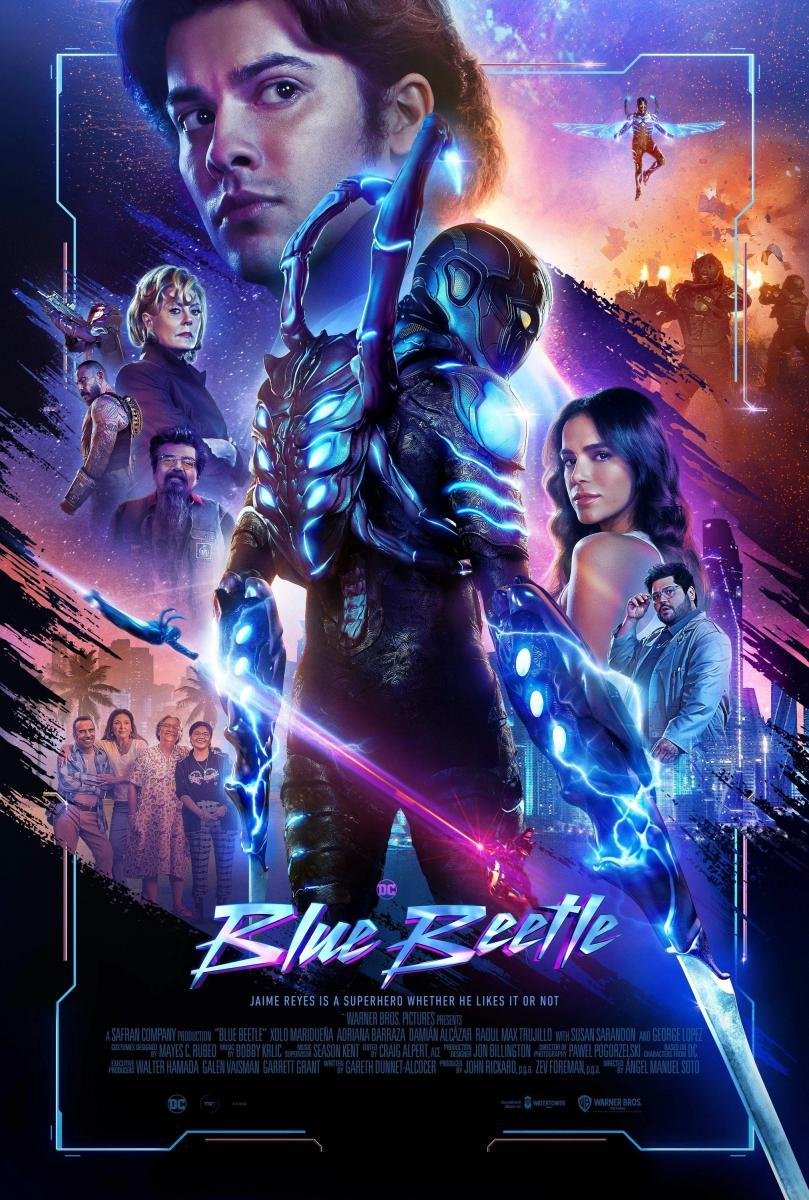





 Let me explain to you what happened. So there was meant to be a family reunion, while Madea and the rest of the family are on their way to the family house, the stopped at an hotel because that's where they will be stay not to make the family house too crampy with people.





 This is going to be my 11th post this month. Around 2 and a half posts a week, still short of my 3-4 posts a week aim. But it's much better than the 1 and a Diwali bonus post per year. And I am happy about it. I am trying my best to get the 3-4 posts a week target. Lets see how far can I take this writting. And as always, it wouldn't be possible without the support from IndiaUnited and BeAwesome friends.
Big Hug to you all.
See you in the next blog.
This is going to be my 11th post this month. Around 2 and a half posts a week, still short of my 3-4 posts a week aim. But it's much better than the 1 and a Diwali bonus post per year. And I am happy about it. I am trying my best to get the 3-4 posts a week target. Lets see how far can I take this writting. And as always, it wouldn't be possible without the support from IndiaUnited and BeAwesome friends.
Big Hug to you all.
See you in the next blog.



 I wasn't expecting this trainwreck to be as bad as it turned out, but here we are talking about what might be one of the biggest disappointments of 2025, I know there is a lot of people that dont think this way specially if you dont know much about Formula 1 and you dont have to be an expert Im just talking an average viewer. After watching all the hype around Brad Pitt getting back into action movies and Joseph Kazinski directing after his success with Top Gun Maverick, I really thought we were going to get something special but instead what we got feels more like Need For Speed trying to cosplay as a real F1 movie and failing badly at every turn, why the backfire why??. The whole idea is that there is this old guy coming back to Formula 1 after being away for 30 years and somehow being competitive against drivers who have been training their whole lives is kinda ridiculous that it makes you wonder if anyone involved in making this movie has ever watched a real F1 race, because if they had they would know that this sport requires insane physical conditioning, lightning fast reflexes and years of experience that you can't just magically get back after three decades of driving taxis and gambling your life away, that been said the funny part is that YES there was a 7 time F1 World Champion, Sr Lewis Hamilton as an advisor to the project, I love the guy as a driver one of my favorite drivers and I cant believe he allow all this to happen. The movie tries so hard to be this inspirational comeback story but ends up being more like watching your dad try to keep up with teenagers at a video game tournament, it's painful and embarrassing for everyone involved.
 [Source](https://tinyurl.com/3ureem5h)
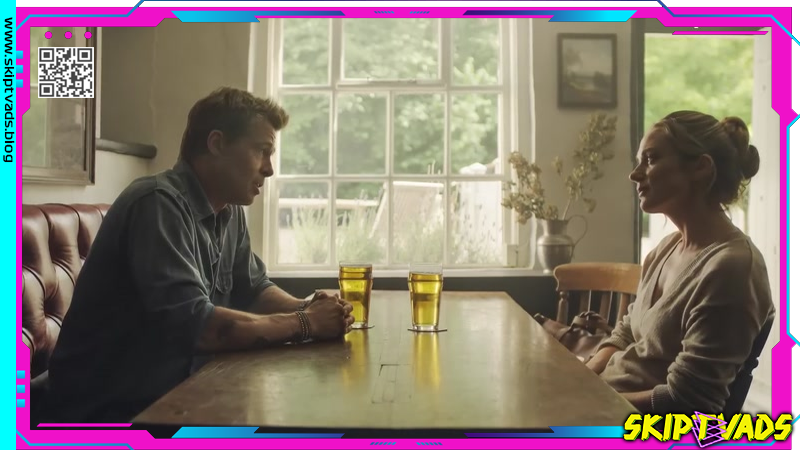 [Source](https://tinyurl.com/3ureem5h)
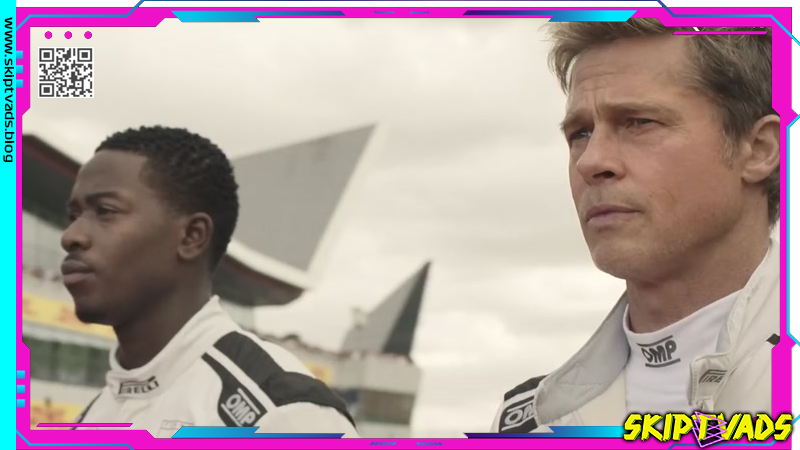 [Source](https://tinyurl.com/3ureem5h)
 [Source](https://tinyurl.com/3ureem5h)
 [Source](https://tinyurl.com/3ureem5h)