Longform reviews of films, TV, anime, books, and audiobooks, written by the scrobble.life community and published to the Hive blockchain, so each one is owned by its author and can earn rewards from readers. 51,253 reviews and counting.
Es un placer para mí estar de nuevo por esta comunidad compartiendo con ustedes un poco sobre mi pequeño hobby que es disfrutar de buenas series y películas, además de poder plasmar por acá mi opinión; en esta ocasión quiero hablarles sobre Adicta a las Compras.
It is a pleasure for me to be back in this community sharing with you a little about my little hobby, which is enjoying good series and movies, as well as being able to express my opinion here. On this occasion, I want to talk to you about Shopaholic.
Confesiones de una compradora compulsiva o adicta a las compras es una producción estadounidense del género comedia romántica que se estrenó en el año 2009 y está protagonizada por los actores Isla Fisher, Hugh Dancy, Joan Cusack, John Goodman y John Lithgow.
Esta película se centra en la vida de Rebecca Bloomwood una niña que se sentía mal cuando su madre la llevaba de compras ya que realmente le compraba cosas no muy bonitas, cuando ella estaba en las grandes tiendas podía ver qué las chicas grandes compraban cosas hermosas y que lo hacían sin dinero, en realidad usaban tarjetas de crédito. Pues al crecer, Rebecca se convirtió en periodista, vivía en Nueva York y tenía doce tarjetas de crédito.
Confessions of a Shopaholic is an American romantic comedy film released in 2009, starring Isla Fisher, Hugh Dancy, Joan Cusack, John Goodman, and John Lithgow.
This film focuses on the life of Rebecca Bloomwood, a girl who felt bad when her mother took her shopping because she didn't buy her very nice things. When she was in the big stores, she could see that the older girls bought beautiful things and did so without money; in fact, they used credit cards. Growing up, Rebecca became a journalist, lived in New York, and had twelve credit cards.
Toda es frustración que presentaba cuando niña la llevó a desarrollar una adicción por las compras, una manera tan compulsiva que la acosaban los cobradores de deudas y ella que no tenía la liquidez suficiente para pagar terminaba escondiéndose de los cobradores y diciendo mentiras como por ejemplo que estaba de viaje por Finlandia.
No obstante, esa adicción la hizo decir mentira tras mentira y cuando perdió su trabajo, ella logra encontrar uno en una revista financiera. Pero, ¿Cómo podría Rebecca dar consejos de finanzas si estaba endeudada? La verdad es que escribía unos artículos excelentes, era atrevida, fresca, auténtica y eso la hizo sobresalir; ella compraba compulsivamente y después sentía culpa. Lamentablemente, ese cobrador la persiguió tanto que la ridiculizó en una entrevista en televisión.
All the frustration she experienced as a child led her to develop an addiction to shopping, so compulsive that she was harassed by debt collectors. Unable to pay her debts, she ended up hiding from them and telling lies, such as saying she was traveling in Finland.
However, that addiction made her tell lie after lie, and when she lost her job, she managed to find one at a financial magazine. But how could Rebecca give financial advice when she was in debt? The truth is that she wrote excellent articles; she was bold, fresh, and authentic, and that made her stand out. She shopped compulsively and then felt guilty. Unfortunately, that debt collector hounded her so much that he ridiculed her in a television interview.
Después de eso, perdió su trabajo, termina su relación, se pelea con su mejor amiga y continúa su deuda; Pero justo en ese momento llega su gran oportunidad de trabajar en la revista de moda, lo que ella siempre quiso; sin embargo, ya ella se había golpeado mucho y entendió que comprar de manera compulsiva solo la había llevado al fracaso y que las revistas de moda solo alimentaban esa adicción tanto en ella como en otras personas.
Ahora bien, quiero confesar que esta película encabeza la lista de mis producciones favoritas, he perdido la cuenta de las veces que la he visto y nunca me canso o me aburro. La verdad es que me siento identificada con Rebecca, lo que más deseaba después que me gradué y comencé a trabajar era tener una tarjeta de crédito y efectivamente al tenerla lo primero que hice fue gastar, obviamente no llegue al punto de endeudarme como Rebecca pero si estoy consciente que utilizó las compras como terapia y como método para sentirme mejor cuando algo me ocurre o simplemente cuando tengo un bajón emocional.
After that, she lost her job, ended her relationship, fought with her best friend, and continued to accumulate debt. But just then, her big break came: a job at a fashion magazine, which was what she had always wanted. However, she had already hit rock bottom and understood that compulsive shopping had only led her to failure and that fashion magazines only fed that addiction in her and in other people.
Now, I want to confess that this movie tops the list of my favorite productions. I've lost count of how many times I've seen it, and I never get tired of it or bored. The truth is that I identify with Rebecca. What I wanted most after I graduated and started working was to have a credit card, and when I got one, the first thing I did was spend. Obviously, I didn't get into debt like Rebecca, but I am aware that I used shopping as therapy and as a way to feel better when something happened to me or when I was simply feeling down.
Creo que adicta a las compras es una película que nos deja muchas reflexiones, una de ellas es como la mentira nos hace prisioneros, una mentira conlleva a otra mentira y es muy difícil poder salir de allí. En ocasiones también queremos vivir de apariencias y esto es lo peor que hay, porque nos hace endeudarnos, no nos permite ahorrar y nos aleja de nuestros sueños; vivimos para encajar en grupos o en la sociedad y no nos importa hasta vender nuestra alma al diablo.
I think Shopaholic is a movie that leaves us with many reflections, one of which is how lies make us prisoners. One lie leads to another, and it is very difficult to get out of that cycle. Sometimes we also want to live by appearances, and this is the worst thing there is, because it makes us go into debt, prevents us from saving, and distances us from our dreams. We live to fit in with groups or society, and we don't even care if it means selling our souls to the devil.
Finalmente, me gustaría poder leer en los comentarios sus opiniones ¿ya vieron la película? Después de leer mi opinión ¿La verían? Ya para despedirme, quiero agradecer a quienes se toman unos minutos de su tiempo para leer mis publicaciones.
Finally, I would like to read your opinions in the comments. Have you seen the movie? After reading my opinion, would you watch it? Before I go, I want to thank those who take a few minutes of their time to read my posts.
It is rather interesting that the term 'golden age' is typically used to describe historical periods which, at the time people were living through them, were not considered as such. Nostalgia, or comparisons with years, decades and centuries when things were worse, is the main reason why the term 'golden' is applied to certain spatiotemporal coordinates. One of the more recent examples might be Clinton's America, whose citizens for various reasons did not feel particularly happy, despite their country being plagued by problems that, when compared to the endless Middle Eastern wars, economic crises, colourful characters in the White House and the looming threat of nuclear apocalypse, appear at the very least trivial. This does not mean that the media at the time did not ruthlessly exploit these issues, which are now mockingly referred to as 'First World problems,' often succeeding in turning stories that, at best, did not deserve it into top-tier scandals. One such story was the case of Tonya Harding, the figure skater who, for all the wrong reasons, dominated American and global headlines, overshadowing children being killed by shelling in Sarajevo at the time or the genocide being prepared in Rwanda. Not even a few months after the events that brought her into the spotlight, her role was played by Alexandra Powers in a hastily but professionally made TV film, Tonya & Nancy: The Inside Story. The entire story disappeared from the front pages relatively just as quickly and would likely have been completely forgotten had screenwriter Steven Rogers not, a quarter of a century later, come up with the idea to make an 'Oscar-bait' biographical film about it. This idea was realised in the 2017 film I, Tonya, which adorned itself with one of those statuettes—the Oscar for Best Supporting Actress won by Allison Janney.
I, Tonya is, by genre, a blend of the classic biographical film and pseudo-satirical black comedy, with its relatively unusual narrative structure incorporating pseudo-documentary scenes that serve as a framework, in which now visibly aged characters comment on past events, offering significantly different interpretations. The film then begins in the 1970s, when Tonya Harding, the three-year-old child of a Portland mechanic and waitress LaVone Golden (Allison Janney), first steps onto the ice rink to be trained in figure skating by Diane Rawlinson (Julianne Nicholson). Young Tonya is an undeniable talent, but her upbringing is marked by poverty and brutal abuse at the hands of her dysfunctional mother, who sees her daughter primarily as a golden goose. Fifteen-year-old Tonya (Margot Robbie) will attempt to find salvation in a romantic relationship, and later marriage, with the young Jeff Gillooly (Sebastian Stan), but this too will be marked by abuse. Meanwhile, her sports career advances, and in 1991 she makes history as the first American figure skater to successfully land a triple axel. However, she is continually held back not only by her troubled private life but also by the prejudices of the judges and the figure skating establishment, provoked by both her humble origins and her tomboyish behaviour and rebellious 'unrefined' character—so different from the ideals embodied by her main rival, the popular 'ice princess' Nancy Kerrigan (Caitlin Carver). Ahead of the 1994 Winter Olympics qualifiers, this rivalry will escalate into an unimaginable act of violence that will make Tonya Harding the most famous, yet most controversial, female athlete in the world.
At first glance, I, Tonya appeared to be a perfect 'Oscar-bait' film, a view shared by the now rather popular Australian actress Margot Robbie, who reportedly, upon receiving Rogers' screenplay, was convinced it was fiction rather than real events. Robbie produced the film and also put in exceptional effort in front of the camera, striving to convincingly portray Tonya Harding both as a 15-year-old girl and as a rather unglamorous middle-aged woman, particularly working hard to master skating skills. However, Robbie and her efforts cannot resolve two serious issues with this film. The first is the lack of budget, which, given that most of the film takes place in the rather unglamorous 'white trash' milieu, is not too noticeable, but which seriously sabotages the film at the very end, when during the scene of Tonya Harding's final dramatic Olympic performance, instead of John Williams' Jurassic Park score (which everyone who watched the original TV broadcast remembers), classical music is used (which apparently did not require spending money on copyright fees). The second, much more serious problem is that I, Tonya brings nothing particularly new or profound to the table, merely retelling what numerous other books, documentary shows, and even Tonya & Nancy—a quarter of a century earlier, with far less ambition—have already presented. It could have been different. This is best seen in the scene where Bobby Cannavale portrays Martin Maddox, the producer of, as he puts it, the 'disgusting tabloid TV show' Hard Copy, which 'now looks like all other TV news programmes'. This character appears far too briefly in the film, although the story of how and why Tonya Harding became such big news could have served as the basis for a far better and more relevant film today. Still, even as imperfect as it is, I, Tonya could easily come across as a masterpiece when compared to the films that will be winning 'Oscars' in twenty or thirty years' time.
RATING: 5/10 (++)
(Note: The text in the original Croatian version was posted here.)
[Source](https://screenrant.com)
House of the Dragon season 1 is a very familiar series to anyone who watch Game of Thrones since its actually from the same Universe, where every smile is a threat and every toast might involve poison, it is a return to Westeros that actually feels like a real return because Seaons 1 was so so good. I had a good time watching it all over again a few weekends ago, the show wants to rush past the juicy family drama to start building up a scenario of war but not your common tanks and soldiers war. The details and production is awesome, dragons look mean and heavy and sets and costumes look great too making it very immersive, even though when most viewers watch it for the CGI dragons they still didnt feel that way and this season made sure the beasts feel like ancient weapons more than pets, which I loved. What I like the most about Season One is how the show focus a lot on the royal family duties, the opening council where a woman is denied the throne, the hunting trip where smiles carry knives, a walk into a brothel that detonates a whole palace, it is the political knife fight that made the early GOT great and these series channel that energy hard when they want to. The time jumps, some work, some do not, I get what they were trying to do, show us decades of grudges turning into open wounds, at times I wanted to the series have at least two to four more episodes, I can understand how expensive running show can be but I think fans did support the series based on how much buzz was back then, although I can also understand that it can be all social media talk and none of the cash going in.
The show rides with Rhaenyra, Alicent, Viserys, and Daemon, and I think it mostly nails this characters perfectly building up the story even though as any other series it has its ups and downs, Rhaenyra is stubborn and messy and still trying to do right by a legacy she did not ask for, her choices land like real choices with real fallout, sometimes selfish, sometimes brave, sometimes both, it makes her human and is something viewers would like. Alicent gets pushed by duty until she becomes a sinner and this eats up her mind, I know book readers see her as straight up schemer, here she is more someone who keeps reaching for the moral high ground and stepping on a rake, it also turns her into a person trapped by a system that rewards loyalty then punishes it, that clash with Rhaenyra at the funeral and the dinner later are the show for me, two women held apart by old men, old rules and old lies. Viserys, that performance is unreal, a king who wants peace in a world that only respects force, he is kind where the crown needs force out and you watch him try to hold a storm together, I can not remember the last time a single walk to a throne said that much about a character, that whole scene is pure gold from every other single character in the room, wouldnt be the last either. Daemon is the one that its a bit shaky for my like, he swings from fierce to tender and back again sometimes in the same scene and I am not always sure the show knows which version it wants but there are moments where he feels like the only Targaryen who can see the board five moves ahead, then two scenes later he lights the board on fire, chaotic in a way that is fun as hell to watch even if uneven.
Politics wise the season is a slow turd taking probably more time stuck in politics than it should when everyone is expecting send the army they just decide to keep peace until everyone hates each other enough. There is also the small things matter, a green dress, a bastard rumor whispered too loud, a sword practice that turns into a public accusation, a dragon claimed at a funeral, the show is at its best when it lets gossip do more damage than steel. Those kids, the next generation, that is the smartest choice they made, letting the beef pass down like bad blood, so by the time a dragon bite ends the season, it feels like the kind of mistake people make after twenty years of being taught to hate, that last shot lands, not because of shock value but because all the little cuts finally bled out. I also liked how the show treated dragons like living nukes, you can point them but you can not always control them, the flying scenes are not just flights, the older ones feel like bone and rage, the younger ones twitchy, that small touch really helps sell why the coming war is a nightmare, not a playground. Court games are sharp too, Otto is the steady viper, Lyonel and Larys add new flavors, Corlys and Rhaenys bring that salty steel and I liked that you can see the sea snake play legacy chess while everyone else plays throne chess, it makes the world feel broader than the Red Keep.
There are stumbles, Mysaria is a whole misread for me, the accent choice distracts more than it adds even making it very hard to understand what she is actually saying and the character’s network never feels as dangerous as it should trying to replicate the master of whisper from GOT, lets remember that this are not only positions within the court but basically traditions and this time didnt have the same impact, she is important on paper but not in the room and that is a miss because the spy game could have added more pressure on already cracking royla family. The time gaps also hurt a few characters, the wedding blow up then we jump, the fallout from certain choices gets handled in a line or two, you can feel the show wanting to be in season 2 already, recast are always hard and going from the younger version to a more adult version of some of this characters kinda hurt the show. Some character swings are very noticeable, Daemon’s monster to husband oscillation is fast, Alicent’s line from resentment to open opposition happens off screen in pieces but still fast and a couple supporting folks get reduced to functional secondary characters when they had room to be more, Harwin for example gone right when he was adding a lot of context, but even with the bumps, the acting holds it together and the script, when it slows down, really takes it time to breathe, the dinner scene is the best thing they did, everyone playing nice because a dying man asked them to, then the masks slip as soon as he leaves the room, that is pure Westeros. On the craft and quality, as I mention above this thing looks expensive and heavy, the lighting likes candles not spotlights, armor looks used, Dragons dont look like cheap CGI tricks, the Red Keep finally feels truly lived in and Driftmark felt needed more development but its something they left for the second season but I do have to mention it would have expand more the locations, probably this are the two or four episodes I was asking for. The soundtrack leans on familiar tones but spins new ones that fit this family’s colder, more ritual world. The dragons are varied, you can tell them apart by silhouette and sound, the old queen is a whole mood, and that coronation interruption is silly but that was the intention because things could have ended right there but it would be stupid to do such thing, I know how people would rolled their eyes a bit because I did too but then cracked a smile, so fair play. The show also remembers that violence is not just gore, it is decisions, childbirth scenes are rough, the cost of power shows up in bodies and scars, not just battlefield glory and I will take that over random beheadings any day, GOT.
I think we could have sat longer with the marriage negotiations, the Stepstones aftermath, the fallout of brothel rumors, more time with Harwin and Rhaenyra’s domestic chaos, more realm politics beyond King’s Landing, thats probably with GOT work for me so well because it took its time at least on the first seasons and started to expand that huge world they created. I also think the writers wanted to hurry to the civil war and I am in the camp that says the fight is less interesting than the reasons we get there, the season still earns the jump because of the kids and the dragons being forces of chaos but the path could have been milked for even more hurt. Still, as a first season, it is confident and mean in the right way and the core relationships are strong enough that I care who burns and who bends, which is the whole point. So yeah, I recommend it, with a not up front, if you wanted an even longer slow burn before the sparks, you will feel a bit short changed like me but not enough to turn you off. I would not hand it a perfect score but I am very comfortable saying it is one of the best returns to a big franchise we have gotten in a while, also a Spin Off that does work and adds to the story. I just wish it had trusted its own best scenes more often to extend the drama and let the series spread its wings wither. Season 2 is just another monster on itself that I will review soon, but sadly it got very messy and turn out to be more of a downgrade than just continuation. I know that the series came out years ago but with Season 3 around the corner in 2026 I wanted to watch Season 1 and 2 again to keep a fresh mind and put up my opinion about it.
Finally an MCU movie that you enjoy until the end, The Fantastic Four First Steps surprised me in a way I did not expect, this fourth attempt with the Fantastic Four turns out that it worked and it is not only because of the good effects or known actors but because for the first time in a long time it seems that someone understood that making a good superhero movie does not mean to put a thousand references to the expanded universe or to last three hours explaining every insignificant detail. Matt Shakman directed this movie with a clear vision of what he wanted to tell, a family story in the 60's quite futuristic and Ralph Ineson as Galactus is spectacular, every time he appears you know something important is going to happen, this villain manages to be intimidating without the need to shout or make exaggerated gestures just with his presence is quite real and threatening. Pedro Pascal as Reed Richards is good although he doesn't reinvent anything new, Vanessa Kirby handles Sue Storm very well and Joseph Quinn gives life to Johnny Storm without falling into the clichés of the annoying younger brother, but it's Ebon Moss Bachrach as Ben Grimm along with Galactus who really steals the show and manages to make The Thing a beloved character and not just a bunch of banging rocks.
Por fin una película del MCU que te disfrutas hasta el final bueno y es que The Fantastic Four First Steps me sorprendió de una manera que no esperaba, esta cuarta intentona con los cuatro fantásticos resulta que sí funcionó y no es nada más por los buenos efectos o actores conocidos sino por que por primera vez en mucho tiempo parece que alguien entendió que hacer una buena película de superhéroes no significa meter mil referencias al universo expandido ni durar tres horas explicandote cada detalle insignificante. Matt Shakman dirigió esta peli con una visión clara de lo que quería contar, una historia familiar en los años 60 bastante futurista y Ralph Ineson como Galactus es espectacular, cada vez que aparece sabes que algo importante va pasar, este villano si logra ser intimidante sin necesidad de gritar o hacer gestos exagerados nada más con su presencia es bastante real y amenazante. Pedro Pascal como Reed Richards es bueno aunque no reinventa nada nuevo, Vanessa Kirby maneja muy bien a Sue Storm y Joseph Quinn le da vida a Johnny Storm sin caer en los clichés del hermano menor molesto, pero es Ebon Moss Bachrach como Ben Grimm junto con Galactus es quien realmente se roba el show y logra hacer que The Thing sea un personaje querido y no solo un montón de rocas que da golpes.
One thing I really liked about this movie is that it doesn't treat you like an idiot and from the first five minutes you are already into the story, no need to see how they got their powers or unnecessary explanations of who these characters are, the movie starts directly with them already being the Fantastic Four established in their world, fighting the bad guys like Moleman and The Wizard in that opening part that recreates the classic comic book covers very well. It looks like they set everything in an alternate universe and in my opinion this worked perfect because you don't have to worry about how it fits in with the rest of the MCU, here the Fantastic Four are the only superheroes in their world and that exclusivity makes them look more special, the whole town loves and respects them instead of seeing them as a threat or as if they were celebrities. Everything looks very 60's but it also has a futuristic touch that makes the Baxter Building look like the coolest place on the planet, even Herby the robot has his own personality, I want a rotbot like that, I remembered the robotina from lso supersonic. I thought the movie is very well done at a technical level because you never get distracted, you are always aware of what is happening, both in the intimate moments and in the action sequences, I never lost interest in what was happening.
Una cosa que me gustó bastante de esta película es que no te trata como idiota ya desde los primeros cinco minutos estás metido en la historia, sin necesidad de ver como obtuvieron los poderes o explicaciones innecesarias de quienes son estos personajes, la peli arranca directamente con ellos siendo ya los Fantastic Four establecidos en su mundo, luchando contra los malos como Moleman y The Wizard en esa parte inicial que recrea muy bien las portadas clásicas de los comics. Parece que ambientaron todo en un universo alternativo y en mi opinión esto funcionó perfecto porque no tienes que preocuparte por como encaja con el resto del MCU, aquí los cuatro fantásticos son los únicos superhéroes de su mundo y esa exclusividad los hace ver más especiales, toda la ciudad los ama y los respeta en lugar de verlos como una amenaza o como si fueran celebridades. Todo se ve muy años 60 pero también tiene un toque futurista que hace que el Baxter Building parezca el lugar más cool del planeta, incluso Herby el robot tiene personalidad propia quiero un rotbot de esos me recordé de robotina de lso supersonicos. Me pareció que la peli esta muy bien hecha a nivle técnico porque nunca te distraes siempre estás pendiente de lo que está pasando, tanto en los momentos íntimos como en las secuencias de acción, nunca perdí el interés por lo que estaba pasando.
The central theme is about family and sacrifice is well handled in an intelligent way without becoming too moralistic or sentimental, when Galactus arrives and demands that Franklin Richards be given to him to replace him as the devourer of worlds, Sue Storm is faced with the most difficult dilemma any mother could imagine which is to save her son or save the entire planet. This moral tension works because there is no easy answer, Galactus is not evil for the sake of it but needs to feed to survive, he is like a natural predator that can't help being what he is, that makes him more interesting than the usual bad guys that just want to destroy for the sake of it. The solution of moving the Earth to another galaxy sounds absurd on paper but within the context of the movie it makes sense and is like something Reed Richards could actually accomplish with his intelligence, although the fact that they later realize it was easier to move Galactus instead of the planet is an amusing detail that shows that even geniuses make mistakes. Franklin Richards as a baby with cosmic powers could have ruined the whole movie but the writers were smart to keep him as a background element instead of making him the savior, his moment to shine comes only at the end when he resurrects Sue and there it feels necessary that it happened.
El tema central es sobre la familia y el sacrificio está bien manejado de manera inteligente sin volverse muy moralista o sentimental, cuando Galactus llega y exige que le entreguen a Franklin Richards para reemplazarlo como devorador de mundos, Sue Storm se enfrenta al dilema más dificil que cualquier madre podría imaginar que es salvar a su hijo o salvar el planeta entero. Esta tensión moral funciona porque no hay una respuesta fácil, Galactus no es malvado por gusto sino que necesita alimentarse para sobrevivir es como un depredador natural que no puede evitar ser lo que es, eso lo hace mas interesante que los típicos malos de siempre que solo quieren destruir por que sí. La solución de mover la Tierra a otra galaxia suena absurda en papel pero dentro del contexto de la película tiene sentido y es como algo que Reed Richards realmente podría lograr con su inteligencia, aunque el hecho de que después se den cuenta de que era mas facil mover a Galactus en lugar del planeta es un detalle divertido que muestra que hasta los genios cometen errores. Franklin Richards como bebé con poderes cósmicos podría haber arruinado toda la película pero los guionistas fueron inteligentes al mantenerlo como elemento de fondo en lugar de convertirlo en el salvador, su momento de brillar llega solo al final cuando resucita a Sue y ahí se siente necesario de que pasara.
The action scenes I loved are not chaotic at all, the fight in space when the four go to confront Galactus in his ship is full of tension because you know they are completely outmatched in power, but their teamwork keeps them alive long enough to try to negotiate. Johnny Storm decoding Silver Surfer's language was a brilliant detail that shows he's not just the immature brother but has unique abilities that contribute to the group, the scenes where he uses his flames in creative ways I've never seen in previous films show that the special effects are in service to the story and not the other way around. Silver Surfer's transformation from Galactus' messenger to the Fantastic Four's ally is quite real because from the beginning it is established that she is a victim of circumstance and not evil by choice, in this case Shalla Bal is the female version of the silver surfer and this is something new that doesn't betray the essence of the original character. Ben Grimm fighting hand to hand against Galactus in the streets of New York is pure spectacle but it's also quite emotional because you see The Thing giving everything he has to protect his adopted family, that part where he is almost destroyed but manages to keep fighting shows the character's determination.
Las escenas de acción me encantaron no son nada caóticas, la pelea en el espacio cuando los cuatro van a confrontar a Galactus en su nave está llena de tensión porque sabes que están completamente superados en poder, pero su trabajo en equipo los mantiene con vida el tiempo suficiente para intentar negociar. Johnny Storm decodificando el lenguaje de Silver Surfer fue un detalle brillante que muestra que no es solo el hermano inmaduro sino que tiene habilidades únicas que contribuyen al grupo, las escenas donde usa sus llamas de maneras creativas que nunca había visto en películas anteriores demuestran que los efectos especiales están al servicio de la historia y no al revés. La transformación de Silver Surfer de mensajera de Galactus a aliada de los cuatro fantasticos es bastante real porque desde el principio se establece wue ella es víctima de las circunstancias y no es mala por elección, en este caso Shalla Bal es la versión femenina del surfista plateado y esto es algo nuevo que no traiciona la esencia del personaje original. Ben Grimm luchando cuerpo a cuerpo contra Galactus en las calles de Nueva York es puro espectáculo pero también es bastante emocional porque ves a The Thing dando todo lo que tiene para proteger a su familia adoptiva, esa parte donde casi es destruido pero se las arregla para seguir peleando muestra la determinación del personaje.
The only thing that bothered me a bit was the uneven pacing at some points there are parts where the movie speeds up too much and others where it takes its time too much, mostly in the second part where they spend a lot of time developing the family relationship but then everything becomes very frantic when it's time to face Galactus. The humor works most of the time although there are a few jokes that are kind of lame but at least they don't ruin the serious moments as it happened in other recent Marvel movies, here when something is emotional they let you feel the emotion without cutting it with an unnecessary joke. The post-credits scene with Doctor Doom approaching Franklin was the perfect touch to set up future threats without feeling like commercials for the next installment, it's only natural for Doom to appear in this universe because he's the most iconic enemy of the Fantastic Four. My score for Fantastic Four is 8/10, after waiting so long for a good Fantastic Four movie it finally came out with something that honors the source material while throwing in some new stuff, it's not perfect but it's fun and emotional in the right way, and most importantly it leaves you wanting to see more instead of exhausted like the last few MCU installments.
Lo único que me molestó un poco fue el ritmo irregular en algunos momentos hay partes donde la película acelera demasiado y otras donde se toma su tiempo de más, más que todo en la segunda parte donde pasan mucho tiempo desarrollando la relación familiar pero después todo se vuelve muy frenético cuando llega la hora de enfrentar a Galactus. El humor funciona la mayor parte del tiempo aunque hay algunos chistes que son medio nulos pero por lo menos no arruinan los momentos serios como pasaba en otras películas recientes de Marvel, aquí cuando algo es emotivo te dejan sentir la emoción sin cortarla con una broma innecesaria. La escena post créditos con Doctor Doom acercándose a Franklin fue el toque perfecto para establecer futuras amenazas sin sentirse como comerciales para la próxima entrega, es algo natural que Doom aparezca en este universo porque es el enemigo más icónico de los cuatro fantasticos. Mi puntuación para Fantastic Four es 8/10, después de tanto tiempo esperando una buena película de estas al fin salió algo que honra el material original mientras mete algunas cosas nuevas, no es perfecta pero sí es divertida y emotiva de la manera correcta, y lo mas importante es que te deja con ganas de ver más en lugar de agotado como pasaba con las ultimas entregas del MCU.
I've had an enjoyable time watching some movies with my parents this weekend. It's something we all enjoy together, though there are genres that I can't watch with my mom, @arashi0416.
She's not good with horror, as well as bloody or grotesque films, and that's understandable. I enjoy them, though... especially psychological ones.
After watching a comedy film with her last Friday night, a trailer for ***The Thursday Murder Club*** was shown, and it immediately piqued my interest, as I'm interested in true crimes and films trying to solve them. She didn't like the vibes of it from the trailer, though, so I decided to just watch it alone in my room.
However, as the movie progressed, I realized it was something she'd actually enjoy... so I stopped watching in the middle of the film and convinced her to watch it with me. I just warned her of the slight bloody scenes at the beginning of the film. Luckily, she agreed, and we watched it last Saturday night.
The Thursday Murder Club is one of the clubs at a retirement facility called Coopers Chase. At the beginning of the film, they only had three active members: Elizabeth, Ron, and Ibrahim. However, a retired nurse who was new to Coopers Chase joined them after the members asked her for a medical opinion related to the case they were currently working on.
Their club essentially meets on Thursdays and spends time together solving cold-case murders for fun. Another member, who's no longer active due to her condition, was a former officer and provided them with cases to work on.
However, their fun and casual sleuthing changed its course when a real murder occurred involving people they actually know.
Will the club succeed? It's for you to find out!
I genuinely enjoyed watching this movie. It occurred to me that this is something I'd enjoy doing, and it would be awesome to find a team just like theirs when I'm already at their age. hahah
Watching crime and/or mystery films like this is always so exciting, but the fact that four 70-something grandmas and grandpas were the ones doing the sleuthing is oddly entertaining. They're all so adorable! (And Pierce Brosnan is still so handsome... he's the James Bond I grew up watching!)
In my job as an online ESL teacher, I sometimes have students in their 70s and 80s, and they're just so much fun to talk to. They have many stories to tell and experiences to share. Some of them are still very active and passionate about their hobbies. The movie kind of reminded me of them.
Aside from the mystery side of the film, I also enjoyed its comedic side. There were many humorous moments that made me laugh and giggle.
Another thing tackled in the film is the relationship between a parent and their child. I'm really close to both my parents, and spending time with them is among my priorities in life.
The concept of these kinds of facilities isn't very common in my country, as most elderly family members tend to live with their family or relatives. I've visited a retirement home for outreach and/or volunteer programs, and knowing most of the stories of the people there is both sad and painful. A lot of them were abandoned by their families, and some didn't have any family or relatives nearby.
However, some of them chose to live in the retirement home because they want to socialize and have their health monitored. They have families nearby who visit them occasionally.
The retirement facility in the movie was marvelous, though. It allows the elderly to enjoy various activities, socialize, eat well, and engage in a range of other things.
All in all, it was a fantastic watch. I love the characters, especially the four main ones, who were relatively unique from each other, but their teamwork is superb.
I'm actually curious about the book it's based on. I've seen some great comments about it, so I'd love to read it when I get the chance.
I'll end this post here. Thanks for reading, and see you around! Have a good one... :)
You should not be a stranger to my movie reviews by now. If you are new to my blog, welcome! I invite you to stay connected for more. After completing Your Friends and Neighbours, I went back to an old classic, infact I am talking about a two-decade-old classic, Prison Break.
Yeah, you heard me right. I am currently watching Prison Break, probably for the third time or more, I am not sure at this point.
The 2005 show was a big hit because it was built on never-ending suspense, mastermind planning, drama, and above all, the out-of-the-box thinking from the lead character, Scofield. Right from the get-go, you are introduced to a man who constantly proves himself to be an extraordinary individual, through his mapped-out plan and his systematic means of breaking it down into actual plans that are being achieved one step at a time.
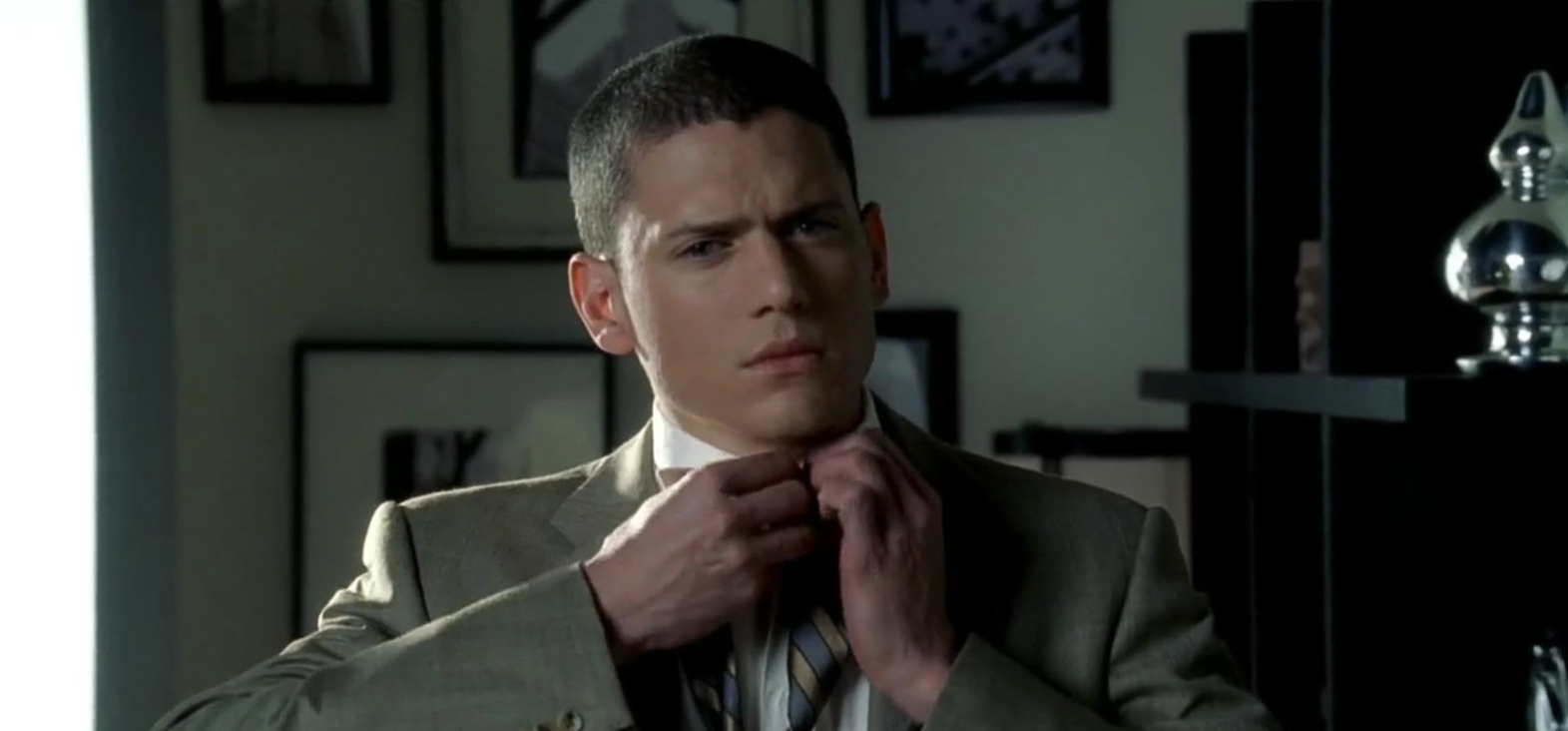
[Michael Scofield](https://www.imdb.com/title/tt0455275/mediaviewer/rm1323184128/?ref_=ext_shr_lnk)
Scofield is a structural engineer with a pretty high IQ, far from the ordinary, which makes the smart minds look like small kids. I do not remember the word his therapist used to describe his case but he said Scofield's mind works in such a way that it uses more than the required percentage a human brain should use, thereby paying close attention to details, compoenents and how these things add up to form a given function and that is not all, he is also suffers from what is called a rescuer's complex where he often task himself with the responsibility of saving a helpless person in distress.
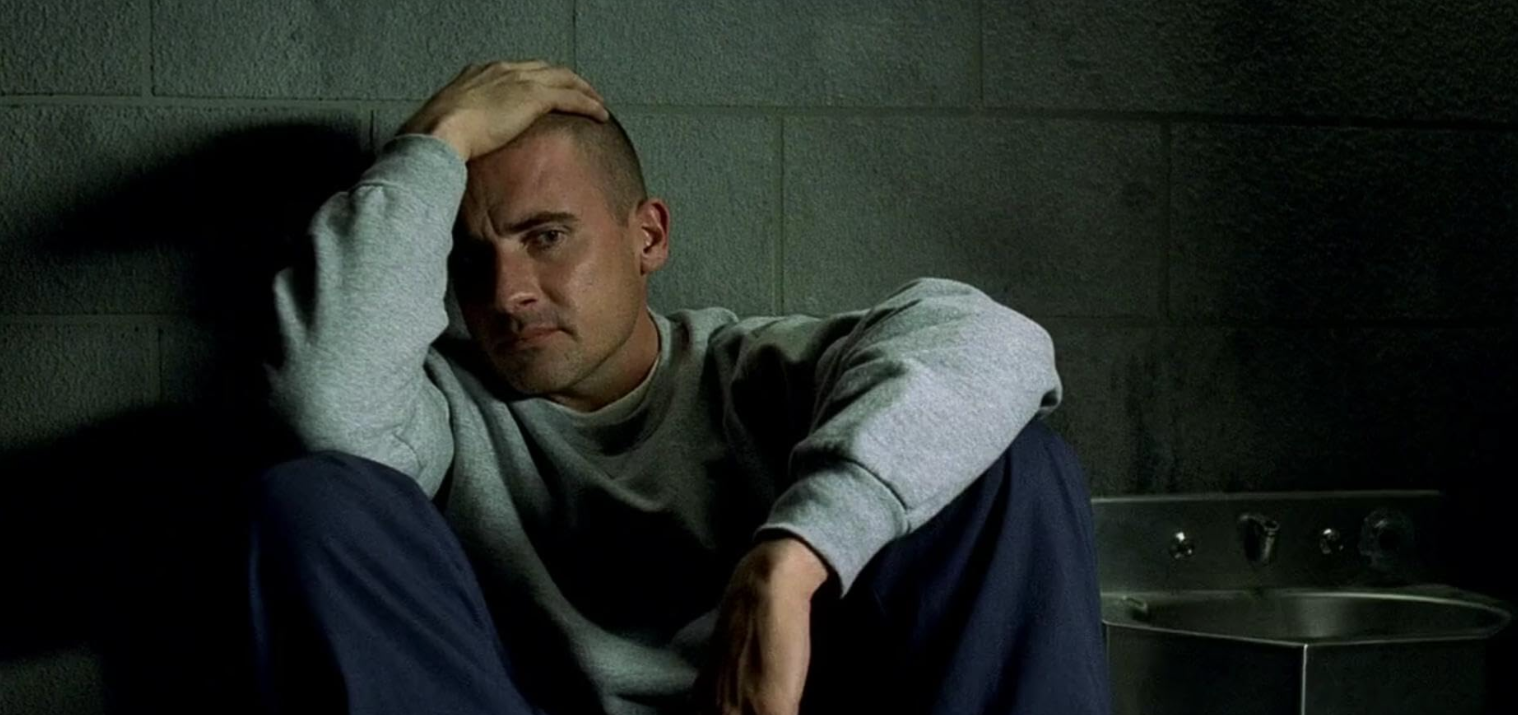
[Lincoln Burrows](https://www.imdb.com/title/tt0455275/mediaviewer/rm1709453312/?ref_=ext_shr_lnk)
That makes more sense why he is in Fox River to save his elder brother, Lincoln Burrows, from a crime he did not commit. Scofield plans to break his brother out of prison while they fight to clear the brother's name from a murder crime he did not commit. From each episode, one can see the amount of detail and effort that has been put into the making of the series, right from the good cinematography to the brilliant acting from the actors.
But here is the question from me:
Is it possible for someone to pull off such a job as Scofield?
Breaking out of a federal prison through the use of a blueprint tattooed on his body and a mastermind's planning. Although I believe that there are people like Scofield who exhibit extreme smartness but at what point does it get to exaggerated or borderline impossible?
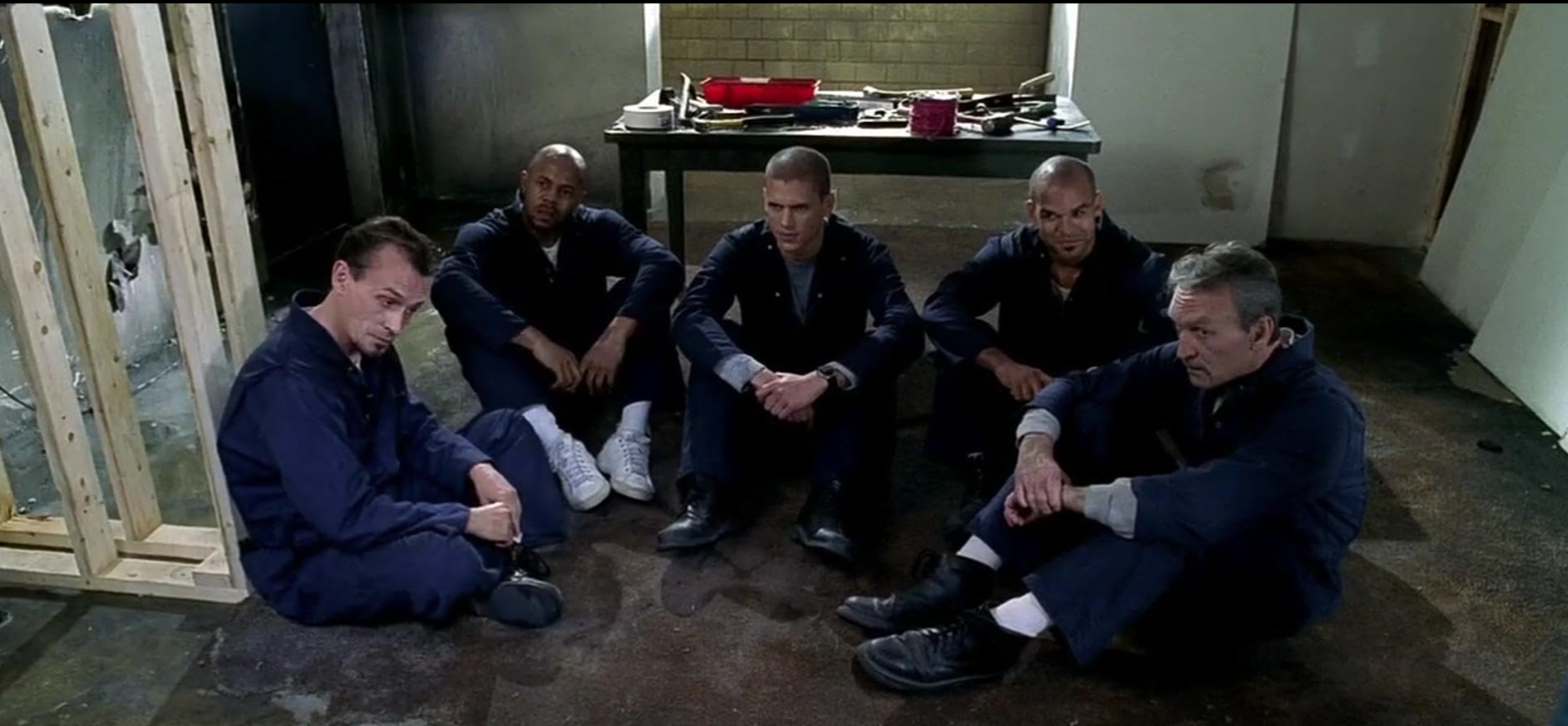
[The Early Squad](https://www.imdb.com/title/tt0455275/mediaviewer/rm1743007744/?ref_=ext_shr_lnk)
Is it when things do not go as planned, but yet there is a backup plan that shows up out of the blue, or when you think it is almost over, and then Scofield pulls a Hail Mary? Well, to be open about it, I know that these things acted out in the movie are in no way impossible to achieve in a real-world setting. Take your time and think about it. Can you break out of a federal prison in such style the Scofield did, where everything has to be mapped out? Nah, I doubt it. If I were even asked to break out of Nigeria's Kirikiri prison, I doubt I would be able to pull that off, talk more about a federal prison.
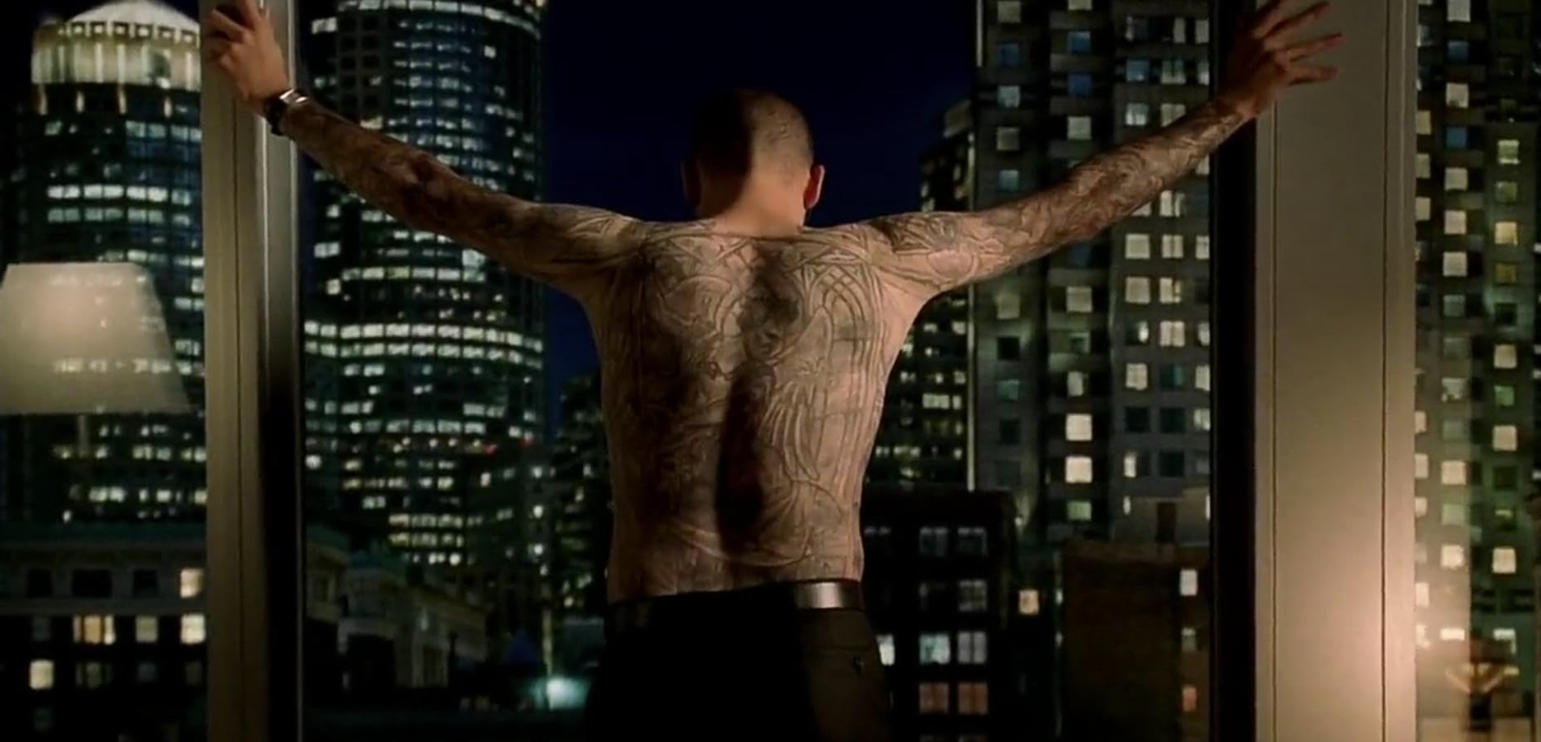
[The Blueprint](https://www.imdb.com/title/tt0455275/mediaviewer/rm2061643776/?ref_=ext_shr_lnk)
Yet I still love the series. That is the power of writing and storytelling. Remember, like I said in the past, our brain enjoys that escape from realism; we long for that make-believe. It keeps our adrenaline running and the dopamine wanting more, if that is how they put it. I know there are times I want to watch a documentary or a docu-series in order to learn something new, and there are times I want the make-believe. Take me out of the world and make me realize there is more to what my eyes can see if only I let my brain run wild, and that is exactly what series like Prison Break do for me.
Check out Prison Break if you have not watched it yet. And if you have watched it, share your thoughts about the series in the comment section.
I am @samostically. I love to talk and write about chess because I benefited a lot from playing chess, and I love writing about chess.
Nora (Andy Allo) ne parvient pas à faire le deuil de son Nathan Brown (Robbie Amell) et repasse en boucle leur mariage virtuel qui allait se dérouler à Montréal. Elle aimerait tellement qu'il soit auprès d'elle, pour pouvoir lui parler, le toucher.
Un jour, alors qu'elle est réveillée et qu'elle n'a pas son casque virtuel sur la tête, Nathan lui apparaît, dans le salon, mais c'est une projection, ils ne peuvent pas se toucher, juste se voir et se parler. Ses colocataires et ses amis la prennent pour une folle quand elle leur raconte, mais ils la laissent croire que son amour est toujours vivant et ils l'aident même à le retrouver. Au moins, après ça, elle pourra plus facilement faire son deuil et passer à autre chose.
Avant de se lancer à la recherche de son Nathan, elle sera la demoiselle d'honneur de son amie Ingrid (Allegra Edwards) qui épouse l'autre Nathan (uploadé).
La société Horizon, qui gère l'environnement virtuel de LakeView, où vivent les personnes uploadées, tant que leur famille vivante paye les services, a misé sur l'IA et sur les rentrées financières qui en découlent, mais à toujours vouloir davantage d'argent, on finit par faire le petit truc en trop.
Mon avis et petites infos :
La première saison était très originale et nous avait bien plu, mais les saisons suivantes perdaient forcément de leur originalité et, même si on ajoutait les nouvelles technologies et les éventuelles dérives, on tournait un peu en rond.
Certes, il y a la belle histoire d'amour, mais cela ne suffit pas.
La fin laisse une porte ouverte sur la décision de Nora de recréer un Nathan ou pas.
La série nous incite à nous poser des questions sur l'identité, sur les dérives de l'IA, etc. mais une chose semble assez claire : le capitalisme ou donner du pouvoir à l'argent, c'est mal, le bon côté de l'être humain s'y perd. Nous n'avons pas besoin de détruire ou d'écraser les autres pour exister.
Si vous avez regardé les 3 premières saisons, autant regarder cette 4e saison pour vous faire une idée sur l'ensemble de la série.
Si vous n'avez pas encore vu cette série, regardez peut-être la bande-annonce pour vous en faire une idée et voir si elle pourrait vous tenter.
Question subsidiaire :
Si vous souffriez d'une maladie incurable, cela vous tenterait-il de vous faire uploader (avant votre décès) pour vivre dans un monde virtuel, à votre goût si possible, pour l'éternité ?
Hola amigos cinéfilos de Movies & Tv, espero se encuentren muy bien ☺️. Hace poco mi hermana me invitó a ver la película de Materialistas con Dakota Johnson, Pedro Pascal y Chris Evans. Realmente no le tenía mucha fé a esta película ya que no es de mi estilo o de mis géneros favoritos, pero solo por la trama sobre una casamentera que busca las mejores opciones para sus clientes y que a la vez tiene una vida romántica bastante fatal, además también por los actores, quise saber en qué terminaría toda esta historia y que mensaje me dejaría al final ya que he visto opiniones divididas acerca de esta película, así que los invito a leer mi reseña ✨.
Hello Movies & Tv movie buff friends, I hope you are doing great ☺️. Recently my sister invited me to see the Materialists movie with Dakota Johnson, Pedro Pascal and Chris Evans. I really didn't have much faith in this movie since it's not my style or my favorite genres, but just because of the plot about a matchmaker who looks for the best options for her clients and at the same time has a pretty fatal romantic life, plus also because of the actors, I wanted to know how this story would end and what message it would leave me at the end since I've seen divided opinions about this movie, so I invite you to read my review ✨.
La trama nos cuenta la historia de Lucy Mason (Dakota Johnson) quien se dedica a trabajar como casamentera en la ciudad de Nueva York luego de perder sus sueños al no ver posible poder seguir una carrera como actriz. En este mundo ella es una mujer de negocios, que más que dedicarse a encontrar una pareja debe saber que ambas personas sean compatibles en muchos aspectos sea el económico, físico, emocional, aspiraciones, entre otras cualidades que exigen las personas que van a solicitar la ayuda de Lucy. Es un mundo caótico en el que se tiene que mover para poder encontrar a cada persona —su pareja ideal— y con esto no solo cumple con su trabajo y gana prestigio sino que también satisface sus propias metas dentro del trabajo tan diferente en el que se desempeña cada día. Hasta que llega un hombre llamado Harry Castillo (Pedro Pascal), quien le despierta el interés más allá de su propio trabajo y que hace que se encuentre entre esta nueva posibilidad de abrirse a una relación con un excelente candidato o seguir su antigua relación con John Finch (Chris Evans) quien fue su pareja en sus 20s y que tiene una forma de hacer que sienta la posibilidad de volver a retomar la relación que tenían o seguir su camino y empezar una nueva historia con Harry y cumplir con su meta de una relación estable para su propia vida.
The plot tells the story of Lucy Mason (Dakota Johnson) who works as a matchmaker in New York City after losing her dreams of not being able to pursue a career as an actress. In this world she is a businesswoman, who more than dedicating herself to find a partner must know that both people are compatible in many aspects whether economic, physical, emotional, aspirations, among other qualities that require people who will seek the help of Lucy. It is a chaotic world in which she has to move in order to find each person -her ideal partner- and with this she not only fulfills her job and earns prestige but also satisfies her own goals within the very different job in which she works every day. Until a man named Harry Castillo (Pedro Pascal) arrives, who awakens her interest beyond her own work and makes her find herself between this new possibility of opening herself to a relationship with an excellent candidate or continuing her old relationship with John Finch (Chris Evans) who was her partner in her 20s and who has a way of making her feel the possibility of resuming the relationship they had or going her way and starting a new story with Harry and fulfilling her goal of a stable relationship for her own life.
Está película fue estrenada este año por la producción de A24 y Sony Pictures, bajo la mirada de la productora Celine Song quien tuvo un gran éxito con la película Vidas Pasadas, dando el toque de su propia personalidad con una historia de romance y comedia poco convencional dónde se habla abiertamente sobre las relaciones de parejas, las expectativas que tenemos los seres humanos en cuanto al romance y el amor, la búsqueda de esa persona especial y la manera en la que muchos romantizamos el estar en una relación. No he visto Vidas Pasadas, pero está sin duda fue una historia entretenida y muy interesante sobre cómo podemos llegar a ser tan exigentes o poco sabios en cuánto al amor de pareja.
This movie was released this year by A24 and Sony Pictures production, under the watchful eye of producer Celine Song who had a great success with the movie Past Lives, giving the touch of her own personality with a story of romance and unconventional comedy where she talks openly about relationships, the expectations we humans have regarding romance and love, the search for that special person and the way in which many of us romanticize being in a relationship. I haven't seen Past Lives, but this was certainly an entertaining and very interesting story about how we can become so demanding or unwise when it comes to love as a couple.
La historia es bastante interesante, muestra a Lucy una mujer en sus 30s buscando unir a otras personas mientras tiene sus propias contradicciones con el amor, por un lado, está encantada con lo que refleja Harry: un hombre de buena familia, con dinero, con un trabajo estable que le mantiene siempre ocupado, con una forma muy elegante de presentarse ante ella y de mostrar interés en tener una relación con ella. Mientras que Lucy está dedicada a su trabajo que le genera bienestar pero que a la vez no es lo que ella realmente quiere hacer por el resto de su vida mucho menos después de un altercado en medio de una cita que tuvo una de sus clientas que no terminó bien. También está la historia que tiene con John, al cual conoce de años y con el que tiene recuerdos de un amor joven, lleno de sueños pero que termino producto de la propia inestabilidad de la vida de John, quien vive en una habitación como Roommate y que tiene diferentes trabajos para sobrevivir en el día a día.
The story is quite interesting, it shows Lucy a woman in her 30s looking to unite with other people while having her own contradictions with love, on the one hand, she is delighted with what Harry reflects: a man from a good family, with money, with a stable job that keeps him always busy, with a very elegant way of presenting himself to her and showing interest in having a relationship with her. While Lucy is dedicated to her work that generates well-being but at the same time is not what she really wants to do for the rest of her life much less after an altercation in the middle of a date that one of her clients had that did not end well. There is also the story she has with John, whom she has known for years and with whom she has memories of a young love, full of dreams but that ended due to the instability of John's own life, who lives in a room as a Roommate and has different jobs to survive in the day to day.
Podría decirse que Harry es el candidato perfecto, el hombre que cualquier mujer quisiera para su vida, que aportaría estabilidad, amor y dinero. Esto siempre le causo a Lucy un conflicto porque ella quería que John fuera el hombre exitoso y que pudiera darle una vida mejor que la que el tenía hasta ahora. Sin embargo, producto de varias situaciones Lucy termina con el candidato que tal vez no es el mejor al poner en una balanza las cosas positivas y negativas de él, pero dentro de la historia muestran que ella acepta que el amor va más allá de lo que el dinero puede ofrecer, lo cual me pareció un poco absurdo porque ser estable económicamente es importante, pero bueno, tienen que ver la película para tener su propia opinión al respecto.
It could be said that Harry is the perfect candidate, the man that any woman would want for her life, who would bring stability, love and money. This always caused Lucy a conflict because she wanted John to be the successful man who could give her a better life than the one he had so far. However, as a result of several situations Lucy ends up with the candidate that maybe is not the best when putting in a balance the positive and negative things about him, but within the story they show that she accepts that love goes beyond what money can offer, which I found a little absurd because being financially stable is important, but well, you have to see the movie to have your own opinion about it.
Disfrute más que todo de la actuación de Pedro Pascal siendo un hombre de dinero y muy educado, siempre complaciente y cariñoso que a pesar de tenerlo todo también deseaba conseguir el amor. El personaje de Chris Evans fue bastante bueno aunque no me gustó como romantizaron la poca estabilidad que tenía en su vida y la falta de aspiraciones como persona, pienso que es de esos personajes que te gustan y que ves de forma atractivo pero no me gustó que siempre estuviera cómo a la espera de que algo más sucediera y peor aún que luego en un intento desesperado ofreciera miles de cosas para poder estar con Lucy. Dakota Johnson para mí siempre es la misma en cada papel que interpreta, es bonita y tiene ese toque de mujer misteriosa y de ser muy sensible, pero más allá aunque sentí la química con ambos actores, ella no me hace sentir que sus personajes se proyecten de manera que puedas recordarla por mucho tiempo.
I enjoyed most of all Pedro Pascal's performance being a man of money and very educated, always accommodating and affectionate that despite having everything he also wanted to get love. The character of Chris Evans was pretty good although I didn't like how they romanticized the little stability he had in his life and the lack of aspirations as a person, I think he is one of those characters that you like and that you see in an attractive way but I didn't like that he was always waiting for something else to happen and even worse that later in a desperate attempt he offered thousands of things to be with Lucy. Dakota Johnson for me is always the same in every role she plays, she is pretty and has that touch of mysterious woman and being very sensitive, but beyond that although I felt the chemistry with both actors, she doesn't make me feel that her characters are projected in a way that you can remember her for a long time.
La historia es entretenida, tiene momentos de diversión y a la vez otros donde las cosas se salen de control. Es una forma de mostrar el romance de una manera más real, dónde los seres humanos —en este caso las personas que participaban en las citas— buscaban siempre a ese ser perfecto que cubriera con todos sus deseos, sin embargo, esto es algo imposible como todo, cada uno tiene sus defectos y potencialidades que nos hacen únicos, es allí cuando se debe poner en una balanza si realmente vale la pena estar con alguien solo por su belleza, dinero o por lo que nos hace sentir. Me gustó ver está película y poder disfrutar de estos tres actores en esta historia que es para mí bastante original o al menos no había visto que desarrollaran una película sobre este tema de esta forma. Los invito a ver Materialistas en Apple Tv, Prime Video o en páginas de películas online subtitulada o al español, espero la disfruten y me cuenten en los comentarios que les pareció está historia ❤️.
The story is entertaining, it has moments of fun and at the same time others where things get out of control. It is a way to show romance in a more real way, where human beings -in this case the people who participated in the dates- were always looking for that perfect being that would cover all their desires, however, this is something impossible like everything, everyone has their flaws and potentialities that make us unique, that is when you have to put in a balance if it is really worth being with someone just for their beauty, money or for what they make us feel. I enjoyed watching this movie and being able to enjoy these three actors in this story that is for me quite original or at least I had not seen a film on this subject developed in this way. I invite you to watch Materialistas on Apple Tv, Prime Video or on online movie sites subtitled or in Spanish, I hope you enjoy it and tell me in the comments what you thought of this story ❤️.
Trailer Oficial
Espero que les gustara este post, también me gustaría que me dejen sus comentarios; con gusto los leeré y responderé. Un abrazo grande. 🤗
I hope you liked this post, and I would also like you to leave me your comments; I will gladly read them and will respond to them. Big hugs. 🤗
Todo el texto de esta publicación es de mi autoría - All the text in this publication is my own.
Los banners y el separador de texto fueron editados con la versión gratuita de Canva y PicsArt - The banners and the text separator were edited with the free version of Canva and PicsArt.
La traducción del texto fue realizada con la versión gratuita de Deepl - The translation of the text was made with the free version of Deepl
Written by: Katharyn Powers & Michael Baron
Directed by: Russ Mayberry & Les Landau
Running Time: 46 minutes
Star Trek: The Next Generation is frequently heralded as the pinnacle of the entire Star Trek franchise, representing the zenith of science fiction storytelling in the 1990s. Yet this conclusion becomes considerably more difficult to substantiate when examining the series' earliest episodes, which were marred by questionable creative decisions from Gene Roddenberry and his production team. These early missteps resulted in several controversies and embarrassments that would have likely doomed any other science fiction series before it gained traction. One particularly notorious example is Code of Honor, the fourth episode of Season 1, which has been consistently ranked among the worst episodes not just of TNG, but of the entire Star Trek franchise. However, as with phenomena that generate excessive hype, excessive infamy often proves equally unjustified. While Code of Honor is certainly no classic and falls well below the standards that TNG would later establish for itself, it doesn't actually merit the vitriolic hatred it has received from hardcore fans over the decades.
Like most early TNG episodes, Code of Honor presents a standalone plot unconnected to any larger narrative arc. The story opens in 2364 when the USS Enterprise-D travels to planet Ligon II to obtain a vaccine necessary to combat the Anchilles fever—a plague threatening to kill millions on planet Styris IV. The Ligonians are portrayed as a humanoid species with dark skin, possessing advanced technology including modern medicine and teleportation capabilities, yet remaining culturally primitive compared to the Federation. Their society operates under a rigid warrior code, with strict honour-based traditions governing nearly every aspect of life. This cultural juxtaposition—advanced technology coupled with what appears to be medieval social structures—creates the foundation for the episode's central conflict, though it's this very juxtaposition that would later prove most problematic in the eyes of critics.
The narrative accelerates when Ligonian High Representative Lutan (played by Jessie Lawrence-Ferguson) arrives aboard the Enterprise. During diplomatic negotiations, Lutan becomes fixated on Lieutenant Tasha Yar, the ship's security officer, seemingly astonished to encounter a female in such a position of authority. This fascination quickly turns predatory as Lutan abducts Yar during a ceremonial exchange. Captain Picard attempts to resolve the situation through diplomatic channels, but upon arriving on Ligon II, he discovers that Lutan's motives are far more sinister than mere attraction. Rather than seeking a romantic conquest, Lutan has abducted Yar to eliminate his wife Yareena (played by Kareena Selmon), who, like all Ligonian women, controls her husband's land and wealth. Yareena, perceiving Yar as a rival, challenges her to a fight to the death. Confronted with this dilemma, Picard must devise a plan to rescue his security officer without violating the Prime Directive—a constraint that significantly limits his options in what appears to be a straightforward hostage situation.
The overwhelming infamy surrounding Code of Honor stems primarily from its casting decisions. All Ligonian characters are portrayed by African American actors, and during its 1987 premiere, the depiction of these actors as representatives of a society that resembled stereotypical portrayals of pre-colonial Sub-Saharan Africa made many viewers deeply uncomfortable. The racial connotations were so apparent that even Gene Roddenberry himself reportedly felt uneasy, leading him to fire director Russ Mayberry during production and replace him with Les Landau, who would go on to become one of Star Trek's most prolific television directors. Despite these behind-the-scenes interventions, the episode was widely branded as "racist," a sentiment echoed by numerous members of the production crew and nearly all cast members. Some, including Jonathan Frakes (who played Commander Riker), later expressed regret about the episode and even attempted to prevent its re-airing—a testament to how problematic it was perceived to be within the production itself.
However, if we set aside the unfortunate casting decision—which originated from budget constraints after the original script called for reptilian aliens—or simply imagine the Ligonians portrayed by actors of different ethnicities, Code of Honor emerges as merely a mediocre, subpar episode rather than the abomination its reputation suggests. This perspective is crucial when considering that TNG, much like The Original Series in its first season, was still searching for its creative footing during this period. The episode's flaws are significant but hardly unique among early science fiction television attempts.
The most glaring deficiency is its lack of originality. The script by Katharyn Powers and Michael Baron bears an uncomfortable resemblance to TOS's Amok Time, with ritualistic combat serving as the pivotal plot element. The fight choreography is particularly clumsy, evoking memories of the notoriously awkward Arena from TOS. There are also problematic character developments surrounding Tasha Yar that hint at what might be interpreted as Stockholm syndrome—behaviour utterly inconsistent with her established role as security officer aboard the Federation's flagship. This inconsistent characterisation reduces what should be a strong, independent woman to tired sexist stereotypes, a flaw that would unfortunately plague Yar's character development throughout the first season. Interestingly, Powers would later write Emancipation, a Stargate SG-1 episode featuring a similar scenario, which also drew criticism from fans for comparable reasons.
On the other hand, the episode demonstrates several redeeming qualities when examined beyond its central controversy. Despite the mid-production directorial change, the overall direction is solid and professional. The acting is generally strong across the board, particularly from Jessie Lawrence-Ferguson, who delivers a compelling performance as the regal yet ultra-masculine antagonist Lutan. The production design, while reminiscent of TOS's aesthetic, shows noticeable refinement, with special effects that were perfectly adequate for mid-1980s television standards. The depiction of the holodeck in this episode, though more basic than in later seasons, actually makes more logical sense than its introduction in Encounter at Farpoint. The episode's musical score, composed by Ron Jones, effectively underscores the tension without overwhelming the scenes—a hallmark of Jones's work throughout TNG's early seasons.
What Code of Honor ultimately represents is a product of its time—a moment when Star Trek was still finding its voice in the late 1980s television landscape. The episode's most significant failure wasn't necessarily its storytelling (which, while unremarkable, follows established Trek conventions), but rather its insensitive cultural representation that reflected broader societal blind spots of the era. While it remains one of TNG's weaker entries, its actual quality is considerably higher than its reputation suggests. The episode serves as an important reminder that even in progressive franchises like Star Trek, creative teams can stumble when attempting to explore complex cultural themes without sufficient sensitivity or understanding.
In the end, Code of Honor deserves to be remembered not as the worst episode of Star Trek, but as a learning experience that helped shape the franchise's future approach to cultural representation. Its technical execution is competent, its performances generally strong, and its narrative structure sound—flaws that would be unremarkable in any other context. The episode's true legacy lies not in its content, but in how the Star Trek production team responded to the criticism it received, demonstrating a willingness to grow and improve that would become a defining characteristic of the franchise.
I didn´t knew what to think, just another horror movie like many others but everything change when I realized that Sam Raimi was the director because you know he is good in this kind of movies after all he gave us the Evil Dead movies and his Spider Man trilogy even though it had mix reactions I still believe the guy never really made a bad movie. Drag Me To Hell is a movie of 2009 and as I mention before it supposed to be a horror movie but while watching it I discovered that also mixed dark comedy and as usual it can come really good or just a totally mess, not everyone will love that idea but for me it turned out to be really fun, when you are watching an horror scene it just jump out something funny and that comedy is added to a moment of tension doing a good combination, this is not a movie that all the family will enjoy probably will hate certain scenes thinking that hey that stupid and also the end of it could be predictable but Raimi made it work.
The main character is Christine Brown she works as a loan officer in Los Angeles and she is desperate to get promoted to assistant manager and she has time working for that position so she believe she must get it but she is not the only one working hard for that position there is a new guy name Stu who is a kiss ass, those two are in a silence fight and is worst when the boss keeps giving her advice that must be tougher if she wants to be promoted suddenly that day is going to get worst because she received an elderly gypsy woman named Mrs Gan she was requesting a third extension on her mortgage payment, the boss left the to Christine and she denied the request of the old woman, man that was her worst decision because that old lady just went crazy because she felt humiliated and as a gypsy decided to curse Christine, since that day the life of Christine was a completely hell. Since that premise you think well why she didnt help the lady, is an old woman give her a last time but can see that the selfishness of Christine put her on that position, other people might think that Christine did what was correct because after all the lady already had two payment extension and thats not eve the point, we are humans and should help each other because in the case of Chrstine you might even run the chance of getting curse, probably she didnt give it enough though, although this is just a movie so I dont want to exagerate.
I know that many people think well if it is an horror movie it only should have that tone but in this case Raimi take a risk with this movie because not only show us the horror, he also include some comedy in specific moments without taking the seriousness in the scene sounds like confusing but is just something different that belongs to this director and you can see in a scene where the protagonist called Christine is fighting with Mrs Gan in the parking, this scene is one that demonstrate the point of horror with comedy because when they are fighting the old lady looks creepy but theres a moment that something hit her on the head and her eyes come out like when Bugs Bunny used to see the beautiful Lola Bunny its surreal and funny at the the same time and that´s the moment where horror break just for a second and the drama return as soon you see the face of Christine showing that she is terrify for what is happening. Something else that is like a signature of this director is a car, the 1973 Delta 88 which has appeared in pretty much every movie he has made, its like his good luck charm and seeing it again in this movie was a nice touch for longtime followers of his work.
Now lets talk a bit about the cast before we warp this one up, in Drag Me to Hell the cast was perfect Alison Lohman plays Christine and she made a great job, first showing us a person with ambitions that doesn´t care in denied a loan to a poor old woman to succeed in her carrier also in every scene where she is attacked by the demon that is falling her it feels real the way that she was suffering with all those attacks changing her from a control, secure woman to a paranoid and scare woman who knows that her life will end soon, her boyfriend Clay was play by Justin Long, he does what suppose support her girlfriend in every possible way even though that he was starting to think that she was a little crazy just because he doesn´t believe in any paranormal thing, his role is not demanding, not special but work for what was created and is enough but the star of this horror comedy movie is the actress Laura Raver who plays Mrs Gan, the gypsy woman that curse Christine, she take seriously her role as fragile old lady first but later as this lunatic woman with who shouldn't have been messed with. I really felt sorry for Christine shit knowing that something was hunting here and attack her in every moment possible, was sad but good for the movie and thats why I appreciate the practical effects because she can feel Christine pain on those attack that she received of the demon also the CGI was well worked.
Towards the end of the movie Christine work really hard trying to end the curse that is on her you really believe or better say the director make you believe that she succeeded but here comes the twist and for other the disappointment, NO, she didn´t accomplish anything, but she didn´t know it yet, she was so happy thinking that everything was finally done when something was give back to her and finally the curse is completed. At this point many people will say dam she worked so hard for nothing, everything she did was useless so what was the point for all her effort if she will not make it but other will think that was brilliant that she didn´t make it, she has to pay for what she did, for be greedy and selfish that was her destiny. If you ask me if I like the end well Im happy with it, I really like that she didn´t break her curse because we always expect that the end is a happy one, that she will be the hero who defeat the evil and now is going to live a magic life with her perfect boyfriend and Raimi show us a little bit of that, that everything was solve but Thanks God that it didn´t happen, as I said I didn´t care which end Raimi decided to show us, if the pink one or the dark one that at the end was the one he chose I will be glad with either of them but I prefer the sad one, the dark one because life is though and many people feel that are living a real hell and unfortunately sometime theres no way out but this movie make you think that for one wrong action you make everything in your life can go dark thats why think before acting, make good, be a good person for not being drag to Hell, now I am philosophical hahaha. The truth is that Drag Me to Hell is a good movie, Raimi really take the risk with the end, he play well his cards and show one more time with this movie that he is still a master of horror and humor, not a ground breaking movie but a good one time watch for sure, 6.5 will do enough for this movie.
El género de los superhéroes nos trae sin ninguna duda una forma diferente de observar la gran saturación de películas del género las cuales nos traen de una forma u otra a conocer algo que va más allá que solamente saber lo que es un villano y un héroe.
The superhero genre undoubtedly offers us a different way of looking at the huge saturation of films in this genre, which in one way or another teach us something that goes beyond simply knowing what a villain and a hero are.
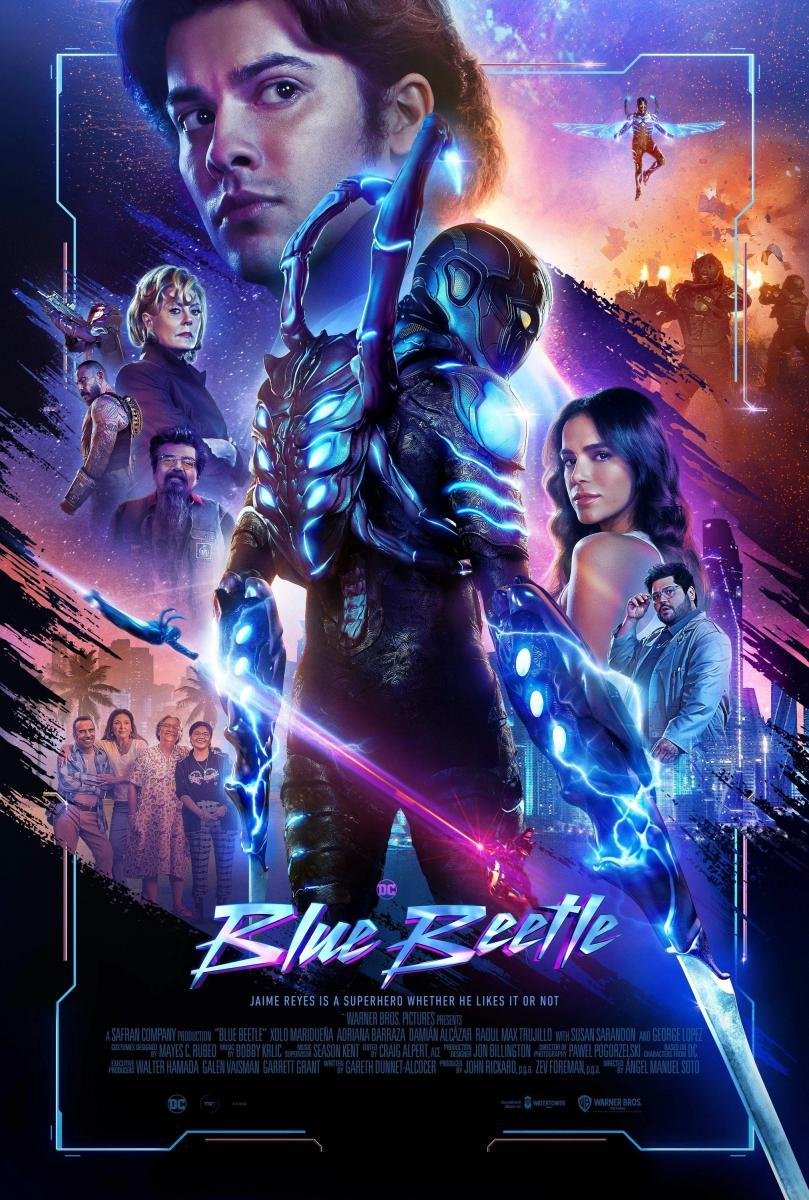
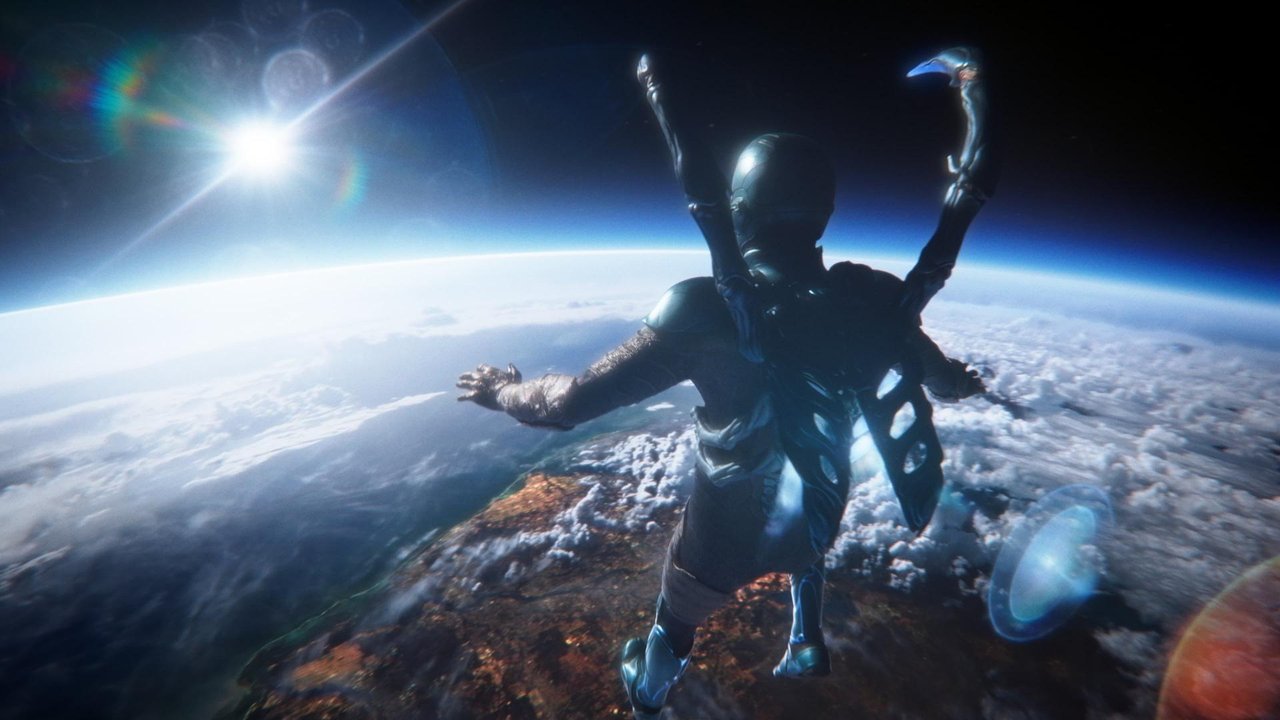
En esta oportunidad vamos a conocer de origen a un personaje de las historietas lo cual yo no conozco ni tampoco es que sea fan de los superhéroes, pero viendo el Superman y peacemaker me quedé bastante enganchado por también entender alguno de los personajes e ir aprendiendo sobre este universo cinematográfico.
This time, we're going to learn about the origins of a comic book character, which I don't know much about, nor am I a fan of superheroes, but after watching Superman and Peacemaker, I became quite hooked on understanding some of the characters and learning about this cinematic universe.
La película es todo lo que no te imaginas, nos lleva por un viaje bastante interesante e innovador de una forma bastante chistosa lo cual me parece una de las mejores cosas que tiene esta cinta.
The film is everything you don't expect. It takes us on a rather interesting and innovative journey in a very humorous way, which I think is one of the best things about this film.
La película me parece toda una genialidad, te lleva por una diversidad de situaciones bastante locas y extrañas, lo cual hacen que no solo sea diferente de conocer si no que se pueda lograr comprender la importancia de la familia en situaciones un poco extremas.
I think the film is brilliant. It takes you through a variety of crazy and strange situations, which not only make it different from what you're used to, but also help you understand the importance of family in somewhat extreme situations.
En su momento esta película no me pareció la gran cosa y recuerdo que estaba alguna que otra publicidad, pero leí que había una huelga de actores lo cuál hacía que no se pudiera hacer publicidad de manera masiva y de por sí esta película no tuvo un gran desempeño en cines.
At the time, I didn't think this movie was a big deal, and I remember there were a few commercials for it, but I read that there was an actors' strike, which meant that it couldn't be advertised on a large scale, and the movie didn't do very well at the box office anyway.
Tristemente, la película era más de lo que se creía, pues la misma nos lleva de una manera bastante ingeniosa a conocer más y más sobre las situaciones de esta familia, pues creo que la película se enfoca tanto en la familia que sin duda es de los mejores elementos a tomar en cuenta.
Sadly, the film was more than we thought, as it ingeniously leads us to learn more and more about this family's situations. I believe the film focuses so much on the family that it is undoubtedly one of the best elements to take into account.
Me gusta mucho que no tiene nada que ver con multiversos o coas que traten de conectar con otros personajes, dandonos algo totalmente que de cierta forma nos hace conocer sutilmente sobre la variedad de diferencias unicas que hacen de lo mejor esta pelicula.
I really like that it has nothing to do with multiverses or things that try to connect with other characters, giving us something totally different that in a way subtly shows us the variety of unique differences that make this movie the best.
Un apartado interesante que me pareció muy, pero muy buenno es su música, la misma le agrega algo tan importante a todo que me parece de lo mejor para estar al día con la música latina presente en esta película.
One interesting aspect that I found really, really good is the music. It adds something so important to everything that I think it's the best way to keep up with the Latin music featured in this movie.
Yo creo que si esta película se fuera estrenada a principio de año si que le fuera ido mucho mejor que a Capitan América, lastimosamente no le fue bien por circunstancias diferentes a la crítica de la cinta, la misma nos da de una forma diferente una especia de enseñanza, lo cual no debemos juzgar un libro por su portada.
I believe that if this film had been released at the beginning of the year, it would have done much better than Captain America. Unfortunately, it did not do well due to circumstances unrelated to the film's critical reception. The film itself teaches us a lesson in a different way, which is that we should not judge a book by its cover.
Esta Película medio ciertos toques a Deadpool pero de una manera mucho más enfocada a la familia Lo cual me parece bastante importante y chistoso No es una joya grandísima, pero sí me parece una buena película para tenerla en cuenta al momento de ejecutar alguno que otro reinicio que está ocurriendo en el universo cinematográfico de franquista de diseño de eso que está bien acertado a decir esta película es parte de su universo, ya que James Gum La promovió como parte de su universo y me parece que está acertado puesto que es una película de origen y nos enfoca en nada extraño Con cameo innecesario Creo que es un buen personaje los actores hasta bastante bien y me gustó mucho como resaltar la cultura mexicana de nombre nada bastante positiva.
This film has some similarities to Deadpool, but in a much more family-oriented way, which I find quite important and funny. It's not a masterpiece, but I do think it's a good film to keep in mind when executing one of the many reboots that are happening in the cinematic universe of the franchise. It's fair to say that this film is part of that universe, since James Gum promoted it as part of his universe, and I think that's right since it's an origin movie and focuses on nothing strange. With an unnecessary cameo, I think it's a good character, the actors are pretty good, and I really liked how it highlighted Mexican culture with a very positive name.
The insistence upon quantity over quality remains one of the most enduring, and often damning, stereotypes applied to the Soviet Union across virtually all spheres of endeavour. This perception, frequently rooted in observable reality, extends even into the realm of cultural production. Nowhere is this more illustrative, and simultaneously confounding, than in the case of Seventeen Moments of Spring (1973). Adapted from Yulian Semyonov’s 1969 spy novel of the same name, a work that, transplanted to Hollywood, would almost certainly have been condensed into a tightly paced, two-hour feature film capitalising on its inherent thriller mechanics, the Soviet approach yielded something profoundly different: an epic twelve-part black-and-white miniseries. Characterised by a near-cavalier attitude towards narrative pacing – stretching suspense into near-stasis, lingering on mundane bureaucratic interactions, and allowing conversations to unfold with glacial deliberation – it presents a viewing experience that would demand Herculean patience from a contemporary audience accustomed to the frenetic cuts of modern television. Yet, defying the very logic of its own structural profligacy, this miniseries transcended its apparent limitations to become not merely popular, but the most successful work in the entire history of Soviet television. Its protagonist, the deep-cover Soviet agent Maxim Maximovich Isayev operating as SS Standartenführer Max Otto von Stierlitz, ascended to the status of the single most iconic figure in Soviet popular culture, a resonance that miraculously survived the collapse of the USSR itself.
The miniseries emerged from a specific confluence of literary ambition and state patronage. Semyonov’s novel was the second in a cycle dedicated to Isayev. The first, Password Not Required (1966), introduced the character as a young Chekist during the chaotic finale of the Russian Civil War in the Far East, a story adapted into a 1967 feature film starring Rodion Nakhapetov. Crucially, the novel deeply impressed Yuri Andropov, then the Director of the KGB. Recognising its potential for shaping the narrative of Soviet intelligence heroism, Andropov personally commissioned Semyonov to craft a sequel focusing on Soviet espionage within the belly of the Nazi beast during the Second World War. This direct intervention from the pinnacle of the security apparatus underscored the project’s significance beyond mere entertainment; it was to be a tool of ideological reinforcement. Two years later, under the direction of Tatiana Lioznova – a filmmaker known for her nuanced character studies rather than action spectacles – the ambitious twelve-part television adaptation commenced. Its premiere in August 1973, during the stagnant Brezhnev era, coincided with a period of intense, albeit ossified, state control over cultural narratives, particularly concerning the sacred mythos of the Great Patriotic War.
The plot, set against the crumbling edifice of Nazi Germany in February 1945, revolves entirely around the perilous existence of Isayev/Stierlitz (Vyacheslav Tikhonov). Operating under deep cover as a high-ranking SS officer within the Reich Security Main Office (RSHA), specifically its counter-intelligence VI Department under the suave Walter Schellenberg (Oleg Tabakov), Stierlitz receives a direct order from Stalin (Andro Kobaladze). With the Western Allies and the Red Army closing in, and Hitler (Fritz Dietz) clinging to impossible victory, factions within the Nazi hierarchy – notably Hitler’s brutal enforcer Reichsführer-SS Heinrich Himmler (Nikolai Prokopovich) – seek a separate peace with the Western Allies, bypassing the Soviets entirely. Stierlitz’s mission is to uncover the key Nazi figure behind these clandestine negotiations, ultimately identified as SS-Obergruppenführer Karl Wolff (Vasiliy Lanovoy), who is attempting to broker a deal with OSS representative Allen Dulles (Vyacheslav Shalevich) in neutral Switzerland. His intricate investigation, leveraging his position and the crucial assistance of anti-Nazi Germans like the principled Pastor Schlagg (Rostislav Plyatt) and the weary Professor Pleischner (Yevgeny Yevstigneyev), is catastrophically complicated when an Allied bomb destroys the home of his radio operator, Katia Kozlova a.k.a. „Kathrin Kinn” (Yekaterina Gradova). While Kathrin survives, the shock induces premature labour, and her subsequent cries in Russian alert the Gestapo, led by the chillingly efficient Gruppenführer Heinrich Müller (Leonid Bronevoy). Stierlitz must now simultaneously navigate the treacherous waters of Nazi infighting, sabotage Himmler’s peace feelers, and employ every ounce of his intellect and guile to extricate himself and Kathrin from Müller’s relentless, suspicion-fuelled net, a task requiring him to manipulate his Nazi superiors against each other with breathtaking audacity.
It is here that the immediate, profound divergence from Western spy archetypes becomes starkly evident. Labelled the "Soviet James Bond," the comparison is superficially tempting but collapses under scrutiny. Seventeen Moments of Spring announces its difference from the outset. Gone are the vibrant colours, the pulsating pop scores, the exotic locales of sun-drenched beaches. Instead, the audience is immersed in a dour, high-contrast black-and-white cinematography, accompanied not by catchy tunes but by Mikhail Tariverdiev’s profoundly melancholic, almost funereal ballads. The setting is not glamorous; it is a Berlin either shattered by Allied bombs into skeletal ruins or rendered claustrophobic within the intact, yet oppressive, interiors of apartments, cafés, and RSHA offices – spaces thick with the dust of impending doom and the weight of constant surveillance.
The character of Stierlitz himself shatters the Bond paradigm. Vyacheslav Tikhonov, radiating a quiet, weathered masculinity far removed from Connery’s youthful virility, portrays a spy for whom violence is a last, distasteful resort. His arsenal is the intellect: patience, observation, psychological manipulation, and the ability to play intricate, high-stakes mind games against adversaries like Schellenberg and Müller. His dedication to the Soviet cause is absolute, bordering on monastic, sacrificed entirely upon the altar of duty. His private life is non-existent, a void punctuated only by one of Soviet cinema’s most devastating sequences: a brief, silent reunion with his wife (Eleanora Shushkova), arranged with KGB precision. Bound by the necessity of absolute secrecy, they cannot speak, cannot embrace openly. The minutes-long scene, conveyed solely through Tikhonov’s eyes – a universe of longing, regret, and unbearable restraint – is a masterclass in understated acting and remains the series’ emotional apex. Any hint of romance is strictly tactical; his calculated flirtation with the fanatical SS-Unterscharführer Barbara Krein (Olga Shoshnikova) is transparently a ruse to deflect suspicion, a stark contrast to Bond’s conquests. The series even subverts Bondian machismo by having Stierlitz become the unwilling, slightly repulsed target of advances from an obnoxiously drunk, unattractive woman (Inna Ulyanova) in a bar in Bern – a moment of dark, almost absurdist comedy highlighting the grim reality of his existence.
Further distinguishing the series is the omnipresent voiceover narration by Yefim Kopelyan. This device brazenly violates the cinematic maxim of "show, don’t tell," frequently stepping in to explain complex historical context, character motivations, or intricate plot points. At its worst, particularly in the inserted documentary segments showcasing Red Army victories or the obligatory, clunky references to the German Communist leader Ernst Thälmann (demanded by Soviet officials to placate the military and East German allies), it reeks of crude, top-down propaganda. Yet, paradoxically, this narration is not merely functional but essential. The labyrinthine plot, dense with historical figures (many real, like Schellenberg, Müller, Wolff, Dulles; others fictionalised composites), intricate bureaucratic manoeuvring within the RSHA, and the sheer weight of historical context would likely overwhelm even viewers well-versed in WWII history without Kopelyan’s guiding, authoritative voice. It transforms the series from a potentially impenetrable spy thriller into a comprehensible, almost didactic, historical narrative, binding the fictional Stierlitz’s actions to the grand sweep of the war’s final months.
Despite the glacial pacing – scenes unfolding with a deliberation that would test the patience of a saint, conversations lingering on the minutiae of bureaucratic procedure – Lioznova demonstrates a masterful command of suspense within this constrained framework. She understands that tension thrives not just in action, but in stillness, in the unspoken, in the unbearable weight of waiting. The sequence where Kathrin and her newborn desperately hide from Gestapo searchers in Berlin ruins is a masterclass in minimalist suspense. Similarly, several episodes conclude with exquisitely timed cliffhangers, proving that narrative propulsion can be achieved through psychological pressure and the threat of exposure as effectively as through car chases.
Ideologically, the series largely conforms to the ossified Soviet narrative of the Great Patriotic War. The Dulles-Wolff negotiations in Switzerland are framed not as a pragmatic, if morally dubious, attempt by Wolff to save his own skin and potentially end the war on the Italian Front (as historical consensus largely holds), but as part of a wider, sinister Western conspiracy aimed explicitly at excluding and undermining the Soviet Union. This distortion serves the state’s need to portray the USSR as the sole, indispensable victor and the West as inherently treacherous.
However, Seventeen Moments of Spring transcends crude agitprop in significant ways. It allows for remarkable nuance, particularly in its portrayal of Germans. While Nazis like RSHA chief Kaltenbrunner (Mikhail Zharkovsky) embody fanatical evil, the series consistently depicts ordinary Germans as victims – of Nazism, of the war, of their own compromised choices. Characters exhibit conscience in unexpected moments: the weary resignation of Professor Pleischner, the quiet dignity of the elderly Frau Saurich (Emily Milton), whose simple humanity provides Stierlitz with rare moments of respite. Stierlitz engages in lengthy, philosophical discussions with various Germans, revealing a spectrum of anti-Nazi sentiment. Crucially, Soviet characters are not flawless heroes; Stierlitz’s confederates make costly errors, and his adversaries are often portrayed as intelligent, capable, even complex individuals. Tabakov’s Schellenberg is a revelation – young, ambitious, intellectually sharp, and portrayed with such nuanced charm and pragmatism that it reportedly earned praise from Schellenberg’s own niece for its uncanny accuracy. Bronevoy’s Müller, while physically aged beyond the real Gestapo chief (who vanished mysteriously in 1945), captures the man’s feared efficiency and intellectual rigour; intriguingly, the series subtly suggests a strange, almost professional respect, even a de facto tactical alignment, between Müller and Stierlitz – a detail echoing Schellenberg’s own post-war memoirs speculating Müller might have defected to the Soviets.
Historically, the series is loosely inspired by real events and figures (Willi Lehmann, a Gestapo officer who spied for the USSR), but it is fundamentally a work of fiction. This blend of fact and invention, while effective dramatically, invited criticism for factual inaccuracies and jarring anachronisms – most notably the anachronistic use of transistor tape recorders and the inclusion of 1950s Edith Piaf songs. These flaws, however, seem almost irrelevant to the series’ core achievement: creating a compelling, immersive world.
Perhaps the most intriguing layer, especially for Western and dissident Soviet viewers, lies in the stark contrast between the war-ravaged, suffocating atmosphere of Berlin and the serene, luxurious neutrality of Switzerland. In Bern, amidst the backdrop of the OSS negotiations, characters move freely, enjoy fine food and wine, and engage in relatively open discourse – luxuries utterly unattainable in the collapsing Reich. This dichotomy led many Western critics, and crucially, opposition-minded Soviet intelligentsia, to interpret the series as an unintended, or even subversive, allegory for life under Brezhnev’s stagnation. Berlin, with its pervasive fear, bureaucratic inertia, crumbling infrastructure, and constant surveillance, mirrored the Soviet Union; Switzerland, representing the free, prosperous, and intellectually vibrant West, became the unattainable ideal. Unsurprisingly, dissidents embraced Stierlitz – the lone, principled figure navigating an oppressive system with quiet dignity and intellect – as a symbol of resistance against the very regime that produced the series. The KGB’s own heroic creation was thus co-opted as a critique of Soviet reality, a testament to the series’ depth and ambiguity.
Yet, for the vast majority of Soviet viewers in 1973, these sophisticated political nuances were likely secondary, if perceived at all. What they craved, and what the series delivered with unparalleled mastery for its time, was a good story – one told with exceptional craftsmanship, featuring complex characters, genuine suspense, and profound emotional weight. Unlike so many other facets of Soviet life where quantity masked shoddy quality, Seventeen Moments of Spring was a rare instance where the state apparatus, driven by Andropov’s personal interest and Lioznova’s directorial skill, produced something of genuine, lasting artistic merit. It resonated because it transcended its propaganda origins through sheer narrative power and human truth.
The legend of Stierlitz didn’t fade with the USSR; it permeated the cultural bloodstream. Jokes mimicking the Chuck Norris genre became ubiquitous. Semyonov continued the literary saga, and post-Soviet Russia saw Stierlitz’s legacy honoured in video games, films, and endless cultural references, cementing his status as the ultimate Soviet hero – a man defined not by brute force, but by the quiet, unyielding power of the intellect and unwavering duty, surviving against impossible odds in a world of shadows.
Seventeen Moments of Spring succeeds not despite its Soviet origins and structural indulgences, but because, within those very constraints, it achieved a rare alchemy: a politically charged epic that spoke, with profound humanity, to the universal experience of living – and surviving – under the shadow of overwhelming historical forces. It is a monument to patience, both in its making and its watching, and a paradoxical testament to the fact that sometimes, within the Soviet machine, true quality could, against all odds, emerge.

 Main image taken from the following link// General design made in Canva






 House of the Dragon season 1 is a very familiar series to anyone who watch Game of Thrones since its actually from the same Universe, where every smile is a threat and every toast might involve poison, it is a return to Westeros that actually feels like a real return because Seaons 1 was so so good. I had a good time watching it all over again a few weekends ago, the show wants to rush past the juicy family drama to start building up a scenario of war but not your common tanks and soldiers war. The details and production is awesome, dragons look mean and heavy and sets and costumes look great too making it very immersive, even though when most viewers watch it for the CGI dragons they still didnt feel that way and this season made sure the beasts feel like ancient weapons more than pets, which I loved. What I like the most about Season One is how the show focus a lot on the royal family duties, the opening council where a woman is denied the throne, the hunting trip where smiles carry knives, a walk into a brothel that detonates a whole palace, it is the political knife fight that made the early GOT great and these series channel that energy hard when they want to. The time jumps, some work, some do not, I get what they were trying to do, show us decades of grudges turning into open wounds, at times I wanted to the series have at least two to four more episodes, I can understand how expensive running show can be but I think fans did support the series based on how much buzz was back then, although I can also understand that it can be all social media talk and none of the cash going in.


 [Source](https://tinyurl.com/yz338vfr)
 [Source](https://tinyurl.com/yz338vfr)
 [Source](https://tinyurl.com/yz338vfr)
 [Source](https://tinyurl.com/yz338vfr)
 [Source](https://tinyurl.com/yz338vfr)
 [Source](https://tinyurl.com/yz338vfr)


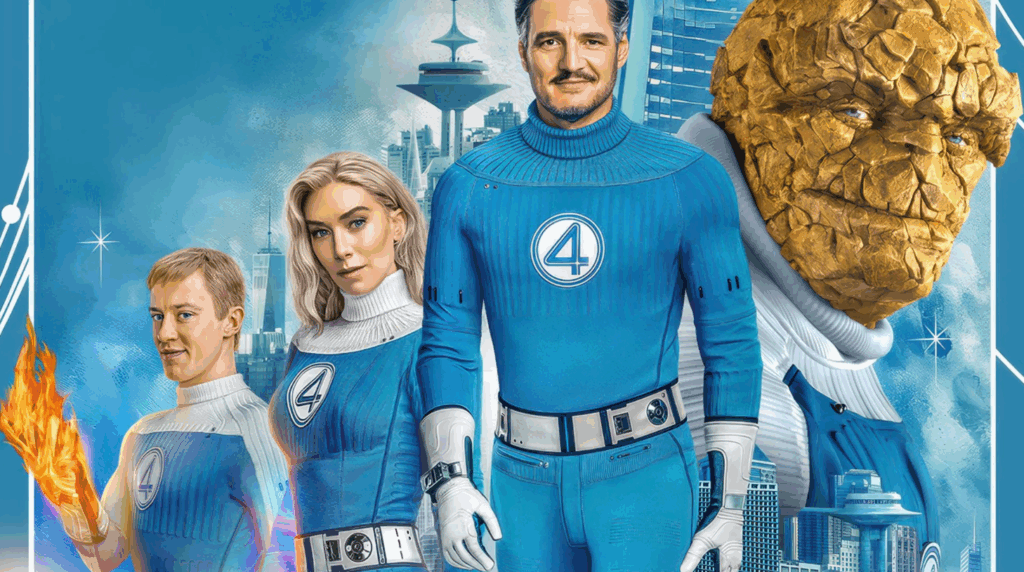


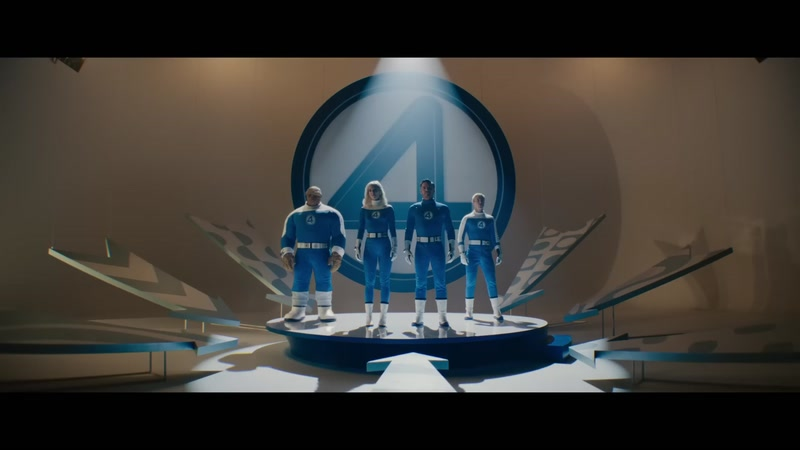
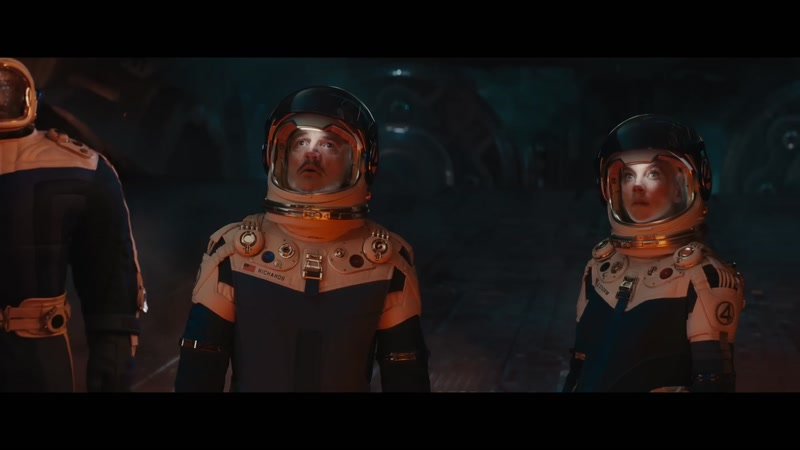
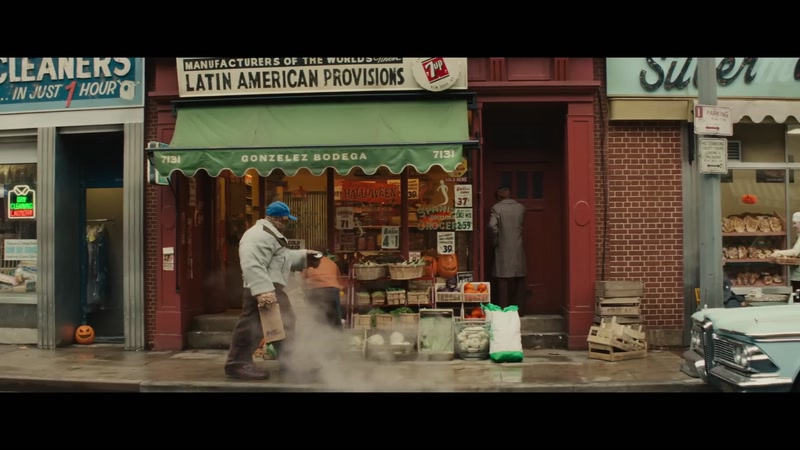
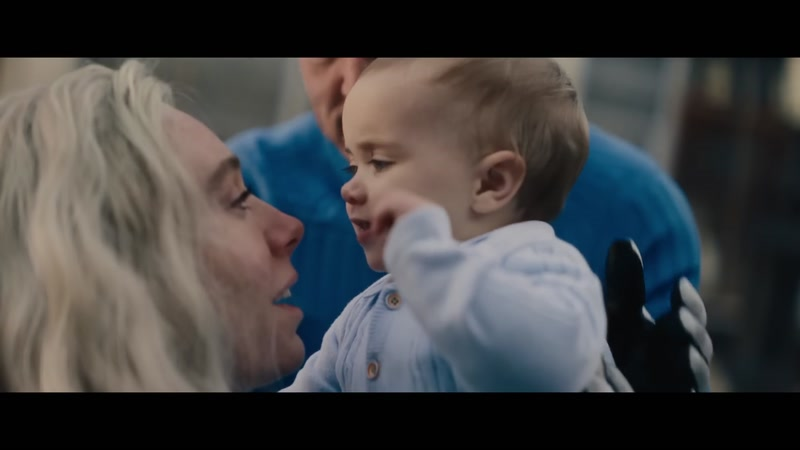
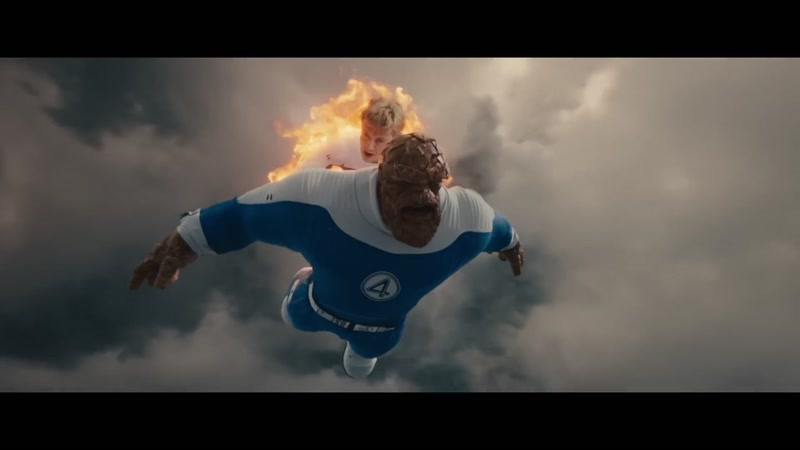












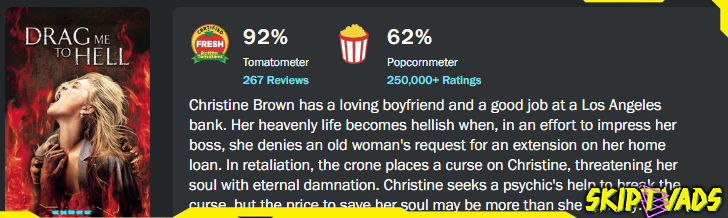
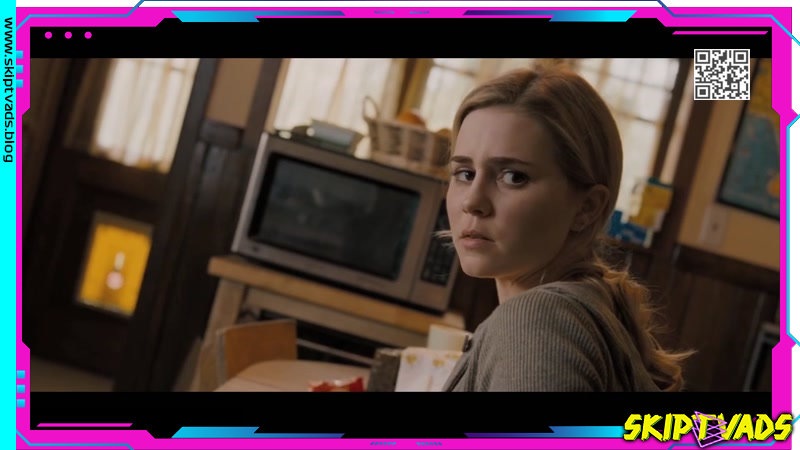 [Source](https://tinyurl.com/zhcyeakt)
 [Source](https://tinyurl.com/zhcyeakt)
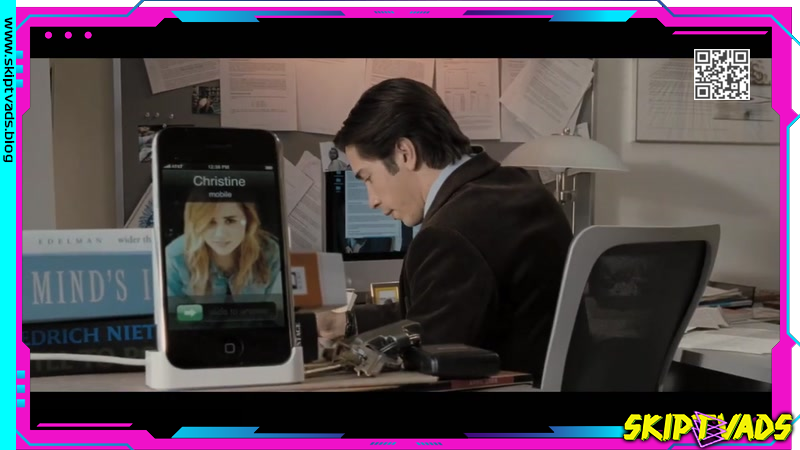 [Source](https://tinyurl.com/zhcyeakt)
 [Source](https://tinyurl.com/zhcyeakt)
 [Source](https://tinyurl.com/zhcyeakt)