

When discussing television’s Golden Age today, it is difficult to avoid often unflattering comparisons with Hollywood’s Golden Age. This includes studios that, deservedly or not, stand out as institutions of those eras. In our case, it is HBO, the American company that was among the first to recognise the potential of the new cable medium and, by breaking the constraints of content and form, gradually built a brand that would be enthusiastically embraced by all frustrated with the cookie-cutter output and censorship of cinemas and conventional television networks. In this regard, it is no longer alone today, but by paving the way for AMC, Netflix and other studios, HBO can now afford to spend $100 million or other previously unimaginable sums on a pilot or full television series seasons, distinguishing itself in many ways much like MGM did during Hollywood’s golden era—renowned for its lavish musicals and larger-than-life film epics—among the other business empires of Los Angeles’s dream factory. Therefore, it is no surprise that history has ensured a connection between these two entities, in the form of one of this year’s most expensive, eagerly anticipated, ambitious and prestigious television series.
Westworld, which was largely marketed as a sort of replacement for Game of Thrones—HBO’s golden goose of 2010s—had its origins nearly half a century earlier as a feature-length film produced by MGM. This provides a good opportunity for equally inevitable comparisons between its cinematic and television incarnations (disregarding the short-lived, quickly cancelled and likely even faster forgotten 1980 television series Beyond Westworld), offering a clear illustration of how things have significantly changed since 1973. Notably, MGM, unlike HBO, made its Westworld at a time when its best days were behind it, forcing Michael Crichton to work with a relatively modest budget for his directorial debut. This was reflected, among other things, in the film’s relatively short runtime, simple plot and characters, resulting in a movie that functions well on its own but, precisely because of its simplicity, serves as an excellent foundation for remakes. Crichton himself recognised this, repurposing the core concept for the far more famous and successful Jurassic Park. Thus, it should come as no great surprise that HBO concluded this source material could be adapted into a spectacle of similar calibre.
The extent to which Westworld is fertile ground for a remake is evident in how HBO’s version utilises Crichton’s original screenplay with almost no changes to any detail. Once again, viewers are transported to an indeterminate, loosely defined near-future world where a corporation named Delos has developed technology to produce robots that are nearly identical to humans in appearance, behaviour and other details. This technology finds its practical application in a Wild West-themed amusement park where robots provide services ranging from childish cowboy and Indian games to sex and the fulfilment of darkest fantasies. Of course, all this continues until things in the park go catastrophically wrong and the androids, asserting their physical and other superiority, suddenly begin massacring the guests.
Jonathan Nolan, who devised the series alongside his wife Lisa Joy, faced both an easy and a difficult task. On one hand, Crichton’s blueprint left him with exceptional freedom to answer the questions of ‘how’ and ‘why’ what happened in the ill-fated Delos park occurred. On the other hand, the relatively simple story, which ran for just an hour and a half, needed to be stretched to at least 10–12 hours, incorporating somewhat ‘stronger’ characters, more intriguing subplots and ‘deeper’ content—all while concluding in a way that would form a reasonably cohesive whole and simultaneously provide a cliffhanger sufficient for a second season. The couple did not entirely succeed in this, but perfection was hard to expect from a project made under such high expectations.
The most noticeable difference between the new and original Westworld, or rather the creative decision made by the Nolans, concerns the shift in perspective. In the film, events were followed exclusively from the human perspective, whereas the series introduces the perspective of the androids themselves—or, as Delos’s technicians call them, ‘hosts’. They are no longer mere machines; the effort to make them as human-like as possible has led them to gain memories, and over time develop something akin to consciousness, beginning to question the true nature and purpose of their existence—a revelation that leads to the finale hinted at in trailers and throughout the series via the frequently quoted Shakespearean line about ‘violent delights having violent ends’. And when it is shown, quite explicitly, how they have all been subjected to years and decades of manipulation, violence and abuse, while viewers are simultaneously manipulated into seeing them as either human beings or a new level of evolution, the inevitable uprising seems justified.
To achieve this, however, it is necessary to portray things from the human side as well, i.e., to use human characters. This includes the park’s visitors, who, at least at first glance, play a third-rate role. The film’s nominal protagonist duo finds its equivalent in the characters of William (the excellent Jimmi Simpson), a man visiting the park for the first time who feels visible discomfort compared to his much more experienced friend and future brother-in-law Logan (Ben Barnes), who is far more relaxed and feels no qualms indulging in the often violent pleasures available to him. More striking is the decision for the television version to also have its own version of the main antagonist, whose moral alignment is suggested by his black attire; unlike the film’s Yul Brynner, who was a robot, in the television version this is a human—a visitor whose form of entertainment involves sadistically tormenting the helpless robots, which will only over time take the form of some quest for the ‘maze’, i.e., the park’s final, culminating attraction, which seems equally meaningless as the ‘hosts’’ search for meaning.
Also, at first glance, the depiction of ‘behind-the-scenes’ activities—i.e., the daily routines of the park’s workers and management, forced to ensure not a hair falls from the guests’ heads, constantly monitoring every move of the ‘hosts’ and perpetually repairing and redeploying them—appears far more intriguing for the plot. Nolan and Joy introduced another significant change here compared to the original: besides the ‘grunts’ at the bottom of the food chain, i.e., technicians and security teams, there are also Delos’s directors and the park’s creator himself, Robert Ford. Portrayed by the ever-reliable Anthony Hopkins, he is so compelling that it remains unclear whether he is a cold sociopath who relishes the ‘hosts’’ suffering like Hannibal Lecter, a mad genius, a quasi-divine figure who genuinely cares for the welfare of his mechanical children, or a combination of all these. Hopkins’ performance, however, is largely overshadowed by Jeffrey Wright, who is outstanding as Ford’s friend and long-time collaborator Bernard Lowe, whose workaholic lifestyle stems from a personal tragedy. On this level, however, Westworld has certain shortcomings, primarily because Delos’s staff includes several characters who are not sufficiently developed, and whose fates are irritatingly unclear by the very end.
A far more serious problem for Westworld is the same one that afflicted the original film. The first part—in which viewers become acquainted with the world and characters—is overly drawn out, and scenes sometimes repeat, even when this—as opposed to the depiction of the ‘hosts’ having to run through the ‘Loop of the Endless Day’ scenario thousands of times—is not particularly justified. Additional confusion arises not only from the distorted perspective of the ‘hosts’, caused by their susceptibility to constant memory erasure and alteration, but also from the fact that the narrative unfolds across several different time periods, making it unclear for certain scenes whether they occur in the present, past, or represent someone’s hallucination or false memory. It is only around the fifth episode that things begin to fall into place, and the first season starts to unfold at a conventional pace, albeit still not in a conventional manner. It is precisely then that the authorial stamp becomes most evident, whether through references to classic Westerns or the character of the frustrated British screenwriter (Simon Quarterman) hired by Delos to craft the ‘stories’ in which the ‘hosts’ perform, which can also be interpreted as a somewhat auto-ironic comment by Nolan on Westworld’s own creative process.
However, most viewers will pay far more attention to what has long been HBO’s trademark—explicit sex and nudity—than to the details. Here, the television version appears far freer than the film, which in many ways confirms the ironic reversal of the 1973 situation where fans of ‘freer’ content had to go to cinemas, as they could not be imagined on small screens (whereas today it is quite the opposite). Some of these elements seem unnecessary and exploitative, particularly the anticlimactic and utterly superfluous orgy scene in a Mexican town, whose sole purpose was to give the series some ‘edgy’ publicity. On the other hand, the series features far more nudity this time, which could even be said to be justified: the ‘hosts’ are far easier to repair and maintain backstage if they are unclothed, and in one scene, a character even attempts to justify this in a way that can be interpreted as a preemptive response by the series’ creators to puritanical critics. However, varying contractual clauses and different levels of modesty among the cast occasionally shatter the illusion; for instance, Evan Rachel Wood, portraying the ‘host’ protagonist Dolores, thanks to strategic framing, rear shots and other tricks, leaves far more to the imagination than her Norwegian colleague Ingrid Bolsø Berdal, who as the ‘host’ outlaw Armistice performs her most impressive action sequence in a birthday suit (having slightly less revealing PG-13 costume in the 2014 Hercules).
This impressive spectacle is provided by Westworld to its viewers in the final episode, which, despite this and numerous other details, is somewhat of a disappointment. Primarily, this refers to the irritating ‘cliffhanger’ that leaves the ultimate fate of certain characters—who one might otherwise assume would perish—far too open-ended. The same applies to the otherwise superbly portrayed character of Maeve by Thandie Newton, whose free will, or lack thereof, remains unclear, and whose actions, like her acquisition of near-divine powers at the very end, are inexplicable. Nor is Delos’s security team, which in an armed clash with the ‘hosts’ displays shooting ‘skills’ akin to Star Wars’ Imperial Stormtroopers, something Westworld can boast about. At least not for die-hard geeks who love scrutinising minor details and, during episode breaks, crafting imaginative theories about plot twists—many of which turned out to be correct. Despite everything, Westworld is nonetheless well-directed and superbly acted, providing viewers with more than enough entertainment to justify a second season.
RATING: 7/10 (+++)
(Note: The text in the original Croatian version is available here.)
Blog in Croatian https://draxblog.com Blog in English https://draxreview.wordpress.com/ InLeo blog https://inleo.io/@drax.leo
LeoDex: https://leodex.io/?ref=drax Hiveonboard: https://hiveonboard.com?ref=drax InLeo: https://inleo.io/signup?referral=drax.leo Rising Star game: https://www.risingstargame.com?referrer=drax 1Inch: https://1inch.exchange/#/r/0x83823d8CCB74F828148258BB4457642124b1328e
BTC donations: 1EWxiMiP6iiG9rger3NuUSd6HByaxQWafG ETH donations: 0xB305F144323b99e6f8b1d66f5D7DE78B498C32A7 BCH donations: qpvxw0jax79lhmvlgcldkzpqanf03r9cjv8y6gtmk9












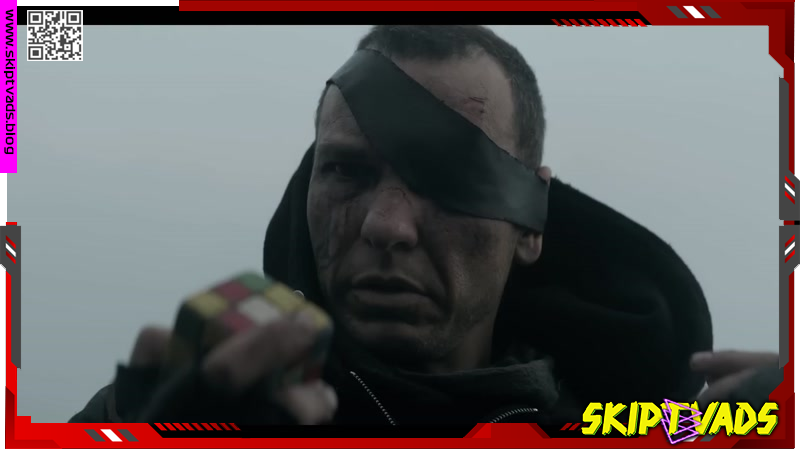
 This fkn season men, WHY??, on one hand you got some really cool stuff happening but on the other hand I am so damn tired of watching them get stuck in the same situation over and over again, the whole boat catching fire at the end was so predictable I could see it coming a mile away, like seriously we are working on this boat all season and then boom it gets sabotaged right at the end because we still got another season to milk out of this thing. Fede finally getting what was coming to him felt good but the fact that his mother just let him go after saying he needs to face justice really pissed me off how corrupt they all are but hey its the apocalypse too, I get that is her son but come on you knew better than that and it messed everything up even worse. The stuff at El Alcazar with all those walkers dressed up like jesters and kings was actually pretty sick, I was locked in during that whole sequence because they got creative with it and the way Daryl and Paz infiltrated the place felt tense even though the setup was a bit too convenient for my taste, like nobody checks the back of that truck and they just hand them masks so they can hide there faces which made it way to easy but whatever I will take it. Justina getting saved and that whole moment where she hugged Daryl was sweet as hell, you can realy see how much people care about him at this point and it makes sense after everything he has done for them, she was about to get killed by that creepy dude who picked her at the ceremony and Daryl just kicks the door down and slits his throat which was brutal but needed. There is also that moment when Daryl talked about always running away even when things are good, that speech was solid but then I start thinking oh shit are they gonna make him stay in Spain because I cannot deal with that, we need to get back to America already and wrap this thing up properly, the guy has been running his whole life and he finally admits it out loud which is growth but also makes you wonder if he will ever just settle down somewhere. And the ending with the reveal of Codron showing up at the end has me curious but also worried they are gonna drag this out even more, seeing him pick up that Rubiks cube at the beginning was a nice touch and connects back to Laurant from the previous seasons which in my opinion where the best of this spin off, I dont know what they were thinking with season 3.


 [Source](https://tinyurl.com/2z948ba7)
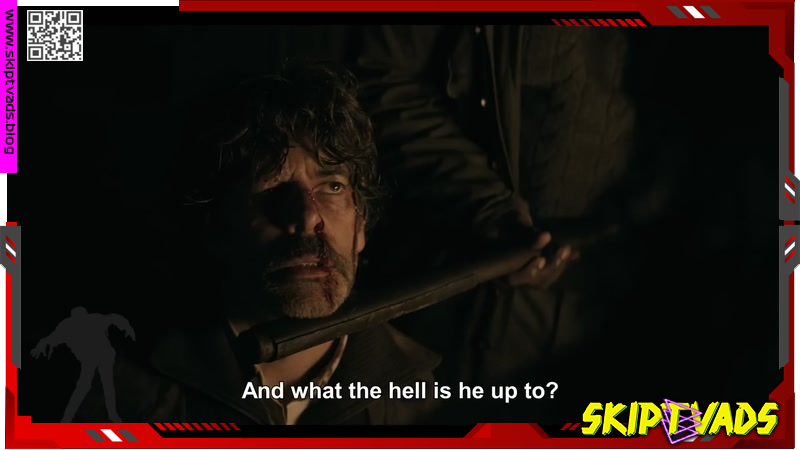
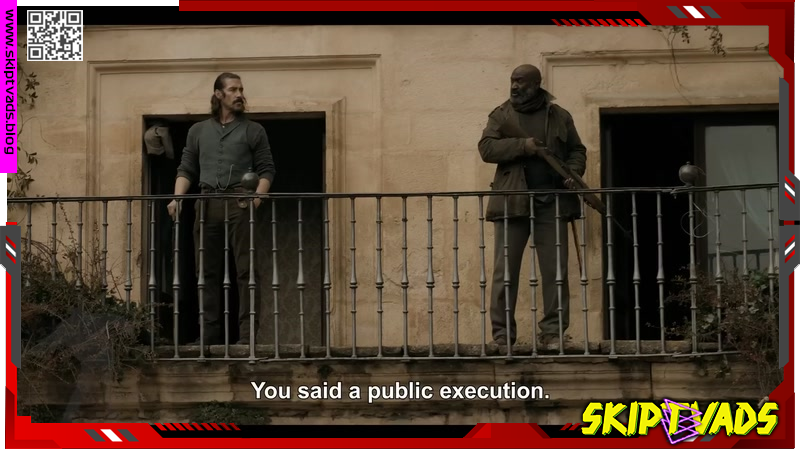
Carol and Antonio getting captured again felt repetitive as hell, like how many times are we gonna do this same thing where they get caught and need to be rescued, I know its a finale and you need tension but come on find a new trick already. The whole public execution thing with the walkers was pretty intense though, Fede had them chained up with dead bodies attached to them and walkers coming from all sides which was gnarly, watching them fight with there hands tied was stressful but then Daryl shows up with the sniper rifle and starts picking off Fedes men one by one which was satisfying. The moment Justina walks into town and tells everyone the truth about her uncle was great, she basically turns the whole community against him in like two minutes and suddenly everyone is on Daryls side which felt like a nice payoff after all the crap they been through, Fede tried to play the victim card saying Daryl destroyed there relationship with the Alcazar but nobody was buying it anymore. I still think they should have just killed Fede right there instead of locking him up because you knew he was gonna escape and mess things up again, like his mom literally breaks him out of jail at the end and he shows up to burn the boat which is exactly what I expected to happen, dude could not just take the L and move on he had to get one last shot in.
[Source](https://tinyurl.com/2z948ba7)
Carol and Antonio getting captured again felt repetitive as hell, like how many times are we gonna do this same thing where they get caught and need to be rescued, I know its a finale and you need tension but come on find a new trick already. The whole public execution thing with the walkers was pretty intense though, Fede had them chained up with dead bodies attached to them and walkers coming from all sides which was gnarly, watching them fight with there hands tied was stressful but then Daryl shows up with the sniper rifle and starts picking off Fedes men one by one which was satisfying. The moment Justina walks into town and tells everyone the truth about her uncle was great, she basically turns the whole community against him in like two minutes and suddenly everyone is on Daryls side which felt like a nice payoff after all the crap they been through, Fede tried to play the victim card saying Daryl destroyed there relationship with the Alcazar but nobody was buying it anymore. I still think they should have just killed Fede right there instead of locking him up because you knew he was gonna escape and mess things up again, like his mom literally breaks him out of jail at the end and he shows up to burn the boat which is exactly what I expected to happen, dude could not just take the L and move on he had to get one last shot in.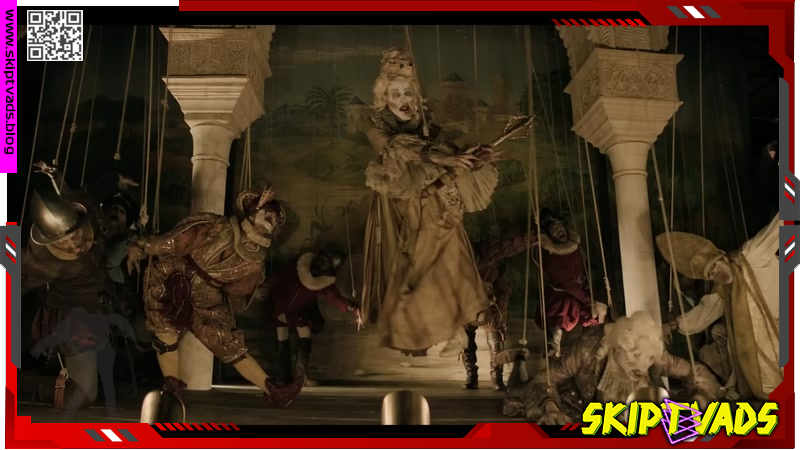 [Source](https://tinyurl.com/2z948ba7)
 [Source](https://tinyurl.com/2z948ba7)
The Alcazar stuff was probably the best part of the episode even though it felt rushed, seeing the king and queen of Spain get eaten by walkers within like five minutes of meeting them was wild, Daryl releases all those dressed up walkers during the ceremony and chaos breaks out instantly which was fun to watch. Paz finally getting her revenge was cool, she had those flashbacks of the prince abusing her back in the day and then in present time Elena stabs him to save Paz which parallels the past in a good way, the fact that Elena chose Paz over her husband and decided to leave with her son was a big moment and I can tell provides lot of satisfaction. I am glad Paz survived and gets to go live in Barcelona with her girlfriend and the kid because she deserved a happy ending after everything. The action at the Alcazar felt like they were trying to cram a lot into a short amount of time, walkers everywhere, people screaming, Daryl saving Justina and all the other girls, it was chaotic but in a good way mostly, I just wish they spent more time building up the king as a villain instead of killing him off so quick because now we dont really have a main bad guy going into next season unless Fede sticks around.
[Source](https://tinyurl.com/2z948ba7)
The Alcazar stuff was probably the best part of the episode even though it felt rushed, seeing the king and queen of Spain get eaten by walkers within like five minutes of meeting them was wild, Daryl releases all those dressed up walkers during the ceremony and chaos breaks out instantly which was fun to watch. Paz finally getting her revenge was cool, she had those flashbacks of the prince abusing her back in the day and then in present time Elena stabs him to save Paz which parallels the past in a good way, the fact that Elena chose Paz over her husband and decided to leave with her son was a big moment and I can tell provides lot of satisfaction. I am glad Paz survived and gets to go live in Barcelona with her girlfriend and the kid because she deserved a happy ending after everything. The action at the Alcazar felt like they were trying to cram a lot into a short amount of time, walkers everywhere, people screaming, Daryl saving Justina and all the other girls, it was chaotic but in a good way mostly, I just wish they spent more time building up the king as a villain instead of killing him off so quick because now we dont really have a main bad guy going into next season unless Fede sticks around.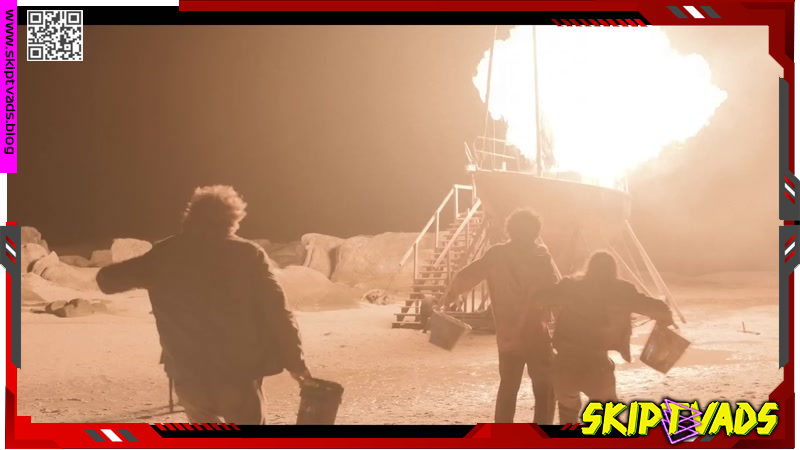 [Source](https://tinyurl.com/2z948ba7)
 [Source](https://tinyurl.com/2z948ba7)
Daryl's conversation with Justina on the motorcycle was one a sweet moment like they both find a moment of peace at last even though things where not done yet, he talks about feeling like he lost something and wanting to give her and Roberto a chance at having a real life even if he doesn't think it will happen for him, he also talks about why he does all this and it was because someone has to do it someone has to be the good guy and was the right thing to do aside from him been reckless, its a rare moment of vulnerability from Daryl that actually felt earned. The flashbacks with Merle telling him to run away as a kid adds context to why Daryl is the way he is, he has been running from things his whole life and now its become a habit he cant break, every time he gets somewhere good he hears a voice telling him to leave and he doesnt know how to ignore it anymore. I like that they are addressing this because its been a problem since he left the Commonwealth and nobody has really talked about why he would just abandon everyone like that, in fact he asks himself how the fuck it all started and why did he left in the first place, when did he end up on a ship and then in France, turns out its deeper than we thought and has roots in his childhood trauma which makes sense for his character. The fear that when he gets back home he will want to leave again is real and I hope they explore that more next season, Daryl needs to figure out how to stay put and actually build something instead of always being on the move.
[Source](https://tinyurl.com/2z948ba7)
Daryl's conversation with Justina on the motorcycle was one a sweet moment like they both find a moment of peace at last even though things where not done yet, he talks about feeling like he lost something and wanting to give her and Roberto a chance at having a real life even if he doesn't think it will happen for him, he also talks about why he does all this and it was because someone has to do it someone has to be the good guy and was the right thing to do aside from him been reckless, its a rare moment of vulnerability from Daryl that actually felt earned. The flashbacks with Merle telling him to run away as a kid adds context to why Daryl is the way he is, he has been running from things his whole life and now its become a habit he cant break, every time he gets somewhere good he hears a voice telling him to leave and he doesnt know how to ignore it anymore. I like that they are addressing this because its been a problem since he left the Commonwealth and nobody has really talked about why he would just abandon everyone like that, in fact he asks himself how the fuck it all started and why did he left in the first place, when did he end up on a ship and then in France, turns out its deeper than we thought and has roots in his childhood trauma which makes sense for his character. The fear that when he gets back home he will want to leave again is real and I hope they explore that more next season, Daryl needs to figure out how to stay put and actually build something instead of always being on the move. The ending with the boat burning down was frustrating but expected, like I said earlier I knew something was gonna stop them from leaving because we got one more season to go, Fede escaping jail and showing up with a machine gun was so obvious that I called it the second they locked him up, I knew it could not end for him that easy. Now that boat fire was something else, actually a bit unbailable but Im not expert, probably they had gas bottles inside for cooking or the old wood was so farmable that it basically starts exploding and destroyed the whole thing, I am not sure how bullets alone would cause that much damage but I guess there was fuel involved or something, watching Daryl and Carol stand there as the boat burns was dramatic but also felt like they were milking the moment. Codron watching from a distance sets up his return next season which is great because he was one of the better characters from the French seasons, having him back in the mix will definitely make things more interesting and hopefully he knows where they can find another boat or a way to get home, the dude traveled from France to Spain somehow so he must know something, if Im not mistaken he was the one who told them at first the tunnel to Uk. Overall this episode had high points but very low points too, the action was good, the emotional moments felt earn most of them, but the repetitive plot and the predictable ending kept it from being great, I am curious to see how they wrap everything up on the next season but also ready for this show to end so we can finally get that reunion that get all spin off together.















 [Source](https://tinyurl.com/e4ef9acy)
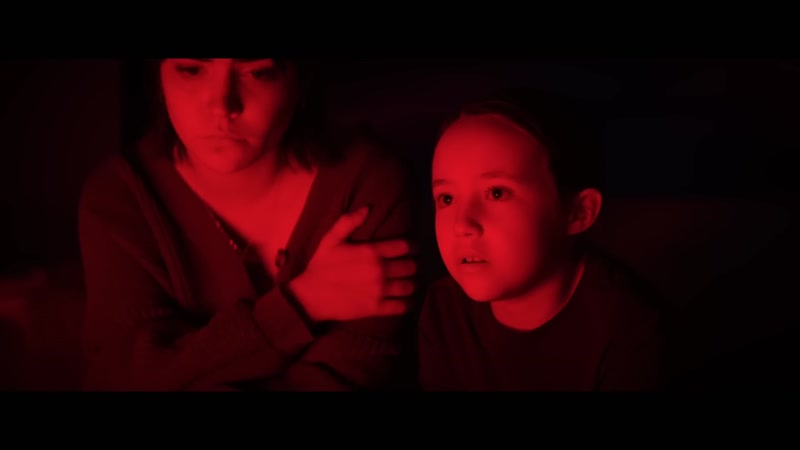
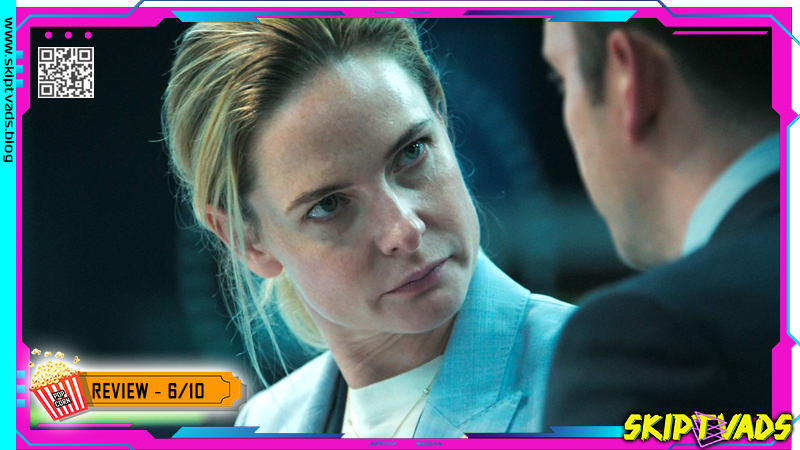
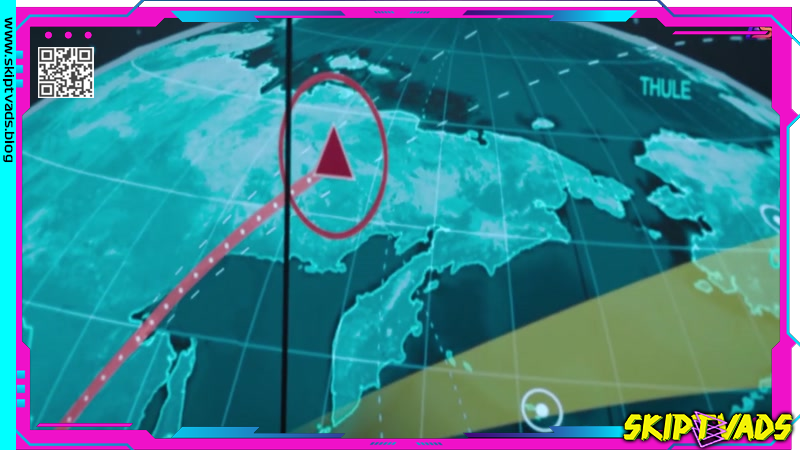
The whole setup is pretty straightforward when you break it down, a nuclear warhead gets detected mid flight, heading straight for Chicago where like ten million plus people live and work, and everyone in power has maybe eighteen minutes to figure out if they can stop it, who launched it?? whether they should blow somebody else up in return??. Rebecca Fergusons character Olivia Walker works the room trying to get answers and figure this whole thing out and shes basically our main eyes into this mess for that first chunk of the movie, shes got a sick kid at home, who needs to see a doctor but she also has to get to work, because of how important is her job on this entire situation. This is where things work out at first because you can tell how she has to make decisions based on her family and everyone else, you cant be selfish here because they all might get evaporated, while shes trying to do her job and save millions of other families I cant stop thinking how does that feel as anyone else mind would be split in two sides when it comes to who is first, her family or the rest of the city??. I do not think the government would tell regular people that a nuke is about to land on a major city because that would cause total chaos in the streets. The movie does a good job making you think about that kind of stuff, like what would really go down if this scenario played out in real life, would we even know until it was too late or would there be some kind of warning, that most likely would be too late and still create total chaos.
[Source](https://tinyurl.com/e4ef9acy)
The whole setup is pretty straightforward when you break it down, a nuclear warhead gets detected mid flight, heading straight for Chicago where like ten million plus people live and work, and everyone in power has maybe eighteen minutes to figure out if they can stop it, who launched it?? whether they should blow somebody else up in return??. Rebecca Fergusons character Olivia Walker works the room trying to get answers and figure this whole thing out and shes basically our main eyes into this mess for that first chunk of the movie, shes got a sick kid at home, who needs to see a doctor but she also has to get to work, because of how important is her job on this entire situation. This is where things work out at first because you can tell how she has to make decisions based on her family and everyone else, you cant be selfish here because they all might get evaporated, while shes trying to do her job and save millions of other families I cant stop thinking how does that feel as anyone else mind would be split in two sides when it comes to who is first, her family or the rest of the city??. I do not think the government would tell regular people that a nuke is about to land on a major city because that would cause total chaos in the streets. The movie does a good job making you think about that kind of stuff, like what would really go down if this scenario played out in real life, would we even know until it was too late or would there be some kind of warning, that most likely would be too late and still create total chaos. [Source](https://tinyurl.com/e4ef9acy)
 [Source](https://tinyurl.com/e4ef9acy)
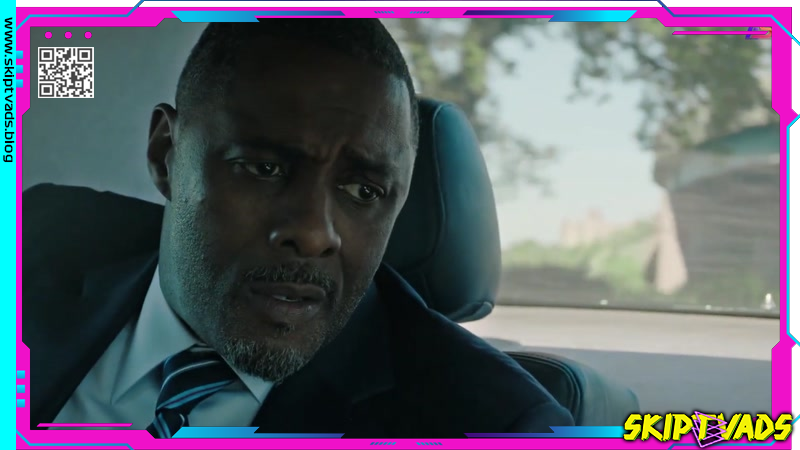
The problem starts when the movie goes over half an hour in, and things are getting really tense, like they want to start to recicle the scene, because the missile might actually hit, and people might actually die, and then boom it cuts to black and jumps back to the start of the same time period, but now we are seeing it through different characters eyes, at different levels of the government, in different locations. All that tension just evaporates instantly, it stops being as interesting as it goes along because you kind of feel like you have been there and done that already, you know exactly what is going to happen, every step until a certain point, because you literally just watched it happen twenty minutes ago. The movie never really spends enough time with any one specific characters to have some proper character building and make you care or root for them, so by the time you get to the final thirty or forty minutes, you are just going with the flow, waiting for it to end, I watch this with my wife and that was her very first critic after the movie ended. It honestly feels like this would have worked way better, as a thirty minute short movie or maybe just a different structure entirely, if the whole thing was just that first segment, playing out in real time without jumping around, I probably would have loved it, because that part was very well done with tons of tension building until that cut to black moment. Instead we get this back and forth time jump thing and I know Im starting to rant but Im so disappointed, three separate times I had to watch the same story play over, from the Pentagon, then from some general trying to get intel on the missile, then from the president played by Idris Elba trying to make an impossible decision. I have always thought jumping back and forward in time on a movie makes it interesting but they just abuse this hack, because this usually comes with awesome discoveries or hidden details about the characters decisions, but this time it does not make up for how repetitive and drawn out it all feels.
[Source](https://tinyurl.com/e4ef9acy)
The problem starts when the movie goes over half an hour in, and things are getting really tense, like they want to start to recicle the scene, because the missile might actually hit, and people might actually die, and then boom it cuts to black and jumps back to the start of the same time period, but now we are seeing it through different characters eyes, at different levels of the government, in different locations. All that tension just evaporates instantly, it stops being as interesting as it goes along because you kind of feel like you have been there and done that already, you know exactly what is going to happen, every step until a certain point, because you literally just watched it happen twenty minutes ago. The movie never really spends enough time with any one specific characters to have some proper character building and make you care or root for them, so by the time you get to the final thirty or forty minutes, you are just going with the flow, waiting for it to end, I watch this with my wife and that was her very first critic after the movie ended. It honestly feels like this would have worked way better, as a thirty minute short movie or maybe just a different structure entirely, if the whole thing was just that first segment, playing out in real time without jumping around, I probably would have loved it, because that part was very well done with tons of tension building until that cut to black moment. Instead we get this back and forth time jump thing and I know Im starting to rant but Im so disappointed, three separate times I had to watch the same story play over, from the Pentagon, then from some general trying to get intel on the missile, then from the president played by Idris Elba trying to make an impossible decision. I have always thought jumping back and forward in time on a movie makes it interesting but they just abuse this hack, because this usually comes with awesome discoveries or hidden details about the characters decisions, but this time it does not make up for how repetitive and drawn out it all feels.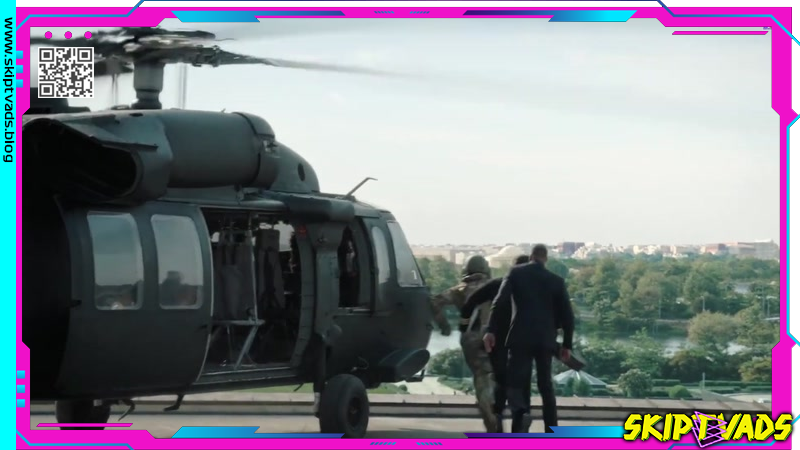 [Source](https://tinyurl.com/e4ef9acy)
 [Source](https://tinyurl.com/e4ef9acy)
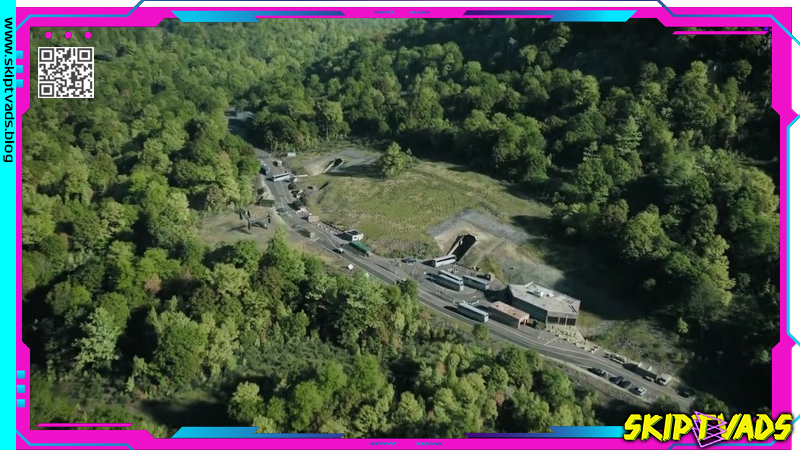
Now the ending, that was fucking disappointing, after everything that came before it the movie just kind of stops, it does not end it just stops and showed directed by Kathryn Bigelow, it was a very big WTF moment for me like where the rest go?? thats how we are ending this thing??. It wraps up and was so unsatisfying that leaves you with nothing, no resolution, no payoff, no emotional punch and that is not something you expect from Kathryn Bigelow, because I remember her because of the best endings in movies I have seen is Zero Dark Thirty, where the final moments are absolutely perfect and leave you with such gratification. Instead we just get an ambiguous cut to black, where we never find out if Chicago gets destroyed, we never find out what the president decides to do about retaliation, we just see some FEMA person played by Moses Ingram, arriving at some nuclear bunker in Pennsylvania, which I guess means something bad happened but who knows. The movie needed way more suspense in that final half hour. There are also way too many characters crammed into this thing for how short it is, making the movie splinter too much, by the end I felt like I did not really know anybody in the story, because we never spent enough quality time, with any single person for them to stick in your memory. I look this one up and it seems that both Noah Oppenheim and Kathryn Bigelow agree on this ending on purpose to "force" the discussion about nuclear weapons and everything in between, but honestly WTF this is not a documentary, you want to push that kind of message and spark that kind of conversation do it with other type of material, I fkn hate it because everything started so good.
[Source](https://tinyurl.com/e4ef9acy)
Now the ending, that was fucking disappointing, after everything that came before it the movie just kind of stops, it does not end it just stops and showed directed by Kathryn Bigelow, it was a very big WTF moment for me like where the rest go?? thats how we are ending this thing??. It wraps up and was so unsatisfying that leaves you with nothing, no resolution, no payoff, no emotional punch and that is not something you expect from Kathryn Bigelow, because I remember her because of the best endings in movies I have seen is Zero Dark Thirty, where the final moments are absolutely perfect and leave you with such gratification. Instead we just get an ambiguous cut to black, where we never find out if Chicago gets destroyed, we never find out what the president decides to do about retaliation, we just see some FEMA person played by Moses Ingram, arriving at some nuclear bunker in Pennsylvania, which I guess means something bad happened but who knows. The movie needed way more suspense in that final half hour. There are also way too many characters crammed into this thing for how short it is, making the movie splinter too much, by the end I felt like I did not really know anybody in the story, because we never spent enough quality time, with any single person for them to stick in your memory. I look this one up and it seems that both Noah Oppenheim and Kathryn Bigelow agree on this ending on purpose to "force" the discussion about nuclear weapons and everything in between, but honestly WTF this is not a documentary, you want to push that kind of message and spark that kind of conversation do it with other type of material, I fkn hate it because everything started so good.