Longform reviews of films, TV, anime, books, and audiobooks, written by the scrobble.life community and published to the Hive blockchain, so each one is owned by its author and can earn rewards from readers. 34,440 reviews and counting.
Written by: Mark Fergus & Hawk Atsby
Directed by: Robert Lieberman
Running Time: 44 minutes
It has become an almost axiomatic truth within contemporary prestige television that any ambitious work of speculative fiction, daring to scale the heights of epic storytelling, feels compelled to mirror Game of Thrones in its embrace of labyrinthine political intrigue. To witness the machinations within Season 2, Episode 12 of The Expanse, "The Monster and the Rocket," is to confront this tendency head-on. Here, the existential dread posed by the alien protomolecule and the protagonists' fundamental struggle for survival are inextricably woven, perhaps overly so, into a dense tapestry of power plays between Earth, Mars, and the Belt. The episode presents a world where navigating the treacherous currents of interstellar politics – replete with shadowy alliances, calculated betrayals, and the constant threat of backstabbing – proves as perilous, if not more so in the immediate term, than confronting the alien horror lurking in the void.
The episode opens with Chrisjen Avasarala seemingly at the zenith of her strategic campaign. Having successfully manoeuvred for a UN Security Council hearing where Undersecretary Sadavir Errinwright faces accountability for his complicity in the protomolecule disaster, she simultaneously secures a high-stakes audience with the exposed Jules-Pierre Mao aboard his opulent yacht. Sanctions have eviscerated Mao’s empire and shattered his family, leaving him vulnerable. Avasarala, ever the pragmatist, seeks his coerced cooperation, recognising his knowledge is vital. Yet, acutely aware of the viper’s nest she enters, she is by the formidable former intelligence operative Cotyar and the indomitable Martian Marine Bobbie Draper. Their presence is less ceremonial protection and more a tacit acknowledgment that Mao, cornered and desperate, might resort to anything – including assassination – to regain leverage.
Conversely, Errinwright’s position appears terminal. Haunted and isolated, he even drafts what seems a suicide note, sharing a moment of fragile vulnerability with his son. This apparent despair, however, proves a masterful feint. His invitation to Martian Defence Minister Piotr Korshunov reveals the chilling truth: the two men were co-conspirators all along, jointly facilitating Mao’s protomolecule research under the guise of planetary rivalry. Yet Avasarala’s aggressive move against Mao disrupts this fragile equilibrium. Korshunov, sensing a shift, prepares to abandon Errinwright, positioning himself as a Martian patriot sacrificing the corrupt Earther. Errinwright, however, strikes first with ruthless efficiency. He poisons Korshunov, expertly fabricating the appearance of a fatal heart attack induced by Earth’s gravity. Emboldened by this cold elimination, Errinwright immediately pivots, leveraging his regained control to accuse Avasarala of treason, timing it perfectly to strand her, isolated and vulnerable, aboard Mao’s yacht. The political landscape shifts with the speed of a knife in the dark.
Simultaneously, amidst the political viper pit, the Rocinante crew grapples with immediate, visceral horror on the surface of Ganymede. Holden leads the hunt for the human-protomolecule hybrid – the "monster" of the title – while the station itself succumbs to a cascading life-support collapse. Naomi and Amos locate Melissa, captain of the Somnabulist, offering aid to repair her ship and evacuate survivors. What begins as rescue swiftly devolves into a desperate race against time as the failing environment and panicked crowds threaten to overwhelm order. The emotional core of the episode crystallises here: the agonising necessity of triage. With the Somnabulist’s capacity limited, Naomi and Melissa make the brutal, heart-wrenching decision to prioritise children and the young. Organising the terrified masses requires immense skill and nerve, culminating in the ship’s harrowing liftoff – only to face the immediate threat of a Martian Navy blockade. Holden, reluctantly abandoning his hunt for the hybrid to protect his found family, brings the Rocinante roaring in for a timely, dramatic intervention.
Technically, The Monster and the Rocket functions with commendable efficiency. The script by Mark Fergus and Hawk Ostby adeptly juggles the disparate storylines – the high-stakes political gambits on Earth, the tense confrontation aboard Mao’s yacht, and the life-or-death struggle on Ganymede – ensuring the narrative flows smoothly without succumbing to excessive exposition. The intercutting maintains tension across all fronts, a testament to solid structural craftsmanship. However, this competence is undermined by significant flaws. Errinwright’s arc, while ultimately satisfying in its villainous payoff, suffers from an overly protracted and somewhat melodramatic setup. His initial scenes, steeped in apparent suicidal despair and paternal angst, feel less like nuanced character development and more like a clumsy misdirection, veering perilously close to soap opera territory before confirming his established diabolical nature. This unnecessary padding dilutes the impact of his subsequent, genuinely chilling actions.
Furthermore, the episode is hampered by stretches of noticeably uninspired dialogue. Conversations aboard Mao’s yacht, despite the high stakes, often lack the razor-sharp wit or profound weight one expects from The Expanse at its best, feeling functional rather than compelling. Similarly, the sequences involving the hybrid hunt on Ganymede suffer from exchanges that fail to fully convey the profound horror or existential weight of the situation. Compounding this, certain performances feel curiously flat. Dominique Tipper (Naomi) maintains her usual grounded intensity, but Steven Strait, as James Holden, delivers lines with a distracted, almost lethargic quality that undermines Holden’s characteristic moral urgency and leadership during the Ganymede crisis. It occasionally feels as if the actors were wrestling with material that hadn’t quite landed.
Yet, the episode redeems itself powerfully in the Ganymede refugee sequence. The raw desperation, the palpable fear, and the agonising moral calculus of who lives and dies resonate deeply. Central to this success is the character of Champa, portrayed with immense physical and emotional presence by Gugun Deep Singh. This colossal Belter, initially a potential threat, becomes the unexpected linchpin of order. Using his sheer stature for both intimidation and calming the panicked throng, Champa’s quiet authority and persuasive power during the chaotic boarding of the Somnabulist provide one of the season’s most memorable and emotionally resonant moments. He embodies the Belter resilience and community spirit that the political machinations so often overlook.
Ultimately, The Monster and the Rocket exemplifies The Expanse’s greatest strength and a recurring vulnerability. It masterfully constructs a complex, believable political universe where survival hinges as much on dealing through treacherous alliances as on firepower. The technical execution of weaving multiple high-stakes narratives is impressive. Yet, in its eagerness to deliver the expected Game of Thrones-esque intrigue, it occasionally sacrifices the depth of its character moments and the potency of its dialogue, leaning towards the soapy or the perfunctory. While the Ganymede sequence, elevated by characters like Champa, provides the vital human anchor, the episode serves as a reminder that even in the face of an alien apocalypse, the most dangerous monsters might just wear the suits of Earth, Mars, and corporate power – and their schemes, however intricate, can sometimes eclipse the very humanity the show strives to protect.
Yes, this is going to be one of my rather impulsive movie reviews. But this is different because I did plan to do a movie review, but it was to be of a different movie. A classic comedy film, and last minute, I decided to write on this instead because I happened to come across a random person seeing it sometime this evening.
The Broken Hearts Gallery (2020)
Directed by Natalie Krinsky in her directorial debut, this film tells the story of Lucy (Geraldine Viswanathan) who is a young assistant in a gallery at NYC, and somehow, she ends up losing both her job and her obnoxious boyfriend at the gallery’s opening night. Drunk and filled with despair, she ends up getting into the wrong car think it’s her Lyft. Turns out it’s not. It’s Nick’s (Dacre Montgomery) car.
But away from that, Lucy has a problem. She keeps a memory from all her relationships. At least one of them, and somehow, that has not allowed her fully move on. So, as she fills her days sulking, and drowning in self-pity, she does not realize that the very things that are the bane of her existence would be her redemption.
My Thoughts and Rating
So, I’ll start by saying that I saw this film in 2021, or so, and now I’m trying to recall what phase of my life I was in then. I know it’s about that time I had almost nothing going on for me, and wasn't even in a relationship, so I wouldn’t say I was broken hearted or anything, lol, but I can say that I was wallowing in nearly the same pit of despair as the protagonist, albeit for a different reasons. Still, it made her relatable to me.
You can see, then, that I’m talking about this with rose-coloured glasses, but bear with me. This is your typical chick flick by all standards. The ideal rom-com with all the quite foreseeable tropes, but I think it’s a bit more than the average chick-flick. It contains all the authenticity of a movie that is trying to chart its own path even though it’s in a quite overused genre.
I wouldn’t say I was the biggest fan of Lucy. I could even say she was a tad selfish, even though some may judge her as charismatic. But she’s not a terrible actor. She’s actually quite good, and I would have said then that she had a great future in the movie industry. Same as the male lead, and more than anything, she was normal, by most standards, which was new for me because Hollywood has this thing of making the female lead needlessly “eccentric.”
The other actors were great as well. There was a bit of terrible acting at some point, where you could clearly see that it’s acting, but they weren’t a lot, and the good sides glossed those terrible sides quite effectively. The characters were unique, and I did more than giggle severally.
I think my key takeaway from this film, as well as the message I believe it’s trying to pass, is that somehow, we may consciously or unconsciously be holding onto bits and pieces from our previous relationships, and somehow it taints or affects our current lives and current relationships, however, we have the power to turn those memories or memorabilia into something useful by simply letting go of it.
The concept of a broken hearts gallery was distinctive, unique, and extremely symbolic. I loved it, and I was glad to see it. The ending wasn’t terrible. There were only slight misunderstandings and not the gross betrayal that tends to happen to the leads in a chick-flick, and they just end up moving on unrealistically from it. This one made a lot more sense. Predictability, notwithstanding.
Sad it didn’t do so well at Box Office, and it’s rather one of the underrated films of Hollywood. A good 6.5/10. Highly recommended if you’re going through a heart break, lol. And now that that’s out of the way, I can focus on the real comedies subsequently.
Would you watch a movie with a 4.2/10 rating?
Well, I did and I also enjoyed it. Why?
Let me tell you about last night!
I was not sure what I was looking for. I was not sleepy, so I would also watch a series if it would catch my eye. Then I saw this title, I saw that the main character was an author, and decided to go for it!
Movie Name: Brazen
(Brazen stands for Bold and shameless, without embarrassment or hesitation.)
Its genre:
Suspense Mystery, Whodunnit (i did not know what it was, but check out below for the response), Crime, Drama, Mystery, Romance, Thriller
WTF is a Whodunnit?? and please tell me if I was the only one who did not know what this was
A “whodunnit” (also spelled whodunit) is a type of mystery story — usually a murder mystery — where the main question is:
👉 “Who did it?”
In a whodunnit, the audience follows along as detectives or investigators gather clues, question suspects, and slowly piece together the truth. The suspense comes from trying to guess the culprit before the big reveal at the end.
🕵️ Examples of classic whodunnits include the Murder on the Orient Express by Agatha Christie (classic one, I ve read the book!)
Back to the review
Story:
The movie is based on the novel Brazen Virtue by Nora Roberts.
Alyssa Milano's name in the movie is Grace, a successful crime novelist and crime expert who returns home shortly before her sister dies suddenly.
After the initial shock, Grace becomes personally involved in the investigation using her own experience & insticts from writing crime fiction to help uncover the truth.
As the story unfolds, Grace discovers that her sister had a secret double life as an online performer, which adds a layer of mystery and danger to the case.
I think it is not a bit budget film, also Alissa is the only truly “famous” face in the film. However I am happy that I decided to give it a chance.
(How many of you had watched Bewitched series?)
The film mixes mystery, drama, and light suspense in a way that makes it an easy evening watch.
To my surprise, Brazen turned out to be a nice movie with a decent flow. Yes, there are a few logical gaps here and there, but that was ok for me, as my expectations were initially low. Some of the secondary roles feel flat or indifferent in their acting, but overall, it didn’t bother me too much.
For me, Brazen was an easy-to-watch movie with just enough mystery to keep me interested for the night. It’s not groundbreaking or unforgettable, but if you’re in the mood for something light and suspenseful, you will spend an easy hour and a half :)
It has a 4.2 rating in imdb, but I would be more generous and make it a round 5!
Well, I hope that this review was helpful, at least that you learnt something new (what whodunnit is, hahha)
If you are wondering, this is pronounced “hoo-DUN-it" and as I understand Who-done-it :)
Hello everyone, I hope you're all doing great. This time I want to share a new review with you. I want to talk a little about the series: "When They See Us" by Ava DuVernay on Netflix and... ugh, what can I say! Speechless... I know, I know, I'm probably the last person on the planet to watch it, but you kind of need to catch your breath for something so powerful. I'm still trying to digest it all. I had to come and tell you all about it... Have you seen it yet? What did you think? Because I'm still in shock, for those who are a bit lost, it's a Netflix miniseries, it's four chapters, and it tells the true, super raw story of five guys – African American and Latino – who were unjustly blamed for a horrible rape they didn't commit, back in Central Park, around 1989... you probably know them as "The Central Park Five", look, even if you more or less know what it's about, this series hits you, shakes you up and shows you the most human and painful side of the whole thing. Let's see, first things first: a HUGE round of applause for Ava DuVernay, she's really in her element here, but seriously, she has a special gift for these true stories, to show you humanity and injustice with a clarity and a force that wow!
It really feels like she's back with everything, reminding us why she's one of the most important directors right now... she didn't just direct it, she brought this tragedy to life! It made it feel close, as if it were happening to you... what about the technical side? Brutal! Seriously, from the first chapter, the photography is beautiful. I know it sounds weird to praise that with such a dense subject, but how it's filmed is KEY to the story reaching you the way it does... the colors are saturated, especially the blues, and that gives it a very particular vibe, a very particular atmosphere. And the camera, those long takes, how it follows the characters, especially at the beginning, before everything goes to hell... you feel right there, right next to them. It doesn't just look pretty, it's telling you the story with images! The lighting, the script that flows like water, even when it's breaking your heart... everything, EVERYTHING comes together to hook you and not let go.
Hola a todos, espero que estén super bien, en está ocasión les quiero compartir una nueva reseña, les quiero hablar un poco de la serie: "When They See Us" de Ava DuVernay en Netflix y… uff, ¡qué les digo! Sin palabras.. sé, ya sé, seguro soy el último del planeta en verla, ¡pero es que uno necesita como que agarrar aire para algo tan fuerte, todavía estoy tratando de digerir todo, tenía que venir a chismearles todo.. ustedes ya la vieron? ¿Qué les pareció de entrada? Porque yo sigo en shock, para los que andan medio perdidos, es una miniserie de Netflix, son cuatro capítulos, y te cuenta la historia real, súper cruda, de cinco tipos –afroamericanos y latinos– a los que culparon injustamente de una violación horrible que no cometieron, allá en Central Park, por 1989.. seguro los conocen como "Los Cinco de Central Park", miren, aunque uno más o menos sepa de qué va la cosa, esta serie te pega, te sacude y te muestra lo más humano y doloroso de todo el asunto. A ver, primero lo primero: un aplauso GIGANTE para Ava DuVernay, aquí sí está en su salsa, pero en serio, tiene un don especial para estas historias reales, para mostrarte la humanidad y la injusticia con una claridad y una fuerza que ¡wow!
De verdad que se siente como que volvió con todo, recordándonos por qué es una de las directoras más importantes de ahorita.. no solo la dirigió, ¡le dio vida a esta tragedia! Hizo que se sintieracercana, como si te estuviera pasando a ti.. qué me dicen de lo técnico? ¡Brutal! En serio, desde el primer capítulo, la fotografía es una belleza, ya sé que suena raro echarle flores a eso con un tema tan denso, pero cómo está filmada es CLAVE para que la historia te llegue como te llega.. los colores están saturados, especialmente los azules, y eso le da una onda, una atmósfera bien particular. Y la cámara, esas tomas largas, cómo sigue a los personajes, sobre todo al principio, antes de que todo se vaya al carajo... te sientes ahí, pegadito a ellos, no es solo que se vea bonito, ¡es que te está contando la historia con imágenes! La luz, el guion que va como agüita, aunque te esté partiendo el alma... todo, TODO se junta para engancharte y no soltarte.
And then, the performances, brutal, seriously, from every angle you look at it... look, every actor, from the kids who play the guys when they were younger, to the more experienced ones like John Leguizamo –who, watch out!, is really hot here–, all of them, EVERYONE, gives you something really special, you believe everything they say, you feel with them, you suffer with them... the kids, the ones who play them when they were practically children, no, well! What a level! They take on a lot of the emotional weight of the series, and they do it with such naturalness... wow, it seems like they're not acting, you know? As if it were really happening... but wait, because I have to talk to you about Jharrel Jerome, the one who plays Korey Wise. Phew! That guy is in ANOTHER LEAGUE. He's the only one who plays his character as a kid and as an adult, and the change is impeccable, but it lets you see very clearly all those years that were lost, his gaze! His gaze, people!
It pierces the screen, it’s not just impressive, it reaches your soul, it breaks you... you see in his eyes the hope, the confusion, all the trauma and that desire to move forward, all fighting inside there... I was left with my mouth open with the way he acts, he is the one who carries a large part of the emotional impact of the series later on, without a doubt! And something that the series does wonderfully is that it shows you the human side, not only of the kids, but of their families... it shows you these normal people, these kids being kids, living their lives in Harlem, getting into the typical messes of their age, and suddenly, BAM! This horrible nightmare grabs them, this thing so out of the ordinary... you see their homes, how they get along with each other, their dreams, no matter how small they were, right before everything went to hell, it’s no longer just a news story you read somewhere; They are Antron, Kevin, Yusef, Raymond and Korey, and their moms, their dads, their brothers, that makes the injustice hit you harder, that makes you even more angry, do you understand?
Y luego, las actuaciones, brutales, en serio, por donde le veas.. miren, cada actor, desde los chicos que hacen de los tipos cuando eran más jóvenes, hasta los ya más colmilludos como John Leguizamo –que, ¡ojo!, se la súper rifa aquí–, todos, TODOS, te dan algo bien especial, les crees todo, sientes con ellos, sufres con ellos.. los chicos, los que hacen de ellos cuando eran prácticamente unos niños, ¡no, bueno! ¡Qué nivel! Se echan encima un montón del peso emocional de la serie, y lo hacen con una naturalidad... wow, parece que no están actuando, ¿saben? Como si de verdad estuviera pasando.. pero espérense, porque tengo que hablarles de Jharrel Jerome, el que hace de Korey Wise. ¡Uff! Ese chavo está en OTRA LIGA. Es el único que hace de su personaje de chavo y de adulto, y el cambio es impecable, pero te deja ver clarísimo todos esos años que se perdieron, su mirada! ¡Su mirada, gente!
Te traspasa la pantalla, no es solo que sea impresionante, es que te llega al alma, te rompe.. le ves en los ojos la esperanza, la confusión, todo el trauma y esas ganas de seguir adelante, todo peleando ahí dentro.. yo me quedé con la boca abierta con cómo actúa, él es el que carga gran parte del golpe emocional de la serie más adelante, ¡sin duda! Y algo que la serie hace de maravilla es que te muestra el lado humano, no solo de los chicos, sino de sus familias.. te enseña a esta gente normal, a estos niños siendo niños, viviendo su vida en Harlem, metiéndose en los líos típicos de la edad, y de repente, ¡PUM! Los agarra esta pesadilla horrible, esta cosa tan fuera de lo común.. ves sus casas, cómo se llevan entre ellos, sus sueños, por chiquitos que fueran, justo antes de que todo se fuera al diablo, ya no es solo una noticia que leíste por ahí; son Antron, Kevin, Yusef, Raymond y Korey, y sus mamás, sus papás, sus hermanos, eso hace que la injusticia te pegue más duro, que te indigne mucho más, ¿me explico?
And look, I’m going to be really honest with you: this series hits you, but it hits you HARD.. it’s one of those that leaves you with a lump in your throat, you more or less knew how it would end, most of us already do, but even so, I was biting my nails during the interrogations, during the trial! I felt a sense of anguish in my stomach, a mixture of sadness and anger, it moves you so much because you really get involved with these kids, with their lives, that tells you how well done the series is, that even if you already know the ending, you can feel the tension, you could cut it with a knife!, and every emotional blow hurts a lot.. it doesn’t beat around the bush to show you how twisted the justice system is.
It throws in your face how it's designed, how it can grab innocent people, especially if they're African-American or Latino guys, and just rip their lives apart, spit them out. It's a raw, unfiltered look at the disaster that is mass incarceration, not just for those inside, but for their families and entire communities... it makes you question everything, and that's how it should be! I'm not preaching at you, not at all, but the critique it makes is incredibly powerful. It's showing you a true story, and the pure truth is already a very powerful indictment. The series also goes all in on the complex issues that families face.
The huge amount of money that goes into trying to maintain contact with loved ones who are locked up: the calls, the prison store, the trips to see them. It shows you the resentment that can build up, the tension in relationships, the guilt, the feeling that you can't do anything about it. It paints the reality of these family relationships, with all their nuances, in an incredible way. It's not just about the guys in prison; It's like a shock wave that damages everything in its path... you see the different ways each family handles the blow, or how they struggle to get ahead, and none of it is easy, not at all!
Y miren, les voy a ser bien honesto: esta serie te pega, pero te pega DURO.. es de esas que te dejan con un nudo en la garganta, uno ya sabía más o menos en qué acababa la cosa, la mayoría ya nos la sabemos, pero aun así, yo estaba comiéndome las uñas durante los interrogatorios, durante el juicio! Sentí una angustia aquí en la panza, una mezcla de tristeza y coraje, es que te mueve tanto porque de verdad te metes con estos chavos, con sus vidas, eso te dice lo bien hecha que está la serie, que aunque ya te sepas el final, la tensión se siente, ¡se puede cortar con un cuchillo!, y cada golpe emocional te duele un montón.. no se anda con rodeos para mostrarte lo torcido que está el sistema de justicia.
Te avienta a la cara cómo está diseñado, cómo puede agarrar a gente inocente, especialmente si son tipos afroamericanos o latinos, y simplemente destrozarles la vida, escupirlos, es un vistazo crudo, sin filtros, al desastre que es el encarcelamiento masivo, y no solo para los que están adentro, sino para sus familias y para comunidades enteras.. te hace cuestionarte todo, ¡y así tiene que ser! No es que te esté dando un sermón, para nada, pero la crítica que hace es poderosísima, te está mostrando una historia real, y la pura verdad ya es una denuncia bien fuerte, la serie también le entra con todo a los problemas tan complejos que viven las familias.
El dineral que se va en tratar de mantener el contacto con los seres queridos que están encerrados: las llamadas, la tiendita de la cárcel, los viajes para verlos. Te muestra el resentimiento que se puede ir acumulando, la tensión en las relaciones, la culpa, el sentir que no puedes hacer nada, pinta la realidad de estas relaciones familiares, con todos sus matices, de una forma increíble, no se trata solo de los tipos en prisión; es como una onda expansiva que va dañando todo a su paso.. ves las diferentes maneras en que cada familia aguanta el golpe, o cómo le luchan para salir adelante, y nada de eso es fácil, ¡para nada!
Now, I’m not going to lie to you, okay?: this is not an easy series, not even one to watch just to relax… it’s not one of those you put on to disconnect after a hard day, it’s dense… it tires you out, it leaves you exhausted. But, I think it’s one of those that YOU HAVE to see, that it’s extremely important to see… it’s one of those stories that touches you to the core, that immerses you fully in what the characters go through, in a way that an article or a documentary summary simply can’t, it stays with you, long after the credits roll… I was thinking about it for days, going over the scenes in my head, feeling that little ache, the fourth episode, the one that focuses mostly on Korey Wise… hold on, because ugh!
It’s especially powerful and moves a lot of things inside you… learning more about his story, how he wasn’t even with the group that night, but went to support a friend, and the fact that he seemed to have trouble learning, that he was tried as an adult at 16 and ended up spending more time in the worst conditions… it’s a tragedy on another level, really… Jharrel Jerome’s performance here is… no, well, it destroys you with how brilliant it is. That episode alone is a journey that squeezes your heart… when I started watching it, I was already expecting to feel anger, sadness. But I don’t think I was prepared for how DEEPLY the injustice was going to make me feel, just like it was happening to me… it’s one thing to know the numbers or the headlines, but it’s another to see their faces, hear their voices, and witness these kids and their families’ lives being destroyed in such detail, so up close… it was way beyond what I expected in terms of how deeply it hits you emotionally, how raw and honest it is, without any holds barred.
So if I had to give it a rating, this is a 9/10 from me, it’s not a “fun” show to watch, I mean, it’s not something I would just turn on again to pass the time like some other shows I like to unwind. But in terms of impact, how meaningful it is, how it’s crafted, and the acting, it’s damn near perfect! And that's precisely why it's not "fun," because it's doing its job really well: it's designed to shake you up, to make you uncomfortable, to make you think... and it succeeds, in every way! And well, tell me if you've seen it; we'll see the worst in the next reviews. Take care!
Ahora, no les voy a mentir, ¿eh?: esta no es una serie fácil, ni para verla así de relax.. no es de esas que pones para desconectarte después de un día pesado, es densa.. te cansa, te deja agotado. Pero, creo que es de esas que HAY que ver, que es importantísimo verla.. es de esas historias que te llegan hasta las entrañas, que te meten de lleno en lo que viven los personajes, de una forma que un artículo o un resumen de documental pues nomás no pueden, se te queda grabada, mucho después de que acaban los créditos.. estuve pensando en ella por días, dándole vueltas a las escenas en la cabeza, sintiendo ese dolorcito, el cuarto capítulo, el que se enfoca más que nada en Korey Wise… ¡agárrense, porque uff!
Es especialmente fuerte y te mueve un montón de cosas por dentro.. saber más de su historia, de cómo él ni siquiera andaba con el grupo esa noche, sino que fue a apoyar a un amigo, y eso de que parece que tenía problemas para aprender, que lo juzgaron como adulto con 16 años y terminó pasando más tiempo en las peores condiciones… es una tragedia a otro nivel, de verdad.. la actuación de Jharrel Jerome aquí es… no, bueno, te destroza de lo brillante que es. Ese capítulo solito es un viaje que te aprieta el corazón.. yo, cuando empecé a verla, ya me esperaba sentir coraje, tristeza. Pero creo que no estaba preparado para lo PROFUNDO que me iba a hacer sentir la injusticia, así, como si me pasara a mí.. una cosa es saberte las cifras o los encabezados, y otra muy diferente es verles las caras, escuchar sus voces, y ser testigo de cómo les destrozan la vida a unos chicos y a sus familias, con tanto detalle, tan de cerca.. superó lo que yo esperaba en cuanto a lo hondo que te llega emocionalmente y lo cruda y honesta que es, sin tapujos.
Así que, si le tuviera que poner una calificación, para mí esto es un 9/10, no es una serie "divertida" de ver, o sea, no es algo que volvería a poner así nomás para pasar el rato, como otras series que me gustan para relajarme. Pero en cuanto al impacto que tiene, lo importante que es, cómo está hecha y las actuaciones, ¡es casi perfecta! Y justo por eso no es "divertida", porque está haciendo su chamba súper bienz está hecha para sacudirte, para incomodarte, para hacerte pensar.. y lo logra, ¡en todo! Y bueno, cuéntenme si la han visto, mal vemos en las próximas reseñas, cuidense!
Tell me... have you seen this series? Has it caught your attention? Tell me what you thought of this review with my opinion, and tell me if it has made you want to watch this series. You can leave me in the comments your recommendations for future publications! 😊
Cuéntame.. ¿Has visto esta serie? Te ha llamado un poquito la atención? Dime que te pareció esta reseña con mi opinión, y dime si te han dado ganas de ver esta series. Puedes dejarme en los comentarios tus recomendaciones para las próximas publicaciones!! 😊
📲 My social media:
See you next time! 👀🎞💗
Traduced with DeepL
Banners y separadores hechos con Canva Pro. Banners and dividers made with Canva Pro.
Written by: David Simon
Directed by: Ernest Dickerson
Running Time: 78 minutes
Season Four of The Wire stands as the series' most profoundly desolate chapter to that point. It is therefore scarcely surprising that its finale, Final Grades" plunges deeper into the abyss than any preceding season conclusion. Where earlier finales offered flickers of ambiguous hope or cyclical repetition, Final Grades delivers a near-unrelenting cascade of institutional failure and personal devastation, its darkness serving as the inevitable culmination of a season meticulously charting the systematic abandonment of an entire generation of Black children.
This pervasive grimness is masterfully established in the cold open, a sequence of pitch-black humour that lays bare the horrifying banality of the drug war’s toll. Sergeant Jay Landsman, the perennial cynic of Homicide, vents his spleen at the relentless tide of red names flooding the unit’s case board – victims of Marlo Stanfield’s empire, their bodies stashed like refuse in vacant row homes turned charnel houses. The fleeting glimmer of apparent good news – a rare black name suggesting a solved case – is brutally extinguished when it’s revealed to be Sherrod, the hapless boy Bubbles had tried, in his own damaged way, to mentor. Bubbles’ guilt-ridden confession over Sherrod's accidental poisoning, is the catalyst for his own near-suicide. Landsman’s momentary departure from the interrogation room provides the space for Bubbles to attempt hanging himself, a desperate act swiftly thwarted by the detectives. In a profoundly rare moment of genuine humanity from the usually sardonic Landsman, he elects to erase Bubbles’ name from the board entirely, refusing to categorise him as another statistic. Instead, he orchestrates Bubbles’ placement into rehab, where he would be counseled on a long and arduous path to recovery by former drug addict Walon. It’s a solitary, fragile thread of redemption in an otherwise suffocating tapestry of loss.
Tragically, no such thread exists for the quartet of boys who served as the season’s heartbreaking protagonists. Michael Lee, having long since shed any vestige of innocence, is fully consumed by Marlo Stanfield’s ruthless organisation. He is no longer merely a corner soldier but a cold-blooded executioner, his proficiency in murder earning explicit praise from the chillingly pragmatic Chris Partlow. Dukie, whose innate intelligence and quiet potential offered the most poignant glimmer of hope, succumbs entirely to the gravitational pull of the streets, abandoning high school to join Michael on the corners . Randy Wagstaff, despite Carver’s desperate and ultimately futile intervention on his behalf, is condemned to the horrors of the group home. The episode offers no sugar-coating: we witness the immediate, predatory dynamic as older, larger boys instantly mark him for years of systematic robbery, brutal beatings, and the ever-present threat of sexual violence.
The sole exception among the four is Namond Brice, but his escape from this grim trajectory is itself a testament to the extraordinary, almost miraculous confluence of forces required to bypass the city’s crushing machinery. It demands an unlikely alliance: Cutty Wise, leveraging his street credibility; Howard "Bunny" Colvin, offering his unconventional sanctuary; and crucially, Wee-Bey Brice, Namond’s incarcerated father. In a moment of startling clarity and paternal responsibility rare within the Stanfield orbit, Wee-Bey finally recognises that his son possesses neither the temperament nor the constitution for the gangsta life he himself embraced. He compels his fiercely ambitious but ultimately self-serving wife, De’Londa, to relinquish custody to Colvin. Namond thus gains entry into the relative stability and middle-class normality of Colvin’s home – a victory, yet one that underscores the sheer improbability of such salvation occurring organically within the system.
Namond’s personal reprieve, however, exists in stark, ironic counterpoint to the overwhelming institutional failure that defines the episode. Colvin witnesses the ignominious end of his experimental classroom, shut down by a school administration more invested in bureaucratic compliance than pedagogical innovation. The experiment collapses with the same inevitability as Hamsterdam, his earlier social experiment in the Western District. His academic partner, Dr. Parenti, proves less concerned with the children’s welfare than with leveraging the programme’s brief success for professional clout among his ivory tower peers. Prez, initially buoyed by his students’ unexpectedly high scores on standardised tests, is swiftly deflated when informed the benchmarks were deliberately lowered – a cynical act of statistical and financial manipulation designed to paint a falsely rosy picture of systemic efficacy. The message is clear: the system is not broken; it is working exactly as designed – to produce manageable statistics, not educated children.
This systemic rot extends directly to the city’s highest offices. Tommy Carcetti, consumed by gubernatorial ambition, makes his fateful decision regarding the gaping hole in the school system’s finances. Convinced he can do more public good as governor than mayor, he finally rejects financial aid offered by the Republican governor – his future election rival. This purely political calculation, prioritising personal ambition over the immediate, desperate needs of Baltimore’s schoolchildren, is predicted to condemn them to at least two more years of educational dysfunction. The sheer cynicism of the act is so profound it even elicits visible discomfort from Norman Wilson, Carcetti’s own usually unflappable and cynical strategist.
Amidst this educational and political collapse, another crisis – the sudden disruption of the drug supply caused by Omar Little’s audacious heist on Proposition Joe’s stash – is resolved with characteristic pragmatism. After distributing the loot share among his partners, Omar realises the impracticality of holding such a vast quantity of product. He proposes selling it back to Proposition Joe at a discount, a deal the shrewd Eastside kingpin readily accepts, restoring the fragile equilibrium of the drug trade. Yet, this resolution fuels Marlo Stanfield’s pathological paranoia. Convinced his dominance is perpetually under threat, he orders Spiros Vondas, Joe’s shadowy Greek supplier, to be tailed – a move that inevitably sows seeds for future, bloodier conflicts.
Marlo also moves to eliminate another perceived vulnerability: Bodie Broadus. Bodie’s recent, uneasy interactions with Jimmy McNulty, coupled with his visible disgust at Marlo’s murder of Little Kevin, mark him as a potential informant in Marlo’s eyes. His assassination, carried out with chilling efficiency by Darius "O-Dog" Hill (Darrell Britt-Gibson), is the final catalyst for McNulty. Witnessing the murder of a corner boy he had begun, however awkwardly, to see as a human being – even a friend – shatters McNulty’s fragile attempt at a quiet life as a Western District patrolman. He successfully petitions Col. Cedric Daniels to rejoin the Major Case Unit, setting the stage for the next season’s central conflict to reignite.
Final Grades, penned by series creator David Simon and directed with characteristic gravitas by Ernest Dickerson, holds the distinction of being the longest episode of The Wire up to that point. This extended runtime feels necessary, not indulgent, allowing the weight of each tragic resolution to settle fully upon the viewer. The episode is also peppered with subtle intertextual references. Cutty, recovering in hospital, watches HBO’s Deadwood, a show sharing The Wire’s fascination with institutional power and frontier morality. Bodie, during a brief police detention, echoes Al Pacino’s iconic "Attica! Attica!" chant from Dog Day Afternoon, a moment highlighting how pop culture narratives permeate even the most desperate street corners. The recurring graffiti in the Homicide bathroom speculating on Deputy Commissioner William Rawls’ sexuality serves as a darkly humorous callback to a minor but revealing character detail established in Season Three.
Ultimately, Final Grades is a masterfully executed, devastatingly bleak piece of television. It confronts its grim themes – the systemic destruction of childhood, the futility of individual resistance against entrenched institutions – with unflinching, realistic resolution. There are no easy outs, no last-minute reprieves for the vast majority of its characters. However, it is precisely in this unflinching commitment to its thesis that the episode reveals a certain conventionality, particularly when measured against the series’ previous, more structurally innovative finales. The closing musical montage, a device familiar from earlier seasons, explicitly charts the immediate futures of the central characters, a stylistic choice that feels somewhat less daring than the ambiguous, lingering shots that concluded previous seasons. More significantly, the episode functions primarily as a potent cliffhanger, engineered to thrust McNulty – who was justifiably marginalised for much of Season Four’s school-focused narrative – back into the role of primary protagonist. His re-entry into the Major Case Unit, driven by Bodie’s murder and his burning need to confront Marlo Stanfield, sets the explicit agenda for Season Five.
This narrative pivot, while dramatically effective in reigniting the central law enforcement/drug trade conflict, slightly undermines the season’s unique focus. The overwhelming power of Season Four lay in its deliberate shift away from the police procedural to examine the school system as the new front line of urban decay. By concluding with McNulty’s return to the fold and the clear setup for his personal vendetta against Marlo, Final Grades risks re-centring the narrative on the very institutional actors (the police, the politicians) whose systemic failures created the conditions for the boys’ tragedies in the first place. It’s a necessary structural move for the series’ overall arc, but it momentarily pulls focus from the season’s most vital, harrowing subject: the children themselves.
I saw this film several years ago, and I had fond memories of it. A few months ago, I was able to read the novel on which the film is based, and it made me want to see it again, so I did. I honestly didn't expect to like it more now than before. I'm impressed by how a film that was released thirty years ago can be so well made and tell a story that's more memorable and relevant than many of the films being made today. But hey, that's the thing about classics: they never die.
Hace varios años que vi esta película y tenía un buen recuerdo de ella. Hace algunos meses pude leer la novela en que se basa el film y me dieron ganas de verla de nuevo, así que lo hice y en verdad no esperaba que ahora me gustase más que antes. Me impresiona cómo una película que tiene treinta años de haberse estrenado pueda estar tan bien hecha y contar una historia más memorable y vigente que muchas de las películas que son realizadas en la actualidad. Pero bueno, eso es lo que tienen los clásicos: no mueren.
The Bridges of Madison County is a film directed and produced by the great Clint Eastwood and starring him alongside another great figure in the history of cinema: Meryl Streep. The meeting of these two acting geniuses would be enough reason to see a film knowing that these names never disappoint, but the film itself is also very well made. The film tells the story of Francesca Johnson (Meryl Streep), a housewife in her forties who lives on a small farm with her family in a remote town in Iowa in the mid-sixties. One day, while her husband and children are at a livestock fair in another city, where they'll be staying for four days, Francesca's quiet routine is disrupted by the appearance of Robert Kincaid (Clint Eastwood), an experienced photographer in his fifties who works for National Geographic magazine and is in Madison County to photograph some of its old covered bridges. Searching for one of these bridges, Robert stops at Francesca's door to ask for directions, and after a brief conversation, she offers to drive him there. The point is that from the first moment they see each other, both Francesca and Robert have fallen prey to an intense passion that they struggle to hide due to the circumstances, but which will eventually free them from their prejudices and condemn them to the unhappiness of living—just for a few days—a life that isn't meant for them.
The Bridges of Madison County es una película dirigida y producida por el gran Clint Eastwood y protagonizada por él mismo junto a otra gran figura de la historia del cine: Meryl Streep. La reunión de estos dos genios de la actuación ya sería suficiente razón para ver una película sabiendo que son nombres que nunca decepcionan, pero además el film en sí mismo está muy bien realizado. En la película se cuenta la historia de Francesca Johnson (Meryl Streep), una ama de casa de unos cuarenta años que a mediados de los años sesenta vive en una pequeña granja con su familia en un remoto poblado de Iowa. Un día, mientras su esposo y sus hijos se encuentran en una feria ganadera en otra ciudad en la que estarán durante cuatro días, la tranquila rutina de Francesca se ve alterada con la aparición de Robert Kincaid (Clint Eastwood), un experimentado fotógrafo de más de cincuenta años que trabaja para la revista National Geographic y que se encuentra en el Condado de Madison para fotografiar algunos de sus viejos puentes cubiertos. Buscando precisamente uno de estos puentes, Robert para frente a la puerta de Francesca para pedir instrucciones sobre cómo llegar al lugar y después de una breve conversación ella se ofrece a llevarlo hasta allí. El tema es que desde el primer instante en que se han visto, tanto Francesca como Robert han caído presos de una intensa pasión que luchan por esconder debido a las circunstancias, pero que eventualmente los irá liberando de los prejuicios y condenando a la infelicidad de vivir - apenas por unos días - una vida que no está hecha para ellos.
As they talk, we learn a little about the backstories of both characters. Francesca is Italian, a war bride who left her native Bari to settle with her husband in a quiet city in the United States—perhaps too quiet. Her life is routine, comfortable, uneventful, and rather solitary because she has never felt entirely at home in this new country, and much of her lively European spirit has been left behind, dormant within her... until Robert arrives.
A medida que van conversando vamos conociendo un poco la historia de ambos personajes. Francesca es italiana, una novia de la guerra que salió de su Bari natal para asentarse con su esposo en una ciudad tranquila de los EEUU, demasiado tranquila tal vez. Su vida es rutinaria, acomodada, sin sobresaltos, bastante solitaria porque nunca se ha sentido del todo en casa en este nuevo país y mucho de su animado espíritu europeo ha quedado de lado, aletargado en su interior... hasta la llegada de Robert.
For his part, Kincaid is an experienced, divorced, and solitary man who has traveled the world taking photographs of important events and has had adventures (I'm not referring to romances or sexual encounters) on five continents. Robert's life is the road; he has no need for a home, but he feels that change when he sees Francesca standing on the threshold of her modest farmhouse. After leading him to the bridge he was looking for, Francesca invites him to dinner, still with no intention of anything happening, but eager to see this wise, attractive, and life-hardened man again. He, without a second thought, and also without letting himself be carried away by the passion boiling beneath his skin, agrees to attend that dinner and delight in Francesca's home-cooked cuisine and her European gaze and smile. What I like most about that first part is that neither of them decides to take the step of getting closer, not because they lack motivation, but precisely the opposite, and because doing so could mean profaning the sacredness of that which they venerate. Although it may seem strange, Robert and Francesca fall in love at first sight with the passion of two teenagers, but they hold back due to mature scruples. They know they must do nothing, no matter how much they want to. What's more, they know that part of what they love about each other is precisely the respect that comes with doing nothing. But is it possible to hold back when the love you've waited for all your life appears? Are outbursts of passion only permitted to young people?
Por su parte, Kincaid es un hombre experimentado, divorciado y solitario que ha recorrido el mundo tomando fotografías de sucesos importantes y que ha vivido aventuras (no me refiero a romances o encuentros sexuales) en los cinco continentes. La vida de Robert es el camino, no tiene la necesidad de un hogar, pero siente que eso cambia cuando ve a Francesca de pie en el umbral de su modesta granja. Después de llevarlo hasta el puente que buscaba, Francesca lo invita a cenar, todavía sin intenciones de que ocurra nada, pero deseando ver de nuevo a ese hombre sabio, atractivo y curtido por la vida. Él, sin pensarlo dos veces, y también sin dejarse llevar todavía por la pasión que le hierve bajo la piel, acepta acudir a esa cena y deleitarse con la cocina casera de Francesca y con su mirada y su sonrisa de mujer europea. Lo que más me gusta de toda esa primera parte es que ninguno de los dos se decide a dar el paso de acercarse más, no porque les falte motivación, sino precisamente por lo contrario y porque hacerlo puede significar profanar la sacralidad de aquello que veneran. Aunque pueda parecer extraño, Robert y Francesca se enamoran a primera vista con la pasión de dos adolescentes, pero se contienen por la madurez de los escrúpulos. Saben que no deben hacer nada, por mucho que quieran. Es más, saben que parte de lo que aman del otro es precisamente el respeto que significa no hacer nada, pero ¿es posible contenerse cuando aparece el amor que has esperado toda tu vida? ¿acaso los arrebatos de pasión están permitidos sólo a los jóvenes?
I found Robert James Waller's novel enchanting. I've read reviews that criticize its style and disparage it for its narrative flaws, but I found it to be an honest and moving story that connects with the reader and makes them feel the magic and tragedy of the encounter between these two lovers doomed to separate but overcome by the power of their passion. The epilogue, which wasn't included in the film's script, struck me as beautiful and nostalgic, a fitting conclusion to a story that is short and eternal, like all love stories.
La novela de Robert James Waller me pareció encantadora. He leído reseñas que critican su estilo y lo menosprecian por sus defectos narrativos, pero me pareció una historia honesta y emotiva que logra conectar con el lector y hacerle sentir la magia y la tragedia del encuentro entre estos dos amantes condenados a separarse pero vencidos por la fuerza de su pasión. El epílogo, que no fue incorporado en el guion de la película, me pareció hermoso y nostálgico, un cierre apropiado para una historia breve y eterna como todas las historias de amor.
The screenplay was adapted by Richard LaGravenese, a man with experience writing original screenplays like The Fisher King, but also adapting novels, which he did with The Horse Whisperer, Beloved, Water for Elephants, and P.S., I Love You, which he directed. The only thing I didn't like about LeGravenese's script were all those scenes with Michael and Carolyn, Francesca's now-grown children, which are interspersed with their mother's love story with Robert and which - in my opinion - slow the film down. I understand that someone was needed to reveal some things about that hidden past from the present, but I think it could have been reduced to one or two shorter sequences. Beyond that, I think the script does justice to the novel, the story, and two characters who live in my mind as some of the most iconic lovers in literature and film. Romeo and Juliet, Werther and Charlotte, Mia and Sebastian, Nae Young and Hae Sung, Marianne and Héloïse, Dante and Beatrice, Fermina Daza and Florentino Ariza, Theodore and Samantha... love is what lies at the heart of all these relationships, regardless of origin, destination, name, or age. For those who enjoy romantic movies, good cinema, or those who believe that love and unbridled passion are things exclusive to youth, I invite you to watch The Bridges of Madison County; maybe you'll change your mind. How many of you have seen this film? Would you like to see it? I read you in the comments.
El guion fue adaptado por Richard LaGravenese, un hombre con experiencia a la hora de escribir guiones originales como el de The Fisher King, pero también cuando se trata de adaptar novelas, lo que hizo con The Horse Whisperer, Beloved, Water for Elephants y P.S., I Love You la cual él mismo dirigió. Lo único que no me gustó del guion de LeGravenese fueron todas esas escenas con Michael y Carolyn, los hijos ya adultos de Francesca, que se van intercalando en la historia de amor de su madre con Robert y que - a mi parecer - le cortan el ritmo al film. Entiendo el recurso y entiendo que era necesario alguien que, desde el presente, revelase algunas cosas de ese pasado oculto, pero pienso que pudo haberse reducido a una o dos secuencias más breves. Más allá de eso creo que el guion le hace justicia a la novela, a la historia y a dos personajes que viven en mi mente como parte de los amantes más emblemáticos de la literatura y el cine. Romeo y Julieta, Werther y Charlotte, Mia y Sebastian, Nae Young y Hae Sung, Marianne y Héloïse, Dante y Beatriz, Fermina Daza y Florentino Ariza, Theodore y Samantha... el amor es eso que se encuentra en medio de todas estas relaciones sin importar procedencia, destino, nombres ni edades. Para quienes disfrutan las películas románticas, el buen cine o quienes creen que el amor y la pasión desenfrenada son cosas exclusivas de la juventud, les invito a ver The Bridges of Madison County; tal vez cambien de parecer, ¿cuántos de ustedes han visto esta película? ¿les gustaría verla? Los leo en los comentarios.
Reviewed by | Reseñado por @cristiancaicedo
Other posts that may interest you | Otros posts que pueden interesarte:
Other posts that may interest you | Otros posts que pueden interesarte:
Invictus... El Deporte como Símbolo de Unión. Hemos vuelto a esta casa deportiva, con la reseña de una película que he visto en reiteradas oportunidades y les digo que jamás me cansaré de verla. Es que realmente este filme emite un mensaje muy profundo y el de utilizar el deporte como estrategia para la unión de un país, es algo totalmente maravilloso; esto es cierto, porque muchas veces he escuchado que el deporte es el lenguaje de la unión y eso lo vemos cuando disfrutamos de eventos de alto nivel; así como los mundiales de fútbol o los juegos olímpicos, allí se refleja pura hermandad.
En esta oportunidad; les voy a dejar mis impresiones sobre la película Invictus cuya data es del año 2009. La misma fue magistralmente dirigida por el fabuloso Clint Eastwood; un personaje sumamente conocido y de verdad me impresionó como hizo la adaptación de este drama, para llevarnos las emociones que surgen cuando se sienten vientos de reconciliación; especialmente como ocurrió en Sudáfrica. No podíamos dejar de lado las actuaciones del grandioso Morgan Freeman quien encarna a Nelson Mandela, que para esa época fue electo Presidente del país antes mencionado; un país totalmente dividido a punto de un colapso y que necesitaba de manera urgente una alternativa que los llevara a la unión.
Invictus... Sport as a Symbol of Unity. We have returned to this sports forum with a review of a film that I have seen many times and I can tell you that I will never tire of watching it. This film really conveys a very profound message, and using sport as a strategy to unite a country is something truly wonderful. This is true, because I have often heard that sport is the language of unity, and we see this when we enjoy high-level events such as the World Cup or the Olympic Games, where pure brotherhood is reflected.
On this occasion, I am going to share my impressions of the 2009 film Invictus. It was masterfully directed by the fabulous Clint Eastwood, a well-known figure who truly impressed me with his adaptation of this drama, conveying the emotions that arise when winds of reconciliation blow, especially as happened in South Africa. We cannot overlook the performances of the great Morgan Freeman, who plays Nelson Mandela, who at that time was elected president of the aforementioned country, a country that was completely divided, on the verge of collapse, and in urgent need of an alternative that would lead to unity.
Portada de mi Autoría Editada en/Cover of my Authorship Edited in Canva
Logos propiedad de / Logos owned by @hiveio, @fulldeportes
Mandela trata por todos los medios de proporcionar amor y evita ser vengativo; sabemos que para ese momento la raza blanca era una minoría, pero era la que se imponía en el país. De hecho; para él no había distinción y trabajó con negros y blancos. Esa era el punto de partida y gracias a su mente magistral; se le ocurrió que la única manera de unir al país, era a través del deporte; sin embargo, se enfocó en el rugby conformado por el equipo de los Springboks. Lógicamente; este equipo representaba a los blancos y era visto con malos ojos por el resto de la población; es más, Mandela tenía la presión de eliminar a ese equipo por todo lo que representaba. Pero su cometido era la unión nacional y los Springboks serían el motor para ello.
Su atención se centró en ese equipo; motivado a la celebración de la Copa Mundial de Rugby de 1995. La idea era apoyarlos; aun sabiendo que no tenían oportunidades de ganar y que además contaban con la desaprobación de la mayoría. Mandela sabía que no tenían oportunidad; pero si se lograba que los negros empezaran a querer a su equipo, lo demás sería pura ganancia. Aquí es donde entra en escena el capitán de los Springboks, François Pienaar interpretado por el famoso Matt Damon.
El capitán estaba muy sorprendido cuando fue llamado por el presidente Mandela; jamás se imaginó que los blancos tendrían cabida en ese gobierno. Sin embargo; se entabló una conversación muy agradable, donde el presidente expuso sus intenciones. Francois debía liderar al equipo y convertirse en esa bujía para tratar de lograr el milagro de la unión; su misión era la de dar todo de sí e involucrar a todo el equipo con la población general. Y desde mi punto de vista, esto último fue lo más impactante; ver a todos los jugadores interactuar con los niños, jugar con ellos, regalar camisetas; fue un catalizador necesario para el resurgir de una nueva nación.
Mandela tried by all means to show love and avoid being vindictive; we know that at that time the white race was a minority, but it was the one that ruled the country. In fact, for him there was no distinction, and he worked with both blacks and whites. That was the starting point, and thanks to his masterful mind, he realized that the only way to unite the country was through sport; however, he focused on rugby, represented by the Springboks team. Logically, this team represented white people and was frowned upon by the rest of the population. What's more, Mandela was under pressure to eliminate that team because of everything it represented. But his mission was national unity, and the Springboks would be the driving force behind it.
His attention focused on that team, motivated by the 1995 Rugby World Cup. The idea was to support them, even though he knew they had no chance of winning and were disapproved of by the majority. Mandela knew they had no chance, but if he could get black people to start loving their team, the rest would be pure profit. This is where the Springboks captain, François Pienaar, played by the famous Matt Damon, comes into the picture.
The captain was very surprised when he was called by President Mandela; he never imagined that white people would have a place in that government. However, a very pleasant conversation ensued, during which the president explained his intentions. Francois was to lead the team and become the spark that would try to achieve the miracle of unity; his mission was to give his all and involve the whole team with the general population. And from my point of view, the latter was the most impressive; seeing all the players interact with the children, play with them, give away jerseys; it was a necessary catalyst for the resurgence of a new nation.
Lo que sucedió en esa época; nos demuestra que sin duda alguna, el deporte es un lenguaje de unión universal. Lo podrás constatar cuando veas a los niños negros aprender y decir los nombres de los jugadores blancos. Podrás ver a los miembros de la seguridad de Mandela; quienes son negros y blancos, sentirse amigos. Es más; verás que el uniforme del equipo de rugby se transformará en un símbolo de esperanza. Para mí; esta película es sinónimo de perdón, humanidad y total resiliencia; vemos a un Mandela que a pesar de todo lo que pasó; fácilmente pudo propiciar un gobierno lleno de venganza; al contrario, su misión era la unir a un país, avanzar hacia el futuro y no quedarse atado al pasado.
Por otra parte; para el líder del equipo Francois, no se trataba solo de un juego, ni se trataba de ganar una copa; sino su objetivo radicaba en ser una fuente de inspiración, así como lo era Mandela para él. Este joven rompió las barreras del sentimiento racial; porque para todos en Sudáfrica, el color que predominaba era el verde de los Springboks, equipo que era impulsado por todo un país y que ahora era amado por todos.
En definitiva; Invictus representa para mí un milagro deportivo, donde cualquier disciplina puede ser la herramienta necesaria que lleve a las personas a la total reconciliación. Y más allá de cualquier victoria; las victorias que se llevan a cabo en este filme, indudablemente son victorias que llenan el alma de emoción, de resiliencia y de fuerza de voluntad. Si no has visto esta película; te estás perdiendo de recibir un mensaje que va más allá de cualquier resentimiento, porque este es un mensaje de amor, perdón y unidad; saludos y nos vemos pronto.
What happened during that time shows us that, without a doubt, sport is a universal language of unity. You can see this when you watch black children learning and saying the names of white players. You can see Mandela's security guards, who are black and white, feeling like friends. What's more, you'll see that the rugby team's uniform becomes a symbol of hope. For me, this film is synonymous with forgiveness, humanity, and total resilience. We see a Mandela who, despite everything that happened, could easily have fostered a government full of revenge. On the contrary, his mission was to unite a country, move forward into the future, and not remain tied to the past.
On the other hand, for team leader Francois, it wasn't just a game, nor was it about winning a cup; his goal was to be a source of inspiration, just as Mandela was for him. This young man broke down racial barriers because, for everyone in South Africa, the predominant color was the green of the Springboks, a team that was supported by an entire country and was now loved by all.
En definitiva; Invictus representa para mí un milagro deportivo, donde cualquier disciplina puede ser la herramienta necesaria que lleve a las personas a la total reconciliación. Y más allá de cualquier victoria; las victorias que se llevan a cabo en este filme, indudablemente son victorias que llenan el alma de emoción, de resiliencia y de fuerza de voluntad. Si no has visto esta película; te estás perdiendo de recibir un mensaje que va más allá de cualquier resentimiento, porque este es un mensaje de amor, perdón y unidad; saludos y nos vemos pronto.
You know that feeling when you start a movie at night thinking, “Okay, just one quick watch before bed,” and then suddenly you’re gripping the sheets like you’re the one hiding? Lol, best believe that was me while watching this film. I actually didn’t know what to really expect at first because the intro to the movie wasn’t giving away its actual content but I decided to trust it considering the fact that Jason Momoa was the protagonist and of course the poster gave off its good setting so I said why not? What could possibly go wrong?
Jason Momoa plays Joe Braven. He’s a hardworking logger and devoted family man living somewhere quiet and icy. He just wants peace, a little time with his wife (Jill Wagner) and daughter, and to care for his father (Stephen Lang), who’s battling memory loss. But, as movie fate would have it, things take a sharp turn when a stash of drugs is discovered at their remote mountain cabin. Before they can even process what’s happening, a group of armed traffickers show up and from there, it’s a brutal fight for survival.
Now, let me tell you something, this movie is simple in plot but surprisingly strong in execution. There’s no overcomplicated setup, no unnecessary subplots; it’s pure, raw survival. Momoa is excellent here, not just as the action guy we’re used to, but as a man terrified of losing his family and willing to do anything to protect them. The chemistry between him and Stephen Lang as father and son is beautiful, tough love wrapped in loyalty and quiet heartbreak.
The setting also deserves its flowers. Those snow-covered mountains? They don’t just look stunning, they trap you. The isolation, the cold, the silence between gunshots all adds to delivering that claustrophobic tension. And when the action starts, it’s gritty and very personal. You feel each fall, hit, and desperate decision. I actually like that it’s not overdone but left to be survival in its rawest form.
Still, I have to admit that this film isn’t without flaws. The cops came off as unserious to me. Cause tell me why a cop will see that his partner has been shot and when he has the opportunity to take down the shooter he goes “put your hands up” bla bla bla. The villains are also kind of generic and some dialogue feels predictable.
Rating: 7.5/10
Do I recommend it? Well to anyone who loves survival thrillers, father-daughter dynamics, or watching Jason Momoa go full protective mode with nothing but his wits and courage.
Hola mi gente feliz sabado y fin de semana para todos, hoy en la ediciòn de la revista les traigo una telenovela protagonizada por la primera actriz Flor Nuñez, quien para mi es una de las mejores actriz que tiene Venezuela.
Portada Realizada por mi.
INTRODUCCIÒN.
-
María Fernanda es una telenovela producida por Venevisión en el año 1981, escrita por Humberto “Kiko” Olivieri. Protagonizada por Flor Núñez (como María Fernanda) y Daniel Lugo (como Miguel Ángel Cortez) bajo una trama de intriga, culpa y redención.
-Título: María Fernanda.
-Productora / Canal: Venevisión, Venezuela.
-Año de emisión: 1981.
-Guion: Humberto “Kiko” Olivieri.
-Protagonistas: Flor Núñez (María Fernanda) y Daniel Lugo (Miguel Ángel).
-Reparto destacado: Alba Roversi como Alejandra, entre otros.
-Horario de emisión estimado: Inició el 7 de diciembre de 1981 en horario estelar.
-Género: Melodrama romántico-dramático con elementos de intriga, cárcel, maternidad, venganza.
María Fernanda es una joven acusada de haber matado a Ricardo, el padre de su hija. Evidentemente sin recursos y en una condición vulnerable, es llevada a prisión para cumplir condena.
Tras varios años, es indultada por buen comportamiento y regresa con la intención de encontrar a su hija ya adulta. Descubre con dolor que su hermana Mercedes se ha hecho cargo de esa niña. Al mismo tiempo, el amor llama a su puerta de forma inesperada: se enamora de Miguel Ángel, el hermano del hombre al que ella mató. La trama se desarrolla entre el rechazo social, el desafío de recuperar el tiempo perdido, la reconciliación familiar y, finalmente, la búsqueda de la felicidad.
María Fernanda se destaca porque introduce un gran conflicto de fondo: muerte, cárcel, separación, maternidad arrebatada. Esto le da una carga dramática mayor que muchos melodramas “puros” de la época.
Flor Núñez interpretó a una protagonista fuerte, marcada por la culpa y por la esperanza de redención. Su personaje no sólo sufre, también actúa, enfrenta sus errores, busca restituir lo que perdió. En una entrevista ella misma reconocía que esa novela la lanzó hacia un estatus mayor en Venevisión.
Daniel Lugo como galán-contradicción aporta al conflicto central: está captado por la protagonista pero hereda el peso de un crimen familiar, lo que intensifica la tensión romántica.
El guion de Olivieri demuestra cómo el melodrama televisivo puede explorar temas sociales: la prisión, la condena moral de la mujer que falla, la hermana que usurpa identidad materna, la reinserción, el rol de la sociedad que juzga y no siempre permite redención.
Desde el punto de vista del arte televisivo: la trama mantiene el ritmo del suspenso (la incógnita de la hija, la culpa, el regreso de María Fernanda) y el emotivo (el romance, la madre que pierde a su hija, la reconciliación). Esto crea un efecto que mantiene al espectador tanto emocional como intrigado.
En su momento, la novela tuvo buena repercusión y se convirtió en un éxito significativo para Venevisión, lo que reforzó la carrera de Flor Núñez.
María Fernanda (1981) representa un hito dentro del melodrama venezolano porque combina romance, intriga, y trauma personal con un enfoque de superación y restauración. Esta novela merece particular atención: expone cómo la mujer protagonista deja de ser solamente objeto de sufrimiento y se convierte en agente de su destino.
La recomiendo como ejemplo de la telenovela que trasciende el puro entretenimiento sentimental es dramática, potente, emocionalmente rica, pues permite visualizar los estados emocionales fuertes, los retratos de culpa, redención, y los espacios de transformación.
Bueno amigos espero que sea de su agrado esta ediciòn del dia de hoy y nos vemos en una nueva ediciòn de esta revista digital "La telenovela en Venezuela". Mil bendiciones.
Hola amigos de la comunidad de Movies & Tv, espero que se encuentren teniendo un buen fin de semana ☺️. Estuve revisando mi lista de películas por ver en la aplicación de Letterboxd y me encontré con una película que había guardado y que es del año pasado: Hard Truths de Mike Leigh, me llamó la atención el título de la película y también las buenas reseñas que tenían en internet y en todas las páginas que pude leer, además de que es de género comedia y drama que es uno de mis favoritos así que decidí verla y realmente me impacto la historia.
Hello, friends of the Movies & TV community. I hope you are having a great weekend. I was reviewing my list of movies to watch on the Letterboxd app and came across a movie I had saved from last year: Hard Truths by Mike Leigh. The title caught my attention, as did the good reviews I found online and on every website I could read. Plus, it's a comedy-drama, which is one of my favorite genres, so I decided to watch it, and I was really moved by the story.
La trama nos cuenta la historia de una mujer llamada Pansy (Marianne Jean-Baptiste) quien vive en su hogar con su único hijo Moses (Tuwaine Barrett) y su esposo Curtley (David Webber). La dinámica familiar es bastante tensa todo el tiempo, Pansy no es una mujer facil de tratar ella está todo el tiempo en un estado de furia y de molestia con cualquier cosa que le pueda ocurrir en el día a día o con cualquier comentario que otra persona le pueda decir. Tiene una tendencia a que todo se haga como ella dice, controla la vida de su hijo quien tiene más de veinte años pero que también se encuentra con temor a hablar sobre si mismo y que su madre lo confronte. Además su esposo quien es un hombre muy tranquilo y trabajador tiene que aguantar también todos los maltratos verbales que Pansy aplica en el hogar.
The plot tells the story of a woman named Pansy (Marianne Jean-Baptiste) who lives at home with her only son Moses (Tuwaine Barrett) and her husband Curtley (David Webber). The family dynamic is quite tense all the time. Pansy is not an easy woman to deal with; she is constantly angry and annoyed by anything that might happen to her on a daily basis or by any comment that someone else might say to her. She has a tendency to want everything done her way and controls the life of her son, who is over twenty years old but is also afraid to talk about himself and be confronted by his mother. In addition, her husband, who is a very calm and hard-working man, also has to put up with all the verbal abuse that Pansy dishes out at home.
La verdadera protagonista es Pansy quien tiene serios problemas para controlar su comportamiento excesivamente fuerte y que le afecta en su hogar, en la relación que tiene con su única hermana menor y también con las personas que ella suele ver ya sean dentro de una tienda, un supermercado o incluso en la calle. Pansy tiene un carácter muy fuerte se puede apreciar, pero más allá de pensar que es una persona cascarrabias o malhumorada, en su expresión facial y corporal se puede ver que es alguien que está constantemente luchando con sus propios problemas y también con su pasado que en parte hizo que ella fuera acumulando emociones negativas.
The real protagonist is Pansy, who has serious problems controlling her overly strong behavior, which affects her at home, in her relationship with her only younger sister, and also with the people she usually sees, whether in a store, a supermarket, or even on the street. Pansy has a very strong personality, but beyond thinking that she is a grumpy or bad-tempered person, her facial and body expressions show that she is someone who is constantly struggling with her own problems and also with her past, which has caused her to accumulate negative emotions.
Hablan muy bien del director Mike Leigh quien al parecer tiene otras historias que también han llamado la atención, pero con esta película se dice que es uno de sus mejores proyectos... Además de demostrar que es una historia donde el pasado queda permanentemente presente en Pansy, donde ella se siente como la hija mayor, la que tenía más responsabilidad de cuidar de su hermana menor, la que debía ser más perfecta, más buena, más inteligente y estar siempre presente, esto la llevo a cargar con un morral de situaciones donde fue recalcando la idea de que su madre nunca la amó, que solo la veía como una ayudante y por eso ella creció llena de resentimiento.
They speak very highly of director Mike Leigh, who apparently has other stories that have also attracted attention, but this film is said to be one of his best projects... In addition to showing that it is a story where the past remains permanently present in Pansy, where she feels like the eldest daughter, the one who had the most responsibility for looking after her younger sister, the one who had to be more perfect, kinder, smarter, and always present, this led her to carry a burden of situations where she emphasized the idea that her mother never loved her, that she only saw her as a helper, and that is why she grew up full of resentment.
La palabra perfecta para describir la historia de Pansy es el resentimiento y el miedo, en medio de la historia que va constandose poco a poco pero que desde el comienzo muestra a Pansy como una persona difícil de tratar, se puede ver a alguien que ha sufrido mucho, que tiene miedo de cosas que no tienen algún poder de hacerle daño, que se siente siempre insatisfecha y que piensa que su vida es la definición de fracaso, debido que piensa que su hijo a pesar de ser adulto es alguien que no puede valerse completamente por si mismo cuando en realidad es alguien que también carga con el deseo de recibir el amor de su madre... También su esposo se lleva la peor parte, es quien tiene que escuchar constantemente que todo lo que hace no es suficiente o que hace la vida de Pansy aún más difícil.
The perfect words to describe Pansy's story are resentment and fear. As the story gradually unfolds, Pansy is portrayed from the outset as a difficult person to deal with. We see someone who has suffered greatly, who is afraid of things that have no power to harm her, who always feels dissatisfied, and who thinks her life is the definition of failure because she thinks that her son, despite being an adult, is someone who cannot completely fend for himself when in reality he is someone who also carries the desire to receive his mother's love... Her husband also gets the worst of it, as he is the one who has to constantly hear that everything he does is not enough or that he makes Pansy's life even more difficult.
La actuación de Marianne Jean-Baptiste es sumamente increíble, desde las expresiones faciales hasta la manera de mostrar su dolor, miedo e incertidumbre ante cada día de su vida. Ella encontró la forma de mostrar como una persona que acumula emociones que no se muestran a tiempo, termina por renegar de lo que es su vida, de quien se ha convertido, de lo poco que es valorada y de lo mucho que desearía haber sido amada y que se lo hubieran recordado... Es una mujer herida completamente y que por más que intenta mejorar siempre está ese lado oscuro al que regresa porque de alguna manera es su lugar seguro.
Marianne Jean-Baptiste's performance is truly incredible, from her facial expressions to the way she shows her pain, fear, and uncertainty in her daily life. She found a way to show how a person who accumulates emotions that are not expressed in a timely manner ends up renouncing their life, who they have become, how little they are valued, and how much they wish they had been loved and remembered... She is a completely wounded woman, and no matter how hard she tries to improve, there is always that dark side she returns to because, in a way, it is her safe place.
Chantelle (Michele Austin) quien hace de la hermana menor también tiene una vida en la que crió a dos hijas que son totalmente independientes, pero siempre carga con la preocupación de la actitud de su hermana Pansy, ella tiene miedo de que nunca pueda sanar completamente del dolor de el pasado de ambas. Hace el papel de la hermana que busca salvar a la otra, tratando de mostrarle que siempre fue una persona importante y que sin ella la vida de ambas —tanto de su madre quien se quedó sola a cargo de ambas, como de Pansy— no hubiese sido igual. Realmente se ve la frustración que siente por no poder ayudar como quisiera a su hermana.
Chantelle (Michele Austin), who plays the younger sister, also has a life in which she raised two daughters who are completely independent, but she always carries the worry of her sister Pansy's attitude. She is afraid that she will never be able to completely heal from the pain of their past. She plays the role of the sister who seeks to save the other, trying to show her that she was always an important person and that without her, the lives of both their mother, who was left alone to care for them, and Pansy would not have been the same. You can really see the frustration she feels at not being able to help her sister as much as she would like.
Es una historia que revela como el dolor dentro de la familia puede llegar a marcar a los miembros de la misma de distintas maneras ya que cada persona percibe la vida desde su propio punto de vista. Se muestran escenas realmente tristes sobre todo una en la que se celebra el día de las madres y para Pansy es que si el peor día del año. Aquí vemos que no hablar a tiempo, no poder conversar con nuestros seres queridos sobre lo que sentimos o lo que pensamos puede hacer que se convierta en una forma de tortura a partir del silencio, llenandonos de dolor y de mucha amargura. Espero puedan ver la película que a pesar de tener un final abierto, refleja una realidad que es muy común. 🙇🏻♀️
It is a story that reveals how pain within a family can affect its members in different ways, as each person perceives life from their own point of view. There are some really sad scenes, especially one in which Mother's Day is celebrated, which for Pansy is the worst day of the year. Here we see that not speaking up in time, not being able to talk to our loved ones about how we feel or what we think, can become a form of torture through silence, filling us with pain and bitterness. I hope you can see the film, which, despite having an open ending, reflects a reality that is very common. 🙇🏻♀️
Trailer Oficial
Espero que les gustara este post, también me gustaría que me dejen sus comentarios; con gusto los leeré y responderé. Un abrazo grande. 🤗
I hope you liked this post, and I would also like you to leave me your comments; I will gladly read them and will respond to them. Big hugs. 🤗
Todo el texto de esta publicación es de mi autoría - All the text in this publication is my own.
Los banners y el separador de texto fueron editados con la versión gratuita de Canva y PicsArt - The banners and the text separator were edited with the free version of Canva and PicsArt.
La traducción del texto fue realizada con la versión gratuita de Deepl - The translation of the text was made with the free version of Deepl
I wanted to watch a fantasy series and found several that caught my attention, but I chose A Discovery of Witches because I had already seen the main characters in other productions, the last one being Dept Q, but also because I found this world of witches, demons, and vampires living among humans very interesting. The truth is that the series hooked me, and I’m already finishing the second season, although in this post I’ll only talk about the first.
Hola amigos, bienvenidos a mi blog
Tenía ganas de ver una serie fantástica y me encontré varias que llamaron mi atención pero me incliné por A Discovery of Witches porque que a los protagonistas ya los he visto en otras producciones y la última fue Dept Q, pero también porque me pareció muy interesante este mundo de brujas, demonios y vampiros conviviendo entre los humanos. Lo cierto es que la serie me enganchó y ya voy terminando la segunda temporada aunque en esta publicación solo hablaré de la primera.
Diana is a historian who arrives at Oxford University to complete her research and finds a book that has been missing for centuries and is supposedly the book of life, revealing the creation of creatures. This book has been sought after by a congregation made up of three representatives from each species, and when Diana sees it, it piques everyone’s interest. The first is Matthew, a vampire who researches the DNA of creatures and the changes they have undergone over generations.
Diana is a witch who has always refused to learn magic and her heritage, but with these new developments, she will have to begin to accept her nature. With Matthew’s help, she embarks on a quest to discover who she is and what connection the two of them have, despite being from different species.
Diana es una historiadora que llega a la Universidad de Oxford para terminar una investigación y se encuentra con un libro que ha estado desaparecido por siglos y que supuestamente es el libro de la vida, dónde se revela la creación de las criaturas. Este libro ha sido buscado por la congregación integrada por tres representantes de cada especie y al dejarse ver por Diana despierta el interés de todos, el primero es Matthew, un vampiro que investiga el ADN de las criaturas y los cambios que han presentado en generaciones.
Diana, es una bruja que siempre se ha negado a aprender magia y su herencia, pero con los nuevos acontecimientos tendrá que empezar a aceptar su naturaleza y con la ayuda de Matthew emprende la búsqueda de quién es ella y cual es la conexión que tienen los dos a pesar de ser de distintas especies.
This series is what I was looking for, because although it is a fantasy world of witches, vampires, and demons, they are not portrayed as in other productions where witches are green, ugly, fly on broomsticks, and vampires have almost translucent or gray skin, sleep in coffins, and feed exclusively on human blood. Here, they are normal people trying to go unnoticed while living among humans, with conflicts that have lasted for centuries. It is a very entertaining series with lots of action and magic, set in London, Venice, and France, which are very beautiful locations. One thing I didn’t like and was the special effects in some scenes where you see Matthew running or Diana flying; it looked very fake.
This series is essentially a love story between two very different people who face many obstacles to being together, many ancient pacts and agreements that guide the existence of creatures and their coexistence with humans. Rules that are becoming obsolete from this point on. As it is the first season, this is where they meet and take the first steps towards their union, and where Diana encounters magic and the secrets that surround it. There are two more seasons that pick up exactly where the final episode of the previous season left off, and apparently the third is the last. I haven't gotten that far yet to know how the story ends, but I like where it's going and I really enjoyed the first season.
Thank you for visiting, reading and commenting
Esta serie es lo que estaba buscando, porque aunque es un mundo fantásticos de brujas, vampiros y demonios, no son mostrados como en otras producciones donde las brujas son verdes, feas, vuelan usando escobas y los vampiros tienen piel casi traslúcida o gris, duermen a ataúd y se alimentan exclusivamente de sangre humana, aquí son personas normales tratando de pasar inadvertidos viviendo entre los humanos, con conflictos que han durado por siglos. Es una serie bastante entretenida con mucha acción y magia, ambientada en Londres, Venecia y Francia, escenarios muy bonitos. Hay algo que no me pareció de primera y fueron los efectos especiales en algunas escenas donde se ve a Matthew corriendo o Diana volando, eso se vio muy falso.
Esta serie no deja de ser una historia de amor entre dos personas sumamente diferente y con muchos impedimentos para estar juntos, muchos pactos y acuerdos antiguos que guían la existencia de las criaturas y la convivencia entre ellos y los humanos. Reglas que a partir de aquí se van haciendo obsoletas. Cómo es la primera temporada aquí se conocen y se dan los primeros pasos de su unión y el encuentro de Diana con la magia y los secretos que la envuelven. Hay dos temporadas más que continúan exactamente donde queda el capítulo final de la temporada anterior y al parecer la tercera es la última, no he llegado hasta ahí para saber cómo termina la historia pero dónde voy me gusta y la primera la disfruté bastante.
Written by: Georgia Lee
Directed by: Robert Lieberman
Running Time: 43 minutes
Following the relatively quiet, almost meditative lull of the previous episode Cascade, The Expanse decisively snaps back into its signature rhythm with Here There Be Dragons. Eschewing contemplation for fractured urgency, the episode masterfully reignites multiple narrative engines simultaneously, delivering the series' customary blend of intense action, profound revelation, and labyrinthine political intrigue across its dispersed storylines.
The episode’s title, drawn directly from a line of dialogue spoken by Colonel Janus (Conrad Pla), operates with a delicious, almost cruel irony. While the phrase "Here There Be Dragons" traditionally marked the terrifying unknown on ancient maps, the storyline it references – the UNS Arboghast's cautious research mission orbiting Venus – is, at this precise juncture, the least eventful and certainly the least violent of the episode’s concurrent arcs. Janus, the pragmatic commander, invokes the historical parallel to counsel extreme caution against Dr. Iturbi’s desire to deploy yet another probe into the Venusian cauldron, where previous devices have met mysterious, violent ends. He frames their mission as one of modern-day sea-faring explorers venturing into cartographic blank spots, where the dragons were placeholders for unimaginable peril. Iturbi, driven by scientific fervour, successfully argues for one final gamble. The resulting probe data delivers the episode’s most staggering revelation: the protomolecule is not merely present on Venus, but demonstrably alive and actively transforming the previously hellish, uninhabitable planet. This moment transcends mere plot advancement; it reframes the entire cosmic scale of the threat, shifting it from a contained biological weapon to a potentially planet-altering, intelligent force. The true "dragon" is not lurking in the unknown depths of space, but is actively reshaping a world right before humanity’s eyes, rendering Janus’s historical caution simultaneously prescient and utterly inadequate.
On Earth, the political chess game reaches a fever pitch. Avasarala, in a display of consummate power, appears to have UN Undersecretary Errinwright firmly ensnared. She dangles the spectre of imminent UN Security Council hearings specifically focused on the Eros incident, promising to expose his deeply unsavoury collusion with Jules-Pierre Mao and Protogen. The mere suggestion of this public reckoning visibly rattles Errinwright. Avasarala’s threat is framed as a path to potential atonement, a chilling reminder that her mercy is conditional upon his absolute co-operation. This scene crystallises Avasarala’s methodology: leveraging the system’s own mechanisms, however corrupt, to achieve her ends, always one step ahead in the shadow war.
Simultaneously, Sergeant Bobbie Draper’s Earth-bound predicament explodes into action. Avasarala, desperate for Bobbie’s firsthand account of the Ganymede incident, employs a cynical ruse – falsely reporting OPA sabotage – to prevent Bobbie’s departure. This enforced delay proves pivotal. Bobbie’s subsequent conversation with the increasingly hostile Captain Martens escalates rapidly from tense confrontation into a brutal physical altercation. Utilising her unparalleled Martian Marine combat skills, Bobbie doesn’t merely subdue her superior; she dismantles his resistance to extract the truth. Martens, cornered and overpowered, reveals the horrifying reality: the Ganymede incident was a deliberate Protogen test, "Project Caliban," designed to prove the viability of human-protomolecule hybrids as supersoldiers, subsequently marketed to entities like Mars. Bobbie secures irrefutable evidence, flees the Martian Embassy, and successfully claims political asylum, delivering herself directly into Avasarala’s waiting hands. While this sequence delivers immense catharsis and crucial plot advancement, it warrants critique for its narrative convenience. The showdown, though viscerally satisfying, leans heavily on Cold War thriller tropes. Martens, the archetypal Martian villain, improbably possesses and readily accesses the very evidence that serves as Bobbie’s asylum ticket, making his downfall feel somewhat simplistic and overly revelatory. The ease with which the truth is pried from him, amidst such high stakes, stretches credibility, even within the show’s generally grounded framework.
The Ganymede storyline delivers relentless tension and profound horror. Holden, Amos, Naomi, and Dr. Meng persist in their desperate search for the protomolecule and Meng’s immunocompromised daughter, Mei. Through recovered surveillance footage, they trace Mei’s abduction by Dr. Strickland to a sealed-off Protogen research section. This leads to a fierce firefight with the section’s commander, the chillingly pragmatic Umea (Allisson Hossack), and her mercenaries. The subsequent discovery is deeply disturbing: Protogen used immunodeficient children like Mei as test subjects, attempting to create stable human-protomolecule hybrids. One such hybrid turns on its creators, slaughtering Umea and the scientists. Undeterred by this horror, Holden and Meng pursue the hybrid, believing Mei might still be alive within its grotesque form. Their mission is enabled by Alex Kamal’s audacious, visually spectacular slingshot manoeuvre through the Martian blockade – a sequence showcasing the Rocinante’s capabilities and Alex’s piloting genius.
However, this iconic moment is later revealed to be scientifically flawed, a point of noted embarrassment for producer Naren Shankar, who would meticulously correct the physics for a similar manoeuvre in Season 3’s Delta-V. Meanwhile, Naomi makes a pivotal, emotionally charged decision to part ways with Holden, choosing to aid Ganymede’s refugees. Holden, recognising the moral imperative, instructs Amos to follow her – a subtle but significant fracture in the crew’s unity.
Crucially, this episode marks a significant departure from James S.A. Corey’s novels. Naomi’s revelation to Meng about her lost son, a deeply personal trauma previously unexplored in the narrative, is an original creation for the series. This addition, while enriching Naomi’s character depth and motivations, fundamentally alters her backstory and emotional landscape compared to the source material, representing one of the show’s earliest and most impactful narrative divergences.
Here There Be Dragons functions exceptionally well as a narrative engine. It successfully lifts the veil on the protomolecule’s true nature (Venus), exposes the horrifying depths of Protogen’s conspiracy (Ganymede), forces critical character realignments (Bobbie’s defection, Naomi’s choice), and intensifies the political stranglehold (Avasarala vs. Errinwright). It masterfully complicates allegiances – Bobbie turns against Mars, Naomi against the immediate crew mission, Holden grapples with the monstrous reality of the hybrid – and blurs moral lines, particularly within Protogen’s amoral experimentation. The episode excels in transforming the abstract "dragon" of the title from a metaphor for the unknown into the terrifyingly concrete reality of the protomolecule’s agency and humanity’s willingness to weaponise it. Despite the minor quibble regarding the slightly contrived Martian confrontation and the later scientific quibble with Alex’s flight, the episode stands as a pivotal, densely plotted turning point.













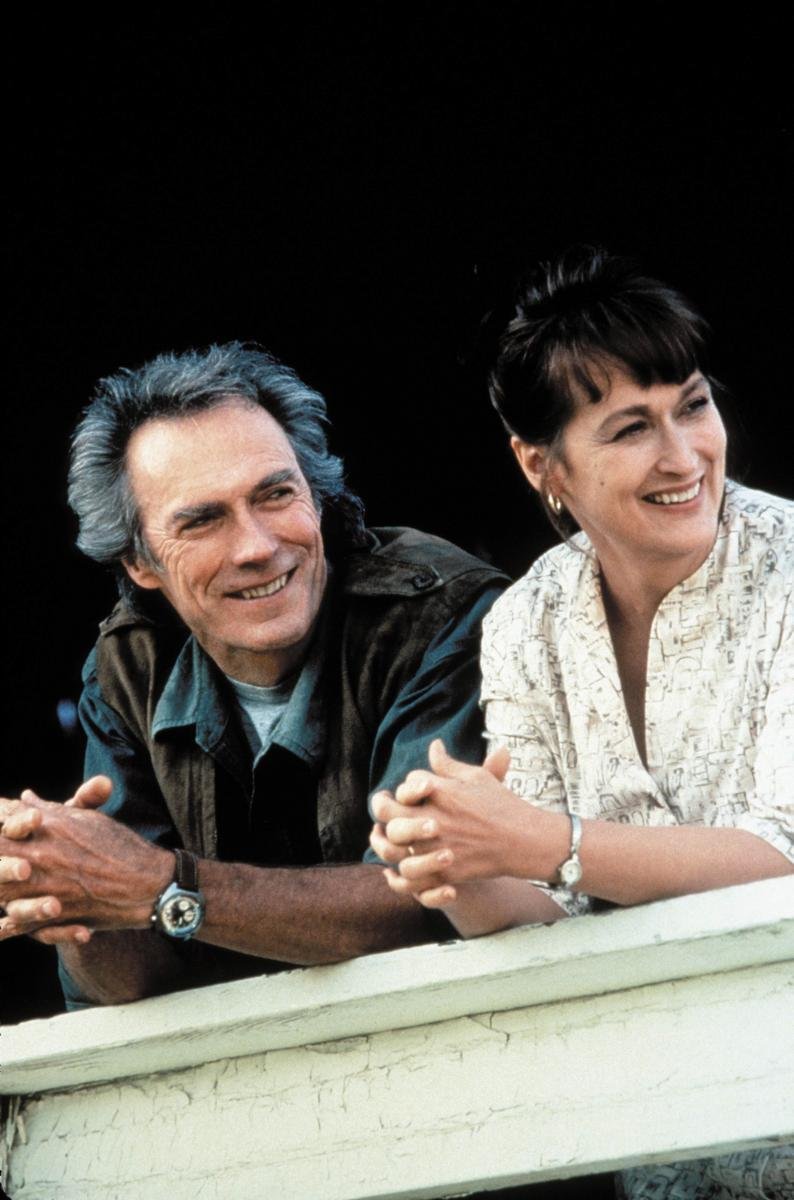
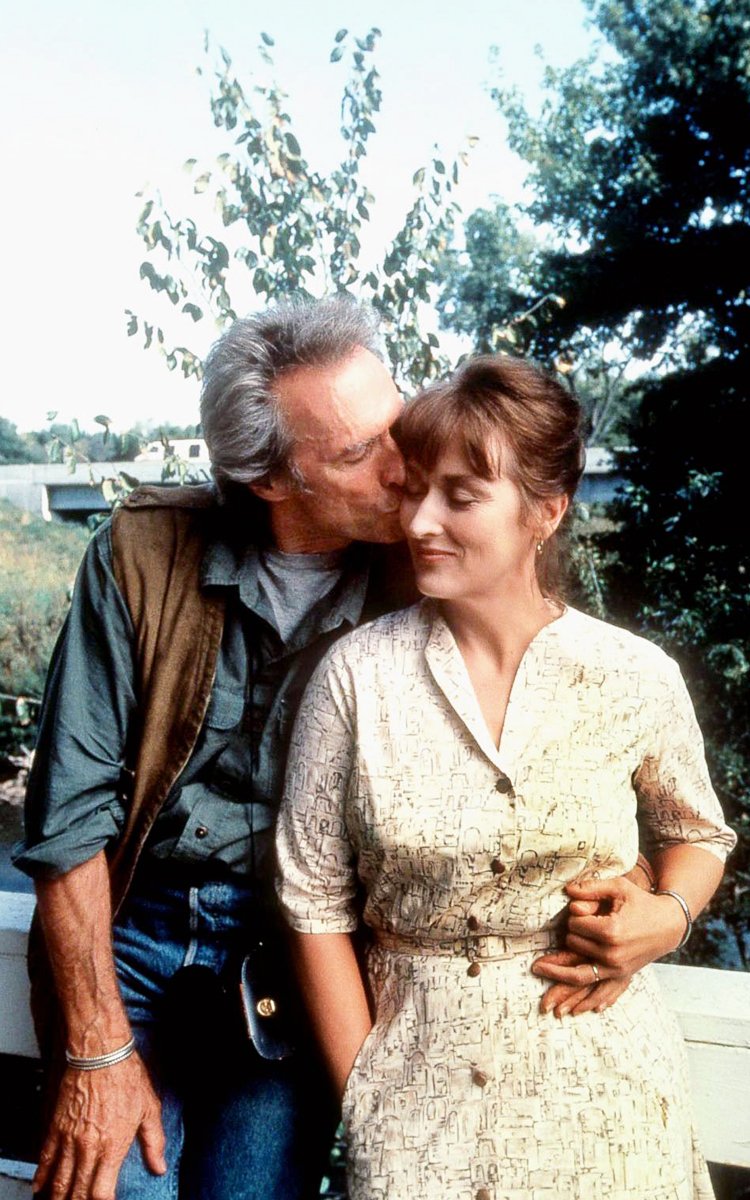
.jpg)