Australian director Andrew Dominik is best known for his second feature film, the 2007 Western biopic The Assassination of Jesse James by the Coward Robert Ford, a visually sumptuous meditation on celebrity and violence that earned critical acclaim. However, a compelling argument can be made that his finest work remains his feature debut, the 2000 Australian crime biopic Chopper, a raw, uncompromising portrait of criminal celebrity that established Dominik's distinctive voice while launching Eric Bana's international career. While both films explore the curious alchemy through which violent men transform into cultural icons, Chopper possesses a visceral immediacy and dark humour that arguably surpasses even his more polished later work.
There is certainly some thematic similarity between these two films, as both deal with criminals who, for various reasons, gained celebrity status. In Chopper's case, the subject is Mark "Chopper" Read (1954–2013), a convicted criminal who earned his fame by becoming the author of bestselling crime novels. Remarkably, Read began writing these books while serving prison sentences for numerous violent crimes, with the narratives loosely based on his own criminal exploits. This peculiar trajectory—from prison cell to bestseller list—provides the foundation for Dominik's unconventional biopic, which captures both the brutality and bizarre charm that made Read such a compelling figure in Australian criminal folklore.
Dominik wrote the script primarily based on Read's autobiographical books, particularly Chopper: From the Inside, which was "collected from letters he sent while incarcerated in Melbourne's Pentridge Prison and published in 1991. The film cleverly frames its narrative in the early 1990s when Chopper is enjoying literary fame behind prison walls, before flashing back to 1978 when he's serving time in Pentridge Prison. By this period, Read has become embroiled in a deadly conflict with fellow inmate Keithy George (David Field), culminating in a vicious stabbing that proves fatal. As George belonged to the powerful Painters and Dockers union, a $10,000 bounty is placed on Chopper's head. Rather than taking the preemptive strike he contemplates with his associate Jimmy Loughlan (Simon Lyndon), Chopper finds himself on the receiving end of a shiv from his supposed friend. When informed he'll return to general population to face his would-be assassins, Chopper makes the extraordinary decision to have his own ears cut off, a self-mutilation calculated to secure transfer to a psychiatric facility rather than face certain death in prison—a moment that epitomises his reckless, theatrical approach to survival.
Following his eventual release in 1986, Chopper's volatile nature manifests in disturbing ways, including physical abuse of his prostitute girlfriend Tanya (Kate Beahan) and renewed conflict with Neville Bartos (Vince Colosimo), a powerful cocaine dealer he'd previously shot. What makes Chopper such a fascinating character study is his capacity for sudden, inexplicable shifts—appearing to reconcile with former enemies one moment, then engaging in utterly pointless violence the next. Simultaneously, he works as a police informant while indulging in fantasies of becoming a state-sanctioned anti-crime vigilante. This chaotic existence escalates to the fateful encounter at Bojangles nightclub where Sammy the Turk (Serge Liistro) meets his end—a killing that, depending on which version of events one believes, was either a senseless act of violence or legitimate self-defence during a botched assassination attempt. Though acquitted of this specific murder, Chopper's continued criminal activity lands him back in prison for several years before he finally begins his literary career.
Chopper was generally well-received by critics. However, the film achieved even greater success at the Australian box office, grossing an impressive A$5.9 million domestically despite its violent content and R-rating This commercial triumph can likely be attributed to Australians' longstanding fascination with their most notorious criminals—a tendency where Australian culture can't help but make icons and heroes out of some of the most notorious criminals, much like the mythologising of historical figures such as Ned Kelly.
As a biopic in the strictest sense, Chopper leaves much to be desired. Dominik clearly wrote his film with an Australian audience already familiar with Read's legend in mind, resulting in a script that largely ignores Read's early life or bothers to explain the specific crimes that initially landed him in prison. Instead, the audience must connect the dots through Chopper's consistent portrayal as an extremely violent man, both within and outside prison walls, as he interacts with prostitutes, dealers, addicts, and police detective who reluctantly use him as an informant. The film was based on the heavily fictionalised stories from Read's books and independent research, leading to events portrayed on screen that somewhat contradicted Read's version, with one notable example being Read's claimed aversion to drugs in his early books versus the film's portrayal of him as a casual drug user.
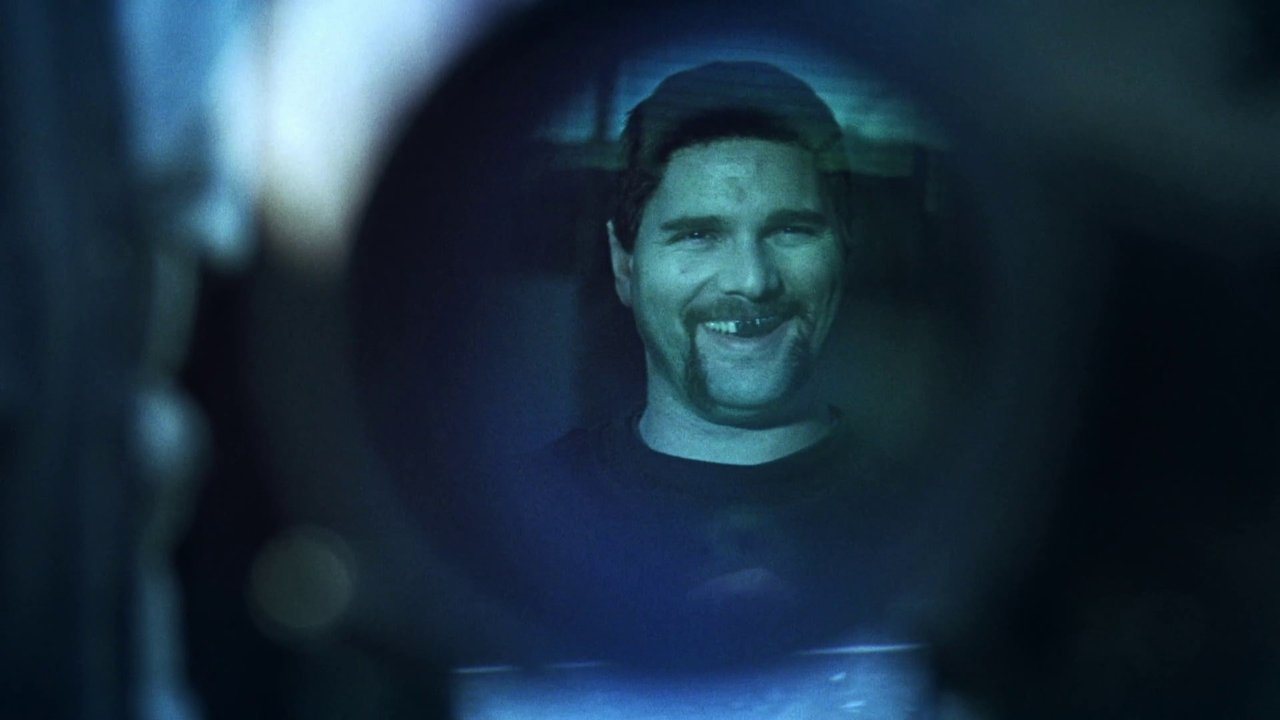
What elevates Chopper beyond mere exploitation is Eric Bana's extraordinary performance, which would become his breakout role. Remarkably, Read himself chose Bana for the part after being deeply impressed by his early work as television comedian in 1990s. Bana approached the role with remarkable dedication, spending time living with Read to study his mannerisms and meeting his criminal acquaintances. He also gained significant weight to authentically match Read's physical appearance. The result is a performance that captures Chopper's complex contradictions—a man who could be simultaneously charming and terrifying, delusional yet self-aware, remorseful yet unrepentant.
Another significant strength of Chopper is its relative brevity. While it necessarily leaves some details of Read's story unexplored, it mercifully exposes audiences to graphic violence in measured doses. Dominik's direction masterfully balances grim prison stabbings to absurd humour without losing its grip. The saturated colour palette and jagged editing perfectly reflect Chopper's chaotic psyche.
It's important to acknowledge that Chopper is neither a complete depiction of Read's life nor entirely factual. Dominik himself admits this with a disclaimer in the opening credits, acknowledging the film's partial fictionalisation. Read would later reappear in 2009 in an episode of the crime docudrama series Underbelly, portrayed by Renato Fabbretti, and again in 2018's two-part mini-series Underbelly Files: Chopper, starring Aaron Jeffrey.
RATING: 6/10 (++)
Blog in Croatian https://draxblog.com Blog in English https://draxreview.wordpress.com/ InLeo blog https://inleo.io/@drax.leo
InLeo: https://inleo.io/signup?referral=drax.leo Leodex: https://leodex.io/?ref=drax Hiveonboard: https://hiveonboard.com?ref=drax Rising Star game: https://www.risingstargame.com?referrer=drax 1Inch: https://1inch.exchange/#/r/0x83823d8CCB74F828148258BB4457642124b1328e
BTC donations: 1EWxiMiP6iiG9rger3NuUSd6HByaxQWafG ETH donations: 0xB305F144323b99e6f8b1d66f5D7DE78B498C32A7 BCH donations: qpvxw0jax79lhmvlgcldkzpqanf03r9cjv8y6gtmk9






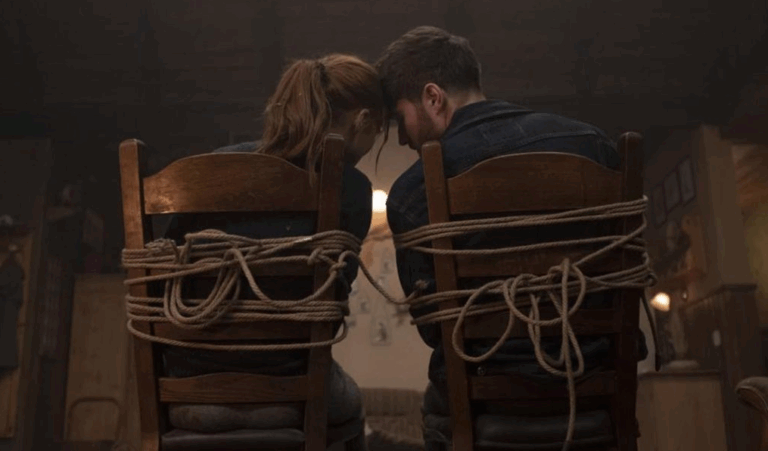

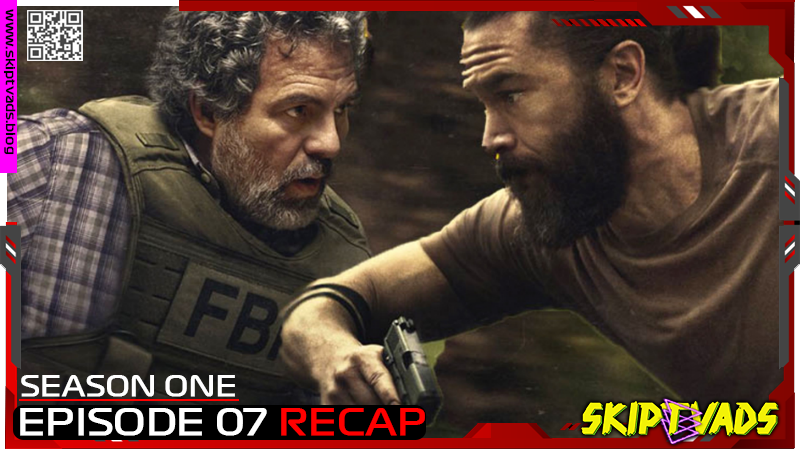

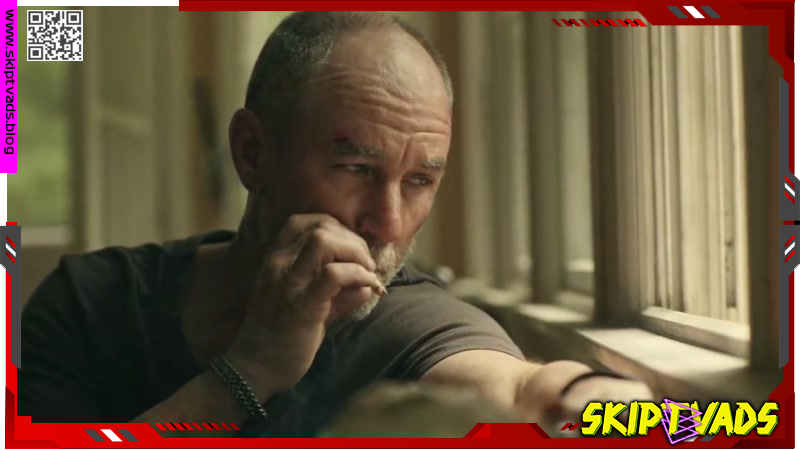
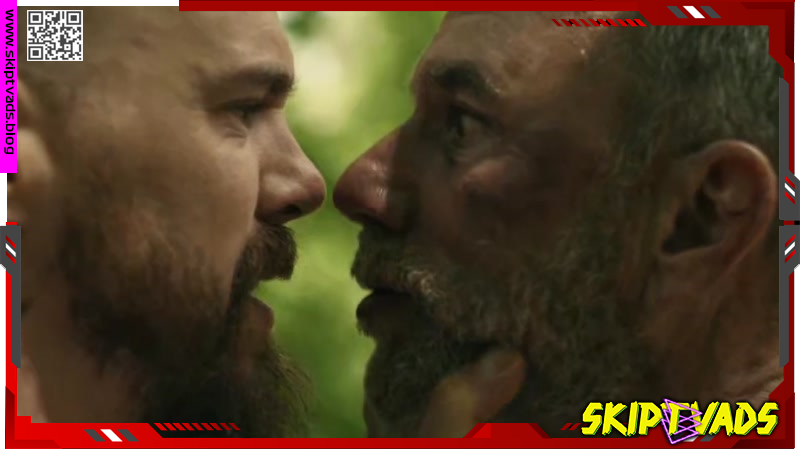
 Task Episode 7 drop like two weekends ago but for me this was such a good series that I didnt want to pass on and the ending did cut a few corners but over all felt very good. The action was there, Grasso got his redemption shot with Jason, Maeve finally gets to leave with the kids and THE MONEY, Tom forgives Ethan but something about it all felt a bit off. Like the show started so damn strong with all these threads connecting between the characters and by the end it felt like we were watching two diferent shows that never realy came together the way they should have. The first half of this episode was packed with enough chaos, watching Perry try to work up the nerve to kill Jason with that fish gutting knife but couldnt do it because he loves him like a son, even tho Jason is the reason they are in this mess to begin with. Vince telling Perry to take care of Jason or else, Mike and Vince planning to frame Grasso as some unstable cop who lost his mind, Arin's body floating up with Perry's wallet chain still in her hand which was so stupid on his part like come on man you been doing this long enough to know better. The whole thing with Grasso visiting his sister and finding out he went dirty just to pay for their moms care and get his sister a safe house away from her ex, that gives you a different perspective of him because you realize this guy wasnt some evil bastard from the start, he was trying to take care of family and got in too deep, couldn't sleep, couldn't eat and all that shit eating him alive from the inside.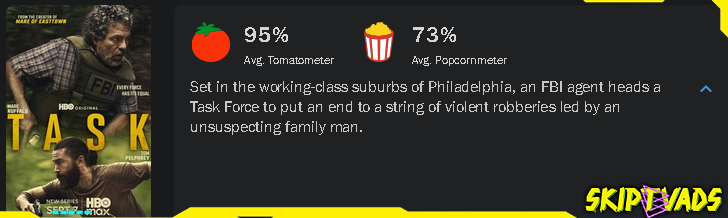


 [Source](https://tinyurl.com/5n986wff)
 [Source](https://tinyurl.com/5n986wff)
 [Source](https://tinyurl.com/5n986wff)
The Tom family stuff with Ethan and Emily also felt like it took over too much space in these last episode when honestly the most interesting parts of this show were always about Robbie, Perry, Jason and Maeve, this is the part that felt like to two different shows but I get they were trying to keep some mistery and surprise about Tom life choices like getting hammered almost every night. That was the heart of everything and we got pulled away from it to focus on Tom forgiving his son which yeah it was emotional and Mark Ruffalo absolutely killed it with that courtroom speech, talking about how Ethan was a sick child with voices in his head telling him to do things, how the medication helped for a while until the pandemic caused shortages and the voices came back angrier, how Ethan killed Toms wife Susan but there was also so much joy during the good times. Ruffalo delivered that monolog like it was actually happening, telling Ethan he forgives him, he loves him, when the day comes for him to be released Tom will be waiting to welcome him home, that such a great performance but still felt totally disconnected from the main action, but again I get it they wanted something emotional on the show and make Tom look like the hero he was for everyone.
[Source](https://tinyurl.com/5n986wff)
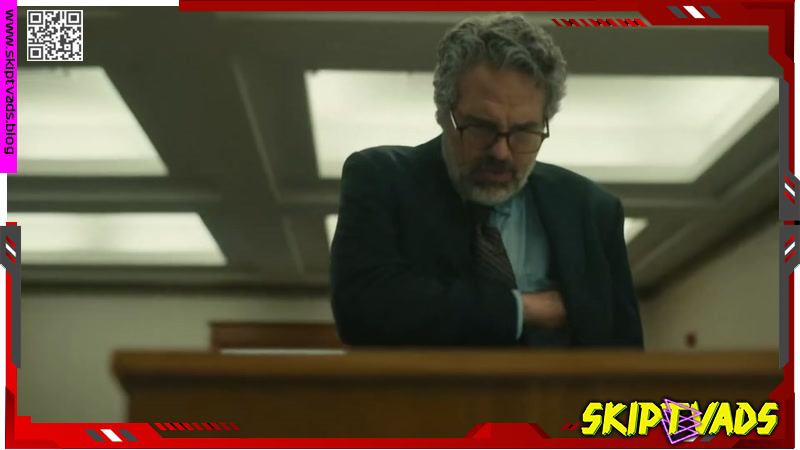
The Tom family stuff with Ethan and Emily also felt like it took over too much space in these last episode when honestly the most interesting parts of this show were always about Robbie, Perry, Jason and Maeve, this is the part that felt like to two different shows but I get they were trying to keep some mistery and surprise about Tom life choices like getting hammered almost every night. That was the heart of everything and we got pulled away from it to focus on Tom forgiving his son which yeah it was emotional and Mark Ruffalo absolutely killed it with that courtroom speech, talking about how Ethan was a sick child with voices in his head telling him to do things, how the medication helped for a while until the pandemic caused shortages and the voices came back angrier, how Ethan killed Toms wife Susan but there was also so much joy during the good times. Ruffalo delivered that monolog like it was actually happening, telling Ethan he forgives him, he loves him, when the day comes for him to be released Tom will be waiting to welcome him home, that such a great performance but still felt totally disconnected from the main action, but again I get it they wanted something emotional on the show and make Tom look like the hero he was for everyone.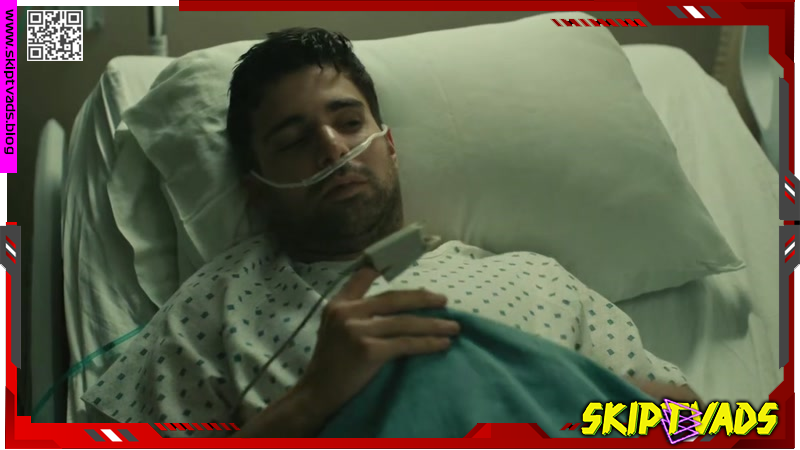 [Source](https://tinyurl.com/5n986wff)
 [Source](https://tinyurl.com/5n986wff)
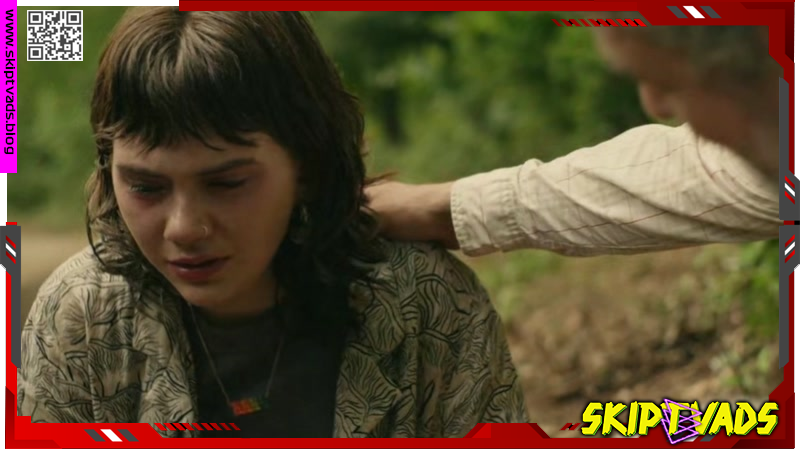
The way they wrapped up the dark hearts stuff also felt kinda rushed and convenient with Vince shooting Mike in the head instead of shooting Grasso first even tho Grasso had a gun in his hand and Mike didnt, like what kind of tactical decision is that when you are there to kill both of them anyway, it just seemed backwards to me and only happened because the plot needed Vince to die so Grasso could have his redemption. Jason stabbing Perry after finding out what he did to Arin, that whole scene by the river with Perry naked trying to wash himself and then getting gutted by the person he was trying to protect, it was tragic and well acted but we never got to hear Perry actually explain himself to Jason, we never got that conversation about why he did what he did or how he was protecting Jason from Vince this whole time, so it felt incomplete like we were missing a piece of the puzzle that would have made Perrys death more satisfying or at least more understandable from a character standpoint. Then Tom letting Maeve keep the money by zipping up that bag and walking away, telling Kath later that wisdom is knowing what to overlook, that was perfect because Maeve and those kids deserved a shot at a new life after everything they went thru, Robbie died trying to get them that money and Tom knew it would be wrong to take that away from them just to close a case that was already a mess. Seeing Maeve pack up the car with Harper and Wyatt, taking a picture of the house as a reminder of her dad and uncle before driving six hours away to start over somewhere new with a million dollars hidden in the trunk, that felt earned and hopeful in a show that spent most of its time being bleak and heavy.
[Source](https://tinyurl.com/5n986wff)
The way they wrapped up the dark hearts stuff also felt kinda rushed and convenient with Vince shooting Mike in the head instead of shooting Grasso first even tho Grasso had a gun in his hand and Mike didnt, like what kind of tactical decision is that when you are there to kill both of them anyway, it just seemed backwards to me and only happened because the plot needed Vince to die so Grasso could have his redemption. Jason stabbing Perry after finding out what he did to Arin, that whole scene by the river with Perry naked trying to wash himself and then getting gutted by the person he was trying to protect, it was tragic and well acted but we never got to hear Perry actually explain himself to Jason, we never got that conversation about why he did what he did or how he was protecting Jason from Vince this whole time, so it felt incomplete like we were missing a piece of the puzzle that would have made Perrys death more satisfying or at least more understandable from a character standpoint. Then Tom letting Maeve keep the money by zipping up that bag and walking away, telling Kath later that wisdom is knowing what to overlook, that was perfect because Maeve and those kids deserved a shot at a new life after everything they went thru, Robbie died trying to get them that money and Tom knew it would be wrong to take that away from them just to close a case that was already a mess. Seeing Maeve pack up the car with Harper and Wyatt, taking a picture of the house as a reminder of her dad and uncle before driving six hours away to start over somewhere new with a million dollars hidden in the trunk, that felt earned and hopeful in a show that spent most of its time being bleak and heavy. Still a very very solid show overall, popularity over RTT jump drastically in the last episodes although those are just numbers, I just wish it kept that same energy from the beginning all the way through instead of getting a little draggy for a few episodes. The performances were incredible across the board, Mark Ruffalo and Tom Pelfrey and Fabian Frankel as Grasso all brought some of the most solid performance single episode, the script was sharp and grounded in reality most of the time, the way it handled themes like guilt, forgiveness, family, the traps people get stuck in when they live in places with no opportunities, all of that landed really well and made you think about these characters as real people dealing with impossible choices. I would give it somewhere around an 8 out of 10 because when it was good it was really damn good, those first four episodes with Robbie and the task force investigating Billy's murder and the shootout in the woods, that was some good tv series I watched this year. If they do a season two with Tom and a new task force like they been talking about, I would definitely watch it because this show proved it knows how to build tension and create characters you actually care about, it just needs to stick the landing better next time and not lose sight of what made it special in the first place.