Longform reviews of films, TV, anime, books, and audiobooks, written by the scrobble.life community and published to the Hive blockchain, so each one is owned by its author and can earn rewards from readers. 60,618 reviews and counting.
It is a tale of a village, which hasn't seen rain in ages. It is a village where the women do not have any value other than being used for pleasure and domestic help. They cannot even wear clothes according to their choice, nor can they talk to their widowed friends. To educate a woman is hazardous in this village because, as per the belief of these men, once a woman gets educated beyond second grade, she becomes rebellious.
This is the tale of a young and beautiful city girl educated till the seventh grade marrying into this village and starting an underground revolution among the women there. This is what makes the story of this film special. And no—not yet; I have not said the idea behind this film yet because telling this would rob you of the experience of viewing this masterpiece.
This is not a South Indian film. This is a film in Gujarati. In fact, it is safe to say that I doubt whether 99% of people know about the existence of the Gujarati cinema industry. Yet they have given us a movie of such calibre that one cannot believe.
There has been news about Ajay Devgn planning to remake this movie. But after watching the movie, I think that some stories do not deserve to be remade. It is impossible for the magic created through storytelling, cinematography and the mesmerizing dance moves of women to the hypnotic beat of the traditional drum to be captured by Bollywood or even Hollywood.
This is pure cinematic experience, which would leave you with many questions and answers.
This film is in dedication to those women, who till date, have to bear the burden of these harsh customs and traditions.
This film is in dedication to those women, who are free to dance whenever they want to and wear whatever they want.
This film is for all the women. ❤️
I used Google translater (my native language is Urdu)
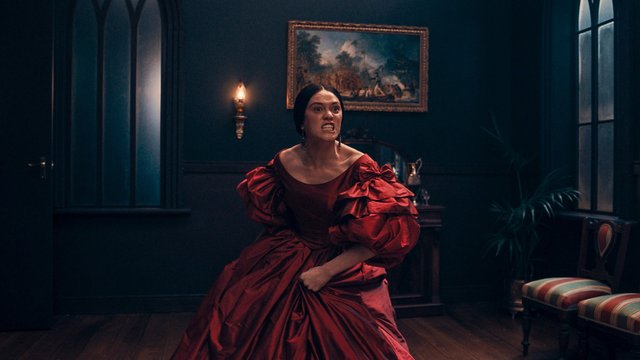
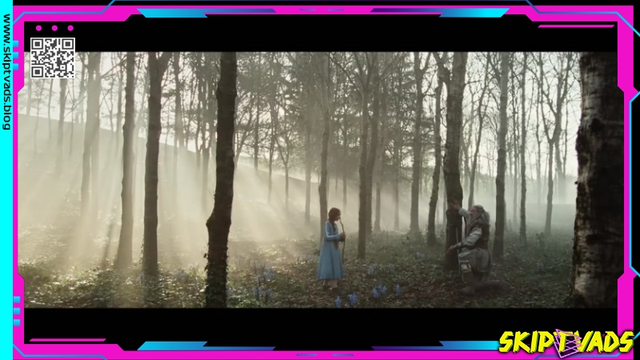
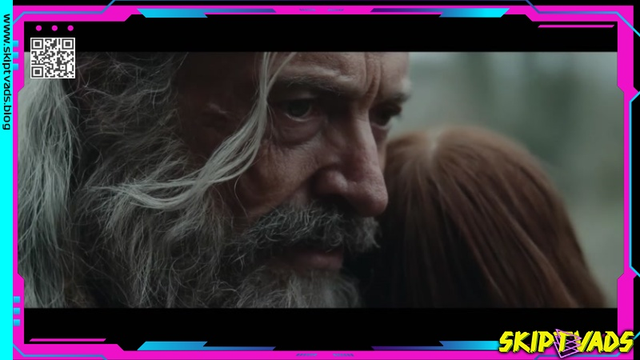
A Māori horror story that also takes the opportunity to address British colonialism in Aotearoa, what we all know as New Zealand. This is the first feature film by filmmaker Toa Stappard, whose father is English and mother Māori, which is why this story has an anti-colonial component in its narrative.
Mārama is a story written by Toa Stappard himself and is set in the Victorian era, specifically in the British region of North Yorkshire. It is there, in a solitary and even inhospitable landscape, that the protagonist of this story arrives to discover aspects of her past: who she is, who her parents were.
It is that British colonial past, where they controlled New Zealand for a long period and where there was much bloodshed. Something I have always said about the British Empire is that, wherever they arrived, they destroyed the existing cultures. Unlike the Spanish Empire, which of course also had its share of fighting and bloodshed, the Spanish Empire endured and integrated. He spread his religion and built. In contrast, the British Empire truly imploded, and it was they who supported many independence struggles in Latin America to weaken and destroy a decadent Spanish Empire. But that's another story.
The film may not be perfect, but it's impossible not to be captivated by its visuals. It has been categorized as gothic horror, and its imagery is powerful enough to keep us engaged in the unfolding plot, even though many of the plot twists are predictable. From the beginning, I had a feeling about the origins of Mārama. I've said before that I'm forgiving of my cousins.
The lead actress is named Ariana Osborne, and the entire weight of the story rests on her shoulders. I thought she gave an extraordinary performance. I believe it's her most important film to date. I looked for information about her on film websites, and only on IMDb did I find her previous work, mainly for New Zealand television. I see a lot of potential in this actress; I hope it catches the attention of major production companies that will offer it better opportunities.
The film doesn't shy away from showing scenes that some might find gory and disturbing. The director and cinematographer do an excellent job creating a haunting atmosphere. One of my favorite scenes takes place in a grand hall; it's a party with performances by several characters, and the lead actress also has her moment in the spotlight. I think it's the scene that impacted me the most, because of its meaning, because of its message.
Mārama doesn't revolutionize the genre, nor is it a masterpiece as the trailer suggests, but it's a debut film that's worth watching. I don't know where it's available in your country; I suggest you look for it on your streaming platforms and, if you find it, let me know what you think.
Una historia de terror maorí que también aprovecha la oportunidad para abordar el colonialismo británico en Aotearoa, lo que todos conocemos como Nueva Zelanda. Este es el primer largometraje del cineasta Toa Stappard, cuyo padre es inglés y su madre maorí, razón por la cual esta historia tiene un componente anticolonial en su narrativa.
Mārama es una historia escrita por el propio Toa Stappard y está ambientada en la época victoriana, específicamente en la zona británica de North Yorkshire. Es allí, en un paisaje solitario e incluso inhóspito, donde la protagonista de esta historia llega para descubrir aspectos de su pasado: quién es, quiénes fueron sus padres.
Es ese pasado colonial británico, donde controlaron Nueva Zelanda durante un largo período y donde hubo mucho derramamiento de sangre. Algo que siempre he dicho sobre el Imperio Británico es que, dondequiera que llegaban, destruían las culturas existentes en esos lugares. A diferencia del Imperio Español, que por supuesto también tuvo su cuota de luchas y derramamiento de sangre, el Imperio Español se mantuvo e integró. Difundió su religión y construyó. En contraste, el Imperio Británico realmente estalló, y fueron ellos quienes apoyaron muchas luchas de independencia en Latinoamérica para debilitar y destruir un decadente Imperio Español. Pero esa es otra historia.
Puede que la película no sea perfecta, pero es imposible no dejarse seducir por sus imágenes. Ha sido catalogada como terror gótico, y su imaginería es lo suficientemente poderosa como para mantenernos atentos al desarrollo del guion, aunque muchos de los desenlaces sean predecibles. Desde el principio, intuí cuál sería el origen de Mārama. Ya he dicho antes que soy indulgente con mis primos.
La actriz principal se llama Ariana Osborne, y todo el peso de la historia recae sobre sus hombros. Me pareció que hizo una actuación extraordinaria. Creo que es su película más importante hasta la fecha. Busqué información sobre ella en sitios web de cine, y solo en IMDb encontré sus trabajos anteriores, principalmente para la televisión neozelandesa. Veo mucho potencial en esta actriz; espero que logre llamar la atención de grandes productoras que le brinden mejores oportunidades.
La película no rehúye mostrar escenas que algunos podrían encontrar sangrientas e inquietantes. El director y el director de fotografía hacen un excelente trabajo creando una atmósfera sobrecogedora. Una de mis escenas favoritas transcurre en un gran salón; es una fiesta con actuaciones de varios personajes, y la actriz principal también tiene su momento de gloria. Creo que es la escena que más me impactó, por su significado, por su mensaje.
Mārama no revoluciona el género, ni es una obra maestra como la promocionan en el tráiler, pero es una ópera prima que merece la pena ver. No sé dónde está disponible en tu país; te sugiero que la busques en tus plataformas de streaming y, si la encuentras, cuéntame qué te parece.
Let me start with a confession. I'm a huge fan of Agatha Christie's novels and the adaptations of her novels. Based on this confession most likely it's not a surprise that I've seen all the adaptations and know all the stories. My favorite is the Poirot series, with David Suchet and I don't think anyone could beat that. For me, Poirot will always mean David Suchet
However David Suchet is not the only one playing Poirot. Kenneth Branagh is the other actor playing Poirot, I've seen him in Murder on the Orient Express and even though he's never going to beat David Suchet, the movie was good, I liked it.
Yesterday I watched Death On The Nile, which was a surprise as I had no idea of this new version of Death On The Nile, so when I saw it last night on Netflix, knew right away I had to watch it, and I did.
Knowing what to expect is not an advantage, if you want to enjoy the movie and even though I recently stated, that an adaptation can deviate from the original story to some extent, which is Agatha Christie's novel in this case, but what we got here is more than just some deviations, but let's take it step by step.
Belgian sleuth Hercule Poirot's vacation aboard a glamorous river steamer turns into a terrifying search for a murderer when a picture-perfect couple's idyllic honeymoon is tragically cut short. Set against an epic landscape of sweeping Egyptian desert vistas and the majestic Giza pyramids, this tale of unbridled passion and incapacitating jealousy features a cosmopolitan group of impeccably dressed travelers, and enough wicked twists and turns to leave audiences guessing until the final, shocking denouement.
The beginning was a bit confusing as it's a war scene, featuring Poirot back in the 1st World War and there were details that did not match the image we have about him, created by David Soushet, but more about that later.
To be fair, they made sure to charm the viewers with the luxury, but the style we get here is a mix of those times and modern times. This was a bit frustrating for me. I'm not against mixing old times with modern, have seen it before, but when a story was written between 1936 and 1937, you'd expect some boundaries in this regard.
One of the bravest change in this regard and most shocking as well was seeing an electric guitar. I asked AI when the electric guitar was invented and I learnt that it was in 1931, however, mass production started in the 50's. I've seen plenty of movies and series from those times, I mean before the 2nd World War, but have never seen an electric guitar in any of them. It was a bit too much for me.
The cast was great by the way. Seeing Armie Hammer among the actors was a nice surprise, I must admit. I'm a huge fan of the actor, but haven't seen him in ages. I guess the last movie with him was The Man from U.N.C.L.E., which was more than ten years ago and I loved it.
However, not even the cast could could repair or compensate what the writers did. Changing the characters, key details is a huge no for me and this is where I say stop to deviations. There are details you can change and there are some, that are sacred, but obviously the writers thought otherwise.
What was shocking here was that you see a totally different Poirot in this movie. It's not just the look of the actor, the character was changed as well. David Suchet's Poirot is well known for his pedantry, elegance, adherence to etiquette and most of all, his reliance on his famous "little grey cells", yet here you see Poirot running and losing control at times.
I'm not going to lie, I am disappointed and don't understand the logic behind it, why was all this necessary. The original series was a huge success, so I understand the pressure such a movie brings, as you need to create something better, if you want to succeed, but this is not the way.
I'm still going to give it 60/100, because the scenes, venues were marvelous, the music was really good, the acting and the cast as well, but some things I can't forgive.
Would I watch the other parts of this series? Of course I would and I will, but that doesn't mean I can accept everything the writers thought would make the movie beat the David Suchet version. Not in this lifetime.
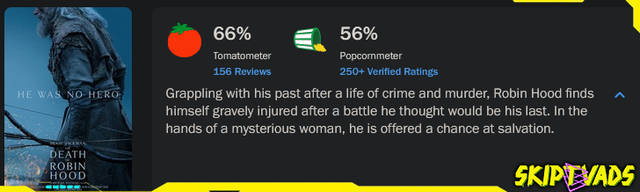
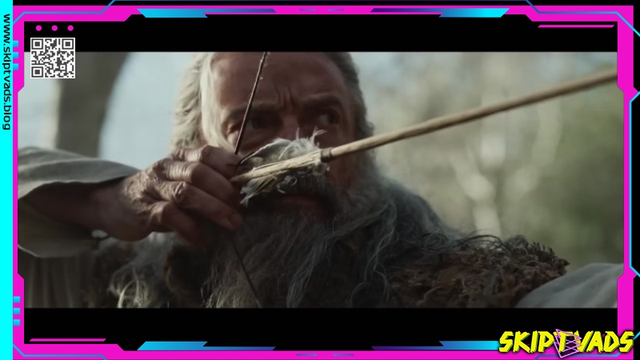
The Death of Robin Hood has a good idea along with Hugh Jackman buried in it somewhere, but two hours of slow serious drama is a lot to carry and the movie just does not have enough meat on that idea to pull it off, it was interesting showing a different perspective from a character that everyone imagines young and heoric, but that also the movie turn upside down. This Robin is old, tired, angry and already knows the famous stories about him are lies. A hungry traveler calls Robin Hood a good man, so he tells her the ugly truth, a robber and a killer, then kills her when she comes at him, a smart way to open things since it kills off any signs of him as a hidden hero, plus a village massacre he later joins with Little John even knowing it could be his last fight, is why the movie proves he is awful from the very start before you start to get any reason to care what happens to him. Hugh Jackman really sells the physical weight on Robin, you can tell someone hurt this guy or something if not life itself, he is been through hell and back, specially once he gets badly hurt and is clearly pissed that Little John saved him, but after a while the anger and the rough voice and that worn out stare stop feeling like Robin Hood and start feeling like Jackman just doing Wolverine again, you put both characters side by side and they so similar so are we just watching Logan laying on a bed without claws and a costume? cosplaying a bizzare version of Robin Hood?. I kept waiting for the script to give Robin more than just another old killer who wants to die already, and the performance keeps him watchable because after all is Hugh Jackman, not my favorite actor but got to say he is a hell of an actor, but the character is still hard to sell, at least this is how I see it when the movie shows you everything he has done without really getting into why he turned into this guy or why he might actually change now.
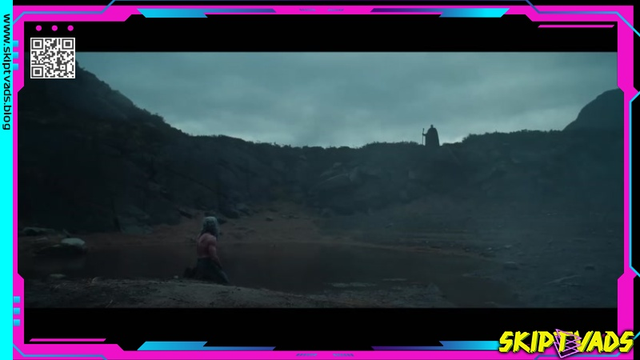
I get why they slow things down once Robin reaches the island, but this is also where the movie starts feeling empty for the most part, it feels stuck and draggy, making it boring and you start wondering if anything significant is going to happen. Sister Brigid treats him while he goes by the name Randolph, Little Margaret shows up after her father dies, and Robin slowly becomes part of this small community, a guy who solved every problem through killing for years now surrounded by people who feed him, heal him and expect nothing back, its just like the perfect place to bounce back and really find some meaning in life, probably even making him think twice about how wrong he was. He starts growing this protective feeling and care for Margaret that matters more than another speech about regret, there is plenty regretting time trust me, he makes her a bow, teaches the kids practical skills and protects her when Godwyn comes looking for revenge, choices that show he can do something decent without pretending his past disappeared. This change of heart and mindset is just too predictable and made me felt that the script never does anything significatn enough to actually feel like the movie earns that change of thought, the second half has this long pauses, quiet moments, nature shots that even though the scenery is great you expecting more of something else, there is lot of talk about guilt and faith and peace and death that goes around in circles instead of moving forward or somewhere, anyewhere but there, something new, and the countryside looks great but that mood alone cannot do the job character work is supposed to do. Jackman does a lot just with his body language and silence, you can see Robin being uncomfortable around kindness, but the writing keeps leaving him stuck in that same spot, tired, waiting to be punished, not believing he deserves a future. I got that about him early on, so watching the movie keep repeating it at this slow pace made a bunch of scenes feel longer than they needed to be.
Jodie Comer comes in and gives the movie a sense of perfect balance because Sister Brigid has strength without copying the anger everyone else carries since Robin character carries that anger everytime he is on screen. She believes in healing, faith and the life she has built, but she is never describe or behaves as some simple saint who comes into the story only to forgive Robin, and her talks about language, order and chaos get heavy and draggy at times, but Comer sells them like thoughts this woman has actually lived through. She also gives the quieter scenes real warmth, which matters since the movie spends so much time in silence and Im glad the connection between Brigid and Robin never turns into a full blown romance because that would also be so predictable to make things worst, but their relationship works better as two damaged adults who still hide part of themselves, reminds me of Shogun secret heart. The leper is another strong piece here, Robin gets close to the guy without realizing he once cut the ear off that man and left him alive, and when the leper finally reveals who he is and calls this the other life Robin once talked about, that moment ment a lot because the forgiveness comes from someone Robin hurt directly and it gives Robin a real reason to stay quiet about who he is, since this leper knows Robin destroyed the family Brigid used to have, the more you watch the movie it gives you that sense of what a monster he was. These are some of the best scenes in the movie but they also point at the bigger problem, the supporting characters carry these ideas way than Robin does, I get its meant to be but feels like none really affect Robin, you really need to get into the drama to feel it, so for the average viewer its just wortless because everything feels hidden behind something else, so his move toward honesty ends up feeling like something their kindness did for him instead of a change the movie actually built from inside him, sorry if I got too dramatic.
The idea about stories and fake heroes is a good one, but the movie just keeps hammering on it without having great impact to the story and feels like a joke that has lost its effect and people just keep repeating it because it was once great. Robin flat out admits he robbed people for himself and killed because he wanted to, while everyone else keeps repeating the nicer version about taking from the rich and giving to the poor, and Little John built his whole life on a lie too, killing a man named Edward and taking over his identity, raising Margaret and Little Margaret like they were always his own family. That idea had so much impact the moment Godwyn shows up at the priory planning to punish Little Margaret for what her father did, Robin could easily kill him and keep the same cycle going, but instead sends him away and tells him to stop, one of the only times he actually rejects the person he used to be, but again this change of mind feels force. He does not earn forgiveness through a big speech or a heroic fight, he just refuses to create another dead kid and another family looking for revenge later. My problem is some surrounding details are harder to follow than they should be, stuff about the stolen identity and how much his wife Margaret actually knew never gets fully clear and we dont get much context about or I would say enough context, its a trust me bro situation. Uncertainty works when Robin can no longer separate truth from lies, because that confusion reflects his damaged state of mind and makes us question how much of his past he and we can trust. But the relationships around him still need to have a clear foundation, and this way we should understand who these people are to him, what history they share and why they feel loyalty, anger, fear, or any kind affection toward him. This is what makes me felt lost because the writing did not explain those connections well enough, not because the movie was deliberately hiding something interesting, it just didnt period.
The ending works better for me than most of that slow middle section because Robin finally starts making choices instead of waiting around to die. He tells Sister Brigid he caused the fire that killed her husband and her kids, even after the leper asked him to protect her from ever finding out and I get why he confesses, but part of me thinks he is also dumping another burden on her because he wants relief before he dies. Her response is not simple forgiveness. She confronts him about the fire that killed her husband and both of her children years ago, and for a moment it feels like she may refuse to save him, thats what anyone watching the movie would expect. During all this going on he is hurt badly and bleeding to the point this might be his last moments, so Robin asks Bridget to let him die rather than close the wound. She then admits that the grief he caused pushed her toward the healing life she leads now, and this is something that happens a lot, people get stronger to the point the appreciate way more those hard moments, though she never claims that this excuses what he did. Robin asks her to let him go and Brigid does not close the wound, a quiet death that fits the movie better than a final fight, even if I am not totally sure he earned that peaceful exit. His last moment with Little Margaret works well too, he gives her a kinder version of her father, tells her Little John loved her and helps her shoot the bow he made, the arrow going without holding on matching what Robin is finally doing with his own life. Through all this its clear the movie touches and shoots for themes of redemption, faith, love and legends more than it deals with any of it, but its the cast, countryside and music give it real quality and thats something cant be denied, and while I respect that it refuses to make Robin the hero everybody expects, I wish the writing gave his change more actual life instead of so much waiting around. There is a really good movie somewhere inside this one but you got to really get into the drama side and thats too much asking and too complex for a character we are use to watch in a single flat direction that is Robbin Hood, the guy who steal from the rich to give out to the poor, this movie is one of those radical concepts that sound cool but the execution is the problem.
A while ago, while browsing my Facebook profile, I saw a lot of ads for this series. Everything they showed looked interesting, featuring well-known celebrities and boasting a beautiful and elegant aesthetic. Because of this, and because it seemed so different and innovative, I decided to get a Disney+ membership for a couple of months and give the series a try.
Hace tiempo, mientras revisaba mi perfil por la aplicación de Facebook, me aparecieron muchas publicidades sobre esta serie, puesto que se veían interesantes todas las cosas que mostraban, con celebridades muy conocidas y con una estética sumamente hermosa y elegante. Por esto y por lo diferente e innovador que me pareció, decidí obtener la membresía para un par de meses de Disney+ y darle la oportunidad a esta serie.
Well, this series created by Ryan Murphy tells the story of a group of lawyers, friends and rivals, starring Kim Kardashian, Naomi Watts, Niecy Nash, Teyana Taylor, Sarah Paulson, and Glenn Close. It begins with them working for a male-dominated law firm, and through their daily struggles, they decide to form their own firm dedicated to helping and protecting women's rights and interests at all costs.
Bueno, esta serie creada por "Ryan Murphy" cuenta la vida de un grupo de abogadas, amigas y rivales, protagonizada por: Kim Kardashian, Naomi Watts, Niecy Nash, Teyana Taylor, Sarah Paulson y Glenn Close. En esta vemos cómo al inicio trabajan para una firma de abogados dominada por hombres, y con todo lo que viven aquí a diario, deciden formar y crear una firma en donde están destinadas a ayudar y proteger a toda costa los derechos de las mujeres y sus intereses.
I, of course, quickly became hooked on the series, and for several nights in a row I would watch a couple of episodes. I can't deny that each episode and each case they handle throughout the series is very interesting. They take the legal field to another level, and to protect their reputations with their clients, they'll do anything, even illegal things, to resolve and expedite everything with caution and speed, which adds a touch of comedy and mostly softens the situation.
Yo, obviamente, me apegué a la serie rápidamente, y por varias noches seguidas veía un par de capítulos. Pues no debo negar que cada episodio y cada caso que estas llevan a lo largo de la serie son muy interesantes. Estas llevan el tema del derecho a otros niveles y, por cuidar sus imágenes con sus clientes, estas hacen hasta lo imposible, incluso lo ilícito, por resolver y agilizar todo con cautela y rapidez, algo que le da un toque de comedia y suaviza la situación mayormente.
I should mention that in certain situations, there seems to be a kind of "inclusion" that sometimes feels forced, but later you realize that it's absolutely necessary for the series' development. After all, feminism is undeniably one of the series' strengths.
Debo mencionar que en ciertas situaciones aquí pareciera como si hubiese una especie de "inclusión" que se siente a veces forzada, pero después se llega a la conclusión de que esto es altamente necesario para el desarrollo de la serie. Pues, el feminismo es indiscutiblemente uno de los fuertes de la serie.
And the fact is that most of the cases here involve how their clients confront sexism and the oppression of women by men, who, out of fear and silence, decide to take a step that not many of us take: confronting those who oppress us through legal means.
Y es que aquí la mayoría de los casos van sobre cómo sus clientas se enfrentan contra el machismo y la opresión de los hombres sobre algunas mujeres, que por miedo y silencio deciden dar un paso que no muchas tomamos, que es el enfrentar a quienes nos oprimen por las vías legales.
On another note, the performances deserve special mention, as, like I said before, we see a great cast of celebrities we all know. Personally, my favorite was Sarah Paulson, because we see her in a "villain" role, something I hadn't seen from her before. She plays a selfish, annoying, and arrogant character, which makes you love her as much as you hate her.
En otros temas, hay que destacar las actuaciones de esta, ya que, como dije antes, aquí vemos una buena lista de celebridades que todos conocemos. En lo personal, mi favorita fue Sarah Paulson, por el hecho de que aquí la vemos con un papel de "villana", algo que no había visto de esta con un personaje egoísta, pesado y creído, lo que hace que la ames por lo mucho que la odias.
I must also say that Judith Light's appearance fascinated me because I had recently finished watching Ugly Betty, and she's one of my favorites. She stars in a case where she's basically the unfaithful one and becomes quite the awkward client, but one that reveals a different side of reality.
También debo decir que la aparición de Judith Light me fascinó porque recientemente había terminado de ver Ugly Betty, y es de mis favoritas allí. Esta protagoniza un caso en donde básicamente ella es la infiel y donde se vuelve básicamente una cliente incómoda, pero que muestra otra realidad.
While this series isn't perfect, it's genuinely entertaining and has a somewhat interesting script. From the team behind AHS and Glee, this series is worth giving a chance. Originally from Hulu, it's now available on Disney+ with an active subscription.
Si bien esta serie no es perfecta, realmente es entretenida y con un guion un poco interesante; de la mano del equipo de AHS y Glee, esta serie es una historia a la que le puedes dar la oportunidad. Original de Hulu, esta serie está en Disney+ y con una membresía activa puedes disfrutarla.
Considera unirte a nuestro trail de curación en HIVEVOTE haciendo clic en la imagen inferior, Les agradecemos todo el apoyo.
A todos los artistas ahí afuera en HIVE, si alguna vez se sienten solos y perdidos, únanse al canal de Discord de Bokura No Digital World
It's a pleasure to be here again to share a review of my most recent cinematic experience. I confess I had never heard of this film before. However, today, while at the school where I teach physical education, I was talking with my colleagues about the recent double earthquake in Venezuela, an event that has left us all shocked and horrified. In the middle of our discussion, a colleague mentioned that many years ago she had seen a film that addresses, with great insight, the emotional and psychological impact on the survivors and those who have lost loved ones.
Currently in Venezuela, we are experiencing this tragedy firsthand. We are overcome with profound sorrow because we all have friends, family, or acquaintances who are suffering the ravages of this double earthquake right now. No one is untouched; in one way or another, it affects us all. From my perspective, I try to process so much disaster, pain, and anguish, but I find it impossible to decipher how I would react to such a devastating situation.
I have seen many interviews where survivors recount events that seem impossible to overcome. Immediately, the human mind tries to find answers, and to explain the inexplicable, we often comfort ourselves by saying, "You survived because you have a purpose in this life." It's a phrase I hear repeated often, even by the survivors themselves. Faced with this, I can't help but wonder: the thousands of children, mothers, fathers, and grandparents who lost their lives in the most atrocious way—didn't they have a purpose?
In search of some answer that would alleviate the anguish I've carried since the double earthquake, I decided to follow my colleague's suggestion and watch:
The film shows us how a group of survivors confronts trauma from completely opposite perspectives. It all begins with a terrible plane crash from which Max Klein (Jeff Bridges), inexplicably, manages to escape alive and, moreover, save others. From the beginning, we see a strangely calm, kind, and smiling man, without a hint of fear or shock; he simply leaves the scene and continues on his way as if nothing had happened.
However, those around him immediately notice his change and his isolation. For Max, the everyday worries of life seem to have lost all meaning, and this apparent indifference begins to deeply hurt his loved ones. Little by little, the plot reveals that Max is not indifferent; he simply doesn't know how to process the fact that he survived a catastrophe where so many died. His defense mechanism to avoid the pain is, ironically, emotional numbness and withdrawal into himself.
At the opposite extreme, we find Carla Rodrigo (Rosie Perez). Unlike Max, she is consumed by survivor's guilt after losing her son in the accident. Carla punishes herself with the idea that she should have saved him, feels she doesn't deserve to be alive, and is incapable of processing such grief. It wasn't until Max, through an action that at first seemed absurd to me, physically demonstrated to her that there was nothing she could have done to prevent it.
In the end, both characters confront their painful reality. Despite Max's emotional numbness and Carla's paralyzing guilt, they manage to heal through acceptance and mutual recognition. They understand that the tragedy occurred and that their survival was a matter of pure probability. It is in that moment of vulnerability that they understand that only by acknowledging the fragility of life can they release the pain, heal, and ultimately move forward.
I used Google Translate (my native language is Spanish)
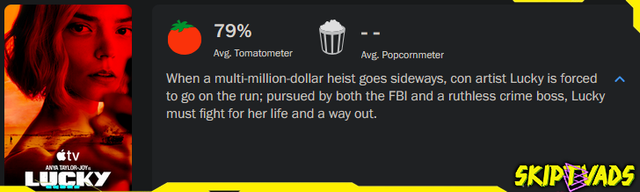
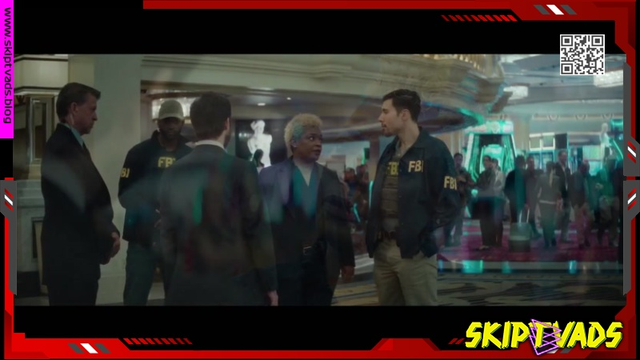
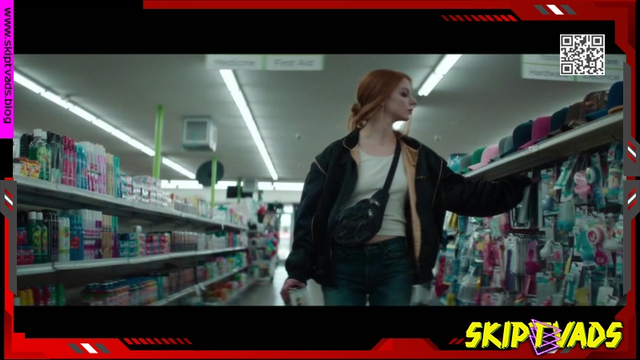
The other day saw the first two episodes of Lucky, a mini series that is ok for the most part, nothing really extraordinary, also have to consider this is first time Anya Taylor is the main character and also produce the series, she is a great actress and Lucky turn out really good. For the most part it just works in these first two episodes because it makes her look capable, dangerous and scared all at once, but the show already leans on lucky timing more than it should to keep her free, thats the entire thing about it, like when is she going to run out of luck but is it really luck or that she is just that capable?. The opening betrayal scene gives you a real reason to care about her, even though her actual part in taking the casino money was moving cash somebody else had already stolen, not stealing it herself, make things way more dangerous. She wakes up hungover from champagne on the terrace with her husband, no sign of him or the money, and finds out the FBI has the casino surrounded, with no time to figure out if he planned to ditch her from the start or if something happened after he left. Anya Taylor Joy sells the scene so good and even when the first impression is that she has been betrayl and used, she just start moving and reacting so she doenst look hopeless, she looks hurt but she is already working the problem within minutes, reading the room fast. My issue is the casino escape hands her almost everything she needs, restricted areas open up and a driver is right there willing to help just before the FBI reaches the loading area, I know I know this is just TV so that kind of things going to happen, I guess thats the never ending trick of the series. Her ability to lie under pressure makes it easier to buy but the show cannot keep putting a random stranger or a slow agent in exactly the right spot every time. She should make it out because she is better at this than the people chasing her and episode one shows enough skill to support that, but it still leans on a lot of luck too.
The best part of Lucky as a character is that her talent shows up in her choices instead of turning her into someone who can do literally anything, its not like she is reading a manual, she is reacting to problems and situation, going one solution after another, a train of thoughts. Her father John taught her to stay calm, read people and take over a conversation, which is why she can flip between scared and lying so fast. She invents a story about an abusive boyfriend to get the truck driver to help her but jokes on her because the truck driver end up saying he knows she aint runnig from a boyfriend, I wont say he is sleaker but had a better idea of what was going on, she did trick him at first though. Then changes her hair and gets on a bus while the cops search every station around her and those choices show real preparation. The show still pushes the hair change too far though, her face is everywhere on the news and the FBI is checking travel routes, so a different color helping some makes sense, but it should not solve the problem this easily. Lucky never acts proud of herself, for the most part she always look like the victim and never the hunter, every small win just gets her to the next threat and Anya Taylor is good at showing the calculation going on behind all the panic, like she can look about to fall apart while already deciding which lie will work best. I also liked that the truck driver sees through her lie and helps her anyway, proof that not everyone around Lucky is stupid and I want more of that instead of people becoming useful just because the plot needs her to have help.
There is constant action even when Lucky is just lieying to people, so its fun to watch because it never stops, but then the same question comes back, when is she is going to run out of luck?, there is this scene where two big dudes got her on the back of the trunk of their car and she manages to get out and kill them both, I was like who is this girl? thats some serious James Bond type of break out shit. The fight stays believable because it does not make her look stronger than him, he overpowers her until she finds one opening, but the lighter, the flare and the crash all lining up is a lot for one scene, and that is where luck starts feeling like an excuse instead of a real idea behind the show. Episode two handles things better in my opinion, because there is an actual cost attached, people start to get shot and they make a movie on her dad that is in prison, so it starts to look that she got some to loose. After the crash she had to walk the desert and stop at a house where she saves two girls from a rattlesnake, then uses their dead mother to sell her fake abusive husband story to Sylvia the girl's grandmother, which shows how fast she can spot a weak spot and how cold she gets once survival kicks in. I felt bad for Sylvia, she gives Lucky food and shelter only to learn she brought a fugitive next to her grand daughters and Lucky still takes her truck and money on the way out. Everywhere Lucky goes its a desaster and the show makes it very clear, Lucky is a menace and should not turn into some harmless victim just because her husband screwed her over, things get more and more interesting as how far she is willing to lie and go just to get what she wants, nobody is safe from her.
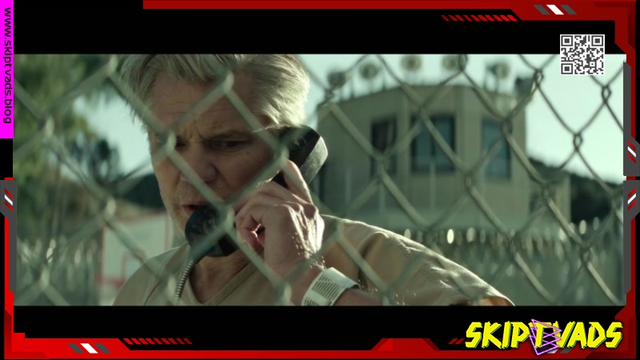
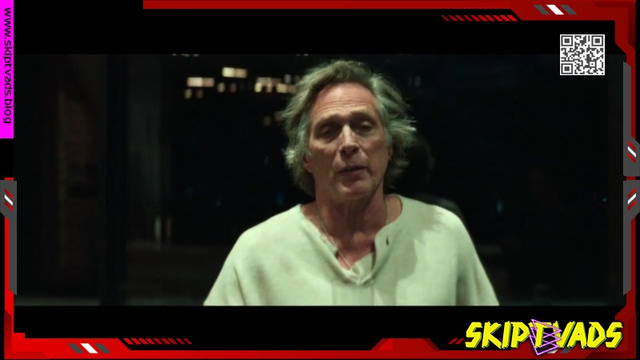
The mystery around everyone chasing Lucky is what gives these two episodes most of their value outside the escapes themselves. John, Priscilla, Agent Rand, Dutch, Whittaker and her missing husband all want something different and none of them feels fully trustworthy. John is calm about all of it from prison and keeps reminding Lucky that he trained her for exactly this, but that calm also makes me suspicious, since the cash he skimmed belonged to Whittaker and he only got close to it through Priscilla, before pulling his own daughter into getting it back. Timothy Olyphant makes John likable enough that you get why Lucky still listens to him, the guy is a trickster but there is something controlling in how his lessons show up in every decision she makes so its very likely he is going to pull a move on his own daughter if he has to. Priscilla is more direct but not simple either, she wants the money, wants her son back and is scared of what Whittaker does to her if this falls apart, and Annette Bening plays her with a kind of quiet anger, you never see her yelling but you know she is pissed, she just acts on the spot, like when he shoot the guy on the foot just because. Agent Rand does not feel completely lost next to these criminals, she understands Dutch reaching Lucky first could end any chance of the FBI figuring out the entire skimm and she is the one who notices the extra plate at the house when the family hides Lucky from her. Lucky's husband is still the biggest missing piece because his betrayal starts all of this, well at least Lucky been left alone within this entire mess because even if they were together everyone else would be after their asses, its I good thing we still got more misteries to solve.
Episode 1 didnt convience me that much, yes it was cool but it was Episode 2 that got me hooked, mostly because the choices Lucky makes are starting to show what surviving all this is doing to her. The pace stays quick without making the relationships feel pointless and both episodes give you enough of the crime to follow while holding back the truth about her husband and the money. The last escape, Lucky hiding in the back of Dutchs truck, works so good the moment you realize she uses his own confidence against him, but it only works because he never checks the one spot right next to him since he is on the go too because the sirens sound. I can let that slide once since Lucky is out of safer options like she is always going to pull this crazy movies nobody else would think about, but I am not going to accept five more episodes of everyone missing her by and been dumb enough to not catch her or block her as she does her next move. The show has already shown she learned from John and can think fast under pressure, so let that do the work instead of luck aspect. The cast doest a great job all around as carries the uncertainty very well, almost every calm conversation feels like somebody is holding something back and Anya Taylor keeps Lucky worth watching even when the plot gets too convenient at times, Im not going to pretend this is the best tv show of the moment but its a good one to kill some time while you wait for something bigger, say you got nothing to watch on a day of the week because your favorite show plays the next day. These episodes are not perfect but they move fast enough and keep you entertain, give Lucky a real personality and leave enough doubt around her husband and John that I want to see where this goes next. My main issue with it remains, Lucky can be lucky since that is part of who she is but this show will be a lot better once she starts earning her escapes instead of getting handed one every time.
Hlo my beautiful scrobble community members I hope everyone is okay and having a good time.
Just like others day I watched today a movie which was basically a survival movie and I thought that it will be just like others movies which has impossible and big action scenes and a survival movie but when I watched it it was different than any other survival movie.
So just like I said survival movies try to impress audience with action and hard survival challenges and heroes that can do anything,but this Jungle movie take a different route than any other survival cinemas.
This movies doesn't show survival as an entertainment or exiting but it shows it's opposite that how terrifying,challenging and exhausting it really is.
That's the biggest reason and I watched it's insta reels that this movies is in my mind now,
So this movie is based on true story of Yossi Ghensberg and the movie follows a young traveler and join a small people's of adventures traveling and exploring the Amazon rainforest so at first everything looks perfect and fine, jungle is beautiful and every group members is happy ad confidence and thinking we will experience the adventure of life time. But as they go deeper in Amazon forest and travel more then everything becomes dangerous.
One wrong decisions will change everything,
And just like I watch movie carefully I like this movie character development and there story everyone has their own thoughts and why they are here and when danger comes then u care about them that what will happen to them.
And the Daniel Radcliffe surprised me everyone knows him in his children movies and shows and everyone think that only harry Potter acting was his best and he can do only that role now he is nothing but in this movie he surprised everyone and proves that he can do any role what it given to him,
And in this movie his role is genuine and every day passes the anger,the pain,the fear and everything can be looked and can be seen on his face,there were many scenes that felt truly real and everything felt so believable,
And the real star or anything u say is the jungle itself,
It's is beautiful but also cruel,
And the jungle is star itself is because I. The day it looks very beautiful and amazing the rivers the wildlife and everything u can imagine in nature is there and looking amazing but when sun goes ad night comes everything becomes blind and dark, even the small sounds ca become terrible and u will feel what's hidden in these darkness,
And he movie reminds that nature doesn't hate u,it's is just a reminder that I don't care wether u die or survive,
And that what makes this survival movie a dark and terrible than other survival movies. And in this movie there is no monster no ghost or anything that ordinary human fears but the real enemy is itself the jungle,dark,pain and suffering.
And one thing I appreciate is how the survival looks and the scenes are truly felt real,the movie don't show us the survival looks exiting and cool but it shows the infected wounds,injuries,hunger endless rain and complete mental exhaustion. Every little victory feels reward and earned.
And the psychological side of the movies was way stronger than the physical one,being completely alone on the forest changes the way Yossi thinks. As day passes his mental health is divided into two separate thinking system one feels that I can make it and survive this endless pain and exhaustion and other side thinks different and thing thT I'm done here and I can't make it and survive it.those moments feel the movie more emotional than what I expected.
And the cinemetoghraphy is another highlight of this movie, the camera captures both the azon forest beauty and at the same time it's dangerous. And the atmosphere feels completely immersive.
The movie isn't perfect though,
The first thirty to fourty minutes move slowly,some viewers says non stop action loose patience before the survival truly starts,
And maybe that's the reason why this movie don't get universL support and praise,
Is it Worth watching
The watching experience may be different bcz of viewers but I will say you should watch if u love especially the survival movies that is based on true events, and expect too much action this movie is slow and it will develop slowly the emotional and survival drama that focus on endurance more than excitement.
What I loved in this movie
Daniel Radcliffe gives one of his strongest performance in his careers,
The survival scene's feels real than exaggerated, the Amazon is beautiful yet dangerous at same time, the emotional struggle feels important as much the physical one.
So this is in my way if the opening takes before the real survival story begins,some supporting charactera deserve more development, the pacing feel slowly to the viewers of wanting constant action,
Public rating's
IMDB:6.7/10
Rotten tomatoes
Generally positive reviews from critics with strong audience response,
My opinion
I hink the jungle movie is better than it's IMDb rating suggest.I understand why some people gave it average ratings because it moves slowly and focuses heavily on one man's struggle instead of delivering constant thrills. But if you're willing to be patient the movie rewards you with a realistic and emotional survival story.but if u are willing to get the patience u will be rewarded.
For me it's isn't a masterpiece but is is far better than the other survival movies.
Trailer
My rating
8.2/10
Final thoughts.
This movie is not about fighting nature.
It's Bout fighting yourself,
It's aBout refusing to give up when every parts of your body tellz u to stop,
So if u enjoy true stories real events and survival movies with powerful performance then jungle is for you and u should watch it,
So that's was for today and thanks for reading my post so until then see u soon in another movie review.
“Beethoven 2” is a movie I saw way back in the '90s—it feels like an eternity ago. I was in elementary school and all I cared about was playing. I was doing fine in school until this movie arrived at my house on VHS 😅😅, My dad took me to the video store one Friday, and I chose The St. Bernard Dog—I’d already seen the first movie on TV and really liked it. I’ve always loved dogs 🐶🐶.
My mom and dad knew I had an important test on Monday, and they kindly told me to study after watching the movie 🤗🤗.... and I did study.... but on Sunday night, because what I actually did was waste the whole weekend watching the movie like eight times over and over again.... I never learn to stop putting things off until the last minute—look at me here writing this review on the very last day, haha 😜😜
Beethovens 2 es un film que vi en los ya increiblemente lejanos 90, estaba en primaria y solo me preocupaba por jugar, en la escuela no me iba mal hasta que llego esta pelicula en VHS a mi casa 😅😅, mi papa me llevo al club para alquilar peliculas un Viernes y yo elegi al perro San Bernardo que ya habia visto su primera parte en TV y me habia agradado bastante, siempre he amado a los perritos 🐶🐶.
Mi mama y mi Papa sabian que tenia un examen importante el Lunes y con cariño me dijeron que estudiara luego de ver la pelicula 🤗🤗.... y yo estudie.... pero en la noche del Domingo, porque lo que hice fue dejar ir todo el fin de semana viendo la pelicula como 8 veces una y otra vez.... no aprendo sobre dejar las cosas para el ultimo momento, mirenme aqui escribiendo la reseña el ultimo dia jaja 😜😜
I laughed with delight watching Beethoven's antics with his girlfriend and puppies; it's a movie that uses the typical “pet” formula to appeal to a young audience but still managed to entertain adult viewers.
For example, the villain is a pretty attractive, striking, and exotic woman with snake-like eyes and an intense gaze. I really liked her, with her domineering and cruel personality… I think I like women like that. Good thing I haven’t gotten married yet, because she’s the kind of woman who’d mistreat me, haha 🐍🐍
Plus, there’s a scene about a hamburger-eating contest that still makes me laugh today 🍔🍔. I don’t want to give too much away so I can encourage you to watch the movie as a family—especially if you have kids who really love pets, particularly dogs in this case.
Yo reia encantado viendo las travesuras de Beethoven junto a su novia y cachorritos, es un film que usa la tipica formula de la mascota para llegar a la audiencia infantil pero se mantenia entretenida para la audiencia adulta.
Por Ejemplo Su villana es una mujer bastante atractiva, llamativa y exotica con ojos de Cascabel, una mirada fuerte, me gustaba mucho ella, con su caracter dominante y cruel.... creo me gustan las mujeres asi, menos mal no me he casado porque seria un tipo de mujer que me maltrataria jaja 🐍🐍
Mas una escena sobre competencia de comer Hamburguesas que aun hoy me hace reir 🍔🍔, no quiero decir mucho para animarte a ver la pelicula en familia, sobre todo si tienes hijos que tengan mucha simpatia por las mascotas, enfasis perros en este caso.
The movie was really funny and all, but when my dad asked me how I did on the test and I told him I did really badly... Oh my gosh, Santi, I had to run all over the house because my dad was going to hit me with the belt—you can imagine it just like when Homer was chasing Bart, haha 😅😅
I think parental scoldings aren’t bad as long as there’s a limit—I’ve heard some horrendous stories—but lately I’ve noticed a tendency to exaggerate, dramatize, and overpunish, pushing the limits to the point of absurdity. This raises kids who won’t be ready for life or who take advantage of their parents’ passivity.
This movie—that’s the memory that brings me back, Muchachon @wiseagent and with that, I’m inspired to enter the contest for the community. Remember, friends, don’t leave everything for the last minute just because you’re watching movies over and over and over again 😁😁👍🏻
Muy divertida la pelicula y todo pero cuando mi Papa me pregunto cuanto saque en el examen y yo le dije que sali muy mal.... Dios mio Santi a correr por toda la casa que mi papa me queria pega con la correa, pueden imaginar como cuando Homero perseguia a Bart jaja 😅😅
Pienso que los regaños de los padres no son malos siempre que se respete un limite porque he escuchado cuentos atroces pero las reprimendas ultimamente percibo una tendencia a exagerarlas, dramatizarlas y castigarlas haciendo que el limite se vuelva absurdo, criando niños que no estaran listos para la vida o que se aprovechan de la pasividad de los Padres.
Este film, esa es La Memoria que me trae buen Muchachon @wiseagent y con esto me animo a participar en el concurso para la comunidad. Recuerden amiguitos no dejar todo para el Final por estar viendo peliculas una y otra y otra vez 😁😁👍🏻
I dedicate each and every one of my posts and videos to my little dog named princess, we called her chiquito, she is no longer with us but from heaven she will see that her existence was valuable and the most beautiful thing that will exist in my heart and soul.
Resources used in this post in sequence:
Thumbnail is a Photo of Me taked with my Tecno Pova Nova 2 combined with TMDB IMAGE and AI Gemini of Google and Edited with CapCut free version
**Synopsis**: *In this audiovisual (and multimedia) work, animation and activism come together against the already-known police brutality and the “made-up” racial injustice that is (still) so commonplace around the world*.
At a given moment in the script, the Black protagonist asks: *“Can I tell the system to go fuck itself?”*; while at another moment, the same Black protagonist reflects on the invisibility of his own race in the eyes of others, even though everyone is under the same spotlight. These are just two of the strongest arguments that this excellent narrative presents, within a project that is visually beautiful, dynamic, visceral, and incredibly intriguing.
Many people think that short movies are “naturally” boring because they are limited to only a few minutes of projection, and that this prevents a deeper connection with what is being built on screen. In fact, sometimes that is true. However, it is never the running time that defines the quality of a project... but rather what lies within it at its core. Here is a movie that is less than five minutes long, yet it is gigantic within its entire concept.
Even though it is an extremely short “odyssey” (considering the weight of the topics portrayed), this project makes us experience a relevant, intense, brutal, moving cinematic journey, and at the same time, sentimental in its purest and most genuine form. Activism against racism (in its different layers) is the banner this project raises, and it does so with overwhelming aesthetic power, which, incidentally, was built by a team of artists from different countries.
Betting on a mixture of diverse artistic techniques (and completely opposite ones, which further enhances the overall quality of the project... reinforcing the presence of the diversity of thoughts that exists within it), the narrative gets straight to the point from its very first seconds. Starring **Timothy Ware-Hill**, this animated socio-political-cultural adventure is a true punch in the gut, and at the same time, an “insane” cry for total freedom.
Navigating deep waters, the script is delivered almost as if it were the lyrics of a rap song that gained form, weight, and colors on screen through an audiovisual and multimedia project that “embraces” the peculiarity of its tones (verbal and non-verbal) and invites us to an immersive reflection not only on prejudice against Black people, but also on how this reverberates through other social aspects (ironically, placing justice here as an antagonist).
Skillfully portraying the image of the police officer as a villain in relation to the countless crimes committed against Black people, the script throws onto the screen a compilation of ideas, concepts, and thoughts that explode on screen. Leaving us stunned at certain moments, such is the insertion of narrative and visual elements (which complement each other in an extremely fluid and highly competent way). Here is a bitter journey, but one that must always be taken into consideration.
My only criticism regarding this beautiful work is seeing so many magnificent artworks (from traditional animation to the acclaimed stop motion, combined with some other equally significant transitions, within the entire narrative context that feeds off them very well while a sharp soundtrack grows to shape the project’s identity with great strength) “popping” onto the screen at such an accelerated pace, because this prevents us from better appreciating each of the details.
**Arnon Manor** and Timothy Ware-Hill himself are responsible for directing ***Cops and Robbers*** (which, incidentally, is also written by Ware-Hill, who did practically triple duty within this project... and did so undeniably well, for that matter), delivering a product of rare quality within the universe of short animated movies with themes that truly aim to disturb the audience due to the weight they carry. Literally, it is a *small great* work of art.
---
CRÍTICA DE PELÍCULA: “Policías y Ladrones” (2021)
**Sinopsis**: *En esta obra audiovisual (y multimedia), la animación y el activismo se unen contra la brutalidad policial ya conocida y la injusticia racial “maquillada” que (todavía) es tan cotidiana en todo el mundo*.
En un momento determinado del guion, el protagonista negro pregunta: *“¿Puedo mandar al sistema a que se vaya a la mierda?*”; mientras que en otro momento, el mismo protagonista negro reflexiona sobre la invisibilidad de su propia raza ante los demás, aunque todos estén bajo un mismo foco. Estos son apenas dos de los argumentos más fuertes que presenta esta excelente narrativa, dentro de un proyecto que es visualmente muy hermoso, dinámico, visceral y estúpidamente intrigante.
Muchas personas piensan que los cortometrajes son “naturalmente” aburridos, porque están limitados a pocos minutos de proyección y eso imposibilita una mayor conexión con lo que se está construyendo en pantalla. De hecho, a veces eso es verdad. Sin embargo, nunca es el tiempo de proyección lo que define la calidad del proyecto... Sino lo que existe dentro de él en su esencia. Aquí tenemos una película que dura menos de cinco minutos y que es gigantesca dentro de todo su concepto.
Aunque sea una “odisea” extremadamente corta (ante el peso de los temas retratados), este proyecto nos hace vivir una experiencia cinematográfica relevante, intensa, brutal, conmovedora y, al mismo tiempo, sentimental en su forma más pura y genuina. El activismo contra el racismo (en sus diferentes capas) es la bandera que este proyecto levanta, y lo hace con una potencia estética avasalladora que, además, fue construida por un equipo de artistas de diferentes países.
Apostando por una mezcla de diversas técnicas artísticas (y totalmente opuestas entre sí, lo que aumenta aún más toda la calidad del proyecto en su conjunto... reforzando la presencia de la diversidad de pensamientos que existe dentro de él), la narrativa va directo al punto desde sus primeros segundos. Protagonizada por **Timothy Ware-Hill**, esta aventura sociopolítico-cultural animada es un verdadero golpe en el estómago y, al mismo tiempo, un grito “insano” por la libertad total.
Navegando en aguas profundas, el guion es entonado casi como si fuera una letra musical de rap que ganó forma, peso y colores en pantalla, a través de un proyecto audiovisual y multimedia que “abraza” la peculiaridad de sus tonalidades (verbales y no verbales) y nos invita a hacer una reflexión inmersiva no solo sobre el prejuicio hacia el color negro, sino sobre la forma en que esto repercute en otros aspectos sociales (irónicamente, colocando aquí a la justicia como una antagonista).
Al colocar hábilmente la imagen del policía como un villano en relación con los innumerables crímenes que se cometen contra las personas negras, el guion lanza en pantalla una compilación de ideas, conceptos y pensamientos que explota frente al espectador. Dejándonos atónitos en algunos momentos, tal es la inserción de elementos narrativos y visuales (que se complementan de una manera muy fluida y altamente competente). Aquí tenemos un viaje amargo, pero que siempre debe ser considerado.
Mi única crítica con respecto a este hermoso trabajo es ver tantas artes magníficas (desde la animación tradicional hasta el aclamado stop motion, acompañado de algunas otras transiciones igualmente significativas, dentro de todo el contexto narrativo que se alimenta muy bien de ellas mientras una banda sonora afilada crece para moldear la identidad del proyecto con mucha fuerza) “estallando” en pantalla a un ritmo muy acelerado, porque eso nos impide apreciar mejor cada uno de los detalles.
**Arnon Manor** y el propio Timothy Ware-Hill son los responsables de dirigir ***Policías y Ladrones*** (que, además, también está escrito por Ware-Hill, quien realizó un trabajo prácticamente triple dentro de este proyecto... y lo hizo indiscutiblemente bien, por cierto), entregando un producto de rara calidad dentro del universo de los cortometrajes animados con temas que se proponen realmente incomodar al público por el peso que cargan. Literalmente, es una *pequeña gran* obra de arte.
---
CRÍTICA DE FILME: “Polícia e Ladrão” (2021)
**Sinopse**: *Nesta obra audiovisual (e multimídia), animação e ativismo se unem contra a brutalidade policial já conhecida e a injustiça racial “maquiada” que (ainda) é tão cotidiana mundo à fora*.
Em um dado momento do roteiro, o protagonista negro pergunta: *“Eu posso mandar o sistema ir se foder?*”; enquanto em um outro momento, o mesmo protagonista negro reflete sobre a invisibilidade da própria raça perante aos demais, ainda que todos estejam sobre um mesmo holofote. Essas são apenas dois dos argumentos mais fortes que esta ótima narrativa apresenta, dentro de um projeto que é visualmente bem lindo, dinâmico, visceral e estupidamente intrigante.
Muitas pessoas pensam que curtas metragens são “naturalmente” chatos, porque são limitados a poucos minutos de projeção e isso impossibilita uma maior conexão com o que está sendo construído na tela. De fato, às vezes isso é uma verdade. No entanto, não nunca é o tempo de projeção que define a qualidade do projeto... Mas sim, o que está dentro dele na sua essência. Eis aqui um filme que tem menos de cinco minutos, e é gigantesco dentro de todo o seu conceito.
Ainda que seja uma extremamente “odisseia” curta (diante do peso dos assuntos retratados), esse projeto nos faz viver uma experiência cinematográfica relevante, intensa, brutal, comovente, e ao mesmo tempo, sentimental na sua forma mais pura genuína. O ativismo contra o racismo (em suas diferentes camadas) é a bandeira que esse projeto levanta e faz isso com uma potência estética avassaladora, que aliás, foi construída por um time de artistas de diferentes países.
Apostando numa mistura de técnicas artísticas diversas (e totalmente opostas entre si, o que aumenta ainda mais toda a qualidade do projeto como um todo... reforçando a presença da diversidade de pensamentos que existe dentro dele), a narrativa vai direto ao ponto desde os seus primeiros segundos. Protagonizada por **Timothy Ware-Hill**, essa aventura sócio-político-cultural animada é um verdadeiro soco no estômago, e ao mesmo, um grito “insano” por liberdade total.
Navegando em águas profundas, o roteiro é entoado quase como se fosse uma letra musical de rap que ganhou forma, peso e cores na tela, através de um projeto audiovisual e multimídia que “abraça” a peculiaridade de suas tonalidades (verbais e não-verbais) e nos convida a fazer uma reflexão imersiva não apenas o preconceito sobre a cor negra, mas a forma como isso reverbera em outros aspectos sociais (ironicamente, colocando a justiça aqui como uma antagonista).
Habilmente colocando a imagem do policial como um vilão em relação aos inúmeros crimes que são cometidos contra os negros, o roteiro joga na tela uma compilação de ideias, conceitos e pensamentos que explode na tela. Nos deixando atônitos em alguns momentos, tamanha é a inserção de elementos narrativos e visuais (que se complementam de uma maneira muito fluida, e altamente competente). Eis aqui uma viagem amarga, mas que precisa ser sempre considerada.
Minha única crítica em relação a este belo trabalho, é ver tantas artes magníficas (da animação tradicional ao aclamado stop motion, aliado a algumas outras transições igualmente significantes, dentro de todo o contexto narrativo que se alimenta delas muito bem enquanto uma trilha sonora afiada cresce para moldar a identidade do projeto com bastante força) “pipocando” na tela num ritmo muito acelerado, porque isso nos impede apreciar melhor cada um dos detalhes.
**Arnon Manor** e o próprio Timothy Ware-Hill são os responsáveis por dirigir ***Polícia e Ladrão*** (que aliás, também é escrito por Ware-Hill, que fez um trabalho praticamente triplo dentro desse projeto... e o fez indiscutivelmente bem, por sinal), entregando um produto de rara qualidade, dentro do universo das animações em curtas metragens com temas que se propõe a realmente incomodar o público pelo peso que carrega. Literalmente, é uma *pequena grande* obra de arte.
I’ve never written about this movie before, but when I read about the community’s first contest inviting us to recall a film that brings back memories—whether good or bad—I could only think of one choice: The Happening.
Although it’s been almost 20 years since its release, I’ll never forget how terribly disappointed I was in the movie theater. It was 2008; at the time, my now-husband and I were dating. We used to go out often to walk around the malls, and we almost always ended the afternoon at the movies. On one of those outings, while we were waiting for our movie to start, they showed the trailer for The Happening. Everything looked so mysterious, intriguing, and eye-catching that we looked at each other and promised we’d go see it as soon as it opened in the country. The hook was just too good to pass up.
The premise of the story grabs you right away: from one moment to the next, and without any explanation, people start committing suicide en masse. Some throw themselves off buildings; others crash their cars into trees or throw themselves in front of trains and trucks. Their desperation to end their lives is total and sudden. Early in the plot, it’s suspected that the whole thing is a bioterrorist or cyberattack by an enemy country, which unleashes absolute chaos. People panic and begin to evacuate the major cities, which appear to be the main hotspots of the problem.
The film closely follows the journey of Elliot (played by Mark Wahlberg), a science teacher trying to escape with his wife Alma (Zooey Deschanel). Along the way, they are joined by a young girl who becomes the driving force keeping them alive and their minds occupied in the midst of the catastrophe. They soon realize that the danger isn’t limited to big cities; small towns and suburbs are also being swept up in this inexplicable event. Their journey turns into a flight toward an unknown destination, passing through roadblocks and encountering bodies everywhere, as they try to figure out what’s causing the apocalypse.
All this tension and plot development keep you glued to your seat, until the climax arrives—out of nowhere, it ends just as it began; the phenomenon stops without further explanation, revealing that the “great enemy” was nature itself, which felt threatened by the damage humans have caused it. That’s why, every time the characters fled into the open countryside and moved away from large groups of people, everything fell into absolute calm—regardless of whether they were surrounded by vegetation. Sorry for the spoiler for those who haven’t seen it.
I was completely disappointed by that ending. It wasn’t even close to what I expected from a movie that promised so much. But the best part of the experience happened when the lights came on: the entire theater fell into a deathly silence for a few seconds, and then, suddenly, collective laughter erupted. No one could believe that we’d sat through the whole movie only for it to end in such an absurd way.
I’ve never watched The Happening again, and I’m sure I never will. However, I’ll never be able to forget it—not because it was good, but because it earned the title of the biggest cinematic disappointment of my youth. Let me know if you’ve seen this movie and if you liked it!
This has been my entry for the contest Organized by @wiseagent
Thank you for visiting, reading and commenting
Hola amigos, bienvenidos a mi blog
Nunca antes había escrito sobre esta película, pero cuando leí sobre el primer concurso de la comunidad que nos invita a recordar un filme que nos traiga recuerdos, ya sean buenos o malos, solo pude pensar en una opción: The Happening.
Aunque han pasado casi 20 años desde su estreno, jamás olvidaré la tremenda decepción que me llevé en la sala de cine. Era el año 2008; en aquel tiempo mi hoy esposo y yo éramos novios. Solíamos salir muy seguido a pasear por los centros comerciales y casi siempre terminábamos la tarde en el cine. En una de esas salidas, mientras esperábamos que empezara nuestra película, pasaron el tráiler de The Happening. Todo se veía tan misterioso, intrigante y llamativo que nos miramos y nos prometimos que iríamos a verla apenas se estrenara en el país. El gancho era demasiado bueno.
La premisa de la historia te atrapa de inmediato: de un momento a otro, y sin explicación alguna, la gente empieza a suicidarse en masa. Unos se lanzan de los edificios, otros chocan sus autos contra los árboles o se atraviesan al paso de trenes y camiones. La desesperación por acabar con sus vidas es total y repentina. Al principio de la trama, se sospecha que todo se trata de un ataque bioterrorista o cibernético por parte de un país enemigo, lo que desata el caos absoluto. La gente entra en pánico y empieza a evacuar las grandes ciudades, que parecen ser los principales focos del problema.
La película sigue de cerca la travesía de Elliot (interpretado por Mark Wahlberg), un profesor de ciencias que intenta escapar junto a su esposa Alma (Zooey Deschanel). En el camino se les une una niña que se convierte en el motor para mantenerlos con vida y con la mente ocupada en medio de la catástrofe. Pronto se dan cuenta de que el peligro no se limita a las grandes ciudades; los pueblos pequeños y los suburbios también están siendo alcanzados por este evento inexplicable. Su viaje se convierte en una huida hacia un destino desconocido, cruzando alcabalas y encontrando cuerpos por doquier, mientras intentan descifrar qué está ocasionando el apocalipsis.
Toda esta tensión y desarrollo te mantienen pegado a la butaca, hasta que llega el desenlace, de la nada se termina, así como empezó, el fenómeno se detiene sin mayor explicación, dejándonos saber que el "gran enemigo" era la mismísima naturaleza, que se sentía amenazada por el daño que los humanos le causamos. Por eso, cada vez que los personajes huían a campo abierto y se alejaban de los grupos grandes de personas, todo se quedaba en calma absoluta, sin importar que estuvieran rodeados de vegetación. Perdón por el spoiler para los que no la han visto.
Mi decepción con ese final fue total. No era, ni de cerca, lo que esperaba de una película que prometía tanto. Pero lo mejor de la experiencia ocurrió cuando se encendieron las luces: toda la sala de cine se quedó en un silencio sepulcral por unos segundos, y de repente, estalló una risa colectiva. Nadie podía creer que nos hubiéramos calado toda la película para que terminara de esa forma tan absurda.
Nunca más he vuelto a ver The Happening y estoy segura de que no lo haré. Sin embargo, jamás podré olvidarla; no por ser buena, sino por ganarse el título de la mayor decepción cinematográfica de mi juventud. Cuéntame si has visto esta película y si te gustó?
Está ha sido mi participación en el concurso organizado por @wiseagent
The latest horror movies I've seen have surprised me, because beyond just being scared, you can enjoy a good plot, characters, and see new things that make a difference in this type of movie. That’s why Return to Silent Hill was recently released—it’s an adaptation of a great horror video game, and it takes us to another part of the game’s universe precisely because it’s such a vast story. Here, the characters try to leave the past behind and solve a problem, which creates an interesting plot that’s perfect for continuing to enjoy the entire Silent Hill universe.
Las últimas películas de terror que he visto me han sorprendido, ya que más allá de uno asustarse es poder disfrutar de una buena trama, personajes y ver cosas nuevas que hacen la diferencia en este tipo de películas. Por eso hace poco se estrenó Return to Silent Hill, siendo esta la adaptación de un gran juego de terror y esta nos lleva a otra parte del juego por el mismo hecho de ser una historia muy amplia donde aquí intenta dejar un pasado atrás y poder resolver un problema la cual crea una trama interesante y perfecta para seguir disfrutando de toda esa trama de Silent Hill.
I was surprised by this new installment, and from the very first minute, it builds intense tension—as if you were playing the video game—simply because everything is a mystery. There will be new puzzles to solve and new things to discover about what James Sunderland will do, and there comes a point where everything repeats itself—but that’s really just to show that you can face yourself.
Another thing I liked—and that works very well in this movie—is the way they build the horror; it doesn’t rely solely on the creatures, but also incorporates the streets, buildings, and the music, which makes everything much more impactful. This has been one of the franchise’s greatest strengths, and fortunately, the movie manages to preserve much of that essence.
However, the film falls short in terms of the story, simply because viewers can end up getting lost. There are also scenes that could have been better developed to help viewers connect more deeply with the characters and understand every detail. Meanwhile, for those who have played the games, there are parts that have been changed, but the story can still be enjoyed at a higher level, since Silent Hill is considered one of the best horror franchises ever.
Me sorprendió esta nueva parte y desde el primer minuto se crea una gran tensión como si uno estuviera jugando el videojuego por el mismo hecho de que todo es un misterio, habrá nuevas cosas por resolver y a la vez descubrir que hará James Sunderland y llega un punto ti donde todo se repetirá, pero más bien es para demostrar que uno puede enfrentarse a sí mismo.
Otras de las cosas me gusto y le funciona muy bien a esta película es la manera como hacen el terror y no solo depende de las criaturas, sino que involucran calle, edificios y a la vez la música que hace todo sea mucho más impactante, siendo una de las mayores fortalezas de esta franquicia y, afortunadamente, la película consigue conservar gran parte de esa esencia.
Sin embargo, es una película que falla en cuanto a la historia por el mismo hecho de que uno puede llegar a perderse, también hay escenas que podían ser mejor desarrolladas para conectar mejor con los personajes y entender cada detalle. Mientras para los que han jugado también hay partes que las cambiaron, pero se puede disfrutar de una mejor calidad la historia, ya que Silent Hill se considera una de las mejores sagas de terror que han existido.
This new Silent Hill film is a risky venture, combining psychological horror with suspense in an effort to make it much better than the previous ones. However, it conveys a message: sometimes we think we can escape the past, but there are wounds and memories that hold us back—and that’s when we have to be stronger. That’s why this movie aims for something big and different; it’s worth watching, especially if you’re a fan of this great horror game.
Esta nueva parte Silent Hill es una apuesta arriesgada, donde combina terror psicólogo con suspenso y así poder lograr que sea mucho mejor que las anteriores. Sin embargo, transmite un mensaje y es que a veces pensamos que podemos escapar del pasado, pero hay heridas y recuerdos que nos hacen retroceder y es allí donde toca ser más fuerte. Por eso es una película que apuesta por algo grande y distinto, que vale la pena verla y más aún si eres fanático de este gran juego de terror.






 [Source](https://www.amazon.com/gp/video/detail/0SOZVB9Z3TTNRJDW6OGW7YHKZX?ref_=atv_dp)
 [Source](https://www.amazon.com/gp/video/detail/0SOZVB9Z3TTNRJDW6OGW7YHKZX?ref_=atv_dp)
 [Source](https://www.amazon.com/gp/video/detail/0SOZVB9Z3TTNRJDW6OGW7YHKZX?ref_=atv_dp)
 [Source](https://www.amazon.com/gp/video/detail/0SOZVB9Z3TTNRJDW6OGW7YHKZX?ref_=atv_dp)


 [Source](https://tv.apple.com/us/show/lucky/umc.cmc.5qo7t3nngb2vj0m9dxkwebw1o)
 [Source](https://tv.apple.com/us/show/lucky/umc.cmc.5qo7t3nngb2vj0m9dxkwebw1o)


