Longform reviews of films, TV, anime, books, and audiobooks, written by the scrobble.life community and published to the Hive blockchain, so each one is owned by its author and can earn rewards from readers. 60,038 reviews and counting.
What I tell people who ask me why I don't see movies of the horror genre is that "I see movies for the relaxation that comes with it" and from my experience with the few horror movies I've seen, the suspense and fear never let me relax as I do tend to let my imagine go too wild and crazy.
But if I am being honest, a lot of movies in other genres also do not give me the total relaxation I seek in seeing them until I saw this particular series I am about to share. I'm not saying there are not many relaxing movies out there, I've seen quite a lot actually but this one is top on the list.
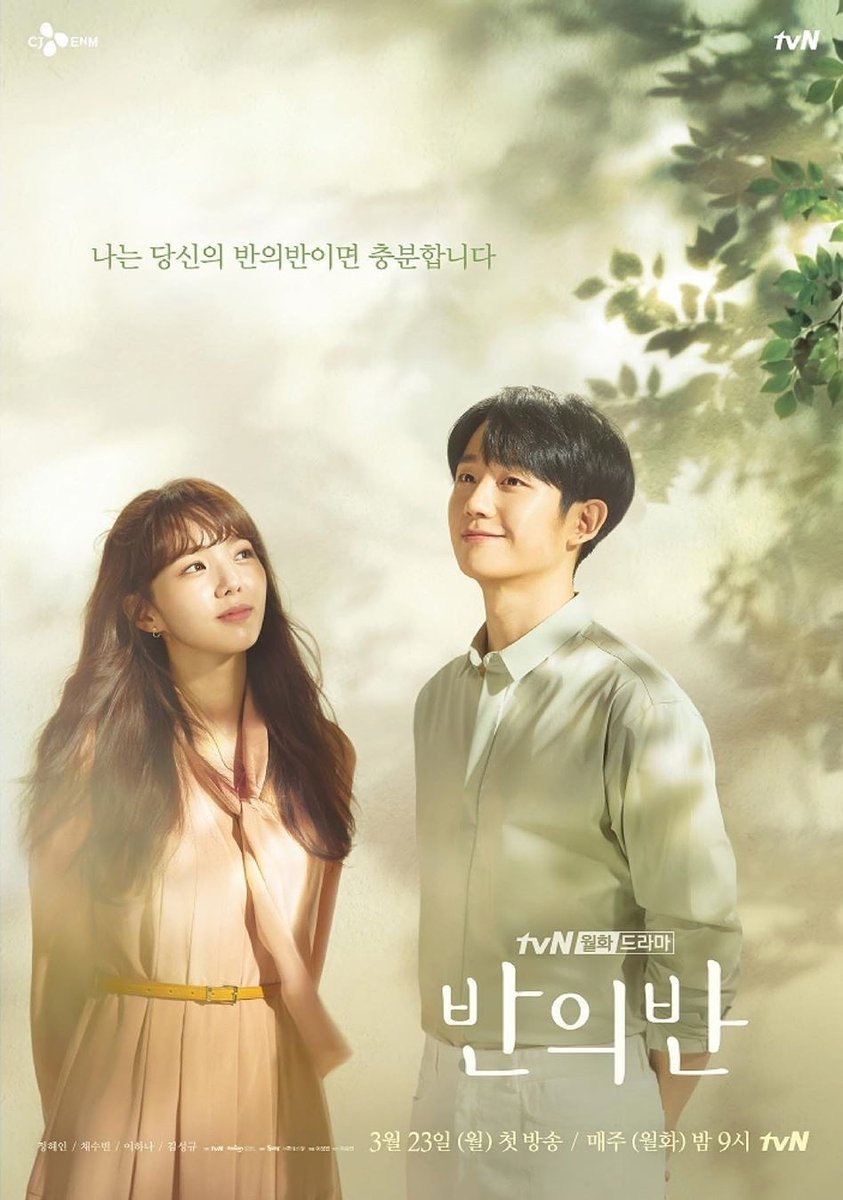
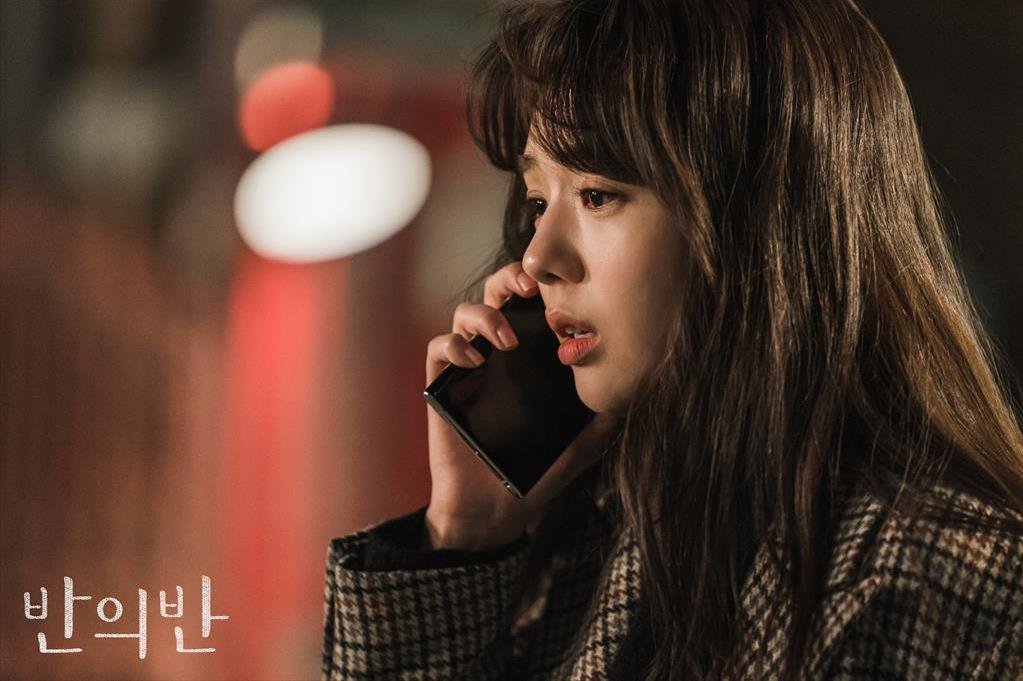
When I saw this week's theme "Favourite movie that is relaxing", two kdrama series came to mind and they are "Something In The Rain" and "A Piece Of Your Mind" released in 2018 and 2020 respectively. Not so surprising, the two have the same lead male actor and that is Jung Hae-in.
While I don't remember much from the first, most of the scenes in "A Piece Of Your Mind" are still fresh in my memory because of how perfectly the main characters played their roles in giving just the right about of relaxation I needed at the time I saw it. It was a relaxing 12 episode binge-watch.
Everything about this series is relaxing and I'm not mincing words to say this about the series. From the storyline to the characters to the background music and even the supporting characters, it was a relaxing atmosphere with just the right pace in their talks, walks and running.
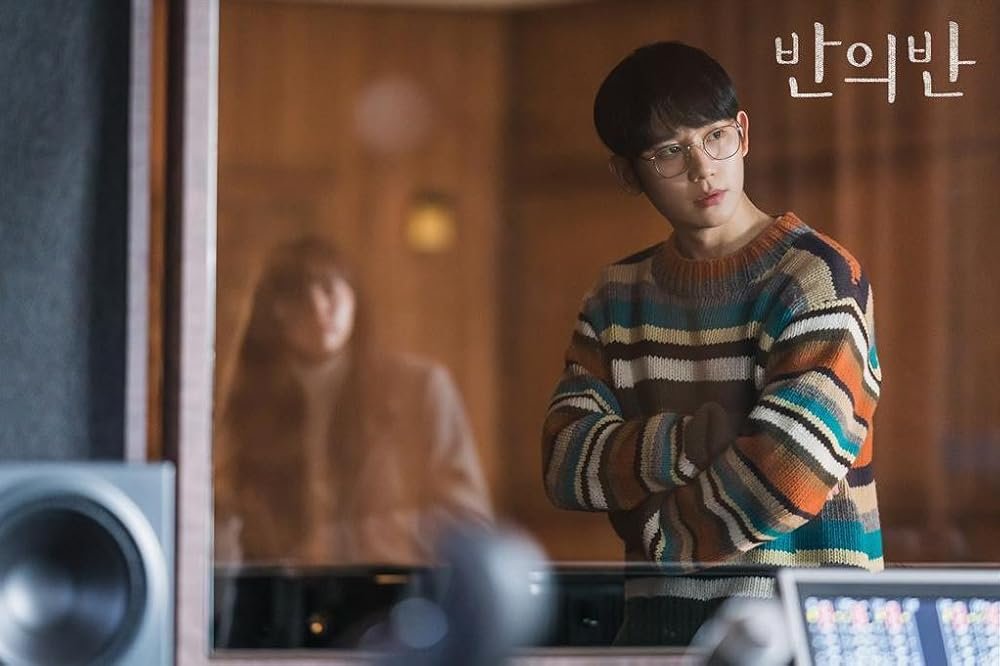
Jung Hae-in played the role of Moon Ha-won, an AI programmer who has an unrequited love with a girl from college days. He creates a radio that could talk and respond to him like her making it difficult for him to move on even after he learns that she is married to another, a pitiful character.
I know that may have sounded annoying to you, I mean, I was for a while but it all made sense when things started to take new turns and he used that unrequited love energy on something more real. It all played out to give a perfect slow burn romance which added to the relaxing feel.
I want to believe any romance genre lover would love a slow burn romance more, it's same for me and this series is a perfect one if you're searching for any. It was relaxing how Moon Ha-won warms up to the lady who is closer and real for him, making their love story a one of a kind, soothing.
Chae Soo-bin played the role of Han Seo-woo, a classical recording Engineer who meets an AI programmer that's heartbroken and first seem unbelievable to her. This character brought in calm and lively music sounds to the story for viewers to get relaxation even for Moon Ha-won.
With good music whether from a movie or just from a playlist, any music lover can tell how relaxing it can be, depending on the music kind though. This series gave a good dose of relaxing sounds, my favourite part about the music is the next character. Chae Soo-bin brings real love too.
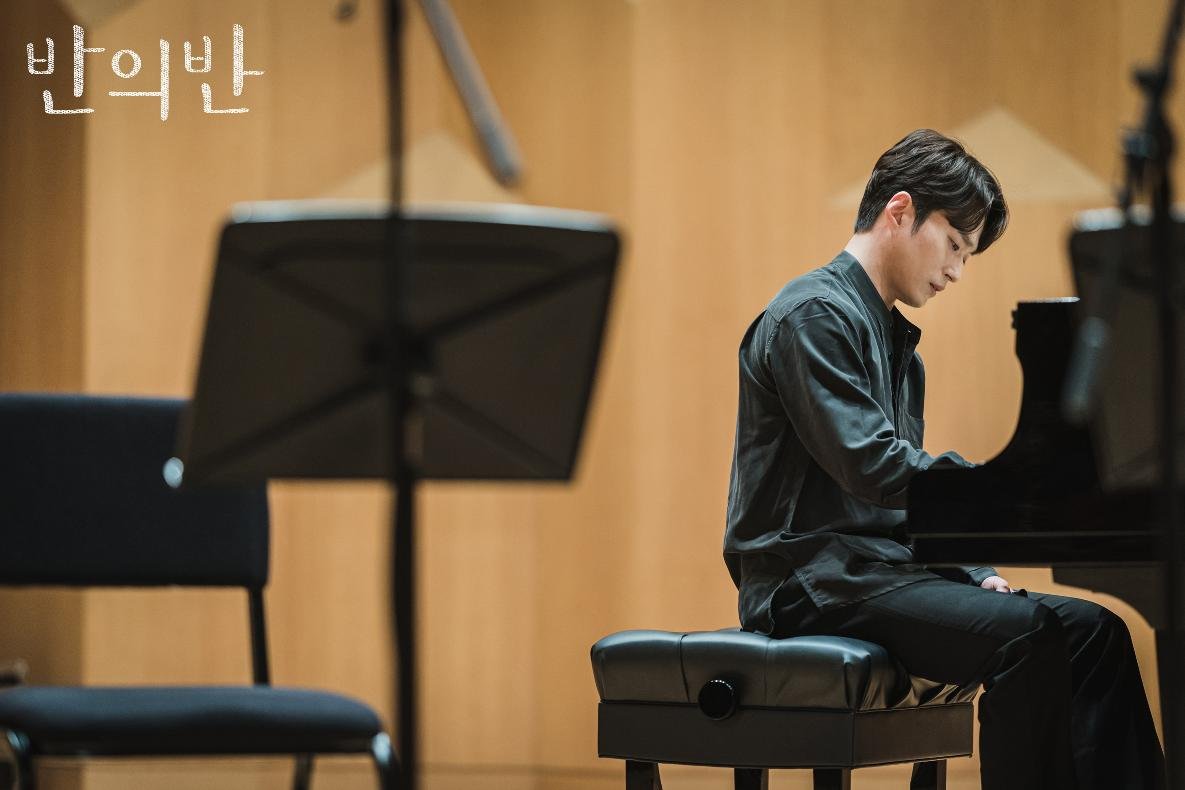
Kim Sungkyu playing the role Kang In Wook, a pianist in such a calm and easy going storyline made all things perfect. He is not the perfect husband supporting character but I give it to him for his music and calm personality throughout the story, Moon Ha-won and Han Seo-woo too.
There is like so much I want to say about how relaxing this series made me feel throughout the binge-watch, I totally enjoyed their first meeting and slow burn era then their dating era wrapped things up so well for viewers to gain satisfaction in that relaxing mood. A story about healing love.
It's a series I can see again if I ever want to simply enjoy the full relaxation that comes with seeing a movie, maybe I would unravel even more of what the series has in store for it's viewers in my next watch. I'll recommend this series to romance and music genre lovers, it's a 9/10.
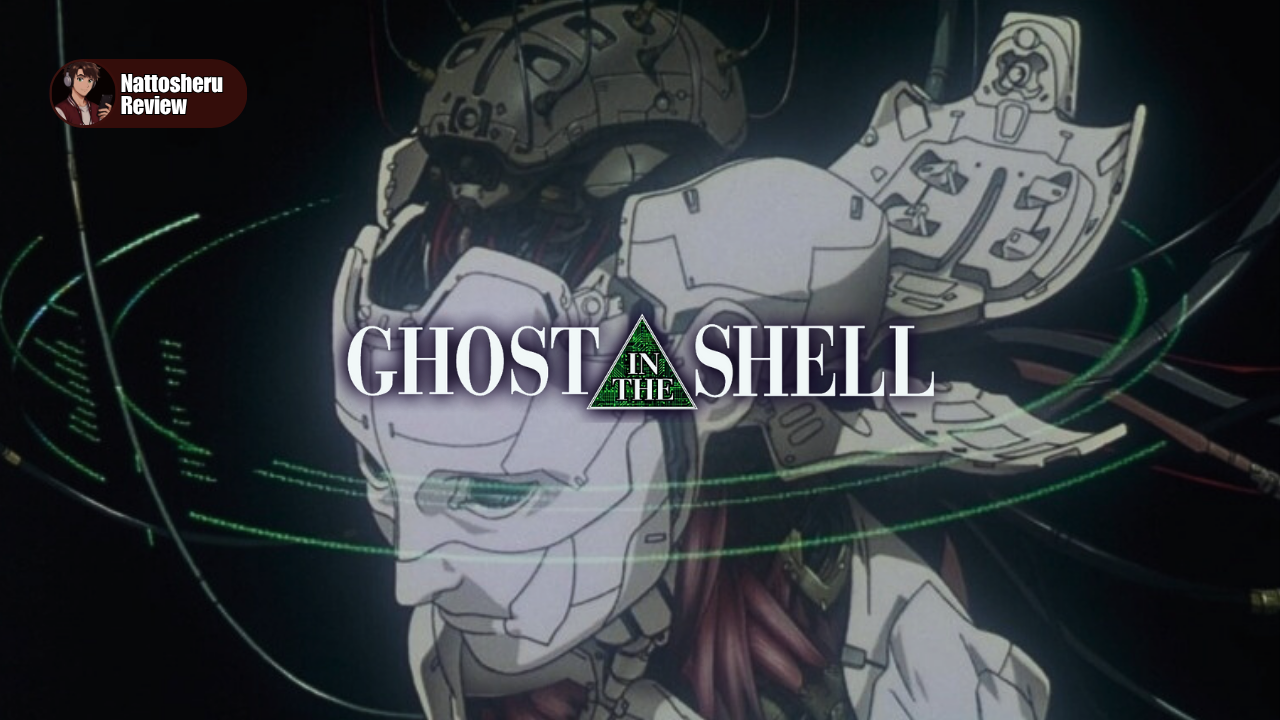
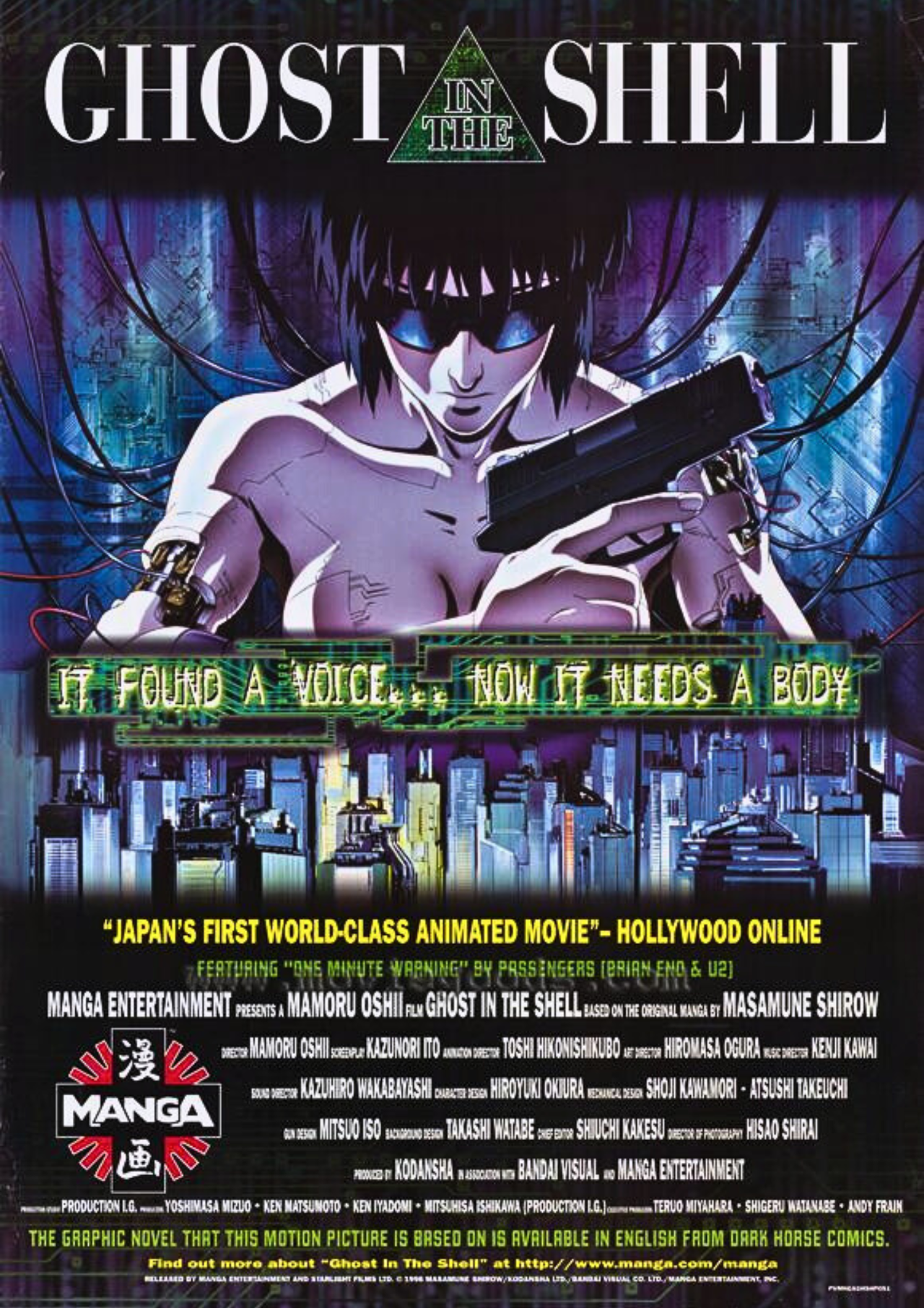
Hello, cinema fans. We continue with more cult works from the science fiction genre, this time talking about one of the best japanese animated films for adults in history. Yes, it's another animated feature film from the East that has had a very strong indirect influence on my life since I was a teenager. Based on the manga of the same name by Masamune Shinrow, this film was directed by Mamoru Oshii and produced by Kodansha, Bandai Visual, Manga Entertainment, and Production I.G. Discover one of the most influential films in the genre, cinema, and popular culture.
SPANISH VERSION
Hola, fanáticos del cine. Continuamos con más obras de culto del género de la ciencia ficción, esta vez, hablando de una de las mejores películas animadas japonesas para adultos que han existido en la historia. Si, es otro largometraje animado de oriente que ha tenido una influencia indirecta muy fuerte en mi vida desde que era adolescente. Basada en el manga homónimo de Masamune Shinrow, esta película fue dirigida por Mamoru Oshii y producida por Kodansha, Bandai Visual, Manga Entertainment y Production I.G. Conoce una de las cintas más influyentes del género, el cine y la cultura popular.
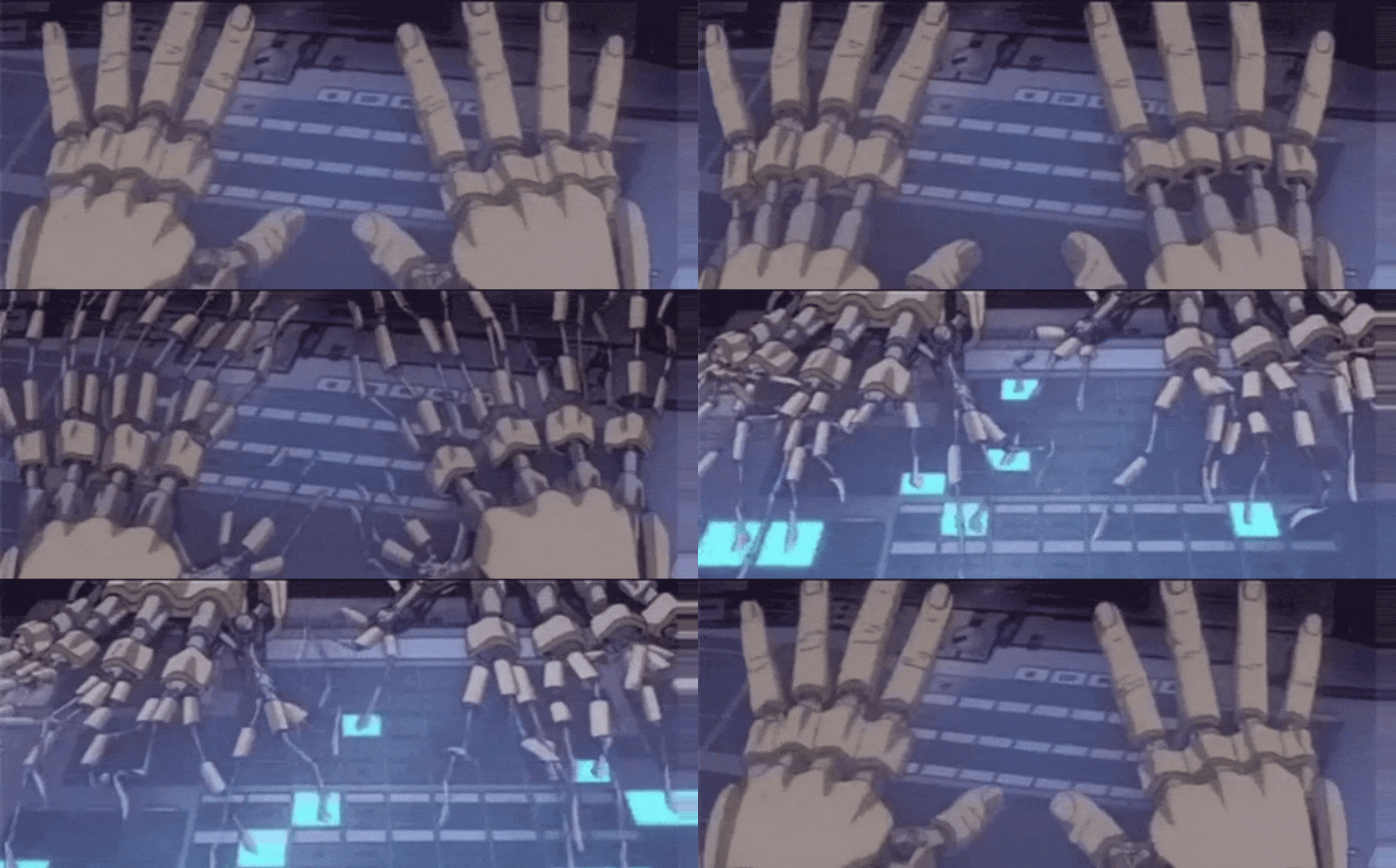
The film begins by showing us a futuristic Japan in true cyberpunk style. In New Port City, we find Major Motoko Kusanagi, who is the assault leader of Public Security Section 9. In the large building where she is sitting on guard, there is a foreign diplomat chatting with someone from the government. The moment they are surrounded by police officers, the Major jumps from the top of the building to shoot and kill him. We then learn of a "ghost" attack caused by a cyber terrorist called "The Puppet Master". His intentions are to attack important members of the government, so Kusanagi's team takes on the case, investigating everything related to this mysterious terrorist in a future where all minds can be hacked.
SPANISH VERSION
Trama
La película inicia mostrándonos un Japón futurista al puro estilo cyberpunk. En la Nueva Ciudad Portuaria se encuentra la Mayor Motoko Kusanagi, quien es la líder de asalto del Sector 9 de Seguridad Pública. En el gran edificio donde ella está sentada vigilando se encuentra un diplomado extranjero que está charlando con alguien del gobierno. Al instante de ellos estar rodeados por miembros de la policía, la Mayor salta de la cima del edificio para disparar y así quitarle la vida. Luego nos enteramos del caso de un ataque “fantasma” ocasionado por un terrorista cibernético llamado “El Titiritero”. Sus intenciones son atacar a miembros importantes del gobierno, por lo cual el equipo de Kusanagi se encarga de resolver este caso investigando todo lo relacionado con este misterioso terrorista en este futuro donde todas las mentes pueden ser hackeadas.
To be honest, it wasn't until a couple of years ago that I got to see this movie as such. Before that, I only knew it from having seen its 2017american live-action adaptation starring Scarlett Johansson, which was the one being broadcast on television at the time. However, before talking about a Hollywood adaptation that I barely remember, I would much rather talk about the original work or animated adaptation that started it all. That's why we're here with this hour-and-a-half-long feature film from the 1990s that inspired several of the genre's most important filmmakers to make their famous works today (such as The Matrix, for example).
One of the important details to mention about this film is that, as you may have read at the beginning of this post, it is aimed at an adult audience. This is not only due to the gore and explicit scenes, but also to the nude scenes it contains. It should also be noted that it has philosophical themes that may be confusing for some, like me, who are not very knowledgeable about these things. Nevertheless, its message, plot, and audiovisual quality make it one of the best japanese animated science fiction and action films of that era, receiving widespread praise. It can even be said that, apart from its great influence on the film and manga/anime industry, it has created a huge franchise that continues to be talked about to this day.
SPANISH VERSION
Para serles honesto, no fue sino hace un par de años atrás que llegué a ver esta película como tal. Antes de eso, solo la conocía por haber visto su adaptación cinematográfica estadounidense (Live-Action) de 2017 protagonizada por Scarlett Johanson, la cual era la que se transmitía en la televisión en ese momento. Sin embargo, antes de hablar de una adaptación de Hollywood que apenas y recuerdo, prefiero mil veces hablar de su obra original o adaptación animada que fue la que inició todo. Es por eso que estamos aquí con este largometraje de apenas hora y media de duración de los años 90s que inspiró a varios de los cineastas más importantes del género para hacer sus famosas obras actuales (como es el caso de The Matrix, por ejemplo).
Uno de los detalles importantes a mencionar de esta película es que -como ya habrán leído al principio de esta publicación- está dirigida hacia un público adulto. Esto no solo es debido al gore y sus escenas explícitas, sino también a las escenas de desnudos que tiene. También cabe recalcar que posee temas filosóficos que pueden llegar a ser confusos para algunos, como yo, que no somos muy conocedores de estas cosas. Igualmente, su mensaje, trama y calidad audiovisual la convierten en una de las mejores películas animadas japonesas de ciencia ficción y acción que más elogios ha recibido de aquella época. Incluso se puede decir que, aparte de su gran influencia en la industria del cine y el manga/anime, ha creado una franquicia enorme que sigue dando mucho de qué hablar hasta el día de hoy.
But anyway, let's get back to the movie itself. The beginning I told you about above is just a very brief summary of what actually happens, but I'll talk more about that later. First, I want to focus on the plot, which is centered on an alternate future where humanity has advanced so much with cybernetic technology that people can now obtain 100% synthetic bodies called "shells". Despite this, they can keep their human consciousness and minds intact thanks to a neural connection, which they call "ghost". This world of souls with artificial bodies is attacked by a cyber terrorist called "The Puppet Master" who hacks into their minds and erases their memories to replace them with false ones and thus manipulate them. The mission of our protagonist, Major Motoko Kusanagi, is to find him and bring him to justice. However, she has other plans for him.
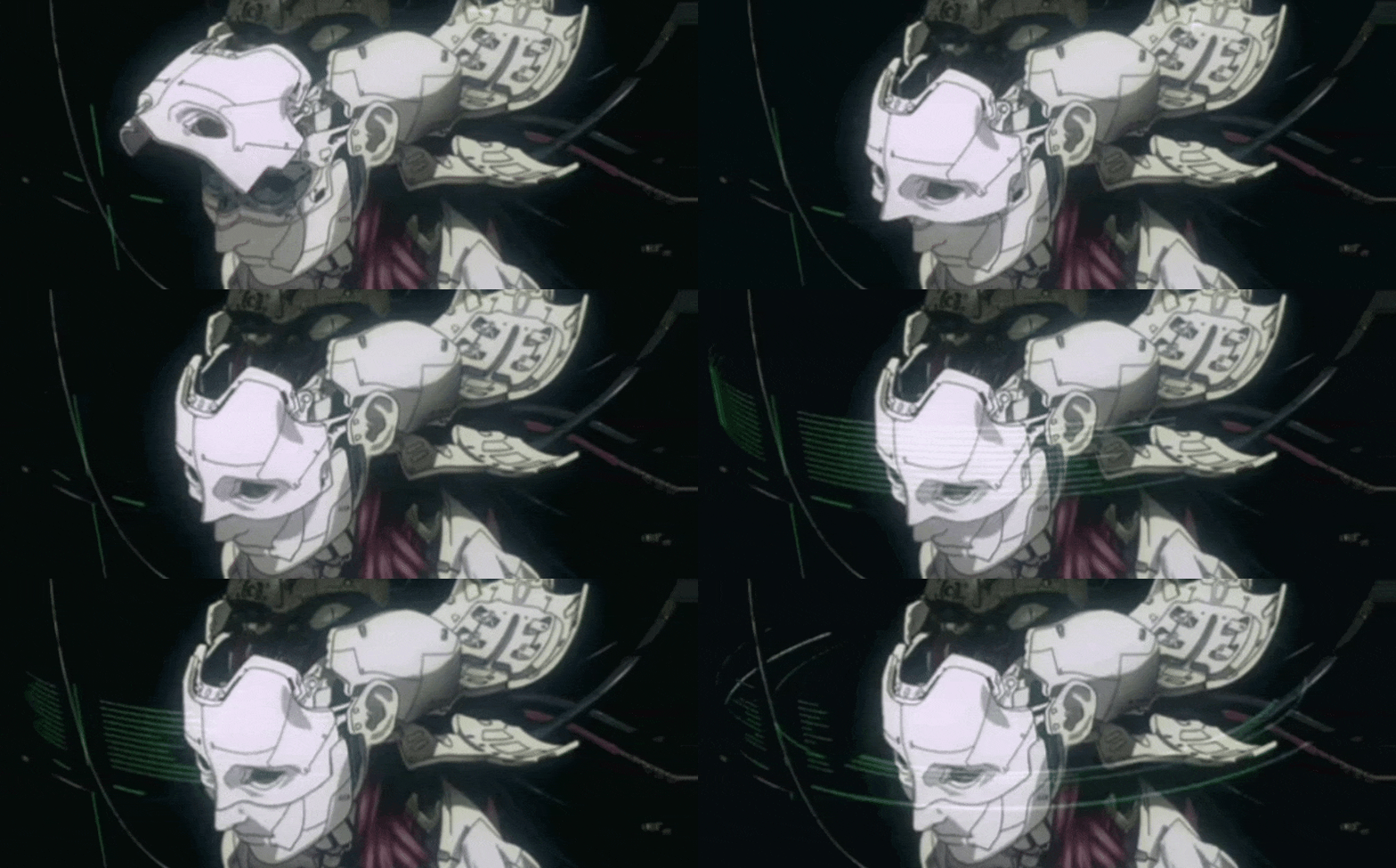
Leaving aside its "iconic" beginning, this film manages to captivate the viewer with a futuristic world where the line between the real and the artificial disappears completely. The idea of a world where you can live forever with a 100% artificial body while keeping your mind and memories intact sounds like a dream come true for many. You can stop worrying about illness, pain, old age, and death. However, this dreamlike utopia turns into a dark nightmare when you learn that even your memories can be replaced by false and artificial ones. If Major Motoko Kusanagi proves to be the visual representation of this futuristic, dreamlike world, the "Puppet Master" is, on the other hand, the dangerous, traumatic, and dark side of that future.
SPANISH VERSION
Pero bueno, volvamos con el tema de la película en sí. El inicio que les conté arriba es solo un resumen muy poco detallado de lo que realmente sucede, pero ya de esas cosas les hablaré más adelante. Primero me quiero centrar en su trama, la cual está centrada en un futuro alternativo donde la humanidad ha avanzado tanto con la tecnología cibernética que ahora las personas pueden obtener cuerpos 100% sintéticos llamados “caparazones”. A pesar de esto, pueden tener sus conciencias y mentes humanas intactas gracias a una conexión neuronal, la cual llaman “fantasma”. Este mundo de almas con cuerpos artificiales es atacado por un terrorista cibernético llamado “El Titiritero” que hackea sus mentes y les elimina sus recuerdos para sustituirlos por recuerdos falsos y así manipularlos. La misión de nuestra protagonista, la Mayor Motoko Kusanagi, es encontrarlo y llevarlo a la justicia. Sin embargo, ella tiene otros planes para él.
Dejando de lado su “icónico” inicio, esta película consigue atrapar al espectador con un mundo futurista donde la línea que divide lo real de lo artificial desaparece por completo. La idea de un mundo en el que puedes vivir para siempre con un cuerpo 100% artificial manteniendo tu mente y recuerdos intactos suena a un sueño hecho realidad para muchos. Así puedes dejar de preocuparte de las enfermedades, los dolores, la vejez y la muerte. Sin embargo, esta utopía de ensueño se convierte en una oscura pesadilla cuando te enteras de que incluso tus recuerdos pueden ser reemplazados por recuerdos falsos y artificiales. Si la Mayor Motoko Kusanagi demuestra ser la representación visual de este mundo futurista y de ensueño, el “Titiritero” es, en cambio, el lado peligroso, traumático y oscuro de dicho futuro.
One of the things that is often discussed in this film is the theme of human identity, something that in a world where everything is artificial can disappear completely. This is also shown visually with our protagonist, as she tries to discover who she really is through monologues that make you think about the difference between the value of information and how this can be differentiated from human memories and thoughts. Her concern is most clearly shown when we see how Kusanagi becomes more and more involved in the Puppet Master case, as if she were taking it too personally. Another highlight of this story is the future of technology and artificial intelligence, something that many films since this animated gem have also used to create different visions of this dystopian future.
The Puppet Master case and its origin is just a small sample of what that future can do in this movie. A 100% artificial entity created to manipulate minds or "ghosts" of important personalities in this huge power. The evolution into an intelligent being capable of reasoning and thinking for itself is only the consequence of everything it saw and learned from humanity itself. Currently, artificial intelligences are not capable of such a feat, but at some point in the future, they may be able to behave differently from how they were programmed, thus disobeying their creators and seeking to build their own identity, something that will help them "leave their mark" on this world. Honestly, the case of this artificial antagonist fascinates me more than anything else, which is strange since he is supposed to be the villain of this film.
SPANISH VERSION
Una de las cosas que se hablan a menudo en esta película es el tema de la identidad humana, algo que en un mundo donde todo es artificial puede llegar a desaparecer por completo. Esto también se muestra de manera visual con nuestra protagonista, al intentar descubrir quién es en realidad con monólogos que te ponen a pensar sobre la diferencia entre el valor de la información y cómo esto se puede llegar a diferenciar con los recuerdos y los pensamientos humanos. Su inquietud se muestra más claramente al ver cómo Kusanagi se involucra más y más en el caso del Titiritero, como si se lo tomara demasiado personal. Otro punto a destacar de esta historia es el futuro de la tecnología y la inteligencia artificial, algo que en muchas películas posteriores a esta joya animada han utilizado también para crear visiones diferentes de este distópico futuro.
El caso del Titiritero y su origen es solo una pequeña muestra de lo que dicho futuro puede llegar a hacer en esta película. Un ente 100% artificial creado para manipular mentes o “fantasmas” de personalidades importantes de esta enorme potencia. La evolución a un ser inteligente capaz de razonar y pensar por sí misma sólo es la consecuencia de todo lo que vió y aprendió de la humanidad misma. Actualmente las inteligencias artificiales no son capaces de tal hazaña, pero algún momento en el futuro podrán manejarse de una forma distinta a la que han sido programadas, desobedeciendo así a sus creadores y buscando construir una identidad propia, algo que les ayude a “dejar su huella” en este mundo. Sinceramente, el caso de este antagonista artificial me causa más fascinación que otra cosa, lo cual es extraño ya que se supone que es el villano de esta película.
Now, as for the action, it must be acknowledged that the film has some very good chase sequences, fights, moments of tension, and endings that are quite striking. And speaking of striking, something I noticed when I watched it again are the different nude scenes featuring Major Motoko Kusanagi in every battle or scene in which she appears. I don't know if this is a way of capturing the attention of a certain audience, which the japanese continue to do with current anime, or if it is simply a fetish of the creator of this work. But anyway, leaving that aside, the rest is pure action with cyborgs and machines fighting and tearing each other apart. Political themes are not overlooked either, as they are even involved in a certain part of the web of secrets in this story.
As for the characters, I don't want to delve too deeply into each one, simply because the film does not seek to focus on more than one or two characters in particular. You already know who the first one is, since she appears at the beginning, and it is Kusanagi who we see undergoing one of those developments that make you think a lot about the subject of human identity. On the other hand, and as her counterpart, there is the Puppet Master, who makes us think about the evolution of information and technology. Throughout the film, we see how both struggle to find each other and discuss life and death while a powerful government tries to make them disappear completely. This is where we reach the end of the film, an ending that, to be honest, leaves me somewhat indifferent. Still, I'm not saying it's bad, it's just my opinion.
SPANISH VERSION
Ahora, en cuanto al tema de la acción, hay que aceptar que la película tiene muy buenas secuencias de persecución, peleas y momentos de tensión y desenlaces que llaman bastante la atención. Y hablando de llamar la atención, algo que he notado al volverla a ver son las diferentes escenas de desnudos que tiene la Mayor Motoko Kusanagi en cada batalla o escena en la que aparece. No sé si es una forma de captar la atención de cierto público que desde entonces y hasta ahora siguen haciendo los japoneses con los animes actuales o simplemente es un fetiche que tiene el creador de esta obra. Pero bueno, dejando esto de lado, lo demás es pura acción con cyborgs y máquinas luchando y haciéndose pedazos. Los temas políticos tampoco se pasan por alto, ya que incluso lo involucran en cierta parte entre todo el entramado de secretos que hay en esta historia.
En cuanto a personajes se trata, no quisiera indagar mucho en cada uno por el mero hecho de que la película no busca enfocarse en más de uno o dos personajes en particular nomás. La primera ya saben quién es ya que por algo aparece al principio y es Kusanagi la que vemos tener uno de esos desarrollos que te ponen a pensar bastante sobre el tema de la identidad humana. Por otro lado y como su contraparte está el Titiritero, quien es el que nos pone a pensar en la evolución de la información y la tecnología. A lo largo de la película vemos cómo ambos luchan por encontrarse y discutir sobre la vida y la muerte mientras un gobierno poderoso intenta hacerlos desaparecer por completo. Es aquí donde llegamos al final de esta cinta, un final que sinceramente me deja un tanto indiferente, la verdad. Igual, no digo que sea malo, solo es mi opinión.
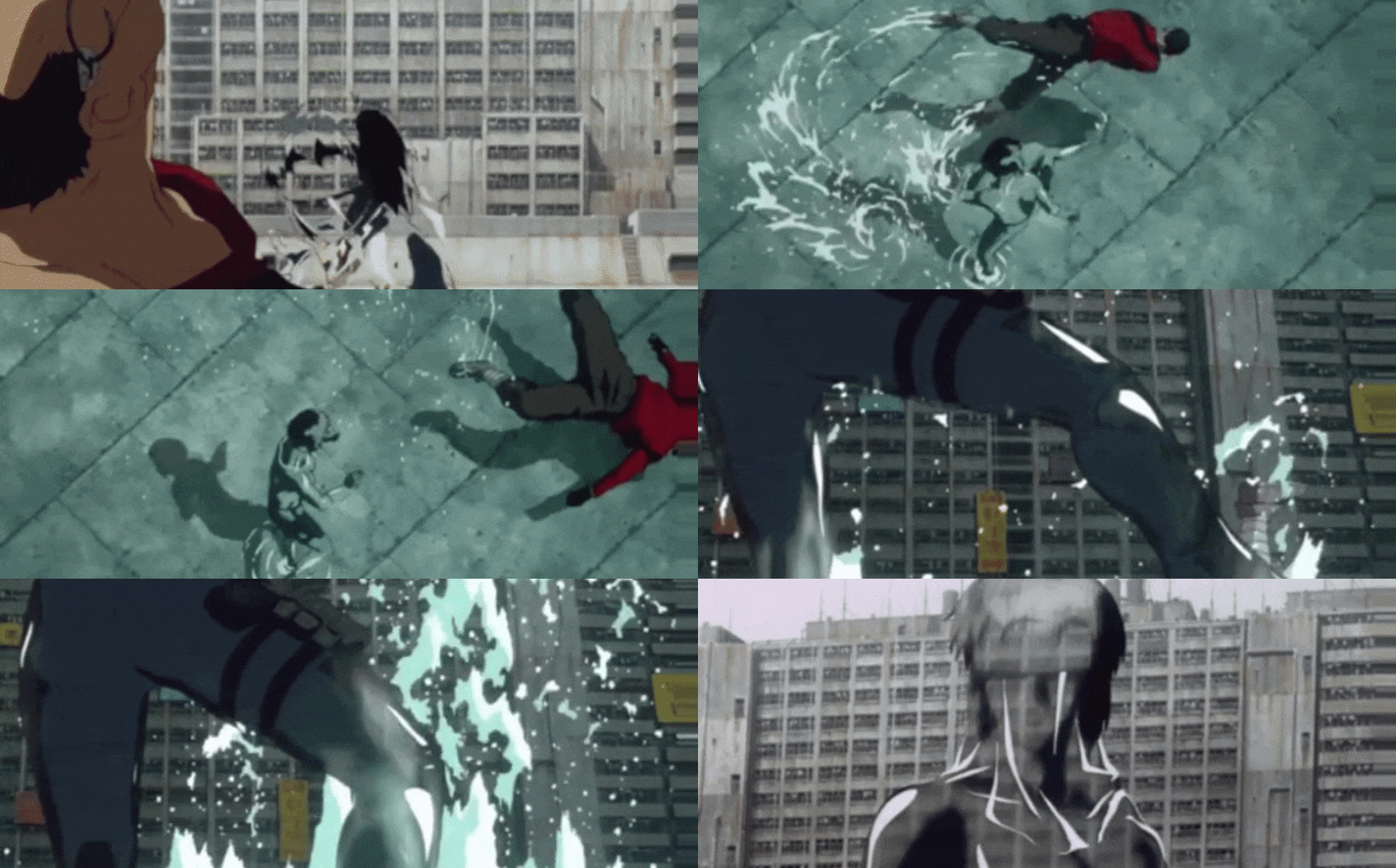
Last but not least, let's talk about the technical and visual aspects of this animated film. As one of the most expensive productions of its time, it is remarkable that its audiovisual quality is among the best of the 1990s. The visual details, character designs, and views of the futuristic city are among the best of traditional and modern animation. The neon cyberpunk style and the designs of the artificial bodies are also very striking details. It is worth noting how much the film tries to be as visually interpretive as possible with certain scenes, such as the one with Kusanagi swimming, for example. Its sound effects are also very striking for the time, but what I don't quite like is its slow soundtrack with high and long choruses. In short, this is a cult classic for those who are old fans and loyal to the science fiction genre.
Personally, I give it a rating of 8.5/10 in terms of the science fiction and action genres.
SPANISH VERSION
Por último, pero no menos importante, hablemos del apartado técnico y visual de esta película animada. Siendo una de las producciones más costosas de su época, es notable el hecho de que su calidad audiovisual es de lo mejor de los años 90s. Los detalles visuales, los diseños de los personajes y las vistas de la ciudad futurista es de lo mejor de la animación tradicional y moderna. El estilo cyberpunk con neón y los diseños de los cuerpos artificiales son detalles muy llamativos también. Cabe destacar lo mucho que la película intenta ser lo más visualmente interpretativa posible con ciertas escenas, como en la de Kusanagi nadando, por ejemplo. Sus efectos de sonido son muy llamativos también por la época, pero lo que no me termina de gustar del todo es su banda sonora lenta con coros altos y largos. En resumen, esta es una obra de culto para los que son viejos fanáticos y fieles al género de la ciencia ficción.
Personalmente, le doy una calificación de 8.5/10 en lo que respecta al género de la ciencia ficción y la acción.
Tell me, have you seen the movie yet? What did you think of it? You can leave me your answer in a comment.
Dime, ¿ya has visto la película? ¿Qué te ha parecido? Puedes dejarme tu respuesta en un comentario.
GIF Editing: GIF Maker & Editor.
Cover Image, Banners & Separators: Canva.
Traslated by: DeepL Translate.
Character Art by: @/ushiro.snow.
Written by: Sean Whitesell
Directed by: Jay Tobias
Running Time: 44 minutes
The seventh and final season of Homicide: Life on the Street (1993–1999) unfolded against a backdrop of dwindling ratings, departing cast members, and a palpable sense of creative exhaustion. By late 1998, the writing was on the wall: the show, once a critical darling for its unflinching portrayal of urban crime and police work, was nearing its end. The decision to make Kellerman, P.I.: Part II (originally broadcast on 16 December 1998) the last Christmas-themed episode might have seemed, to a network executive, an opportunity for a festive send-off. Instead, the creators chose to reject the saccharine conventions of holiday television, transforming the season’s inherent melancholy into a bleak coda. The episode’s use of the holidays as a semi-ironic framing device underscores the show’s refusal to sentimentalise its own demise, positioning it as a stark, unflinching conclusion to a series that used to prioritise moral ambiguity over easy answers. In doing so, Kellerman, P.I.: Part II became a testament to its reputation as one of the darkest and most uncompromising dramas of 1990s American television.
The episode’s narrative hinges on the tragic fallout of two teenagers’ flawed decisions. Craig Halpern (Charles Gunn), a high school student, has fathered a child with his girlfriend Debbie Straub (Jena Malone), whose wealthy family orchestrates a Faustian bargain to protect her. After secretly delivering their infant son in a seedy motel room, the couple faces charges of infanticide—a crime Debbie’s family manipulates her into testifying against Craig to get light punishment. The cliffhanger ending of the first part, which leaves Debbie’s decision to testify unresolved, amplifies the tension, making the second instalment’s grim denouement all the more devastating.
The second part of the episode begins with Assistant State Attorney Danvers (Željko Ivanek) reluctantly finalising the case against Craig. Despite his discomfort with the Straubs’ manipulative tactics, Danvers secures a swift conviction—a resolution that leaves Detective Falsone (Jon Seda) simmering with resentment. Falsone’s disdain for the system’s inequities manifests in his visit to Craig in jail, where he attempts to coax a the boy to save himself by testifying against Debbie—a futile effort given Craig’s delusional faith in Debbie’s loyalty. The scene captures Falsone’s frustration not only with the legal process but also with his own powerlessness. When Craig’s suicide follows his sentencing—a fate rendered with harrowing understatement—the episode’s emotional core crystallises: love, misplaced trust, and societal indifference collide to produce tragedy. Craig’s death, layered atop the infant’s, amplifies the episode’s bleakness, rejecting catharsis in favour of unresolved grief.
Central to the episode’s tension is the fraught relationship between Mike Kellerman (Reed Diamond) and Falsone. Kellerman, the disgraced former homicide detective turned PI, represents the show’s exploration of moral compromise. Hired by the Straubs to defend Debbie, he initially appears complicit in her deceit. Yet his quiet redemption arc—secretly gathering evidence to exonerate Craig—reveals a flicker of integrity beneath his cynicism. The moment Kellerman anonymously delivers tapes of Debbie’s clandestine communications with Craig to Falsone is a masterstroke of narrative economy: it underscores their mutual disdain while hinting at grudging respect. Falsone’s reluctant acknowledgment of Kellerman’s actions—a shared drink in a Christmas-lit bar—epitomises the show’s signature blend of grit and humanism. Their uneasy truce, forged over tragedy, serves as a metaphor for the series itself: flawed, imperfect, yet stubbornly resilient.
While Kellerman, P.I.: Part II adheres to Homicide’s tradition of unvarnished realism, it rarely ventures into new territory. The episode’s grim resolution—two deaths, one perpetrator unpunished—is familiar terrain for a show that often left crimes unsolved and justice elusive. Yet this predictability is precisely its strength: the story’s inevitability mirrors the inexorable decay of the show’s own run. Sean Whitesell’s script, though occasionally clunky, aligns with the series’ early ethos, where moral complexity trumped narrative contrivance. The lack of a tidy ending—Craig’s suicide, Debbie’s hollow victory—reflects the grim realities of Baltimore’s socioeconomic underbelly, a theme Homicide had consistently refused to soften.
Jon Seda’s portrayal of Falsone remains divisive, as the character’s role as the show’s “moral anchor” often felt forced. Yet in this episode, Seda’s performance transcends the character’s flaws, conveying Falsone’s simmering anger and weariness with quiet intensity. Similarly, Reed Diamond’s role is standout achievements. As Kellerman, Diamond embodies the character’s self-loathing and latent guilt. The chemistry between Seda and Diamond, particularly in their tense, wordless exchanges, elevates the episode beyond mere plot mechanics.
Despite its strengths, the episode stumbles in moments that undercut its otherwise grim tone. The abrupt, almost farcical confrontation between Kellerman and Detective Stivers (Toni Lewis)—a throwback to earlier seasons’ penchant for physical altercations—feels tonally misplaced. Similarly, the subplot involving Falsone’s romantic entanglement with Detective Laura Ballard (Callie Thorne) descends into soapy melodrama. After Falsone stands Ballard up for a date, her subsequent, half-hearted attempt to ask colleagues for lunch is a cringe-worthy detour into cliché. These missteps, though minor, remind viewers that Homicide’s later seasons often struggled to balance its gritty realism with the demands of episodic television.
Kellerman, P.I.: Part II could have been a fitting finale for a series that thrived on moral complexity and unflinching realism. Its refusal to offer solace or tidy resolutions mirrors the show’s own trajectory: a flawed, often brilliant work that refused to pander to convention. While it lacks the narrative ingenuity of earlier episodes, its emotional resonance and thematic coherence cement its place as one of Homicide’s finer hours.
Tom Sturridge is back as Dream in The Sandman Season 2 on Netflix, and I for one couldn't be happier. If you're me and never really did get around to reading the comics, don't worry—you can still step into this dark, weird, and magical world without getting lost. Season 2 is structured into three halves, and this first part already feels more compact and more personal than the first season, and we get to spend real time with Dream and his problems.
This season, Dream must make some difficult decisions that cost him everything from his kingdom to his love life. He's attempting to clean up the mess he created in the past, and that's a journey that's filled with gods, monsters, mortals, and family drama that's the world's most stressful therapy session.
And naturally, Tom Sturridge is still moody and whispery, but it pays off. His stoic-but-broken quality gives Dream power but vulnerability and pain, and we root for him as he tries to clean up his messes. I have not watched him in any other shows so he is not an actor playing Sandman, he IS Sandman to me. He is so perfectly cast and delivers an amazing performance.
Season 1 jumped around everywhere, giving us little time with so many different characters that it was like a puzzle with too many pieces at times. Season 2 isn't like that. It is all about Dream, making the story so much easier to follow without losing any of the mystery with multiple kingdoms, multiple time periods, and multiple characters.
Dream is filled with remorse, especially for condemning Nada to Hell, and now he's out to clear her. It's a grand adventure, like Odysseus returning home, but darker and soap opera-ier. On his journey, Dream meets gods, monsters, and other Endless who annoy him and point out his transgression. These are painful encounters for him, and they further make him irresponsible, but he always keeps in mind something beyond himself, even if it means losing his own sanity.
It does a wonderful job of illustrating how regret and guilt can pursue you endlessly—particularly if you're as immortal as Dream is. We get to see how his decisions affect not only him, but also the people in his life, and it turns into a snowball effect of repercussions that he can't always escape.
My favorite thing was that each episode was meaningful. While the pacing is slow and measured, the show never lags. There's always tension, like something huge is going to happen, and that keeps you attached. And then there's the balancing between deep emotional material and fantasy quests and action sequences that makes it feel like you're reading a fantasy novel brought to life.
One of the highlights of the show is his interactions with his brothers and sister. They are occasionally snarky, occasionally perceptive, but always informative about Dream. It is lovely to watch him have epiphanies about himself when they are from brothers and sisters with whom he does not necessarily agree.
The highlight of the season is the cast of characters we get to see. We have our familiar characters: Desire, Death, Lucifer Morningstar, Lucienne, and Matthew. We also get to see some new characters from other mythologies such as Odin, Thor, Loki, Orpheus, Destiny, Puck, Destruction, and Delirium. They enrich the story, and it gets richer without ever getting confusing at any point.
Although none of them are giant big players on the show, they're there and they fill out the world so the world feels like a living, breathing world where a lot of stories are going on at the same time. Such as when you were reading a big fantasy book and you're finding out about characters you'd want to know more about, although they only appeared for a few chapters.
Your life is your own. Your death, likewise. Farewell. We shall not meet again.
There is so much to love about this season. The world-building is beautiful, with stunning special effects that come alive in each of the kingdoms and realms. The show finds balance between the magical and the earthy in a way that doesn't feel like anything else on the television today. You're drawn into Dream's world, where each setting feels like there's something to be said.
Character acting is excellent, with the actors fully into their characters, bringing mortals, monsters, and gods to life in a credible and compelling manner. All characters, no matter how big or small their part is, are real and three-dimensional, and the show is rich for it.
But the season is not without its flaws. There are times when episodes are filled out with unnecessary scenes, such as the cringeworthy magic show with Cain and Abel. These are frustrating and feel like filler, which detracts from the rest of the story. Shorter episodes that stay on point would be preferable to padded-out episodes for the sake of time-filling.
The other one that I am not too fond of is the split-season concept. Season 2 is divided into three parts: six episodes in part one, five in part two, and the final one to wrap it up. It is unnecessary, and I wish we could get the entire season in one sitting so we could fully enjoy the story without waiting.
Final Thoughts
If you're a Sandman enthusiast, here's the positive news: Season 2, like season one, is as high-quality but proceeds to expand on the concentration of the narrative. If you haven't seen it, now is the time. The series blends fantasy, myth, and human feelings in a way that feels new and current, presenting you with a story that is as exciting as it is smart.
Tom Sturridge is still excellent as Dream, and we are introduced to a character who is powerful but seriously flawed and therefore easy to become attached to as he tries to make amends for past mistakes. The supporting characters add depth and variety and make each episode worth watching, and the world-building and graphics are so good that each scene is like a work of art.
I, for one, look forward to where the next episodes of Season 2 are headed. I hope that they keep going in the direction of Dream's development without going into filler that we do not need. The moment is ripe for epic story and emotional development and I am here for it.
If you want a fantasy series that's so much like reading an amazing book, you must see The Sandman.
So, two weeks ago, James Gunn’s [*Superman*](https://en.wikipedia.org/wiki/Superman_(2025_film)) hit the theatres. And for those who are close to me, they know very well I’ve been championing the movie for months before it was even released. I was looking forward to the experience of watching it, and I just couldn’t wait. And when it finally hit the theatres, I made sure that I watched it in the opening weekend, because the last thing I wanted was to get spoilers on social media.
And as expected, it was an interesting watch. Something that many Snyder fans are not really happy about. As of this week, the movie has been making serious numbers, and the rating on Rotten Tomatoes is said to be the best any Superman movie has gotten since Christopher Reeve donned the suit all those years ago. At this point, it’s as if any stride the movie makes is just another nail in the coffin of Snyder Fans Hall of Opinion.
Of course, anyone who is a fan of superhero movies knows of the online beef between fans of James Gunn and fans of Zach Snyder, and Henry Cavill. David Corenswet, the current Superman actor, is just caught in the middle of the battle that has been going on in the DCU for the past few years.
As you probably know, it all started when Henry Cavill got fired just as James Gunn was hired to head the new DCU. This move came as a shock to everyone because, at the time, there was so much that was expected from the Snyderverse. This was shortly after Justice League, and also when Zach had given us a peek into what the future of The Justice League could be like with Superman’s mind controlled by Darkseid.
However, due to low ratings and the movie not making an impressive box office, while also noting that around the same period, Marvel films were majorly box office hits. At the time, Marvel seemed to own the theatres while DC had to manage the crumbs and smaller screens. So, Warner Bros decided to axe the entire franchise and reboot it. They handed it over to James Gunn. Mind you, this was fresh after he had directed The Suicide Squad, which was a major hit as well. His track record for taking obscure characters and making them mainstream (as he did with Guardians Of The Galaxy and PeaceMaker) was also a major factor.
However, this post is not really to go into the history of who got what, just want to show you how the leadership of Superman went from Zach to Gunn. Gunn took over the helm and decided to change everything. And if you’ve seen Man Of Steel and the recent Superman, you’ll realize that the visions both directors had for the character were vastly different.
Cavil’s Superman was dark, and his portrayal was more godlike. He fully imbibed the role of being the strongest man in the world; he was invincible and basically untouchable. Zach shocked the whole world right in the first movie when he made Superman kill General Zodd. That set the tone for the rest of the franchise. It was as if he was trying to show us just what it would be like having a person like Superman living among us. And boy, he did show us!
We saw clearly the amount of destruction his fights caused and how many people lost their lives. And Cavil’s Superman didn’t really care about collateral damage. Fighting through buildings, destroying everything that lay in their path, none of that mattered to him as long as he was able to defeat his opponent. After all, this was also the guy who willingly allowed his father to die, just to protect his secret. So yeah, Cavil’s Superman was dark and gritty.
Gunn’s Superman, on the other hand, was totally different. He took us back to the early days of Superman animation and what made the character so beloved. His was lighter and more colorful, and this one clearly cared about collateral damage. He truly lived up to the Hope symbol on his chest. In many instances, we saw him go out of his way to save people, even in the heat of battle. Hell, he even saved a squirrel from a tree while fighting a giant monster!
This is really the symbol of hope, a reminder that everyone deserves to be saved. No one person is more special than the other. Many people are complaining that Gunn took a woke path with the movie, addressing issues like immigration and alien status. I don’t really know what to say on that aspect, because despite being a farm boy from Kansas, Clark Kent is still an alien who took refuge on Earth.
I think one of the biggest issues superhero writers face is not usually with the hero, but with the villain and the challenges they have to bring to the hero. A hero can only be as strong as the villains that try to take them down. And if not properly written, it can ruin the experience for the viewer. I guess that’s why Cavil’s Superman wasn’t so successful, because he was basically untouchable, and you could easily see that he couldn’t be beaten.
Note though, that Gunn didn’t make Clark weaker here; he simply made him more human. David smiled more often while Cavil kept his face firm most of the time. David joked a lot and showed his emotions, whereas Cavil was stoic and kept his feelings bottled up. Both were willing to go to great lengths to save the day, but David would slow down to make sure that he saves the day and saves everyone for good measure.
All in all, Gunn’s Superman is lighter and has a stronger pull on your emotions. It has humor and it has heart. It’s not just about buildings getting destroyed as two titans fight each other. It’s full of color and life. In the end, I guess that Gunn’s Superman is the fantasy that we use to cope with the idea of what the reality of Snyder’s Superman would be like.
Well, I look forward to the next DCU project, which is the second season of Peacemaker.
Thank you for reading. Feel free to share your thoughts in the comments, I would love to know what you’re thinking. Till we meet in the next post.
***
N.B: All images were obtained from IMDB. The thumbnail was designed on Canva, but the image in it is also courtesy of IMDB.
I have watched a show on TV and it was called Supernatural which happened many years back and I must say the thing actually moved me. It is not one of those ordinary movies that we watch and do not remember. No. This one, in my case, was hard-hitting, hard-acting and was full of emotions.
The series is of two brothers named Sam and Dean Winchester. Neither are they ordinary people. They are predators. However, not the sort which kills animals. These, hunt evil spirits, demons, ghosts, witches and stuff that is not of this world.
Watching it, I would feel like saying to myself over and over again, so it is true O, some of these things we hear in Nigeria such as spiritual attacks and strange deaths, this show is presenting it in their own style. I can recall that I watched it again recently, and believe me, it can still give me a lot of life lessons.
THE PLOT
It begins with the death of their mother in a rather weird way. She was caught on the ceiling by fire and died. Then their father was serious. He began seeking after the evil spirit which killed her. He raised his two small children, Sam and Dean to do that.
They did not stop the work when they were adults. They were just travelling town to town in their black car seeking to fight evil spirits and assist people. Anywhere they went, there was some form of wahala either there is a demon that is messing up the town or a ghost that is killing people.
Every episode was a sort of a case. One time the story was small, not much bigger than one ghost. On other occasions it was large, as when Satan himself tried to destroy the world itself.
Further on during the program, the entire thing was serious. They came to fight huge spirits such as Lucifer (the devil), bad angels, and even Death itself. I was surprised! There was even the emergence of God in the show. I called out, Ah, this beat passed the movie level. However powerful the enemy might be, Sam and Dean never gave up. They sometimes even die. Nevertheless, they just always returned somehow. They were too much in love with each other as brothers.
MY REVIEW
Well, now I am just going to get onto myself and say what I thought and liked. Kai! Sam and Dean were simply too real. Dean is the elder one. He is a bad rock and he does not like to share his emotions but inside, he loves his brother so much. He will do everything to save Sam including killing himself. The younger brother, Sam, is composure. He is extremely brilliant. He is not fond enough of the life of a hunter, yet he runs with Dean. At times, he wants to lead a normal life but he is haunted back by trouble.
This kind of love of these two reminded me of how we as a people in Nigeria cherish family. They never fail to reunite even after they fight or after they disagree. It reminded me of me and my brother.
There were some episodes that were frightening! I saw some at night and needed to stop and pray a little. One of them will be a ghost which will not have any eyes or a demon whose smoke will be black as it comes out of the mouth. However, despite the fear, I would still enjoy it since the story was adorable. It was a positive move. They never tire of battling with guns, knives, spells and even holy water. The manner in which they applied the verses of the Bible and symbols in combating the demon made me recall how we use prayer in Nigeria to drive away things of evil.
The number of life lessons that I could in fact choose is a whole lot and I would like to discuss them. The former is the fact that family is of utmost importance. Sam and Dean never forget about each other. They even prefer their brother to everything even when the world is coming to its end. Add to that, Sacrifice is a part of life. There were numerous instances where they had to sacrifice their happiness in order to rescue other people. Dean descended to hell because Sam was there. Sam sacrificed his life to end the devil. That was not simple.
Unless there is something that the movie has awakened my eyes to is the fact that the spiritual world does exist. Believer in the spirits and demons? This show will bring the believability in this matter. The manner in which they depicted demons infiltrating individuals or how Angels do this at the same time, it was profound. The book also made me learn that someone ought to Never give up. They fought no matter what. At times, when they lost their friends, or it was too tough, they did not quit. I got it wrong and I learnt. Not everything is easy in life, you just need to keep going.
Besides Sam and Dean, there are certain other characters to win my heart. The first one is Castiel. He is an angel who assisted them. When he initially started, he was only performing angel work, no feelings. However, he grew up to be their sibling. He even died on their behalf. Sometimes he also made me laugh since he was oblivious to human lives. I do and I love Bobby, too. This man was their father. He assisted them on so many occasions. He was smart and humorous. He was a strong character. I also like Crowley in part. A devil, yet he assisted them in numerous ways. He was not the total good or the total bad. Straight in the middle.
CONCLUSION
My folks, I have actually existed without watching Supernatural and you are missing. It is more than a movie. It is an experience. I could not stop watching the series. There was emotion, there was action, there was fear and there was love. As a Nigerian, I saw this show in my heart. We do believe in spiritual matters. Understand family grief. We know self sacrifice. All those things were touched by this show.
It is not child friendly. There are frightening sections. However, in case you are grown up and you like essays, you will like it. Although the show is long I am glad I watched it. My tears broke out, I laughed, I yelled. I even prayed afterwards for some episodes.
La segunda temporada la verdad es que abre con un arco narrativo el cual nos presenta a un viejo equipo de Titanes a modo de flashback pero también al equipo actual que se nos presentó en la primera temporada, algo que sí es bastante raro porque de un momento a otro sí nombran al equipo algo que no hicieron el anterior temporada, Pero bueno esto lo consigue resolver mostrando que si hubo un equipo anterior incluso la clásica torre de los Titanes que hemos visto en las series animadas o en los cómics aquí está presente obviamente con un toque mucho más realista, todo el conflicto te traigo la verdad es que se resuelve en un primer episodio y casi que de forma directa estamos en un nuevo arco narrativo, la serie sigue abordando un total tema dramático si es verdad que esta temporada tiene dosis de acción mucho más logradas pero sigue siendo una serie en total de superhéroes y de drama.
The second season opens with a narrative arc which introduces us to an old team of Titans as a flashback but also to the current team that was presented in the first season, something that is quite rare because from one moment to another they do name the team something they did not do in the previous season, But well this manages to solve it showing that if there was a previous team even the classic tower of the Titans that we have seen in the animated series or comics here is obviously present with a much more realistic touch, all the conflict I bring you the truth is that it is resolved in a first episode and almost that directly we are in a new narrative arc, the series continues to address a total dramatic theme if it is true that this season has doses of action much more achieved but it is still a series in total of superheroes and drama.
Creo que como siempre los puntos fuertes en la serie son la narrativa todo el drama que rodea los personajes al punto que muchas secuencias de acción te pueden llegar a gustar pero tú lo que quieres saber es en Cómo se va a ir desenvolviendo la trama los detalles ocultos si bien hay cositas que tú te las puedes llegar a predecir especial es un fan de los cómics creo que para aquellas personas que no están tan en comunión con los cómics quien puede ser toda una total sorpresa lo que esté surgiendo en la trama,en especial porque no agarran literalmente cosas de los cómics más bien se inspiran en ellos y buscan de desarrollar algo de manera nueva, lo único que se puede decir que no me gustó es cómo resolvieron el final de esta segunda temporada y decide si la review de la tercera temporada en este mismo post, porque la verdad es que comienza Hasta cierto punto de manera directa, ya que sí la tercera temporada comienza con este nuevo equipo armado con todos estos personajes que no han estado presentando y todo este arco narrativo del segundo Robin problemático termina de desenvolverse en una tercera temporada.
I think that as always the strong points in the series are the narrative all the drama surrounding the characters to the point that many action sequences you can get to like but what you want to know is how the plot is going to develop the hidden details while there are little things that you can get to predict especially is a fan of the comics I think for those people who are not so in communion with the comics who can be a total surprise what is emerging in the plot, especially because they don't literally take things from the comics but rather they are inspired by them and seek to develop something in a new way, the only thing I can say that I didn't like is how they resolved the end of this second season and decide if the review of the third season in this same post, because the truth is that it begins to some extent directly, since the third season begins with this new team armed with all these characters that have not been presented and all this narrative arc of the second Robin problematic ends to unravel in a third season.
Y recién resolver con el arco de red hood, el cual ha tenido bastantes cambios debo decir pero creo que funcionan bastante bien para lo que va acorde de la serie incluso uno de los personajes antagónicos principal aquí dejo un spoiler resulta ser el espantapájaros, el cual de cierta manera termina el asado a redstone y en Cómo todo este mundo que rodea gota termina afectando a los titanes de cierta forma, Y eso sí a pesar de que en cada temporada aumentan las dosis de acción y aumentan la calidad de los efectos especiales debo decir que sigue siendo igual que la temporada 1 la 2 y la tres sigue abordando exactamente el mismo estilo de drama de superhéroes el cual debo decir que cada vez me está gustando más, Y sí esta tercera temporada termina de manera magnífica abriendo las puertas a una cuarta y última temporada lo cual prontamente estará haciendo otra review, debo decir que si no le han dado una oportunidad esta serie de verdad que deberían hacerlo Eso sí con la mente abierta de que no es una serie que se especialice como tal en la acción sino su foco principal en realidad va más hacia el drama y si te gustan este tipo de dramas mezclado con el tono de superhéroes la verdad es que la vas a disfrutar muchísimo.
And just resolve with the arc of red hood, which has had quite a few changes I must say but I think they work pretty well for what goes according to the series even one of the main antagonistic characters here I leave a spoiler turns out to be the scarecrow, which in a way ends the roast to redstone and how all this world that surrounds gota ends up affecting the titans in a certain way, And that yes in spite of the fact that in each season they increase the doses of action and increase the quality of the special effects I must say that it is still the same as season 1 the 2 and the three continues to address exactly the same style of superhero drama which I must say that every time I am liking more and more, And yes this third season ends in a magnificent way opening the doors to a fourth and final season which will soon be doing another review, I must say that if you have not given this series a chance you really should do it. That yes with an open mind that it is not a series that specializes as such in action but its main focus actually goes more towards drama and if you like this kind of drama mixed with the tone of superheroes the truth is that you will enjoy it a lot.
Soy una persona a la que le gustan las criptomonedas, decidí hacer de esto un estilo de vida y quiero enseñarle al mundo como pueden vivir sin invertir en esto.
Hola gente, ¿cómo están? Yo soy Nahuel Da Ré y les traigo un nuevo post lleno de oscuridad, poder y misterio: los demonios primordiales del universo de Tensei Shitara Slime Datta Ken.
Hello everyone, how are you? I'm Nahuel Da Ré and today I bring you a post full of darkness, power, and mystery: the Primordial Demons of That Time I Got Reincarnated as a Slime.
Aunque el anime solo muestra una parte de su poder, la novela ligera y el manga nos revelan su verdadera magnitud. Diablo, Guy Crimson, Testarossa, Carrera, Ultima, Rain, Misery... cada uno tiene una historia fascinante que contar.
While the anime only reveals a glimpse of their power, the light novel and manga show us their full scale. Diablo, Guy Crimson, Testarossa, Carrera, Ultima, Rain, Misery... each one has a fascinating story.
También hablaremos de Veretta, una creación única nacida de la magia y la lealtad, con vínculos profundos con Ramiris y Tempest.
We’ll also talk about Veretta, a unique creation born from magic and loyalty, with deep ties to Ramiris and Tempest.
🔥 ¿Qué son los demonios primordiales? / What are the Primordial Demons?
🇪🇸 Español
🇬🇧 English
Son los demonios más antiguos y poderosos que existen. Se originaron en la era primordial y son encarnaciones del caos y el miedo. Cada uno está vinculado a un color y representa una emoción, esencia o aspecto del mal puro.
These are the oldest and most powerful demons in existence. They originated in the primordial era and are embodiments of chaos and fear. Each one is tied to a color and represents an emotion, essence, or form of pure evil.
🟥 Guy Crimson / Guy Crimson
🇪🇸 Español
🇬🇧 English
Conocido como Rouge Primordial, Guy es el más antiguo y probablemente el más fuerte de todos los demonios. Es un Rey Demonio reconocido y gobierna con puño de hierro. Vive en el Reino del Hielo y fue uno de los primeros en establecer un pacto con un humano.
Known as the Primordial Red, Guy is the oldest and likely the strongest of all demons. He's a recognized Demon Lord, ruling with an iron fist. He lives in the Ice Kingdom and was one of the first to make a contract with a human.
En la novela, su relación con Leon Cromwell, Velzado y Misery es clave para entender su carácter. Es extremadamente inteligente y estratégico.
In the novel, his relationships with Leon Cromwell, Velzado, and Misery are essential to understand his character. He's extremely intelligent and strategic.
El más popular entre los fans. Fue invocado por Rimuru cuando ascendió como Rey Demonio y desde entonces se convirtió en su sirviente más fiel. En su vida pasada fue conocido como Noir, un demonio casi mitológico.
The most popular among fans. He was summoned by Rimuru upon ascending to Demon Lord and became his most loyal servant. In his past, he was known as Noir, an almost mythological demon.
En el manga y la novela demuestra un poder aterrador. Tiene habilidades de manipulación, sigilo, tortura, invocación y teleportación.
In the manga and novel, he shows terrifying power. He possesses skills in manipulation, stealth, torture, summoning, and teleportation.
Elegante, hermosa y mortal. Fue llamada por Diablo y le fue ofrecido un contrato con Rimuru. Testarossa es una estratega brillante con un carácter frío y una sonrisa inquietante.
Elegant, beautiful, and deadly. She was summoned by Diablo and offered a contract with Rimuru. Testarossa is a brilliant strategist with a cold demeanor and unsettling smile.
💛 Carrera (Amarillo Primordial) / Carrera (Primordial Yellow)
🇪🇸 Español
🇬🇧 English
Más impulsiva, violenta y explosiva que sus hermanas. Carrera disfruta de la batalla y el caos, pero bajo el mando de Rimuru aprende a canalizar su poder.
More impulsive, violent, and explosive than her sisters. Carrera enjoys battle and chaos, but under Rimuru's command, she learns to channel her power.
💜 Ultima (Púrpura Primordial) / Ultima (Primordial Purple)
🇪🇸 Español
🇬🇧 English
Inteligente, manipuladora y peligrosa. Ultima prefiere los juegos mentales y los planes a largo plazo. Su lealtad a Diablo y Rimuru se basa en un profundo respeto por su poder.
Intelligent, manipulative, and dangerous. Ultima prefers mind games and long-term plans. Her loyalty to Diablo and Rimuru is based on deep respect for their power.
💧 Misery & 🌧 Rain / Misery & Rain
🇪🇸 Español
🇬🇧 English
Ambas demonios están al servicio de Guy Crimson. Representan la tristeza y la melancolía. Se mantienen a su lado como escoltas y guardaespaldas personales.
Both demons serve Guy Crimson. They represent sadness and melancholy. They remain at his side as escorts and personal bodyguards.
⚙️ Beretta, el golem demoníaco / Beretta, the demonic golem
🇪🇸 Español
🇬🇧 English
Beretta es un golem creado por Rimuru con la ayuda de Ramiris, fusionando magia, minerales y un alma demoníaca. Se convierte en instructor y protector de los niños invocados en la Academia.
Beretta is a golem created by Rimuru with Ramiris’ help, combining magic, minerals, and a demonic soul. He becomes an instructor and protector of the summoned children at the Academy.
A pesar de ser artificial, su conciencia y desarrollo son tan complejos como los de un demonio natural.
Despite being artificial, his awareness and growth are as complex as a natural demon.
🧠 Conclusión / Final Thoughts
🇪🇸 Español
🇬🇧 English
Los demonios primordiales no solo son poderosos, sino que también tienen personalidades únicas, historias profundas y vínculos importantes con los protagonistas.
The primordial demons are not only powerful but also have unique personalities, deep histories, and important connections to the protagonists.
Ya sea a través de alianzas, conflictos o lealtades, su participación en la historia de Rimuru y Tempest es fundamental para el equilibrio de poder del mundo.
Whether through alliances, conflicts, or loyalties, their role in Rimuru and Tempest's story is essential to the world’s balance of power.
¿Cuál es tu demonio favorito? Te leo en los comentarios.
Which one is your favorite demon? Let me know in the comments.
🫂 Agradecimientos especiales / Special thanks
🇪🇸 Español
🇺🇸 English
Quiero agradecer especialmente a @osomar357, @alicia2022 y @akrros por su constante apoyo a mis publicaciones, y también a las comunidades de #ecency y #mundovirtual por su paciencia mientras adquiero más poder de voto para ayudarlos.
I want to give a special thanks to @osomar357, @alicia2022, and @akrros for their constant support of my publications, and also to the #ecency and #mundovirtual communities for their patience as I gain more voting power to help them.
Créditos
Credits
Las imágenes fueron creadas con IA representando a Nahuel Da Ré, el texto fue escrito por @nahueldare3627, con formato, traducción y maquetado asistido.
Images were AI-generated representing Nahuel Da Ré, text written by @nahueldare3627, with formatting, translation and layout assistance.
This is the official spin-off of My Hero Academia, but it stands out in a way that sometimes makes you feel like, “Maybe the real story was hidden here all along.” Vigilantes Season 1 takes us to a world set 5–6 years before the main series, where becoming a hero requires a license, yet many hit the streets to fight injustice without one.
Anime Info
Name
My Hero Academia: Vigilantes
Episodes
13 (Season 1)
Status
Completed
Genres
Action, Adventure, Comedy
Theme
Superheroes, Vigilante Crime-Fighting, Teamwork
Demographic
Shounen
Studio
Bones Film
Source
Manga
MAL Ratings
7.7/10 (based on 20,646 votes)
IMDb Ratings
7.2/10
This series is a smaller-scale spin-off of My Hero Academia, but in terms of plot, it’s like finding that spicy, hidden gem buried under the biryani! Vigilantes Season 1 dives into a world 5–6 years before the main series, where heroism demands a license, but plenty of folks ignore that and take to the streets to battle wrongdoing. The focus isn’t on the flashy heroes of the main series but on those who operate without a license—a total garage-band vibe.
The main character, Koichi, has a Quirk that lets him slide around like he’s skating. Sounds goofy, but as the series progresses, his passion, decisions, and emotional growth really shine. While Deku is the schoolboy dreamer aspiring to be a hero, Koichi is a college kid who’s realized the system isn’t perfect and takes an outsider’s path to fix it. Then there’s Pop Step, the opposite side of the coin—a stage performer who didn’t set out to be a hero but gets caught up in this “guerrilla hero” crew. Some call her character a bit light, but her song-and-dance presence adds a unique tone to the series. And Knuckleduster? The name says it all. No Quirk, but his fists pack a punch. He’s like an “uncle version of Batman” mixed with a “dad with an angry attitude” vibe.
Story
The plot starts small but gradually builds toward something bigger. In the background, a dark force revolves around a drug called “Trigger.” This drug causes chaos, unraveling an entire underground network. The villains here are random people whose Quirks spiral out of control—not Avengers-level battles, but gritty, street-level heroics.
Studio Bones, as usual, delivers stellar work. The pacing is fast but not rushed. Each episode covers about 1.5–2 chapters, so nothing feels left out.
Music
The opening and ending tracks are tight. They may not have the hype of the main series, but they fit the story perfectly.
Who’s it for?
If you’re only chasing “hype moments and power scaling,” this might feel a bit slow. But if you love story, character development, and fights outside the system, it’s a must-watch.
My Hero Academia: Vigilantes is smaller in scope than the main series but feels more real, more personal. The heroes here aren’t glamorous—they’re stopping pickpockets in alleyways, and that’s exactly what makes it special.
Rating: 7.5/10 — The story moves slowly, but with patience, it’s totally worth it.
Anime Trailer
My name is Sahariar Kabir Joy. I am 22 years old and currently a student pursuing a B.A (Honours) in English at Northern University Bangladesh. I live in Bangladesh and have a passion for watching and discussing movies & anime, travelling, and nature photography. I enjoy immersing myself in nature and have a love for photography.
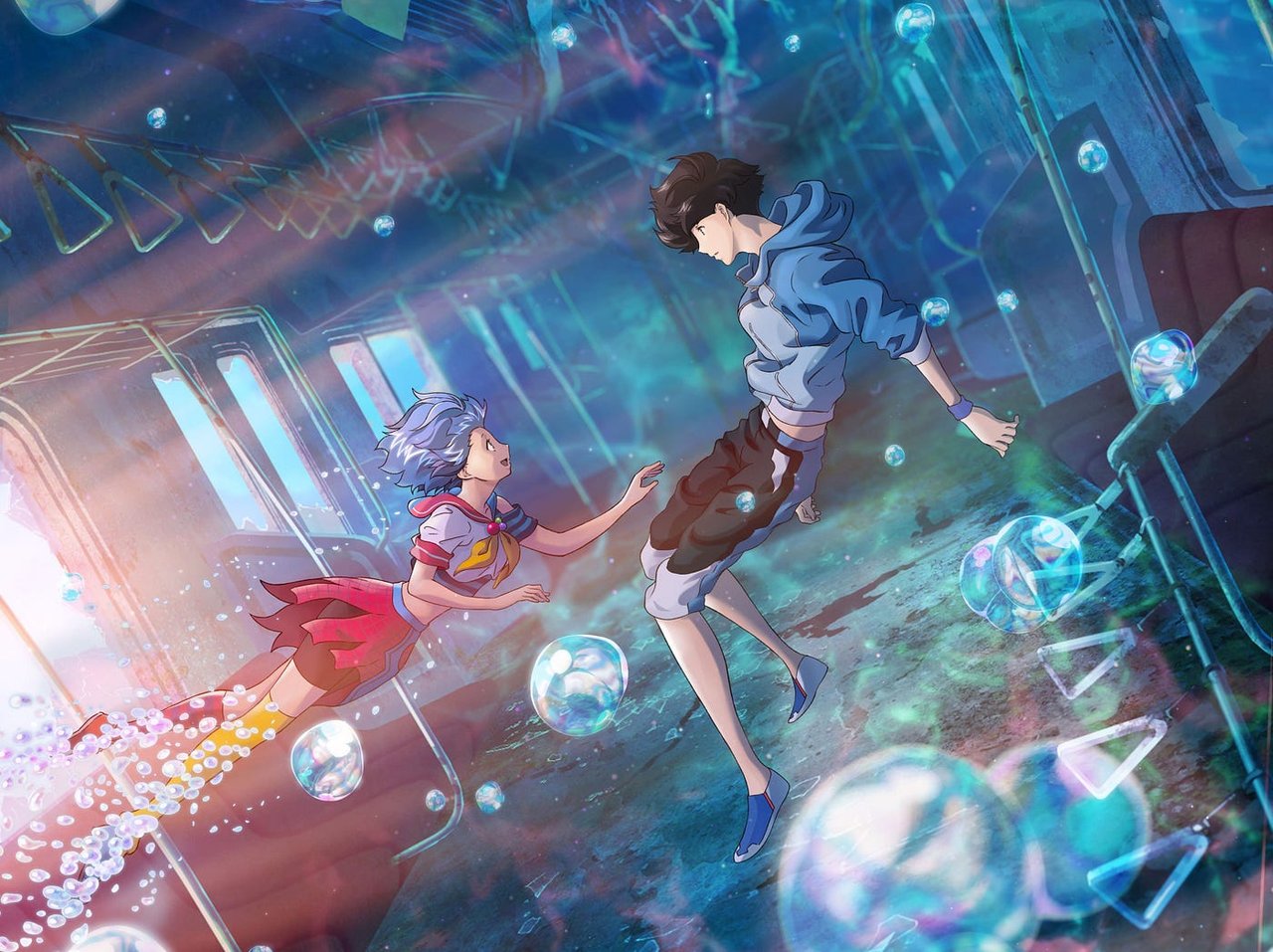
We're back to movie and anime reviews after a long break from talking about studios, a break that was necessary for me because I needed to learn a little more about the people behind everything we enjoy. Speaking of which, we have to mention WIT Studio, who were involved in this film, which I have to say has some of the best animation, or at least some of the most polished, that I've seen in a film in some time. Bubble is a story based on the famous tale of The Little Mermaid but taken in a different direction, one filled with magic, science, parkour, action, and of course, love.
Volvemos a las reseñas de películas y animes después de una larga pausa hablando de los estudios, una pausa que para mi era necesaria porque había que conocer un poco más a profundidad acerca de los encargados de hacer todo lo que disfrutamos. Y hablando de eso tenemos que WIT Studio fueron los partícipes en este film que hay que decir tiene una de las mejores animaciones o por lo menos de las más prolijas que he visto en una película en cierto tiempo. Bubble es una historia basada en el famoso cuento de La Sirenita pero llevada por otro camino, uno lleno de magia, ciencia, parkour, acción y claro está, el amor.
We're set in Tokyo, which was struck one day by a shower of bubbles that inexplicably began appearing around the world. After these events, Tokyo was completely destroyed and isolated within a large bubble, rendering the city virtually uninhabitable. This doesn't stop a group of young people who live there after losing their families from dedicating themselves to parkour. For them, this is a way of life, as they compete among various teams to "fight" for supplies to make ends meet. In other words, amidst the ruined city, we'll see these young people jump and risk their lives for fun and survival.
Nos ubicamos en la ciudad de Tokyo la cual ha sido sorprendida un buen día por una lluvia de burbujas que comenzaron a aparecer en el mundo de manera inexplicable. Tras estos sucesos Tokyo queda totalmente destruida y aislada dentro de una gran burbuja haciendo que la ciudad sea prácticamente inhabitable. Esto no detiene a unos jóvenes que viven en ese lugar tras perder a sus familias y que se dedican al parkour. Para ellos esto es un modo de vida porque a través de competencias entre varios equipos es que se "pelean" provisiones para poder hacer vida en dicho lugar. Es decir, entre la ciudad en ruinas veremos a estos jóvenes saltar y arriesgar sus vidas por diversión y para sobrevivir.
Among these young people is Hibiki, someone who, after making an extremely risky move in one of these competitions, almost dies but is saved by a mysterious young woman at the bottom of the sea. From there, a unique connection forms between them, where the two, at the end of the day, turn out to be lucky to meet each other. In my view, this is a science fiction film because many of the things that happen have no explanation, and the plot doesn't bother to clarify them much either. What you have to do is simply let yourself be carried away by the magic I mentioned earlier, and that's it. Don't question what you see, don't wonder why something is in that place; see it as something paranormal or as a mystery of the universe itself, since that may be where the little clarification they provide lies.
Entre esos jóvenes se encuentra Hibiki, alguien que después de hacer un movimiento sumamente arriesgado en una de esas competencias casi muere pero es salvado por una joven misteriosa en el fondo del mar. A partir de allí entre ellos se crea una conexión única en donde los dos, al final del día, resultaron afortunados de conocerse entre sí. A mi modo de ver esto es un film de ciencia ficción porque muchas de las cosas que pasan no tienen explicación alguna y la trama tampoco se molesta en aclararlas mucho, lo que hay que hacer es simplemente dejarse llevar por la magia que les mencioné anteriormente y ya está. No te cuestiones lo que ves, no te preguntes el por qué tal cosa está en dicho lugar; velo como algo paranormal o como un misterio del propio universo ya que por ahí puede que vaya la poca aclaración que dan.
The story itself, at least for me, didn't bore me at any point. It may get a bit slow and in-depth at times, but that doesn't stop you from losing interest. The action is very good, the parkour battles are incredibly addictive and entertaining to watch. The spectacular animation helps. I was very surprised by the fluidity and level of detail shown. It's one of those things that makes you want to watch it because you're captivated by the verticality and speed of the scenes. I think WIT Studio has upped the ante a lot, although it's not impressive because we already know what they're capable of.
La historia en si por lo menos a mi no me aburrió en ningún momento, puede que en diversos pasajes se ponga un poco lenta y profunda pero es no hace que uno pierda el interés. La acción es muy buena, las batallas de parkour son tremendamente adictivas de ver y muy entretenidas, ayuda la animación espectacular que hay, me sorprendió mucho la fluidez y el nivel de detalle que mostraron, son de esas cosas que provoca verlas porque quedas embelesado con la verticalidad y velocidad de las escenas. Creo que WIT Studio subió mucho la apuesta aunque no impresiona porque ya sabemos de lo que son capaces de hacer.
he love story begins because this young woman, Uta, arrives unexpectedly and wins everyone's hearts, including Hibiki's. The relationship becomes very deep and sincere, which undoubtedly leaves a lasting mark on both of them. The theme is at its end; it will affect you depending on the message you want to take away; that said, it can be bittersweet or sweet. Personally, I liked it because it shows how much one person can influence another, always for the better, the ability to always bring out the best in each other, and, most importantly, the complementary nature of two people, to the point where one isn't afraid to be who they are. It may sound very profound, but it's simpler than it seems when you watch the whole film.
La historia de amor se da porque esta joven, Uta, llega de manera imprevista y se gana los corazones de todos, incluido el de Hibiki. La relación se vuelve muy profunda y sincera lo que sin duda los marca a los dos. El tema está en su final, te afectará dependiendo del mensaje con el que te quieras quedar, dicho esto puede ser amargo o dulce. Personalmente me gustó porque enseña lo mucho que puede influir una persona en otra siempre para bien, la capacidad de siempre sacar lo mejor del otro y lo más importante vendría siendo el complemento que pueden llegar a ser dos personas al punto de que una no tenga miedo de ser quien es. Puede sonar muy profundo pero es más simple de lo que parece cuando ves toda la película.
I highly recommend this film. It's from 2022, but I honestly hadn't heard of it. The music is another beautiful thing. I understand the great Hiroyuki Sawano was behind the soundtrack, hence its powerful and sensitive quality. It has it all; it's a very entertaining, emotional, and yes, even magical film. It's on Netflix for those interested.
Muy recomendado este film, es del 2022 pero la verdad no había oído de él. La musica es otra de las cosas muy bonitas, entiendo que el gran Hiroyuki Sawano estuvo detrás de la banda sonora, de ahí lo potente y sensible que es. Lo tiene todo, es una película muy entretenida, emotiva y si, hasta mágica. Está en Netflix para aquellos que les interese.
Hi guys, how are you all? Hope many of you are well. Friends, all of us who watch Bollywood movies or have ideas about Bollywood are talking a lot about a movie lately, because the two actors in the movie are both newcomers. And as far as their acting or movie trailer is shown, it seems that both of them have acted great, or the movie may be very good minded. It seems like this after seeing the movie trailer. Finally, the movie got released, and I thought that since I have time today, I would watch this movie and discuss something about this movie.
Friends, at the beginning of the movie, it is shown that a girl is standing in a very beautiful wedding dress, all her relatives are standing next to her as if she is waiting for someone, suddenly the girl's phone calls and the girl turns her head when she hears the phone, it means that the phone call from the other side is the boyfriend of this girl, they are supposed to get married today. Heroine. The beginning of the movie seems very simple to me, but I like the way the director has presented it beautifully.
This movie is a love story. The main story of the movie is that the lead character of who movie means the hero, is a singer; on the other hand, the heroine of this movie is a writer. A very beautiful, sweet relationship is developed between the two; both love each other very much, but the heroine has a complex disease, which causes her to forget everything. The director has presented her story in a very simple and beautiful way.
In particular, I would say that the director has presented the story in a very simple way, and in a very general way, a boy and a girl have shown a love story, and in the end, how they sacrifice to save their love or how they fight to keep their love is mentioned. The director has presented a very great story on a very low budget. The director presented his story as a love story from the beginning to the end.
Everyone gave a beautiful performance, especially I liked the heroine's performance. Those who have seen the movie agree with me. And those who have not seen this movie yet, if you have seen a love story movie and if you are used to watching Bollywood love stories, then you can watch this movie if you want. I like the movie very much.
The final season of Homicide: Life on the Street marked a bold, if controversial, creative shift, most notably by devoting two two-part episodes to standalone stories that ventured into unconventional territory. These instalments—“Wanted Dead or Alive” and Kellerman, P.I.—shared a thematic focus on characters operating on the fringes of law enforcement, eschewing the show’s usual ensemble-driven procedural narratives. The first, “Wanted Dead or Alive,” explored the world of bounty hunters, while the latter, Kellerman, P.I., reintroduced a figure central to the series’ emotional core: Mike Kellerman, the disgraced detective whose abrupt exit at the end of Season 6 had left fans disgruntled. By revisiting Kellerman’s story, the episode not only mends a narrative rift but also crafts a compelling procedural that balances moral complexity with the series’ trademark gritty realism.
The first instalment opens with Detectives Falsone and Stivers investigating routine drug-related homicides on Baltimore’s perilous streets, their banter reflecting their hardened, jaded perspectives. This routine is shattered when they discover the body of a newborn male buried near a run-down motel. Initial inquiries reveal the baby was delivered at the motel just hours before its death, leading detectives to 16-year-old Debbie Straub (Jena Malone), a high school student from an affluent family, and her boyfriend Craig Helpern (Chris Gunn), a fellow student and the father. The pair claim the infant was stillborn, their panic driving them to conceal the birth and burial. However, Dr. Griscom’s autopsy confirms the baby was alive post-delivery, implicating the teenagers in infanticide. This setup masterfully intertwines the show’s procedural rigor with the emotional weight of a tragic, morally fraught case. The juxtaposition of the protagonists’ youth against the grim reality of their actions underscores the episode’s exploration of innocence lost.
The introduction of Mike Kellerman (Reed Diamond) as a private investigator represents both a narrative triumph and a cathartic moment for viewers. Months after his resignation, Kellerman’s transition to PI work—motivated by a desire for autonomy—positions him as an outsider leveraging his insider knowledge. Hired by Debbie’s parents to defend her, Kellerman deduces that Assistant State Attorney Danvers will pit the teenagers against each other, urging Debbie to incriminate Craig. His strategic advice—to allow Debbie to remain in custody temporarily—proves shrewd, as she soon initiates a clandestine deal against her boyfriend from jail. Kellerman’s scenes brim with tension, his dialogue and mannerisms reflecting both his disillusionment and residual loyalty to the Homicide Unit. The episode thus frames him not as a villain but as a flawed protagonist navigating a system he no longer trusts, a dynamic that enriches both his character and the procedural’s ethical undertones.
Joy Kecken’s script deftly navigates the challenges of reintroducing Kellerman while advancing the central mystery. Though limited by the episode’s runtime, it efficiently weaves exposition into action, using subtle gestures—such as Lt. Giardello’s cold silence or the new detective Shepard’s unwavering loyalty—to convey the friction between Kellerman and his former colleagues. Shepard’s role, however, risks feeling contrived; her apparent lack of awareness about Kellerman’s past transgressions allows him to sidestep accountability, a plot point that strains credulity. Yet this minor misstep is overshadowed by the script’s nuanced handling of Kellerman’s psyche. Reed Diamond’s performance is, as ever, pitch-perfect, embodying Kellerman’s weary pragmatism and simmering resentment.
A standout achievement of Kellerman, P.I. is its refusal to reduce the teenage parents’ plight to a cultural battleground. Unlike many modern dramas that weaponise abortion and teen pregnancy for ideological posturing, the episode treats these issues with measured restraint. Instead of moralising, it focuses on the procedural mechanics of the case and the emotional toll on its characters. Debbie’s portrayal by the then-14-year-old Jena Malone is particularly poignant; her wide-eyed vulnerability and fleeting moments of defiance capture the disorientation of a girl thrust into unimaginable circumstances. Chris Gunn, as Craig, delivers a quietly intense performance, conveying a boy’s desperation to protect his partner while grappling with his own culpability. The script avoids melodrama, instead anchoring its drama in the characters’ humanity—a choice that elevates the episode above exploitative sensationalism.
Kellerman, P.I.: Part 1 is a testament to Homicide: Life on the Street’s ability to reinvent itself even in its final season. By sidestepping polemics and focusing on human complexity, it reaffirms the show’s enduring legacy as a procedural that never shied from difficult truths. Though not without its flaws, the episode remains a compelling capstone to Kellerman’s arc and a fitting tribute to the series’ innovative spirit.







 [Source](https://www.syfy.com/sites/syfy/files/styles/hero_image__large__computer__alt_1_5x/public/2022/06/thesandman_season1_episode2_00_06_59_13r.jpg)


 [Source](https://fwmedia.fandomwire.com/wp-content/uploads/2025/07/03085024/image-88-1024x683.png)
 [Source](https://dnm.nflximg.net/api/v6/BvVbc2Wxr2w6QuoANoSpJKEIWjQ/AAAAQc5OI57NFbtrBGunIVNYOGhvo3G3HOtOHAQX559JQm9fjETb1227VNg6Jr0AH1-tNEBgiItHaDWjfD__NJGSZq8wdnYkZh44HWwJ3FuoUZn3o7jPSpvjU7vUaJMlqm1JO8AWNuJRZUMC4W8FdZNtUkwC-wQ.jpg?r=554)