
Unconfirmed Reports (S05E02)
Airdate: January 13th 2008
Written by: William F. Zorzi Directed by: Ernest Dickerson
Running Time: 58 minutes
Season Five of The Wire arrived as a profound test of endurance – for its audience, its characters, and crucially, its creators. Where the preceding four seasons demanded patience through intricate, slow-burn narratives dissecting institutions, Season Five confronted viewers with a soul-crushing accumulation of bleakness, the logical endpoint of systemic rot laid bare over years. The streets of Baltimore and the lives within them seemed to have reached a terminal point of decay. Yet the burden fell even heavier upon Simon and his team: tasked with delivering a fitting, resonant conclusion to one of television’s most ambitious sagas, they were handed the poisoned chalice of a shortened season, its narrative scope necessarily constrained by external realities. It is within this crucible of heightened expectation and diminished resources that the second episode, Unconfirmed Reports, emerges – a flawed but fascinating specimen. It delivers what would have been the series’ most audacious, outrageous plot twist had it occurred earlier, yet its execution reveals the very tensions inherent in Season Five’s impossible mission: the struggle to balance thematic closure, character resolution, and institutional critique within a compressed framework, often resulting in narrative missteps and unsettling ambiguities.
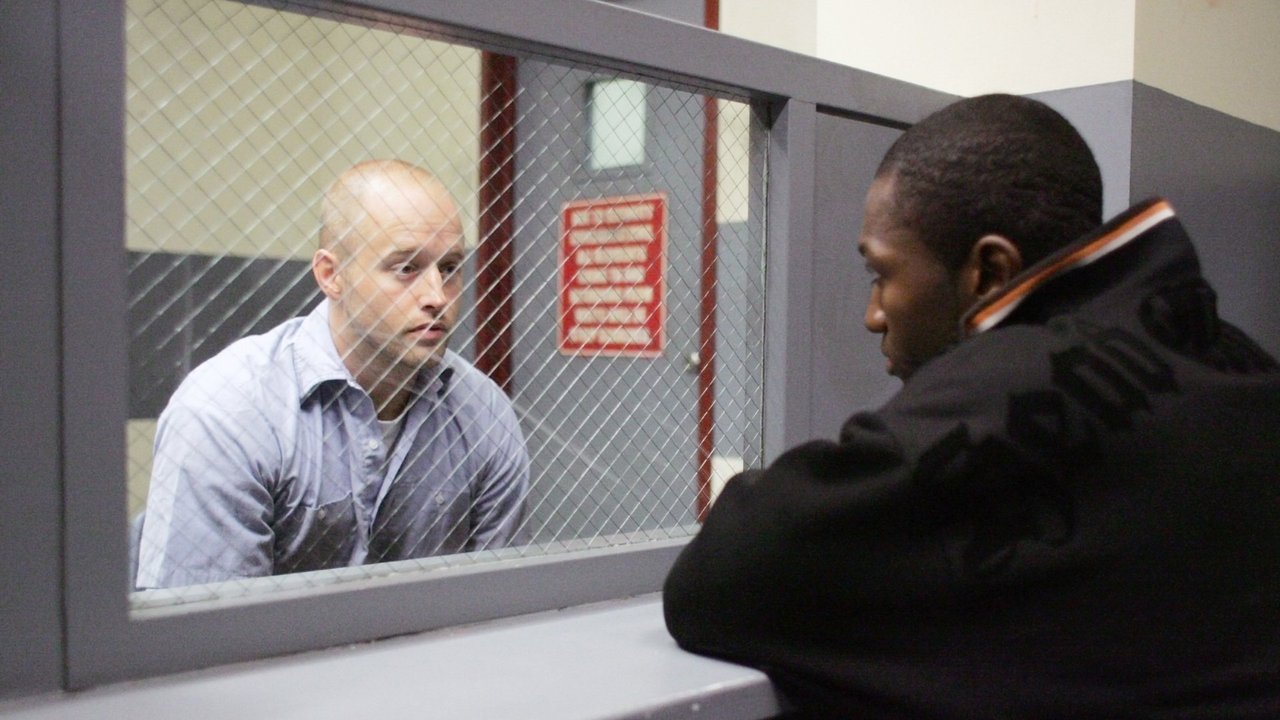
The episode’s opening moments starkly illustrate the season’s pervasive, suffocating despair. Marlo Stanfield, initially operating under the misapprehension that the Major Crime Unit remains a threat, swiftly grasps the vacuum left by its disbandment. The surveillance operation, however flawed, was the sole institutional counterweight preventing Marlo’s absolute hegemony over West Baltimore through unrelenting, psychopathic violence. With it gone, the leash snaps. Marlo unleashes Snoop, Chris Partlow, and their terrifyingly efficient young protégés – O-Dog and the conflicted Michael Lee – upon the streets. The target? Junebug, whose sole transgression was the mere rumour of publicly questioning Marlo’s sexual orientation. In Marlo’s world, such lèse-majesté, even whispered, demands the ultimate penalty. The ensuing assault on Junebug’s home is chillingly clinical: a meticulously planned massacre where Junebug and his entire family are executed. Only two children survive – a boy spared solely because Michael, despite his conditioning, cannot pull the trigger on a child escaping, and a young child who evades death by hiding in a closet, later discovered by Kima Greggs during investigation. The sheer, casual brutality underscores how utterly the social contract has dissolved in West Baltimore, leaving only terror as governance.
Emboldened by this unchecked power, Marlo’s ambition escalates further. He attempts a dangerous power play against Proposition Joe, seeking direct contact with the elusive Vondas and the Greeks. To facilitate this, he visits Avon Barksdale in Jessup, leveraging his newfound wealth to recruit the incarcerated kingpin as a go-between to Sergei Matalov, the Russian enforcer within Vondas’ organisation. This scene is rich with irony and shifting loyalties. Avon, once consumed by bitter rivalry with Marlo, now sits contentedly within his own prison empire, the old hatreds seemingly dissolved by the shared reality of their diminished circumstances and the larger, more immediate threat Marlo poses to Joe. Avon’s willingness to broker this connection speaks volumes about the pragmatic, survivalist calculus that governs even the most hardened players when the institutional ground shifts beneath them.
Amidst this descent into chaos, Bubbles’ struggle for redemption offers a fragile counterpoint, though one fraught with its own painful ambiguities. Post-rehab, he diligently attends Narcotics Anonymous meetings, even finding moments of dark humour in recounting his past as a cautionary tale. Yet his sponsor, Wallon, delivers an uncomfortable truth: true recovery demands Bubbles publicly confront his role in Sherrod’s death – a burden he remains psychologically incapable of bearing. Instead, he seeks absolution through philantrophic deeds, volunteering at a soup kitchen. This evasion, while understandable, highlights the crushing weight of guilt and the near-impossibility of genuine atonement within a system offering no pathways for it.
Conversely, the institution ostensibly at the heart of Season Five, The Baltimore Sun, feels strangely peripheral in Unconfirmed Reports, treated almost as an afterthought. The primary storyline involves cub reporter Scott Templeton being assigned a seemingly innocuous column about an Orioles game. Struggling for inspiration, he instead presents city editor Gus Haynes with a heartwarming vignette about a 13-year-old wheelchair-bound boy who failed to raise enough money to attend the game. Haynes, a character widely interpreted as Simon’s fictional alter ego embodying journalistic integrity, is immediately suspicious – the lack of corroborating photographs, specific quotes, or verifiable details rings alarm bells. Yet his misgivings are swiftly overruled by executive editor James Whitting (Sam Freed), prioritising a positive human-interest story over rigorous verification. This scene, while establishing Templeton’s emerging mendacity, feels undercooked. More damningly, it fails to leverage the Sun’s potential as a central narrative engine, reducing the newspaper’s institutional critique to a single, somewhat schematic plotline about journalistic ethics under pressure. The episode misses the opportunity to deeply explore the paper’s internal power struggles, resource constraints, or the broader cultural shift undermining its relevance – themes promised for the season.
The episode’s true narrative pivot, however, lies in Jimmy McNulty’s irreversible descent. His simmering frustration with the glacial pace of justice, the disbanding of Major Crimes, and the sheer bureaucratic inertia of the BPD has reached breaking point. He returns to heavy drinking, suffers debilitating hangovers, and is reduced to taking the bus to crime scenes due to the department’s lack of functioning vehicles – a humiliating symbol of institutional collapse. The catalyst crystallises during a visit to the morgue. He meets Baltimore County detective Nancy Porter (Kristie Dale Sanders) and sees her partner, Kevin Infante (Anthony Mangano) arguing with wa woman over addict found with strangulations marks being not being treated as homicide, She explsins that those strangulation marks were made by paramedics mishandling the corpse during resuscitation attempts. Later, in a bar, McNulty listens as colleagues lament the media’s indifference to the hundreds of Black victims whose deaths go unreported, contrasting it with the national frenzy over a single missing white woman like Natalee Holloway. This confluence of experiences – the medical misinterpretation, the systemic devaluation of Black lives, the utter futility of his investigation into Marlo – ignites a dangerous idea. Following a final, desperate plea to his FBI contact Fitz, which fails when US Attorney (Robert Urla) refuses to act, McNulty makes his fateful decision: he will fabricate a serial killer preying on homeless men, staging a natural death as a strangulation to force media attention, resources, and political will onto the Marlo Stanfield case. The moral abyss he chooses to step into is presented not as sudden madness, but as the inevitable, horrifying culmination of years of institutional betrayal and personal despair.
Written by William F. Zorzi, a veteran Baltimore Sun reporter and Simon’s colleague, "Unconfirmed Reports" possesses undeniable strengths, particularly in its character moments – Bubbles’ fragile sobriety, Marlo’s chilling expansion of power, and the palpable sense of McNulty’s unraveling. However, it falls significantly short of the series’ top-tier episodes. Its most glaring flaw is a lack of cohesive focus. The Sun storyline feels tacked on rather than integral; the Junebug massacre, while powerful, lacks the deeper contextual exploration afforded to similar violence in earlier seasons; and McNulty’s pivotal decision, though thematically necessary, unfolds with a rushed intensity that sacrifices some of the meticulous character groundwork the show usually provides. The episode tries to juggle too many critical narrative threads within its runtime, resulting in several feeling undernourished.
This lack of resolution is most acutely felt in the episode’s final, deeply problematic scene. McNulty stages the "murder" of a homeless man. Crucially, Bunk Moreland is present. Bunk, portrayed throughout the series as McNulty’s moral compass, the voice of weary conscience and procedural integrity, refuses to intervene as McNulty plants evidence and manipulates the scene. The ambiguity is deliberate but ultimately unsatisfying: does Bunk suspect the truth and choose complicity out of loyalty or shared despair? Is he genuinely oblivious? The script and direction fail to provide sufficient clues, leaving the audience stranded in uncertainty rather than offering the profound moral complexity the moment demands. This is a narrative evasion, a consequence of the season’s compressed timeline preventing the necessary character beats to make Bunk’s potential complicity believable or thematically resonant.
The episode’s continuity with the prison storyline via Avon Barksdale’s return offers a moment of fascinating, if slightly baffling, character evolution, showcasing how power dynamics shift within the microcosm of the penal system. However, another scene feels jarringly anachronistic for modern audiences. Haynes, working late, wakes in the middle of the night consumed by doubt about a statistic in a pending story, rushing to verify it before the presses roll. While this perfectly captures the pre-digital era’s journalistic culture – where errors were permanent in print and midnight fact-checking was a sacred, if exhausting, ritual – it risks seeming quaint or even absurd to viewers accustomed to the constant, stealthy corrections of the online news cycle. The weight of that moment, the tangible pressure of irrevocable print, is largely lost without context the episode fails to provide.
Furthermore, the season’s perceived creative strain manifests in a scene that feels less like homage and more like unacknowledged repetition. The detail of the young girl surviving the Junebug massacre by hiding in a closet is a direct lift from Damage Done, a pivotal 1996 episode of Homicide: Life on the Street (on which Simon worked). While Simon’s work often pays tribute to Homicide, the reuse here, stripped of its original context and emotional weight, feels less like a meaningful echo and more like a narrative shortcut born of time pressure. It highlights a certain fatigue in Season Five’s storytelling, where the urgency of conclusion sometimes overrides the meticulous originality of earlier seasons.
Unconfirmed Reports is thus a microcosm of Season Five’s inherent contradictions. It contains moments of raw power – Marlo’s unchecked reign of terror, Bubbles’ quiet torment, McNulty’s catastrophic choice – that resonate deeply with The Wire’s core themes. Yet, it is hampered by the very constraints it embodies: a narrative stretched thin, key storylines underdeveloped (The Sun), critical character moments rendered ambiguous to the point of frustration (Bunk), and occasional echoes of past glories that feel derivative rather than inspired. It delivers the season’s central, outrageous twist – McNulty’s fabrication – with the necessary grim logic, but struggles to fully support the immense thematic weight it carries within the compressed framework. It is not a bad episode; it is a necessary, often compelling, but ultimately flawed one, bearing the unmistakable scars of a masterpiece attempting the near-impossible task of concluding its own profound, sprawling critique under duress.
RATING: 6/10 (++)
Blog in Croatian https://draxblog.com Blog in English https://draxreview.wordpress.com/ InLeo blog https://inleo.io/@drax.leo
InLeo: https://inleo.io/signup?referral=drax.leo Leodex: https://leodex.io/?ref=drax Hiveonboard: https://hiveonboard.com?ref=drax Rising Star game: https://www.risingstargame.com?referrer=drax 1Inch: https://1inch.exchange/#/r/0x83823d8CCB74F828148258BB4457642124b1328e
BTC donations: 1EWxiMiP6iiG9rger3NuUSd6HByaxQWafG ETH donations: 0xB305F144323b99e6f8b1d66f5D7DE78B498C32A7 BCH donations: qpvxw0jax79lhmvlgcldkzpqanf03r9cjv8y6gtmk9


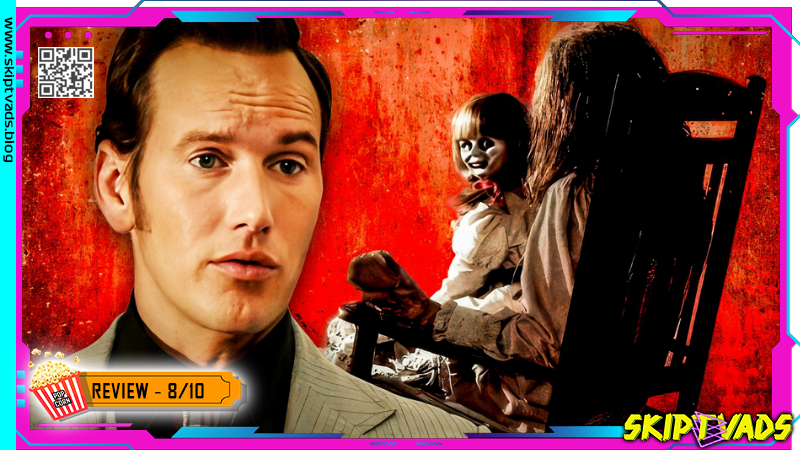

 I guess this post is going to fit perfectly for a day like Halloween, not that I plann for it but this is a series I wanted to take on now that The Conjuring franchise is done, well who knows because the other day saw some articles saying now they planning to run a few spin off. The Conjuring came out back in 2013 and it pretty much reminded everyone that horror does not need to rely on blood and guts to scare the shit out of people, this is the fifth movie to watch in chronological order on the story, James Wan was fresh off Insidious and decided to go all in with this one, the whole thing got rated R just because it was scary, no nudity, no over the top gore, just pure tension and that freaky atmosphere that makes people jump out of there seats. Patrick Wilson and Vera Farmiga play Ed and Lorraine Warren, these paranormal investigators who actually debunk fake haunting before they go full exorcist mode on the real stuff, I liked that angle because it makes them more believable, not just some random ghost hunters looking for attention, in fact there are scenes on the movie where they explain this to a couple who said there was something at their house and it was just the wind in the attic. The thing is these two have amazing chemistry together and you can tell they care about each other as a couple in the movie, there relationship is probably the strongest part of the entire movie and the entire franchise, its the main reason I kept watching because the Perron family they were sweet but did not really grab my attention the same way Ed and Lorraine did, Wilson has this charm to him even when hes doing exorcisms and Farmiga plays the clairvoyant wife with such grace that you believe everything shes seeing is real to her. The opening with the Annabel doll is supposed to set the tone but honestly I found it a bit weak compared to what comes later, those two girls telling there story about how the doll moved around there apartment and left creepy notes everywhere should have been more scary but the acting felt off and it did not land for me like it should have, still the doll design is nasty looking and I get why it became its own franchise even tho I think Annabelle is actually the weakest part of this whole universe.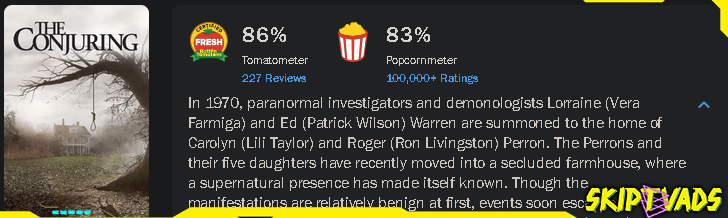

 [Source](https://tinyurl.com/7wzr2xbr)
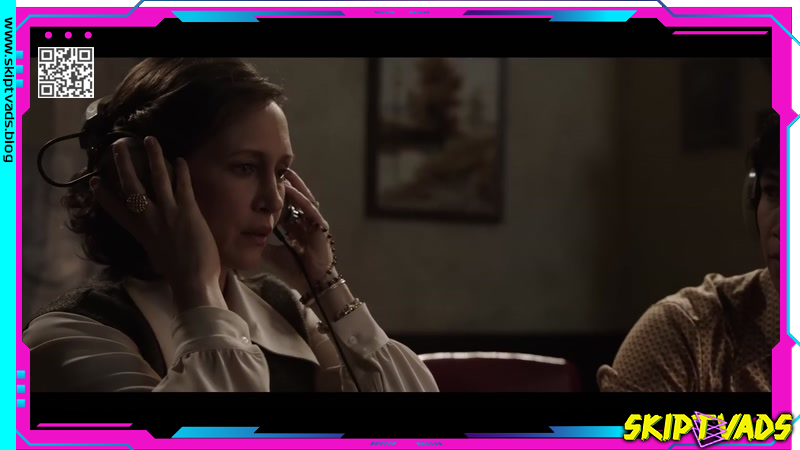
The movie has this very familiar formula where the Perron family moves into a creepy old farmhouse in Rhode Island and things start going south real quick, there dog dies on the first night which is always a bad sign, clocks stop at exactly 3:09 AM which we find out later has something to do with the witching hour and when bad stuff went down on that land, doors slam on there own, bruises appear on the moms body over night, the basement smells like rotting meat and gives off this energy that makes you never want to go down there ever and by the way they didnt even knew there was a basement because the entrance was cover up, big RED FLAG moment right there but you know how stupid scary movie victims can be. Director James Wan knows how to build that tension slow and steady until it hits maximum freak out levels, the first half drags a little bit but thats kind of needed for these types of movies, you can not rush the buildup or else the scares do not have the same effect, its like let it build up the tension so when they hit actually freak you out, enough signs but not the entire story at once. One of the best scares is that hide and clap game where the mom is blindfolded playing with her youngest daughter and you see these hands come out from inside the closet door and clap, its such a simple idea but it works because the demon is literally toying with its prey before executing perfectly. Another scene that really freak me out was when one of the daughters wakes up in the middle of the night and sees someone standing in the dark corner of her room, the corner is so dark your eyes start playing tricks on you and you swear you can see something there even tho the movie does not show you anything clearly but she sells it so good, then the girl gets her feet grabbed and pulled which is probably peoples worst nightmare, you can be awake and I swear the moment you feel something landing in your feet, damn bounce from bed like a spring or just tuck your feed inside the bed like its holy territory.
[Source](https://tinyurl.com/7wzr2xbr)
The movie has this very familiar formula where the Perron family moves into a creepy old farmhouse in Rhode Island and things start going south real quick, there dog dies on the first night which is always a bad sign, clocks stop at exactly 3:09 AM which we find out later has something to do with the witching hour and when bad stuff went down on that land, doors slam on there own, bruises appear on the moms body over night, the basement smells like rotting meat and gives off this energy that makes you never want to go down there ever and by the way they didnt even knew there was a basement because the entrance was cover up, big RED FLAG moment right there but you know how stupid scary movie victims can be. Director James Wan knows how to build that tension slow and steady until it hits maximum freak out levels, the first half drags a little bit but thats kind of needed for these types of movies, you can not rush the buildup or else the scares do not have the same effect, its like let it build up the tension so when they hit actually freak you out, enough signs but not the entire story at once. One of the best scares is that hide and clap game where the mom is blindfolded playing with her youngest daughter and you see these hands come out from inside the closet door and clap, its such a simple idea but it works because the demon is literally toying with its prey before executing perfectly. Another scene that really freak me out was when one of the daughters wakes up in the middle of the night and sees someone standing in the dark corner of her room, the corner is so dark your eyes start playing tricks on you and you swear you can see something there even tho the movie does not show you anything clearly but she sells it so good, then the girl gets her feet grabbed and pulled which is probably peoples worst nightmare, you can be awake and I swear the moment you feel something landing in your feet, damn bounce from bed like a spring or just tuck your feed inside the bed like its holy territory.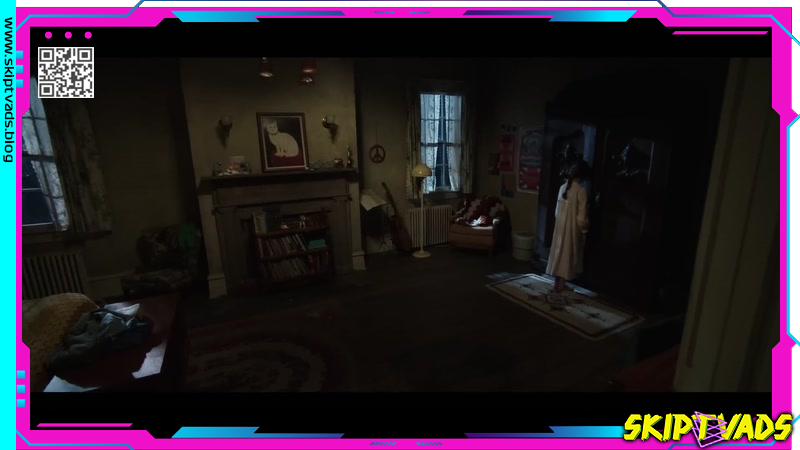 [Source](https://tinyurl.com/7wzr2xbr)
 [Source](https://tinyurl.com/7wzr2xbr)
The whole backstory about Bathsheba Sherman is where things get realy interesting for me because aside from the scares they start to build up this entire story and they have to figure the why of things, she was this witch who lived on the land back in the 1800s and sacrificed her own baby to Satan then hung herself from the tree in the backyard cursing anyone who would ever live there, its heavy stuff and the movie does a good job making you believe this history is real, there is this scene where Lorraine sees her daughter on the water that scare her to death. From what I could find on ther ineternet the Warrens have a controversial history and lot of people think they were just frauds who took advantage of family going through tough times but putting that aside and just enjoy the ride because Wilson and Farmiga make them so likable that you want to root for them. Across the movie you fan fee that the scares are not cheap jump scares with loud noises, James Wan builds atmosphere and a story to follow, when Lorraine is outside hanging sheets and the weather suddenly changes and one of the sheets blows off revealing Bathshebas ghost standing in the window staring at her, that whole scene is chilling and it happens in broad daylight which makes it even creepier because your supposed to feel safe during the day, thats what Hollywood horror stories have teach us. The practical effects for the possession scenes are really solid, when Carolyn the mom gets fully possessed her face looks so painful and raw with veins popping through her skin and her eyes all dead looking, the makeup work here is fantastic and way better than if they had used CGI.
[Source](https://tinyurl.com/7wzr2xbr)
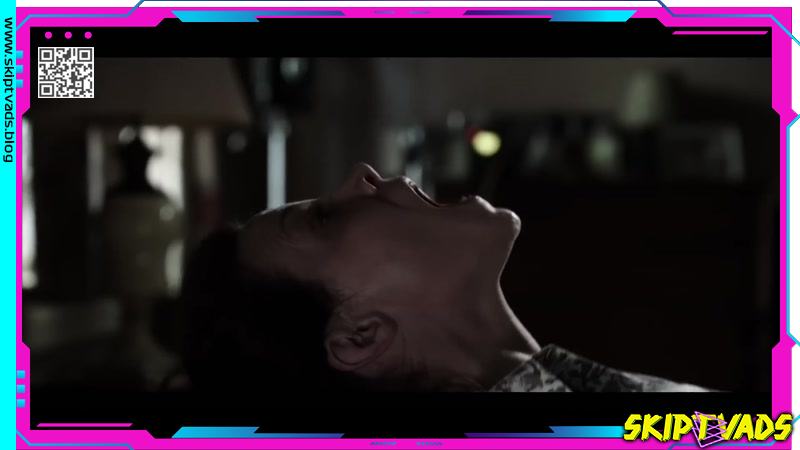
The whole backstory about Bathsheba Sherman is where things get realy interesting for me because aside from the scares they start to build up this entire story and they have to figure the why of things, she was this witch who lived on the land back in the 1800s and sacrificed her own baby to Satan then hung herself from the tree in the backyard cursing anyone who would ever live there, its heavy stuff and the movie does a good job making you believe this history is real, there is this scene where Lorraine sees her daughter on the water that scare her to death. From what I could find on ther ineternet the Warrens have a controversial history and lot of people think they were just frauds who took advantage of family going through tough times but putting that aside and just enjoy the ride because Wilson and Farmiga make them so likable that you want to root for them. Across the movie you fan fee that the scares are not cheap jump scares with loud noises, James Wan builds atmosphere and a story to follow, when Lorraine is outside hanging sheets and the weather suddenly changes and one of the sheets blows off revealing Bathshebas ghost standing in the window staring at her, that whole scene is chilling and it happens in broad daylight which makes it even creepier because your supposed to feel safe during the day, thats what Hollywood horror stories have teach us. The practical effects for the possession scenes are really solid, when Carolyn the mom gets fully possessed her face looks so painful and raw with veins popping through her skin and her eyes all dead looking, the makeup work here is fantastic and way better than if they had used CGI.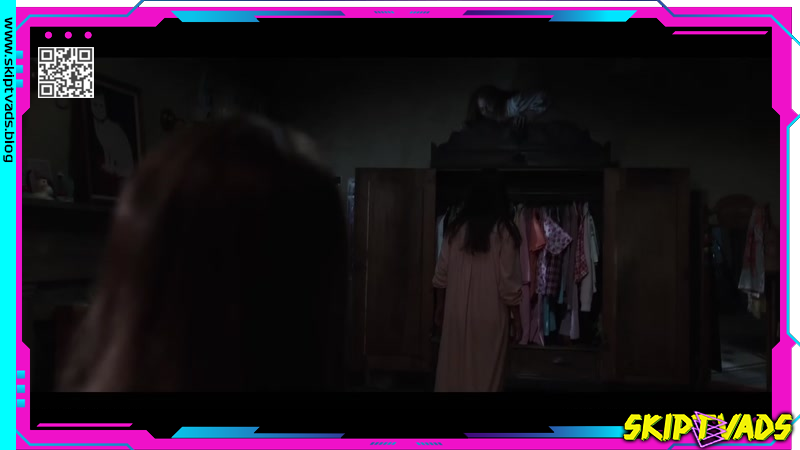 [Source](https://tinyurl.com/7wzr2xbr)
 [Source](https://tinyurl.com/7wzr2xbr)
Getting close towards the end is where everything goes absolutely crazy, this is when Carolyn gets fully possessed by Bathsheba and tries to kill her own daughters, Ed has to perform an emergency exorcism without the church permission because theres no time to wait, they tie her to a chair and cover her with a white sheet which becomes this creepy visual as she coughs up blood all over it and then the sheet rips revealing the witches face mixed with Carolyns, its disturbing as hell. The chase scene through the basement when Carolyn is crawling through the walls going after her daughter April is one of the most tense moments in the whole thing, having your own mother hunt you down while possessed is such a messed up concept and the movie really leans into that fear, the camera work here is great with shots that make you feel like your right there with them running for your life. Ed finally gets through to Carolyn by reminding her of her family and her love for her children which breaks Bathshebas hold on her partially, its a bit cheesy, I know, with the whole power of love saves the day thing but it works in the context of this movie because its always been about family from the start, the Warrens have there daughter Judy who they protect, the Perrons have there five daughters who they would die for, so having that be the solution feels earned even if its not the most original way to end an exorcism.
[Source](https://tinyurl.com/7wzr2xbr)
Getting close towards the end is where everything goes absolutely crazy, this is when Carolyn gets fully possessed by Bathsheba and tries to kill her own daughters, Ed has to perform an emergency exorcism without the church permission because theres no time to wait, they tie her to a chair and cover her with a white sheet which becomes this creepy visual as she coughs up blood all over it and then the sheet rips revealing the witches face mixed with Carolyns, its disturbing as hell. The chase scene through the basement when Carolyn is crawling through the walls going after her daughter April is one of the most tense moments in the whole thing, having your own mother hunt you down while possessed is such a messed up concept and the movie really leans into that fear, the camera work here is great with shots that make you feel like your right there with them running for your life. Ed finally gets through to Carolyn by reminding her of her family and her love for her children which breaks Bathshebas hold on her partially, its a bit cheesy, I know, with the whole power of love saves the day thing but it works in the context of this movie because its always been about family from the start, the Warrens have there daughter Judy who they protect, the Perrons have there five daughters who they would die for, so having that be the solution feels earned even if its not the most original way to end an exorcism. My only concern with this movie is that I could see certain scares coming from a mile away which killed some of the tension for me on first watch and the ending felt kind of abrupt like everything just wrapped up too fast after all that buildup, I would have prefer if they had to do something more critical or if Lorraine had some sort of power to get into Carolyn mind and help her from the inside and not just "remember the love for your family", one minute Carolyns possessed and trying to murder everyone and the next minute shes crying and hugging her kids and everyone fine. Also that Annabelle subplot with the Warrens daughter back home felt forced like it was just a commercial add for the next movie in line and the CGI on the rocking chair flying too dark for my taste but I guess its because they didnt want to show anyone else than the doll so who throws the chair?, those are minor complaints tho because overall The Conjuring does its job incredibly well, its one of those movies that makes every little sound in your house feel suspicious after watching it, you start sleeping with the lights on and making sure your feet are within the bed perimeter, it reminds you why horror does not need to be blood, loud noises and sex. For me this is a solid 8 out of 10 for being creepy without going into cheap tricks, there is this massive franchise behind this movie that has been hit or miss that I still enjoy.
















 [Source](https://tinyurl.com/2z948ba7)
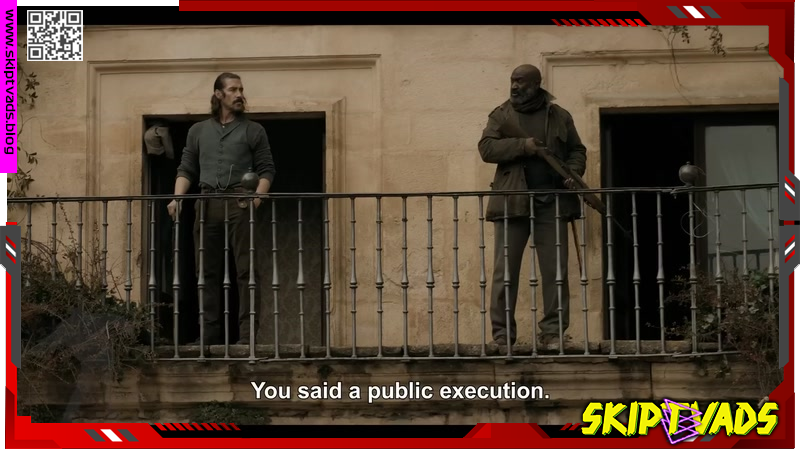
Carol and Antonio getting captured again felt repetitive as hell, like how many times are we gonna do this same thing where they get caught and need to be rescued, I know its a finale and you need tension but come on find a new trick already. The whole public execution thing with the walkers was pretty intense though, Fede had them chained up with dead bodies attached to them and walkers coming from all sides which was gnarly, watching them fight with there hands tied was stressful but then Daryl shows up with the sniper rifle and starts picking off Fedes men one by one which was satisfying. The moment Justina walks into town and tells everyone the truth about her uncle was great, she basically turns the whole community against him in like two minutes and suddenly everyone is on Daryls side which felt like a nice payoff after all the crap they been through, Fede tried to play the victim card saying Daryl destroyed there relationship with the Alcazar but nobody was buying it anymore. I still think they should have just killed Fede right there instead of locking him up because you knew he was gonna escape and mess things up again, like his mom literally breaks him out of jail at the end and he shows up to burn the boat which is exactly what I expected to happen, dude could not just take the L and move on he had to get one last shot in.
[Source](https://tinyurl.com/2z948ba7)
Carol and Antonio getting captured again felt repetitive as hell, like how many times are we gonna do this same thing where they get caught and need to be rescued, I know its a finale and you need tension but come on find a new trick already. The whole public execution thing with the walkers was pretty intense though, Fede had them chained up with dead bodies attached to them and walkers coming from all sides which was gnarly, watching them fight with there hands tied was stressful but then Daryl shows up with the sniper rifle and starts picking off Fedes men one by one which was satisfying. The moment Justina walks into town and tells everyone the truth about her uncle was great, she basically turns the whole community against him in like two minutes and suddenly everyone is on Daryls side which felt like a nice payoff after all the crap they been through, Fede tried to play the victim card saying Daryl destroyed there relationship with the Alcazar but nobody was buying it anymore. I still think they should have just killed Fede right there instead of locking him up because you knew he was gonna escape and mess things up again, like his mom literally breaks him out of jail at the end and he shows up to burn the boat which is exactly what I expected to happen, dude could not just take the L and move on he had to get one last shot in.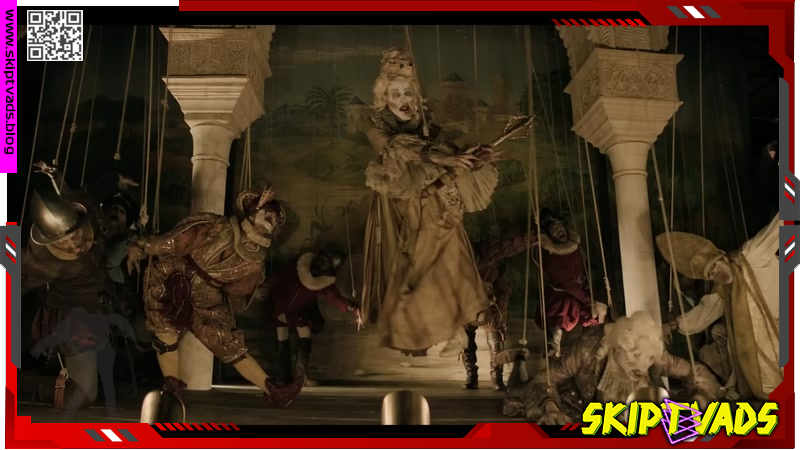 [Source](https://tinyurl.com/2z948ba7)
 [Source](https://tinyurl.com/2z948ba7)
The Alcazar stuff was probably the best part of the episode even though it felt rushed, seeing the king and queen of Spain get eaten by walkers within like five minutes of meeting them was wild, Daryl releases all those dressed up walkers during the ceremony and chaos breaks out instantly which was fun to watch. Paz finally getting her revenge was cool, she had those flashbacks of the prince abusing her back in the day and then in present time Elena stabs him to save Paz which parallels the past in a good way, the fact that Elena chose Paz over her husband and decided to leave with her son was a big moment and I can tell provides lot of satisfaction. I am glad Paz survived and gets to go live in Barcelona with her girlfriend and the kid because she deserved a happy ending after everything. The action at the Alcazar felt like they were trying to cram a lot into a short amount of time, walkers everywhere, people screaming, Daryl saving Justina and all the other girls, it was chaotic but in a good way mostly, I just wish they spent more time building up the king as a villain instead of killing him off so quick because now we dont really have a main bad guy going into next season unless Fede sticks around.
[Source](https://tinyurl.com/2z948ba7)
The Alcazar stuff was probably the best part of the episode even though it felt rushed, seeing the king and queen of Spain get eaten by walkers within like five minutes of meeting them was wild, Daryl releases all those dressed up walkers during the ceremony and chaos breaks out instantly which was fun to watch. Paz finally getting her revenge was cool, she had those flashbacks of the prince abusing her back in the day and then in present time Elena stabs him to save Paz which parallels the past in a good way, the fact that Elena chose Paz over her husband and decided to leave with her son was a big moment and I can tell provides lot of satisfaction. I am glad Paz survived and gets to go live in Barcelona with her girlfriend and the kid because she deserved a happy ending after everything. The action at the Alcazar felt like they were trying to cram a lot into a short amount of time, walkers everywhere, people screaming, Daryl saving Justina and all the other girls, it was chaotic but in a good way mostly, I just wish they spent more time building up the king as a villain instead of killing him off so quick because now we dont really have a main bad guy going into next season unless Fede sticks around.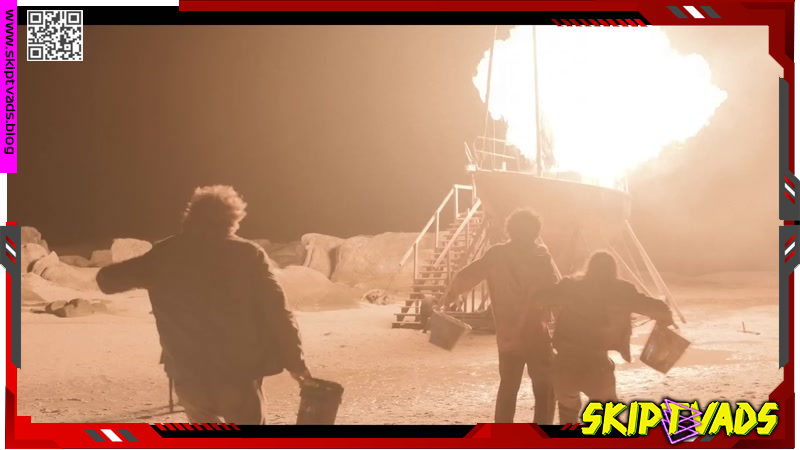 [Source](https://tinyurl.com/2z948ba7)
 [Source](https://tinyurl.com/2z948ba7)
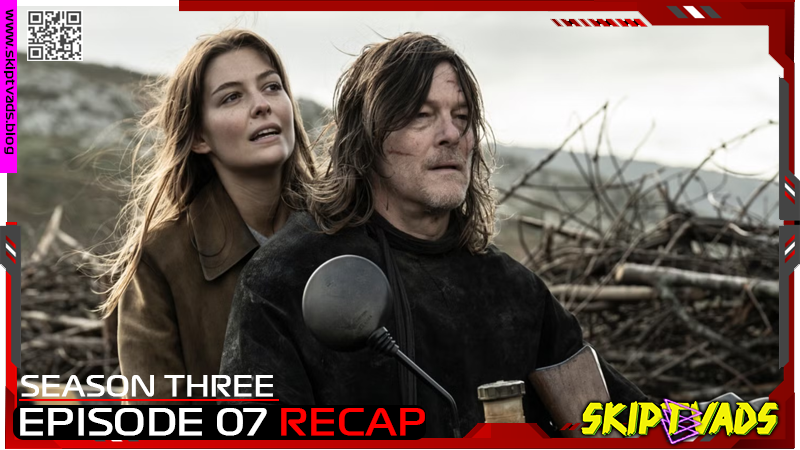
Daryl's conversation with Justina on the motorcycle was one a sweet moment like they both find a moment of peace at last even though things where not done yet, he talks about feeling like he lost something and wanting to give her and Roberto a chance at having a real life even if he doesn't think it will happen for him, he also talks about why he does all this and it was because someone has to do it someone has to be the good guy and was the right thing to do aside from him been reckless, its a rare moment of vulnerability from Daryl that actually felt earned. The flashbacks with Merle telling him to run away as a kid adds context to why Daryl is the way he is, he has been running from things his whole life and now its become a habit he cant break, every time he gets somewhere good he hears a voice telling him to leave and he doesnt know how to ignore it anymore. I like that they are addressing this because its been a problem since he left the Commonwealth and nobody has really talked about why he would just abandon everyone like that, in fact he asks himself how the fuck it all started and why did he left in the first place, when did he end up on a ship and then in France, turns out its deeper than we thought and has roots in his childhood trauma which makes sense for his character. The fear that when he gets back home he will want to leave again is real and I hope they explore that more next season, Daryl needs to figure out how to stay put and actually build something instead of always being on the move.
[Source](https://tinyurl.com/2z948ba7)
Daryl's conversation with Justina on the motorcycle was one a sweet moment like they both find a moment of peace at last even though things where not done yet, he talks about feeling like he lost something and wanting to give her and Roberto a chance at having a real life even if he doesn't think it will happen for him, he also talks about why he does all this and it was because someone has to do it someone has to be the good guy and was the right thing to do aside from him been reckless, its a rare moment of vulnerability from Daryl that actually felt earned. The flashbacks with Merle telling him to run away as a kid adds context to why Daryl is the way he is, he has been running from things his whole life and now its become a habit he cant break, every time he gets somewhere good he hears a voice telling him to leave and he doesnt know how to ignore it anymore. I like that they are addressing this because its been a problem since he left the Commonwealth and nobody has really talked about why he would just abandon everyone like that, in fact he asks himself how the fuck it all started and why did he left in the first place, when did he end up on a ship and then in France, turns out its deeper than we thought and has roots in his childhood trauma which makes sense for his character. The fear that when he gets back home he will want to leave again is real and I hope they explore that more next season, Daryl needs to figure out how to stay put and actually build something instead of always being on the move.