Longform reviews of films, TV, anime, books, and audiobooks, written by the scrobble.life community and published to the Hive blockchain, so each one is owned by its author and can earn rewards from readers. 51,238 reviews and counting.
[SOURCE](https://screenrant.com)
The Nun II came out a few years ago in 2023 and honestly I went in expecting the worst after that first movie back in 2018 turned out to be not so great but turns out this one actually manages to be way better even tho thats not saying much since the bar was basically on the floor, something like "Annabelle Creation (2017)", into my journey of watching all the movies from this franchise its like most of the time the second movie is better so far but thats not the case for the main title but its something to discuss on another post. The Nun II develops in France where we see Valak just going completely nuts right from the start burning a priest alive inside a church, which was absolutely wild because the first movie barely showed the nun doing anything remotly violent. Taissa Farmiga is back as Sister Irene and she was still carrying the entire thing on her shoulders with the help of Frenchie guy, this time they pair her up with Sister Deborah who spends most of the movie being absolutely useless and this is not me being mean about it, the character literaly does nothing important until the very end when she suddenly remembers she has faith. The boarding school setting could have been way more interesting but they wasted it on boring daytime scenes with these awful bully girls who I actually wanted Valak to rip apart, those kids were so annoying that when the goat demon showed up I was kinda rooting for it even though thats probably not what the movie wanted me to feel.
[Source](https://tinyurl.com/3ns3vzw2)
Maurice who everyone called Frenchie in the first movie is back and he was the one possessed by Valak this whole time, which we find out pretty early but the movie still pretends its some big mystery even tho we literally see him twitching in mirrors and snapping peoples necks left and right, he was getting all this work in the background, what I like the most about the movie is that even though I was aware of everything it was still interesting, there was buildup into it. But the whole possession thing gets confusing because at the end of the first movie we saw Valak go into him but that same movie also showed Valak still attacking Irene seperately, so how the hell does that work did the demon just make a copy of itself or is it pulling some multiverse nonsense that nobody bothered to explain??!!. Storm Reid plays this young nun Deborah whos losing her faith and they try to make it this big character but it falls completely flat, she was just there to ask dumb questions and be scared until the climax when she suddenly believes in God again. The demon is searching for Saint Lucys eyes which are burred somewhere in the boarding school and apprently these eyes are super powerfull, but the movie never really explains why a demon would even be able to use something holy like shouldnt God have some kind of protection on his saints relics to prevent exactly this kind of situation from happening, I mean this because we not talking about a bazooka that can be use by the good or bad guys, we talking about something holy unless Valak could some how infect this eyes and use them on his favor, idk this is just me making things up because the movie didnt gave any details on how that works.
[Source](https://tinyurl.com/3ns3vzw2)
Source
The scares in this are definitly an upgrade from the first one, that magazine stand scene from the trailer is fine I guess but they already spoiled it so by the time it happens your just sitting there waiting for it instead of being suprised, they should have skip it from the trailer. What actually worked was that whole chapel sequence with the goat demon showing up, that thing looked so messed up and wrong in a way that its going to shock you, even when it doesnt make much sense why a completely different demon just shows up randomly without any explanation, is this Valak soldier?. The movie tries to do this thing where Valak can be in multiple places at once possessing Maurice while also appearing as the nun and also somehow being a giant goat upstairs terrorizing little kids and makes me question if this demon is so powerful and can be everywhere at the same time why doesnt it just posses a couple of people to start looking for the damn eyes. That whole vision sequence where Irene sees everything unfold through flipping magazine pages goes on forever and gives her way to much information, she literally figures out that Maurice is possessed and that the demon wants Saint Lucys eyes and where its headed next all from seeing some random images, which is convenient as hell but makes things too easy, was like the writers speed run the mystery through a big info dump.
[Source](https://tinyurl.com/3ns3vzw2)
[Source](https://tinyurl.com/3ns3vzw2)
Its almost at the third part of the movie where things finally pick up but its also where the movie completely falls apart logic wise, Sophie the young girl finds the eyes first and they start glowing when she is holding them which is weird because Irene is actually related to Saint Lucy but the eyes dont do shit for her. They tie up Maurice in some random alcove instead of bringing him down to the chapel where they could actually watch him, then he obviously breaks free and starts chasing everyone because of course he does. The goat demon is still running around upstairs and instead of helping Valak find the eyes its just scaring children for no reason, like this is supposed to be the ultimate evil trying to gain unimaginable power but it keeps getting distracted by side quests, although the scenes still look scary so for me all start falling apart after I watch the movie when I actually start to break it down, so in resume those where cool scenes though just leave your brain at the door. Its when Valak finally gets the eyes the movie acts like its game over and the nun becomes super powerful floating around and lifting Irene into the air to burn her alive, except we literally saw Valak do the exact same thing to that priest at the beginning of the movie before it even had the eyes so what exactly changed. Turns out Irene cant be burned because she was a descendant of Saint Lucy who was fireproof, well Im not so sure about it so its for the lols only, but yeah the fact that Irene cant get burn didnt have enough context for me.
Now the ending felt too simple for everything else I had seen from the movie and kinda dumb it down when Irene and Deborah start praying real hard and somehow turn entire barrles of wine into the blood of christ which explodes everywhere and burns Valak. First of all this boarding school used to be a monastary that was sold to a winery that then became a school but somehow theres still dozens of wine barrels just chilling in the basement after all these years, I know in Europe in some places wine is more than just alcohol so lets that slide but its just too convenient. The movie did mention earlier that you need actual faith to make the wine transmutation work but Deborah spent 90 percent of the movie saying she doesnt believe in God so how the hell did flip the switch, I could only count this as the last moment before death type of wish. They defeat Valak with the blood of christ which is the same thing they used in the first movie except that time it didnt actually work because the demon just possessed Maurice and escaped, so why would it work better this time around. Maurice survives and walks away with the mom and daughter like everything is fine even tho the post credits scene from the first movie already showed us that Ed and Lorraine Warren had to exorcise him later, meaning the demon is still in there and these idiots just let him leave without checking. The very last scene tries to connect everything to the Conjuring movies by showing the Warrens getting a call about the case but it dosent make any sense timeline wise and honestly feels like they just shoved it in there for fan service so in conclusion so far, sequels are better but connection between movies doesnt fell force. Its a 7 out of 10 for me watchable if you are looking for some drama and get scared here and there but completely forgettable, a great one time watch, this movie also did better than the first Nun movie.
I've finally finished watching this miniseries, and it was everything I hoped for, just as I mentioned in my previous post. I decided to talk about this story in two parts because right from the first episode, I knew it was special and deserved a closer look—not just a quick watch for a review. This is content that’s genuinely worthwhile.
Task una joya que sigue la fórmula de Mare of Easttown
Finalmente he terminado de ver esta miniserie y es todo lo que esperaba, como contaba en mi publicación anterior. Decido hablar de esta historia en dos partes por con solo ver el primer episodio note que era especial y debían ser analizada con mayor detenimiento y disfrutarla, no solo verla para dar una reseña, contenido que vale la pena.
It’s definitely clear this was written by the same writer as Mare of Easttown; it follows the same format. There's a primary resolution to what seemed like the main story in the penultimate episode, where you think you've reached the climax and everything is solved. Episodes 5 and 6 are fantastic; the characters show their complexity, the necessary details of their lives for the story's development are revealed, and everything makes sense.
Definitivamente se ve que es escrita por el mismo escrito de Mare of eastown, tiene el mismo formato, un primer desenlace de parte de lo que parecía ser la historia principal en el penúltimo episodio, donde crees que has llegado la clímax de la historia y todo se soluciono, los episodios 5 y 6 son muy buenos, los personajes demuestran complejos, los detalles de sus vidas necesarios para el desarrollo de la historia de develan, todo cobra sentido.
You get to Episode 7 and you know there are still things left unresolved. You might even feel slightly annoyed at how things were left, wishing for a bit of a happy ending. But this isn't that kind of story; happy endings exist, but they come after great sacrifices and losses. You want the bad guys to pay, and the series handles this theme well, but it makes it clear that those who inflict harm also cause great damage, and the good people suffer for it. Episode 7 provides a good closure, but it doesn't completely eradicate evil, unlike those utopian stories where the good guys make the world a better place. Here, a small part of a huge problem was fixed—but enough for this specific story.
Llegas al episodio 7 y sabes que hay cosas por resolver, quizás algo molesto por como quedaron las cosas y deseabas un poco de final feliz, pero esta no es ese tipo de historia, los finales felices existen pero tras grandes sacrificios y pérdidas. Quieres que los malos paguen, la serie aborda bien este tema, pero deja claro que quien procura el mal, también hace mucho daño y los buenos lo sufren. El episodio 7 da un buen cierre pero no erradica el mal por completo, como esas historias utópicas donde ellos buenos hacen del mundo un lugar mejor, aquí se soluciono una pequeña parte de un gran problema, pero lo suficiente para esta historia.
Don't misunderstand my words; this isn't just a good vs. evil series. The complexity of its characters is the main appeal of the show. Each one has layers to their story that are revealed at the precise moment. I'd venture to say that no character was wasted. The good guys do good things, but they deal with personal problems that affect their decisions and how they approach their duties, giving it that touch of moral dilemma as they try to do what’s right. This stands in contrast to the bad guys, who are driven by greed and simply don't care about what others suffer.
No mal entiendan mis palabras, no es solo una serie de buenos contra malos, acá la complejidad de sus personajes, es el principal atractivo de la serie. Cada uno tiene capas de su historia que de develan en el momento preciso, me atrevo a decir que ninguno fue desperdiciado, los buenos hacen cosas buenas pero lidian con problemas personales que afectan su decisiones y la manera que abordan sus obligaciones, dándole ese toque de dilemas morales para hacer lo justo, en contraste con los malos que los mueve la codicia y les vale nada lo que otros padecen.
Tom Pelphrey’s character development is masterful. At first, he seems like a character you can't empathize with—he’s the bad guy making all the wrong choices. But deep down, he's a good person with a family, pain, longings, and a desire to be better, yet he chose the wrong path. He loves his own, and when he realizes he's gone too far and there’s no turning back, he makes the ultimate sacrifice. What a phenomenal performance of a truly phenomenal, tremendously well-written character.
El desarrollo del personaje de Tom Pelphrey es magistral, al principio parece un personaje con el que no empatizas, es el malo que está tomando decisiones erradas, pero en el fondo es un buen tipo, con familia, con dolor, con añoranzas, con deseos de superación, pero a tomado el camino equivocado. Ama a los suyos y cuando se da cuenta que transita el camino incorrecto y ya no hay vuelta atrás, hace el máximo sacrificio, pedazo de actuación con pedazo de personaje, está tremendamente escrito.
Mark Ruffalo’s performance is just as strong. He plays another man with serious conflicts who seems to have abandoned his beliefs after tragic events in his life. We see him in many reflective moments, discussing good and evil, faith, death, how we treat others, and not seeking an eye for an eye—forgiveness. These are very profound themes that are handled perfectly. His performance makes you realize this is not a show focused on action scenes and police investigation; it’s a series to enjoy the dialogues about all these topics.
Lo de Mark Ruffalo no se queda tras, otros hombre con serios conflictos, que parece haber dejado atrás sus creencias tras trágicos acontecimiento en su vida. Le vemos en muchos momentos reflexivos hablando sobre el bien y el mal, la creencia, la muerte, el trato hacia los demás y no pagar con la misma moneda, el perdón; una serie de temas muy profundos pero que se abordan perfectamente. Con su actuación te das cuenta que esta no es una serie para enfocarse en las escenas de acción y la investigación policial, es una serie para disfrutar los diálogos sobre todos estos temas.
The most incredible thing is that all 7 episodes are enough to completely wrap up the plot. The creator did it again. What a perfectly well-rounded story, in my opinion. Just when I thought this year wouldn’t deliver any more great stories, this one arrived. You absolutely must watch it; you’ll surely enjoy it.
Lo más increíble de todo es que los 7 episodios son suficientes para cerrar la trama, el creador lo volvió hacer, que historia tan redonda y perfecta, a mi juicio. Cuando pensé que este año no iba entregar más buenas historias, llega esta, deben verla definitivamente, seguro la disfrutarán.
All media from https://www.hbo.com/content/task
Edition with Photoshop
Hola Hivers ❤️ espero que se encuentren bien. Hoy vamos con una pelicula Mantenimiento requerido una comedia romántica nueva que ciertamente me gusto mucho y vengo a contarles un poco.
Hello Hivers ❤️ I hope you are all well. Today we're going to talk about a movie called Mantenimiento requerido, a new romantic comedy that I really liked, and I'm here to tell you a little bit about it.
Charlie es la dueña de un taller mecánico heredado por su padre por lo que tiene un valor sentimental. Alli trabaja con sus dos amigas. A pesar de que no es un taller muy concurrido es el mas conocido y preciado de la cuadra hasts que llega la competencia, una franquicia muy conocida que llega con intenciones de destronar a Charlie con un geremte muy guapo pero es la competencia este es Beau
Charlie owns a mechanic's workshop inherited from her father, so it has sentimental value. She works there with her two friends. Although it is not a very busy shop, it is the best known and most valued on the block until competition arrives in the form of a well-known franchise that intends to dethrone Charlie with a very handsome manager, but he is the competition. This is Beau.
Beau es el gerente de la competencia de Charlie por lo que no se llevan muy bien. Pero ocurre algo, Charlie tiene un amigo por internet del que no sabe su nombre real solo los une su amor por los autos en especial antiguos. Este amigo resulta ser Beau. El se entera que es Charlie su amiga secreta pero se reusa a decirle ya que quiere enamorarla por lo que él es.
Beau is Charlie's manager at work, so they don't get along very well. But something happens: Charlie has an online friend whose real name she doesn't know, but they are united by their love of cars, especially vintage ones. This friend turns out to be Beau. He finds out that Charlie is his secret friend, but refuses to tell her because he wants to win her over for who he is.
Written by: Michael Hurley
Directed by: Jospeh L. Scanlan
Running Time: 45 minutes
Among the vast canon of Star Trek: The Next Generation episodes, there exists a category best described as "functional" – not the most memorable or timeless classics that define the series, but solid, well-executed instalments that fulfil their narrative purpose with competence and intelligence. Season 2's Time Squared, while not reaching the heights of The Inner Light or Darmok, stands as an exemplary member of this category. Based on a time travel concept frequently employed throughout Star Trek's history, this episode presents the familiar trope with an intriguing spin that elevates it beyond mere repetition, delivering a tight, character-driven narrative that showcases the series' strengths while acknowledging its occasional limitations.
The episode commences with the USS Enterprise-D en route to the Endicor system when the ship's sensors detect eemingly abandoned Federation shuttlecraft adrift in space. When Entreprise tractors the vessel into the shuttlebay, the crews discover it bears the identical registry and designation of the Enterprise's own El-Baaz shuttlecraft – a perplexing anomaly in itself. The mystery deepens dramatically when they find the shuttle's sole occupant: a near-comatose duplicate of Captain Jean-Luc Picard.
Dr. Pulaski's attempts to treat this future version of the captain prove increasingly problematic, as her medical interventions paradoxically worsen his condition rather than improve it. The future Picard remains largely incommunicative, displaying signs of severe psychological trauma that resist conventional treatment. The breakthrough comes when the crew examines the shuttle's log and flight data, revealing the horrifying truth: this alternate Picard has journeyed approximately six hours from the future, where the Enterprise met catastrophic destruction with all hands lost.
The situation deteriorates further when the Enterprise encounters a mysterious energy vortex that threatens to consume the ship. Crucially, the energy outbursts emanating from this phenomenon target only the two Picards, suggesting the vortex is the product of some powerful intelligence specifically interested in the captain rather than the vessel itself. The future Picard's fragmented communications indicate he believes abandoning ship in the shuttlecraft was the correct course of action to save his crew, but present-day Picard remains unconvinced, suspecting that this very action may have precipitated the disaster. The episode masterfully builds tension around this philosophical dilemma: should Picard trust his future self's desperate solution, potentially creating an inescapable time loop, or forge a different path despite the unknown consequences?
The climax delivers one of the series' most shocking moments when the future Picard attempts to board the shuttlecraft, forcing present-day Picard to make an impossible decision. In a stunning display of resolve, Picard shoots his future self, believing this violent act might break the causal loop. Remarkably, it works – both the duplicate shuttlecraft and its occupant vanish, and the Enterprise escapes the vortex unharmed. This resolution, while logically consistent within the episode's internal rules, delivers a powerful emotional punch through its sheer unexpectedness and moral complexity.
It's worth noting that Time Squared employs the time travel mechanics previously established in Star Trek, specifically the "slingshot effect" around a star first utilised in The Original Series episode Tomorrow Is Yesterday and later in Star Trek IV: Voyage Home. However, writer Maurice Hurley deliberately chose to explore time displacement measured in mere hours rather than centuries, a decision that allowed for a more contained narrative with lower production costs. According to behind-the-scenes information, the episode was originally conceived as part of a multi-episode arc involving Q, which likely explains why the nature of the vortex and its motivations remain frustratingly vague – a significant flaw that prevents the episode from achieving true greatness. This lack of proper explanation for the central phenomenon leaves viewers with more questions than answers, undermining the otherwise logical progression of events.
Beyond this structural weakness, Time Squared excels in its simplicity and internal logic. The narrative presents an unusual problem and forces Picard to consider solutions that would be unthinkable under normal circumstances – some disastrous, others surprisingly effective. The episode takes a notably darker turn than many of its contemporaries, depicting the Enterprise's actual destruction (albeit in an alternate timeline), a catastrophic outcome that, like Season 2 episodes Unnatural Selection and Contagion, effectively reminds viewers of the genuine risks inherent in space exploration. Most striking is Picard's ultimate solution – the shocking act of violence where he eliminates his future self. This bold narrative choice cuts through the Gordian knot of temporal indecision with surgical precision, demonstrating the episode's willingness to embrace morally complex resolutions rather than easy answers.
The production benefits significantly from Joseph L. Scanlan's competent direction, which maintains a steady pace throughout while allowing moments of character development to breathe. Scanlan, who previously directed the acclaimed The Big Goodbye (the only Star Trek episode to win a Peabody Award), demonstrates a keen understanding of both the technical and emotional aspects of the story. Most impressive, however, is Patrick Stewart's dual performance as both versions of Captain Picard. Stewart masterfully differentiates the two characters – the present-day Picard's controlled authority versus the future version's haunted vulnerability – without resorting to caricature. His ability to convey profound trauma through minimal dialogue showcases why he remains one of television's most respected actors.
The episode opens with a seemingly incongruous scene where Commander Riker hosts a dinner party in his quarters, attempting (and largely failing) to prepare an omelette using 'Owon eggs acquired at Starbase 73. The scenes creates a deceptively lighthearted atmosphere that stands in stark contrast to the darkness that follows. While this sequence appears disconnected from the main plot, it serves an important purpose in character exposition, revealing Riker's childhood experiences (his father apparently "hated cooking," though this contradicts later episodes) and establishing the crew's camaraderie before the crisis begins. This tonal shift from domestic normality to existential threat effectively heightens the episode's dramatic impact.
In the broader context of Star Trek: The Next Generation, Time Squared represents a solid middle-ground episode – neither groundbreaking nor forgettable, but executed with sufficient skill and intelligence to remain engaging decades after its original broadcast. While it suffers from the unresolved nature of its central mystery and lacks the thematic depth of the series' strongest instalments, it compensates with tight plotting, strong performances, and a willingness to explore morally ambiguous territory. For these reasons, it stands as a prime example of what makes Star Trek: The Next Generation work – not every episode needs to redefine the genre; sometimes, functional storytelling executed with competence is more than enough.
So, the story is that I recently binge-watched Taxi Driver. My initial expectation was just to watch a light action drama for entertainment...but it turned out to be more than that. This isn't just a drama about fighting or car chases, but it touches on the issue of justice , which is sometimes difficult to obtain in the real world.
The main character is Kim Do-ki (Lee Je-hoon) , a former elite soldier whose life changed drastically when his mother was murdered. He eventually joins a mysterious taxi company , Rainbow Taxi Company... But this isn't your average taxi service : they offer “personal revenge” services to people who can't get justice through legal channels.
How does it work? They make the perpetrator experience the same suffering as the victim. It sounds extreme... but somehow I understand why they go to such lengths. Because sometimes the law feels too “lenient” for bad people.
🎭 The story is super exciting, with each episode featuring a different case.
What keeps me hooked is that every episode has a new case. There are cases involving bullying, large-scale fraud, harassment and even worker exploitation. They all connect to one theme : injustice that escapes the reach of the law.
The coolest part is how they execute their missions with chess-like strategy. There's action , mystery and just the right amount of humor to keep it from feeling too heavy.
Source
Lee Je-hoon? His acting is insane. He can change his expression in a flash, from calm and cold to full of emotion. His character, Do-ki , walks a fine line between right and wrong. Sometimes he's like a superhero... but other times he makes us think, “Is this really the right way to do it?”
Their chemistry is incredibly natural. Not only are they skilled at action , but they also have wholesome moments that make us feel like they are truly family. Each character has an important role and their own backstory that makes us care even more about them.
💥 What Makes You Think After Watching
For me personally , Taxi Driver isn't just an action movie. It's more about empathy and the reality of life, where many people become victims but don't know where to turn.
There's a quote that still sticks in my head :
“Sometimes what we need isn't just someone to listen to our complaints...but someone who is willing to take action.”
It really hits home , doesn't it? Especially when we often read news stories about criminals who are free to roam around.
🧭 Impressions After Finishing
After watching all 16 episodes, I felt satisfied but also had a lot to think about. This drama reminds us that life isn't always black and white. There are good people who are forced to do bad things and there are bad people who continue to get away with it because of a corrupt system.
But the biggest lesson for me :
“Revenge may bring temporary relief , but healing wounds requires the courage to move on..!”
That's why Taxi Driver isn't just an ordinary action drama; it's a deep emotional journey.
🎬 Is it worth it?
If you like themes of justice , stylish action, plus stories that touch on humanity, you definitely have to watch this!
I give it 9/10. The story is dense, emotional and the soundtrack is great too!
Sometimes I even find myself wishing, “If only there were real Rainbow Taxis in the real world, so many victims could finally smile again.”
Have you watched it yet ? Do you think their revenge was justified or excessive ? Share your thoughts in the comments...! 🚖✨
Hello everyone, I hope you're all doing great today. I want to share a new review with you. I'm going to tell you a little about a very interesting series called "The Society." I stumbled upon it by pure chance, I saw the trailer, and the first thing that came to my mind was, "Hmm, teenagers, mystery... this is either going to be brutal or a total disaster." You know how it is with these things, but wow! I was really, really surprised in a good way, and I'm really dying to tell you all... if you like those series that leave you thinking, "What if...?" and then add a good amount of drama to the mix, then come on over. So, imagine the scene: a group of high school students from this wealthy town, West Ham, go on a school trip.
Typical, right? Only, for some reason X, the trip is cut short and they send them back on the bus... but when they arrive... literally not a soul. Their parents aren't there... there's no one, the whole town is completely and utterly empty. Can you imagine? They get off the buses, the drivers just turn around and drive off, leaving them there, and these kids, mostly 16 or 17, are just standing there looking like: "Oh, what the hell just happened?" At first you think, well, maybe it was a practical joke, or maybe everyone is just at some emergency town meeting... but then things get murkier.
The town looks exactly the same, almost identical to 99% of the townspeople, but little details start to emerge that make them realize (and you, shouting at the screen): "Wait a minute, this isn't exactly our West Ham." It's like a perfect replica, but it gives you the creeps. They have water, they have electricity, their cell phones even work so they can call each other! –which I found to be a really curious detail, because normally in these situations, technology is the first thing to fail–.. but here comes the really good part: there's no internet, no way to contact the outside world. And when they try to leave the town… the roads simply… disappear… or they go around in circles, or they come across a super-dense, impossible-to-cross forest, they're completely trapped, with no way out!
Hola a todos, espero que estén super bien el día de hoy, les quiero compartir una nueva reseña, les hablaré un poco sobre una serie muy interesante, se llama:"The Society".. me la topé de pura casualidad, vi el tráiler y lo primero que se me vino a la cabeza fue: "Mmm, adolescentes, misterio... esto o va a estar brutal o va a ser un desastre total".. ya saben cómo es la onda con estas cosas, pero, ¡wow!, me sorprendió un montón para bien, y la verdad es que me muero de ganas por contarles.. si a ustedes les gustan esas series que te dejan pensando "¿y qué pasaría si...?" y encima le meten un buen de drama a la mezcla, entonces acérquense, así que, imagínense la escena: un grupo de adolescentes de prepa de este pueblo de gente con plata, West Ham, se van de excursión con la escuela.
Lo típico, ¿no? Solo que, por alguna razón X, el viaje se acorta y los mandan de regreso en el autobús.. pero cuando llegan... ni un alma, literal. Sus papás no están.. no hay nadie, el pueblo entero está completa y absolutamente vacío. ¿Se lo pueden imaginar? Se bajan de los camiones, los choferes nomás dan media vuelta y se van, dejándolos ahí, y estos chavos, la mayoría de 16-17 años, se quedan ahí parados con cara de: "A ver, ¿qué diablos acaba de pasar?". Al principio uno piensa, bueno, tal vez y es una broma pesada, o a lo mejor todo el mundo está en alguna reunión de emergencia del pueblo.. pero entonces la cosa se pone más turbia.
El pueblo se ve igualito, casi idéntico al 99%, pero empiezan a surgir detallitos que los hacen darse cuenta (y a ti, gritándole a la pantalla): "Un momento, este no es exactamente nuestro West Ham". Es como una réplica perfecta, pero que te da escalofrío, tienen agua, tienen luz, sus celulares ¡hasta funcionan para llamarse entre ellos! –que eso se me hizo un detalle bien curioso, porque normalmente en estas situaciones, la tecnología es lo primerito que falla–.. pero aquí viene lo mero bueno: no hay interne, cero forma de contactar con el mundo exterior. Y cuando intentan largarse del pueblo... las carreteras simplemente... desaparecen.. o dan la vuelta en círculo, o se topan con un bosque mega denso e imposible de cruzar, están atrapadísimos, ¡sin salida!
Let's see, people, the main mystery, that whole "what the hell happened to them and why are they alone?" thing is what hooks you right in. I couldn't tear myself away from the screen, seriously, you're in for that mystery, like "Lost," you know what I mean? But then, either you get caught up in the drama that builds up and you stay, or you're done... believe me, there's a lot of drama to be had! And be careful, this mystery isn't exactly resolved nicely at the end of the first season, no way! It gets bigger, more confusing, and leaves you with a thousand more questions. It’s like a mix of “The 100” meets “Lost,” and maybe even a touch of “Attack on Titan” –not because there are giants, thank goodness!– but because of the whole being locked up and having to go out and explore a super dangerous world. When I told my sister it was like “The 100” meets “Lost,” she said, “But ‘The 100’ IS ALREADY ‘The 100’ meets ‘Lost’!” And she’s not wrong!
But honestly, for me, “The Society” handles its main mystery in a way that’s a little more… believable, let’s say, at least at first, than “The 100.” What really blew my mind was seeing these kids trying to build a new society from scratch. I mean, imagine, these are kids who a week ago were probably thinking about prom or where to go to college, and now they have to face hunger, total anarchy. It's called "The Society" for a reason, right? They have to make up rules, figure out who's in charge, how to distribute the food (because the supermarket isn't going to fill itself, obviously), and how to handle the power struggles that, poof!, erupt all over the place.
It's a total pressure cooker, and you see it all. Some kids, the smartest ones or the biggest leaders, try to organize things, applying what they learned in civics class to... well, actually surviving, but of course, then you see what happens when those "leaders" don't have all the answers, or when their plans go down the drain. Some panic, others want to take control by force, and then there are the... well, let's just say, the complicated characters... there's one in particular, Campbell, who I swear, is a psychopath who makes your hair stand on end... and the series doesn't hold anything back, it shows you how difficult it would be to be locked up with someone like that, especially when there are no longer any rules or consequences of normal society. That part, the psychological part, for me is super well done, it makes you think about how fragile civilization is, seriously.
A ver, gente, el misterio principal, ese rollo de "¿qué diablos les pasó y por qué están solos?" es lo que te engancha de una, yo no podía despegarme de la pantalla, en serio, uno llega por ese misterio, onda "Lost", ¿me entienden?, pero después, o te agarra el drama que se arma y te quedas, o chau.. créanme, ¡drama hay para rato! Y ojo, que este misterio no es que se resuelva lindo al final de la primera temporada, qué va! Se pone más grande, más confuso, y te deja con mil preguntas más, es como una mezcla de "Los 100" con "Lost", y capaz, capaz, un toquecito de "Attack on Titan" –y no porque haya gigantes, ¡menos mal!, sino por esa onda de estar encerrados y tener que salir a explorar un mundo súper peligroso–.. mi hermana, cuando le conté que era tipo "Los 100" con "Lost", me dice: "¡Pero si 'Los 100' YA ES 'Los 100' con 'Lost'!" ¡Y no le falta razón, eh!
Pero, sinceramente, para mí "The Society" maneja su misterio principal de una forma un poquito más... creíble, digamos, al menos al principio, que "Los 100".. lo que de verdad me voló la cabeza fue ver a estos chicos intentando armar una sociedad nueva desde cero. O sea, imagínense, son chicos que hace una semana seguro estaban pensando en el baile de graduación o en qué universidad estudiar, y ahora se tienen que enfrentar al hambre, a la anarquía total, por algo se llama "The Society", ¿no? tienen que inventarse reglas, ver quién manda, cómo reparten la comida (porque el súper no se va a llenar solo, obvio), y cómo manejan las peleas por el poder que, ¡puf!, explotan por todos lados.
Es una olla a presión total, y ahí ves de todo.. algunos chicos, los más inteligentes o los más líderes, tratan de organizar el asunto, aplicando lo que aprendieron en clase de cívica a... bueno, a sobrevivir de verdad, pero claro, después ves qué pasa cuando esos "líderes" no tienen todas las respuestas, o cuando sus planes se van al tacho. Algunos entran en pánico, otros quieren tomar el control a la fuerza, y después están los... bueno, digamos, los personajes complicaditos.. hay uno en particular, Campbell, que te juro, es un psicópata que te pone los pelos de punta.. y la serie no se guarda nada, te muestra lo heavy que sería estar encerrado con alguien así, sobre todo cuando ya no hay reglas ni consecuencias de la sociedad normal. Esa parte, la psicológica, para mí está súper bien hecha, te hace pensar en lo frágil que es la civilización, en serio.
Come on, people, I'll be honest: at first I thought it was a little too much with the teen drama, you know, the partying, the love affairs, the typical high school angst... I was like, "Look, they're alone in a ghost town, could they maybe stop thinking so much about who likes who?" But then it evolves... as time goes on and the reality of their situation hits them like a bucket of cold water, it turns into a full-blown survival drama, the stakes get heavier, the decisions get more fucked up, and the consequences are way worse. Some people aren't going to like this one bit... if they inherently find teen drama kind of cheesy or too dense, this is going to test their patience, especially in the first few episodes. It's a valid criticism, though, and I can totally get why it wouldn't be for everyone.
The series isn't perfect, and the pacing, especially at the beginning, can be a bit slow. It takes a while for the main plot, beyond the initial shock, to really pick up steam and get super interesting. I think it was around episode seven of ten when things really started to flow for me, especially with some of the side stories... it's a lot of waiting if you're not already hooked. And the acting... well, this is where opinions can go all out. I saw some reviews that said the acting was terrible, but for me, it was kind of average, you know? Some of the younger actors at the beginning seemed a little... green, let's say.
Their performances were kind of stiff, and sometimes the dialogue didn't help much either, to be honest, but I honestly felt like a lot of them grew into their characters as the season went on, or maybe I just got used to them. The characters themselves, at first, can seem a little flat... there are a ton, and in the first few episodes, I swear, I couldn't remember ANYONE'S name! Will, Allie, Cassandra, Jessica, Campbell... it was like a blur. But by the end, I had them all sorted out and knew who the important ones were... I even watched the first episode again after the season ended, and it was crazy seeing all these characters, who later become key, wandering around in the beginning without any fanfare.
Dale, gente, les soy sincero: al principio me pareció que se pasaba un poquito con el drama adolescente, ya saben, las fiestitas, los líos amorosos, la típica angustia de la secundaria.. yo pensaba: "A ver, están solos en un pueblo fantasma, ¿podrían quizás dejar de pensar tanto en quién le gusta a quién?". Pero luego evoluciona.. a medida que va pasando el tiempo, y la realidad de su situación les cae como un balde de agua fría, se transforma en un drama de supervivencia con todas las letras, lo que está en juego se pone más heavy, las decisiones son más jodidas y las consecuencias, mucho peores. A alguna gente esto no le va a gustar ni un poquito.. si el drama adolescente les parece de por sí medio chafa o muy denso, esto les va a probar la paciencia, sobre todo en los primeros capítulos, es una crítica válida, eh, y entiendo perfecto por qué no sería para todos.
La serie no es perfecta, y el ritmo, más que nada al principio, puede ser un toque lento, tarda un poco en que la trama principal, más allá del shock del comienzo, agarre vuelo y se ponga súper interesante. Creo que fue por ahí del capítulo siete, de diez, cuando la cosa realmente empezó a fluir para mí, sobre todo con algunas de las historias secundarias.. es un montón de espera si no estás ya enganchadísimo. Y la actuación... bueno, acá es donde las opiniones se pueden ir para cualquier lado, vi algunas críticas que decían que la actuación era malísima, para mí, fue medio y medio, ¿viste? Algunos de los actores jóvenes al principio se notaban un poco... verdes, digamos.
Sus actuaciones eran medio duras, y a veces los diálogos tampoco ayudaban mucho, la verdad, pero sinceramente sentí que muchos fueron creciendo en sus personajes con la temporada, o capaz simplemente me acostumbré a ellos. Los personajes en sí, al principio, pueden parecer un poco planos.. hay un montón, y en los primeros capítulos, les juro, no me acordaba del nombre de ¡NADIE! Will, Allie, Cassandra, Jessica, Campbell... era como una mancha. Pero al final, que ya los tenía re fichados, y sabía quiénes eran los importantes.. hasta me vi de nuevo el primer capítulo después de terminar la temporada, y fue loco ver a todos estos personajes, que después se vuelven clave, ahí dando vueltas al principio sin pena ni gloria.
There were also a few technical things that bothered me a bit. The camerawork was just... weird at times. There were moments, often during very intense conversations, where the camera was constantly shaking or moving, and I just wanted to scream "get that a tripod!" Some of the close-ups were framed strangely, cutting off parts of people's faces. It's distracting, but you sort of get used to it. Despite these criticisms, I found myself genuinely drawn to the story. The show has some really interesting plot twists that I didn't see coming. There's one major event involving a key character that was truly shocking and changed the whole dynamic. It's good at making you think you know where it's going, and then giving you a twist that knocks you out. The progression of the characters, watching them change and adapt (or fail to adapt), is compelling. It's fascinating to watch them try to solve the mystery of their situation while simultaneously trying not to kill each other.
One thing I did appreciate was how the characters often voiced the things I was thinking—like, they were literally throwing around theories about what had happened to them: “Is this an experiment? Are we in a parallel dimension?” It’s not like those horror movies where everyone just ignores the clichés; these kids are aware that something deeply unnatural is going on. The mystery of the strange smell in the town at the beginning is another thread that appears and then fades away, only to reappear later, adding another layer of “what’s going on?!” You, as the viewer, are just as much in the dark as they are, which can be frustrating but also part of the appeal. You’re just experiencing this strange sequence of events with them, trying to put it all together. So, after all that, what’s my verdict? I’d give “The Society” a solid 7/10.
Why a 7? Well, it definitely has its flaws. The slow start, some of the occasionally weak acting, and the teen drama aspect might put some people off. It’s not a perfect show, and there were times where I rolled my eyes or felt frustrated by certain character decisions or plot points that felt a little forced. However, the central concept is fantastic and full of potential. The mystery is genuinely intriguing and had me theorizing, the way it explores the breaking down and rebuilding of societal structures is thought-provoking, and some of the character arcs, especially the darker ones, are quite compelling. Once it picks up the pace, particularly in the later episodes, it’s truly absorbing.
The ending leaves you with a cliffhanger that definitely left me wanting more and desperately needing answers, which is a good sign. I started watching it with pretty low expectations, thinking it might be another forgettable teen series, but it surprised me... it's one of those shows that, despite its imperfections, manages to be quite entertaining and makes you think... if you like shows like "The 100", "Lost", and can handle a little teenage angst mixed with your survival mystery, give it a chance... and well, that's it, see you in the next reviews, take care! Bye!
También hubo algunas cosas técnicas que me fastidiaron un poco.. el trabajo de cámara, a veces, era simplemente... raro, había momentos, a menudo durante conversaciones muy intensas, en los que la cámara temblaba o se movía constantemente, y yo solo quería gritar: "póngale un trípode" algunos de los primeros planos estaban encuadrados de forma extraña, cortando partes de las caras de la gente. Distrae, pero como que te acostumbras.. a pesar de estas críticas, me encontré genuinamente metido en la historia, la serie tiene algunos giros de guion realmente interesantes que no vi venir.. hay un evento importante que involucra a un personaje clave que fue verdaderamente impactante y cambió toda la dinámica. Es buena haciéndote pensar que sabes hacia dónde va, y luego te da un giro que te deja K.O.. la progresión de los personajes, ver cómo cambian y se adaptan (o no logran adaptarse), es convincente, es fascinante verlos intentar resolver el misterio de su situación mientras, simultáneamente, intentan no matarse entre ellos.
Una cosa que sí agradecí fue cómo los personajes a menudo expresaban las cosas que yo estaba pensando.. en plan, literalmente discutían teorías sobre lo que les había pasado: "¿Es esto un experimento? ¿Estamos en una dimensión paralela?". No es como esas películas de terror donde todo el mundo ignora los clichés, estos chicos son conscientes de que algo profundamente antinatural está sucediendo.. el misterio del extraño olor en el pueblo al principio es otro hilo que aparece y luego se desvanece, solo para reaparecer más tarde, añadiendo otra capa de "¿¡qué está pasando!?". Tú, como espectador, estás tan a oscuras como ellos, lo cual puede ser frustrante pero también parte del atractivo.. simplemente estás experimentando esta extraña secuencia de eventos con ellos, intentando encajar todas las piezas.. entonces, después de todo esto, ¿cuál es mi veredicto? Le daría a "The Society" un sólido 7/10.
Por qué un 7? Bueno, definitivamente tiene sus fallos.. el comienzo lento, algunas de las actuaciones ocasionalmente flojas, y el aspecto de drama adolescente podrían echar para atrás a algunas personas. No es una serie perfecta, y hubo momentos en los que puse los ojos en blanco o me sentí frustrado por ciertas decisiones de los personajes o puntos de la trama que parecían un poco forzados.. sin embargo, el concepto central es fantástico y lleno de potencial. El misterio es genuinamente intrigante y me tuvo teorizando, la forma en que explora la ruptura y reconstrucción de las estructuras sociales da que pensar, y algunos de los arcos de los personajes, especialmente los más oscuros, son bastante convincentes... cuando agara ritmo, particularmente en los últimos episodios, es realmente absorbente, el final te deja con un cliffhanger que definitivamente me dejó con ganas de más y necesitando respuestas desesperadamente, lo cual es una buena señal.
Empecé a verla con expectativas bastante bajas, pensando que podría ser otra serie adolescente olvidable, pero me sorprendió.. es una de esas series que, a pesar de sus imperfecciones, consigue ser bastante entretenida y te hace pensar.. si te gustan series como "Los 100", "Perdidos", y puedes soportar un poco de angustia adolescente mezclada con vuestro misterio de supervivencia, dale una oportunidad.. y bueno, hasta aquí todo, nos veremos en las próximas reseñas, cuidense mucho! Byebye!
Tell me... have you seen this series? Has it caught your attention? Tell me what you thought of this review with my opinion, and tell me if it has made you want to watch this series. You can leave me in the comments your recommendations for future publications! 😊
Cuéntame.. ¿Has visto esta serie? Te ha llamado un poquito la atención? Dime que te pareció esta reseña con mi opinión, y dime si te han dado ganas de ver esta series. Puedes dejarme en los comentarios tus recomendaciones para las próximas publicaciones!! 😊
📲 My social media:
See you next time! 👀🎞💗
Traduced with DeepL
Banners y separadores hechos con Canva Pro. Banners and dividers made with Canva Pro.
This Indian movie, Uri: The Surgical Strike, which premiered in 2019, reminded me of the days we used to watch movies together way back at home — when smartphones had not yet taken over the world. It reminded me of how my dad would continuously hiss all through the movie. Why? He would say, “What kind of movie is this where 95% of it is used to prepare for war, just 2% is used for the war, and the remaining 3% is for congratulations?” Lol.
That’s exactly how everything played out when I was watching, and I couldn’t help but laugh out loud while repeating my dad’s words in my mind.
The major story of the movie starts when a militant group from Pakistan storms an Indian military camp and kills a multitude of soldiers, including Vihaan’s brother, who was also in the military like him. The death of this man’s brother broke his heart to the core, and he found it very hard to recover from the shock.
Not just this attack by the Pakistani militants was carried out — many others happened that claimed uncountable lives of Indian soldiers.
As the name of the movie suggests, the Indian military government put themselves together to plan for revenge, and Vihaan, out of pain and deep love for his country, decided to lead the strike just to avenge his brother’s death.
So yeah, the planning took a major part of the movie, but to be honest, the planning process wasn’t uninteresting to watch. No, I loved the flow because it had a lot of nice sub-stories, especially how one of the students who was into technology was made to produce a birdlike drone that was used to spy on the camp of the Pakistani militants.
The short war scenes are very entertaining, and I feel that even though the most talked-about upcoming war was brief, it made up for my expectations. Although I wanted it to be longer, it’s fine too.
This movie is an emotional one, especially those scenes starting from the point where Vihaan’s brother flipped off the head of the bomb — and immediately he realized, it was already too late.
The burial scene was so heartbreaking!
It’s a good movie, and I’ll give it a 6/10 rating.
Society is becoming increasingly independent, with everyone focused on moving forward, despite the fact that laws and powerful people are responsible for exercising control and ruling according to their thoughts and laws, leaving aside the power of the people. This is something that can be seen more and more in movies, and many directors do an excellent job of recreating each of these situations in a more realistic way. In this way, they are able to put together something of quality that allows many people to see the harsh reality that a group of young people go through, with the sole purpose of gaining freedom, rewards, and not dying during the process.
This new release is known as The Long Walk, based on a great novel, and this production is a better, more modern version. To me, both were totally new, and it is undoubtedly one of those films that makes us think about life and how good we have it compared to other people in the rest of the world. Beyond that, the film recreates a dystopian city where a large number of teenagers have to risk their lives and put aside everything they do in order to participate in a great competition of walking without rest, with the goal of only one winner. However, things get complicated, because if one stops or slows down, they die, and this is the painful part of this film, since no one wants to die. but they are all human beings and there comes a time when the body gets tired, and this is where we ask ourselves, how many will be able to resist the first few meters?
La sociedad cada vez se vuelve más independiente, cada quien pendiente de poder avanzar, a pesar de que las leyes y las personas con poder son las encargadas de poder llevar todo el control y mandar de acuerdo a sus pensamientos y leyes, dejando aún lado el poder de las personas y eso es algo que cada vez se puede notar en películas y muchos directores logran hacer un excelente trabajo en poder recrear de una manera más realista cada una de esas situaciones y de esa manera poder armar algo de calidad y que muchas personas pueden ver una ruda realidad que pasan especialmente un grupo de jóvenes solo con el fin de poder ganar libertad, recompensas y no morir durante todo ese proceso.
Esta nueva entrega es conocida cómo La larga marcha basada en una gran novela y esta producción con una mejor versión más moderna y de verdad que para mí era totalmente nueva ambas cosas y sin duda es una de estas películas que nos hace pensar sobre la vida y lo bueno que nosotros vivimos a diferencia de otras personas en el resto del mundo. Más allá de eso la película recrea una ciudad distópico un gran número de adolescentes tiene que poner en riesgo su vida y dejar aún lado todo lo que hacen para así poder participar en una gran competencia de caminar sin descansar con el fin de que solamente gane uno, pero las cosas se complican, ya que si uno se detiene un bajo el ritmo muere y es aquí lo doloroso de esta película, ya que nadie quiere morir, pero todo son seres humanos y llega momento donde el cuerpo se cansa y es aquí donde nos preguntamos ¿Cuantos podrá resistir los primeros metros?
This is a film in which all these young people are under orders and under pressure to keep going no matter how they feel, which is very painful, and to know that there are people who enjoy mistreating young people. The film builds to a tense climax, as it all depends on how each young person deals with the situation, how they manage their energy and find a way to hold out until the end. That's why as the group gets smaller, those who remain become stronger. Another thing that has a big impact is the teamwork that develops, even though no one knows each other. Words of encouragement and motivation are always very welcome, and that's why everything changes in a much more tragic, painful way, and the walk becomes eternal without knowing where the goal will be.
Esta es una película en la cual todos esos jóvenes están bajos órdenes y aquella presión de que seguir caminando y no importa cómo te sientas, algo que es muy doloroso y saber qué personas disfrutan de ese maltrato hacia los jóvenes y cada vez la película va tomando un gran ritmo de mucha tensión, puesto que todo está la manera como cada joven afronte la situación, saber administrar sus energías y buscar alguna manera de poder aguantar hasta el final, por eso a medida que el grupo se va reduciendo los que van quedando se vuelven más fuertes. Otras de las cosas que es de gran impacto es ese trabajo en equipo que se va formando, a pesar de que nadie se conoce unas palabras de aliento y motivación siempre serán muy bien recibas y por eso todo va cambiando de una manera mucho más trágica, dolorosa y una caminata que se vuelve eterna sin saber donde estará la meta.
Each of the scenes is very good and crafted in such a way that they gradually change from the happiness of walking to the pain of being there going through that moment. Furthermore, we cannot ignore the fact that those in charge of carrying everything are in the back in their respective cars without suffering anything, which can be very frowned upon and at the same time cause a lot of anger at what they are doing just to bring happiness. Many of the characters there are admirable for the way they become stronger, more resilient, and most importantly, keep their heads held high so as not to slow down, all in order to win that prize. The best part is the relationship that develops between two great friends who are there supporting each other, looking around at their families and unable to do anything but walk and walk.
Cada una de las escenas son muy buenas y están trabajadas de una manera para que cada vez se vayan cambiando pasando de la felicidad por estar caminando hasta el dolor de poder estar allí pasando por ese rato, además no podemos dejar por fuera que los encargados de llevar todo ese van en la parte de atrás en sus respectivos carros sin sufrir nada, la cual puede ser algo muy mal visto y a la vez mucha rabia de lo que están haciendo solo para darle felicidad. Muchos de los personajes que están allí son de admirar por la manera como se vuelven más fuerte, resistentes y lo más importante con la frente en alto para no bajar el ritmo, todo sea con el fin de poder ganar ese premio y lo mejor es la relación que se crea con dos grandes amigos que están allí apoyándose viendo a sus alrededores a sus familiares y sin poder hacer nada, solo caminar y caminar.
It was a great result and a good adaptation that they managed to achieve in a world where everyone is suffering and only those in power enjoy themselves, since for the rest, a simple walk becomes a living hell. Every step they take is motivation to keep fighting, since surely many of those who are there would have given up from the start, and only the strongest are what make this film about the long march so interesting. That's why it's the kind of film that makes you appreciate everything you have and realize you don't need to compete in a walk to earn things nowadays. That's why friends can't miss this great classic.
Fue un gran resultado y una buena adaptación que lograron hacer siendo un mundo donde todos están mal y solo los que tiene poder disfrutan, ya que del resto una simple caminata se convierte en un gran infierno, cada paso que dan es una motivación para seguir luchando, ya que seguramente muchos de los que están allí se hubiese rendidos desde el inicio y solo los más fuertes son lo que hacen que están película de la larga marcha sea algo muy interesante y por eso son ese tipo de película en la cual se tiene que agradecer todo lo que uno tiene y no necesita hacer competencia de caminata para ganarse las cosas hoy en día. Por eso los amigos no pueden dejar pasar este gran clásico.
Un poderoso drama histórico, inspirado en hechos reales, que va al reencuentro de uno de los acontecimientos mas conmovedores de la Cuba del siglo XIX.
A powerful historical drama, inspired by true events, that revisits one of the most moving events in 19th century Cuba.
La película es un recorrido que conecta dos épocas:
· Una investigación de 1887: Siguiendo la intolerable lucha de Fermín Valdés Domínguez (amigo cercano de José Martí), quien, luego de 16 años de los hechos, se enfrascada en demostrar la inocencia de sus compañeros y encontrar justicia.
· Los trágicos sucesos de 1871: Se revive el injusto encarcelamiento y fusilamiento de ocho estudiantes de medicina, acusados de un crimen que no cometieron.
The film is a journey that connects two eras:
·An 1887 investigation: Following the relentless struggle of Fermín Valdés Domínguez (a close friend of José Martí), who, 16 years after the events, dedicated himself to proving his companions' innocence and finding justice.
·The tragic events of 1871: The unjust imprisonment and execution of eight medical students, accused of a crime they did not commit, is relived.
Es una épica social y humana que explora valores como la amistad, la justicia y la perseverancia, contada a través de una narrativa contemporánea y emotiva.
It is a social and human epic that explores values such as friendship, justice, and perseverance, told through a contemporary and emotional narrative.
Quien busque un filme que conmueva, invite a reflexionar sobre la justicia y muestre un rostro auténtico de la historia de Cuba, Inocencia es una excelente opción.
Espero que esta reseña les sea de utilidad.
For anyone looking for a film that moves you, invites reflection on justice, and shows an authentic face of Cuban history, Innocence is an excellent choice.I hope you find this review helpful.
Conocedor de Futbol y las MMA pero malo practicando deportes, me gusta las peliculas y series por eso ahora..."Soy critico de Cine". Viviendo en Venezuela
La franquicia creada por el guionista y director Alex Garland, siempre usó como base las consecuencias de un apocalipsis zombie; las películas de donde Garland es parte, el relato se enfoca desde el punto de vista de sobrevivientes; primeramente quien relata la historia es un hombre que de manera sorpresiva debe lidiar con el comienzo del brote de un virus que en 28 días arrasó con la Gran Bretaña y ahora, 23 años después observamos la continuación, pero con la diferencia de que el relato proviene de un adolescente que nació en una nación condenada por no saber controlar el virus y es por eso que debe crecer y vivir en una nueva sociedad que aprendió a sobrevivir, pero que sigue siendo merced del terror ejercido por criaturas violentas.
The franchise created by screenwriter and director Alex Garland has always been based on the consequences of a zombie apocalypse. In the films in which Garland is involved, the story is told from the point of view of survivors. The narrator is a man who is suddenly forced to deal with the outbreak of a virus that devastated Great Britain in 28 days. Now, 23 years later, we see the continuation, but with the difference that the story comes from a teenager who was born in a nation doomed for not knowing how to control the virus. That is why he must grow up and live in a new society that has learned to survive but remains at the mercy of the terror wrought by violent creatures.
Para este nuevo film, no solamente regresó Garland en la escritura del guion, también regresó el director Danny Boyle y con eso, fue suficiente para tener altas expectativas las cuales fueron respondidas por el gran trabajo realizado por ese director que no solamente generó intensas escenas de terror, sino que tuvo el tiempo para demostrar la belleza de un mundo en tranquilidad, pero bajo el dominio de zombies. Para este film, se usó muchos elementos para captar las maravillosas escenas que la conforman; aparte de cámaras convencionales, digitales y hasta drones, Boyle también usó la cámara de los iPhone 15 Pro Max, lo cual proveyó nitidez a muchas escenas, una alta gama de colores y gran iluminación; personalmente estaba fascinado porque no hay ninguna escena en dónde exista un mínimo de calidad, cada una es perfecta sin depender de la perspectiva que ofrece el director desde la cámara, pienso que Boyle se supera con lo hecho en el primer film el cual también ofrece muy buenas escenas, aprovechando la falta de luz y lo lúgubre de una ciudad en soledad, pero creo que en esta oportunidad era necesario demostrar otro aspecto de ese mundo.
For this new film, not only did Garland return to write the script, but director Danny Boyle also returned, and that was enough to raise high expectations, which were met by the great work done by this director, who not only created intense scenes of terror, but also took the time to show the beauty of a world at peace, albeit under the rule of zombies. For this film, many elements were used to capture the wonderful scenes that make it up; apart from conventional cameras, digital cameras, and even drones, Boyle also used the iPhone 15 Pro Max camera, which provided sharpness to many scenes, a high range of colors, and great lighting. Personally, I was fascinated because there is not a single scene where the quality is less than perfect. Each one is flawless, regardless of the perspective offered by the director from the camera. I think Boyle has surpassed himself with this film, which also offers some very good scenes, taking advantage of the lack of light and the gloominess of a lonely city, but I believe that on this occasion it was necessary to show another aspect of that world.
El guion escrito por Garland es de los puntos más altos del film, es una completa demostración de evolución e involución de la sociedad que al ser o no infectados, de igual manera deben lidiar con las consecuencias de ser parte de un apocalipsis contenido en las islas británicas; ese es un tema principal de la historia la cual es parte del relato ofrecido por un adolescente que no está preparado para dar fin a la inocencia de un infante y tener las responsabilidades de un adulto, eso hace que esta secuela se convierte en un coming of age en dónde un mundo apocalíptico será el parque de atracciones para que el protagonista deba crecer y convertirse en un hombre; creo que es perfecta decisión de Garland demostrar como un mundo sin un futuro o una evolución puede afectar completamente la mente de quien lo habita y al existir una población joven, es difícil que no exista una rebeldía en querer y saber mucho más; en mi opinión es de las mejores historias que he visto en un film del género de zombies.
The script written by Garland is one of the film's high points. It is a complete demonstration of the evolution and involution of society, which, whether infected or not, must still deal with the consequences of being part of an apocalypse contained within the British Isles. This is a main theme of the story, which is part of the narrative offered by a teenager who is not prepared to end the innocence of a child and take on the responsibilities of an adult. This makes the sequel a coming-of-age story in which an apocalyptic world becomes an amusement park for the protagonist to grow up and become a man. I think it's the perfect decision by Garland to show how a world without a future or evolution can completely affect the minds of those who inhabit it, and with a young population, it's difficult for there not to be a rebellion in wanting and knowing much more. In my opinion, it's one of the best stories I've seen in a zombie film.
Un aspecto importante del film es el dar protagonismo a un joven actor como lo es Alfie Williams quien en su muy temprana carrera debe liderar está nueva historia o etapa en la franquicia de "the 28 Days Later"; su actuación como "Spike" es más que correcta, es excelente, ya que Garland no escatimó en crear a un personaje que represente las inquietudes, incógnitas, curiosidad y al mismo tiempo amor que puede presentar un niño, hago énfasis en que está historia esté relatada desde el punto de vista de un niño en su transición a la adolescencia porque es lo que motiva las situaciones en esta secuela y por eso el personaje de "Spike" es de suma importancia para entender lo que vemos en este film; me pareció genial el cómo ese joven personaje toma las riendas de la historia para hacerse adulto y tratar de buscar su propia camino aunque eso lo lleve a enfrentar peligros en un mundo que todavía no conoce; nuevamente repito, el guion que escribió Garland, más la actuación de Williams hace que el film sea perfecto.
An important aspect of the film is giving prominence to a young actor such as Alfie Williams who, in his very early career, must lead this new story or stage in the "28 Days Later" franchise. His performance as "Spike" is more than adequate; it is excellent, as Garland spared no effort in creating a character who represents the concerns, uncertainties, curiosity, and at the same time love that a child can display. I emphasize that this story is told from the point of view of a child in his transition to adolescence because that is what motivates the situations in this sequel, and that is why the character of "Spike" is extremely important for understanding what we see in this film. I thought it was great how this young character takes charge of the story to become an adult and try to find his own way, even if that leads him to face dangers in a world he does not yet know. Once again, the script written by Garland, plus Williams' performance, makes the film perfect.
Tuve la oportunidad de leer una opinión ofrecida por Boyle en dónde él se rehúsa en llamar a estas películas como de zombies, pero es inevitable que tanto 28 Days Later y 28 Years Later no sean consideradas como films de zombies y más está nueva producción que en mi opinión es una carta de amor a lo que ofrecía George A. Romero en cada una de sus películas en dónde usaba a los zombies para crear una crítica política y social; justamente tanto Boyle, como Garland, no perdieron la oportunidad en demostrar o crear una crítica hacia lo sucedido en el Reino Unido en los últimos años, como por ejemplo su necesidad de independencia y por supuesto el mal manejo de la pandemia del COVID, creo que todo eso influyó al director y en especial al creador de la franquicia a escribir una historia de como sería realmente esa independencia y de como un virus todavía pudiera seguir generando terror en sus habitantes. Este film tiene una historia muy interesante, una hermosa filmografía, escenas llenas de acción, tensión, es una historia divertida con muy buenos personajes lo cual son características que dan aprobación a esta secuela que a pesar de estrenarse tantos años después, demuestra vigencia y creo que eso lo da mucho valor y me genera altas expectativas para el film a estrenarse el próximo mes de enero del 2026, en donde creo que será muy diferente a lo visto en esta gran película.
I had the opportunity to read an opinion piece by Boyle in which he refuses to call these films zombie movies, but it is inevitable that both 28 Days Later and 28 Years Later are considered zombie films, and even more so this new production, which in my opinion is a love letter to what George A. Romero offered in each of his films, where he used zombies to create a political and social critique. Both Boyle and Romero used zombies to create a political and social critique. Romero**_ in each of his films, where he used zombies to create political and social criticism. Both Boyle and _** Garland** did not miss the opportunity to demonstrate or create a critique of what has happened in the United Kingdom in recent years, such as its need for independence and, of course, the mishandling of the COVID pandemic. I think all of that influenced the director and especially the creator of the franchise to write a story about what that independence would really be like and how a virus could still continue to terrorize its inhabitants. This film has a very interesting story, beautiful cinematography, scenes full of action and tension. It is an entertaining story with very good characters, which are characteristics that give this sequel its approval. Despite being released so many years later, it proves to be relevant, and I think that gives it a lot of value and generates high expectations for the film to be released next January 2026, which I believe will be very different from what we saw in this great film.
[Source](https://screenrant.com)
Continue with the saga of watching the entire franchise in chronological events but I got to say thinking back in the day probably nobody expected a prequel to Annabelle to be any good, much less a prequel to a prequel that alredy sucked hard but here we are talking about Annabelle Creation and how it turned out way beter than I though. David Sandberg came in after making Lights Out and actualy gave us something worth watching, wich is wild because the first Annabelle was very trashy ngl, like I remmeber watching that one and being been like hhhmmm is this the demon doll they got locked, yeah is ugly AF but the movie not so scary. This movie gets back to basics with the horror stuff, good sound work, decent camera angles and building up tension without throwing jump scares at you every five seconds, it was all about context, this didnt feel some kind of desperate attempt to keep you awake, the whole setup with the orphanage girls staying at this creepy dollmaker house works pretty well, specially because you actualy end up caring about Janice and Linda and their friendship. These two girls want to get adopted togeather and have this whole future planed out, so when the demonic posession stuff starts happening, its more personal because there is something real here between the girls, instead of just random people dying for no reason, you know when you care about characters it makes everything else matter more and this movie actualy pulled that off. Now the movie is not perfect at all, it drags a bit in the first half with way to many loud noise scares that get old quick but once it gets going, things get prety intense and the demon stuff starts ramping up that actualy made me stay and pay atention, this was not what I was expecting from an Annabelle movie at all.
[Source](https://tinyurl.com/4zrzrukm)
The whole thing kicks off with this dollmaker Samuel Mullin and his wife Esther living with their daughter in this nice little house out in the middle of nowhere and everything seems perfect until they leave church one day, their car breaks down on the side of the road. The daughter runs out to grab a lug nut that fell off and she gets smashed by a truck coming around the corner, it happens so fast you dont even see it coming and then we jump twelve years ahead to these orphan girls showing up at the house, because the Mullins decided to open their home to help out. The thing is you can tell something is off from the start, like the wife never leaves her room and wears this creepy mask over half her face, claiming she got sick and the husband is just wandering around being all weird and quiet, acting like he has this dark secret hanging over him, which of course he does because this is a horror movie and everyone has secrets that come back to bite them. Janice is this girl who had polio, so she have trouble walking and has this big leg brace which makes her more vulnerable than the others and Linda is her best friend who looks out for her all the time, they have this plan where they will only get adopted together as sisters and it is actualy pretty sweet until everything goes to shit. The house has this one room that used to belong to the dead daughter and of course it is locked, and of course the girls are told not to go in there, but you know how that goes in horror movies, Janice ends up finding her way inside and discovers the Annabelle doll sitting in a closet, covered in Bible pages, and warnings scribbled all over the walls.
[Source](https://tinyurl.com/4zrzrukm)
[Source](https://tinyurl.com/4zrzrukm)
What I liked about this movie compared to the first one is that it actualy uses the doll in creepy ways, instead of just having random ghost shit happen around it, like there are scenes where the doll is sitting on the bed and then the character looks away, and when they look back, the dolls head has turned to face them. Simple stuff like that works way better than all the complicated demon nonsense they tried to pull in the first movie, where the doll barely even mattered, here the doll is front and center doing what it should be doing, its way more active which is freaking people out by moving when nobody is looking. There is this awesome part where Janice is in the staircase elevator thing, because she cant walk up stairs easily and the doll appears at the top waiting for her, just sitting there all creepy and you know something bad is about to go down, like that kind of simple stuff with the proper sound and setup can be so creepy. The movie does a good job of building tension through these moments, instead of just relying on loud noises every ten seconds to make you jump, although there are still pleny of those, especially in the first half which got annoying after a while. But once the demon actualy starts posessing Janice and things escalate in the second half, I was locked in finding out how it would play out, the actress playing Janice does a really good job of going from sweet kid to full on creepy demon child and it never felt over the top or silly.
[Source](https://tinyurl.com/4zrzrukm)
[Source](https://tinyurl.com/4zrzrukm)
The backstory they give for how the doll got posessed makes sense to within the universe they have set up with these movies, so after their daughter dies, the parents pray to anything that will listen to bring her back and they start seeing her ghost around the house, leaving little notes like she used to do when she was alive. They think it is actualy their daughter coming back to visit them but of course it is just a demon pretending to be her, so it can get invited into their home, demons need permission aparently its very cliche although I have read its a real thing, never met a demon though and dont want to, so they have to trick people into letting them in. Eventually the demon asks to move into the doll so it can stay with them forever and they agree like idiots, just like in the other movies, everyone just think they are helping their little girl when they are realy just trapping a demon in a creepy ass doll that will go on to terrorize people for decades, what a way to screw everything up for everyone else. The movie also try to make reference to other Conjuring movies and thats when it felt force, I think there was no need because it was all good aside from those reference. There is also a scarecrow in the barn that the demon posesses at one point and that whole sequence was pretty tense, with the girl trapped inside trying to get the axe while this thing is waking up and pulling off its mask to reveal demon teeth, I wish they had done more with that honestly because it was one of the creepier parts of the movie.
The gore is kept under control, no savage bloodbath or cutttings or dramatic exagerated pucking which I actualy apreciate after all this just girls, because you dont need to go overboard with blood everywhere when you can build real fear through atmosfere and painting that creepy psychological scenario, there is one brutal scene where the Ester Mullins gets ripped in half by the demon and nail by the wrist to the wall, there is also one part you see her top half crawling after Linda in the basement, which was pretty gnarly, yes there was blood on this scence but Im talking not Evil Dead Rise. What realy surprised me was how this connects back to the first Annabelle movie at the end because it ties everything together when Janice escapes through a hole in the wall after they lock her in the room covered with Bible pages and she ends up at another orphanage where she gets adopted by a nice couple. She tells them her name is Annabelle now, because the demon has fully taken over and then it shows her growing up over the years, until she eventually murders her adoptive parents with her cult boyfriend, which is exactly how the first movie starts, it was a solid way to connect everything, even if it relies on a massive coincidence that the neighbors in the first movie just happened to have an Annabelle doll sitting in their house. It was such a big WTF moment that this specific doll would end up right next door to where demon Janice is living years later. Solid horror movie that makes you think, maybe the franchise finaly figuring out that hiring good directors actualy matters, if they had made the first Annabelle like this one, people would have been way more into this whole spin off thing. I would give it a 6.5 out of 10 because it does what it sets out to do and delivers some cool scares, but it is not perfect and drags in spots, worth watching if you are into horror movies and a fan of the franchise like me.
Written by: Hallie Lambert
Directed by: Mikael Salomon
Running Time: 42 minutes
It is the nature of epic television series to feature those grand, emotionally gut-punching and action-packed episodes that represent their creators at absolute peak form—moments that become indelible in the viewer's memory and define the series' legacy. Yet inevitably, these masterpieces must be followed by episodes that, despite possessing inherent quality, inevitably look much inferior in comparison. One such example exists within The Expanse, where the Season 2 classic Pyre—a masterclass in tension, character development, and political intrigue—finds itself followed by the merely functional The Weeping Somnambulist, an episode that serves its purpose but fails to ignite the imagination in the same way.
Written by Hallie Lambert, The Weeping Somnambulist functions primarily as narrative connective tissue, advancing the plot from point A to point B with mechanical precision. Its central purpose revolves around the Rocinante crew's desperate attempt to reach Ganymede Station, which has been blockaded by the Martian Navy following the catastrophic battle. Recognising that the Rocinante would be detected attempting to breach the blockade, the crew devises a plan involving the Weeping Somnambulist, a Ceres-registered relief freighter set to deliver vital food, medicine and supplies to Ganymede. The vessel, operated by the husband-and-wife team of Melissa (Valerie Buhagiar) and Santichai Suputayaporn (Peter Williams), becomes their unwitting ticket through the blockade. Holden and Amos initially board the freighter posing as Martians, only to later reveal their true identities and effectively commandeer the ship. Meanwhile, Alex pilots the Rocinante to a hiding place near one of Jupiter's smaller moons, awaiting the signal to extract the team. The plan succeeds, delivering Holden, Naomi and Amos to Ganymede to continue their search for Mei Meng and Dr. Strickland. Yet complications arise when the docked Weeping Somnambulist is boarded by local thugs attempting to extort the Suputayaporns. The Rocinante crew's intervention sparks a firefight where the criminals are killed, but tragically Santichai dies in the crossfire—a moment that leaves Melissa grief-stricken and ordering the protagonists off her ship.
In parallel, Bobbie Draper (Frankie Adams) finds herself thrust into the political spotlight as the sole surviving member Martian patrol that witnessed the start of the Ganymede disaster. Accompanying Defence Minister Piotr Korshunov (Jeff Seymour) to the Martian Embassy in New York City for peace talks, Draper is tasked with briefing Earth officials about the incident. What follows represents one of the episode's strongest elements: Draper's growing realisation that Mars leadership intends to sacrifice truth for political expediency, inexplicably agreeing to take full responsibility for the Ganymede catastrophe and placing all blame on the late, trigger-happy Earth-born Private Travis. Though Draper maintains military discipline outwardly, she inadvertently slips enough truth during her testimony to catch Avasarala's attention—hinting that the disaster's true cause might lie with the protomolecule rather than human error.
Meanwhile, the protomolecule's presence continues to reverberate through the solar system, with the UNS Arboghast—Earth's science vessel—detecting anomalous signs of life around the Eros crater on Venus. This development, though presented somewhat peripherally in this episode, represents the growing realisation among Earth scientists that they're dealing with something far beyond human comprehension, setting the stage for future confrontations with the alien technology.
Directed by Mikael Salomon, the veteran Danish filmmaker known for his work on Band of Brothers, "The Weeping Somnambulist" is technically proficient but curiously unmemorable. The episode tries a little too hard to replicate The Expanse's established pattern of ending with a cliffhanger and emotional punch, resulting in a somewhat forced quality that lacks the organic tension of superior episodes. While Salomon's direction maintains the series' visual consistency, there's an absence of the distinctive cinematic flair that elevates other installments from mere plot advancement to genuine storytelling art.
One of The Expanse's greatest strengths has always been its ability to portray the solar system's political complexities through the eyes of ordinary people caught in the crossfire—individuals who care little for the grand machinations of Earth, Mars and the Belt but suffer the consequences nonetheless. "The Weeping Somnambulist" attempts this perspective through the Suputayaporn couple, yet ultimately falls short. Unlike Praxideke Meng (the desperate Ganymede botanist searching for his missing daughter), whose emotional journey resonates powerfully throughout the season, the Suputayaporns receive insufficient development to make their tragedy truly impactful. Their story feels compressed, their personalities sketched rather than fully realised, making Santichai's death feel more like a plot device than a genuine emotional moment. Meng's brief appearance in this episode, while effective, borders on what feels like a glorified cameo rather than meaningful character progression.
Where the episode truly excels is in its subplot involving the peace conference. Here, Lambert and Salomon seize the opportunity for rich worldbuilding—showcasing Martians requiring specialised medication to adapt to Earth's gravity and solar glare, visual details that speak volumes about the physiological divergence between planetary populations. Draper's character receives particularly strong development as she displays early hints of rebellion against her government's narrative, refusing to don sunglasses despite the painful glare—a small but significant act of defiance that foreshadows her later transformation. Her refusal to completely throw her fallen comrade under the bus, even while following orders, reveals the moral complexity that makes The Expanse such compelling political science fiction.
In the end, "The Weeping Somnambulist" serves its function within The Expanse's narrative architecture but fails to transcend its utilitarian purpose. Unlike the series' best episodes—which balance plot progression with profound character moments and thematic depth—this instalment feels like a necessary but ultimately forgettable stepping stone between more significant events.While technically sound and featuring some strong moments in the Draper subplot, it exemplifies how even excellent series sometimes produce episodes that merely connect the dots rather than illuminate the path forward—a competent but ultimately unremarkable chapter in what remains one of science fiction television's most impressive achievements

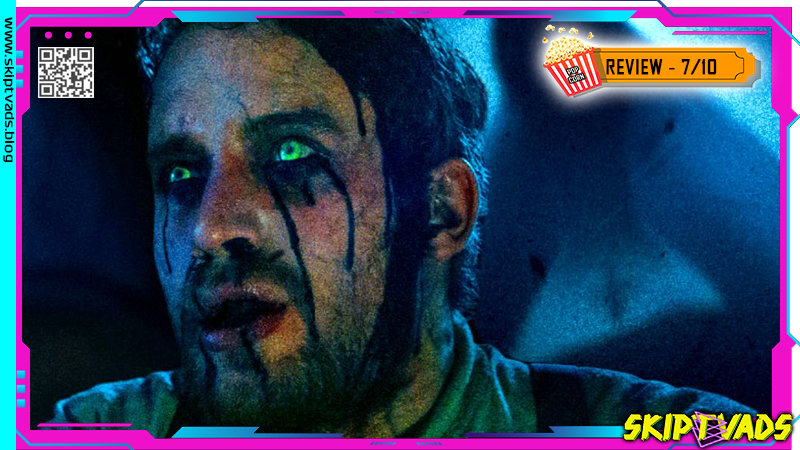 [SOURCE](https://screenrant.com)
 The Nun II came out a few years ago in 2023 and honestly I went in expecting the worst after that first movie back in 2018 turned out to be not so great but turns out this one actually manages to be way better even tho thats not saying much since the bar was basically on the floor, something like "Annabelle Creation (2017)", into my journey of watching all the movies from this franchise its like most of the time the second movie is better so far but thats not the case for the main title but its something to discuss on another post. The Nun II develops in France where we see Valak just going completely nuts right from the start burning a priest alive inside a church, which was absolutely wild because the first movie barely showed the nun doing anything remotly violent. Taissa Farmiga is back as Sister Irene and she was still carrying the entire thing on her shoulders with the help of Frenchie guy, this time they pair her up with Sister Deborah who spends most of the movie being absolutely useless and this is not me being mean about it, the character literaly does nothing important until the very end when she suddenly remembers she has faith. The boarding school setting could have been way more interesting but they wasted it on boring daytime scenes with these awful bully girls who I actually wanted Valak to rip apart, those kids were so annoying that when the goat demon showed up I was kinda rooting for it even though thats probably not what the movie wanted me to feel.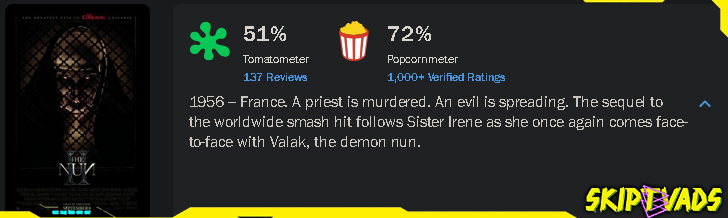

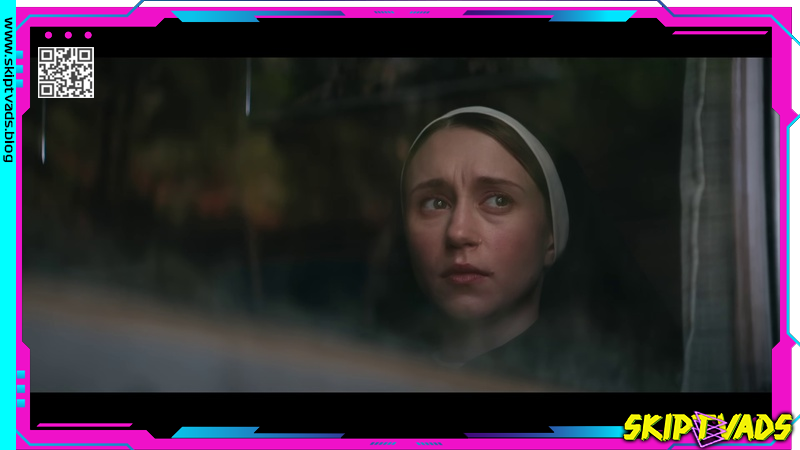 [Source](https://tinyurl.com/3ns3vzw2)
Maurice who everyone called Frenchie in the first movie is back and he was the one possessed by Valak this whole time, which we find out pretty early but the movie still pretends its some big mystery even tho we literally see him twitching in mirrors and snapping peoples necks left and right, he was getting all this work in the background, what I like the most about the movie is that even though I was aware of everything it was still interesting, there was buildup into it. But the whole possession thing gets confusing because at the end of the first movie we saw Valak go into him but that same movie also showed Valak still attacking Irene seperately, so how the hell does that work did the demon just make a copy of itself or is it pulling some multiverse nonsense that nobody bothered to explain??!!. Storm Reid plays this young nun Deborah whos losing her faith and they try to make it this big character but it falls completely flat, she was just there to ask dumb questions and be scared until the climax when she suddenly believes in God again. The demon is searching for Saint Lucys eyes which are burred somewhere in the boarding school and apprently these eyes are super powerfull, but the movie never really explains why a demon would even be able to use something holy like shouldnt God have some kind of protection on his saints relics to prevent exactly this kind of situation from happening, I mean this because we not talking about a bazooka that can be use by the good or bad guys, we talking about something holy unless Valak could some how infect this eyes and use them on his favor, idk this is just me making things up because the movie didnt gave any details on how that works.
[Source](https://tinyurl.com/3ns3vzw2)
Maurice who everyone called Frenchie in the first movie is back and he was the one possessed by Valak this whole time, which we find out pretty early but the movie still pretends its some big mystery even tho we literally see him twitching in mirrors and snapping peoples necks left and right, he was getting all this work in the background, what I like the most about the movie is that even though I was aware of everything it was still interesting, there was buildup into it. But the whole possession thing gets confusing because at the end of the first movie we saw Valak go into him but that same movie also showed Valak still attacking Irene seperately, so how the hell does that work did the demon just make a copy of itself or is it pulling some multiverse nonsense that nobody bothered to explain??!!. Storm Reid plays this young nun Deborah whos losing her faith and they try to make it this big character but it falls completely flat, she was just there to ask dumb questions and be scared until the climax when she suddenly believes in God again. The demon is searching for Saint Lucys eyes which are burred somewhere in the boarding school and apprently these eyes are super powerfull, but the movie never really explains why a demon would even be able to use something holy like shouldnt God have some kind of protection on his saints relics to prevent exactly this kind of situation from happening, I mean this because we not talking about a bazooka that can be use by the good or bad guys, we talking about something holy unless Valak could some how infect this eyes and use them on his favor, idk this is just me making things up because the movie didnt gave any details on how that works.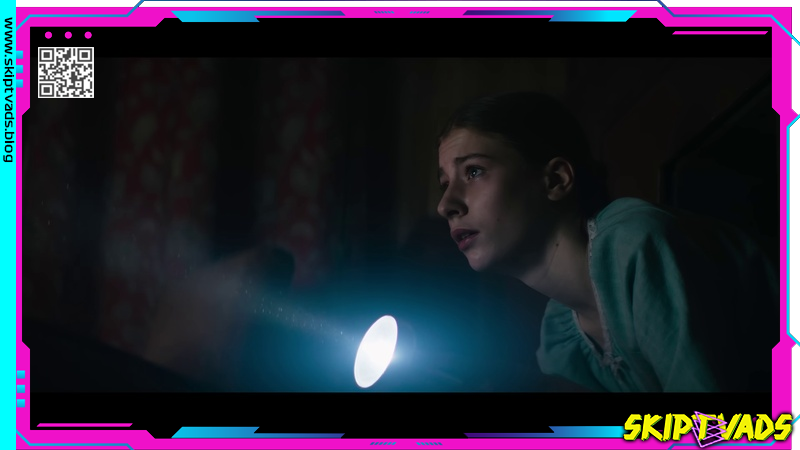 [Source](https://tinyurl.com/3ns3vzw2)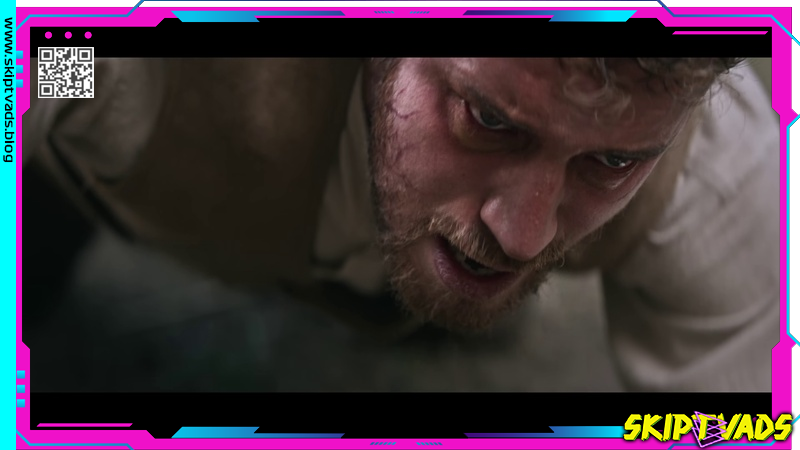
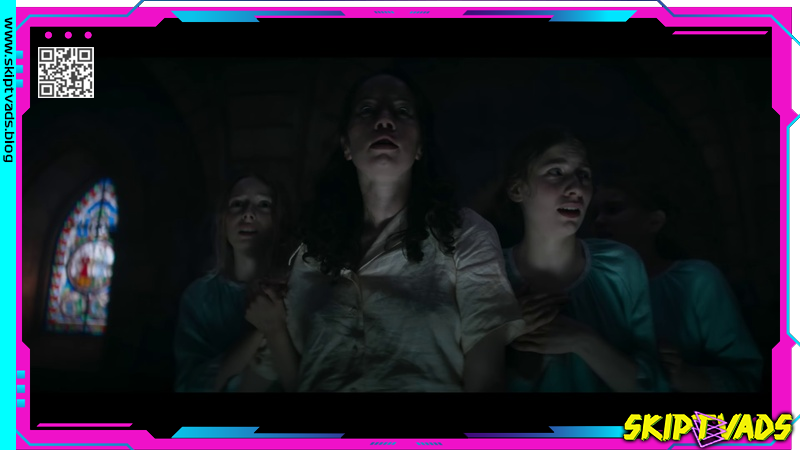 [Source](https://tinyurl.com/3ns3vzw2)
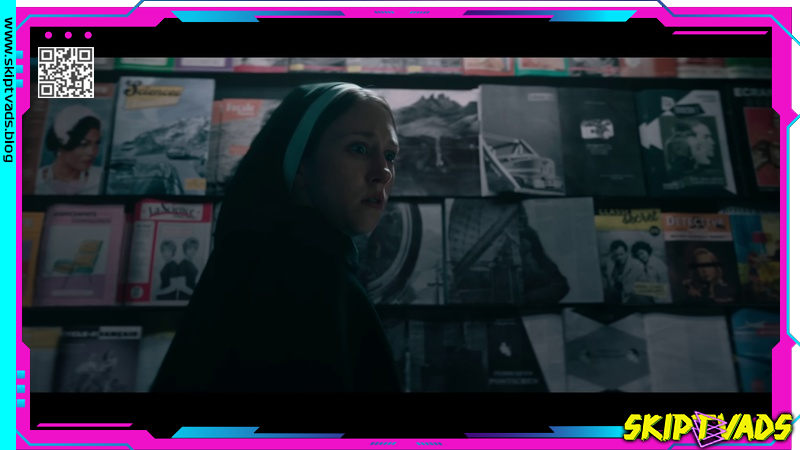 [Source](https://tinyurl.com/3ns3vzw2)
Its almost at the third part of the movie where things finally pick up but its also where the movie completely falls apart logic wise, Sophie the young girl finds the eyes first and they start glowing when she is holding them which is weird because Irene is actually related to Saint Lucy but the eyes dont do shit for her. They tie up Maurice in some random alcove instead of bringing him down to the chapel where they could actually watch him, then he obviously breaks free and starts chasing everyone because of course he does. The goat demon is still running around upstairs and instead of helping Valak find the eyes its just scaring children for no reason, like this is supposed to be the ultimate evil trying to gain unimaginable power but it keeps getting distracted by side quests, although the scenes still look scary so for me all start falling apart after I watch the movie when I actually start to break it down, so in resume those where cool scenes though just leave your brain at the door. Its when Valak finally gets the eyes the movie acts like its game over and the nun becomes super powerful floating around and lifting Irene into the air to burn her alive, except we literally saw Valak do the exact same thing to that priest at the beginning of the movie before it even had the eyes so what exactly changed. Turns out Irene cant be burned because she was a descendant of Saint Lucy who was fireproof, well Im not so sure about it so its for the lols only, but yeah the fact that Irene cant get burn didnt have enough context for me.
[Source](https://tinyurl.com/3ns3vzw2)
Its almost at the third part of the movie where things finally pick up but its also where the movie completely falls apart logic wise, Sophie the young girl finds the eyes first and they start glowing when she is holding them which is weird because Irene is actually related to Saint Lucy but the eyes dont do shit for her. They tie up Maurice in some random alcove instead of bringing him down to the chapel where they could actually watch him, then he obviously breaks free and starts chasing everyone because of course he does. The goat demon is still running around upstairs and instead of helping Valak find the eyes its just scaring children for no reason, like this is supposed to be the ultimate evil trying to gain unimaginable power but it keeps getting distracted by side quests, although the scenes still look scary so for me all start falling apart after I watch the movie when I actually start to break it down, so in resume those where cool scenes though just leave your brain at the door. Its when Valak finally gets the eyes the movie acts like its game over and the nun becomes super powerful floating around and lifting Irene into the air to burn her alive, except we literally saw Valak do the exact same thing to that priest at the beginning of the movie before it even had the eyes so what exactly changed. Turns out Irene cant be burned because she was a descendant of Saint Lucy who was fireproof, well Im not so sure about it so its for the lols only, but yeah the fact that Irene cant get burn didnt have enough context for me. Now the ending felt too simple for everything else I had seen from the movie and kinda dumb it down when Irene and Deborah start praying real hard and somehow turn entire barrles of wine into the blood of christ which explodes everywhere and burns Valak. First of all this boarding school used to be a monastary that was sold to a winery that then became a school but somehow theres still dozens of wine barrels just chilling in the basement after all these years, I know in Europe in some places wine is more than just alcohol so lets that slide but its just too convenient. The movie did mention earlier that you need actual faith to make the wine transmutation work but Deborah spent 90 percent of the movie saying she doesnt believe in God so how the hell did flip the switch, I could only count this as the last moment before death type of wish. They defeat Valak with the blood of christ which is the same thing they used in the first movie except that time it didnt actually work because the demon just possessed Maurice and escaped, so why would it work better this time around. Maurice survives and walks away with the mom and daughter like everything is fine even tho the post credits scene from the first movie already showed us that Ed and Lorraine Warren had to exorcise him later, meaning the demon is still in there and these idiots just let him leave without checking. The very last scene tries to connect everything to the Conjuring movies by showing the Warrens getting a call about the case but it dosent make any sense timeline wise and honestly feels like they just shoved it in there for fan service so in conclusion so far, sequels are better but connection between movies doesnt fell force. Its a 7 out of 10 for me watchable if you are looking for some drama and get scared here and there but completely forgettable, a great one time watch, this movie also did better than the first Nun movie.























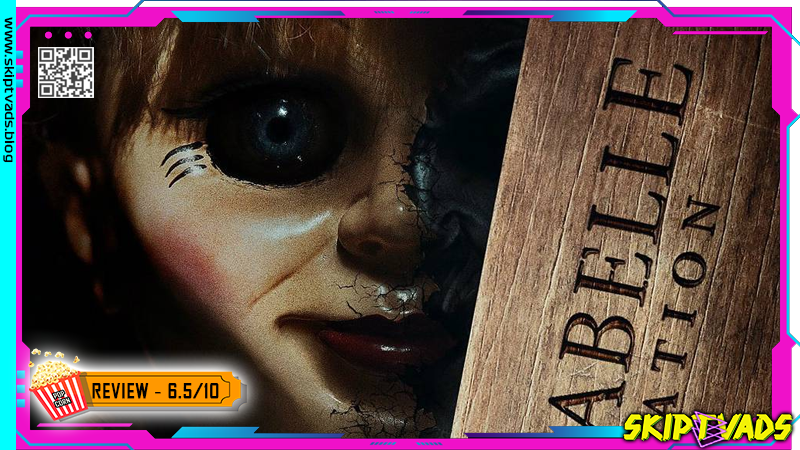
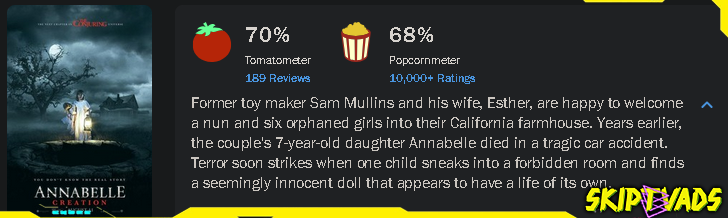
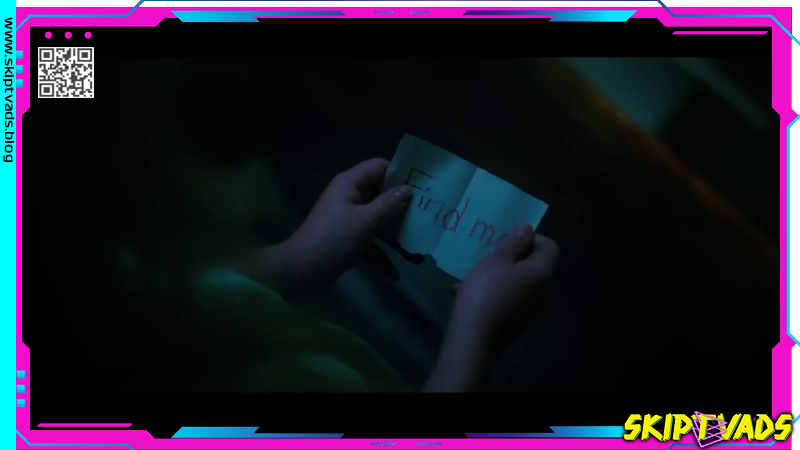 [Source](https://tinyurl.com/4zrzrukm)
The whole thing kicks off with this dollmaker Samuel Mullin and his wife Esther living with their daughter in this nice little house out in the middle of nowhere and everything seems perfect until they leave church one day, their car breaks down on the side of the road. The daughter runs out to grab a lug nut that fell off and she gets smashed by a truck coming around the corner, it happens so fast you dont even see it coming and then we jump twelve years ahead to these orphan girls showing up at the house, because the Mullins decided to open their home to help out. The thing is you can tell something is off from the start, like the wife never leaves her room and wears this creepy mask over half her face, claiming she got sick and the husband is just wandering around being all weird and quiet, acting like he has this dark secret hanging over him, which of course he does because this is a horror movie and everyone has secrets that come back to bite them. Janice is this girl who had polio, so she have trouble walking and has this big leg brace which makes her more vulnerable than the others and Linda is her best friend who looks out for her all the time, they have this plan where they will only get adopted together as sisters and it is actualy pretty sweet until everything goes to shit. The house has this one room that used to belong to the dead daughter and of course it is locked, and of course the girls are told not to go in there, but you know how that goes in horror movies, Janice ends up finding her way inside and discovers the Annabelle doll sitting in a closet, covered in Bible pages, and warnings scribbled all over the walls.
[Source](https://tinyurl.com/4zrzrukm)
The whole thing kicks off with this dollmaker Samuel Mullin and his wife Esther living with their daughter in this nice little house out in the middle of nowhere and everything seems perfect until they leave church one day, their car breaks down on the side of the road. The daughter runs out to grab a lug nut that fell off and she gets smashed by a truck coming around the corner, it happens so fast you dont even see it coming and then we jump twelve years ahead to these orphan girls showing up at the house, because the Mullins decided to open their home to help out. The thing is you can tell something is off from the start, like the wife never leaves her room and wears this creepy mask over half her face, claiming she got sick and the husband is just wandering around being all weird and quiet, acting like he has this dark secret hanging over him, which of course he does because this is a horror movie and everyone has secrets that come back to bite them. Janice is this girl who had polio, so she have trouble walking and has this big leg brace which makes her more vulnerable than the others and Linda is her best friend who looks out for her all the time, they have this plan where they will only get adopted together as sisters and it is actualy pretty sweet until everything goes to shit. The house has this one room that used to belong to the dead daughter and of course it is locked, and of course the girls are told not to go in there, but you know how that goes in horror movies, Janice ends up finding her way inside and discovers the Annabelle doll sitting in a closet, covered in Bible pages, and warnings scribbled all over the walls. [Source](https://tinyurl.com/4zrzrukm)
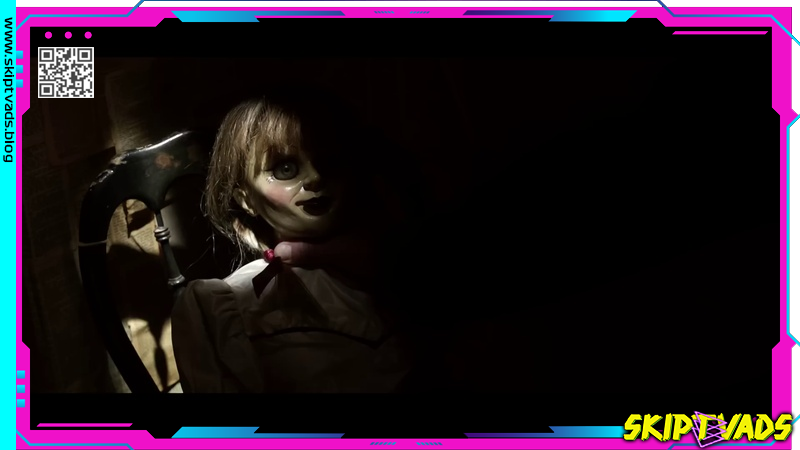 [Source](https://tinyurl.com/4zrzrukm)
What I liked about this movie compared to the first one is that it actualy uses the doll in creepy ways, instead of just having random ghost shit happen around it, like there are scenes where the doll is sitting on the bed and then the character looks away, and when they look back, the dolls head has turned to face them. Simple stuff like that works way better than all the complicated demon nonsense they tried to pull in the first movie, where the doll barely even mattered, here the doll is front and center doing what it should be doing, its way more active which is freaking people out by moving when nobody is looking. There is this awesome part where Janice is in the staircase elevator thing, because she cant walk up stairs easily and the doll appears at the top waiting for her, just sitting there all creepy and you know something bad is about to go down, like that kind of simple stuff with the proper sound and setup can be so creepy. The movie does a good job of building tension through these moments, instead of just relying on loud noises every ten seconds to make you jump, although there are still pleny of those, especially in the first half which got annoying after a while. But once the demon actualy starts posessing Janice and things escalate in the second half, I was locked in finding out how it would play out, the actress playing Janice does a really good job of going from sweet kid to full on creepy demon child and it never felt over the top or silly.
[Source](https://tinyurl.com/4zrzrukm)
What I liked about this movie compared to the first one is that it actualy uses the doll in creepy ways, instead of just having random ghost shit happen around it, like there are scenes where the doll is sitting on the bed and then the character looks away, and when they look back, the dolls head has turned to face them. Simple stuff like that works way better than all the complicated demon nonsense they tried to pull in the first movie, where the doll barely even mattered, here the doll is front and center doing what it should be doing, its way more active which is freaking people out by moving when nobody is looking. There is this awesome part where Janice is in the staircase elevator thing, because she cant walk up stairs easily and the doll appears at the top waiting for her, just sitting there all creepy and you know something bad is about to go down, like that kind of simple stuff with the proper sound and setup can be so creepy. The movie does a good job of building tension through these moments, instead of just relying on loud noises every ten seconds to make you jump, although there are still pleny of those, especially in the first half which got annoying after a while. But once the demon actualy starts posessing Janice and things escalate in the second half, I was locked in finding out how it would play out, the actress playing Janice does a really good job of going from sweet kid to full on creepy demon child and it never felt over the top or silly.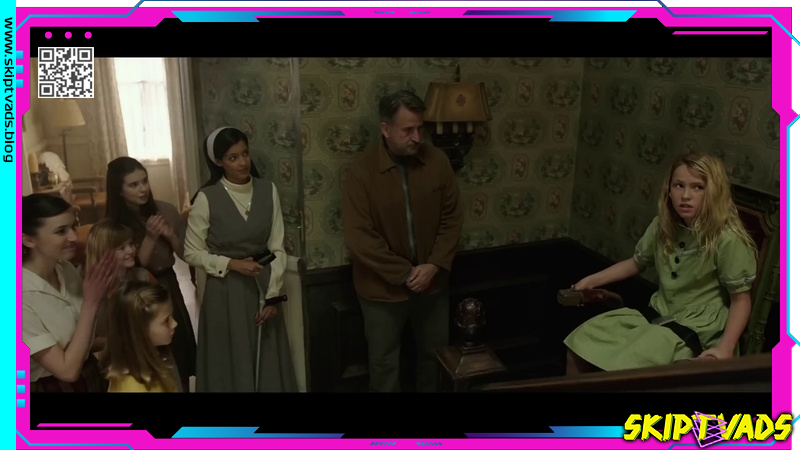 [Source](https://tinyurl.com/4zrzrukm)
 [Source](https://tinyurl.com/4zrzrukm)
The backstory they give for how the doll got posessed makes sense to within the universe they have set up with these movies, so after their daughter dies, the parents pray to anything that will listen to bring her back and they start seeing her ghost around the house, leaving little notes like she used to do when she was alive. They think it is actualy their daughter coming back to visit them but of course it is just a demon pretending to be her, so it can get invited into their home, demons need permission aparently its very cliche although I have read its a real thing, never met a demon though and dont want to, so they have to trick people into letting them in. Eventually the demon asks to move into the doll so it can stay with them forever and they agree like idiots, just like in the other movies, everyone just think they are helping their little girl when they are realy just trapping a demon in a creepy ass doll that will go on to terrorize people for decades, what a way to screw everything up for everyone else. The movie also try to make reference to other Conjuring movies and thats when it felt force, I think there was no need because it was all good aside from those reference. There is also a scarecrow in the barn that the demon posesses at one point and that whole sequence was pretty tense, with the girl trapped inside trying to get the axe while this thing is waking up and pulling off its mask to reveal demon teeth, I wish they had done more with that honestly because it was one of the creepier parts of the movie.
[Source](https://tinyurl.com/4zrzrukm)
The backstory they give for how the doll got posessed makes sense to within the universe they have set up with these movies, so after their daughter dies, the parents pray to anything that will listen to bring her back and they start seeing her ghost around the house, leaving little notes like she used to do when she was alive. They think it is actualy their daughter coming back to visit them but of course it is just a demon pretending to be her, so it can get invited into their home, demons need permission aparently its very cliche although I have read its a real thing, never met a demon though and dont want to, so they have to trick people into letting them in. Eventually the demon asks to move into the doll so it can stay with them forever and they agree like idiots, just like in the other movies, everyone just think they are helping their little girl when they are realy just trapping a demon in a creepy ass doll that will go on to terrorize people for decades, what a way to screw everything up for everyone else. The movie also try to make reference to other Conjuring movies and thats when it felt force, I think there was no need because it was all good aside from those reference. There is also a scarecrow in the barn that the demon posesses at one point and that whole sequence was pretty tense, with the girl trapped inside trying to get the axe while this thing is waking up and pulling off its mask to reveal demon teeth, I wish they had done more with that honestly because it was one of the creepier parts of the movie.