Longform reviews of films, TV, anime, books, and audiobooks, written by the scrobble.life community and published to the Hive blockchain, so each one is owned by its author and can earn rewards from readers. 51,248 reviews and counting.
“You’re not leaving this world anytime soon”? That’s how Weapons felt to me. It didn’t even open like a movie; it opened like a wound. The screen goes dark, there’s silence, and then—bang. That first gunshot, not just loud but too loud, makes you jump even though you knew something was coming. And suddenly you realize this isn’t going to be about weapons as objects—it’s about weapons as shadows, as ghosts, as the unspoken thing everyone carries but doesn’t want to name. Right there, I felt my chest tighten because it wasn’t action, it was weight.
It is dragging you deeper and deeper in scene after scene. Like there is this moment in the diner, you know, you know the one I am talking of, people laughing, young people just being young, fries on the table, music low, life normal. And then the air shifts. You can practically sense when it is going to happen, it is as though the sound design is breathing down your neck. And when it happens… Good, that is worse than noise, God. The camera is stuck on spilled soda, ketchup on a plate, an unanswered phone ringing on the floor. I covered my mouth with some hand after that scene. Not that I was aghast but that I was aware of that hollowness. The manner in which a room can empty in a second.
Then it drags into these toilet effects--and each succeeding scene is the pieces of the same broken mirror. It is a family dinner table, where people are attempting to converse about anything besides what is between them. Scraping plates that are too loud, a hand shaking during the pouring of water, longer silence than conversation. I swear I felt the tension in my shoulders as though I was at the same table and I did not know what to say which made me fearful to say the wrong things.
And there is this shot in the school hallway--God, that hallway shot never left me. Fair queues, knapsacks, chatting, yet all of it dampened, as though the life is vacuumed out. The camera does not gaze at faces, it gazes at shoes, at banging locker doors, at the shuffling movements. It seems the film is saying: the aftermath is not just in the headlines but even in how you can no longer even look up because of it any more. I sat there and cogitated, this is what numbness is like on screen.
I was later messed with over the rooftop scene. There are two characters who are standing beneath this huge night sky, the city is faintly buzzing somewhere down there, and it is like there should be freedom down there. However, on the contrary, it is as though gravity is even heavier than ever. Their dialogue is interrupted, disjointed. The fear is not what they are discussing, they are evading it, going around it, as it is too dangerous to approach. And I recollected how we do it so many times in real life, we never utter the thing, we merely walk round it, hoping that another person will.
The film is not linear, it is not keen on being so. It is like treading on the nightmare of another in bits, a classroom here, a bedroom here with music playing too low, a parking lot where headlights are the interrogation lamps. Each scene smothers you, such as the air thickens. And guns are not the only weapons, they are words that are not spoken, looks that are incisive, silences that are puncturing more than any knife would be.
The thing that got me the most was a little scene--you may not even call it big by itself, though--but where somebody is attempting to wash their hands in a sink, scrubbing over and over, and the water splashes all about. There is no bloody thing there, no cleaning to be done, yet they cannot help. And I was sitting there just swallowing hard because that is how trauma is you scrub, scrub, scrub, scrub and nothing comes off.
Towards the last stretch, I was no longer only watching a movie, but I was holding my breath. The remaining few minutes--God, I shall not make it too much--but it is not what gives you good closure. It only leaves you with echoes. A room with nothing in it, a motionless camera, a buzz in your ears which would not no. And it brought me to understand: there are stories that do not die, they haunt.
I did not want to clap or even move, as I walked away from Weapons. Like a gutted swan, I was. It is not entertainment it is confrontation. And the worst thing, the thing that made me exposed, is how real it was, how it became so natural that it is monstrous, how fear becomes a part of breasting. It did not seem to be a movie-going. It was as though remembering something you would not like to have lived.
Wednesday season 2 was released in two parts in 2025. The first 4 episodes aired on August 06/2025 and the other 4 on September 03/2025. To tell you the truth i expected to watch this show, it makes me kill time with joy. I also pretty much expect that i will enjoy it so it's a no-brainer.
So after the Summer break is over, Wednesday returns to Nevermore as a hero for basically saving the school and everyone. There are some changes though. Her brother also joined as a student and there is a new principal, the one and only Steve Buscemi.
Also, due to some events Gomez and Morticia will stay in the school grounds and more specifically in Marilyn Thornhill's previous house. The villain of the show or at least the first one we get to see as a villain, is a stalker that controls birds, an avian. Thankfully, the plot is deeper than this and a mystery unveils as the episodes pass by. Also, Wednesday has to face her own issues as she loses her powers.
Now, the good things around the show are the cast, scenery and plot. The cast is amazing, if you ask me, the main actors (Ortega, Myers, Guzman, Zeta-Jones, Ricci) and the new additions (Buscemi, Templeton, Ordonez) are all doing phenomenal work. The plot is interesting, with some plot twists as well. It's not the plot of the year but it's enjoyable. I really enjoyed the fact that Morticia and Gomez had more screen time, kudos to that!
Finally, the aesthetics and vibe are awesome. I think that they managed to catch and find the Adams family vibe and bring it over to 2024-2025. Everything looks more realistic, maintaining the humorous elements. Overall, even though i heard some bad reviews, my opinion is that the second season is at the same level as the first one. Also i bet that there will be a third season as well. A 7.5/10 i would say!
Supernatural is one of those shows that ended in the 2010s, or so I thought. It happens to be one of the good ones out there. I remember it as funny with well-written characters and story arcs. Slow introduction of angels, demons, the apocalypse and many biblical elements. And I am 100% percent sure that the show ended with Sam making the ultimate sacrifice and Dean trying to lead a mundane, normal life. Perfect ending.
And just yesterday, YouTube recommended me the Funny moments from Supernaturals. With a lot of pending office work and personal things to do on my list, I did the only thing I am good at. So, I procrastinated all of that and jumped right into the Video. First of all, I dont understand the YouTube logic. What made it share the random Supernatural top 10 list on my feed after so many years. So I watched the entire video and laughed at the funny scenes, cringed at a few of them. And then comes the scene where Sam and Dean are in a TV show set as their original actors, like fourth-wall break stuff. That got me wondering which season all of this happened in. And how is it that I remember all the other things clearly but have no memory of this weird episode?
I did what any responsible person would do. Investigate a matter that is neither important nor urgent when you have hundreds of other important and urgent things to clear from your desk. I logged into my Prime account. The idea was to review the episode quickly to narrow it down to that specific episode and add it to the watchlist. And imagine my surprise when I found out that there are 15 Seasons of Supernatural out there.
Yup, 10 more seasons of demons and angels and hopefully good stuff. But then again, it got me thinking, if the series was continuing like this, how come I missed it? Well, the answer is I got a Job that kept me away from TV in 2011 onwards, and when I got my Prime Video, Supernatural was there under the “TV shows we think you'll like” tab alongside The Mentalist, Breaking Bad (Which I have to check again because I think they are awesome and over).
This also comes with the dreadful realisation that the rest of the series is not as good as the previous 5, call it my gut feeling or whatever, because if it was good, I am sure there would have been some theme around it and people coming over and torturing me by telling go and watch the show its too good, like they did with GOT. Meh!! Whatever, I am going to watch the rest of the show, even if it sucks. And to see how the writers handle the rest of the show when they have already given up the biggest showdown in the Supernatural world, I mean, how are you going to top the Winchester brothers fighting Lucifer?
I know it's obvious that I am a fan of Supernatural. I had free time then and love the idea that Vampires are not sparkly in the supernatural world. But I am kinda grateful that I got a Job that kept me away from TV, otherwise who knows I would have gotten a weird tattoo on my shoulder or my bum. People do crazy stuff when they have nothing good to do. But I on the other hand not only have a ton of work, but I can watch the show on my free....
OH COME ON!!!
[Screenshot]
Hi Folks,
This is one of the shows that I loved, and I hope that there are a few more like these. I am pretty sure it met with a fate similar to 'Lost' and where the 'FROM' is heading, but I would love to watch it again. And that's all for today.
And special thanks to IU and the BwAwesome community for their love and support.
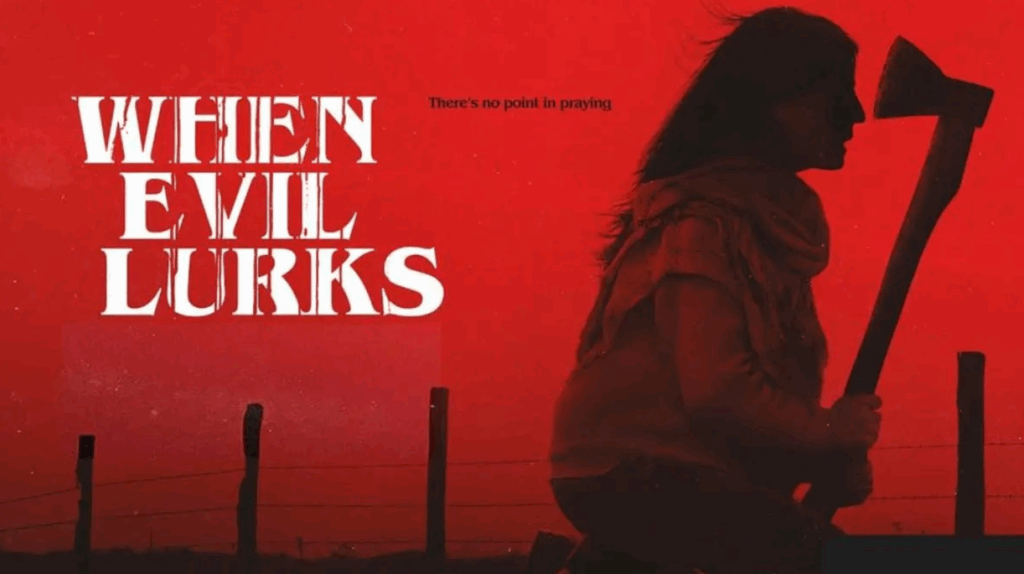
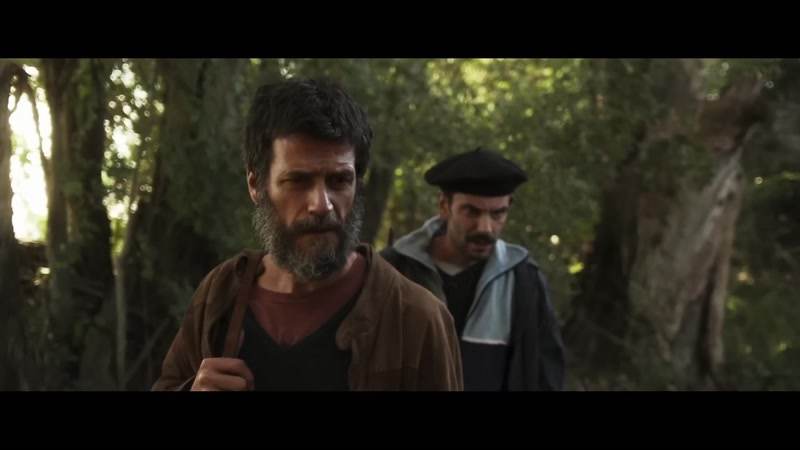
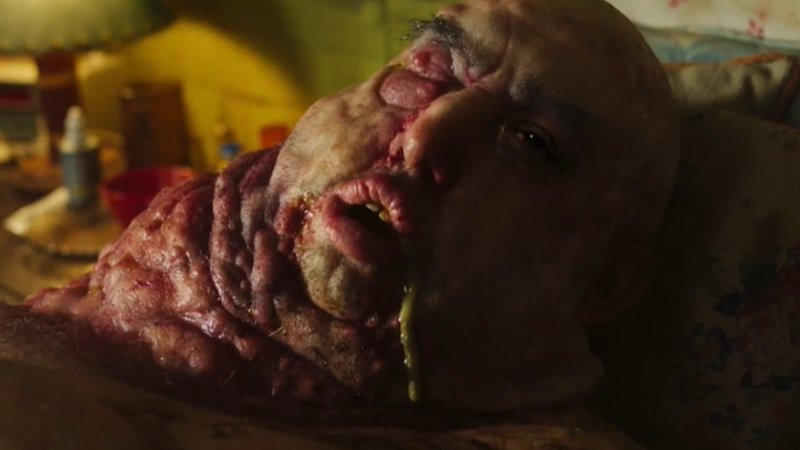
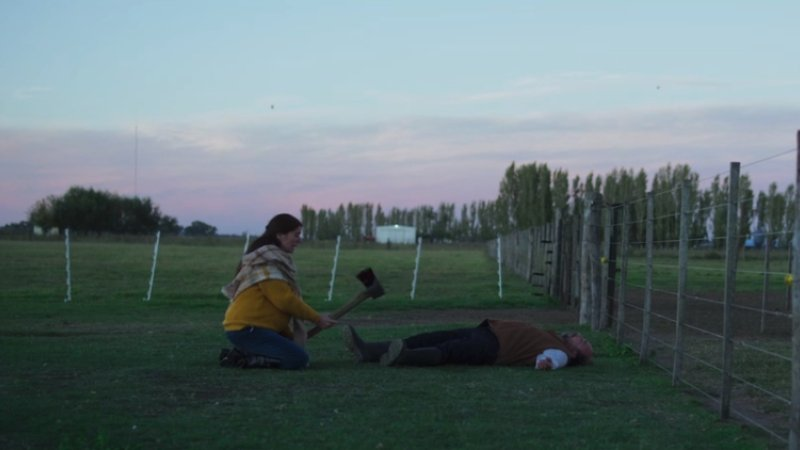
In my to see list I had When Evil Lurks, I really didn't know what to expect, because I'm already fed up with so many possession movies that just repeat the same thing over and over again, but I have to give credit to the director Demián Rugna because I thought he did something different than the rest of the garbage they have been giving us in the genre, although like any movie nothing is perfect and has its certain details but overall I think it's better than many that I've already seen. The movie starts with two brothers in a distant farm who find a body cut in half and here the thing from the start looks good, because it turns out that the guy was a cleaner who came to kill a possessed man named Uriel who is almost qe converted into a bloated and rotten mass full of tumors and green pus, I'll be honest when they passed the image of that guy took away my hunger completely. Something that I liked a lot is that this film does not treat the possessions as something religious but as an infectious disease that can be transmitted, then there are all government protocols and specific rules to follow and real consequences if you break them, this seemed to me a new and original idea is as if it were a virus something like that, then it gives a jolt to this genre that I think it was missing.
En mi lista de pendientes por ver tenía a When Evil Lurks, la verdad no sabía muy bien que esperar, porque ya estoy hasta la coronilla de tantas películas de posesiones que solo repiten la misma cosa una y otra vez, pero tengo que dar crédito al director Demián Rugna porque me pareció que hizo algo diferente que al resto de la basura que nos han estado dando en el género, aunque como toda película nada es perfecto y tiene sus ciertos detalles pero en general me parece que está mejor que muchas que ya hr visto. La peli arranca con dos hermanos en una granja lejana que encuentran un cuerpo cortado a la mitad ya aquí la cosa de entrada se ve buena, porque resulta que ese tipo era un limpiador que venía a matar a un hombre poseído llamado Uriel que está casi qe convertido en una masa hinchada y podrida llena de tumores y pus verde, les voy a ser sincera cuando pasaron la imagen de ese tipo se me quitó el hambre por completo. Algo que me gustó bastante es que esta película no trata las posesiones como algo religioso sino como una enfermedad infecciosa que se puede ir transmitiendo, entonces hay todos unos protocolos del gobierno y unas reglas específicas que seguir y consecuencias reales si las rompes, esto me parecó una idea nueva y original es como si fuera un virus algo así, entonces le da como una sacudida a este género que me parece que le hacia falta.
The world Rugna builds in the movie is interesting because they don't give you all the information at once, but you discover it little by little through the dialogues and the actions of the characters, it's as if an outbreak of possessions happened decades ago and now people know how to live with it but they don't always follow the rules correctly. Pedro and Jimi are that two farmer brothers who get into trouble when they decide to get the possessed guy out of Maria's house and take him away so he won't affect them, but of course everything goes wrong and the guy falls off the truck on the way, which unleashes a whole chain of horrible things that get worse and worse. The rules that the movie establishes are super interesting, you can't use firearms against the possessed because that releases the demon, you can't use electric light because the shadows attract evil, you can't hurt the infected animals and the most important one that is revealed until the end is that you must not be afraid because the demon feeds on your fears, all this is creating a constant tension because the characters are literally tied hands trying to survive. The practical effects are brutal, especially Uriel who looks like a nightmare out of The Thing, bloated like a balloon filled with disgusting liquids and making noises that make your hair stand on end, definitely not a movie for people with weak stomachs.
El mundo que construye Rugna en la peli es interesante porque no te dan toda la información de una vez, sino que la vas descubriendo poco a poco a través de los diálogos y las acciones de los personajes, es como si ya hubiera pasado un brote de posesiones hace décadas y ahora la gente sabe como hacer para vivir con esto pero no siempre siguen las reglas correctamente. Pedro y Jimi son eso dos hermanos campesinos que se meten en problemas cuando deciden sacar al poseído de la casa de María y llevárselo lejos para que no los afecte, pero por supuesto todo sale mal y el tipo se les cae del camión en el camino, lo que desata todo una cadena de cosas horribles que van empeorando cada vez más. Las reglas que establece la película son súper interesantes, no puedes usar armas de fuego contra los poseídos porque eso libera el demonio, no puedes usar luz eléctrica porque las sombras atraen el mal, no puedes lastimar a los animales infectados y la más importante que se revela hasta el final es que no debes tener miedo porque el demonio se alimenta de tus temores, todo esto va creando una tensión constante porque los personajes están literalmente atados de manos tratando de sobrevivir. Los efectos prácticos están brutales, especialmente Uriel que parece una pesadilla sacada de The Thing, hinchado como un globo lleno de líquidos asquerosos y haciendo ruidos que te ponen los pelos de punta, definitivamente no es una película para gente con estómago débil.
In the first half of When Evil Lurks the way Pedro is developed as a character works, he's not a typical hero but a guy with a complicated past who has clearly made some serious mistakes that alienated him from his family, he has a restraining order from his ex-wife and a strained relationship with his autistic children. Ezequiel Rodriguez is the one who plays the role and I thought his work was amazing because he shows a desperate man who tries to do the right thing but always makes the wrong decisions because of his own fear and desperation, the guy lets anxiety win him over and more when he sees his family in danger, the good thing is that the movie takes the time for you to understand a little bit about him and so you feel empathy despite his mistakes. The part where he goes to his ex-wife's house to try to convince them to run away is very tense because you know something horrible is going to happen and when it finally happens with the dog attacking the girl, it is one of the most shocking and difficult to watch scenes I have seen in years and it is not that it is very gore it is just that it is filmed in a very realistic and visceral way. Damián Rugna is clearly not afraid to show violence towards children and animals and I know this is not going to please many people but it works in the story because it shows that no one is safe in this world, there are no untouchable characters and that increases the tension a lot.
En la primera mitad de When Evil Lurks funciona la forma como desarrollan a Pedro como personaje, no es un héroe típico sino un tipo con un pasado complicado que claramente ha cometido errores graves que lo alejaron de su familia, tiene una orden de restricción de su ex esposa y una relación tensa con sus hijos autistas. Ezequiel Rodríguez es quien hace el papel y me pareció que su trabajo fue increíble porque muestra a un hombre desesperado que trata de hacer lo correcto pero siempre toma las decisiones equivocadas por su propio miedo y desesperación, el tipo deja que la ansiedad le gane y más cuando ve a su familia en peligro, lo bueno es que la película toma el tiempo para que entiendas un poco sobre el y así sientas empatía a pesat de sus errores. La parte donde va a casa de su ex esposa a tratar de convencerlos de que huyan es muy tensa porque sabes que algo horrible va a pasar y cuando finalmente pasa con el perro atacando a la niña, es una de las escenas más impactantes y difíciles de ver que he visto en años y no es que sea muy gore es que está filmada de manera muy realista y visceral. Damián Rugna claramente no tiene miedo de mostrar violencia hacia niños y animales y esto se que no le va a gustar a mucha gente pero funciona en la historia porque muestra eso de que nadie está seguro en este mundo, no hay personajes intocables y eso aumenta mucho la tensión.
The sad thing is that the movie starts to go off the rails in the second half when Pedro starts to make increasingly stupid decisions that go against all the logic that the character had established, the guy who throughout the whole movie tells everyone not to break the rules because the consequences are terrible, in the end ends up being the one who breaks them the most and in the most absurd ways possible. The scene at the school where he finds Uriel buried is frustrating because Pedro literally ignores all the advice of Mirtha, the former cleaner who knows exactly how to kill the demon, and decides to use a hammer instead of the specialized equipment she brought, here it's like a childish or foolish behavior and I don't like that. The ending where the demon is born in the form of a child is visually impressive but I felt it didn't look good and less so when the child puts a mark on Peter's forehead and just walks away, followed by all the possessed children in the school, it's supposed to be scary but it gave me more laughter than fear. That part where you find out that Jimi knew about Uriel from the beginning and that he was the one who killed the first cleaner seemed forced to me as if it was made up at the last minute to give another twist and not because it made any real sense.
Lo triste es que la película empieza a descarrilarse en la segunda mitad cuando Pedro comienza a tomar decisiones cada vez más estúpidas que van contra toda la lógica que había establecido el personaje, el tipo que durante toda la película le dice a todo mundo que no rompan las reglas porque las consecuencias son terribles, al final termina siendo el que más las rompe y de las maneras más absurdas posibles. La escena en la escuela donde encuentra a Uriel enterrado es frustrante porque Pedro literalmente ignora todos los consejos de Mirtha, la ex limpiadora que sabe exactamente como matar al demonio, y decide usar un martillo en lugar del equipo especializado que ella trajo, aquí es como un comportamiento infantil o necio y eso no me gustp. El final donde nace el demonio en forma de niño es impresionate a nivel visual pero sentí que no quedaba bien y menos cuando el niño le pone una marca en la frente a Pedro y simplemente se va caminando como si nada, seguido por todos los niños poseídos de la escuela, se supone que debe ser aterrador pero a mí me dio más risa que miedo. Esa parte donde se descubre que Jimi sabía sobre Uriel desde el principio y que fue él quien mató al primer limpiador me pareció forzada como que si se la inventaron de último minuto para dar otro giro y no porque tenga un sentido real.
I think When Evil Lurks had everything to be something really special but it fell short because of certain things they put in the script that go against the internal logic that had been so carefully established, it's as if Rugna had created this fascinating world with specific rules and then decided to break them all just to get to a more dramatic ending. The technical elements are incredible, Ezequiel Rodriguez's acting is great and the effects are disgusting in the best possible sense, plus all the world building which I found original, but all that goes away by the third part because it's like it's disconnected from the rest of the movie and the characters act like idiots when the plot needs them to. My score is 7/10, despite those problems that screwed it up near the end it has a lot of interesting things with the possessions genre and has scary moments, too bad some of the characters decisions don't make sense because this movie that could have been a horror classic but it stays in something good but not great.
Yo creo que When Evil Lurks tenía todo para ser algo realmente especial pero se quedó corta por ciertas cosas que metieron en el guión que van contra la lógica interna que había establecido tan cuidadosamente, es como si Rugna hubiera creado este mundo fascinante con reglas específicas y después decidiera romperlas todas solo para llegar a un final más dramático. Los elementos técnicos están increíbles, la actuación de Ezequiel Rodríguez es buenisma y los efectos son asquerosos en el mejor sentido posible, además de toda la construcción del mundo que me pareció original, pero todo eso se va ya para la tercera parte porque es como que si está desconectada del resto de la película y los personajes actúan como idiotas cuando la trama lo necesita. Mi puntuación es 7/10, a pesar de esos problemas que la cagaron casi al final tiene muchas cosas interesantes con el género de posesiones y tiene momentos aterradores, lastima que algunas decisiones de los personajes no tienen sentido porque est película que pudo haber sido un clásico del horror pero se queda en algo bueno pero no grandioso.
One scene that left a deep and lasting impression on me comes from the Korean drama "It's Okay to Not Be Okay". In one particularly emotional episode, the male lead, Moon Gang-tae, finally breaks down and cries in front of his older brother, Sang-tae, who is on the autism spectrum.
It is not easy to hide your feelings just to make sure others are okay. After years of suppressing his own emotions in order to protect and care for his brother, this moment is a rare glimpse into Gang-tae's inner world, he showed his pain, his exhaustion, and his desire to simply be seen as someone who also needs care because he is a human too and not a stone. And Instead of his brother to rejecting him, Sang-tae responds with a quiet but powerful gesture, he hugs Gang-tae and tells him it’s okay to cry.
Being strong doesn't mean that they didn't have emotions, or get their feelings hurt too, they do because they are human but because showing their emotions and feelings make them seem weak, they have to suppress it. I've watched so many K-drama and each and every one of them pass one message or the other, one impression or the other but this particular one, "It's Okay To Not Be Okay" is one of it kind, such scene is rare.
This scene resonated with me deeply because it broke the typical mold of stoicism often expected in Asian societies, particularly among men. In many cultures, including Korea, expressing vulnerability, especially for men is often discouraged because it makes them seem incompetent . There is a strong emphasis on endurance, self-sacrifice, and responsibility for men, particularly toward family. Gang-tae's breakdown challenges these norms, showing that even those who appear strong on the outside can be emotionally fragile inside. The moment is made even more touching by Sang-tae's response, which subtly breaks down assumptions about people with disabilities, showing their capacity for empathy and emotional intelligence.
Watching Korean dramas like this one has make me appreciate the complexity of Korean society. With dramas, there are deep-rooted traditions of family loyalty, respect for elders, and emotional restraint. On the other hand, modern dramas are increasingly questioning and challenging these values, bringing mental health, generational conflict, and individual identity to the forefront. It’s a fascinating contrast that reflects a society in transition.
After watching so much Korean dramas, films, and webtoons, I’ve come to admire how their stories often balance emotional depth with beautiful storytelling, even if the storyline is the same the lesson will be different. They don't shy away from difficult topics like trauma, inequality, or discrimination, but they also offer hope, healing, and personal growth. It’s not something easily translated, but it’s something you feel when you watch Korean media.
Korean dramas and stories will not only entertained you, it is beyond entertainment but also taught me a lot about human relationships, cultural values, and the importance of emotional honesty. That scene in "It's Okay to Not Be Okay" help us to remember that healing begins when we allow ourselves to be vulnerable, seek help, let people know that you are not okay, seek for attention and that sometimes, love means simply being there for someone in silence because as a human we really need it..
Thanks for checking on my blog and have a wonderful day
No fancy intros, just a series I have been enjoyint to watch mainly because of the different role certain actors playing on this sereis, so here what went down in Task episode 2, "Family Statements," this episodes throws a lot at you without really pretending to be anything it’s not, you know what you are getting from the jump its all mess up with almost no escape for Robbie. The pacing on this show might make some people get bored quick and scroll for their phone so Im not going to try to sugar code it, the show is not complicated at all but has certain darkness in it that keeps me watching, to me the way things burn slow, every scene angled to show something messed up but also familiar, that’s kind of the point. This episode spends more time diving into characters than the usual investigation stuff, more about who these people are when the badge, what’s bugging them at home, what they wish they could forget. The whole thing between Tom the FBI agent and his family just keeps getting stranger, every time you think these people hit the limit they open up another bottle and yell over dinner, and Im back to square one with them and keep asking how they got so fucked up. It’s not just the middle aged dude feeling sorry for himself, but also the two sisters who have contrary opinions either adopted or not, with their brother locked up for killing their MOM but looks like there is even more dirt under the rug, everyone stuck in this weird fog of anger and guilt, it’s honestly more interesting than the investigation at some points. I got this perspective like the show does not care if you get tired of this stuff or not, it just keeps going back and forth, dropping bits about who did what and who is blaming who for the crap that already went down, making everyone feel like they are trapped in the same small, sad world.
I have come to realize I like to understand peoples suffering, probably not because I relate but what happens through their mind, its probably why I also like psychological horror and this this episode keeps finding time for those little moments that are actually more honest than most TV, the kind of stuff that would make other production show how fucked up a family can be on every single way possible, from discrimiation, alcohol, drugs, murder, I honestly thought Emily got raped by her brother from first episode, was my assumption. You think about Emily, Tom’s adopted daughter, trying to figure out if she should speak up for her brother Ethan during his court date, she is torn between hating what he did and remembering all the leftovers from when they were actual siblings, probably the memories of playing around and covering for each other. Her conversation with the therapist was heartbreaking, giving you a clear view of that muddy part between caring about family and being tired of all their mistakes, you see the same mess on her face when the family puts her at the center of everything during that rough dinner. On the other side of the table, literraly there is Sarah, blood daughter, coming home with the kind of attitude that only happens when you leave a broken home just to come back and find it worse. The two of them, Emily and Sarah, finally going at each other about Ethan, the “was she really my mother too”, daaaammnnn meme here, that hit harder than anything else you might watch on action movies, emotional damage. Tom trying to hold all this together with his own mess of God, vodka and regret is just the perfect blend for chaos, his moments of collapse dont even look staged at all.
[Source](https://tinyurl.com/bdx28ynx)
[Source](https://tinyurl.com/bdx28ynx)
Switching to the other side, you got the world of criminals and bikers which would be easy to turn into a SOA thing but this show keeps it pretty low and they are not the cool guys dealing drugs, this are some real mf, SOA was more of a mix of everything and not just the representation of biker boys they using on this series. The motorcycle gang angle is the background for the moment but for sure its not only going to bring heat to Robbie but Tomm too. There are Jay and Perry running the gang show, finding out their stash is missing, putting the heat on everyone around them, it very well develop because it puts less about explosions and more about that slow tension figuring out who this people are, lots of waiting, everybody in the episode trying to work out who to trust and who to dump. The whole thing about Robbie grabbing a kid from a scene thinking no one would miss him, like wtf seriously not only took their dope but also the kid?? so the kid aint that valuable? got to be stupid though, but he now realize that the mess just keeps getting bigger when his niece Mave figures out what’s going on. I like how even the side characters like Alison and Anthony, from worrying about doing their job but not yet realizing they are in something way uglier than they planned, for now its just stuff like fast food, cigarettes, hanging out late night laughing, those two are going to end up fucking at some point.
[Source](https://tinyurl.com/bdx28ynx)
[Source](https://tinyurl.com/bdx28ynx)
There is a lot of chaos, but the chaos is quiet, nothing explodes that you don’t see coming from a mile away. Every action has a messy consequence and I get why everyone is paranoid, why Tom isn’t really sure why he tries anymore, why Emily won’t let go of Ethan, why Mave doesn’t just call the cops because when the kid told her his dad name I saw the fear in her eyes. It’s kinda like watching people try to swim but are miles from shore, everything takes forever, every move just makes you more stuck and within the big mess that this story is and about to collide all three sides nobody comes out clean, even the smallest decisions end up hurting someone, sometimes the one you care about most. I get that people are going to say this is a “boring” show or whatever, might not have that obvious thrill, but for me it’s about those small dirty pieces stacking up and giving you enough real to make it stick. There is always something brewing in the background, an extra piece of drama coming up but you do not ever know where from or who is going to pile up the next mistake. All this makes for a series that moves slow, sucking you in if you are into slow burners like me.
I can say this is exactly the kind of show that goes under the radar for a lot of people but with a reward towards the climax hit and the ones who are looking for something more than just a shootout or a mystery you can solve this might not be for you. The best thing Task has going for it is how everything matters, the cops and criminals are barely separated, the families are a mess all together, even the biker gang is just another family with currently a very mess up organization, the connections and drama is the meat cooking but not fast, you gotta pay attention, the scenes with Ruffalo at the center reminded me again why I keep watching smaller tv dramas but I have to say the main reason Im watching is because it was about time he did something else than Bruce Banner. A show like this will not spoon feed you action or quick drama, you gotta sit through the arguments, the broken dinners, the bad phone calls, the dumb mistakes but I dig that because in the end every episode stacks up more more and more mistakes making these characters feel like your own embarrassment, like your own secrets, not just another guy in a suit or a biker jacket, almost like you care about each of them with their own traumas, I do sound bias but what can I say slow burner drama / investigation is a theme I like.
Akira Kurosawa es sin duda uno de los mejores directores de la historia, y sin embargo a veces es difícil encontrar sus películas en el streaming. Por suerte, hace poco pude ver este título en Mubi, y quedé sorprendido. Estrenada en 1985.
Akira Kurosawa is undoubtedly one of the greatest directors in history, yet his films are sometimes difficult to find on streaming services. Luckily, I recently had the opportunity to watch this title on Mubi, and I was pleasantly surprised. Released in 1985.
Sinopsis: El patriarca Hidetora, ya en sus últimos años de vida ha tomado la decisión de ceder su poder, heredando el control de su reino a sus tres hijos. Sin embargo, cuando informa ello, no solo tiene a un hijo que critica esa decisión, sino que en un mundo donde la traición es algo común, sus planes a futuro chocarán con la realidad.
Synopsis: Patriarch Hidetora, now in his twilight years, has decided to relinquish his power, passing control of his kingdom on to his three sons. However, when he announces this, not only does one of his sons criticize the decision, but in a world where betrayal is commonplace, his plans for the future will clash with reality.
“Ran”, cuyo significado es caos o miseria, tal vez sintetiza lo que se ve en este título, en donde un padre creyendo en un traspaso pacifico, acaba siendo superado no solo por el presente sino por su pasado. De alguna manera muestra que si viviste bajo ciertas reglas, la violencia y tomar el poder por la fuerza, no esperes que el futuro actúe de otra manera.
“Ran,” which means chaos or misery, perhaps sums up what we see in this film, where a father believing in a peaceful transfer of power ends up being overwhelmed not only by the present but also by his past. In a way, it shows that if you lived under certain rules, violence, and taking power by force, don't expect the future to act any differently.
La historia tiene una variedad de personajes interesante, desde el padre y sus hijos, hasta sus nueras, ya que son las hijas de reinos arrasados por Hidetora, una de ellas está llena de resentimiento. A su vez, hay consejeros astutos, un bufón dedicado a dar el toque de gracia a tanta miseria, y un ciego que dará mucho simbolismo a la obra.
The story has an interesting variety of characters, from the father and his sons to his daughters-in-law, who are the daughters of kingdoms ravaged by Hidetora, one of whom is full of resentment. In turn, there are cunning advisors, a jester dedicated to adding the finishing touch to so much misery, and a blind man who will give the work a lot of symbolism.
Y si bien la trama es interesante, es cuando ves la parte de batallas que tiene, que te sorprendes. La producción se nota que fue dura e intensa, para mostrar una de las mejores escenas de batalla campal y asalto a castillos. Sorprende ver lo que se logró en efectos especiales, en una época sin CGI. La maestría del director se nota demasiado en esta escenas. También ayuda mucho lo realista de los escenarios.
And while the plot is interesting, it's when you see the battle scenes that you're really surprised. You can tell that the production was tough and intense, in order to show one of the best scenes of pitched battles and castle assaults. It's surprising to see what was achieved in special effects, in an era without CGI. The director's mastery is very evident in these scenes. The realism of the settings also helps a lot.
La música épica y dramática acompaña bien a las diversas escenas. La actuación de variados personajes es excelente, por mi parte resaltó la realizada por el Tatsuya Nakadai como Hidetora.
The epic and dramatic music accompanies the various scenes well. The performances of the various characters are excellent, with Tatsuya Nakadai's performance as Hidetora standing out for me.
Esta película es una obra maestra, sin embargo al tener ya sus años de producida y tocar temas en un contexto feudal japonés, puede ser un tanto difícil de ver, pero recomiendo el intento. Muy recomendable.
This film is a masterpiece, but as it is quite old and deals with themes in a feudal Japanese context, it can be a bit difficult to watch, but I recommend giving it a try. Highly recommended.
Hola Hivers ❤️ espero que se encuentren bien. Maravilloso Desastre es una comedia romantica protagonizada por Dyman Spraud, esta inspirada en la novela literaria que lleva el mismo titulo. Les contare un poco la historia.
Hello Hivers ❤️ I hope you are all well. Wonderful Disaster is a romantic comedy starring Dyman Spraud, inspired by the novel of the same name. Let me tell you a little about the story.
Abby es una experta en jugar poker, desde muy pequeña su padre le enseño e incluso lo sacaba de muchas deudas jugando al poker, hasta que Abby decidio alejarse de él e ir a la universidad donde estudia su mejor amiga America. El primer dia de clases asiste a una pelea donde conoce a Travis quien es uno de los peleadores, Abby quedo impresionada.
Abby is an expert poker player. Her father taught her when she was very young and even used to pay off his debts by playing poker, until Abby decided to leave him and go to college, where her best friend America studies. On her first day of class, she witnesses a fight and meets Travis, one of the fighters. Abby is impressed.
Travis es un estudiante que se dedica a pelear para asi ganar dinero, es el menor de una familia de solo hombres. Travis quedo impresionado con la belleza de Abby, pero a la vez intrigado porque no logra impresionarla del todo.
Travis is a student who fights to earn money. He is the youngest in a family of only men. Travis was impressed by Abby's beauty, but at the same time intrigued because he couldn't quite impress her.
En una pelea de Travis, él y Abby hacen una apuesta, si Travis pierde se olvidara de las mujeres por un mes y si gana ella se ira a vivir con el por un mes. Travis gana la pelea y Abby tiene que cumplir, tampoco seria tan malo ya que el vive con su primo que es el novia de America quien tambien vive en el mismo apartamento. Conviven de una manera armoniosa pasan los dias, Travis le presenta a sus hermanos y padre, hacen planes juntos entre otras cosas. Entre Abby y Travis hay mucha química pero a la vez el miedo de poder tener una relacion, sea desastre y no funcione. Pero esta apuesta hizo unirlos y conocer mas uno del otro.
During a fight, Travis and Abby make a bet: if Travis loses, he will forget about women for a month, and if he wins, she will move in with him for a month. Travis wins the fight, and Abby has to keep her end of the bargain. It wouldn't be so bad, since he lives with his cousin, who is America's boyfriend and also lives in the same apartment. They live together harmoniously, spending their days together. Travis introduces her to his brothers and father, and they make plans together, among other things. There is a lot of chemistry between Abby and Travis, but at the same time, they are afraid of having a relationship that could be disastrous and not work out. However, this bet brought them together and allowed them to get to know each other better.
La trama ofrece mas historia pero no me gusta contar todo, asi que veanla y me cuentan que tal. A mi me gusto, me dio entretenimiento, risa y un rato agradable.
The plot offers more story, but I don't want to give everything away, so watch it and let me know what you think. I liked it; it entertained me, made me laugh, and I had a good time.
Hola Hivers cinéfilos, espero estén bien. He estado viendo algunas series últimamente pero no me había sentado a aclarar mis ideas para hacer los reviews también he visto películas muy buenas que me espero pronto traerles mis opiniones, pero hoy les quiero hablar de Maid una miniserie extremada el 2021 en la plataforma de streaming Netflix, cuenta con 10 capítulos que son bastante digeribles, yo la ví en un solo día y es que me gusta ver las series así y no estar esperando a que pongan capítulo por capítulo, una de las razones por la que quería ver la serie era por su protagonista Margaret Qualley a quién ya había visto anteriormente en la Sustancia y me pareció que hizo un papel espectacular y en esta oportunidad no me decepcionó.
Hello Hivers cinephiles, I hope you are well. I've been watching some series lately, but I hadn't sat down to clarify my ideas for writing reviews. I've also seen some very good movies, and I hope to bring you my opinions on them soon, but today I want to talk to you about Maid, a miniseries released in 2021 on the Netflix streaming platform. It has 10 episodes that are quite digestible. I watched it in a single day because I like to watch series like that and not have to wait for each episode to be released. One of the reasons I wanted to watch the series was because of its star, Margaret Qualley, whom I had previously seen in The Substance and thought she did a spectacular job. This time, she did not disappoint me.
Alex Langley es una madre joven que decide dejar lo que es su hogar para proteger a su hija pequeña de su padre alcohólico y abusivo Sean, el no ha tenido una vida fácil pero lo que comenzó como una dulce historia de amor se está convirtiendo en una terrible pesadilla, Sean nunca a llegado a golpear a Alex pero no hace falta de golpes para denunciar el abuso, emocional y psicológico, Alex desde el primer momento decidió actuar y alejarse de Sean y su círculo de amigos que en vez de ayudar lo que hacen en tapar los problemas que tiene Sean con el alcohol que luego terminan en escenas de violencia, Alex tiene la difícil tarea de contra todo pronóstico salir adelante con su hija y comenzar de cero, sin apoyo de su familia y que su madre también es una mujer que tiene muchos problemas y la relación entre las dos no es para nada bueno, lo mismo pasa con su padre quién también tiene un pasado marcado por el alcohol, Alex sola decide buscar ayuda en refugios y comienza a trabajar en el servicio de limpieza de hogares pero tampoco será nada fácil sin embargo conocerá personas que serán puestas en su vida para ayudarla a superar la adversidad.
Alex Langley is a young mother who decides to leave her home to protect her young daughter from her alcoholic and abusive father, Sean. He hasn't had an easy life, but what began as a sweet love story is turning into a terrible nightmare. Sean has never hit Alex, but physical abuse is not necessary to report emotional and psychological abuse. From the very beginning, Alex decided to take action and distance herself from Sean and his circle of friends, who, instead of helping, cover up Sean's problems with alcohol, which then lead to scenes of violence. Alex has the difficult task of, against all odds, moving forward with her daughter and starting over, without the support of her family and with her mother, who is also a woman with problems with alcohol. Sean** with alcohol, which then ends in scenes of violence. Alex has the difficult task of, against all odds, moving forward with her daughter and starting from scratch, without the support of her family. Her mother is also a woman with many problems, and the relationship between the two is not good at all. The same is true of her father, who also has a past marked by alcohol. Alex decides on her own to seek help in shelters and begins working in home cleaning services, but it will not be easy. However, she will meet people who will come into her life to help her overcome adversity.
Sin duda esta serie es un muestra cruda de lo difícil que puede ser comenzar desde cero y siendo madre soltera, además de la valentía qué hay que tener para lograr superar una relación abusiva a pesar de todo lo que pueda implicar, cada historia es diferente pero casi siempre viene con los mismos signos que se repiten una y otra vez, admirable son las mujeres que con su valentía y fuerza logran salir de situaciones tan complicadas en la vida, la serie te logra transmitir esa impotencia que da ver sufrir a las mujeres de violencia doméstica aunque no se crean, los hombres también pueden sufrirla, pero te lleva a la reflexión y logras conectar con los protagonistas. Espero les haya gustado este post, nos vemos en la próxima.
I hope you liked this post, see you in the next one. Without a doubt, this series is a raw portrayal of how difficult it can be to start from scratch as a single mother, as well as the courage it takes to overcome an abusive relationship despite everything that this may entail. Each story is different, but they almost always come with the same signs that repeat themselves over and over again. The women who, with their courage and strength, manage to get out of such complicated situations in life are admirable. The series manages to convey the helplessness of seeing women suffer from domestic violence, although, believe it or not, men can also suffer from it. It makes you reflect and connect with the protagonists.
Hollywood in its formative years served as a mirror reflecting American society in all its complexity, including its deeply entrenched racist sentiments. The industry's earliest productions frequently pandered to prevailing prejudices, with D.W. Griffith's The Birth of a Nation (1915) standing as the most notorious exemplar of this troubling trend. Premiering to widespread acclaim despite its glorification of the Ku Klux Klan and dehumanising portrayal of African Americans, Griffith's epic cemented cinema's power to shape public perception while revealing the industry's willingness to exploit racial animosity for commercial gain. Curiously, 1915 also witnessed the release of another film that would simultaneously perpetuate racist stereotypes while paradoxically launching the career of Hollywood's first non-white star—Cecil B. DeMille's The Cheat. This silent drama not only established DeMille as one of early Hollywood's most prominent directors but also created a cinematic lightning rod that would expose the contradictions inherent in America's racial politics during the silent film era.
The Cheat centres on Edith Hardy (Fannie Ward), a wealthy Long Island socialite whose extravagant lifestyle constantly exceeds her means. Ward, a retired stage actress making her film debut, portrays Edith as a woman utterly consumed by luxury and social status, her spendthrift tendencies clashing with her husband Jack's (played by Ward's real-life spouse Jack Dean) more conservative business approach . Edith's profligacy extends to neglecting payments to her maid, causing considerable embarrassment to Jack, a businessman on the cusp of a potentially lucrative deal. The narrative gains momentum when Edith encounters Hishuru Tori (Sessue Hayakawa), a wealthy Japanese ivory merchant whose enigmatic presence and striking appearance captivate her. Tori, dressed in Western attire and seemingly assimilated into high society, represents both exotic allure and dangerous temptation for the restless Edith.
Edith's position as treasurer of her local Red Cross chapter provides the mechanism for her moral downfall. When Jones (James Neill), an acquaintance of her husband, convinces her to invest $10,000 in what he claims will double her money, Edith faces the immediate problem of lacking such funds. Her solution—to "help herself" to the Red Cross's funds—reveals the depth of her moral bankruptcy. Predictably, the investment fails, leaving Edith desperate and terrified of the scandal that would destroy her social standing.
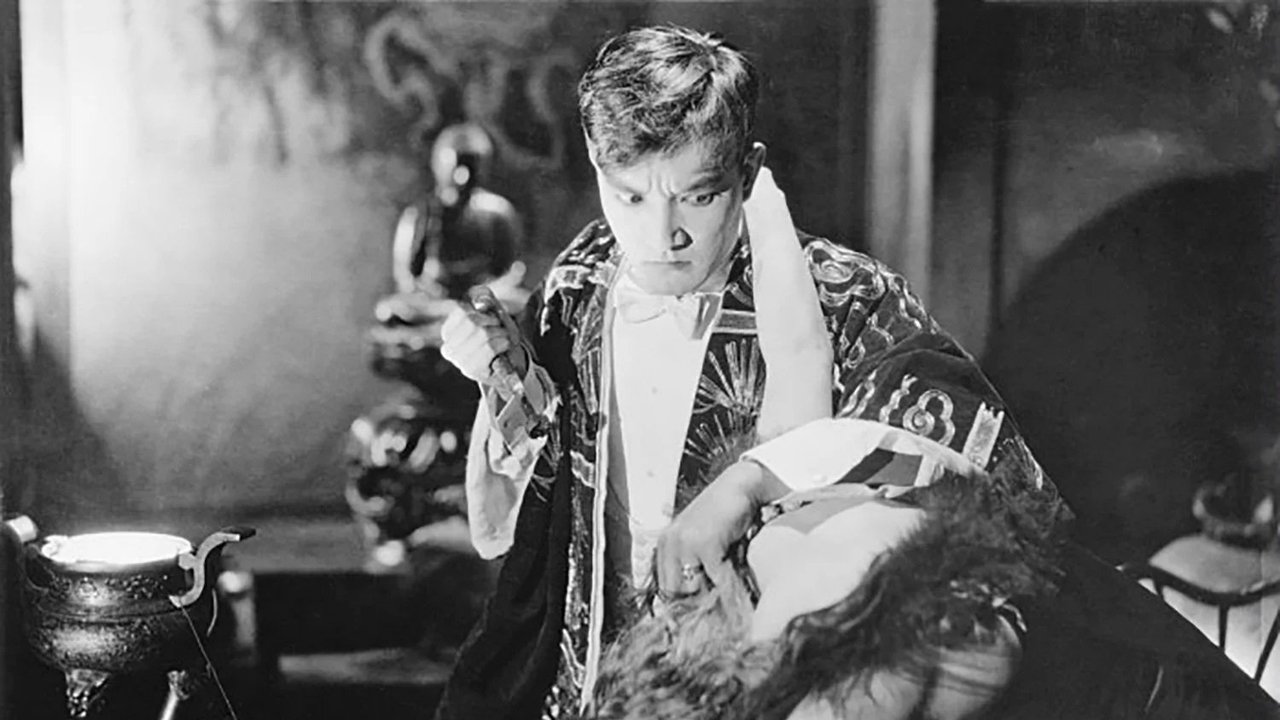
Tori presents Edith with what he frames as a solution: $10,000 in exchange for "payment" of her body. Edith reluctantly agrees, only to discover upon returning home that Jack's business venture has succeeded, rendering her financial predicament moot. Attempting to rectify her mistake, Edith returns to Tori's residence to repay the money, only to find him unwilling to release her from their arrangement. What follows constitutes the film's most infamous sequence: Tori assaults Edith, brands her shoulder, and prepares to rape her when she manages to shoot him in self-defence. Jack, having followed his suspicious wife, takes the blame for the shooting, leading to a courtroom drama where Edith ultimately saves her husband by revealing her branded shoulder and confessing her actions.
Fannie Ward's casting represented DeMille's attempt to capitalise on established stage talent for the nascent film medium. Though cinematographer Alwyn Wickoff successfully captured Ward's unusually youthful appearance for a woman in her forties, her performance exemplifies the theatrical excess that characterised early silent film acting. By modern standards, Ward's gestures appear exaggerated and unnatural, particularly when contrasted with Hayakawa's more restrained approach. The film's technical achievements lie primarily in DeMille's pioneering use of dramatic lighting, particularly in interior scenes where he employed what would later be termed "Rembrandt lighting"—arranging lights to cast partial illumination and shadow on actors' faces, creating psychological depth through visual contrast.
The Cheat achieved considerable popularity precisely because it tapped into widespread anti-Asian sentiment and the "Yellow Peril" mythology prevalent in early twentieth-century America. Unlike later decades under the restrictive Hays Code, early Hollywood faced few constraints in depicting miscegenation, though it consistently framed interracial relationships as inherently dangerous and non-consensual. Tori's character embodies racist stereotypes: initially presented as civilised through Western dress and manners, he reveals his "true" nature when surrounded by "exotic" decor in his Oriental-styled home, staffed by Asian servants. This narrative device reinforced the racist notion that Asian assimilation was merely superficial, with inherent savagery lurking beneath a thin veneer of Westernisation—a concept that resonated powerfully with contemporary audiences despite its patent absurdity.
Ironically, the very role that cemented these racist tropes also launched Sessue Hayakawa's extraordinary career. His more naturalistic acting style, combined with undeniable charisma and an aura of dangerous sophistication, captivated audiences in a manner that foreshadowed Rudolf Valentino's later success in The Sheik. Hayakawa's appeal transcended racial barriers in unexpected ways; as one contemporary critic observed, he tapped "a latent female urge to experience sex with a beautiful but savage man of another race". Despite the problematic nature of his roles, Hayakawa became one of Hollywood's highest-paid stars, earning $5,000 weekly by 1915 and eventually establishing his own production company that netted $2 million annually. His stardom represented a paradox: an Asian actor achieving unprecedented success while embodying the very stereotypes that constrained his career.
While The Cheat doesn't represent a radical departure from contemporary filmmaking techniques, it contains several noteworthy innovations beyond its lighting experiments. The film's relatively compact runtime (under an hour) reflects the transitional nature of 1915 cinema, caught between short one-reelers and feature-length productions. Its most enduring legacy, however, lies in the shocking branding sequence—a moment so provocative that it reportedly caused audiences to faint during screenings. This scene's visceral impact demonstrates DeMille's understanding of cinema's unique power to elicit physical responses from viewers, a technique that would become central to Hollywood's approach to audience manipulation.
The film provoked immediate backlash from Japanese American communities, particularly the Los Angeles newspaper Rafu Shimpo, which waged a campaign against The Cheat and condemned Hayakawa for his perceived complicity in anti-Japanese bigotry. When the United States entered World War I as Japan's ally in 1917, Paramount Pictures found itself in an awkward position, having distributed a film that portrayed Japanese people as dangerous predators. The studio's solution was both cynical and revealing: in 1918, they re-released the film with new intertitles identifying Tori as "Haka Arakau," a Burmese ivory merchant. As film historian Robert Birchard observed, this change likely occurred because there were "not enough Burmese in the country to raise a credible protest". This revision, which made original 1915 version lost, underscores Hollywood's willingness to manipulate racial representations purely for commercial and political expediency.
The Cheat's narrative proved remarkably durable, spawning multiple adaptations. An operatic version titled La Forfaiture premiered at the Opéra-Comique in 1921, though it enjoyed only three performances. A 1923 silent remake starring Pola Negri has since been lost, while a 1931 sound version featured Tallulah Bankhead. Significantly, Hayakawa himself starred in a 1937 French remake titled Forfaiture, where his character was reimagined as a Mongolian prince. These adaptations demonstrate the persistent appeal of the film's core narrative, even as racial politics evolved.
Despite his early success, Hayakawa's career faced significant challenges as anti-Japanese sentiment intensified during the 1920s and 1930s. By 1922, rising xenophobia and business difficulties compelled him to leave Hollywood for Broadway and eventually Europe. His return to Hollywood in the 1930s proved difficult; though he starred in Daughter of the Dragon (1931) opposite Anna May Wong, the advent of sound cinema presented new obstacles due to his accent. Hayakawa's career culminated in his Oscar-nominated performance as Colonel Saito in The Bridge on the River Kwai (1957), a role that brought him renewed acclaim while ironically casting him once again as an authoritarian Asian figure.
The Cheat occupies a complex position in film history—a technically innovative work that simultaneously advanced cinematic language while propagating deeply harmful racial stereotypes. Its significance lies not in excusing its racism but in understanding how early Hollywood both reflected and shaped America's racial consciousness. The film's paradoxical legacy—launching the career of Hollywood's first Asian star while reinforcing the very prejudices that would later marginalise him—reveals the industry's contradictory relationship with diversity. Today, The Cheat serves as a crucial historical document, reminding us that cinematic progress often occurs alongside profound social regressions, and that the medium's power to shape perception carries both creative potential and ethical responsibility.
Hello everyone, fans of good stories, I hope you are doing super well, this time I want to talk to you about a great movie, I've been wanting to talk about it for a while, I'll tell you about: Nomadland ... it has won many important awards, and wow ... it's one of those movies that not only entertains you, it's one of those that gets under your skin and stays there, turning in your head long after the credits roll. First, let's talk about Frances McDormand, see, we all know she's a great actress.. but here? She plays Fern, the lead, and the truth is ... she is tremendous, her performance is not one of those that screams "look at me", it's super subtle, super real. It's wonderful, one of the best in its history, and watching it you can only say: "Yes, totally agree", she carries the movie on her shoulders with a quiet strength and a vulnerability that leaves you frozen.
She’s like the heart of it all, it makes you feel every little thing that passes across Fern’s face, even when she doesn’t say a word, you feel like without her, the movie wouldn’t be the same. Hold on to this: it seems like McDormand really lived in her van during filming and even worked some of the same semi-complicated temporary jobs that her character does, like that one at the giant Amazon warehouse. Can you imagine that level of commitment? It comes through the screen, you believe everything she says, every second. So what’s it about? Well, the story follows Fern, a woman in her sixties... and life has hit her hard. They tell you pretty quickly that she lost almost everything: her husband passed away, the economic crisis of 2008 left her without a job, and the factory where she and her husband worked for years closed... it wasn’t just her job, she lost her house and literally her entire town in Nevada, called Empire, which basically disappeared from the map, they even took her zip code! Can you believe it? Everything that connected her to a place... poof, gone.
Hola a todos, fanáticos de las buenas historias, espero que estén super bien en esta ocasión les quiero hablar una pelicula genial, ya tenía ganas de hablar de ella desde hace tiempo, les hablaré de: Nomadland.. ha ganado muchos premios importantes, y wow.. es de esas películas que no solo te entretienen, es de las que se te meten en la piel y se quedan ahí, dándote vueltas en la cabeza mucho después de que salen los créditos.. primero, hablemos de Frances McDormand, ver, todos sabemos que es una gran actriz.. pero acá? Interpreta a Fern, la prota, y la verdad... está descomunal, su actuación no es de esas que gritan "mírenme", es súper sutil, súper real.. Es maravillosa, una de las mejores de su historia, y viéndola solo puedes decir: "Sí, totalmente de acuerdo", echa la película al hombro con una fuerza tranquila y una vulnerabilidad que te dejan helado.
Es como el corazón de todo, te hace sentir cada cosita que pasa por la cara de Fern, incluso cuando no dice ni media palabra, sientes que sin ella, la peli no sería lo mismo.. agárrense con esto: parece que McDormand de verdad vivió en su van durante la filmación e incluso hizo algunos de los mismos trabajos temporales medio complicados que hace su personaje, como ese en el almacén gigante de Amazon.. se imaginan ese nivel de compromiso? Es que traspasa la pantalla, le crees todo, cada segundo. Bueno, ¿y de qué va? Pues la historia sigue a Fern, una mujer que anda por los sesenta y pico.. y la vida le ha dado duro, te cuentan bastante rápido que lo perdió casi todo: su esposo falleció, la crisis económica del 2008 la dejó sin trabajo, y la fábrica donde ella y su esposo trabajaron por años cerró.. no fue solo el trabajo, perdió su casa y, literal, todo su pueblo en Nevada, llamado Empire, que básicamente desapareció del mapa, le quitaron hasta el código postal! ¿Pueden creerlo? Todo lo que la conectaba a un lugar... puf, se fue.
And so, instead of staying in one place or trying to rebuild her life the... let's say, normal way, Fer does something really radical: she decides to become a modern nomad. She buys a used van, fixes it up herself, names it 'Vanguard' – which is a really cool name – and with that, she sets out to live and travel all over the western United States. I mean, her van is her home, her car, her whole world on wheels. This is where things get interesting and, honestly, really profound. It shows you a side of the United States that we almost never see in movies. It shows you a reality of the United States today, showing this whole group of people, mostly older people, that the system kind of used them and threw them out.
They live in their vans, in trailers, moving from one place to another, looking for seasonal jobs: harvesting beets, cleaning campsites, working in those giant Amazon warehouses at Christmas... The film gives you the impression that these people, after the economic system failed them, are like 'refugees', but not from a war, but from economic problems, it's not that they travel for fun, they're looking for ways to survive, how to move forward when their usual path has fallen apart... mind you, the film doesn't hold back anything when it comes to criticizing this savage, unforgiving capitalism.
It hits hard that idea we all have of the 'American Dream', you know, that if you work hard, follow the rules, save your money, you'll have a peaceful old age assured... Nomadland shows you, without a filter, that for a lot of people, that promise no longer exists, it's broken, it shows you how any little thing - a doctor's bill, a broken van, losing a temporary job - can send all stability (the little they have) to hell... you see how fragile everything is for them, they live day to day, on a tightrope. There's a character who even says something like 'the ship is sinking and we're just looking for a lifeline'. And that... ugh, it hits you hard.
Y bueno, en lugar de quedarse en un solo sitio o intentar reconstruir su vida de la forma... digamos, normal, Fer hace algo bien radical: decide volverse una nómada moderna.. se compra una van usada, la arregla ella misma, le pone 'Vanguard' –que es un nombre genial, como con fuerza– y con eso se lanza a vivir y viajar por todo el oeste de Estados Unidos. O sea, su van es su casa, su carro, su mundo entero con ruedas.. aquí es donde la cosa se pone interesante y, la verdad, bien profunda, te muestra como una cara de Estados Unidos que casi nunca vemos en las pelis.. te muestra una realidad de Estados Unidos de ahora, enseñando a todo este grupo de gente, más que nada gente mayor, que el sistema como que los usó y los botó.
Viven en sus vans, en casas rodantes, moviéndose de un lado a otro, buscando trabajos por temporada: que si cosechando remolacha, limpiando campamentos, trabajando en esos almacenes gigantes de Amazon en Navidad... La peli te da a entender que esta gente, después de que el sistema económico les falló, son como 'refugiados', pero no de una guerra, sino de los problemas económicos, no es que viajen por gusto, están buscando cómo sobrevivir, cómo seguir adelante cuando el camino de siempre se les vino abajo.. ojo, la película no se guarda nada para criticar a este capitalismo salvaje que no perdona.
Le da duro a esa idea que todos tenemos del 'Sueño Americano', ya saben, esa de que si trabajas duro, sigues las reglas, ahorras tu plata, vas a tener una vejez tranquila asegurada.. Nomadland te muestra, sin filtro, que para un montón de gente, esa promesa ya no existe, está rota, te enseña cómo cualquier cosita –una cuenta del médico, que se te dañe la van, perder un trabajito temporal– puede mandar al carajo toda la estabilidad (la poca que tienen).. ves lo frágil que es todo para ellos, viven al día, en la cuerda floja. Hay un personaje que hasta dice algo como que 'el barco se está hundiendo y nosotros solo buscamos un salvavidas'. Y eso... uff, te pega fuerte.
And what makes it even more powerful is how the film mixes fiction and reality... I mean, Fer, the one played by McDormand, is a made-up character, based on the book, but many of the people she meets along the way... are real people, real nomads, playing themselves! They share their stories, what they’ve really experienced, many of them were in the original book on which the film is based... there’s Linda May, Swankie, Bob Wells (who is like a... a teacher, a guide for the real community of people who live in vans)... they give the film an authenticity... brutal, at times it almost seems like a documentary, as if the line between what is written and real life is blurred, and that gives it a sense of realism... wow, tremendous.
You feel like you’re really peeking into that world, but here’s the important thing: although it does show you how difficult the nomadic life is – and it really does show you the hard work, the freezing cold nights, the lack of privacy, even ugly moments like cleaning bathrooms or having your van break down – it’s not just to show misery and that’s it, not at all. This is where the director, Chloé Zhao, shines! She works her magic. Because in the midst of all the sadness, the loneliness, how hard it is to live like this, the film finds moments... like poetry, of endurance, of a quiet peace and a beauty in the landscapes that leaves you speechless. Fer finds people, right? Like a community around a fire, they share stories, they help each other...
And she also finds calm in those gigantic and spectacular landscapes she travels through. Zhao’s direction is brilliant in how she focuses on finding the good within the bad, of course she acknowledges how difficult it is, obviously, but she doesn’t get stuck there, in the suffering. He's more interested in Fer's spirit, how he adapts, that quiet strength he has... he manages to create a story that, although it has its rough side, in the end feels super positive and hopeful, but not in a silly way, but in a very human way... it's like a tribute to that strength we as people have to keep going and find meaning in things, even when it seems like everything has gone to hell.
Y lo que la hace todavía más poderosa es cómo la peli mezcla ficción y realidad.. a ver, Fer, la que hace McDormand, es un personaje inventado, basado en el libro, pero, mucha de la gente que ella conoce en el camino... son personas reales, nómadas de verdad, ¡haciendo de ellos mismos! Comparten sus historias, lo que han vivido de verdad, muchos salían en el libro original en el que se basa la peli.. están Linda May, Swankie, Bob Wells (que es como un... un maestro, un guía para la comunidad real de gente que vive en vans)... le dan una autenticidad a la peli.. brutal, a ratos parece casi un documental, como que se borra la línea entre lo que está escrito y la vida real, y eso le da una sensación de realismo... ¡uff!, tremenda.
Sientes que de verdad te estás asomando a ese mundo, pero aquí viene lo importante: aunque sí te muestra lo difícil que es la vida nómada –y de verdad te enseña el trabajo pesado, las noches con un frío que pela, la falta de privacidad, hasta momentos feos como limpiar baños o que se te dañe la van–, no es solo para mostrar miseria y ya, para nada.. aquí es donde la directora, Chloé Zhao, ¡se luce!, hace su magia. Porque en medio de toda la tristeza, la soledad, lo duro que es vivir así, la peli encuentra unos momentos... como de poesía, de aguante, de una paz tranquila y una belleza en los paisajes que te deja sin palabras, Fer encuentra gente, ¿no?, como una comunidad alrededor del fuego, comparten historias, se ayudan unos a otros...
Y ella también encuentra calma en esos paisajes gigantes y espectaculares por donde viaja.. la dirección de Zhao es genial en cómo se enfoca en encontrar lo bueno dentro de lo malo, claro que reconoce lo difícil que es, obvio, pero no se queda pegada ahí, en el sufrimiento. Le interesa más el espíritu de Fer, cómo se adapta, esa fuerza tranquila que tiene.. logra crear una historia que, aunque tiene su lado rudo, al final se siente súper positiva y esperanzadora, pero no de forma tonta, sino de una manera muy humana.. es como un homenaje a esa fuerza que tenemos las personas para seguir adelante y encontrarle un sentido a las cosas, incluso cuando parece que todo se fue al carajo.
And the visual part? My people, the visual part of this film is... what a spectacular thing! The photography, wow! They've gone all out. Joshua James Richards, the director of photography, shows you landscapes... beautiful!, gigantic: the deserts, the mountains, those lost places, the Pacific coast... he has incredible shots of sunsets that paint the sky, nights full of stars, open spaces that make you feel free but also alone. These images give you a kind of respite, a fresh air that contrasts completely with how trapped Fer is in the van or that loneliness that sometimes knocks her down... it's beautiful to look at, seriously, and the visuals give a lot of strength to what the story makes you feel. And you know what's also interesting? Chloé Zhao, the director, is an immigrant from China. It’s crazy how someone from outside can capture the vibe of the United States, or well, of this part that almost no one observes, with such clarity and affection... could it be that sometimes you need to see things from the outside to notice the details, the good and the bad of what you already know?
The truth is that she hit the nail on the head with this very particular American experience... in the end, Nomadland touches on some pretty deep themes, huh? It talks about grief, about how we handle losing... not just people, but places, ways of living, it talks about closing chapters and that fear and uncertainty of searching for a new meaning to your life when what was before no longer works... it talks about searching for freedom, but it asks you what true freedom is: is it just the road, or is it connecting with others? It's a journey of self-discovery, watching Fer move not only through the landscapes outside, but through those within as well... and it makes you think a lot about life, connection, loneliness, finding your place... or maybe realizing that your place isn't a fixed location. It's a calm film, yes, one meant to be watched slowly... it moves at its own pace, like Fer's life. Some might find it slow, but it drew me right into the story... it's not one of those with gigantic dramas every now and then; it's more about the little details, the people you meet and sometimes let go, that quiet strength to endure.
So, my note? I give it a... 9/10 It's not an easy movie to watch, it moves things inside you, but it's totally worth it, it's beautiful, it breaks your heart a little, it gives you hope and it's super human... it left me thinking about community, about the people who endure, about what 'home' really means... and about the decisions one makes when life puts you between a rock and a hard place, it's one of those movies that stays with you, that makes you talk, if you're looking for a drama that makes you think, that moves you, focused on the characters, with spectacular images and first-rate acting, you have to see Nomadland... and well, that's all for today, take care of yourselves! Byebye!
¿Y la parte visual? mi gente, la parte visual de esta peli es... ¡qué cosa más espectacular! La fotografía, ¡wow!, se pasaron. Joshua James Richards, el director de foto, te muestra unos paisajes... ¡bellísimos!, gigantes: los desiertos, las montañas, esos lugares como perdidos, la costa del Pacífico.. tiene unas tomas increíbles de atardeceres que pintan el cielo, noches llenas de estrellas, espacios abiertos que te hacen sentir libre pero también solito, estas imágenes te dan como un respiro, un aire fresco que contrasta full con lo encerrada que está Fer en la van o esa soledad que a veces la tumba.. es hermosa de ver, en serio, y lo visual le da muchísima fuerza a lo que te hace sentir la historia. ¿Y saben qué es interesante también? Chloé Zhao, la directora, es inmigrante, de China, es loco cómo alguien de afuera puede captar la onda de Estados Unidos, o bueno, de esta parte que casi nadie observa, con tanta claridad y cariño.. será que a veces necesitas ver las cosas desde afuera para notar los detalles, lo bueno y lo malo de lo que ya conoces?
La verdad es que le dio al clavo con esta experiencia gringa tan particular.. al final, Nomadland toca temas bien profundos, ¿eh? Habla del duelo, de cómo manejamos perder... no solo gente, sino lugares, formas de vivir, habla de cerrar etapas y de ese miedo e incertidumbre de buscarle un nuevo sentido a tu vida cuando lo de antes ya no funciona.. habla de buscar libertad, pero te pregunta qué es la libertad de verdad: ¿es la carretera nomás, o es conectar con otros? Es un viaje para encontrarse a uno mismo, viendo a Fer moverse no solo por los paisajes de afuera, sino por los de adentro también.. y te pone a pensar un montón sobre la vida, conectar, la soledad, encontrar tu lugar... o talvez y darte cuenta de que tu lugar no es un sitio fijo. Es una peli tranquila, sí, como para verla con calma.. va a su propio ritmo, como la vida de Fer, algunos quizás les parezca lenta, pero a mí me metió de lleno en la historia.. no es de esas con dramas gigantes a cada rato; es más de los detallitos, de la gente que conoces y a veces dejas ir, de esa fuerza calladita para aguantar.
Así que, ¿mi calificación? Yo le doy un... 9/10 No es una peli fácil de ver, te mueve cosas por dentro, pero vale muchísimo la pena, es hermosa, te rompe un poco el corazón, te da esperanza y es súper humana.. me dejó pensando en la comunidad, en la gente que aguanta, en qué significa 'hogar' de verdad... y en las decisiones que uno toma cuando la vida te pone entre la espada y la pared, es de esas pelis que se te quedan dando vueltas, que te hacen hablar, si andan buscando un drama que los haga pensar, que los conmueva, enfocado en los personajes, con imágenes espectaculares y una actuación de primera, ¡tienen que ver Nomadland.. y bueno, esto es todo por hoy, cuidense mucho! Byebye!
Tell me... have you seen this movie? Has it caught your attention? Tell me what you thought of this review with my opinion, and tell me if it has made you want to watch this movie. You can leave me in the comments your recommendations for future publications! 😊
📲 My social media:
See you next time! 👀🎞💗
Traduced with DeepL
Banners y separadores hechos con Canva Pro. Banners and dividers made with Canva Pro.
Udało się, wreszcie puściłam sobie film, który uznałam za lekki, a zarazem ciekawy. Efekt był taki, że nie byłam w stanie oderwać od niego wzroku, więc nie leciał on jako tło do robienia czegoś innego, tylko był prawdziwie i z zainteresowaniem obejrzanym przeze mnie filmem.
It worked, I finally put on a movie I found light and yet interesting. The result was that I couldn't tear my eyes away from it, so it wasn't just a background for doing something else, but a genuine and engaging experience.
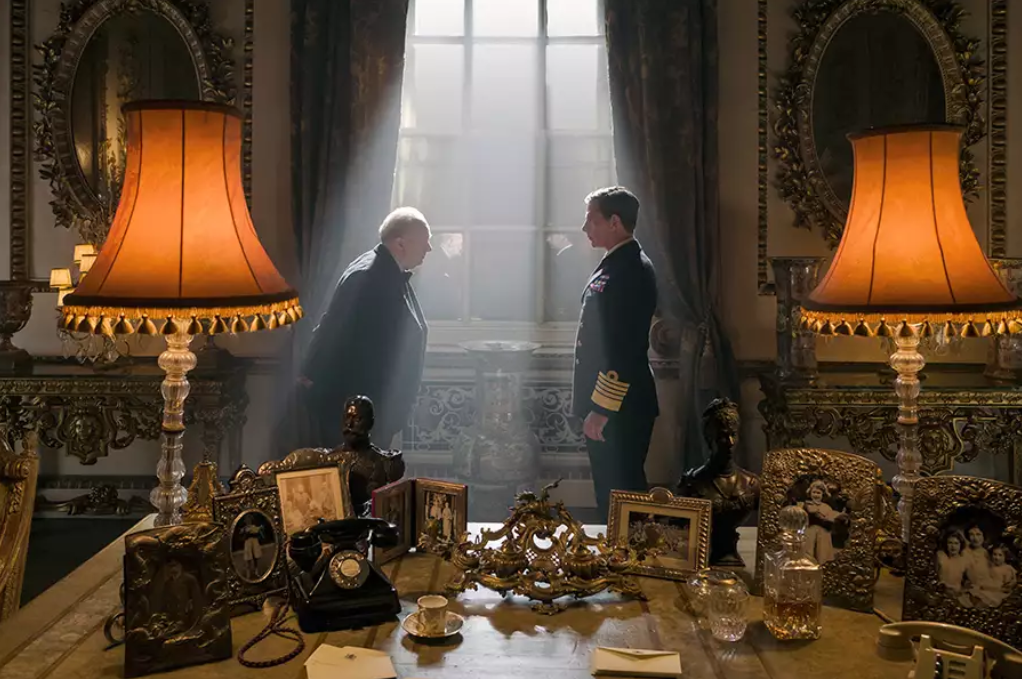
Mowa o filmie o Winstonie Churchillu, "Czas mroku" z 2017 roku. Lubię filmy z tłem historycznym, mimo że historyczne fakty ulatują z mojej głowy bardzo szybko. "Czas mroku" spodobał mi się od pierwszej sceny tak naprawdę, awantury w brytyjskim parlamencie, która skutkowała odwołaniem Nevilla Chamberlaina. Brytyjski akcent, stara sala parlamentarna, kadry i dźwięki. Wysoki poziom kinematografii. A jeszcze wciąż były to sceny bez głównego bohatera.
I'm talking about the 2017 film about Winston Churchill, "Darkest Hour." I enjoy films with a historical backdrop, even though historical facts fade from my mind very quickly. I really enjoyed "Darkest Hour" from the very first scene, the brawl in the British Parliament that resulted in Neville Chamberlain's dismissal. The British accent, the old parliamentary chamber, the shots and sounds. The cinematography is top-notch. And yet, these scenes still lacked the main character.
Potem pojawił się on - ekscentryczny Winston Churchill. Po paru scenach miałam taki przebłysk: ej, czy to nie Gary Oldman? Ale nieeee, no gdzie, przecież tak daleko by nie poszli z charakteryzacją. Po jakiejś pół godzinie uznałam jednak, że zaś widzę oczy Gary'ego, więc sprawdziłam. Tak, to on! W dodatku dostał za tą rolę Oscara. Warto więc nie być w temacie, jeśli chodzi o filmy, i wybierać sobie pozycje do obejrzenia na zasadzie totolotka - można mieć fajne zaskoczenie. Oskar bardzo zasłużony moim zdaniem. Od momentu kiedy pojawił się Gary Oldman na scenie ten ciekawy i tak od pierwszych scen film ogromnie zyskał.
Then he appeared – the eccentric Winston Churchill. After a few scenes, I had this flash of thought: hey, isn't that Gary Oldman? But no, no, they wouldn't have gone that far with the makeup. After about half an hour, I realized I could see Gary's eyes, so I checked. Yes, it's him! And he won an Oscar for that role. So it's worth ignoring the movie genre and choosing what to watch like the lottery – you might be in for a pleasant surprise. A very well-deserved Oscar, in my opinion. From the moment Gary Oldman appeared on the scene, this film, already interesting from the very first scenes, improved immensely.
Co tu dużo mówić, uwielbiam Oldmana, a Churchill był bardzo oryginalną osobą. Dawno nie oglądałam filmu (jakiegokolwiek, oprócz tych dla dzieci), bo tak to jakoś jest, że jesteśmy otoczeni serialami. A dobry film to jest to. I to był naprawdę udany film, cieszę się, że na niego padł mój wybór.
Needless to say, I love Oldman, and Churchill was a truly original person. I haven't watched a film (any film, except for children's films) in ages, because we're so surrounded by TV series. And a good film is what it is. And it was a truly successful film; I'm glad I chose it.






 [Screenshot]
 This is one of the shows that I loved, and I hope that there are a few more like these. I am pretty sure it met with a fate similar to 'Lost' and where the 'FROM' is heading, but I would love to watch it again. And that's all for today.
And special thanks to IU and the BwAwesome community for their love and support.
This is one of the shows that I loved, and I hope that there are a few more like these. I am pretty sure it met with a fate similar to 'Lost' and where the 'FROM' is heading, but I would love to watch it again. And that's all for today.
And special thanks to IU and the BwAwesome community for their love and support.






 [Source](https://tinyurl.com/bdx28ynx)
 [Source](https://tinyurl.com/bdx28ynx)
 [Source](https://tinyurl.com/bdx28ynx)
Switching to the other side, you got the world of criminals and bikers which would be easy to turn into a SOA thing but this show keeps it pretty low and they are not the cool guys dealing drugs, this are some real mf, SOA was more of a mix of everything and not just the representation of biker boys they using on this series. The motorcycle gang angle is the background for the moment but for sure its not only going to bring heat to Robbie but Tomm too. There are Jay and Perry running the gang show, finding out their stash is missing, putting the heat on everyone around them, it very well develop because it puts less about explosions and more about that slow tension figuring out who this people are, lots of waiting, everybody in the episode trying to work out who to trust and who to dump. The whole thing about Robbie grabbing a kid from a scene thinking no one would miss him, like wtf seriously not only took their dope but also the kid?? so the kid aint that valuable? got to be stupid though, but he now realize that the mess just keeps getting bigger when his niece Mave figures out what’s going on. I like how even the side characters like Alison and Anthony, from worrying about doing their job but not yet realizing they are in something way uglier than they planned, for now its just stuff like fast food, cigarettes, hanging out late night laughing, those two are going to end up fucking at some point.
[Source](https://tinyurl.com/bdx28ynx)
Switching to the other side, you got the world of criminals and bikers which would be easy to turn into a SOA thing but this show keeps it pretty low and they are not the cool guys dealing drugs, this are some real mf, SOA was more of a mix of everything and not just the representation of biker boys they using on this series. The motorcycle gang angle is the background for the moment but for sure its not only going to bring heat to Robbie but Tomm too. There are Jay and Perry running the gang show, finding out their stash is missing, putting the heat on everyone around them, it very well develop because it puts less about explosions and more about that slow tension figuring out who this people are, lots of waiting, everybody in the episode trying to work out who to trust and who to dump. The whole thing about Robbie grabbing a kid from a scene thinking no one would miss him, like wtf seriously not only took their dope but also the kid?? so the kid aint that valuable? got to be stupid though, but he now realize that the mess just keeps getting bigger when his niece Mave figures out what’s going on. I like how even the side characters like Alison and Anthony, from worrying about doing their job but not yet realizing they are in something way uglier than they planned, for now its just stuff like fast food, cigarettes, hanging out late night laughing, those two are going to end up fucking at some point. [Source](https://tinyurl.com/bdx28ynx)
 [Source](https://tinyurl.com/bdx28ynx)
There is a lot of chaos, but the chaos is quiet, nothing explodes that you don’t see coming from a mile away. Every action has a messy consequence and I get why everyone is paranoid, why Tom isn’t really sure why he tries anymore, why Emily won’t let go of Ethan, why Mave doesn’t just call the cops because when the kid told her his dad name I saw the fear in her eyes. It’s kinda like watching people try to swim but are miles from shore, everything takes forever, every move just makes you more stuck and within the big mess that this story is and about to collide all three sides nobody comes out clean, even the smallest decisions end up hurting someone, sometimes the one you care about most. I get that people are going to say this is a “boring” show or whatever, might not have that obvious thrill, but for me it’s about those small dirty pieces stacking up and giving you enough real to make it stick. There is always something brewing in the background, an extra piece of drama coming up but you do not ever know where from or who is going to pile up the next mistake. All this makes for a series that moves slow, sucking you in if you are into slow burners like me.
[Source](https://tinyurl.com/bdx28ynx)
There is a lot of chaos, but the chaos is quiet, nothing explodes that you don’t see coming from a mile away. Every action has a messy consequence and I get why everyone is paranoid, why Tom isn’t really sure why he tries anymore, why Emily won’t let go of Ethan, why Mave doesn’t just call the cops because when the kid told her his dad name I saw the fear in her eyes. It’s kinda like watching people try to swim but are miles from shore, everything takes forever, every move just makes you more stuck and within the big mess that this story is and about to collide all three sides nobody comes out clean, even the smallest decisions end up hurting someone, sometimes the one you care about most. I get that people are going to say this is a “boring” show or whatever, might not have that obvious thrill, but for me it’s about those small dirty pieces stacking up and giving you enough real to make it stick. There is always something brewing in the background, an extra piece of drama coming up but you do not ever know where from or who is going to pile up the next mistake. All this makes for a series that moves slow, sucking you in if you are into slow burners like me. I can say this is exactly the kind of show that goes under the radar for a lot of people but with a reward towards the climax hit and the ones who are looking for something more than just a shootout or a mystery you can solve this might not be for you. The best thing Task has going for it is how everything matters, the cops and criminals are barely separated, the families are a mess all together, even the biker gang is just another family with currently a very mess up organization, the connections and drama is the meat cooking but not fast, you gotta pay attention, the scenes with Ruffalo at the center reminded me again why I keep watching smaller tv dramas but I have to say the main reason Im watching is because it was about time he did something else than Bruce Banner. A show like this will not spoon feed you action or quick drama, you gotta sit through the arguments, the broken dinners, the bad phone calls, the dumb mistakes but I dig that because in the end every episode stacks up more more and more mistakes making these characters feel like your own embarrassment, like your own secrets, not just another guy in a suit or a biker jacket, almost like you care about each of them with their own traumas, I do sound bias but what can I say slow burner drama / investigation is a theme I like.