Longform reviews of films, TV, anime, books, and audiobooks, written by the scrobble.life community and published to the Hive blockchain, so each one is owned by its author and can earn rewards from readers. 59,998 reviews and counting.
[Source](https://www.ign.com/videos/fxs-alien-earth-special-look-and-official-trailer-ign-summer-of-gaming-2025)
Episode 4 of Alien Earth was a bit different from what we have been getting so far, its titled "Observation" and that pretty much sums up what this episode was all about, everyone watching everyone else and trying to figure out who is playing what game, it turn out way better than any other episode so far and I hope the series just keeps climbing. Episode 4 is not action packed as previous episodes, this one slowed things down quite a bit, focusing more on the psychological stuff and character relationships rather than Xenomorphs running around killing people, there were moments where I was waiting for something big to happen but this episode was more about setting up pieces on the chess board for what I think will be some major problems later on, specially with the Lost Boys who are starting to go off rails and breaking direction or indirectly most of the rules, specially no external contact but lets face it Wendy started this party when she contact her brother, now she is different, she is special and thats started to create friction long time ago although she doesnt seem to be affected by this.
The series starrts to explore more Wendy's abilities to communicate with the aliens, Boy Cavaliere was flipping and absolutely obsessed with this discovery and you can tell he thinks has found the key to everything he has been searching for, a superior species to talk to and revolutionize the era they living in. It would be just easier if she started to talk to the Xenomorphs but they didnt handle it this way, it was interesting they put some stones in the way to build up more drama and thats good, Wendy can actually make the same sounds that the Xenomorphs use to communicate and its not just some random noise, its happening across multiple frequencies which shows these creatures are way more advanced than anyone realized. The scene where she practices making these alien sounds was both fascinating and creepy as hell, watching everyone in the room get uncomfortable when she pulls it off perfectly. Boy Cavaliere gets so excited about this breakthrough that he basically dismisses everything else, including Curly who was trying so hard to be his favorite but now realizes she has zero chance against Wendys new abilities, he even put her down saying "yeah you can talk French but can you do this..." that was a low blow but thats reality too. Meanwhile Kirsh is watching all this unfold and you can tell hes planning something, Timothy Olyphant does this cold calculating thing so well that you know hes up to no good, the guy knows about Morrow manipulating Slightly and hes just letting it play out for reasons we dont fully understand yet, my first impression is that he will handle this in favor of Boy Cavaliere but Im not so sure of that, although after all Kirsh do follow orders.
[Source](https://tinyurl.com/4ru3s4cm)
[Source](https://tinyurl.com/4ru3s4cm)
The whole subplot with the five corporations was probably my favorite part of the episode because it finally gives us some context about how this world actually works, turns out governments dont exist anymore and these five massive companies basically run everything now. Prodigy, Wyland Yutani, Threshold, Dynamic and Lynch have apparently fixed all the worlds problems by taking over, which sounds like corporate propaganda but its cool to see how they are expanding the Alien universe with this kind of world building. Joe explains how democracy used to be a thing where people voted for leaders but that didnt work out so these corporations stepped in, the way they present it makes it sound like a good thing but you know theres gotta be a dark side to all this control. They also made very clear that prodigy and Lynch were the new kids on the block, joining what used to be a thing of three main companies now to make it five, which suggests there might be some tension between the older and newer companies that could play out later in the series exploding into this war between humans and who knows where does all this Aliens, because its not Xenomorphs anymore, where do they all fit into this hole situation, I bet Boy Cavaliere will try to use them in their favor and until now the franchise have set the idea that Drones only caught humans to reproduce themself but what about their motives and thoughts? are they that agresive by nature or fear? can they actually come to a middle ground? Wendy is key to all this.
[Source](https://tinyurl.com/4ru3s4cm)
[Source](https://tinyurl.com/4ru3s4cm)
The situation with Morrow and Slightly really ramped up in this episode and its getting pretty dark, Morrow is basically grooming this kid and using his family as leverage which is just sick and you already now poor Joe is going to turn out to be the sacrifice to end this situation, well potentially, there are not many humans among them. After Slightly gives away his real name and tells Morrow hes from Ghana, Morrow immediately starts threatening his mother and brother back home, now Slightly has no choice but to help him steal one of the eggs or his family gets hurt. The whole thing is handled really well because it shows how someone with bad intentions can manipulate children, even super intelligent hybrid kids who should know better, Slightly is scared and desperate and making terrible decisions because hes trying to protect the people he loves. What makes it even worse is that Kirsh knows exactly whats happening, hes been monitoring everything Slightly sees and hears but instead of stopping it hes just watching like its some kind of experiment, and its also stupid from Morrow not imagening this could happen, he is a cyborg himself and nows this kids are a new kind of synthetic, its the kind of details the series just miss sometimes but I guess its fine. The scene where Kirsh talks to Slightly about the three monkeys and asks if he would stop someone from doing something wrong was chilling because you realize Kirsh might be testing him or maybe even planning to use this situation for his own purposes.
The episode ends with probably the most disturbing scene so far, Wendy going down to visit Joes lung in the tank where the xenomorph embryo has grown into a chest burster and somehow she can communicate with it and even calm it down enough to pet it. This whole sequence was nightmare fuel but also fascinating because it suggests Wendy might be able to control these creatures, I have been thinking this hole time since episode two that she can become their Queen of Blades doing a reference to Star Craft, which could be game changing for the series moving forward. The chest burster breaking through the lung tissue was gross but also showed us exactly what happens inside someones chest when they get face hugged, which was educational in the most horrifying way possible. Xenomorphs seem to have chosen Wendy specifically as their communication link, theres gotta be a reason why shes the only one who can do this and I have a feeling the explanation is going to be wild. The way she hums to the creature like a lullaby before it emerges was both beautiful and terrifying, showing this weird motherly connection that definitely sets up some interesting possibilities for future episodes. Overall this episode felt like a setup piece rather than a payoff episode but it did a good job of moving characters into position for what I expect will be some major chaos coming soon, the psychological elements and world building kept me engaged even when the action slowed down.
There are profound sensory experiences that mark us and, despite the passage of time, remain with us. For me, seeing "The Piano" was exactly that.
Something like a visual poem branded by fire into the viewer's memory.
This monumental, multi-award-winning film is set in the misty and wild New Zealand of the 19th century. The movie is an intimate and heartbreaking study of isolation, silence, the desire born from lack of communication, and the fierce struggle for personal autonomy in a rigid, patriarchal world.
This film, directed by Jane Campion, does not tell a conventional love story, but rather a complex exploration of power and liberation through voice, or in this case, the music through the piano.
The protagonist, Ada McGrath (Holly Hunter), is a Scottish woman who has chosen not to speak since the age of six, for reasons known only to her. Her only means of communication with the world is through her piano, a monumental instrument that is the extension of her soul, her true voice, and her emotional refuge.
And so it all begins: Ada and her young daughter, Flora (Anna Paquin), are sent to a remote coast of New Zealand for an arranged marriage with Alisdair Stewart (Sam Neill), a British settler she has never met.
From the moment they arrive on the beach, soaked and covered in mud, Campion establishes a tone of harshness and disconnection. Stewart, a practical man of restrained emotions, is uncomfortable with Ada's peculiarity and completely underestimates the importance of the piano, leaving it abandoned on the beach, considering it an unnecessary burden. This initial act of contempt marks the irreparable fracture in their relationship. The piano, Ada's soul, lies stranded, between the sea and the land, like a metaphor for its owner herself, trapped between two worlds.
The true connection emerges with George Baines (Harvey Keitel), charged with a dangerous and visceral electricity. He is a neighbor who has adopted Māori customs and who, though rough, possesses a sensitivity that Stewart lacks. Baines rescues the piano from the beach and, fascinated by the intensity with which Ada plays it, devises a perverse and sensual deal; he will return the keys to her in exchange for piano lessons. These "lessons" soon transform into a barter of intimacy; Baines doesn't want to learn to play, he wants to witness Ada's passion. In exchange for playing specific pieces, she can reclaim her instrument note by note, key by key.
What begins as a coercive agreement gradually transforms into a genuine and passionate relationship. Baines is the first person who not only listens to her music but seesher. He doesn't want to change her or tame her; he wants to understand her language. Desire between them is communicated through glances, through touch on the piano keys, and through the gasping sound of breathing in the cabin. Campion films these encounters with a rawness and realism that are both uncomfortable and deeply moving. There is no sugary romanticism here, but a transaction that becomes a mutual and liberating necessity.
The plot of the film reaches its climax with a devastating act of violence by Stewart, a desperate attempt to regain the control he has lost. The consequent mutilation, the amputation of one of Ada's fingers, is one of the most shocking scenes in cinema, a brutal physical metaphor for the way society silences and severs female expression. However, it is from this brutality that Ada's final rebirth is triggered. Far from breaking her, the experience liberates her from the bonds of her husband and, curiously, from Baines's possessive obsession.
The ending is ambiguous and dreamlike. Ada, having chosen a life with Baines, is reinventing herself. She is learning to speak, although her voice sounds fragile and strange to her own ears. In a powerful image, she imagines her piano at the bottom of the sea, anchored by a rope tied to her foot, choosing to submerge herself in her past before emerging to breathe. It is an ending about the weight of memory and the conscious choice to surface towards a new existence.
The Piano is a timeless masterpiece. The cinematography by Stuart Dryburgh paints a world where the vegetation is as lush as it is oppressive, and the soundtrack, composed by Michael Nyman, is another character in the story. The music is Ada's voice, pulsating, romantic, sad, and triumphant. Jane Campion weaves a story that defies easy categories, inviting us to listen not with our ears, but with our souls, reminding us that the deepest desire and the strongest will are often expressed in the most eloquent silence.
I am a Doctor of Microbiology, a lover of nature, literature, music, cooking, and life itself. A staunch defender of family and children.
The texts are written by me without the use of AI.
Banners created on Adobe Fireworks courtesy of @azufrecs
Thank you for visiting my blog.
Imagen SesaCine free
ESPAÑOL
Hay experiencias sensoriales profundas que nos marcan y pese al devenir del tiempo permanecen con nosotros. Para mi ver "El Piano" fue exactamente eso.
Algo así como un poema visual que se graba con fuego en la memoria del espectador.
Este filme descomunal, multipremiado, está ambientado en la brumosa y salvaje Nueva Zelanda del siglo XIX, la cinta es un estudio íntimo y desgarrador sobre el aislamiento, el silencio, el deseo que nace de la escasa comunicación y la lucha feroz por la autonomía personal en un mundo rígido y patriarcal.
La pelicula, dirigida por Jane Campion, no es una historia de amor convencional, sino una compleja exploración del poder y la liberación a través de la voz, o en este caso, a través de la musica que emana de un piano.
La protagonista, Ada McGrath (Holly Hunter), es una mujer escocesa que ha elegido no hablar desde los seis años, por razones que solo ella conoce. Su único medio de comunicación con el mundo es a través de su piano, un instrumento monumental que es la extensión de su alma, su voz verdadera y su refugio emocional.
Y así comienza todo: Ada y su joven hija, Flora (Anna Paquin), son enviadas a una remota costa de Nueva Zelanda para un matrimonio arreglado con Alisdair Stewart (Sam Neill), un colono británico al que nunca ha conocido.
Desde el momento en que llegan a la playa, empapadas y cubiertas de lodo, Campion establece el tono de crudeza y desconexión. Stewart, un hombre práctico y de emociones contenidas, se muestra incómodo con la peculiaridad de Ada y subestima por completo la importancia del piano, dejándolo abandonado en la playa por considerarlo una carga innecesaria. Este acto de desprecio inicial marca la fractura irreparable en su relación. El piano, el alma de Ada, yace varado, entre el mar y la tierra, como una metáfora de su propia dueña, atrapada entre dos mundos.
La verdadera conexión surge con George Baines (Harvey Keitel), cargada de una electricidad peligrosa y visceral. Él es un vecino que ha adoptado las costumbres maoríes y que, aunque rudo, posee una sensibilidad que Stewart no tiene. Baines rescata el piano de la playa y, fascinado por la intensidad con la que Ada lo toca, urde un trato perverso y sensual; le devuelve las teclas a cambio de lecciones de piano. Estas "lecciones" pronto se transforman en un trueque de intimidad; Baines no quiere aprender a tocar, quiere ser testigo de la pasión de Ada. A cambio de tocar piezas específicas, ella puede recuperar su instrumento nota a nota, tecla a tecla.
Lo que comienza como un acuerdo coercitivo se transforma gradualmente en una relación genuina y apasionada. Baines es el primero que no solo escucha su música, sino que la ve a ella. Él no quiere cambiarla ni domarla; quiere entender su lenguaje. El deseo entre ellos se comunica a través de miradas, del tacto sobre las teclas del piano y del jadeante sonido de la respiración en la cabaña. Campion filma estos encuentros con una crudeza y un realismo que son a la vez incómodos y profundamente conmovedores. No hay romanticismo edulcorado aquí, sino una transacción que se convierte en una necesidad mutua y liberadora.
La trama del filme alcanza su clímax con un acto de violencia devastador por parte de Stewart, un intento desesperado por recuperar el control que ha perdido. La consecuente mutilación, la amputación de un dedo de Ada, es una de las escenas más impactantes del cine, una metáfora física brutal de la forma en que la sociedad silencia y cercena la expresión femenina. Sin embargo, es a partir de esta brutalidad la que detona el renacimiento final de Ada. Lejos de quebrarla, la experiencia la libera de las ataduras de su marido y curiosamente, de la obsesión posesiva de Baines.
El final es ambiguo y onírico. Ada, habiendo elegido la vida con Baines, se está reinventando. Aprende a hablar, aunque su voz suena frágil y extraña para sus propios oídos. En una imagen potentísima, ella imagina su piano en el fondo del mar, anclado por una cuerda atada a su pie, eligiendo sumergirse en su pasado antes de emerger para respirar. Es un final sobre el peso de la memoria y la elección consciente de salir a flote hacia una nueva existencia.
El Piano es una obra maestra que supera el tiempo. La fotografía de Stuart Dryburgh pinta un mundo donde la vegetación es tan exuberante como opresiva, y la banda sonora, compuesta por Michael Nyman, es un personaje más en la historia. La música es la voz de Ada, pulsante, romántica, triste y triunfal. Jane Campion teje una historia que desafía las categorías fáciles, invitándonos a escuchar no con los oídos, sino con el alma, recordándonos que el deseo más profundo y la voluntad más férrea a menudo se expresan en el silencio más elocuente.
Soy Médico Microbióloga, amante de la naturaleza, las letras, la música, la cocina y la vida en sí. Férrea defensora de la familia y los niños
Los textos son creados por mi, sin uso de IA
Banners creados en Adobe Fireworks por cortesía de @azufrecs
Hola mi gente, un feliz inicio de semana para todos, les mando un gran abrazo para todos, en esta nueva ediciòn del dia de hoy hablaremos de una de las telenovelas mas famosas y exitosas del pais y de latino america porque de ella se han realizado muchas versiones. Espero les guste.
Portada Realizada Por Mi.
INTRODUCCIÒN.
-
Doña Bárbara fue una de las telenovelas más ambiciosas de la época: adaptada por José Ignacio Cabrujas y Salvador Garmendia y dirigida por Juan Lamata, se convirtió en la primera producción grabada en color para la televisión venezolana, elevando el género hacia estándares más cinematográficos y “culturales”.
La trama gira en torno a Doña Bárbara, una mujer forjada por la violencia desde su juventud: tras sobrevivir a una brutal agresión durante su juventud, se convierte en la poderosa "devoradora de hombres" de los llanos, dueña de un extenso hato. Con métodos brutales, domina la región y se enfrenta a los ideales de civilización representados por Santos Luzardo, quien vuelve a su tierra para restablecer la justicia. Paralelamente, surge un triángulo amoroso donde Marisela, hija de Bárbara, se convierte en el eje de la redención y el choque entre civismo y barbarie.
Esta producción marcó un antes y después en la telenovela venezolana:
Innovación tecnológica: Fue la primera en producirse en color, lo cual permitió aprovechar los escenarios naturales y darle un valor estético realista a los llanos venezolanos.
Calidad dramática: La interpretación de Marina Baura como Bárbara fue poderosa y perturbadora, logrando que el espectador sintiera empatía con un personaje tan complejo.
Narrativa cultural: Adaptar una obra literaria emblemática como Doña Bárbara transformó el melodrama televisivo en un medio digno del legado cultural nacional, impulsando lo que se llamó posteriormente “telenovela cultural”.
Realismo estético: Las locaciones reales en los llanos y una dirección enfocada en la experiencia sensorial del paisaje ampliaron el impacto emotivo y visual de la narrativa.
Doña Bárbara (1974–1975) es una de las producciones más legendarias del melodrama venezolano. Con su poderosa historia, su puesta en escena pionera en color y actuaciones memorables, se consolidó como un hito cultural de la televisión nacional. Esta telenovela superó el plano melodramático para convertirse en una obra que fusiona literatura, arte y memoria colectiva.
Bueno mi gente, esta aqui la ediciòn del dia de hoy, es una de las telenovelas mas exitosas del mundo, un libro de romulo gallegos que es todo un clasico de la literatura convertida en imagenes a la tv, y que mas que la original es realizada aqui en Venezuela, de las cuales ha salido muchas versiones, asi que espero sea de su agrado y nos vemos en una nueva ediciòn. Bendiciones.
Something that I'm valuing a lot is that the movies I decide to watch, is that they make me have a good time. That they don't annoy me and force me to have to stop and discard them forever. Eenie Meanie is an example of a movie that gave me a good time of distraction. It's not a movie with a deep message, nothing like that, it's just entertainment. Anyone who has read me for a long time knows what kind of movies I like, but once in a while I watch something light, like this movie.
The opposite happened to me with Nosferatu, the Robert Eggers version. I'm a fan of that film, it has a fabulous cast and is excellent in all its technical and dramatic sections, but it bored the hell out of me. I struggled to finish watching it. Maybe I wasn't well that day, I don't know.
Eenie Meanie is the cousin of Shawn Simmons. His background includes the Wayne series and The Continental, prequel to John Wick. So that assured me it would at least be entertaining. I find some of the bad reviews of the film unfair. For his first film as a director, it's a decent job. It can lose a bit of pace in some scenes, and fall into the error of emulating Tarantio with some inconsequential dialogue. It's certainly far from solid, but the overall work is a good crime, heist film.
It also stars Samara Weaving. Last week I published a post about the movie Azrael, which also stars the actress. She is also very supportive of the film. Her character is the one that will unsettle the viewer the most. Although Karl Glusman with her character has chemistry with her, but it can be hard to like her, you have to take your time, because her character is quite repulsive. Not in the sense that she is physically unpleasant, but because of how dumb her character is, which makes him make one mistake after another while she has to save his ass.
Algo que estoy valorando mucho es que las películas que decido ver, es que me hagan pasar un buen rato. Que no me fastidien y me obliguen a tener que parar y descartarlas para siempre. Eenie Meanie es un ejemplo de película que me hizo pasar un buen momento de distracción. No es una película con un mensaje profundo, nada de eso, es sólo entretenimiento. Cualquiera que me lea desde hace tiempo sabe qué tipo de películas me gustan, pero de vez en cuando veo algo ligero, como esta película.
Lo contrario me pasó con Nosferatu, la versión de Robert Eggers. Soy fan de esa película, tiene un reparto fabuloso y es excelente en todos sus apartados técnicos y dramáticos, pero me aburrió mucho. Me costó terminar de verla. Quizá no estaba bien ese día, no lo sé.
Eenie Meanie es el primo de Shawn Simmons. Sus antecedentes incluyen la serie Wayne y The Continental, precuela de John Wick. Así que eso me aseguraba que al menos sería entretenida. Me parecen injustas algunas de las malas opiniones de la película. Para ser su primera película como director, es un trabajo decente. Puede perder un poco de ritmo en algunas escenas, y caer en el error de emular a Tarantio con algunos diálogos intrascendentes. Ciertamente está lejos de ser sólida, pero el conjunto del trabajo es una buena película de crímenes, robos.
También está protagonizada por Samara Weaving. La semana pasada publiqué un post sobre la película Azrael, que también protagoniza la actriz. Ella también apoya mucho la película. Su personaje es el que más inquietará al espectador. Aunque Karl Glusman con su personaje tiene química con ella, pero puede ser difícil que te guste, tienes que tomarte tu tiempo, porque su personaje es bastante repulsivo. No en el sentido de que sea físicamente desagradable, sino por lo tonto que es su personaje, que le hace cometer un error tras otro mientras ella tiene que salvarle el culo.
Here we will also see Samara running, fleeing, screaming and with a face full of blood, but it is not a horror movie. She is one of the current princesses of horror films, she is the one that the general public remembers her for the most, although she has worked in other films of different genres, we know that the public will remember her as the most popular.
This time Weaving plays Edie, a woman who has a toxic relationship with a criminal. There is a reason for this and it is explained in the story. She also has to deal with a skill she has had since she was very young: she is a car driver extraordinaire, who has been used to do dirty jobs for criminal bosses, especially robberies.
Her life and that of her boyfriend John, three-quarters criminal, enter a new and dizzying mission of robbery. Dangerous situations ensue. The filmmaker also writes the screenplay and goes to great lengths to give a fairly dramatic context to their relationship. I would qualify the film as a crime drama with a small dose of attempted humor. That's what can make the narrative stand out and what many will criticize negatively, but I had a hell of a good time watching the story.
There is a car chase, but don't expect anything spectacular. It's very simple, nothing impressive. So don't expect to see a new Fast and Furious variant. Not at all. It's an entertaining story, with some scenes that bring a smile to your face and others where the narrative becomes more serious. So you might want to take note and watch it next weekend.
Look for it on your streaming service depending on your country and tell me in the comments what you thought of it.
Aquí también veremos a Samara corriendo, huyendo, gritando y con la cara llena de sangre, pero no es una película de terror. Es una de las princesas actuales del cine de terror, es por la que más la recuerda el gran público, aunque ha trabajado en otras películas de diferentes géneros, sabemos que el público la recordará como la más popular.
En esta ocasión Weaving interpreta a Edie, una mujer que mantiene una relación tóxica con un criminal. Hay una razón para ello y se explica en la historia. También tiene que lidiar con una habilidad que tiene desde muy joven: es una extraordinaria conductora de coches, que ha sido utilizada para hacer trabajos sucios para jefes criminales, especialmente robos.
Su vida y la de su novio John, tres cuartos criminal, se adentran en una nueva y vertiginosa misión de robo. Se suceden situaciones peligrosas. El cineasta también escribe el guión y se esfuerza por dar un contexto bastante dramático a su relación. Yo calificaría la película de drama criminal con una pequeña dosis de intento de humor. Eso es lo que puede hacer que la narración destaque y lo que muchos criticarán negativamente, pero yo me lo pasé de puta madre viendo la historia.
Hay una persecución de coches, pero no esperes nada espectacular. Es muy simple, nada impresionante. Así que no esperes ver una nueva variante de Fast and Furious. En absoluto. Es una historia entretenida, con algunas escenas que te arrancan una sonrisa y otras en las que la narración se vuelve más seria. Así que quizá quieras tomar nota y verla el próximo fin de semana.
Búscala en tu servicio de streaming dependiendo de tu país y cuéntame en los comentarios qué te ha parecido.
Gifs and separators made by me in photoshop. Translation with Deepl
Bienvenidos a un nuevo post para los amantes del cine y de las series, hoy hare una "review" de Green Book, una película que tenía muchas ganas de ver y que me encontré en Prime Video, aprovechando mi tiempo de comer la disfrute y fue como lo esperaba, una verdadera obra de arte audiovisual. Les dejo el link a continuación para que la vean, espero que disfruten mi publicación.
Welcome to a new post for movie and TV series lovers. Today I'll be reviewing Green Book, a film I've been wanting to see for a long time and found on Prime Video. While I was at lunch, I enjoyed it, and it was just as I expected: a true work of audiovisual art. I've left the link below for you to watch. I hope you enjoy my post.
La pelicula transcurre en el año 1962, en pleno apogeo de la segregación racial en el sur profundo de Estados Unidos y lo que pareciera una anécdota de dos vidas disímiles: la del pianista negro Don Shirley y la de su chófer italoamericano Tony Vallelonga. Se convierte en una reflexión urgente sobre cómo se construyen (y diluyen) las barreras entre “nosotros” y “los otros”, una verdadera critica racial y social, en la cual abunda la violencia institucional policiaca (tan criticada por mi en muchas ocasiones) y social (la violencia que sufren los negros).
The film takes place in 1962, at the height of racial segregation in the Deep South of the United States, and tells what appears to be an anecdote of two dissimilar lives: that of the Black pianist Don Shirley and that of his Italian-American chauffeur, Tony Vallelonga. It becomes an urgent reflection on how the barriers between "us" and "the others" are constructed (and dissolved), a true racial and social critique, in which institutional police violence (often criticized by me) and social violence (the violence suffered by Black people) abound.
Psicológicamente hablando, esta historia funciona como una catarata emocional en un ambiente donde la separación racial está legalmente institucionalizada, emerge una amistad forjada en la tensión del encuentro, el cuidado mutuo y el reconocimiento de la humanidad compartida, pero que dentro de todo este reconocimiento hay mucha pedagogia de la introspeccion.
Shirley, figura refinada, culta y segura de sí, representa una minoría erudita: un artista negro que, a pesar de su talento legítimo, en cambio Tony, brusco, sin filtro, hijo de inmigrantes italoamericanos, representa otra forma de marginación: un mundo donde la voz también se construye desde lo “bajo”, con gran orgullo barrial, aunque sabemos que su cultura es mucho mas violenta (reciprocramente) que los negros, que son los vulnerados sin animos de replica.
Psychologically speaking, this story functions as an emotional cataract in an environment where racial separation is legally institutionalized. A friendship emerges, forged in the tension of encounter, mutual care, and recognition of shared humanity, but within all this recognition lies a great pedagogy of introspection.
Shirley, a refined, cultured, and self-confident figure, represents an erudite minority: a Black artist who, despite his legitimate talent, Tony, on the other hand, brusque, unfiltered, son of Italian-American immigrants, represents another form of marginalization: a world where voice is also constructed from the "bottom," with great neighborhood pride, even though we know that their culture is much more violent (reciprocally) than that of Black people, who are the ones who are violated without any desire to respond.
Su convivencia es una coreografía emocional, se toleran, discuten, pero a la vez se salvan mutuamente de la exclusion que sufren en el mundo. Desde lo sociológico, el contraste es evidente: Shirley podría haber viajado con seguridad si su piel fuera blanca, y Tony podría pasar desapercibido si tuviera otro color. Ambos ocupan lugares distintos en la jerarquía social, la película lo muestra con humor, con brutalidad y también con cierta dulzura: cada escena une capas de conciencia y contradicción.
Their coexistence is an emotional choreography: they tolerate each other, argue, but at the same time save each other from the exclusion they suffer in the world. From a sociological perspective, the contrast is evident: Shirley could have traveled safely if her skin were white, and Tony could go unnoticed if he were any other color. They occupy different places in the social hierarchy, and the film shows this with humor, brutality, and also a certain sweetness: each scene unites layers of consciousness and contradiction.
Desde la psicología social, esa experiencia funciona como un quiebre identitario: Tony ve su propio prejuicio quebrantado, ya que al inicio de la pelicula vemos como tira (desecha) vasos que usaron negros al ir a su casa a reparar, denotandonos desde el inicio su postura rasista. Shirley se encuentra con una especie de aliado improbable y humano. No es un golpe de conciencia fácil, es torcido, es por momentos violento, es desgarrador, pero también es real.
Y aquí aparece un tema que no podemos soslayar: la película recibió críticas por presentar un relato de “salvador blanco”, donde la transformación moral está centrada en Tony, mientras que Shirley queda relegado a ser pasivo o victimizado (Estas palabras la saque de: The New YorkerTIME) y con la cual tengo en comun este criterio. Eso habla de cómo construimos revolución: ¿desde el héroe que abre los ojos, o desde el otro que habita el silencio? Esa tensión es parte de la discusión. La crítica señala que fue la mirada blanca la que narra la redención, y ello replantea cómo se representan históricamente los traumas de los colectivos oprimidos.
From a social psychological perspective, this experience functions as an identity fracture: Tony sees his own prejudice shattered, as at the beginning of the film we see him throw away glasses used by Black people when they went to his house to repair them, revealing his racist stance from the start. Shirley finds a kind of unlikely and human ally. It's not an easy shock to conscience; it's twisted, at times violent, heartbreaking, but it's also real.
And here arises a theme we cannot ignore: the film received criticism for presenting a "white savior" story, where the moral transformation is centered on Tony, while Shirley is relegated to being passive or victimized (I took these words from The New YorkerTIME), and with whom I share this criterion. This speaks to how we build revolution: from the hero who opens his eyes, or from the other who inhabits silence? That tension is part of the discussion. Critics point out that it was the white gaze that narrates redemption, and this reframes how the traumas of oppressed groups have been historically represented.
Ese viaje no sucede en un país amable. Ocurre en estados donde la ley decía que la oscuridad mataba a los negros si no estaban fuera del pueblo; donde un guía impreso, se convirtió en el mapa del miedo colectivo para las minorías. En ese contexto, la psicología del sobreviviente no es heroica: es resignada, tensional, vigilante. Cada descanso, cada descanso forzado, cada persona que cruza una mirada, era una decisión emocional.
Tony aprendió rápido que haber salido de ese Bronx no lo hacía inmune a prejuicios mayores. Y Shirley aprendió que su arte no lo blindaba de la violencia, sino que lo volvía blanco inevitable del sistema. El vínculo entre ellos es una terapia provisional contra el ruido de ese mundo: confiar, cuidar, sostener el otro en el límite.
That journey doesn't happen in a friendly country. It happens in states where the law stated that darkness killed Black people if they weren't out of town; where a printed guide became the map of collective fear for minorities. In that context, the psychology of the survivor isn't heroic: it's resigned, tense, vigilant. Every break, every forced rest, every person who meets a glance, was an emotional decision.
Tony quickly learned that leaving that Bronx didn't make him immune to greater prejudices. And Shirley learned that his art didn't shield him from violence, but rather made him an inevitable target of the system. The bond between them is a temporary therapy against the noise of that world: trust, care, support each other on the edge.
Green Book es un experimento emocional, una chispa en la historia de cómo dos mundos distintos (pero padecientes de algo similar) se encontraron en el camino. La relación negro–italoamericano, en ese sur hostil, se carga de significado psicológico: ahí se trabaja con el miedo, con la empatía, con la ruptura de prejuicios ancestrales.
Pero mirado desde afuera, se trata también de cómo queremos creer que el cambio viene de una mano blanca que se detiene frente al abismo. Y que no siempre fue así. Desde la sociología crítica, ese relato nos moviliza, pero también nos exige preguntarnos: ¿a quién contamos la historia y qué omite?
Al final, lo que queda flotando en el aire es un cruce humano poderoso: dos hombres que eligieron respetarse, cuidarse y verse. Eso, en 1962, ya fue una grieta: una grieta con ritmo de piano y puño de carne que lamentablemente no termina de cerrar, espero que pronto todo lo malo como el racismo se vaya desapareciendo de nuestras vivencias cotidianas.
Green Book is an emotional experiment, a spark in the story of how two different worlds (but suffering from something similar) met along the way. The Black-Italian relationship, in that hostile South, is charged with psychological significance: there, fear, empathy, and the breaking of age-old prejudices are worked on.
But viewed from the outside, it's also about how we want to believe that change comes from a white hand that stops at the abyss. And that it wasn't always that way. From a critical sociological perspective, this story moves us, but also forces us to ask: to whom are we telling the story and what is it omitting?
In the end, what remains floating in the air is a powerful human intersection: two men who chose to respect each other, care for each other, and see each other. That, in 1962, was already a rift: a rift with a piano rhythm and a flesh fist that unfortunately never heals. I hope that soon all the bad things, like racism, will disappear from our daily experiences.
I was looking for something to watch this weekend and came across the Spider-Man thumbnail. So I wanted to rewatch the third installment and relive the nostalgia and excitement this film left us with at the time, and share my thoughts on it.
Released in 2021, Director Jon Watts brings us to the big screen the third installment of the Spider-Man character starring Tom Holland, also featuring the participation of Zendaya, Benedict Cumberbatch, Jamie Foxx, Willem Dafoe and of course the special performances of Andrew Garfield and Tobey Maguire. The genres this film takes on are superheroes, action, science fiction, and adventure.
The story begins with the conflict revealed by the enemy from the second film: Mysterio, who revealed Spider-Man's identity. This event will cause conflict in the life of young Peter Parker. In addition to pretending that the enemy isn't him, but Spider-Man, it also disrupts the peace he maintains in his family and school environment, turning it into complete chaos. After these events, and trying to find a solution, he goes to Doctor Strange, asking for a spell that will reverse the fact of Spider-Man's identity.
However, during the course of carrying out the spell, it repeats itself on those who forget their identity, causing them not only to be excluded from the spell, but also to make it unstable, wreaking havoc throughout the multiverses, bringing in villains from other universes who know Peter Parker. Among these villains, we have Doctor Octopus, the Green Goblin, Electro, and many more, which you've surely seen in the previous two installments of the other Spider-Men.
Doctor Strange's plan at the beginning was to send them back, however, knowing that returning to their worlds would lead to death at the end of each of their battles. Due to his naive nature and the words of his Aunt May, he wants to cure them and prevent all of this. However, not everything goes well, and the Green Goblin takes control, unleashing chaos and causing tragedies in the process. Will Peter and his friends be able to solve this disaster? Will he have to enlist the help of other superheroes?
Ultimately, the best thing about the film is that it not only went for the nostalgic feel, which is truly its strongest point, but also a very well-executed evolution of the main character. It shows us that step from that immaturity to understanding that, in the world he finds himself in, it's not easy and that "with great power comes great responsibility." Therefore, he must understand that his actions always have consequences, but the important thing is how you act before them and find ways to improve them.
I feel like we all got emotional during the scenes where Andrew and Tobey's Spider-Men appeared. Each one was unique, and maintaining those personalities and the dialogue between the three feels very fluid. It adds dynamism to this multiverse and the stories of each of them. The appreciation of the villains from the previous films was worthy of applause, although only two of them had greater development in the plot and interaction, their performances were great, and it's understandable given the time and number of villains, the introduction of other characters, and many elements that, if addressed more fully, would have taken longer than usual.
Perhaps that's why, at the beginning of the plot, everything feels rushed. I suppose it was to cover the most notable aspects: the villains from other universes we already know and the crucial evolution of Peter Parker. Therefore, I personally forgive the flaws in the script and the handling of that tone between the humor that characterizes this Spider-Man and how dark and dramatic the story was becoming. I feel that it needed to be better balanced.
Personally, I really enjoyed this movie and I can easily watch it again, because the performances and interactions between the characters are very moving. In short, I think it's a good movie to enjoy with the family and watch on weekends.
Images captured from IMDb. Cover designed in CANVA. Text translated in Google translated.
Thank you for reading my post. I hope you enjoyed it. I'll be happy to respond to your comments. You can visit my blog, follow my content, and follow my social media accounts.
Estaba buscando este fin de semana que ver en la noche y me topé con la imagen en miniatura de Spider-Man, así que quise volver a ver su tercera entrega y disfrutar nuevamente de la nostalgia y emoción que nos dejó este filme en su momento y compartir mis opiniones de la misma.
Estrenado para el año 2021, el director Jon Watts nos traen en pantalla grande la tercera entrega del personaje del hombre araña protagonizado por Tom Holland, contando a su vez con las participaciones de Zendaya, Benedict Cumberbatch, Jamie Foxx, Willem Dafoe y por supuesto con las interpretaciones especiales de Andrew Garfield yTobey Maguire. Los géneros que este filme se carga son de superhéroes, acción, ciencia ficción y aventura.
La historia comienza con el conflicto revelado por el enemigo de la segunda película: Misterio, quién dejo al descubierto la identidad del hombre araña; este hecho va a causar conflicto en la vida del joven Peter Parker, pues además de hacer como si el enemigo no fuese si, sino el arácnido, también perjudica la tranquila que lleva en su entorno familiar y escolar, volviéndola entonces un completo caos. Tras estos hechos y tratando de encontrar una solución, acude a Doctor Strange, pidiéndole un hechizo que revierta el hecho de la identidad del hombre araña.
Sin embargo, en el transcurso de llevar a cabo el hechizo, se va repitiendo de aquellas personas que olviden su identidad, haciendo a su vez no solo que las excluya del hechizo, sino que también lo vuelve inestable, ocasionando estragos en todos los multiuniversos, trayendo villanos de otros universos que conozcan a Peter Parker. Entre estos villanos, en primera instancia tenemos al Doctor Octopus, al Duende verde, electro y muchos más, que seguramente vieron en las anteriores dos entregas de los demás Spider-man.
El plan al inicio de Doctor Strange era enviarlos de nuevo, no obstante, al saber que al volver a sus mundos les depararía donde tendrá la muerte a final de cada una sus batallas. Por su naturaleza ingenua y las palabras de su tía May, desea curarlos y evitar todo ello, sin embargo, no todo sale bien y el duende verde toma el control, desatando un caos y ocasionando tragedias en el proceso ¿será capaz Peter y sus amigos de solventar este desastre? ¿Tendrá que contar con la ayuda de otros superhéroes?
En definitiva, lo mejor de la película es que, no solo apostó por lo nostálgico, que realmente es su punto más fuerte, sino que hace una evolución del personaje principal muy bien ejecutada, nos da ese paso de esa inmadurez al entender de que, en el mundo en el que se encuentra no es fácil y que “un gran poder conlleva una gran responsabilidad”, por ello debe entender que sus acciones siempre llegan a tener consecuencias, pero lo importante es como actúas antes ellas y encontrar mejorarlas.
Siento que, todos nos emocionamos en las escenas en el que iban saliendo los spider-man de Andrew y Tobey, cada uno fueron únicos y que conserven esas personalidades y los diálogos entre los tres se sienta muy fluido, le agrega dinamismo a esta cuestión del multiuniverso y de las historias de cada uno de ellos. La apreciación de los villanos de las anteriores películas fue digna de ovacionar, aunque solo dos de ellos tuvieron mayor desarrollo en la trama e interacción, sus interpretaciones fueron grandiosas y es entendible por el tiempo y la cantidad de villanos, la introducción de demás personajes y muchos elementos que, el abordarlos más completos se hubiese extendido más de lo normal.
Por eso tal vez que, al principio de la trama se siente como todo apresurado, supongo que era para abarcar lo más destacable: los villanos de otros universos que ya conocemos y la evolución crucial de Peter Parker, por ello, en lo particular le perdono las fallas en el guion y el manejo en ese tono entre el humor que caracteriza mucho este spider – man a lo oscuro y dramático que se estaba tornando la historia, siento que faltó equilibrarlo de mejor forma.
8.5/10 Historia │ 10/10 Actuaciones │ 9/10 Sonido │ 8.5/10 Escenario │ 9/10 General
En lo personal, esta película me gustó mucho y la puedo repetir sin problema, por que las actuaciones y las interacciones entre sus personajes es muy emotiva. En definitiva, creo que es una buena película para disfrutar en familia y verla los fines de semana.
Las imágenes fueron capturadas de la página IMDb. Portada diseñada en CANVA. Texto traducido en Google Translated.
Gracias por leer mi post. Espero que les haya gustado. Estaré atenta a responder sus comentarios. Pueden visitar mi blog, seguir mis contenidos y redes sociales.
This series, which I recently found on Netflix, has me in awe, not only because it's about zombies, something I love about the horror genre, but because it presents a totally different premise than usual and also leaves us with a great reflection worth analyzing.
Esta serie que encontré hace poco tiempo en Netflix me tiene maravillada, no solo porque trata sobre zombies, algo que me encanta en el género terror, sino porque nos presenta una premisa totalmente diferente a lo acostumbrado y además nos deja con una gran reflexión digna de analizar.
Overview/Resumen
The anime shows us the life of Akira Tendo, a young man who starts working with great enthusiasm, but then becomes filled with frustration and disappointment due to an excessive workload: days without sleep, monotonous work, ungrateful bosses, little consideration from these bosses who do not even care about the health of the workers, in short, he feels trapped in a loop from which he cannot get out, until finally something extraordinary happens, nothing more and nothing less than a zombie apocalypse, so Akira, instead of being scared or bewildered by this, is immensely happy because he finally will not have to go to work, therefore, seeing himself free, he makes a list of things to do before becoming a zombie.
El anime nos muestra la vida de Akira Tendo, un joven que empieza a trabajar con gran entusiasmo, pero que luego se llena de frustración y decepción ante una excesiva carga horaria de trabajo: días sin dormir, trabajo monótono, jefes desagradecidos, poca consideración por parte de estos jefes a los que ni siquiera les importa la salud de los trabajadores, en fin, se siente atrapado en un bucle del que no puede salir, hasta que finalmente algo extraordinario sucede, nada más y nada menos que un apocalipsis zombie, así que Akira, en lugar de estar asustado o desconcertado ante esto, se alegra inmensamente porque al fin no tendrá que ir a trabajar, por lo tanto al verse libre, elabora una lista de cosas por hacer antes de convertirse en un zombie.
Phew! The truth is that I think what got me hooked on this anime was the fact that I felt completely identified with Akira when I remembered the years I spent working for bosses similar to his. It's true that at the beginning you start off with enthusiasm and a lot of motivation, you want to stand out and give your best, but later, when you see that your work is not valued, that you are only taken into account to work as much as possible for very little or no recognition, this demoralizes you quite a bit and makes you feel trapped and above all enslaved, and this is very important because it is the main premise of the anime, it is a criticism of the culture of overwork in Japan, and it is something that I have been able to confirm through videos of people who live in Japan or are Japanese, since everything that I had previously seen there is in the anime. Workers technically have a certain number of vacation days, but the Japanese prefer not to take them all in order to leave some days they can use when they need them, such as attending their children's school events. This doesn't seem fair to me because on this side of the world, at least in my country, companies are required to grant days off for cases like these.
¡Ufff! La verdad es que creo que lo que me enganchó a este anime fue el hecho de que me sentí completamente identificada con Akira al recordar los años que pasé trabajando para jefes similares a los de él, es verdad que al inicio empiezas con entusiasmo y mucha motivación, quieres destacar y dar lo mejor de ti, pero posteriormente, al ver que tu trabajo no es valorado, que solo te toman en cuenta para trabajar tanto como sea posible por muy poco o nada de reconocimiento, esto te desmoraliza bastante y te hace sentir atrapado y sobre todo esclavizado, y esto es muy importante porque es la premisa principal del anime, es una crítica a la cultura del exceso de trabajo en Japón, y es algo que he podido confirmar mediante videos de personas que viven en Japón o son japoneses, ya que todo lo que yo había visto previamente allí está en el anime. Los trabajadores técnicamente cuentan con unos días determinados de vacaciones, pero los japoneses prefieren no tomarlos completos para dejar algunos días que pueden usar cuando los necesiten, como por ejemplo asistir a reuniones escolares de sus hijos, lo que no me parece justo porque de este lado del mundo, al menos en mi país, las empresas están obligadas a otorgar días libres para casos como estos.
In this sense, for Akira, zombies represent freedom and relief, since he no longer has to follow a specific routine: get up early, take the subway, sit in front of the computer and dedicate himself to producing and producing without any rest. Now he has the possibility to explore at will, walk around the city and even meet people, although all the other characters are focused on surviving, and all of this is reflected in the animation and cinematography of the anime. If you look closely at the details you will realize that when Akira is at work the color palette is almost monochromatic and opaque, while when he is in the middle of the zombie apocalypse the palette offers a wider and more dynamic range of colors. In fact, the blood of the zombies and the people they attack is not necessarily red, but has various vibrant colors that serve to contrast with the oppression of corporate life that Akira previously had when he was one hundred percent focused on work.
En este sentido, para Akira los zombies representan la libertad y el alivio, en vista de que ya no tiene que seguir una rutina específica: levantarse temprano, tomar el metro, sentarse frente a la computadora y dedicarse a producir y producir sin descanso alguno, ahora tiene la posibilidad de explorar a su antojo, recorrer la ciudad e incluso conocer gente, aunque todos los demás personajes estén enfocados en sobrevivir, y todo esto se refleja en la animación y la fotografía del anime. Si ustedes se fijan bien en los detalles se darán cuenta que cuando Akira está en el trabajo la paleta de colores es casi monocromática y opaca, mientras que cuando está en pleno apocalipsis zombie la paleta ofrece una gama de colores más extensa y dinámica, de hecho la sangre de los zombies y de las personas que atacan no es necesariamente roja, sino que tiene varios colores vibrantes que sirven para contrastar con la opresión de la vida corporativa que antes tenía Akira cuando estaba enfocado cien por ciento en el trabajo.
With renewed strength and a spirit full of enthusiasm at his newly gained freedom, Akira feels perfectly capable of facing the dangers that now present themselves to him, and he does so with optimism, he even goes to rescue a friend of his who was trapped in a certain place, he understands his new situation and is aware that there is a possibility that he will be infected and end up becoming another zombie, but he is determined to achieve his self-imposed goals before that happens, which inspires the audience to enjoy life to the fullest, enjoy every second as if it were the last. Akira is happy because for the first time he lives and works for himself and because of him, he has the opportunity to have a social life (even in the midst of an adverse situation) he does not have to follow instructions or comply with a protocol, nor does he receive mistreatment or humiliating comments like "Nobody is indispensable" "There will always be someone willing to do what you can't" or "You have no right to get sick"
Con fuerzas renovadas y un espíritu lleno de entusiasmo ante la recién obtenida libertad, Akira se siente perfectamente capaz de enfrentar los peligros que ahora se le presentan, y lo hace con optimismo, incluso se va a rescatar a un amigo suyo que estaba atrapado en determinado lugar, él entiende su nueva situación y está consciente de que existe la posibilidad de que lo infecten y termine convertido en un zombie más, pero está determinado a lograr cumplir los objetivos autoimpuestos antes de que eso suceda, lo cuál inspira a la audiencia a disfrutar la vida al máximo y a plenitud, disfrutar cada segundo, como si fuese el último. Akira está feliz porque por primera vez vive y trabaja para él y por él, tiene la oportunidad de tener una vida social (aún en medio de una situación adversa) no tiene que seguir instrucciones ni cumplir un protocolo, tampoco recibe malos tratos o comentarios humillantes como "Nadie es imprescindible" "Siempre habrá alguien dispuesto a hacer lo que tú no puedes" o "No tienes derecho a enfermarte"
So I love it because unlike the dark, grey tone that zombie series or movies usually have, which offer a pessimistic and discouraging outlook, Zombie 100 Bucket List of the Dead has a super dynamic, cheerful and optimistic approach, showing us that these are the essential elements to live life to the fullest and, above all, enjoy it.
Así que me encanta porque a diferencia del tono gris y oscuro que por lo general tienen las series o películas sobre zombies, los cuales ofrecen un panorama pesimista y poco alentador, Zom 100 Bucket List of the Dead tiene un enfoque super dinámico, alegre y optimista, mostrándonos que estos son los elementos indispensable para vivir la vida a plenitud y sobre todo disfrutarla.
Eddie Murphy is not just an actor who acts in movies but an entertainer. Most of the time when I want to watch a movie, I need to first check out the cast to know if it will be an interesting movie or not, but once I see some set of actors in a movie, I can read exactly what I am expecting to get from the movie even without watching at all. The combination of Eddie Murphy and Travis really makes this movie an intriguing watch, and at first I was doubting if the combination of these two guys was going to work, but they surprised me.
The Pickup is an action comedy movie in which Eddie Murphy and Pete Davidson acted as the lead roles. They both showed funny moments throughout the movie, and you will constantly laugh out your sorrow. The Pickup is about two guys, Eddie Murphy and Pete Davidson, who do a cash pickup daily as their routine, and they get ambushed by criminals. They got entangled in the midst of their nightmare, and they must ensure they get out alive, going through a lot of high-risk danger as they continue to have a very bad day.
Pete Davidson dreams of becoming a police officer because he believes he has the skill set, while Eddie Murphy is a trained person who was able to help them navigate through the whole situation. This movie was directed by Tim Story and starring Eddie Murphy, Pete Davidson, Keke Palmer, and many more. The film was released on the 6th of August, 2025, by Amazon MGM Studios via Amazon Prime Video. This movie falls under the movie genres of action, comedy, crime, drama, and emotion.
Talking about the cinematography, there is one thing I love so much when I am watching a movie, and I can hear different soundtracks from the background. Another thing is seeing lovely movie effects and watching a movie that has good graphics. It will surely get you attracted to watch because watching a movie with a nice view is the goal.
What I love about the movie.
The movie is a total atmosphere of comedy and also action.
The movie is very entertaining.
I love the fact that the movie passes a message to the audience, keeping you connected throughout the movie.
What do I not like?
Some parts of the movie feel so unreal, like when Eddie and his partner took another route trying to run from the criminals.
The movie feels so unreal at some point because they have to maneuver some part.
Rating: I would rate this movie 7 out of 10 because of the comedy and action.
In conclusion, the pickup movie is a very entertaining movie and an interesting one because it carries the audience along right from the start of the movie till the end. Every part of the movie is always passing a message to the audience, making it a must-watch. Well, to some people this movie might not really be an interesting one, but to those who really love action movies and comedy, Eddie Murphy is the right guy for you to watch because you will surely laugh out your sorrow and get satisfied.
The second movie of 'The Maze Runner' series was pretty awesome! Full of action, non-stop action frankly. Like seriously if you're ever in the mood for pure action these are the movies to watch.
These movies are really interesting. They're not too simple, not overly complex. Slick and clever in it's own way. There's a few cringe moments here and there but honestly I kind of like that, it has heart and any good movie with a central hero like this should have its share of cheesiness.
The movies feel confident and I think it's because they stick to the books fairly well. I mean, as far as I can remember anyway. It's been a LONG time since I read the books but from what I can recall the movies stayed on track for the most part to the books. That's how books to movies SHOULD BE. Film makers should treat book to movie adaptions as if it were a biography or something like that. Have faith in the book and just copy the thing! The book became famous for a reason... If you're gonna change things up from the books at least be honest and tell the audience that things will be different.
But yes 'Maze Runner: The Scorch Trials' offers some of the most fun and awesome action I've seen in awhile. The scene in the mountains looked like a legit war zone. So cool. The action was non stop without being absurdly graphic/gorey whatsoever. The Cranks were AWESOME looking! I was like actually creeped out on several occasions. It was fun, realistic and just epic. I was simply thoroughly entertained.
The 'Maze Runner' story is a lot cooler than I remembered. I sense that it's sort of simulating life in a grand, gritty way. The whole 'whose side are you on' question is quite deep. The challenge of the maze, and now journeying to a rumored better place, and paradise being mentioned. Greater good, versus like day in and day out battles. I sense they're seemingly connected. There's a lot to break down but every detail may take all day. But I appreciate how it's constructed for sure. Each moment seems very much like it mirrors life. I feel like this story expresses how it's hard to trust many if anyone, try to avoid being manipulated, sometimes good and bad isn't very simple all the time. Good stories are pretty powerful for sure. The Maze Runner definitely offers more than meets the eye I'd say.
Hmmm. I forget a lot of the bigger story lines from the book and I look forward to experiencing how it all ends. I'm sure it will come back to me once I finish the last movie. Thomas is a really likeable good guy. Very loyal dude. Dylan O'Brien was a good choice.
Also, in general, the CGI and landscapes were pretty nice and how I pictured the scenery in my head which again goes to show that the filmmakers didn't fix what wasn't broken! These movies offer a ton of CGI but it's pretty clear they put a lot of effort into their CGI. It's not like mind-blowingly excellent but well above average CGI.
All in all this was nice, I liked it just as much as the last. So far I just find these films super well rounded, and super fun.
Hello everyone, my fellow movie fans, great community of Movies and TV Shows, I hope you're all doing great today. Today I want to share a new review with you. I'll give you my personal opinions on a family-friendly movie. Let's talk a little about: Arthur the King. You know when you go to the movies without expecting much, almost thinking "oh, let's see what this is like?" Well, that's exactly what I was going to say... and it's Mark Wahlberg, adventure racing, a stray dog... it sounds like that mix where you say "okay, either this is super cheesy or it hits you right in the heart," right? And yes, because it's like... both, and the truth is, I came out feeling a lot more than I thought... to begin with, it's a true story, and that already adds points to it for me. It's about this guy, Michael Light (Wahlberg), who is obsessed with winning an adventure race that's totally crazy... it's not your average Sunday race, huh?
It’s over 700 km in 10 days, crossing jungles, mountains, rivers... something super serious, it’s called “adventure raid”, apparently, a team sport where they have to navigate, run, bike, row, climb... well, push themselves to the MAXIMUM limit... their team is a mix of everything, there’s Simu Liu (who is always a pleasure to watch, really) and Nathalie Emmanuel. So there they are, in the middle of the super-killer competition in the Dominican Republic (although be careful, the real story was in Ecuador, I think they filmed somewhere else), already dealing with the friction of the team and the physical hell that it is, and suddenly... they meet Arthur... oh, let me tell you, Arthur –this stray dog, covered in wounds, who obviously has been hit hard– steals the WHOLE movie.
Seriously, you're going to fall in love with this dog. There's a moment when Wahlberg shares some meatballs with him, just like that, a nice gesture in the middle of nowhere, and voila! Arthur just starts following them... through the mud, crossing rivers, keeping up with them as best he can, it's incredible... the movie does it really well, I think, showing that loyalty and nobility of a dog without it feeling forced. You quickly start rooting for him, caring for him, you get really attached... he's not your typical talking Disney dog, it feels organic, you see his struggle before he finds them and you just want him to do better. If you love dogs, seriously, prepare your hearts... I ended up much more invested in Arthur's story than almost anything else.
Hola a todos, amigos fanáticos de las buenas películas, gran comunidad de Movies and TV Shows, espero que hoy estén super bien, hoy les quiero compartir una nueva reseña, les daré mis opiniones personales de una película para toda la familia, hablemos un poco de: Arthur the King. Ubican cuando van al cine sin esperar mucho, casi que pensando "ay, a ver qué tal esta cosa", pues justo así iba yo.. y es que Mark Wahlberg, carreras de aventura, un perrito callejero… suena a esa mezcla que dices "okey, o esto es súper cursi o te pega en el cora", ¿no? Y si, porque es como… las dos cosas, y la verdad, salí sintiendo un montón más de lo que creí.. pa' empezar, es una historia real, y eso para mí ya le suma puntos, va de este tipo, Michael Light (Wahlberg), que está obsesionado con ganar una carrera de aventura que es una locura total.. no es la carrerita del domingo, ¿eh?
Son más de 700 km en 10 días, cruzando selvas, montañas, ríos... algo super serio, se llama "raid de aventura", al parecer, un deporte en equipos donde tienen que navegar, correr, darle a la bici, remar, escalar... vamos, llevarse al límite MÁXIMO.. su equipo es una mezcla de todo, ahí anda Simu Liu (que siempre es un gusto verlo, la verdad) y Nathalie Emmanuel. Total que ahí están, en medio de la competencia súper matadora en República Dominicana (aunque ojo, la historia real fue en Ecuador, creo que filmaron en otro lado), ya lidiando con los roces del equipo y el infierno físico que es eso, y de repente… conocen a Arthur.. ay, déjenme decirles, Arthur –este perrito callejero, lleno de heridas, que se ve que le ha tocado duro– se roba TODA la película.
En serio, te vas a enamorar de este perro, hay un momento en que Wahlberg le comparte unas albóndigas, así nomás, un gesto buena onda en medio de la nada, y ¡listo! Arthur simplemente empieza a seguirlos.. por el lodo, cruzando ríos, aguantándoles el paso como puede, es increíble.. la peli lo hace súper bien, creo, mostrando esa lealtad y nobleza tan perruna sin que se sienta forzado. Rápidamente empiezas a animarlo, a preocuparte por él, te encariñas un montón.. no es el típico perro de Disney que habla, se siente orgánico, ves su lucha antes de encontrarlos y solo quieres que le vaya mejor. Si aman a los perros, en serio, preparen el corazón.. terminé mucho más metido en la historia de Arthur que en casi cualquier otra cosa.
Hey, and now, Mark Wahlberg... it's a funny thing because opinions are so divided, there are people who say he did great, that he put in an intensity and energy that we rarely see from him... and yes, sometimes Wahlberg puts on a face of "what's up?", but here, especially in the race parts, I did see that desire, that passion that they say he put in, he's the leader, the one who pushes the team, you know? But then... others say "meh", that he did his job and that's it, and they blame the script... and the truth is I also understand why they say that, that brings me to what I think is the WORST problem with the movie: the script. And it's that especially at the beginning, before the race really starts, the dialogues feel super fake, unnatural, it's as if everyone is speaking in soap opera phrases, super constructed and dramatic... the film tries to be intense from minute one by force, and it just doesn't work... that's why it's so hard to connect with the characters at the beginning, because they don't speak like we do!
It's the typical "movie dialogue" that maybe reads well, but when the actors say it, it sounds strange, like stiff, honestly, it didn't help Wahlberg or the others at all in those parts. It even made me feel a little sorry for them at times, thinking "really, who talks like that?"... it's a shame, because they're supposed to be real people, but with that dialogue they seem like textbook characters, the typical clichés of a sports movie... while we're at it, yes! This film overuses clichés, mixing the whole "sports drama that inspires you" thing—you know, the team no one supports, the leader seeking redemption, overcoming problems—with the "story of the little animal that touches your heart." It follows the recipe for both genres, step by step; you can pretty much imagine where this is going, even if you don't know the real story. It's predictable, really... don't expect any big surprises in how it all plays out.
Oigan, y ahora, Mark Wahlberg… es que está curioso el asunto.. porque las opiniones están súper divididas, hay gente que dice que lo hizo genial, que le metió una intensidad y una energía que pocas veces le vemos.. y pues sí, a veces Wahlberg pone cara de "¿qué onda?", pero aquí, sobre todo en las partes de la carrera, sí le vi esas ganas, esa pasión que dicen que le metió, es el líder, el que empuja al equipo, ¿saben? Pero luego... otros dicen que "meh", que cumplió y ya, y le echan la culpa al guion.. y la verdad también entiendo por qué dicen eso, eso me lleva al que creo que es el PEOR problema de la peli: el guion. Y es que sobre todo al principio, antes de que empiece la carrera en serio, los diálogos se sienten súper falsos, nada naturales, es como si todos hablaran en frases de telenovela, súper armadas y dramáticas.. la peli quiere ser intensa desde el minuto uno a la fuerza, y nomás no le sale.. por eso cuesta un montón conectar con los personajes al principio, ¡porque no hablan como hablamos nosotros!
Es el típico "diálogo de película" que tal vez se lee bien, pero cuando lo dicen los actores, suena raro, como tieso, la verdad, no le ayudó nada ni a Wahlberg ni a los demás en esas partes. Hasta me dio un poquito de pena ajena a ratos, pensando "de verdad, ¿quién habla así?".. es una lástima, porque se supone que son personas reales, pero con esos diálogos parecen personajes de manual, los típicos clichés de película de deportes.. ya que estamos en eso, ¡sí! Esta película abusa un montón de los clichés, mezcla todo el rollo del "drama deportivo que te inspira" – ya saben, el equipo que nadie apoya, el líder que busca reivindicarse, superar los problemas – con la "historia del animalito que te llega al corazón".. sigue la recetita de los dos géneros, paso por paso, te puedes imaginar bastante bien por dónde va la cosa, aunque no sepas la historia real. Es predecible, la verdad.. no esperen grandes sorpresas en cómo se desarrolla todo
Now, as for how the film looks... well, there's everything: the scenery, the jungle, the race itself—that's really cool, it looks fantastic. There are some sequences in the race that are quite entertaining, really, the action, the sporting aspect, that's where the film kind of picks up speed. Once they're out there, fighting against nature and even each other, things improve a lot. Remember how the beginning was kind of slow, like a TV movie they say? Well, that quickly fades when the action and adrenaline starts. There's one scene in particular, I think it's when they cross a ravine on a rope, a zip line, or something like that, that was super intense. They really convey the roughness, the strenuousness of the race in those parts, and it's appreciated, especially because it certainly wasn't a multi-million dollar production.
But… oh yeah, the visual effects in other parts… oh, some parts with green screen are TOO noticeable, seriously, especially towards the end… there’s one scene in particular where the CGI is… bad, really bad! So bad that it’s distracting, it’s supposed to be a tense, important moment, and I was just thinking “this looks so fake”.. it really threw me off, it took me out of the movie, which is the last thing you want to happen with effects, sometimes less is more, don’t you think? And I know, you’re probably thinking: “Hey, but then it sounds really bad”.. but here’s the weird part, because despite the stiff dialogue, the fact that you already know what’s going to happen, and those kind of crappy effects… the truth is that it did entertain me quite a bit… once the race starts, the movie picks up a good pace, things are always happening and, like I said, Arthur is the cool thing, it draws you in! It's definitely a movie to watch with the family. It's not boring, it has its moments that really touch your heart, and it really has heart.
Ahora, de cómo se ve la peli... pues hay de todo, lo que son los paisajes, la selva, la carrera como tal – eso sí está bastante chido, se ve genial.. hay unas secuencias en la carrera que te entretienen bastante, en serio, la acción, lo deportivo, ahí es donde la peli como que ¡pum!, agarra ritmo. Ya que andan ahí afuera, peleando contra la naturaleza y hasta entre ellos, la cosa mejora un montón. ¿Se acuerdan que el principio era medio lento, como de peli para la tele que dicen por ahí? Pues eso se le quita de volada cuando empieza la acción y la adrenalina, hay una escena en particular, creo que es cuando cruzan un barranco con una cuerda, una tirolesa o algo así, que estuvo súper intensa, sí te transmiten lo rudo, lo pesado de la carrera en esas partes, y se agradece, sobre todo porque seguro no era una producción con millones y millones.
Pero… ayayay, los efectos visuales en otras partes... ay, algunas partes con pantalla verde se notan DEMASIADO, en serio, sobre todo ya para el final.. hay una escena en específico donde el CGI es... malo, ¡malo con ganas! Tan malo que te distrae, se supone que es un momento tenso, importante, y yo nomás estaba pensando "qué falso se ve esto".. de verdad me sacó de onda, me sacó de la peli, que es lo último que quieres que pase con los efectos, a veces menos es más, ¿no creen? Y ya sé, seguro están pensando: "Oye, pero entonces suena a que está malísima".. pero aquí viene lo raro, porque a pesar de los diálogos tiesos, de que ya sabes qué va a pasar, y de esos efectos medio chafas... la verdad es que sí me entretuvo bastante.. ya que arranca la carrera, la peli agarra buen ritmo, siempre están pasando cosas y, como les dije, ¡Arthur es la onda, te atrapa! Definitivamente es una peli para ver en familia, no aburre, tiene sus momentos que sí te tocan la fibra y tiene corazón, de verdad.
That beautiful vibe of the film comes more than anything from Arthur and the messages in it, with him and the team, it touches on things like sacrificing yourself, pushing your limits, what it truly means to be a team instead of just seeking glory, and, of course, that incredible loyalty... for anyone who loves dogs, who understands that connection, the film will reach them, for sure! It manages to move something inside you –yes, maybe I shed a few tears, don't judge me! Hahaha– but it doesn't feel like cheap or forced blackmail, it seeks to leave you feeling good, encouraged, not just make you cry for the sake of it... and so, what do I think at the end of Arthur the King? It's complicated, it has its flaws, of course it does... the script lacked a good polish, the effects needed more work and well, no, it's not going to win awards for being super original. BUT… the main story is incredible because it really happened, Arthur, the little dog, is the best… the racing parts often do move you… there’s a warmth, something genuine, that makes you forget the weaker parts a little. If I had to give it a grade, I think I’d give it a 7/10.
I’d take points off for the weak script and the cheesy effects, but it makes up for it for Arthur, the exciting moments of the race and that good feeling it leaves you with, especially if you love animals… it’s not a wow! movie, but it’s a good story, and sometimes that’s enough to have a nice time… to watch it on a Sunday with the family, it’s perfect, it’s one of those movies that, even though it has its things, it leaves you with a smile… and well, that’s all for today, I’ll leave the trailer here, take care, bye.
Esa onda bonita de la peli, viene más que nada de Arthur y de los mensajes que hay ahí, con él y el equipo, toca cosas como sacrificarse, ir más allá de tus límites, lo que de verdad significa ser un equipo en lugar de buscar la gloria tú solito y, obvio, esa lealtad increíble.. para cualquiera que ame a los perros, que entienda esa conexión, la peli le va a llegar, ¡seguro! Logra moverte algo por dentro –sí, tal vez se me salieron un par de lagrimitas, ¡no me anden juzgando! Jajaja– pero no se siente como chantaje barato o forzado, busca dejarte sintiéndote bien, con ánimo, no nomás hacerte llorar porque sí.. y entonces, ¿qué pienso al final de Arthur the King? Está complicado, tiene sus fallos, claro que sí.. al guion le faltó una buena pulida, los efectos necesitaban más trabajo y pues no, no va a ganar premios por ser súper original. PERO… la historia principal es increíble porque pasó de verdad, Arthur, el perrito, es lo máximo.. las partes de la carrera muchas veces sí te emocionan.. tiene una calidez, algo genuino, que hace que se te olviden un poco las partes más flojas. Si le tuviera que poner una nota, yo creo que le daría un 7/10.
Le bajo puntos por lo tieso del guion y los efectos chafas, pero los recupera por Arthur, los momentos emocionantes de la carrera y esa sensación buena que te deja, sobre todo si te encantan los animales.. no es una película ¡wow!, pero es una buena historia, y a veces con eso basta para pasar un rato agradable.. para verla un domingo en familia, está perfecta, es de esas pelis que, aunque tengan sus cosas, te dejan con una sonrisa.. y bueno, esto es todo por hoy, les dejaré el tráiler por aquí, cuidense, byebye.
Tell me... have you seen this series? Has it caught your attention? Tell me what you thought of this review with my opinion, and tell me if it has made you want to watch this series. You can leave me in the comments your recommendations for future publications! 😊
Cuéntame.. ¿Has visto esta serie? Te ha llamado un poquito la atención? Dime que te pareció esta reseña con mi opinión, y dime si te han dado ganas de ver esta series. Puedes dejarme en los comentarios tus recomendaciones para las próximas publicaciones!! 😊
📲 My social media:
See you next time! 👀🎞💗
Traduced with DeepL
Banners y separadores hechos con Canva Pro. Banners and dividers made with Canva Pro.
Fifty years later, it remains a unique experience. It hasn't lost its power. It hasn't aged. "The Exorcist" isn't just a movie. It's a ritual. A descent into the depths of fear. And like every ritual, it leaves its mark. Literally. It shook the world. And it still does.
Cincuenta años después, sigue siendo una experiencia única. No ha perdido fuerza. No ha envejecido. "El Exorcista" no es solo una película. Es un ritual. Un descenso a lo más profundo del miedo. Y como todo ritual, deja marcas. Literal. Estremeció al mundo. Y lo sigue haciendo.
***
With this review, I conclude my #hive blog, "Ten Films That Shook the World." I hope I've contributed at least a grain of salt to ensure this platform continues to be a repository for inquiries and enjoyment, both today and in the future.
Con esta reseña cierro mi bitácora en #hive "Diez películas que estremecieron al mundo". Espero haber contribuido, al menos, con un granito de arena, para que esta plataforma siga siendo un reservorio de consultas y disfrute, hoy y en el en futuro.
***
As a cinephile, I've seen how genres evolve, how tricks wear thin, how what frightened one generation becomes laughable to the next. But with "The Exorcist," time hasn't taken its toll. It's an anomaly. A work that refuses to be relegated to the "classic but no longer scary" shelf. No. It stands as disturbing today as it was in 1973.
Como cinéfilo he visto cómo los géneros evolucionan, cómo los trucos se desgastan, cómo lo que asustaba una generación se vuelve risible para la siguiente. Pero con "El Exorcista", el tiempo no ha hecho mella. Es una anomalía. Una obra que se niega a quedar relegada al estante de los "clásicos pero ya no aterradores". No. Se yergue, tan perturbadora, hoy, como en 1973.
***
The truth of this film lies, for me, in its realism. It doesn't appeal to the sudden jump scares, monsters, or gore that plagues much of modern horror. No. "The Exorcist" strips away your defenses layer by layer. It begins as a drama. We see doctors, neurologists, psychiatrists parading around, unable to diagnose, cure, or understand. Science, our anchor, fails. And that's where horror becomes existential.
La verdad de esta película reside, para mí, en su realismo. No apela a los sobresaltos repentinos, a los monstruos o a la sangre que inunda gran parte del terror moderno. No. "El Exorcista" te despoja de tus defensas capa por capa. Empieza como un drama. Vemos a médicos, neurólogos, psiquiatras, desfilando, incapaces de diagnosticar, de curar, de entender. La ciencia, nuestra ancla, falla. Y es ahí donde el terror se vuelve existencial.
***
Neither the makeup nor the effects are impressive for the time, and even less so for today, of course. But it was the atmosphere. William Friedkin's direction is a feat. He created a sense of oppression, of doom. The cold in Regan's room, the visible breath of the actors, the attention to detail in every expression, every gesture. It all contributes to the viewer not only observing, but feeling the weight.
And then the priests. Father Karras (Jason Miller), a man of faith, tormented by guilt. Father Merrin (Max von Sydow), the exorcist, who carries in his eyes the burden of a thousand battles. They are human figures, with their own demons, facing a horror that defies all logic. Their struggles are not only against the entity, but against their own faith, their humanity. That is the heart.
Ni el maquillaje ni los efectos, son impresionantes para la época y aún menos, para hoy, por supuesto. Pero fue la atmósfera. La dirección de William Friedkin es una proeza. Creó una sensación de opresión, de fatalidad. El frío en la habitación de Regan, el aliento visible de los actores, la atención al detalle en cada expresión, cada gesto. Todo contribuye a que el espectador no solo observe, sino que sienta el peso.
Y luego los sacerdotes. El Padre Karras (Jason Miller), un hombre de fe, atormentado por la culpa. El Padre Merrin (Max von Sydow), el exorcista, que lleva en sus ojos la carga de mil batallas. Son figuras, humanas, con sus propios demonios, que se enfrentan a un horror que desafía toda lógica. Sus luchas no son solo contra la entidad, sino contra su propia fe, su humanidad. Ese es el corazón.
Because, and this is key, "The Exorcist" is, in essence, a ritual. Friedkin researched the rites. The film doesn't trivialize the process; it presents it with seriousness. The Rituale Romanum, the prayers, the objects, the struggle with the invisible. You feel like a witness in a battle. It's not just the possession that's terrifying, but the process of trying to expel it. Every word, every convulsion, every gesture is loaded with a meaning that transcends the screen. It captivates you. It submits you to its cadence.
Porque, y esto es clave, "El Exorcista" es, en esencia, un ritual. Friedkin se documentó sobre los ritos. La película no trivializa el proceso; lo presenta con una seriedad. El Rituale Romanum, las oraciones, los objetos, la lucha con lo invisible. Te sientes un testigo en una batalla. No es solo la posesión lo que aterra, sino el proceso para intentar expulsarla. Cada palabra, cada convulsión, cada gesto, está cargado de un significado que trasciende la pantalla. Te atrapa. Te somete a su cadencia.
***
Sound is another pillar that makes this film stand the test of time. I'm not just talking about Mike Oldfield's melody, which is used with exasperating parsimony. I'm talking about the noises, the whispers, the creaking, the tearing. Friedkin experimented with effects in a way no other director had before. It's not just what you see, it's what you hear. Sounds that get under your skin, that stay etched in your mind long after the credits roll.
El sonido es otro de los pilares que hacen que esta película no envejezca. No hablo solo de la melodía de Mike Oldfield, que se usa con una parsimonia desesperante Hablo de los ruidos, los susurros, el crujido, el desgarro. Friedkin experimentó con efectos de una manera que ningún otro director había hecho antes. No es solo lo que ves, es lo que oyes. Sonidos los que se te meten bajo la piel, que se quedan grabados en tu mente mucho después de que los créditos terminan.
***
It's a soundtrack, designed to penetrate.
And yes, it leaves marks. Literally. I know people who refuse to watch it again. People who, after watching it, had to rethink their beliefs. The film generated panic, fainting in theaters, vomiting. But beyond those reactions, its impact is deeper. It changed cinema forever. It showed that the genre could be serious, could be respected, could address themes like faith, evil, and the nature of suffering. It opened the door to a more psychological, more cerebral horror, less dependent on the visible and more on the suggested.
Es una banda sonora, diseñada para penetrar.
Y sí, deja marcas. Literalmente. Conozco a personas que se niegan a volver a verla. Personas que, tras su visionado, tuvieron que replantearse sus creencias. La película generó pánico, desmayos en las salas, vómitos. Pero más allá de esas reacciones, su impacto es más profundo. Cambió el cine para siempre. Demostró que el género podía ser serio, podía ser respetado, podía abordar temas como la fe, el mal y la naturaleza del sufrimiento. Abrió la puerta a un terror más psicológico, más cerebral, menos dependiente de lo visible y más de lo sugerido.
***
The scene where Regan descends the stairs, or the crucifixion, are images that are embedded in the subconscious. They are part of the language of horror. But, for me, the true marks are left by the moments. Chris MacNeil's voice, Karras's struggle, Father Merrin's conviction. It's those moments that remind you that behind the trappings, there is a story of pain, sacrifice, and the battle between light and darkness.
La escena en que Regan baja las escaleras, o la crucifixión, son imágenes que se incrustan en el subconsciente. Son parte de un lenguaje del horror. Pero, para mí, las verdaderas marcas las dejan los momentos. La voz de Chris MacNeil, la lucha de Karras, la convicción del Padre Merrin. Son esos momentos los que te recuerdan que detrás de la parafernalia, hay una historia de dolor, sacrificio y la batalla entre la luz y la oscuridad.
***
"The Exorcist" demands something of you, demands your attention, demands confrontation. And in doing so, it inevitably leaves its mark. Literally. It shook us. And it continues to do so. Not as a trick, but as a hammer that strikes directly at the epicenter of our terrors. A monument, and at the same time, an exploration of the soul.
"El Exorcista" te exige algo, te exige atención, te exige confrontación. Y al hacerlo, inevitablemente, deja su huella. Literal. Estremeció. Y lo sigue haciendo. No como un truco, sino como un martillo que golpea directamente en el epicentro de nuestros terrores. Un monumento, y a la vez, una exploración del alma.
🎞️ Mi idioma nativo es el español, traduzco al inglés con Google Translation /My native language is Spanish, I translate to English with Google Translation
Written by: Herb Wright
Directed by: Richard Colla
Running Time: 22 minutes
One of the enduring strengths of Star Trek as a franchise lies not merely in its visionary ideals, but in the demonstrable capacity of its creators to learn from stumbles, transforming early missteps into foundational lessons. The inaugural season of Star Trek: The Next Generation (TNG), whilst noble in ambition, provided ample opportunity for such refinement. Nowhere is this more evident than in The Last Outpost, the fifth episode, which, despite possessing more than valid arguments for classification as a failure—derivative plotting, unconvincing production values, and a disastrous introduction of a key alien race—ultimately served as a crucial, albeit painful, building block. Its shortcomings were not merely forgiven but actively dissected, informing the show’s subsequent evolution towards the legendary status it would eventually secure. This episode stands as a stark reminder that even the most revered institutions must sometimes falter publicly before they can truly soar.
The plot revolves around the Federation’s first significant encounter with the Ferengi, a mysterious and ostensibly hostile species previously only hinted at in the series premiere, Encounter at Farpoint. Set in 2364 AD, the USS Enterprise-D pursues a Ferengi vessel suspected of stealing a T-9 energy converter from the Gamma Tauri IV outpost. The chase culminates in the Delphi Ardu system, near its fourth planet, where both ships suffer a sudden, inexplicable total power failure, leaving the Enterprise utterly vulnerable. Captain Picard, facing annihilation, has no recourse but to offer unconditional surrender. His hail, however, yields two profound shocks: the bizarre, never-before-seen physiology of the Ferengi, and the even more bewildering sight of the Ferengi Daimon (effectively their captain), Tar (played by Mike Gomez), also offering surrender. It transpires both vessels have been disabled by an ancient energy field emanating from the planet—a relic of the long-extinct, galaxy-spanning Tkon Empire. An away team led by Commander Riker descends to investigate, encounters a group of Ferengi, and a skirmish ensues. This is abruptly halted by the appearance of Portal 63 (Darryl Henriques), a powerful entity once the guardian of the Tkon Empire. Portal 63 subjects Riker to a test of character; upon passing, it restores both ships’ power, compelling the Ferengi to return the stolen converter before departing.
Whilst the opening trio of episodes (or quartet, considering Encounter at Farpoint as a two-parter) were largely unremarkable but serviceable introductions, The Last Outpost represented a noticeable and concerning downgrade in quality. It signalled, with uncomfortable clarity, the significant hurdles TNG faced in attaining the cultural resonance of its predecessor. The core issue lies squarely with Herb Wright’s script, which feels strikingly unoriginal. The central premise—two warring factions rendered helpless and subjected to a morality test by an ancient, omnipotent guardian—is lifted from the iconic Original Series (TOS) episode Arena. The lack of meaningful innovation here was particularly damning for a show striving to establish its own identity; instead of forging new narrative ground, it stumbled over well-trodden paths, failing to justify its existence beyond a pale imitation.
Furthermore, the episode marks TNG’s first significant foray onto the surface of a desolate, uninhabited planet—a setting that would become a staple. Regrettably, the execution was lamentable. The alien landscape was reconstructed on studio sets, but the results were utterly unconvincing. Even by the modest visual effects standards of mid-1980s syndicated television, the matte paintings and physical sets appeared cheap, static, and profoundly artificial. The overall aesthetic felt not merely dated, but actively worse than the often-championed practical effects of TOS, lacking even that series’ occasional sense of tangible scale or mystery.
Pacing compounded these problems. The sudden, total power failure aboard the Enterprise should have generated intense, sustained melodramatic tension—a genuine "ship in a bottle" scenario. Instead, the peril is handled with clumsy brevity. The crisis aboard the flagship feels abbreviated and underdeveloped, sacrificed to an overemphasis on the relatively mundane events unfolding on the planet’s surface. The transition between ship and planet lacks urgency, diffusing the narrative momentum and making the central threat feel less immediate than it ought to have been.
However, the episode’s most profound and enduring failure lies in its introduction of the Ferengi. Gene Roddenberry, keen to avoid recycling Klingons or Romulans, had mandated that TNG discover new recurring antagonists. The Ferengi were intended to fill this void. Yet, Andrew Probert’s design rendered them visually grotesque—short, bulbous-nosed, with oversized ears and snaggle teeth—whilst Wright’s script reduced them to one-dimensional caricatures: obsessively greedy, materialistic, and profit-obsessed to the point of absurdity. While one might interpret this as a satirical jab at the ultra-materialism of Reagan’s America, the execution was catastrophically heavy-handed. The Ferengi’s diminutive stature, bizarre vocal patterns (reminiscent of poorly conceived comic relief), and overtly cartoonish behaviour made them utterly implausible as a serious threat to the Federation. They evoked laughter, not dread. Mike Gomez’s Daimon Tar, despite earnest effort, came across as a buffoon rather than a cunning adversary.
Roddenberry himself swiftly recognised the experiment’s failure. Within the season, the Ferengi were largely sidelined as credible villains, their role as the Federation’s primary nemesis ultimately usurped by the terrifying Borg. Armin Shimerman, playing the Ferengi Letek in this episode, later concurred, acknowledging the race’s initial unsuitability for serious antagonism. Roddenberry pragmatically repositioned them as sources of comic relief—a role they would inhabit for several seasons. Yet, this "mistake" was spectacularly redeemed years later in Star Trek: Deep Space Nine. DS9, without contradicting TNG’s established Ferengi traits, meticulously developed their complex, misogynistic, yet fascinatingly structured capitalist society. Shimmerman, now cast as the iconic Quark, transformed the species from a joke into one of Star Trek’s most compelling and enduring elements, proving the initial concept had latent potential tragically squandered in The Last Outpost.
Finally, the episode holds a minor but notable place in Trek history for breaching a longstanding content barrier. Benefiting from the comparatively lax censorship of 1980s syndication compared to network television, Captain Picard was permitted to authentically reference his French heritage. He utters the French word "merde"—a direct, unexpurgated reference to excrement. This seemingly small moment, impossible under the stricter NBC standards governing TOS, signalled TNG’s potential for slightly grittier, more human characterisation, a subtle but significant step towards the franchise’s gradual maturation.
Ultimately, The Last Outpost remains a deeply flawed entry. Its unoriginal script, shoddy production design, poor pacing, and disastrous handling of the Ferengi collectively mark it as one of TNG’s weakest early outings. It starkly revealed the gulf between Roddenberry’s vision and the production’s initial capabilities. Yet, its true significance lies precisely in its failure. The lessons learned were absorbed and actively corrected. The Ferengi’s journey from laughable menace to nuanced society, the shift towards more original storytelling that culminated in the Borg saga, and even the willingness to allow Picard a touch of earthy humanity—all stem, in part, from the hard-won wisdom gleaned from this misfire. It is a testament to Star Trek’s enduring philosophy that even its stumbles, when honestly confronted, become stepping stones towards a more perfect future. Without the cautionary tale of The Last Outpost, the heights TNG later achieved might never have been scaled. It is, therefore, not merely a failure, but a necessary and ultimately valuable misstep on the long road to boldly going.

 [Source](https://www.ign.com/videos/fxs-alien-earth-special-look-and-official-trailer-ign-summer-of-gaming-2025)
 Episode 4 of Alien Earth was a bit different from what we have been getting so far, its titled "Observation" and that pretty much sums up what this episode was all about, everyone watching everyone else and trying to figure out who is playing what game, it turn out way better than any other episode so far and I hope the series just keeps climbing. Episode 4 is not action packed as previous episodes, this one slowed things down quite a bit, focusing more on the psychological stuff and character relationships rather than Xenomorphs running around killing people, there were moments where I was waiting for something big to happen but this episode was more about setting up pieces on the chess board for what I think will be some major problems later on, specially with the Lost Boys who are starting to go off rails and breaking direction or indirectly most of the rules, specially no external contact but lets face it Wendy started this party when she contact her brother, now she is different, she is special and thats started to create friction long time ago although she doesnt seem to be affected by this.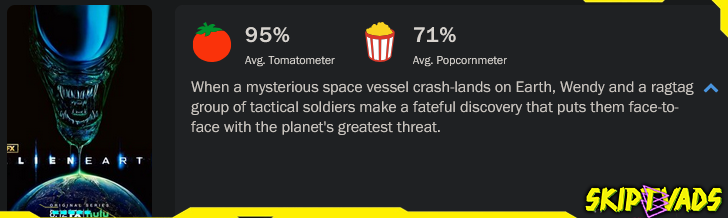


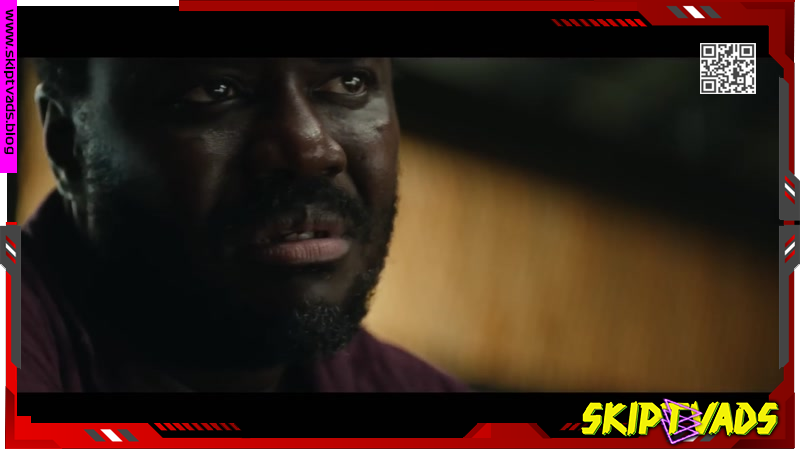 [Source](https://tinyurl.com/4ru3s4cm)
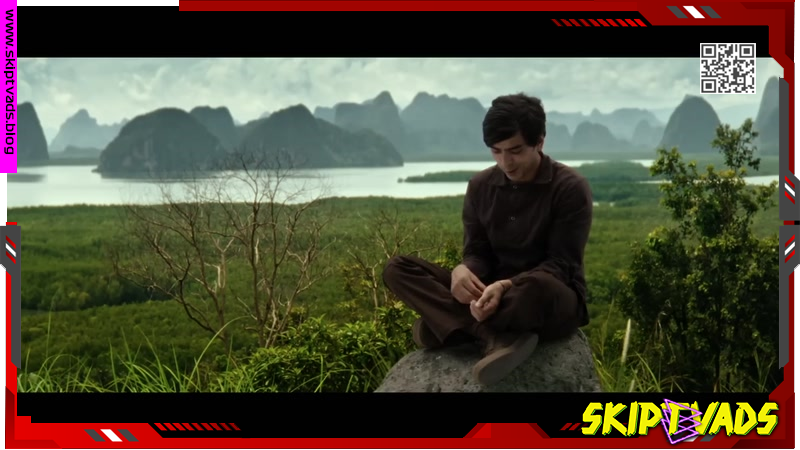 [Source](https://tinyurl.com/4ru3s4cm)
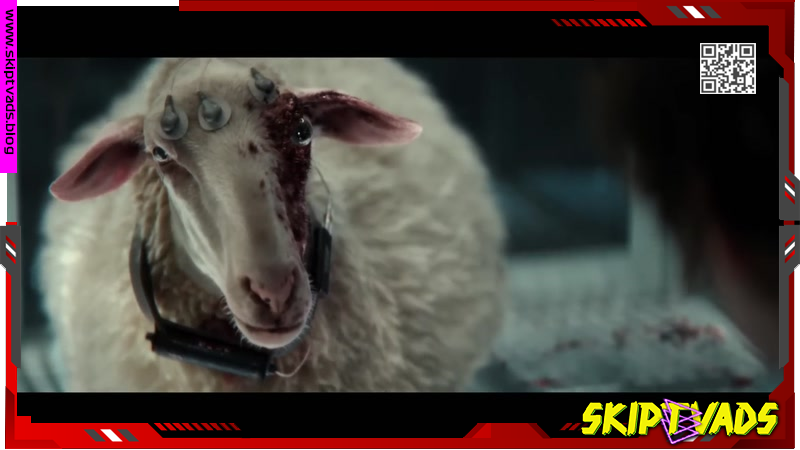 [Source](https://tinyurl.com/4ru3s4cm)
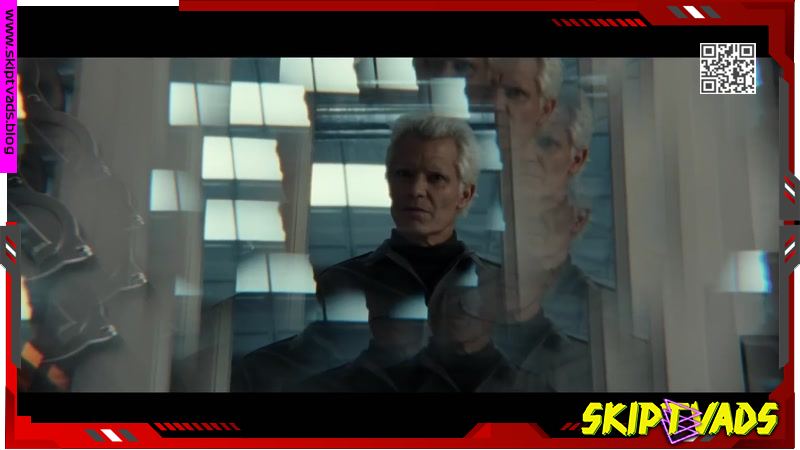 [Source](https://tinyurl.com/4ru3s4cm)
The whole subplot with the five corporations was probably my favorite part of the episode because it finally gives us some context about how this world actually works, turns out governments dont exist anymore and these five massive companies basically run everything now. Prodigy, Wyland Yutani, Threshold, Dynamic and Lynch have apparently fixed all the worlds problems by taking over, which sounds like corporate propaganda but its cool to see how they are expanding the Alien universe with this kind of world building. Joe explains how democracy used to be a thing where people voted for leaders but that didnt work out so these corporations stepped in, the way they present it makes it sound like a good thing but you know theres gotta be a dark side to all this control. They also made very clear that prodigy and Lynch were the new kids on the block, joining what used to be a thing of three main companies now to make it five, which suggests there might be some tension between the older and newer companies that could play out later in the series exploding into this war between humans and who knows where does all this Aliens, because its not Xenomorphs anymore, where do they all fit into this hole situation, I bet Boy Cavaliere will try to use them in their favor and until now the franchise have set the idea that Drones only caught humans to reproduce themself but what about their motives and thoughts? are they that agresive by nature or fear? can they actually come to a middle ground? Wendy is key to all this.
[Source](https://tinyurl.com/4ru3s4cm)
The whole subplot with the five corporations was probably my favorite part of the episode because it finally gives us some context about how this world actually works, turns out governments dont exist anymore and these five massive companies basically run everything now. Prodigy, Wyland Yutani, Threshold, Dynamic and Lynch have apparently fixed all the worlds problems by taking over, which sounds like corporate propaganda but its cool to see how they are expanding the Alien universe with this kind of world building. Joe explains how democracy used to be a thing where people voted for leaders but that didnt work out so these corporations stepped in, the way they present it makes it sound like a good thing but you know theres gotta be a dark side to all this control. They also made very clear that prodigy and Lynch were the new kids on the block, joining what used to be a thing of three main companies now to make it five, which suggests there might be some tension between the older and newer companies that could play out later in the series exploding into this war between humans and who knows where does all this Aliens, because its not Xenomorphs anymore, where do they all fit into this hole situation, I bet Boy Cavaliere will try to use them in their favor and until now the franchise have set the idea that Drones only caught humans to reproduce themself but what about their motives and thoughts? are they that agresive by nature or fear? can they actually come to a middle ground? Wendy is key to all this.
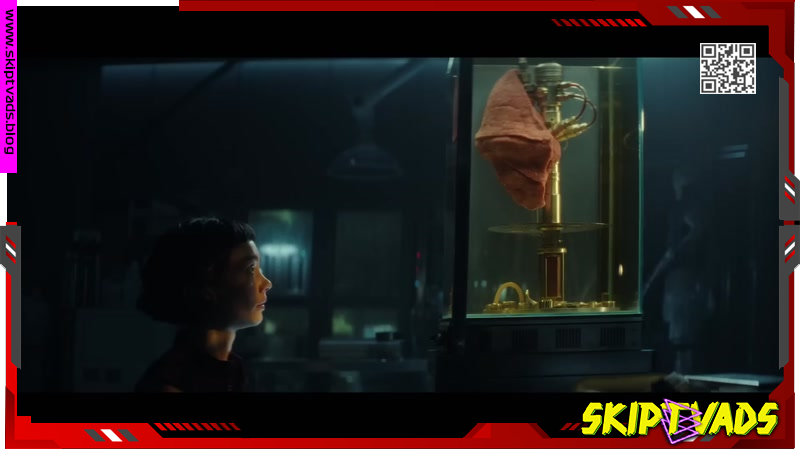 [Source](https://tinyurl.com/4ru3s4cm)
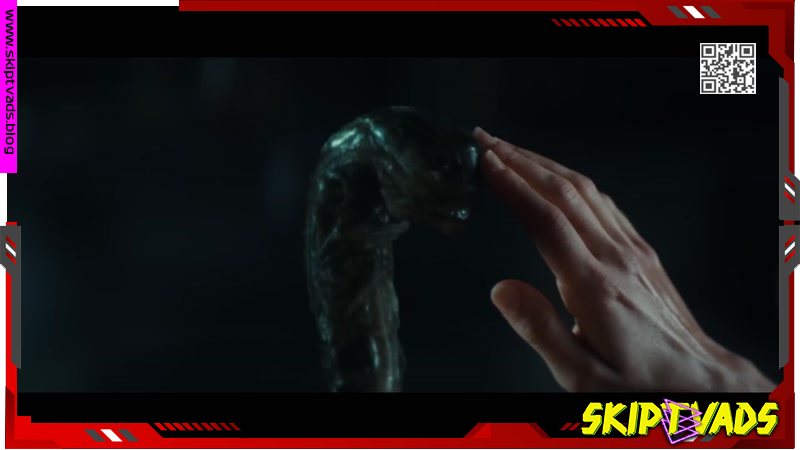 [Source](https://tinyurl.com/4ru3s4cm)
The situation with Morrow and Slightly really ramped up in this episode and its getting pretty dark, Morrow is basically grooming this kid and using his family as leverage which is just sick and you already now poor Joe is going to turn out to be the sacrifice to end this situation, well potentially, there are not many humans among them. After Slightly gives away his real name and tells Morrow hes from Ghana, Morrow immediately starts threatening his mother and brother back home, now Slightly has no choice but to help him steal one of the eggs or his family gets hurt. The whole thing is handled really well because it shows how someone with bad intentions can manipulate children, even super intelligent hybrid kids who should know better, Slightly is scared and desperate and making terrible decisions because hes trying to protect the people he loves. What makes it even worse is that Kirsh knows exactly whats happening, hes been monitoring everything Slightly sees and hears but instead of stopping it hes just watching like its some kind of experiment, and its also stupid from Morrow not imagening this could happen, he is a cyborg himself and nows this kids are a new kind of synthetic, its the kind of details the series just miss sometimes but I guess its fine. The scene where Kirsh talks to Slightly about the three monkeys and asks if he would stop someone from doing something wrong was chilling because you realize Kirsh might be testing him or maybe even planning to use this situation for his own purposes.
[Source](https://tinyurl.com/4ru3s4cm)
The situation with Morrow and Slightly really ramped up in this episode and its getting pretty dark, Morrow is basically grooming this kid and using his family as leverage which is just sick and you already now poor Joe is going to turn out to be the sacrifice to end this situation, well potentially, there are not many humans among them. After Slightly gives away his real name and tells Morrow hes from Ghana, Morrow immediately starts threatening his mother and brother back home, now Slightly has no choice but to help him steal one of the eggs or his family gets hurt. The whole thing is handled really well because it shows how someone with bad intentions can manipulate children, even super intelligent hybrid kids who should know better, Slightly is scared and desperate and making terrible decisions because hes trying to protect the people he loves. What makes it even worse is that Kirsh knows exactly whats happening, hes been monitoring everything Slightly sees and hears but instead of stopping it hes just watching like its some kind of experiment, and its also stupid from Morrow not imagening this could happen, he is a cyborg himself and nows this kids are a new kind of synthetic, its the kind of details the series just miss sometimes but I guess its fine. The scene where Kirsh talks to Slightly about the three monkeys and asks if he would stop someone from doing something wrong was chilling because you realize Kirsh might be testing him or maybe even planning to use this situation for his own purposes.
 The episode ends with probably the most disturbing scene so far, Wendy going down to visit Joes lung in the tank where the xenomorph embryo has grown into a chest burster and somehow she can communicate with it and even calm it down enough to pet it. This whole sequence was nightmare fuel but also fascinating because it suggests Wendy might be able to control these creatures, I have been thinking this hole time since episode two that she can become their Queen of Blades doing a reference to Star Craft, which could be game changing for the series moving forward. The chest burster breaking through the lung tissue was gross but also showed us exactly what happens inside someones chest when they get face hugged, which was educational in the most horrifying way possible. Xenomorphs seem to have chosen Wendy specifically as their communication link, theres gotta be a reason why shes the only one who can do this and I have a feeling the explanation is going to be wild. The way she hums to the creature like a lullaby before it emerges was both beautiful and terrifying, showing this weird motherly connection that definitely sets up some interesting possibilities for future episodes. Overall this episode felt like a setup piece rather than a payoff episode but it did a good job of moving characters into position for what I expect will be some major chaos coming soon, the psychological elements and world building kept me engaged even when the action slowed down.