Longform reviews of films, TV, anime, books, and audiobooks, written by the scrobble.life community and published to the Hive blockchain, so each one is owned by its author and can earn rewards from readers. 60,037 reviews and counting.
By the time Homicide: Life on the Street reached its seventh and final season, the show had drifted far from the unvarnished, documentary-style realism that once made it a landmark of American television. The early 1990s episodes, with their raw, fly-on-the-wall portrayal of Baltimore’s mean streets, had been replaced by increasingly conventional crime-drama tropes—formulaic investigations, heightened emotional stakes, and a reliance on plotlines that prioritized melodrama over grit. Yet within this decline, rare episodes emerged that recaptured the series’ original spirit. Zen and the Art of Murder, airing in Season 7, is one such standout. It defies the season’s mediocrity through its nuanced exploration of moral ambiguity, its unflinching realism, and its refusal to succumb to tidy resolutions.
The episode’s central case revolves around the murder of Roshi James Felder, a Buddhist monk discovered bludgeoned to death in the Temple of the Shining Pearl, a house of worship located in a run-down Baltimore neighbourhood. The unlocked temple suggests the victim knew his killer, and the investigation is assigned to Detective Meldrick Lewis, though he resists partnering with Detective Tim Bayliss—a fellow Buddhist who admired Felder. Lewis distrusts Bayliss’s objectivity, given the latter’s reverence for the deceased, while Bayliss believes the killer is a mentally unstable homeless man, Larry Moss (Terry Alexander), whom Felder had befriended during his periods of living on the streets as part of his spiritual practice.
Lewis' skepticism stems from evidence that Felder’s congregation harboured resentment toward him. The monk had allegedly scandalized his community by sleeping with young female students, suggesting an insider motive. Yet Bayliss’s instincts prove correct: Moss, armed and unhinged, confronts him at abandoned house, leading to a tense standoff. Bayliss fires in self-defence, killing Moss. Though exonerated, Bayliss grapples with the contradiction between his Buddhist principles—particularly the prohibition against killing—and his duty as a cop. Lwwis' grudging apology for doubting him underscores the episode’s thematic depth, as Bayliss acknowledges a loss of innocence, another layer of trauma in a career already scarred by violence.
The resolution avoids cheap catharsis. There is no epiphany, no return to serenity—only the raw acknowledgment that Bayliss, like the show itself, must confront the messy reality of his role in a world where morality and survival often collide.
Parallel to the Buddhist plotline, Detectives Laura Ballard and Stuart Gharty investigate the murder of Burrell Williams, a young Black man shot in a late-night altercation. Witnesses—a sister, mother, and neighbour—initially agree the shooter was a white man with facial hair, pointing to Jacko Bragg (Scott Longnecker), who had a feud with Burrell over a girl. Ballard and Gharty pursue Bragg, but inconsistencies emerge: the mother and neighbour waver in their certainty, the suspect has a plausible alibi, and physical evidence is lacking. The state’s attorney Danvers declines to prosecute, leaving Burrell’s family to face the harsh truth that justice is often elusive.
This storyline is masterful in its bleak realism. It mirrors the show’s early ethos, where violence is random, and outcomes are dictated by imperfect systems and human fallibility. The script boldly addresses racial dynamics: the witnesses’ inability to definitively identify a white suspect reflects real-world biases in witness reliability. Even as a montage reveals Bragg disposing of the murder weapon—a subtle nod to his guilt—the episode refuses to soften the blow of an unresolved case. The Williams family’s despair is palpable, underscoring the show’s unflinching commitment to depicting the human cost of urban violence.
Season 7 often leaned into contrivances, but Zen and the Art of Murder distinguishes itself through its refusal to sensationalize. The Buddhist case, on paper, could have been a gimmicky “redball” case—exotic and overwrought. Instead, it remains grounded. Felder’s congregation is portrayed as ordinary people with flaws, not villains or caricatures. The killer’s identity—a homeless man mistaking kindness for insult—aligns with the show’s focus on Baltimore’s underclass, where poverty and mental illness fuel violence. Similarly, the Burrell Williams case rejects Hollywood neatness, showing how systemic gaps and human error let perpetrators walk free.
The episode’s tone is consistently bleak, rejecting the redemptive arcs common in later seasons. Bayliss’s trauma and the Williams family’s unresolved grief reflect the series’ original DNA: a world where resolution is rare, and characters are shaped by the weight of their experiences.
Despite its strengths, the episode is marred by the lingering presence of Det. Falsone and Ballard’s ill-conceived romance. Their opening scene, in which they decide to end their affair to protect their careers, feels redundant and tonally jarring. By Season 7, this subplot had become a crutch, distracting from more compelling dynamics. Its inclusion here serves no purpose beyond nostalgia, undercutting the episode’s otherwise serious tone.
Zen and the Art of Murder is a testament to what Homicide could achieve even in its twilight. It balances character-driven drama with unflinching realism, refusing to romanticize either its subjects or the system they inhabit. While not perfect, the episode stands as a reminder of the series’ potential—a fleeting, luminous moment before the curtain fell.
Synopsis:In search of explanations a year after the mysterious disappearance of her sister (Melaine), Clover and four friends (Max, Nina, Megan, and Abe) decide to travel to a remote valley where they hope to find the answers they seek. However, they will be "swallowed" into a night of terror they could never have imagined.
Creative freedom. Perhaps this is the great excuse for making this movie. However, to what extent does this hold water when we're talking about a movie adaptation (in this case, based on the video game universe) that theoretically should be identical to the game or, at the very least, contain powerful elements that would make the audience remember it and buy into what they're watching? I know, we won't have the answer to that question in this text, so I'll go with my pure and obvious thought (after all, we're talking about Hollywood) about this movie: money, nothing more. Literally, here's an excellent lesson in how not to make a movie adaptation based on video games.
In a script that ignores (and also doesn't care to respect) practically the entire plot that gave rise to the game (which, by the way, is great and has a narrative full of mystery, suspense and tension), we have here the most recent example of how American cinema is efficient in destroying projects with great stories just to the detriment of how much money it is possible to "extract" from the public (especially from the fans) by making false advertisements with the excuse of making a project with a supposedly refined level of creative freedom to try to "amplify" all the horizons of an already existing idea (when in fact nothing needed to be amplified, just respected within its limits).
I understand that movie adaptations are always a difficult task, especially when dealing with plots filled with intricate details (as is the case with this game, which the movie was supposedly inspired by), but unlike many games, this one is very complete from the outset (as if it had been developed years before to be adapted for movie in the future). The story is great, and there are narrative elements that vehemently embrace the cinematic aesthetic, but this script throws everything away in a way I haven't had the misfortune to see in a long time. To this day, I ask myself: ”How did they do that?”
On the ground, the main plot (which, for certain, falls very little so that fans recognize it), but also the scenes and characters are used in a disorderly way, as if the project was independent (it's not ironic, if the movie had another title and a different marketing strategy... it could have been a decent movie). This is a complete lie, because this project was sold as a cinematographic adaptation of a famous game (developed by Supermassive Games, published by Sony Computer Entertainment and released for PlayStation 4), and everything was there (because the story was integrated into the game itself), but the result is a real insult.
The possibility of generating empathy for the project is minimal, even for horror movie aficionados (since this should be the culminating point of the project, and even in this aspect, the movie can’t offer anything more substantial to the public). The movie begins with a very well-known dramatic fragment, but in some ways, it continues to contribute something curious to the supernatural dynamics of its idea, but regrettably it doesn't waste time in dealing with ever more pathetic situations under the pretext of creating something more "complex" within new Hebrews that in the end end up being just a pile of absurd executions in a bad packing.
There's an insertion of completely unnecessary elements here, and viewers who have already played the game will certainly notice all of this with some ease. This is completely disappointing, and even the new creative approach created exclusively for this project doesn't work for new audiences because it remains in a bubble where nothing is explained satisfactorily. In other words, I believe this movie won't please fans of the game, nor the general public (at least not the much more demanding segment), because this project fails miserably on both counts. Without exaggeration, there's very little positive to be said.
One of the biggest challenges in making any movie adaptation is always staying faithful to the source material while simultaneously incorporating new ideas to bring something new (even if most of the project is a kind of "mirror" of material that already exists elsewhere, such as a book or a game). However, when the supposed creative freedom of a script almost completely distorts the original project to the point of making it unrecognizable, it becomes quite obvious that the conception of the idea was brutally distorted within the plot (which is empty, but insists on showing on screen what it definitely has no potential to be: something subversive and brutal).
The "investigative" layer the writers tried to create from the beginning has no well-founded reason for its existence. Most of the narrative elements are simply included in the plot for sheer convenience, as if imposed on the viewer without any opportunity to challenge it. The plot's "theoretical basis" is very poor, and despite a subtle, supposedly psychological explanation for everything happening to all the characters, it's incredibly frustrating to see how nothing seems to make much sense in the scenes (something that, at the height of the third act, is replaced by some good, but very brief, suspense and chase scenes).
The twists and turns of events that determine the plot's progress are too cohesive, lacking any significant tension, and at times rely heavily solely on the gory visual aspect of some endings (which has a positive merit here). The most persistent problem is when everything becomes too repetitive, undermining the already weak potential of the plot in what should be its best aspect: surprising the audience with a level of creativity far more refined than what was seen in the final version. The essence of the game also never quite sinks in, despite there being some ideas that, if better explored (and utilized), could have changed the final result.
Until Dawn was directed by David F. Sandberg in a very poor and amateurish manner. The movie's budget made it clear that the best idea of the whole thing (the time looping thing, which allows for countless plot twists) couldn't have been better implemented (in fact, here it was completely destroyed and replaced by something completely nonsensical), and the other technical aspects are also poor (with a few exceptions for the practical effects in some suspense and horror scenes). Last but not least, the cast is poor, with absolutely no one standing out (there's just a parade of apathetic characters played by people who appear to be reading from a teleprompter).
[ OFFICIAL TRAILER ]
CRÍTICA DE PELÍCULA: “Until Dawn” (2025)
Sinopsis:En busca de explicaciones, un año después de la misteriosa desaparición de su hermana (Melaine), Clover y cuatro amigos (Max, Nina, Megan y Abe) deciden viajar a un valle remoto donde esperan encontrar las respuestas que buscan. Sin embargo, se verán "engullidos" por una noche de terror que jamás imaginaron.
Libertad creativa. Quizás esta sea la gran excusa para hacer esta película. Sin embargo, ¿hasta qué punto esto es válido cuando hablamos de una adaptación cinematográfica (en este caso, basada en el universo de los videojuegos) que, en teoría, debería ser idéntica al juego o, como mínimo, contener elementos impactantes que hagan que el público la recuerde y se comprometa con lo que está viendo? Sé que no tendremos la respuesta a esa pregunta en este texto, así que me quedaré con mi pensamiento puro y obvio (al fin y al cabo, estamos hablando de Hollywood) sobre esta película: dinero, nada más. Literalmente, aquí hay una excelente lección sobre cómo no hacer una adaptación cinematográfica basada en videojuegos.
En un guion que ignora (y tampoco se preocupa de respetar) prácticamente toda la trama que dio origen al juego (que, por cierto, es genial y tiene una narrativa llena de misterio, suspenso y tensión), tenemos aquí el ejemplo más reciente de cómo el cine estadounidense es eficiente en destruir proyectos con grandes historias solo en detrimento de cuánto dinero es posible "extraer" del público (sobre todo de los fans) haciendo publicidad falsa con la excusa de hacer un proyecto con un nivel de libertad creativa supuestamente refinado para intentar "amplificar" todos los horizontes de una idea ya existente (cuando en realidad no había que amplificar nada, solo respetarlo dentro de sus límites).
Entiendo que las adaptaciones cinematográficas siempre son una tarea difícil, sobre todo cuando se trata de tramas llenas de detalles intrincados (como es el caso de este juego, en el que supuestamente se inspiró la película), pero a diferencia de muchos juegos, este es muy completo desde el principio (como si hubiera sido desarrollado años antes para ser adaptado al cine en el futuro). La historia es genial, y hay elementos narrativos que abrazan con vehemencia la estética cinematográfica, pero este guion lo echa todo a perder de una manera que no he tenido la desgracia de ver en mucho tiempo. A día de hoy, me pregunto: ”¿Cómo lo hicieron?”
En principio, la trama principal (que, sin duda, se descuida lo suficiente para que los fans la reconozcan), pero también las escenas y los personajes se utilizan de forma desordenada, como si el proyecto fuera independiente (no es irónico, si la película hubiera tenido otro título y una estrategia de marketing distinta... podría haber sido una película decente). Esto es una completa mentira, ya que este proyecto se vendió como una adaptación cinematográfica de un juego famoso (desarrollado por Supermassive Games, publicado por Sony Computer Entertainment y lanzado para PlayStation 4), y todo estaba ahí (ya que la historia estaba integrada en el propio juego), pero el resultado es un auténtico insulto.
La posibilidad de generar empatía por el proyecto es mínima, incluso para los aficionados al cine de terror (ya que este debería ser el punto culminante del proyecto, e incluso en este aspecto, la película no puede ofrecer nada más sustancial al público). La película comienza con un fragmento dramático muy conocido, pero en cierto modo sigue aportando algo curioso a la dinámica sobrenatural de su idea, pero lamentablemente no pierde tiempo en tratar situaciones cada vez más patéticas con el pretexto de crear algo más "complejo" dentro de los nuevos hebreos que al final terminan siendo solo un montón de ejecuciones absurdas en una mal embalaje.
Se han añadido elementos completamente innecesarios, y quienes ya hayan jugado el juego sin duda lo notarán con cierta facilidad. Es una auténtica decepción, e incluso el nuevo enfoque creativo creado exclusivamente para este proyecto no funciona para nuevos públicos, ya que se queda en una burbuja donde nada se explica satisfactoriamente. En otras palabras, creo que esta película no complacerá ni a los fans del juego ni al público general (al menos no al segmento mucho más exigente), porque el proyecto fracasa estrepitosamente en ambos aspectos. Sin exagerar, hay muy poco positivo que decir.
Uno de los mayores retos al realizar cualquier adaptación cinematográfica es mantenerse fiel al material original e incorporar simultáneamente nuevas ideas para aportar algo nuevo (aunque la mayor parte del proyecto sea una especie de "reflejo" de material ya existente, como un libro o un juego). Sin embargo, cuando la supuesta libertad creativa de un guión distorsiona casi por completo el proyecto original hasta el punto de hacerlo irreconocible, se hace bastante obvio que la concepción de la idea fue brutalmente distorsionada dentro de la trama (que es vacía, pero insiste en mostrar en pantalla lo que definitivamente no tiene potencial de ser: algo subversivo y brutal).
El tono "investigativo" que los guionistas intentaron crear desde el principio carece de una razón de ser bien fundada. La mayoría de los elementos narrativos se incluyen en la trama por pura conveniencia, como si se impusieran al espectador sin posibilidad de cuestionarlos. La "base teórica" de la trama es muy pobre, y a pesar de una sutil explicación, supuestamente psicológica, de todo lo que les sucede a los personajes, resulta increíblemente frustrante ver cómo nada parece tener mucho sentido en las escenas (algo que, en el punto álgido del tercer acto, se ve sustituido por algunas buenas, pero muy breves, escenas de suspense y persecución).
Los giros argumentales que determinan el desarrollo de la trama son demasiado cohesivos, carecen de tensión significativa y, en ocasiones, se basan exclusivamente en el sangriento aspecto visual de algunos finales (lo cual tiene un mérito positivo). El problema más persistente surge cuando todo se vuelve demasiado repetitivo, socavando el ya de por sí débil potencial de la trama en lo que debería ser su mejor aspecto: sorprender al público con un nivel de creatividad mucho más refinado que el de la versión final. La esencia del juego nunca termina de entenderse, a pesar de que hay algunas ideas que, si se hubieran explorado mejor (y utilizado), podrían haber cambiado el resultado final.
Until Dawn fue dirigida por David F. Sandberg de forma muy deficiente y poco profesional. El presupuesto de la película dejó claro que la mejor idea (el looping temporal, que permite innumerables giros argumentales) no podría haberse implementado mejor (de hecho, en este caso fue completamente destruida y sustituida por algo completamente absurdo). Los demás aspectos técnicos también son deficientes (con la excepción de algunos efectos especiales en algunas escenas de suspense y terror). Por último, pero no menos importante, el reparto es pobre, sin ningún personaje que destaque (solo hay un desfile de personajes apáticos interpretados por personas que parecen leer un teleprompter).
CRÍTICA DE FILME - “Until Dawn: Noite de Terror” (2025)
Sinopse:Na busca por explicações um ano após o misterioso desaparecimento de sua irmã (Melaine), Clover e mais quatro amigos (Max, Nina, Megan e Abe) decidem viajar até um vale remoto onde esperam encontrar as repostas que desejam. No entanto, eles serão “tragados” para uma noite de terror que jamais poderiam imaginar.
Liberdade criativa. Talvez essa possa ser a grande desculpa para este filme ter sido feito. No entanto, até onde isso tem fundamento quando estamos falando de uma adaptação cinematográfica (neste caso, baseada no universo dos games) que teoricamente deveria ser igual ao jogo ou, no mínimo, com elementos massivos fizessem o público lembra dele e comprassem a ideia do que estão assistindo? Eu sei, não teremos neste texto a resposta dessa pergunta, então eu vou com o meu pensamento puro e óbvio (afinal estamos falando sobre Hollywood) sobre este filme: dinheiro, apenas isso. Literalmente, eis aqui uma excelente aula de como não fazer uma adaptação cinematográfica baseada em vídeo games.
Em um roteiro que ignora (e também não faz questão de respeitar) praticamente toda a trama que deu origem ao jogo (que por sinal, é ótimo e tem uma narrativa cheia de mistério, suspense e tensão), temos aqui o exemplo mais recente de como o cinema estadunidense é eficiente ao destruir projetos com ótimas estórias apenas em detrimento de quanto dinheiro é possível “arrancar” do público (em especial, dos fãs) fazendo as propagandas falsas com a desculpa de estar fazendo um projeto com teor de liberdade criativa supostamente apurado para tentar “amplificar” todos os horizontes de uma ideia já existente (quando na verdade nada precisava ser amplificado, apenas respeitado dentro de seu limites).
Eu entendo que fazer adaptações cinematográficas é sempre um trabalho difícil, em especial, quando estamos lidando com tramas repletas de detalhes mais específicos (como é o caso deste jogo no qual o filme deveria ter sido inspirado), mas ao contrário do que muitos jogos oferecem, este aqui é muito completo desde o início da sua concepção (como se já tivesse sido desenvolvido anos antes para ser adaptado cinematograficamente no futuro). A estória é ótima, e há os elementos narrativos que “abraçam” a estética cinematográfica veementemente, mas esse roteiro joga tudo no lixo de um jeito como eu há tempos já não tive a infelicidade de ver. Até agora eu me pergunto: “Como eles fizeram isso?”
Não apenas a trama principal (da qual aliás sobre muito pouco a ser reconhecido pelos fãs), mas também os cenários e os próprios personagens são usados de maneiras aleatórias, como se o projeto fosse um material independente (não ironicamente, se o filme tivesse outro título e uma outra estratégia de marketing... poderia ter sido um filme decente), o que é uma grande mentira, porque esse projeto foi vendido como uma adaptação para os cinemas de um jogo famoso (que foi desenvolvido por Supermassive Games, publicado por Sony Computer Entertainment e lançado PlayStation 4), e tudo já estava lá (porque a estória já estava pronta dentro do próprio jogo), mas o resultado é um verdadeiro insulto.
A chance de criar alguma empatia pelo projeto é mínima, até mesmo para os apreciadores de filmes de horror em si (porque esse deveria ser o ponto alto do projeto, e nem mesmo dentro desse aspecto o filme consegue entregar algo mais substancial ao público). O filme começa sob um fragmento dramático já muito conhecido, mas de que algum jeito ainda traz algo de curioso pela dinâmica sobrenatural da sua ideia, mas infelizmente, não perde tempo em mergulhar em situações cada vez mais patéticas sob o pretexto de estar criando algo mais “complexo” dentro de novas vertentes que no final das contas acabam sendo apenas um amontoado de execuções absurdas dentro de uma embalagem ruim.
Há uma inserção de elementos totalmente desnecessários aqui, e aqueles telespectadores que já tiveram a chance de jogar esse jogo certamente irá notar tudo isso com uma certa facilidade. Isso é totalmente decepcionante, e mesmo a nova abordagem criativa que foi criada exclusivamente para esse projeto não funciona para o novo público, porque se mantém dentro de uma bolha onde nada é explicado de maneira satisfatória. Em outras palavras, eu acredito que esse filme não deve agradar aos fãs do jogo, e nem o público geral (ao menos não aquela parcela que é muito mais exigente), porque esse projeto falha miseravelmente em ambos os lados. Sem exageros, há muito pouco para ser dito de positivo.
Um dos maiores desafios ao fazer qualquer adaptação cinematográfica é sempre se manter fiel ao material original, e ao mesmo tempo, inserir novas ideias para trazer algo de novo (ainda que a maior parte do projeto seja uma espécie de “espelho” do material que já existe em algum outro lugar, como um livro ou um jogo). No entanto, quanto a suposta liberdade criativa de um roteiro descaracteriza quase que por completo o projeto original a ponto de torná-lo em algo irreconhecível, se torna bastante óbvio perceber que a concepção da ideia foi brutalmente deturpada dentro da trama (que é vazia, mas insiste em mostrar na tela o que definitivamente não tem potencial para ser: algo subversivo e brutal).
A camada “investigativa” que os roteiristas tentaram criar desde o início não tem uma razão bem fundamentada para existir. A maior parte dos elementos narrativos simplesmente estão dentro da trama por pura conveniência, como se isso fosse algo imposto ao telespectador sem haver a chance de fazer nenhum tipo de contestação. O “embasamento teórico” da trama é muito ruim, e apesar de haver uma sutil explicação supostamente psicológica para tudo o que está acontecendo com todos os personagens, é muito frustrante perceber como nada parece fazer muito sentido nas cenas (algo que no ápice do terceiro ato é substituído por algumas boas, mas muito breves, cenas de suspense e perseguição).
As idas e vindas nos acontecimentos que determinam o andamento da trama são coesas demais, sem maiores tensões e em alguns momentos apelam fortemente apenas para o aspecto visual sanguinolento de alguns desfechos (que tem um mérito positivo aqui). O problema mais crônico é quando tudo fica repetitivo demais, minando o já fraco potencial da trama naquele que deveria ser o seu melhor aspecto: surpreender o público com um nível de criatividade bem mais afiado do que foi visto na versão final do projeto. A essência do jogo também nunca consegue ser captada, apesar de haver algumas ideias que se tivessem sido melhor exploradas (e aproveitadas), poderiam mudar o resultado final aqui.
Until Dawn: Noite de Terror foi dirigido por David F. Sandberg de uma maneira muito precária e amadora. O orçamento do filme deixou claro que a melhor ideia de todo esse jogo (o looping temporal, que oportuniza as inúmeras reviravoltas na trama) não poderia ter sido melhor implementada (aliás, aqui ela foi totalmente destruída e substituída por algo muito nonsense), e os demais aspectos técnicos também são ruins (com algumas exceções para os efeitos práticos em algumas cenas de suspense e horror). Por último, e muito menos importante, um elenco ruim, onde absolutamente ninguém se destaca (há apenas um desfile de personagens apáticos sendo interpretados por pessoas que aprecem ler algum teleprompter).
The Karate Kid franchise has been alive for more than 40 years, in 1984 was its first film and it has always maintained the essence that almost everything revolves around Miyagi, his teachings and above all his karate. There were 4 films where Pat Morita gave life to Miyagi, a fifth came where Jackie Chan made his debut with Jaden Smith, then came the Cobra Kai series on Netflix where many things happened around what happened in the first films until reaching this last film that honestly promised a lot but for me ended up being a failure of the good ones. I think this installment could have been much better than it actually was.
La franquicia de Karate Kid está viva desde hace más de 40 años, en 1984 fue su primera película y siempre ha mantenido la esencia de que casi todo gira en torno a Miyagi, sus enseñanzas y sobretodo su karate. Fueron 4 peliculas en donde Pat Morita dio vida a Miyagi, vino una quinta en donde Jackie Chan hizo su debut con Jaden Smith, después vino la serie de Cobra Kai de Netflix en donde muchas cosas pasaron en torno a lo vivido en los primeros films hasta llegar a esta última película que la verdad prometía bastante pero para mi terminó siendo un fracaso de los buenos. Creo que esta entrega pudo haber sido muchísimo mejor de lo que realmente fue.
If there's one thing that characterizes these films, it's that their plots are all exactly the same, from the first to this one. They all involve overcoming a fear, overcoming a fighter who seems stronger and who is usually the young protagonist's ex-boyfriend, and that conflict resolution takes place in a martial arts tournament. In this film, we have Li Fong (Ben Wang), a Kung Fu student in China whose teacher is Mr. Han (Jackie Chan). This young man is one of the best in that school until one day he is forced to move to New York. Once on American soil, he meets Mia (Sadie Stanley), and with her come problems, not because of him but because of the circumstances surrounding her life.
Si hay algo que caracteriza a estas películas es que sus tramas todas son exactamente iguales, desde la primera hasta esta, todas pasan por la superación de un miedo, por la superación de un peleador que parece ser más fuerte y que por lo general es el ex novio de la joven protagonistas y esa resolución del conflicto se da un torneo de artes marciales. En este film tenemos a Li Fong (Ben Wang) un estudiante de Kung Fu en China cuyo profesor es el señor Han (Jackie Chan). Este joven es de los mejores de esa escuela hasta que un día se ve obligado a mudarse a Nueva York. Una vez en suelo americano conoce a Mia (Sadie Stanley) y con ella llegan los problemas, no por su culpa sino por las circunstancias que rodean su vida.
Obviously, Li has things in his life he wants to overcome and leave behind, one of them being fighting, but it seems like this will always haunt him. Throughout the plot, things happen that make Li reconsider signing up for a street tournament; one of those things is helping a friend from New York who is in serious financial trouble. This is how he begins his journey toward the fights that are coming his way. For this, he will have the help of Mr. Han and, of course, that of Daniel Larusso. Talking about the depth of the story doesn't make much sense because, as I said, it's 100% the same as the previous ones. Perhaps the way they linked the stories between Han's and Miyagi's ancestry and how they met many decades ago is the only thing that might be new here.
Obviamente Li tiene cosas en su vida que quiere superar e ir dejando atrás siendo una de ellas el hecho de pelear pero parece que esto siempre lo va a perseguir. A lo largo de la trama pasan cosas que hacen que Li reconsidere inscribirse en un torneo callejero, una de esas cosas es ayudar a un amigo de Nueva York quien tiene un gran problema financiero. En así como inicia su camino de cara a las peleas que se le vienen. Para eso contará con la ayuda del Sr. Han y claro está, con la de Daniel Larusso. Hablar de la profundidad de la historia no tiene mucho sentido porque como ya dije es 100% igual a las anteriores, quizás la forma en como unieron los relatos entre las ascendencias de Han y la Miyagi y cómo se conocieron muchas décadas atrás es lo único que puede ser lo novedoso acá.
Li Fong fights impressively well, the way he handles Kung Fu and his movements are amazing, the scenes where he gets involved in a fight are the best of the film, they are truly enjoyable because the actor is clearly a pro in this martial art. Having Jackie Chan will always be cool because despite his age, he still has good agility and physical condition, we will no longer see him jump or move as quickly, but he is there to contribute that class and charisma that he always radiates. And Larusso, well, the same, always with Miyagi's teachings in front, same calm personality. But then, what was missing from the film?
Li Fong pelea impresionantemente bien, la forma en como maneja el Kung Fu y sus movimientos es alucinante, las escenas en donde se ve envuelto en al alguna pelea es de lo mejor de la película, realmente se disfrutan mucho porque el actor claramente es un pro en este arte marcial. Tener a Jackie Chan siempre va a ser cool porque a pesar de su edad sigue con una buena agilidad y estado físico, ya no lo veremos saltar ni moverse tan rápido pero está para aportar esa clase y el carisma que siempre irradia. Y Larusso pues lo mismo, siempre con las enseñanzas de Miyagi por delante, misma personalidad tranquila. Pero entonces, qué le faltó a la película?
If they decided to do a crossover between Han and Miyagi and involve Daniel Larusso, why not try something that took into account more characters? Why didn't they use the Cobra Kai series as 100% canon? Instead of making something really good, they decided to go for the basic, generic, and what people have been watching for over 40 years. I didn't see any innovation, there's no originality in either the plot or the script; this is a copy with new protagonists and others who aren't so different. I was really hoping to see something different; the hype was high because I'm fond of this franchise, and this film was sold as something spectacular, and the truth is, it wasn't in any way.
Si decidieron hacer un crossover entre Han y Miyagi e involucrar a Daniel Larusso, porque no buscar hacer algo que tomara en cuenta a más personajes?, porque no usaron la serie de Cobra Kai como canon al 100%? - en vez de hacer algo realmente bueno decidieron irse por lo básico, genérico y por aquello que la gente tiene viendo por más de 40 años. No vi innovación, no hay originalidad ni en la trama ni el guión; esto es una copia con nuevos protagonistas y otros que no lo son tanto. Realmente esperaba ver algo diferente, el hype que tenía era grande porque a esta franquicia le tengo cariño y este film lo vendieron como algo muy espectacular y la verdad es que no fue en ningún sentido.
In short, I give it a 6.5/10. I think it fell far short. The film isn't bad, mind you, it's actually enjoyable, it has some really cool moments, there's humor, some good fights, but nothing more; it ended up being extremely generic. It lasts an hour and a half. I'll leave the trailer here.
En fin, yo le doy un 6.5/10. Creo que quedó mucho a deber. La película no es mala, ojo, es realmente disfrutable, tiene momentos muy cool, hay humor, buenas peleas, pero sin más; terminó siendo extremadamente genérica. Dura hora y media. Les dejo el tráiler por acá.
Seeing a South Korean mystery thriller movie today really made my day. Though I'm not a fan of South Korean movies, this one I just finished watching really made me feel fulfilled as it's full of intrigue and suspense.
The movie Wall to Wall is a movie that is really worth watching and I would like to watch it over and over again. The movie was directed and produced by Kim Tae Joon and it starred actors Kang Ha-nuel, Yeom Hey-ran and Seo Hyun-woo. One thing is that, if you are not familiar with Korean movies, these aforementioned names would be kind of strange to you.
These aforementioned actors acted their roles very well as directed by the movie director. For someone like Hang, he acted as Woo sung, also, Yeom and Seo acted as Euh hwa and Jin-oh respectively.
Euh hwa in the movie acted as the apartment representative and she acted well while Jin-ho acted as an investigative journalist, though his role was made known towards the end of the movie as he was only known to be an occupant of the apartment.
THE PLOT
The movie wall to war is about a guy named Woo Sung, who bought an apartment for a huge amount of 1.1billion south korean currency, but due to the the economic situation, the value of the apartment depreciated and he was looking for a way to get off the debt which he used to get the apartment.
So, for this reason, he picked up a daily delivery job and it's in that job he was introduced to a crypto investment by one of his friends who he told he has no more, but that his friend told him to take a loan which idea he first rejected, but when he realized that would help him to be free from debt, he opted to sell his apartment to fund the crypto investment.
After doing this, he started monitoring the investment on phone but on the said date of which he would cash out on the investment, he was arrested for what he has always been accused of in this apartment which is noise. This has always been going on in the apartment and he had always been accused of this in the building. So, he was unable to sell the GB coin at the right time and for this reason, he lost everything.
After losing everything, he tried to commit suicide, but as he was trying to jump off the skyscraper building, he heard a noise from the apartment underneath him which is 1301, so he tried to check what was going on. It's in the process of going downstairs that he was intercepted by Jin-ho who beats him black and blue. But when he explained himself to him that he was not guilty of the accusation they both planned to get to the root of the matter.
It's in the course of getting to the root of the matter that they both went to the penthouse when Woo, was invited by the building representatives. So when they both got there, Woo ransacked the apartment but found nothing but was later caught by the husband of the representative.
After their failed plan at the Penthouse apartment, they ejected out of the apartment and it's after that that Woo got to know that Jin-ho was the brain after what has been happening this he got to after ransacking his apartment after he had trickishly changed the key, it's there he was caught by Jin-ho and was implicated for the death of the wife of one of the occupant who was used by Jin-ho to implicate Woo.
The incident and the quest of Woo to recover his apartment led him to gang up with Jin just to get the ledger that Jin wanted to have access to from the penthouse. So, they both went to the penthouse with the body of the woman and on getting to the penthouse, Jin attacked the husband of Euh hwa and threatened to kill the woman herself, but after everything, all of them except Woo died.
So, after they had all died, Woo set the apartment ablaze and moved out of the apartment, it's after he had moved out that he slumped and was taken to the hospital for treatment. After he had been treated at the hospital, he went straight to his childhood base and afterwards left there for his recovered apartment where he heard the noise again and burst into laughter.
ANALYSIS AND SUMMARY
The movie is an interesting one and seeing the movie and all what happened in it, one would see that this life is full of mysteries and complexities. For instance, Woo got an apartment for a huge amount of money, but could not even recoup the said money as everything had decreased through the economic situation. That's what is obtainable in the society of today.
Aside from that, I would say he didn't really enjoy what he got with his money as the issue of daily noise as orchestrated by his co-tenant would not even allow him to have peace of mind to enjoy what he used his money to get. Such is life though as the issue of co-tenant in this my part of the world would always exist and give me a headache.
Also, the issue of debt as owed by the young man as a result of the purchase of the apartment to me is worrisome. In fact, Woo lived all his life in debt in the movie, even when he tried to sell off the property, the terms of the contract were a little bit harsh on him. That's another series case in the movie that's depicting what many people are facing in the real world.
Furthermore, the manipulation of Woo by Jin is another thing that baffled me in the movie, though, Woo thought he had an ally who would fight with him to recover his asset, not knowing he was the one behind his numerous problems including his loss in his investment to the GB coin. This is actually an act of betrayal.
Also, the fraudulent action of the building representative and her husband cannot be overlooked in the movie, Euh hwa to me was to be a good woman to Woo not until she showed her true colour toward the tail end of the movie as she was being accused of her fraudulent acts, which she buttressed in her speech while addressing Woo, telling him that the house is not the problem but the people living there in. She said if the construction had been good, the price would have been high for someone like Woo to be able to get it.
Likewise, there's an issue of betrayal, lack of trust, killings, debt intrusion, trespassing and the likes in the movie.
One thing I liked about the movie is the suspense. Also, the pictures are crystal clear and the subtitles were accurate. The characters also performed better and even the storyline depicts to us what many are passing through in the real world.
RATING
I would like to rate the movie 7/10.
Thanks for reading.
Poster picture sourced.
All other images are from the movie's screenshots.
Hello everyone, my friends who are fans of good stories, I hope you are all doing well today. This time, I'll talk a little about a very creative series that ended up surprising me. Today I'll give you my personal opinions on Sweet Tooth. You're always wondering if it's worth putting your heart and soul into a series you don't know, but sometimes, very occasionally, something stands out and really grabs you, and Sweet Tooth did it for me. Let's see, this is the premise: the world practically collapsed - they call it "The Great Incident," which sounds poetic, right? - because of a super mysterious pandemic... hospitals were completely full, society was in a mess, all that post-apocalyptic shit... but, and here comes the craziest part! Right at the same time as this virus, boom! Hybrid babies start being born, that is, half human, half animal.
We're talking about children with horns, snouts, feathers, whatever you can imagine! And the twist: it seems that these hybrid children are immune to the virus, so, immediately the doubt jumps to you: did the hybrids cause the virus, or are they a consequence? Or what? The world, obviously, panics and blames the children, they persecute them because, well, fear makes people do horrible things. It's an original concept, almost like a fairy tale, but set in a very, very crude world of survival... our protagonist is Gus, played by this kid, Christian Convery, who is a genius, seriously! Gus is a ten-year-old boy who is extremely adorable, who is half deer - he has little antlers, furry ears, extremely sharp senses, the whole package... his dad, wanting to protect him from the hostile world, raises him completely isolated in the middle of Yellowstone National Park.
Literally, fenced off and away from everything for a decade, so Gus is pure innocence, pure wonder. He doesn't understand anything about the world; he only knows the forest and his dad's stories. They call him "Sweet Tooth" because he loves chocolate. When things force him out of his bubble, he has to navigate this extremely dangerous world he knows nothing about, searching for his mom. That contrast between his childhood innocence and the harsh reality that surrounds him hits you right in the gut. You want to care for him from the very first minute, I swear.
Hola a todos, amigos fanáticos de las buenas historias, espero que hoy estén bien, en esta ocasión,les hablaré un poco de una serie muy creativa, que acabó sorprendiendome, hoy les daré mis opiniones personales de: Sweet Tooth, y uno siempre está con esa duda de si vale la pena meterle corazón y tiempo a una serie que desconoces, pero a veces, muy de vez en cuando, algo sobresale y te atrapa de verdad, y Sweet Tooth lo logró conmigo, a ver, está es la premisa: el mundo prácticamente colapsó – le dicen "El Gran Incidente", que suena hasta poético, ¿no? por una pandemia súper misteriosa.. hospitales totalmente llenos, la sociedad hecha un desastre, todo ese rollo post-apocalíptico.. pero, ¡y aquí viene lo más loco!, justo al mismo tiempo que este virus, ¡pum!, empiezan a nacer bebés híbridos, o sea, mitad humanos, mitad animales.
Hablamos de niños con cuernos, hocicos, plumas, ¡lo que se imaginen! y el giro: parece que estos niños híbridos son inmunes al virus, entonces, de una vez te salta la duda: ¿los híbridos causaron el virus, o son una consecuencia? ¿O qué onda? El mundo, obvio, entra en pánico y le echa la culpa a los niños, los persiguen porque, bueno, el miedo hace que la gente haga cosas horribles. Es un concepto original, casi como un cuento de hadas, pero metido en un mundo de supervivencia bien, bien crudo.. nuestro prota es Gus, interpretado por este niño, Christian Convery, que es un genio, ¡en serio! Gus es un chiquito de diez años adorable a más no poder, que es mitad venado – tiene los cuernitos, las orejas peluditas, los sentidos agudísimos, todo el paquete.. su papá, queriendo protegerlo del mundo hostil, lo cría totalmente aislado en medio del Parque Nacional Yellowstone.
Literal, cercado y lejos de todo por una década, así que Gus es pura inocencia, pura sorpresa, no entiende nada del mundo, solo conoce el bosque y las historias de su papá. Le dicen "Sweet Tooth" porque ama el chocolate, cuando las cosas lo obligan a salir de su burbuja, tiene que moverse por este mundo peligrosísimo del que no sabe nada, buscando a su mamá. Ese contraste entre su inocencia de niño y la realidad tan dura que lo rodea te pega directo, al instante, te nace cuidarlo desde el minuto uno, se los juro.
And well, he's not alone for long, he runs into this huge guy, Jepperd - he's the typical protector who doesn't want to be one, you know? The tough, lonely guy, with a kind of dark past that hurts him, who at first says 'nah, I'm not messing with this kid'... you know that character, right? Like the Mandalorian, Joel from The Last of Us, that vibe, but seeing how that connection grows between them, how this tough guy little by little lets his guard down and finds a chance to, I don't know, redeem himself? Taking care of Gus... the truth is, he's the heart of the series and it's super well done, the chemistry they have is perfect, a ten! Now, I know that hearing "post-apocalyptic series about a pandemic" right now may sound like what a bummer! Yes, obviously it has its dark themes, I'm not going to lie to you, it's not afraid to show the dangers, the loss, how cruel people can be when they're afraid.
But what blew my mind was how hopeful and tender it often feels. It has this whole adventure-fantasy vibe mixed with science fiction... it reminded me a bit of movies like Artificial Intelligence, you know? That idea of an innocent being moving through a world in pieces, searching for their place, but with that touch of half-sad hope thrown in there, achieves an incredible balance... it can be tense and sad for a while, and then it makes you smile or leaves you with something beautiful. And not to mention how relevant it is... watching it now, after the whole pandemic thing, hits you differently, badly... the fear of the virus, society breaking down, that all-out blaming of the 'other' (here, the hybrids)... everything feels super familiar, it touches on all those themes – fear, prejudice, how to connect with others even when you're isolated, clinging to hope when everything is bad – but without preaching at you, just let the story tell you.
Y bueno, no anda solo mucho tiempo, se cruza con este tipazo enorme, Jepperd – él es el típico protector que no quiere serlo, ¿saben? El tipo rudo, solitario, con un pasado ahí medio oscuro y que le duele, que al principio dice ‘nah, con este niño no me meto’.. ya se saben esa figura, ¿no? Tipo el Mandaloriano, Joel de The Last of Us, esa onda, pero ver cómo crece esa conexión entre ellos, cómo este tipo duro de a poquito va bajando la guardia y encuentra chance de, no sé, ¿redimirse? cuidando a Gus... la verdad, es el corazón de la serie y está súper bien logrado, la química que tienen es perfecta, ¡un diez! Ahora, yo sé que escuchar "serie post-apocalíptica sobre una pandemia" ahorita puede sonar como ¡qué bajón!, sí, obvio que tiene sus temas oscuros, no les voy a mentir, no teme mostrar los peligros, la pérdida, lo cruel que puede ser la gente cuando tiene miedo.
Pero lo que me voló la cabeza fue lo esperanzadora y lo tierna que se siente muchas veces, tiene toda esta onda de aventura y fantasía mezclada con la ciencia ficción.. me hizo acordar un poco a pelis como Inteligencia Artificial, ¿saben? Esa idea del ser inocente moviéndose por un mundo hecho pedazos, buscando su lugar, pero con ese toque de esperanza medio tristona por ahí, logra un balance increíble.. puede ser tensa y triste un rato, y al toque te saca una sonrisa o te deja algo lindo. Y ni hablar de lo relevante que es... verla ahora, después de todo lo de la pandemia, te pega distinto, mal.. el miedo al virus, la sociedad quebrándose, eso de buscar culpables al toque en el 'otro' (acá, los híbridos)... todo se siente súper familiar, toca todos esos temas –el miedo, los prejuicios, cómo conectar con otros aunque estés aislado, aferrarte a la esperanza cuando todo está mal– pero sin echarte el sermón, simplemente deja que la historia te lo cuente.
And mind you, it’s not just the story of Gus and Jepperd, the series does a great job of including other stories at the same time, we have a doctor who is there, thinking about whether he is doing right or wrong in order to find the cure and protect his wife… there’s also a former therapist who ends up setting up a shelter for hybrid children in an abandoned zoo, how crazy! These different points of view give the world more vibe, they show you how different people are managing to survive – or not survive – and how they deal with this new reality… sometimes, maybe more towards the end of the season, you feel that some plot is dragging on a little longer than necessary compared to the main mission, but they almost always balance it well, and you get hooked on all of them, wanting to know how or if they will cross paths in the end.
Okay, for the comic book fans – yes, this comes from a DC comic, from Vertigo, from the genius of Jeff Lemire… now, I didn’t read the entire comic, but I know enough to tell you that it’s quite a bit darker, more violent, rawer than the show. The show tones that down a couple of notches, really, it makes it more… for everyone, right? It still has its hard, sad moments, maybe not for very young children… and you know what? For me, it was the right decision to adapt it. It captures the essence, the heart, the important themes of Lemire’s comic, but creates something that feels different and, honestly, is beautiful in its own right. You don’t need to have read the comic to love the show.
Visually, it’s often crazy… I think they filmed in New Zealand, and those shots of nature, like retaking everything, the super green forests of Yellowstone against the bag-like buildings… it creates a unique atmosphere that draws you in. Are there moments where the CGI of some hybrids looks a bit... well, let's just say a bit under-budget? Yes, sometimes, some hybrids that appear later look a bit odd, like dolls... but, honestly, the overall look of everything, the production design, and especially the spectacular scenery, more than make up for it. It didn't take me out of the story at all.
Y ojo, que no es solo la historia de Gus y Jepperd, la serie lo hace súper bien metiendo otras historias al mismo tiempo, tenemos a un doctor que está ahí, dándole vueltas a si hace bien o mal con tal de encontrar la cura y proteger a su esposa.. también hay una ex terapeuta que termina armando como un refugio para niños híbridos en un zoológico abandonado, ¡qué locura! Estos distintos puntos de vista le dan más onda al mundo, te muestran cómo diferente gente le está haciendo para sobrevivir – o no sobrevivir – y cómo lidian con esta nueva realidad.. a veces, capaz que más para el final de la temporada, sientes que alguna trama se alarga un poquito más de la cuenta comparada con la misión principal, pero casi siempre lo equilibran bien, y te enganchas con todas, queriendo saber cómo o si se van a cruzar al final.
Okay, para los fans del cómic – sí, esto viene de un cómic de DC, de Vertigo, del genio de Jeff Lemire.. ahora, yo no me leí todo el cómic, pero sé lo suficiente para decirles que es bastante más oscuro, más violento, más crudo que la serie, la serie le baja un par de cambios a eso, la verdad, la hace más... para todos, ¿no? igual tiene sus momentos duros y tristes, capaz no para niños muy chiquitos.. y ¿saben qué? Para mí, fue la decisión correcta para adaptarlo, captura la esencia, el corazón, los temas importantes del cómic de Lemire, pero creando algo que se siente distinto y, sinceramente, es hermoso por sí mismo.. no necesitas para nada haber leído el cómic para que te encante la serie.
Visualmente, muchas veces es una locura.. creo que filmaron en Nueva Zelanda, y esas tomas de la naturaleza como volviendo a tomar todo, los bosques de Yellowstone súper verdes contra los edificios hechos bolsa... te crea una atmósfera única, que te atrapa. ¿Que hay momentos donde el CGI de algunos híbridos se ve medio... bueno, digamos que medio justito de presupuesto? Sí, a veces sí, algunos híbridos que aparecen después se ven medio raros, como medio muñecos.. pero, la verdad, cómo se ve todo en general, el diseño de producción, y sobre todo los paisajes espectaculares, lo compensan de sobra.. a mí no me sacó de la historia para nada.
Now, is it perfect? Nah, really, what show is? Maybe some people think Gus is too innocent at times, like you don't believe it, and he gets into trouble that you could already imagine... yeah, okay, there were times, especially around episode 4 or 5, when I was like: "Gus, dude! Didn't Jepperd just tell you not to do that very thing?"... obviously he does things sometimes to move the story forward, but then I would remember: he's ten years old! He lived his whole life locked in a cabin... obviously he's going to put his foot in it, for me it makes sense with the character, although yes, at times he got a little desperate, I'm not going to lie. And yes, maybe there are some somewhat convenient things in the plot there, especially at the end... but the series has so much heart, the characters are so great and the whole emotional journey hooks you so much, that honestly, you easily forgive those little things, honestly, I started watching it out of curiosity, thinking it was going to be something nice, but one of those that you watch and that's it, you forget... and what I found was this super emotional adventure, well done, that caught me in a bad way, completely!
It has action, mystery, that thing about how families are formed where you least expect it, moments that can make you cry and leaves you with a crazy desire to see more. The performances are generally good, but Christian Convery as Gus and Nonso Anozie as Jepperd are the heart of the series, without a doubt... so, my final opinion? I give it a 9 out of 10, easy! It just hit that perfect mix of fantasy, adventure, excitement, and themes that are important to me... seriously, people, if you're looking for something different, something with a lot of heart and a touch of magic amidst all the darkness, give Sweet Tooth a chance... it deserves to be seen... and well, that's all for today, we'll see you in the next reviews, take care! Bye!
Ahora, ¿es perfecta? Nah, la verdad, ¿qué serie lo es? Capaz que a algunos les parezca que Gus es demasiado inocente a veces, como que no te la crees, y se mete en problemas que uno ya se imagina.. sí, okay, hubo momentos, sobre todo por ahí del episodio 4 o 5, que yo pensaba: "¡Gus, hermano! ¿No te acaba de decir Jepperd que justo eso no lo hicieras?".. obvio que a veces hace cosas para que la historia avance, pero después me acordaba: ¡tiene diez años! Vivió toda su vida encerrado en una cabaña.. obvio que va a meter la pata, para mí tiene sentido con el personaje, aunque sí, a veces me desesperaba un toque, no les voy a mentir. Y sí, capaz que hay algunas cositas medio conveniente en la trama por ahí, sobre todo al final.. pero la serie tiene tanto corazón, los personajes son tan geniales y todo el viaje emocional te engancha tanto, que la verdad, le perdonas fácil esas cositas, sinceramente, yo empecé a verla con curiosidad nomás, pensando que iba a ser algo lindo, pero de esas que ves y listo, te olvidas.. y lo que me encontré fue esta aventura súper emotiva, bien hecha, que me atrapó mal, ¡completamente!
Tiene acción, misterio, eso de cómo se forman familias donde menos te lo esperas, momentos que pueden hacerte llorar y te deja con unas ganas locas de ver más. Las actuaciones están bien en general, pero Christian Convery como Gus y Nonso Anozie como Jepperd son el corazón de la serie, sin duda.. así que, ¿mi opinión final? Yo le pongo un 9 de 10, ¡fácil! Es que le pegó justo a esa mezcla perfecta de fantasía, aventura, emoción y temas importantes para mí.. en serio, gente, si andan buscando algo diferente, algo con mucho corazón y un toque de magia en medio de toda la oscuridad, denle una chance a Sweet Tooth.. se merece que la vean.. y bueno, eso es todo por hoy, nos veremos en las próximas reseñas, cuidense mucho! Bye!
Tell me... have you seen this series? Has it caught your attention? Tell me what you thought of this review with my opinion, and tell me if it has made you want to watch this series. You can leave me in the comments your recommendations for future publications! 😊
Cuéntame.. ¿Has visto esta serie? Te ha llamado un poquito la atención? Dime que te pareció esta reseña con mi opinión, y dime si te han dado ganas de ver esta series. Puedes dejarme en los comentarios tus recomendaciones para las próximas publicaciones!! 😊
📲 My social media:
See you next time! 👀🎞💗
Traduced with DeepL
Banners y separadores hechos con Canva Pro. Banners and dividers made with Canva Pro.
Age conseillé : 12 ans et + Studio d'animation : Liden Films
Présentation d'un petit manga , ou au début de l'histoire on c'est dis , bon d'accord une histoire d'amour et de vampire , avec un concept un peu différent mais avec les base d'histoire de vampire , puis sans nous en rendre compte nous en étions hier soir au chapitre 130 du manga , ce qui correspond a environs à l'épisode 4 de l'animé en cours de diffusions , l'animé n'es pas produit par le même studio qui à acquis les droits et peux en faire une interprétation libre , le manga animé et moins violent et plus basé sur la romance et les chapitre et scène ne sont pas forcément dans le même ordre ce qui nous a un peu déstabiliser vus que nous avions commencer par la version original papier .
Dans la version animé les dialogue et combat sont plus tous public .
Bref passons à l'histoire qui es très simple mais assez développé au cour du temps , généralement dans le métier de mangaka , l'histoire de départ et pas toujours complète , car au japon le JUMP ( magazine de diffusion ) diffuse les 3 premier chapitre de votre œuvre et le public choisie , si le public ne vous met pas dans le top 30 de la saisons adieux , du coup les 3 premier chapitre sont généralement pas développé il sont une sorte de pub ( pourquoi en faire plus si le public ne vous vous choisie pas , vous n'aurez pas de subvention du magazine )
Bref l'histoire .
Un adolescent qui à arrêter d'aller en cours et qui commence a passer ses nuit dehors rencontre des vampires et leur monde , et décide d'en devenir un , mais pour cela il faut que le vampire le décide , mais il ont des régle entre eux un peu spécial .
il faut un équilibre , ne pas transformer trop de vampire pour ne pas être trop nombreux et pas ce faire repéré , vus qu'il ce nourrisse d'humain .
Il doivent être un vrais couple avec la personne qu'il transforme pour éviter qu'un vampire es trop de serviteur
la personne transformer dois avoir un travaille de nuit ou un revenus , pour ne pas a avoir a faire de l'illégal pour avoir son appartement ect et du ne pas ce faire repéré .
Ne pas voler la cible d'un autre que ce soit en ""garde manger"" ou en futur transformer .
C'est tous ce qu'on sais pour le moment et nous voyons petit à petit leur pouvoir ect .
Le héro lui cherche comment devenir un vampire sans être transformé par un autre , on ne sais toujours pas pourquoi mais tous les vampire compte sur cette ado humain pour régler leurs conflit entre eux , leurs guerre de territoire ou contre les chasseurs , même les chasseurs le disent que bien trop sont attiré par cette humain .
Et nous suivons sa transformation petit à petit par ses propre moyen .
Nous suivons plus une histoire d'amour que de vampire
To be honest, I forgot what made me watch this movie. I forget what moved me to go search for and download it.
It's probably and most likely from a scene on Instagram yet as I watched it, I forget which exact scene it was or what about the scenes would have made me add the title to my list.
Not in that it was a bad movie, just that it isn't exactly one I'd see myself interested in.
The Trials of the Chicago 7
***
### Plot
> A group of 7 anti Vietnam protest leaders where arrested and tried for conspiracy of crossing state lines to invite violence and unrest.
These 7 people of extremely different characters but the same cause fight for their lives and their beliefs in a trial that is no longer criminal but political.
***
Now I wouldn't say that I'm an activist. Yet I would say that I believe in causes and sympathize with those willing to fight for the causes. Being open-minded and slick backed makes it easy for me to sit on the wall of most arguments. See things from both viewpoints and understand how the issue is seen by the other.
Sitting on the wall is not a necessarily good trait though, as there are times one has to fight for what they believe in, yet it does change your perspective.
Because of this personality of mine and the past results in my country, I haven't ever protested.
I have disagreed with my government and other forms of leadership I've been suscept to, disagreed to the extent of being called and portrayed as the main opposition.
Yet I've never took up cardboards and marched on the street voicing my disagreements.
In fact I always somehow jested and found myself amused by the protesters.
You know it's not going to change, you are most likely to worsen your individual situation. So why do it?
That's one question this movie helps me answer.
The main casts in this movie are talents and geniuses in their own right. Sacha Baron Cohen who voiced King Julien from Madagascar, Eddie Redmayne known best from Fantastic Beasts and Where to Find Them, Jeremy Strong from The Big Short, Yahya Abdul Mateen II who played Black Mantis in Aquaman, Alex Sharp, John Carol Lynch and Noah Robbins.
Everybody plays their part beautifully, masterfully I may say, to show a group of strangers who are brought together by a goal and set of strange circumstances.
The dynamic of Abbie Hoffman and Tom Hayden is remarkable, peers, enemies and somewhat of rivals.
With their acting and arguments it makes you wonder if they are even on the same side, which they are, just different mindsets..
Then we have the trial itself which was little more than Judicial comedy and a blasting use of corruption.
The judge was crazy, as was accurately deduced by Jerry Rubin and David Dellinger earlier in the movie. In the later parts he moved from crazy to insane.
The defendants didn't win, as is usual when your defending in a corrupt court. Yet the outcome of the trial isn't what the movie is trying to show us.
The movie is showing us the events of the 1969 Chicago Protest. The movie is showing us the makings of revolution, how it starts and the type of hard headed doggedness needed to complete it.
....Make sure if [our] blood is going to flow, let it flow all over the city... ~ The command of Tom Hayden to the Chicago Protesters.
I give this movie a 9 out of 10 stars rating. It was a wonderful movie, lovely acting, great pace and storytelling.
Yet what majorly shifted my scale so high, was not the movie itself, but the idea.
Bienvenidos cinéfilos de Hive, el día de hoy les vengo a dar mi opinión sobre "División Palermo" las temporadas 1 y 2. Cuando termine de ver la primera quedaron muchas cosas sin cerrar, pero hace poco terminaron de lanzar la segunda temporada y no tarde mucho en terminarla, así que quiero recomendárselas, es un humor argentino, con sintonías "negras" en el sentido de burlarse con y de las discapacidades, cosas que día a día sufren dichas personas en una injusta sociedad, racismo, entre otras tantas... La verdad al terminar de verla con la canción de Charly Garcia "Hablando a tu Corazón" cerraron de una muy linda manera una serie que en el trasfondo trajo mucho trabajo para personas que en el rubro de la actuación no tienen ni la mínima oportunidad.
Welcome Hive moviegoers, today I come to give you my opinion on "División Palermo" seasons 1 and 2. When I finished watching the first one there were many things left unfinished, but they recently finished releasing the second season and it didn't take long to finish it, so I want to recommend it to you, it's an Argentine humor, with "black" tunes in the sense of making fun of and about disabilities, things that these people suffer day by day in an unjust society, racism, among many others... The truth is, when I finished watching it with Charly Garcia's song "Hablando a tu Corazón" they closed in a very nice way a series that in the background brought a lot of work for people who in the acting field don't have even the slightest opportunity.
En el final de la serie mostraron un poco de blooper's de los actores, y eso me endulzo un poco para tenerle un poco mas de afecto a la serie, cuando personas que en la sociedad son tan discriminadas que puedan lograr hacer algo que les motiva es hermoso.
In the series finale, they showed some bloopers from the actors, and that sweetened my affection for the series a little more. It's wonderful when people who are so discriminated against in society can manage to do something that motivates them.
Me tomare unos minutos para contarles los juegos que se jugaron en esta temporada con una tabla: (usare como fuente Wikipedia para recopilar la informacion necesaria)
I'll take a few minutes to tell you about the games played this season with a table: (I'll use Wikipedia as a source to gather the necessary information)
Revisando algunas noticias cuando estoy escribiendo me entero que Nilda Sindaco, quien protagoniza a "Betty" fallecio el 15 de octubre de 2024, parece que tomaron algunas ensenas para la segunda temporada que salió hace 1 mes de 2025... Espero que se hayan podido despedir de una actriz que desde mi pensar fue muy graciosa e importante para darle ese humor a estos episodios.
Reviewing some news as I'm writing I found out that Nilda Sindaco, who plays "Betty" passed away on October 15, 2024, it seems that they took some of their characters for the second season that came out 1 month ago in 2025... I hope they were able to say goodbye to an actress who, in my opinion, was very funny and important in giving that humor to these episodes.
La serie trata de una "patrulla de seguridad ciudadana", no policías, pero si de civiles poco entrenados para dar algo de seguridad a los ciudadanos comunes, pero patrullar sin saber muy bien qué hacer terminan haciendo entre el absurdo y la tragedia, metiéndose en asuntos turbios con mafias, narcos y políticas internas
The series is about a "citizen security patrol", not police, but poorly trained civilians to provide some security to ordinary citizens, but patrolling without knowing very well what to do, they end up doing something between absurdity and tragedy, getting involved in shady affairs with mafias, drug traffickers and internal politics.
Vemos también dentro de las internas el presupuesto limitado: A pesar de ser una serie de Netflix, el presupuesto fue ajustado. Muchos miembros del equipo cumplieron varios roles, y al tratar temas como discapacidad, discriminación, abuso policial, inclusión forzada, xenofobia y corrupción, la serie caminó sobre una línea muy delgada entre el humor y la crítica social que a su vez fue en gran ayuda personajes como Lucas Upstein, comediante que esta muy activo en redes y que me parece muy gracioso su contenido.
We also see the limited budget within the series: Despite being a Netflix series, the budget was tight. Many crew members filled multiple roles, and by addressing issues such as disability, discrimination, police abuse, forced inclusion, xenophobia, and corruption, the series walked a fine line between humor and social criticism, which was greatly aided by characters like Lucas Upstein, a comedian who is very active on social media and whose content I find very funny.
Espero que puedan ver la serie y disfrutarla como lo hice yo, trae consigo cosas que me parecen muy graciosas, llegando asi a ser comparada con "The Office", "Brooklyn Nine-Nine" y hasta "Los Simuladores", pero con un sello local bien argentino, asi que sin mas... que disfruten ❤️
I hope you can watch the series and enjoy it as much as I did. It brings with it things that I find very funny, thus being compared to "The Office", "Brooklyn Nine-Nine" and even "Los Simuladores", but with a very Argentine local stamp, so without further ado... enjoy ❤️
I know it is very likely that you are not immersed, as I am, in the Marvel Cinematic Universe, there are millions who have been discouraged about maintaining the continuity of the movies and series after we saw many of these very regrettable in recent years. And if I'm honest, I must say they are right, a lot has been lost along the way and maybe some fans will never come back beyond just watching the super-produced movies like Avengers, Spideman or some other flashy ones.
Now, I'm not going to lie and tell you that I have seen absolutely all the material produced by Marvel Studios, actually there are some series and movies that I haven't seen because I know that they have been nothing relevant in the overall story and because from the beginning it seemed that they had no soul or reason to be beyond just producing money for the hype they could cause, I think I have been able to identify that content pretty well, although I must admit that I fell into the trap with movies like “Ant-Man and the Wasp: Quantumania”, same that seemed to have a reason to be with Kang, but ended up being nothing relevant.
After Avengers: Endgame, it has been quite complicated for the UCM to retake the level, and therefore the retention of fans, the story in general has declined considerably, but I think this is normal after seeing such an event in the saga of infinity, perhaps we never saw anything like it in the history of cinema and there are many of us who still keep more alive than ever the memories and emotions that left us the aforementioned saga.
So far we have seen several failed attempts by the producers to reawaken the interest of those of us who faithfully attended the movie theaters to witness the next event, and well, they probably never came that close to achieving it until "The Fantastic Four: First Steps", not because I am claiming right now that it is a good movie, but because they are a group of super heroes that have always had the potential to arouse interest on their own, without the need of crossovers or guest heroes arriving to increase the hype, even more so when we know that including these 4 in the overall story was a rather complicated or practically impossible task a few years ago.
The Fantastic Four: First Steps | Final Trailer
Yesterday I was able to see The Fantastic Four at the nearest movie theater to my house, and well, I must say that I left the theater with mixed feelings, but mostly good. Even though the story of this movie doesn't seem to be forced to stay within the standards of what we've been seeing in the last series or movies, it generates a certain sense of refreshment as far as the UCM is concerned. We know that one of the intentions of this movie is to integrate the 4 superheroes to the so-called multiverse saga and also to integrate Doctor Doom, the villain that will be the main character in Avengers: Doomsday, which will be released in 2026.
This film stands out for the good performance of the main characters, who despite generating some rejection by not maintaining the usual line of the characters in terms of personality, are generating empathy progressively and actually seem to be creating their own personalities from this story. The visual effects and the hype to see Galactus were a great incentive to keep expectations high, although honestly I would have liked the aforementioned villain to leave a more accentuated mark in his presentation, and we will surely see him again at some point in the sagas.
I think this is a necessary movie because beyond introducing heroes and villains who will soon have pivotal roles, it refreshes what we've been seeing in the UCM that hasn't necessarily been fun or interesting. If these guys get to play an active role in Doomsday, then I think we will have the hope of seeing a new line of superheroes, along with others we have seen that will surely revitalize the UCM, something that is urgently needed before the failures of recent productions.
The speed and brutality with which Netflix, following the fallout of the Spacey scandal, decided to cancel House of Cards, its once most popular TV series, can be seen as a reflection of what this global streaming service represented at the time: the strongest television studio in the world. Unlike HBO, which built its status on a handful of expensive, elaborate, and prestigious projects, Netflix opted for quantity, flooding its audience with a multitude of series that differed in style, genre, and the ambitions of their creators—effortlessly filling the abrupt voids in its programming. Netflix users truly had a wealth of choice among its shows, and the platform’s series comically vie for various “best” titles, such as “best,” “most controversial,” “most talked-about,” and “most popular.” For The OA, which premiered last year, it might be said that it was created in an attempt to become “the most out there.”
The series stands out in today’s television landscape with the rare fact that its lead actress is also one of its creators. Brit Marling, who sacrificed a Goldman Sachs clerk role and a potentially brilliant career as a “Master of the Universe” to pursue art, enjoys considerable acclaim in the American independent scene not only as an actress but also as a screenwriter. Her most notable achievement is Another Earth (2011), which blended sci-fi with intimate drama. The OA was created by Marling alongside her longtime collaborator Zal Batmanglij, who also directed it, with Brad Pitt serving as producer behind the camera.
Marling portrays Prairie Johnson, a blind woman who returns to her hometown after seven years of mysterious disappearance. Her return is a source of mystery—not just because she stubbornly refuses to explain where she was during those seven years, but also because she insists on being called “The OA.” The most bizarre detail? She has regained her sight. Her refusal to account for her disappearance frustrates her parents—Nancy (Alice Krige) and Abel Johnson (Scott Wilson)—who grow increasingly concerned about her mental health. However, Prairie/The OA is eager to recount her story to a group of five curious souls: four local high school students and one of their teachers. Gathering them into an unusual social circle, she begins narrating a bizarre tale of her origins, a quest for her true parents that led her to run away from home and end up imprisoned by Dr. Hunter Aloysius Percy (Jason Isaacs), whose motivations for this act are the most surreal part of the story. Her audience—tormented by mundane everyday problems involving family life, finances, and a lack of perspective in a small town—is understandably fascinated by a story entwined with decades-old political intrigues, the afterlife, and parallel universes. Yet they grow concerned when OA asks them to help with an unusual, potentially dangerous, and perhaps entirely nonsensical venture.
The first season, in line with the norms of the Golden Age of Television, is restricted to eight episodes. It initially resembles a low-budget independent “art” film. With cinematography by Lola Howard, cool and grey tones dominate, while the melancholic music by Rostam Batmanglij (Zal’s brother) lends it a strong dose of realism. Though The OA is an unusual series, its true distinctiveness emerges early: what begins as a banal story of a long-lost girl returning home suddenly transforms into a tale spanning multiple dimensions. Marling and her partner execute this transition skillfully, and the series effortlessly shifts between the protagonist’s present and past. The most important task—making the protagonist’s bizarre story believable—is also successfully achieved. The audience will have no trouble accepting it, just as the characters who would otherwise deem OA a candidate for a psychiatric clinic do. The script and direction strike a balance between the protagonist and other characters, some of whom offer intriguing subversions or outright rejection of clichés. One example is Steve Winchell, a bullying school jock played by Irish actor Patrick Gibson, who evolves into something akin to a redemptive figure.
Marling’s efforts as both screenwriter and actress are exceptional: she convincingly portrays Prairie Johnson as both a teenager and an older woman. A diverse ensemble cast supports this, including young Emory Cohen and Jason Isaacs, who shines as a demonic antagonist with seemingly rational motives for his actions. Choreographer Ryan Heffington also deserves credit for making The OA one of the rare TV series where dance plays a significant role.
All this, however, cannot compensate for the disappointing finale, which feels incomplete and uncertain about whether The OA aims to be a “normal” series unraveling its plot over several seasons or attempting to conclude everything in eight episodes. This leaves the audience exposed to predictable twists that cast doubt on everything seen before, while simultaneously giving the series a conventional resolution. This includes a grotesque ending that leaves many questions unanswered, gently suggesting a second season might tie things up. Though The OA concludes its first season as just another conventional series rather than the “wildest” Twin Peaks reimagining, the overall impression is still positive. Future seasons, if handled well, could certainly fill the void left by House of Cards’ downfall.
RATING: 6/10 (++)
(Note: The text in the original Croatian version is available here.)
What if I introduced you to the most powerful superhero in the world, not only in his universe but also far superior to all known superheroes on Earth? Today I'll talk about One-Punch Man because this series deserves homage. It's one of the best I've ever seen, and believe me, I have many favorites, but this one? It stands out from the rest. Its story is very simple but has so much substance within it that it's worthy of having all its chapters in both anime and manga.
Qué pasaría si te presento al superhéroe más poderoso del mundo, no sólo de su universo sino, que es altamente superior a todos los superhéroes conocidos en la tierra. Hoy hablaré de One Punch Man porque ha esta serie hay que rendirle homenaje. Es una de las mejores que he visto, y créanme que tengo muchas favoritas, ¿pero esta? resalta entre todas las demás. Su historia es muy sencilla pero tiene tanta sustancia en sí que la hace digna de tener todos sus capítulos tanto en animé como en manga.
This series is unique because its main character isn't as central as in other series; in other words, he's so powerful and insurmountable that he takes center stage, giving prominence to other characters as iconic and exuberant as Saitama himself. Furthermore, the drawing designs, for me, were a work of art. Both at the cartoon level and at the PRO level, and the best part is that they leave you shocked with these abrupt scene changes. It's one of the things I liked most about the series itself: those "serious" but funny moments and "funny" but serious moments. Improvisation is a motto here, meaning that if you haven't read the manga, you have no idea what's going to happen. So the author knows how to create absurd suspense that will often make you laugh out loud.
Esta serie resulta ser única porque su personaje principal no es tan principal como en otras series, es decir, es tan poderoso e insuperable que pasa a otro plano para darle protagonismo a otros personajes tan icónicos y exuberantes como el mismo Saitama. Además los diseños de dibujo para mi resultaron ser una obra de arte. Tanto a nivel caricatura como a nivel PRO, y lo mejor es que te dejan impactado con estos cambios abruptos de escena. Es una de las cosas que más me gustó de la serie en si, esos "momentos serios" pero graciosos y "momentos graciosos" pero serios. Acá la improvisación es un lema, es decir, que si no has leido el manga, no tienes idea de lo que pasará. Por lo que el autor sabe crear un suspenso absurdo que muchas veces te robará una carcajada.
I have many favorite characters from this series, so much so that I leave Saitama in the background for obvious reasons. For me, the best of all the superheroes is the "Unlicensed Cyclist." This man, although he doesn't have superpowers to fight strange creatures, wants to fight and take justice into his own hands, even to the point of putting his life at risk. This is admirable, a worthy example of what it means to be a true hero. Another of my big favorites is King. This man and his story are the ones that made me laugh the most. This is an ordinary man, without powers or bionic strength, but rather a fictitious reputation for having been in the right place at the right time to emerge as the great hero. In other words, he has become famous for the good luck that exists in the universe and thanks to Saitama, who always appeared in those extreme moments to leave this man with glory. His superpower? Having the best luck in the world.
De esta serie tengo muchos personajes favoritos, tanto que a Saitama lo dejo en segundo plano por obvias razones. Para mí, el mejor de todos los superhéroes es el "Ciclista sin Licencia". Este hombre aunque no tiene superpoderes para luchar contra criaturas extrañas, quiere luchar y hacer justicia por mano propia, a tal punto de poner su vida en riesgo. Esto es algo admirable, digno ejemplo de lo que significa ser un héroe verdadero. Otro de mis grandes favoritos es King. Este hombre y su historia es la que más risas me causó. Este si es un hombre común y corriente, no tiene poderes ni fuerza biónica sino una reputación ficticia por haber estado en el lugar y momento justos para salir como el gran héroe. Es decir, se ha hecho famoso por la buena suerte que existe en el universo y gracias a Saitama quien siempre se apareció en esos momentos extremos para dejarle la Gloria a este hombre. ¿Su superpoder? tener la mejor suerte del mundo.
I can't leave Saitama out as a favorite. Although he's not at the top of my list, he is among my favorite characters. This is because of the type of person he is. That is to say, even though he's the strongest and most powerful man in the world as a superhero, he doesn't go around showing off his strength or rubbing it in others' faces to boast. On the contrary, he prefers to fly under the radar and act only when it's absolutely necessary. His dream is to find a worthy opponent who can withstand more than a punch, and those who team up with him often learn unforgettable life lessons that leave a lasting impression on them, generating positive change in others. For these reasons, I admire Saitama.
No puedo dejar por fuera a Saitama como favorito, aunque no está entre los primeros de mi lista, si está entre mis personajes especiales. Esto por el tipo de persona que es. Es decir, aunque sea el hombre más fuerte y poderoso del mundo como superhéroe, no anda derrochando por allí su fuerza ni restregándosela en la cara a los demás para jactarse. Todo lo contrario, prefiere pasar desapercibido y actuar sólo si se considera estrictamente necesario. Su sueño es conseguir un oponente digno que le resista más que un puñetazo y quienes se juntan con él, suelen aprender lecciones de vida inolvidables que los marcan de tal manera que genera un cambio positivo en los demás. Por estas razones es que admiro a Saitama.
I also can't end this post without mentioning the villains that appear throughout each chapter. Each one is hilarious, unique, fun, and extremely funny compared to Saitama's superpowers. Their shapes, sizes, and powers are literally laughable, walking around destroying everything in their path, until our protagonist arrives and fixes everything with a single punch. That's efficiency, and Saitama knows it; his opponents just have no idea of his existence or how strong he is.
Tampoco puedo terminar el post sin hablar de los villanos que aparecen a lo largo de cada capítulo. Cada uno de ellos es hilarante, único, divertido y extremadamente gracioso en comparación con los superpoderes de Saitama. Dan literalmente risa por sus formas, sus tamaños y sus poderes caminando por allí para destruir todo a su paso, hasta que llega nuestro protagonista y con un sólo golpe lo arregla todo. Eso es eficiencia y Saitama lo sabe, sólo que sus oponentes no tienen idea de su existencia ni de lo fuerte que es.
..."Después de perderlo todo y sentirnos perdidos, mas temprano que tarde tendremos una nueva oportunidad de hacer un cambio en nuestras vidas"...
"After losing everything and feeling lost, sooner rather than later we will have a new opportunity to make a change in our lives."...
[Esp]
¡Qué nunca nos acostumbremos o sintamos cómodos con la angustia y el sufrimiento! Mucho menos sentirnos atrapados en el sentimiento de pérdida, jamás usemos estas cosas como una zona de confort.
Hoy una amiga me dio una lección de vida, me contaba el cambio que tuvo en su vida y la forma que recuperó lo perdido, no quise contarle lo mal que estoy para no arruinar su felicidad y preocuparle. Sé que hoy no es domingo, pero mi cuerpo no pudo más está colapsando. He pasado días con la molestia, la rigidez en el cuerpo, hombros, cuello, dolor agudo mucho dolor sin poder tomar medicamentos porque soy alérgica a los aines. Me acosté un rato no puedo hacer más de lo que hago, la verdad me sobre exijo, me senté a ver una película para olvidar.
La lección de vida que me dio mi amiga es referente al amor y la película me hizo ver la manera en que nos puede estancar el sentimiento de pérdida y acostumbrarnos al sufrimiento como si no mereciéramos cosas buenas y bonitas. Por mucho que perdonamos, soltamos, algo queda en nuestro subconsciente mellando, masticando el asunto.
Haciendo scroll vi en la portada de la película a Charlize Theron y me dije ¡Epa! Esta película no la he visto y tengo que verla, si está Charlize tiene que ser buena... Pues si, es muy buena y la recomiendo a pesar de algunas cositas por ahí que no me gustaron. Es más, es una de esas películas que debes ver más de una vez.
English version
May we never get used to or feel comfortable with anguish and suffering, much less feel trapped in the feeling of loss, never use these things as a comfort zone.
Today a friend gave me a life lesson, she was telling me about the change she had in her life and the way she recovered what she lost, I didn't want to tell her how bad I am so as not to ruin her happiness and worry her. I know today is not Sunday, but my body couldn't take it anymore, it is collapsing. I have spent days with the discomfort, stiffness in the body, shoulders, neck, sharp pain a lot of pain without being able to take medication because I am allergic to aines. I laid down for a while I can't do more than what I do, the truth is I over exaggerate myself, I sat down to watch a movie to forget.
The life lesson my friend gave me is about love and the movie made me see how we can get stuck in the feeling of loss and get used to suffering as if we don't deserve good and beautiful things. As much as we forgive, we let go, something remains in our subconscious nicking, chewing on the matter.
Scrolling down I saw Charlize Theron on the cover of the movie and I said to myself Hey! I haven't seen this movie and I have to see it, if Charlize is in it, it has to be good? Well yes, it is very good and I recommend it despite some little things around that I didn't like. In fact, it's one of those movies that you should see more than once.
[Esp]
Una madre soltera (Patty) trata de salir adelante con sus 4 niños, tiene una granja que está amenazada con embargar, Patty ya no puede más y toma decisiones que no creerás.
En una confusión en su casa ocurre una tragedia, Patty es asesinada junto a sus dos hijas quedando la pequeña Libby con vida en donde todo apunta que el culpable era su hermano al que se le acusaba de practicar religión protestante. No, la película no habla de religión para nada, el niño es condenado a prisión y Libby se queda sola. Muchas personas mostraron su solidaridad a Libby dando dinero para su manutención ya que quedó huérfana, recaudó tanto dinero como para vivir cómoda la vida entera.
Lejos de aprovechar para ahorrar y hacer que crezca su caudal de dinero, el dolor la llevó a tirarse al abandono y al despilfarro, se molestaba que todos la vieran como la huérfana, hasta que comenzó a quedarse sin dinero y tuvo que salir de su zona de confort.
English version
A single mother (Patty) tries to get ahead with her 4 children, she has a farm that is threatened with foreclosure, Patty can't take it anymore and makes decisions that you won't believe.
In a confusion in her house a tragedy occurs, Patty is murdered along with her two daughters, leaving little Libby alive, where everything points out that the culprit was her brother who was accused of practicing Protestant religion. No, the film does not talk about religion at all, the child is sentenced to prison and Libby is left alone. Many people showed their solidarity with Libby by giving money for her upkeep since she was orphaned, she raised enough money to live comfortably all her life.
Far from taking advantage to save and make her money grow, the pain led her to throw herself into abandonment and squandering, she was annoyed that everyone saw her as the orphan, until she began to run out of money and had to leave her comfort zone.
[Esp]
Libby se acostumbró a no hacer nada por ella en toda su vida, llegó a la adultez con mentalidad de niña, en su despertar vio la oportunidad de asistir a lugares donde ofrecían dinero para ella contar su experiencia acerca de la masacre de su familia, que en realidad ella no recordaba. Solo veía la oportunidad de sacar dinero, hasta que es "contratada" por un grupo de aficionados a los crímenes, civiles que investigan por su cuenta hechos no resueltos o que fueron "resueltos" de forma poco clara por las autoridades, entre ellos estaba el crimen de la familia de Libby, donde suponen que su hermano es inocente. Intrigada al respecto Libby comienza a investigar el crimen, para encontrarse a sí misma y liberarse de su propia prisión mental.
Es curiosa la forma en que podemos estar en libertad pero estar presos en nuestra propia mente donde no disfrutamos de la vida, donde no sentimos nada mas que cosas negativas y no hacemos nada por salir de alli aun teniendo todas las herramientas frente a nosotros.
English version
Libby got used to doing nothing for herself in her entire life, she reached adulthood with a child's mentality, in her awakening she saw the opportunity to attend places where they offered money for her to tell her experience about her family's massacre, which she didn't really remember. She only saw the opportunity to get money, until she is "hired" by a group of crime buffs, civilians who investigate on their own unsolved facts or that were "solved" in an unclear way by the authorities, among them was the crime of Libby's family, where they assume that her brother is innocent. Intrigued by this, Libby begins to investigate the crime, to find herself and free herself from her own mental prison.
It is curious how we can be free but be imprisoned in our own mind where we do not enjoy life, where we feel nothing but negative things and we do nothing to get out of there even having all the tools in front of us.
[Esp]
Esta película flipa, porque te mantiene en un suspenso total, por un momento piensas que el autor del crimen es alguien y resulta que puede ser todo mundo hasta la misma Libby, queda en ti descubrir, quién fue el autor de la masacre y lo que sucedió realmente esa noche oscura.
Lo que no me agradó es que hay muchas escenas de noche y poco se ve, poco se entiende lo que se ve. El guión está bien elaborado y cada actor con respecto a su personaje a mi parecer estuvo a la altura de Charlize, la fotografía o escenario pudo ser mucho estudio y pocas áreas verdes, pero nada que fuera del drama de la película. El suspenso es bien elaborado, tanto para mantener tu interés y no aburrirte, nos hace creernos un Sherlock Holmes resolviendo un crimen.
Las moralejas... No dejarnos vencer por la pérdida, el dolor, muchas veces juzgamos mal a las personas por sus gustos o estilo de vida y el perdón es liberador. Es increíble cómo las mentiras pueden destruir la vida de las personas, Libby pudo estar presa por toda su vida envuelta en muchas mentiras, aun más que su hermano preso.
He leído que esta película es la adaptación de una novela de Gillian Flynn, leerla sería estupendo. Ahora dime:
¿Estás dispuesto a descubrir quién fue el asesino y qué pasó realmente esa noche?
Tienes que ver la película.
Recomendada 5/5
English version
This movie is amazing, because it keeps you in total suspense, for a moment you think that the author of the crime is someone and it turns out that it could be everyone, even Libby herself, it is up to you to find out who was the author of the massacre and what really happened that dark night.
What I didn't like is that there are many night scenes and little is seen, little is understood. The script is well crafted and each actor with respect to his character in my opinion was at the height of Charlize, photography or scenario could be much studio and few green areas, but nothing out of the drama of the film. The suspense is well crafted, so much to keep your interest and not get bored, it makes us believe we are Sherlock Holmes solving a crime.
The moral... Not to let ourselves be overcome by loss, grief, we often misjudge people for their tastes or lifestyle and forgiveness is liberating. It is amazing how lies can destroy people's lives, Libby could have been imprisoned for her whole life wrapped in many lies, even more than her imprisoned brother.
I have read that this movie is the adaptation of a novel by Gillian Flynn, to read it would be great. Now tell me:
Are you willing to find out who the killer was and what really happened that night?
You have to see the movie.
Recommended 5/5


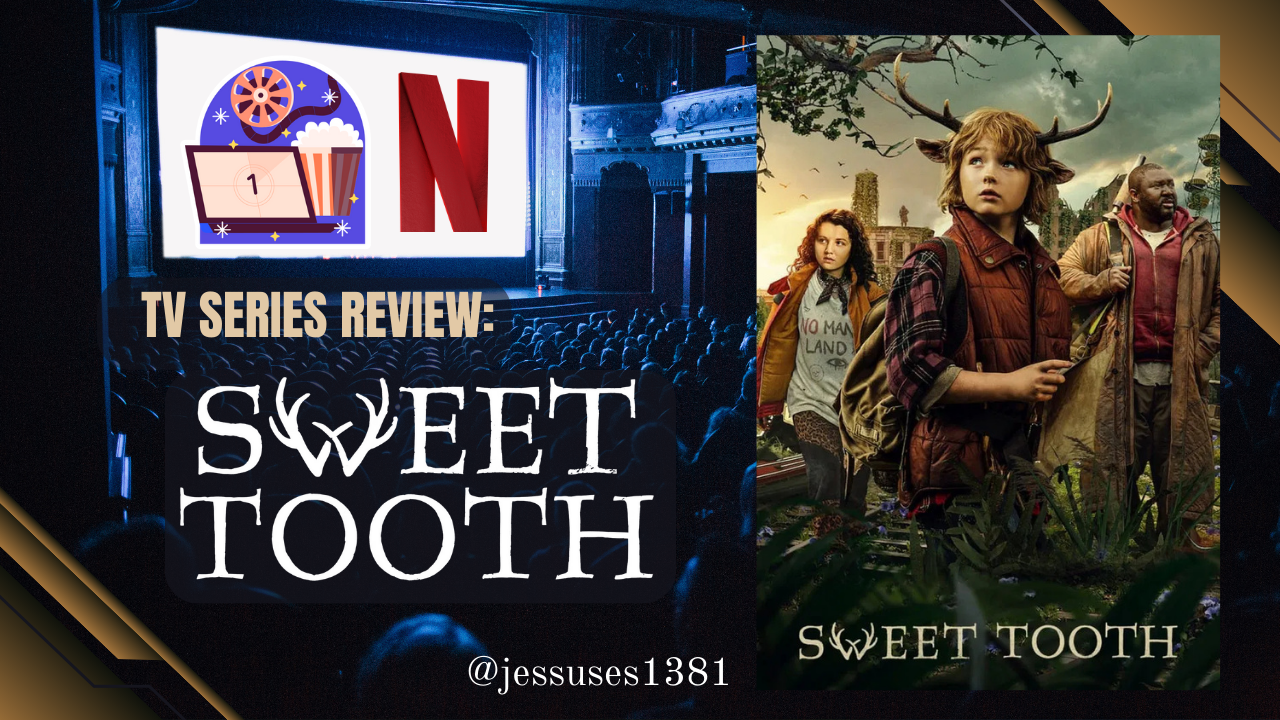








 Then we have the trial itself which was little more than Judicial comedy and a blasting use of corruption.
The judge was crazy, as was accurately deduced by Jerry Rubin and David Dellinger earlier in the movie. In the later parts he moved from crazy to insane.
The defendants didn't win, as is usual when your defending in a corrupt court. Yet the outcome of the trial isn't what the movie is trying to show us.
Then we have the trial itself which was little more than Judicial comedy and a blasting use of corruption.
The judge was crazy, as was accurately deduced by Jerry Rubin and David Dellinger earlier in the movie. In the later parts he moved from crazy to insane.
The defendants didn't win, as is usual when your defending in a corrupt court. Yet the outcome of the trial isn't what the movie is trying to show us.


 My
My 


 ydaiznfts#1000