Longform reviews of films, TV, anime, books, and audiobooks, written by the scrobble.life community and published to the Hive blockchain, so each one is owned by its author and can earn rewards from readers. 60,156 reviews and counting.
The movie Baywatch made its way to the big screen in 2017. It's an R-rated comedic reboot of the beloved 90s television phenomenon. Baywatch stars Dwayne "The Rock" Johnson as the legendary Mitch Buchannon and Zac Efron as the disgraced Olympic swimmer Matt Brody. The film brought along with it a dose of modern humor into the familiar premise.
The film opens with Mitch Buchannon, the devoted head lifeguard of Emerald Bay, performing a heroic rescue when a lady accidentally drowns in the river. It was quite an open scene to begin with. His team includes Stephanie *(Ilfenesh Hadera)*, the kind-hearted and stunning C.J. *(Kelly Rohrbach)*, and *(Jon Bass)*. Most of the movie scenes were centered around the beach.
Things somewhat get disrupted by the arrival of Matt Brody, a gifted but arrogant swimmer forced into community service with Baywatch. Mitch and Brody had a hard time getting along at first. Mitch saw Brody as reckless while Brody saw Mitch’s duties as a lifeguard to be beneath him. I was just hilarious how Mitch kept calling calling Brody ‘Highschool musical’, making a reference to the actual film simply because Zac Efron starred in it.
The movie gives a bit of a twist as it deviates from typical beach rescues into thrusting the lifeguards into a more action-oriented narrative. They uncover a criminal conspiracy involving a ruthless real estate mogul, Victoria Leeds (Priyanka Chopra), who is smuggling a new synthetic drug onto the beach and attempting to buy up property to control the bay. It just seemed to me like they were kind of trying to blend the film with a modern, "21 Jump Street" comedic action formula.
Dwayne Johnson delivers his usual charm and physical comedy, and Zac Efron commits fully to the role of the arrogant but ultimately redeemable Matt Brody. Priyanka Chopra did her best on her path as playing the villainess role in the movie. It's actually the first time I've ever seen her act along that line and it wasn't really bad.
I found it really impressive that the film became a commercial success, grossing $177.9 million worldwide against a budget of $65–69 million. The film managed to find an audience, likely drawn by the star power of Johnson and Efron, and perhaps it aroused the curiosity of people given the "Baywatch" name.
I found Baywatch as a movie that had all the ingredients for fun. It has its downsides for sure, but they were overshadowed by the good ones. I give Baywatch 7/10. If you haven't checked it out you'll be doing yourself a favor by doing so.
Images from : [IMDb](https://m.imdb.com/title/tt1469304/mediaindex/?ref_=mv?ref_=mv_sm)
This blog is a personal journal of all the movies, Tv-Shows, & Games I consume during a year which enhances my overall experience. The ratings that I give are fully based on my personal preference and enjoyment at the time of watching and I'm writing spoiler-free reviews.
About Doctor Who
I can easily say that Doctor who (modern era 2005 -> 2015) is one of my favorite series of all time before things really went on a decline.
The Premise of the story is that there is a Time Lord who is the last of his kind who calls himself the Doctor. He's somewhat of a super hero but his traits are different, his super Power is that he has 2 Hearts (extra kindness) and can regenerate i n case he dies, his transportatioin is the Tardis which is a time machine in the shape of a police box (which people call to find help) and his weapon is a Sonic Screwdriver (Which fixes things). He's this very smart empathic guy who basically lives forever and travels trought time and space always finding a human companion to travel with. Ultimately he's quite lonely as he's the last of his kind and always needs to say goodbye to the ones that get clos to him. His tardis always tends to land in places where some kind of help is needed and there are many enemies he's facing (The Daleks, The Cybermen, the Wheeping Angels, ...). Instead of fighting them, he always first tries to talk them over.
As an intelligent nerd who has a high sense of morality, this show is just super relatable and hits all the right notes. It also really feeds into the inner child in me and also to the adult which is something I tend to enjoy. The main themes of compassion, kindness, doing the right thing, friendship, exploration just really work well and there is also nothing of real violence, sex, addiction, infidelity, ... present in the show while the sci-fi setting is just really nerdy. At times it also gets a bit scary and generally it just had excellent writing with a main plotline over the season and individual standalone episodes.
Since the doctor can regenerate, it leaves a lot of room to keep the show fresh and every couple of seasons there is a new doctor and a new companion. This cycle of saying goodbye to someone and embracing a new era has worked very well until they screwed it all up going way too woke.
The downfall of Doctor Who
While Series 1 to 10 generally were just excellent across the board, for season 13 they kind of changed things as it was time for a female doctor and instead of 1 companion they had 3 which were a young black guy, and old white dude and a pakistani women while the stories often resolved around themes like "plastic waste is bad" and things like that. There also was a new showrunner and things just were not the same with the views declining. It was also the time when I actually stopped wacthing. I did eventually binge them with an eye to give the new rebrand a try after it got aquired by Disney+
The 14th Series was called Season 1 in the hope to attract new viewers and there was back a dynamic of a Male doctor and a young female companion. The old showrunner was also brought back along with some special episodes inbetween season bringing back David Tennant as the doctor who is a fan favorite. However, for the new doctor, they had to take a black guy and make him gay which still kept the woke virus into it. It's not that the new doctor and even the previous female doctor where doing a bad job, it's more that the stories were no longer good and original enough. In Season 1 (Series 14) there was just 1 episode that really did it for me and brought back some of the old Doctor Who Magic which was the episode named 73 Yards
I watched this season which had again just 8 episodes on a week-by-week timeframe but it was not so that I was looking forward to each new episode watching it the moment it was released. Instead it was so that I kind of had to tell myself that I still needed to watch it. All of this in the hope of at least having 1 great episide which made it worth it. However, this never really came and it overall was another big dissapointment.
The overall story arch of Season 2 was pretty much the same as Season 1 with 1 mysterious Character (Misses Flood) returning each episode somewhere who turned out to be one of the old Doctor who Villains (The Rani) in a reveal nobody really cared about as only the die hard fans ever watched the pre-2025 era of the show. This all lead to an anti-climax and a weak plotline.
Individual Episodes
Joy To The World was the christmas special which has a character that returns near the end of season 2 so it's a must watch. I honestly barely remembered it when the character returned.
The Robot Revolution introduced the new Companion named Belinda and was mostly visuals over story. I liked the gimmich that the enemies didn't compute the 9th word of every sentece but overall it was pretty weak I would say. I do like Belinda but overall there was very little of her in the season as she mostly was there without much of a dynamic growing between her and the doctor.
Lux kind of felt like a gimmick episode with a cartoon character coming to life and overall it was kind of mediocre even though I didn't hate it.
The Well was the episode I enjoyed the most as it gave some of those old doctor who vibes and it's also somewhat of a follow up to an old Episode. Despite all this, it also is not one that will be too memorable.
Lucky Day brought back last seasons companion and had a really lame twist at the end which set some things up for the end of the season.
The Story & The Engine I would say was a good attempt at a classic doctor who story but it also just fell short.
The Interstellar Song Contest was the episode that tapped into real time events with Eurovion on the same day. I also found this plot to be just too weak.
Wish World & The Reality War was the season final double episode. The first one had some ok aspects in it but overall the vilain reveals were more of a gimmich and there are also just way too many uninteresting characters in the entire Unit storyline. The ending 'twist' was also more of the same deperation attempts to bring back what used to be but it likely will make things worse.
Conclusion
Series 1 to 10 of Doctor who are a blast and really worth the watch especially if you like nerdy shows and have a high sense of justice and morality. Generally it's said to watch the episode named Blink (Season 3 Episode 10) as a standalone episodes to see if Doctor who is something for you. However, the new seasons now on Disney+ and starting from the 13th doctor it hasn't been worth it anymore. The only reason I still watch is in the hope to get 1 banger episode like 73 Yards from the previous season. However, this time this was not there so only a dissapointing 5.9/10 for Doctor Who Season 2 as the magic that this show used to have is totally gone.
Written by: Meyer Dolinsky
Directed by: David Alexander
Running Time: 50 minutes
The original Star Trek series, which aired from 1966 to 1969, occupies a singular position in television history. Beyond its role as the progenitor of a sprawling multimedia empire, the show was a bold experiment in using speculative fiction to confront the social and political tensions of its era. At a time when the United States grappled with civil rights struggles, the Vietnam War, and shifting gender norms, Gene Roddenberry’s creation dared to imagine a future where humanity had transcended prejudice and tribalism. Nowhere was this ambition more palpable than in Plato’s Stepchildren, an episode whose cultural legacy is both profound and paradoxical. While the installment is now best remembered for featuring what is often cited as the first interracial kiss on American network television—a moment so iconic it got its own Wikipedia entry—it remains a curiously divisive work among hardcore Star Trek fans. This duality reflects broader tensions within the episode itself: a collision between the show’s utopian ideals and the constraints of its production, between progressive messaging and regressive narrative choices, and between historical significance and artistic mediocrity.
Plato’s Stepchildren opens with the USS Enterprise responding to a distress signal from a planet inhabited by the Platonians, a race of humanoid aliens who fled their dying world millennia ago. Seeking refuge on Earth during the Classical Greek era, they adopted the teachings of Plato, particularly the concept of the “philosopher-king.” Now a reclusive society of eugenicists, the Platonians have extended their lifespans and sculpted their appearances to conform to Hellenic ideals of beauty. Upon beaming down, Captain Kirk, Spock, and Dr. McCoy discover that their host, the tyrannical Parmen (played by Liam Sullivan), is suffering from a psychokinetic breakdown. His telekinetic outbursts—triggered by a treatable infection—threaten to destabilise the fragile Platonian order. While McCoy cures Parmen’s physical ailment, the crew soon realizes the deeper problem: the Platonians’ psychokinetic powers, derived from a substance called kironide, have rendered them capricious and sadistic. When the Enterprise team attempts to leave, the Platonians enslave them, using their abilities to force Kirk, Spock, and the dwarf Alexander (Michael Dunn) into humiliating spectacles. The stakes escalate further when Uhura and Chapel are beamed down, subjected to the same grotesque manipulations. The crew’s eventual liberation hinges on McCoy’s discovery of kironide’s properties, which he uses to grant Kirk and Spock temporary psychic resistance. Their escape, aided by the outcast Alexander, culminates in a moral reckoning for the Platonians, who are denied their “toys” and left to face galactic ostracization.
The episode’s most enduring legacy—the kiss between Captain Kirk (William Shatner) and Uhura (Nichelle Nichols)—epitomizes Star Trek’s pioneering spirit. Broadcast in 1968, a mere year after the Supreme Court’s landmark Loving v. Virginia ruling struck down antimiscegenation laws, the scene was a radical act of representation. For many viewers, it was their first encounter with an interracial romance on prime-time television, a medium then dominated by the conservative sensibilities of Southern broadcasters and sponsors. Roddenberry, ever the provocateur, had already defied industry norms by casting Nichols in a position of authority—a rare feat for Black women in 1960s Hollywood. The kiss, however, was not without controversy. Production records reveal that NBC executives pressured the cast and crew to film an alternate version in which the scene was obscured by darkness or camera angles, fearing backlash from racist audiences. Shatner and Nichols famously subverted this demand by intentionally botching the alternative takes, ensuring the authentic moment aired. For contemporary audiences, the kiss’s revolutionary impact has been somewhat diluted by decades of progress in on-screen diversity. Yet its inclusion in Plato’s Stepchildren—an episode otherwise mired in narrative inconsistencies and tonal dissonance—remains a testament to Star Trek’s commitment to social critique.
If the kiss represents the episode’s high point, its execution elsewhere exposes significant weaknesses. Scripted by Meyer Dolinsky and directed by David Alexander, Plato’s Stepchildren suffers from glacial pacing and a meandering plot. The extended sequences of Kirk, Spock, and Alexander being subjected to psychokinetic torture—forced to dance, grovel, and assault one another—stretch credulity and empathy. What begins as a critique of authoritarian sadism devolves into a voyeuristic endurance test for both characters and viewers. Matters worsen when Uhura and Chapel are dragged into the Platonians’ games, compelled to kiss Kirk and Spock under psychic coercion. The latter scene, in particular, treads into ethically murky territory. Spock’s relationship with Chapel had previously been framed as a tender, if awkward, subplot; here, their first physical intimacy is achieved through what can only be described as psychic rape. The episode’s attempt to juxtapose this with Kirk’s kiss—a consensual, if historic, act—only highlights its tonal incoherence.
Despite these missteps, Plato’s Stepchildren engages with weighty philosophical questions. The Platonians’ obsession with aesthetic and intellectual purity—achieved through eugenics and telekinesis—serves as a critique of societies that elevate elitism over empathy. Kirk’s impassioned speech about the Federation’s rejection of prejudice underscores Roddenberry’s humanist ethos, even if the dialogue veers into didacticism. Alexander’s arc, meanwhile, explores themes of marginalisation and resilience. As a dwarf denied psychokinetic powers, he embodies the Platonians’ hypocrisy: a society that claims to worship reason yet oppresses those who deviate from its narrow ideals of perfection. His eventual liberation—symbolised by his departure with the Enterprise crew—hints at the Federation’s promise of inclusivity, though the episode’s resolution feels rushed.
The episode’s third-season provenance is evident in its cost-cutting measures. Filmed on recycled sets from earlier episodes, Plato’s Stepchildren exemplifies the “bottle episode” phenomenon—a necessity born of budgetary limitations. The Platonians’ Grecian garb, while thematically apt, also served a practical purpose: draped robes required minimal tailoring and could be reused across episodes. Yet the production’s frugality extended to storytelling: the protracted scenes of psychic torment feel less like narrative daring and more like padding. A notable exception lies in William Ware Theiss’s costume design. By outfitting Kirk in a skimpy toga that exposed more skin than Uhura’s or Chapel’s uniforms, Theiss subtly subverted 1960s gender norms, challenging the era’s expectations of male authority figures as austere and fully clothed.
The cast rises to the occasion despite uneven material. Shatner and Nimoy, forced to perform out-of-character antics, navigate the absurdity with a mix of earnestness and wit. Nimoy, in particular, delivers a haunting rendition of his self-written ballad , a surreal moment that juxtaposes his vocal vulnerability with Spock’s usual stoicism. Shatner’s monologues, though occasionally bombastic, convey the episode’s core themes with Roddenberry-esque optimism. Michael Dunn, however, steals the show as Alexander. His performance—imbued with quiet dignity and biting wit—elevates the character beyond a stock tragic figure. Tragically, Dunn’s early death in 1973 robbed the industry of a nuanced actor who defied the era’s reductive portrayals of disability.
The episode’s conclusion attempts to reconcile its darker themes with Star Trek’s utopian vision. Rather than punishing the Platonians with violence, Kirk denies them their “toys”—Alexander and the Enterprise crew—leaving them to grapple with their isolation. This nonviolent resolution aligns with Roddenberry’s ideals, though it feels hastily tacked onto a story steeped in cruelty. The Platonians’ impending galactic pariah status serves as a moral rebuke, yet the episode never fully reckons with the trauma inflicted on its protagonists.
Plato’s Stepchildren is a flawed but fascinating artifact of Star Trek’s cultural mission. Its historic significance—the Kirk-Uhura kiss—cements its place in television history, while its narrative misfires and ethical ambiguities reveal the challenges of blending activism with entertainment. For casual viewers, it may be an episode to watch for its iconic moment and then forget. For scholars and fans, however, it encapsulates the paradox of Star Trek itself: a show that dared to imagine a better world, even as it wrestled with the limitations of its time and medium.
Black mirror es una serie que sin duda puedo catalogar como una de mis favoritas, aunque tiene algunos (muy pocos) capítulos que no me gusten en su mayoría me parece una joya, muestra un futuro que a veces suena bastante aterrador, como la tecnología puede llevarnos al límite. Algunas de estas cosas nos parecían una locura en el momento que se estrenó la primera temporada de Black Mirror, sin embargo, mas de 10 años después podemos decir que algunas cosas que parecían simplemente entretenimiento se estan cumpliendo, la tecnología sigue avanzado y siento que cada vez estamos más cerca de un episodio de Black Mirror sobre todo, con el tema de la IA que se ha perfeccionado tanto estos últimos años.
Black Mirror is a series that I can definitely classify as one of my favorites. Although there are a few episodes that I don't like, for the most part I think it's a gem. It shows a future that sometimes sounds quite terrifying, how technology can push us to the limit. Some of these things seemed crazy to us when the first season of Black Mirror premiered, but more than 10 years later, we can say that some things that seemed like mere entertainment are coming true. Technology continues to advance, and I feel that we are getting closer and closer to an episode of Black Mirror, especially with the topic of AI, which has been perfected so much in recent years.
Pero hoy no quiero hablar de la temporada completa de Black Mirror, hoy quiero hablar de mi episodio favorito de la temporada, llamado “Common people”, definitivamente NADIE me preparo para este episodio, lo comencé a ver sin saber absolutamente nada y algunas partes era tan absurdo pero a la vez tan real que me daba risa, este capitulo tiene muchas emociones y cosas que perfectamente se aplican a la actualidad solo que llevado a un extremo un poco más dramático y exagerado.
But today I don't want to talk about the entire season of Black Mirror. today I want to talk about my favorite episode of the season, called “Common People.” Definitely, NO ONE prepared me for this episode, I started watching it without knowing anything about it, and some parts were so absurd but at the same time so real that it made me laugh, this episode has a lot of emotions and things that perfectly apply to the present day, only taken to a slightly more dramatic and exaggerated extreme.
Sinopsis
Synopsis
Como bien su titulo lo dice, comenzamos viendo una pareja común: Mike y Amanda, ambos se aman y tienen empleos que les permiten tener una vida decente, Amanda trabaja como maestra y un día simplemente se desmaya, por un momento hice algunas teorías en mi cabeza y me imagine que este capítulo se trataría de que Mike reemplazaría a su esposa con un robot parecido a ella o algo asi, sin embargo, fue diferente. Cuando Mike llega al hospital se entera de que su esposa tiene un tumor en el cerebro, y básicamente que ya va a morir, una mujer ve la situación y aprovecha para convencer a Mike de probar un experimento que podría salvarle la vida a Amanda, y aquí es donde todo se pone turbio ya que esta propuesta consiste en retirar una parte del cerebro y además hacer un respaldo en un servidor, un servidor al cual siempre estará conectada y que le permitirá seguir viviendo siempre y cuando realicen sus pagos a tiempo, además de esto Amanda no puede viajar muy lejos ya que la señal de este programa no cubre por completo todo el país, si sale del área de cobertura simplemente se apaga, como si fuese cualquier aparato.
As the title suggests, we begin by seeing an ordinary couple: Mike and Amanda, who love each other and have jobs that allow them to live a decent life. Amanda works as a teacher, and one day she simply faints, for a moment, I came up with some theories in my head and imagined that this episode would be about Mike replacing his wife with a robot that looked like her or something like that, but it was different. When Mike arrives at the hospital, he finds out that his wife has a brain tumor and is basically going to die, a woman sees the situation and takes the opportunity to convince Mike to try an experiment that could save Amanda's life. This is where things get murky, as the proposal involves removing part of her brain and backing it up on a server, a server to which she will always be connected and which will allow her to continue living as long as her payments are made on time. In addition to this, Amanda cannot travel very far, as the signal from this program does not cover the entire country. If she leaves the coverage area, it simply turns off, just like any other device.
La membresía cuesta unos $300 aproximadamente por mes, pero Mike no duda en hacerlo ya que ama demasiado a su esposa y no podría vivir sin ella. Como suele pasar en la vida real, el servicio va bien al principio pero luego todo se complica, cada vez que todo parece estar bien algo sale mal con el servicio y al reclamar, le comentan que deben subir el plan para poder disfrutar de todos los beneficios que ofrecen, cada vez el plan que tienen termina siendo el básico y sale uno mejor, pero evidentemente mas costoso, aparte de eso Amanda experimenta cambios en su sueño, duerme muchísimo tiempo pero despierta cansada y un día termina amenazada de perder su empleo porque agregaron publicidad al sistema y en momentos super random Amanda pierde la conciencia y dice publicidades de acuerdo al tema que se este conversando.
Membership costs approximately $300 per month, but Mike does not hesitate to pay it because he loves his wife so much and could not live without her. As often happens in real life, the service goes well at first, but then everything becomes complicated. Every time everything seems to be going well, something goes wrong with the service, and when he complains, they tell him that he must upgrade his plan in order to enjoy all the benefits they offer. Each time, the plan they have ends up being the basic one, and a better one comes out, but obviously more expensive. Apart from that, Amanda experiences changes in her sleep, she sleeps a lot but wakes up tired, and one day she ends up threatened with losing her job because they added advertising to the system, and at random moments, Amanda loses consciousness and says advertisements according to the topic being discussed.
El tema de la publicidad si fue algo bastante estresante para la pareja y de alguna u otra forma Mike debe pagar mas para tener una mejor suscripción y evitar estos incomodos momentos, pero para Mike se hace muy difícil pagar todo este dinero, asi que decide entrar a una plataforma donde las personas prácticamente se humillan y hacen todo lo que le piden sus espectadores por dinero y asi logra reunir lo suficiente cada mes, pero el servicio vuelve a bajar la calidad jajaja, es terriblemente desesperante y frustrante este capítulo.
The issue of advertising was quite stressful for the couple, and in one way or another, Mike has to pay more to get a better subscription and avoid these awkward moments. But for Mike, it's very difficult to pay all this money, so he decides to join a platform where people practically humiliate themselves and do whatever their viewers ask them to do for money, and that's how he manages to earn enough each month. But then the service lowers the quality again, ha ha ha. This episode is terribly frustrating and exasperating.
Mike hace estos lives con mascara para no ser reconocido pero un día le ofrecen mucho dinero por quitarse la mascara, finalmente acepta y eso termina de arruinar todo, en el trabajo lo molestan porque ya saben que el se dedica a esto y eso crea una pelea entre Mike y otro hombre, lo cual ocasiona un accidente que termina en que Mike es despedido, Amanda tambien termina siendo despedida ya que no pueden pagar el servicio completo y continua con publicidad todo el tiempo, Mike en su desesperación se mete de lleno a los Lives donde hace cosas horribles por dinero, Amanda cada vez se ve mas decaída, cada día sufre más esa disminución de la suscripción.
Mike does these live streams wearing a mask so he won't be recognized, but one day he is offered a lot of money to take off his mask. He finally accepts, and that ends up ruining everything. At work, his colleagues tease him because they now know what he does, and that leads to a fight between Mike and another man, which causes an accident that results in Mike being fired. Amanda also ends up getting fired because they can't pay for the full service and she continues to advertise all the time. In his desperation, Mike throws himself into the live streams, where he does horrible things for money. Amanda looks increasingly depressed, suffering more and more each day from the decline in membership.
Aunque es bastante irreal (por ahora) este capitulo muestra algunas cosas muy reales llevadas a otro extremo, parece que Black Mirror critica a las empresas de suscripción paga como Netflix lo cual es bastante irónico, pero tambien muestra hasta donde somos capaces de llegar por la necesidad de dinero, fácilmente puedo comparar esos Lives donde estaba Mike con los Lives que hacían en TikTok simulando ser un NPC, aunque no hacían cosas que pudieran herirlos si se siente como humillante que te paguen por reaccionar a regalos de Tiktok, muchas de estas personas pasan horas haciendo estos Lives sin importarles nada, simplemente buscaban una manera de ganar dinero y hasta cierto punto lo comprendo. Ademas tampoco tengo dudas que realmente existan Lives de este tipo en la Deep web o algo asi donde llevan todo al extremo de Black Mirror.
Although it is quite unrealistic (for now), this episode shows some very real things taken to another extreme. It seems that Black Mirror criticizes paid subscription companies like Netflix, which is quite ironic, but it also shows how far we are capable of going for money. I can easily compare those Lives where Mike was with the Lives people did on TikTok pretending to be an NPC, Although they didn't do things that could hurt them, it feels humiliating to be paid to react to gifts from TikTok. Many of these people spend hours doing these Lives without caring about anything, simply looking for a way to make money, and to a certain extent, I understand that. I also have no doubt that there are really Lives of this type on the Deep Web or something like that, where they take everything to the extreme of Black Mirror.
Y este mundo esta tan loco que estoy segura que estas cosas pasarían en la vida real si fuera posible, ya estamos contaminados de tecnología por todas partes, publicidades incluso en suscripciones pagas como por ejemplo MAX, las miles de publicidades que hay en redes sociales y YouTube, realmente Black Mirror cada vez se hace más realidad.
Este capitulo da mucho que pensar, pero tambien te remueve los sentimientos ya que puedes entender bien que se siente y ponerte en los zapatos de ellos.
And this world is so crazy that I'm sure these things would happen in real life if it were possible. We're already contaminated with technology everywhere, advertisements even in paid subscriptions such as MAX, the thousands of advertisements on social media and YouTube. Black Mirror is really becoming more and more of a reality.
This episode gives you a lot to think about, but it also stirs up your feelings because you can understand how they feel and put yourself in their shoes.
Capturas sacadas de NetflixScreenshots taken from Netflix
Today I want to recommend this anime for girls. I think it's a good one to watch in your free time or when you're bored. It's quite short, with 12 episodes.
Here we follow the story of Leticia Dorman. She was betrothed to a prince when she was only 7 years old. This meant she had to move to the palace to begin her apprenticeship to become the future queen, and this included all kinds of lessons, but they were actually quite intense. Evidently, Leticia didn't like this, and as she grew older, she began to develop other visions, such as that she was sacrificing her freedom. One day, she "believes" her engagement is off and takes advantage of that moment to run away to the countryside. She manages to do so, but in the end, she's unsuccessful.
Hoy quiero recomendarles esta opción de anime para las girls, se me hace que es para ver en tus ratos libres o cuando estés aburrida. Es bastante corto tiene 12 episodios.
Aquí seguimos la historia de Leticia Dorman, ella fue comprometida con un príncipe cuando tenía solo 7 años, esto involucraba que ella tuviera que mudarse al palacio para iniciar su aprendizaje para ser la futura reina y esto incluido lecciones de todo tipo pero que realmente eran bastante intensas. Evidentemente a Leticia no le gustaba esto y al crecer fue teniendo otra visión como por ejemplo de que estaba sacrificando su libertad. Un día ella piensa que su compromiso se ha roto y aprovecha ese momento para huir al campo aunque esto lo logra pero al final no tiene éxito.
Imagen from CrunchyRoll
It's not really one of my favorites, but I really liked the message it conveys because the protagonist is in that stage of self-discovery, and in all of this, she realizes she wants to taste freedom. The character comes across as quite strong in the face of these characteristics, a young woman willing to challenge the norms, seeking her own independence and autonomy.
This story truly has profound messages, even if it doesn't seem like it, such as consent. Leticia is a character who reminds us how important it is to respect people's individuality and personal desires. And as I said before, it's an anime aimed at a female audience, and although it has drama, it also has romance and comedy.
Realmente no es de mis favoritos pero me gustó mucho el mensaje que transmite porque la protagonista está en esa etapa del autodescubrimiento y en todo esto, se da cuenta de que quiere saborear la libertad, el personaje se presenta bastante fuerte ante estas características, una joven dispuesta a desafiar las normas, que busca su propia independencia y autonomía.
Esta historia realmente tiene mensajes profundos aunque no pareciera, como por ejemplo, el consentimiento. Leticia es un personaje que nos recuerda lo importante que es respetar la individualidad y los deseos personales de las personas. Y como dije anteriormente, es un anime enfocado al público femenino y a pesar de que tiene drama, es de romance y comedia también.
Hello, cinema fans. This time I will tell you about a disaster movie that surely nobody knows. A film from the 90s that was a hit in action movies along with other films of the same genre. And like many other movies of that time, I have had the opportunity to see it since I was a kid. Now that I've seen it again after several decades, I recognize how good it is in many ways. Directed by Mick Jackson, this film stars the great Tommy Lee Jones along with Anne Heche, Son Cheadle and Keith David. Meet one of the films that revived one of the most influential subgenres in the world of cinema.
SPANISH VERSION
Hola, fanáticos del cine. En esta oportunidad les hablaré sobre una película de catástrofes que seguramente nadie conoce. Una cinta de los años 90s que fue un éxito en el cine de acción junto con otras cintas del mismo género. Y como muchas otras películas de aquella época, he tenido la oportunidad de verla desde que era un niño. Al día de hoy que la he vuelto a ver después de varias décadas reconozco lo buena que es en varios sentidos. Dirigida por Mick Jackson, esta película está protagonizada por el gran Tommy Lee Jones junto con Anne Heche, Son Cheadle y Keith David. Conoce una de las cintas que revivió uno de los subgéneros más influyentes en el mundo del séptimo arte.
The film begins by showing us the busy city of Los Angeles, where one day an earthquake occurs that shakes the whole place for seconds. Although it was not very strong, this event will start something much bigger and catastrophic. We meet Mike Roark, who is the director of the city's Office of Emergency Management. He is on vacation, but because of the earthquake he decides to go to the office to see what is happening. Mark leaves his daughter Kelly in the care of a friend of his while he goes to work. There he meets his partner Emmet Reese who tells him that nothing serious has happened after the earthquake, but right after they call to notify about an accident in McArthur Park where 7 utility workers ended up dead from severe burns in a storm drain. This is enough for Mark to go see what is happening, whereupon he learns that a hot gas leak may have caused the accident. However, what will happen hours later he completely dismisses when a second earthquake, much stronger than the previous one, strikes.
SPANISH VERSION
Trama
La película inicia mostrándonos la concurrida ciudad de Los Ángeles, donde un día como cualquiera ocurre un terremoto que sacude por segundos todo el lugar. Si bien no fue muy fuerte, dicho acontecimiento dará inicio a algo mucho más grande y catastrófico. Conocemos a Mike Roark, quien es director de la Oficina de Gestión de Emergencias de la ciudad. Está de vacaciones, pero debido al terremoto decide ir a la oficina a ver lo que está ocurriendo. Mark deja a su hija Kelly al cuidado de una amiga suya mientras va a su trabajo. Allí se encuentra con su socio Emmet Reese quien le dice que no ha ocurrido nada grave después del terremoto, pero justo después llaman para notificar sobre un accidente en el Parque McArthur donde 7 trabajadores de servicios públicos terminaron muertos por quemaduras graves en un desagüe pluvial. Esto le basta a Mark para ir a ver lo que está ocurriendo, con lo cual se entera de que una fuga de gas caliente puede que haya causado dicho accidente. Sin embargo, lo que ocurrirá horas después lo descarta por completo al sufrir un segundo terremoto muchísimo más fuerte que el anterior.
Trailer & Review
Below, I will leave you with the trailer of the movie:
To be honest, until recently when I saw it again, I didn't remember anything about this movie. And it was to be expected, to be honest, since it is a film that was not aired much on television. It wasn't until I was looking for films similar to the one I told you about last time that I saw its name and remembered having seen it once or twice when I was a kid. On the other hand, let's talk about the disaster subgenre first. I noticed that Volcano seems to be one of the most often mentioned among the wide repertoire of installments that exist of this type. I also noticed, after a little research and several revisions, that the disaster subgenre comes primarily from the action genre and not from science fiction. While it is true that up until Armageddon there has been some fiction in the films I have brought you, it is here onwards where the line of action and fiction splits quite a bit. Names like Twister or Daylight are films that also fall into this disaster category, but have nothing to do with science fiction.
Returning to the film, it seems that today it has been forgotten. And this is understandable since it is considered a work that does not stand out much in terms of story and characters. Nor is it a mega-production film with a large cast of actors (as was the case with Armageddon, for example) to be remembered in the same way. However, seeing Tommy Lee Jones act as the hero and savior of Los Angeles, California in the face of an erupting volcano that appears out of nowhere in the city is something worthwhile, really. Or at least that's my opinion, as I feel a certain attachment for this kind of films and their cliché Hollywood plots, as always. There is also the possibility of seeing those details that, almost 30 years after this film was released, can be noticed as flaws in it. Details such as the visual effects, the performances or some of the sequences we see in the film are things that jump out at you. And I, as the critic that I am, it is normal that I have noticed such details that make this film not as good as I expected, but not so bad as to discard it completely.
SPANISH VERSION
Si les soy sincero, hasta hace poco que la volví a ver, no recordaba nada sobre esta película. Y era de esperarse, la verdad, ya que es una cinta que no se transmitía mucho por televisión. No fue sino cuando estuve buscando cintas similares a la que les hablé la vez pasada que ví su nombre y recordé haberla visto una o dos veces cuando era pequeño. Por otro lado, hablemos primero sobre el subgénero de desastres. He notado que Volcano parece ser de las que más se mencionan entre el amplio repertorio de entregas que existen de este tipo. También noté, luego de una pequeña investigación y varias revisiones, que el subgénero de desastres proviene principalmente del género de acción y no de la ciencia ficción. Si bien es cierto que hasta Armageddon ha habido cierta ficción en las películas que les he traído, es aquí en adelante donde se divide bastante la línea de la acción y la ficción. Nombres como Twister o Daylight son películas que también forman parte de esta categoría de desastres, pero no tienen nada que ver con la ciencia ficción.
Volviendo a la película, parece que al día de hoy ha quedado en el olvido. Y es entendible esto al considerarse una obra que no resalta mucho en cuanto a historia y personajes. Tampoco es una megaproducción cinematográfica con un gran elenco de actores (como fue el caso de Armageddon, por ejemplo) como para que sea recordado de igual manera. Sin embargo, ver a Tommy Lee Jones actuar como el héroe y salvador de Los Ángeles, California frente a un volcán en erupción que aparece de la nada en la ciudad es algo que vale la pena, la verdad. O al menos eso opino yo que siento cierto apego por este tipo de cintas y sus tramas tan clichés de Hollywood, como siempre. También está la posibilidad de ver esos detalles que, luego de casi 30 años de haber sido estrenada esta cinta, se pueden notar cómo desperfectos de la misma. Detalles como los efectos visuales, las actuaciones o algunas secuencias que vemos en la película son cosas que saltan a la vista. Y yo, como todo un crítico que soy, es normal que haya notado dichos detalles que hacen de esta película algo no tan buena como esperaba, pero tampoco tan mala como para descartarla por completo.
As for the story they are trying to tell us in this film we see Mike Roark fulfilling his job as director of the O.E.M. in the city of Los Angeles, California. During the day of the first quake, only one incident has been found with 7 dead workers in a sewer. This was attributed to a hot gas leak at the site. But it was not until the same night that a second, much stronger quake caused a general blackout throughout the city, as well as several disasters. Before that, we see how two geologists investigate the possible source of the problem in the same drainage of the incident. One of them, Amy Burnes, who earlier told Mike that what happened in McArthur Park was a possible leakage of magma from the earth that was trying to float away after the earthquake, but was ignored due to lack of evidence. However, while searching for this evidence in said drainage, the quake causes Amy's companion Rachel to fall through a huge crack and be sucked out by the magma gas trying to get out. Some time later, we see part of the city begin to fill with fire as we see an eruption emerge from the tar pits.
What I just read is only the first 10 or 20 minutes of the movie. Yes, it is one of those works that features a story made up of an endless sequence of chain events. I like it, since it is the main way they have to entertain the viewer when watching everything that happens in the city after the earthquakes. The way they condense a considerable amount of catastrophes in just one U.S. city is interesting, although it's something we've been seeing all the time for decades now in Hollywood. But I think the fact that it's from the 90s gives it a different view and impression of the world at that time. I like how the film starts off, with a series of different views of the city in quiet, colorful, and nothing out of the ordinary. It's like the perfect introduction for what follows, thus ending the movie with pure chaos and destruction. Another thing I noticed is that the lead is played by someone who is an expert in solving emergency cases. And it even sounds timely since everything that happens makes Mike Roark stand out with what he knows how to do so he ends up looking like the hero of the movie that he is.
SPANISH VERSION
En cuanto a la historia que nos intentan contar en esta película vemos a Mike Roark cumplir con su labor como director de la O.E.M. en la ciudad de Los Ángeles, California. Durante el día del primer temblor, solo se ha encontrado un incidente con 7 trabajadores muertos en un desagüe. A esto le atribuyen una fuga de gas caliente que hay en dicho sitio. Pero no fue sino en la misma noche que un segundo temblor muchísimo más fuerte causó un apagón general en toda la ciudad, además de varios desastres. Antes de eso, vemos cómo dos geólogas investigan la posible fuente del problema en el mismo desagüe del incidente. Una de ellas, Amy Burnes, quien hace rato le dijo a Mike que lo que sucedió en el Parque McArthur fue una posible fuga del magma de la tierra que intentaba salir a flote luego del terremoto, pero fue ignorada por falta de pruebas. Sin embargo, mientras buscan estas pruebas en dicho drenaje, el sismo causa que la compañera de Amy, Rachel, caiga por una enorme grieta y sea succionada por el gas del magma que intenta salir. Tiempo después, vemos cómo parte de la ciudad empieza a llenarse de fuego al ver que una erupción emerge de los pozos de alquitrán.
Lo que acabo de leer son solo los primeros 10 o 20 minutos de la película. Si, es de esas obras que cuentan con una historia hecha con una secuencia interminable de sucesos en cadena. Me gusta, ya que es la principal forma que tienen de entretener al espectador al ver todo lo que sucede en la ciudad luego de los terremotos. La forma en la que condensan una cantidad considerable de catástrofes en solo una ciudad de Estados Unidos es interesante, aunque ya es algo que hemos venido viendo todo el tiempo desde hace décadas atrás en Hollywood. Pero creo que el hecho de que sea de los años 90s le da una visión e impresión diferente del mundo en aquella época. Me gusta cómo empieza la película, con una serie de vistas diferentes de la ciudad en tranquilidad, colorida y sin nada fuera de lo normal. Es como la introducción perfecta para lo que sigue, terminando así la película con puro caos y destrucción. Otra cosa en la que me fijé es que el protagonismo se lo lleva alguien que es experto en resolver casos de emergencia. Y es que suena hasta oportuno ya que todo lo que sucede hace que Mike Roark se destaque con lo que sabe hacer para así terminar viéndose como el héroe de la película que es.
Normally in these types of stories we see what is a total collapse of society in the face of an impending disaster. Cities devastated, houses in flames, businesses being looted, etc. It is as if it were a tradition in the world of cinema to show us the darkest and most chaotic side of the human being in any of its films. This kind of clichés can overshadow good works that try to stand out with interesting stories. In this case I don't remember having seen before another movie related to a volcano in a very popular city in the United States. That's why seeing how it all started, how the volcano manages to emerge and the whole process that happens throughout the film is interesting, especially if you're a fan of geology, of course. As for this I don't have much to say since I know almost nothing about the subject, but apparently they manage to adapt everything that would possibly happen in a similar case in real life. What caught my attention among all this is the way in which they showed the eruption and the consequences that later occur due to this in the city.
In the case of the characters, I feel that Tommy Lee Jones manages to fulfill his leading role as Mike Roark very well. Being the director of the O.E.M., we can see from the beginning his traits of leader and expert in solving different cases of public emergencies. Moreover, we can notice that he is used to be a person who prefers to be in the place of action rather than at his own desk, just commanding. He can even be considered as someone meddlesome with his attitude and how others normally react and treat him. Something that can never be missing is the typical theme of his family problems, being divorced apparently and taking care of his 13 year old daughter Kelly who proves to be a bit of a rebel. On the other hand we have Amy Burnes, who is a geologist and proves to be someone with knowledge and experience with the subject of volcanoes. Being ignored by Mike at first she decides to find evidence by doing her job while risking her life and that of her partner. After this she can only be seen collaborating with Mike to try to save the residents of the city by trying to find a way to divert the lava that has emerged from the ground.
SPANISH VERSION
Normalmente en este tipo de historias vemos lo que es un colapso total de la sociedad ante un desastre inminente. Ciudades devastadas, casas en llamas, negocios siendo saqueados, etc. Es como si fuera una tradición en el mundo del cine el mostrarnos el lado más oscuro y caótico del ser humano en cualquiera de sus películas. Este tipo de clichés pueden llegar a opacar buenas obras que intentan resaltar con historias interesantes. En este caso no recuerdo haber visto antes otra película relacionada a un volcán en una ciudad muy popular de los Estados Unidos. Es por eso que ver cómo inició todo, cómo logra emerger dicho volcán y todo el proceso que pasa durante toda la película es interesante, sobre todo si eres fan de la geología, claro. En cuanto a esto no tengo mucho que decir ya que no sé casi nada sobre el tema, pero por lo visto logran adaptar todo lo que posiblemente ocurriría en un caso similar en la vida real. Lo que sí me llamó la atención entre todo esto es la forma en la que mostraron dicha erupción y las consecuencias que después ocurren debido a esto en la ciudad.
En el caso de los personajes, considero que Tommy Lee Jones consigue cumplir muy bien con su papel de protagonista como Mike Roark. Siendo director de la O.E.M., se puede ver desde el principio sus rasgos de líder y experto en resolver diferentes casos de emergencias públicas. Además podemos notar que acostumbra a ser una persona que prefiere estar en el lugar de la acción que en su propio escritorio mandando, nomás. Incluso se le puede considerar como alguien entrometido con su actitud y con cómo los demás reaccionan y lo tratan normalmente. Algo que no puede faltar nunca es el típico tema de sus problemas familiares, siendo este divorciado al parecer y teniendo al cuidado a su hija Kelly de 13 años que demuestra ser alguien un tanto rebelde. Por otro lado tenemos a Amy Burnes, quien es geóloga y demuestra ser alguien con conocimientos y experiencia con el tema de los volcanes. Al ser ignorada por Mike al principio ella decide encontrar pruebas haciendo su trabajo mientras arriesga su vida y la de su compañera. Luego de esto solo se le puede ver a ella colaborar con Mike para intentar salvar a los residentes de la ciudad intentando una forma de desviar la lava que ha emergido del suelo.
Otherwise, there is not much that can be said about the supporting characters we see in this movie. Of course, every member of this cast does a very good job, it just doesn't stand out with everything that happens in the movie. It's as if the script gave more priority to diverting lava and saving lives than to developing the characters. Still, for a disaster movie you shouldn't expect much. What I didn't like is the amount of clichés this film has throughout its more than an hour and a half running time. Yes, I'm talking about those details that you see and it's hard not to overlook them. At the beginning they are small things like characters in certain places they shouldn't be or things they don't do that they should do and so on. But at the end, and right at the end, there is one scene that I just didn't like at all. Honestly, if it wasn't for the Spoiler issue I could detail you the scene, but I'd better not. I'll just tell you that it's one of those scenes where people risk their lives simply to make the protagonist shine.
Last but not least, let's talk about the technical and visual aspect of this movie. Without any known reference behind its production, I admit that this disaster film is very well made for its time. Of course, I say this mostly because of the good use of practical visual effects, makeup and computer effects (something that in the 90s was just being born). Explosions, fires or the rain of fire rocks in the city are just some of the many details that can be extracted from this film. But what caught my attention the most is the lava used throughout this work, which seems to be made by computer. I emphasize this because of how well done it looks, really. On the other hand, there are visual details that don't look so convincing, but I think it's more because of the way the scenes are constructed. As for example, the case of the final scene that I mentioned above. As for the sound effects and soundtrack they are well done as well, although they don't stand out as much as expected. All in all, this movie is perfect for any fan of the disaster subgenre and the classics of the movie world.
Personally, I give it a 7/10 rating as far as the disaster/sci-fi genre is concerned.
SPANISH VERSION
De resto, no hay mucho que se pueda decir con respeto a los personajes secundarios que vemos en esta película. Ojo, aclaro que cada miembro de este elenco hace un muy buen trabajo, solo que no resalta mucho con todo lo que ocurre en la película. Es como si el guión le diera más prioridad al tema de desviar la lava y salvar vidas que en desarrollar a sus personajes siquiera. Igual, para una película de desastres tampoco hay que esperar gran cosa. Lo que sí no me gustó es la cantidad de clichés que tiene esta cinta a lo largo de sus más de hora y media de duración. Si, hablo de esos detalles que uno ve y que es difícil no pasarlos por alto. Al principio son cosas pequeñas como personajes en ciertos lugares en los que no debería de estar o cosas que no hacen que deberían de hacer y así. Pero al final, y justo al final, hay una escena que simplemente no me gustó para nada. Sinceramente, si no fuera por el tema del Spoiler les podría detallar la escena, pero mejor no. Solo les diré que es de esas escenas en las que la gente arriesga su vida simplemente para hacer que el protagonista se luzca.
Por último, pero no menos importante, hablemos del apartado técnico y visual de esta película. Sin ninguna referencia conocida detrás de su producción, admito que esta cinta de catástrofes está muy bien hecha para su época. Claro está, esto lo digo más que nada por el buen uso que le dan a los efectos visuales prácticos, el maquillaje y los efectos hechos a computadora (cosa que en los 90s apenas estaba naciendo). Tanto las explosiones, los incendios o la lluvia de rocas de fuego en la ciudad son solo algunos de los muchos detalles que se pueden extraer de esta película. Pero lo que más me llamó la atención es la lava usada a lo largo de esta obra, la cual parece estar hecha por computadora. Esto lo recalco debido a lo bien hecha que se ve, la verdad. Por otro lado, hay detalles visuales que no se ven tan convincentes, pero creo que es más por la forma en la que están construidas dichas escenas. Como por ejemplo, el caso de la escena final que ya les mencioné arriba. En cuanto a los efectos de sonido y la banda sonora están bien hechos también, aunque no resaltan tanto como se esperaba. En resumen, esta película es perfecta para todo fan del subgénero de catástrofes y de los clásicos del mundo del cine.
Personalmente, le doy una calificación de 7/10 en lo que respecta al género de catástrofes y ciencia ficción.
Tell me, have you seen the movie yet, what did you think of it? You can leave me your answer in a comment.
Dime, ¿ya has visto la película? ¿Qué te ha parecido? Puedes dejarme tu respuesta en un comentario.
We don't really hear much out of Ben Affleck these days and I wonder why that is. Perhaps it is because he is comfortable enough that he doesn't really have to work and maybe someone should tell his buddy Matt Damon that this is something that is allowed.
I had forgotten about the first film when the news about the 2nd installment dropped, but I did remember enjoying the first one even though I didn't remember why.
In the 2nd installment we get kind of a similar vibe but they dig in more to enhance the story. I think most people will enjoy it as it is easy watching with a mostly easy to follow story.
If you haven't seen the first one you don't need to have seen it to enjoy this one. I suppose a little bit of information would be left out as to WHY Christian Wolf (Affleck) is as connected as he is, but that is summarized pretty quickly as he fast-talks his way through any situation he is in pretty early on in the movie.
Basically, he is a guy that can fix anything, like so many other action stars are but unlike say Jason Statham in any movie he is in, this particular fixer isn't a unwilling participant who just happens to be a bad-ass.
Christian's abilities stem from the fact that he is on the spectrum, I believe it is autism, and this isn't focused on in the level of detail that it was in the first installment, but by a sort of montage at the beginning of the film and how he managed to reverse engineer a dating app to get all of the women is a humorous method of showing how once he focuses on something it is going to be figured out, it is just the human interaction side of things that are difficult for Christian.
I don't want to spoil too much of the story so I'll just say that Christian ends up getting contacted by a straight-laced government employee using rather cryptic information on how to find him. This leads to him getting in contact with her because someone tipped her off about how she needs to "find the accountant" in order to solve something... which at the moment anyway she is not even sure what it is that she is meant to be solving. Due to Christian's unique abilities to do almost anything as long as it doesn't require getting along with other people, he is able to figure out things that normal people, including federal investigators, are simply unable to see.
This is where you kind of need to pay attention because Ben's character talks fast and figures things out faster. If you are in the bathroom or are scrolling on your phone during one of these segments you are going to be very lost once you start paying attention again. This is an action film, but it is more of an intelligent action film than your usual Rock/Statham/Fast and Furious film is.
One thing that kind of surprised me about this was the fact that I really enjoyed Jon Bernthal's portrayal of "Braxton," who is Christian's brother. Braxton is also on the spectrum to some degree but is significantly better at talking to people than his brother, both of the kind of struggle in normal human interaction situations but Berenthal provides some wonderful comedy moments because he doesn't really seem to have a filter but is more aware of his affliction and how he is not normal and how this can be off-putting to "normies."
They team up and let's just say that they work well together in a lot of ways both in a fictional sense and also the fact that the two actors actually have really good on-screen chemistry. This was surprising to me because I have basically hated Bernthal after The Punisher TV series.
If you have a sense of humor like my own you are probably going to hear a couple of the lines that Braxton says in the film and want to use it on your friends later. That is always fun to me when this happens and again, it is just so surprising to me that this is coming from Bernthal. I'm gonna have to give that guy another chance... Maybe The Punisher being so terrible wasn't his fault after all.
Should I watch it?
I expected this film to be reasonably entertaining and it was so much more than that to me. Action films are a dime a dozen and I didn't expect a great deal from this. I stayed interested the entire film and honestly, this is one of the better action films that I have seen so far this year.
It isn't often that I can see an action film and never look at my phone and never get bored. I even PAUSED it while I went to the bathroom and this is very rare for me when watching action movies.
So yes, I think that this one is something that almost anyone will enjoy and I highly recommend it. It's kind of strange to me that despite almost universal praise that after marketing this film lost money. I guess people just don't really go to theaters anymore. They'l break even on streaming I would imagine.
The only legal way to watch this at the moment is to see it in theaters or with an Amazon Prime membership
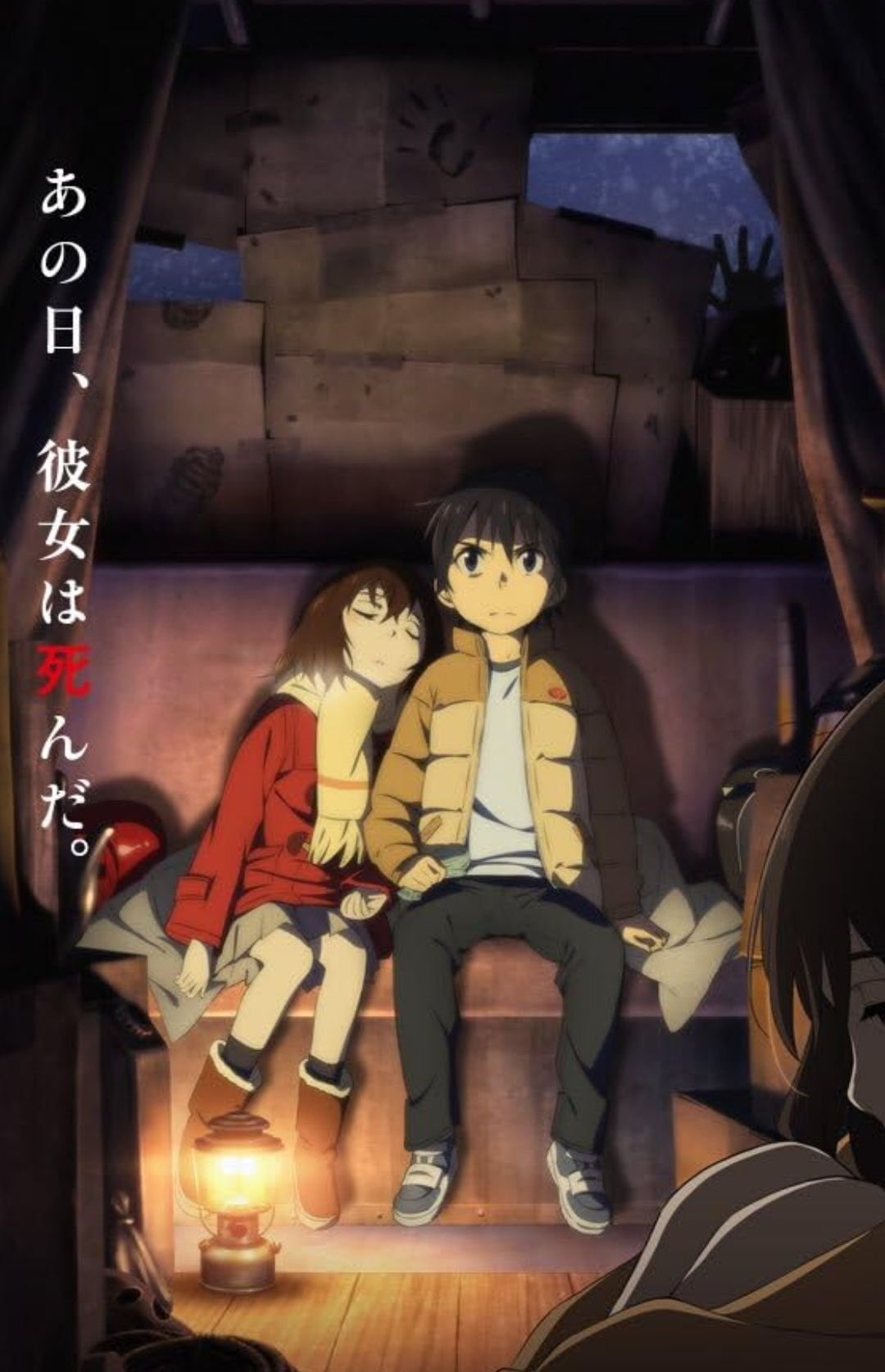
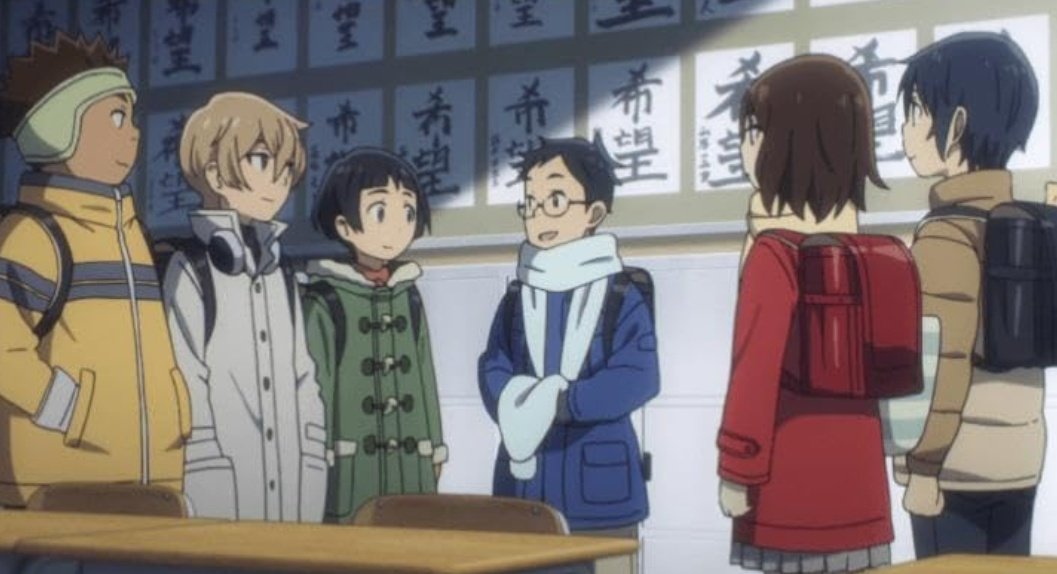
Today I'm going to introduce you to an amazing anime called Erased. I watched this years ago. The genres are mystery, serial killer, and time traveling. I am sure anyone would love to watch this anime as the storyline is flawless with its exceptions. This anime has always been in my top 10 list of animes, and it's incredible. After a long time, I re-watched it, and everything felt new because I almost forgot a few details, but still, it's the best. I will never get bored of rewatching it.
If you see the trailer, you can already see how realistic they have made the dialogues, and the story is very mature. You can watch this anime with non-anime fans, and they will end up watching anime too. I like the English trailers; there's nothing wrong with them, but the Japanese voice acting is something else—you can feel goosebumps with the Japanese dub. Still, I appreciate the English dubbing; it's really good. I would say watch the trailer once; you will definitely like it.
The story begins with a guy, Satoru Fujinuma, who is a struggling manga author. He has the supernatural ability to stop time and prevent accidents from happening. One day, his mother was involved in an incident, and to prevent it, he wanted to go back in time. He also discovers that in his present time, his mother got into that incident because of what happened in the past. This is about a serial killer who targets only kids. Satoru goes back to the past when he was a kid; even though his body was that of a child, his mind remained that of an adult, as it was in the present. He thought like a grown man and tried his best to change his past.
Okay, I won't spoil it; I want you to watch the series for real. It's not that long; each episode is worth it, and there are only 12 episodes, which is very short. I can guarantee that even someone who doesn't like anime will surely love it. I was introduced to this anime by a friend of mine, and I am so glad I added it to my list. It has suspense, will make you confused, and you can never guess what happened or who the killer is. There are many consequences, and each one of them is logical, which made me get hooked on this anime.
I like that our protagonist is not dumb and is smart; he always has his way out, and everything is logical—nothing extra. The story is simple, nothing complicated; everything is so perfect that I can rewatch it as many times as I want. There's not too much drama, and there's no romance; it's all about finding the killer, and the ending will surprise you. The ending was actually mind-blowing; it's as if the author is playing a mind game with us, and it's full of surprises.
If you like watching crime mystery types of anime, then this should be on your list. Let me know in the comment section if you have watched this anime or not, and your opinion about it.
What's up, community! I just finished the second season of Andor. I took my time to enjoy each episode and I'm finally ready to share with you some of my opinions on why this is the best Star Wars series I've ever seen, and it's definitely in my top 3 of all-time best series. All the recent Star Wars content has caused a stir and debate, mainly because it's been pretty bad, but forget all that, because Andor is more than just a Star Wars series; it's literally a political thriller, with no Jedi or lightsabers. It's truly among the best I've ever seen.
Andor temporada 2 - Una gran historia que resuena en nuestra realidad
Que tal comunidad! Acabo de terminar la segunda temporada de Andor, me tome el tiempo de disfrutar cada capítulo y finalmente estoy listo para compartir con ustedes algunas de mis opiniones de porque esta es la mejor serie que he visto de Star Wars y esta definitivamente en mi top 3 de mejores series de todos los tiempos. Todo el contenido reciente de Star Wars ha causado revuelo y debate, principalmente porque ha sido muy malo, pero olvidate de todo eso, porque Andor es mas que una serie de Star Wars, literalmente es un thriller político, sin nada de Jedis ni sables de luz, es de lo mejor que he visto.
I can't remember the last time I praised a series so much. It has so many positive things to highlight. I could start by saying it breaks away from the traditional good versus evil, heroes and villains dynamic that Star Wars accustomed us to. Some describe this series as "gray" because it explores the complexities of a rebellion that isn't necessarily the "good guys." It's about people who even sacrifice the lives of many for a greater good to avoid being discovered, like a mother who sacrifices her daughter to get funding for the rebellion. Here, there are no "good guys"; there are oppressed people willing to do anything to be free, for the sake of the cause.
No recuerdo la última vez que elogie tanto una serie, tiene muchas cosas positivas que resaltar, podría empezar porque se separa de la tradicional lucha del bien contra el mal, buenos y malos a lo que nos tenía acostumbrados Star Wars. Algunos describen esta serie como gris porque explora las complejidades de una rebelión, que no necesariamente es el bando de los buenos, es la de personas que incluso sacrifican la vida de muchos por un bien mayor para que no sean descubiertos, la de una madre que sacrifica a su hija para obtener financiamiento para la rebelión, aquí no hay buenos, aquí hay oprimidos que están dispuestos hacer lo que sea por ser libres, por el bien de la causa.
The series has a wonderful and innovative structure, at least for me; it's the first time I've encountered this format. It's told in blocks of three episodes, during which a year passes in the series' story. Why did they do it this way? Now that I've finished it, I think I understand that this format better expresses the time it takes to build a rebellion. It's not something that happens immediately; it's something that gestates in clandestinity, with many isolated events building into a larger force. I found it a very smart move to give the viewer the perspective of the time, patience, caution, and sacrifice that achieved the rebellion.
La serie tiene una estructura maravillosa e innovadora para mi, por lo menos es la primera vez que me encuentro con este formato. Esta contada en bloques de tres capítulos, durante los cuales transcurre un año en la historia de la serie ¿porque lo hicieron de esta manera? Ahora que la termine creo entender que este formato expresa mucho mejor el tiempo que toma construir una rebelión, no es algo que transcurre de inmediato, es algo que se va gestando desde la clandestinidad, con muchos hechos aislados para construir una fuerza mayor. Me pareció una apuesta muy acertada para darle al espectador la perspectiva de la suma de tiempo, paciencia, precaución y sacrificio que lograron la rebelión.
Telling the series this way fits very well with the central theme of the story: hope. The rebellion is fragile at the beginning of the story; it relies heavily on hope. The characters' actions now are the sowing of fruits that others will reap tomorrow. This is very well expressed in Luthen's monologue in Season 1 Episode 10: "I am condemned to use the tools of my enemy to defeat them. I burn my decency for someone else's future. I burn my life to make a sunrise that I know I will never see. And the ego that started this fight will never have a mirror or an audience or the light of gratitude."
Contar la serie de esta forma encaja muy bien con el tema central de la historia, la esperanza. La rebelión es frágil al principio de la historia, depende mucho de la esperanza, las acciones de los personajes ahora son la siembra de los frutos que otros recogerán en el mañana. Esto esta muy bien expresado en el monólogo del personaje Luthen en la temporada 1 episodio 10: Estoy condenado a utilizar las herramientas de mi enemigo para derrotarlo. Quemo mi decencia por el futuro de otra persona. Quemo mi vida para hacer un amanecer que sé que nunca veré. Y el ego que inició esta lucha nunca tendrá un espejo ni una audiencia ni la luz de la gratitud.
Scenes like this remind me how wonderful the cast of the series is—each actor incredibly well-chosen. My favorite characters are undoubtedly Stellan Skarsgård with his portrayal of Luthen Rael; how well-written his character is, his constant declarations where he sets aside his personal interests for the sake of others, knowing he will never receive any gratitude for his efforts, are very well represented by the actor. Diego Luna's casting as Cassian is undoubtedly very good; seeing a Mexican actor succeed and do it so well fills me with pride. And of course, Denise Gough's portrayal of Dedra Meero, with her hunger for power and glory as a perfect hunter eager to find the rebels, is marvelous.
Escenas como esta me recuerda lo maravilloso que es el elenco de la serie, increíblemente acertado cada uno de los actores. Mis personajes favoritos sin duda son Stellan Skarsgård con su representación de Luthen Rael, que bien escrito que esta su personaje, sus constantes declaraciones donde hace a un lado sus intereses personales por el de otros sabiendo que nunca recibira alguna declaracion de gratitud por sus esfuerzos, están muy bien representadas por el actor. El cast de Diego Luna como Cassian es sin duda muy bueno, ver a un actor mexicano triunfar y de paso hacerlo tan bien me llena de orgullo, y bueno ni hablar de Denise Gough interpretando a Dedra Meero con sus ansias de poder y gloria como una perfecta cazadora ansiosa de encontrar los rebeldes es maravillosa.
Last but not least, I loved how the Empire was represented in the series. We already know they are evil, but this time they were depicted normalizing the actions they undertake to expand their power. We see high-ranking officials in meetings in facilities far from the action, devising plans and strategies so that what they do seems justified. The occupation of the planet Ghorman is simply a gem—how they changed a peaceful and prosperous village, with internal rebellions, manipulating the news narrative, to then justify its destruction and occupation. It has a parallelism with the reality I experience in my country, which left me astonished and made me appreciate the story even more.
Por último, pero no menos importante, me encanto como fue representado el Imperio en la serie. Ya sabemos que es malo, pero esta vez fue representado normalizando las acciones que lleva adelante para expandir su poder. Vemos altos funcionarios en reuniones en instalaciones alejadas de la acción, trazando planes y estratagemas, para que lo que hacen, se vea justificado. La ocupación del planeta Gorman es sencillamente una joya, como cambiaron un pueblo pacifico y prospero, con rebeliones internas, manejando la narrativa de las noticias, para luego justificar su destrucción y ocupación, tiene un paralelismo con la realidad que vivo en mi pais, que me dejo atonito y me hizo apreciar más la historia.
In summary, Andor is a series with complex themes that explore politics and moral complexity in a profound and resonant way with our reality. Forget the lightsabers and the Jedi; you won't find that here. It's a story about how a rebellion is forged, having to overcome various adversities, where the greatest challenge is to keep hope alive.
En resumen, Andor es una serie con temas complejos que exploran la política y la complejidad moral de una manera profunda y resonante con nuestra realidad. Olvídate de los sables de luz y los Jedis, aca no vas a encontrar eso, es una historia sobre cómo se forja una rebelión, teniendo que superar varias adversidades, donde el más grande desafío es mantener viva la esperanza.
Resting in peace seems like too much to ask for a soul that has already traveled to paradise. The weight and burdens are merely luggage that cannot be carried beyond death. The tragedy lies in making a decision while believing the person you loved would make the same one.
Descansar en paz parece un deseo demasiado grande para un alma que ha viajado al paraíso. El peso y las cargas son solo un equipaje que no se puede cargar después de la muerte. La tragedia es tomar una decisión pensando que la otra persona que amabas tomaría la misma.
Heavenly Ever After is a 12-episode K-drama available on Netflix. The plot unravels a series of situations drawn from real life. Each episode invites viewers to reflect on their actions and what awaits them after death.
Death is not the end—it's the beginning of everything. That phrase may be misunderstood by any wandering soul, yet it's part of the reality every human being must eventually face. We are born to live and then to die. Every beginning has an end. Every end marks a new beginning.
This K-drama is deeply emotional because the protagonist, while alive, endured countless humiliations just to put food on the table. She stayed strong, even humiliating herself for the sake of her husband, who became paralyzed after a car accident. She became a moneylender, a woman capable of acting in the most relentless ways to recover what was owed to her—though always with respect and a silent message.
I’m someone who believes that if you borrow money, you must repay it. If a family member dies, you are still responsible for the debt, even if it was borrowed to save that person’s life. Other people’s money is not yours—it has a story behind it. Hard work, effort, perseverance, and dedication. Not paying is disrespectful, making excuses is abuse, and attacking someone who lent you money during a time of need makes you small-minded and a disgrace of a person.
Heavenly Ever After es un k-drama de 12 episodios disponible en Netflix. La trama descompone un conjunto de situaciones presentes en la vida. Cada episodio te hace reflexionar sobre tus acciones y qué te espera después de morir.
La muerte no es el fin, es el comienzo de todo. Esa frase para cualquier alma errante puede ser incomprendida, pero es parte de la realidad que cada ser humano debe enfrentar en algún momento. Nacemos para vivir y luego morir. Todo principio tiene un fin. Todo fin tiene un principio.
Este K-drama es muy emotivo debido a que la protagonista, mientras vivía, debió someterse a miles de humillaciones para poder llevar un plato de comida a la mesa. Mantuvo su fuerza, se humilló a sí misma por su esposo que había quedado parapléjico luego de un accidente automovilístico. Ella se convirtió en prestamista, una mujer capaz de actuar de la manera más inescrupulosa para que le devolvieran su dinero. Claro, siempre respetando y enviando un mensaje silencioso.
Soy de las personas que piensan que, si quitas dinero prestado, debes pagarlo. Si un familiar muere, tú debes pagar lo que quitaste prestado, aun si fue para salvar a esa persona. El dinero ajeno es dinero ajeno. Hay una historia detrás de ella. Esfuerzo, trabajo, constancia y dedicación. No pagar es irrespetuoso, poner excusas es abuso e increpar al que te presta dinero en una situación de dificultad te hace pobre de mente y un asco de persona.
Everything I mentioned earlier is shown in the very first episode of the series. Lee Hae-sook, for the sake of her husband and herself, chose to become a moneylender—but people always saw her as an old witch. A wicked monster, as if lending money were an evil act.
Old Lee Hae-sook is tired and aged. After a long journey, her husband dies, and she awaits the same fate. She leaves the real world with a smile; no one attends her funeral. There are no burdens, no fear, no guilt—nothing to carry into the next life.
Lee Hae-sook believes she will go to hell, but for some unknown reason, she ends up in heaven. Once there, she sees how souls cling to something, while she holds on to nothing. It's as if peace has finally embraced her. In paradise, she is asked what age she wishes to appear as. The question is part of a binding rule: she will never be able to change her appearance again in the afterlife.
I found it quite strange that Lee Hae-sook chose to remain 80 years old, despite being allowed to look 20 or 30 in paradise. This decision was based on something her husband once said. Love—sometimes, just sometimes—can deafen our inner voice and paralyze rational thought.
Todo lo que he mencionado anteriormente se muestra en el primer episodio de la serie. Lee Hae-sook, por el bien de su marido y de ella, decidió ser prestamista, pero la gente siempre la vio como una vieja bruja. Un monstruo malvado, como si prestar dinero fuese un mal.
La vieja Lee Hae-sook está cansada y ha envejecido. En su largo viaje, la muerte de su esposo llega y ella espera el mismo final. Se marcha del mundo real con una sonrisa; nadie acude a su velorio. No hay cargas, miedo, culpas y nada que llevar al otro mundo.
Lee Hae-sook piensa que irá al infierno, pero por alguna razón termina en el cielo. Una vez allí, ve cómo las almas se aferran a algo mientras que ella no se aferra a nada. Es como si la paz hubiese llegado a ella. En el paraíso le preguntan de qué edad desea verse en el cielo. La pregunta se entabla en un conjunto de normativa irrevocable: nunca podrá volver a cambiar su físico en el cielo.
Me pareció muy extraño que Lee Hae-sook decidiera mantener su edad de 80 años a pesar de poder decidir tener 20 o 30 años de edad en el paraíso. Esta decisión se debió a las palabras de su esposo. El amor a veces, solo a veces, puede ensordecer nuestra voz interior y paralizar la racionalidad.
In heaven, Lee Hae-sook and Ko Nak-joon live together and must endure constant criticism and ridicule. Apparently, even after death, there are still burdens they must face and a past they cannot escape. Ko Nak-joon, who was Lee Hae-sook’s husband, chose to appear as a young man and walk again. He left his pain behind. His wife, on the other hand, chose to remain at the point where their story had ended.
The message of the K-drama is paradoxical, as it raises questions about the value and intentions of each character. Both protagonists may appear selfish—one for choosing to be young, the other for choosing to remain 80 years old. Lee Hae-sook chose to stay 80, perhaps because she wanted her husband to remain dependent on her. Ko Nak-joon, meanwhile, chose to be young again, despite having once told his wife that she was more beautiful at 80.
You could say there was selfishness on both sides—but that’s part of what makes us human. Our emotions are driven by the desires we want to preserve for as long as possible. Even when we’ve lost them, we yearn to reclaim what we once cherished. That’s the reflection this K-drama leaves us with.
En el cielo, Lee Hae-sook y Ko Nak-joon vivirán juntos y deben someterse a la constante crítica y burlas. Después de la muerte, al parecer aun existen cargas que ellos deben afrontar y un pasado que no pueden evitar. Ko Nak-joon, quien era el esposo de Lee Hae-sook, decidió tener la edad de una persona joven y poder caminar. Él dejó su dolor en el pasado; su esposa, en cambio, pensó en mantenerse en el mismo punto en el que su historia había culminado.
El mensaje del k-drama es paradójico porque pone en discusión el valor de cada uno de los personajes. Puede verse egoísta a ambos protagonistas, uno por elegir ser joven y la otra por elegir tener 80 años. Lee Hae-sook eligió tener 80 años, pero al parecer quería que su esposo siguiera siendo dependiente de ella. En el caso de Ko Nak-joon, eligió volver a ser joven después de haberle dicho a su esposa que se veía más bella con 80 años.
Se puede decir que hubo egoísmo, pero esa es la razón por la que somos humanos. Nuestras emociones siempre están inspiradas en deseos que queremos mantener por mucho tiempo. Incluso, cuando los hemos perdido, deseamos recuperar eso que anhelamos. Es la reflexión que deja este k-drama.
Images: Hancinema 1 - 2 - 3. Designs Canva. Content by @neruel. English translation and grammar correction: Chatgpt - DeepL - Languagetool. Disclaimer: This is a personal opinion and does not reflect the facts or official views of the film.
There are characters that stand out to the eye, while others simply go unnoticed even if they are the main ones. In this case I want to mention Integra Hellsing and Alucard, who are in the first group of those I just mentioned.
I find it spectacular how Hellsing's mangaka Kota Hirano created them, each one very different from the other in nature, but equal in character. They're practically two sides of the same coin, and in that sense no other pair with so many similarities comes to mind.
Let's talk about Integra Fairbrook Wingates Hellsing, the head and heiress of the Hellsing, who at her young age found herself in a life or death situation, her determination led her to remember the teachings of her father, who told her how to proceed under circumstances of great risk. This led her to enter into a contract with Alucard, the most powerful of all vampires.
Since she was a child, Integra is shown to be determined to get what she wants, to use her authority as much as possible, and to fulfill her objectives no matter what, even when her ideals are compromised, she fulfills her duty to the fullest. This personality is really striking, plus she is a determined and warrior woman even though she is human, which makes her limited in strength and dependent on her vampires, but not for that reason she stops advancing, on the contrary, she knows very well what she is doing.
Spanish Version
Hay personajes que sobresaltan a la vista, mientras que otros simplemente pasan desapercibidos así sean de los principales. En este caso quiero mencionar a Integra Hellsing y Alucard, quienes se encuentran en el primer grupo de los que acabo de mencionar.
Me parece espectacular como el mangaka Kota Hirano de Hellsing los creo, cada uno muy diferente del otro en cuanto a naturaleza, pero igual en carácter. Son prácticamente dos caras de la misma moneda, y en ese sentido no me llega a la mente ninguna otra pareja con tantas similitudes.
Hablemos de Integra Fairbrook Wingates Hellsing, la cabeza y heredera de los Hellsing, quien a su corta edad se encontró con una situación de vida o muerte, su determinación la llevo a recordar las enseñanzas de su padre, quien le indico como proceder bajo circunstancias de gran riesgo. Eso la llevo a realizar un contrato con Alucard, el más poderoso de todos los vampiros.
Desde pequeña se nos muestra a una Integra determinada a conseguir lo que quiere, a usar su autoridad lo más posible, y a cumplir sus objetivos sin importar nada, aun cuando sus ideales se ven comprometidos cumple con su deber a cabalidad. Esa personalidad es realmente llamativa, además que es una mujer decidida y guerrera aun cuando es humana, lo cual le hace estar limitada en fuerza y depender de sus vampiros, pero no por eso deja de avanzar, todo lo contrario, sabe muy bien lo que hace.
Integra is the ideal type of ruler, although she isn't, but her devotion to the English nation and her respect for authority make us want to have such a ruler, someone who doesn't hesitate to do what is right no matter the consequences, that firmness and integrity really charmed me.
“Seek and Destroy”, that order he said on more than one occasion when he ordered Alucard to take down enemy kingdoms, even when they were human Integra did not hesitate, and even though it hurt he kept his order firm, he could not turn back even if it was humans who opposed him. Let's remember that his main fight was against vampires, not against the very humans he was trying to save.
Spanish Version
Integra es el tipo ideal de gobernante, aunque no lo es, pero su devoción a la nación inglesa y su respeto por la autoridad nos hacen querer tener un mandamás así, alguien que no titubee en hacer lo que es correcto sin importar las consecuencias, esa firmeza e integridad me encantaron realmente.
“Busca y Destruye”, esa orden la dijo en más de una ocasión cuando le ordeno a Alucard derribar reinos enemigos, aun cuando estos eran humanos Integra no titubeo, y aunque le dolió mantuvo su orden firme, no podía volver atrás así fueran humanos quienes se le oponían. Recordemos que su principal lucha era contra vampiros, no contra los mismos humanos a quien procuraba salvar.
Now let's talk about Alucard. The most terrible and savage of all the Alucard I've met, his “sadistic” presence is unique, his bloodlust too remarkable, and his exaltation of evil something unparalleled. Of course, there is a reason for all of Alucard's actions, it is not because he is fascinated by it, on the contrary, his attitude and actions in the manga and anime are for a single purpose: to die and find eternal rest.
However this does not come, and because of that we have a character who does not care about anything at all, for him all humans are equal, only Integra Hellsing earned his respect, so much so that he calls her Countess and fulfills all her orders to the fullest, and does nothing without her authorization, an interesting point really.
As for power, what can we say, too powerful, when he releases the restrictions he is almost invincible, he has under his domain countless souls, which allow him to die again and again in combat and not really suffer significant damage; not to mention that he can use the powers of those vampires whom he defeated previously.
Alucard is undoubtedly a very well created character, he is very different from the rest of the Alucard that one can know, this one has zero goodness, and his two weapons prove it, even when he “saved” Seras Victoria he practically wounded her to death, and when Walter betrayed them he did not hesitate to defeat him.
Spanish Version
Ahora hablemos de Alucard. El más terrible y salvaje de todos los Alucard que he conocido, su presencia “sádica” es única, su sed de sangre demasiado notable, y su exaltación de la maldad algo sin igual. Claro está, hay un porque en todo este accionar de Alucard, no es así porque le fascine, todo lo contrario, su actitud y accionar en el manga y anime es con un único propósito: morir y encontrar el descanso eterno.
Sin embargo esto no llega, y a causa de eso tenemos un personaje al que no le importa nada en lo absoluto, para el todos los humanos son iguales, solo Integra Hellsing se ganó su respeto, tanto así que la llama condesa y cumple todas las ordenes de ella a cabalidad, y no hace nada sin su autorización, un punto interesante realmente.
En cuanto a poder, que podemos decir, demasiado poderoso, cuando libera las restricciones es casi invencible, tiene bajo su dominio innumerables almas, lo cual le permiten morir una y otra vez en combate y no sufrir realmente un daño significativo; sin contar que puede usar los poderes de aquellos vampiros a quienes venció anteriormente.
Alucard sin duda es un personaje muy bien creado, es muy diferente al resto de los Alucard que uno puede conocer, este tiene cero bondad, y sus dos armas lo demuestran, incluso cuando “salvo” a Seras Victoria prácticamente la hirió de muerte, y cuando Walter los traiciono no titubeo en derrotarlo.
I confess that I have had an admiration for these characters, more together than apart, they have a unique chemistry and are excellent in design and character, a masterpiece of the master Kota Hirano, and I dare to say that two of the most iconic characters in the world of manga and anime.
Thanks for reading
Spanish Version
Confieso que he tenido una admiración por estos personajes, mas juntos que separado, tienen una química única y son excelentes en diseño y carácter, una obra maestra del maestro Kota Hirano, y me atrevo a decir que dos de los personajes más emblemáticos del mundo del manga y anime.
Tenjou Tenge isn’t just about martial arts—it’s about power, trauma, and the impossible weight of legacy. Originally aired in 2004 and adapted from the manga by Oh! great, this anime dives deep into the violent world of school fights, ancient rivalries, and personal demons.
When I first watched it, I expected flashy battles and cool characters—and yes, it delivers that. But what surprised me was the story underneath: a past that refuses to die, and the burden young warriors carry to change their future.
The story begins when two rowdy delinquents, Souchirou and Bob, transfer to Toudou Academy—a school famous for its martial arts tradition. They think they’ll dominate quickly… until they run into fighters who can literally break them without breaking a sweat.
As they get pulled into the school’s power structure, they discover that this isn’t just about strength—it’s about secrets, curses, and bloodlines that go back generations.
Tenjou Tenge shines in its intense, fast-paced battles. Every fight has weight, every hit tells a story. Characters don’t just punch—they unleash personal philosophies through their fists.
The animation, handled by Madhouse, is stylish and dynamic. Expect slow-motion impacts, blood-soaked showdowns, and cinematic angles that make every battle feel like a climax.
What truly sets Tenjou Tenge apart is how much of its story is built around the past. Flashbacks aren’t filler here—they're the backbone of the narrative. The sins, betrayals, and lost hopes of the previous generation bleed into the present.
It asks: can you really change your destiny? Or are you bound to repeat your parents’ mistakes, no matter how hard you fight?
💫 A Raw and Stylish Ride
Tenjou Tenge is bold, stylish, and brutal. It explores identity, power, and the pain of becoming stronger in a world that’s been broken for far too long. If you like martial arts stories with real emotional stakes, layered characters, and unapologetic energy, this anime is worth the ride.

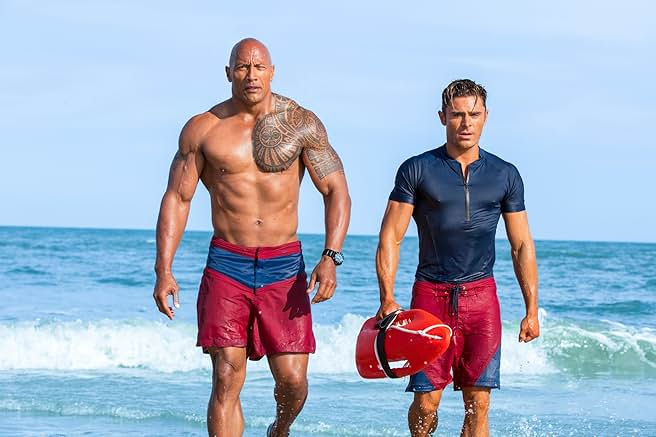

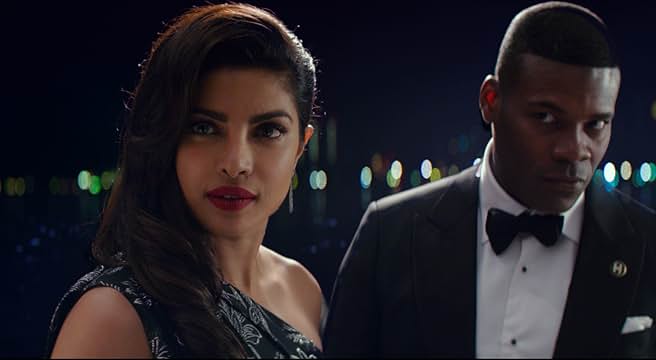
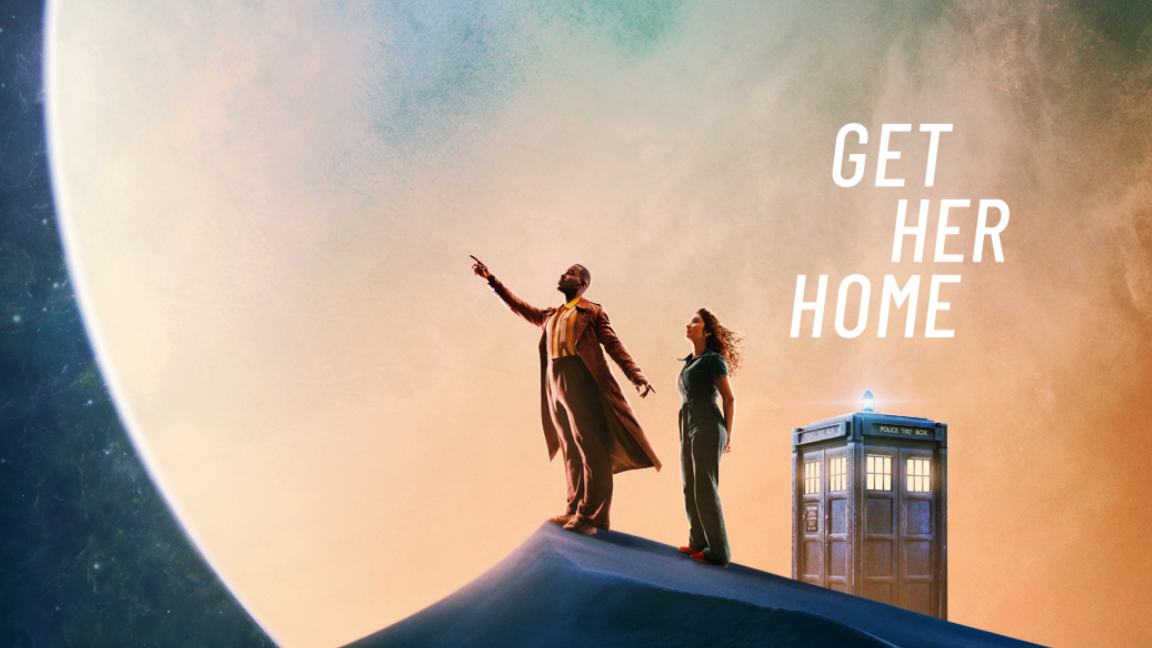

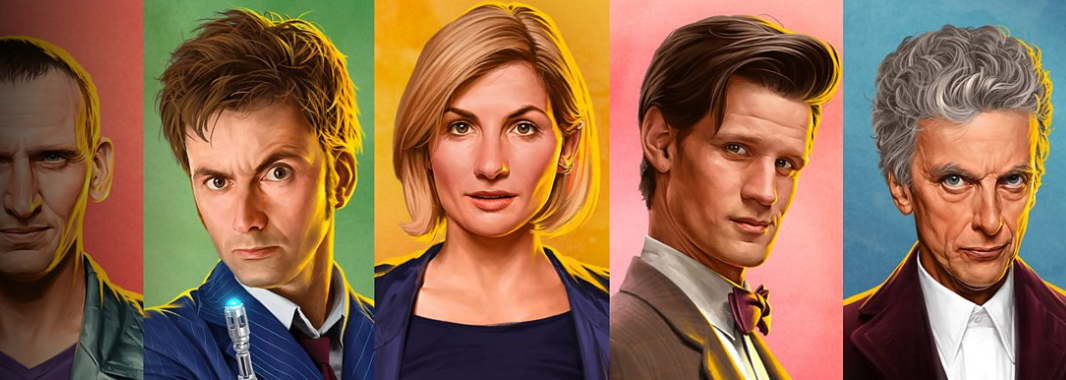






 The Interstellar Song Contest was the episode that tapped into real time events with Eurovion on the same day. I also found this plot to be just too weak.








 The only legal way to watch this at the moment is to see it in theaters or with an Amazon Prime membership