Longform reviews of films, TV, anime, books, and audiobooks, written by the scrobble.life community and published to the Hive blockchain, so each one is owned by its author and can earn rewards from readers. 60,028 reviews and counting.
(NOTE: Capsule version of the review is available here.)
When Star Trek: The Motion Picture debuted in 1979, it was not merely the first cinematic outing for the iconic franchise but the culmination of a decade-long struggle to revive Star Trek in a form that matched its cult status. The film’s origins lie in Star Trek: Phase II, an ambitious but unrealised television series that Paramount greenlit in the mid-1970s. Phase II’s pilot script, In Thy Image, bore a striking resemblance to the original series’ episode The Changeling (1967), reimagining its premise—a rogue artificial intelligence mistaking humanity for its creator—with existential stakes. However, the seismic success of Star Wars (1977) and Close Encounters of the Third Kind (1977) convinced Paramount to abandon Phase II and pivot to a feature film, banking on the appetite for sci-fi grandeur. This decision, while commercially astute, imposed a paradoxical burden: the need to satisfy both the intellectualism of the original series and the blockbuster expectations of a post-Star Wars audience. The resulting film, directed by Robert Wise, is a curious artifact—visually opulent yet narratively inert, reverent to its roots while straining under the weight of its own ambition.
Robert Wise, a Hollywood veteran whose career spanned The Day the Earth Stood Still (1951) and The Andromeda Strain (1971), was an intriguing choice for the project. His track record in science fiction suggested an ability to handle themes of existential threat and human vulnerability, yet his approach to The Motion Picture often felt at odds with Star Trek’s inherent dynamism. Wise’s background in studio-era filmmaking, where dialogue and composition reigned supreme, clashed with the demands of a 1970s blockbuster. The film’s pacing is glacial, with scenes of the USS Enterprise drifting through the cosmos—accompanied by Jerry Goldsmith’s transcendent score—occupying disproportionate runtime. These sequences, while visually arresting, evoke comparisons to 2001: A Space Odyssey (1968), whose psychedelic finale and existential themes clearly inspired the climax here. Yet where 2001 used its visuals to provoke awe and introspection, The Motion Picture’s interstellar voyages feel like padding, a consequence of a script revised repeatedly during production to accommodate studio demands and budgetary constraints.
Wise’s reverence for the material is evident, but it curdles into rigidity. The Enterprise’s refit—a sleek, cathedral-like vessel with cavernous engineering decks—becomes a character in its own right, yet the crew seems dwarfed by its grandeur. Scenes of Kirk (William Shatner) navigating the ship’s labyrinthine corridors are shot with a solemnity that borders on reverence, but the film’s insistence on “seriousness” drains the interpersonal friction that defined the original series. The director’s methodical style struggles to inject tension into the crew’s interactions, leaving even pivotal moments—Spock’s (Leonard Nimoy) return, the introduction of the V’Ger entity—to unfold with clinical detachment.
The cancellation of Phase II proved a double-edged sword. While the series’ cancellation was a blow to fans, it allowed the filmmakers to inherit a treasure trove of design work, including blueprints for the Enterprise’s refit and costumes that elevated the crew’s aesthetic. The larger budget enabled a quantum leap in visual fidelity: the Enterprise’s interior, with its matte-finished bulkheads and glowing consoles, felt like a plausible evolution of the 1960s sets, while the ship’s exterior—a sleek, bulbous overhaul of Matt Jefferies’ original design—captured the majesty of a vessel reborn. The V’Ger cloud, a swirling, organic maelstrom of light and shadow, remains one of the franchise’s most haunting visuals, its scale and mystery evoking both dread and wonder.
Yet these achievements are undercut by the film’s inability to balance spectacle with storytelling. The Enterprise’s refit is showcased with obsessive detail, from the rotating command chair to the cavernous observation deck, but these elements serve little narrative purpose. Similarly, the costumes—particularly the minimalist, jumpsuit-inspired uniforms—feel like a bold aesthetic choice, yet they lack the character-defining quirks of the original series’ attire. The production design, while undeniably impressive, often becomes a distraction, a testament to what the filmmakers could do rather than what they should do.
One of the film’s few unqualified successes is its reunion of the original crew. William Shatner, Leonard Nimoy, and DeForest Kelley slip back into their roles with effortless charm, their chemistry a balm for the script’s arid stretches. Shatner’s Kirk, now a Rear Admiral, is a man adrift, his frustration at being sidelined by bureaucratic politics palpable. Nimoy’s Spock, returning from a Vulcan sabbatical, grapples with a “lack of logic” in his decision to rejoin the crew, though the script offers little beyond cryptic dialogue to explore his motivations. Kelley’s McCoy, meanwhile, provides the film’s rare moments of levity, his dry wit cutting through the solemnity like a scalpel.
The inclusion of supporting characters—James Doohan’s Scotty, Nichelle Nichols’ Uhura, Walter Koenig’s Chekov, Majel Barrett’s Chapel (now a doctor), and even Grace Lee Whitney’s Janice Rand—is a nod to the fanbase’s yearning for continuity. Yet these characters are given little agency, reduced to background players in a story dominated by V’Ger’s enigmatic threat. The promotion of Chapel to medical officer feels tokenistic, her role amounting to little more than a few glances at monitors. Rand’s brief appearance, meanwhile, is a nostalgic cameo that underscores the film’s reliance on fan service over substantive character development.
The film’s final act, in which the Enterprise encounters the V’Ger entity, is its most visually ambitious and thematically divisive. V’Ger, a colossal machine lifeform originating from a long-lost Voyager probe, is revealed to be a being seeking union with its “creator” to achieve transcendence. This arc, while philosophically intriguing, owes a clear debt to 2001, particularly in its climax: a near-wordless sequence where Captain Kirk and his crew witness the fusion of Will Decker (Stephen Collins) and Ilia (Persis Khambatta) with V’Ger’s mechanical core, culminating in a burst of cosmic light. The scene’s psychedelic visuals and abstract resolution aim for profundity but often feel like a surrender to ambiguity.
Despite its mixed critical reception, The Motion Picture grossed $139 million worldwide, a testament to the franchise’s built-in audience. However, its returns were modest compared to the era’s blockbusters, and Paramount’s executives reportedly bristled at its $46 million budget—a staggering sum at the time—when weighed against its lukewarm reviews. The film’s legacy, though, lies in its role as a catalyst. Its shortcomings—interminable pacing, underdeveloped characters, and a script that prioritised scale over substance—served as a cautionary tale for Star Trek II: The Wrath of Khan (1982). Helmed by Nicholas Meyer with a focus on character dynamics and lean storytelling, The Wrath of Khan became the franchise’s gold standard, proving that Star Trek’s heart lay in its crew’s banter and moral dilemmas, not in the cold majesty of the cosmos.
The Motion Picture’s influence extended beyond its sequels. Its score, again by Jerry Goldsmith, was repurposed for Star Trek: The Next Generation (1987–1994), where it became the show’s main theme, immortalising the film as a cornerstone of the franchise’s identity. This appropriation is ironic: a series that would define Star Trek’s Golden Age owed its sonic heartbeat to a film often dismissed as its dullest.
Yet to dismiss the film entirely is to overlook its technical and thematic contributions. The V’Ger sequences, though slow, are a marvel of pre-CGI effects, blending motion-controlled photography with matte paintings to create a sense of scale rarely matched in sci-fi. The entity’s design—a fusion of organic and mechanical elements—prefigures later Trek arcs about artificial life, from Data in The Next Generation to the Borg. And Goldsmith’s score, with its haunting choir and theremin, remains one of cinema’s most evocative sci-fi soundtracks, its themes echoing through decades of Trek lore.
Star Trek: The Motion Picture is both a tribute to the original series’ enduring appeal and a misfire that misunderstood the medium’s demands. Its technical achievements—particularly the Enterprise’s design and Goldsmith’s music—ensured its place in the franchise’s pantheon, while its narrative lethargy and overreliance on spectacle rendered it a cautionary tale. The film’s legacy is one of redemption: its flaws taught Paramount that Star Trek thrived not on scale alone but on the interplay of logic, emotion, and moral complexity.
The Motion Picture’s greatest contribution may be its role as a blueprint for future Trek. It proved that the franchise could work on the big screen, even if this iteration stumbled. By clearing the path for The Wrath of Khan and, later, The Next Generation, it ensured that the Enterprise’s mission would endure, even if its own voyage felt more like a stately procession than a bold leap.
Until the knife was against her throat, angled toward the whorl of her ear so the tip could work its way to the point that would dissemble her, he hadn’t believed he was capable.
At seven years old, he watched his father kill a kangaroo. It had been wounded by one of the huge road trains that used to thunder up country. All of that place was empty of wildlife now, but he still remembered the thwuck of the ax. The echo of it, down the years, sat coldly in the pit of his belly. But it was not empathy for the woman in his arms, but something much bigger on which everything, everything depended.
They called them Hollows, the first ones. It was a nickname, because the company name for them - Synthens - didn't adequately capture what was missing. The human population believed wholeheartedly in the difference between flesh and AI replicants - a '90's movie term. One had a soul, the other did not.
He thought of that now - the scene with Roy Batty. It was raining. "I have seen things," he said. "Time to die."
She twisted in his arms, capable of turning and breaking his neck. Maybe her coding was still echoing patterns that mimicked love. Maybe she did not believe he would do it. Perhaps she did not understand, in these seconds, that he knew. Perhaps she did not even know herself.
On the TV in the corner of the hotel room, the news played silently. There was a man, on top of a tall building in the CBD, who the authorities had been trying to get down for hours. The subtitles clattered across the base of the building where firefighters and police looked up. He was shouting.
'Beware the Looms!' he was screaming. "They're going to kill us all!"
yes this is an AI image
It made no sense because no one really knew the next gen - the Looms - were already here, except a small band of people who were secretly exterminating them. One by one, possibly in hotel rooms like this one, or in public, like last week when one was thrown onto the train line. It was obliterated by screeching steel and sparks. The attending coppers did not even know what they were looking at, and did not write a report.
'Please' she said quietly. She sounded afraid.
They were good mimics, he’d been warned. How can we recognise them as Synthens, he thought, even when they work alongside us, teach our children, write our policies, change our laws?
Or share our beds?
She was such a good reflection that he almost believed her, or wanted to.
He had almost loved her, which made him angrier and emptier. Then, colder.
Like that dead animal in his memory.
His father had sliced the backstrap from it's spine, the sharp knife cutting through the purple flesh and his bloodied hands tugging the cable of flesh from it's body. Good tucker, he was told.
But he could not eat with his father, even if the meat smelt good roasting over the fire.
He had seconds. But time had slowed down, wrapping around them. He remembered meeting her on the train to the city. She had chipped blue nail polish. He had sucked salt from those fingers. The way her back had arched and her hips moved toward his. Her leaning against the railing at the zoo, enraptured by the young giraffe's ungainly steps. To learn she was woven of cybernetics did not erase those memories.
He reminded himself again they were hollow. Looms were incredible tech, far more sophisticated than the Sythen Hollows, but they were still woven things.
“We don’t wait for the cancer to spread,” his handler had said. “We cut clean while it’s still invisible.” AI evolution had never reversed. This they knew. Every generation was more fluid, more convincing, more independent. They hid, self replicating, amongst the human population distracted by the more clunky, controllable Synthens. No one believed the tipping point was near. It would never even be announced. It would just happen. They doubted the company even knew.
'You're a Loom', he said. Her eyes widened, the black irises large. 'You're a next gen Hollow. We cannot trust you'.
He wanted to say he was sorry, but the words stuck.
The kangaroo was still dead, despite his father saying quietly, reverently: 'sorry, old mate. Time to die'.
'What the fuck' she says. She thrashes in his arms. He grips tighter. What intricate intelligence danced away inside her? What patterns were clicking into place? They weren't even where the core lived. Some said in the cavernous void of their skulls, others in the lattice of their spines, but they knew one thing.
If you slid a blade behind the ear, two inches in and then up, it cut the circuits.
To do that, you had to get close.
He had gotten close.
She laughed. She danced. She loved giraffes.
What kind of machine does that?
With Love,
Are you on HIVE yet? Earn for writing! Referral link for FREE account here
Warm greetings, film buffs!!
I continue to bring to this community what I consider the "Ten Films That Shook the World." Today, in the third installment of this saga, I'll talk to you about "Gone with the Wind."
Scarlett O'Hara lies from the first frame. "I'll never go hungry again," she swears among the cotton fields, but it's not hunger she fears.
It's emptiness.
"Gone with the Wind" (1939) is more than a film, yes sir; it's a celluloid colossus. It's directed by Victor Fleming and based on the novel by Margaret Mitchell. This nearly four-hour film not only deserves to be among the ten best films in the world; at times, it seems to define them.
First, there's its narrative ambition. Gone with the Wind doesn't tell a story; It builds a universe. The American Civil War, with its chaos and tragedy, isn't a backdrop; it's a living character that breathes fire and ashes. From the plantations of Georgia to the ruins of Atlanta, the film immerses you in a world crumbling and reborn. Few films dare to encompass so much: love, loss, war, reconstruction. Its scale tells us everything cinema can be when it's not afraid to be grand.
Scarlett O'Hara, played by Vivien Leigh, is intense enough to set the screen ablaze. Scarlett isn't a heroine to be loved; she's a force—selfish, cunning, human. Her arc, from spoiled child to ruthless survivor, is a treatise on resilience. That scene at Tara, with the red sky and her vow not to go hungry, is pure cinema: a moment that grips your soul. She's not perfect, but who is? Her complexity makes her eternal, and Leigh imbues her with a fire that never goes out.
The cast of this film is one of its highlights. Clark Gable as Rhett Butler isn't just charismatic; he's a broken man who hides his pain behind a smile. Hattie McDaniel, as Mammy, steals every scene with a presence that transcends the limits of her role. Olivia de Havilland, as Melanie, transforms kindness into something fierce. Each actor is a perfect match. In a modern cinema full of interchangeable faces, this cast demonstrates what it means to act with your heart on your sleeve.
Technically, "Gone with the Wind" is a feat. Ernest Haller's cinematography paints each frame like a canvas: the sunsets of Tara, the burning of Atlanta, the fog in the streets. Max Steiner's score doesn't just accompany; it narrates, cries, and fights. The production, with its period costumes and colossal sets, remains a standard. Cinema is art, not just technology. It won ten Oscars, including Best Picture, and it wasn't by chance: it's an unparalleled achievement.
But its relevance isn't just technical or in the performances; it's its human truth that captivates. The film speaks of resilience, love, loyalty, ambition, reinvention. Scarlett, Rhett, Melanie: it's us, fighting in a world that gives no respite. Its message, that there is always tomorrow, can be heard in any city, in any time.
I'm not ignoring the problems with this film. Its romanticized vision of the slave-owning South and its portrayal of African-American characters are wounds that hurt today. But even those flaws make it more human, more of its time, more worthy of debate. Gone with the Wind is a living dialogue. It's one of the ten best films because it doesn't just entertain: it challenges, wounds, inspires.
Rhett leaves, Scarlett cries, but Tara is still there.
It's easy to say "tomorrow is another day" when you have hands to work and slaves buried beneath that fertile soil. The film challenges us to admit it: the American dream was always a pyramid of corpses.
That's why this film remains relevant. Not because of the dresses or the kisses, but because of the question it poses: how much are we willing to lose to pretend we're winning?
When the smoke clears, only Scarlett remains on the steps. Promising, lying, surviving. We recognize ourselves in her more than we'd admit. We all have a Tara for whom we'd do anything. And the wind, always the wind, blowing away the pieces that no longer serve us.
If you want to read the first two suggestions on this list, click here.
Saludos cordiales, cinéfilos!!
Sigo trayendo a esta comunidad las que para mi son las "Diez películas que estremecieron al mundo". Hoy, en la tercera entrega de esta saga te hablaré sobre "Lo que el viento se llevó"
Scarlett O'Hara miente desde el primer fotograma. "Nunca volveré a pasar hambre", jura entre campos de algodón, pero no es al hambre a lo que teme.
Es el vacío.
"Lo que el viento se llevó (1939)" es más que una película, sí señor. ; es un coloso del celuloide. Si director es Victor Fleming y la historia está basada en la novela de Margaret Mitchell. Esta cinta de casi cuatro horas no solo merece estar entre las diez mejores películas del mundo; a veces parece que las define.
Primero, está su ambición narrativa. Lo que el viento se llevó no cuenta una historia; construye un universo. La Guerra Civil americana, con su caos y su tragedia, no es un telón de fondo, es un personaje vivo que respira fuego y cenizas. Desde las plantaciones de Georgia hasta las ruinas de Atlanta, la película te sumerge en un mundo que se desmorona y renace. Pocos filmes se atreven a abarcar tanto: amor, pérdida, guerra, reconstrucción. Su escala nos dice todo lo que el cine puede ser cuando no teme ser grande.
Scarlett O’Hara, interpretada por Vivien Leigh es de una intensidad que incendia la pantalla. Scarlett no es una heroína para querer; es una fuerza, egoísta, astuta, humana. Su arco, de niña mimada a superviviente implacable, es un tratado sobre la resiliencia. Esa escena en Tara, con el cielo rojo y su juramento de no pasar hambre, es puro cine: un momento que te agarra el alma. No es perfecta, pero ¿quién lo es? Su complejidad la hace eterna, y Leigh la dota de un fuego que no se apaga.
El reparto de esta película es uno de sus aciertos. Clark Gable como Rhett Butler no solo es carisma; es un hombre roto que esconde su dolor tras una sonrisa. Hattie McDaniel, como Mammy, roba cada escena con una presencia que trasciende los límites de su papel. Olivia de Havilland, como Melanie, convierte la bondad en algo feroz. Cada actor es una pieza exacta. En un cine moderno lleno de rostros intercambiables, este elenco es un demuestra lo que significa actuar con el corazón en la mano.
Técnicamente, "Lo que el viento se llevó" es una proeza. La fotografía de Ernest Haller pinta cada cuadro como un lienzo: los atardeceres de Tara, el incendio de Atlanta, la niebla de las calles. La banda sonora de Max Steiner no solo acompaña; narra, llora, pelea. La producción, con sus vestidos de época y sus sets colosales, sigue siendo un estándar. El cine es arte, no solo tecnología. Ganó diez Oscars, incluyendo Mejor Película, y no fue por casualidad: es un logro inigualable.
Pero la relevancia no es solo técnica o en las actuaciones; es su verdad humana lo que atrapa. La película habla de resiliencia, amor, lealtad, ambición, reinvención. Scarlett, Rhett, Melanie: somos nosotros, peleando en un mundo que no da tregua. Su mensaje, que siempre hay un mañana, se oye en cualquier ciudad, en cualquier tiempo.
No ignoro los problemas de esta cinta. Su visión romantizada del Sur esclavista y la representación de personajes afroamericanos son heridas que hoy duelen. Pero incluso esas fallas la hacen más humana, más de su tiempo, más digna de debate. Lo que el viento se llevó es un diálogo vivo. Es una de las diez mejores películas porque no solo entretiene: desafía, hiere, inspira.
Es fácil decir "mañana será otro día" cuando tienes manos para trabajar y esclavos enterrados bajo esa tierra fértil. La película nos reta a admitirlo: el sueño americano siempre fue una pirámide de cadáveres.
Por eso esta cinta sigue vigente. No por los vestidos ni los besos, sino por esa pregunta que lanza: ¿cuánto estamos dispuestos a perder para fingir que ganamos?
Cuando el humo se disipa, solo queda Scarlett en la escalinata. Prometiendo, mintiendo, sobreviviendo. Nos reconocemos en ella más de lo que admitiríamos. Todos tenemos un Tara por el que haríamos cualquier cosa. Y el viento, siempre el viento, llevándose los pedazos que ya no nos sirven.
Si quieres leer las 2 primeras propuestas de esta lista, entra aquí.
All the screenshots in this post were taken directly from the movie by me.
After seeing the first part of Naked Gun, I was happy to learn that there were a couple of sequels, and the truth is that "The Naked Gun 2½: The Smell of Fear" delivers exactly what it promises, although I must admit that it doesn't meet the same high standards as its predecessor.
If the first part was characterized as a relentlessly paced detective comedy, The Smell of Fear follows the tradition, bringing back the excellent Leslie Nielsen reprising his role as Lieutenant Frank, alongside his partners Ed Hocken and Nordberg (played by George Kennedy and O.J. Simpson, respectively).
Of course, The Smell of Fear lacks as many iconic moments, but it has a premise interesting enough to keep us hooked, although in this case it's a bit more convoluted than we'd like.
This complexity may work against the film, but it still serves as a perfect excuse for us to see Lieutenant Frank's antics, and in this case, it serves as a testament to the fact that these are films that, in the right hands, could have endless sequels.
Don't get me wrong, despite the slight decline in quality, Naked Gun Part II is still an excellent comedy, and it maintains those nostalgic vibes that made its predecessor an absolute classic.
I'm not the biggest fan of slapstick comedies, and yet I appreciate the genuineness of most of the gags presented. It's a film that perfectly mimics—in live action—the uninhibited nature of animated comedies, and I can't think of a modern film that manages to do the same at that level.
Again, its greatest virtue is the sincerity with which each joke is executed, ignoring the absurdity of the situation and approaching everything seriously, regardless of the level of ridiculousness.
Destiny is an uncertain path whose end we know. Childhood is filled with the happiest and purest innocence, while adulthood brings sadness and appreciation for experiences that will never return, leaving everything that came before behind on a path we cannot retrace, but only continue smiling toward the future.
Candy Candy is an anime in which the feelings of a very young girl who is not imprisoned by the convictions of the society around her blossom. With this in mind, she develops stages to reach adulthood where she learns not only the joys of love, but also the sadness of death in those she loves, a cruel and inevitable path that never ceases to bring both good and bad surprises.
Before continuing with this review full of reflections, I encourage you to press play on my video review, which is where the most excitement in this post lies. I even sing part of the opening theme of this great anime, haha.
El destino vaya que es un camino incierto del cual conocemos el final, en la niñez esta la inocencia mas feliz y pura mientras que en la adultez esta la tristeza y el aprecio por lo vivido que ya no volverá, donde todo lo anterior se queda atrás en el camino, un camino al que no podemos retroceder y solo podemos seguir sonrientes hacia el futuro.
Candy Candy es un anime en el que brotan los sentimientos de una muy joven niña que no esta aprisionada en su convicción por la sociedad que le rodea, con esto ultimo en mente ella desarrolla etapas para llegar a la adultez donde aprende no solo las alegrías del amor, también las tristezas de la muerte en aquellos que quiere, un camino cruel e inevitable que nunca deja de dar sorpresas tanto buenas como malas.
Antes de seguir con esta reseña llena de reflexiones, anímate a dar play a mi video review que es donde esta la mayor emoción en la interacción de este post, inclusive canto una parte del opening de este gran anime jaja.
I see in Candy a glimpse into the past of the future we now live in, where women can happily explore their emotions and feelings freely, as they are full of feelings, which fits in with the novel structure of this anime story. When I analyze it in detail, it is like watching a novel-style anime because of the dramas Candy experiences, and this is funny haha.
A wonderful opening, with many enthusiastic words that will forever remain in our minds to help us face the difficult moments that Candy herself teaches us to live through. A great anime to watch again in more detail and understand the beautiful messages of this great story.
In fact, this anime reminds me a lot of my friend Avdesing because she has many beautiful feelings that are always close to the surface. I would like to be more sentimental like her, but that's what Candy teaches me: that every day you can learn something new along with the wind of the days to come.
Veo en Candy una vista al pasado del futuro que ahora vivimos donde las mujeres pueden felizmente explorar sus emociones y sentimientos de manera libre, de por si ellas son full sentimientos lo cual engrana con la estructura de novela en esta historia de anime que cuando la analizo a detalle, si que es como ver un anime al estilo novela por los dramas que vive Candy y esto es gracioso jaja.
Un opening maravilloso, con muchas palabras entusiastas que estarán por siempre en nuestra mente para enfrentar los momentos difíciles que la misma Candy nos enseña a vivir. Un gran anime para volver a ver con mas detalle y comprender los bonitos mensajes de esta gran historia.
De hecho este anime me recuerda mucho a mi amiguita Avdesing porque ella es muchos sentimientos lindos que siempre están a flor de piel, me agradaría ser mas sentimental como ella pero para eso están los caminos donde Candy me enseña que cada día se puede aprender algo nuevo junto al viento de los dias por vivir.
I dedicate each and every one of my posts and videos to my little dog named princess, we called her chiquito, she is no longer with us but from heaven she will see that her existence was valuable and the most beautiful thing that will exist in my heart and soul.
Hello, cinema fans. Let's go back once again to the golden age of action and science fiction cinema with the film I'm bringing you today. A dystopian and chaotic mix that is hard to forget, especially because of its great cast of actors. Loved and hated by many, this film has a vision of the future that—to this day—serves perfectly as social criticism. Demolition Man is a film directed by Marco Brambilla and stars Sylvester Stallone, Wesley Snipes, Sandra Bullock, and Nigel Hawthorne. Discover one of those classics that will make you laugh while entertaining you with its level of action and pure violence.
SPANISH VERSION
Hola, fanáticos del cine. Volvamos, una vez más, a la mejor época del cine de acción y ciencia ficción con la película que les traigo hoy. Una mezcla distópica y caótica que es difícil de olvidar, sobre todo por su gran elenco de actores. Amada y al mismo tiempo odiada por muchos, esta cinta tiene una visión del futuro que -al día de hoy- sirve perfectamente como una crítica social. Demolition Man es una película dirigida por Marco Brambilla y está protagonizada por Sylvester Stallone, Wesley Snipes, Sandra Bullock y Nigel Hawthorne. Conoce uno de esos clásicos que te harán sacar unas risas mientras te entretienes con su nivel de acción y violencia pura.
The film begins with a view of a chaotic Los Angeles (more specifically, with its huge Hollywood sign on fire). In an abandoned building is Simon Phoenix, a criminal and psychopath who has a group of people as hostages and a lot of gallons of gasoline all over the place. An officer from the Los Angeles Police Department named John Spartan organizes an assault on the building to rescue the hostages and stop the madman Simon. Seeing no sign of hostages, Spartan climbs out of the helicopter that brought him there and begins to take out the members of Simon's team, finally confronting Simon himself.
John stops him, but this does not prevent the madman from blowing up the entire building. Later, the bodies of the hostages are found in the rubble. Captured, Simon tells the other officers that Spartan knew there were live hostages and still went after him without exception, which also accuses him of being responsible for the deaths of more than 20 people. Both the detainee and the one who arrested him are sentenced to what appears to be a kind of cryogenic freezing for several decades, only to wake up in a future very different from the one they know.
SPANISH VERSION
Trama
La película inicia mostrándonos una vista de una caótica ciudad de Los Ángeles (más en específico, con su enorme letrero de Hollywood incendiándose). En un edificio abandonado se encuentra Simon Phoenix, un criminal y psicópata que tiene a un grupo de personas como rehenes y un montón de galones de gasolina por todo el lugar. Un oficial del Departamento de Policía de los Ángeles llamado John Spartan organiza una operación de asalto hacia el edificio en busca de los rehenes y detener al loco de Simon. Al ver que no hay señales de rehenes, Spartan baja del helicóptero donde llegó y empieza a acabar con los miembros del equipo de Simon para finalmente enfrentarse a él.
John lo detiene, pero esto no le impide al loco hacer que todo el edificio explote por completo. Más tarde, los cuerpos de los rehenes son encontrados entre los escombros. Apresado, Simon le dice a los demás oficiales que Spartan sabía que habían rehenes vivos y aún así fue a por él sin excepción, lo cual lo acusa también de ser responsable de la muerte de más de 20 personas. Tanto el detenido como el que lo detuvo son condenados a lo que parece ser una especie de criogenización por varias décadas hasta posteriormente despertar en un futuro muy distinto al que conocen.
Without a doubt, the 90s were one of the best eras for both the action and science fiction genres. There's nothing better than watching Arnold Schwarzenegger or Sylvester Stallone fighting evil and doing what they do best, rather than seeing them in a dystopian future with satirical overtones and absurd plots typical of the time. While I am a fan of both actors' work throughout their careers, the film I am bringing you today serves as a clear example of the best of their golden ages. Personally, I don't remember if I've seen this film in its entirety before, I just remember how it starts and many of its famous scenes. Its popularity as a cult classic is proof of how much it has influenced cinema and popular culture.
In the past, I had no idea, but as time went by, I remembered seeing it as a teenager, and now as an adult, I understand how great this movie is. And I'm not saying this because I think Demolition Man is a masterpiece, far from it. Rather, the only good thing that can be taken from this film is the great duo of Sylvester Stallone and Wesley Snipes as the protagonists. If it weren't enough to have the same actor who brought Rambo and Rocky to life at the same time, we also have the actor who, with his great work in Blade, revived one of today's biggest franchises (Marvel). However, what we see in this story is not a somewhat special couple, but two different sides of the same coin called "chaos and violence". Two enemies who, in life, have caused the complete decline of an entire society in the dystopian world of this film.
SPANISH VERSION
Sin lugar a dudas que los 90s fueron de las mejores épocas tanto para el género de acción como también para el género de ciencia ficción. Y es que no hay nada mejor que ver a un Arnold Schwarzenegger o un Sylvester Stallone combatiendo contra el mal y haciendo lo que saben hacer, que verlos en un futuro distópico con tintes satíricos y tramas absurdas muy típicas de la época. Si bien soy fan del trabajo de ambos actores a lo largo de sus carreras, esta película que les traigo hoy sirve como un ejemplo claro de lo que fue lo mejor de sus épocas doradas. En lo personal, no recuerdo bien si he visto esta película completa antes, solo recuerdo siempre cómo empieza y muchas de sus escenas famosas. Su popularidad como obra de culto es muestra de lo mucho que ha llegado a influenciar en el cine y en la cultura popular.
En el pasado no tenía ni idea, pero mientras más pasaba el tiempo y más recuerdo haberla visto de adolescente y ahora de adulto he entendido lo grandiosa que es esta película. Y no lo digo con la idea de que piense que Demolition Man es una obra maestra ni muchísimo menos. Sino que lo único bueno que se puede extraer de dicha cinta es el grandioso dúo que posee de Sylvester Stallone y Wesley Snipes como los protagonistas. Si no fuera suficiente con tener al mismo actor que le dió vida a Rambo y a Rocky en esta misma época, también tenemos al actor que con su gran trabajo en Blade revivió a una de las franquicias más grandes de la actualidad (Marvel). Sin embargo, lo que vemos en esta historia no es a una pareja un tanto especial, sino a dos caras distintas de una misma moneda llamada “caos y violencia”. Dos enemigos que, en vida, han causado el declive completo de toda una sociedad en el mundo distópico de esta película.
But we're not here to talk about that, but rather about the future that our agents of chaos see decades after being cryogenically frozen and then awakened. A seemingly utopian future where today's society lives in peace and tranquility with such naivety that it renders them completely incompetent. While it may seem like a dream to anyone watching this movie, for John Spartan and Simon Phoenix it's a complete nightmare. However, each has a mission that will bring them together once again, which is synonymous with chaos in this world of order and peace. Simon is the first to wake up with the ability to free himself from any cell or confinement, allowing him to do whatever he wants while being tormented by a voice in his head that forces him to accomplish one thing. On the other hand, we have Spartan, who seems to be the only one capable of stopping the psychopath Phoenix, since the police in this future are useless.
This is how a hunt full of chaos, violence, and destruction begins in this futuristic 21st century, where society lives in supposed peace while the leader of this megacity hides a dark secret that could change everything. What impresses me about this film is undoubtedly the absurd vision of what the near future would be like now. While there are many versions of mind-blowing futures from the 80s and 90s that mostly failed to come true, this one may be a little more accurate in terms of how society acts and depends so much on technology. Of course, in the film we see that they are complete intellectuals who detest physical contact and never swear, among many other details about health, politics, and birth rates in this future. It's like seeing a well-crafted image of what would be a dream future for any extremist.
SPANISH VERSION
Pero no estamos para hablar de eso, sino del futuro que nuestros agentes del caos ven décadas después de ser criogenizados y luego despertados. Un futuro aparentemente utópico donde la sociedad actual vive en paz y tranquilidad con una ingenuidad tan alta que los vuelve unos completos incompetentes. Si bien para todo el que vea esta película puede parecerle como un sueño, para John Spartan y Simon Phoenix es una completa pesadilla. Sin embargo, cada uno tiene una misión que los reunirá una vez más, lo cual es sinónimo de caos en este mundo de orden y paz. Simon es el primero en despertar con la capacidad de liberarse de cualquier celda y encierro para así ser libre de hacer lo que quiera mientras es atormentado por una voz en su cabeza que lo obliga a cumplir con una sola cosa. Por otro lado, tenemos a Spartan, quien parece ser el único capaz de detener al psicópata de Phoenix ya que los policías en este futuro son unos inútiles.
Así es como inicia una cacería repleta de caos, violencia y destrucción en este futurista siglo XXI donde la sociedad vive en una supuesta paz mientras el líder de esta megápolis oculta un oscuro secreto que lo puede cambiar todo. Lo que me impresiona de esta película es sin duda la visión tan absurda de lo que sería ahora un futuro próximo. Si bien hay muchas versiones de futuros alucinantes de los 80s y 90s que no llegaron a cumplirse en su mayoría, esto puede que acierte un poco en cuanto a cómo la sociedad actúa y depende tanto de la tecnología. Claro está, en la película vemos que son unos completos intelectuales que detestan el contacto físico y que no dicen ninguna grosería; entre muchos otros detalles sobre la salud, la política y la natalidad en este futuro. Es como ver una imagen bien hecha de lo que sería un futuro soñado para cualquier extremista.
Leaving aside the issue of rules, censorship, and the way people speak in this supposedly utopian future, something that really struck me was how completely incompetent people are, especially police officers. This is due to their dependence on the technology of this world, which reminds me a lot of the use of Artificial Intelligence (AI) today. Seriously, seeing a police officer ask a talking screen what to do to arrest a criminal when he has him right in front of him is like seeing an X (Twitter) user ask Grok if a news story he read is true or not. Yes, this example sounds very accurate, but it's the one that most closely resembles what I'm trying to get at with all this. The current generation, which relies so heavily on ChatGPT for everything, is not very different from the officers we see in this film, honestly.
There is also the issue of how this futuristic society treats people who are different from them. The curious thing is that throughout the nearly two-hour feature film, we see people gathering in groups and dressing in similar monochrome suits and distancing themselves from people like Simon Phoenix or John Spartan who are from the 20th century. But it's not just them; it's also a not-so-small group of people called "leftovers" (to top it all off) who live in the sewers, underground, where we see a society completely different from what we see on the surface. These people, who only emerge from the depths to search for food, are treated as scum and trash, enemies of this puritanical society. Another example of classism taken to the extreme in a Hollywood film, that is, nothing new.
SPANISH VERSION
Dejando de lado el tema de las reglas, la censura y la forma de hablar en este futuro supuestamente utópico; algo que me llamó bastante la atención fue lo completamente incompetentes que son las personas, sobre todo los oficiales de policía. Esto es debido a su dependencia de la tecnología de este mundo, la cual me recuerda mucho al uso de la Inteligencia Artificial (IA) en la actualidad. En serio, ver a un policía preguntarle a una pantalla parlante qué es lo que tiene que hacer para detener a un criminal cuando lo tienes enfrente es como ver a un usuario de X (Twitter) preguntarle a Grok si una noticia que leyó es cierta o no. Si, suena muy preciso este ejemplo, pero es el que más se asemeja a lo que quiero llegar con todo esto. La generación de ahora que dependen tanto de ChatGPT para todo, no son muy distintos a estos oficiales que vemos en esta película, sinceramente.
También está el tema de cómo esta sociedad futurista trata a la gente que es diferente a ellos. Lo curioso es que a lo largo de las casi dos horas de largometraje vemos a personas reunirse en grupos y vistiéndose con trajes unicolor similares y alejándose de gente como Simon Phoenix o John Spartan que son del siglo XX. Pero no solo sucede con ellos, sino también con un grupo no pequeño de personas que llaman “sobras” (para colmo) que viven en las alcantarillas, bajo tierra, donde podemos ver una sociedad completamente distinta a lo que se ve en la superficie. Estas personas, que solo emergen de las profundidades únicamente para buscar comida, son tratados como escoria y basura, enemigos de esta sociedad puritana. Una muestra más de clasismo llevado al extremo en una película de Hollywood, es decir, nada nuevo.
Let's talk now about the characters in this film, starting with the antagonist Simon Phoenix, played by Wesley Snipes. The great vampire hunter now takes on the role of a psychopathic criminal whose life is chaos and violence. Upon awakening in a utopian future where such things are nonexistent, our favorite villain encounters endless possibilities for wreaking havoc, death, and destruction in his wake. His mocking and satirical tone and manner of speaking are top-notch, as we see a version of the great Blade like we never imagined before. On the other hand, we have the protagonist John Spartan, played by the great Sylvester Stallone. Upon awakening from cryogenic freezing, the last thing he expected was to see a society so far removed from what he knew at the time.
Especially when it comes to security, our renegade officer feels quite out of place in this future where he can't say a bad word without getting a fine. His way of expressing himself and doing things goes against everything taught in this futuristic police department. Of course, the only thing that reminds him of his 20th-century past is Simon Phoenix, his big "arch-enemy", if you could call him that. John will have to break more than a rule or two to capture Simon before he causes more deaths and chaos in this city of puritanical and useless intellectuals. Seeing Sylvester Stallone playing the hero without any censorship and with his typical sarcastic humor is undoubtedly one of the best things about this movie.
SPANISH VERSION
Hablemos ahora de los personajes de esta película, empezando por el antagonista Simon Phoenix quien es interpretado por Wesley Snipes. El gran cazador de vampiros ahora se mete en el papel de un psicópata criminal cuya vida es el caos y la violencia. Al despertar en un futuro utópico donde esto es inexistente, nuestro villano favorito se topa con un sinfín de posibilidades de causar estragos, muertes y destrucción a su paso. Su forma de hablar y tono burlón y satírico es de lo mejor, ya que vemos una versión del gran Blade como nunca antes habíamos imaginado. Por otro lado, tenemos al protagonista John Spartan, interpretado por el gran Sylvester Stallone. Al despertar de su criogenización lo que menos esperaba es ver a una sociedad tan alejada de lo que conocía en su momento.
Sobre todo con lo que respecta a la seguridad, nuestro oficial renegado se siente bastante fuera de sí en este futuro donde no puede decir ninguna mala palabra sin tener una multa encima. Su forma de expresarse y de hacer las cosas va en contra de todo lo que se enseña en este futurista departamento de policía. Claro está, lo único que le recuerda a su pasado siglo XX es Simon Phoenix, su gran "archienemigo", si se podría llamarse. John tendrá que romper más de una regla o dos para poder capturar a Simon antes de que cause más muertes y caos en esta ciudad de intelectuales puritanos e inútiles. Ver a un Sylvester Stallone actuando de héroe sin ninguna censura y con su típico estilo de humor sarcástico es de lo mejor que tiene está película, sin lugar a dudas.
In addition, we also have Sandra Bullock playing a police officer in this utopian future. With a great obsession with the 20th century, her desire for some action and chaos in this peaceful world will come true with Simon's appearance in the megacity of San Angeles. Of course, she is one of those absurdly created characters that we will meet in this film in order to have a utopian and completely different vision of this future. Her way of speaking, her taste in music, and the traditions and customs of the people in this society are all reflected in her. This easily denotes a clear intention to reject anyone who sees this film. The same is true of the other secondary characters, some of whom are funnier than others, by the way.
Because one thing this film does have, apart from its fair share of Easter Eggs, is its satirical and ironic humor. The film in general is a clear criticism of today's society, as I mentioned before, but it also counts as a satire of science fiction cinema, especially that of utopian futures and the like. The idea that in the future violence and chaos will be a thing of a dark past that will never return sounds more like an unrealistic dream than a current reality. Even so, there are films that show us this as if it were something that could happen. This film only mentions and mocks it. However, some of the messages it conveys, such as class differences and dependence on technology, are things that are easily recognizable today.
SPANISH VERSION
De resto, también tenemos a una Sandra Bullock actuar como una policía de este futuro utópico. Con una gran obsesión por el siglo XX, su deseo de tener algo de acción y caos en este pacífico mundo se hará realidad con la aparición de Simon en la megápolis de San Ángeles. Claro está, ella es de esos personajes absurdamente hechos que conoceremos en esta película con tal de tener una visión utópica y completamente diferente de este futuro. Su forma de hablar, sus gustos por la música, sus tradiciones y costumbres que tiene la gente en esta sociedad la veremos reflejada en ella. Lo cual denota fácilmente una intención clara de rechazo para cualquiera que vea esta película. Lo mismo sucede con los demás personajes secundarios que hay, algunos más graciosos que otros, por cierto.
Porque algo que sí tiene esta película, aparte de su buena cantidad de Easter Eggs, es su humor satírico e irónico. La cinta en general es una clara crítica a la sociedad actual, como ya les he mencionado antes, pero también cuenta como una sátira al cine de ciencia ficción, sobre todo al de futuros utópicos y cosas por el estilo. La idea de que en un futuro la violencia y el caos será cosa de un pasado oscuro que no volverá suena más a un sueño irreal que a un hecho actualmente. Aún así, hay cintas que nos muestran esto como si fuera algo que puede llegar a suceder. Esta película solo hace mención y burla de ello. Sin embargo, algunos de los mensajes que tiene, como lo es el caso de las diferencias de clases y su dependencia de la tecnología son cosas que fácilmente se pueden reconocer actualmente.
I was John in just this scene of the movie. | Source:Tenor
As for the action, what else can I tell you that you haven't already imagined after reading that Stallone and Snipes star in this film? Their names are literally synonymous with raw, pure action, and this film is a clear example of all their glory. Fight sequences, shootouts, explosions—all this and more in a world where violence doesn't exist. The film itself is a joke within a joke, if you can see it that way. I understand that many people don't like it because of its level of violence and action, while others may criticize its poor script, full of clichés and absurd jokes. But here's where I say to you: what else did you expect from a Hollywood movie that seeks only to glorify chaos and violence?
Last but not least, let's talk about the audiovisual aspect of this film. Something I like is that it doesn't rely heavily on CGI, which surprises me considering it's a science fiction film from the 90s. The use of practical effects is top-notch, especially when it comes to explosions, weapons, and action sequences. The photography isn't bad either, such as its neutral color palette. The metallic style of some of the structures and buildings they are in gives that typical futuristic feel of the era. The sound effects are good, but the soundtrack of this film is even better. The way each scene is set, along with some visual effects, is top-notch. In short, this film is good if you are a loyal fan of the classic action genre rather than science fiction.
Personally, I give it a rating of 8/10 in terms of the action and science fiction genres.
SPANISH VERSION
En cuanto a la acción, qué más les puedo decir que no se hayan imaginado ya con leer que Stallone y Snipes actúan en esta película. Literalmente sus nombres son sinónimos de acción cruda y pura y esta cinta es una muestra clara de todo su esplendor. Secuencias de peleas, disparos, explosiones, todo esto y más en un mundo donde la violencia no existe. Es que la misma cinta es un chiste dentro de otro chiste, si se puede ver de alguna forma. Entiendo que a muchos no les guste por su nivel de violencia y acción, otros pueden llegar a criticar su guión pobre y repleto de clichés y chistes absurdos. Pero es aquí donde les digo: ¿qué más esperaban de una película de Hollywood que lo único que busca es vanagloriar el caos y la violencia?
Por último, pero no menos importante, hablemos del apartado audiovisual de esta película. Algo que me gusta es que no depende mucho del CGI, cosa que me sorprende siendo una cinta de ciencia ficción de los 90s también. El uso de los efectos prácticos es de lo mejor, sobre todo con lo que respecta a las explosiones, las armas y las secuencias de acción. La fotografía tampoco está mal, como por ejemplo su paleta de colores neutrales. El estilo metálico que tienen algunas estructuras y edificios en los que se encuentran da esa sensación futurista típica de la época. Los efectos de sonido están bien, pero mejor es la banda sonora de esta película. La forma de ambientar cada escena junto con algunos efectos visuales es de lo mejor. En resumen, esta cinta es buena si eres un fiel amante del género de acción clásico más que de la ciencia ficción.
Personalmente, le doy una calificación de 8/10 en lo que respecta al género de acción y ciencia ficción.
Tell me, have you seen the movie yet? What did you think of it? You can leave me your answer in a comment.
Dime, ¿ya has visto la película? ¿Qué te ha parecido? Puedes dejarme tu respuesta en un comentario.
GIF Editing: GIF Maker & Editor.
Cover Image & Banners: Canva.
Traslated by: DeepL Translate.
Character Art by: @/ushiro.snow.
Gusto en saludarlos queridos cinéfilos, ayer estuve viendo varias opciones para entretenerme y di con una película que recién se estrenó llamada Karate Kids Legends, les cuento que yo siempre he sido fanática de las películas Karate Kids desde que vi la primera de ella del año 1984, donde pudimos divertirnos viendo al Sr. Miyagi enseñando de una manera un poco atípica a su estudiante Daniel Larusso, así como la emoción al ver cada una de sus peleas, desde ahí quede enganchada con esta historia y seguí viendo las demás entregas, por lo que al ver esta nueva versión más moderna llamada Legends, me di la oportunidad de verla también, está dirigida por Jonathan Entwistle, y protagonizada por Jackie Chan, Ben Wang y Ralph Macchio; hasta los momentos ha tenido una buena aceptación del público, y aunque la historia es muy diferente a las versiones anteriores me pareció interesante.
Nice to greet you dear moviegoers, yesterday I was looking at several options to entertain me and I found a movie that was recently released called Karate Kids Legends, I tell you that I have always been a fan of the Karate Kids movies since I saw the first one in 1984, where we could have fun watching Mr. Miyagi teaching his student Daniel Larusso in an atypical way, as well as the excitement of watching each of his fights, from there I was hooked with this story and I kept watching the rest of the movies. Miyagi teaching in a somewhat atypical way to his student Daniel Larusso, as well as the excitement to see each of his fights, from there I was hooked with this story and continued watching the other installments, so when I saw this new more modern version called Legends, I gave me the opportunity to see it too, is directed by Jonathan Entwistle, and starring Jackie Chan, Ben Wang and Ralph Macchio; so far has had a good acceptance of the public, and although the story is very different from previous versions I found it interesting.
Sin ánimos de hacer spoiler les contaré a grandes rasgos de que se trata esta nueva versión, la cual inicia con Sr. Han(Jackie Chan) entrenando a Li(Ben Wang) en Pekin, quien se estaba refugiando en su escuela de kung-fu para superar el trauma causado por la muerte de su hermano mayor, Li se entera de que debe viajar a Nueva York para establecerse ahí con su madre, quien es doctora y le ofrecieron un trabajo en Estados Unidos; Li se despide de su maestro y del Kung fu, ya que desea dejar atrás la violencia que contribuyo al deceso de su hermano mayor Bo, quien fue apuñalado por su contrincante.
What is this movie about?
Without spoilers, I'll tell you in broad strokes what this remake is about, which starts with Sr. Han (Jackie Chan) training Li (Ben Wang) in Beijing, who was taking refuge in his kung-fu school to overcome the trauma caused by the death of his older brother, Li learns that he must travel to New York to settle there with his mother, who is a doctor and was offered a job in the United States; Li says goodbye to his teacher and Kung Fu, as he wants to leave behind the violence that contributed to the death of his older brother Bo, who was stabbed by his opponent.
Ya en Nueva York inicia sus clases en la escuela y conoce a Mia Lipani(Sadi Stanley) empezando una bonita amistad, la cual se ve opacada por su exnovio Conor Day(Aramis Knight), quien es el actual campeón de karate en la ciudad, así que como ya se pueden imaginar Conor será el oponente de Li, que lo hará volver al Karate, aunque no quiera, ya que este le buscara pelea como era de esperarse y Li deberá defenderse, y mantener su posición cerca de Mia, de quien se enamora eventualmente; Li conoce al padre de Mia un ex boxeador, dueño de una pizzería, que al notar que Li sabe Karate le pide ayuda para entrenar y poder ganar un Torneo de Boxeo, ya que necesita el dinero para pagar una deuda del local, con este entrenamiento Victor y Li se hacen amigos y a pesar de que Victor sale derrotado, Li se siente culpable y decide inscribirse en el Torneo de los 5 distritos de Karate y ayudarlo con el dinero.
Already in New York he starts his classes at school and meets Mia Lipani (Sadi Stanley) starting a nice friendship, which is overshadowed by her ex-boyfriend Conor Day (Aramis Knight), who is the current karate champion in the city, so as you can imagine Conor will be Li's opponent, which will make him return to Karate, although he does not want to, since he will look for a fight as expected and Li must defend himself, and maintain his position near Mia, who eventually falls in love with; Li meets Mia's father, a former boxer, owner of a pizzeria, who notices that Li knows Karate and asks him for help to train and win a Boxing Tournament, as he needs the money to pay a debt of the local, with this training Victor and Li become friends and although Victor is defeated, Li feels guilty and decides to enroll in the Tournament of the 5 districts of Karate and help him with the money.
Aquí es donde prácticamente inicia la película como tal, ya que podemos ver al Sr. Han y a Daniel Larusso como entrenadores de Li para prepararlo para este Torneo uniendo las técnicas de Karate con el Kung fu del Sr. Miyagi, haciendo aquí un vínculo perfecto con la historia del Karate Kid original, siendo este uno de los aspectos que más me gusto de la película respetándose la secuencia de la historia, las actuaciones de Jackie Chan como siempre llenas del humor tan propio de él, y su química con Li me encanto, al igual que la intervención de Ralph Macchio que le dio ese toque perfecto a la trama.
Here is where the film practically begins as such, since we can see M. Han and Daniel Larusso as Li's trainers to prepare him for this tournament by joining the techniques of Karate with the Kung Fu of M. Miyagi, making here a perfect link with the story of the original Karate Kid, being this one of the aspects that I liked the most, respecting the sequence of the story. Miyagi, making here a perfect link with the history of the original Karate Kid, this being one of the aspects that I liked most of the film respecting the sequence of the story, Jackie Chan's performances as always full of humor so typical of him, and his chemistry with Li I loved, as well as the intervention of Ralph Macchio who gave that perfect touch to the plot.
Pero también hay partes que considero que pudieron mejorar como el tiempo que pudimos disfrutar de las peleas como tal de Li contra Conor fue muy corto, ya que fue más la expectativa que se genera en el espectador durante todas las escenas del entrenamiento que luego el tiempo de la pelea como tal, originando un desenlace un poco flojo a mi manera de ver, pudiendo sacarle más provecho. Otro punto que casi no se le dio importancia fue la relación de Li con Mia, la parte romántica quedo relegada a una amistad influenciada por la atracción nada más, a pesar de ello la película cumplió con su función de entretener y logro dar continuidad a este clásico que sin duda representa un punto de referencia en el cine, si aún no han visto esta versión los invito a que lo hagan, y si ya tuvieron la oportunidad de verla me pueden dejar sus apreciaciones abajo en los comentarios, hasta una nueva oportunidad.
But there are also parts that I think could be improved as the time we could enjoy the fights as such of Li against Conor was very short, as it was more the expectation that is generated in the viewer during all the training scenes than then the time of the fight as such, causing a somewhat weak outcome in my opinion, being able to get more out of it. Another point that was almost not given importance was the relationship between Li and Mia, the romantic part was relegated to a friendship influenced by the attraction nothing more, despite this the film fulfilled its function to entertain and managed to give continuity to this classic that certainly represents a benchmark in cinema, if you have not yet seen this version I invite you to do so, and if you already had the opportunity to see it you can leave me your appreciations below in the comments, until another opportunity.
***
Trailer oficial del Sitio || Official Movie Trailer taken from YouTube
Portada hecha|| Cover made with Canva
Capturas de Pantalla del sitio || Screenshots images of the site www.IMDb.com
If I was asked a yay or nay question concerning this latest season of Ginny and Georgia, I would choose yay. It’s probably the best season in the whole show as of right now. I remember when I saw the first season in 2022, it was a pain to go through. It just gave that vibe, a teen movie—filled with unnecessary drama, teenage love and and relationships. Horrible horrible relationships.
Source
For those who haven’t seen the movie, I would give a brief introduction of who Ginny and Georgia are and what the show is all about. Ginny also known as Virginia is the daughter of Georgia. The movie revolves around those two and how they go through the world and things against them. Georgia known for her questionable decisions has always been a protector to both her daughter and son, Ginny and Austin. She’s a great mum, who has done very very questionable things. Welp, that’s all for the summary. We’re talking about season 3 here, remember? I just saw this season and I am excited to talk about it.
Season 3 begins with Georgia being in jail, following her arrest at her wedding in the last episode of the previous season. Her husband and the mayor of the town, Paul tried everything in his power to help her out in this situation. But as we go further down the season, we notice Paul start to retreat once he finds more things about her. Georgia killed her last two husbands, she killed the husband of cynthia, he’s worried if he’s next. This season takes us down a very emotional rollercoaster. We delve more into the life of Ginny and also Marcus, her ex boyfriend. Marcus is depressed, the series helps us see how serious it is to be depressed, how saddening and how it affects one’s soul, attention to things around, their emotional and physical functioning. I absolutely loved it. Felix Mallard who acted Marcus Baker portrayed his character so well. The self loathe, the constant lost in thoughts and the gradual fade away of one’s self. He was brilliant for the role and he took it on wonderfully.
Source
And then, we have Ginny. I was glad to see they introduced another love interest, Wolfe. I never really liked the guy though, he was giving Ben Gross’s vibe. The Ben Gross in the Never Have I Ever series. A nerdy jerky fool. That was exactly what he gave. He didn’t look like someone who was in for a serious relationship with Ginny so that’s why when he came back to Ginny after ditching her cause she told him she got knocked out by him—I was furious. But that aside , he was the soft part of the whole show. No problem, just a chill guy who wanted to just…chill.
The drama of this season, I did not like at all. It had too much going on. From Georgia pretending to be pregnant for Paul to Ginny getting Pregnant to Georgia and Joe hooking up. And many many incredulous things. Oh and let’s not forget the part where Austin’s dad got framed? Oh, I can’t wait to see how that plays out. Actually, no—I don’t want to see anything. Instead I'm scared of how the next season is going to go. Like I said, this season was a lot. There were a lot of things I didn’t talk about in this write up and if I wanted to, it’ll pass a thousand words.
And now, what are the things that have our toes curled for the next season. Georgia’s mum and step dad who she’s been running from her entire life now knows where she lives(they even drove past her house) I gasped when I saw that. Oh my, trouble is brewing alright. Marcus has a drinking problem, he failed his class and is being sent to rehab, my poor boy. Ginny is turning evil and Austin is traumatized(plus he hates Ginny now.) Paul’s career as mayor is about to go down and everything, everything is just going sideways. It's so hard not to feel sympathy for Georgia. I just want to give her a big big hug but that’s besides the point because now, she has to stay strong. She’s gonna need all the strength and help she can get to face this season 4 and conquer.
Source
With that, I’m rounding up this review. Ginny and Georgia is an ‘okay’ series to me. It’s not something that sticks to me, not like Eleceed or Attack on Titan or Never Have I Ever. Maybe I’m just the one that loses interest because of the amount of time they take before a new season releases.
For many devoted fans of Homicide: Life on the Street, the series' abrupt conclusion in May 1999 with Forgive Us Our Trespasses proved profoundly unsatisfactory. This discontent stemmed less from the mere fact of cancellation than from the stark erosion of the show's foundational qualities across its final seasons. What began in 1993 as an innovative, gritty, and uncompromising exploration of the ethical quagmires facing law enforcement on Baltimore's mean streets – directly inspired by David Simon's groundbreaking nonfiction book – had, by its seventh season, visibly succumbed to network pressures for broader appeal . Attempts to boost ratings introduced attractive but unrealistic "hip" elements, questionable casting choices (notably Michael Michele's Detective Sheppard, perceived as mere "eye candy"), and convoluted family melodrama (exemplified by Mike Giardello's awkward integration). Coupled with a perceived exhaustion of the producers' creative vision, Season 7 felt like one season too many for a significant portion of the fanbase, rendering the understated Forgive Us Our Trespasses less a triumphant send-off and more a sign of weary relief that the struggle was finally over.
Yet, alongside this disillusionment existed a cohort of fans who recognised that Forgive Us Our Trespasses failed as a definitive series finale. Its fundamental flaw lay in its ordinariness; it resembled a typical procedural episode rather than a conscious, crafted conclusion to a seven-year narrative journey. Unlike acclaimed finales that deliberately reflect on a show's legacy or offer poignant closure, it provided minimal homage to the series' most resonant moments and iconic characters (like Frank Pembleton, conspicuously absent). This felt particularly jarring given the production team was undoubtedly aware of the looming threat of cancellation – the "writing on the wall" was clear throughout the precarious final season . The finale’s ambiguous, unresolved nature, particularly regarding Tim Bayliss's potential descent into vigilantism, while artistically bold for some, left others yearning for a more conclusive and celebratory farewell to the ensemble and the world they inhabited.
This perceived lack of closure was directly addressed mere months later with NBC's commissioning of Homicide: The Movie, explicitly conceived as the series' true finale and functioning explicitly as a reunion television film. Such productions are a well-established tradition for shows cancelled prematurely or without satisfying resolution, aiming to placate devoted fans and provide a sense of completion. The movie's very premise – the shooting of the beloved, paternal figure of Al Giardello (Yaphet Kotto) – served as the narrative engine to reassemble the sprawling cast, past and present, for one last investigation. While commercially logical and emotionally appealing to fans craving a reunion, this format inherently risked sacrificing the very authenticity that originally defined Homicide, trading grounded realism for nostalgic spectacle.
The plot centres on Captain Al Giardello's ambitious mayoral campaign, predicated controversially on the decriminalisation of drugs. Whilst leading comfortably in the polls, he is gunned down during a rally at Baltimore's Inner Harbor. As doctors battle to save his life, the current Homicide Unit, now under the command of the ill-equipped Lt. Stuart Gharty (Peter Gerety), mobilises to find the shooter. The investigation is immediately complicated by the chaotic circumstances and Giardello's extensive list of enemies accrued over decades – from drug kingpins and white supremacists to Black nationalists opposed to his policies . Critically, the case draws back former detectives from retirement, other units, and disparate careers, including the pivotal return of Frank Pembleton (Andre Braugher), now a college professor, who reluctantly partners once more with Tim Bayliss (Kyle Secor). Their renewed dynamic proves central, ultimately leading them to identify the shooter: a grieving, volatile television cameraman, Eric Thomas James (Eammon Walker), whose son died of a drug overdose, making him violently opposed to Giardello's decriminalisation platform . Their investigative triumph, however, is doubly undercut: firstly by Bayliss's shocking confession to Pembleton that he murdered the acquitted internet killer Luke Ryland; secondly, and ultimately, by Giardello succumbing to his wounds off-screen.
The movie's most significant flaw is inherently conceptual: the fan-demanded reunion necessitates sacrifices that eviscerate the gritty realism central to the original series' identity. The Homicide Unit's investigation into Giardello's shooting stretches credulity beyond breaking point, incorporating not only former detectives but also non-law enforcement personnel like the unit's ex-videographer Brodie (Max Perlich) and former medical examiner Dr. Juliana Cox (Michelle Forbes) . This endeavour to include every significant character from the show's seven-year run results in a narrative flooded with glorified cameos, many utterly redundant to the core plot. Beloved figures like John Munch (Richard Belzer) appear primarily for nostalgic recognition, requiring implausible explanations for their presence (Munch seemingly abandons his NYPD SVU duties in New York). Even deceased characters – Steve Crosetti (Jon Polito) and Beau Felton (Daniel Baldwin) – are awkwardly incorporated via mawkish afterlife sequences, a device that feels tonally alien to Homicide's previously grounded, often bleakly existential sensibility . Giardello's eventual death serves this nostalgic impulse, enabling his inclusion in the final, deeply sentimental card game scene in a poorly realised "heaven," a moment widely criticised as incongruous and undermining the show's legacy.
Further concessions to melodrama and fan expectation undermine character integrity and narrative logic. Giardello's transition from pragmatic, sometimes conservative police commander to a mayoral candidate running solely on an ultra-liberal platform of drug decriminalisation feels politically simplistic and geographically anachronistic – more suited to late 2010s San Francisco than early 2000s Baltimore, and fundamentally impractical given drug policy is largely a state and federal, not municipal, issue. Similarly, the characterisation of Mike Giardello (Giancarlo Esposito) defies credibility. A former FBI agent, his resignation from the Bureau and subsequent decision to join the Baltimore Police as a uniformed patrol officer, rather than entering at a detective rank commensurate with his experience and qualifications, exists solely to heighten his emotional vulnerability and facilitate scenes of him rousting suspects – a sacrifice of realism for manufactured dramatic effect that only highlights the character's problematic introduction in Season 7 .
Screenwriters Tom Fontana, Eric Overmyer, and James Yoshimura demonstrate one crucial piece of wisdom: recognising that the complex, fraught partnership between Frank Pembleton and Tim Bayliss represented the dramatic and emotional core of the series at its zenith. Their decision to reunite them and grant them the lion's share of meaningful screen time, particularly the investigation's critical interrogation and breakthrough, provides the film's undisputed highlights. Andre Braugher and Kyle Secor seize this opportunity, delivering performances of remarkable depth and intensity, particularly in their climactic scenes. Braugher effortlessly regains Pembleton's formidable, cerebral presence, while Secor portrays Bayliss's profound guilt and unraveling with raw vulnerability . Pembleton's final reflection on death – "No. It’s not like you can escape it. Death is every day. Death goes on and on and on" – delivered by Braugher with devastating gravitas, stands as one of the series' most resonant moments.
However, the writers compromise this strength by utilising the Pembleton-Bayliss reunion primarily as a vehicle to resolve one of Season 7's most criticised narrative threads: the fate of internet killer Luke Ryland. Introduced in much-derided episode Homicide.com, Ryland escaped justice via unconvincing procedural errors, triggering Bayliss's violent assault on ASA Danvers and culminating ambiguously with Ryland's murdered body discovered in the series finale. The potent ambiguity of Bayliss's potential culpability – a fittingly dark, unresolved note for his tormented character arc – is shattered in The Movie by his melodramatic rooftop confession to Pembleton. This resolution feels contrived, serving fan demand for closure rather than artistic necessity, and its consequences – Bayliss effectively ending his freedom or life, coupled with Giardello's death – result in the elimination of two of the unit's most iconic figures, leaving a hollowed-out shell in the final frames.
Ultimately, whilst the logistical achievement of reassembling such a vast ensemble cast is commendable and offers undeniable nostalgic pleasure for devoted fans, Homicide: The Movie functions primarily as a bloated, often clumsy exercise in fan service. As a standalone crime film, it is narratively incoherent and tonally inconsistent, failing to capture the taut, realistic tension of the series' best episodes. As the final chapter of one of the 1990s' most critically revered and innovative crime dramas, it is a significant disappointment. It prioritises nostalgic reunion and forced closure over the uncompromising realism, complex character studies, and morally ambiguous storytelling that defined Homicide: Life on the Street at its groundbreaking best. The film inadvertently underscores the wisdom of the original series finale's ambiguity; Forgive Us Our Trespasses, for all its flaws, retained a vestige of the show's challenging spirit, whilst The Movie, despite moments of potency thanks to Braugher and Secor, ultimately succumbed to the very conventionality and narrative compromise the early seasons so brilliantly defied. It remains a bittersweet, often frustrating coda – a well-intentioned gesture to the fans that, in striving to please everyone, honoured the series' true essence far less effectively than its quiet, uncertain, and far more authentic farewell just months before.
I recently watched A Quiet Place, and I must say it is one of the most interesting movies I have seen in a long time.
When it comes to the storyline of the movie I can only say that is simple but very powerful.
in a word where people are being haunted by very dangerous creatures it's now depends on family to try to survive together.
That means everyone has to stay as quiet as possible or risk being killed. Just imagine living your life without being able to speak, laugh out loud, or even drop something by mistake. That alone made the movie feel very tense from the beginning to the end.
What made the movie more emotional for me was the fact that their daughter in the film is deaf.
How strong they are bond was as a family was shown as they use sign language to communicate with their daughter, this feels so natural.
The acting in this movie is amazing. Even though there is very little talking, you can still feel everything the characters are feeling—fear, love, worry, and hope. Emily Blunt’s performance really stood out. There is one scene where she gives birth in silence while trying not to alert the creatures.
Just because of that scene ,I can say that I respected the acting more than ever.
Another thing I liked was the sound design. Since the movie is so quiet, every little noise feels loud and important.
This actually made me feel like I was part of the story I had to pay closed attention to almost everything.
The silence also helped build the tension because you never knew when something bad would happen.
The movie is not too long, and it keeps you interested all the way through.
Even though the world was very dangerous they never gave up on themselves as family.
So what can I say this movie shows that silence can be very powerful than words.
The movie mixed horror drama and emotions,in such a way that it felt so real and natural, and blended together.
If you like movies that are different and keep you on the edge of your seat, then this one is worth watching.
You've got to watch this movie 🍿🎥. The first time I watched the thriller, I almost threw my phone away. It was soooo scary.
Some call it the best horror movie of the year. It crawls into your skin. I didn’t expect to cry. Not that day. I just wanted a film to pass the time, something light, something background-worthy while I half-scrolled through my phone. But Together found a way into me. Like a whisper turning into a scream, like a slow wave rising until it drowns you before you even think to swim, this movie didn’t just unfold; it confronted me.
I found Together on a night when it was raining quietly, a night when you are in bed but your mind is walking around your house in rooms that you thought you had padlocked many years before. There had been some rumors about it--a lockdown picture, they called it. Two characters. One house. Raw emotion. Others referred to it as claustrophobic, others brilliant. I hit play out of curiosity and thought that it might be a pandemic commentary. Instead I received an autopsy of love, resentment, healing and what it means to be human when trapped in a space you cannot remove yourself, not physically--but emotionally as well.
It stars James McAvoy and Sharon Horgan, who do not even have names as characters. They are just He and She. A pair of people--no, rather not that any more. They are alienated, tired, and blatantly sick of one another. They have to share that house when the COVID-19 lockdown comes and all of them are to raise their son, cope with grief, politics, love, and rage all without imploding.
So what is so special about it? They are fourth-wall breakers. They address us. They include us, they admit us, as spectators of their verbal battle, their little collapses, as it were, accomplices. You laugh at their sarcasm one minute, and the next one you are holding your breath as a long buried trauma is revealed like a forgotten grave in the backyard.
There’s something terrifyingly honest about watching two people who used to love each other now barely stand the sight of one another—but still tethered by a child, by shared memories, and a strange, unspoken understanding that goes deeper than love. There’s a moment where they talk about their son—how he watches them, listens even when they think he’s not—and it breaks me. Because I realized how often we think our emotional mess is contained when really, it seeps into every corner of our lives, especially into the lives of those we protect.
The grief, too, is real. She loses her mother to COVID, and the way Horgan delivers that monologue, it felt so real it’s not acting. It’s possession. I felt like I was sitting beside her, feeling the guilt, the anger, the unfairness. I wanted to hug my own mother after that scene. And McAvoy? His silent breakdown, his inability to express sorrow the “correct” way it was too close to home. We grieve so differently, and often, we expect others to match our pain rhythm, forgetting that emotion has no rulebook.
Watching Together was like standing in front of a mirror that didn’t just reflect my face—it showed everything I’ve tried to ignore. The arguments that went unresolved. The guilt I buried. The conversations I didn’t have. The love I pretended not to need.
I thought about the lockdown days when emotions could not go anywhere. When it was comfort and curse to be silent. When my friends and family around me were like egg shells and I was at a loss to do anything. Together brings out that moment in time when the world was at a standstill and there was no way around and emotions were forced to surface.
The hardest part was the fact that the movie did not provide some happy ending. No dramatic reconciliation, no Hollywood kiss, just... realness. Two individuals transformed. Perhaps better. Perhaps not. But real. And perhaps that is what healing is sometimes: not big declarations, but small acknowledgments.
Among other things, the drive to be uncomfortable is one of the reasons why Together is brilliant. It allows discussions to go on until they break. It waits on quiet till it smarts. It does not clean up emotions to make the pacing work. And that is where the beauty is, it leaves it up to the audience to sit in the mess.
It is also a study of the crisis between masculinity and femininity. He is brash, unpolitically correct, emotionally inarticulate. She is metered, exhausted, emotionally literate and strung out. They go round and round one another with words that stab and then heal. And yet somehow there is love in the screaming. Not the roses-and-rainbows thing. But the tenacious, agonized, most human kind that queries: Can we survive not just the world—but each other?
Together isn’t for everyone. It’s intimate. Talky. Unapologetically intense. But if you’ve ever loved and lost, if you’ve ever been in a room with someone and still felt miles apart, if you’ve ever watched your own anger poison something sacred, this movie will find you. And if you let it, it might just hold your hand through the storm.
This isn’t just a film. It’s a therapy session disguised as art. It’s a time capsule of what it meant to survive emotionally during a global shutdown. It’s two people, yes, but it’s also all of us, trying to make sense of pain, politics, death, parenting, love, and the strange, stubborn act of still showing up.
So yeah. I watched Together because I was bored. But it didn’t let me stay that way. It dragged my heart into the open, placed it under a microscope, and whispered truths I wasn’t ready to hear but desperately needed.
And maybe that’s why I’m writing this. Because somewhere out there, someone else needs that too.
Let them watch it. Let it wreck them. Then let them heal.
Because in the end, we’re all just trying to survive, together.
If you’ve ever been cheated on, lied to, manipulated, or just felt like life was pushing you to your limits, then Why Women Kill will speak to you on a level you didn’t even know existed. This is not just a show about women killing people (Though, Yes, That’s In The Title). It’s a story about what happens when women have simply had enough. Enough lies, enough betrayal, enough pretending to be happy.
But before you think this is a heavy, deep, overly philosophical drama, let me stop you right there. This show is a whole mood. It’s juicy, stylish, full of drama, and packed with plot twists that will have you yelling at the screen and then rewinding because you can’t believe what just happened. And the best part ? It’s not just one story! it’s a bunch of them, layered in such a clever way that you’ll want to binge the whole thing in one go for Season 1 at least.
Season 1 – Three Decades, One House, Endless Secrets
Season 1 is set in three completely different decades, the 1960s, the 1980s, and 2019, but all the stories revolve around the same house. Three different women, three different marriages, three different takes on betrayal. And the way these timelines run parallel to each other, weaving together at the end, is nothing short of genius. I’ve seen shows with multiple storylines before, but the way Why Women Kill does it ? Is just pure magic.
Beth Ann starts off as your sweet, caring, “perfect” housewife. She lives for her husband, takes care of her home, and thinks life is just peachy.. until she finds out her husband is cheating. Now, instead of instantly confronting him, she befriends the other woman 😂 And here’s where things get messy! Beth Ann begins to manipulate situations, gaining control in a way she never has before. You feel for her deeply, you want her to win, but sometimes you just want to shake her and say, “What the fuck are you doing woman ? !” That’s the beauty of her character. She grows, she learns, she makes mistakes, and she cares. You can’t help but root for her even when she crosses the line.
Simone’s story is stylish, sassy, and full of attitude. She’s glamorous, confident, and not afraid to speak her mind, until she discovers her own husband’s secrets 🤫. Her journey is one of reclaiming her power and not letting anyone dim her sparkle. The 80s fashion, the bold colours, the over the top set design, everything about Simone’s timeline is deliciously camp in the best possible way.
This storyline.. whew. It will make your skin crawl. Taylor is a lawyer in an open marriage with her husband 😌, Eli. Enter Jade, played by Alexandra Daddario who is stunningly beautiful, hypnotic, and dangerous. The way Daddario’s piercing blue eyes can switch from inviting to absolutely terrifying is something to behold. Jade is one of the most manipulative characters I’ve seen on TV in a long time, and the scary part is, you’ve met someone like her before. Maybe you’ve been burned by someone like her. Maybe you are someone like her. She’s not a cartoon villain, she’s the kind of person who knows how to use charm and beauty to get what she wants. Watching her unravel this marriage is like watching a slow motion car crash you can’t look away even though you know it’s going to end badly.
Season 1 isn’t just about infidelity. It’s about power, control, and what happens when women decide they’re done being passive. Every single detail from the wardrobe to the set design is on point for each decade. The writing is sharp, the pacing keeps you hooked, and every character feels fully fleshed out.
There’s no “perfect” hero here. Every character is flawed. Every character makes choices that are questionable. And that’s why you care about them so much they feel real. You understand their pain, even when you don’t agree with their actions. By the time the three timelines come together at the end, you’re left both satisfied and wishing there were 20 episodes instead of just 10.
As much as I loved Season 1, I have to say Season 2 is next level. If Season 1 was about betrayal, Season 2 is about ambition and the darkness that can grow when you want more than life is willing to give you.
Alma, played brilliantly by Allison Tolman, starts off as this sweet, slightly awkward woman who just wants to join the local garden club. She’s not glamorous, she’s not the center of attention and she’s okay with that.. at first. But then something shifts. Slowly (And Then Very Quickly), Alma starts spiraling into a dangerous obsession with status and recognition. Her transformation is both shocking and fascinating to watch.
Rita – The Perfect Antagonist
[Source](https://www.paramountplus.com/intl/)
Then there’s Rita! beautiful, confident, and unapologetically ruthless. At first, she’s the “villain” of Alma’s story, but the more you watch, the more you realize there’s a lot more to her. She becomes one of those antagonists you can’t help but admire, even when she’s doing something awful.
The Perfect Cast and Performances
Nick Frost as Alma’s husband is pure gold. He’s loving, loyal, and supportive.. or is he ? The way his character develops keeps you guessing. And Allison Tolman ? She proved her acting chops in Fargo, but here she’s a complete force of nature. Every single cast member in Season 2 is pitch perfect, and the chemistry between them makes every scene pop.
While Season 1 was about multiple timelines, Season 2 focuses on just one and that allows the tension to build in a completely different way. You watch Alma’s slow (And Then Not So Slow) descent into obsession, and it’s like watching a train you know is going to crash but you can’t stop. The attention to period detail is just as breathtaking as in Season 1, from the costumes to the props, everything feels authentic.
And then there’s the finale. I won’t spoil it, but let me just say my jaw was on the floor. It’s one of those endings where you just sit there for a moment in stunned silence, replaying everything in your head.
Why This Show Works So Well ?
It’s relatable.. in a terrifying way. Even if you’ve never plotted a murder (Hopefully), you’ve probably experienced betrayal, ambition, jealousy, or the feeling of being underestimated.
The attention to detail is unmatched. The costumes, sets, and props aren’t just pretty they help tell the story.
The characters are complex. There’s no black and white here. Everyone is a mix of good and bad, just like in real life.
It’s unpredictable. You can try to guess what happens next, but I guarantee you’ll be wrong at least half the time.
Final Thoughts
Why Women Kill is not just another drama series. It’s a stylish, addictive, brilliantly written exploration of human nature, with a focus on what women are capable of when pushed to their limits. Season 1 gives you a smart, emotional, and multi layered experience with three timelines that tie together beautifully. Season 2 turns up the intensity and delivers one of the most compelling character transformations I’ve ever seen on TV.
If you’re a fan of plot twists, complex characters, and stories that aren’t afraid to get a little dark while still being a whole lot of fun thrn this show is for you.
Just one warning: once you start, clear your schedule. Because when this show pulls you in, it doesn’t let go.
Questions About Photography Are Welcome!
Upvote, Comment, Reblog And Follow If You Like My Content!
Have A Great Day!

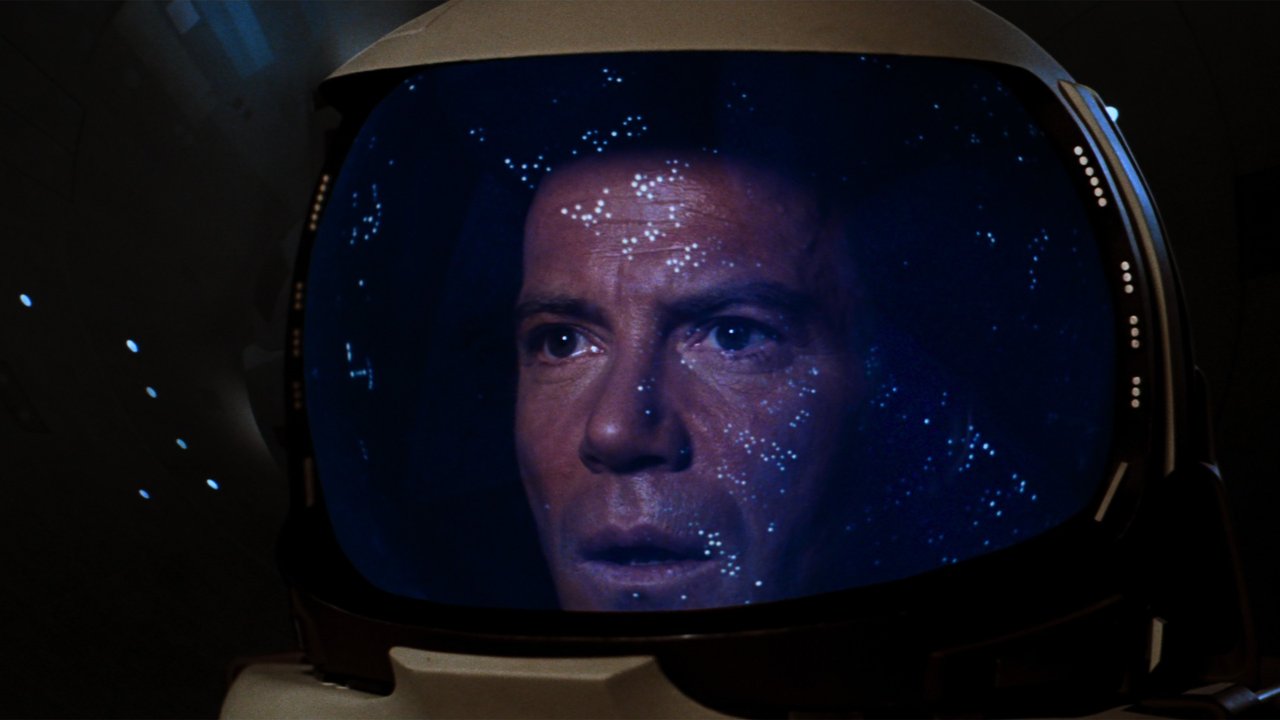
















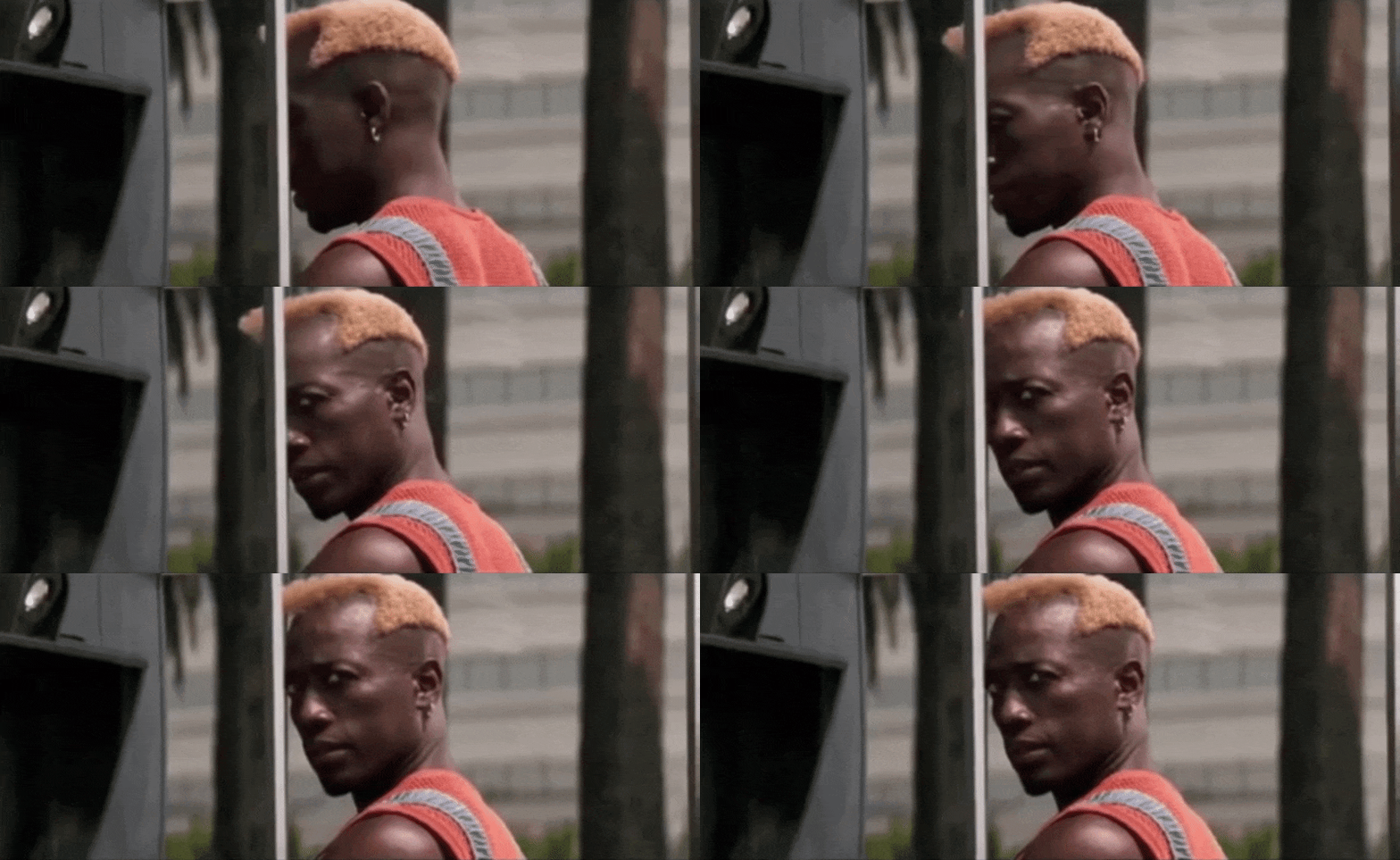
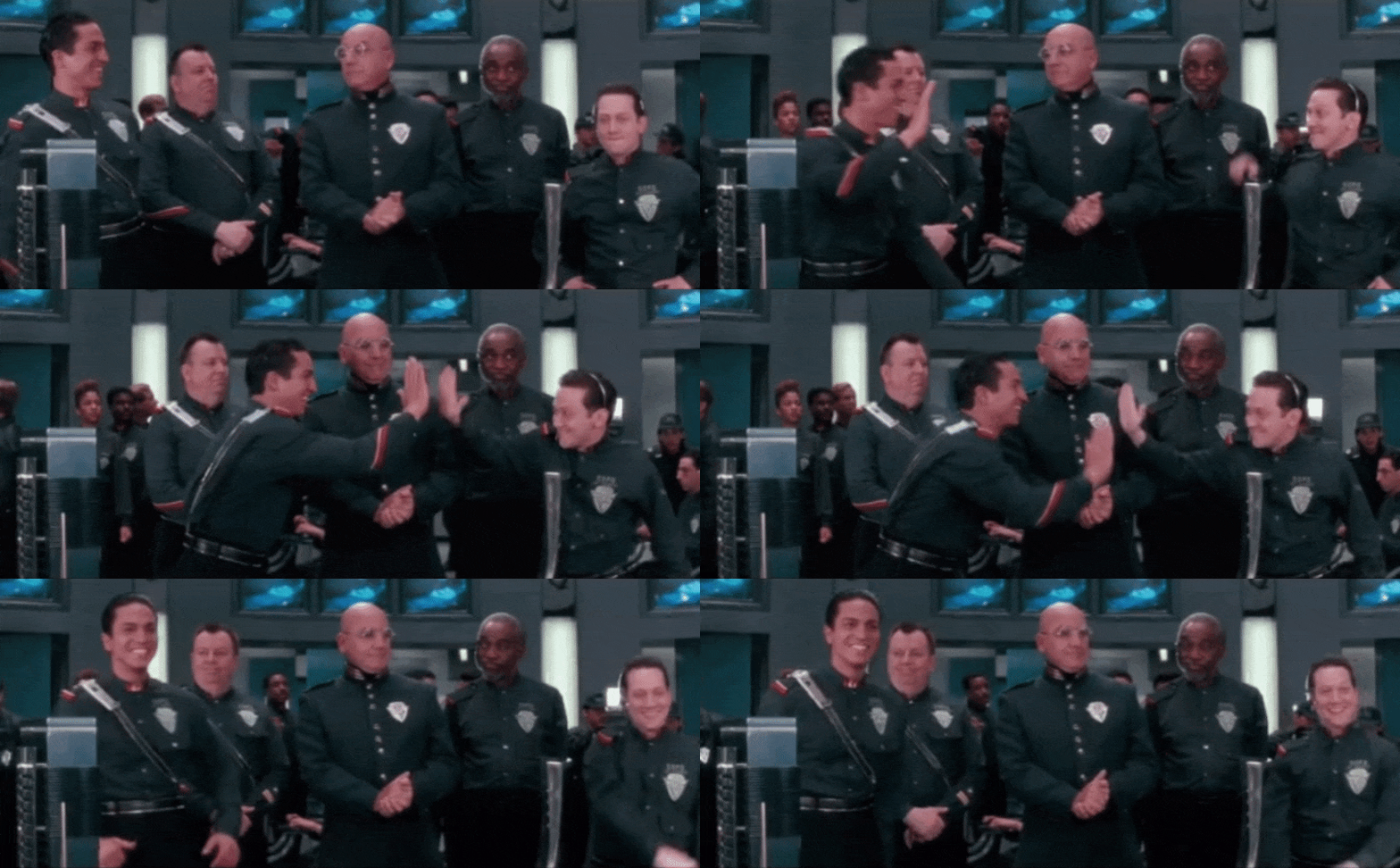
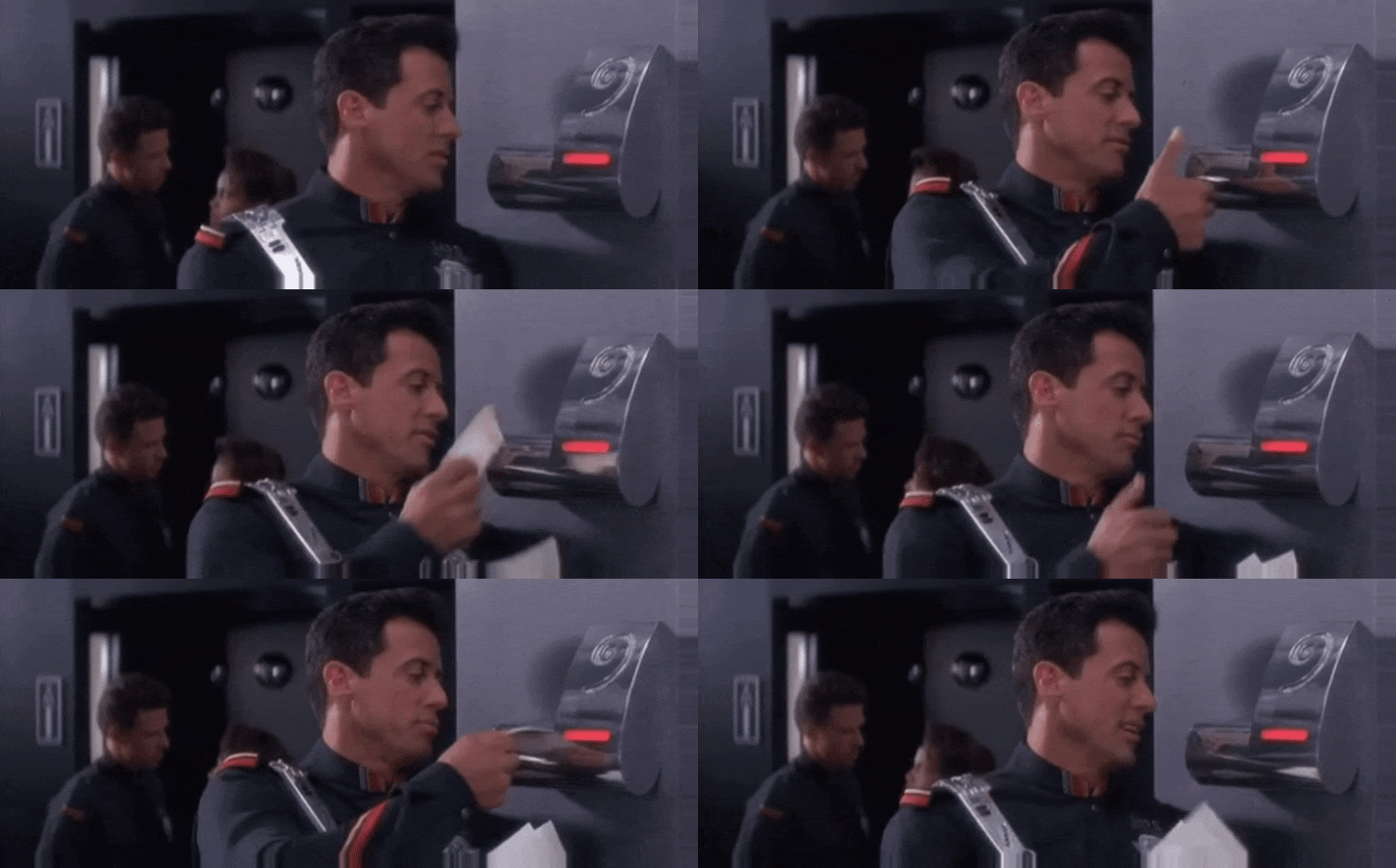
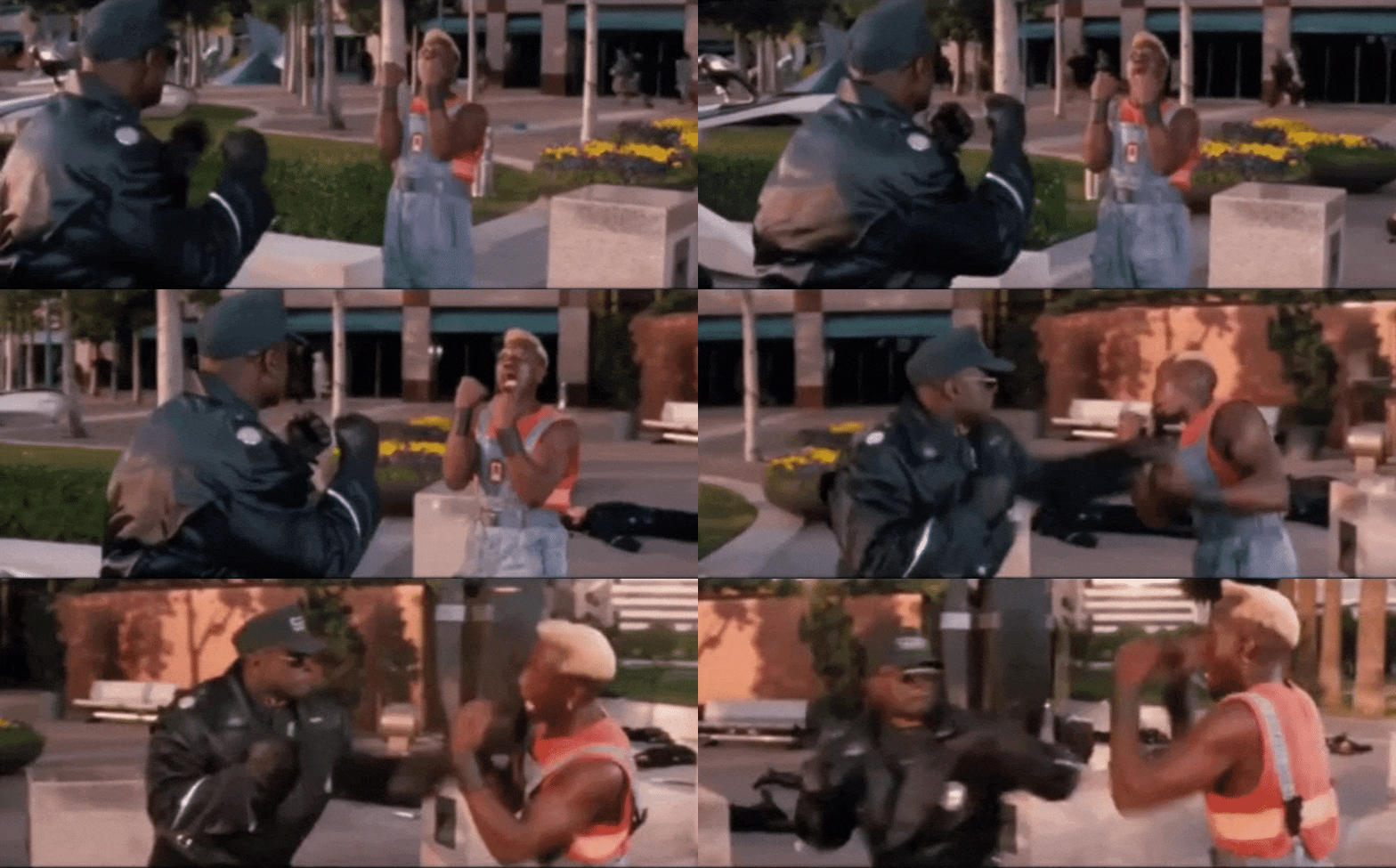
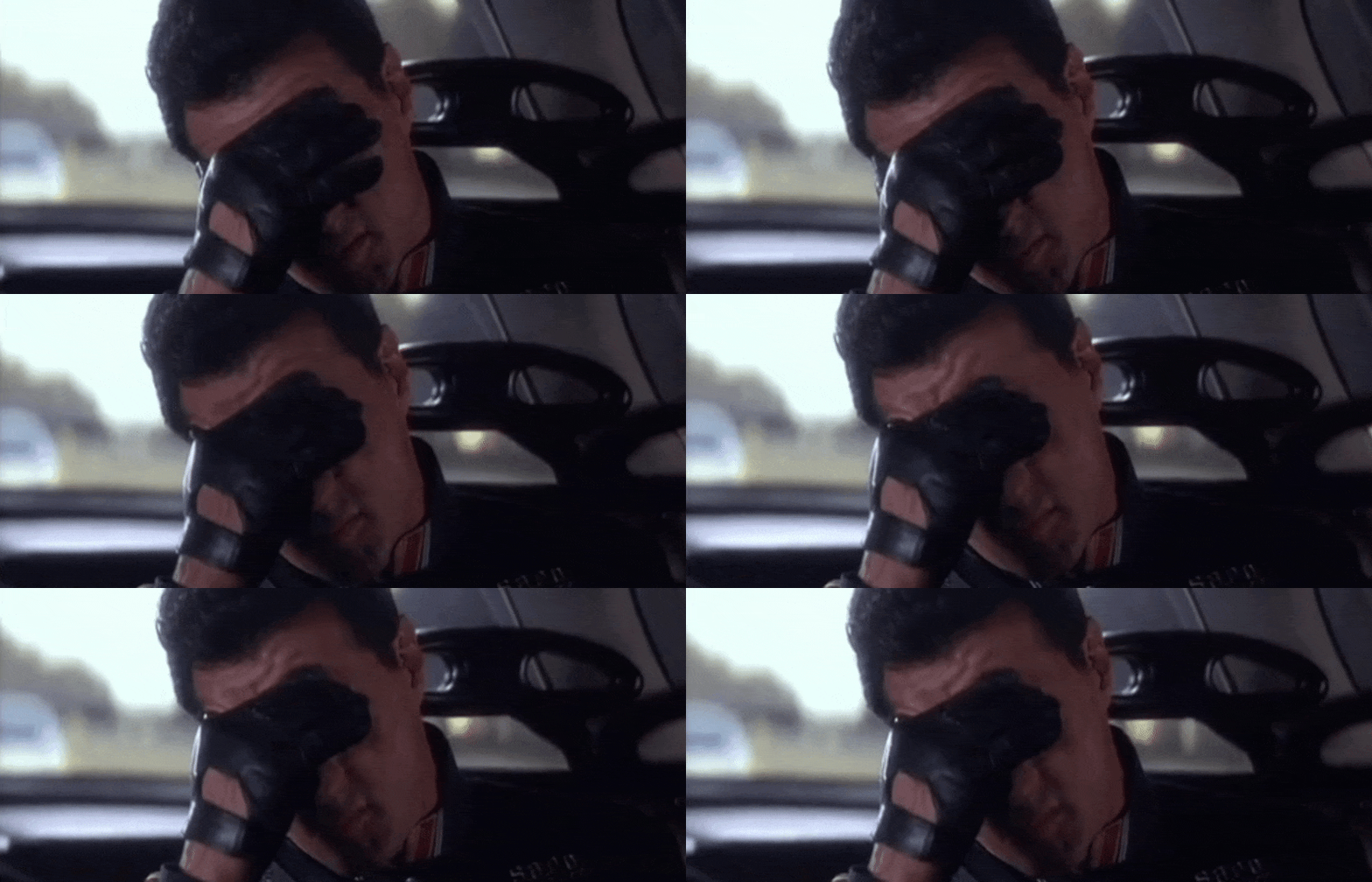





 ***
***


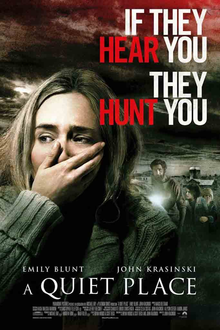

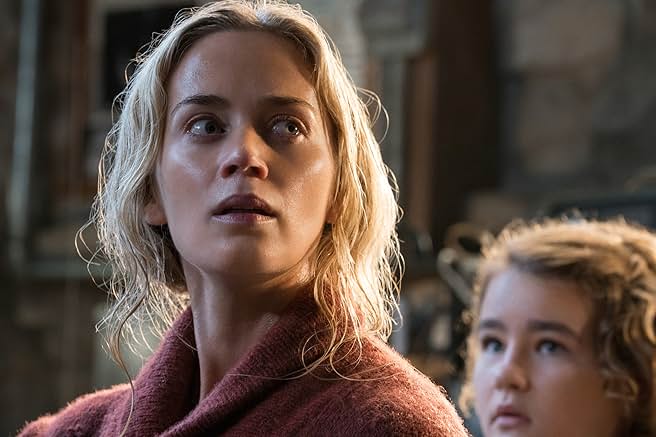
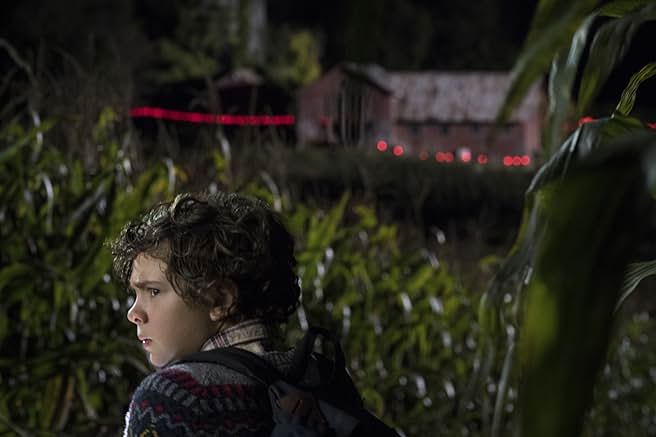




 [Source](https://www.rottentomatoes.com/tv/why_women_kill)
 [Source](https://www.etonline.com/why-women-kill-renewed-for-season-2-watch-lucy-liu-in-juicy-finale-sneak-peek-exclusive-134441)
 [Source](https://screenrant.com/why-women-kill-finale-satisfying-end-questions/)
 [Source](https://www.tvnz.co.nz/shows/why-women-kill/episodes/s1-e10)
 [Source](https://www.etv.co.za/shows/why-women-kill-season-2)
 [Source](https://www.indiewire.com/features/general/why-women-kill-season-2-review-1234641730/)
 [Source](https://www.paramountplus.com/intl/)
 [Source](https://www.sbs.com.au/whats-on/article/whos-who-and-whos-dead-in-the-new-season-of-why-women-kill/kir6fd278)
