Longform reviews of films, TV, anime, books, and audiobooks, written by the scrobble.life community and published to the Hive blockchain, so each one is owned by its author and can earn rewards from readers. 60,634 reviews and counting.
Some movies are remembered because of their big budgets and special effects, while others are remembered because they make people think. They Live is one of those films that stayed relevant because of its strange concept, memorable moments, and willingness to say something different. Released in 1988, it became a cult classic that continues to gain new fans.
The film was written and directed by John Carpenter, one of the most influential filmmakers in the horror and science fiction genres. Carpenter was known for creating movies with strong atmosphere, unforgettable characters, and ideas that went beyond simple entertainment. With They Live, he created a movie that mixed sci fi action with a deeper message about society and control.
Roddy Piper stars as John Nada, a homeless drifter looking for work and a better life. Piper was best known as a professional wrestler, but he proved he could carry a movie with his personality and natural charisma. His performance gives the character a tough but relatable quality.
Keith David plays Frank Armitage, a construction worker who becomes involved in Nada’s strange discovery. David brings a great balance of humor and seriousness to the role, and his chemistry with Piper is one of the biggest strengths of the film.
The plot begins when Nada discovers a secret group that is hiding the truth about the world. After finding a pair of special sunglasses, he is able to see that many people are actually aliens disguised as humans. He also discovers hidden messages everywhere telling people to obey, consume, and stay unaware.
What makes They Live work so well is that the idea is simple but powerful. The movie takes everyday things like advertising, television, and consumer culture and turns them into something much more sinister. Whether viewers agree with the message or not, the film definitely gets people thinking.
One of the most famous scenes in the movie is the fight between Nada and Frank. The scene goes on much longer than expected, but that is exactly why it became so memorable. It has become one of the most talked about and copied fight scenes in cult movie history.
John Carpenter’s direction gives the movie a unique style. The film has the look and feel of an eighties action movie while also carrying the atmosphere of a classic science fiction thriller. The music, pacing, and visuals all help create a world that feels strange but believable.
Roddy Piper’s performance is a big reason the movie remains entertaining. He brings humor and attitude to the role without making Nada feel like a typical action hero. His character is not a superhero, he is just someone who discovers the truth and decides he has to do something about it.
The special effects may look dated compared to modern films, but that does not hurt the movie. In many ways, the practical effects and old school style add to its charm. They Live feels like a product of its time while still having ideas that remain surprisingly relevant.
Another reason the movie has lasted is because it is not afraid to be different. It is strange, funny, action packed, and occasionally ridiculous, but it has a clear identity. Many films try to create a unique style, but few actually succeed the way this one did.
For me, They Live is a great film because it delivers entertainment while also giving audiences something to think about. The cast is memorable, John Carpenter’s direction is excellent, and the story is unlike anything else from that era.
More than thirty years later, They Live remains a true classic and one of John Carpenter’s most interesting films. It may have started as a simple sci fi action movie, but it became something much bigger. Its characters, ideas, and unforgettable moments are exactly why it continues to be loved today.
What if health were the perfect business? A cinematic gem you must see
Have you ever wondered what would happen if a doctor decided that "a healthy person is just a sick person who doesn't know it"? This provocative premise captivates us in The Doctor of Happiness, a film that masterfully balances comedy with a brilliant and highly relevant social critique of manipulation, the power of suggestion, and the economic interests behind the healthcare industry.
If you're looking for a film with a guaranteed great story, this is the perfect choice. The script is a well-oiled machine that keeps you hooked from the very first minute: it's clever, fast-paced, funny, and at the same time, it leaves you pondering long after the credits roll about the forces that drive our society.
A visual spectacle and impeccable direction
One of the film's strongest points is its impeccable direction by Lorraine Lévy. The filmmaker manages to guide the story with enviable pacing and rhythm; the plot flows with a natural ease, yet knows when to pause and delve into the precise moments of tension and drama, making the transition between comedy and social commentary feel organic and seamless.
Added to this is simply spectacular cinematography. The film transports us to an idyllic 1950s France through a vibrant color palette and warm lighting that seems lifted from a painting. Every shot of the Alpine landscapes and the picturesque village is meticulously crafted, creating a fascinating contrast: while the visual aesthetic evokes a luminous and peaceful fairy tale, the plot reveals the cunning and astute manipulation taking place behind closed doors.
The undisputed heart of this production is the extraordinary Omar Sy. The French actor, world-renowned for his captivating charisma, delivers one of the finest performances of his career. His portrayal of the charismatic doctor is simply magnetic: he walks the fine line between ambitious rogue and man of great heart, making it impossible not to empathize with him. His expressiveness and commanding presence fill the screen, transforming each medical consultation into a battle of wits that disarms the viewer.
The Doctor of Happiness is much more than fleeting entertainment. It's an astute look at the human condition, wrapped in impeccable technical execution and supported by memorable performances. If you want to enjoy intelligent, visually stunning cinema with a masterful lead performance, give it a chance. We guarantee you'll never look at a waiting room the same way again.
¿Y si la salud fuera el negocio perfecto? Una joya cinematográfica que no te puedes perder
¿Te has preguntado alguna vez qué pasaría si un médico decidiera que "una persona sana es simplemente una persona enferma que no lo sabe"? Esta premisa provocadora nos cautiva en El Doctor de la Felicidad, una película que equilibra magistralmente la comedia con una brillante y muy pertinente crítica social sobre la manipulación, el poder de la sugestión y los intereses económicos que se esconden tras la industria de la salud.
Si buscas una película con una historia genial garantizada, esta es la elección perfecta. El guion es una máquina bien engrasada que te atrapa desde el primer minuto: es ingenioso, dinámico, divertido y, al mismo tiempo, te deja reflexionando mucho después de que terminen los créditos sobre las fuerzas que mueven nuestra sociedad.
Un espectáculo visual y una dirección impecable.
Uno de los puntos fuertes de la película es la impecable dirección de Lorraine Lévy. La cineasta logra guiar la historia con un ritmo y una cadencia envidiables; la trama fluye con naturalidad, pero sabe cuándo detenerse y profundizar en los momentos precisos de tensión y drama, haciendo que la transición entre la comedia y la crítica social se sienta orgánica y fluida.
A esto se suma una cinematografía sencillamente espectacular. La película nos transporta a una Francia idílica de los años 50 mediante una vibrante paleta de colores y una iluminación cálida que parece sacada de un cuadro. Cada plano de los paisajes alpinos y del pintoresco pueblo está meticulosamente elaborado, creando un contraste fascinante: mientras que la estética visual evoca un cuento de hadas luminoso y apacible, la trama revela la astuta y perspicaz manipulación que se desarrolla a puerta cerrada.
El alma indiscutible de esta producción es el extraordinario Omar Sy. El actor francés, mundialmente conocido por su cautivador carisma, ofrece una de las mejores interpretaciones de su carrera. Su retrato del carismático doctor es simplemente magnético: transita la delgada línea entre el pícaro ambicioso y el hombre de gran corazón, haciendo imposible no empatizar con él. Su expresividad y presencia imponente llenan la pantalla, transformando cada consulta médica en un duelo de ingenio que desarma al espectador.
El Doctor de la Felicidad es mucho más que un entretenimiento pasajero. Es una mirada perspicaz a la condición humana, envuelta en una impecable ejecución técnica y respaldada por actuaciones memorables. Si quieres disfrutar de un cine inteligente y visualmente impactante con una interpretación magistral, dale una oportunidad. Te garantizamos que nunca volverás a ver una sala de espera de la misma manera.
In life, things can change in the blink of an eye, and in anime, too! This is exactly what happened to the protagonist of this story: Yusuke Urameshi, a teenager who dies in a road accident, whilst still far too young to pass on to the afterlife.
This turning point is the thread that runs through the entire plot, in which we see the character’s evolution from his days as a rebellious youth to shouldering the responsibility of keeping all of humanity safe. It is a huge step towards maturity, for although the years pass at almost the same pace as in real life, the Urameshi of the beginning is a far cry from the one at the end of the anime.
As well as the plot involving solving cases and maintaining the balance between the real world and the spirit world, this anime presents situations familiar to viewers: teenage romances, rivalries, friendship and adventures, which—all things considered—are scenarios that teenagers and young adults might encounter in their own lives, creating an emotional connection of sorts, even though many situations are exaggerated.
Alongside Urameshi, we encounter two figures from the spirit world, as well as two other demons who end up becoming his allies. Between the five of them, they maintain the balance and look after the interests of each side, whilst also including two members from the earthly world, who act as a sort of grounding influence for Urameshi.
The redemption of the demons Hiei and Kuwabara – who were called upon by the rulers of the spirit world to assist Urameshi, as a way of forgiving him for his audacity in stealing the treasures of their world – ends up adding that extra touch of action to the fight scenes.
Of all the characters, my favourite is Master Genkai, an elderly woman who, as well as being Urameshi’s tutor in his training for spiritual missions, takes the other characters under her wing, guiding them as they discover and develop their full physical and mental potential.
And although the ending is a bit far-fetched, introducing some rather implausible elements (and yes, in a story that’s already incredible, there are elements that really don’t hold up), it was a series to watch and enjoy with my children, to whom I would occasionally point out that, with tenacity and a bit of discipline, any goal is achievable.
En la vida, las cosas pueden cambiar en un abrir y cerrar de ojos, y en los anime ¡también! pues justo esto fue lo que le sucedió al protagonista de esta historia: Yusuke Urameshi, un adolescente que muere en un accidente de tránsito, siendo todavía muy joven para ir al más allá.
Este punto de retorno es el hilo que conduce toda la trama, en la cual se ve la evolución del personaje desde su realidad de joven rebelde hasta llevar sobre sus hombros la responsabilidad de mantener a salvo a toda la humanidad, es un gran paso de madurez pues aunque los años pasan casi al mismo ritmo de la vida real, el Urameshi del inicio, dista mucho de ser el mismo al final del anime.
Además de la trama de resolver casos y mantener el equilibrio entre la vida real y el mundo espiritual, este anime presenta realidades comunes para los espectadores: amores juveniles, rivalidades, amistad y aventuras, que salvando las distancias, son situaciones con las que los adolescentes y jóvenes adultos se pueden conseguir en sus vidas, creando de algún modo una conexión emocional, aunque muchas situaciones son exageradas.
Junto al personaje de Urameshi, encontramos dos figuras que pertenecen al mundo espiritual, además de otros dos demonios que terminan siendo sus aliados. Entre los 5 mantienen el equilibrio y los intereses de cada bando, incluyendo además a dos miembros del mundo terrenal, que son una especie de cable a tierra para Urameshi.
La redención de los demonios Hiei y Kuwabara, quienes fueron llamados a colaborar con el proceso de Urameshi por parte de los encargados del mundo espiritual, para perdonar su atrevimiento de haber robado los tesoros de su mundo, terminan dándole el toque extra de acción a las escenas de pelea.
De todos los personajes, el que más me gusta es la maestra Genkai, una anciana que más allá de ser la tutora de Urameshi en su entrenamiento para enfrentar las misiones espirituales, toma a los demás personajes como sus alumnos, guiándolos en el proceso de encontrar expandir todo su potencial físico y mental.
Y aunque el final es un poco rebuscado, añadiendo elementos un tanto increíbles (y si, en una historia que ya es increíble, hay elementos que realmente no convencen), fue una serie para ver y disfrutar junto con mis hijos, a quienes cada tanto les ponía de ejemplo, que con tenacidad y un poco de disciplina, cualquier meta es alcanzable.
Hello, cinema fans. Today I’m here to bring you another great movie directed by one of the most influential and revolutionary figures in cinema. A movie that rebooted a major superhero franchise and subsequently took it to new heights. Based on the DC Comics character of the same name, Batman Begins was co-written and directed by the great Christopher Nolan. The film stars Christian Bale, Michael Caine, Liam Neeson, Katie Holmes, Gary Oldman, Cillian Murphy, and others. Discover the beginning of one of the best Batman adaptations ever made.
Hola, fanáticos del cine. Hoy les vengo a traer otra grandiosa película que fue dirigida por uno de los hombres más influyentes y revolucionarios del séptimo arte. Una película que reinició una gran franquicia de superhéroes y que, posteriormente, la elevó a su punto más alto. Basada en el personaje homónimo de DC Comics, Batman Begins fue coescrita y dirigida por el gran Christopher Nolan. La película cuenta con el protagonismo de Christian Bale, Michael Caine, Liam Neeson, Katie Holmes, Garry Oldman, Cillian Murphy, entre otros. Conoce el inicio de una de las mejores adaptaciones de Batman que existen.
The movie begins by showing us a couple of children playing, one of whom is named Bruce, a member of the Wayne family. As young Bruce runs to hide in an old, abandoned well, he falls deep inside. Suddenly, we see him lying on the ground, looking around. There’s an opening leading to a dark cave where he hears screeching sounds, and then a group of bats appears. Suddenly, we see a man wake up in a prison in the Far East—it’s Bruce Wayne himself, but now an adult. He gets into a fight with a group of inmates and is then locked up in solitary confinement.
Trama
La película inicia mostrándonos a un par de niños jugando, uno de ellos llamado Bruce, miembro de la familia Wayne. Mientras el pequeño Bruce corre a esconderse sobre un viejo pozo abandonado, este cae en lo profundo. De repente lo vemos tirado en el suelo mirando a su alrededor donde hay un hueco que conecta a una oscura cueva donde escucha unos chillidos para acto seguido ver cómo aparecen un grupo de murciélagos. De repente vemos a un hombre despertar en una cárcel del Extremo Oriente, es el mismo Bruce Wayne, pero ya mayor. Este se pelea con un grupo de reos para acto seguido ser encerrado aparte.
Of all the movies I’ve seen in my life, this is one of those few gems I’ve been dying to tell you about all this time. Actually, it’s the entire The Dark Knight trilogy that Christopher Nolan directed back in the 2000s and that revolutionized the way superhero movies are made forever. After so many Batman movies that have come out in previous decades, I admit that no other film featuring this iconic comic book character has fascinated me as much as this version Nolan gave us, starring Christian Bale.
Unlike what other directors like Tim Burton did with Batman, this time we’re treated to a film that offers a much more detailed and better-developed story of the iconic character. We literally see his childhood, the origins, and the evolution of what began as an idea that would later become a symbol of terror for criminals in a dark world rife with chaos and corruption. I’m not going to lie to you—Christian Bale’s version of Batman is my favorite of them all, not because it’s the best or because it’s the most faithful to the comics—no.
De entre todas las películas que he visto en mi vida, esta es una de esas pocas joyas que he tenido tantas ganas de hablarles durante todo este tiempo. En realidad es toda la trilogía de El Caballero de la Noche que Christopher Nolan dirigió en aquella época de los años 2000 y que revolucionó la forma de hacer películas de superhéroes para siempre. Luego de tantas películas de Batman que han existido en décadas anteriores, admito que no ha habido otra película de este icónico personaje de cómics que tanto me ha fascinado ver esta versión que nos dió Nolan con Christian Bale.
A diferencia de lo que hicieron otros directores como Tim Burton con Batman, en esta ocasión vemos una película que nos ofrece una historia mucho más detallada y mejor desarrollada del icónico personaje. Literalmente vemos tanto la infancia, inicio y desarrollo de lo que fue una idea que posteriormente se convertiría en un símbolo de terror para los criminales en un mundo oscuro y repleto de caos y corrupción. No les voy a mentir, la versión de Christian Bale de Batman es mi favorita de entre todas, no porque sea la mejor o porque sea la más fiel a los cómics, no.
I want to remind you that I’m not the type to compare one adaptation to another, and I’m certainly not the kind of person who spends all my time reading comic books or anything like that. I say this version of Batman is my favorite simply because I have a special fondness for the movies in The Dark Knight trilogy—I grew up watching them since I was a kid. Above all, this first movie was the one I watched most often on TV. Although later on, as an adult, my fascination with this trilogy grew so much that I came to recognize which is the best movie in the entire saga. But I’ll talk more about that later this week, when it’s time to discuss the sequel to this iconic film.
Getting back to Batman Begins, the movie has so many positive aspects to discuss that it’s hard to know where to start. But I think it’s best to start by talking about its story—the one we all know about the famous Bruce Wayne and his transformation into Batman. What sets this version apart from other adaptations of the character is its much darker and more realistic tone, which becomes evident at the beginning of the film when we’re shown the protagonist’s past through memories and flashbacks. We witness both the death of Bruce’s parents and his path to revenge.
Les recuerdo que no soy de esos que comparan una adaptación con otra ni mucho menos soy de los que se la pasan viendo cómics ni nada parecido. Digo que esta versión de Batman es mi favorita simplemente porque tengo un cariño cercano con dichas películas de la trilogía de The Dark Knight ya que crecí viéndolas desde que era niño. Sobre todo esta primera película fue la que más veía en la televisión. Aunque ya después de grande mi fascinación por esta trilogía aumentó tanto que reconocí cuál es la mejor película de toda esta saga. Pero ya de eso les hablaré más adelante durante esta semana, cuando toque hablar de la secuela de esta icónica película.
Volviendo a Batman Begins, la película tiene tantos puntos positivos para hablarles que es difícil saber por cuál empezar. Pero creo que es adecuado hacerlo hablándoles de su historia, la cual es la que ya todos conocemos del famoso Bruce Wayne y su transformación en Batman. La diferencia que tiene esta de las demás versiones existentes del personaje es que posee un tono mucho más oscuro y realista, lo cual podemos notar al principio de la película cuando nos muestran el pasado del protagonista por medio de recuerdos o flashbacks. Vemos tanto la muerte de los padres de Bruce como su camino de venganza.
However, unlike other existing versions of this story, the path of vengeance that Bruce Wayne takes in this film is not what led him to become Batman—no. In fact, we see that his attempt to avenge his parents’ death is thwarted when the killer is shot and killed by a subordinate of Carmine Falconie, one of the leaders of Gotham City’s largest mafia families. It is precisely at this point in the story that the deconstruction of Bruce’s path of vengeance becomes clear as he discovers the true origin of the evil in this world.
As a way to “purify” his soul and better prepare himself, he embarks on a long and extensive journey around the world in search of “understanding the criminal mind,” which leads him nowhere. Until one day, he is invited by a man in a suit to be trained by Ras al Ghul and thus join the League of Shadows. At this point in the story, we discover that what Bruce has been doing all this time is running away. However, through the guidance and training he receives from Ras al Ghul, we see how he confronts what he fears most and what consumes him from within.
Sin embargo, a diferencia de las demás versiones existentes de esta historia, el camino de venganza que toma Bruce Wayne en esta película no es lo que lo llevó a convertirse en Batman, no. Es más, vemos que dicho intento de vengar la muerte de sus padres es frustrado al ver que el asesino recibe un disparo y muerte a manos de un subordinado de Carmine Falconie, uno de los líderes de las mafias más grandes de Ciudad Gótica. Justo en este punto de la historia nos dejan claro la deconstrucción del camino de venganza de Bruce al descubrir el verdadero origen del mal que hay en este mundo.
Como forma de “purificar” su alma y prepararse mejor, incursiona en un largo y extenso viaje por el mundo en busca de “conocer la mente del criminal”, lo cual lo lleva a nada. Hasta que un día es invitado por un hombre de traje a que sea entrenado por Ras al Ghul y así unirse a la Liga de las Sombras. Llegados a este punto de la historia descubrimos que lo que ha estado haciendo Bruce fue huir todo este tiempo. Sin embargo, mediante la guía y entrenamiento que recibe luego de Ras al Ghul, vemos cómo se enfrenta a aquello que más le teme y lo consume por dentro.
After his training, we see him make a decision—one that turned both the League of Shadows and the rest of the world against him. But what’s most interesting is how that decision leads him to become the Batman we all know—not just any Batman, but one who “doesn’t kill.” This small but important detail is significant because it sets him apart from, say, Tim Burton’s well-known version of Batman. Also, when we consider the number of enemies and criminals he’ll have to face upon returning to Gotham, we realize just how difficult the decision he makes really is.
What’s truly fascinating comes later, when we see how they use his fear of bats—which is clearly shown to us at the beginning of the film—as a symbol of terror for his enemies. This detail also fascinated me quite a bit, as we see how Christopher Nolan manages to make us connect with the protagonist—not because he’s Batman, but because he’s a simple human being with fears and weaknesses just like anyone else. So his entire journey and development, which we witness over the course of the film’s more than two hours, take on greater meaning and significance when we keep this in mind until the very end.
Luego de su entrenamiento vemos cómo toma una decisión, una decisión que lo enemistó tanto de la Liga de las Sombras como del resto del mundo. Pero lo más interesante es cómo dicha decisión que toma es lo que lo lleva a convertirse en el Batman que todos conocemos, pero no cualquiera Batman, sino uno que “no asesina”. Este pequeño pero importante detalle es relevante ya que lo diferencia de la conocida versión del Batman de Tim Burton, por ejemplo. También que, al conocer la cantidad de enemigos y criminales que tendrá que enfrentarse al volver a Gotham, nos damos cuenta de la difícil decisión que toma.
Lo fascinante llega después al ver cómo utilizan su miedo por los murciélagos -el cual claramente nos lo muestran al principio de la película- como un símbolo de terror para sus enemigos. Este detalle también me fascinó bastante ya que vemos cómo Christopher Nolan logra que nos familiaricemos con el protagonista, no porque sea Batman, sino porque es un simple ser humano con miedos y debilidades como cualquiera. Así que todo su camino y desarrollo que vemos a lo largo de las más de dos horas de duración de esta película llegan a tener más sentido y valor teniendo esto presente hasta el final.
Another fascinating aspect of this movie is how it shows us each and every one of Bruce Wayne’s “setbacks”—the mistakes and failures he faced on his journey to becoming Batman. While this isn’t much different from the vast majority of other superhero movies, where we see the heroes fail at first and keep trying until they finally succeed, in Batman Begins this has a much deeper value and meaning. I’m not just referring to the highly visual way Nolan shows this from the very beginning of the film, with young Bruce falling into the abandoned well.
I’m also referring to how they repeat a phrase over and over again that, personally, touched me deep in my heart: “Why do we fall? So we can learn to get back up.” The meaning of this phrase goes far beyond the obvious, since we primarily hear it from Bruce’s father, Thomas Wayne—a man portrayed in the film as distinguished, compassionate, and convalescing. But beyond that, we see that he also had a very close relationship with Bruce, and that because of his loss and everything Bruce goes through and faces throughout his life, it causes him to recall those words time and time again.
Otro detalle fascinante de esta película es cómo nos muestran todas y cada una de las “caídas” o errores y fracasos que tuvo Bruce Wayne en su camino por convertirse en Batman. Si bien no hay mucha diferencia con la gran mayoría de otras películas de superhéroes donde vemos cómo fracasan al principio y lo vuelven a intentar hasta que finalmente ganan; en Batman Begins esto tiene un valor y significado mucho más valioso. No solo lo digo por la forma tan audiovisual en la que Nolan nos lo muestra desde el principio de la película con la caída del pequeño Bruce en el pozo abandonado.
Sino por cómo nos repiten una y otra vez una frase que, personalmente, me llegó en lo más profundo del corazón: “¿Por qué caemos? Para poder aprender a levantarnos”. El significado de esta frase es mucho más que lo evidente, ya que principalmente la escuchamos del padre de Bruce, Thomas Wayne, un hombre que nos lo presentan en la película como alguien ilustre, compasivo y convaleciente. Pero además de esto, vemos que también tuvo una relación muy estrecha con Bruce y que debido a su pérdida y todo lo que llega a sufrir y enfrentarse a lo largo de su vida lo hizo recordar una y otra vez sus palabras.
Later in life, when we see Bruce facing Gotham’s various enemies as Batman, we hear and remember his father’s words over and over again as a source of motivation and strength to keep going. It’s here that we realize what makes this Batman special and invincible. It’s not his money, his ingenuity, or his technology; rather, it’s his strength and determination to keep going, even though he’s fallen countless times in his life. That’s exactly why I love this movie so much—and why I love this version of Batman as well.
The way his story is told and how thoroughly his origin and development as Gotham’s hero are detailed is truly admirable. Christopher Nolan did a spectacular job with this movie, especially in maintaining and even enhancing the DC Comics character’s vision, making him more realistic and human. Another thing I really like is that they don’t neglect any of the supporting characters, such as Bruce’s friend Rachel Dawes, his wonderful and trustworthy butler Alfred Pennyworth, the reliable scientist at Wayne Industries, Lucius Fox, and the brave Sergeant James Gordon.
Ya después de grande, cuando vemos a Bruce enfrentarse a los distintos enemigos que hay en Gótica como Batman; volvemos a escuchar y recordad dichas palabras de su padre una y otra vez como una fuente de motivación y fuerzas para seguir adelante. Es aquí donde caemos en cuenta lo que hace especial e invencible a este Batman. No es su dinero, su ingenio ni su tecnología; sino que son sus fuerzas y ganas de continuar, aún cuando ha llegado a caer incontables veces en su vida. Es exactamente por esto que me encanta un montón esta película, así como también sucede con esta versión de Batman.
La forma en la que es contada su historia y lo bien detallado que es su origen y desarrollo como héroe de Gotham es digno de admirar. Christopher Nolan hizo un trabajo espectacular con esta película, sobre todo al mantener y mejorar incluso la visión del personaje de DC Comics, haciéndolo más realista y humano. Otra cosa que me gusta bastante es que tampoco descuidan a ningún personaje secundario, como lo son el caso de la amiga de Bruce, Rachel Dawes, su grandioso y confiable mayordomo, Alfred Pennyworth, el confiable científico de Industrias Wayne, Lucius Fox y el valiente sargento James Gordon.
Obviously, this also applies to the antagonists or villains we’ll meet in this movie. One of them is the aforementioned Ras al Ghul, who I think has a significant impact on this movie. Although he ends up being mostly just the typical character who goes from being the mentor to becoming the protagonist’s main enemy. Liam Neeson’s performance isn’t too bad either—it’s actually very believable and well-crafted. The one who I think stood out a bit more was The Scarecrow, played by Cillian Murphy, but that’s mostly just because of a couple of scenes.
But what I definitely think stands out the most in this movie—and what fascinated me just as much as its story, messages, and characters—is the audiovisual aspect. Christopher Nolan outdid himself like never before in this film, showcasing his immense talent for the first time. The cinematography, camera styles, second-person shots, motion effects, and static shots are among the most notable aspects of Nolan’s signature style. The same goes for the dark, cool color palette and the dark, dimly lit environments and spaces. We also have to mention the makeup, costumes, and practical props.
Obviamente, esto también aplica a los antagonistas o villanos que iremos conociendo en esta película. Uno de ellos es el ya mencionado Ras al Ghul, quien considero yo tiene una buena influencia en esta película. Aunque termina siendo más que nada como el típico personaje que pasa de ser el maestro a convertirse en el enemigo principal del protagonista. La actuación que hace Liam Neeson tampoco está tan mal, muy creíble y bien elaborada, la verdad. El que considero yo que sí destacó un poco más fue El Espantapájaros, interpretado por Cillian Murphy, pero ya esto es más por un par de escenas nomás.
Pero lo que definitivamente creo que destaca más en esta película y que también me fascinó tanto como su historia, mensajes y personajes es el apartado audiovisual. Christopher Nolan se lució como nunca antes en esta película, demostrando por primera vez su grandioso talento. Tanto la fotografía, los estilos cámaras y planos en segunda persona, los efectos de movimiento y planos fijos son de lo más destacable del sello distintivo de Nolan. Lo mismo ocurre con la paleta oscura y fría de colores, los entornos o espacios oscuros y con poca iluminación. También tenemos que hablar del maquillaje, vestimentas y equipos prácticos.
I’ll just say that the movie doesn’t use any CGI, which is really striking when you notice the excellent visual quality from start to finish. Nolan did a great job of consistently using practical effects, such as Batman’s suit, his gear, and even his tank-like car. The movie also features a lot of fast-motion camera work, which creates that sense of speed—mostly in action scenes. The sound effects also stand out quite well, but they’re nothing compared to the film’s impressive soundtrack. A Batman movie that everyone should see.
Personally, I give it a 9.5/10 rating in the superhero, action, and drama genres.
Solo les diré que la película no cuenta con nada de CGI, algo que llama mucho la atención al notar la excelente calidad visual que tiene de inicio a final. Nolan se las arregló muy bien para usar siempre efectos prácticos como lo son el traje de Batman, sus equipos e incluso su automóvil con forma de tanque. La película también cuenta con muchos efectos de movimiento acelerado de las cámaras, haciendo ese efecto de velocidad en escenas de acción, más que nada. Los efectos de sonido también destacan bastante bien, pero nada comparado con la impresionante banda sonora que tiene esta película. Una película de Batman que todo el mundo debe ver.
Personalmente, le doy una calificación de 9.5/10 en lo que respecta al género de superhéroes, acción y drama.
Tell me, have you seen this movie yet? What did you think of it? You can leave your answer in the comments.
Dime, ¿ya has visto esta película? ¿Qué te ha parecido? Puedes dejarme tu respuesta en los comentarios.
The Harry Potter series is one of the most popular movie series ever produced. Based on the popular novels penned by J. K. Rowling. The film series chronicles the life story of a young boy, Harry Potter, who becomes a wizard with special powers and a great destiny. The marathon in the picture is of all of the Harry Potter films, and will take you on an educational and adventurous trip from Harry's childhood to its adulthood.
The story starts with Harry having a miserable life with his aunt, uncle and cousin. He is unaware of his wizardry. But all changes when a letter arrives for him, inviting him to attend Hogwarts School of Witchcraft and Wizardry. He meets his best friends, Ron Weasley and Hermione Granger; there. They discover magic together, encounter dangers, uncover mysteries, and become stronger as the years go on.
I really liked how the book in Harry Potter was developed. The films have a light and airy atmosphere at first, and become more serious and emotional. The problems get worse as Harry gets older. The story has valuable messages of friendship, bravery, sacrifice, fidelity and love. The movies are not just entertaining, but meaningful through these lessons.
Acting is pretty good throughout the series. The young actors deliver a wonderful performance to embody their characters. Harry, Ron, and Hermione are now real friends, and they get even closer throughout the series. It's also a memorable supporting cast. Some make you laugh, some make you feel good and some make you feel bad. Every character contributes to the story in a unique way.
The magician's world is another aspect of Harry Potter that is wonderful. Hogwarts is a stunning and intriguing castle that's teeming with flying stairs, magical beasts, concealed room and potent spells. For many viewers, the filmmakers had the ability to make the world the kind of place they want to visit. The visual effects are really amazing, particularly with some of the movies dating back years. The magical battles, creatures and settings remain just exciting today.
I also enjoyed the emotional aspect of the narrative. Harry suffers from loss, pain and hard decisions. He discovers that heroism isn't about possessing power but performing righteous acts. There were times when I was happy, excited, even sad, in the series. Certain scenes remained imprinted on my mind even after viewing.
But the films are less than flawless. There are parts that are very quick, particularly for those who haven't read the books. Some of the characters and events might have been developed more. There was too much information in the books to leave out all of the important parts, so some important moments had to be shortened or cut. Nevertheless, the films are a pretty good rendition of the central narrative.
I love Harry Potter because I love the message that love and friendship can be used to conquer fear and evil. Harry's never alone. He is supported by his friends and mentors. This is a reminder to the viewers of the importance of good relationships in life. This message spoke to me and was inspiring.
Overall, the movie series Harry Potter is an incredible one which has a lot of adventure, fantasy, mystery, and feelings. The film takes the audience through a magical journey, complete with memorable moments and memorable characters. The series is fun and meaningful, whether you're watching for the first time or revisiting. It is a tale of childhood, hard decisions, and courageous stance for doing the right thing when it is challenging.
My Rating: 9.5/10
Harry Potter is a highly recommended book for anyone interested in fantasy, adventure, friendship and courage. It is the most fun series I have ever seen, and still teaches many people around the world.
Throughout the long and distinguished history of the USS Enterprise, across its various incarnations, the vessel has been the subject of numerous hostile takeover attempts, forcing a lone protagonist or a handful of remaining crew to rely on their ingenuity to thwart the invaders. Many such episodes have, in retrospect, been compared to the scenario of the 1988 action classic Die Hard, but few are as direct and unabashed in their homage to John McTiernan’s film as Starship Mine, the eighteenth episode of Star Trek: The Next Generation’s penultimate season. The premise is indeed the simple, high-concept pitch of “Die Hard on the Enterprise”, a formulation acknowledged by both fans and critics.
The script, by Morgan Gendel—who also wrote the celebrated episode The Inner Light—finds the Enterprise-D docked at the Remmler Array for a routine but hazardous maintenance procedure known as a baryon sweep.This process, designed to remove radioactive particles that accumulate as a byproduct of warp travel, is fatal to all organic life, necessitating a full evacuation. Most of the senior staff find themselves hosted at a painfully awkward reception on the station by Commander Calvin “Hutch” Hutchinson (David Spielberg), a Starfleet officer whose relentless and insufferable attempts at small talk grate on everyone. Picard seizes upon the excuse of a forgotten saddle to return to his ship, a move that places him aboard as the sweep is about to commence. It is here he discovers that the Arkarian “technicians” remaining on board are in fact a gang of terrorists and mercenaries, led by the ruthless Kelsey (Marie Marhsall), who plan to steal valuable trilithium resin from the warp drive while the sweep provides cover. Simultaneously, their accomplices take the reception guests hostage, with Hutchinson killed and Geordi La Forge injured in the sudden, violent disruption.
What follows is a tense game of cat-and-mouse, with Picard, now the sole defender of his vessel, forced to improvise with booby traps and weaponry, including Worf’s Klingon crossbow. As the lethal baryon sweep progressively reduces the habitable sections of the ship, the stakes are physically narrowed, adding a palpable countdown to the proceedings. On the station, a secondary plot sees Dr. Crusher, Counsellor Troi, and others using La Forge’s VISOR to outmanoeuvre their captors, though this strand is notably underdeveloped compared to the main action. The final confrontation occurs in Ten Forward, where Kelsey manages to beam away with the resin, only for her ship to be destroyed when Picard’s earlier sabotage—the removal of a critical control rod—causes a catastrophic explosion.^It is a ruthlessly efficient conclusion that underscores the episode’s willingness to let its hero be decisively lethal.
The inevitable comparison to Die Hard is both the episode’s core appeal and its most significant liability. The parallels are extensive: a lone hero in a confined space, terrorists revealed to be common criminals, and the callous killing of an annoying side character (here played with darkly humorous exasperation by David Spielberg). Yet, where the film thrives on gritty realism and relentless pace, Starship Mine often feels like a gentler, more cerebral cousin, constrained by the show’s budgetary limits and its inherent aversion to outright brutality. The episode moves at a brisk clip, which helps gloss over its narrative contrivances, but the tonal shifts can be jarring. Moments of genuine threat, such as Hutchinson’s murder, are intertwined by comedic relief, notably Data’s painfully accurate mimicry of Hutchinson’s small talk, which, while hilarious, creates a discordant effect. Furthermore, the musical score by Jay Chattaway is frequently cited as a significant weakness; with its repetitive and intrusive horn blasts threatening to undermine the tension entirely.
For all its flaws, Starship Mine is generally regarded as a solid, entertaining entry that fits comfortably within the standards of TNG’s later seasons.^ Director Cliff Bole handles the action competently, and the cast offers several points of interest for dedicated fans.^ Patricia Tallman, later famous as Lyta Alexander in Babylon 5, appears as Kelsey’s henchwoman Kyros, while Tim Russ—in a role predating his iconic portrayal of Tuvok on Star Trek: Voyager—plays one of the terrorists. The episode also provides a rare opportunity to see Picard’s profound, almost romantic connection to the Enterprise visualised, as in the opening scenes where he wanders the empty bridge, caressing a console with palpable affection.
In the end, Starship Mine is unlikely to be remembered as one of the series’ profound philosophical statements. Yet, it succeeds on its own terms as a well-constructed and often thrilling bottle show, a piece of genre fun that allows Patrick Stewart’s Picard to play the action hero without completely sacrificing the character’s cerebral dignity. For viewers seeking a straightforward, Die Hard-inspired adventure within the Star Trek universe, it delivers efficiently, even if the homage sometimes feels more like a derivative blueprint than an inspired reinvention.
What an insane first Episode for Season 3 of House of The Dragon, this series doesnt stop making you think there is a victory without actually realize how much they loose after each victory, makes me think at the end there will be nothing left.
The whole vibe shifts immediately from where we left off and you can feel the weight of the war right from the start with Daemon finally getting the Grey Wolfs from Winterfell. Alicent returns from her secret trip to Dragonstone fully expecting her deal with Rhaenyra to proceed smoothly so she can save what is left of her family, specially her sons because I doubt she is doing it for the Greens memebers though. She wanders into the Red Keep looking completely drained, you can just see the exhaustion on her face but instead of going to her chambers she gets called by "the king" Aemond. Her entire plan hinged on handing over a bedridden king to stop the bloodshed but she hits a massive reality check the second a guard redirects her. She steps into the throne room and the visual framing immediately tells you the power dynamic has shifted completely out of her hands, you can feel her heart drop when she realizes her desperate gamble just went up in smoke seen Daemon sitting in the throne. It sets a raw tone for the rest of the first episode although we all know nothing is this easy, the series always try to play mind games, but this scenes perfectly illustrates how the older generation has completely lost control of the monsters they raised without even knowing from the moment Aemond lost his eye as a kid to take Vhagar and saying it was worth it, what can you expect from a kid that is that brave, violent and giving him basically a flying nuclear reactor??!!
Aemond is sitting on the Iron Throne gripping his sword and looking like an absolute badass while Alicent walks in to face him. He is positioned exactly like Daemon was in the very first season but this time we dont got a King that wans the throne just to get drunk with his friends. You can see the panic wash over her face when he just casually informs her that Aegon is gone and she knows her whole bargain just went to shit, its a big "what I have done" moment for the episode and at that moment I was only wondering how fast Rhraenyra would attack Kings Landing. Aemond dragged the Grand Maester out of bed just to demand answers about his missing brother and he wants to stay in Kings Landing to defend it himself, refusing to fly out to join Criston Cole the way Alicent needed him to or was expecting he would. Aemon also finds out Larys actually smuggled the wounded king out of the city in a cart and they are on the run toward the coast, its very obvious to related sometimes this characters between GOT and HOTD, some of them have the same kind of behaviours. There is this scene when Larys tells soldiers he is transporting the king to get a higher reward instead of letting them kill Aegon. Aegon has become an addict to milk of the poppy while Larys admits he simply forgot to bring any during their rushed escape, almost like it was intentional of probably making him suffer to then be the hero of their own story saving him from getting killed and getting him milk of the puppy some how, which feels like the most Larys thing he has ever done. Alicent is trapped back in the capital realizing she has to somehow convince Aemond to leave the city so Rhaenyra can still take it and after all I think she got her plan to work out very cheap so far, she resorts to manipulating her own son by feeding his ego and telling him he is fearless just to get him out of the way.
What sucked is how they handle some of the travel logic making Alicent bounce around the map in a matter of days when it should take way longer, Aemon did said she have been missing for the past 3 days but I wonder if that is what really takes from Kings Landing to Dragon Stone, imagine if on Season 2 ending Vhagar took a good amount of time to get close to the island. We also have Daemon out in the Riverlands arguing with young Oscar Tully about burning dead bodies right after the Lannister army got wrecked and also he doesnt give a shit about local customs and just wants to use his dragon to incinerate the corpses so they do not spread the plague on top of probably having a good snack for free. The young Tully lord stand his ground asking for proper graves for his fallen men but Daemon does not care at all, something I might say annoys Daemon not having the last word on every argument and just have to comply because he need the men, he need the swords. Meanwhile Caraxes starts cooking people in the background of the shot which felt hilarious and chaotic for a serious war aftermath, hilarious because its like he already knew what his rider was talking about or could it be just common behaviour for them during war, so far Caraxes and Daemon have been in multiple battlers during this series. I got to say there were not too many monologue moments or many politics speech during this first episode but for sure we goint to get those slow draggy moments at some point, even during this small moments on S03E01, the cast still made it watchable even though the tone shifts weirdly into dark comedy territory, to wark, to almost some sort of weird romance from Aemond to his mother. The Winter Wolves emerge from the woods carrying the severed head of Jason Lannister, but they still dont get enough screen time and why would they cut down such important moment, tossing his head on the ground to prove their loyalty, I guess Daemon is not up to speed with his army, how did he didnt saw the banner and said welcome to the party. Aside from the dragons would love to watch some ground battles with the Northern soldiers who marched south strictly to die fighting for their dragon queen, they are old grey beard who have no plans to go bac, only if they lucky. This whole scene when they toss the head feels heavy but the bizarre comedy timing with the dragon fire just throws the vibe off for a minute.
I breavely read, dont want to spoil things for myself; how people have compare this to the original books you realize Daemon was not even at this specific battle since he was already heading back to Dragonstone, though I have not read the books myself and not something I want talk about during my posts since I'm just another average viewer. They are clearly changing the story to give him more screen time with the river men and justify his long isolation in the haunted castle, boring times during season two and it feels like the exact same stalling move they pulled last season, stretching things out to delay the truly massive confrontations but at least on this frist episode we got way more blood than during the entire previous season. They are building up Oscar Tully as a real leader too, who stands up to the rogue prince / king?, and it works, but you can see the machinery behind it. On the other side we see Tyland Lannister already aboard the Triarchy fleet with Lohar as their attack on the Sea Snake blockade begins, which is where this episodes really starts delivering and picking up a brutal pace, one scene after another. Lohar does not even care about the actual war and only wants to use this opportunity to gut Corlys Velaryon for every time he had chase them and cut them down over and over again. Lohar is an unhinged character who became really unpredictable and did more damage to the Greens army than what she really help them but it was expected as they are pirates, not only she told to Lannister face that she had no interest to fight for his king but the way she make her ship lighter, not trying to spoil things; this was a savage moment. This episode does not tease the sea battle as some future moment either, it throws you right into the actual Battle of the Gullet as the Triarchy slams into the Velaryon blockade with everything they have. The tension that builds as the Velaryon fleet realizes they are suddenly out numbered by an enemy they thought was defeated years ago, but it was so damn smart how the Sea Snake out manuver them, and then the dragons start moving and things escalate into something you were not fully prepared for and this was literally NOT what everyone was expecting, this was not Daenrys destroying and entire fleet with her three dragons and going back home without any loosses, this time it was a massive battle with bigger looses on both sides that you cant even tell who really won.
Hands down I would probably rank this episode in the top 5 best episodes of the entire series, this first episode is a solid start but the pacing feels all over the place as it tries to juggle too many separate locations, and honestly I would say this episodes lack a breather, a cool down moment. It is totally dope to see the dragons out in the open like Sheepstealer who literally cooks a massive carcass before eating it like a post battle snack, watching Rhaena struggle to tame that aggressive beast adds so much danger because the dragon completely ignores her even when talking Valyrian, almost like he understand but decides when to obey, not like when we saw Rhaenyra talking to Vermithor on Season 2, but got to admit she has way more composture on her voice that crying and un expirience Rhaena. The creature has a massive underbite and jagged teeth that make it look absolutely savage and wild compared to the pampered dragons raised in the royal pits. Even with the Battle of the Gullet going off, parts of this first episode still feel like everyone is just positioning the next wave of chaos rather than fully committing, which is both exciting and a little maddening, after all the Triarchy facing the Sea Snake is from the last episode of Season 2, that and Sheepstealer and Rhaena was no surprise or spoiler for anyone watching the series. We also get that extremely uncomfortable moment where Aemond leans in and kisses his mother on the lips which felt more like bait to see if she gets hooked, the truth is that it felt out of place and unnecessary since he didnt fully commit. This interaction between Aemon and Alicent made me think if this was the writers fault trying to imply something here, like he still doesnt own or felt he has the absolute power to what ever he wants, idk just a thought. I am giving this one a solid 8.5/10 because the raw battle aftermath and the dragon visuals are fantastic to say the least, plus Rhaena screwing up bit time. I am just hoping they stop playing around with the slow travel sequences and unleash the chaos we all know is brewing. This war needs to finally explode and I want to see the Greens and the Reds face the nightmare they have created for themselves.
Hola, mis amigos. Que placer saludarlos nuevamente. Hoy regreso por acá con otra propuesta.
A propósito del día de los padres, ayer, en la televisión cubana proyectaron un filme espectacular, donde se ve lo que es capaz de hacer un padre por un hijo, en este caso, por una hija. Esa película, titulada Venganza, con el gran actor Liam Neeson, es un clásico moderno de la acción, de esas que ves un domingo por la tarde y no puedes soltar el control. Aquí en Cuba, muchos la conocen como Búsqueda implacable, y créeme, el nombre le queda como anillo al dedo.
Hello, my friends. What a pleasure to greet you again. I'm back here today with another recommendation.
Speaking of Father's Day, yesterday Cuban television aired a spectacular film that shows just how far a father will go for his child—in this case, for his daughter. That movie, Taken, starring the great Liam Neeson, is a modern action classic—the kind you watch on a Sunday afternoon and simply can't put the remote down. Here in Cuba, many know it as Búsqueda implacable (Relentless Search), and believe me, the name fits like a glove.
Liam Neeson posee una gran capacidad histriónica, tiene una voz grave y una presencia magnética capaces de aflojarle las piernas a cualquier mujer. Brilló en La lista de Schindler. También es el legendario Qui-Gon Jinn en Star Wars. Tras la pérdida de su esposa, continuó siendo un actor versátil, sólido, muy respetado e inolvidable.
Liam Neeson has tremendous acting range, a deep voice, and a magnetic presence that could make any woman weak in the knees. He shone in Schindler's List. He's also the legendary Qui-Gon Jinn in Star Wars. After the loss of his wife, he continued to be a versatile, solid, highly respected, and unforgettable actor.
La historia de Venganza es sencilla, Bryan Mills (Liam Neeson) es un exagente de la CIA que se ha retirado para intentar recuperar la relación con su hija adolescente, Kim. Pero la muchacha, en su afán de viajar a París, cae en las garras de una red de tráfico de personas. Cuando la secuestran, Bryan demuestra que, aunque esté retirado, sus "habilidades especiales" no son un cuento chino.
The story of Taken is simple: Bryan Mills (Liam Neeson) is a former CIA agent who has retired to try and rebuild his relationship with his teenage daughter, Kim. But the girl, eager to travel to Paris, falls into the clutches of a human trafficking ring. When she's kidnapped, Bryan proves that even though he's retired, his "special set of skills" are no joke.
Y ahí es donde la película se pone buena. Lo que sigue es una persecución trepidante a través de París, donde Mills no se detiene ante nada ni nadie, un tipo duro de verdad. Esta cinta está llena de peripecias, es un producto de acción pura y dura. No esperes grandes reflexiones filosóficas, esto es como un buen tiro, directo, sin mucho artificio, pero que te deja satisfecho.
And that's when the movie really gets good. What follows is a breathless chase through Paris, where Mills stops at absolutely nothing and no one—a truly tough guy. This film is packed with twists and turns; it's a product of pure, hard-hitting action. Don't expect deep philosophical reflections—this is like a well-aimed shot: direct, without much frills, but it leaves you satisfied.
¿Qué hace especial a esta película? Pues su protagonista Liam Neeson, actor irlandés que me encanta y del cual he visto muchos filmes, es conocido por sus papeles dramáticos, donde se reinventa por completo y se convierte en un héroe de acción creíble. Su interpretación es fría, calculadora, pero a la vez muestra el amor incondicional de un padre.
What makes this movie special? Well, its protagonist, Liam Neeson. This Irish actor, whom I love and whose many films I've watched, is known for his dramatic roles. Here, he completely reinvents himself and becomes a believable action hero. His performance is cold and calculating, but at the same time, it shows a father's unconditional love.
Las escenas de pelea son rápidas, contundentes y sin tonterías. Neeson no es un superhéroe, es un profesional que usa su entrenamiento para acabar con el problema lo más rápido posible. La película dura más de una hora y no tiene un segundo de relleno. Es una montaña rusa que no te da tiempo a aburrirte. Claro, no todo es perfecto. La trama es predecible y los malos son malos porque sí, sin mucha profundidad. Su objetivo es entretener a base de disparos y trompones, y en eso, cumple su objetivo con creces.
The fight scenes are quick, brutal, and no-nonsense. Neeson isn't a superhero; he's a professional who uses his training to end the problem as fast as possible. The movie runs over an hour and doesn't have a single second of filler. It's a roller coaster that won't give you time to get bored. Of course, it's not perfect. The plot is predictable, and the villains are bad just for the sake of being bad, without much depth. Its goal is to entertain with gunfire and punches, and in that, it more than delivers.
En fin, Venganza es una película que, aunque parece simple, al menos a mí, me emocionó mucho. Lanzó a Liam Neeson al estrellato de la acción y nos regaló una de las frases más icónicas del cine moderno (esa de "no tengo dinero, pero tengo un conjunto de habilidades muy particulares"). Si te gusta el cine de acción sin pretensiones, donde el bueno es bueno y el malo es malo, esta es tu película. No es para pensar, es para disfrutar. Y a veces, eso es justo lo que hace falta.
In short, Taken is a movie that, although it seems simple, really moved me, at least. It launched Liam Neeson into action stardom and gave us one of the most iconic lines in modern cinema (that one about "I don't have money, but I have a very particular set of skills"). If you like unpretentious action movies where the good guy is good and the bad guy is bad, this is your film. It's not for thinking; it's for enjoying. And sometimes, that's exactly what you need.
Gracias por visitar mi blog
Texto e imágenes de mi propiedad
Thanks to visite my blog
Text and imagen are my own
A central question in the film, Loving Vincent is, did Vincent van Gogh kill himself? However, the mystery of van Gogh's death is not the heart of the movie. The character who serves as the antagonist in this film investigates a larger issues. He strives to discover the essence of van Gogh, to plumb the depths of this artist's despair and to understand the peculiar man who left behind a legacy of extraordinary art.
Most of us know the broad outlines of Vincent van Gogh's life. He notoriously cut off his ear (or at least part of it), and was conspicuously mentally ill. We also are likely familiar with his most famous paintings.
*Starry Night, Vincent van Gogh, 1889, MOMA, [public domain](https://commons.wikimedia.org/wiki/File:Vincent_van_Gogh_Starry_Night.jpg).*
Although his career as an artist lasted 10 years, it was in the last few years that van Gogh produced his most recognized masterpieces. He was astonishingly prolific. He left as his legacy 900 paintings and 1100 drawings. The drawings were largely done in the early years, before he transitioned to painting.
Self Portrait, van Gogh, 1887, Art Institute of Chicago, public domain
If you are a fan of van Gogh's art, and have ever wondered about the man who created these magnificent paintings, then you should watch this movie. It is essentially a 94-minute, animated canvas that has been painted to evoke his vibrant art style.
In order to describe the unusual technique employed by the filmmakers I'll quote from their website, Loving Vincent:
We shot the film with actors, and literally painted over it frame by frame. This is a very laborious and time-consuming process
These painted frames were then animated using a process called rotoscoping. The result is spectacular.
Here is what the result looks like in the film's official trailer:
The filmmakers hired 125 artists from all over the world to paint the frames. These artists were trained in the characteristic style of van Gogh. The approximately 1,000 canvases comprise the movie, which is the first painted feature film.
We are offered the story of this artist's life through the eyes of an unsympathetic character, Armand Roulin. As is true for most of the characters in the film, Armand is drawn from life, literally. Here is a portrait of Armand, as painted by van Gogh in 1888.
Portrait of Armand Roulin, van Gogh 1888, Museum Folkwang, public domain
While Armand Roulin was an actual, living person, drawn from real events in van Gogh's life, his actions in this film are fictional. He is sent on a mission by his father (in the film) to deliver a letter a deceased Vincent had addressed to his brother, Theo van Gogh. At the time the journey begins, Armand discovers that Theo has also died.
Armand is not happy about fulfilling his father's request, so he reluctantly begins to search for someone who can deliver this letter to Theo's widow. This search becomes the device through which the filmmakers explore the last days of Vincent's life.
Eventually, Armand warms to the story of van Gogh. He is told this artist has committed suicide, but he questions that judgement.
*Armand's father, Joseph Roulin: van Gogh, 1889, Kröller-Müller Museum, [public domain](https://commons.wikimedia.org/wiki/File:Portrait_of_the_Postman_Joseph_Roulin_(1889)_van_Gogh_Kroller.jpg). Note the word on Joseph's hat. He was the local postmaster. Van Gogh wrote his brother daily and so became close with the postmaster and his family.*
Armand Roulin is an excellent agent to carry the plot of the movie forward. His father has to persuade him to take on the chore of delivering the letter, so he is antagonistic to van Gogh's life story. As he asks questions of those he meets he is gradually persuaded that van Gogh had a worthy life.
Much of his inquiry centers around van Gogh's reported suicide. He, and others, do not accept this self extinction as a fact. There were no witnesses to the act, which was a gunshot to the abdomen, so there is no way to be certain how this shot was delivered. However, Vincent lingered for two days after the event and asserted that no one else was to blame.
Visually, also, Armand is an excellent agent to carry the plot forward. His bright yellow coat distinguishes him in a crowd, or in a fight. Armand fights a lot. And he drinks a lot.
While the film is painted mostly in brilliant colors, there are segments that are painted in black and white. These black and white scenes help us to distinguish current episodes from past episodes.
One fascinating part of the film is that we are casually introduced to Vincent's art contemporaries. As he sits in a Paris café, we see a small bearded man with glasses--Toulouse Lautrec. These two artists were friends. Lautrec painted a highly-regarded picture of Vincent while they were in a café.
Vincent van Gogh, by Toulouse Lautrec, 1887, Van Gogh Museum. public domain.
We also have a scene (in black and white) where van Gogh and Paul Gauguin are fighting. These two artists had a tumultuous relationship which ended with the episode of van Gogh's self mutilation (ear incident).
This is an inspired film about a tragic life. From that tragedy great art was realized. There is no question that Vincent van Gogh was mentally ill. He was tortured by his illness. He was also tortured by life and by the people around him. In his father's eyes he was a failure. To the public he was a joke, a nuisance.
What was the source of his illness? The film does not tell us. He was certainly an alcoholic. He was certainly odd. His brother, Theo, suffered from syphilis. Was Vincent's mental illness a symptom of tertiary syphilis?
As azircon (who wrote the blog that prompted me to watch this movie) wrote, "Here is a penniless man in this tiny spartan apartment, but there are six original oil painting hanging in his wall, each worth at a minimum $10M..."
If life, and people, had been kinder to Vincent, would he have been able to handle his mental illness? If he hadn't been mentally ill, would he still have had the vision that produced his very remarkable work? One has to wonder.
A word about the actors. Through all that paint they are quite recognizable, and excellent. The budget for the film was a scant $5.5M, so it's not likely the actors brought home fat paychecks.
I hope my description of this movie and my display of Vincent van Gogh's beautiful art inspires readers to view the film. I watched it on YouTube. Here is a link to that site:
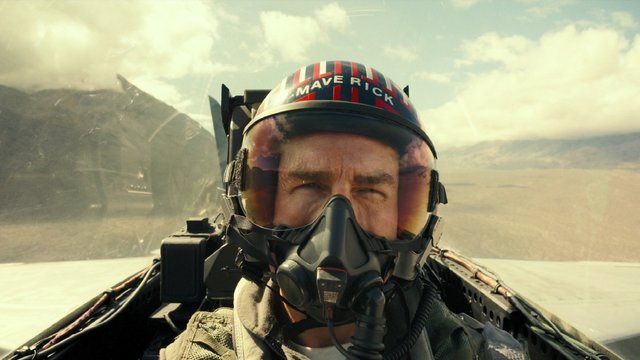
It could be argued that Tony Scott’s 1986 military aviation action drama Top Gun defined the modern Hollywood blockbuster, not only becoming one of the most successful and iconic films of its time but also establishing the clear parameters of what a major Hollywood product is supposed to be: a high-concept, visually spectacular, music-driven, and emotionally simplistic spectacle designed for maximum audience appeal. Many decades later, its long-awaited sequel, Top Gun: Maverick became an important event in cinema history, this time for re-confirming those same parameters with an almost religious fervour. In an era where the cinematic landscape is fragmented by streaming, superhero fatigue, and a growing appetite for complexity, Top Gun: Maverick arrived as a defiant throwback, a $1.5 billion-grossing testament to the enduring power of the old formula. Yet, beneath its polished surface and critical acclaim lies a film that is arguably more fascinating as a cultural artefact than as a piece of storytelling—a meticulously engineered nostalgia bomb that serves as both a celebration of and an elegy for a certain kind of American cinema, and perhaps for a certain kind of American confidence.
The plot, set roughly three and a half decades after the events of the first film, finds the protagonist Captain Pete “Maverick” Mitchell (Tom Cruise), a highly talented and successful US Navy aviator, near the end of his career. His legendary tendency towards insubordination and lack of political skills have prevented him from advancing in the ranks, unlike his old rival and friend Tom “Iceman” Kazansky (Val Kilmer), who reached the rank of Admiral and command of the US Pacific Fleet. Iceman, now fighting terminal cancer, uses all his remaining clout to prevent Maverick from being kicked out of the Navy or permanently grounded, especially after his latest stunt as a test pilot results in breaking the speed record but destroying a valuable experimental aircraft in the process. This setup immediately establishes the film’s central tension: Maverick is a relic, a man whose exceptional skill is inseparable from a rebellious spirit that the institution can no longer comfortably accommodate in an age of drone warfare and risk-averse bureaucracy.
Maverick is kept in service, but the best Iceman can do is to arrange for him to serve as an instructor at the elite fighter pilot school “Top Gun.” His superior, Admiral Beau “Cyclone” Simpson (Jon Hamm), is deeply sceptical, considering him too old and obsolete. Maverick’s task is to teach a hand-picked team of pilots for a near-impossible mission: to destroy an illegal uranium enrichment facility in an unnamed “rogue country.” The site is so well-defended by surface-to-air missiles and fifth-generation fighters that the mission requires flying through a deep, twisting canyon at dangerously low altitudes and executing a precision strike with a tiny window for escape. The personal complication for Maverick is that one of the candidates is Lieutenant Bradley “Rooster” Bradshaw (Miles Teller), the son of Maverick’s late friend and navigator, Lieutenant Nick “Goose” Bradshaw. Rooster’s resentment towards Maverick is twofold: he blames him for his father’s death, and he believes Maverick pulled strings to delay his naval academy application, thwarting his career. Unbeknownst to Rooster, Maverick was only honouring the wishes of Goose’s widow, who feared losing her son as she lost her husband. These simmering personal conflicts are forced to the back seat when the mission is moved ahead of schedule, compelling Maverick to once again take the pilot’s seat and lead the team in an extremely dangerous and complicated strike.
The very idea of a sequel to Top Gun, one of the most popular and influential films of all time, seemed logical on paper, yet its main premise—the glorification of US naval aviation—did not seem particularly relevant in the decades after the Cold War’s end. The subsequent carnage in Iraq and Afghanistan had made many audiences lose their taste for uncomplicated military jingoism. Tony Scott, director of the original, had begun working on a sequel, but the project entered a long development hell following his tragic suicide in 2012. Furthermore, after production wrapped, the COVID-19 pandemic forced repeated delays in its theatrical release. Top Gun: Maverick finally arrived in cinemas in May 2022, almost two years later than originally planned.
This long delay, however, proved to be a blessing in disguise. When the film finally opened, pandemic lockdowns were receding into memory. Audiences in the United States and around the world enthusiastically embraced it, not merely as a reminder of a nostalgic past but as a potent symbol that the world, so shattered by the traumas of the 21st century—economic crises, terrorism, endless wars, and a global pandemic—was returning to a longed-for “normalcy.” Tom Cruise, who looks incredibly youthful despite being nearly sixty at the time of filming, became the embodiment of that very normalcy. He represented a return to star-driven, practical spectacle, a comforting constant in a changing world. His much-publicised dedication to performing actual flight sequences in real fighter jets became a marketing narrative of authenticity and old-school Hollywood grit, standing in stark contrast to the digital artifice dominating the box office.
The script, credited to Ehren Kruger, Eric Warren Singer, and Christopher McQuarrie, does not attempt to reinvent the wheel. It diligently follows the structural blueprint of the original, keeping plot and character arcs simple and faithful. The primary difference is the passage of time, acknowledged through poignant casting decisions. The most moving of these is Val Kilmer’s return. Kilmer, in what may be his final screen role, makes a small but profoundly effective appearance. His character, like the actor himself, has lost the ability to speak due to throat cancer, communicating instead through a text-to-speech device and written notes. The scene where Maverick visits Iceman is one of the film’s few moments of genuine, unvarnished emotion, a meta-textual acknowledgment of mortality and friendship that briefly elevates the material.
In terms of the new cast, Miles Teller credibly plays the resentful, piano-playing Rooster, channelling a suitable mix of vulnerability and stubborn pride. However, he is inevitably overshadowed by the sheer gravitational force of Tom Cruise’s movie star presence, and even by Glen Powell, who steals scenes as the arrogant, swaggering Lt. Jake “Hangman” Seresin—a clear spiritual successor to Iceman. Powell understands the assignment perfectly, delivering the kind of cocky, quotable bravado that the film’s tone demands.
Director Joseph Kosinski, who previously worked with Cruise on Oblivion, does an exceptional job from a technical standpoint. He creates an exciting, visually stunning mix of action and “cool” imagery, complemented by a soundtrack that cleverly incorporates Harold Faltermeyer’s original theme and a refreshed version of “Danger Zone.” In many ways, he outdoes Tony Scott’s work in the original film, particularly in the aerial sequences. Where Scott’s film featured great and exciting action scenes using real jets but was let down by a cliché-ridden middle act, Kosinski maintains a relentless pace. The flying sequences are not just background; they are the narrative’s core, shot with an immersive intensity that makes the audience feel every G-force turn. An interesting Kosinski addition is the opening sequence, which pays direct homage to Philip Kaufman’s The Right Stuff, with shots of early morning flight line activity set to a solemn score, immediately linking Maverick to the legacy of American aviation pioneers.
The film includes an obligatory love subplot, with Maverick rekindling a relationship with Penny Benjamin (Jennifer Connelly), a divorced mother and bar owner who was briefly mentioned but never seen in the original. Connelly, like Cruise, wears her age with grace and confidence, and their chemistry is pleasant if undemanding. Some more cynical viewers, however, might interpret this subplot as a deliberate retort to the long-standing queer reading of the original Top Gun. That reading, famously articulated by Quentin Tarantino’s character in Sleep with Me, interpreted the original as a submerged gay romance between Maverick and Iceman. By giving Maverick a conventional, mature heterosexual romance, Maverick can be seen as gently closing the door on that interpretation, reasserting a traditional heroic masculinity.
Those who like to read between the lines will, on the other hand, easily discover a more sinister geopolitical context. Although the “rogue country” remains deliberately unnamed, specific details—most notably the use of repurposed F-14 Tomcats by the enemy—clearly indicate it as a stand-in for Iran (the only nation still operating the F-14). This allows the film to present a thrilling, morally unambiguous combat scenario without explicitly naming a contemporary adversary. Consequently, like its predecessor, Top Gun: Maverick can easily be viewed as sophisticated US military propaganda. The original Top Gun was an expression of a newly confident superpower on the way to undisputed global hegemony. Maverick updates this for a different era: it is an expression of a superpower seeking to reclaim a sense of military invincibility and moral clarity after the failures and ambiguities of the War on Terror. The mission is clean, surgical, and successful; the enemy is faceless and its motives purely nefarious; American technological prowess and pilot courage triumph without collateral damage or political complication.
Top Gun: Maverick had the good fortune of being released a few years before the horrific real-world conflict between Israel and Hamas in 2023 and subsequent wars against Iran, and the subsequent widespread devastation in Gaza. It was, therefore, unburdened in the audience’s mind by the unflattering comparison between Hollywood fiction about heroic derring-do and the grim reality of modern warfare, where innocent civilians, including children, are butchered and entire civilisations are threatened with genocidal extinction. The film exists in a pristine fantasy space, one that has become increasingly difficult to maintain in the face of 21st-century realities. Its staggering financial success suggests a deep audience craving for that fantasy.
In the end, Top Gun: Maverick is a masterclass in blockbuster filmmaking and a cultural phenomenon of significant weight. It is a better-made film than Tony Scott’s original, with superior action sequences, a tighter narrative, and a more emotionally resonant core thanks to the Kilmer subplot. Yet, its critical reception often overlooks its profound conservatism—both cinematic and ideological. It reaffirms the 1986 template with such precision that it feels less like an evolution and more like a preservation in amber. It offers nostalgia as its primary currency, selling a vision of American heroism that is technically impeccable but politically anachronistic. Top Gun set the path towards less glorious Hollywood future of style over substance. Top Gun: Maverick does not deviate from that path; it simply paves it with more advanced technology and even greater box-office returns. It is the ultimate legacy sequel: brilliantly executed, emotionally effective, and intellectually hollow—a perfect monument to the blockbuster ethos its forebear helped to define.
In the third week of Father's Day month, I'm sharing a movie that I found quite moving and funny. I truly believe it's one of Eugenio Derbez's best films. I don't know, that's just my opinion, and I feel it aligns with the idea that "a father isn't necessarily the one who fathers a child, but the one who raises them and is 100% involved in their life." I hope you enjoy this recommendation, and if you've already seen it, I'd love to read your comments about what you thought.
In Latin America it is known as "No se aceptan devoluciones" and was released in 2013, directed by Eugenio Derbez (it's basically almost entirely his production; I say almost because others were involved). It stars Derbez himself, along with Jessica Lindsey, Loreto Peralta, Daniel Raymont, and others.
The story follows Valentín, a rugged, womanizing, and rather timid bachelor who lives a carefree life in the paradisiacal port of Acapulco. However, there's a backstory: his father, from a young age, subjected him to traumatic situations to help him overcome his fears and become a brave man. This backfired, however, as it only reinforced his fear of relationships and his reluctance to step outside his comfort zone. His world is turned upside down when Julie, an American ex-girlfriend, appears out of nowhere at his door, introduces him to a baby girl named Maggie, claiming she's his daughter, and then, after a moment of inattention, abandons her completely.
Of course, at first he tries to find Julie, since for obvious reasons he wouldn't take care of the little girl. However, after several events and spending time with her, he ends up growing fond of her, even accepting a job as a stuntman just to give her a good life and be able to stay in the United States, something that didn't suit him, being a scaredy-cat. Seven years pass, and Valentín transforms into an exemplary and deeply devoted father. Although he still doesn't speak English and retains his old fears, he has built a world full of magic, games, and fantasy for Maggie, from whom he hides her mother's abandonment by making her believe she is a superheroine who travels the world saving people. The real test begins when Julie unexpectedly reappears in their lives, now in a stable situation and determined to regain custody of the girl. Will he be able to keep the child by his side? But Valentín is hiding something else. What could it be?
When I think back to this movie, I get so many emotions, some sad, others full of laughter. The first time I saw it was when my sister and I were at the hair salon. The stylist told us to watch a movie while we waited our turn. He put it on, and we watched it normally, completely unaware of the ending, where we all ended up in tears while he laughed. When he showed it to other clients, they had the same reaction, and security came to find out what was wrong. As soon as he told them, the guard started laughing because he feared the worst (yes, that hairdresser had a mind of his own). Anyway, let's talk about the story. It goes from a super-dynamic comedy, making you let your guard down and not prepare for anything, to a melodrama that leaves a bitter taste and a feeling of emptiness. The script uses comedy to make you deeply care about the characters, making the emotional impact of the final stretch twice as strong.
Something that might shock you or bother you is the somewhat unrealistic situations, like the jump from a very high floor into the pool, or the excessive sentimentality; however, these are details that can be overlooked. Moving on, I feel the actors did a fantastic job. Derbez manages to step out of his "sketch comedian" comfort zone to deliver moments of genuine drama, and his chemistry with the little girl is the driving force of the entire film. Little Loreto also did an excellent job; her natural charisma, angelic face, and perfect bilingualism made the audience fall in love with her instantly.
Another character who might captivate you, and who isn't talked about much, is Frank. He became that unconditional friend, the one who gave him a job, helped and supported him at all times. He's someone we all definitely need in life. I just wanted to mention him because he's worth remembering. Now, I think the message is pretty clear, well, one of them, about the idea that being a father goes far beyond having children. It's about being aware of their lives, being involved in them at all times, among other things, which Valentín made very clear. But there's another point that should be emphasized, and that is that courage isn't measured by not being afraid. It's about doing things even with fear there—fear of jumping off a cliff, fear of not knowing what to do with a little girl, fear of knowing that if you love, you'll get hurt, and despite that, not regretting having done it, because the good things that came out of it outweigh any pain. Valentín learned to cope with constant fears, just to make happy the one who would one day cause him the greatest pain in the world./div>
The perfect chemistry between the leads: The on-screen relationship between Eugenio Derbez and Loreto Peralta feels incredibly natural, tender, and genuine.
The handling of the plot twist: The final twist is one of the most impactful and truly touches your heart.
The production design and visual metaphor: Valentín and Maggie's house in Los Angeles is fantastic. It's designed like any child's dream, visually reinforcing the idea that Valentín built a bubble of happiness to protect his daughter from the pain of the outside world.
The dignified portrayal of single fatherhood: It's very positive to see a story where the man is the absolute caregiver, attentive, loving, and empathetic, breaking with the classic stereotype of the clumsy or absent father in film.
Being brave isn't about being afraid; it's about living and daring even with latent fear: I feel this is a super powerful message that teaches us something at every turn.
Inconsistencies and lack of realism in the script: The film asks the viewer to suspend their disbelief too much.
The development of the mother's (Julie's) character: Julie's motivations are somewhat chaotic. First, she abandons her daughter out of selfishness/panic, then returns years later with an extremely cold and legalistic attitude, and suddenly, at the end, she easily changes her mind again. (By the way, I hated her.)
Visual effects and sketch comedy clichés: Some action scenes or special effects (like the initial hotel jump) look quite fake or low-budget.
7.5/10 Story │ 8.5/10 Performances │ 7/10 Sound │ 7.5/10 Set and Production Design │ 7.5/10 Overall
This film isn't a cinematic masterpiece, but it fulfills its purpose: to dignify the paternal figure through vulnerability, playfulness, and unconditional love—ideal for reminding us why we celebrate Dad. Above all, it teaches us that we can be afraid, but we shouldn't live without daring to do things despite fear, because we would be missing out on many things that give life meaning.
Images were captured from the IMDb website. Cover designed in Canva. Text translated using Google Translate.
Thank you for reading my post. I hope you enjoyed it. I'll be happy to answer your comments. You can visit my blog, follow my content, and connect with me on social media.
En la tercera semana para conmemorar el mes de los papás, vengo con una película que, para mí, fue bastante emotiva y divertida, realmente considero que es uno de los mejores filmes de Eugenio Derbez, no sé, es desde mi punto de vista y siento que va con esa idea de que “padre no es necesariamente el que engendra, sino el que cría y esta involucrado al 100% en la vida de su hij@”. Espero les guste esta recomendación y, si ya la han visto, leo sus comentarios de qué les pareció.
En Latinoamérica es conocida como “No se aceptan devoluciones” y fue estrenada para el año 2013, bajo la dirección de Eugenio Derbez (básicamente es una producción casi completa de él, digo casi, porque hubo otros involucrados). Además de ser protagonizado por el mismo, y por Jessica Lindsey, Loreto Peralta, Daniel Raymont, entre otros.
La historia sigue Valentín, un soltero rudo, mujeriego y bastante miedoso que vive una vida sin preocupaciones en el paradisíaco puerto de Acapulco, sin embargo, hay un trasfondo en ello y resulta que su padre, desde pequeño, lo ha puesto en situaciones traumáticas para que supere cualquier miedo y sea un hombre valiente, lo cual fue algo contraproducente, porque a su vez termino afianzando más el miedo a relaciones, a atreverse de salir de su zona de confort. Su mundo da un vuelco de 180 grados cuando Julie, una exnovia estadounidense, aparece de la nada en su puerta, le presenta a una bebé de meses llamada Maggie diciéndole que es su hija, y tras un descuido, la abandona por completo.
Por supuesto, al inicio trato de buscar a Julie, ya que por obvias razones no se haría cargo de la pequeña, no obstante, tras varios sucesos y compartir con la pequeña, se termina encariñando con ella, aceptando incluso ser actor de doble de riesgo solo para darle una buena vida y poder quedarse en estados unidos, algo que no iba con él, siendo miedoso. Pasan siete años y Valentín se transforma en un padre ejemplar y profundamente dedicado, aunque sigue sin hablar inglés y mantiene sus viejos miedos, ha construido un mundo lleno de magia, juegos y fantasía para Maggie, a quien le oculta el abandono de su madre haciéndole creer que es una superheroína que viaja por el mundo salvando gente; la verdadera prueba comienza cuando Julie reaparece inesperadamente en sus vidas, ahora con una situación estable y decidida a recuperar la custodia de la niña ¿Será capaz de mantener a la niña a su lado? Pero, algo más oculta nuestro Valentín ¿Qué será?
Realmente cuando recuerdo esta película, me llegan muchas emociones, unas tristes, otras de muchas risas, porque resulta que, la primera vez que la vi fue cuando mi hermana y mi persona estábamos en la peluquería, el chico nos dicen que, mientras esperábamos nuestro turno, las que estábamos ahí viéramos una película; el la puso y nosotras de lo más normal viéndola, sin saber su final en donde todas terminamos en un mar de lagrimas y el riéndose, ya que, cuando se las puso a otras clientas, también tuvieron la misma reacción y el de seguridad vino para saber que les pasaba a las mujeres y en cuanto les cuenta, el guardia se pone a reír porque temía lo peor (si, ese peluquero tenía una mente). En fin, hablemos de la historia, el cual pasamos de una comedia super dinámica, haciendo que bajes la guardia y no te prepares a un melodrama que deja ese sabor agrio y terminas con ese sentimiento de vacío; el guion utiliza la comedia para que te encariñes profundamente con los personajes, logrando que el impacto emocional del tramo final sea el doble de fuerte.
Algo que puede que te choque o no te caiga bien, es de las situaciones pocos realistas, como el salto de un piso bastante alto hacia la piscina o también de abusar grandemente del sentimentalismo, no obstante, son detalles que se pueden como que obviar. Seguimos, los actores siento que hicieron un estupendo trabajo, Derbez logra salir de su zona de confort de "comediante de sketches" para entregar momentos de drama genuino, u química con la niña es el motor de toda la película; la pequeña Loreto, también hizo un excelente trabajo, su carisma natural, su angelical rostro y su perfecto bilingüismo hicieron que el público se enamorara de ella al instante.
Otro personaje que puede que te cautive y del que no muchos hablan, y es Frank, quien se convirtió en ese amigo incondicional, el que le dio trabajo, lo ayudó y apoyo en todo momento, es alguien que en definitiva necesitamos en la vida, solo quería mencionarlo, ya que vale la pena rescatar. Ahora bien, creo que el mensaje este super aclarado, bueno uno de ellos, sobre el tema de que padre va mucho más allá de tener hijos, es estar consciente de su vida, involucrarse en ellos en todo momento, entre otras cosas, que Valentín dejo muy en claro, pero hay otro tema que debería resaltarse y es que la valentía no se mide por el “no” tener miedo, es hacer las cosas aun con el miedo ahí, miedo a tirarse de un acantilado, miedo a no saber que hacer con una pequeña, miedo a saber que si llegas amar, sabes que saldrás lastimado y pese a ello, no lamentarse de haberlo hecho, porque las cosas buenas que salió de ello, superan cualquier dolor; Valentín aprendió lidiar con los miedos constantes, solo para hacer feliz a quien un día le causaría el dolor más grande el mundo.
La química perfecta entre los protagonistas: La relación en pantalla entre Eugenio Derbez y Loreto Peralta se siente sumamente natural, tierna y genuina.
El manejo del factor sorpresa (El "Plot Twist"): El giro final es uno de los más impactantes y que de verdad te llega al corazón.
El diseño de producción y la metáfora visual: La casa de Valentín y Maggie en Los Ángeles es fantástica. Está diseñada como el sueño de cualquier niño, lo que refuerza visualmente la idea de que Valentín construyó una burbuja de felicidad para proteger a su hija del dolor del mundo exterior.
La dignificación de la paternidad soltera: Es muy positivo ver una historia donde el hombre es el cuidador absoluto, detallista, amoroso y empático, rompiendo con el clásico estereotipo del padre torpe o ausente en el cine.
Ser valiente no es tener miedo, es vivir y atreverse aun con el miedo latente: siento que es un mensaje super potente y que nos enseña en todo momento.
Incongruencias y falta de realismo en el guion: La película pide al espectador que suspenda demasiado la incredulidad.
El desarrollo del personaje de la madre (Julie): Las motivaciones de Julie son un poco caóticas. Primero abandona a su hija por egoísmo/pánico, luego regresa años después con una actitud sumamente fría y legalista, y de repente, al final, vuelve a cambiar de parecer con facilidad. (Por cierto, la odie).
Efectos visuales y clichés de comedia de sketch: Algunas escenas de acción o efectos especiales (como el salto inicial del hotel) se ven bastante falsas o de bajo presupuesto.
7.5/10 Historia │ 8.5/10 Actuaciones │ 7/10 Sonido │ 7.5/10 Escenario y diseño de producción│ 7.5/10 General
Esta película no es una obra de arte cinematográfica, pero cumple con el cometido: dignificar la figura paterna desde la vulnerabilidad, el juego y el amor incondicional, ideal para recordarnos por qué celebramos a papá. Sobre todo, enseñarnos que, podemos tener miedo, pero no vivamos sin atrevernos hacer las cosas con el miedo a lado, porque nos estaríamos perdiendo de muchas cosas que darían sentido el vivir.
Las imágenes fueron capturadas de la página IMDb. Portada diseñada en CANVA. Texto traducido en Google Translated.
Gracias por leer mi post. Espero que les haya gustado. Estaré atenta a responder sus comentarios. Pueden visitar mi blog, seguir mis contenidos y redes sociales.
A few months ago I saw a deeply moving film called Portrait of a Lady on Fire. I found the title intriguing and decided to give it a chance. According to my research, the film is set in 18th-century France.
The story introduces us to Marianne, a talented painter commissioned by a countess to paint the wedding portrait of her daughter, Héloïse, who has just left a convent following the tragic suicide of her older sister. This painting is a purely commercial and patriarchal commission: it will be sent to a nobleman in Milan to secure the marriage. The initial dilemma is that Héloïse flatly refuses to marry and, therefore, to be painted, forcing Marianne to pose as her lady-in-waiting to secretly observe her during the day and paint her from memory at night.
As the plot unfolds, the bond between the two women grows beautifully. I really liked the way they were drawn to each other with their eyes; I found it very romantic. Marianne had no choice but to confess the truth and told Héloïse that the reason she was there was to paint her portrait. She showed her the painting she had secretly done, and Héloïse criticized it for being cold and technical, which led the painter to destroy it. Surprisingly, Héloïse decided to pose voluntarily for the second attempt, taking advantage of the fact that her mother was away on a trip for a few days.
It is in this absence that the film becomes wonderful. Class barriers disappear completely, and, along with the housemaid, they share moments of absolute freedom, art, and profound empathy. A passionate but painful romance blossoms between Marianne and Héloïse, for both know their days are numbered and that at some point they will have to part ways. The climactic moment occurs around a nighttime bonfire, where their eyes meet, filled with fire and uncontainable passion.
The ending is heartbreaking but inevitable: the mother returns, the portrait is finished, and Héloïse must leave to fulfill her destiny. Although they are separated forever due to societal constraints, the love they shared transforms them forever through art and memory. A beautiful drama that invites us to reflect on freedom, love without barriers, and the indelible mark we leave on the lives of others. I highly recommend it; it's a film worth watching.


 [Source](https://play.hbomax.com/show/c68e69d7-9317-428a-a615-cdf8fe5a2e06)


 [Source](https://play.hbomax.com/show/c68e69d7-9317-428a-a615-cdf8fe5a2e06)
 [Source](https://play.hbomax.com/show/c68e69d7-9317-428a-a615-cdf8fe5a2e06)
 [Source](https://play.hbomax.com/show/c68e69d7-9317-428a-a615-cdf8fe5a2e06)
 [Source](https://play.hbomax.com/show/c68e69d7-9317-428a-a615-cdf8fe5a2e06)
 [Source](https://play.hbomax.com/show/c68e69d7-9317-428a-a615-cdf8fe5a2e06)
 Hands down I would probably rank this episode in the top 5 best episodes of the entire series, this first episode is a solid start but the pacing feels all over the place as it tries to juggle too many separate locations, and honestly I would say this episodes lack a breather, a cool down moment. It is totally dope to see the dragons out in the open like Sheepstealer who literally cooks a massive carcass before eating it like a post battle snack, watching Rhaena struggle to tame that aggressive beast adds so much danger because the dragon completely ignores her even when talking Valyrian, almost like he understand but decides when to obey, not like when we saw Rhaenyra talking to Vermithor on Season 2, but got to admit she has way more composture on her voice that crying and un expirience Rhaena. The creature has a massive underbite and jagged teeth that make it look absolutely savage and wild compared to the pampered dragons raised in the royal pits. Even with the Battle of the Gullet going off, parts of this first episode still feel like everyone is just positioning the next wave of chaos rather than fully committing, which is both exciting and a little maddening, after all the Triarchy facing the Sea Snake is from the last episode of Season 2, that and Sheepstealer and Rhaena was no surprise or spoiler for anyone watching the series. We also get that extremely uncomfortable moment where Aemond leans in and kisses his mother on the lips which felt more like bait to see if she gets hooked, the truth is that it felt out of place and unnecessary since he didnt fully commit. This interaction between Aemon and Alicent made me think if this was the writers fault trying to imply something here, like he still doesnt own or felt he has the absolute power to what ever he wants, idk just a thought. I am giving this one a solid 8.5/10 because the raw battle aftermath and the dragon visuals are fantastic to say the least, plus Rhaena screwing up bit time. I am just hoping they stop playing around with the slow travel sequences and unleash the chaos we all know is brewing. This war needs to finally explode and I want to see the Greens and the Reds face the nightmare they have created for themselves.


 *Starry Night, Vincent van Gogh, 1889, MOMA, [public domain](https://commons.wikimedia.org/wiki/File:Vincent_van_Gogh_Starry_Night.jpg).*
 Self Portrait, van Gogh, 1887, Art Institute of Chicago,
  Portrait of Armand Roulin, van Gogh 1888, Museum Folkwang,
  *Armand's father, Joseph Roulin: van Gogh, 1889, Kröller-Müller Museum, [public domain](https://commons.wikimedia.org/wiki/File:Portrait_of_the_Postman_Joseph_Roulin_(1889)_van_Gogh_Kroller.jpg). Note the word on Joseph's hat. He was the local postmaster. Van Gogh wrote his brother daily and so became close with the postmaster and his family.*
 Vincent van Gogh, by Toulouse Lautrec, 1887, Van Gogh Museum.