Longform reviews of films, TV, anime, books, and audiobooks, written by the scrobble.life community and published to the Hive blockchain, so each one is owned by its author and can earn rewards from readers. 60,035 reviews and counting.
¿Qué haces cuando vez una película? Siempre digo que no puedo durar una hora viendo una película; es decir, sentada tranquila sin pensar que estar en la cama estática puede aumentar mi porcentaje de grasa abdominal ja,ja,ja, es cierto, me pueden informar si ustedes piensan eso al estar tirada en una cama disfrutando de una película. He escuchado a muchas de mis amistades que pueden pasar horas solo viendo películas, se duermen, se despiertan y por arte de magia están viendo otra película, con la serie es otra cosa, deben retroceder para volver al momento que se quedaron dormidos.
Este fin de semana vi varias películas, pero me quedé tranquila un rato, pude picar cebollas, picar aliños y pimentón, teníamos pensado reunirnos en familia y aproveché de adelantar la parte que me tocaba; la ensalada...Así soy.
Comencé a buscar la película me topé con una romántica, de esas que provoca tener a alguien para hacerle cariños. Esta película tiene por nombre leyes de atracción, trata de unos abogados bien serios, pero algo locos. Entre huevos de chivo pasan cosas inimaginables, huevos de chivo es una bebida, algo fuerte, el hombre sabía lo que se pera luego de varios tragos de esta bebida, la dama no sabía nada de esto. Pueden imaginar por un momento a los abogados expertos en divorcios, casándose por culpa de esta bebida. Cabe destacar que no se puede buscar culpables en medio de esta controversia, pero siempre debemos conseguir culpables.
Hubo una escena donde pude entender que con las emociones no podemos jugar, tampoco estar muy cerca de la tentación, es algo que debemos tener en cuenta, podemos caer no por inocentes, pero si podemos caer por tercos.
No puedo contarles mucho, pero me pareció una gran película, sus protagonistas son bien respetados. Es una muestra de que las apariencias engañan. Esta película fue estrenada en el año 2004, sus protagonistas son: Julianne Moore y Pierce Brosnan. Si crees que tu vida es un desastre no te pierdas esta trama.
What do you do when you watch a movie? I always say that I can't last an hour watching a movie; that is, sitting still without thinking that lying in bed can increase my abdominal fat percentage, ha ha ha, it's true, let me know if you think that when you're lying in bed enjoying a movie. I've heard many of my friends say they can spend hours just watching movies, falling asleep, waking up, and magically finding themselves watching another movie. With series, it's different; you have to rewind to get back to the moment you fell asleep.
This weekend I watched several movies, but I stayed calm for a while. I was able to chop onions, seasonings, and paprika. We were planning to get together as a family, and I took advantage of the opportunity to get ahead on my part: the salad... That's how I am.
I started looking for a movie and came across a romantic one, the kind that makes you want to have someone to cuddle with. This movie is called Laws of Attraction, and it's about some very serious lawyers who are a little crazy. Unimaginable things happen between goat eggs. Goat eggs is a drink, a strong one, and the man knew what to expect after several shots of this drink, but the woman knew nothing about it. Can you imagine for a moment divorce lawyers getting married because of this drink? It should be noted that we cannot look for culprits in the midst of this controversy, but we must always find culprits.
There was a scene where I understood that we cannot play with emotions, nor can we be too close to temptation. It is something we must keep in mind. We may not fall because we are innocent, but we can fall because we are stubborn.
I can't tell you much, but I thought it was a great movie, and its protagonists are well respected. It shows that appearances can be deceiving. This movie was released in 2004, and its protagonists are Julianne Moore and Pierce Brosnan. If you think your life is a mess, don't miss this plot.
All images with their respective fonts, deelp translator. My signature with Canvas application
Hello everyone, friends of Hive, I hope you are all doing well. This time I want to share a new review with you. After several years, I finished watching "The Good Doctor." And I'm really sleepy, to say the least. At first, I wasn't convinced; it felt like a formula, you know? But anyway, I finally got into it, and let's see, what's it about? We follow Shaun Murphy, a guy who's starting his surgical residency at one of those super-prestigious hospitals, San Jose St. Bonaventure... typical of a medical drama, right? Well, here's the twist that changes everything: Shaun is autistic and also has savant syndrome... imagine an incredible visual and spatial memory, an ability to see connections that other doctors wouldn't even consider... and that's right at the heart of the series: this brilliant mind trying to survive in the super-intense, social world of surgery, when for him, the basics of interacting with people are very difficult... from the start, this idea grabs you.
I mean, how does someone who struggles with innuendo, sarcasm, or why people don't tell things like they are, connect with patients who are scared and need support? And how do they handle their colleagues? Mind you, some view them with suspicion, even anger, from the very beginning. Enter Dr. Glassman, the hospital's president and a lifelong mentor to Shaun, who trusts him because he believes in his potential. But then you have others, like the first chief of surgery, Dr. Andrews, who flat-out doesn't want him there, worried about the responsibility, the hospital's reputation... and he's keen on Glassman's position... so a conflict quickly arises, simply because Shaun arrived at the hospital.
Hola a todos, amigos de Hive, espero que estén muy bien, en esta ocasión les quiero compartir una nueva reseña, luego de ya varios años, termine de ver: "The Good Doctor".. y tengo mucho sueño decir, al principio no me convencía, sentí que era muy de fórmula, saben? Pero bueno, al final le entré, y a ver, ¿de qué va? Seguimos a Shaun Murphy, un chico que empieza su residencia de cirugía en un hospital de estos súper prestigiosos, el San Jose St. Bonaventure.. lo típico de un drama médico, ¿no? Pues ahí les va el giro que lo cambia todo: Shaun es autista y además tiene síndrome del sabio, savant syndrome.. imagínense una memoria visual y espacial increíble, una capacidad para ver conexiones que a otros doctores ni por la mente se les cruzan.. y ese es justo el corazón de la serie: esta mente brillante intentando sobrevivir en el mundo súper intenso y social de la cirugía, cuando para él, lo básico de interactuar con gente es una muy difícil.. desde el inicio, esta idea te atrapa.
O sea, ¿cómo le hace alguien que batalla para entender indirectas, sarcasmo, o por qué la gente no dice las cosas como son, para conectar con pacientes que están asustados y necesitan apoyo? ¿Y cómo maneja a los colegas? Que ojo, algunos desde el minuto uno lo ven con desconfianza, hasta mal.. ahí entra el Dr. Glassman, que es el presidente del hospital y ha sido como el mentor de Shaun toda la vida, y confía en él, porque cree en su potencial. Pero luego tienes a otros, como el primer jefe de cirugía, el Dr. Andrews, que de plano no lo quiere ahí, preocupado por la responsabilidad, la reputación del hospital... y le tiene ganas al puesto de Glassman.. así que rápidamente se arma el conflicto, nomás porque Shaun llegó al hospital.
And obviously, we can’t talk about “The Good Doctor” without talking about Freddie Highmore playing Shaun… I mean, he’s a big part of why the show was such a hit – it seems like it was a huge hit right from the start over in the States. Highmore transforms… it’s fascinating, it’s easy to see how talented he is, similar to when he played Norman Bates in “Bates Motel.” Both characters are super intense, like they live very outside the box, you know, just in very different ways. Highmore nails the physicality, the voice patterns, that look that kind of escapes you… he makes Shaun feel different, but this is where honestly, I don’t know what to think anymore. It’s the whole thing about how they portray autism… I started doing some research after watching it, and there are a lot of divided opinions, they’re super divided. On one hand, you have people, even some people with Autism Spectrum Disorder (ASD), who have said that the series is quite accurate, that it’s “pretty accurate.” They see things of themselves in Shaun’s anxieties, in how he takes everything literally, this feeling that the world is not made for him.
They feel represented, and all that, but… there are also a good number of people, including many within the autistic community and critics, who feel that the representation has many problems, they even say that it promotes “harmful stereotypes.” They say that Shaun is not a well-developed character, but rather a collection of “symptoms” or autistic traits, maybe even a kind of “empty” character beyond his condition and his genius abilities. They feel like the show relies too heavily on this "autistic genius" vibe, which does exist, but isn't common for most people, which oversimplifies things, perhaps making autism seem like a superpower that comes with social issues, rather than a much more complex way of being.
Y obvio, no podemos hablar de "The Good Doctor" sin hablar de Freddie Highmore haciendo de Shaun.. o sea, él es gran parte de por qué la serie pegó tanto – parece que fue un exitazo desde el principio allá en Estados Unidos, Highmore se transforma.. es fascinante, es fácil ver el talento que tiene, similar a cuando hizo de Norman Bates en "Bates Motel", los dos personajes son súper intensos, como que viven muy fuera de lo normal, ¿saben?, solo que de formas bien distintas. Highmore se clava con lo físico, los patrones de voz, esa mirada que como que se te escapa.. hace que Shaun se sienta diferente, pero aquí es donde honestamente, donde ya no sé ni qué pensar. Es la onda de cómo representan el autismo.. me puse a investigar después de verla, y hay muchas opiniones divididas, están súper divididas, por un lado, tienes gente, incluso algunas personas con Trastorno del Espectro Autista (TEA), que han dicho que la serie le atina bastante, que es "bastante precisa".. ven cosas de ellos mismos en las ansiedades de Shaun, en cómo se toma todo literal, esa sensación de que el mundo no está hecho para él.
Se sienten representados, y eso, pero... también hay un buen número de personas, incluyendo muchos dentro de la comunidad autista y críticos, que sienten que la representación tiene muchos problemas, hasta dicen que promueve "estereotipos que hacen daño".. dicen que Shaun no es un personaje bien desarrollado, sino como una colección de 'síntomas' o rasgos autistas, tal vez hasta un personaje medio "vacío" más allá de su condición y sus habilidades de genio. Como que sienten que la serie se cuelga demasiado de esta onda del 'genio autista', que sí existe, pero no es lo común para la mayoría, que simplifica las cosas, tal vez hace que el autismo parezca como un superpoder que viene con problemas sociales, en lugar de una forma de ser mucho más compleja.
When I saw it... it left me with mixed feelings, you know? Because, like, there are times when Shaun's way of thinking is just like, wow! I mean, the guy comes up with brilliant diagnoses, he saves people in ways that no one else would think of... and that's so addictive! But... then... there are other parts where his social interactions feel... weird, like they're using the awkwardness of the situation to get laughs or drama, and honestly, it made me feel kind of weird, because sometimes he's so direct it borders on cruel, you know? Like, just out of the blue telling a little kid that he has cancer, and yeah, okay, maybe that comes from his condition, but sometimes the show doesn't seem to show him as a real person dealing with that, but rather as... I don't know, a character who's only there to move the plot along because of his condition... and to add fuel to the fire with this whole thing of whether he's authentic or not, I found out something later...
It turns out that it seems that the Autism Speaks organization put its two cents in the script, at least at the beginning. Now, if you understand anything about the issue of autism and those who defend it, you'll know that Autism Speaks is... controversial, let's say... the autistic community itself doesn't like it very much, and well, there are people who say that for that very reason, perhaps, the show sometimes focuses too much on the 'bad' or the problems seen from the outside, and not so much on how an autistic person experiences it on the inside, do you understand? More nuanced... I mean, more doubts about whether they're doing it right or just repeating clichés that are sometimes a bit complicated... but oh well.
Let's talk about medical dramas, what's up with that? If you like these doctor series, well this is your element, it has all the classics: super rare and complicated cases (the tumor, the transplant, the life-or-death surgery), the typical race against time, and those last-minute twists that save the patient... and obviously, all the hospital gossip: the new doctors competing, the bosses who help them (or make them suffer 😅), the romances, the breakups, the fights over who is better... it's very much in the style of Grey's Anatomy or even Dr. House... you know: people die, new characters arrive, those who were friends now hate each other, and so on, it will definitely sound familiar to you if you like those series.
Cuando la vi... me dejó con sentimientos encontrados, ¿saben? Porque a ver, hay momentos en que la forma de pensar de Shaun es ¡wow! o sea, el tipo saca unos diagnósticos geniales, salva gente de formas que a nadie más se le ocurrirían.. y eso, ¡eso engancha! Pero... lueeego... hay otras partes donde sus interacciones sociales se sienten... raras, como si usaran lo incómodo de la situación para sacar risas o drama, y la verdad, a mí me hacía sentir medio raro, y es que a veces es tan directo que raya en lo cruel, ¿entienden? Onda, decirle a un niñito así de la nada que tiene cáncer, y sí, ok, puede que eso venga de su condición, pero a veces la serie como que no logra mostrarlo como una persona real lidiando con eso, sino más bien como... no sé, un personaje que solo está ahí para mover la trama por su condición.. y pa' echarle más leña al fuego con esto de si es auténtico o no, me enteré de algo después...
Resulta que parece que la organización Autism Speaks metió su cuchara en el guion, al menos al principio, ahora, si ustedes entienden algo del tema del autismo y quiénes los defienden, sabrán que Autism Speaks es... controversial, digamos.. la misma comunidad autista no la quiere mucho que digamos, y bueno, hay gente que dice que por eso mismo, quizás, la serie a veces se enfoca mucho en lo 'malo' o los problemas vistos desde afuera, y no tanto en cómo lo vive alguien autista por dentro, ¿me explico? Más matizado.. o sea, más dudas sobre si lo están haciendo bien o solo están repitiendo clichés que a veces son medio complicados.. pero bueno.
Hablemos del drama médico, ¿qué onda con eso? Si a ustedes les gustan estas series de doctores, pues este es su elemento, tiene todo lo clásico: casos súper raros y complicados (que si el tumor, que el trasplante, que la cirugía de vida o muerte), la típica carrera contra el reloj, y esos giros de último minuto que salvan al paciente.. y obvio, todo el chisme del hospital: los médicos nuevos compitiendo, los jefes que los ayudan (o los hacen sufrir 😅), los romances, los quiebres, las peleítas por quién es mejor.. es muy del estilo de Grey's Anatomy o hasta Dr. House.. ya saben: gente se muere, llegan personajes nuevos, los que eran amigos ahora se odian, y así, definitivamente te va a sonar conocido si te gustan esas series.
Well, people, let's see, it's inevitable that "Doctor House" comes to mind, especially because the creator is the same guy, David Shore... and of course, the million-dollar question is: Is "The Good Doctor" just "House" but with autism instead of a bad attitude? Some people do think so, eh, they say it's like a cheap copy... and yes, the structure may be similar: a doctor who's a genius but kind of difficult to deal with, solving cases that no one understands, but I think the autism theme does give it that interesting twist that they said out there. House chose to be bitter; Shaun's problems come from how his head works, from how he sees the world... his battle isn't about being intentionally annoying, it's that he truly doesn't understand those social rules that one doesn't even think about. So while they may be similar in some ways, Shaun’s journey feels incredibly different to me. His internal struggles and struggles with others are at the heart of the show, more so than any weekly medical mystery. Watching Shaun try to fit in is... complicated, sometimes frustrating, but you can’t stop watching. He has to learn things that are easy for us to understand: how to encourage someone, how to work as a team when everyone just stares at each other, how to deal with patients or even his own colleagues giving him weird looks or thinking he doesn’t belong.
It’s a constant struggle to prove himself, not just as an amazing surgeon, but as someone who understands the human side of medicine. And his personal struggles – trying to make friends, figuring out relationships, even how the hell to ask someone out! – those moments are sometimes the ones that resonate the most, the ones you connect with the most, even if his situation is so unique. And mind you, the series lasted for many seasons, it surprised me, honestly, and it just ended relatively recently, so does Shaun evolve? I think so, honestly... he definitely learns and adapts, he builds important relationships, especially at the beginning with Dr. Claire Browne, who was often like his social translator, his grounding wire... he faces increasingly difficult moral and personal dilemmas. But does he change that radically? Hmm, maybe not entirely... I felt like there was growth, but it was calm, little by little, perhaps more realistic for someone with his challenges, right?
The fact that they kept renewing it for so long tells you that it resonated strongly with people, despite all the discussion that always happened... honestly, my idea of the series changed quite a bit, like I said, at first I was hesitant, I was worried they would fall into clichés or take advantage of the subject... but it ended up hooking me. The characters, even the secondary ones like Dr. Meléndez, that tough boss at the beginning, or Dr. Resnick, with that acid, almost evil vibe that I don't know why but I loved it!, they win you over... the medical cases, most of the time, are really good... in general, "The Good Doctor" for me is a mix... it has brilliant moments, that move you... Highmore's performance is incredible, you believe it, although there is always the discussion about the character itself... sometimes he does it well, with delicacy, and other times... he puts his foot in it and falls into the easy stereotype.
So, my final verdict... if I had to give it a grade, maybe a 7/10, well put, it's a series with flaws, but it captivates... it entertains you, it leaves you thinking about things (even if it doesn't always give you the answers) and it gives the lead role to a type of character that we almost never see... just watch it knowing that it's not simple, and prepare to form your own opinion... and well, that would be all for today, we'll see you in the next reviews. Take care, bye!
Bueno, gente, a ver, es inevitable que se te venga a la cabeza "Doctor House", más que nada porque el creador es el mismo tipo, David Shore.. y claro, la pregunta del millón es: ¿"The Good Doctor" es nomás "House" pero con autismo en vez de mala actitud? Hay personas que sí lo piensa, eh, dicen que es como la copia barata.. y sí, la estructura puede ser parecida: doctor que es un genio pero medio difícil para tratar, resolviendo casos que nadie entiende, pero yo creo que el tema del autismo sí le da esa vuelta de tuerca interesante que decían por ahí. House elegía ser un amargado; los problemas de Shaun vienen de cómo funciona su cabeza, de cómo ve el mundo.. su batalla no es por ser pesado a propósito, es que de verdad no entiende esas reglas sociales que uno ni piensa. Así que, aunque se parezcan en algunas cosas, para mí el viaje de Shaun se siente súper diferente.. sus batallas internas y con los demás son el corazón de la serie, mucho más que el misterio médico de cada semana, ver a Shaun tratando de encajar es.. complicado a veces te frustra, pero no puedes dejar de mirar, tiene que aprender cosas que para nosotros son pan comido: cómo darle ánimo a alguien, cómo trabajar en equipo cuando todos se comunican con miraditas, cómo lidiar con que los pacientes o hasta sus propios compañeros lo miren raro o piensen que no pertenece ahí.
Es una lucha constante por demostrar que vale la pena, no solo como un cirujano crack, sino como alguien que entiende el lado humano de la medicina.. y sus líos personales – tratar de hacer amigos, entender las relaciones, ¡hasta cómo carajos invitar a salir a alguien! – esos momentos a veces son los que más te llegan, con los que más conectas, aunque su situación sea súper particular. Y ojo que la serie duró muchas temporadas, me sorprendió, la verdad, y acaba de terminar hace relativamente pronto, entonces, ¿evoluciona Shaun? Yo creo que sí, la verdad que sí.. definitivamente aprende y se va adaptando, arma relaciones importantes, sobre todo al principio con la Dra. Claire Browne, que muchas veces era como su traductora social, su cable a tierra.. se enfrenta a dilemas morales y personales cada vez más duros ¿Pero cambia así de raíz? Mmm, quizás no del todo.. yo sentí que sí hubo crecimiento, pero fue tranqui, de a poquito, quizás más realista para alguien con sus desafíos, ¿no?
El hecho de que la siguieran renovando tanto tiempo te dice que pegó fuerte con la gente, a pesar de toda la discusión que siempre hubo.. honestamente, mi idea de la serie cambió bastante, como les dije, al principio dudaba, me daba cosa que cayeran en clichés o que se aprovecharan del tema.. pero me terminó enganchando. Los personajes, hasta los secundarios como el Dr. Meléndez, ese jefe duro al principio, o la Dra. Resnick, con esa onda ácida, casi malvada que no sé por qué ¡pero me encantaba!, te van conquistando.. los casos médicos, la mayoría de las veces, están buenos de verdad.. en general, "The Good Doctor" para mí es una mezcla... tiene momentos brillantes, que te emocionan.. la actuación de Highmore es increíble, te la crees, aunque siempre esté la discusión sobre el personaje en sí.. a veces le sale bien, con delicadeza, y otras veces... mete la pata y cae en el estereotipo fácil.
Así que, mi veredicto final.. si le tengo que poner nota, quizás un 7/10, bien puesto, es una serie con fallas, pero que atrapa.. te entretiene, te deja pensando cosas (aunque no siempre te dé las respuestas) y le da el protagónico a un tipo de personaje que casi nunca vemos.. solo véanla sabiendo que no es simple, y prepárense para armar su propia opinión.. y bueno, eso sería todo por hoy, nos veremos en las próximas reseñas. Cuidense mucho, byebye!
Tell me... have you seen this series? Has it caught your attention? Tell me what you thought of this review with my opinion, and tell me if it has made you want to watch this series. You can leave me in the comments your recommendations for future publications! 😊
Cuéntame.. ¿Has visto esta serie? Te ha llamado un poquito la atención? Dime que te pareció esta reseña con mi opinión, y dime si te han dado ganas de ver esta series. Puedes dejarme en los comentarios tus recomendaciones para las próximas publicaciones!! 😊
📲 My social media:
See you next time! 👀🎞💗
Traduced with DeepL
Banners y separadores hechos con Canva Pro. Banners and dividers made with Canva Pro.
Hello everyone! 😊
Hope everyone is well. Today, I have brought you a great story about an exceptional character for anime lovers.
Have you ever seen someone who was once the king of terror, but now runs a small shop and lives a peaceful life?
It's amazing to think about, isn't it?
But the anime series Sakamoto Days is made around just such an extraordinary character.
This anime is not limited to fights or laughter, it presents us with a heartwarming family story, a man's struggle to change and a picture of tension with his old life.
There is a wonderful mix of action, comedy and emotion in this story.
So today, let's find out in detail what this anime is like, and why you should watch it.
Taro Sakamoto is the most notorious and terrifying hitman of his time. The legend of the criminal world, whom everyone knew by one name. But his life takes a turn when he falls in love and gets married. Then he gives up that scary life and starts living like a normal person. Now he runs a small convenience store, lives a peaceful life with his wife and worries about his weight! But the problem starts when his old enemies come to the fore again. On the other hand, the people of the criminal world cannot accept that Sakamoto is now a 'shopkeeper'! They want to drag him back to his old life. From there, a great journey of action, funny incidents and heart-touching moments begins.
The biggest attraction of “Sakamoto Days” is its amazing combination of balance action, comedy and family emotions. On the one hand, there are great fights and fights with enemies, on the other hand, there is shopping for Sakamoto's wife, running to bring a cake for her daughter's birthday, or managing the store's discounts. These two contrasting lives seem to be woven into one thread. There is laughter in every episode, but there are also several serious moments that make the viewer pause. The story moves at a good pace, not too slow, not too fast
The animation of Sakamoto Days is not, in a word, “eye-catching”, but it is not bad at all.
The action scenes are animated very smoothly, every fight sequence will fill you with excitement. The character design is simple but memorable. Especially the contrast between Sakamoto’s cheeky face and his strange coolness is very funny.
Those who have seen “One Punch Man” or “Spy x Family” will understand how serious characters can be made to laugh. The comedy in Sakamoto Days is very natural, there is no attempt to force laughter.
This is so funny that you can laugh out loud. “Sakamoto Days” is not just a funny show. It also gives a social message.
“Sakamoto Days” is an anime that will make you laugh, think, get excited and finally develop a kind of love for the characters.
This is not just a story of a hitman, it is a story of a man's transformation. A man, who was once a terror, now dedicates his life to his family.
If you are looking for something that will give you both action and comedy, along with a heart-warming story, then Sakamoto Days is the perfect choice for you. If you haven't watched this anime, start watching it today.
And if you have, don't forget to share which part you enjoyed the most! 😊
Thank you very much for being by my side for so long.
Don't forget to let me know how you liked the article, your comments are very valuable.
If you have any questions, I will try to answer them, God willing.
Your love is my motivation.
See you again in a new discussion, in a new story.
Hope you liked it. See you in the next book review post
(Translation: Google Translate)
(Editor: Canva)
By-@naturaluttom
Written by: James Yoshimura
Directed by: Kathryn Bigelow
Running Time: 45 minutes
The creators of popular television shows have long operated within a precarious balance of artistic vision and external pressures, a reality exacerbated during the broadcast television era. In an age when episodes could be censored, rescheduled, or outright scrapped due to unforeseen real-world events—whether wars, natural disasters, or cultural upheavals—the creative process was often a hostage to forces beyond the writers’ control. Nowhere was this tension more pronounced than in the late 1990s, when the Columbine High School massacre of April 1999 reshaped American media landscapes. The tragedy not only intensified debates over gun control but also triggered a self-censorship campaign within Hollywood, as studios and networks began sanitising violence in mainstream films through the increasingly hypocritical PG-13 rating. For Homicide: Life on the Street, a show renowned for its gritty realism, the fallout from Columbine proved devastating, derailing the finale of its final season and underscoring the fragility of even the most respected dramas when confronted with societal panic.
The most immediate casualty of Columbine’s aftermath was Homicide: Life on the Street, whose seventh and final season teetered on cancellation even before the massacre. The episode Lines of Fire, originally slated for airing in April 1999, became an unwitting victim of network nervousness. NBC executives, fearing public outrage over parallels between the episode’s plot—a standoff involving a barricaded gunman with hostages—and the Columbine tragedy, opted to replace it with Identity Crisis, an episode that had been intended as the penultimate instalment. This decision created a narrative knot: Identity Crisis concluded with the abrupt resignation of FBI liaison Mike Giardello, a character central to the show’s DNA. The network’s intervention, though well-intentioned, left the series with a continuity problem, one resolved only belatedly through reruns and DVD releases that restored the original broadcast order.
Lines of Fire centres on FBI Special Agent Mike Giardello (Giancarlo Esposito), still embedded within the Baltimore Police Department’s Homicide Unit, and his efforts to defuse a volatile situation. A uniformed officer is shot during a domestic disturbance call, leading to a standoff with the shooter, Emmet Carey (Ron Eldard), a recently unemployed shipyard worker who barricades himself in his apartment with his young son and stepdaughter. Carey, driven to despair by financial ruin and familial strain, threatens to detonate a gas leak unless his grievances are addressed. Giardello, paired with Detective Stuart Gharty (Peter Gerety), is tasked with negotiating with Carey, even as the Quick Response Team urges a militarised intervention. The episode’s tension escalates when Carey’s wife, Lucy (Marianne Hagan), breaches the police perimeter in a frenzied attempt to reach her children, leading to a tragic accident when Carey fires at her in panic. Although Giardello manages to win release of Carey’s stepdaughter, the standoff’s resolution is as bleak as its premise, underscoring the episode’s willingness to embrace moral ambiguity.
While Lines of Fire drew ire for its post-Columbine release, Homicide had actually tackled similar themes years earlier in Hostage, a Season 5 two-parter from 1995. That episode depicted a school takeover by a mentally unstable man, a scenario that eerily prefigured Columbine’s violence. Yet Lines of Fire does not feel derivative or exploitative; its differences from Columbine are stark. The hostage situation here is rooted in personal rather than ideological motives, and the episode’s focus on the negotiator’s psychological toll, the socioeconomic pressures on Carey, and the bureaucratic inertia of law enforcement lends it a groundedness absent in the real-world tragedy. The parallels with Columbine lie largely in the paramilitary police response and media frenzy—common tropes in crime dramas of the era—but the episode’s restraint avoids sensationalism, instead probing the human cost of despair.
Written by James Yoshimura, Lines of Fire shares structural similarities with his earlier Homicide episode The Subway (Season 6). Both are “bottle episodes”, confined to a single location with a limited cast, yet Yoshimura’s script excels in generating high-stakes drama from minimal resources. The tight setting amplifies the tension, forcing characters into confrontations that reveal their vulnerabilities. Ron Eldard’s performance as Carey is particularly standout, portraying a man whose desperation spirals into self-destruction; his monologues about lost dignity and failed fatherhood are raw and compelling. Giancarlo Esposito’s Giardello and Peter Gerety’s Stuart Gharty provide a steady counterpoint, their calm professionalism contrasting with Carey’s unraveling. Yoshimura also subtly weaves in Baltimore’s racial and ethnic fault lines: the characters’ discussions of Irish, Italian, and Black heritage underscore the city’s complex social fabric, a hallmark of Homicide’s world-building.
The episode’s most controversial element—and likely the reason for NBC’s intervention—is its grim, irreversible ending. In a series already known for its unflinching realism, Lines of Fire pushes tragedy to its limits. Every character makes catastrophic choices: Carey’s initial act of violence, Lucy’s reckless breach of the police line, and, most controversially, Giardello’s decision to block a clear shot at Carey, believing negotiation is still possible. This last choice leads to two additional deaths, a conclusion that feels less like organic storytelling and more like a contrived downer. While Homicide rarely offered tidy resolutions, the episode’s relentless pessimism strains credibility. The cumulative effect is less a tribute to realism than a concession to melodrama, as if the script demands audiences endure unnecessary suffering to underline its message.
Lines of Fire remains a compelling, if imperfect, part of Homicide’s final season. Its strengths—Eldard’s performance, Yoshimura’s taut dialogue, and the show’s signature focus on human frailty—make it a standout episode. Yet its artificiality in service of tragedy prevents it from achieving the series’ highest echelons.
Przy dobrym serialu czas leci tak szybko, że ani się nie spostrzeże, a tu już czwarty sezon, chciałabym naskrobać więc parę zdań o sezonie 2 i 3, bo jako złota rybka, szybko zapomnę, a tak to zostaną spisane moje wrażenia.
With a good series, time flies so fast that you don't even notice, and here we are already in the fourth season, so I would like to write a few words about seasons 2 and 3, because as a goldfish, I will quickly forget, and this is how my impressions will be written down.
Nie będę się rozpisywać, bo o pierwszym sezonie coś już napisałam, a kto obejrzał lub będzie chciał obejrzeć - ten nie potrzebuje spojlerów. Napiszę tylko, że sezon numer dwa to był sztos absolutny. Arcydzieło. Nie wiem, co z tym serialem jest, że jest tak udany. Drugi sezon wciągał jak złoto, działo się mega dużo, emocje goniły emocje, bohaterów nie da się nie lubić. Przez pewien moment denerwował mnie Kayce, ale mi przeszło. ;)
I won't go into detail, as I've already written about the first season, and anyone who's seen it or wants to watch it doesn't need spoilers. I'll just say that season two was absolutely brilliant. A masterpiece. I don't know what it is about this show that makes it so successful. The second season was captivating; there was so much going on, emotions were racing, and the characters were impossible not to like. Kayce annoyed me for a while, but I got over it. ;)
SE3
No i nadszedł sezon trzeci. Tak już wyczuwałam, że po dwóch wybitnych na pewno będzie pogorszenie. I faktycznie: emocje się uspokoiły, przecież nie w każdym sezonie musi być walka na śmierć i życie, tu było nieco bardziej politycznie i ekonomicznie.
And so the third season arrived. I had a feeling that after two outstanding episodes, things would surely take a turn for the worse. And indeed, emotions calmed down. After all, not every season has to be a life-or-death struggle; this one was a bit more political and economic.
Czy było gorzej? No nie obgryzał człowiek z nerwów paznokci :) I ogólnie, to tak , oceniłabym, że było to nieco słabszy sezon niż dwa poprzednie. Trzy czwarte ekipy zrobiła sobie wakacje w obozie, było parę takich niepotrzebnych rozważań emocjonalnych (które wszakże nie był wcale takie złe i zakończyły się po mojej myśli), nie było walki na śmierć i życie, tylko takie ot pogróżki i gierki. Co nie zmienia faktu, że sezon był fajny i ciekawy. Po prostu musiały się te emocje i brutalne akcje nieco wypłaszczyć, co jest całkowicie zrozumiałe.
Was it worse? Well, it wasn't like he was biting his nails from nerves :) And overall, yes, I'd say it was a slightly weaker season than the previous two. Three-quarters of the team took a vacation at camp, there were a few unnecessary emotional moments (which weren't all that bad and ended as I expected), there was no life-or-death struggle, just threats and games. Which doesn't change the fact that the season was fun and interesting. The emotions and brutal action simply needed to be toned down a bit, which is completely understandable.
Były momenty, które oglądało się naprawdę przyjemnie, jakby to była jakaś komedia czy miły obyczajowy film.
There were moments that were really enjoyable to watch, as if it were a comedy or a nice drama movie.
A potem... bang! Nadchodzi koniec sezonu, który wywraca wszystko tak, jak Mentzen chciał wywrócić stolik, i całe szczęście, że sezon czwarty już dawno jest dostępny. :)
And then... bang! The season finale arrives, turning everything upside down just as Mentzen wanted to turn the table over, and thankfully, season four is long here. :)
Twenty some years is a hell of a long time to wait for another movie in this franchise, honestly I wasn't even sure if we'd ever see Danny Boyle come back to direct another one considering how 28 Weeks Later turned out without him, but here we are in 2025 and we finally got our hands on what everyone's been calling one of the most divisive horror movies of the year, well if thats what you are looking for the most likely will be disapointed but in the horror department only tbh, some people are absolutely loving it while others are walking out feeling completely disappointed. The whole thing was shot on iPhones which sounds weird as hell but actually creates this raw gritty look that fits perfectly with the world they have built, reminds me of how the original used those early digital cameras that looked pretty rough but worked for the story. This time around we are dealing with a completely different situation, Britain has been quarantined for nearly three decades and the survivors have been left to fight for themselves while the rest of the world moved on, there is even internet and everything back up and running. The infected have evolved too, they are not just mindless rage monsters anymore, there are these alpha variants that can actually think and plan, plus some slower ones that conserve energy by crawling around eating worms, they even reproduce and have babies, that last one was a big wtf moment.
The story develops around this family living on Holy Island, Aaron Taylor Johnson plays Jaime who takes his young son Spike on what is supposed to be a coming of age hunt on the mainland. Jodie Comer plays Isa, the mother who is dying from cancer and basically losing her mind, she is incredible in this role even though her character goes through some really dark stuff. The kid Alfie Williams who plays Spike carries a lot of the movie on his shoulders and does a surprisingly good job for such a young actor, he is dealing with his mother illness while his father is emotionally distant and having an affair, something that I think should have develop way more, the movie lacks a lot of character development and after the ending I hope thats something for a sequel or even a tv series but Im going off road here. Things get spicy when they go to the mainland for this ritual hunt, things go sideways fast and they encounter these new types of infected that are way more dangerous than anything the franchise have seen before. The alpha infected are basically roided out versions of the original rage zombies, they are bigger, stronger and can actually coordinate attacks with other infected, plus they have got some seriously disturbing anatomical differences that the movie doesn't shy away from showing lol. Spike ends up taking his dying mother across the causeway to find this mysterious doctor played by Ralph Fiennes, who has been living among the infected and creating these bone monuments to honor the dead.
What really struck about this movie is how it splits into two completely different experiences, the first half feels like classic 28 Days Later with all the tension and horror you would expect from Danny Boyle returning to this world. The infected scenes are terrifying as they can be, especially when that alpha comes stalking the Spike and his father through the forest, the sound design alone will make you want to hide but everything happens so fast and goes away so easy, thats my biggest complain. Then somewhere around the middle the whole thing shifts gears and becomes this heavy drama about grief and family dysfunction, which isn't necessarily bad but it feels like you are watching a totally different movie, are we zombie focus or at least hunting or are we family drama during apocalypse that if fact is not anymore with the rest of the world functioning very well. The pacing gets weird too, there are long stretches where not much happens followed by these intense action sequences that feel almost disconnected from each other. Ralph Fiennes shows up as this doctor character who has gone a bit crazy living in the wasteland, he has created this whole philosophy about death and remembrance that sounds deep but doesn't really add much to the overall story, one thing is for sure he is here to kill anyone without a cure but keeping the Infected alive and around, second wtf moment. The bone temple stuff looks visually striking but it comes across as pretentious rather than meaningful, its not because he is crazy just because he want to show others he remembers, like they wanted to say something profound about mortality but couldn't figure out what exactly.
The technical aspects of this movie are honestly pretty impressive, shooting the whole thing on iPhones creates this unique visual style that somehow works even though it sounds like a gimmick, the colors are vibrant, there are scenes that are very beautiful even with infected in it. Danny Boyle knows how to use handheld cameras to create chaos and tension, there are these 360 degree shots during action scenes that put you right in the middle of the violence. The production design is fantastic too, the island community feels authentic and lived in while the mainland looks properly post apocalyptic without being too over the top. The infected makeup and practical effects are very good, considering the hunt scenes and hwo infected dramatically died while alerting others, they have clearly evolved the look from the original movies while keeping that 28 series aesthetic style. But all these technical achievements can't really save the story from its problems, there are too many plot threads that don't get resolved and character motivations that don't make much sense, its like they started creating this awesome looking movie and then forgot to create a good story for it. The ending is probably the most confusing part of the whole thing, it introduces these new characters that look like they wandered in from a completely different movie, almost like a weird cross between Power Rangers and some kind of cult. It's so out of left field that I think 90% of the people who watch this movie hate it for being completely insane.
Couple of movies had this effect recently and is one that sux tbh, I found myself feeling pretty conflicted about the whole experience, there was definitely stuff to appreciate here but it doesn't live up to the legacy of the original movie. The first part of the movie delivers everything you want from a 28 series movie, genuine scares, great atmosphere and that feeling of dread that made the original so effective. Aaron Taylor Johnson and Jodie Comer both give solid performances even when the script doesn't always serve them well and the kid actor holds his own against some heavy material. The world building is interesting too, showing how society might actually develop after decades of isolation and constant threat from infected, but the second half just loses momentum, it gets bogged down in family drama that feels forced and philosophical musings that don't really go anywhere meaningful. The violence is brutal when it shows up but it feels disconnected from the emotional side of the story, like they added gore just because people expect it from these movies. Danny Boyle is clearly trying to do something different here rather than just a refresh of the original formula, which I can respect even if it doesn't always work. But at the same time this just cause a couple of interesting questions about survival, humanity and what we are willing to sacrifice to stay alive but it doesn't explore any these themes deeply enough to make them sound to the story so we end up on this void of story with just beautiful scenary and a couple of good action scenes. I mean if you are a hardcore fan of the series you would probably find things and particular scenes to enjoy but don't expect it to recapture the magic of 28 Days Later, this feels more like an ambitious experiment that didn't work out.
Today I want to talk to you about this anime, which has been ranked as one of this year's best. I've taken the time, as much as I can, to watch anime; it's a hobby I'm getting back into and which I consider harmless. But I'm especially watching these anime that are starting to rank as the best. We've had several this year, and now it's this one's turn.
Hoy quiero hablarles de este anime que ha sido clasificado como uno de los mejores de este año. Yo me he tomado el tiempo, en la medida que puedo, de ir viendo anime, es un hobby que estoy recuperando y que considero inofensivo. Pero, especialmente estoy viendo estos animes que empiezan a clasificar como los mejores, este año hemos tenido varios, ahora le toca el turno a este.
Orb: On the movements of the Earth is available on Netflix and is an astronomy anime, basically. The series begins by following Rafal, a rather brilliant young man of just 12 years old. Rafal at that time lives governed by a kind of philosophy that is to do what is most convenient for him but that allows him to have an easy life, so to speak, he was “destined” and determined to study theology, since it was the right and convenient thing for him... However, everything changes from one moment to the next when he meets Hubert, this man is a scholar who discovers the heliocentric theory, which proposes that the Earth revolves around the Sun. This theory is considered blasphemy by the Church, consequently Hubert is also considered a heretic for having come up with that theory.
Orb: On the movements of the Earth está disponible en Netflix y es un anime de astronomía, básicamente. La serie empieza siguiendo a Rafal, un jovencito bastante brillante con apenas 12 años, Rafal en este entonces vive regido por una especie de filosofía que es hacer lo que es más conveniente para él pero que le permita tener una vida fácil, por así decirlo, él estaba destinado y decidido a estudiar teología, ya que era lo correcto y conveniente para él… Sin embargo, todo cambia de un momento a otro cuando conoce a Hubert, este hombre es un erudito que descubre la teoría heliocéntrica, donde se propone que la tierra gira alrededor del sol. Esta teoría es considerada blasfemia por la iglesia, por consiguiente Hubert también es considerado un hereje por haber venido con esa teoría.
This is how this anime is presented to us. All of this takes place in what would be 15th-century Europe, obviously not the real one but rather a fictional one, and if we pay attention to the details, we'll see that it's in Poland where all of this takes place. The series actually progresses quite a bit in each chapter, even advancing years and years. We see how this theory is passed on person to person, each of whom has a contribution to the theory.
Así es como nos presentan este anime. Todo esto viene a desarrollarse en lo que sería una Europa del siglo XV, obviamente no la real sino mas bien una ficticia y si prestamos atención a los detalles, veremos que es en Polonia donde transcurre todo esto. La serie realmente en cada capítulo va avanzando bastante, incluso avanza años y años, vamos viendo como esta teoría se va relevando de personas, donde cada una de estas tiene un aporte hacia la teoría.
That is to say, what we'll see here is an anime that doesn't focus on a single character but on multiple characters. There really are no protagonists here, just story, experience, and knowledge.
Until I finished watching it, I considered it a rather debatable anime, especially because of its ending, since there are many theories about it, even I have my own. Honestly, it's not an anime for everyone; it's not that easy to digest, nor is it complicated, but it's certainly possible that many people won't like it because it's not typical. It's as if it portrays something historical where dogma and science collide. It's much slower-paced and also more philosophical, but I think it was a really good anime. I did like it, but it leaves a lot to think about and reflect on.
Es decir, lo que veremos aquí es anime que no se centra en un único personaje sino en múltiples, realmente no hay protagonistas aquí, solo historia, experiencia y conocimientos.
Hasta que termine de verlo fue que lo consideré un anime bastante debatible, especialmente por su cierre del final, ya que hay muchas teorías al respecto, hasta yo tengo la mía. Sinceramente no es un anime para cualquiera, no es tan sencillo de digerir, tampoco es complicado pero ciertamente es posible que a muchas personas no les guste porque no es lo típico, es como si retratase algo histórico donde entran en conflicto el dogma y la ciencia, es muchísimo más lento y también más filosófico, pero considero que fue realmente un buen anime, sí me gustó pero deja mucho que pensar y reflexionar.
Today I bring you a recommendation of an anime that I watched years ago and from then on it became one of my lifelong favorites. The anime is called Code Geass: Lelouch of the Rebellion, it is a fantastic work of science fiction, psychological drama and mecha, intertwined in an intense narrative, full of power, ambition, conquest and rebellion in a world where the strong subdue the weak according to their will and the weak kneel to preserve their lives.
The story is set in a world where most of the once free countries are now conquered by the Holy Empire of Britannia, specifically what was once Japan, now renamed Area 11. Since their conquest, the Japanese must abandon their culture, identity and even nationality to start living according to the dictates of the Empire of Britannia, the Japanese now called Onces live oppressed under an imperialist regime that will not hesitate to put an end to any sign of rebellion.
Inside area 11, the protagonist is Lelouch Lamperouge, a young high school student with a gift in chess and an IQ that makes him a genius, Lelouch lives a relatively normal life given the place where he lives, because unlike the Onces he was a citizen of Britannia. He had friends, was handsome, had a good personality, was intelligent and popular at his high school. But deep down he hid a hatred and a darkness inside him that was not calmed by anything, a twisted rage directed towards the Holy Empire of Britannia and that increased when he saw the condition of his younger sister, paralyzed and blind as a reminder of all that had been taken from her.
Perhaps resigned to the fact that he would never have enough power to go against the empire, he continues his life, until one day he ends up trapped with some terrorists (Japanese who opposed the empire) trapped by guards who had orders to assassinate them, until a girl appears and blocks the bullet aimed at Lelouch. Despite being declared dead, she grabs Lelouch's hand offering him a contract that will allow him to live. She collapses and when Lelouch opens his eyes a crimson-pink iris is revealed with a bird-shaped symbol that gives Lelouch the ability of absolute obedience. As soon as Lelouch gets the power, he knows what he has in his hands and what he can achieve with it. Announcing his true name, Lelouch orders the pursuing guards to commit suicide, which they do with complete joy.
After stealing a Knightmare, Lelouch uses his intellect to lead the terrorists in their fight and once the confrontation is over, he goes to the headquarters of one of the princes of the Britannia Empire, where Lelouch's true identity is revealed and where, after interrogating Prince Clovis, he murders him in cold blood.
From here, Lelouch adopts the identity of “Zero”, the masked leader and creator of the Order of the Black Knights, a group of fighters, whose goal is to liberate Japan from the Holy Empire of Britannia. Together with the help of CC, the girl who granted him his ability (called Geass) and who is immortal. Lelouch will embark on a path of war, power struggles, death, destruction and redemption.
Lelouch will have to fight against those he loves and are content with the system they live in, while Lelouch's hatred only grows and grows as he gets closer to his goal and he will stop at nothing, even if he has to become a monster to end Britannia, the nobles, his family and the whole system that oppresses him.
As the story progresses, buried secrets and the complexity of a character like Lelouch are uncovered, the reality behind an existence like CC and the truth behind a power like the Geass are uncovered. Meanwhile, Lelouch's path of vengeance takes shape and unsettles him as he uncovers truths that transform everything he believed in. Lelouch will sacrifice anything for his thirst for revenge, on a path of sacrifice and bloodshed, as Zero's image becomes a symbol and Lelouch loses himself in it.
This anime has two seasons, the second being the last and closing the story of Lelouch, although it has compilation movies and Re; surrection that are official reinterpretations of the Code Geass universe, from the original creators but exploring alternative lines type: what if...?
If you made it this far, thanks for the attention and I hope you'll be encouraged to watch this great anime!
¡Hola, amantes del anime!
Hoy les traigo una recomendación de un anime que vi hace años y que a partir de ahí se convirtió en uno de mis favoritos de toda la vida. El anime se llama Code Geass: La Rebelión de Lelouch, es una obra fantástica de ciencia ficción, drama psicológico y mecha, entrelazados en una narrativa intensa, llena de poder, ambición, conquista y rebelión en un mundo donde los fuertes someten a los débiles según su voluntad y los débiles se arrodillan para preservar sus vidas.
La historia se sitúa en un mundo donde gran parte de los países que alguna vez fueron libres se encuentran conquistados por el Sacro Imperio de Britannia, en específico lo que alguna vez fue Japón, ahora renombrado como Área 11. A partir de su conquista, los japoneses deben de abandonar su cultura, identidad y hasta nacionalidad para empezar a vivir según como lo dictamine el Imperio de Britannia, los japoneses ahora llamados Onces viven oprimidos bajo un régimen imperialista que no dudara con acabar con cualquier señal de rebelión.
Dentro del área 11, se encuentra el protagonista Lelouch Lamperouge un joven estudiante de preparatoria con un don en el ajedrez y un coeficiente intelectual que lo convierte en un genio, Lelouch vive una vida relativamente normal dado el lugar donde vive, pues a diferencia de los Onces él era ciudadano de Britannia. Tenía amigos, era guapo, de buena personalidad, inteligente y popular en su preparatoria. Pero en el fondo escondía un odio y una oscuridad en su interior que no se calmaba con nada, una furia retorcida dirigida hacia el Sacro Imperio de Britannia y que aumentaba al ver la condición de su hermana menor, paralítica y ciega como recordatorio de todo lo que se le había arrebatado.
Tal vez, resignado a que nunca tendría el poder suficiente para ir contra el imperio, continua su vida, hasta que un día cualquiera termina atrapado junto a unos terroristas (japoneses que se oponían al imperio) atrapados por guardias que tenían órdenes de asesinarlos, hasta que una chica aparece y bloquea la bala dirigida a Lelouch. A pesar de ser declarada muerta, esta agarra la mano de Lelouch ofreciéndole un contrato que le permitirá vivir. Ella se desploma y cuando Lelouch abre los ojos se revela un iris rosa-carmesí con un símbolo con forma de pájaro que le da a Lelouch la capacidad de la obediencia absoluta. Lelouch apenas obtiene el poder, sabe lo que tiene en sus manos y lo que puede lograr con él. Anunciando su verdadero nombre, Lelouch les ordena a los guardias que los perseguían que se suiciden, cosa que estos hacen con total alegría.
Tras robar un Knightmare, Lelouch usa su intelecto para liderar a los terroristas en su lucha y una vez terminado el enfrentamiento este se dirige a la sede de uno de los príncipes del imperio de Britannia, donde se revela la verdadera identidad de Lelouch y donde después de interrogar al príncipe Clovis, lo asesina a sangre fría.
A partir de aquí, Lelouch adopta la identidad de “Zero”, el líder enmascarado y creador de la Orden de los Caballeros Negros, un grupo de luchadores, cuyo objetivo es liberar a Japón del Sacro Imperio. Junto con la ayuda de CC, la chica que le otorgó su habilidad (llamado Geass) y que es inmortal, Lelouch se embarcará en un camino de guerra, luchas de poder, muerte, destrucción y redención.
Lelouch tendrá que luchar contra quienes ama y están conformes con el sistema en el que viven, mientras el odio de Lelouch solo crece y crece a medida que se acerca a su objetivo y no se detendrá ante nada, incluso si tiene que convertirse en un monstruo para acabar con Britannia, los nobles, su familia y todo el sistema que lo oprime.
A medida que la historia avanza, se descubren secretos enterrados y la complejidad existente en un personaje como Lelouch, se descubrirá la realidad detrás de una existencia como CC y la verdad detrás de un poder como los Geass. Mientras, el camino de venganza de Lelouch toma forma y lo va trastornando a medida que descubre verdades que trasforman todo en lo que él creía. Lelouch sacrificará lo que sea por su sed de venganza, en un camino de sacrificios y sangre derramada, a medida que la imagen de Zero se convierte en un símbolo y Lelouch se pierde en él.
Este anime cuenta con dos temporadas, siendo la segunda la última y que cierra la historia de Lelouch, aunque tiene películas recopilatorios y Re; surrección que son reinterpretaciones oficiales del universo de Code Geass, de los creadores originales pero explorando líneas alternativas tipo: ¿y si…?
¡Si llegaste hasta aquí, gracias por la atención y espero que te animes a ver este gran anime!
"The First idea is usually the best one." ~ David Ogilvy
This is most usually not the case. The idea that because this story is one of the first of its kind and it's something of a progenitor doesn't mean that what it does progenate wouldn't come and surpass it later on.
It's shown multiple times in science, in life and it's a repetitive trope in animation.
The Lord of the Rings fandom is one of the oldest of high fiction fandoms to exist and it's certainly one of the biggest.
It's no doubt, we literature lovers owe a lot to J.R.R Tolkien. His books are a treasure to behold...
Even if it's actually very shitty writing.
"Bring the first is not always best, sometimes it just means that you're the example others would learn and improve on." ~ Seki
Some Hobbit fans like one of my closest friend Joy a.k.a Grumpy Gnome may condemn me for this, but we have to be honest.
The Lord of the Rings was a beautiful plot but a very boring story, not complicated, just boring.
The writing were filled with fillers and unnecessary details that made every action seem so much slower and make the words drone on and on...
This same dirty pace was carried into the movies (something I watched thinking it'll be better than the books) and seemingly into the anime.
The Lord of the Rings: The War of Rohirrim
Wulf Dunlending wages war against Helm Hammerhand and his for vengeance on his father.
Defeated, delirious and out of hope, it's up to Hera to lead her people to safety and to end the war.
Never in my life have I had to sit through something this painful.
Sometimes I wonder why I kept on watching it, maybe because I thought it'll get better at the end. Yet the more I watched, the more bored I became till I began skipping some parts.
The plot was okay. Since it's a prequel, one doesn't have to watch the main series to know what's happening. Yet I think these are the only good things about this 2hrs long movie.
The bad things though? Now those are numerous.
Firstly why is it 2hrs+?
Nothing much happened story wise. Nothing really happened at all. It was just so tiresome to watch through. From the beginning when Helm Hammerhand killed Wulf's father mistakenly in a disagreement.
It was just 3 more major arcs in the story before the war began. And yet the war took a whole hour. The pacing was just terrible.
Next we had the antagonist Wulf being insufferable, he was like a child throwing a tantrum and it's a disgrace to all revenge filled antagonists everywhere. He was written to seem revenge crazed and willing to do anything to gain vengeance.
Yet all he managed to be was a major annoyance, insufferable to both the characters and the viewers (me) alike.
The protagonist is another issue on her own. I really can't say what is wrong with her, yet I knew nothing was right.
A tomboyish girl clearly meant for glory and such yet it just felt off watching her.
Next thing we can say is the animation? This is the worst 3D animation style I've seen in a while. I thought anime studios had become better than this?
I'll admit, it did get better or rather I adjusted to it but there were somethings that just felt wrong.
I have loads of other grievances but I think those ones would go further beyond the movie and since this review is for the movie itself I'll simply end it here.
LOTR: The War of Rohirrim, is a show that the only thing done extremely well was the title.
Zero pace, zero characters, zero excitement this is literally a 3/10 for me.
A movie that maybe only die hard LOTR fans would enjoy.
|
|-------|-------|-------|-------|-------|-------|
***
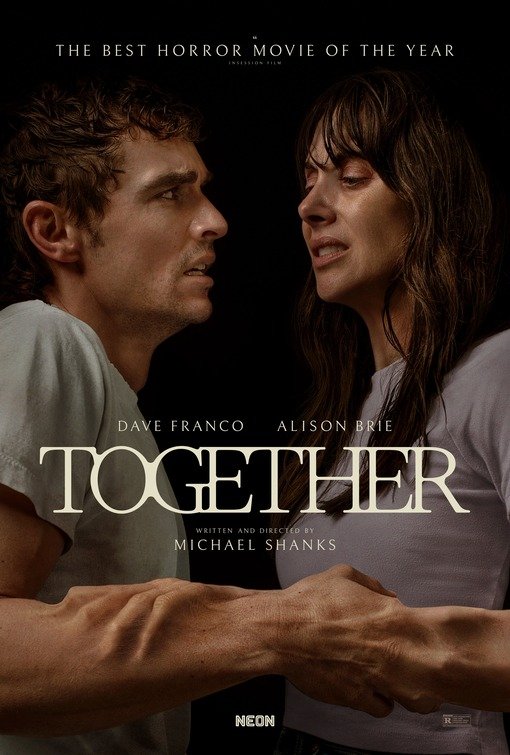
So I went to the movies today. I didn't get to go over the weekend, but hanging out at the theatre has become my new "thing", so off to the movies I went. There weren't a lot of movies playing at the time I was going that I wanted to see and hadn't watched yet, so I took a gamble on a horror film called *Together*.
I'm not the biggest fan of the genre, and based on the trailer, I honestly wasn't expecting too much.
What I got out of the film was a horror movie with a few creepy moments, one good scare, and a dude with a lot of issues navigating life and fighting a curse with his girlfriend.
The main characters of the film, Tim and Millie, weren't unlikable, but I didn't fall in love with them either. They were a couple that simply got caught up at the wrong place, at the wrong time, and things went left.
They didn't do anything necessarily bad. They didn't have horrible flaws that they needed to overcome in the film. They were just a couple living their lives, and unfortunately, they got mixed up in a supernatural curse or spell that made them act crazy and put them in some messed-up situations throughout the film.
And that's pretty much all there was to the movie...
The film does delve into Tim's backstory to some extent, which helps the viewer understand his struggles with mental health and how he handles situations more effectively. However, there are still aspects of the movie that didn't make sense to me. It felt like the biggest scare of the movie had nothing to do with the main plot. And the ending kinda sucked in my opinion.
I walked out of the theatre feeling that this was the most dissatisfying movie I've watched, either in or outside the theatre, all year. I felt like the story would have made for a good book, but it just didn't work for me as a film. It was a little creepy and had its strange things that happened during the movie, but there are a lot of jump scares in Together. It had other elements of entertainment. I laughed a few times and followed the story, but overall, the movie left a lot to be desired in my opinion.
Again, I'm not the biggest fan of the horror genre, so take everything I've said with a grain of salt. I watched the movie by myself, but it could still make for a cool date night movie for a young couple looking to get out. But overall, I'd rate the movie Together:
6.6/10
***
Lightning Affiliates
|
ZEEBEEDEE
|
AdSlice
|
Lolli
|
Bitrefill
|
|-------|-------|-------|-------|
| [](https://zbd.link/hcHi/invite?af_sub1=BJ50DK) | [](https://addslice.com/?crew=wH8X9) | [](https://www.lolli.com/mobile?ref=QJMFT2) | [](https://www.bitrefill.com/signup?code=o59oaj8c) |
What does it take to rebuild your life when the world is determined to break you? That was the question that drew me to The Rising of the Shield Hero. I had heard murmurs about the anime—how it wasn't your typical isekai with a power fantasy leading the charge. Instead, I kept hearing one word repeatedly: raw. That curiosity, mixed with a love for stories where protagonists rise from rock bottom, prompted me to give it a try. And let me tell you—once I started, I couldn't stop.
Since the very first episode, you are introduced to the world that appears to be familiar to you four heroes are called to rescue a kingdom on the edge of an impending disaster. Both of them are wielding a mythical weapon. The Sword. The Spear. The Bow. And then, … the Shield. Naofumi Iwatani, our hero, is the carrier of that latter one, the Shield Hero. His weapon is defensive unlike the others. At first a minor detail, though one that will lead into a deeper development of the series focusing on vulnerability, isolation, and personal strength.
At the beginning of the story, Naofumi shares the experience of his other heroes. He gets acclaimed, welcomed and is celebrated. However, the honeymoon is not long. In one of the most ironic turns that makes my chest still tight, he is wrongly accused of a gruesome crime. In a single night, the kingdom rebels against him. His status is ruined. Those who called him are treating him like a scum. And there, too, the story of The Rising of the Shield Hero really starts, not as a story of fame but as a story of salvation.
It is after that initial act of betrayal that everything takes its tone. What I liked the best is that the anime did not hurry his recovery. The story of Naofumi resorting to bitterness was believable. He gets cold, cynic and defensive. Who would not? The world spit in his face, and he made a choice of survival. Yet the series is glorious in his struggle to gain back his purpose, his gradual crawl back up from hate and distrust.
In walks Raphtalia, the demi-human slave girl that he buys unwillingly to help him on his way. And here is when the show makes its initial emotional jump. Raphtalia is not only a side character but the heart of the series. It is an inspirational experience to see her develop as a young girl who shakes in her boots to a fierce and loyal warrior. Naofumi gradually begins to regain trust, through her. Their relationship has been created not out of convenience but out of pain and respect of one another. When they were in one of their first scenes, I recall thinking: This is not just an adventure story. This is the matter of recovery.
Another thing that impressed me is the way The Rising of the Shield Hero subverts the story of heroism. Naofumi does not possess the incredible power of the attack. He does not receive praise or love. His journey is that of determination, tact and the emotional effort of pardoning a world that hurt him. I developed a fondness to him not because he was strong, but because he was tough. He defended others despite the fact that no one defended him. And that struck me more than any excessive fight scene.
Naturally, the show is not short of exciting action. The combat scenes are animated, and they become exciting as Naofumi unlocks new shield shapes and fights more dangerous enemies. However, the magic or monsters were not all that kept me hooked in the story, it was the emotional stakes. It was either dealing with another wave of annihilation or rising against corrupted nobility, but every time Naofumi was challenged, the more determined he became. He was not only fighting against the enemies, but also fighting to have his own identity.
The other notable aspect is the stratified world-building. Melromarc is not merely a fantasy setting, but a character in its own right with politics, prejudice and secrets. The other heroes, especially the Spear Hero, are foils to Naofumi, with them engaging in stupid decisions or just going along with the status quo. They are so arrogant that it reflects the humility of Naofumi who is hard-earned by suffering. These differences enrich the plot and make us understand that strength is not the number of punches that you can deliver, it is the number of punches you can take when no one is on your side.
Another thought that this anime brought back to me was rather personal how people survive through betrayal. The experience of Naofumi is similar to what happens in the real world when one has lost faith. That frigid impression of loneliness. The lure of closing the doors on everyone. And yet--the strength of the inward pathways of returning. The Rising of the Shield Hero made me remember that, regardless of the world declaring someone a villain, he or she still has the choice of being who he or she is.
By the end of the first season when everything came to a climax, I was emotionally attached to all the characters. I felt catharsis both in Naofumi and on our part, the viewers, when he confronted the royal family and the lies against him were revealed in front of everyone. Justice was done not in a dramatic moment, but in a gradual, agonizing process that it felt deserved. That is what makes this anime so true to life to a point that redemption is not given to you. It is struggled over.
Even the soundtrack is worth being mentioned. The eerie music and battle motifs nail the emotional heft of the scenes down. And the animation, as well, though not flawless, is done when it is most important the battles and emotional scenes.
In the end, The Rising of the Shield Hero is more than just a revenge story. It’s a narrative about reclaiming your worth. About building family not from blood, but from trust. About choosing to protect a world that turned its back on you because that’s who you are, even if no one else sees it yet.
Would I recommend it? Absolutely. If you’re looking for an anime that blends action, emotion, and thought-provoking themes, this is it. Come for the fantasy but stay for the journey of a man learning to believe in himself again.
And perhaps, like me, you’ll walk away not just entertained but moved.
Thumbnail is designed by me on pixelLab and other images are screenshot from the movie
¡Hola comunidad fan de las películas! Hoy me paso por aquí para recomendarles esta serie de época que está genial, es la mejor que he visto hasta ahora, ya que se representan muy bien las costumbres de la época. Este detalle para mí es muy importante porque estoy cansada de ver muchas series y películas que terminan resultando poco realistas al incorporar elementos de diferentes épocas o incluso actuales. Aquí les dejo una sinopsis y mi opinión:
Hello movie fan community! Today I'm dropping by to recommend you this period series that is great, it's the best I've seen so far, as the customs of the time are represented very well. This detail for me is very important because I'm tired of seeing many series and movies that end up being unrealistic by incorporating elements of different times or even current. Here is a synopsis and my opinion:
Downton Abbey es una serie británica dramática, producida por Carnival Films y Masterpiece. Creada y escrita principalmente por el escritor Julian Fellowes, se estrenó en septiembre de 2010.
Downton Abbey is a British drama series, produced by Carnival Films and Masterpiece. Created and written primarily by writer Julian Fellowes, it premiered in September 2010.
La serie transcurre en el condado inglés de Yorkshire, en la country house de Downton, describiendo la vida de la familia aristocrática Crawley y sus sirvientes entre 1912 y 1926, con los más importantes acontecimientos en la historia teniendo un efecto en sus vidas y en la jerarquía social británica. Tales sucesos, representados a lo largo de las temporadas, incluyen las noticias del hundimiento del Titanic en la primera temporada; el estallido de la Primera Guerra Mundial, la pandemia de gripe de 1918, y el Escándalo de Marconi en la segunda temporada; el periodo de entreguerras y la formación del Estado Libre Irlandés en la tercera temporada; y el Escándalo del Teapot Dome en la cuarta temporada.
The series is set in the English county of Yorkshire, at the country house of Downton, depicting the lives of the aristocratic Crawley family and their servants between 1912 and 1926, with major events in history having an effect on their lives and the British social hierarchy. Such events, depicted throughout the seasons, include news of the sinking of the Titanic in the first season; the outbreak of World War I, the 1918 flu pandemic, and the Marconi Scandal in the second season; the interwar period and the formation of the Irish Free State in the third season; and the Teapot Dome Scandal in the fourth season.
La serie es extraordinaria y de una calidad impecable, me encanta en especial que tomen en cuenta los hechos históricos de la época y cómo impacta en toda la familia y sus criados. También me pareció original, ya que antes no había visto una serie de época que relate con tanto detalle la vida de los criados y sus jerarquías. Además de exponer la relación que tienen estos con la familia. La cantidad de detalles es inmensa e enriquece la serie.
The series is extraordinary and of impeccable quality, I especially love that they take into account the historical facts of the time and how it impacts on the whole family and their servants. I also thought it was original, since I had not seen a period series that tells in such detail the life of the servants and their hierarchies. In addition to exposing the relationship they have with the family. The amount of detail is immense and enriches the series.
La trama comienza en 1912 en el condado de Downton, cuando el futuro heredero de la familia aristocrática Crawley muere en el hundimiento del Titanic. Todo este suceso desencadena un montón de complicaciones con respecto a la herencia, ya que el dueño de Downton Abbey sólo tiene tres hijas que, según la ley, no pueden heredar. Al conocer al nuevo heredero, un joven abogado de clase media-alta llamado Matthew Crawley, nacen los prejuicios y las dudas. Este vuelco de la fortuna no agrada a los miembros de la familia ni a los criados, en especial a la condesa viuda de Grantham, madre de Robert. Todo se complica cuando estos llegan a Downton Abbey, no están para nada familiarizados con las costumbres de la gran casa, que a veces les parece excéntrica, y les cuesta adaptarse. Entonces resurge la idea de un matrimonio entre él y la hija mayor, Lady Mary. Pero esta no quiere saber nada. Así comienza todo y se extiende por seis largas temporadas, que realmente vale la pena ver.
The plot begins in 1912 in Downton County, when the future heir of the aristocratic Crawley family dies in the sinking of the Titanic. This whole event triggers a lot of complications regarding the inheritance, since the owner of Downton Abbey has only three daughters who, according to the law, cannot inherit. Upon meeting the new heir, a young upper-middle-class lawyer named Matthew Crawley, prejudices and doubts are born. This reversal of fortune does not please the family members and servants, especially the Dowager Countess of Grantham, Robert's mother. Everything is complicated when they arrive at Downton Abbey, they are not at all familiar with the customs of the great house, which sometimes seems excentric, and they find it difficult to adapt. Then the idea of a marriage between him and the eldest daughter, Lady Mary, resurfaces. But she wants nothing to do with it. That's how it all begins and it goes on for six long seasons, which are really worth watching.
Los personajes están muy bien desarrollados y cada uno lleva en sus hombros una historia que es presentada de manera detallada e interesante, por lo que es muy fácil empatisar con ellos. La forma en que evolucionan en el tiempo, dentro o fuera de la casa, es magnífica y te deja con la boca abierta. Me cuenta mucho elegir cuáles más me han gustado, ya que todos son muy complejos y variados. Las actuaciones, extraordinarias, no tengo nada que decir. Entre la rigidez del señor Carzon, mayordomo de la casa, la inflexible ama de llaves, la señora Hughes dulzura, la dulzura de Ana, criada principal, y las conspiraciones de Thomas y Sara, doncella personal de Lady Grantham, te llevan a familiarizarte con su estilo de vida, los sueños y los pecados de los criados. Hay muchos más, pero si tendría que hablar de cada uno no terminaría más. El que más me gustó es Ana Smith por su increíble capacidad de comprensión y por su relación con Lady Mary, que va más allá de la relación ama-sirvienta. Personaje que pasa por muchas cosas y que es hermoso. Entre los dueños de casa tenemos a las tres hermanas, cada una con su carácter y sus sueños. Mary se fastidia cuando todos quieren casarla con el nuevo heredero y siente aversión por él. Edith, siempre a la sombra de su hermana mayor, tiene una rivalidad muy grande con ella desde que se enamora del prometido de su hermana. Sybil es la más sensible y dulce de todas, pero provocará situaciones que pondrán a prueba los paradigmas de la vida tradicional familiar. El padre, vive por su patrimonio y por la casa que no desea perder, hará lo que sea para mantener todo junto. Y la madre, preocupada por el patrimonio y por no haber tenido un hijo varón, hará lo posible para casar a su hija mayor con el nuevo heredero. A mí el personaje que más me gusta es el de la abuela, la condesa de Grantham, mujer inflexible que tiene en mucho valor las tradiciones familiares y sus costumbres. Es un personaje interesante y extraordinariamente complejo.
The characters are very well developed and each one carries on their shoulders a history that is presented in a detailed and interesting way, making it very easy to empathize with them. The way they evolve over time, in or out of the house, is magnificent and leaves you with your mouth open. It is very hard for me to choose which ones I liked the most, as they are all very complex and varied. The performances, extraordinary, I have nothing to say. Between the rigidity of Mr. Carzon, butler of the house, the inflexible housekeeper, Mrs. Hughes sweetness, the sweetness of Anne, head maid, and the conspiracies of Thomas and Sara, Lady Grantham's personal maid, you become familiar with their lifestyle, dreams and sins of the servants. There are many more, but if I had to talk about each one I wouldn't finish. The one I liked the most is Ana Smith for her incredible capacity for understanding and for her relationship with Lady Mary, which goes beyond the mistress-servant relationship. A character that goes through many things and is beautiful. Among the householders we have the three sisters, each with her character and her dreams. Mary is annoyed when everyone wants to marry her to the new heir and she dislikes him. Edith, always in the shadow of her older sister, has a great rivalry with her since she falls in love with her sister's fiancé. Sybil is the most sensitive and sweetest of them all, but she will provoke situations that will test the paradigms of traditional family life. The father, living for his patrimony and for the house he does not want to lose, will do anything to keep everything together. And the mother, worried about the estate and not having a son, will do whatever she can to marry her eldest daughter to the new heir. The character I like the most is the grandmother, the Countess of Grantham, an inflexible woman who values the family members' traditions and customs. She is an interesting and extraordinarily complex character.
Si te gustan las series de época y nunca la viste, ¿qué estás esperando? No te la podés perder. Aclaro que no es una serie romántica, sino dramática e histórica, va más allá de toda clasificación.
If you like period series and you have never seen it, what are you waiting for? You can't miss it. I clarify that it is not a romantic series, but dramatic and historical, it goes beyond any classification.
Créditos: los detalles de la serie y su estreno los obtuve de https://es.wikipedia.org/wiki/Downton_Abbey. Utilicé el traductor https://www.deepl.com/es/translator.

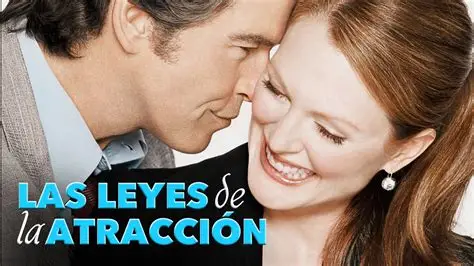
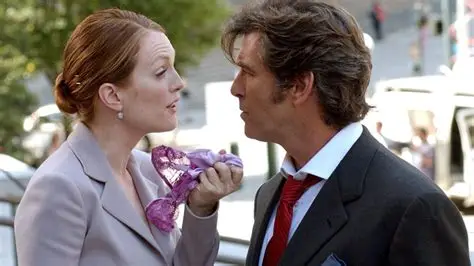










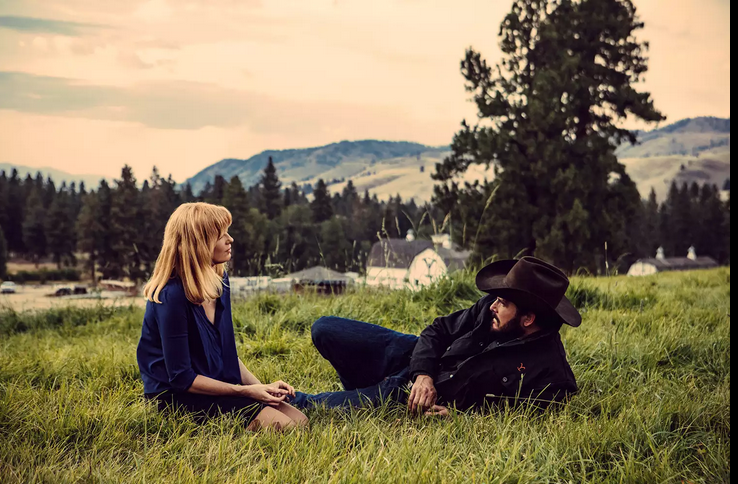

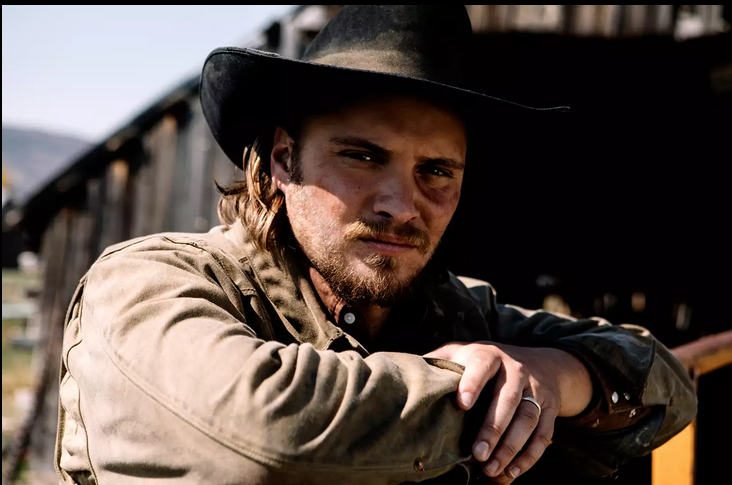
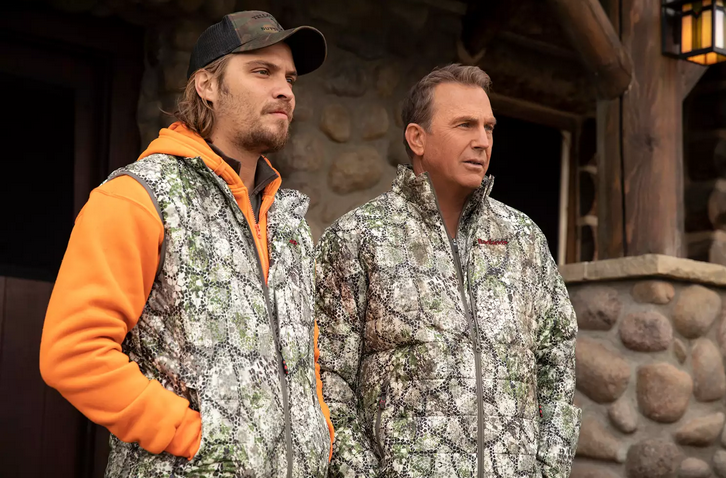


 [Source](https://screenrant.com)
 [Source](https://screenrant.com)
 [Source](https://screenrant.com)
 [Source](https://screenrant.com)
 [Source](https://screenrant.com)





 Next we had the antagonist Wulf being insufferable, he was like a child throwing a tantrum and it's a disgrace to all revenge filled antagonists everywhere. He was written to seem revenge crazed and willing to do anything to gain vengeance.
Yet all he managed to be was a major annoyance, insufferable to both the characters and the viewers (me) alike.
Next we had the antagonist Wulf being insufferable, he was like a child throwing a tantrum and it's a disgrace to all revenge filled antagonists everywhere. He was written to seem revenge crazed and willing to do anything to gain vengeance.
Yet all he managed to be was a major annoyance, insufferable to both the characters and the viewers (me) alike.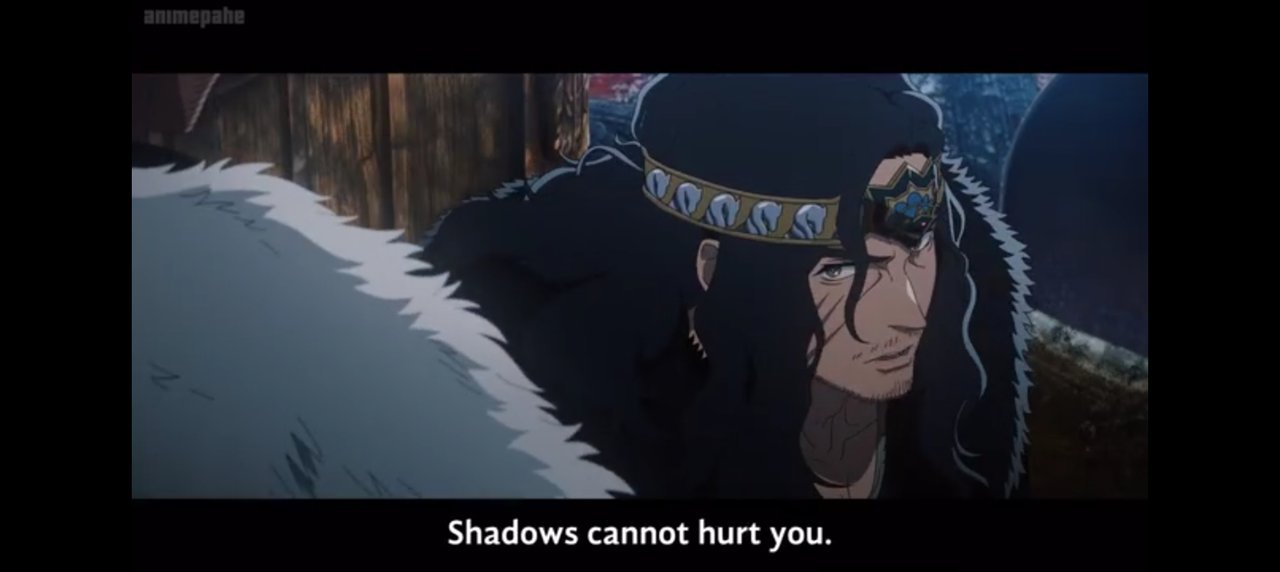



 My
My